MPB Meets: Unit Stills Photographer Rob Youngson
Published 8 February 2022 by MPB
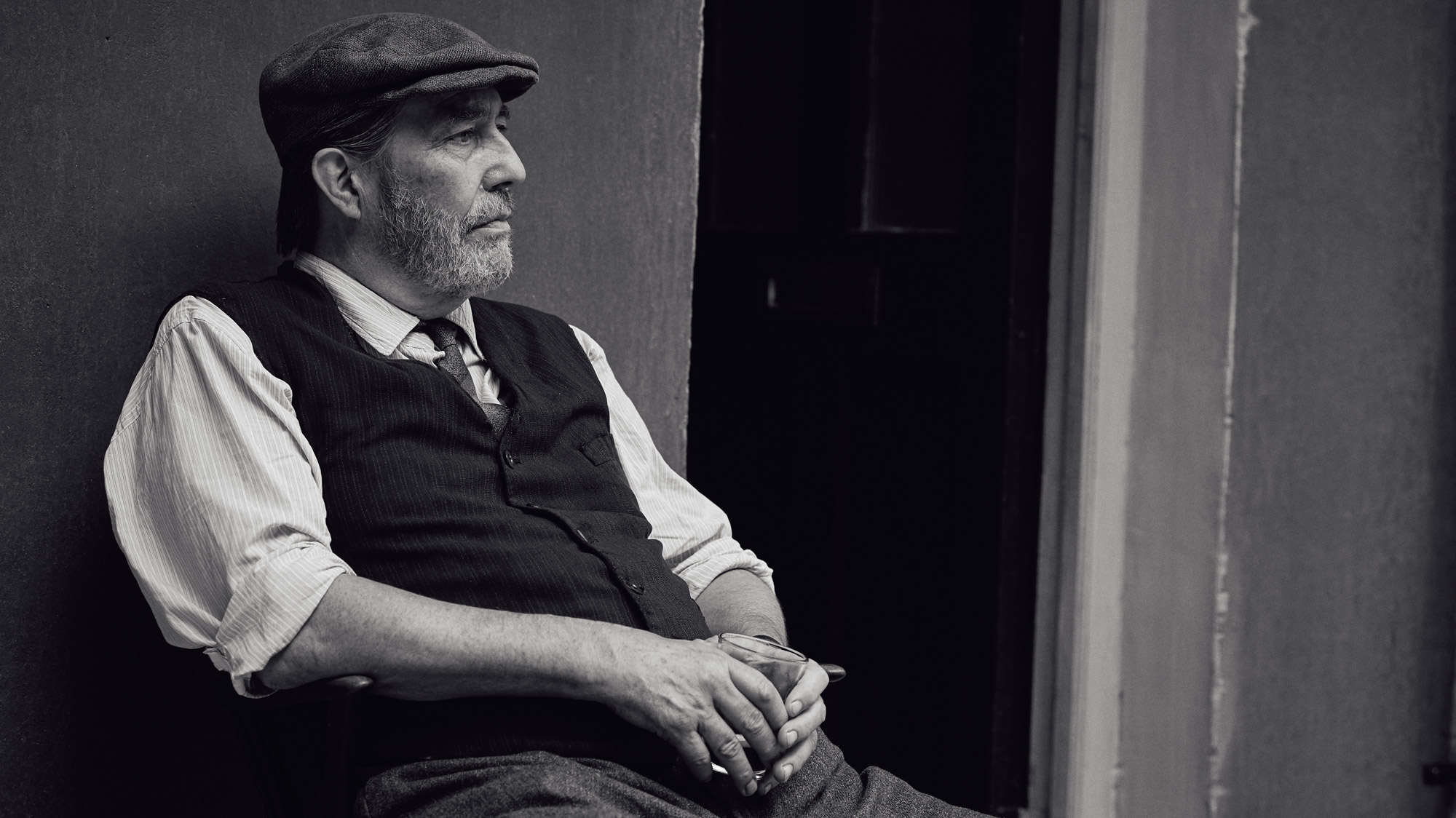
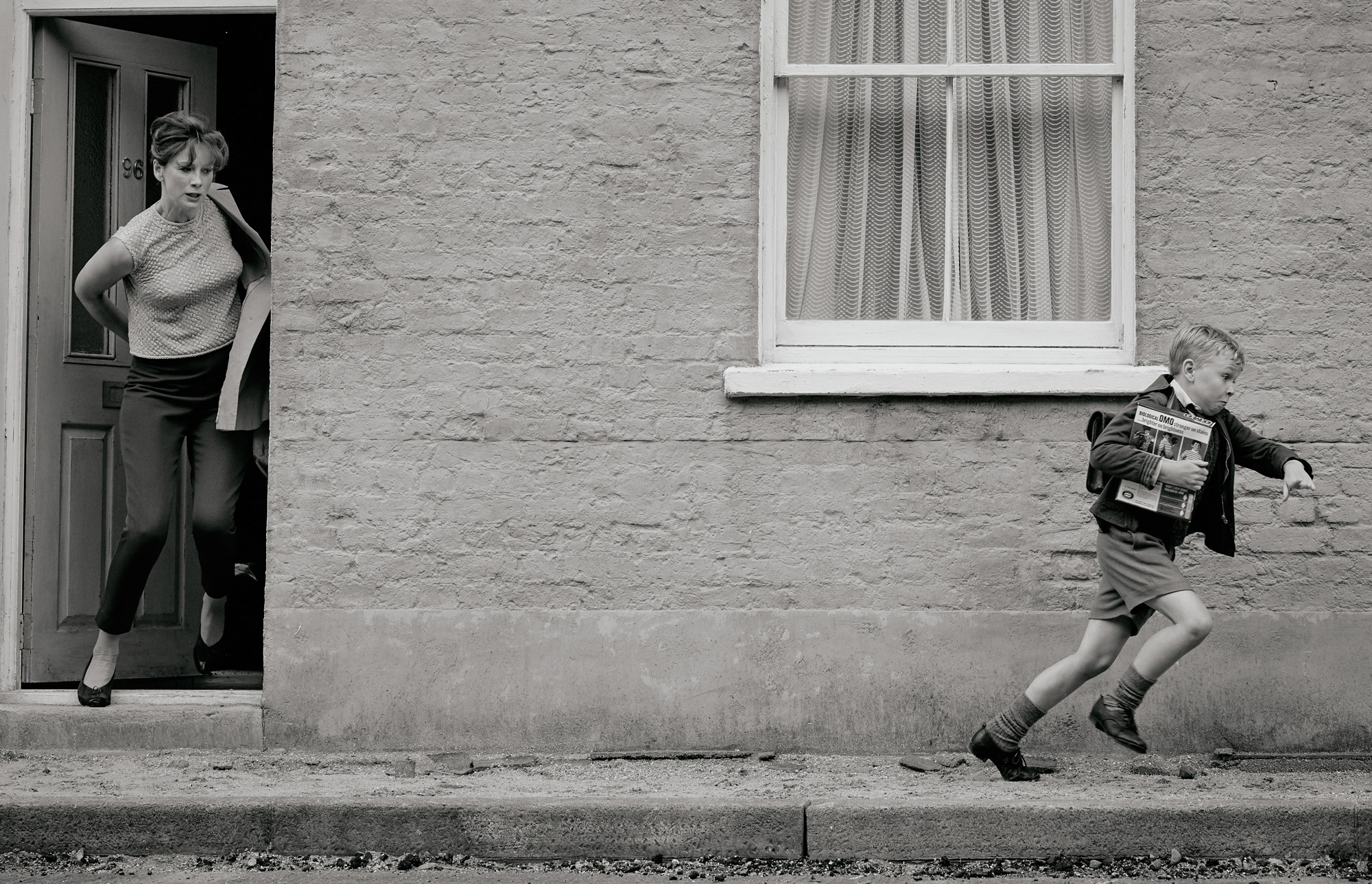
Written and directed by Kenneth Branagh, Belfast features stars including Dame Judi Dench and Jamie Dornan. We caught up with Rob Youngson, who worked as the unit stills photographer for the multi Oscar-nominated film, including best picture. In this interview, Rob tells us about his on-set experience and shares his advice for aspiring film still photographers.
MPB: Could you tell us more about yourself and your creative background?
RY: I found photography as a teenager. I was hooked the moment I realised that a photo pass meant getting into gigs for free. University followed, where I studied lighting design for theatre. Modules covered art history, colour theory and how light can help tell stories. Useful stuff for a future photographer.
Rob Youngson/Focus Features
I realise now, how privileged I was to grow up in a home where my curiosity was encouraged. And a home that had cameras for me to pick up and use. I started on digital, I think it was a 1-megapixel Pentax. My photography practice took its biggest leap forward when I learned how to shoot on film in my early twenties. I went freelance as a unit stills photographer over five years ago. Before that, I worked in camera rentals. The job entailed cleaning filters and lenses, formatting cards and loading vans. It was like finishing school for being in the film industry. I learnt the kit, met great cinematographers and managed to get on set. I used my leave to work on short films and build my portfolio.
MPB: What advice would you have for aspiring film stills photographers? What makes a great film stills photographer?
RY: There are so many great stills photographers that I look up to. People such as Niko Tavernise @nikotavernise or Kimberley French @kimberleyfrench. They consistently take images that convey both emotion and story. These images almost always have a clear point of tension, be it between two actors or between the actor and their surroundings.
Rob Youngson/Focus Features
For aspiring film stills photographers, know that there’s not one route into this career. That's a strength. Every photographer has a different story. Don’t read about my journey, and think that because your starting place is different, it isn’t an achievable goal. It can be. To do well in this job, you have to be able to read the mood in the room, to read people and leave your ego at the door. Film sets are time-pressured. Hundreds of people are working long hours to make everything work. Sometimes that means the photographer’s job is to know when to step back and give the crew and actors space. You should try to have the technical skills of photography down to second nature. That way, you can focus your energy on everything else.
Rob Youngson/Focus Features
My main piece of advice is to treat every job you do as though it’s your dream job, however small it seems. Arrive early, with charged batteries, formatted memory cards and waterproofs and then enjoy yourself! There’ll be hard days, but every so often I take a step back and realise I’m part of something bigger. Creating something that may move people that I will never meet. Be amazed by that fact, because it is amazing.
MPB: Could you give us an insight into the day in the life of a film stills photographer? Is it as glamorous as it looks?
RY: Glamour isn't the first word that comes to mind! British filmmaking is more likely to find me on a night shoot, up to my knees in mud, in the Essex estuary for eight hours at -5°C [23°F] . There are rare occasions when I end up in a hot country, being served brilliant local food, working with fantastic actors surrounded by gorgeous scenery—those days feel a little more glamorous. A few summers ago, in the UK, we had a scorching day whilst filming Blithe Spirit. The shoot was out on a river, and the crew all jumped in at lunch for a swim. Catering set up on the riverbank and served us a BBQ, that was pretty special—not glamorous per se, but memorable.
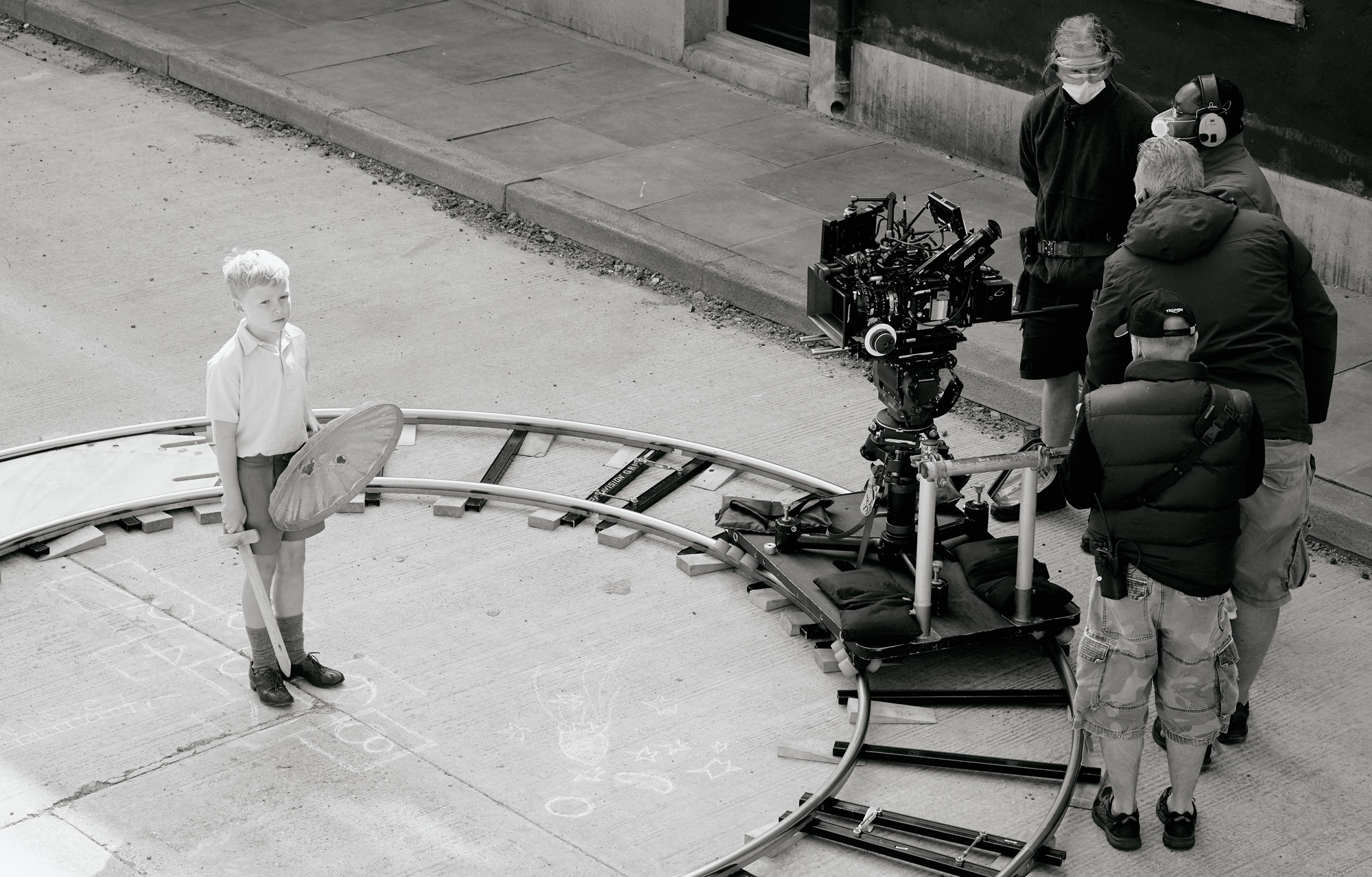
A typical day might start with an 08:00 call time. But it could be 05:00 or 21:00, depending on the day. Say it’s 08:00, I’d arrive at where we are filming at 07:15, park, grab some breakfast from catering and find a spot for my kit to safely live. Peli Cases are a must for me! I’ll introduce myself to the 1st AD, the boom operators and the 1st AC, among other key people I need to work with. I'll get my bearings on set, and the day begins. Actors rehearse with the director, 1st AD, cinematographer and script supervisor. Then there is a ‘crew show’, we get to see the action for that scene. Lighting and all the other departments get to work.
Rob Youngson/Focus Features
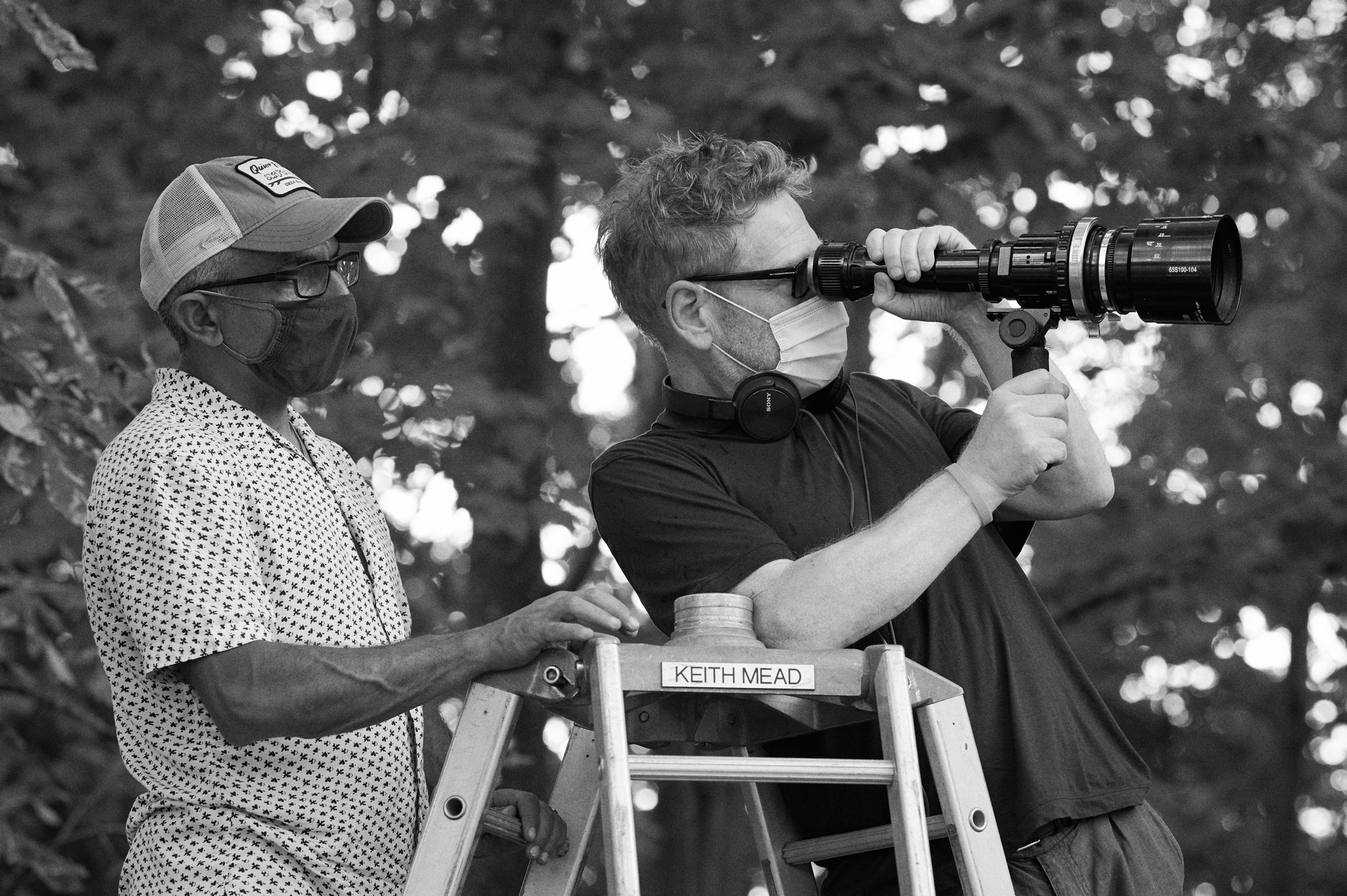
During takes, I’ll place myself out of the actor's eyelines, and out of the camera's line of sight. Sometimes, there’ll be three or more cameras shooting at once, which doesn't leave much choice as to where to go and may dictate much of the composition. I’ll shoot between takes as well. Photographing the sets, props and other details.
My day on set will finish around 19:30–19:00, and then I’ll get home or to where I’m staying and backup the images. On average, I’ll shoot between 400–600 images on a normal day, and 600+ on a day with stunts. I usually deliver between 150–250 images per day to publicity. I’ll straighten the horizon on images if necessary. Then I’ll pick my favourite 10–12 images to colour-grade properly and add those to a highlights folder.
Rob Youngson/Focus Features
MPB: What was in your kit bag for the Belfast shoot? What qualities are key for kit when shooting on a film set?
RY: On the set of Belfast, my kitbag consisted of a Nikon Z7 and Nikon Z6, four 128GB 440MB/s cards and Sony reader, ten spare batteries, plus two Nikon chargers, 70-200mm f/2.8 S lens, 24-70mm f/2.8G IF-ED with FTZ Adaptor, 24mm f/1.4 DG HSM with FTZ Adaptor, 85mm f/1.4G lens, 50mm f/2 Summicron Rigid with Z-mount adaptor (Non Apo), Hasselblad XPAN, Nikon FE2 with 50mm f/2.8, Nikon FM II with 28mm f/2.8, Gitzo GT3540LS, Spiderholster Twin system on a Panavision quick-release belt, NexttoDI NPS-10 Field Backup Drive, Peli 1535 and a Billingham 555.
The main quality an on-set camera needs is a silent shutter. A few years ago, before mirrorless cameras, I had to shoot with my DSLRs inside a foam and plastic case called a blimp to block out the sound of the shutter. I made my first blimp out of a small Peli Case, some foam and a remote shutter release. These were awkward and heavy. Having a silent shutter on mirrorless cameras makes life a lot easier. Banding and rolling shutter have been a problem until recently. The advent of the Nikon Z9 (read our Nikon Z9 review) and the top tier Sony E mirrorless has pretty much solved both problems. Using a camera for 10+ hours a day, ergonomics are critical. That’s one of the reasons I favour Nikon over Sony, the big grip, good buttons and a familiar menu system all appeal to me.
Rob Youngson/Focus Features
On Belfast, I shot on film as well. I was very kindly lent the Hasselblad XPan (read our top Hasselblad XPan alternatives) by Haris Zambarloukos, the cinematographer. It has hands-down the best metering of any analogue camera I have ever used. I loved the rangefinder experience as well. I’ve long equated having more megapixels with having to spend more on processing power and storage. In spite of this, I've come to love the Nikon Z7 (46.89 megapixels). I pair it with the 24mm f/1.4 lens and put it into crop mode when I need a 35mm field of view. That means I don’t have to change lenses as often between 24mm and 35mm, negating dust on the sensor. The full resolution of the Z7 is useful when needing to crop in post as well, for much the same reason. For any kit I plan to use on set, longevity and ruggedness are significant factors in a purchasing decision.
MPB: Take us behind the scenes on the shoot—how long was the shoot? Where was it filmed? The film deals with a sensitive time in Northern Ireland’s history but in a beautifully uplifting way, did that have an effect on the mood on the set?
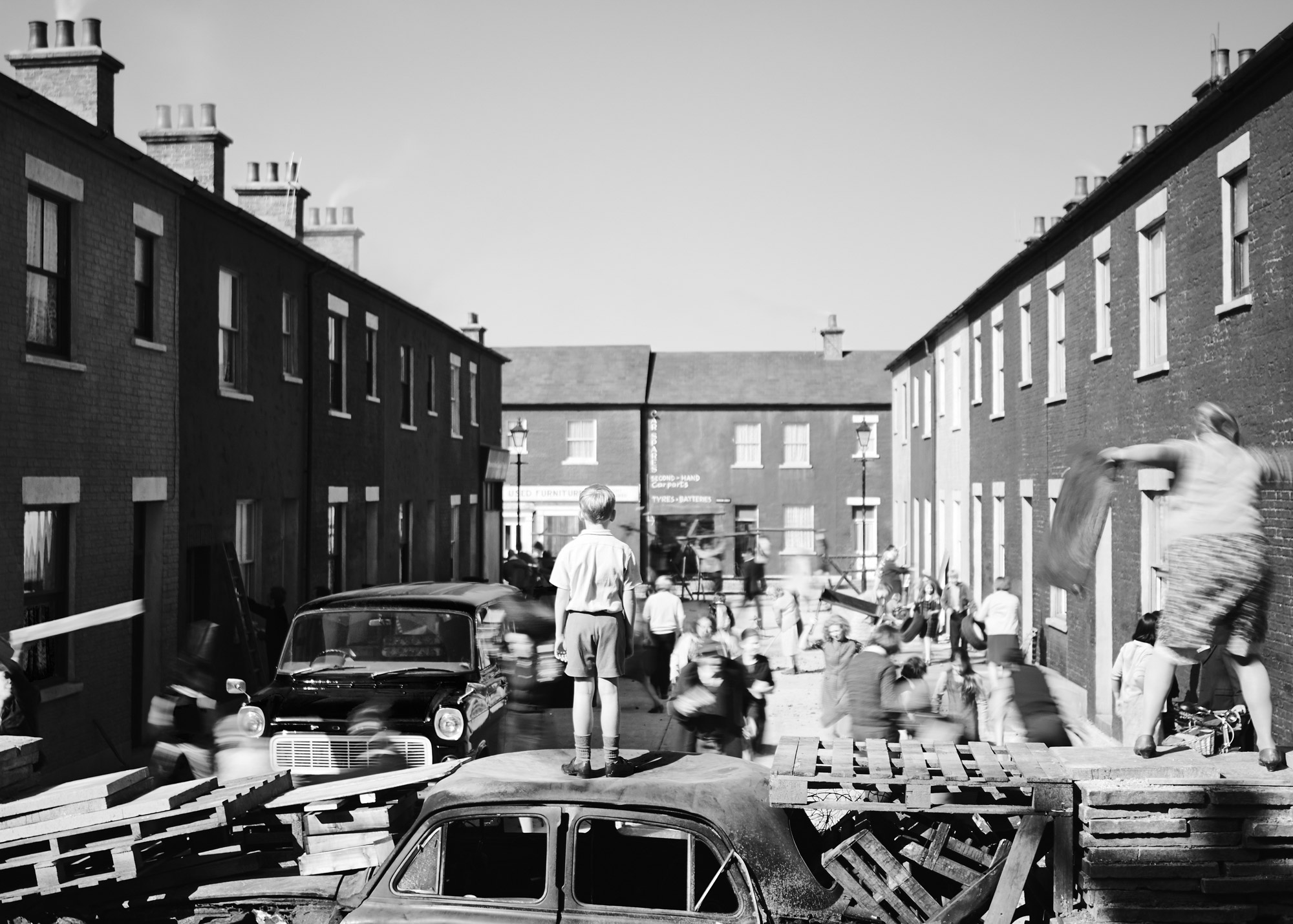
RY: The shoot was six weeks, in total. That’s short, a full-length feature is usually anything from 3–6+ months. A small film unit went to Belfast for a week of shooting exteriors. The rest of the film, all the acting, was filmed in Farnborough. Production designer Jim Clay led his team in a herculean effort to build beautiful sets, including a full-sized Belfast street.
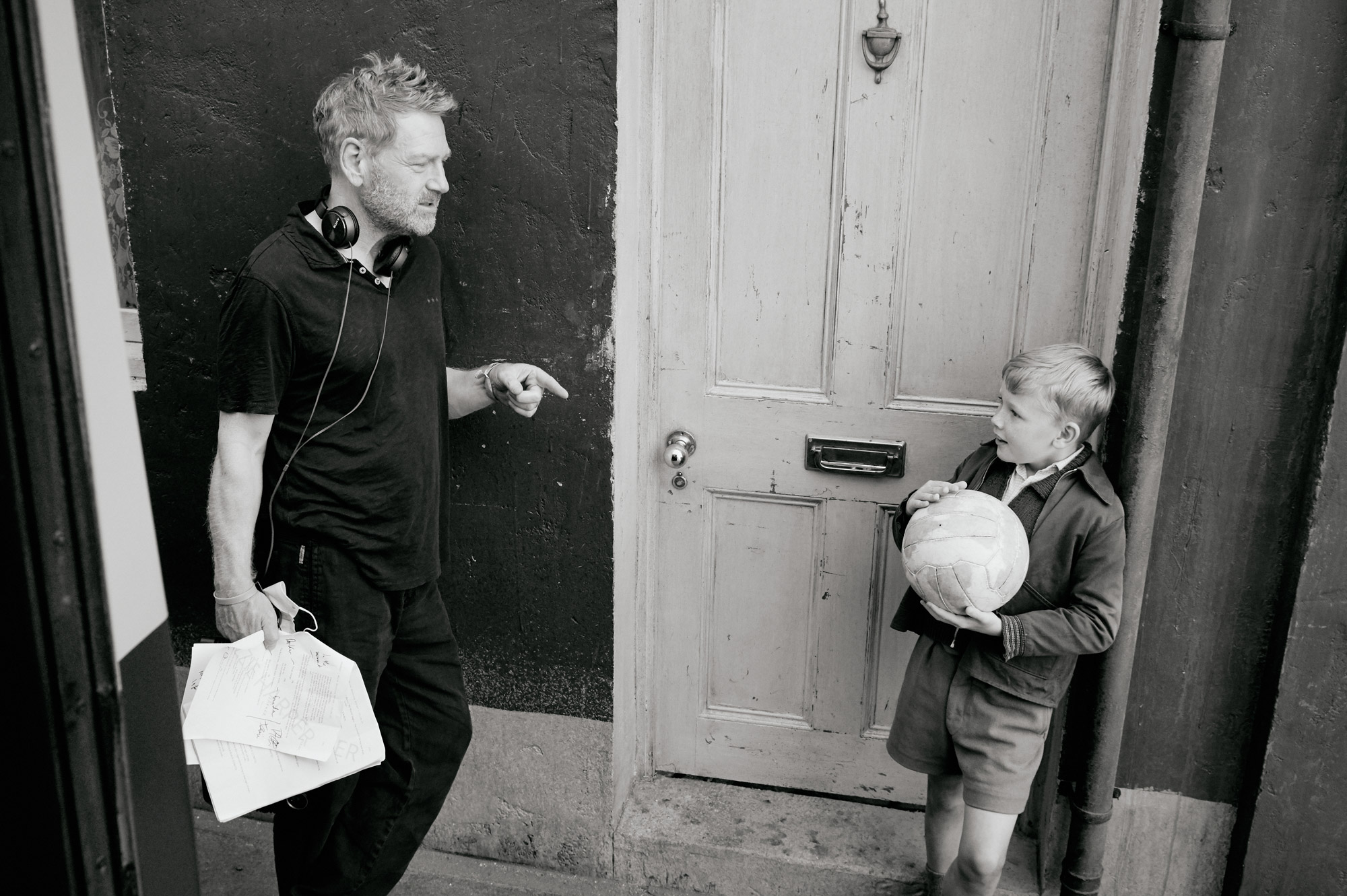
Kenneth Branagh wrote the film during the first lockdown. He has spoken about how the feeling of life turning upside that we all experienced in the first lockdown threw him back to what he felt as a nine-year-old boy when he first experienced violence in Belfast. There were moments that were difficult to watch. Certain scenes left the crew reeling and needing a moment. But those scenes were interspersed with scenes that show the Belfast sense of humour. A wit and levity that has come to define the place and the people.
Rob Youngson/Focus Features
I felt a responsibility to do the best work possible, to do justice to the real people we were representing. I took great inspiration from the Magnum photographer Phillip Jones Griffiths. His work in Northern Ireland helped highlight the absurdity of normal life continuing under a strong military presence. One well-publicised image of Phillip’s shows a woman mowing the front lawn, while a soldier lies in wait in the same garden. During filming, I was able to capture a couple of images I felt paid homage to his work. In one, I lined myself up to photograph a tank coming down the street, but through a child’s pram. A second was capturing the moment the soldiers in the street helped the family move a sofa into the house.
The first day on set was jubilant, most of us hadn’t worked since lockdown. We were PCR tested every day, wore masks and visors, hand-washing stations, one-way systems, temperature checks. There were big smiles behind the masks. Most of the team had worked together on previous films, so it was lovely to come together again. There was still a sense of focus and seriousness. We all had to be vigilant about COVID-19 to see this film through to completion, and we all had to pull off our best work. That atmosphere pushed me to create work I was proud of.
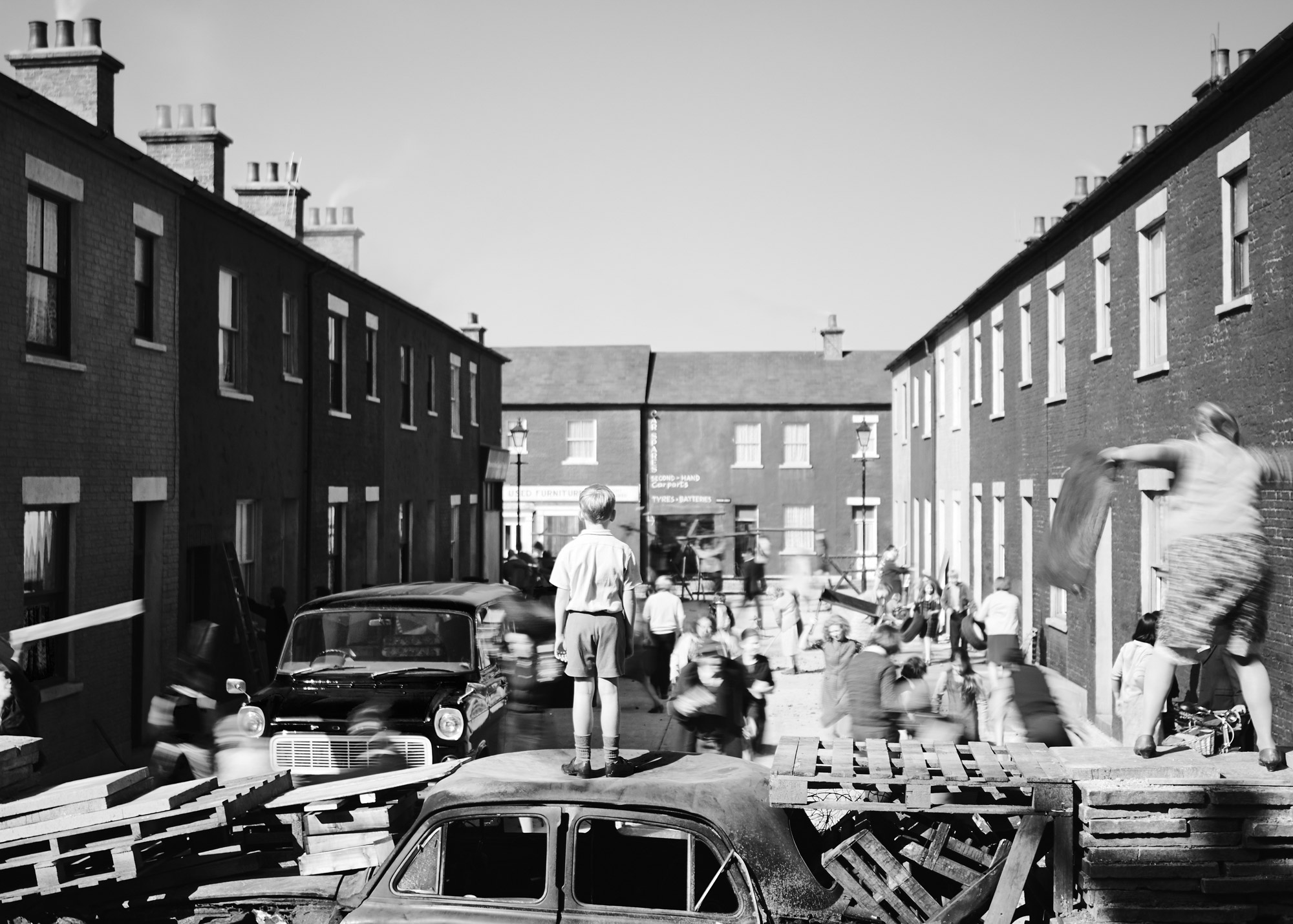
Rob Youngson/Focus Features
MPB: You’ve worked for some iconic clients, including Netflix, Fox and Disney. What projects were these? What advice would you have for getting noticed by such iconic brands?
RY: For Netflix, there is a new series coming out this spring called Heartstopper. Based on the graphic novels by Alice Oseman, Heartstopper tells the story of two boys who meet at a British grammar school and develop feelings for each other. What follows is a beautiful and thoughtful story of love, life, and friendship. For Fox, I shot stills for Death On The Nile, released in cinemas in the UK on February 11th. As the sequel to Murder on The Orient Express, it sees the return of Kenneth Branagh as Detective Hercule Point.
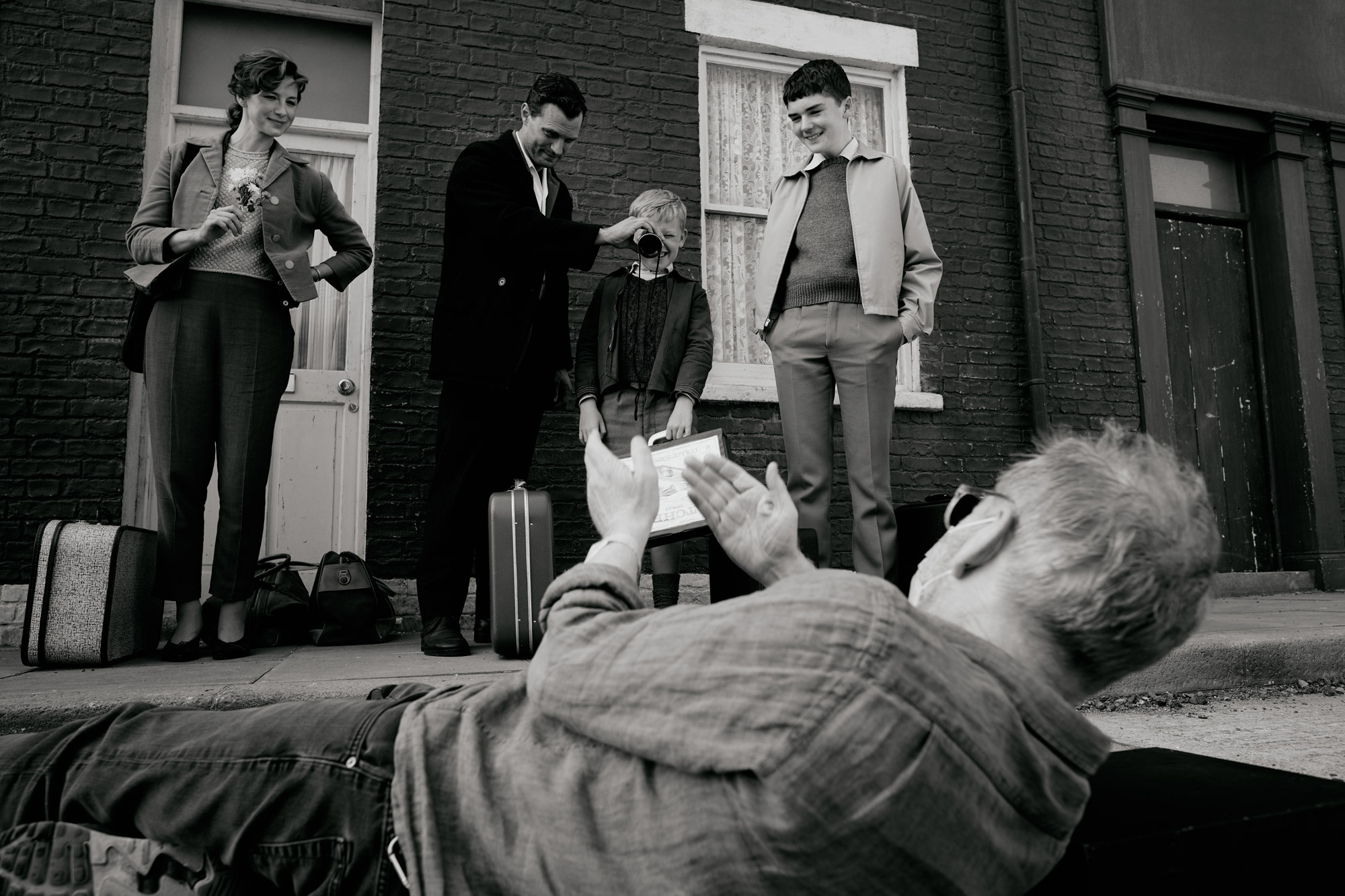
Rob Youngson/Focus Features
To be honest, the films I love working on the most are those with the best scripts, best casts and the loveliest crews. That might be for one of the big players, or it might be for a more indie company.
One of my favourite shows to work on last year was the UK adaptation of Call My Agent. That will be coming to your screens later in 2022.
My advice is to treat every job as though it’s important. Work on stories you believe in or with people you enjoy working with and persist. If you do that, and your work is good, then those brands will start to take notice.
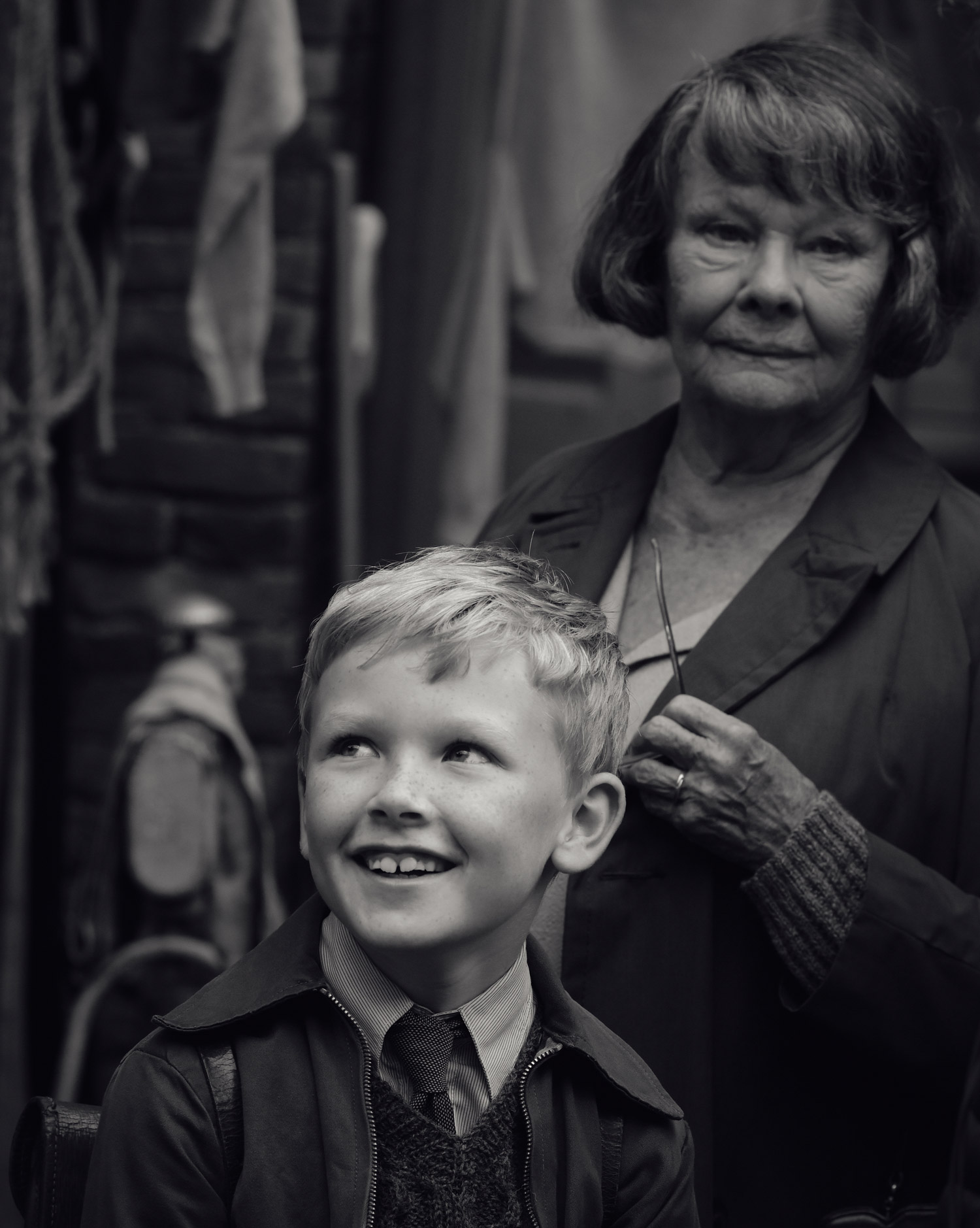
Rob Youngson/Focus Features
People are leaving film school right now with stories to tell but without big budgets. In a few years’ time, some of those people will be Oscar-nominated and making films for these big brands. Go and meet your people, talk about film, art, life, experience everything you can. Try not to see a freelance career as though it’s a ladder, there isn’t usually a linear progression. In my experience, what can at first seem a setback often opens out into an opportunity.
MPB: Your work is split between capturing shots to be used as promotional material and behind-the-scenes shots. Is there a type you prefer, and why?
RY: Interesting question—behind-the-scenes shots only make up 5–10% of what I shoot in a day. I love capturing unique images from behind-the-scenes; incredible sets or one-off prosthetics. Growing up, I watched the behind-the-scenes featurettes of The Lord of the Rings constantly. That first switched me on to the world behind the camera. I know that capturing the hard work of people behind the camera holds a certain fascination for many of us. In general, though, it’s the interaction between actors in a scene that tells the most compelling story as to why someone should go and see a film.
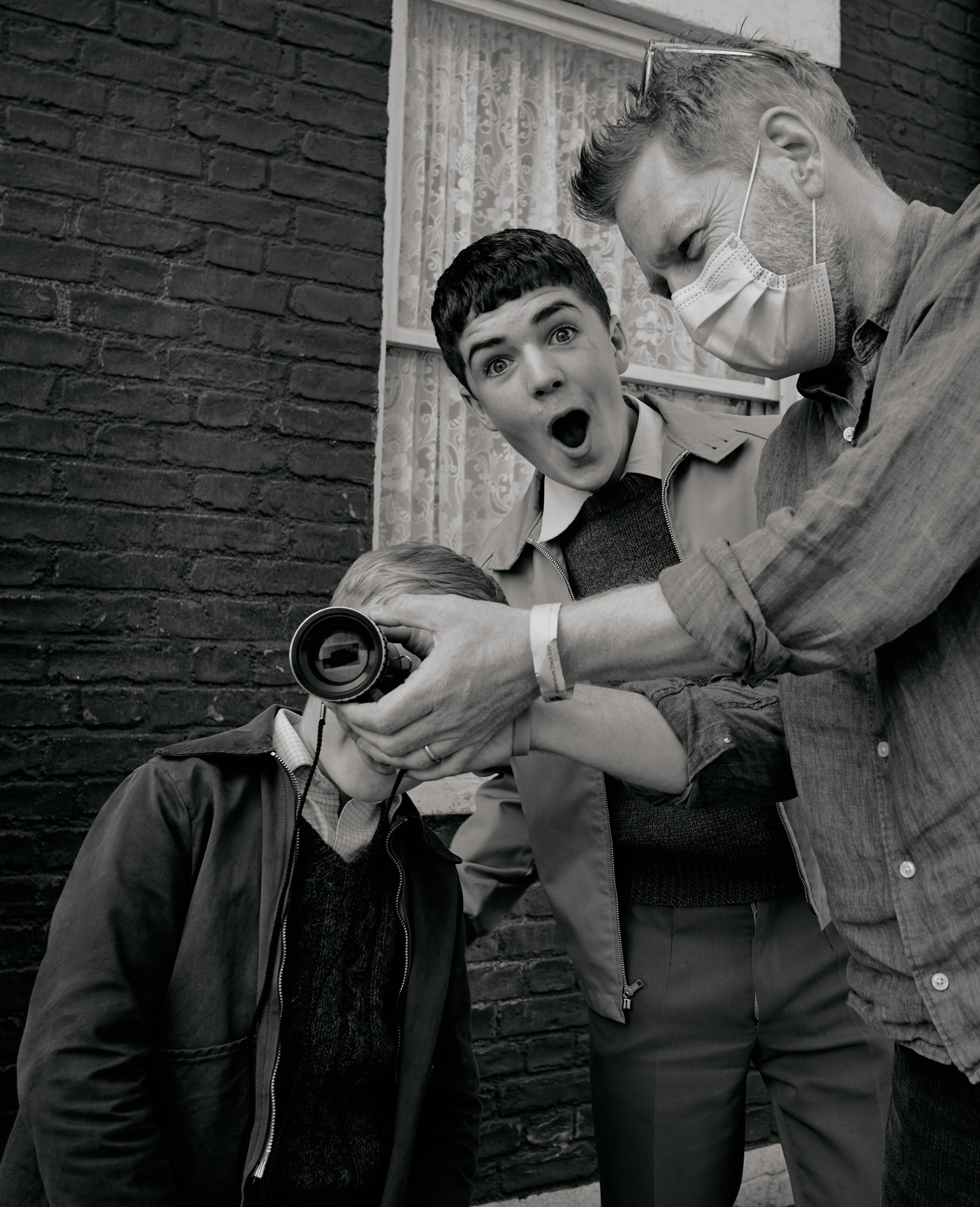
Rob Youngson/Focus Features
MPB: Belfast features some royalty of British cinema, including Jamie Dorran and Judi Dench, and is directed by Kenneth Branagh. What is it like to work with stars like these? Did you ever find it intimidating?
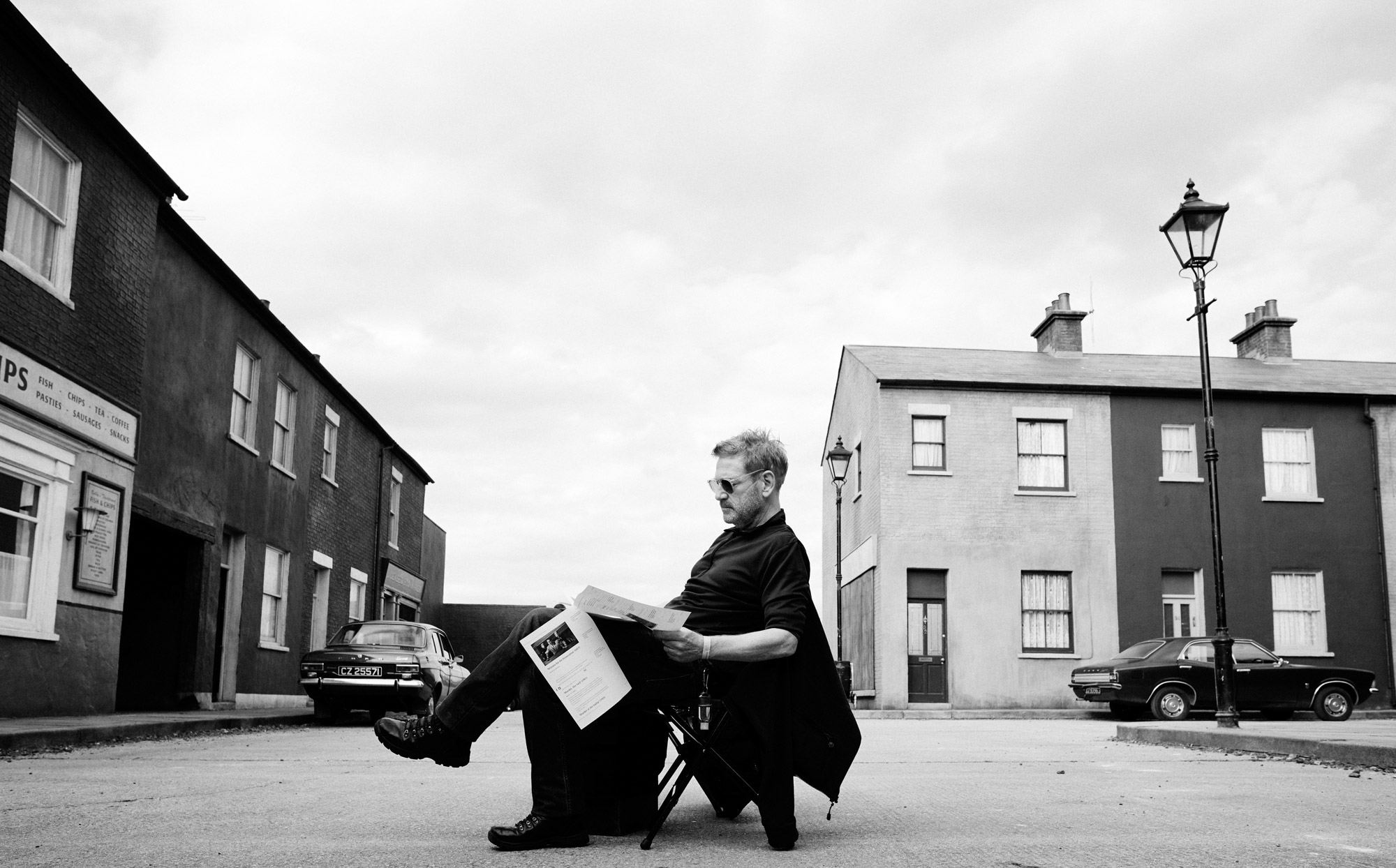
RY: An important part of my job is to not get starstruck. Or, at least, not change how I behave around people based on preconceptions of their celebrity. I'm privileged to work with these people, I have massive respect for their work. I’ve been lucky enough to work with Judi Dench several times now. Judi has a fervent wit and an effervescence, she is unlike anyone else I’ve ever met. The first time I worked with Judi, I thought “this is it, my career peaks here, I can’t beat this moment”. I found out, through good luck, that the only way to top that was to work with her again and again. Executing the images, I apply the same pressure to myself whoever is in front of the camera. It's important to respect the vulnerability that an actor has to go through to perform a scene. Watching Ken direct is a masterclass every single day. One of the greatest things about my job is being an observer. I love to see the ways in which different directors get the best from those around them. On Belfast, Ken worked with his long-term collaborator, cinematographer Haris Zambarloukos. They communicate with an effective shorthand that's built out of trust. They are also both very well researched before arriving to set. I hope I get to work with them again because there's still so much I have to learn.
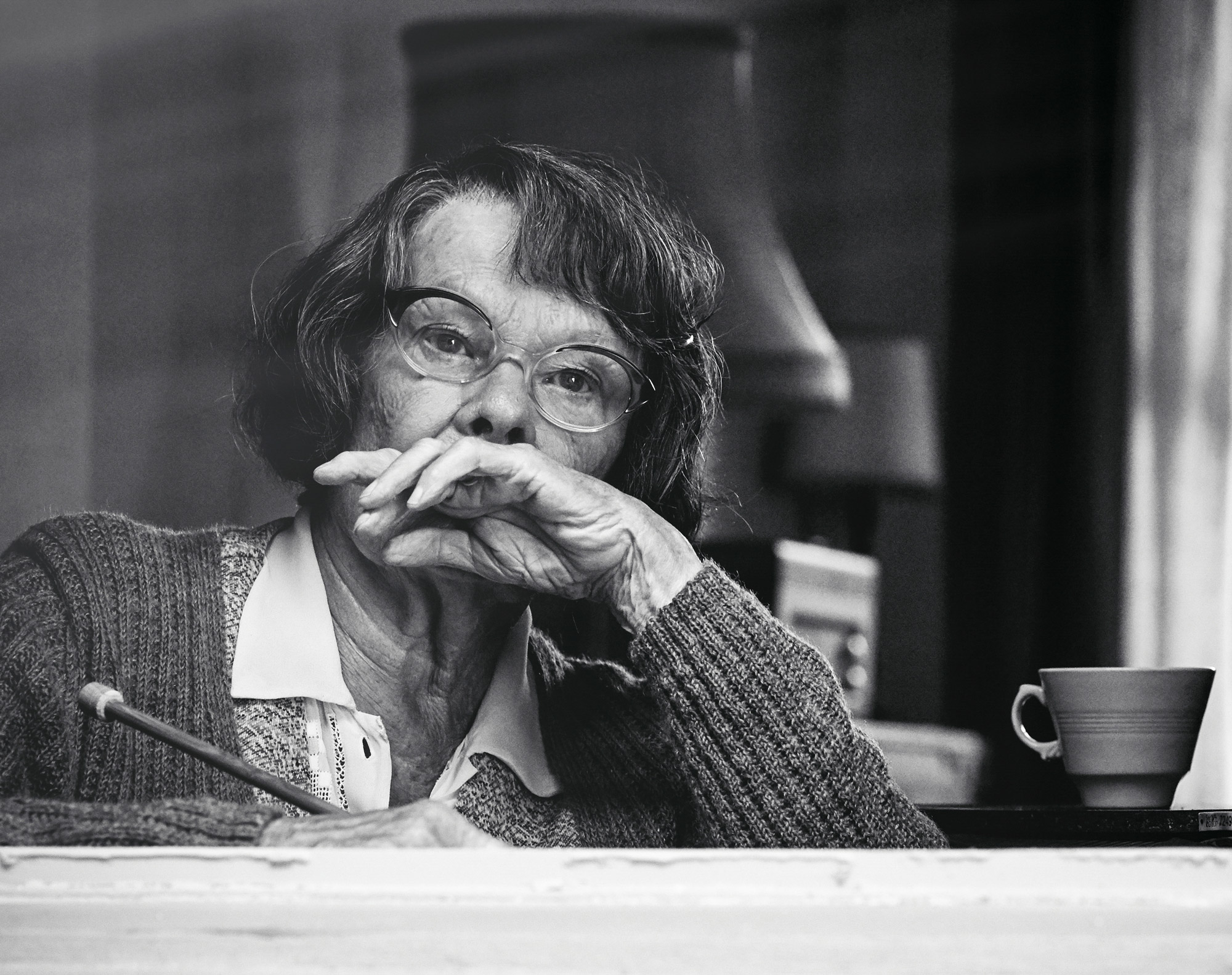
Rob Youngson/Focus Features
MPB: With the vast majority of the film being in black-and-white, it has meant your work has followed the same style. Are you pleased with the outcome?
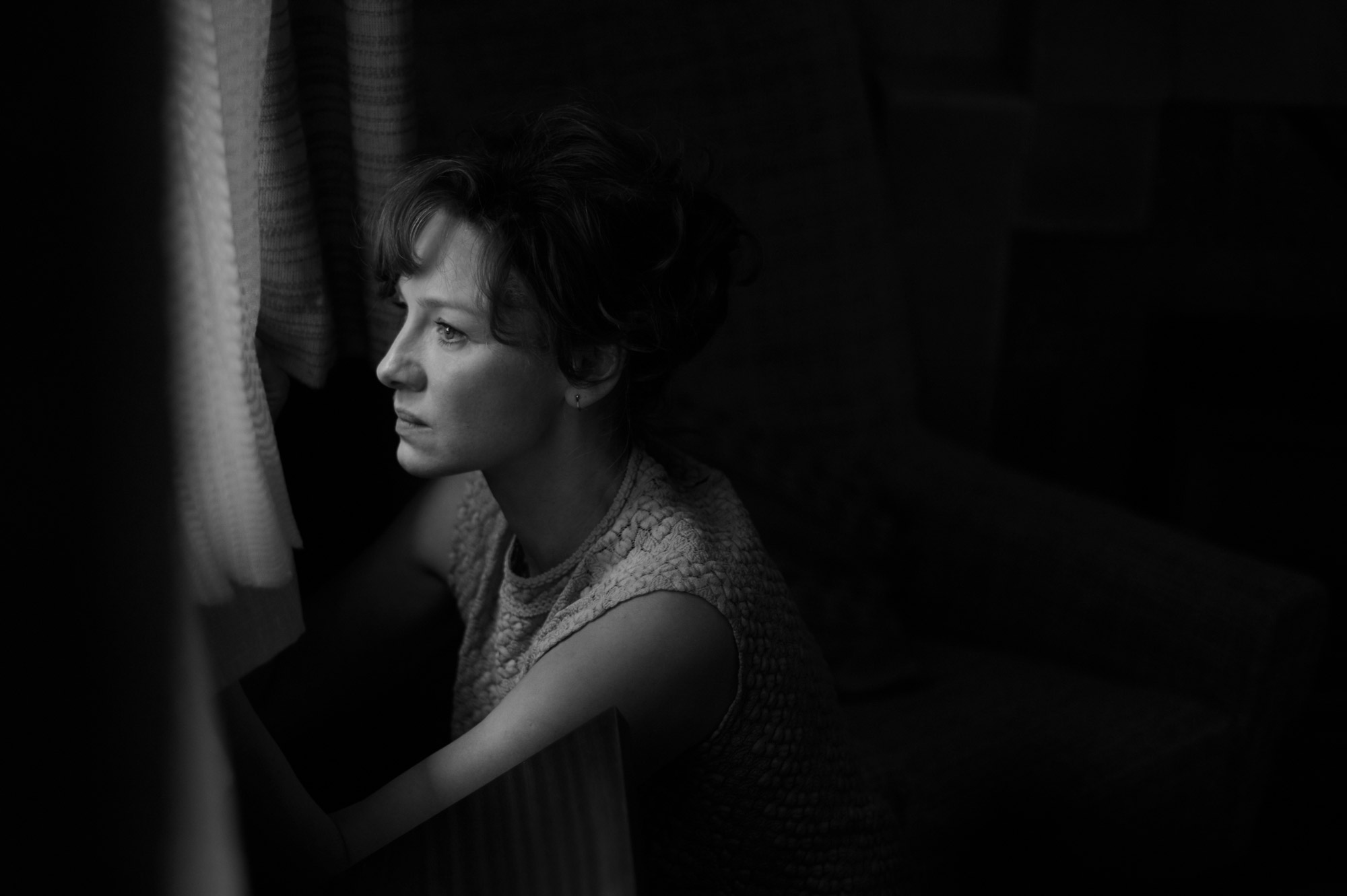
RY: I wish I could shoot in black-and-white more often! I love it. I shot rolls of Ilford FP4 and HP5 during the first week. I took scans of those images as references to create a series of presets/styles within capture one and within Nik Efex Silver Efex Pro 4. Likewise, I created a custom black and white preset in the Nikon Z6 and Z7 so that I could compose in the digital viewfinder in black and white—another win for mirrorless! I would drop in to the DIT on set to see screen grabs from the film. I’d be noting whether the shadows were going all the way to black, or whether the greys were more silver or flatter.
I shot everything in RAW, and I did a colour edit of all the images as well. The costumes and hair and makeup by Charlotte Walter and Wakana Yoshihara @wakana_yoshihara were incredible. The colours and textures translated beautifully to black-and-white. Though I hope that some more of the colour images might one day get released. If I did another project with a lot of black-and-white, then I’d consider hiring a Leica M Monochrom to see where that would take my work because I love rangefinders.
(Read more about exploring gray area with the Leica M Monochrom.)
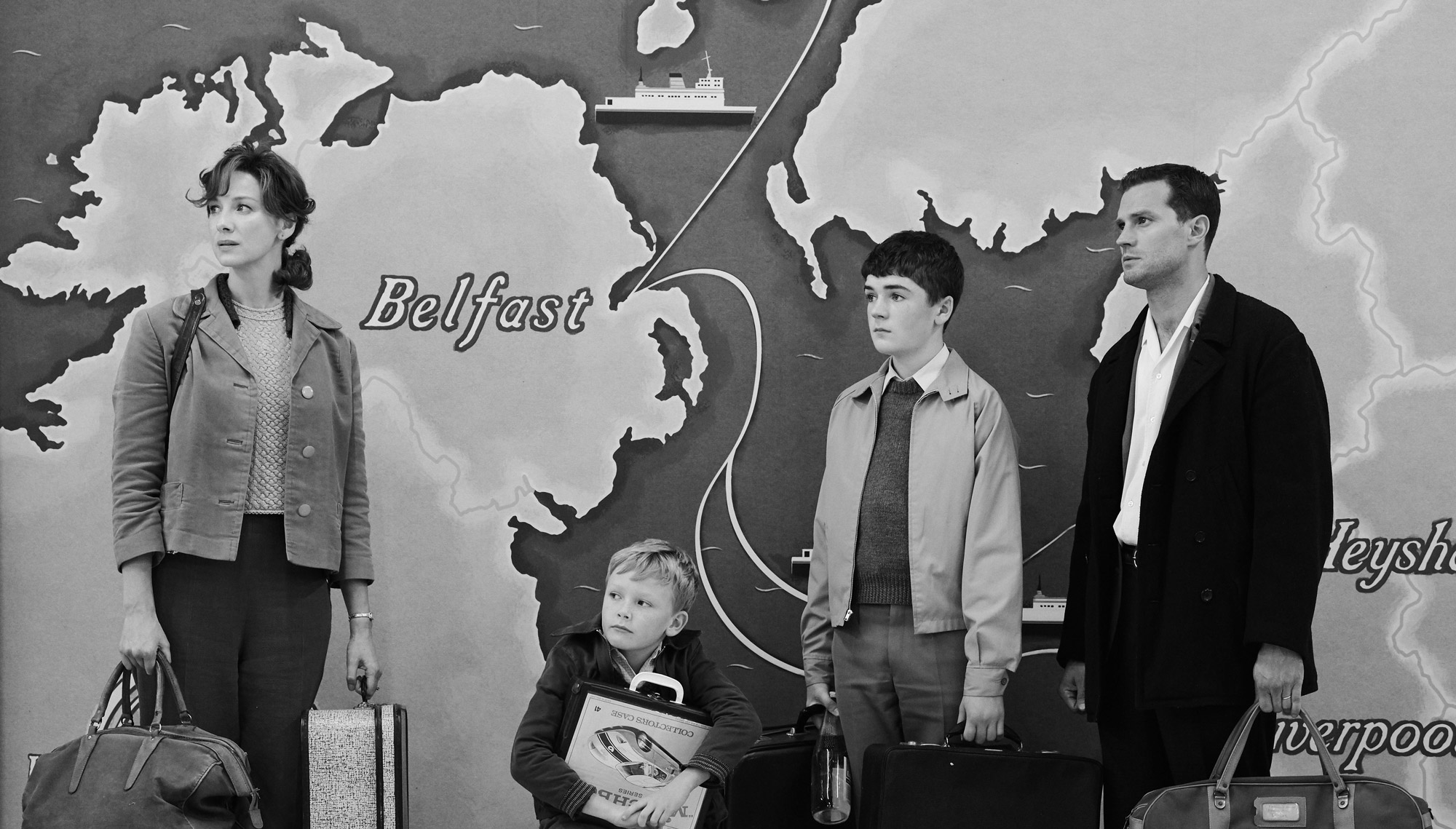
Rob Youngson/Focus Features
MPB: Working on a project this size means your work gets huge exposure, any film nominated for an Oscar becomes one of the most talked-about films of the year—what does it feel like to see your work on billboards or the side of buses?
RY: It’s remarkable. I always get a buzz from friends and family sending me pictures of themselves showing where in the world they are seeing my work. It’s special, knowing that for many people their first moment interacting with the story of Belfast, or any other project, is my work. That means I’ve done justice to the script and the film in helping bring an audience to it. Seeing a billboard or a magazine cover always reminds me how incredible the marketing teams are. The graphic designers, who take my images and elevate them into something more, definitely don’t get enough praise.
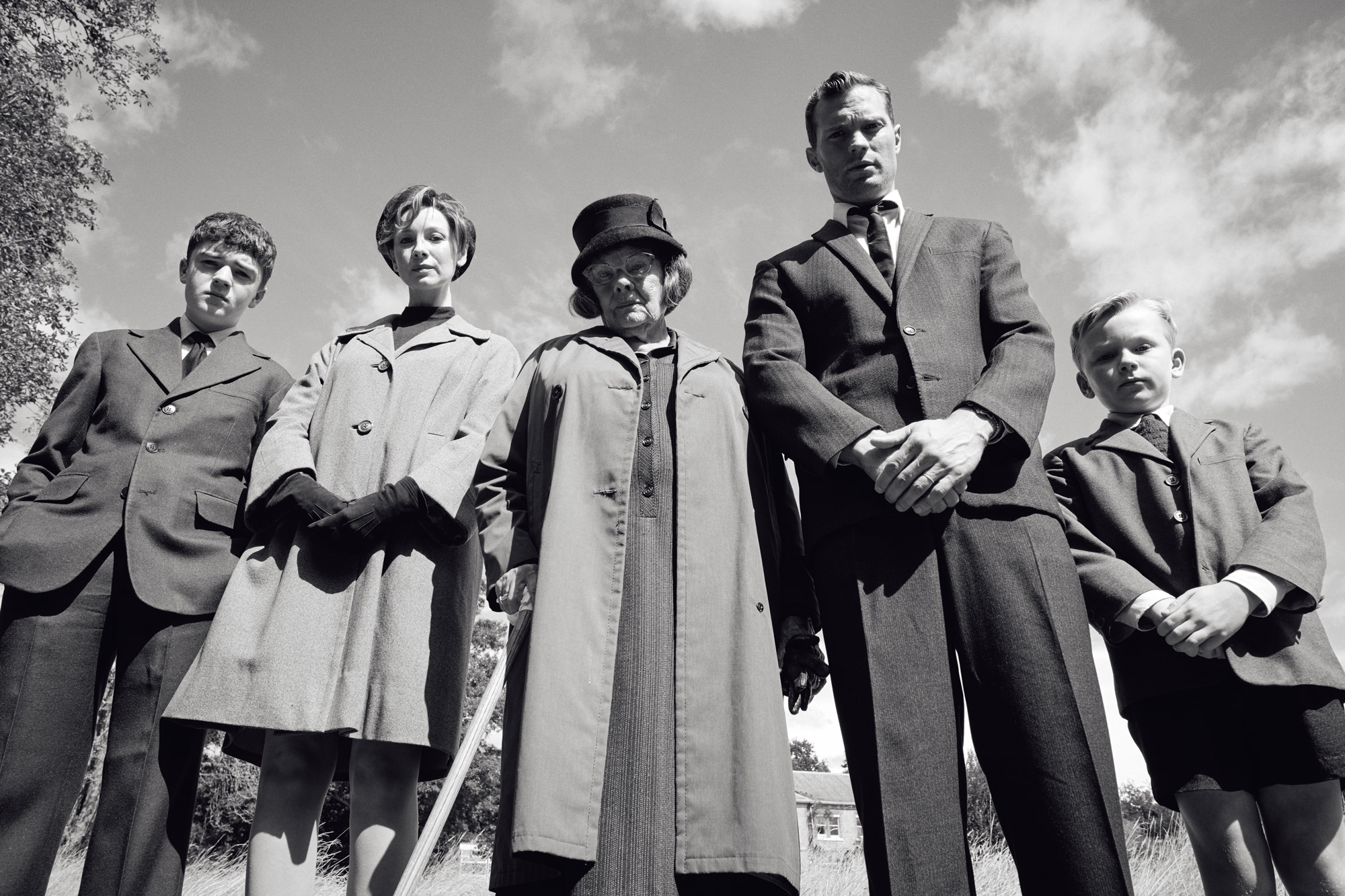
Rob Youngson/Focus Features
MPB: What are your plans for the future?
RY: I plan to keep working on stories I love. Keep improving and keep a firm lid on my ‘gear acquisition syndrome’. More and more, I’m approached with questions about how to do what I do. I want to be able to give useful and clear insights—I don’t always have time to respond in detail whilst out on shoots though. That’s why I am planning to launch a YouTube channel and a Patreon this spring. I’ll be able to offer more insights, gear reviews from on the road, and more opportunities for Q&As.
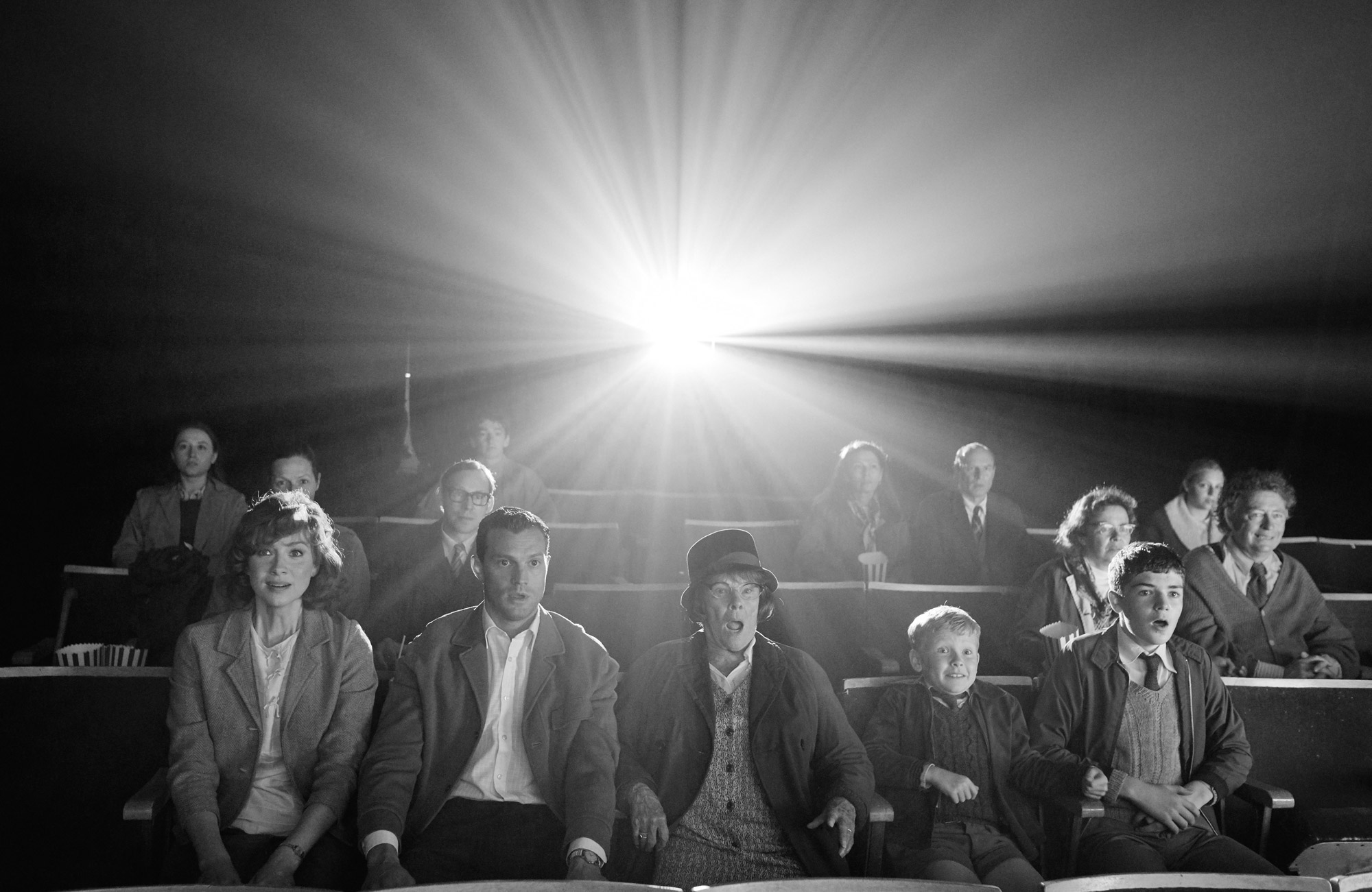
Rob Youngson/Focus Features
For more tips and techniques, expert interviews and camera gear guides, check out the MPB content hub.
You can sell or trade your camera kit to MPB. Get a free instant quote, free insured shipping to MPB, and get paid within days.