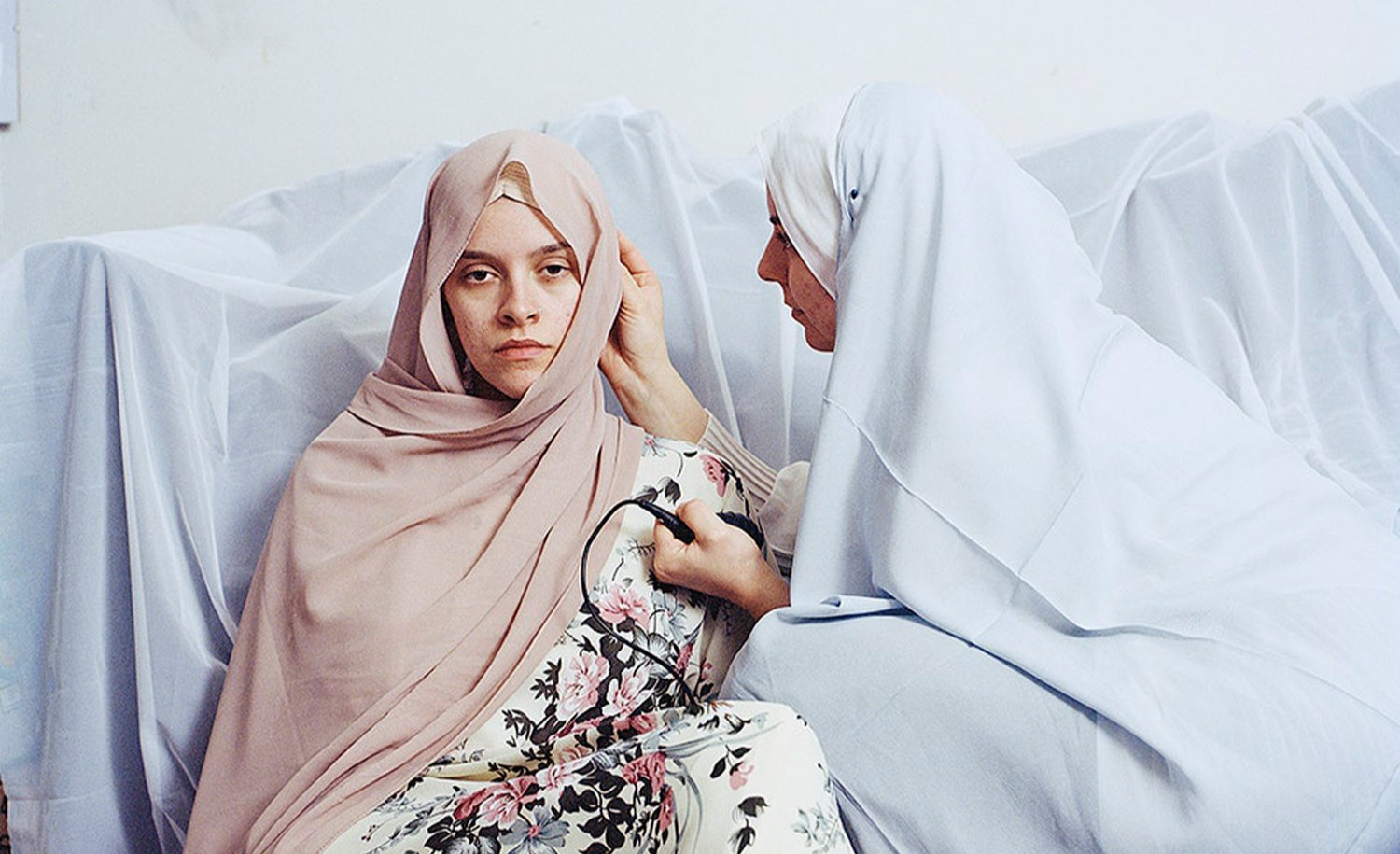
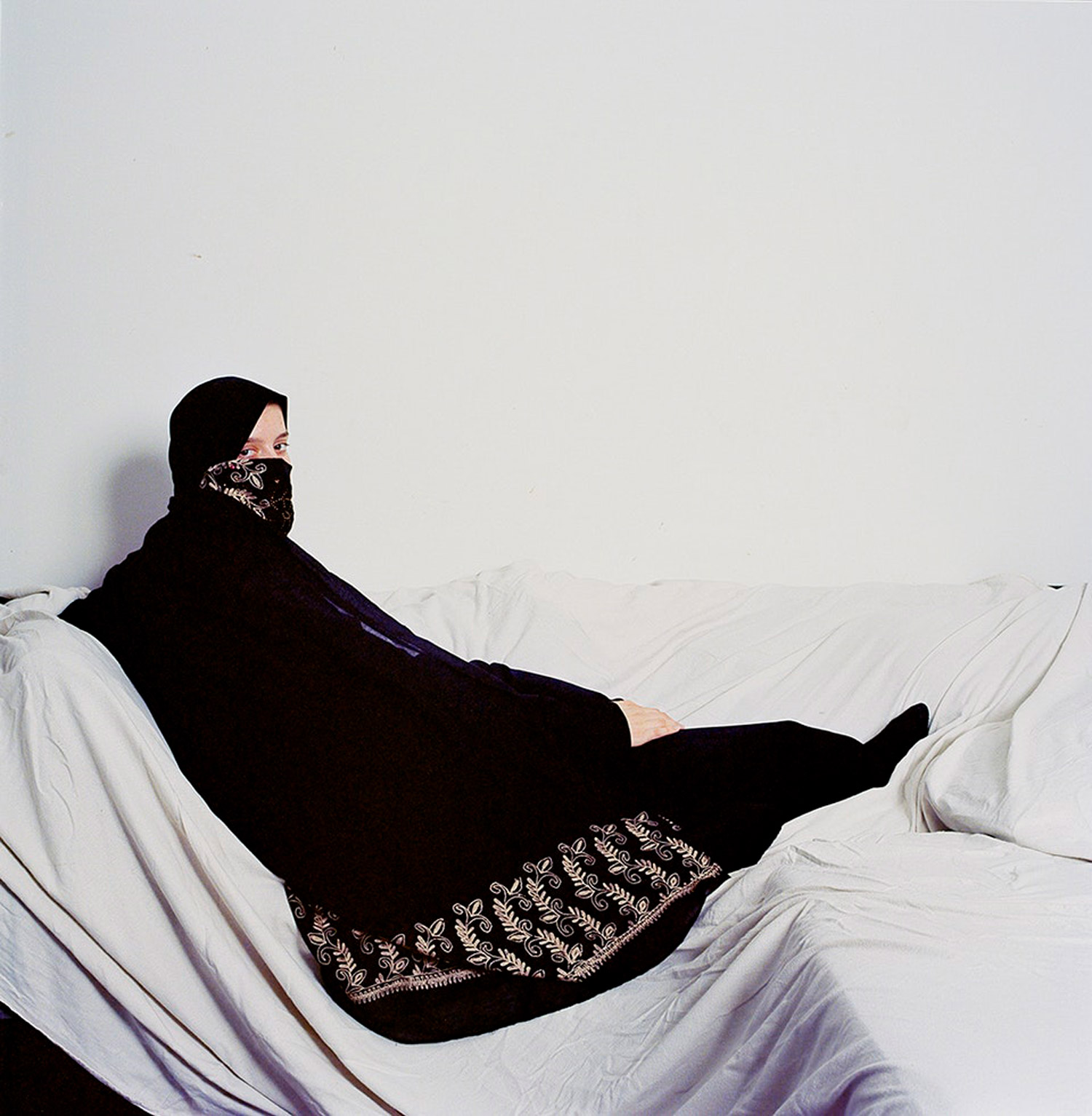
Portrait photographer Jodie Bateman, winner of the 1854/British Journal of Photography 2021 Female in Focus awards, exhibited her work at an MPB-supported exhibition at the inaugural Women Photographers International Archive (WOPHA) Congress in Miami. In her interview with MPB, Jodie Bateman discusses how she is changing the representation of Muslim women, and shares advice for photographers looking to share their own personal stories. Through My Hijab Has a Voice: Revisited, Jodie Bateman’s striking photography shines a light on the experiences of Muslim women—including her own.
MPB: Congratulations! How does it feel to be recognised by such a prestigious award? And could you tell us about the winning series?
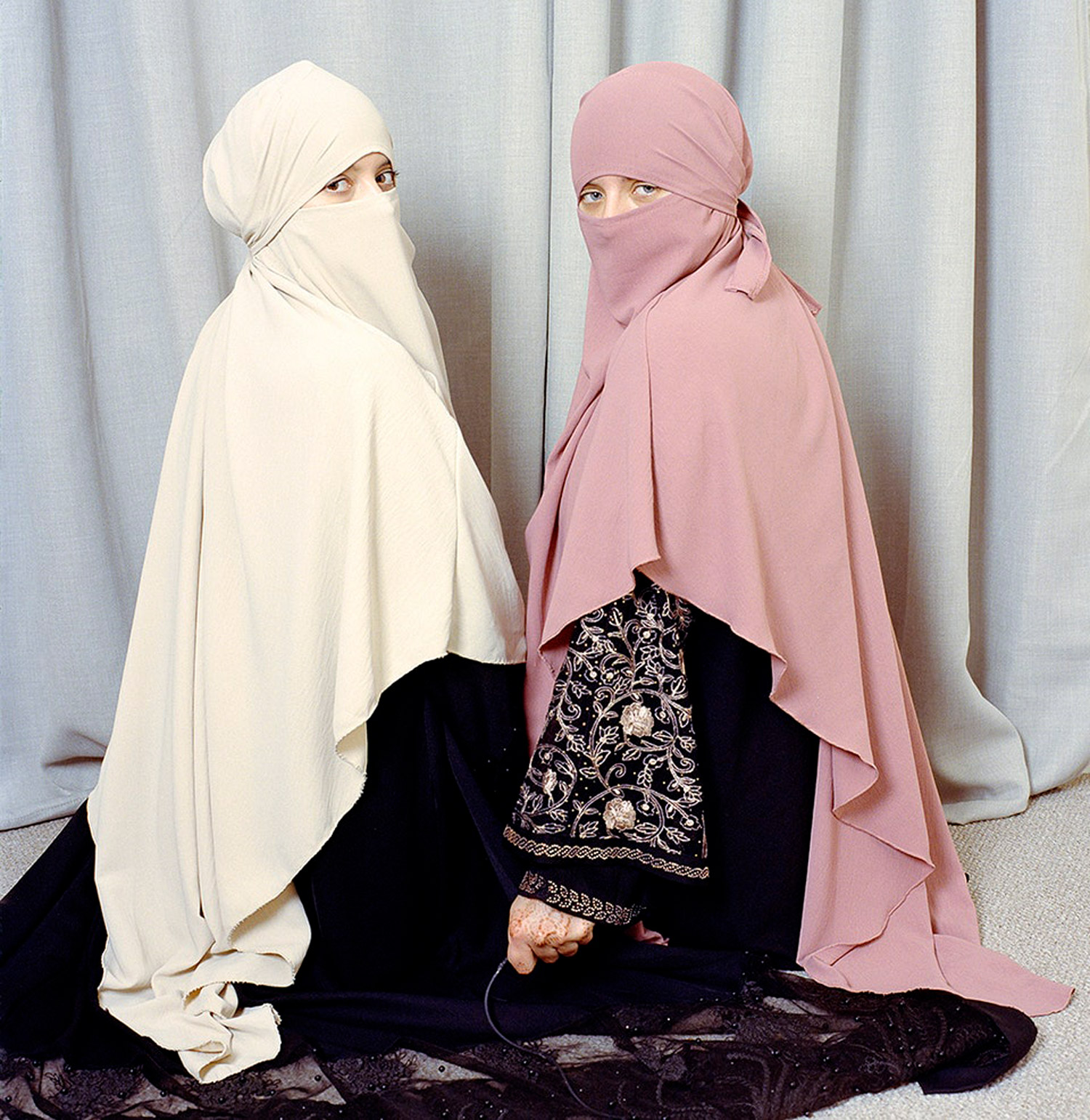
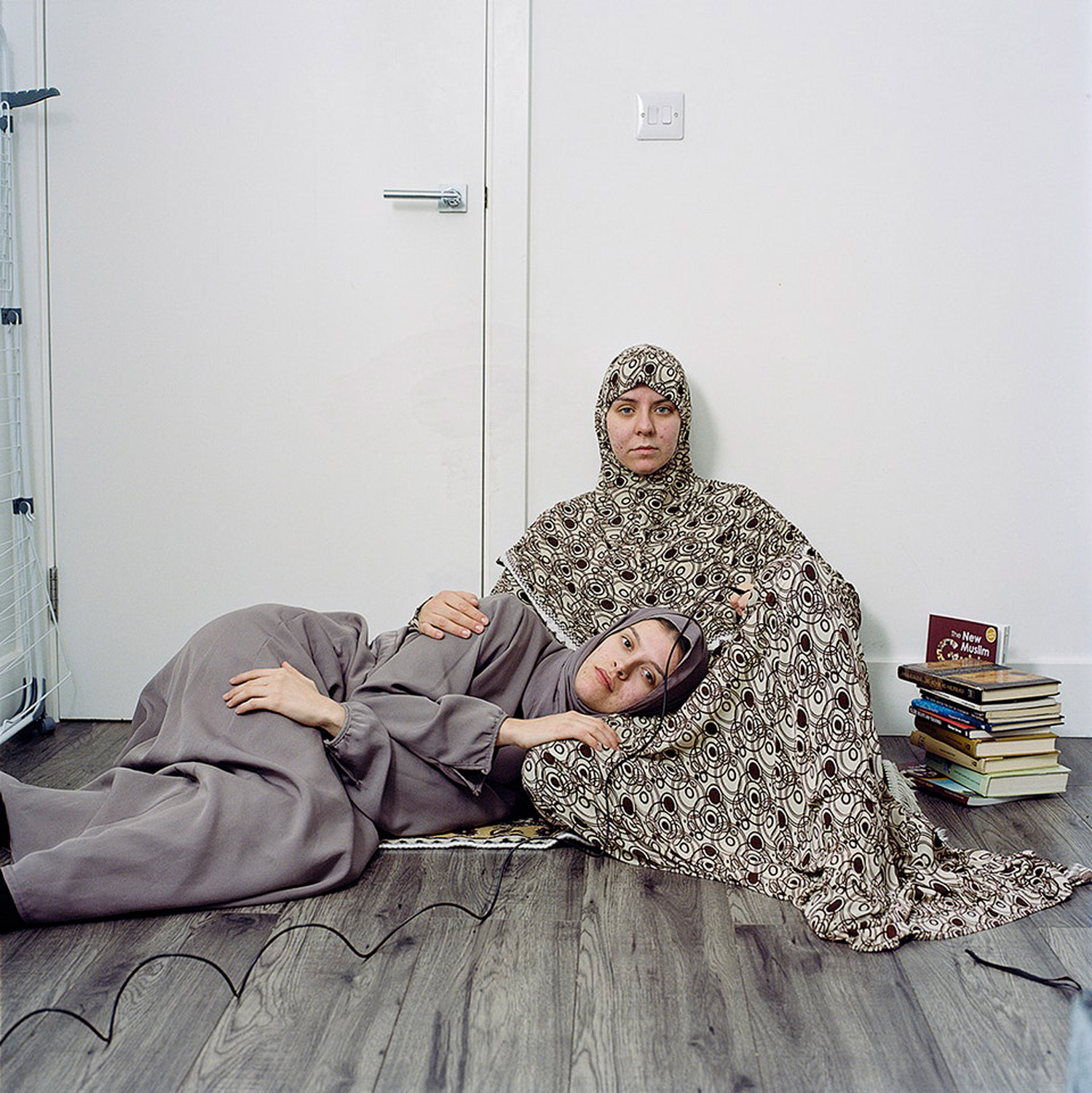
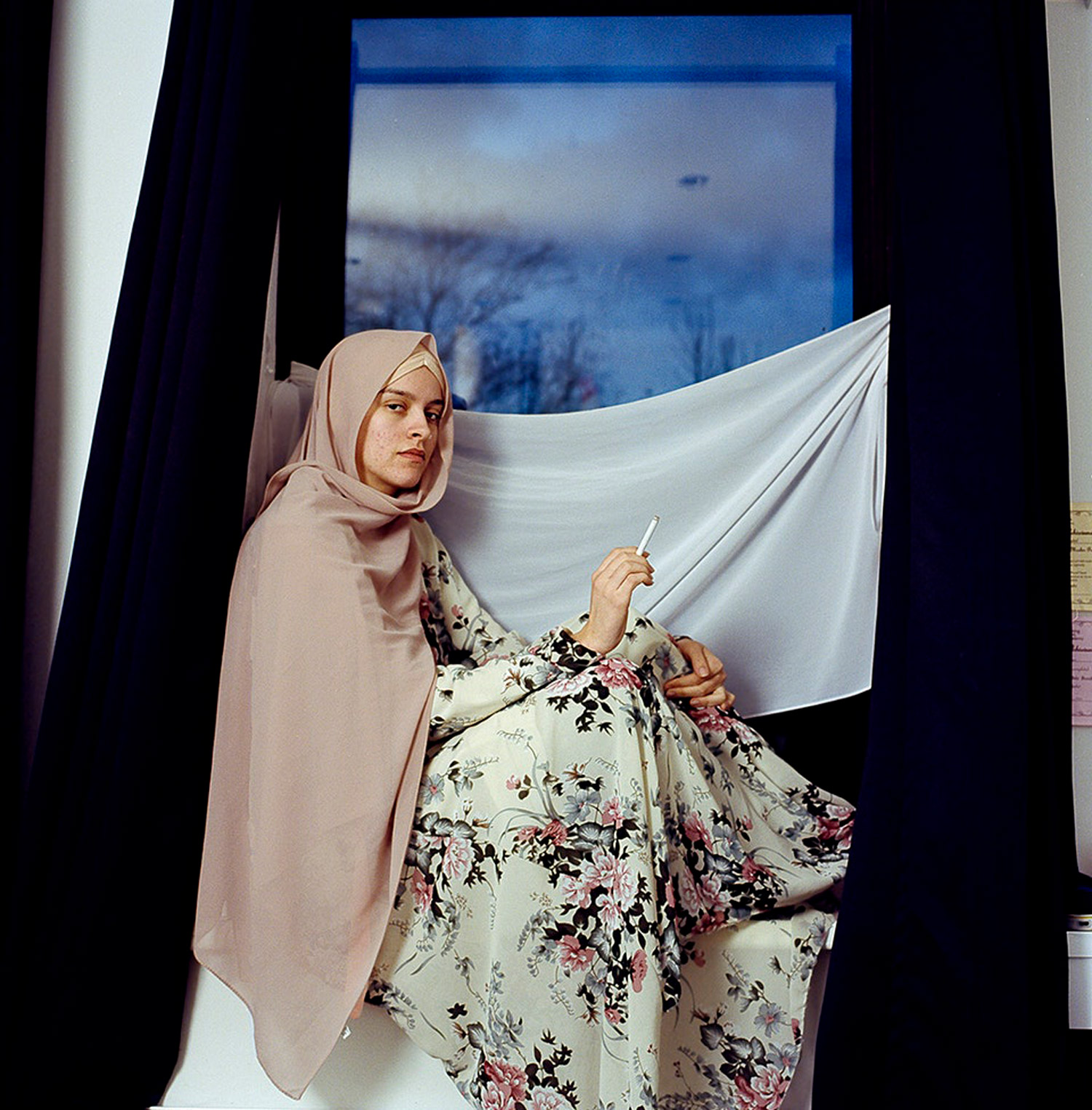
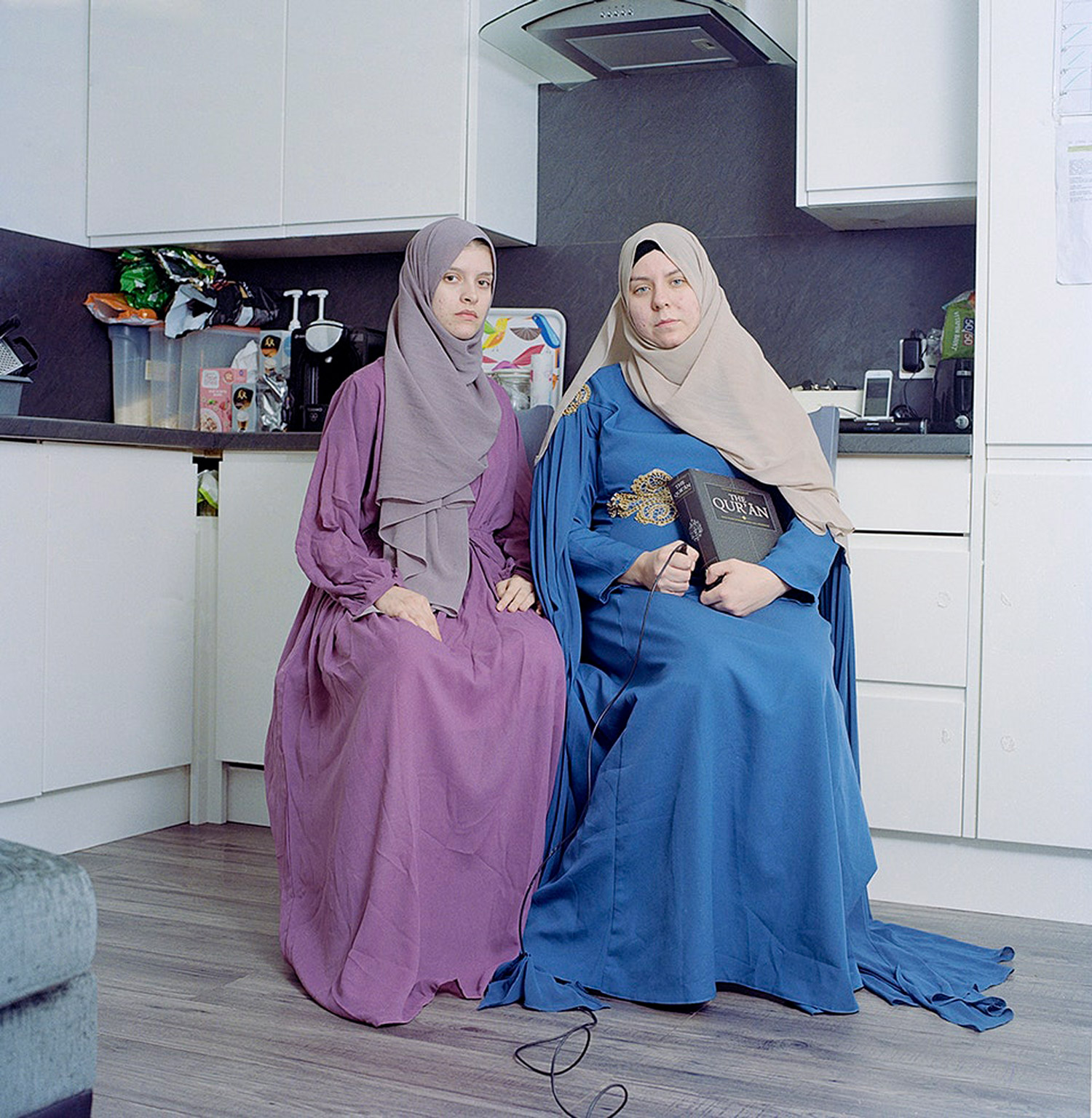
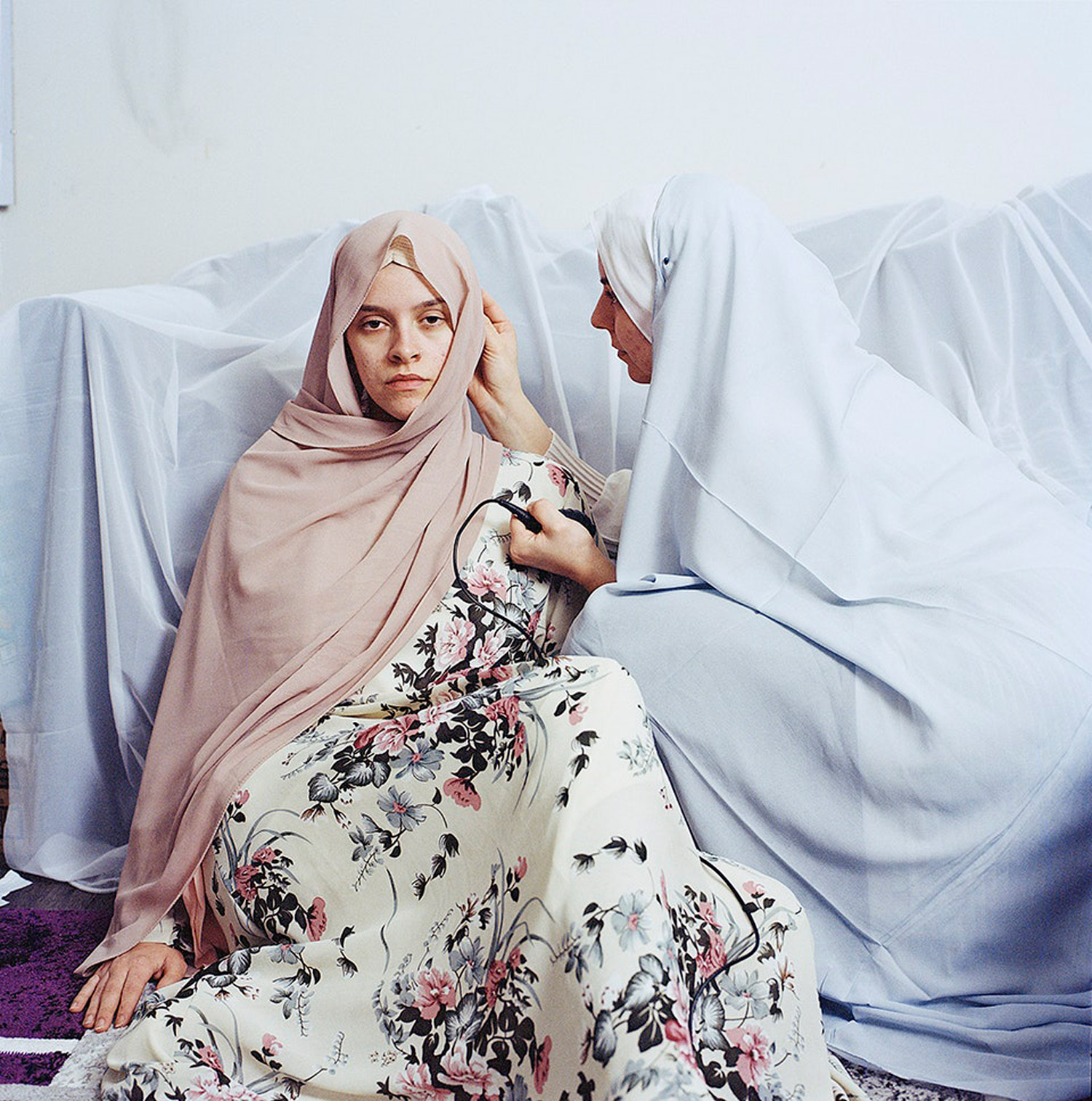
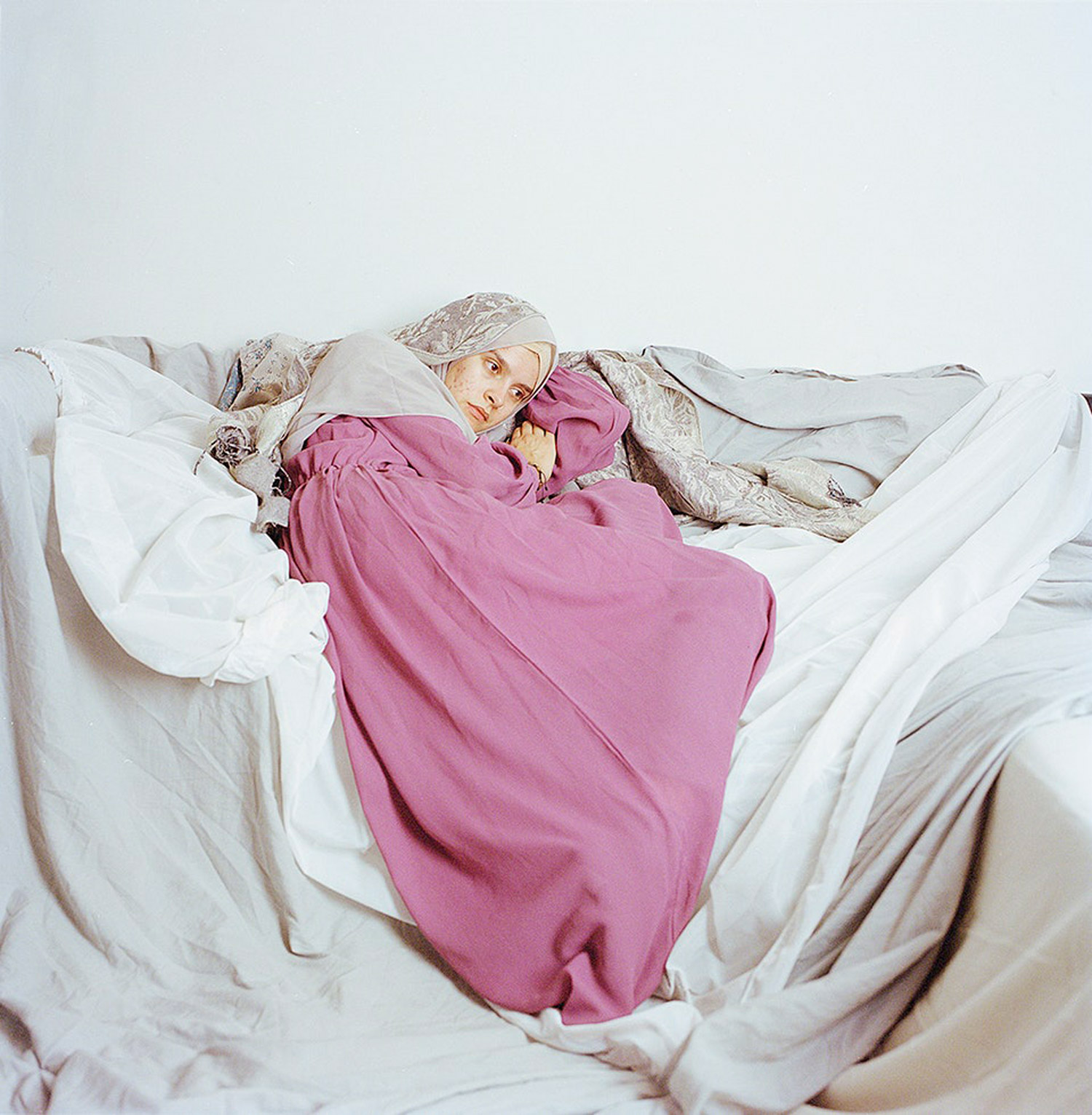
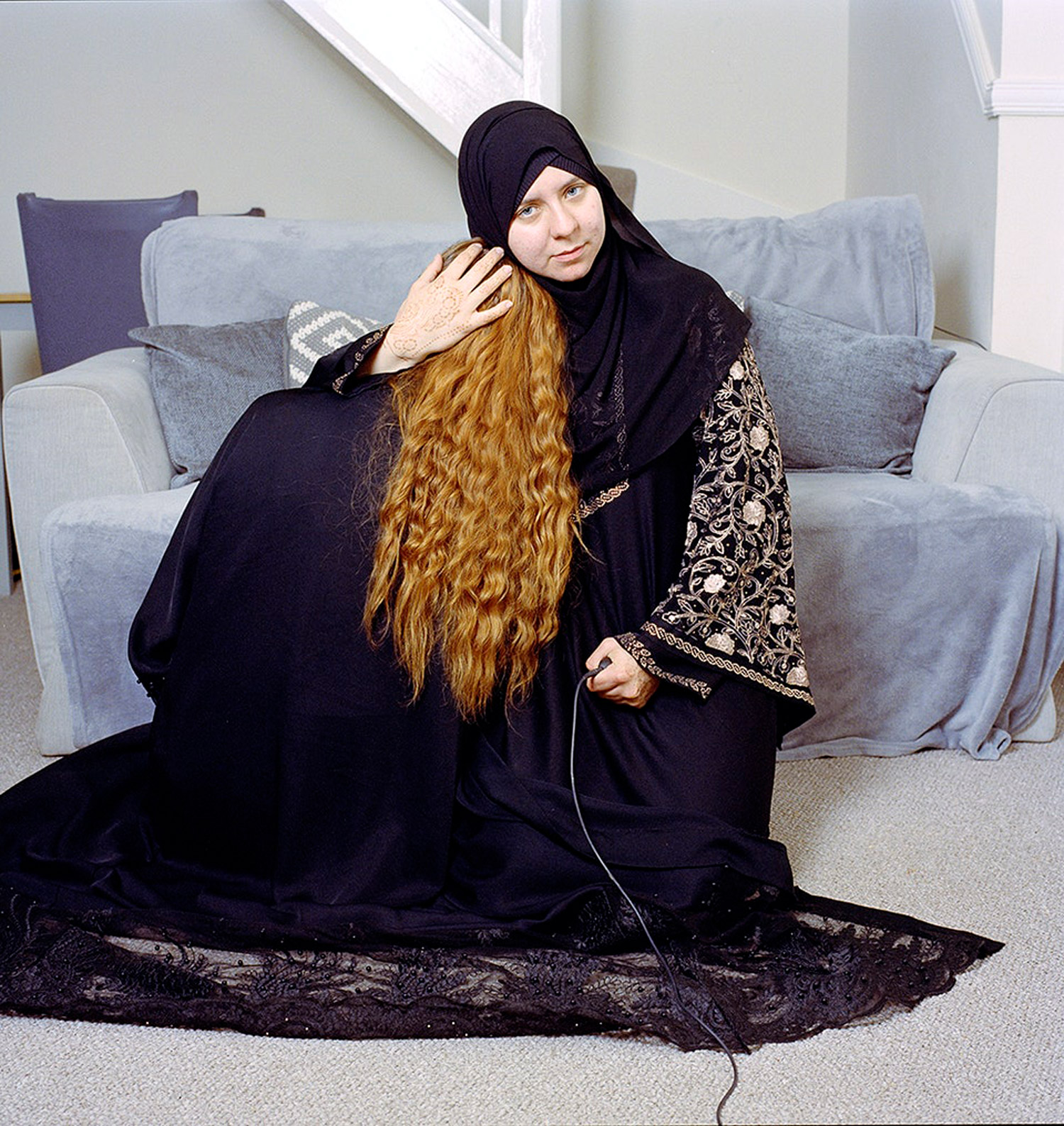
JB: It is an incredible feeling. It’s always been one I’ve wanted to win since discovering it. When I got the news, I was really taken aback—it felt so surreal for such a long time, and I think it kind of still does! My Hijab has a Voice: Revisited is a series in which I share my story and experience with the hijab and challenge negative stereotypes, while also using the female gaze, adopting poses from paintings in which women are oppressed.
MPB: Can you tell us about yourself and your creative background?
JB: I have just completed my MA in photography at UCA Farnham. I studied for my BA there in photography also. I’ve always only really known photography, as I did my BTech diploma at West Thames College in photography too. It was there where it all started for me. I was really introduced to photography and the theory behind it, and to film, and I literally fell in love. Being in the darkroom, behind a camera, in the studio, just felt like that feeling of home. It makes me so genuinely excited and happy each time I shoot.
MPB: What was your camera setup for the series?
JB: I used the film medium format Hasselblad, with two umbrella studio lights, and then I moved on to just one large softbox with a tripod and shutter release cable. I chose to shoot with Hasselblad from when I first tried this camera at the beginning of the series My Hijab Has a Voice. I enjoyed the setup of using it with the shutter cable and the quality I achieved with the film was just insane. I haven’t used another camera since—I just fell in love. The lighting took a long time to get right. But, in the end, what worked best was just using one softbox. I was just trying to create subtle yet soft lighting to mimic paintings, and the shutter release cable was important as I was able to make a statement with it and take the photographs myself.
MPB: Converting to Islam in 2017 must've had a significant impact on your creative output. Could you describe the process of deciding to switch the focus of your work?
JB: I think with photography, I have always used it as a means to express myself. And going through such a big change, I guess I used photography to do just that. I became really passionate about my new religion and was fueled by so much research and things I was seeing, which I wanted to change people’s opinions on and give a more personal insight to share my story and hopefully change the narrative.
MPB: Why is it so important to address the representation of Muslim women in your work? What are you hoping to achieve with your work?
JB: I think it is important. As, through my research, I don’t see women dressed like me being represented. And when they are, it’s always in a negative manner, and they never give space for a Muslim woman to speak up for herself or share her opinions on what she wears. I’ve seen a lot of work, stories and talks around it—for Muslim women who are being forced to wear it, or who want to take it off and not wear it. With my series, I would just hope to put more representation of this dress out there for younger Muslim women to see as well and be proud of it. Also, In an educational way—show people my story and my decision to put on the hijab and how empowering it is for some, and not oppressed or backwards. I just hope to be more accepted and not looked down on. Women have a right to choose and be left alone in what they choose, no matter what they wear.
MPB: Could you tell us about your process in creating the project?
JB: I was inspired by John Berger’s Ways of Seeing, by how he broke down the oppression of women, dating back to paintings. So, this was a huge part of how I started to look at paintings and use their characteristics. I studied their poses, and what was in them, like in some, certain objects are placed. For example, in Orientalist paintings, there would be shisha pipes or turbans to feed some information to the viewer, and some paintings would have mirrors or naked girls combing each other’s hair. I would then use it in my own way, for what I want to tell the viewer, I would have all these paintings laid out when I was shooting and I would set a scene and position my sister into how they were posed.
MPB: What advice would you give photographers for addressing personal subjects in their work?
JB: Stick with it! Don’t let your insecurities speak you out of it. It is always important and worthy enough. If you are passionate about it, then it needs to be heard. So keep pushing yourself, and don’t give up!
MPB: How does it feel to be exhibited at the Women Photographers International Archive (WOPHA) Congress in Miami?
JB: It’s everything I dreamed of for this project. It will be exciting and refreshing to see the hijab in a place like this and to share my story, reaching many people passing by. I think it’s needed that people get to see the hijab in this way, and it’s an incredible feeling to be a part of a show like this, along with many other amazing female photographers. It’s such an honour.
MPB: What projects are you currently working on?
JB: I am now continuing my research around the same topic, looking more into the media’s representation of Muslim women. I am also venturing out of my comfort zone and looking for other Muslim women to take part and share their stories with me. Why they choose to put on the hijab again, showing a different narrative and giving a voice to the women themselves. I’m really excited about this one!
Read more interviews on the MPB content hub.
You can sell or trade your camera kit to MPB. Get a free instant quote, free insured shipping to MPB, and get paid within days.