MPB Meets: Photographers Anastasia Samoylova & Garrett Grove
Published 12 May 2021 by MPB
MPB is thrilled to present two photographic projects commissioned in partnership with the 1854 British Journal of Photography. Shoot the sequel: Then and now America sought to explore how tales and themes traversed by generations of storytellers can be reimagined in the context of new photographers, different kit and the contemporary socio-political backdrop in America.
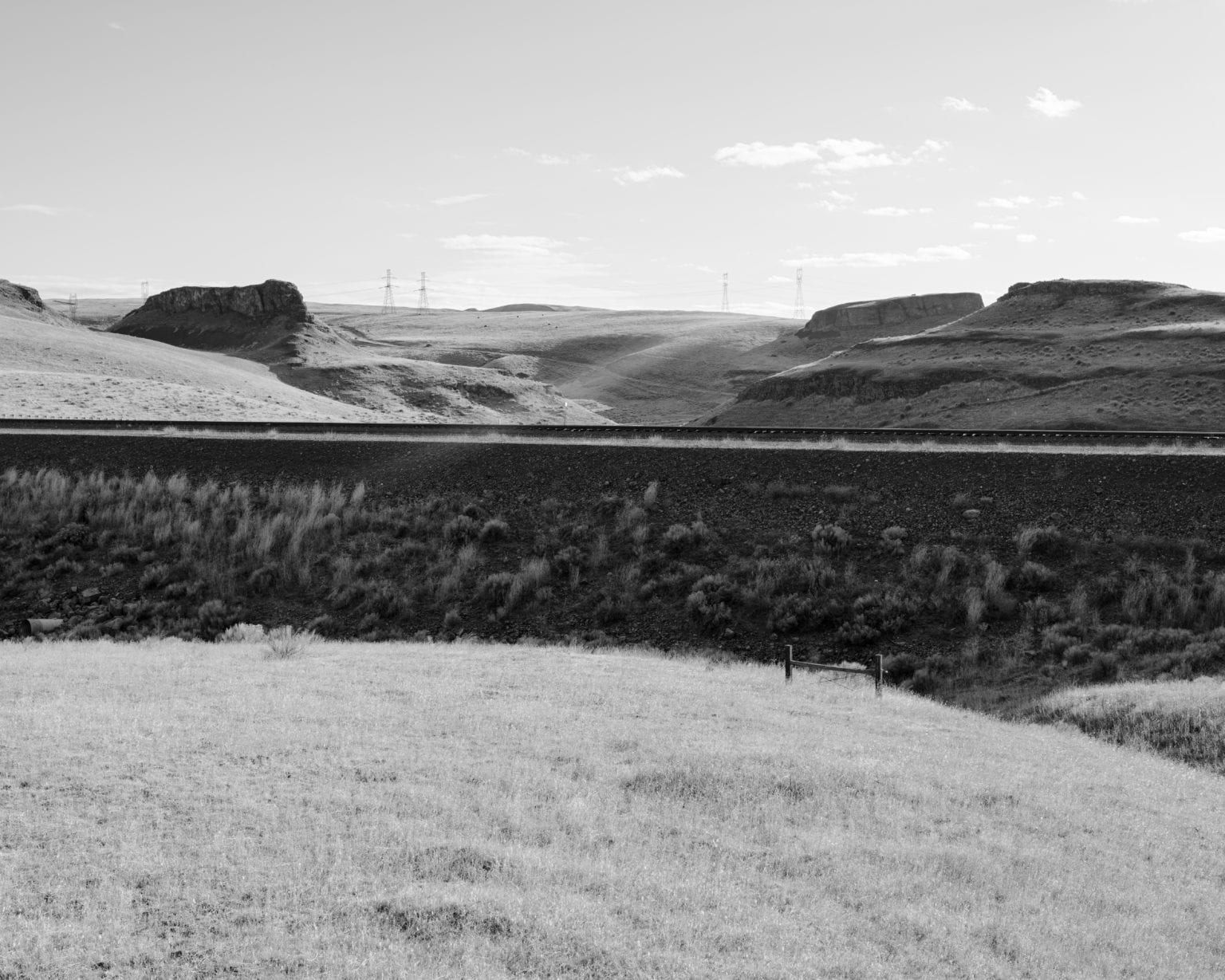
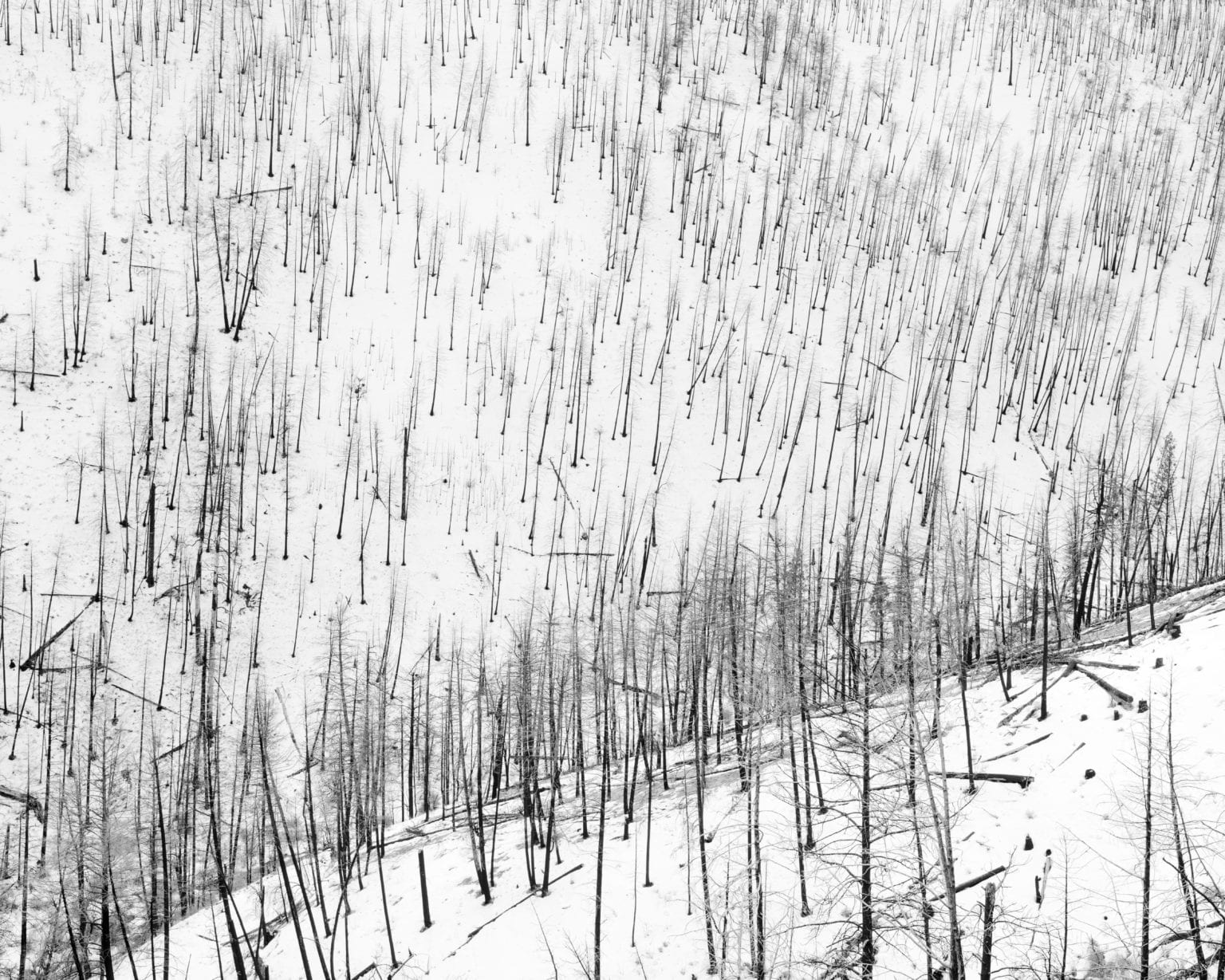
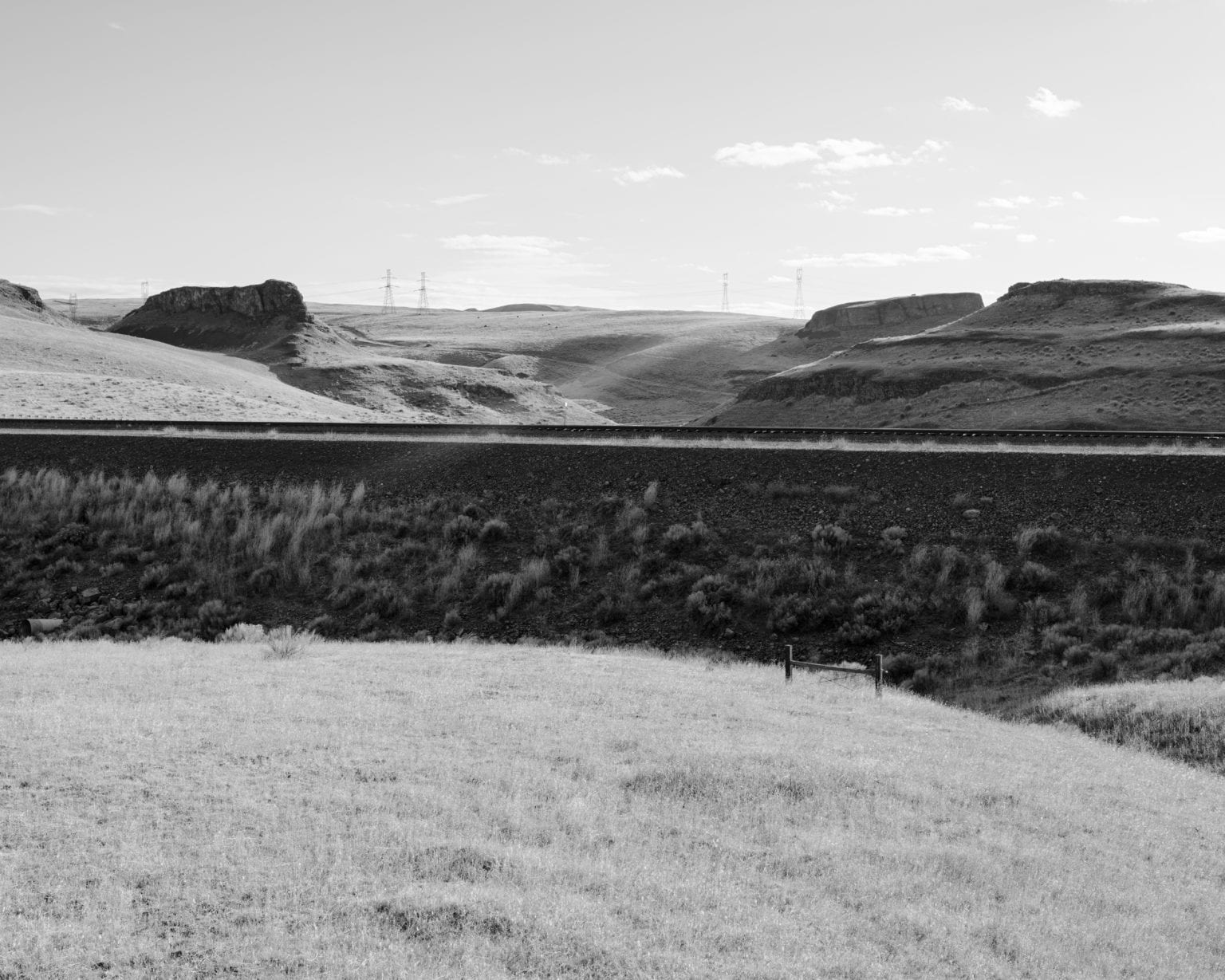
Miami-based Anastasia Samoylova produced a vivid portrait of the Florida coast, while Washington-based photographer Garrett Grove re-explored the Cascade Range mountain region in Washington and Oregon.
In addition to a grant, MPB lent the photographers a range of camera gear to help them create the commission. Anastasia used a pair of Canon-fit lenses, the 50mm f/1.4 ZE EF and 100mm T2.1 PL. Meanwhile, Garrett borrowed two point-and-shoot cameras, the Fujifilm X100F and Ricoh GR II, plus a couple of Nikon tilt-shift lenses, the 45mm f/2.8D ED and 24mm f/3.5D ED.
Let’s hear from Anastasia Samoylova and Garrett Grove.
MPB: Both of you have produced work from these regions before. What drew you back to these places and what did you discover by re-engaging with them through this commission?
GG: Like a lot of people, I spent the last year especially cooped up inside the house. It was the end of a pretty traumatic and transitional four years in America. I hadn't been back to some of these areas since 2015 or 2016. You know, Obama was leaving office and the word ‘Trump’ started becoming a bit more familiar in our vocabulary.
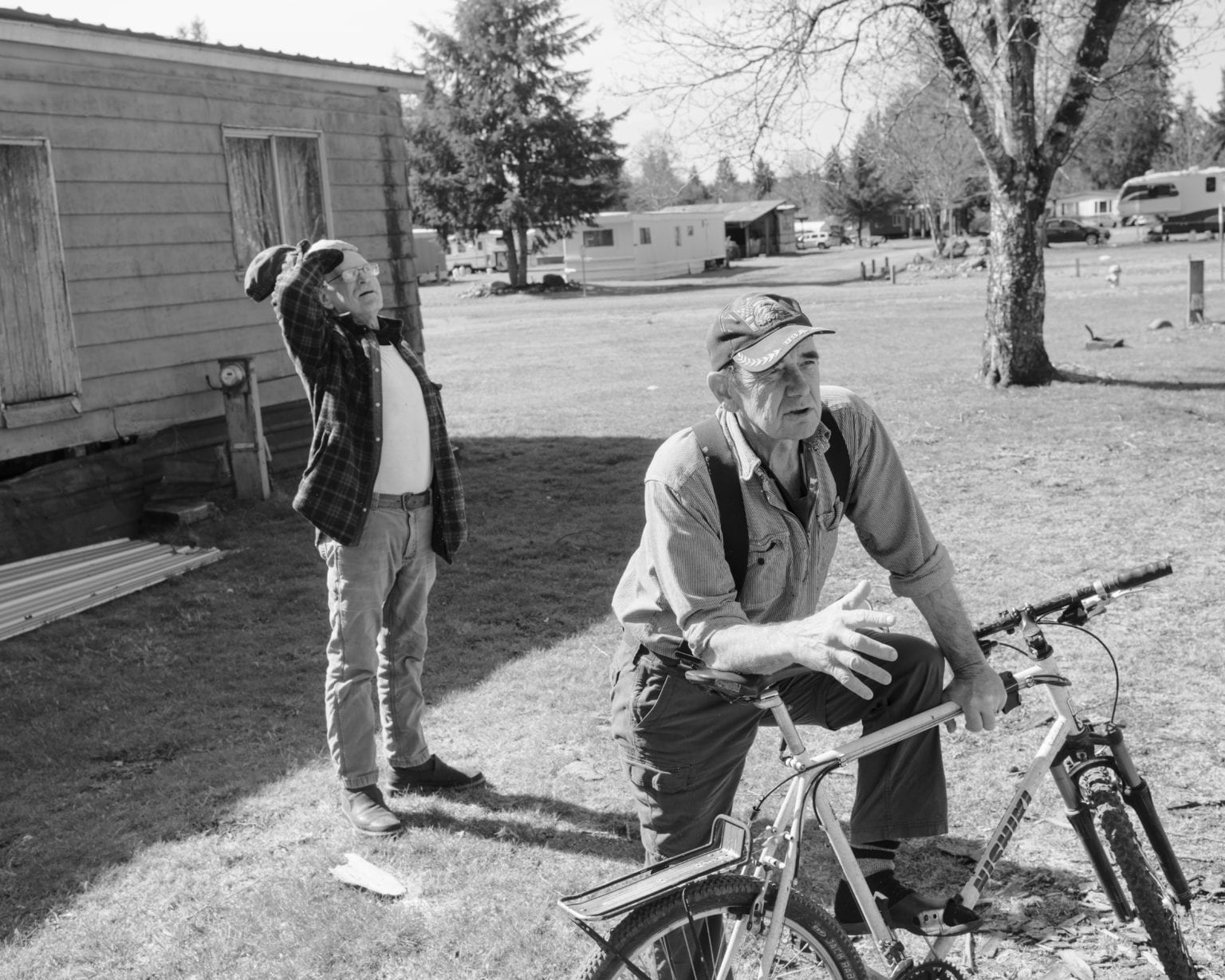
It was a big curiosity to go back and see—just like a gut check—how it felt to be back out there again, after what felt like longer than four years, and have conversations with people, get my feet on the ground and just see what resulted really. It was very much a personal experiment just to go back there.
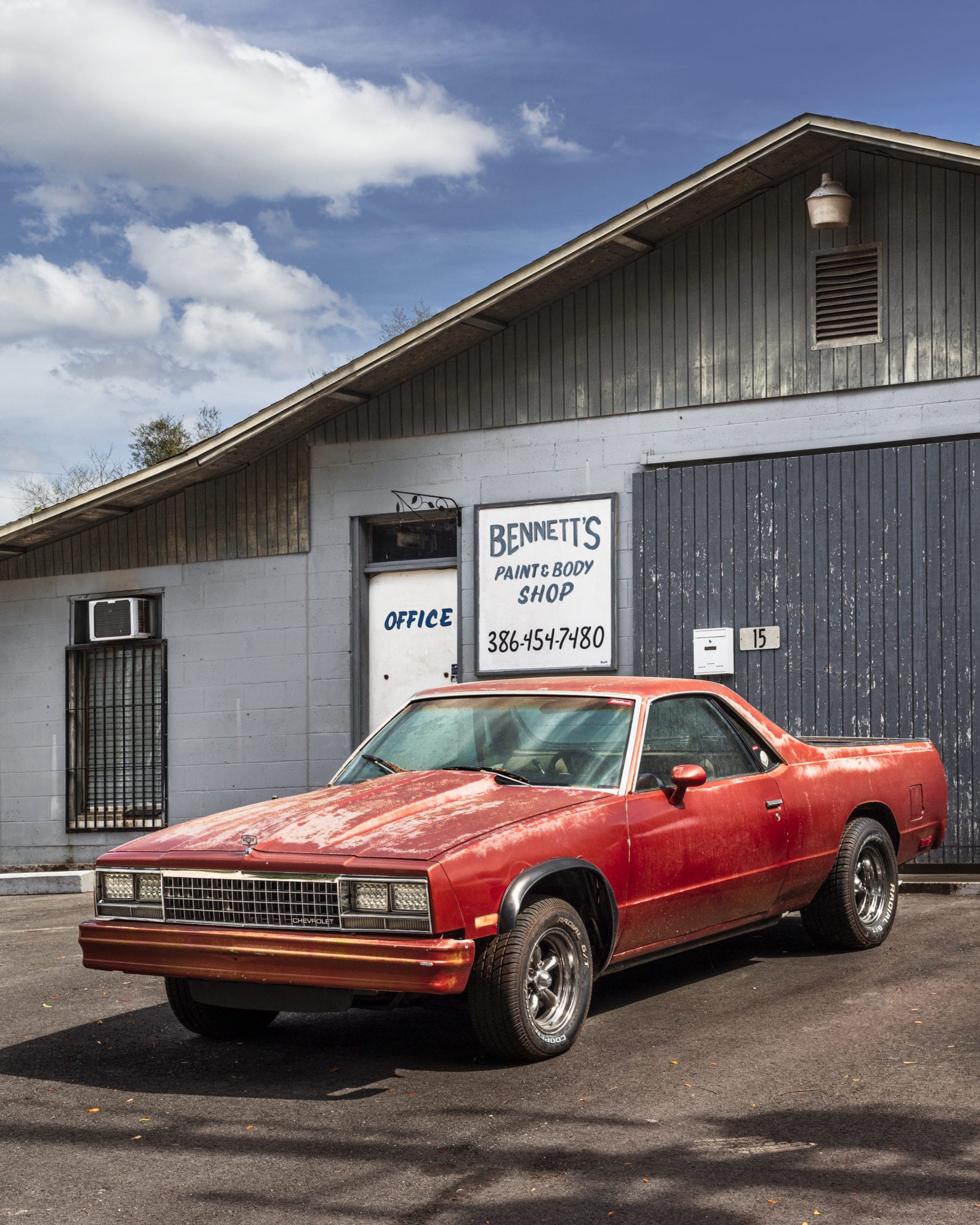
AS: I was finishing work on my next body of work. This came out of many trips around Florida while I was working on this other book, Floodzone. I was missing this critical last location, which is the Florida Panhandle, the northernmost point in Florida. So, the commission came in at the absolutely perfect time because now I'm about to travel to Germany to finish work on the book. So, the images will be included in the book.
MPB: What do you hope people will take away from the work?
AS: I moved to Florida in 2016, and I've always felt a bit of an outsider. So, I think that's quite a valuable perspective—it gives you a bit of that detachment. And Florida, of course, you know is the subject of many jokes. So, ‘the Florida man’. I think it's one of the most misunderstood places and really wanted to show its complexity.
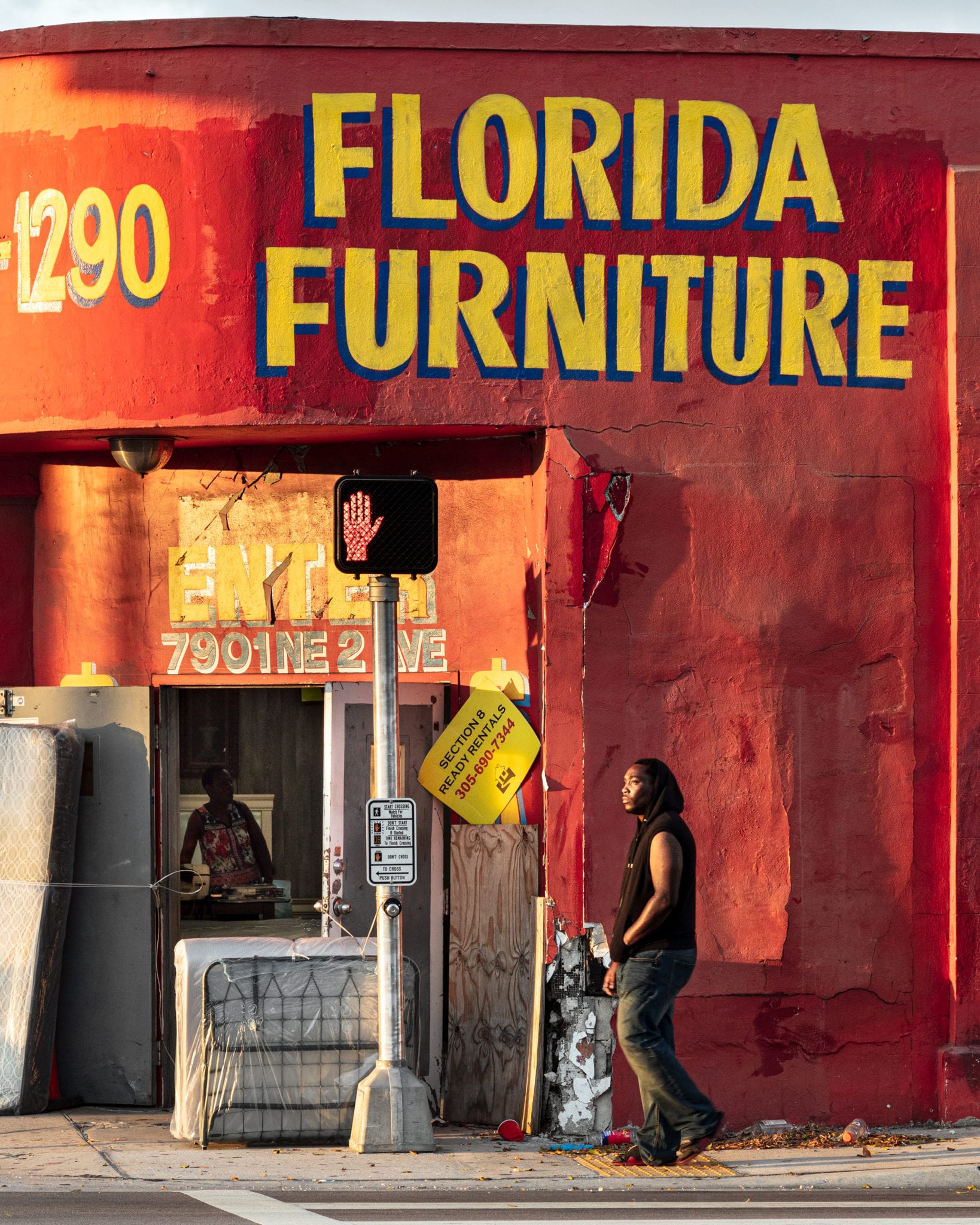
I live in Miami, my studio is in Miami Beach. Of course, it's as vivid as my colours and my photographs attempt to portray it—you know, it's more than that. But then all these different regions in Florida are so distinct and I wanted to show that you could really splice it into three-four states easily that will have very little in common—besides the heat, perhaps.
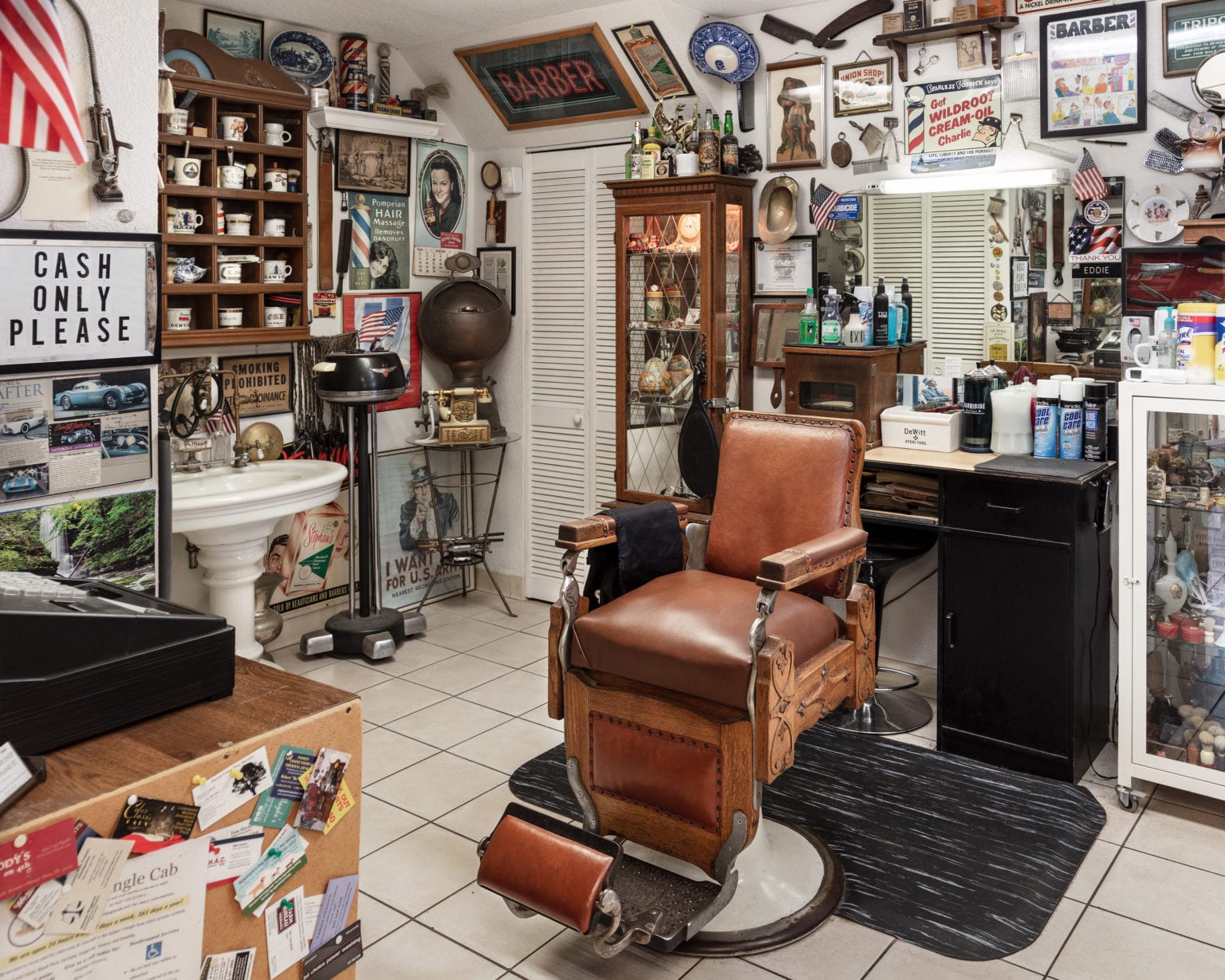
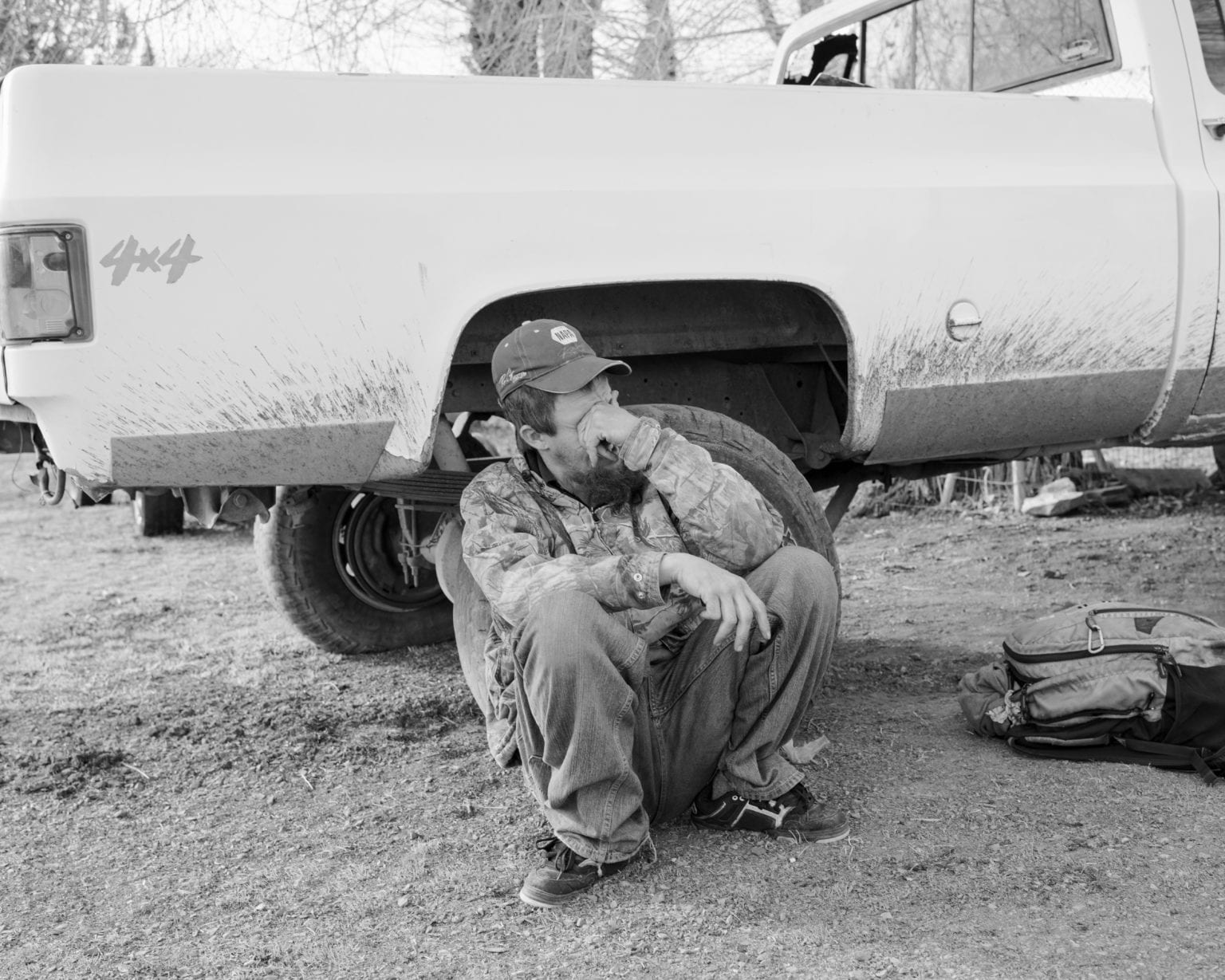
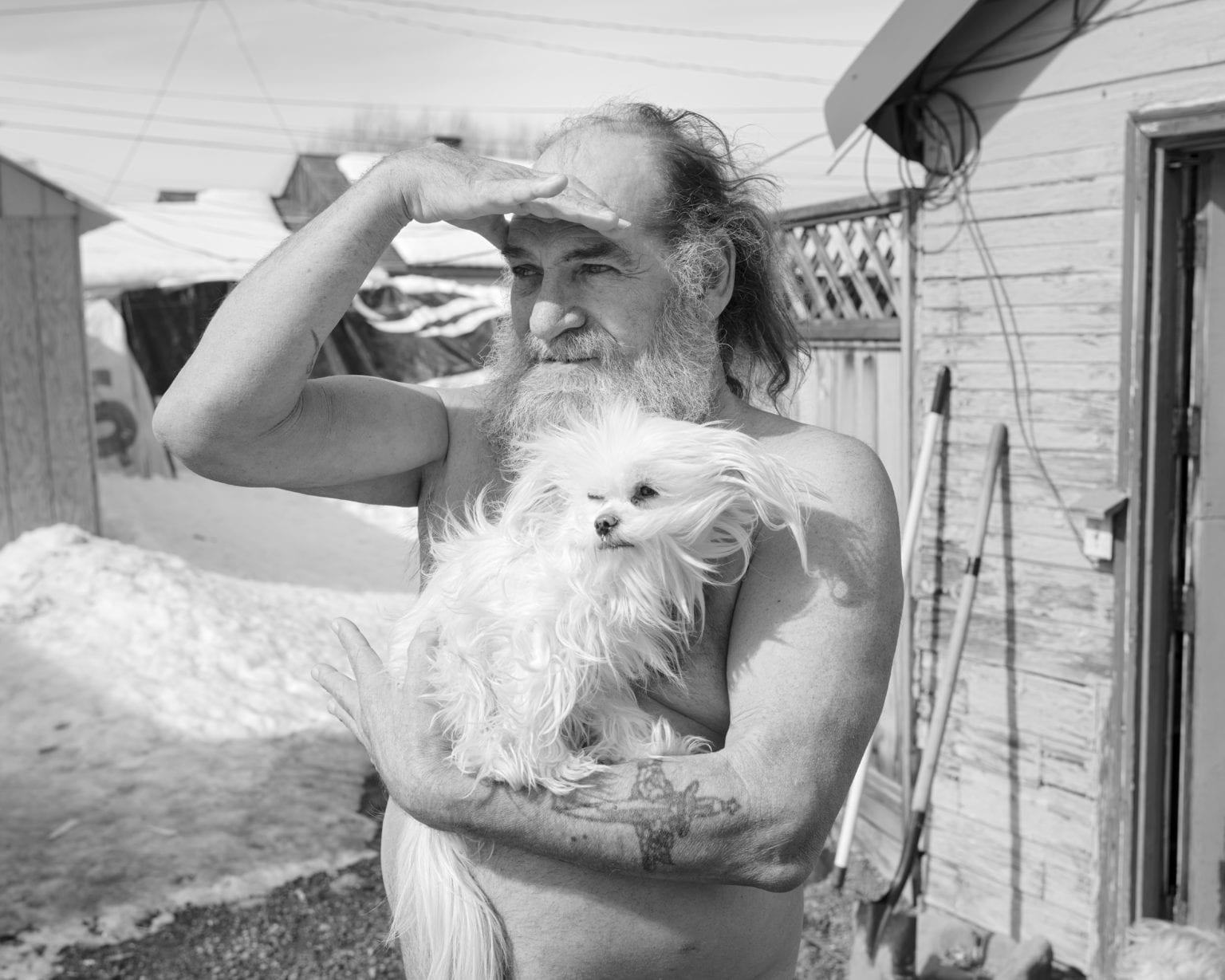
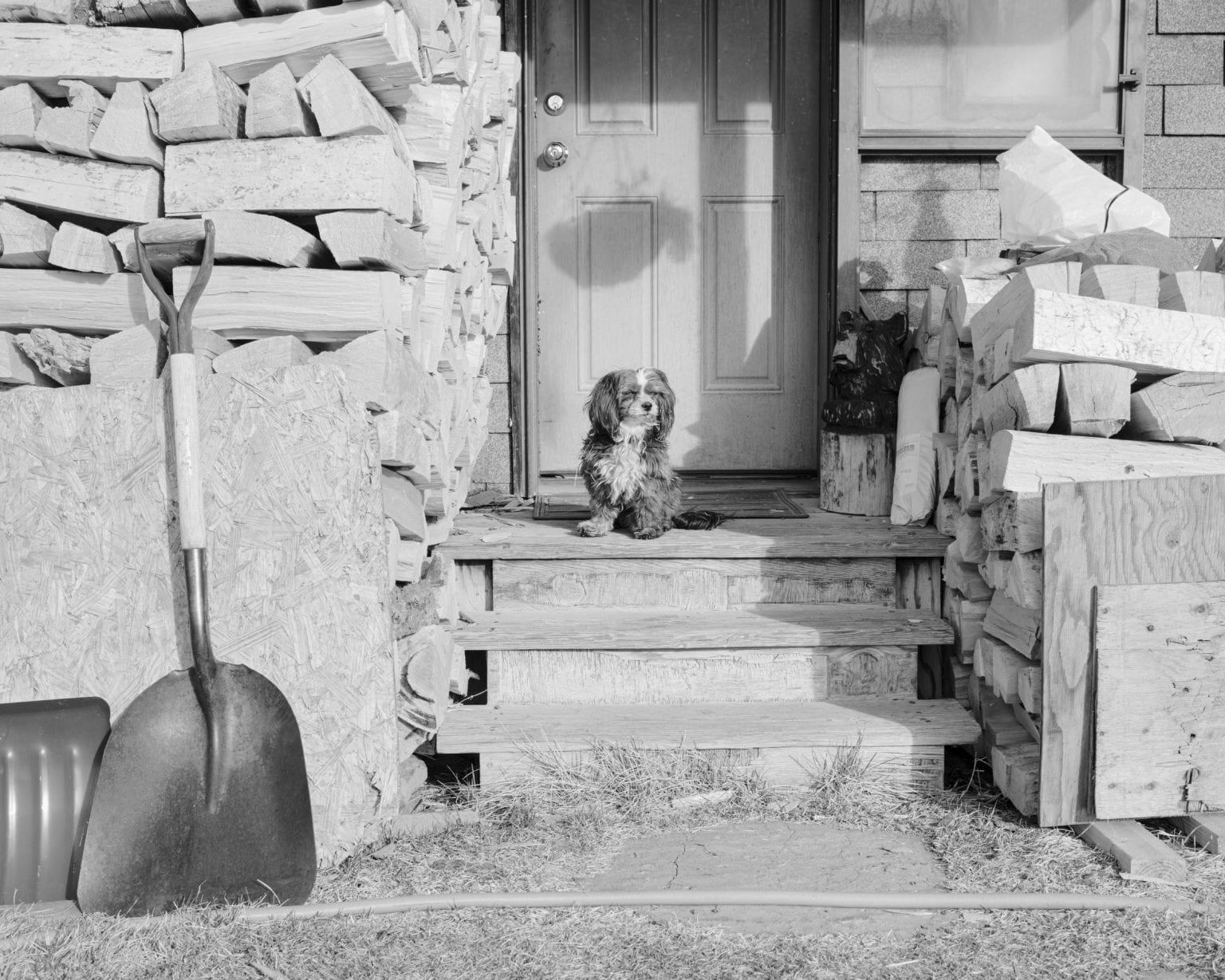
GG: I wanted to go out and just humanize what I think has been a very politicized group of people, hopefully, build some compassion and bring some questioning into people's own minds on how they might view a certain area, person or way of life. By going out there, my main goal is to have conversations and so the end result was hopefully pictures that make you look with a little bit more curiosity at the subject.
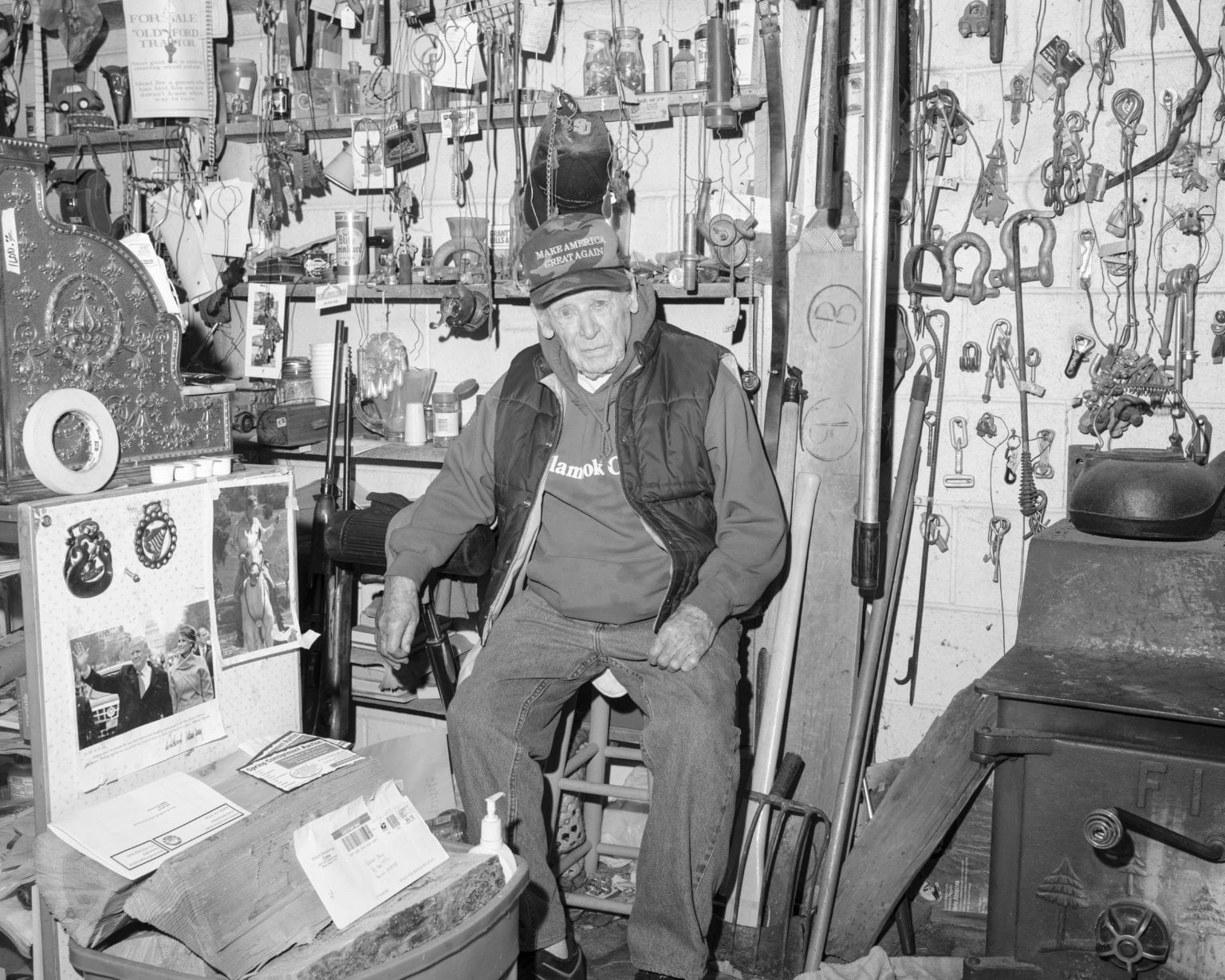
I think it brings some complexity to the financial situation, political situation, jobs and the economy. We're in such an interesting time in America. I think rural and urban America actually have a lot of similar issues going on, with the dividing of the classes and financial well-being. So I just wanted to go out there and see if I could put it all together. I don't know if I did!
MPB: There's a shared mutual interest in Walker Evans among your two bodies of work—what other inspirations you might have been speaking back to?
GG: It's hard to escape Walker Evans and the work that was made around the Great Depression and the Dust Bowl. I've been obsessed with that work forever since I started making photographs. But now that we're in this time in America, it kind of feels like we're in the next hard time. To look at those and have maybe a little bit more understanding, so it doesn't feel as distant, because of the difficulties that our country is going through. They're always running through the back of my head, these images, they're almost implanted in my subconscious at this point. I don't want to go and recreate any of them, but certainly, they influence what I see and the photographs I make.
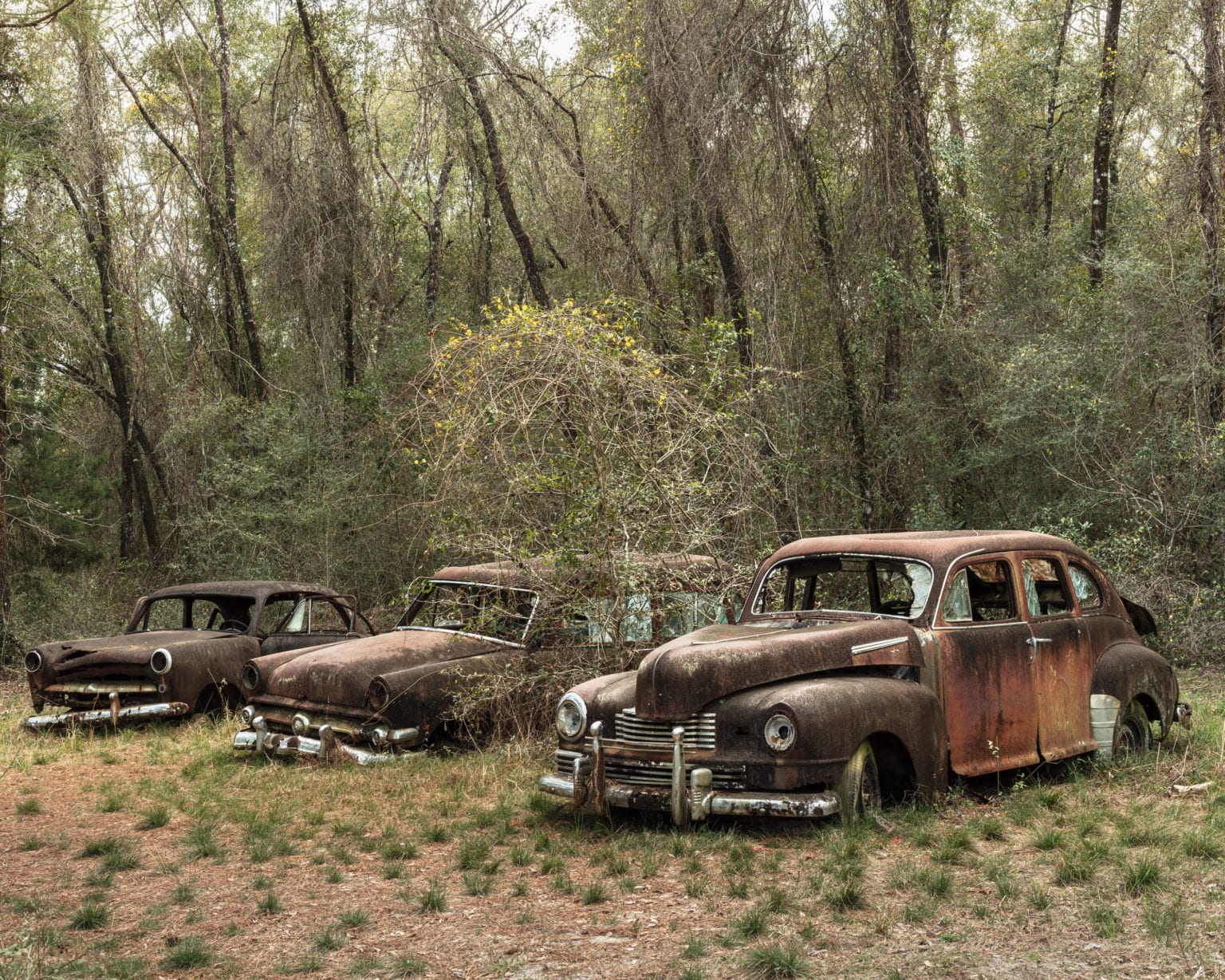
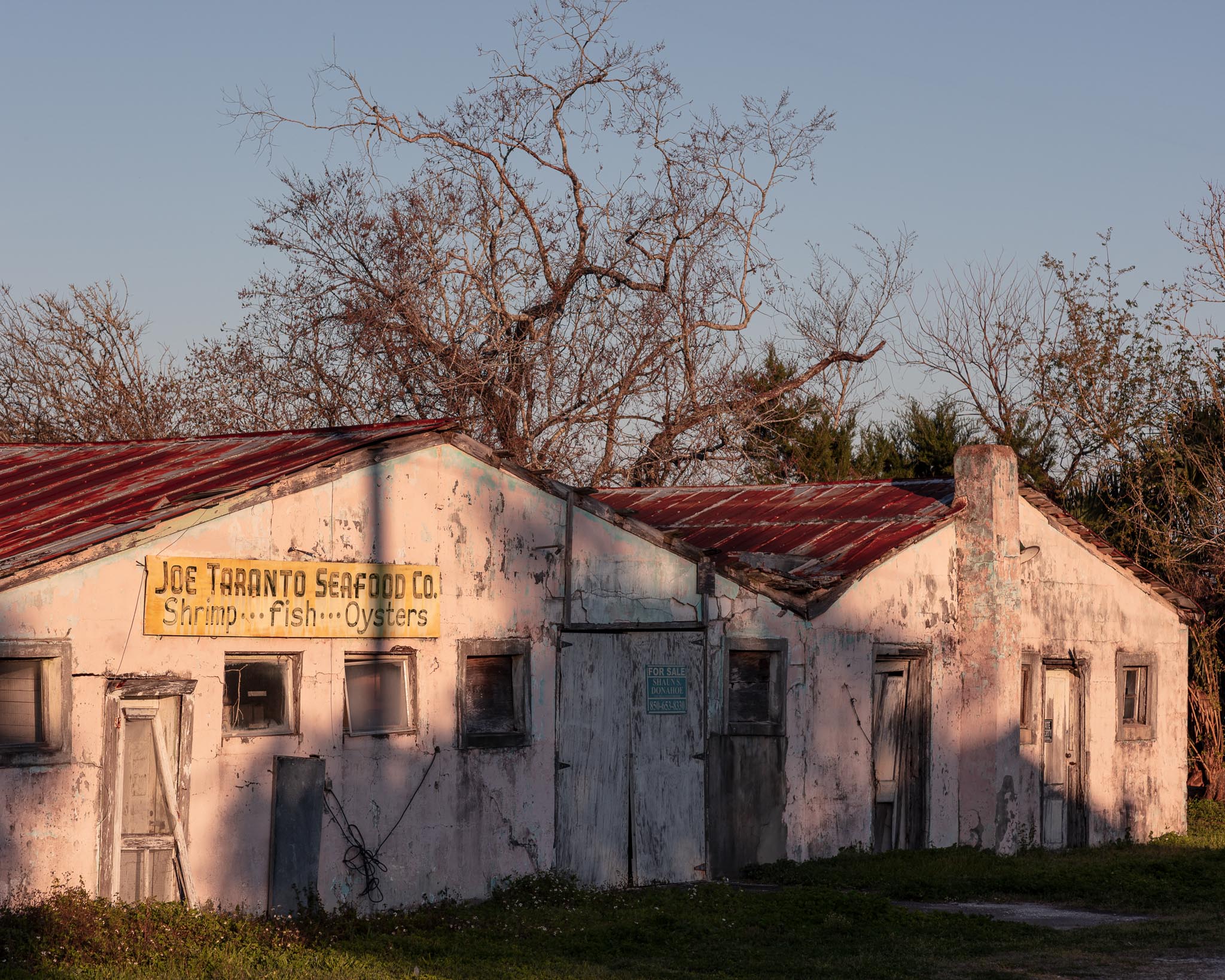
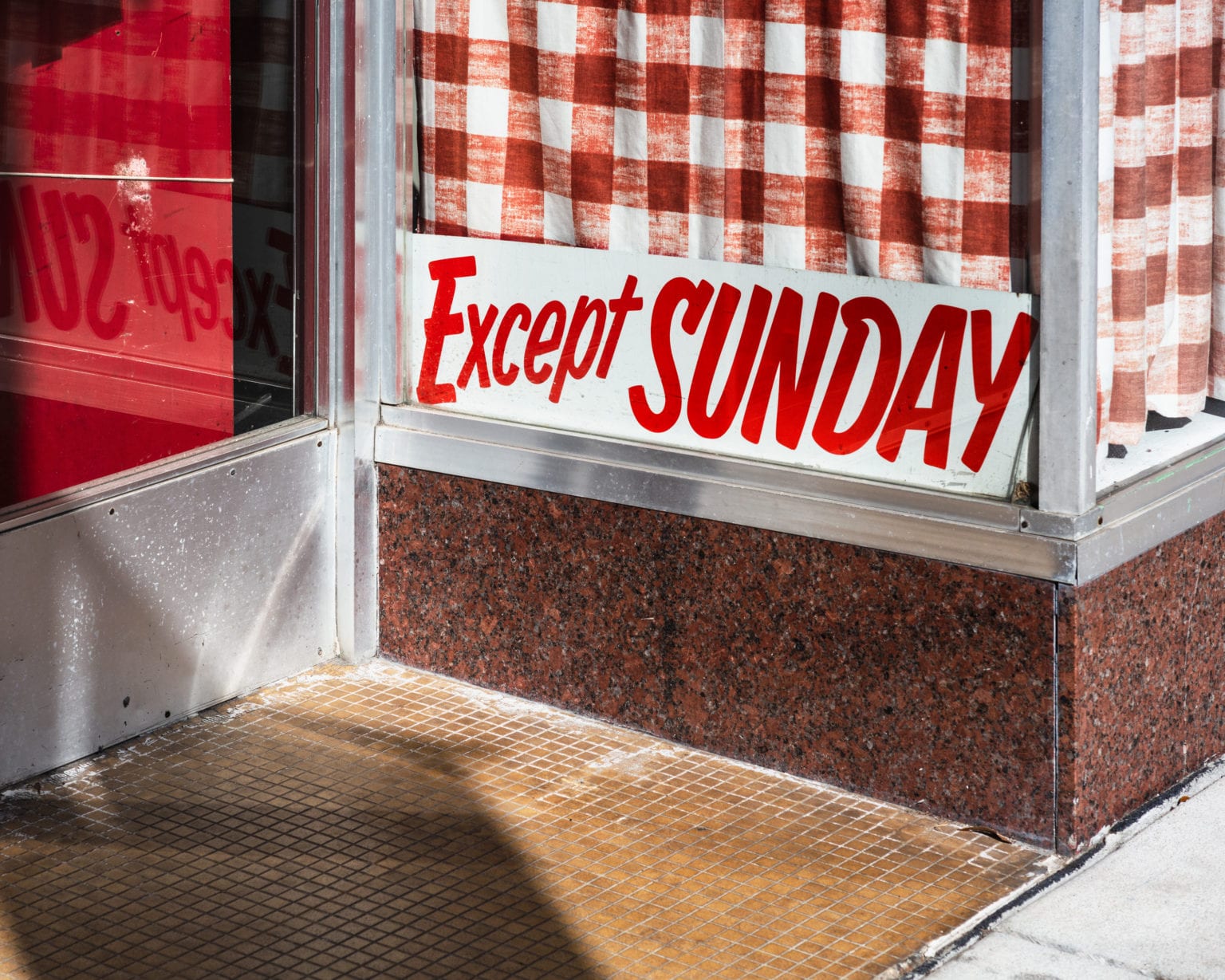
AS: I took Evans as a structure for this project. In fact, he photographed in Florida over four decades and it's sort of his least-known work. There are some very direct references to him like there's a car junkyard there which is an obvious homage. But, other than that, there were similarities there, to begin with. Most of my images have walls and I sort of think like a painter, an architect. I am self-taught in photography, I started out as an architect so I see things in that way.
On this trip, I discovered 50mm and I remember making that conscious decision a while ago. It must have been at least ten years without that lens that I decided on the telephoto. And then there was wide-angle for some extreme situations, but most of the time, telephoto. You know, with Walker Evans, a lot of his images are really zoomed in and 50mm made it a lot easier to frame what I wanted. Especially on this really intense road trip. So mine was 1,500 miles for the loop that I made. It was pretty long, you know, and I had to be driving and shooting all the time. So 50mm made this job a lot easier.
GG: I think I ended up driving 2,700 miles, somewhere around there, it's a long long drive too. I was just driving and shooting mostly. Just bouncing around, you go through all these areas you've never been and you just get the gut feeling. You never know if you're going to spend an hour there or two or three days.
AS: 100%. You can only map out so much and I learned it the hard way because of all the cancellations I had to make. So, eventually, I started booking my motels in advance. Like day-by-day. And, thanks to technology, you could just book it most of the time. You know, sometimes I had to navigate to a spot where I could get reception and have my night stay that day. But sometimes, you know, you discover things along the road that keep you there way longer than you expected. The best shots are, in my case, not from my main locations but the sort of in-betweens.
MPB: You were doing this during early 2021, still a lot of uncertainty around what was going to happen with the pandemic. How did you navigate all of those being photographers who wanted to be able to capture images of people?
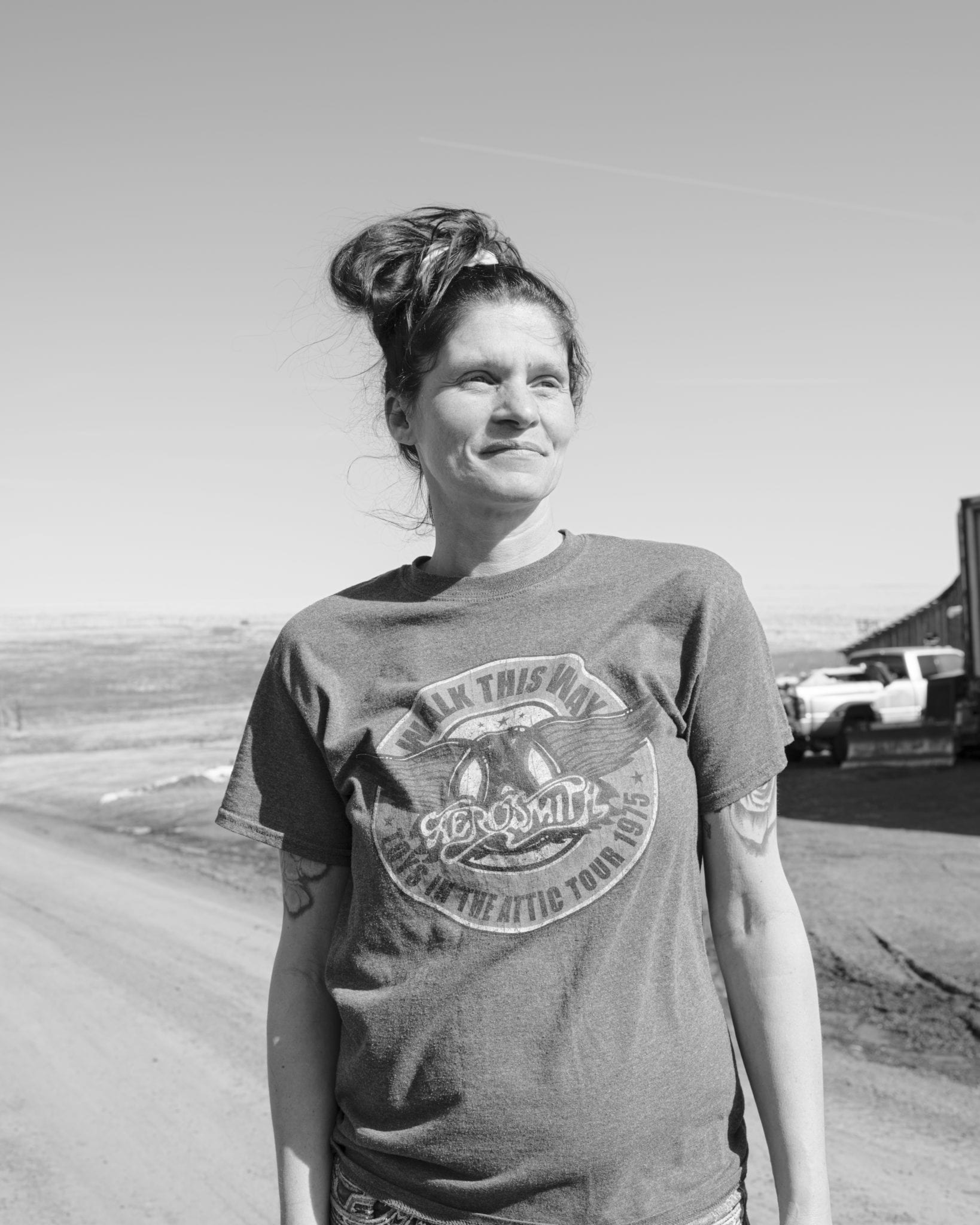
GG: I was certainly nervous, it took me probably four days to finally take a picture of a person. I didn't know how to approach people and be respectful and mindful of what was going on. What actually broke the ice was somebody approaching me and wanting to find out what the hell I was doing in their little town with a camera on a tripod! And once I had a conversation, it just invigorated me in the process of approaching. I mean, there all the conversations are outside—I went into a few houses with a mask on, but for the most part it felt just as safe as any risk I was making back at home. It just happened to be that I wasn't in my hometown.
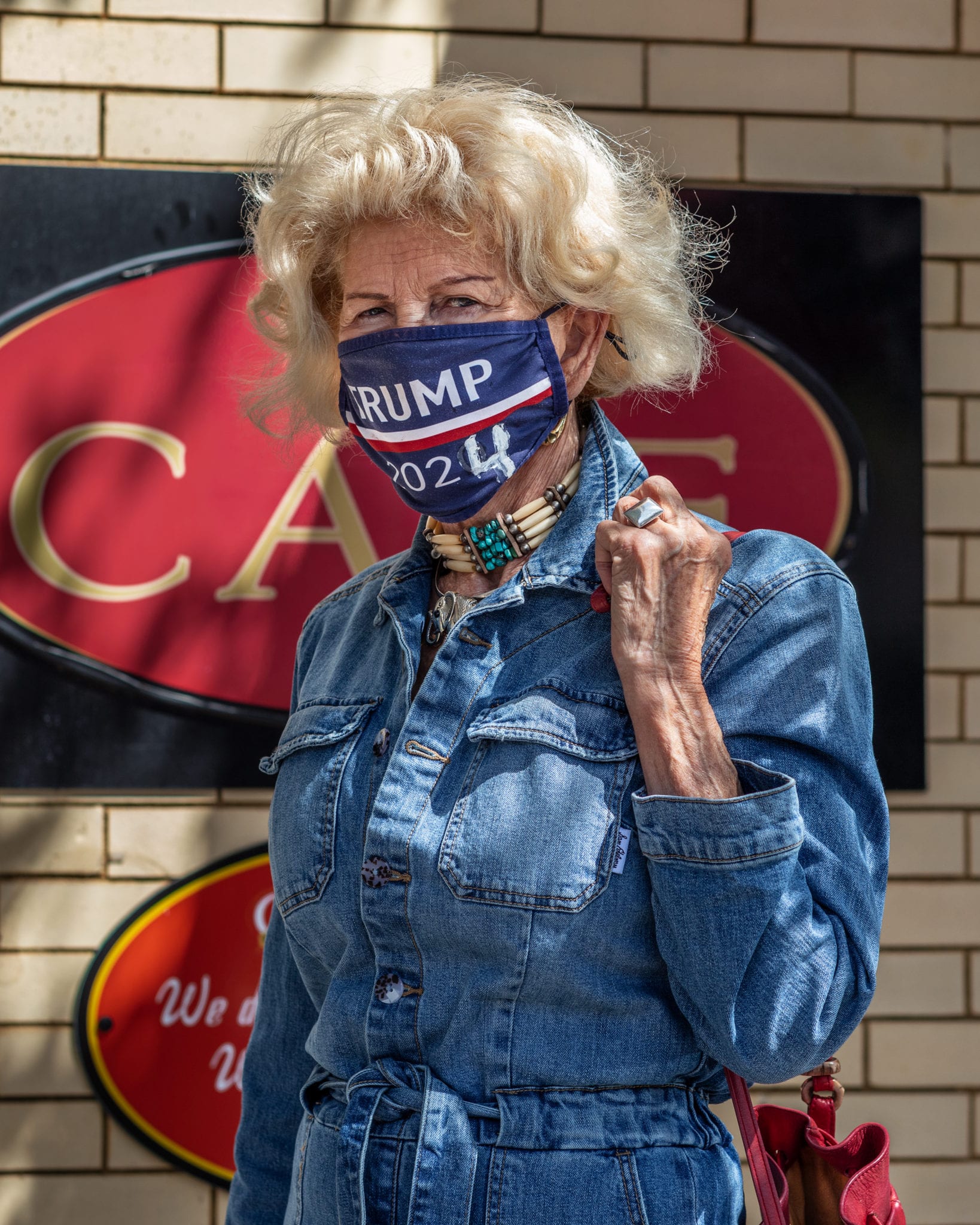
AS: The deeper into Florida I went, the fewer masks could be seen. So, at some point, the beauty of that 50mm gives you enough distance to where you are a good six feet away. And, interestingly, you know there are a couple of portraits there that are included. There's one woman, I think she said she was in her 80s, and she's got this hairdo and she's got this very slender tall denim outfit. So I noticed her for other reasons than her mask, but she actually put on her mask when she saw me. Just like, “you can take a photo, only in my mask”. And it's a Trump mask!
And then there's another shot of a woman, literally just down the street, who was wearing the mask and I was also drawn to her outfit. You know, it's a very small town in Florida—quite eccentric, interesting people. Overall it's just antique stores and farm equipment, and then suddenly it was like vibrantly-dressed people and of course, I was interested. She runs this alternative radio station.
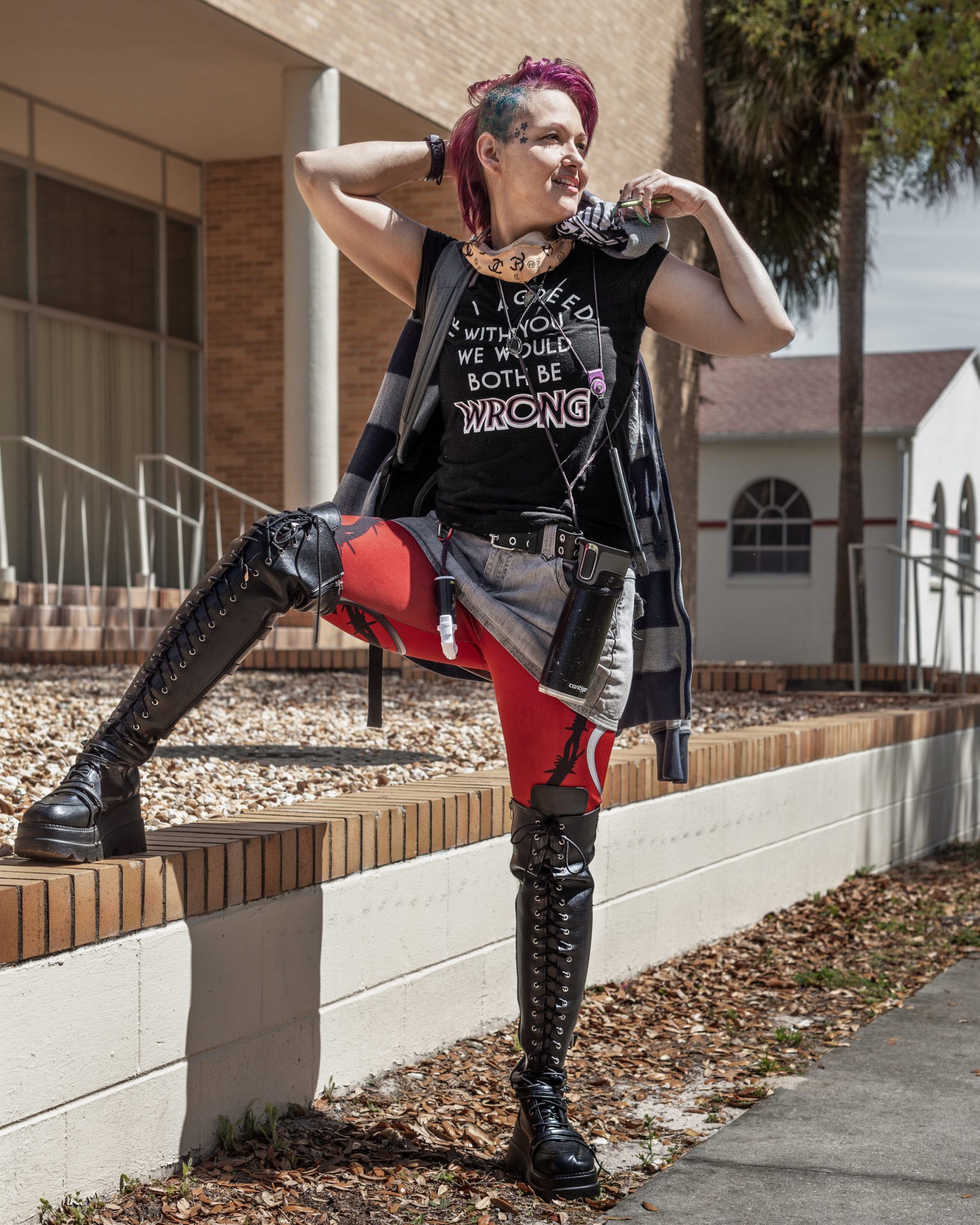
The two portraits had been taken maybe 20 minutes apart from each other, so it's these kinds of contrasts in terms of people. One really crazy decision I made was to attend a county fair. I've never been to one in Florida. And so, this is central Florida, I turn up and it's hogs and sheep and it's thousands of people and nobody's wearing a mask. Or it's like somewhere else as an accessory.
These are some very insular communities that are incredibly vibrant and densely populated during those events, even though most of the time it feels like you're just driving through empty farmland with just cattle. But then suddenly the county fair just brought thousands of people together.
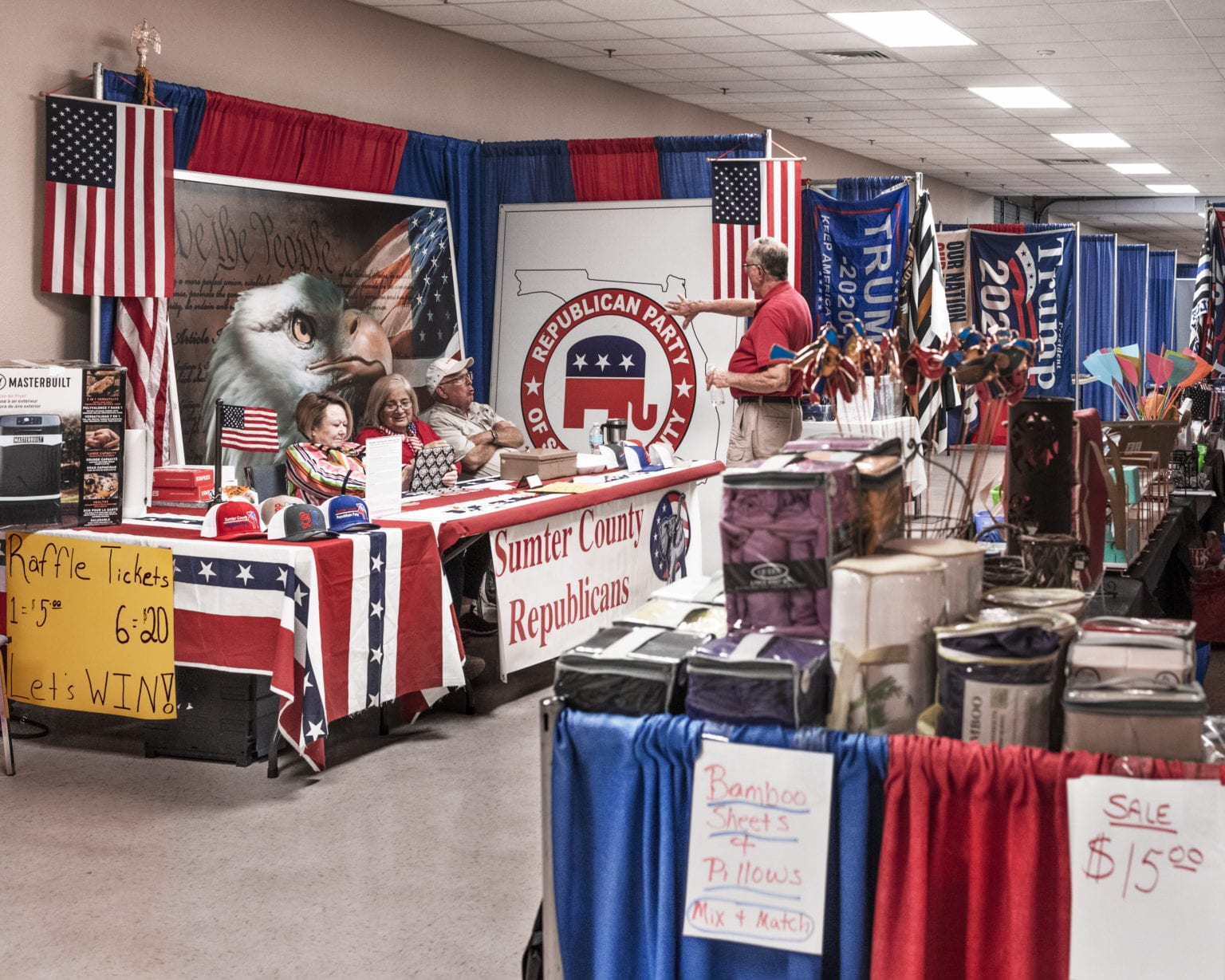
MPB: Can you tell us more about your camera gear?
AS: Starting with Walker Evans again, and how his images are usually still, sombre, there's very little drama and action. He uses prime lenses and so do I. So I make it difficult for myself, I'm always switching lenses and I have my 35mm, 85mm and 120mm and then thankfully 50mm, which I ended up working with most of the time.
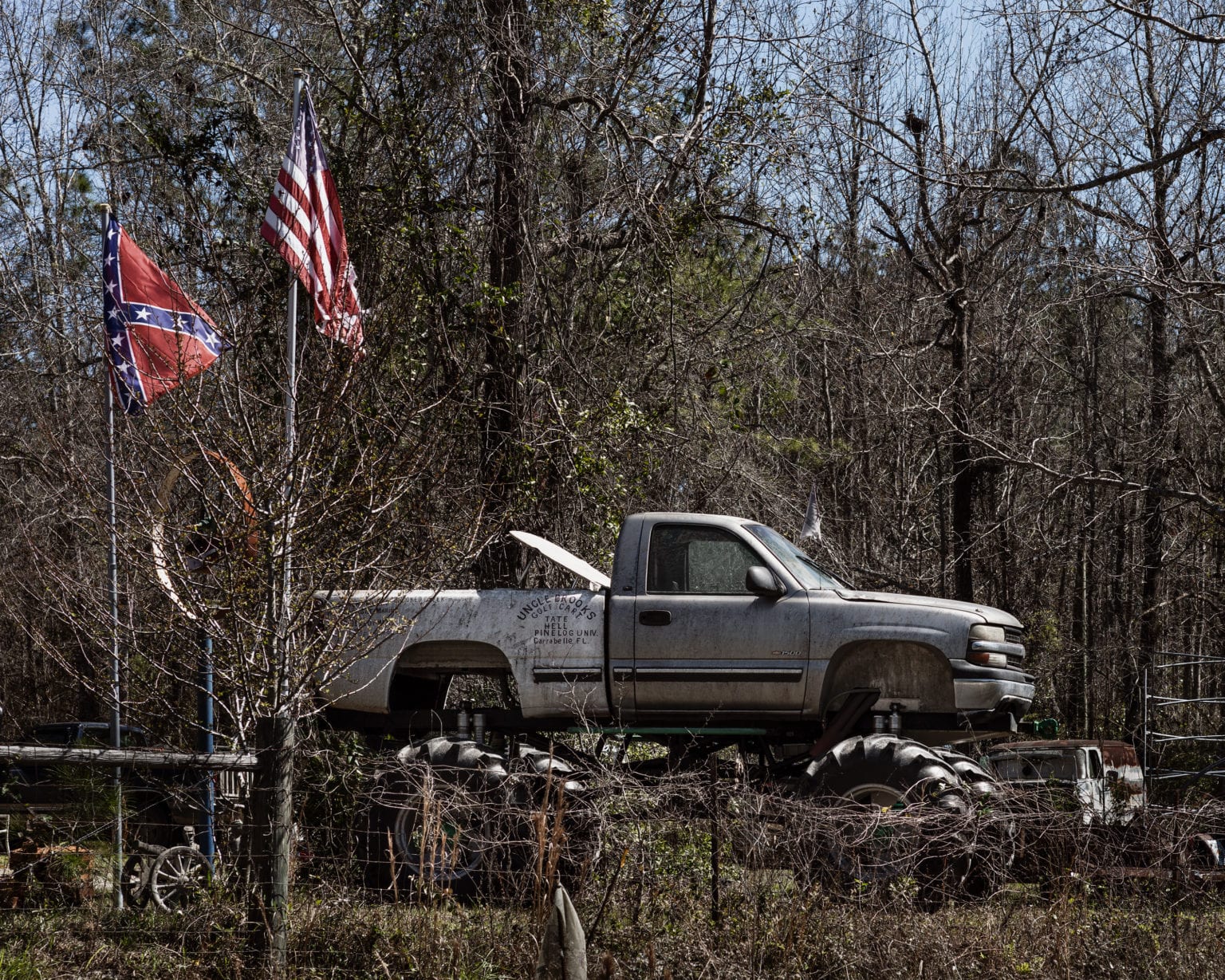
There were some areas where it was just plain unsafe for me to get out of the car, but I could pull up close enough with my 50mm and still get the shot. You know, like driving through Confederate flag territory. And there were some instances where I had to hop into the car really fast and drive off. It's not always super safe, but the length of the lens it gives you for enough distance to move on.
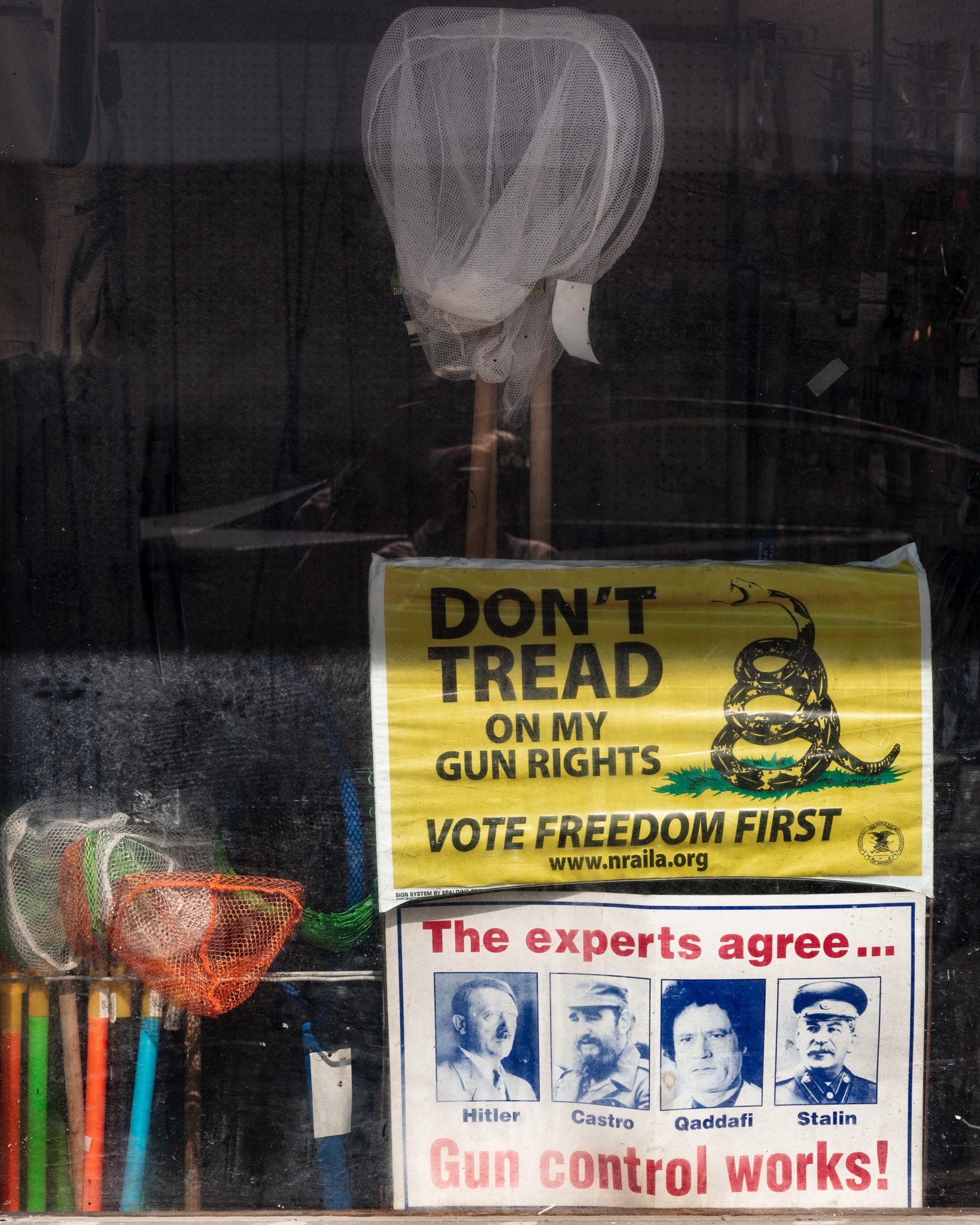
GG: I wanted to bring two cameras that were quick, in my pocket, so if I'm driving I can just pull it out and snap a shot. That's where I've used that Ricoh GR II for many years. I've gone through two of them now, and so I figured I should get another one as a backup because I figured my other one was about to die! I shot with a 35mm millimetre lens, pretty much 100% of the time. Sometimes I'll use a 50mm.
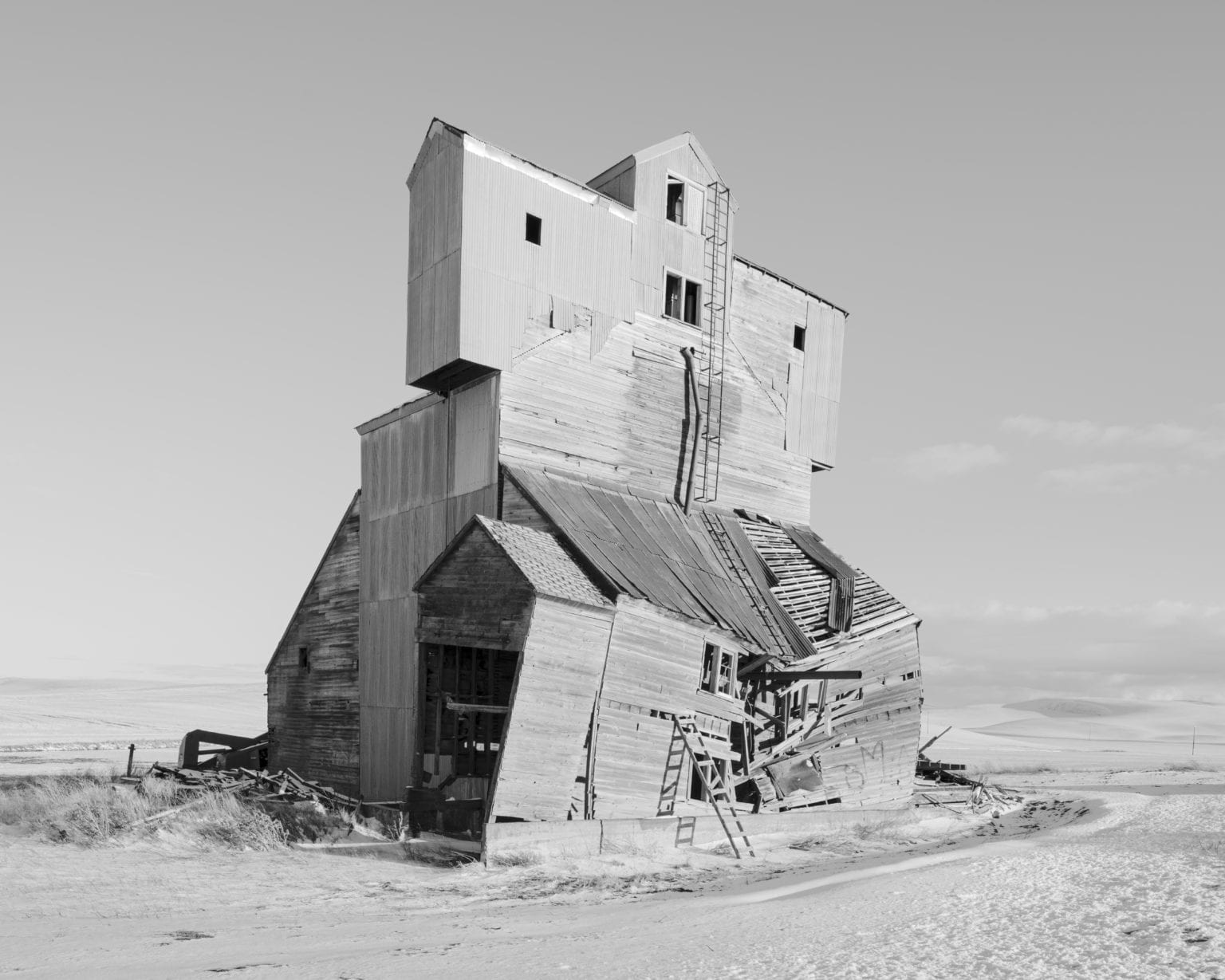
I end up focusing a lot on structures as well, but with a 35mm if you're not high enough or too low it just distorts the angles. And so I just thought it'd be interesting to have that capability to straighten the lines. So I didn't actually use the Ricoh at all, I didn't use the Fujifilm X100F (read our Fujifilm X100F review), I just shot with that 35mm and then the 24mm f/3.5D ED.
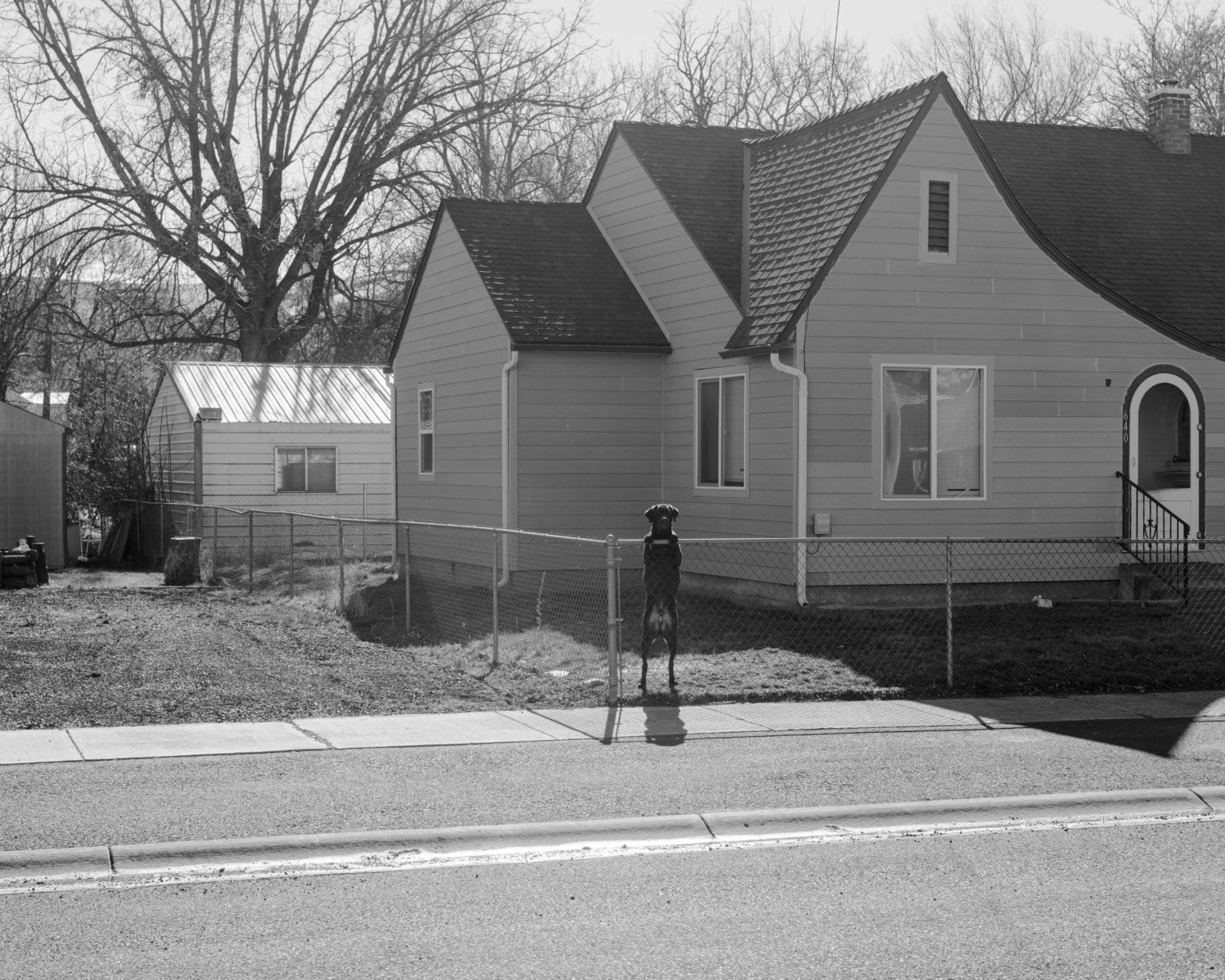
The 24mm tilt shift was really nice. In some of these smaller towns, the streets are narrow and if you have a 35mm you can't get the whole building. Or it makes the lines off. So it was nice to have that 24mm so you could get the whole structure in and tilt and shift it so that the lines are vertical. So I'll probably end up getting that lens as well at some point.
For more tips and techniques, expert interviews and camera gear guides, check out the MPB content hub.
You can sell or trade your camera kit to MPB. Get a free instant quote, get free insured shipping to MPB and get paid within days.