Diary: Photographing Bald Eagles with Matthew Weathersby
Published 19 December 2024 by MPB
Photographing America’s national bird is something many photographers aspire to but struggle to capture. Matthew Weathersby challenged himself to photograph a bald eagle within one week in North Carolina. Read on to learn about his experience and discover tips and tricks for your own photoshoot.
Over to you, Matthew.
Studying your subject
Photographing any bird can be difficult — let alone the speedy bald eagle. To increase your chances of capturing a bald eagle, it's best to learn where they hunt and nest.
An easy way to locate birds is to listen for their calls. Websites and applications like The Cornell Lab of Ornithology’s Merlin Bird ID help you study different bird calls so you can quickly identify them.
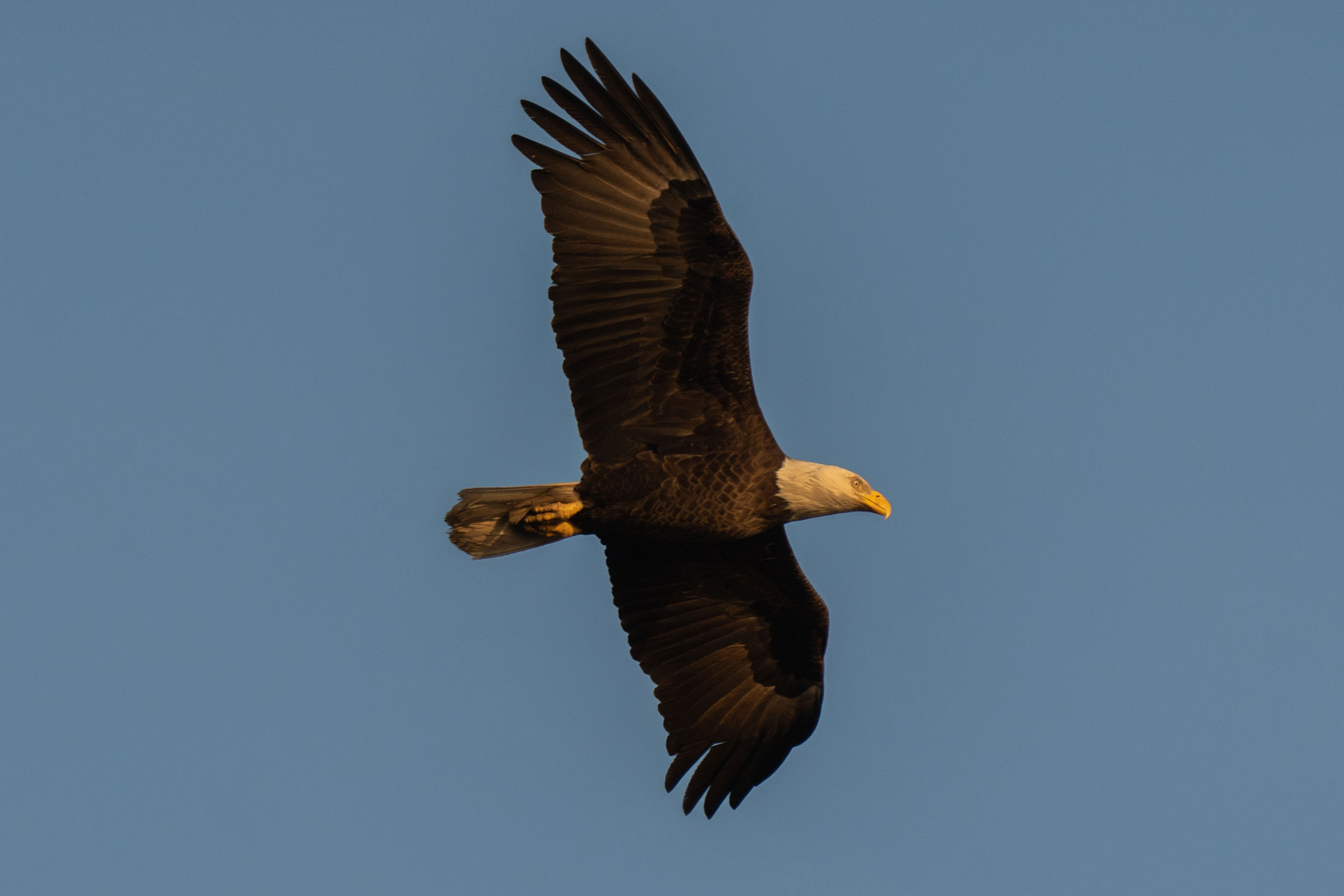
Matthew Weathersby | Sony A7 IV | 415mm | f/6.3 | 1/2500 | ISO 800
I heard a bald eagle calling in the distance early in the challenge. I followed the sound and located the eagle nesting on top of a telephone pole. This was a huge breakthrough and I was thrilled to find a nesting site so soon.
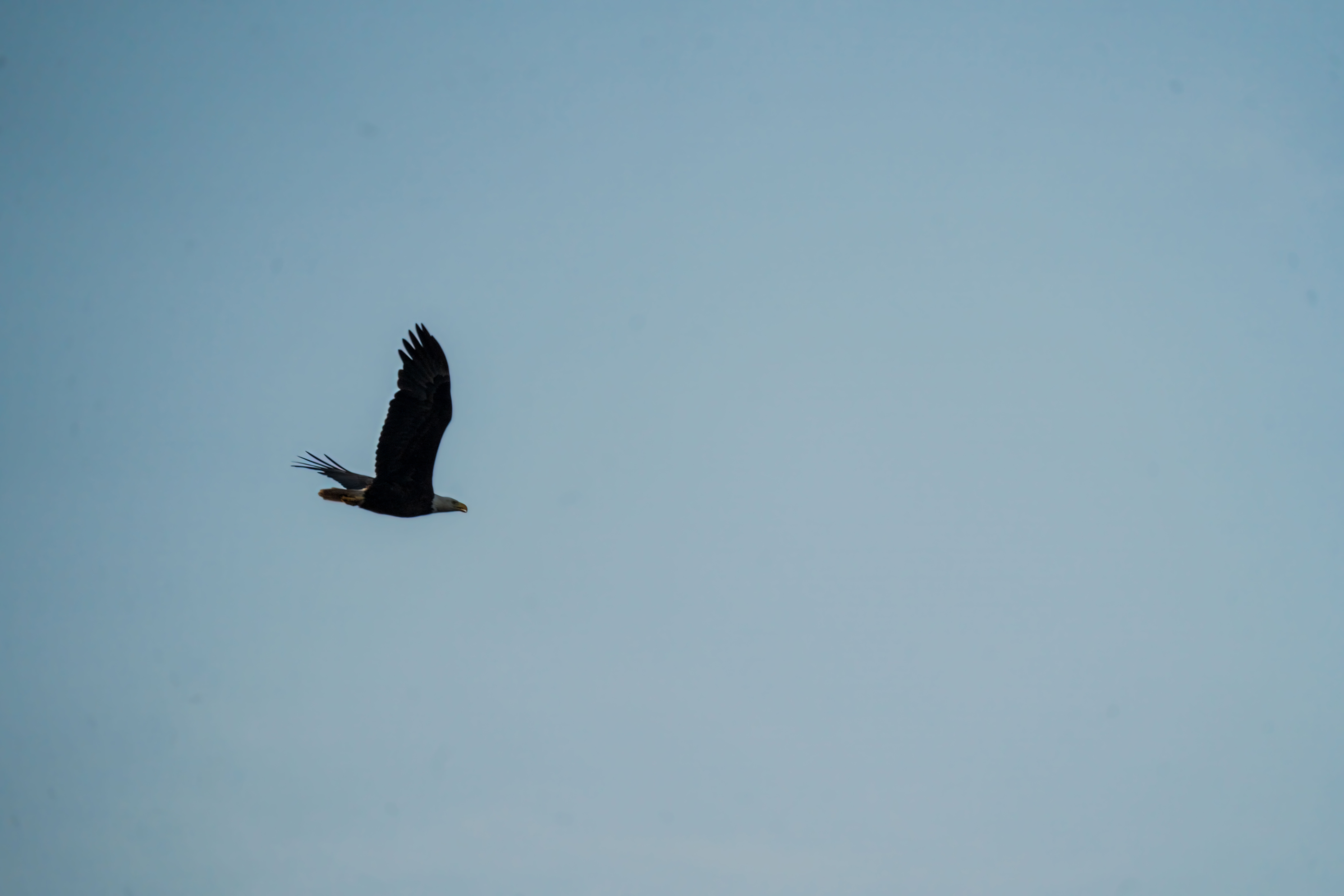
I spent the rest of the day observing the eagle's flight patterns, hoping to capture it in action. It was easy to photograph the eagle in its nesting site but I didn’t want to settle for a picture of an eagle perched on a tower. It's easy to forget about composition in wildlife photography as capturing the animal is difficult enough. However, it's important to remember that solid composition can take your image to the next level.
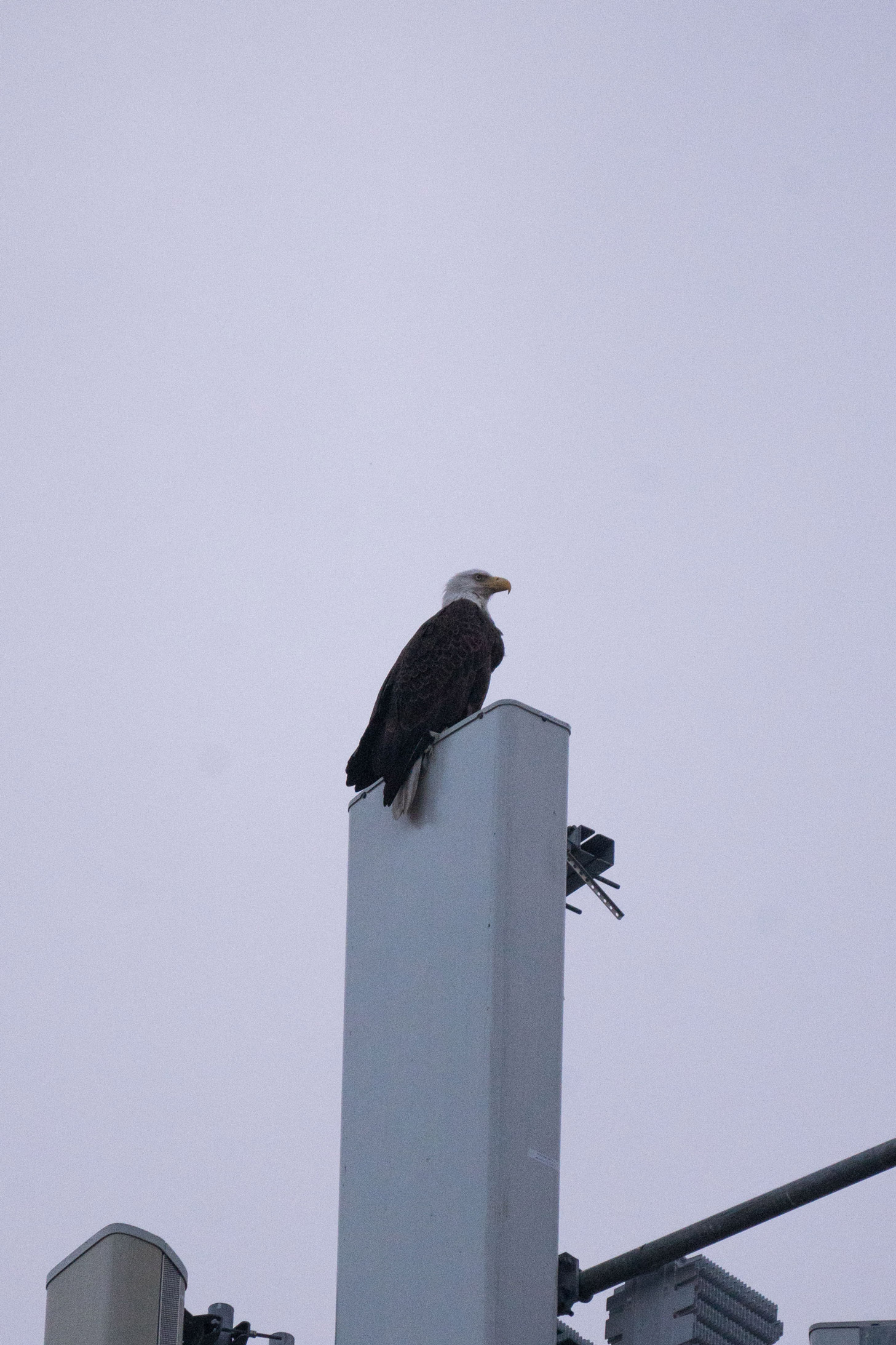
Matthew Weathersby | Sony A7 IV | 600mm | f/6.3 | 1/100 | ISO 3200
My plan
For my composition, I aimed to capture the bald eagle soaring through the sky, fighting for prey or fishing over a local waterway. To determine the best location for this, I researched the bald eagle’s hunting habits and used Google Earth to identify suitable waterways where it may search for food.
After finding two solid options — the creek behind the telephone pole and a water reservoir further down that — I planned to spend every sunrise and sunset of the remaining week at these locations.
I devised a plan that allowed me to act quickly when the opportunity to photograph the eagle presented itself. Unlike landscape photography, capturing wildlife involves brief windows of just a few seconds to get the perfect shot. During these brief sightings, focusing, exposure and focal length all add to the challenge of taking the best possible photo.
Matthew Weathersby | Fujifilm X100V | 23mm | f/2.2 | 1/400 | ISO 640
The gear
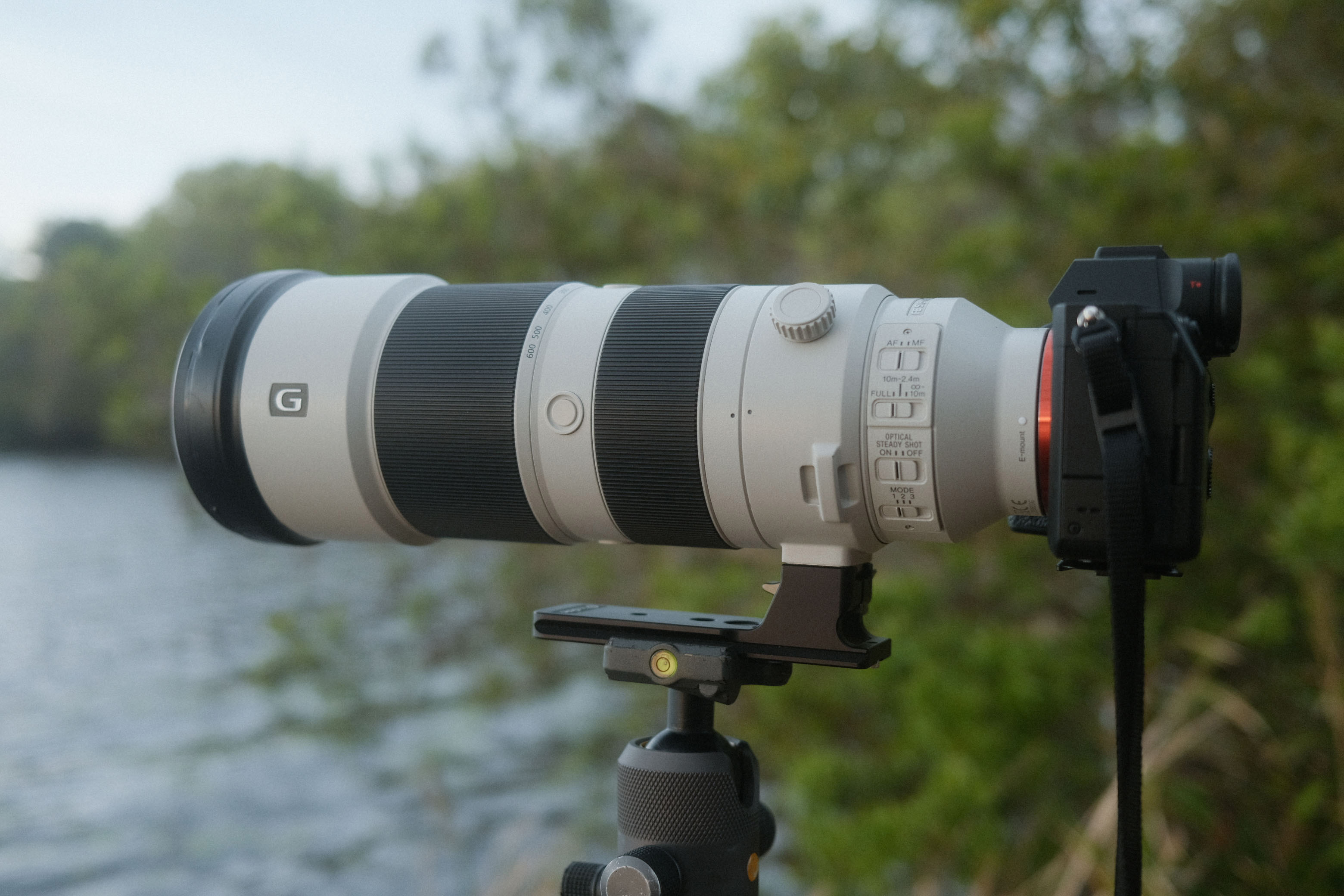
Because I planned to travel along wooded trails, neighbourhood backroads, and creekside paths, I needed a lightweight setup to carry on my back while biking. To meet this challenge, I brought a Sony A7 IV camera and a 200-600mm f/5.6-6.3 G OSS. The Sony A7 IV is a versatile hybrid camera for photos and videos, and it also features elite autofocus. The 200-600mm lens offers a wide range of focal lengths, allowing me to adjust my shots based on distance from the subject. I also brought a tripod for stability when shooting fast-moving targets.
Read the Sony A7 IV review and Sony 200-600mm review.
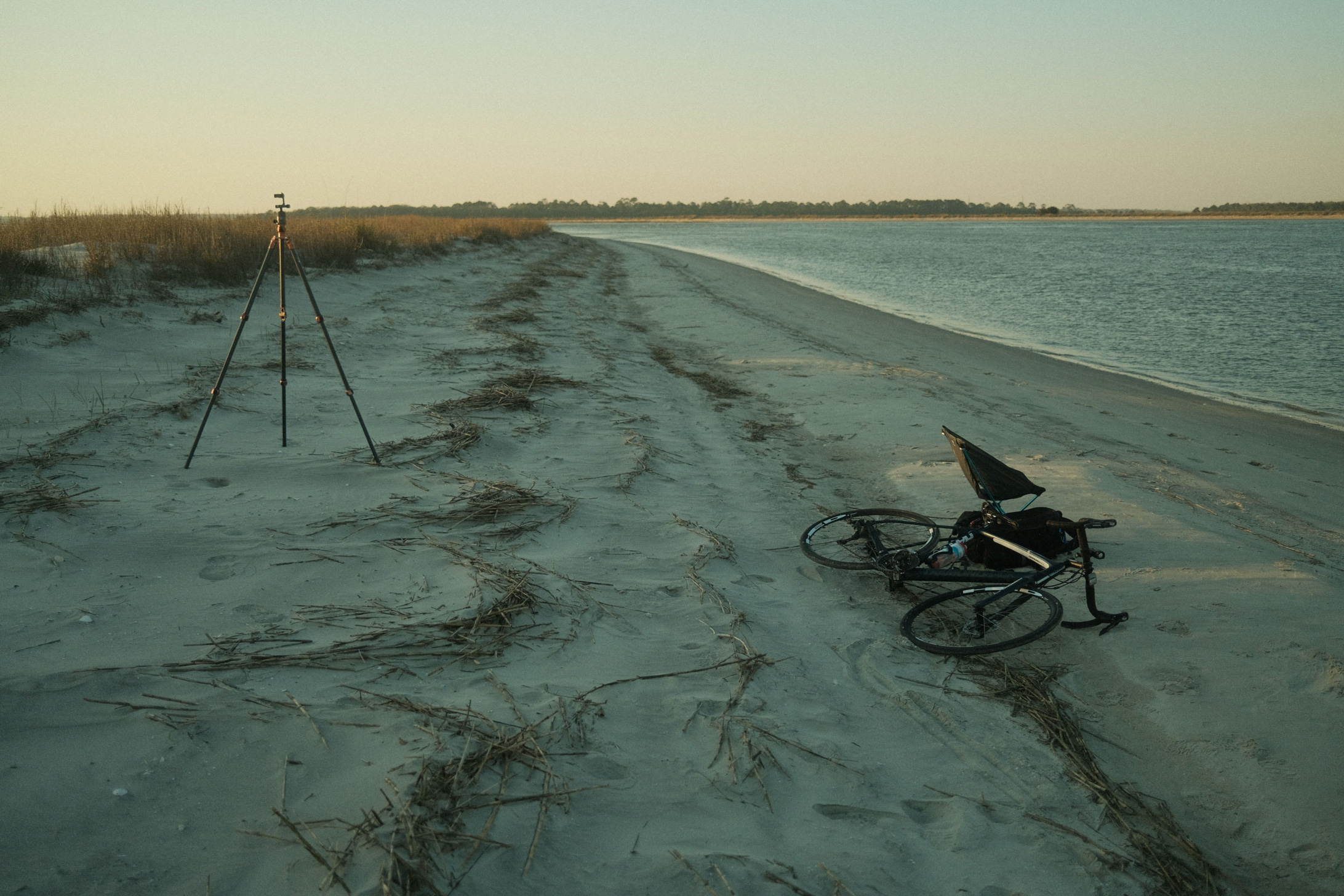
Matthew Weathersby | Fujifilm X100V | 23mm | f/2.2 | 1/5800 | ISO 640
Camera settings
I prefer to use auto ISO when photographing birds against skies that shift quickly from light to dark. This lets me set my camera to the minimum shutter speed to produce a sharp image of my moving subject. As a general rule, I aim for a shutter speed of 1/focal length. So, when shooting with a 200mm lens, the minimum equivalent would be 1/200.
However, when photographing fast-moving birds with my 600mm lens, I prefer a shutter speed of around 1/2500 of a second to ensure sharpness.
I recommend taking test shots of every bird that passes while you're in the field searching for your main subject. This helps you prepare for unexpected situations so you're ready when the perfect shot presents itself. You may be surprised by how many times I've taken a test shot of a random subject only to discover my shutter speed was too low or I was in manual focus.
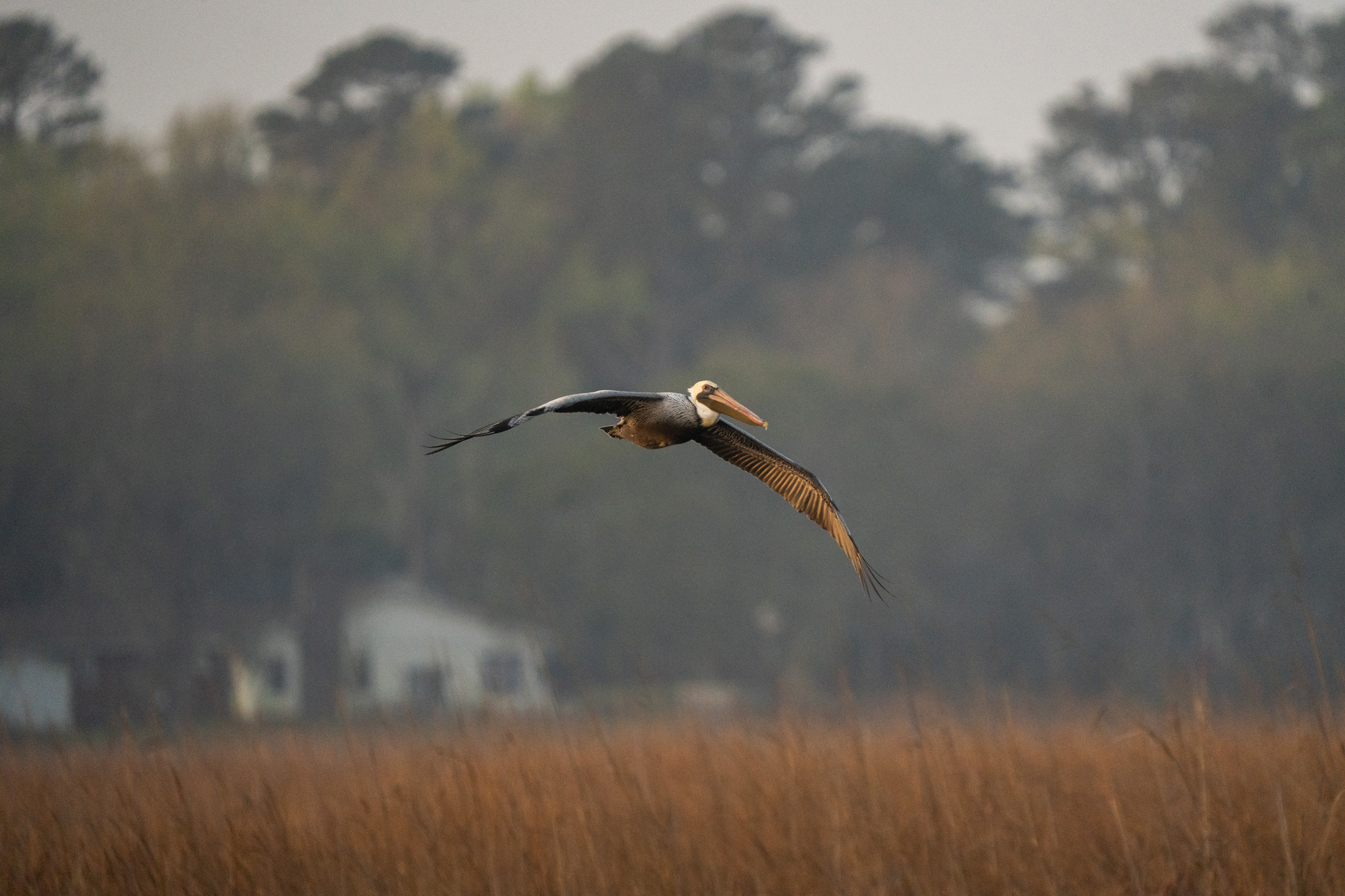
Matthew Weathersby | Sony A7 IV | 600mm | f/6.3 | 1/2500 | ISO 6400
Learn to adapt
Unexpected obstacles can arise during wildlife photography expeditions despite meticulous planning and preparation. I encountered a major setback when an osprey took over the eagle's nesting spot halfway through the week. I made a difficult decision: I abandoned my original location at the creek in front of the nest and focused on the reservoir for the rest of the week.
After countless days of inactivity and time dwindling through my fingers, it happened. On the fifth evening around sunset, I spotted the eagle flying over the reservoir. I was ecstatic. I spent the next day observing the eagle flying in and out of a wooded area on the reservoir, and I finally found a location to photograph my subject. However, my position on the shoreline prevented me from capturing any usable photos of the eagle due to the backlight from the sunset.
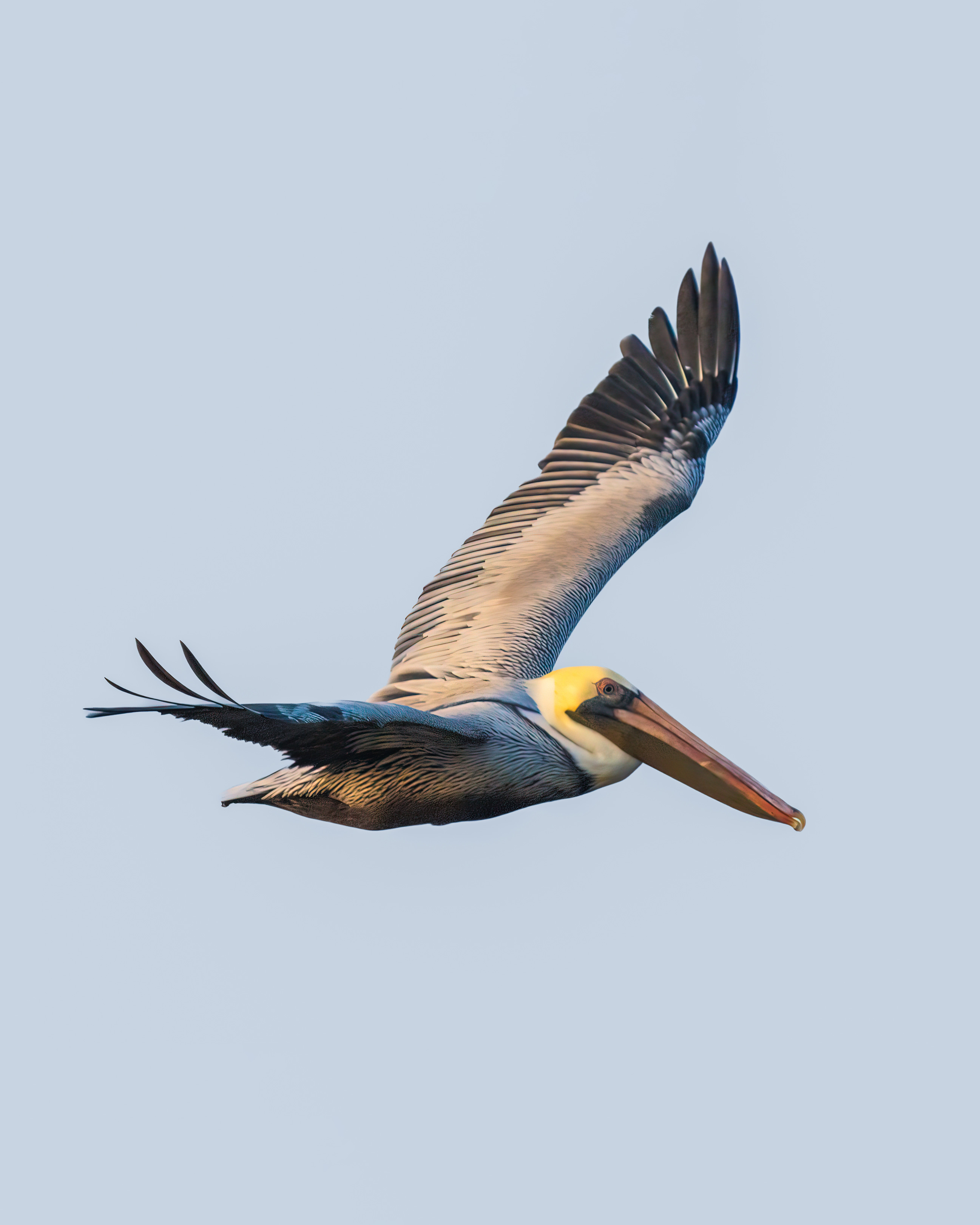
Matthew Weathersby | Sony A7 IV
Trust the process
I realized the only way to capture the photo I wanted was to be on the water. So, I asked for help. My Uncle Link, who lives in a neighbourhood close to the reservoir, kindly donated his time and his kayak to get me off the shoreline and into the water where I could shoot the eagle with the sun at our backs.
Given that it was the last day of my challenge and I was relying on the time and resources of others, I felt immense tension in anticipation of the eagle's arrival.
I made sure to get out on the water early so that I could take some test shots from the kayak. Being on the water meant shooting handheld since a tripod wouldn't be possible. Not only would I fight with motion blur from shooting handheld, but I also would deal with shooting from a drifting, bobbing kayak. To compensate for this, I adjusted my shutter speed to between 2500-3000, leaving my ISO on auto to avoid having to adjust the lighting in the split seconds of changing sun.
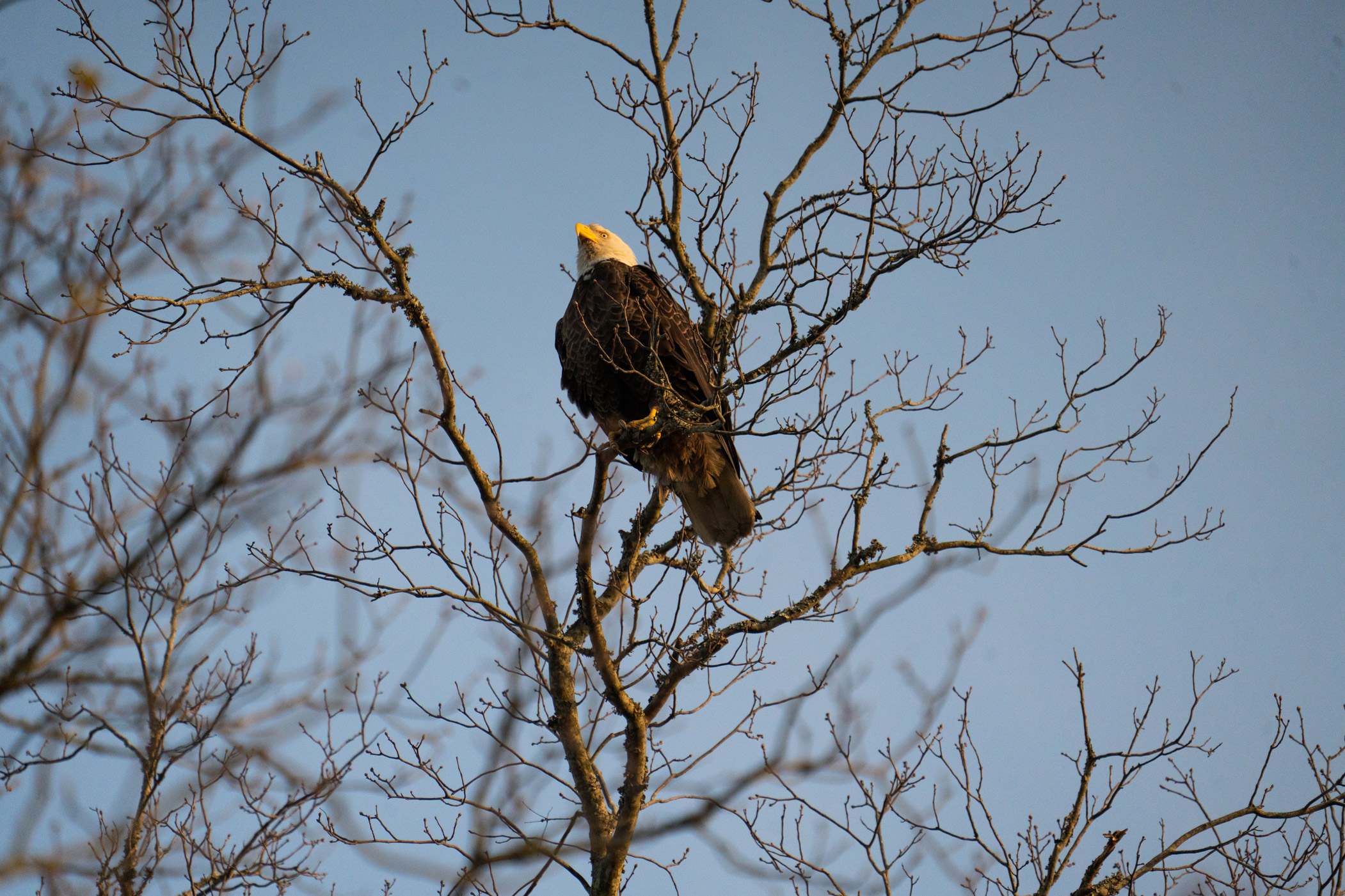
Matthew Weathersby | Sony A7 IV | 600mm | f/6.3 | 1/2500 | ISO 2000
While waiting on the water, my uncle, who was 200 yards away with binoculars and a walkie-talkie, informed me of any birds that looked like eagles. The sun began to turn golden and just as I hoped, at 7:10 pm (the same time I had marked for the previous nights), the eagle soared out of the woodland shore and headed straight towards me, glowing in the soft sunlight. I held my shutter down and snapped as many shots as I could.
When I finally got to shore, I opened my photos, and my test shots had paid off. My intensely involved Uncle Link rushed to hug me out of excitement. We were pumped! My shutter speed was high enough that the eagle was clear, in good light, and in a natural composition. The preparation and determination paid off and helped me appreciate the beauty of wildlife in my own backyard.
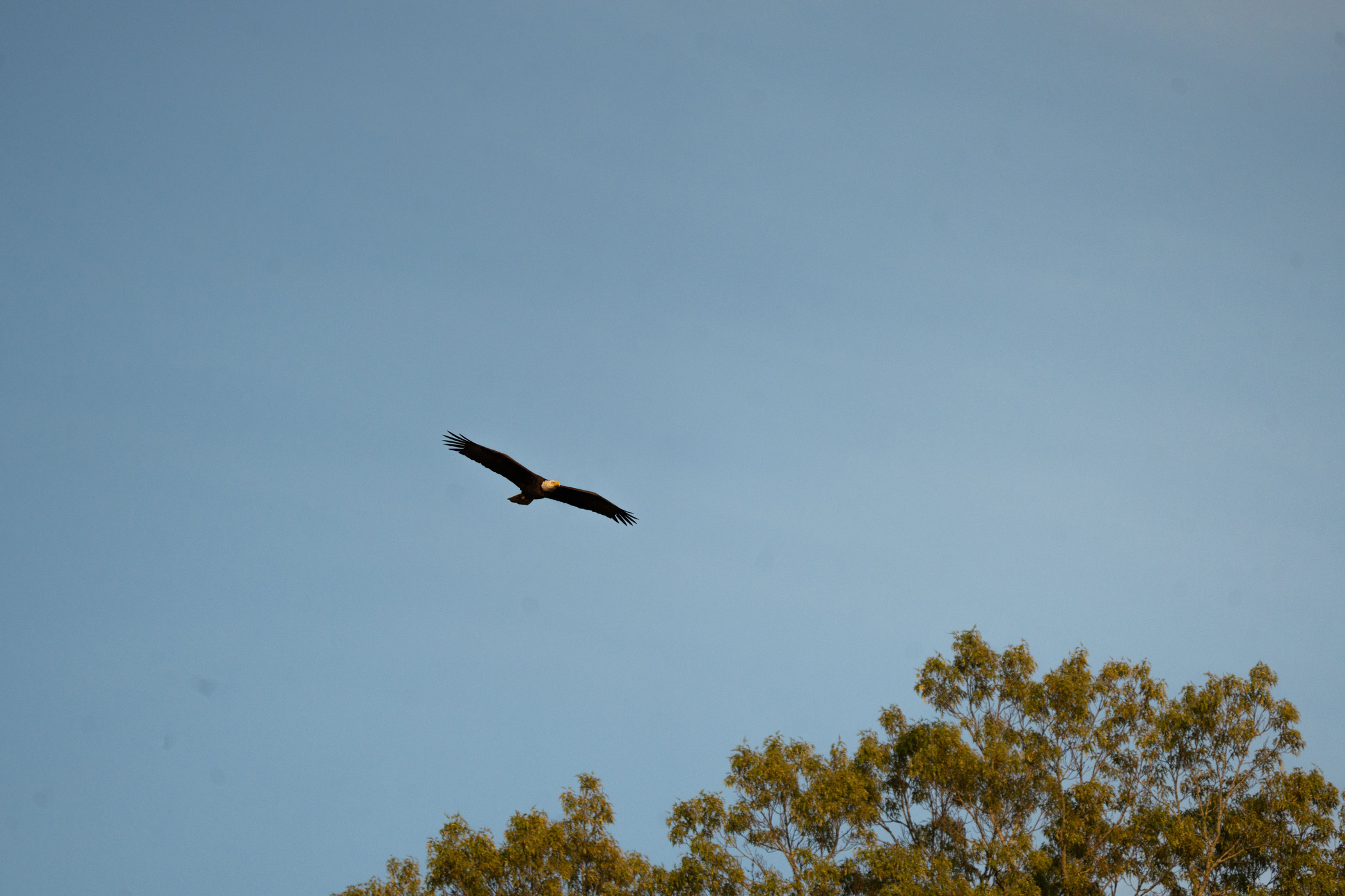
Matthew Weathersby | Sony A7 IV | 200mm | f/5.6 | 1/2500 | ISO 500
For similar travel or wildlife content, read our interview with cinematographer Alex Vail, our FE 200-600mm review, or visit the MPB content hub.