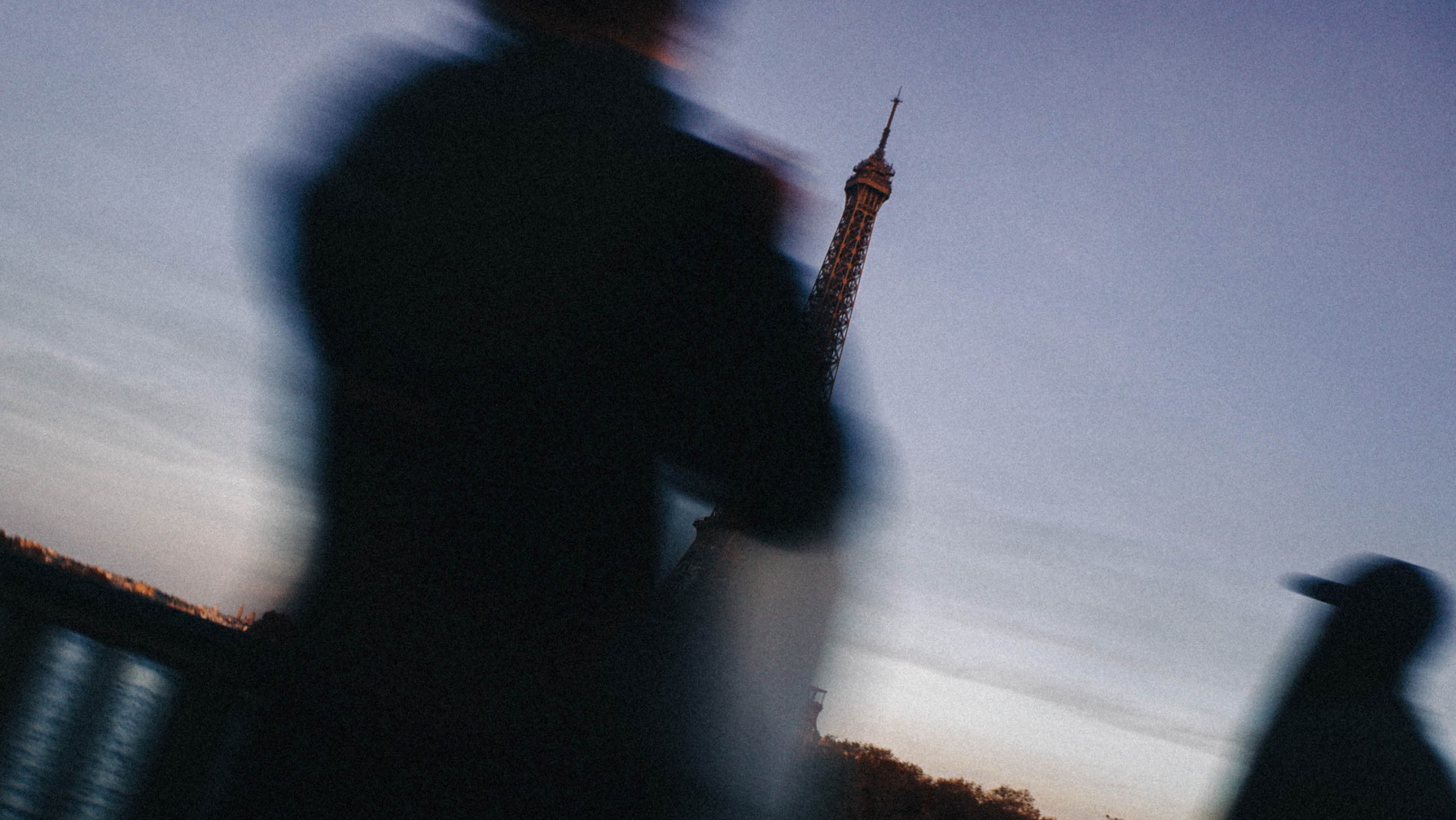
In the Field: Fujifilm XF10 for Travel
Published 5 October 2026 by MPB
Paris is a city that rewards wandering without a plan. The best photographs often appear when you turn a corner into a small square, follow a sound or a smell, or notice how the light hits a café window.
Join photographer Wesley Verhoeve as he spends a week in the city of love with the Fujifilm XF10 and find out how it performs, what camera settings work best for your travel photography, and why it remains one of Wesley’s favourite pocket-sized cameras.
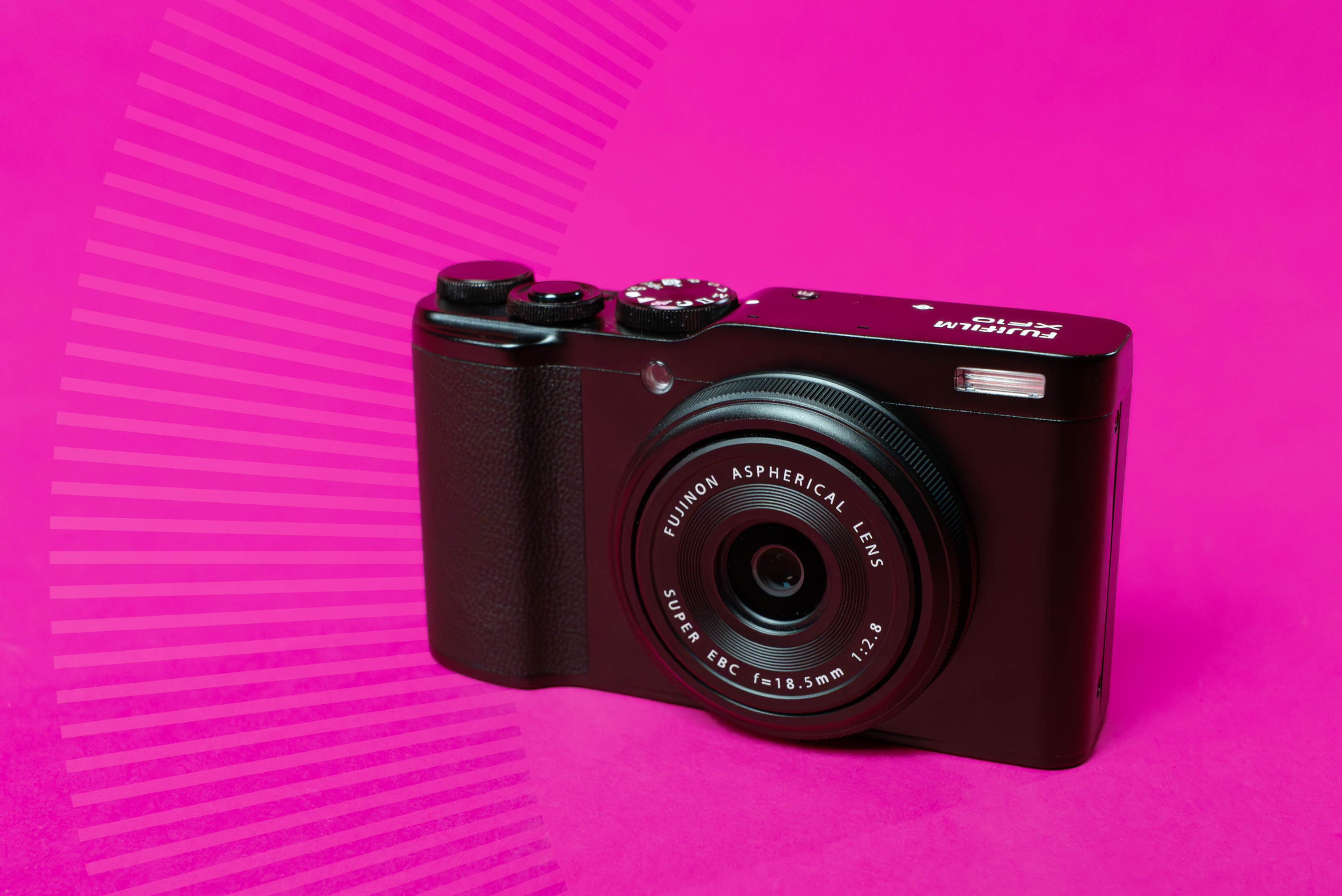
Used Fujifilm XF10
Fujifilm XF10 Technical Specifications
Sensor | APS-C Bayer CMOS |
Megapixels | 24.2 |
IBIS | No |
Lens | Fixed 18.5mm f/2.8 (28mm equivalent) |
ISO | 200–12,800 |
ISO, extended | 100–51,200 |
Max shutter | 1/4,000s (mechanical); 1/16,000s (electronic) |
Flash | Built-in pop-up |
Viewfinder | None (3-inch LCD only) |
Touchscreen | 3-inch fixed |
Shutter | Quiet leaf shutter |
Max video | 4K (15p) / 1080p (60p) |
Storage type | SD/SDHC/SDXC |
Weight | Approx. 280g |
Battery | NP-95 |
Battery life | Approx. 330 shots |
Dimensions | 113×64×41 mm |
Released | 2018 |
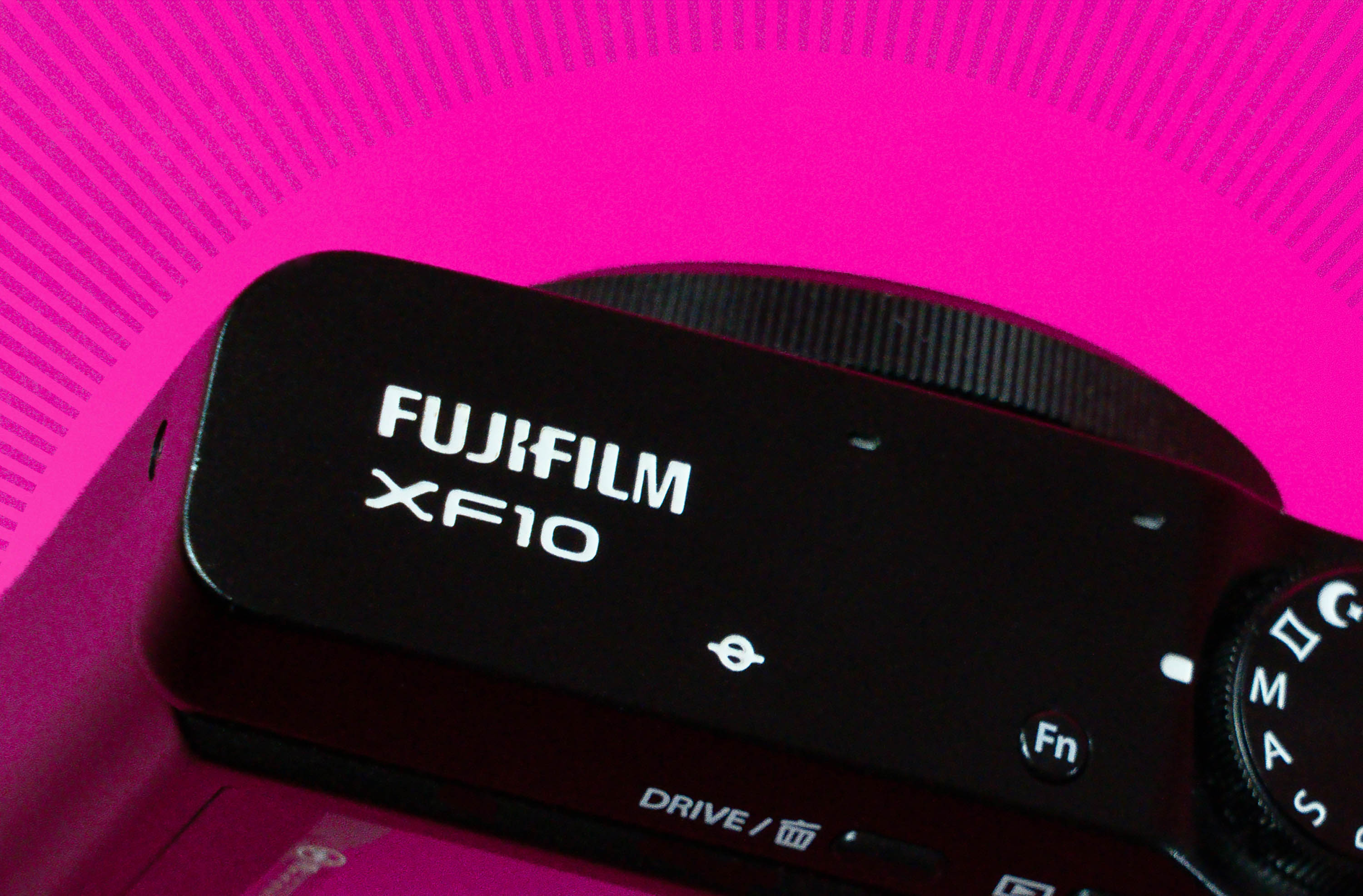
Used Fujifilm XF10
Pros
Excellent image quality and natural colours from the 24MP APS-C sensor
Compact and lightweight design, ideal for long days of travel
Sharp 18.5mm lens (28mm equivalent), perfect for street and documentary work
Beautiful JPEGs straight out of camera, especially with Classic Chrome
Quiet leaf shutter for discreet shooting in cafés, museums, and intimate street moments
Cons
No viewfinder – shooting is limited to the rear LCD
Autofocus slows down and hunts in low light
Fixed focal length with no zoom, limiting tighter compositions
Limited video performance, with 4K available only at 15p
Fixed, non-tilting screen
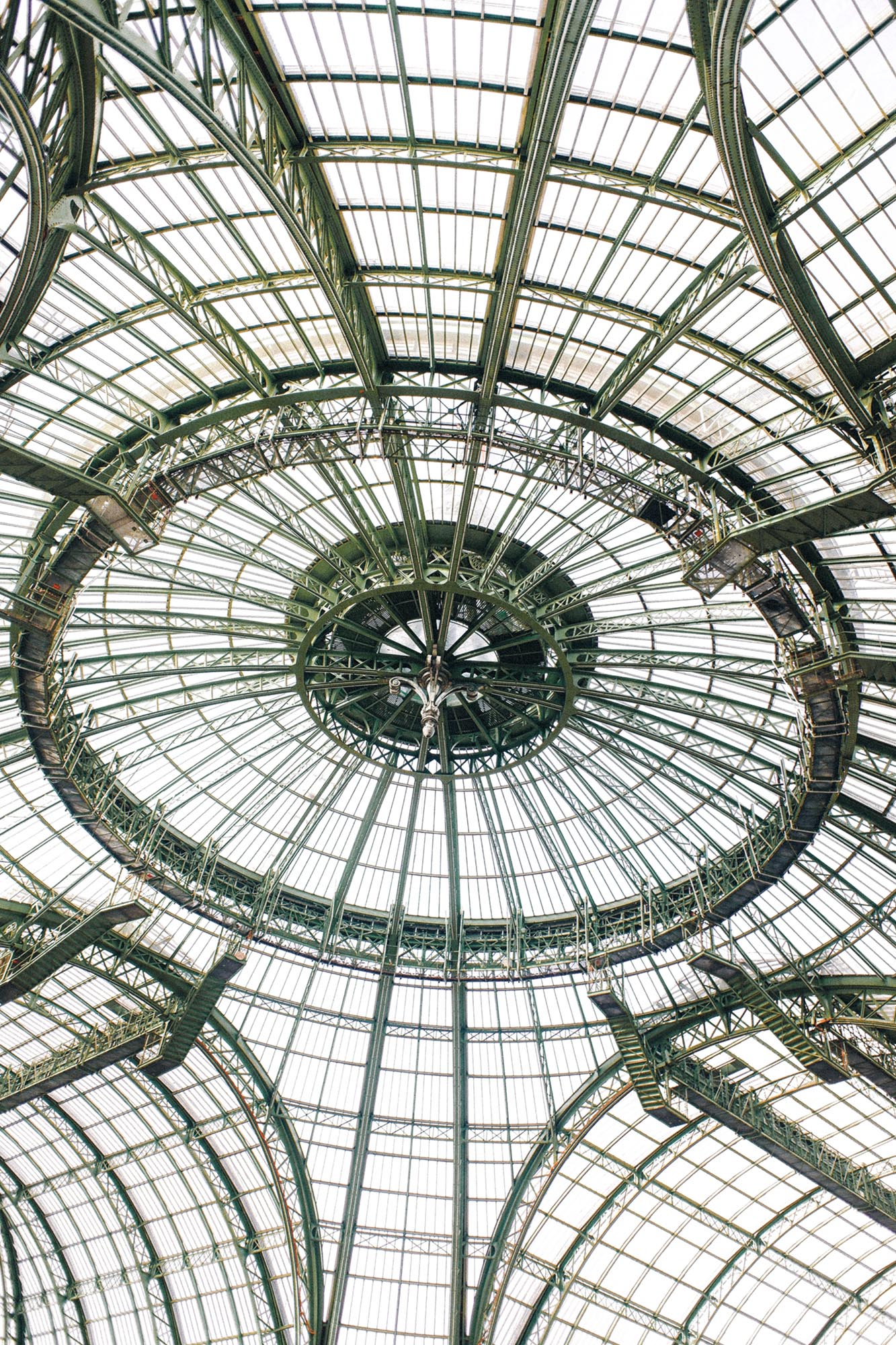
Wesley Verhoeve | Fujifilm XF10 | 18.5mm | f/3.2 | 1/280 sec | ISO 200
Fujifilm XF10 First Impressions
I’ve used Fujifilm cameras for years, from the X100 series to their top medium-format models like the Fujifilm GFX 100S II, and I’ve always admired how they balance form and function. The XF10 was released in 2018 and built a reputation among photographers who value minimalism and great image quality in a small body. In fact, it’s one of the smallest large-sensor cameras you can still slip into a coat pocket. With its 24-megapixel APS-C sensor and a fixed 18.5mm f/2.8 lens (28mm equivalent), it’s an excellent travel camera for people who love chasing and catching light.
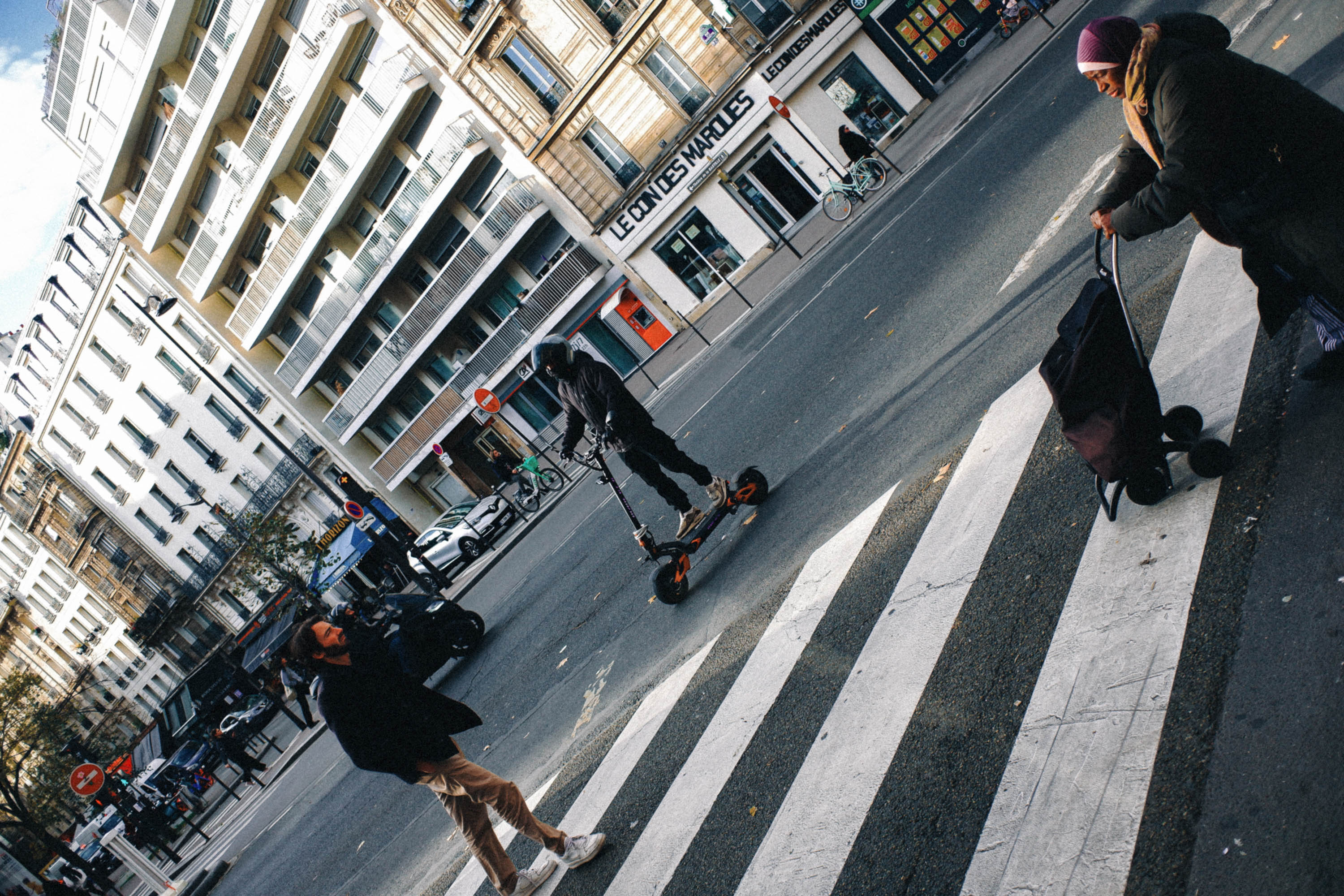
Wesley Verhoeve | Fujifilm XF10 | 18.5mm | f/2.8 | 1/680 sec | ISO 200
XF10 Settings for Travel Photography
When I travel, I try to keep both my setup and my decisions simple. The Fujifilm XF10 makes that easy. My base setting for daylight street photography was Snap Focus at 2m with an aperture of f/8. This gives you sharp results from roughly one metre to infinity, which is perfect for street scenes and quick moments. It’s an underrated feature that lets you shoot instantly without waiting for the autofocus to catch up.
For general walking around, I mostly used Aperture Priority at f/2.8 to f/5.6, adjusting ISO manually depending on light. The camera’s mechanical shutter tops out at 1/4000s, but in bright sun you can switch to the electronic shutter for 1/16000s. That saved a few afternoon shots along the Seine when reflections were harsh.
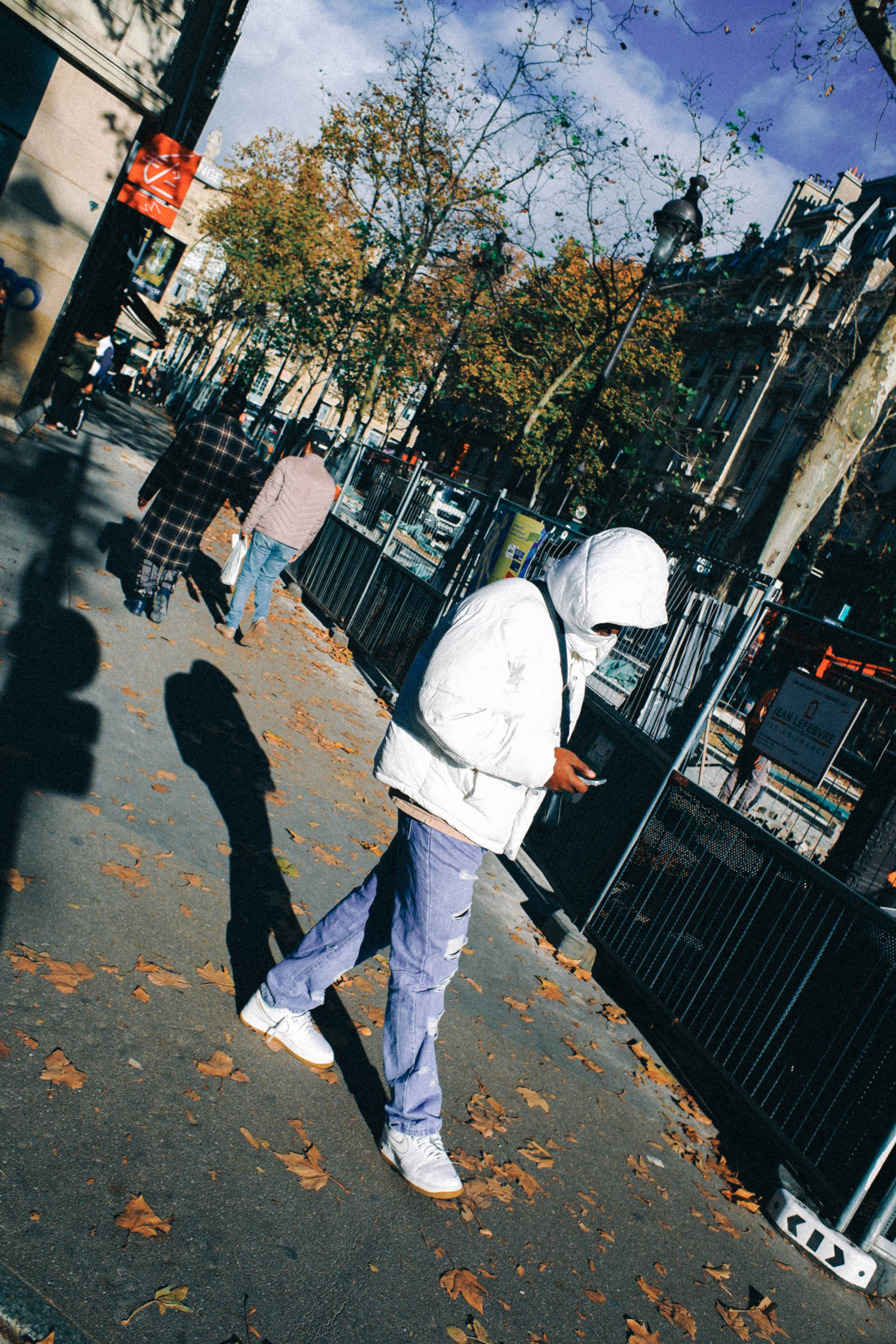
Wesley Verhoeve | Fujifilm XF10 | 18.5mm | f/4 | 1/2000 sec | ISO 200
I shot in JPEG, mainly relying on Fujifilm’s Classic Chrome film simulations. Classic Chrome gave me a beautiful, subdued palette that suited the overcast Paris light. I love the JPEGs and find them of such quality that I rarely need to touch them. That being said, the RAW files offer plenty of latitude if you want to fine-tune colour or contrast later.
At night, I raised ISO to 1600-3200 without worrying about it. The APS-C sensor held up beautifully, keeping detail without introducing distracting noise, and I didn’t feel the need to reach for anything larger or heavier.
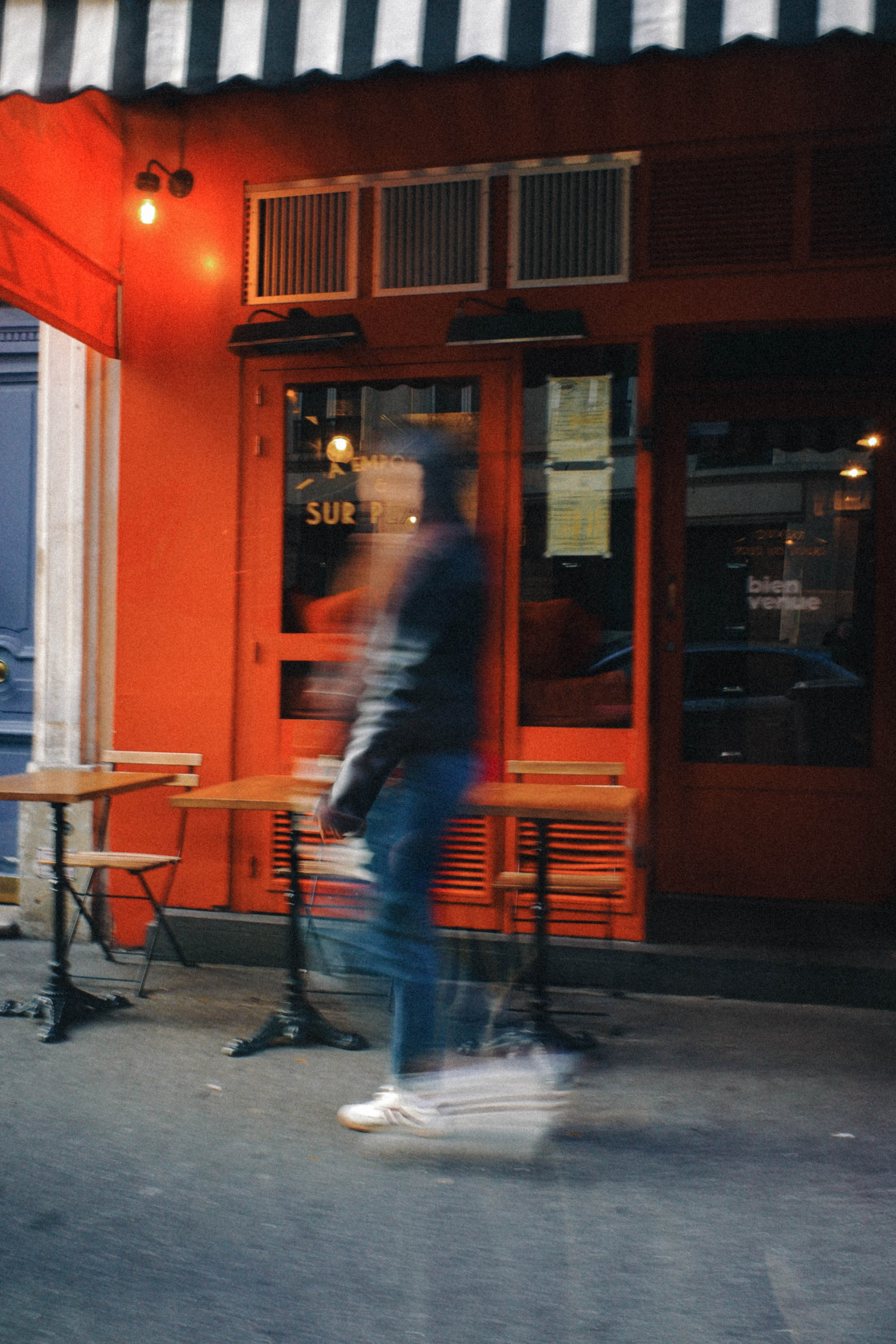
Wesley Verhoeve | Fujifilm XF10 | 18.5mm | f/10 | 1/12 sec | ISO 800
Handling the Fujifilm XF10 on the Road
The first thing you’ll notice about the Fujifilm XF10 is how light it feels. At just over 270 grams, it’s about the same weight as a croissant and a coffee combined. It disappears into a jacket pocket or a small tote, making it ideal for travelling through a city like Paris, where every extra ounce eventually feels like a burden.
The build quality is solid despite its small size. The metal top plate gives it a premium feel and nothing about it feels fragile. The leaf shutter is whisper-quiet, perfect for photographing in museums, churches, or intimate street moments where you don’t want to disturb the scene. Once you disable the beeps in the menu, it’s as silent as a camera gets.
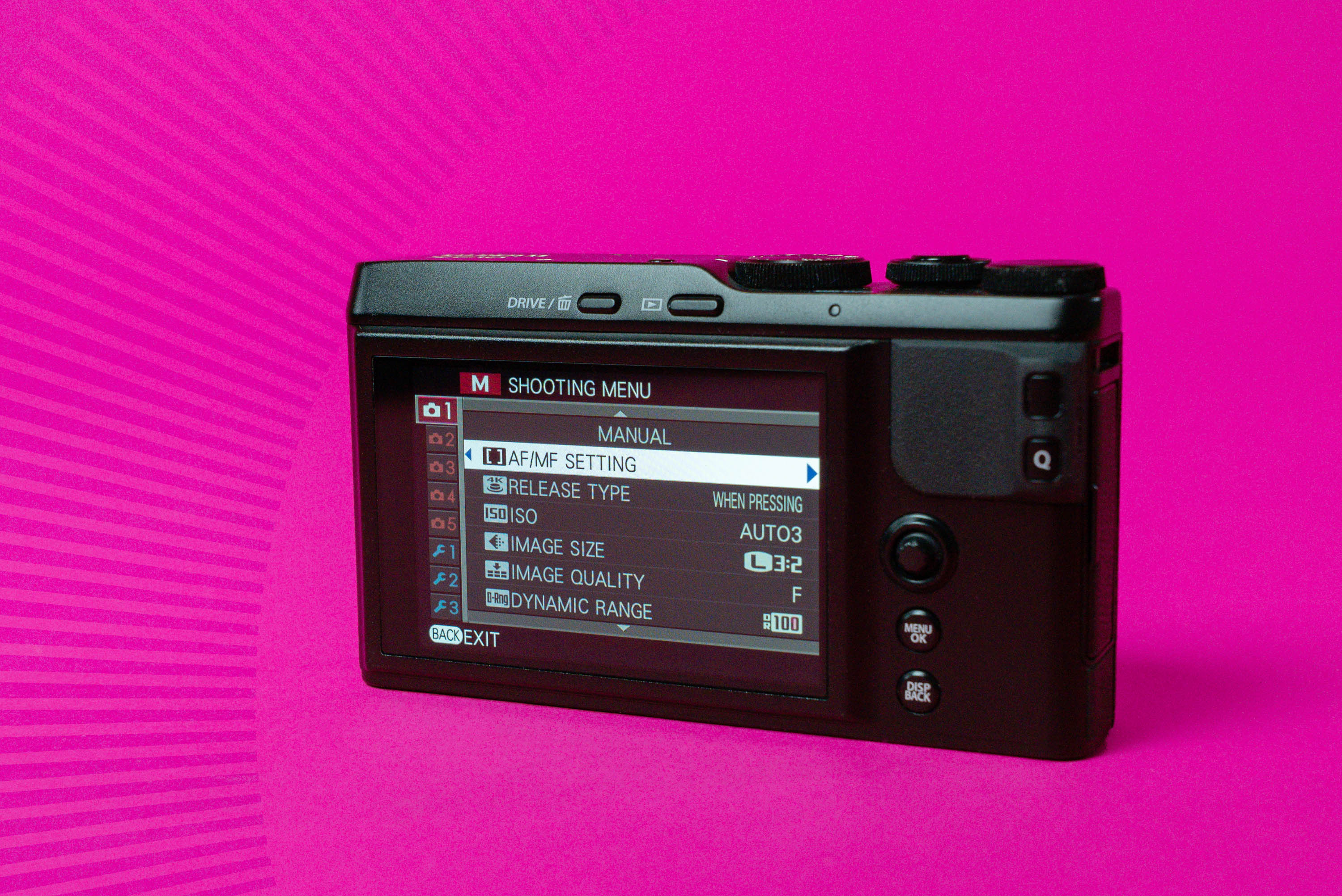
Used Fujifilm XF10
The 3-inch touchscreen is bright and sharp even in daylight, and although it’s fixed (not tilting), I never missed an articulating screen. The touchscreen focus point selection is intuitive, and you can swipe through images quickly when reviewing shots in the field.
The controls are minimal but well laid out – with dual dials, a customisable lens control ring, and a small joystick for AF point control. After a few minutes of setup, the camera felt like an extension of my hand.
I spent one afternoon walking from the Marais to Montmartre, shooting street scenes, small storefronts, people in cafés, and even taking pictures from the back seat of a taxi. The XF10 never slowed me down, and I didn’t once wish for a viewfinder or a bigger body.
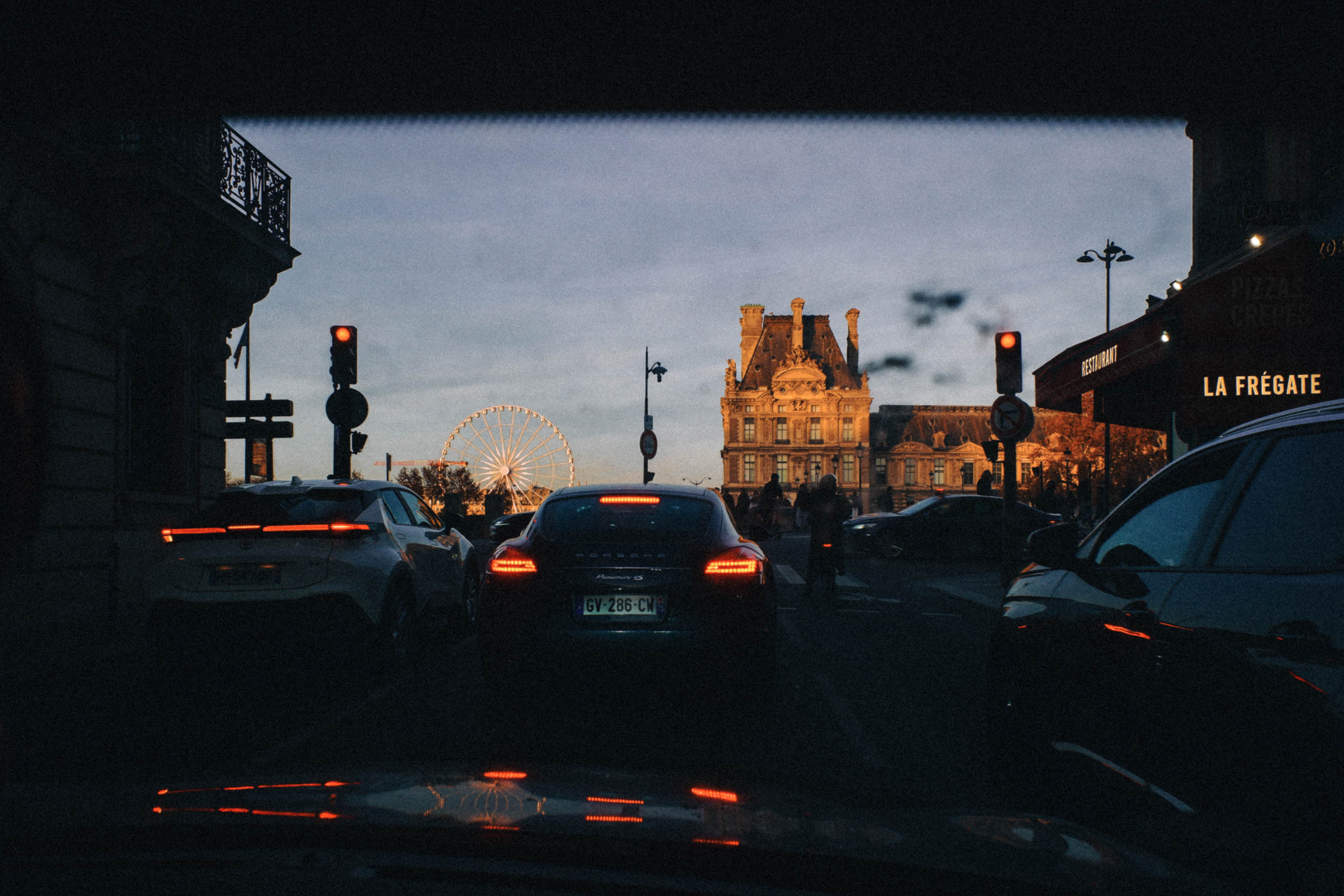
Wesley Verhoeve | Fujifilm XF10 | 18.5mm | f/7.1 | 1/120 sec | ISO 200
Autofocus and Responsiveness
The autofocus isn’t the XF10’s strongest suit by 2025 standards, but it’s consistent and reliable. In good light, it locks on accurately. In dimly lit corners of cafés or narrow alleyways, it sometimes hunts a bit, but switching to Snap Focus solves that instantly. Once I was familiar with the rhythm of the camera, I had very few missed shots. And when I did miss one, it was on purpose because I wanted to get some motion blur action.
For the kind of photography I do (documentary, portraits, and quiet observations), the XF10’s speed is more than adequate. If you’re chasing athletes or kids running through fountains, you’ll want something faster, but for travel photography and street work it’s a reliable partner.
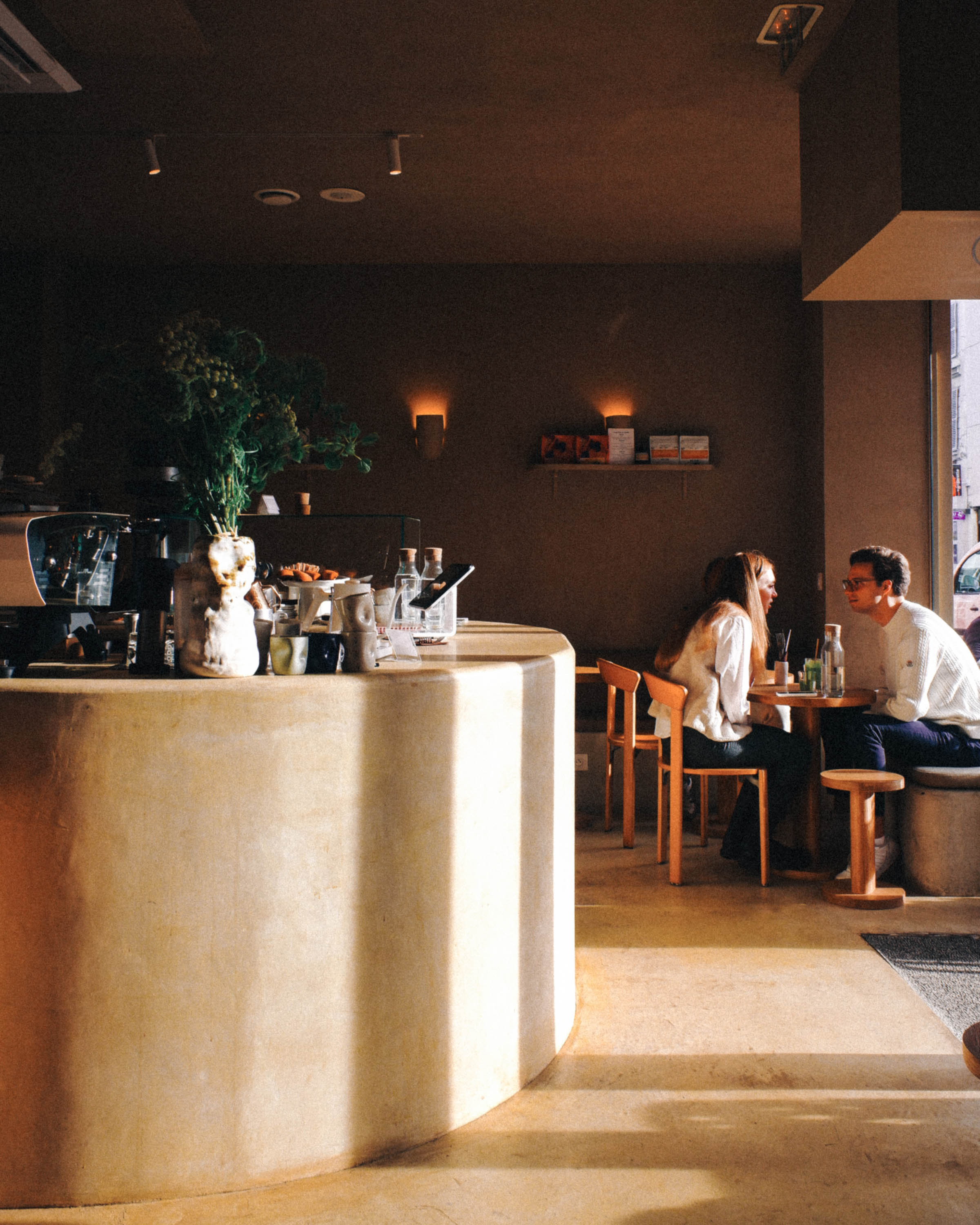
Wesley Verhoeve | Fujifilm XF10 | 18.5mm | f/8 | 1/55 sec | ISO 200
Image Quality
These files are amazing! The 24 MP APS-C sensor produces crisp, detailed files with Fujifilm’s famous colour science. JPEGs straight from the camera have that mix of gentle contrast and natural colour that feels finished without effort.
In bright light, images look three-dimensional, with just enough micro-contrast to give depth without harshness. At night, the files retain colours that feel honest rather than exaggerated and a beautiful softness with the kind of texture that reminds me of 400-speed film.
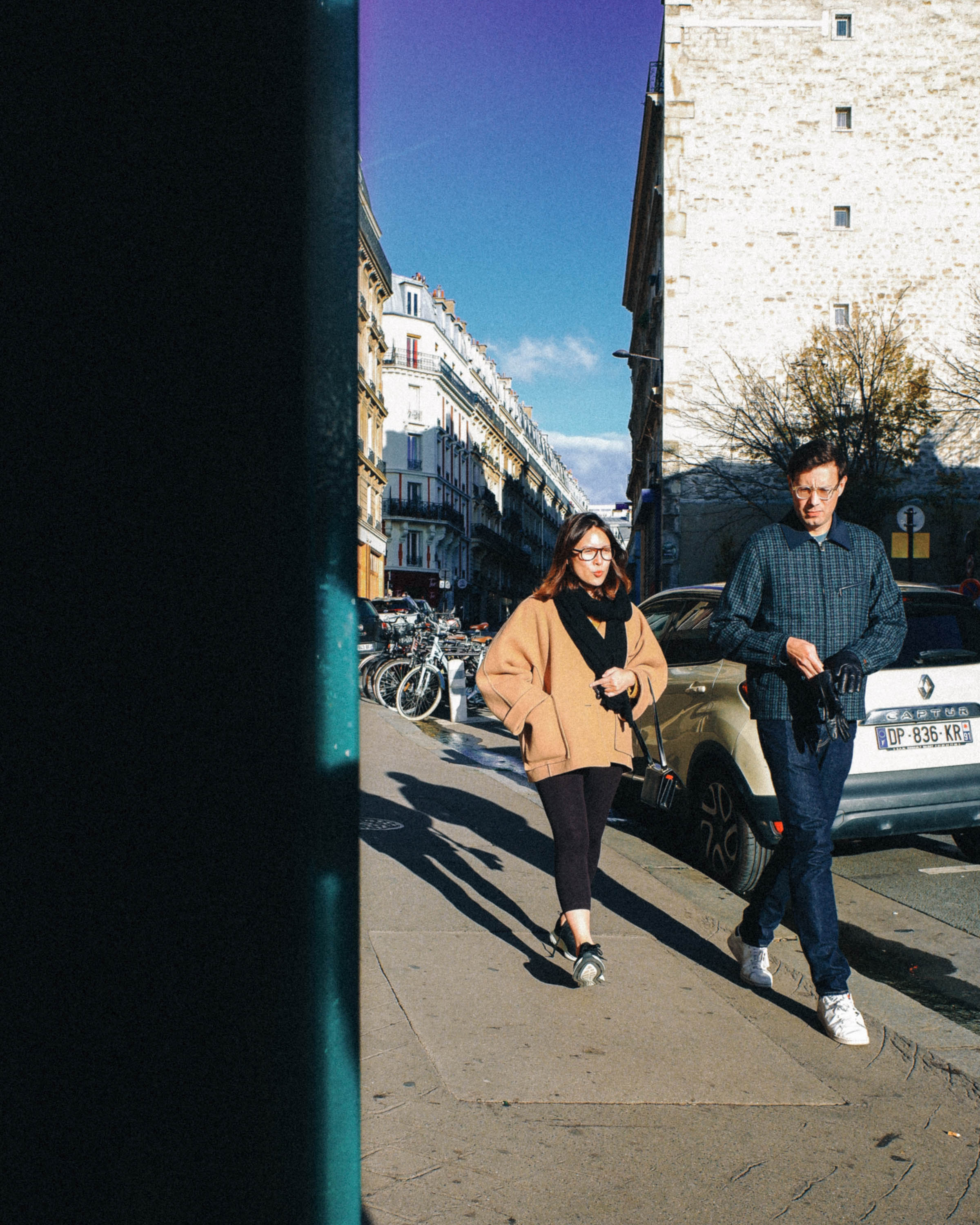
Wesley Verhoeve | Fujifilm XF10 | 18.5mm | f/5.6 | 1/400 sec | ISO 200
I printed several of the Paris images at A3 size and was impressed by the detail retention. Skin tones are clean, skies have a smooth gradation, and shadows hold information even at ISO 3200.
Dynamic range is strong, and highlight recovery in RAW is surprisingly forgiving. The only real limitation is the fixed 18.5mm focal length. Sometimes I wanted a tighter frame, but it pushed me to move my feet and think compositionally, which is a good exercise for any photographer. I’d love this camera even more with a 35mm lens, but that’s just a personal preference since that’s what I am most used to.
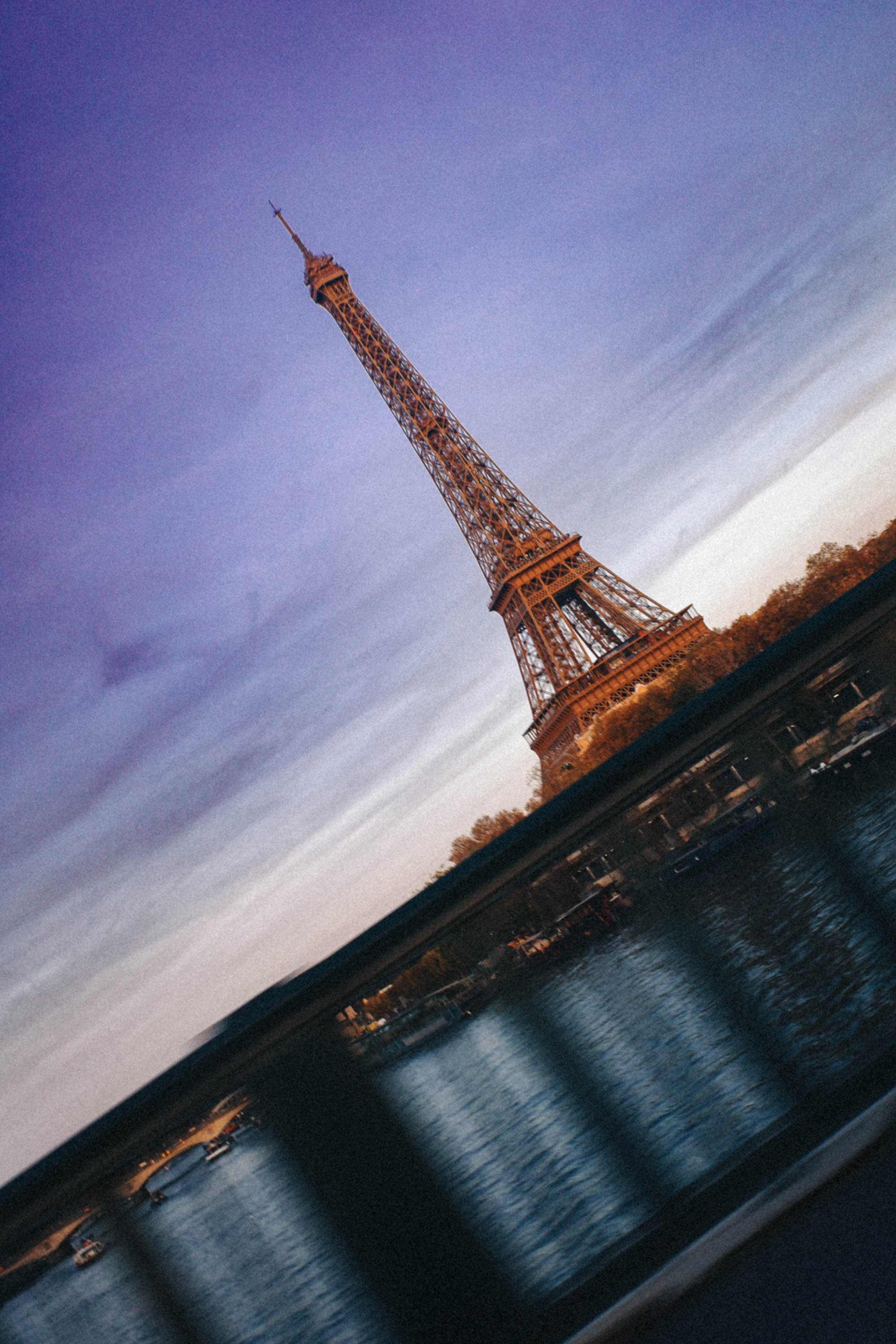
Wesley Verhoeve | Fujifilm XF10 | 18.5mm | f/5 | 1/60 sec | ISO 200
Is the Fujifilm XF10 a Good Travel Camera?
Absolutely. The Fujifilm XF10 strikes a rare balance: professional-level image quality in a camera that fits into your pocket. It’s discreet, fast enough, and built to be used without fuss.
For travel photographers, it’s an ideal companion, especially if you’re walking long days and want to stay light. To me, the colour rendering through Fujifilm’s film simulations is unmatched at this size. The menus are straightforward, the battery lasts a full day of casual shooting, and the files look beautiful straight from the camera.
While the XF10 doesn’t come without limitations (no viewfinder, limited video capabilities, and an autofocus that’s competent but not cutting-edge), the trade-off is a camera that makes photography feel simple again. It invites you to look more and adjust less, which to me is exactly what a travel camera should do.
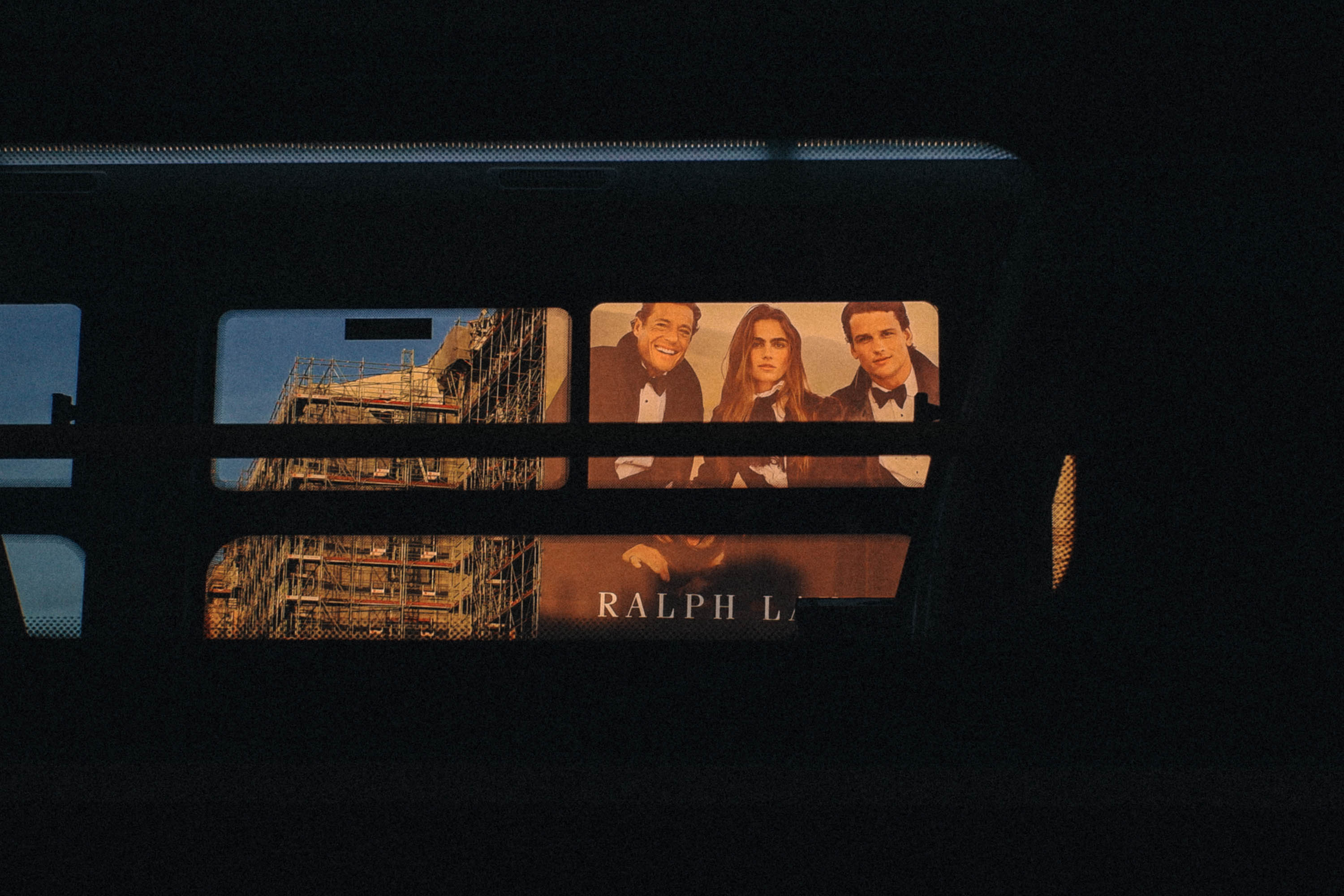
Wesley Verhoeve | Fujifilm XF10 | 18.5mm | f/7.1 | 1/250 sec | ISO 200
Alternatives to the Fujifilm XF10
If you’re considering the XF10, here are a few other options in the same spirit:
Ricoh GR III / Ricoh GR IIIx: Faster autofocus and in-body stabilisation, but more expensive and a bit less intuitive in menu navigation. Head over to the full Ricoh GR III review and Ricoh GR IIIx review for an in-depth look at these two camera models.
Fujifilm X100V / Fujifilm X100VI: Larger body, hybrid optical viewfinder, weather sealing with a filter, and the same Fujifilm colour science, but double the size and price. Also read the Fujifilm X100V review and the Fujifilm X100VI review to find out more.
Sony ZV-1: Better video capabilities, zoom lens, and excellent autofocus – ideal for content creators, but with a smaller-sensor look. For the bigger picture, read the Sony ZV-1 review.
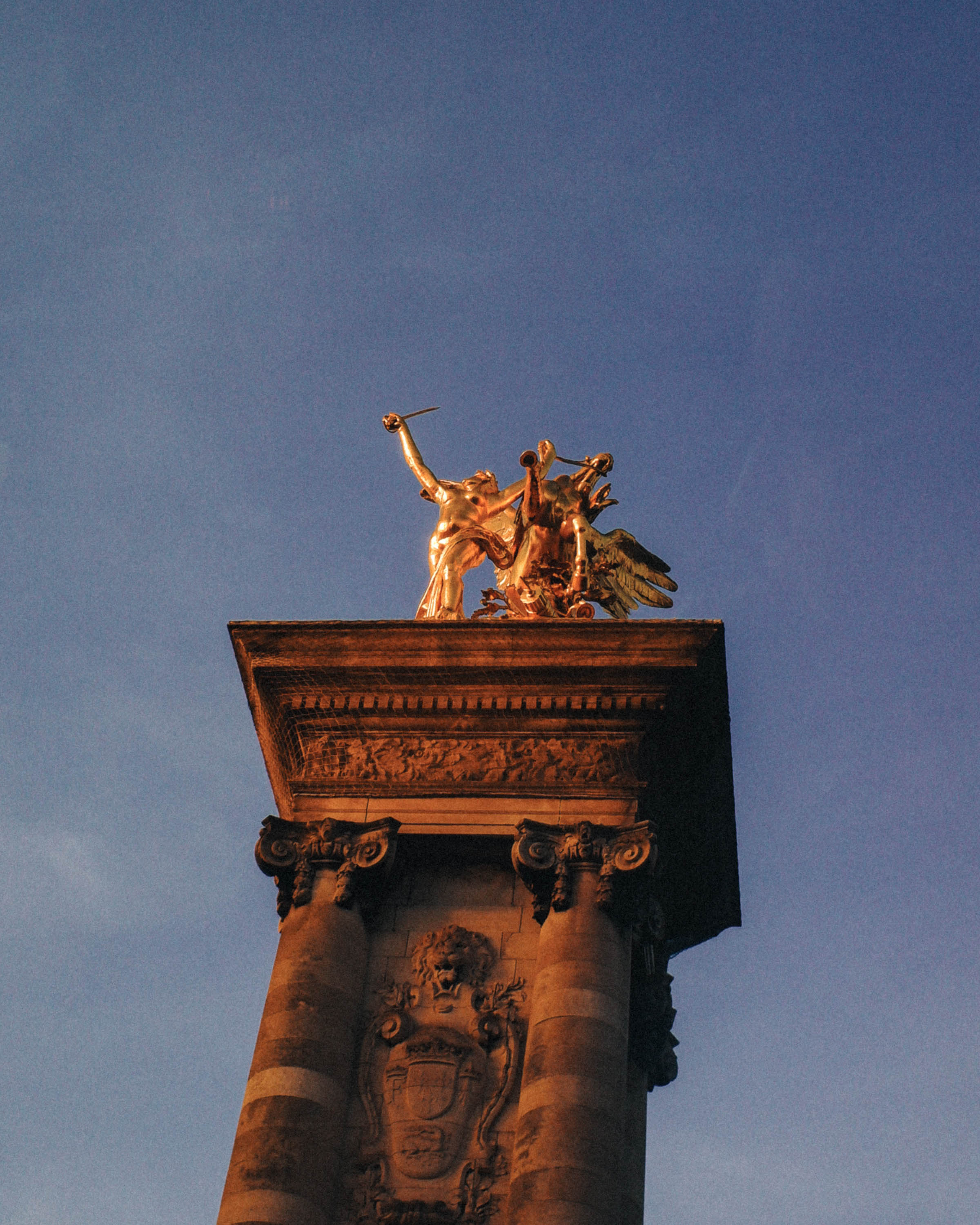
Wesley Verhoeve | Fujifilm XF10 | 18.5mm | f/7.1 | 1/140 sec | ISO 200
Each of these cameras serves a slightly different purpose, and the XF10 remains the most straightforward of them: a pure photographic tool that disappears in your hand and lets you focus on seeing the world.
Still not sure what to get? This comprehensive guide to the best compact cameras for holiday and travel can help.
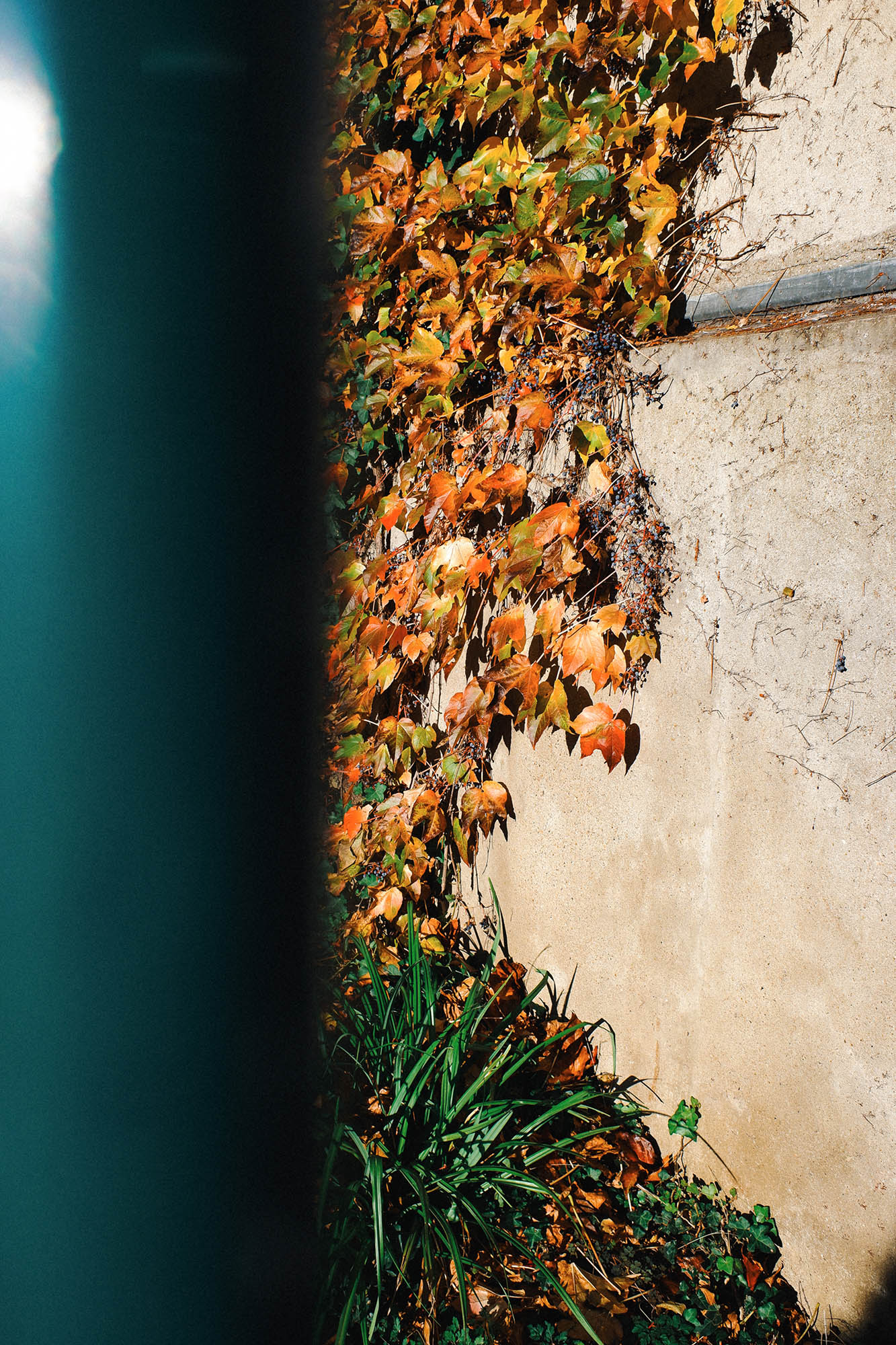
Wesley Verhoeve | Fujifilm XF10 | 18.5mm | f/5.6 | 1/550 sec | ISO 200
Final Thoughts
The Fujifilm XF10 might be seven years old, but it still holds its ground as a travel camera in 2025. In an era where most cameras try to do everything, this one stays true to a single purpose: making photographs beautifully.
As I walked through Paris with it, from early-morning bakeries to late-night metro rides, I realised how refreshing it felt to have a camera that just gets out of the way. It’s small, quiet, and capable – and I loved having it ready in my coat pocket.
If your goal is to travel light and come home with photographs that feel alive, the XF10 is still an excellent choice. It’s the kind of camera that encourages you to go out, pay attention, and keep your hands free for the next croissant.
Read more camera gear guides on the MPB content hub.
To find out more about Wesley Verhoeve and his work, head over to Instagram @wesley.
You can sell or trade your camera kit to MPB. Get a free instant quote, free insured shipping to MPB, and get paid within days.