
Review: Panasonic S9 Full-frame Mirrorless Camera
Published 28 July 2026 by MPB
In June 2024, Panasonic decided to shake things up with the Lumix S9, a camera so small that it could slip into your everyday bag yet powerful enough to take on full-frame heavyweights. It shares the same 24.2-megapixel sensor as its sibling, the S5 II, shoots up to 6K open-gate video and comes in a range of colours.
In this review, MPB’s Amy Moore takes the Panasonic DC-S9 to Loxwood Joust to see how it fared on the battleground. An event full of movement and colour was the perfect environment to find out how this little camera handles chaos. How did the S9 hold up in the land of knights and jesters? Did Panasonic try to squeeze too much into a tiny camera and forget a few things people actually need? Let’s find out.
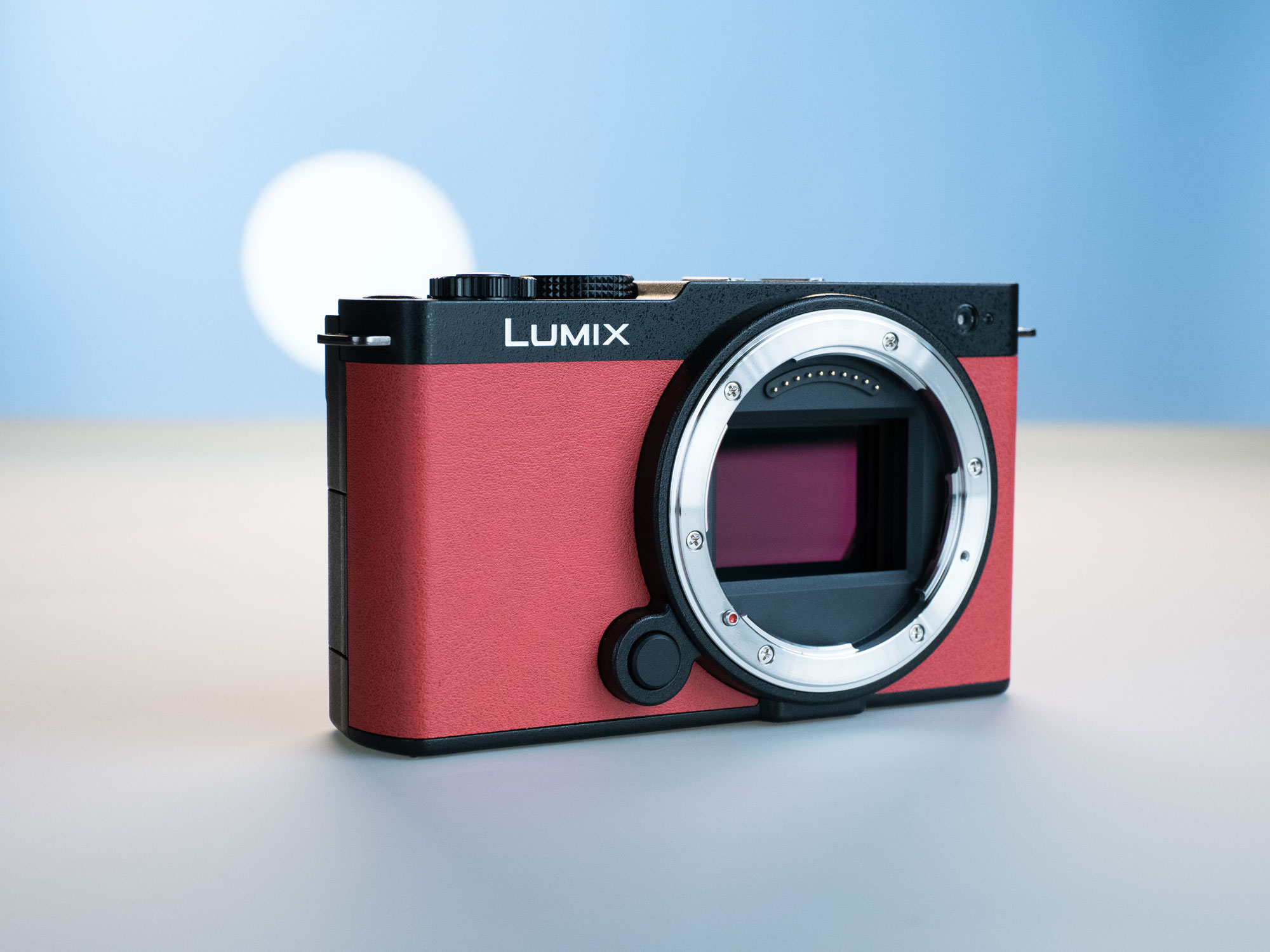
Used Panasonic S9
Specs
Sensor | CMOS |
Sensor size | Full frame |
Megapixels | 24.2 |
IBIS | Yes (5 axis) |
Lens | L mount |
ISO | 100–51,200 |
ISO, exp | 50–204,800 |
Shutter | Electronic only |
Max shutter | 1/8000 |
Flash | No flash or hot-shoe |
Viewfinder | None (rear LCD only) |
Max video | 6K open gate 30p |
Storage type | SD UHS II |
Weight, g | 486g (with battery and card) |
Battery | DMW-BLK22 |
Battery, shots | 470 |
Dimensions, mm | 126x73.9x46.7 |
Released | 2024 |
Pros
Superb image quality (same sensor as the S5 II).
Lightweight and portable full-frame design.
Great colour performance and flexibility in post.
Excellent real-time LUT system for creative looks.
Solid IBIS performance for handheld video (lens dependent).
Flip screen and good button layout for vloggers.
Cons
No viewfinder, flash or hot-shoe.
Overheats when filming.
No headphone jack (and USB-C audio adapters don’t work).
Micro HDMI feels impractical.
Minimal front grip; hard to handle with larger lenses.
Interface can feel unintuitive.
Design and Handling
There is a lot to say on this. Panasonic has crammed some genuinely clever features into the S9, but a few design decisions keep it from feeling as capable as it could be. Or, more accurately, they make it harder for the shooter to actually tap into that potential.
This is why the S9 is a little frustrating. It is one of the smallest full-frame cameras you can buy, and it looks great, available in several colours with a minimal aesthetic. However, when design takes priority, usability can sometimes suffer.
The almost nonexistent front grip makes the camera feel insecure with heavier lenses, unless you add a SmallRig or third-party grip. The simplified control layout brings compromises, with a single top dial and a rear wheel but no dedicated ISO or aperture controls. For those who prefer a three-dial setup, you may miss having more direct control over the settings.
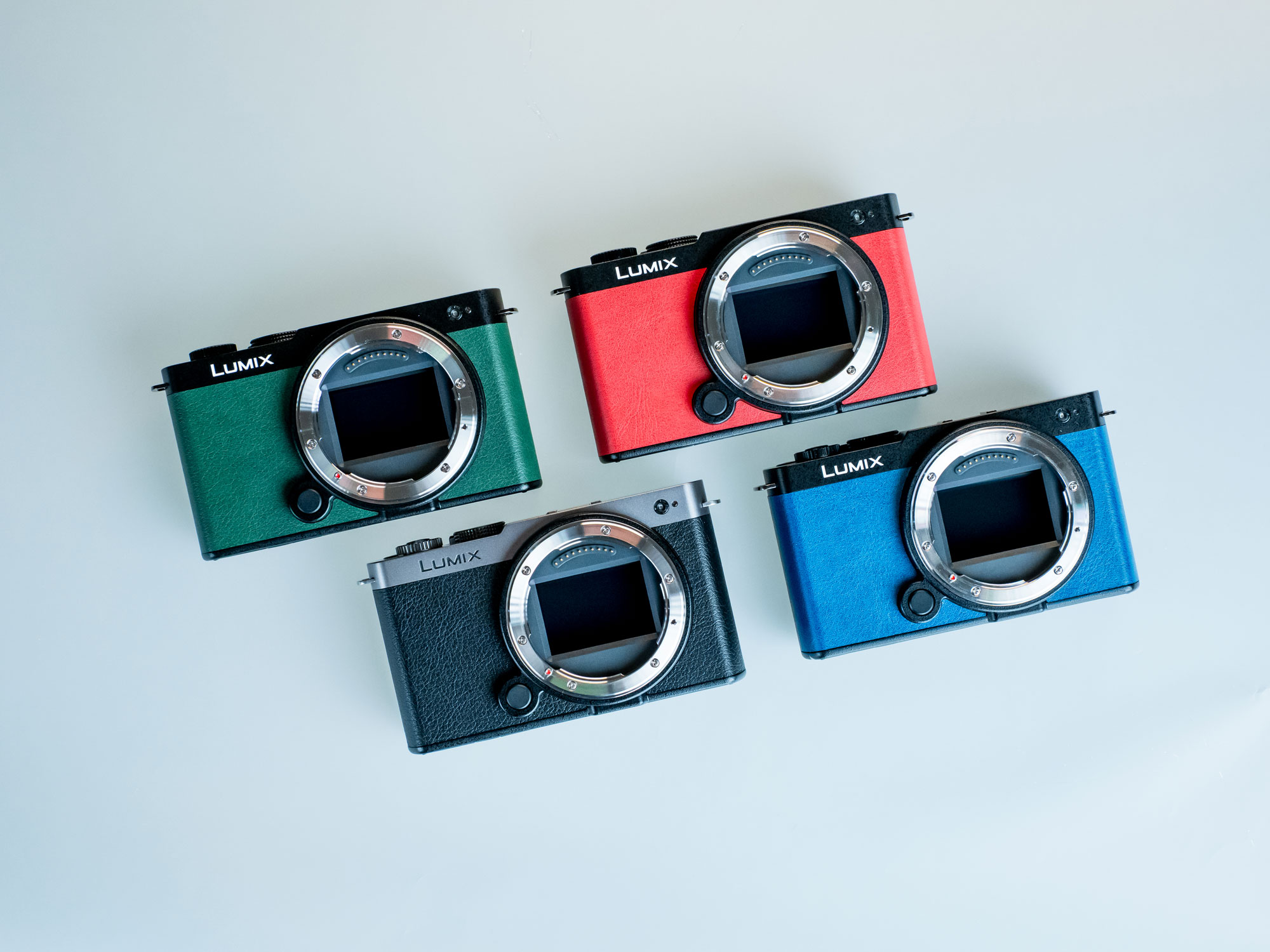
Used Panasonic Lumix S9 range
But there are plenty of positives. The record button is well placed and easy to distinguish from the shutter, and the LUT button is useful for quick, creative looks. However, shooting without a viewfinder means that bright or high-contrast environments are a pain, and relying on the flip screen can make it harder to judge exposure and focus accurately. Sometimes, you can find yourself unsure whether a shot was actually in focus until you review it later.
One thought came up again and again as I tested it. Why not just make it slightly bigger and add a viewfinder?

Amy Moore | Panasonic Lumix S9 | Panasonic Lumix S Pro 70–200mm f/4 | 200mm | f/4.5 | 1/800 | ISO 400
Battery Life, Storage and Connectivity
Battery life is reliable for such a compact body, and USB-C charging makes it easy to top up and charge on the go. There’s a single UHS II SD card slot and quick wireless transfer through the Lumix Lab app for syncing LUTs and transferring files to your phone, which is great for quick win social media shoots.
Make sure to update the camera’s latest firmware before you get to shooting, though. During the shoot, firmware v1.3 fixed a few early hiccups, improved startup speed and added handy framing lines.
Shooting Performance
I tested the S9 with a Panasonic Lumix S Pro 70-200mm f/4 OIS lens, and image quality was excellent, though focus tracking occasionally lagged during the day’s action. When I connected an Atomos Ninja V 4K, an external monitor/recorder used to view a larger image and capture higher-quality video formats, the autofocus delay became even more noticeable. Disconnecting it helped.
If a subject left the frame and returned quickly, the camera sometimes needed a moment to refocus. A tad annoying during fast-paced shoots but better suited to slower shoot days and street photography. You can see an example of this in this photo of a happy, quick-footed Yorkshire Terrier. The focus on the face isn’t quite there.

Amy Moore | Panasonic Lumix S9 | Panasonic Lumix S Pro 70–200mm f/4 | 121mm | f/5.6 | 1/1600 | ISO 320
Since the S9 lacks a viewfinder (have I mentioned this enough?), keeping track of fast-moving subjects on the rear screen can also be challenging, even though the PDAF (Phase Detection Autofocus) system is identical to that of the Panasonic S5 II. At times, it felt like the camera was working against itself, trying to be small and simple while carrying the power of its larger siblings.
Image Quality
Though the image quality is great, the small, reflective rear screen can make it harder to properly assess how good it really is while shooting. Still images look excellent, with rich colour, strong low-light performance and plenty of RAW flexibility. JPEGs come out clean and punchy, with greens and yellows slightly warmer.
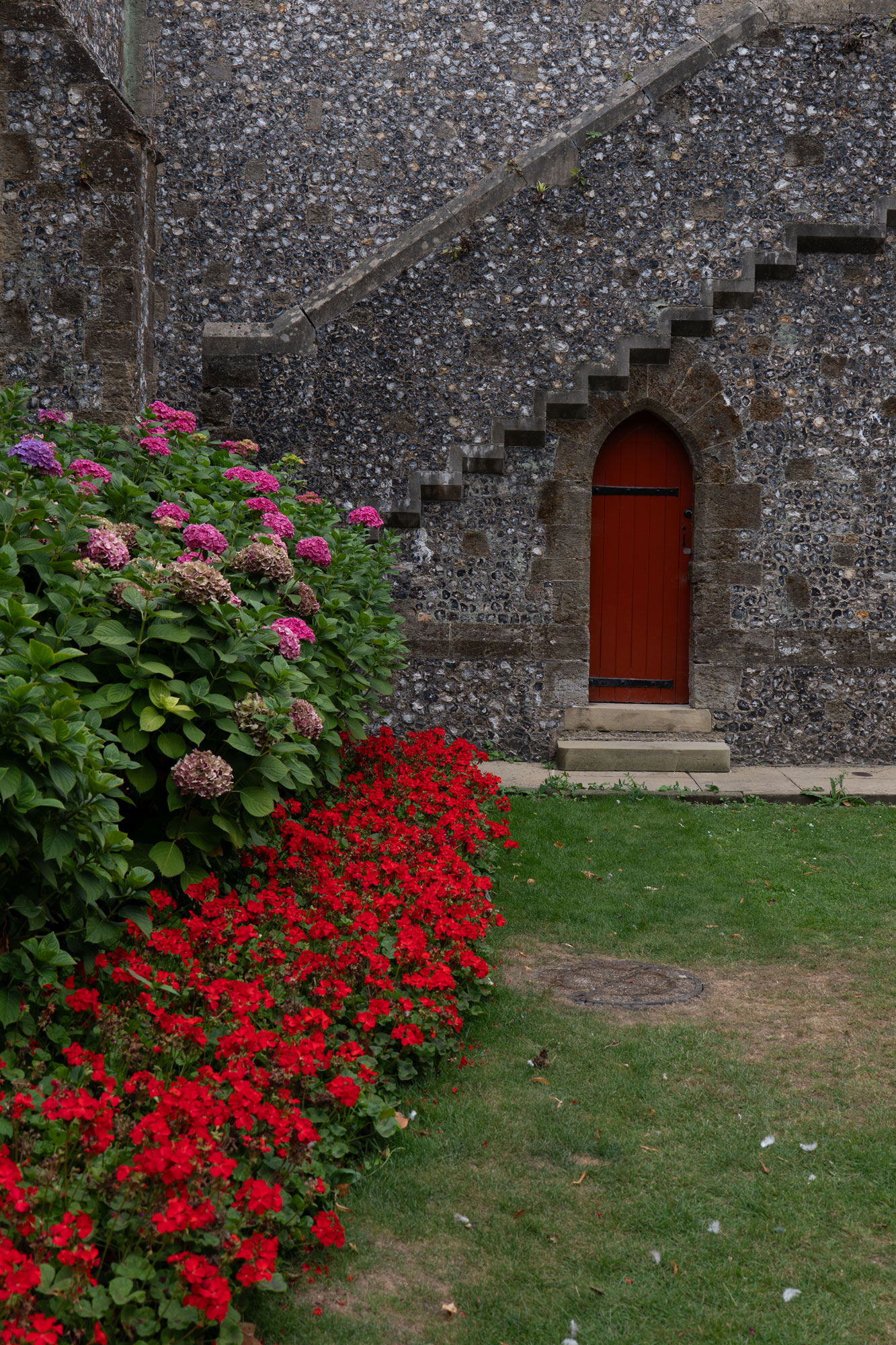
Amy Moore | Panasonic Lumix S9 | Panasonic Lumix Pro 18–40mm f/4.6–6.3 | 36mm | f/6.3 | 1/320 | ISO 250
Video
Despite its small size, the S9 inherits some genuinely strong video tools from the S5 II and Panasonic DC-S1H. It records 6K open gate, shoots 10-bit 4:2:2, supports anamorphic modes and includes MP4 Lite for fast, phone-friendly sharing. The Real Time LUT system is here too, letting you preview creative looks before you start rolling.
The Open Gate feature is the game-changer here. Instead of trimming the top and bottom of the sensor like a standard 16:9 recording, the S9 uses the entire 3:2 area, giving you a 5952x3968 frame to work with. That means you can film once and create both horizontal and vertical edits later without sacrificing any detail. If you’re a creator juggling different platforms, it simplifies things for you.

A screenshot from an Open Gate video recording on the S9
Although these are exciting features, there are a few hiccups worth mentioning. There is no headphone jack, and USB-C audio adapters didn’t seem to work in testing. The micro HDMI port is fiddly, and without active cooling, the camera reaches its limits at around ten minutes of 6K open gate or roughly fifteen minutes of 4K before it needs to cool down. It overheats easily, and that’s annoying.
For quick content like travel vlogs or B-roll, the S9 is capable, but only if you build a small external setup around it. Rigged correctly, though, the S9 has enough internal video capability to serve as a compact filmmaking tool when needed.
Real Time LUTs and Lumix Lab Workflow
One of the most enjoyable parts of shooting with the S9 is its LUT system, so let's dig into that a little bit. LUTs (Lookup Tables) are presets that instantly change the colour, tone and mood of photos and videos. The LUT button lets you preview creative looks instantly, and the Lumix Lab app makes uploading or creating your own LUTs simple and fast.
It is far more flexible than traditional film simulations. You can customise colour response, contrast and overall tone directly in-camera and pair those with grain and noise-reduction settings if you want a look that’s more film-like. The amount of creative control is almost gasp-worthy and, dare I say it, more flexible than Fujifilm’s film simulations. For creators used to grading in Lightroom or DaVinci, this workflow feels modern and intuitive. Nice work, Panasonic.

Jakub Golis | Panasonic Lumix S9 | Sigma 70–200mm f/2.8 DG DN OS Sports | 81mm | f/8.0 | 1/50 | ISO 640
Tip: If you have Lightroom presets you already like, you can convert them into LUTs and load them onto the S9, which makes it easy to get a familiar look straight out of the camera.
Lenses and Handling Combos
The Panasonic S 18-40mm f/4.5-6.3 is the obvious match here. It keeps the S9 pocketable-ish while giving you a useful zoom range. Sigma’s smaller primes, like the Sigma 17mm f/4 DG DN L Contemporary and, also feel right at home with the camera, balancing the body nicely and giving it the sort of nimble, street-friendly feel it’s built for.
Once you start throwing heavier lenses or handheld video into the mix, the S9’s tiny grip shows its limits. A cage or add-on grip shifts from “nice to have” to “please get me one immediately.” L-mount lenses are often on the larger side, so pairing the S9 with compact glass keeps the handling comfortable.
Put simply, keep the lenses small and the S9 is a joy to use.
Sample Images

Amy Moore | Panasonic Lumix S9 | Leica Vario-Elmarit-SL 24-70mm f/2.8 | 70mm | f/3.2 | 1/1250 | ISO 250
Amy Moore | Panasonic Lumix S9 | Panasonic Lumix S Pro 70–200mm f/4 | 200mm | f/5.0 | 1/800 | ISO 320

Amy Moore | Panasonic Lumix S9 | Vario-Elmarit-SL 24-70mm f/2.8 | 70mm | f/4.5 | 1/1600 | ISO 320

Amy Moore | Panasonic Lumix S9 | Panasonic Lumix S Pro 70–200mm f/4 | 200mm | f4.0 | 1/800 | ISO 200

Amy Moore | Panasonic Lumix S9 | Panasonic Lumix S Pro 70–200mm f/4 | 150mm | f/4.5 | 1/800 | ISO 320

Amy Moore | Panasonic Lumix S9 | Panasonic Lumix S Pro 70–200mm f/4 | 81mm | f/10 | 1/1000 | ISO 400

Amy Moore | Panasonic Lumix S9 | Panasonic Lumix S Pro 70–200mm f/4 | 200mm | f/4.5 | 1/1600 | ISO 640

Amy Moore | Panasonic Lumix S9 | Panasonic Lumix S Pro 70–200mm f/4 | 77mm | f/10 | 1/1000 | ISO 400
Verdict: Is the Panasonic S9 Worth It?
The Lumix S9 feels like a camera that’s still figuring itself out. It wants to be a compact travel camera and a tiny video tool at the same time, and it doesn’t quite land either role perfectly. What it does absolutely deliver is image quality that looks far bigger and bolder than the camera’s size suggests. And honestly, yes, you guessed it, if it had a viewfinder, I’d be talking about it differently. For travel shooters, vloggers and creators, it is a fun, full-frame camera that encourages you to experiment. It is light, easy to carry and great for everyday shooting. But much like at the Joust, when the action picks up, or the light gets harsh, the S9 can sometimes feel outmatched.
Alternatives
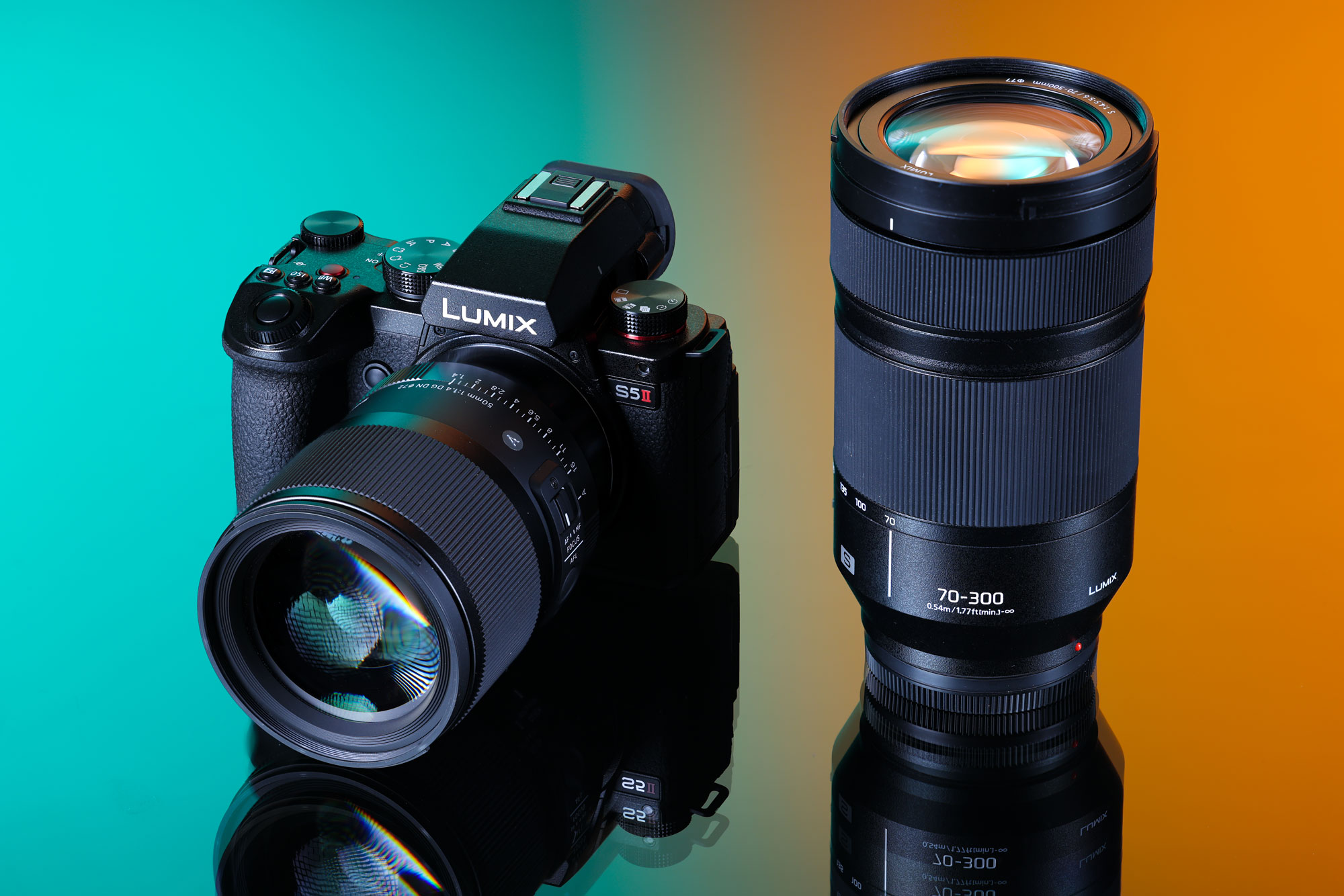
Used Panasonic Lumix S5 II with a Sigma 70-300mm f/4.5-5.6 Macro OIS and a Sigma 50mm f/1.4 DG HSM
Panasonic S5 II
If you love the S9 idea but want something sturdier, the Panasonic S5 II is the sensible upgrade. It’s bigger, features an electronic viewfinder (EVF), and has no real recording limits. A safer bet for longer shooting days. It’s worth noting, though, that the S9 supports more in-camera LUT storage than the S5 II.
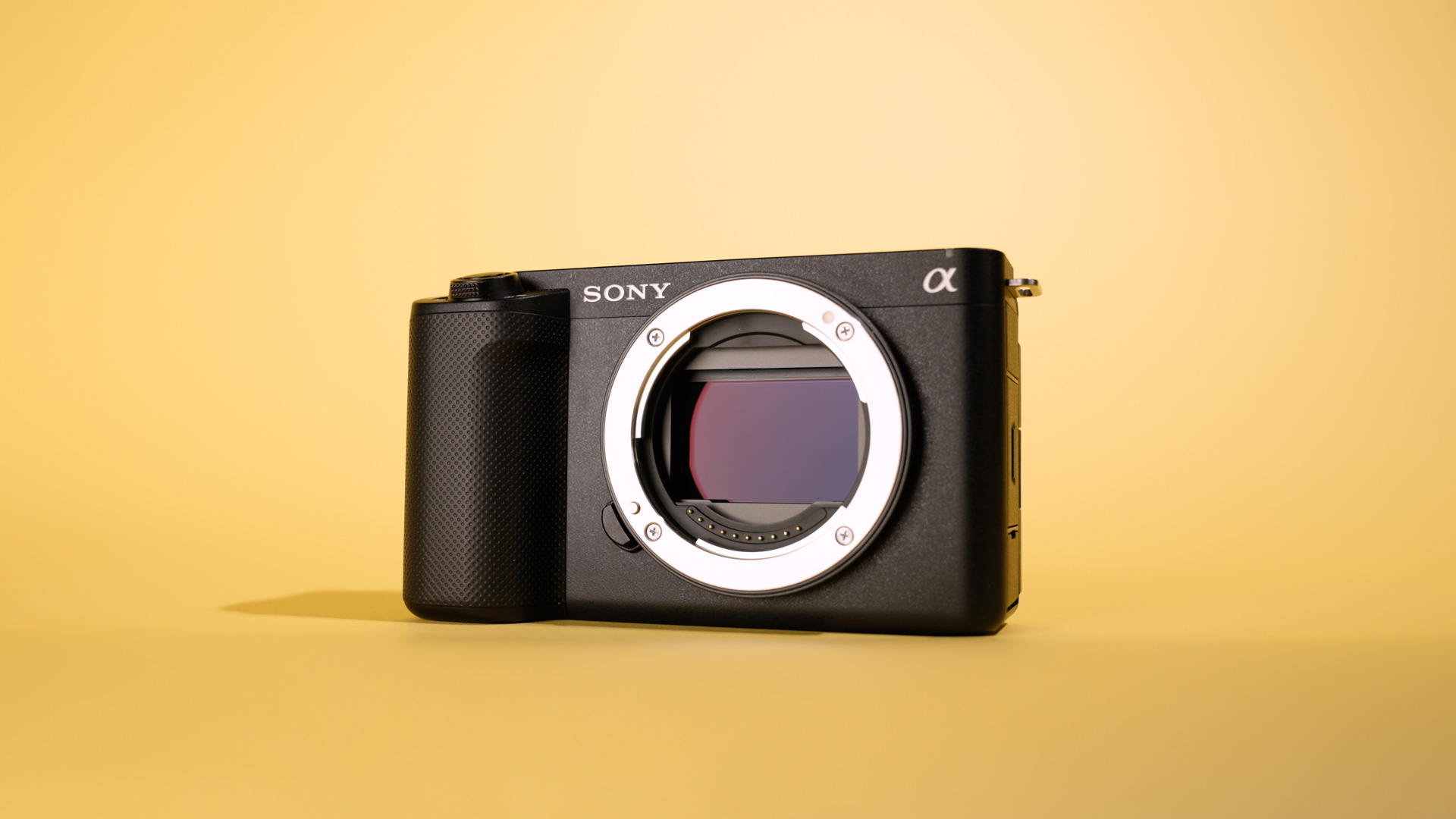
Used Sony ZV-E1 from MPB
Sony ZV-E1
If you're considering the S9 but feel like more of a stills shooter than this is necessarily aimed at, the ZF might be a better alternative. In our Sony ZV-E1 review, we found that the Sony ZV-E1 was very much a video-first camera. Autofocus is brilliant, the rolling shutter is well-controlled, and the camera performs well in low light. The IBIS isn’t as strong, but if you mainly shoot video, it’s a strong alternative.
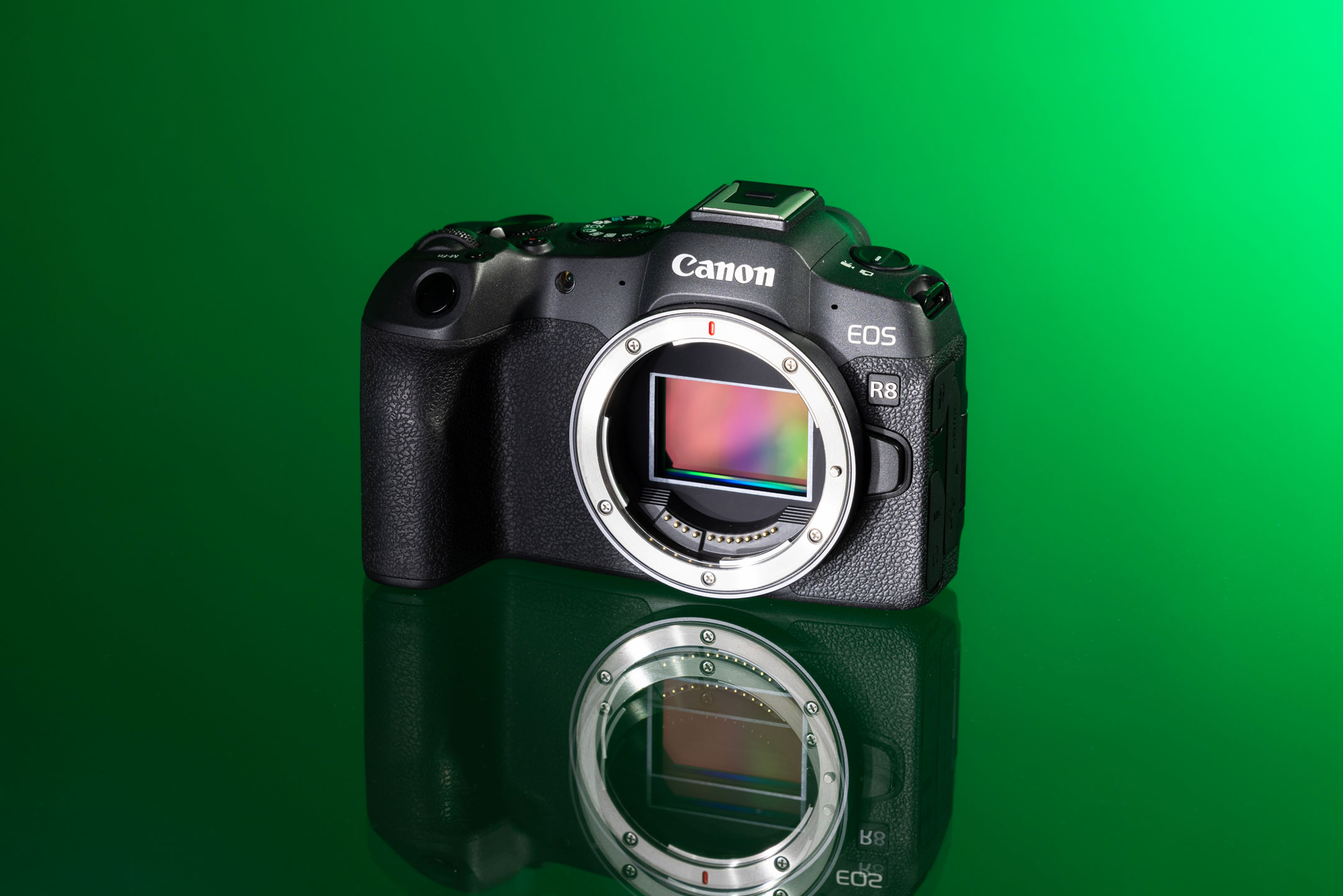
Used Canon EOS R8
Canon EOS R8
The Canon EOS R8 gives you full-frame quality at a friendly price, plus an EVF. It’s not as creator-focused as the S9, but it’s practical, easy to use and delivers great stills and solid video.
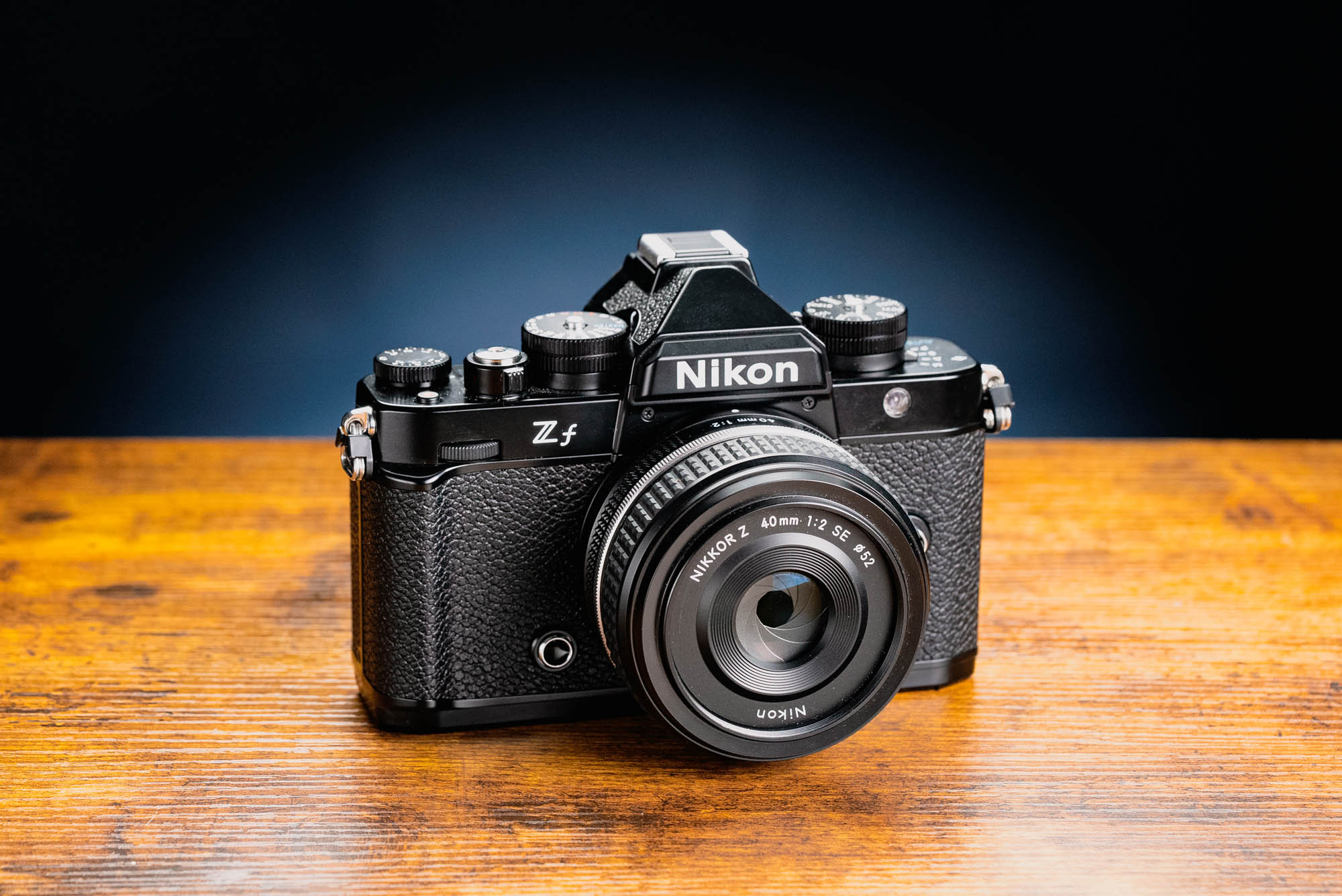
Used Nikon Zf
Nikon Zf
If you want classic styling with modern performance, the Nikon Zf has huge appeal. Great IBIS, a proper EVF and good handling. It’s larger and pricier but for stills shooters, it’s a tempting option if you want to push the boat out. Side note for the more aesthetic shooters out there: it’s also one of the best digital cameras for film-like photography, too.
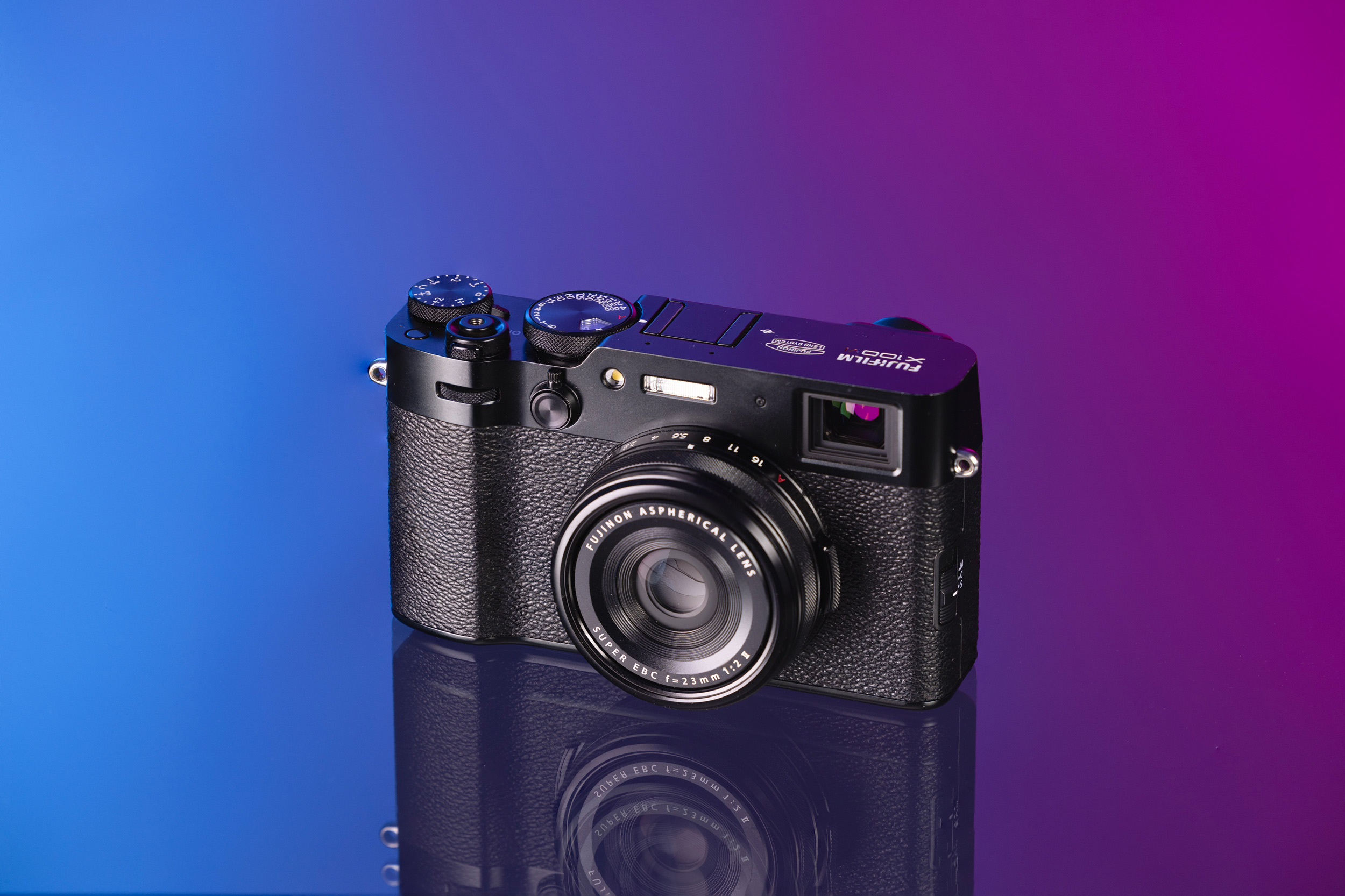
Used Fujifilm X100VI
Fujifilm X100VI
The Panasonic S9 is a full-frame camera, whereas the Fujifilm X100VI is an APS-C camera. But it's a 40 megapixel APS-C sensor versus a full-frame 24-megapixel camera. In our Fujifilm X100VI review, we noted that the fixed lens and film simulation workflow create a totally different shooting experience. It is brilliant for street and travel photography but it doesn’t offer the interchangeable lens freedom or video options the S9 has.
Read more camera gear guides on the MPB content hub.
You can sell or trade your camera kit to MPB. Get a free instant quote, free insured shipping to MPB, and get paid within days.