Review: Ricoh GR IV APS-C Compact Camera
Published 5 August 2026 by MPB
The Ricoh GR series has been turning heads for years, and it really comes down to one thing: these cameras are tiny, but the photos they produce don’t feel that way at all. With its pocketability and no-fuss design, you can grab, shoot and run. Ricoh has officially brought joy back to point-and-shoot photography.
In this Ricoh GR IV review, Connor Redmond looks at how the camera refines the GR formula. Five-axis stabilisation, a revised 28mm lens and even more internal storage all make it more usable, particularly for street and travel photographers who already “get” what these cameras are about.
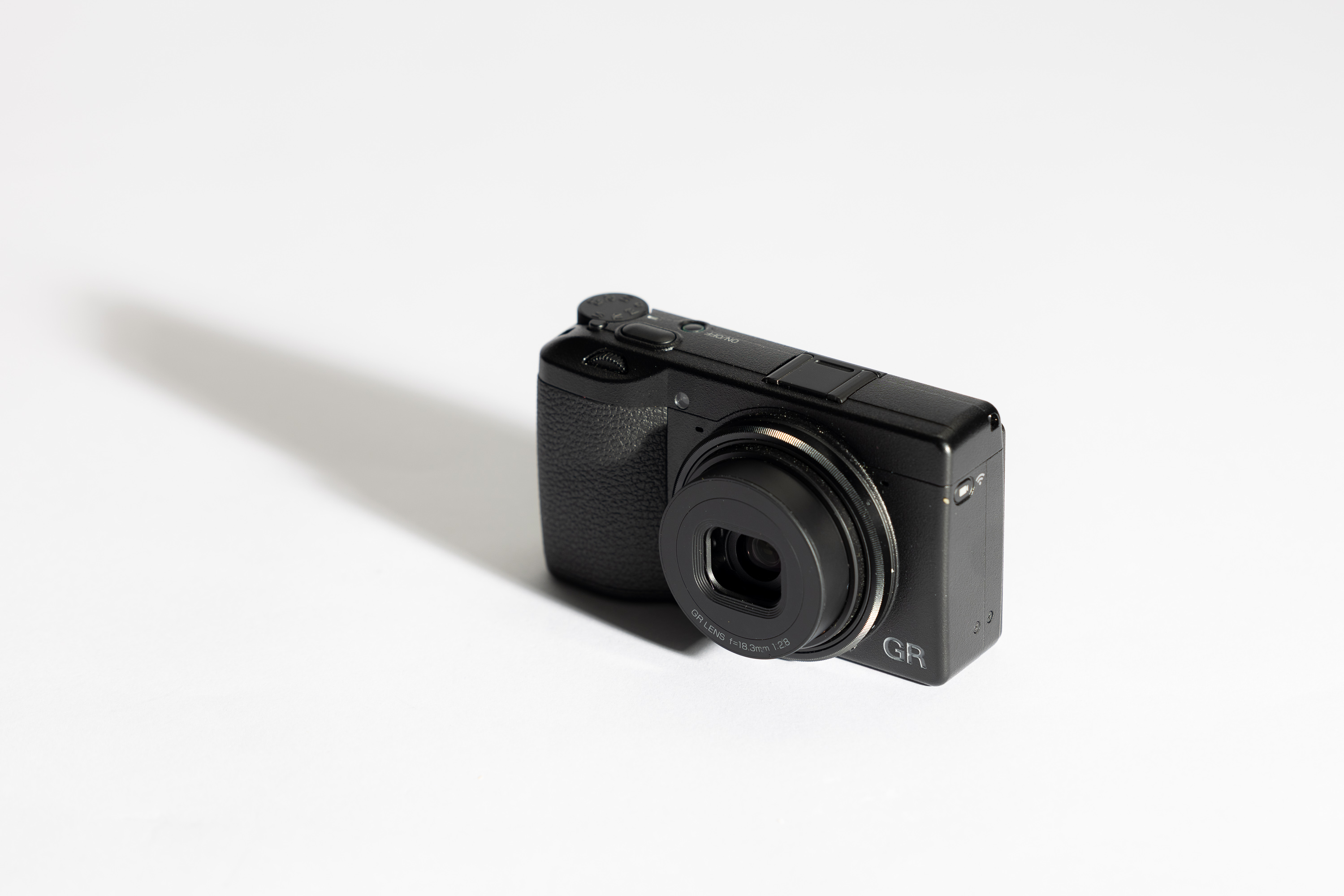
Used Ricoh GR IV
Ricoh GR IV Specifications
Sensor | APS-C |
Lens | 18.3mm f/2.8 (28mm equiv) |
Megapixels | 25.7 |
Resolution | 6192x4128 |
ISO | 100–204,800 |
Max shutter | 1/4000 |
Autofocus | Phase, contrast, eye, face |
IBIS | 5-axis |
Max video | 1080, 60p |
Internal memory | 53GB |
Media | MicroSD |
Port | USB-C |
Battery | DB-120 |
Battery, shots | Approx 250 |
Wi-Fi | 2.5/5GHz |
Size, mm | 109x61x33 |
Weight, g | 262 |
Pros
Pro-level image quality
Pocketable
Five-axis stabilisation
53GB internal storage
Snap Focus
Discreet, minimalist design
Improved lens edge sharpness
Improved start-up time
Cons
Limited battery life
Fixed screen reduces flexibility
No built-in viewfinder
Autofocus is not designed for fast action
Upgrades are iterative
File transfer from internal storage process
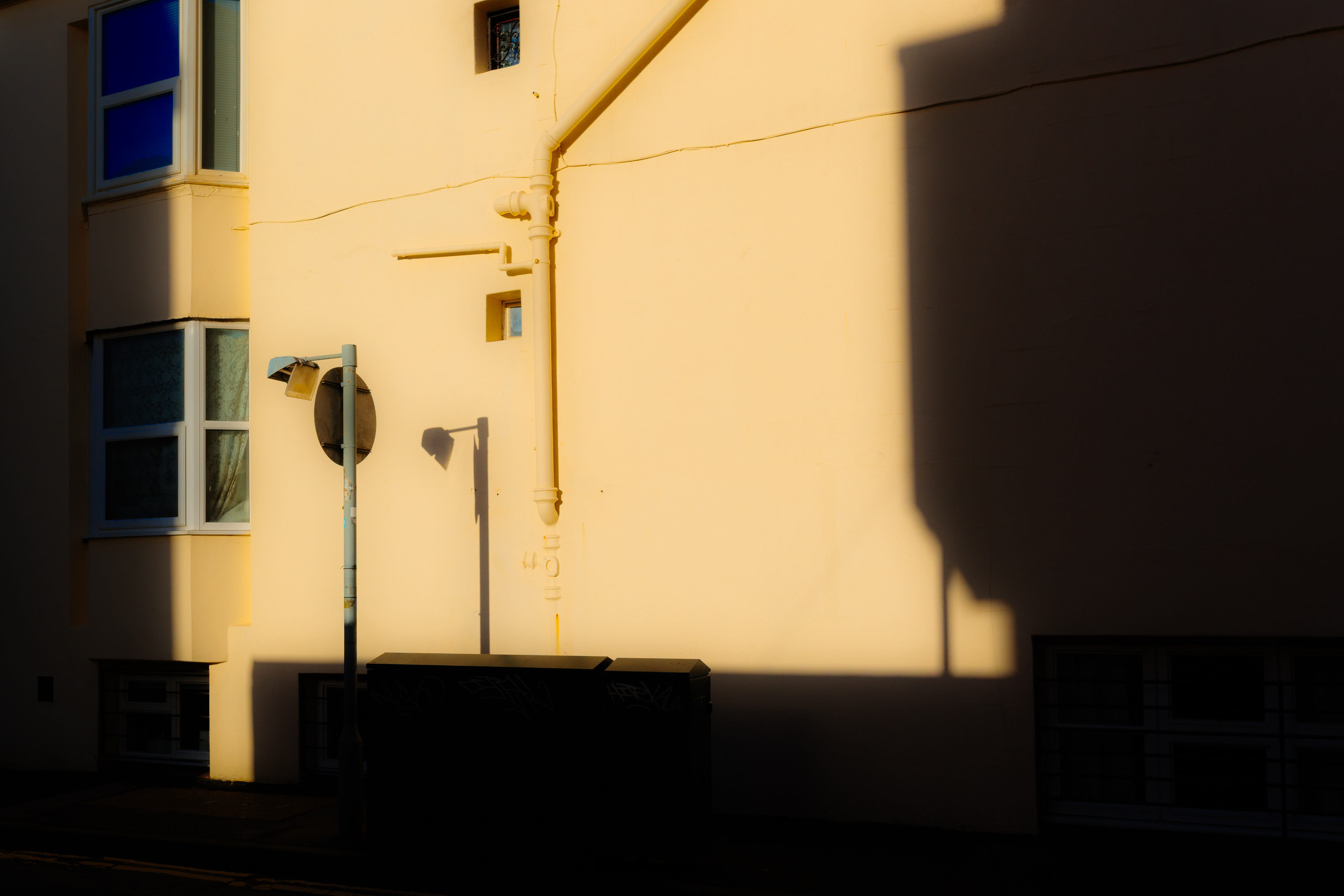
Connor Redmond | Ricoh GR IV | f/2.8 | 1/1000 sec | ISO 200
Quick Verdict
The Ricoh GR IV is more of a refinement of the successful Ricoh GR III than anything else. Ricoh has been open about that. There is no huge change here; it’s simply more of the same but better. Please, Ricoh, if you reconsider though, I beg of you, make an attachable electronic viewfinder (EVF) for this camera. Pretty please?
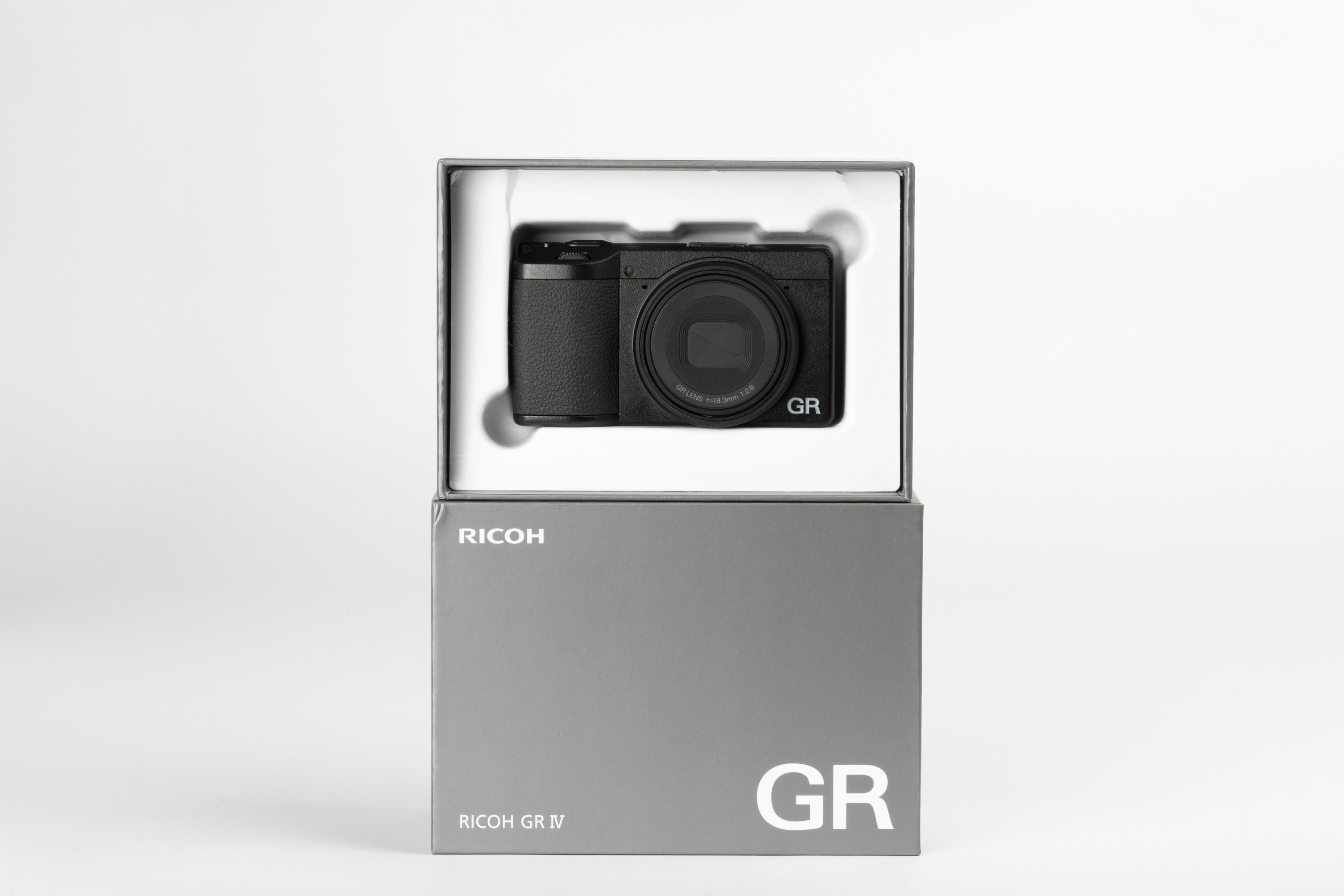
Used Ricoh GR IV in its box
Incremental Upgrades
The new Back-Side Illuminated (BSI) sensor offers a small resolution bump to 25.7 megapixels and slightly improved dynamic range, though the difference won’t be obvious to you in everyday shooting. The redesigned 28mm lens has better edge-of-frame performance, which is particularly noticeable when shooting architecture or scenes with fine detail across the frame.
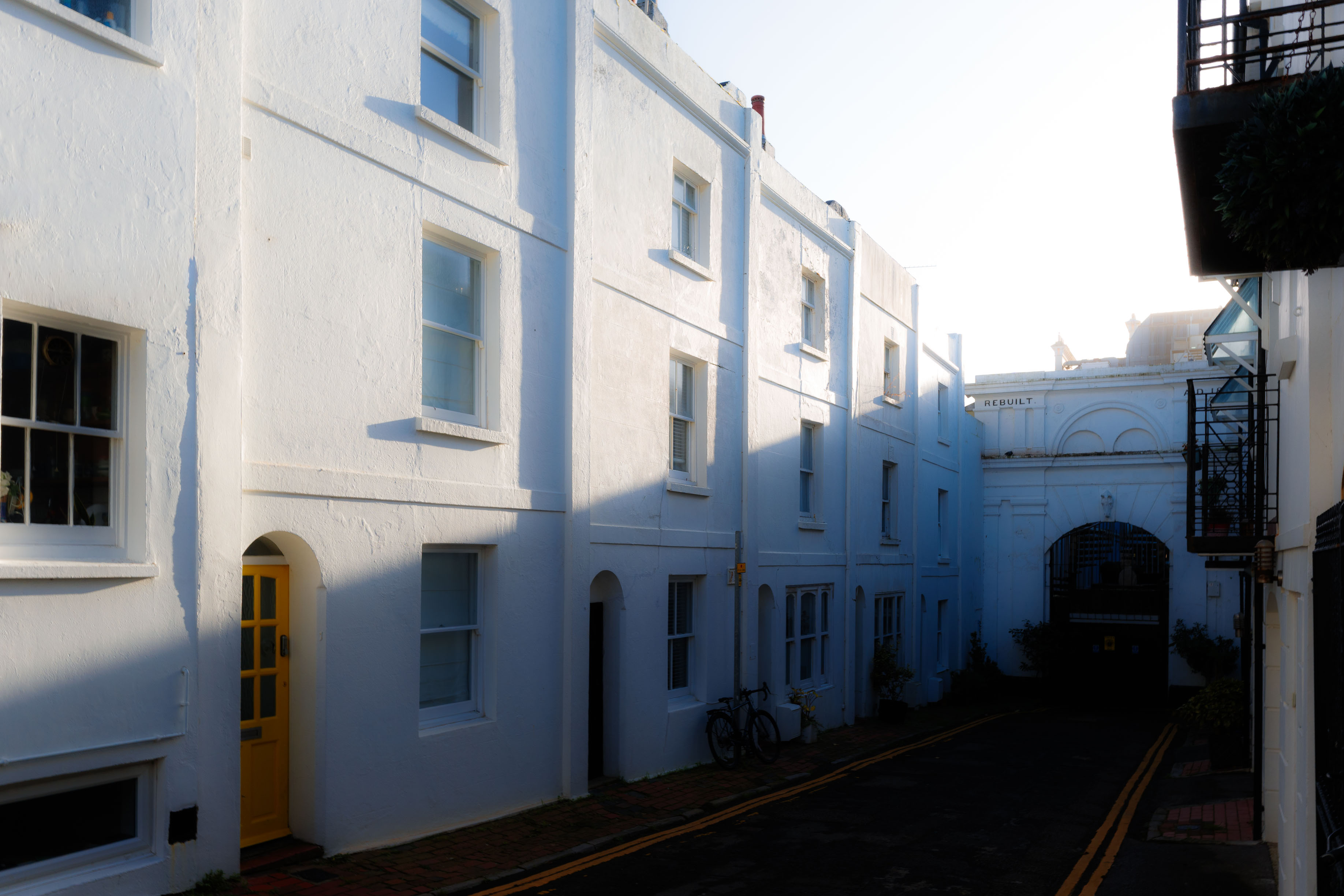
Connor Redmond | Ricoh GR IV | f/8.0 | 1/80 sec | ISO 100
The most significant improvement is undoubtedly the addition of 5-axis image stabilisation. This has a tangible impact on how usable the camera feels in low light and indoor situations.
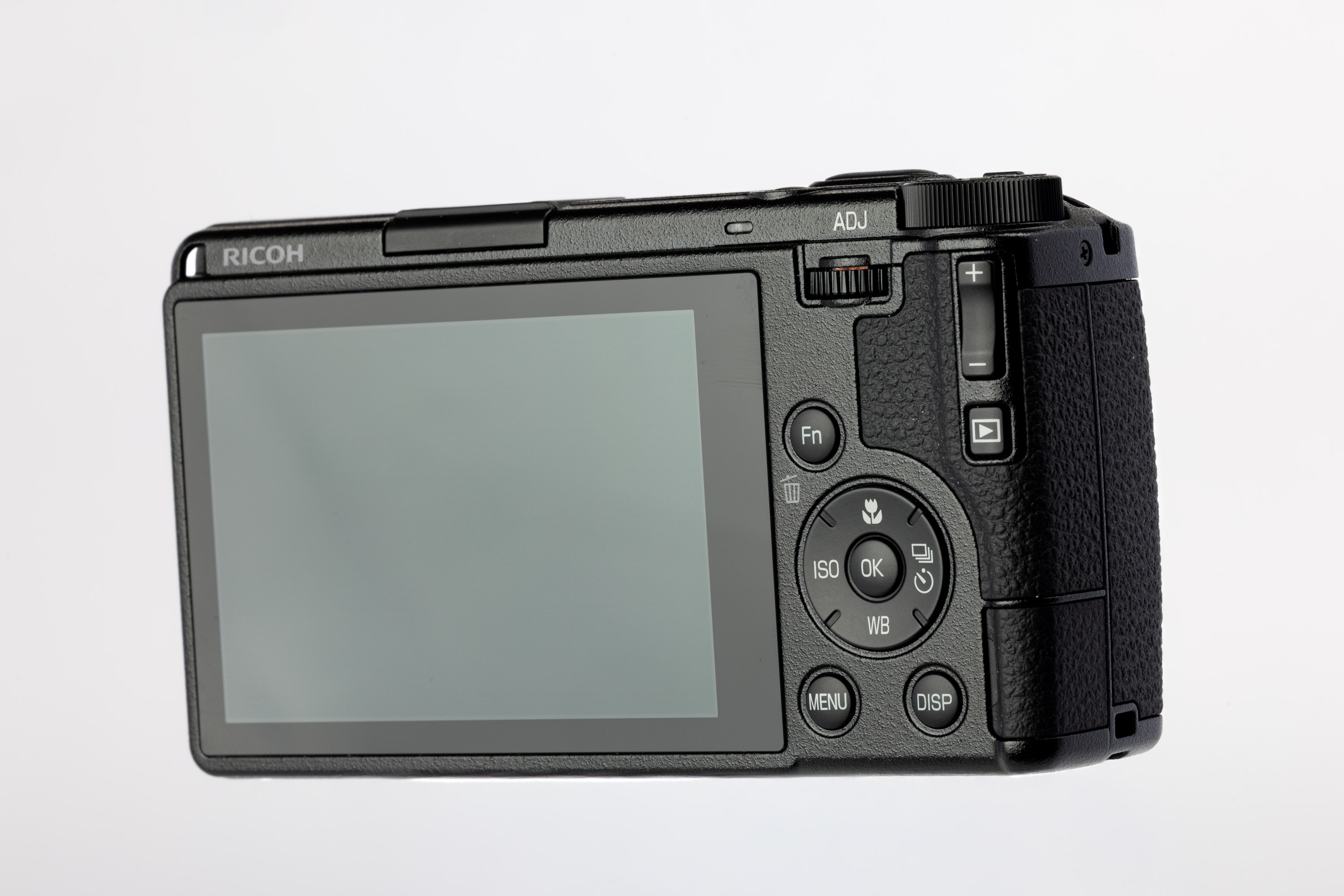
Rear of a used Ricoh GR IV
The new processor makes the camera feel snappier than the now ageing GR III. Operations generally feel smoother, but most notably, the rapid start-up time of the camera.
The jump to 53GB of internal storage is another quietly excellent change, especially compared to the very limited storage on the GR III.
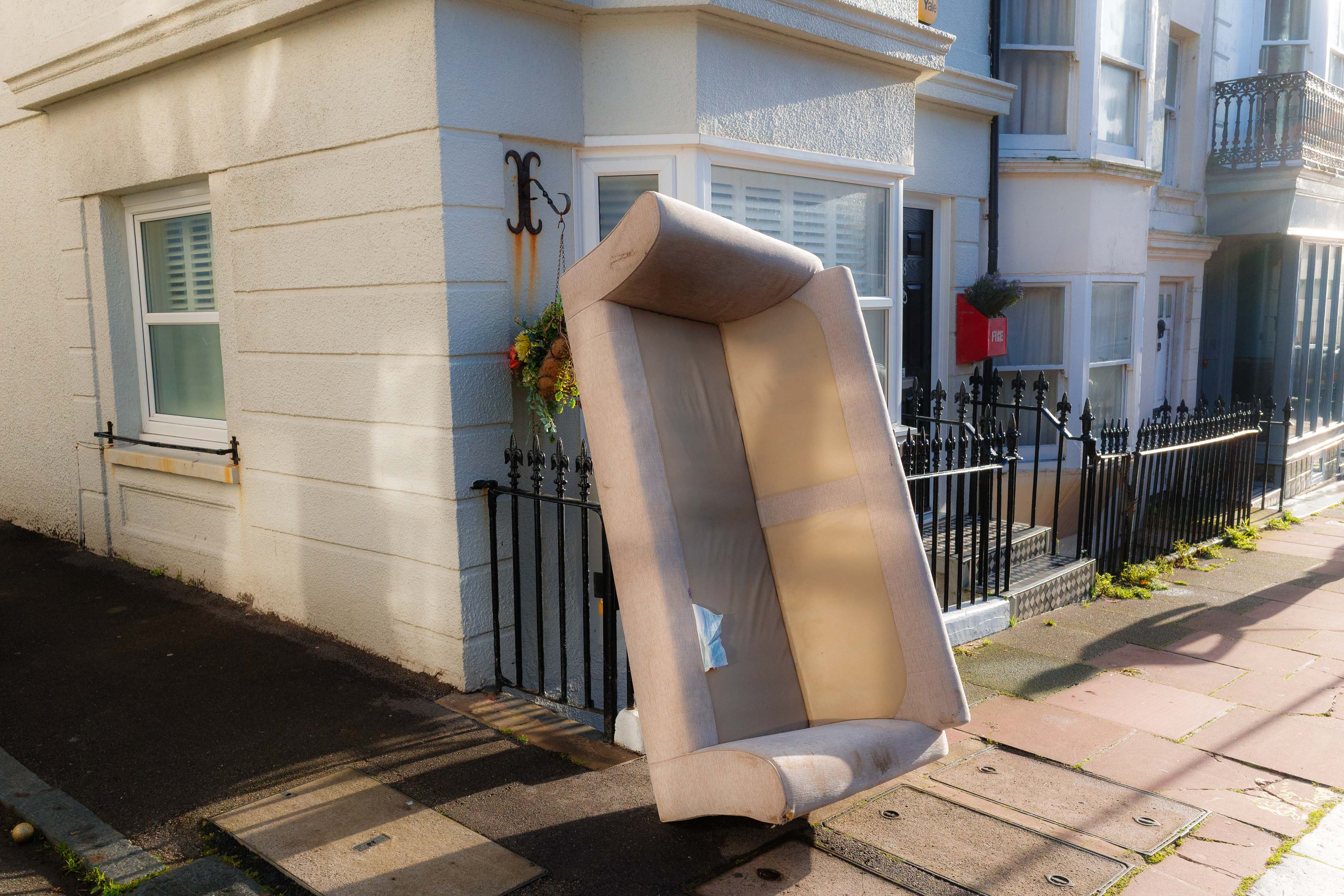
Connor Redmond | Ricoh GR IV | f/2.8 | 1/1000 sec | ISO 200
The body design has had some tweaks, or revisions, we should say. Ricoh has listened to feedback and returned to a design that resembles the Ricoh GR II, although the changes are minimal, which I appreciate, personally.
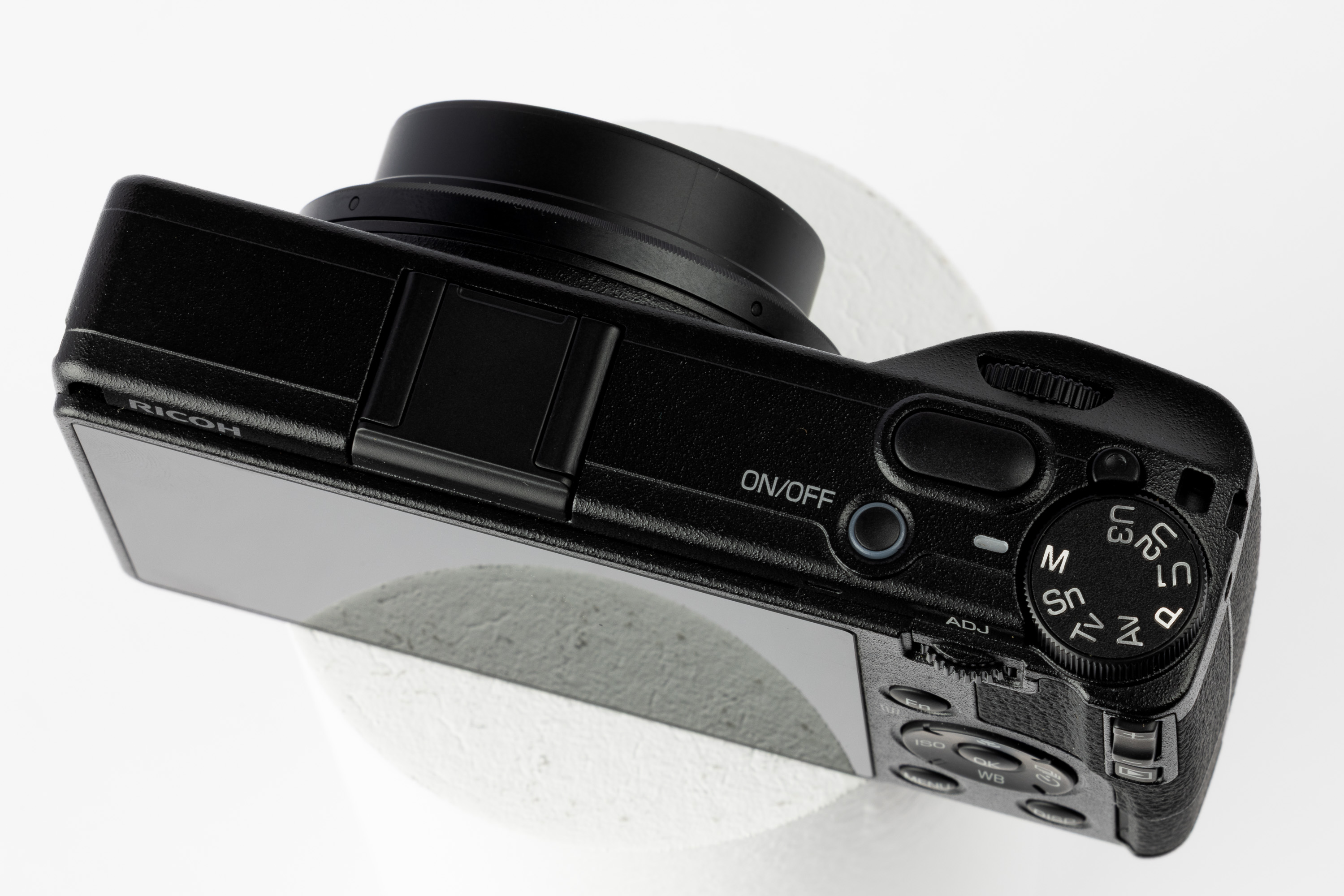
Top dials of the Ricoh GR IV
Design and Handling
The GR IV looks and feels very much like the GR III, but the keen-eyed GR enthusiasts will spot something different right away. The scroll wheel on the GR III is no more. Instead, it’s been replaced by a satisfying D-pad which feels more tactile. There’s also now an added plus and minus rocker to control exposure compensation, similar to the one found on the Ricoh GR, which is helpfully placed.
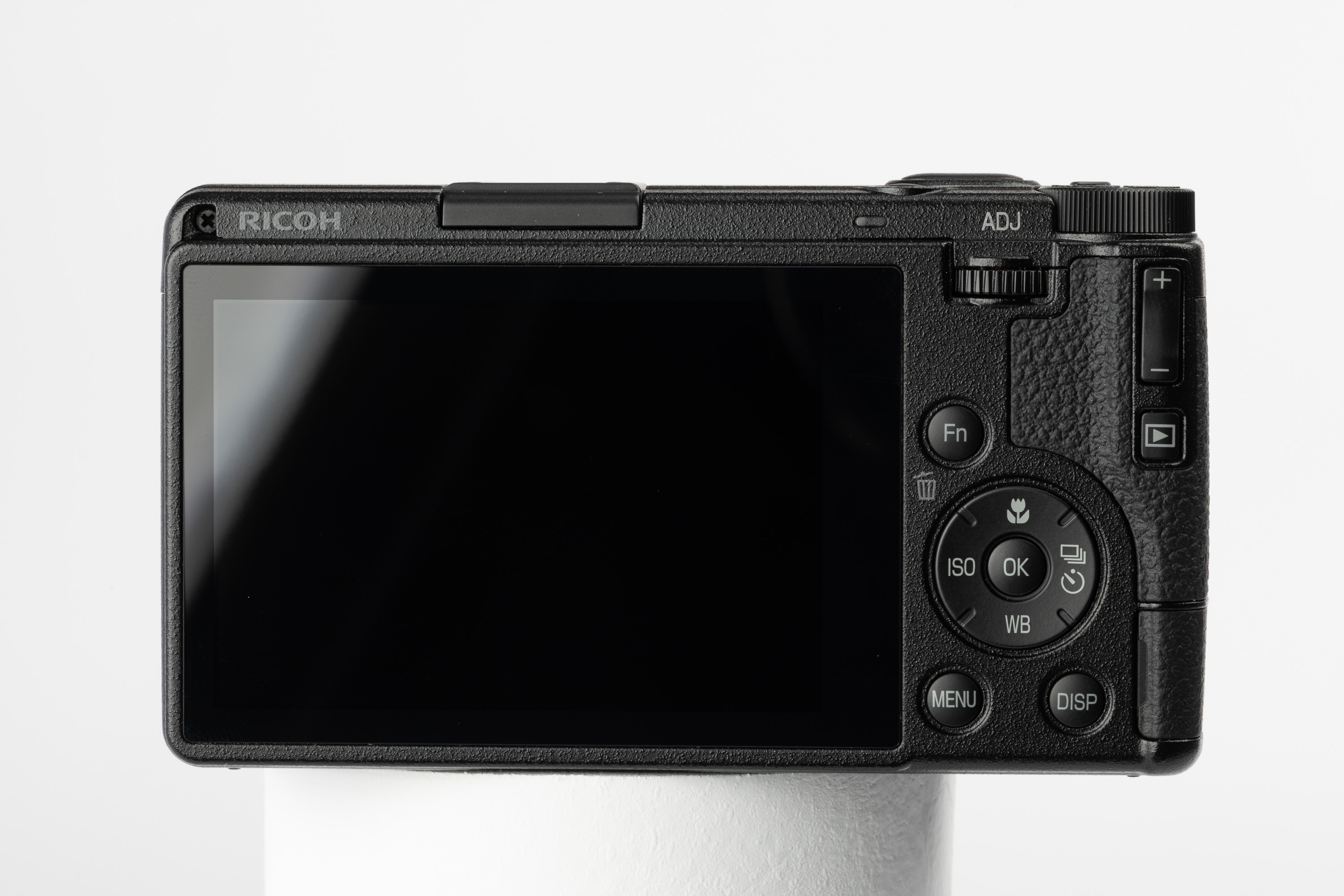
Back of the Ricoh GR IV
One-handed shooting is still this camera’s core strength, and it feels more comfortable with the new rocker positioned where your thumb naturally rests for quick exposure compensation adjustments.
The fixed rear screen does limit flexibility, particularly for low-angle or overhead shots, and the lack of a viewfinder reinforces the GR’s “shoot from the hip” ethos. However, compared to something like the Fujifilm X100VI, the GR IV is dramatically smaller and more pocketable (109x61x33mm, 262g vs 128x75x55mm, 478g), which remains one of its biggest advantages.

Connor Redmond | Ricoh GR IV | f/5.6 | 1/125 sec | ISO 250
New Ricoh GF-2 Flash
Alongside the release of the GR IV, Ricoh introduced a new, compact GF-2 flash, sold separately. Sadly, I’ve not had a chance to test one, although the GR IV apparently manages to stay pocketable, still fitting in a pocket with the flash attached, as well as adding a useful fill light capability. It features an auto flash ISO setting, allowing the camera to control the flash guide number, and comes with a built-in rechargeable battery that can be charged via USB-C.
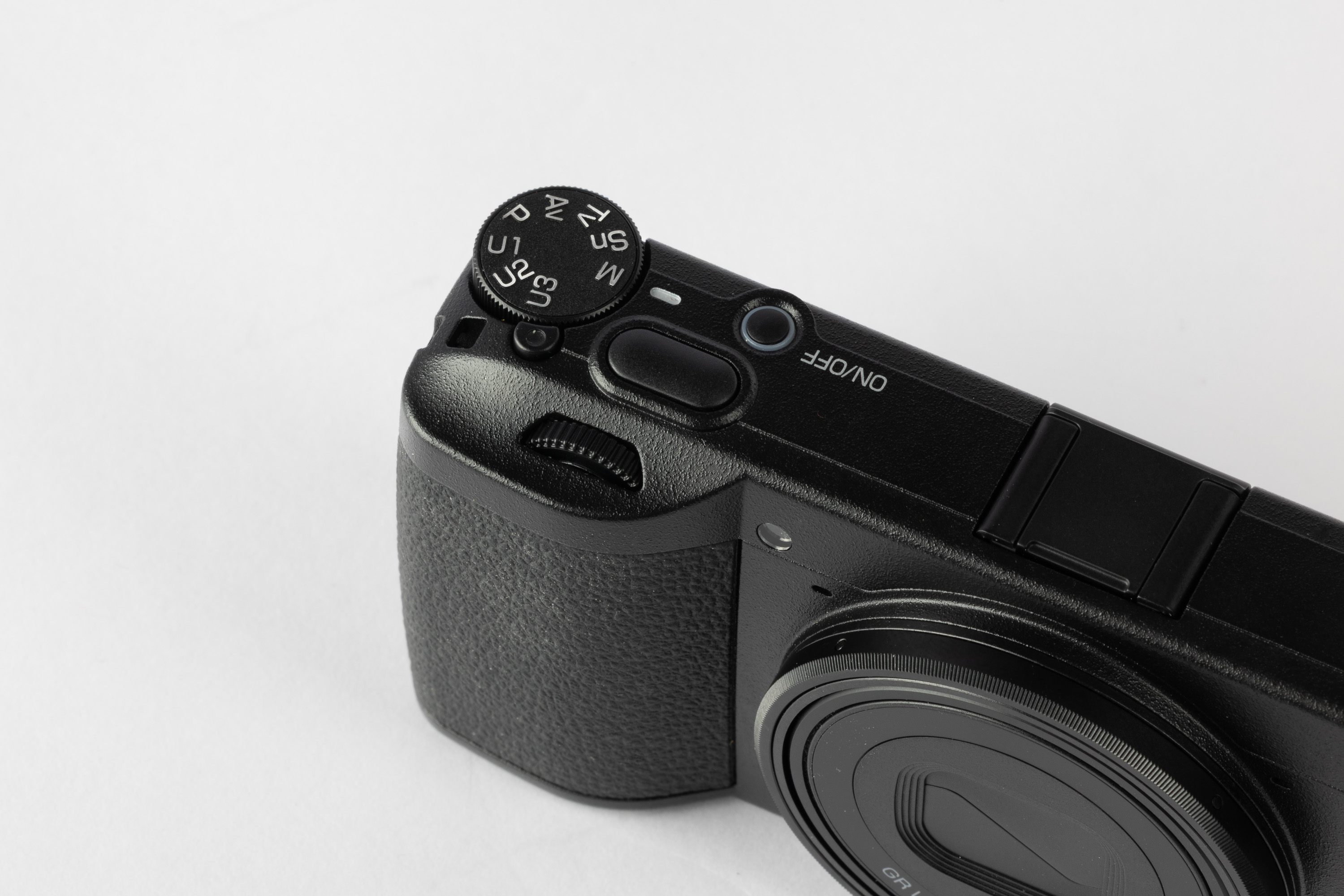
Top dials of the Ricoh GR IV
Battery Life and Storage
Battery life is modest. You can expect around 200–250 shots per charge, depending on how much chimping and stabilisation you’re using. USB-C charging is helpful when travelling, but I recommend carrying spare batteries.
The new addition of 53GB internal memory is a welcome one, as microSD cards can be annoying and fiddly. You can expect to get around 2,000 JPEGs or roughly 500–600 RAW images. For this camera, which will often be your daily carry, you probably won’t need more than that before you offload the images anyway.
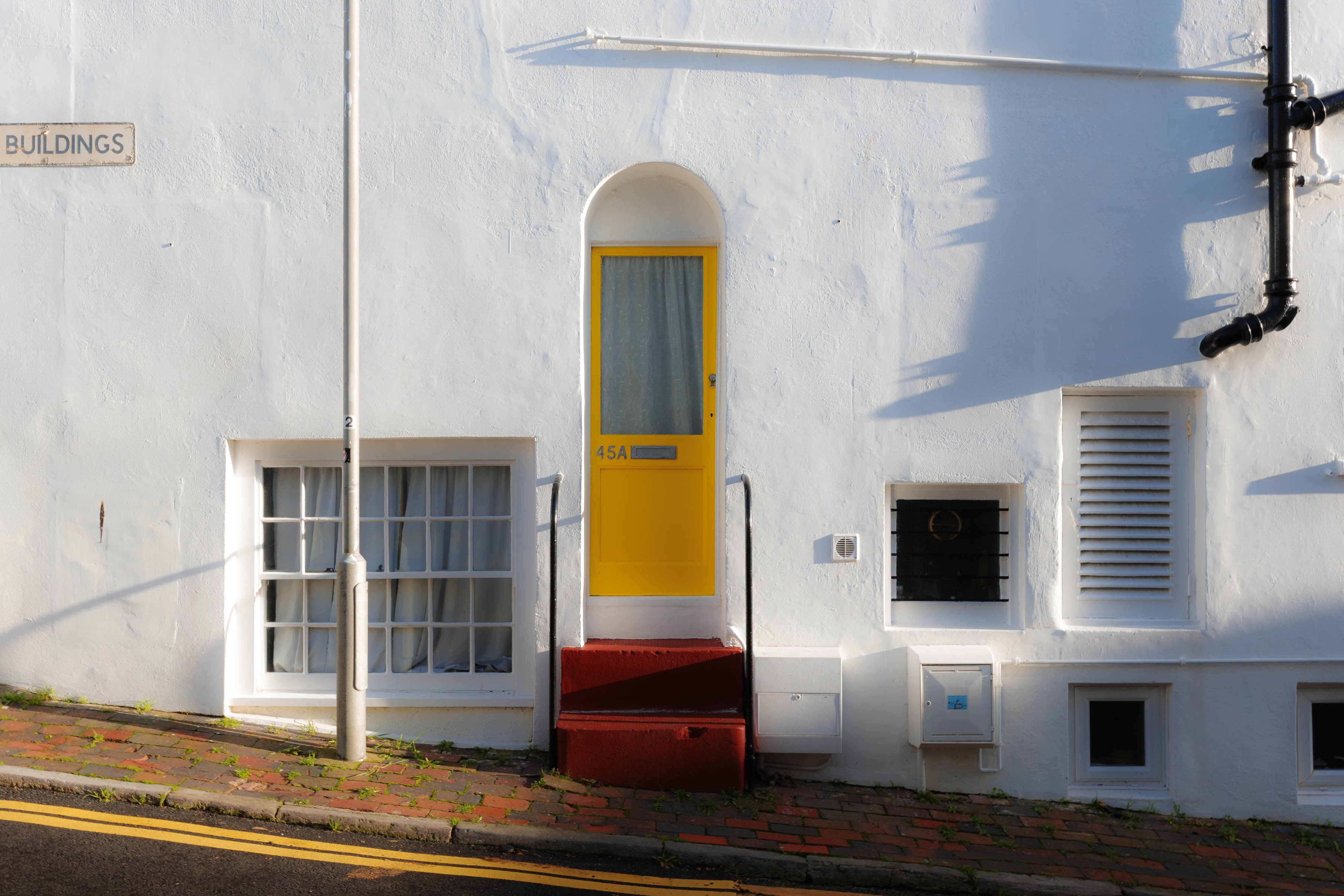
Connor Redmond | Ricoh GR IV | f/8.0 | 1/80 sec | ISO 100
Connectivity needs work. One pain point I experienced with the Ricoh GR IV was transferring the pictures from the internal storage to my Mac. I was hoping the Ricoh would appear like an SD card or external drive, allowing you to simply drag and drop files. Unfortunately, this isn’t the case, and it is annoying. I found importing directly into Lightroom to be slightly buggy, and it didn’t work as expected. I eventually resorted to using Image Capture, which did the trick.
Connor Redmond | Ricoh GR IV | f/8.0 | 1/400 sec | ISO 100
There is the straight-to-phone method with the GR WORLD app, which works well enough. The live View/Capture is a neat, if niche feature, but if you want to do some serious editing on the desktop, the bottom line is that you need to go through the hassle of getting them from the camera, which isn’t a smooth process. Which surely defeats the point of the internal storage feature? I’d still recommend a microSD card for a quicker transfer.
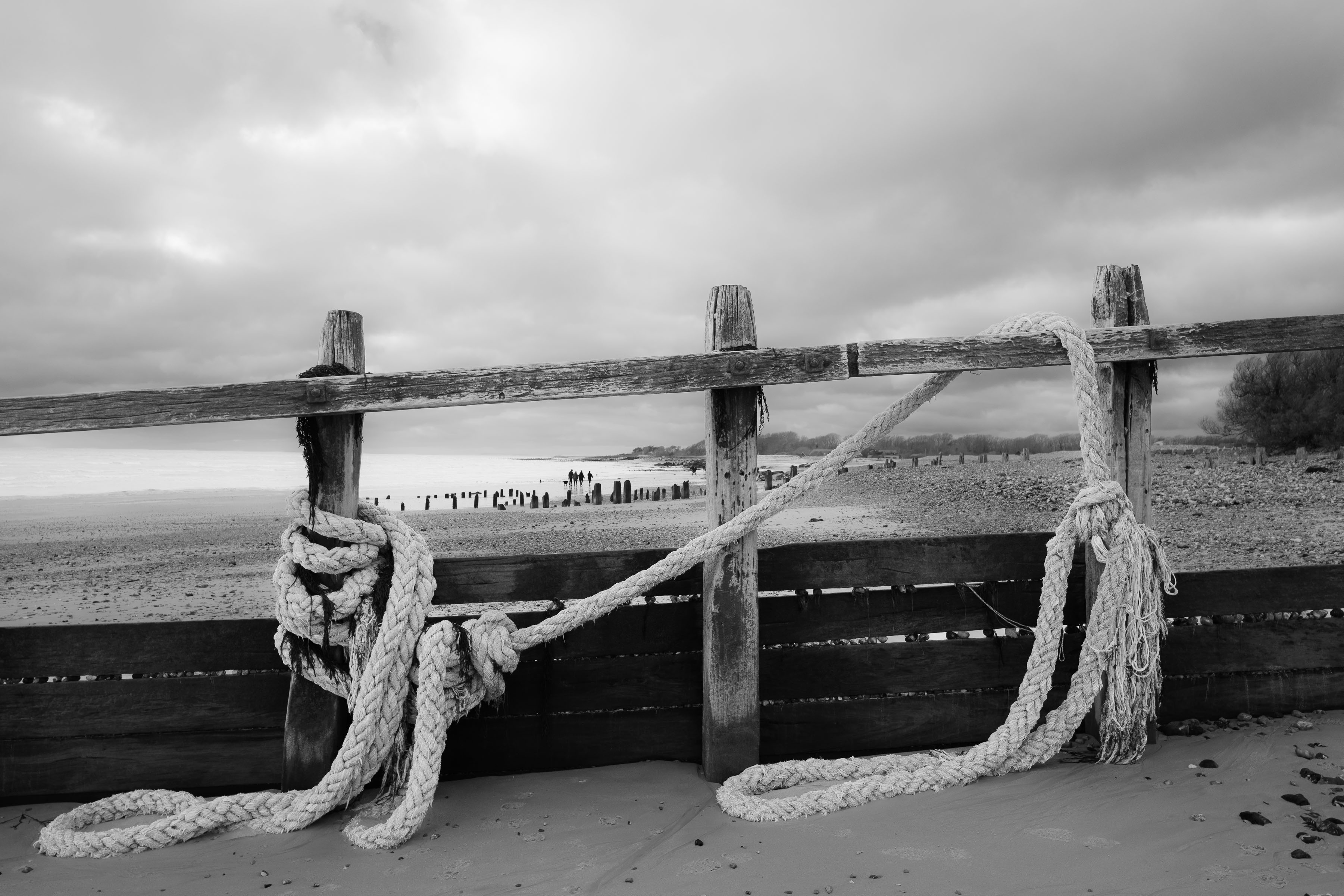
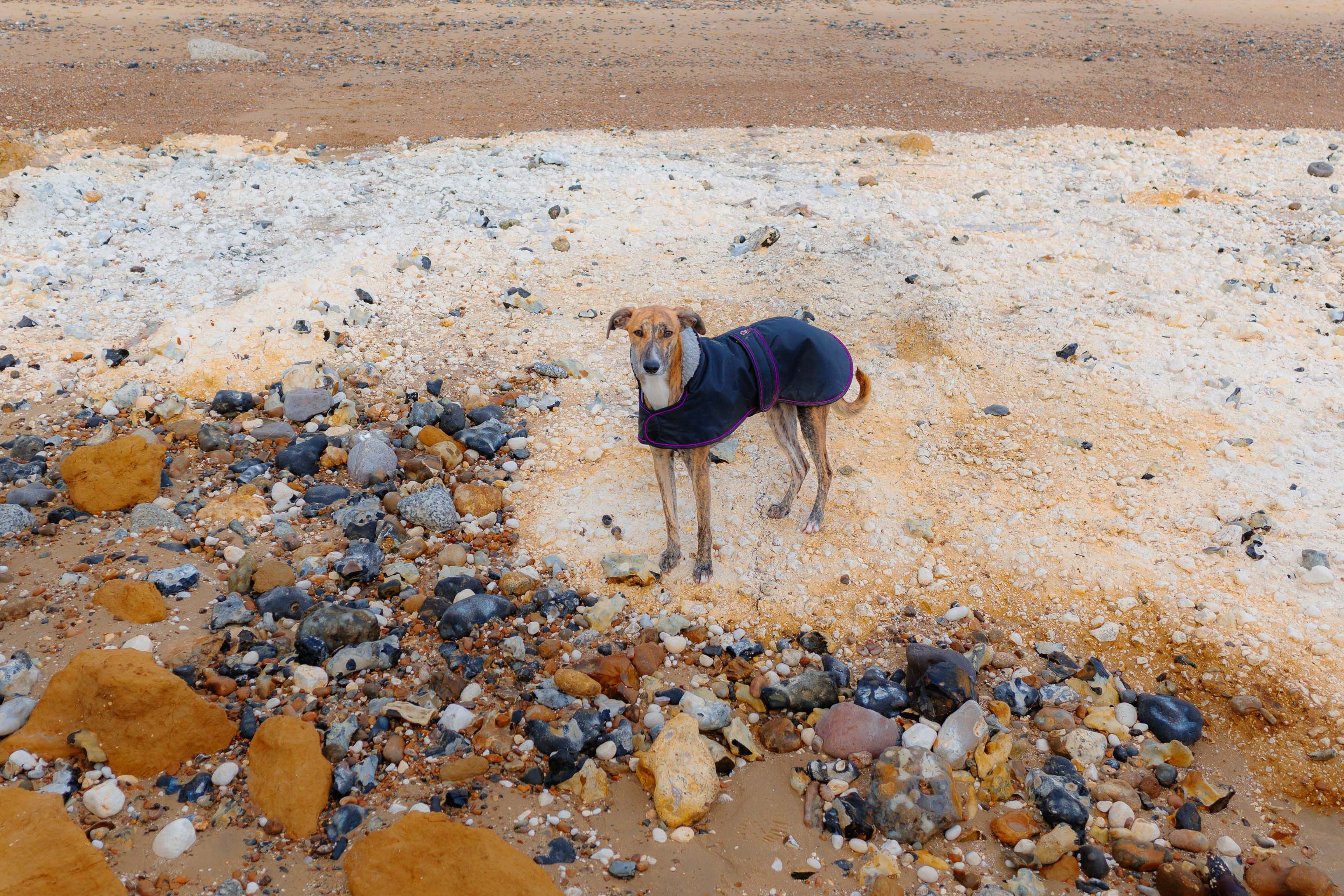
Connor Redmond | Ricoh GR IV | f/4.0 | 1/320 sec | ISO 200
Shooting Performance
Startup time is now quicker, which really suits the fast, spontaneous shooting that Ricoh cameras encourage. See a shot, turn on, and the camera is ready almost instantly.
The GR IV performs best when you embrace its strengths, which include zone focusing, Snap Focus and pre-visualising shots. It encourages instinctive shooting, which is central to that GR formula I mentioned previously.

Connor Redmond | Ricoh GR IV | f/5.6 | 1/125 sec | ISO 500
Autofocus
Snap Focus is still the preferred method for many GR users, and it’s one of the camera’s best features. The hybrid autofocus system is slightly more consistent than the GR III, but this is an incremental improvement, and it definitely falls short of a transformation.
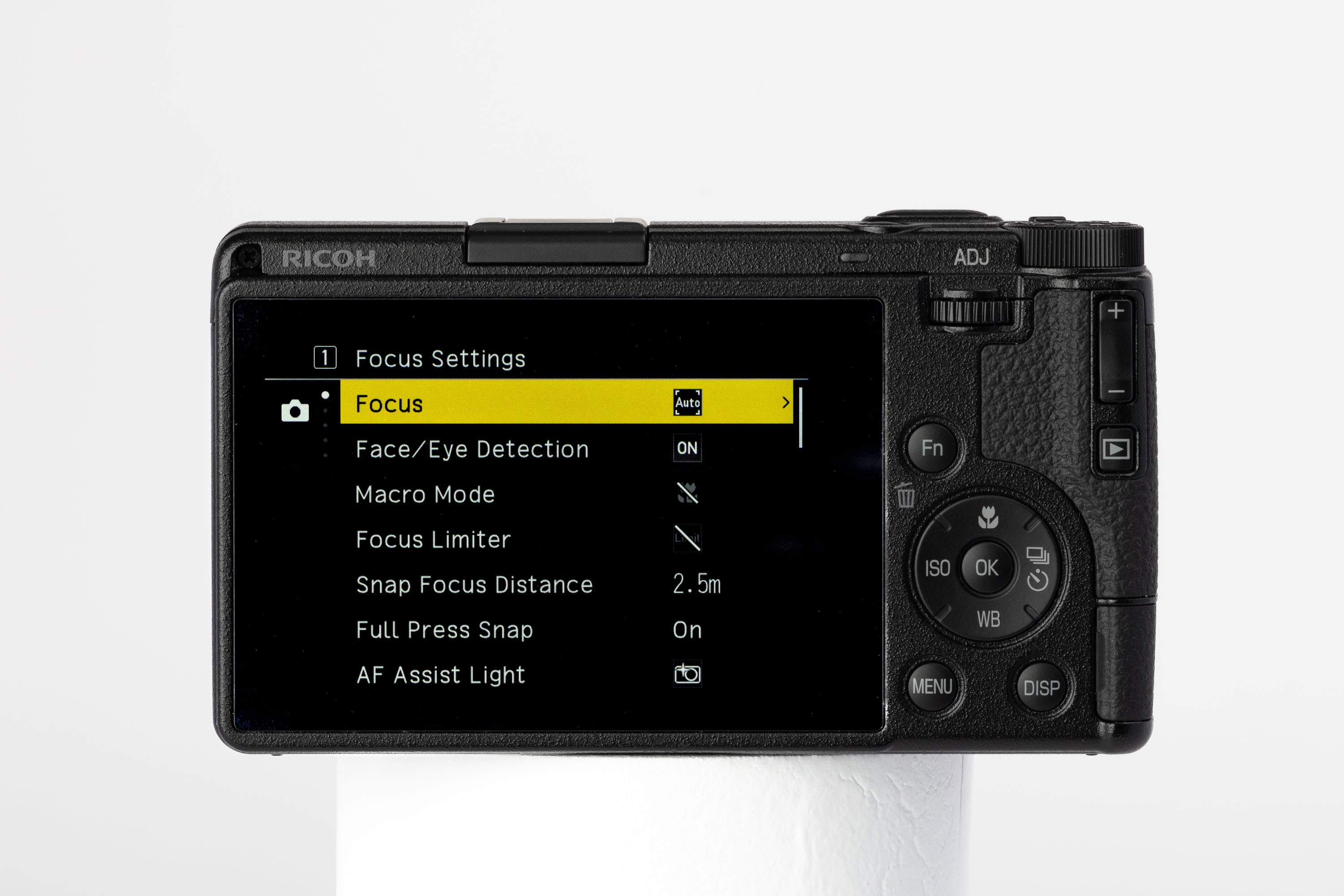
Ricoh GR IV focus settings menu
Face and eye detection are available, but they’re not incredible and can feel a little hesitant. Autofocus also struggles most with fast-moving subjects and low-contrast scenes; it’s not as strong as the Sony APS-C cameras.
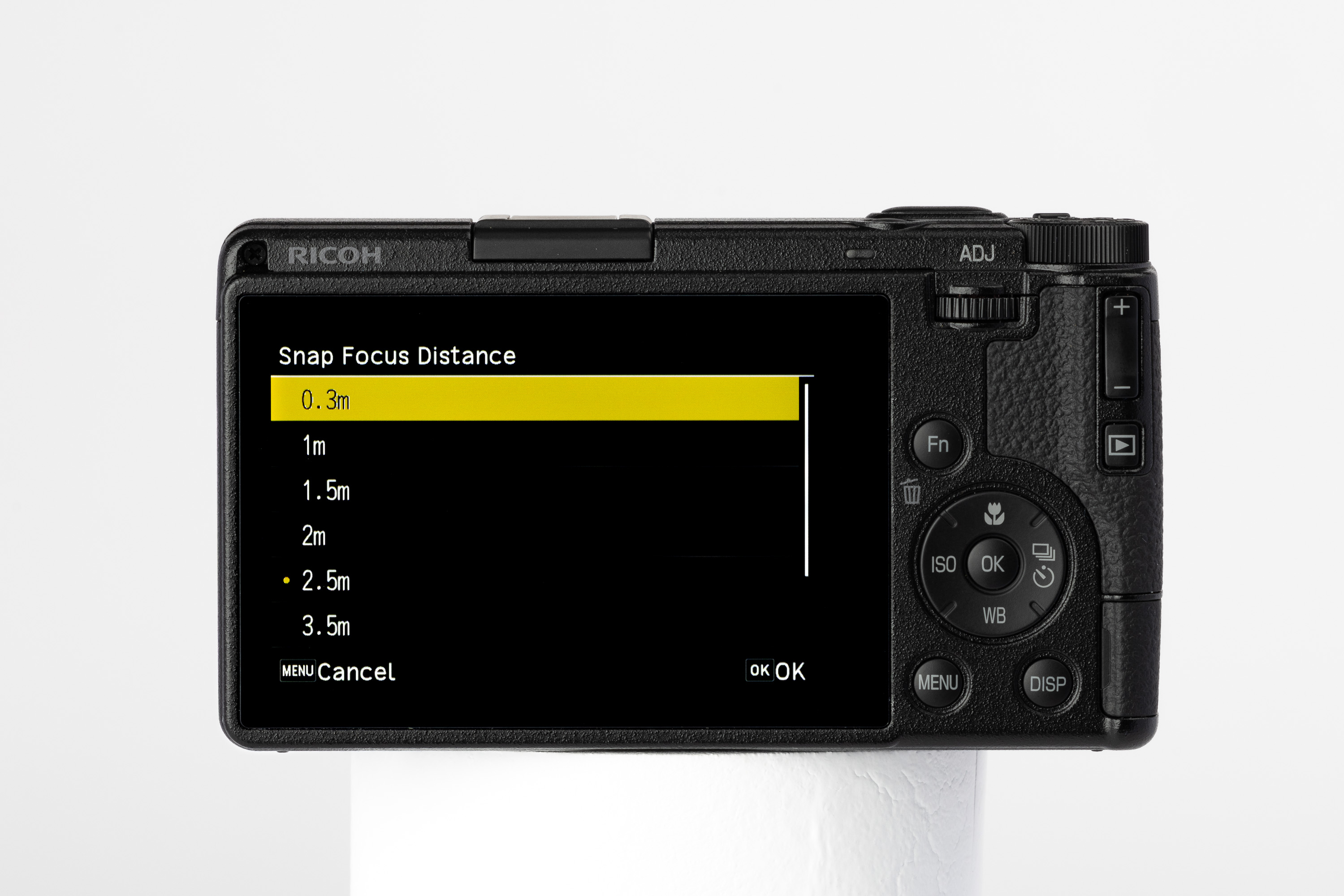
The snap focus distance can be set from 0.3m to 5m
Take the picture below, for instance. I was hoping it would snap onto the person's face in the centre-left of the frame, but sadly, it did not and the moment passed. I feel like a Sony camera, like the Sony A7C II, would have nailed that shot. In hindsight, I should have used the Snap Focus here, but I was eager to see how good the face recognition was.

Connor Redmond | Ricoh GR IV | f/5.6 | 1/125 sec | ISO 320
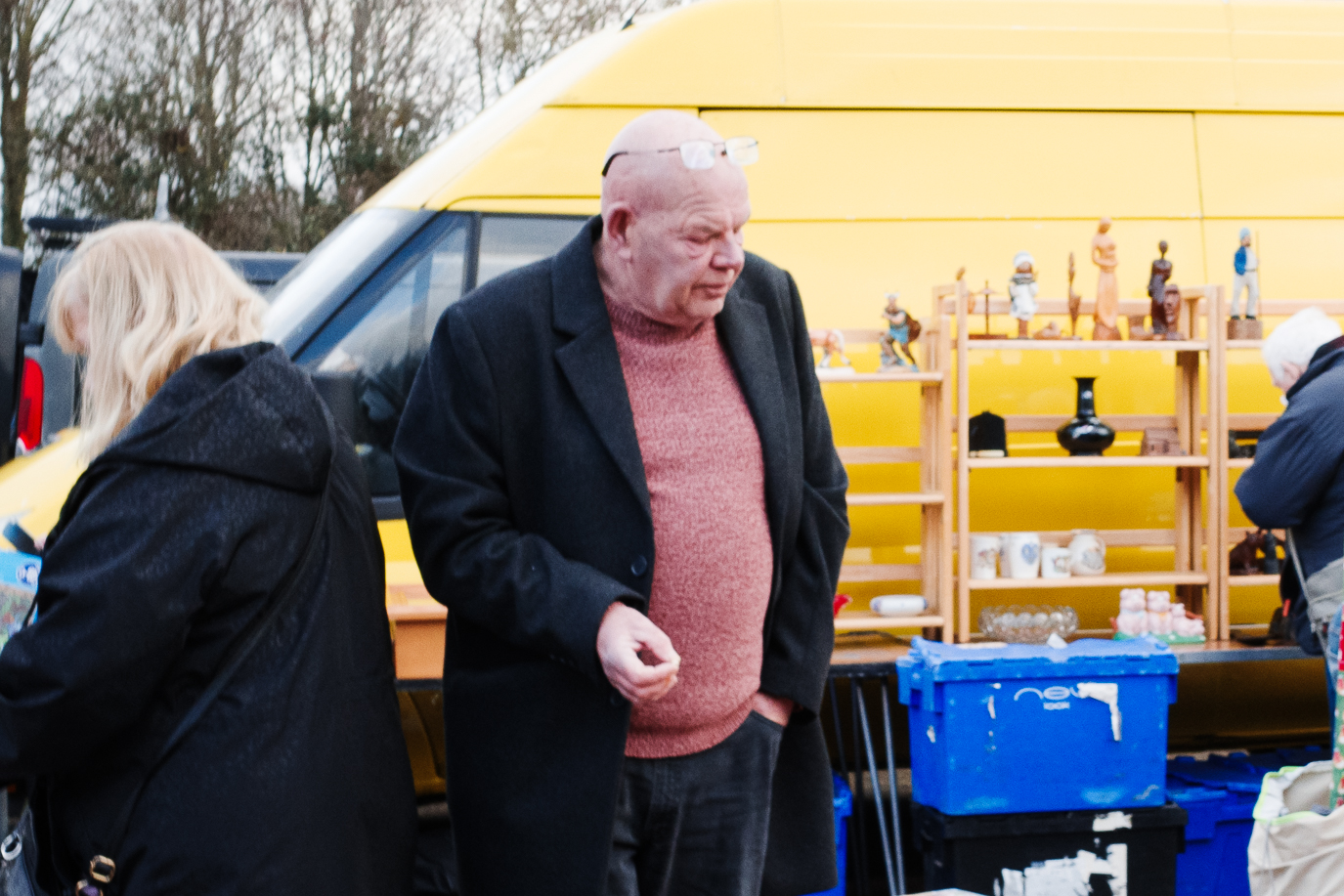
Connor Redmond | Ricoh GR IV | f/5.6 | 1/125 sec | ISO 320
Where the Ricoh GR IV performs best, though, is when using the Snap Focus function in street settings. Particularly if you have a good idea of the distance ahead and you have shots in mind. Again, this strategy would have worked perfectly in the situation above, knowing the rough distance was 2.5–3 metres
Five-axis In-body Image Stabilisation
IBIS is one of the most meaningful upgrades in the GR IV. The new five-axis IBIS allows significantly slower shutter speeds when held in your hands. This opens up new shooting possibilities, like lower ISOs at night with longer shutter speeds and creative techniques that use motion blur.
The image below was taken at 1/13 second. Here, the IBIS did its job, crisply capturing detail in the shadows at Tate Modern.
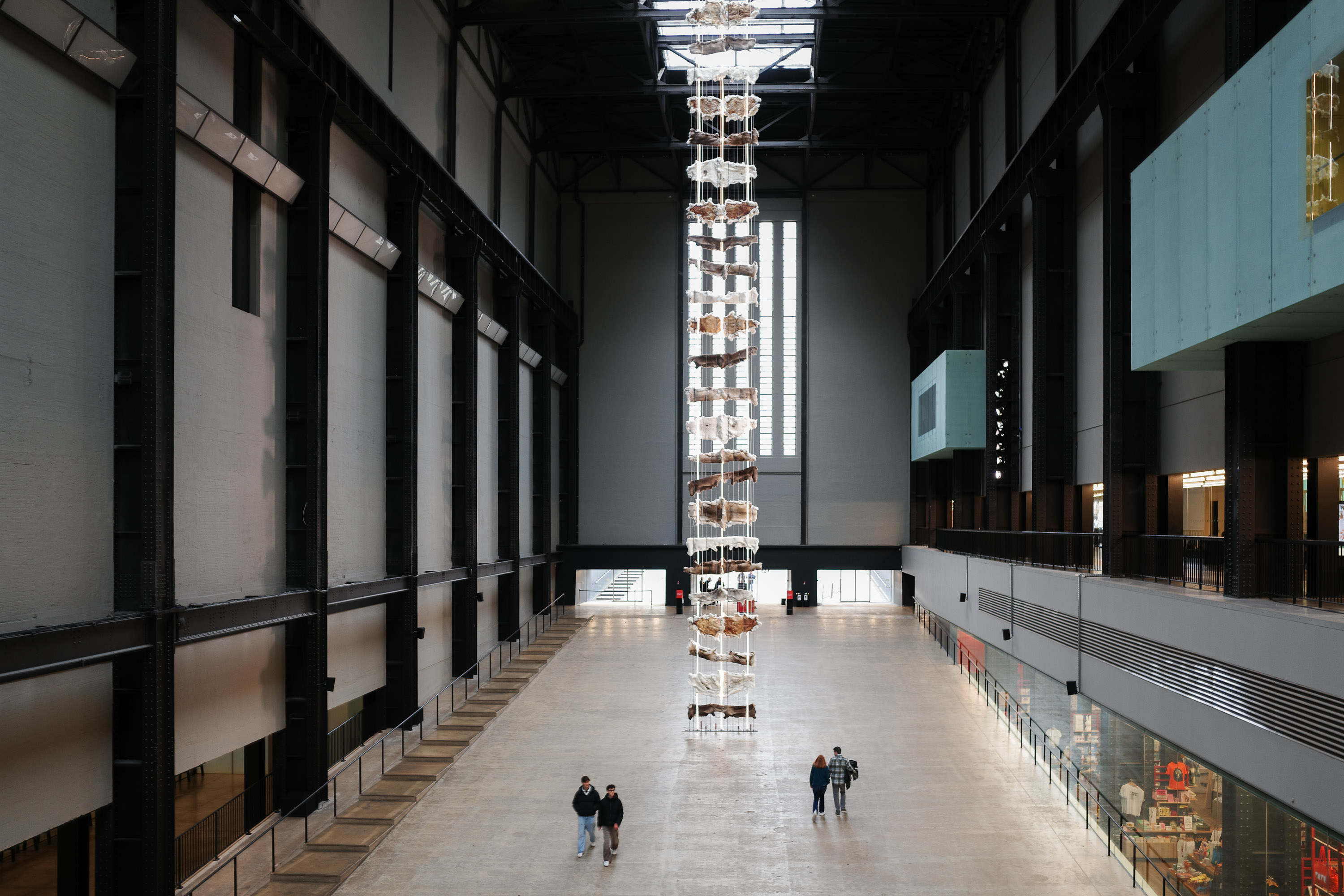
Connor Redmond | Ricoh GR IV | f/2.8 | 1/13 sec | ISO 100
ISO and Low Light Performance
High ISO image quality is excellent for an APS-C sensor. We see some muddiness in the details of the shot below at 12800 ISO, but honestly? It isn’t that bad, and certainly nothing Lightroom’s AI Denoise filter can’t handle.
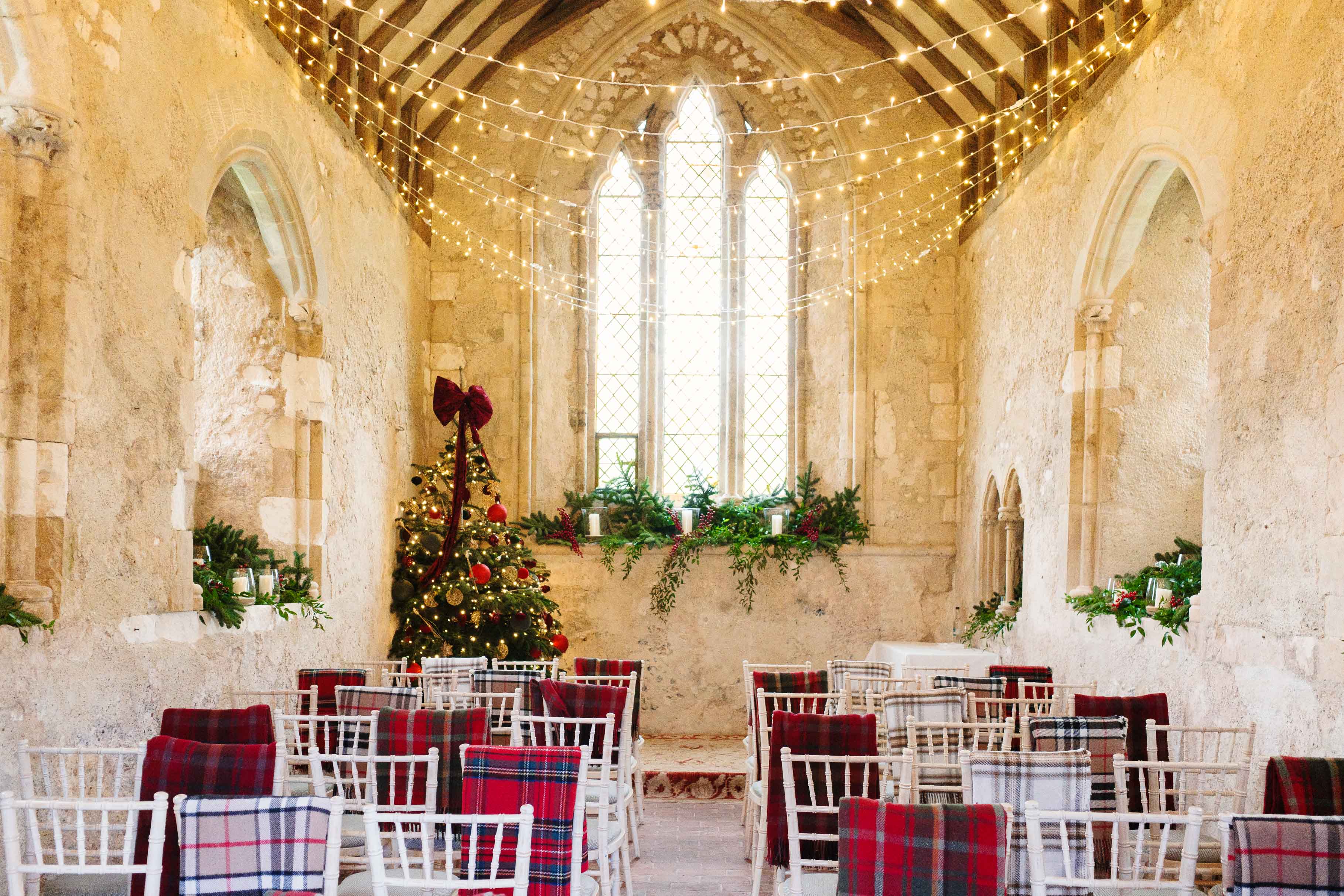
Connor Redmond | Ricoh GR IV | f/2.8 | 1/125 sec | ISO 8000
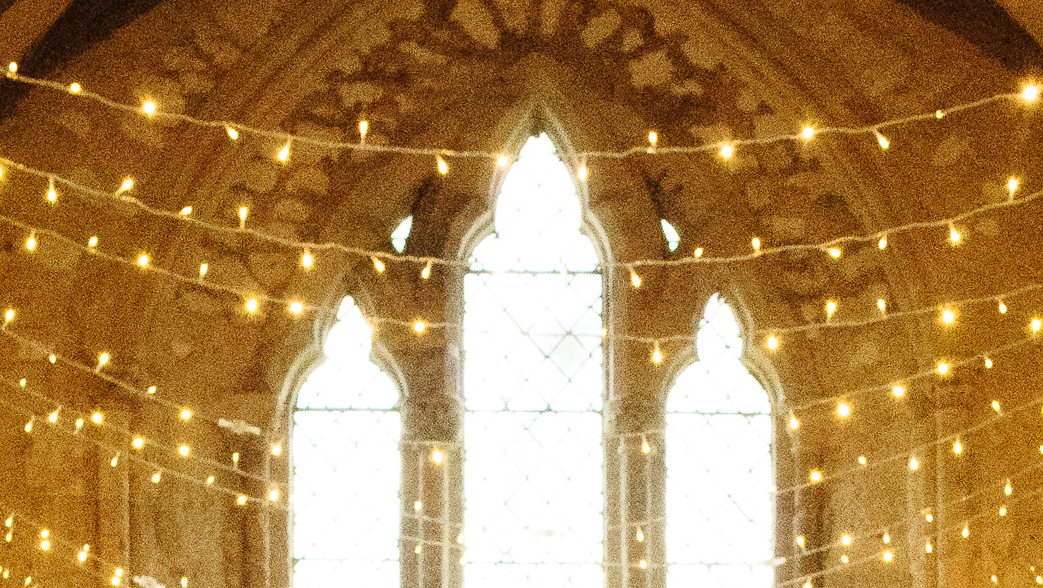
Connor Redmond | Ricoh GR IV | f/2.8 | 1/125 sec | ISO 8000
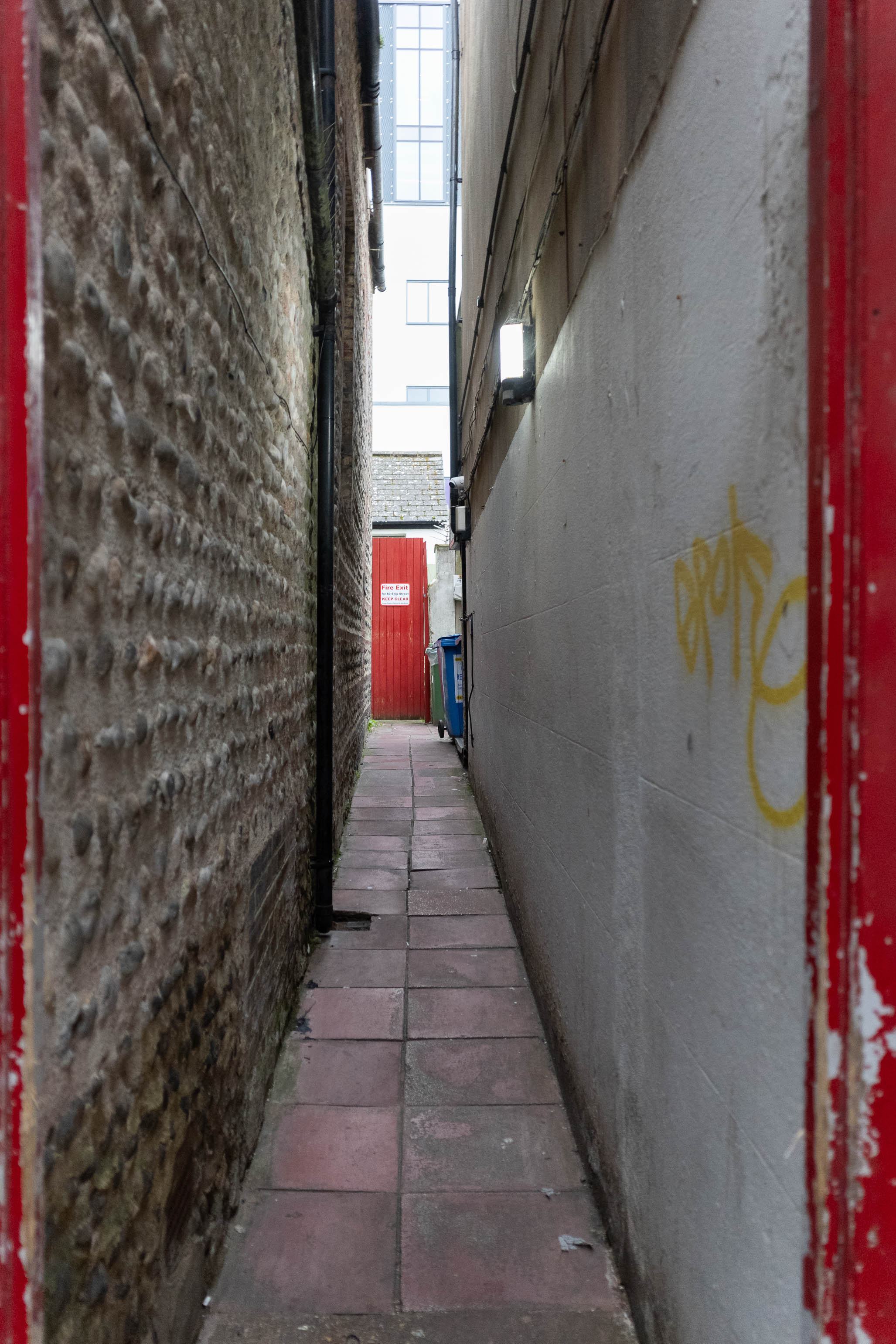
Amy Moore | Ricoh GR IV | f/2.8 | 1/250 sec | ISO 2500
Image Quality
The image quality is strong for an APS-C compact. I would go as far as to say that these are some of the best RAWs I have seen from an APS-C sensor (yes, even better than Fujifilm or Sony). They are crispy and sharp, which some people might not enjoy and dismiss as ‘too clinical,’ but I don’t see them that way myself. I also like the slight halation we get in the highlights, even on the regular model, not just the GR IV HDF.
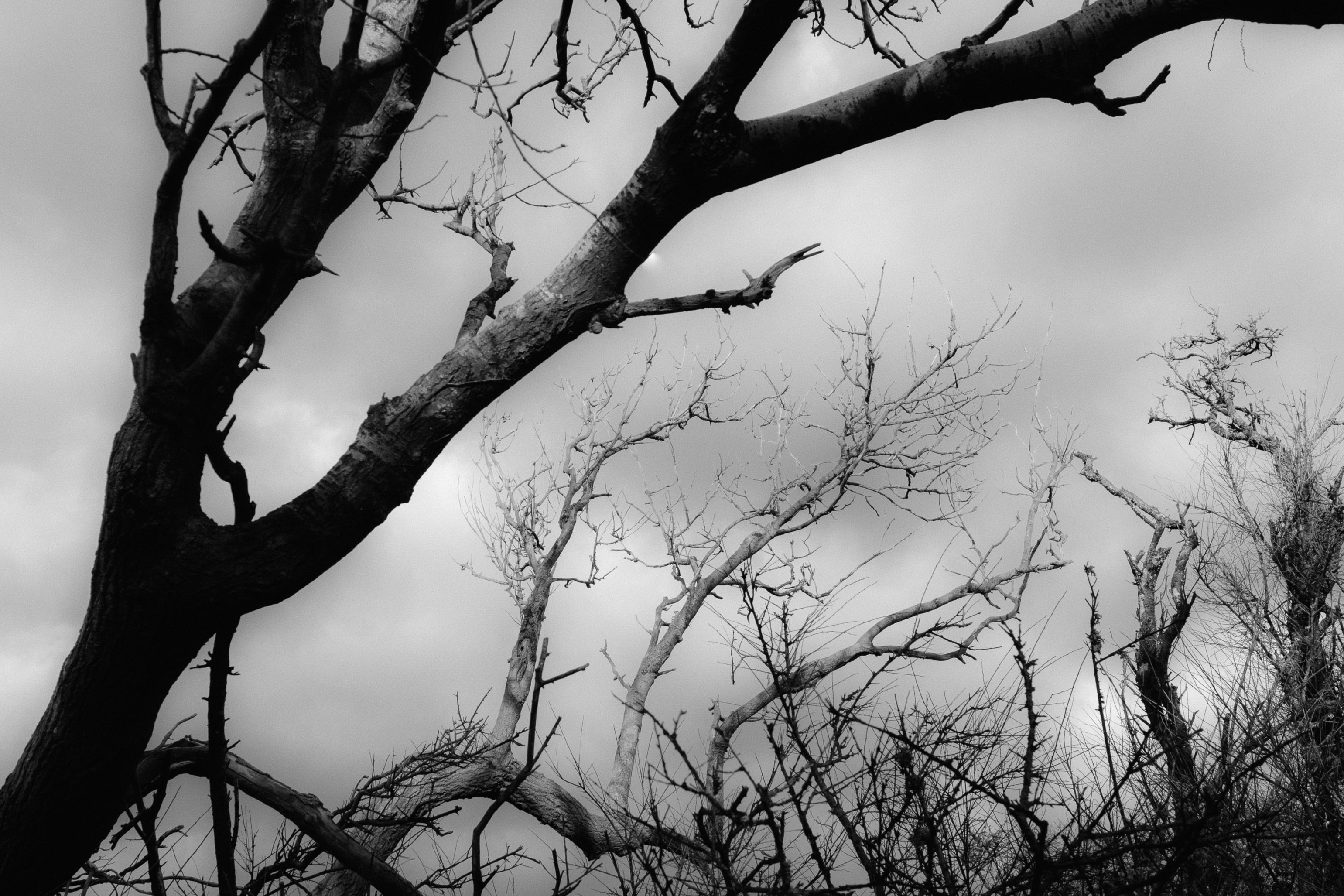
Connor Redmond | Ricoh GR IV | f/4.0 | 1/800 sec | ISO 200
Corner sharpness appears to have improved when compared to the GR III, particularly at wider apertures. The contrast feels natural rather than punchy, with highlights handled effectively.
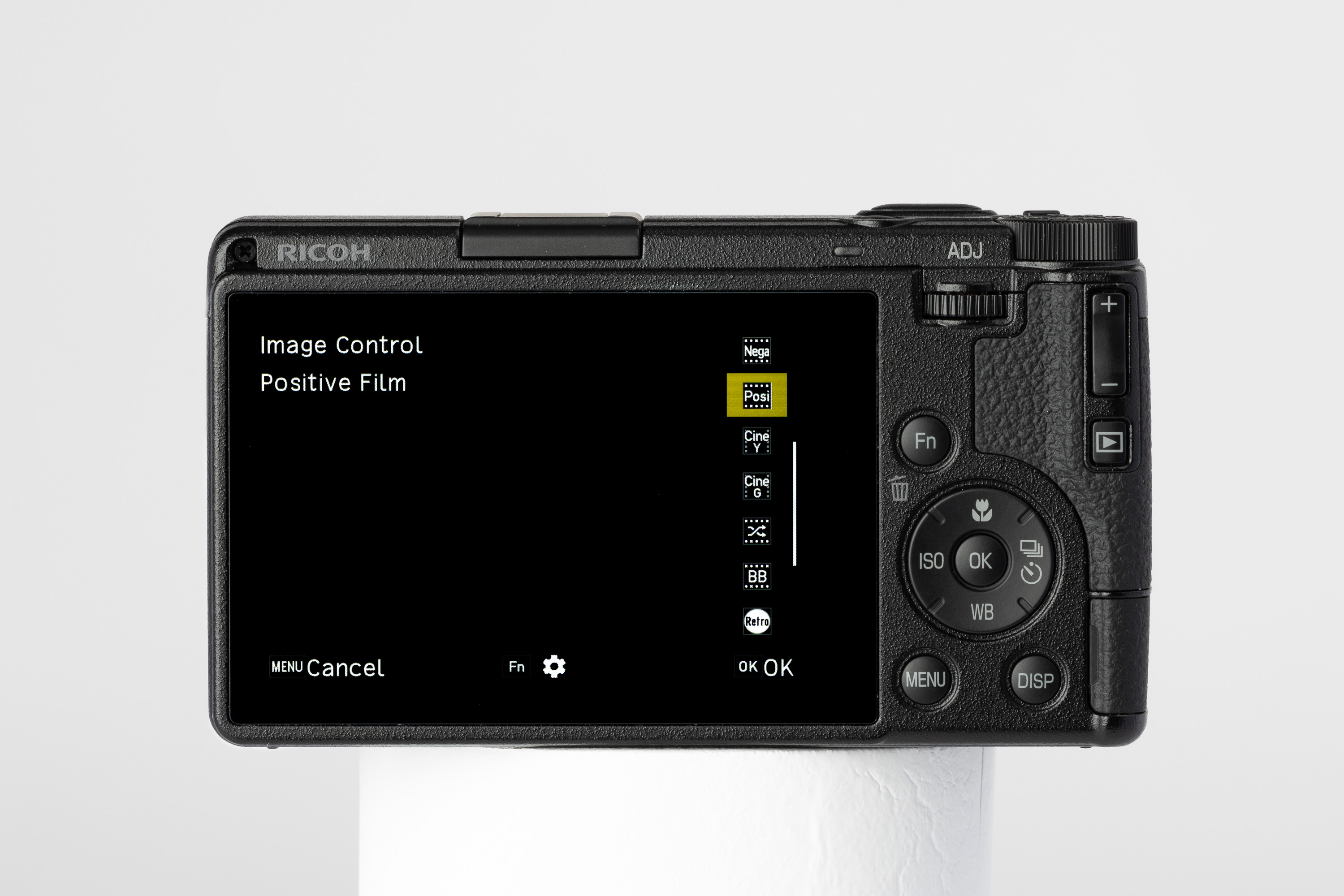
Example of some of the picture profiles on the Ricoh GR IV
You get 14 built-in Image Control modes, plus three fully custom slots, giving you 17 selectable profiles in total. Those are Standard, Vivid, Monotone, Soft Monotone, Hard Monotone, Hi-Contrast B&W, Negative Film, Positive Film, Cinema (Yellow), Cinema (Green), Bleach Bypass, Retro, Cross Processing, HDR Tone, Custom1, Custom2, Custom3.
Each profile is adjustable (contrast, sharpness, saturation, grain, toning, etc.), so you can treat them like a starting off point, a bit like Fujifilm film simulation recipes.
Ricoh’s Monochrome, Positive Film and Cinema Green profiles stick out as the best for me. I like the pleasing tones of the positive film mode, and the harshness of the Hard Monochrome setting has grown on me for certain scenes. Cinema Green gives you an aggressive 'cinematic' look, but in urban environments can look excellent.
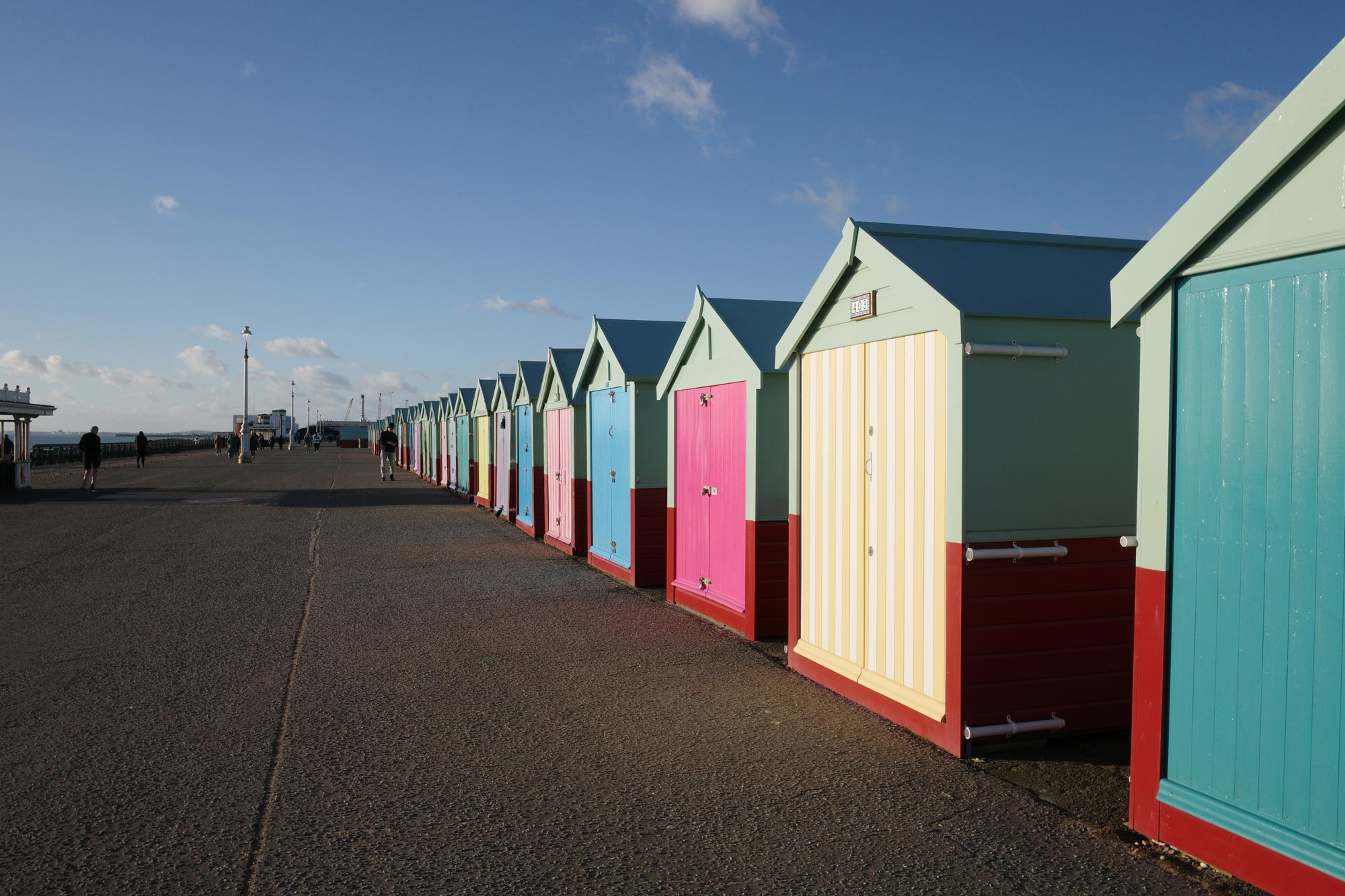
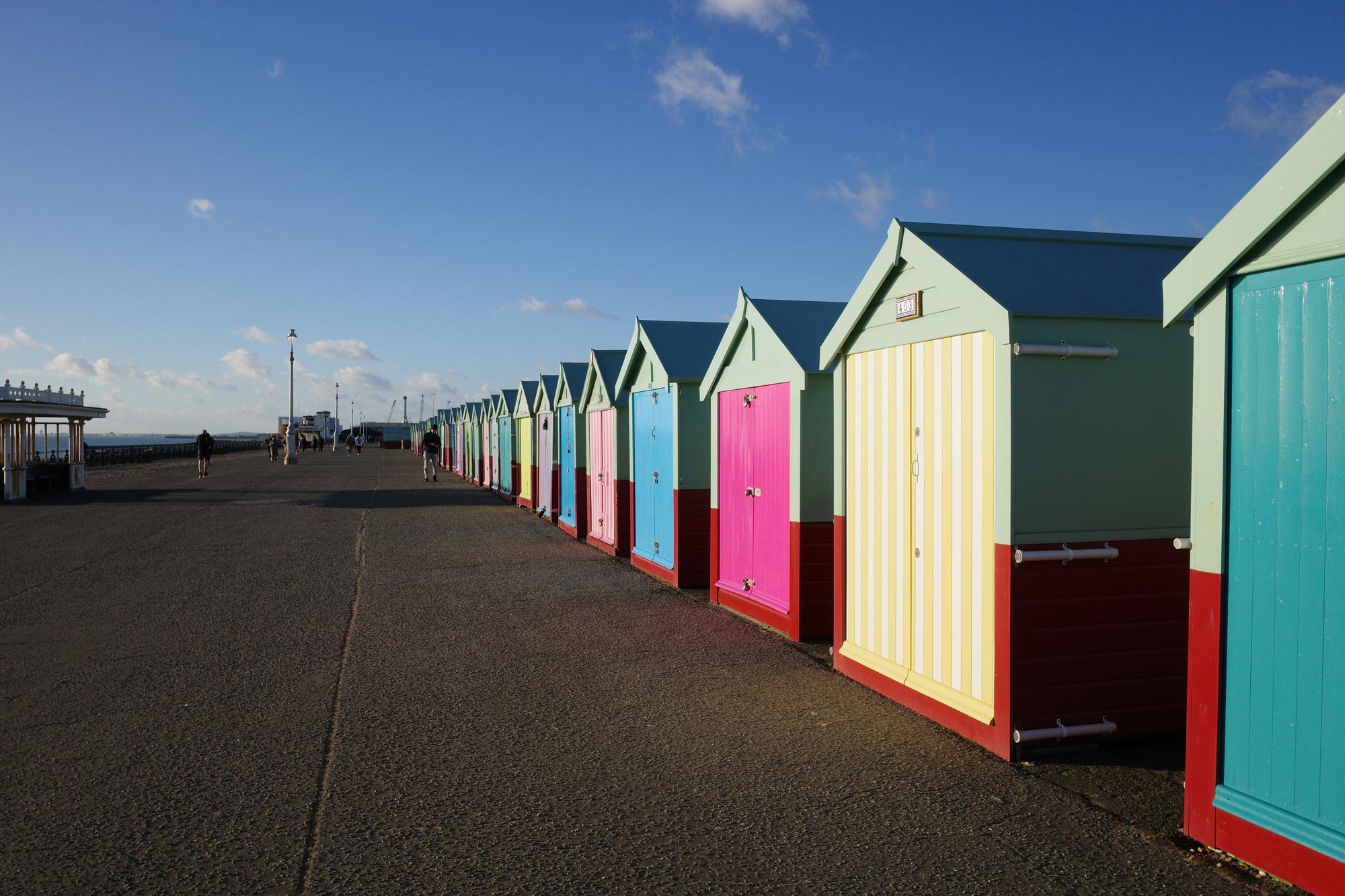
Left: Vivid | Right: No Filter
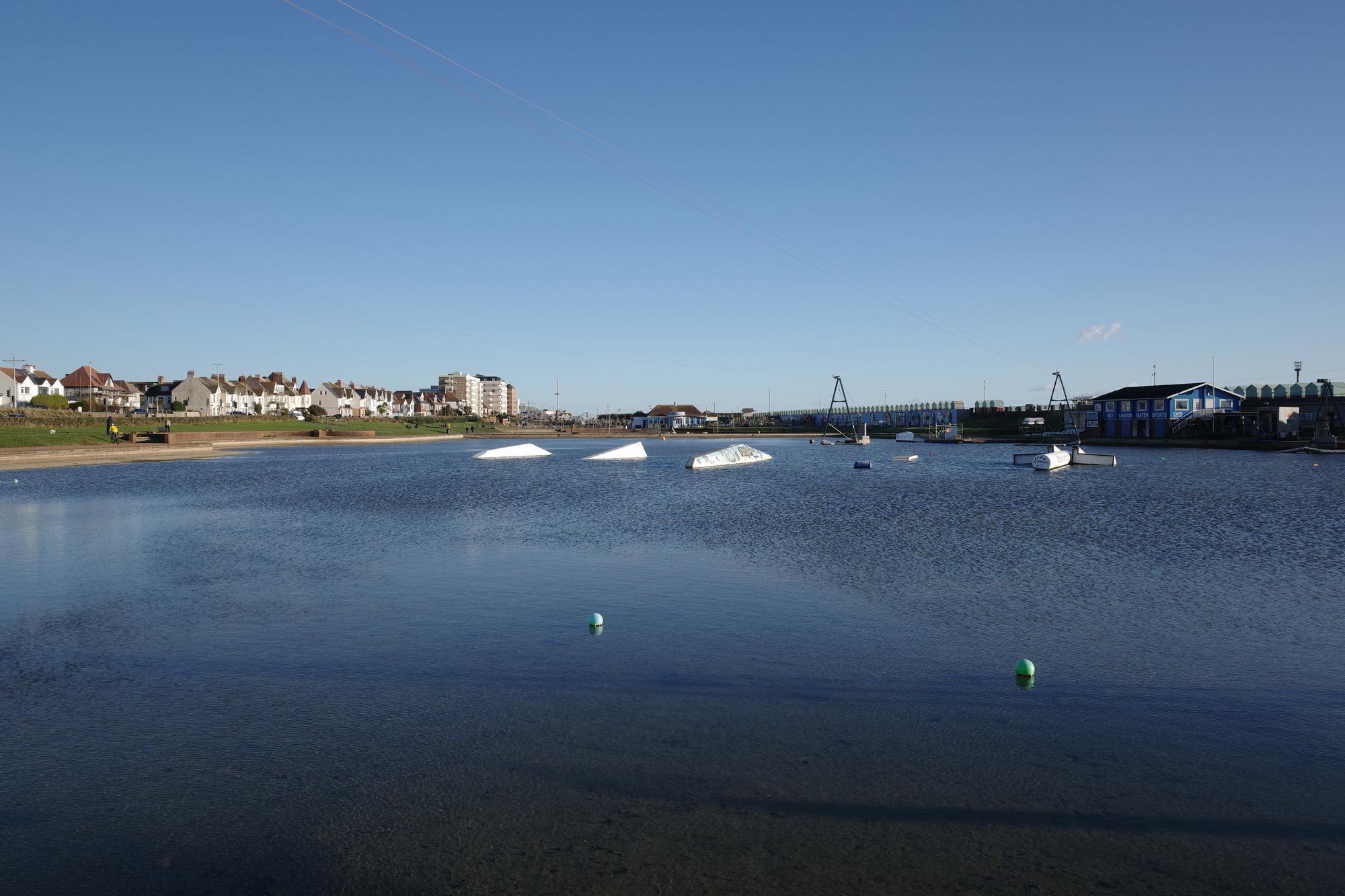
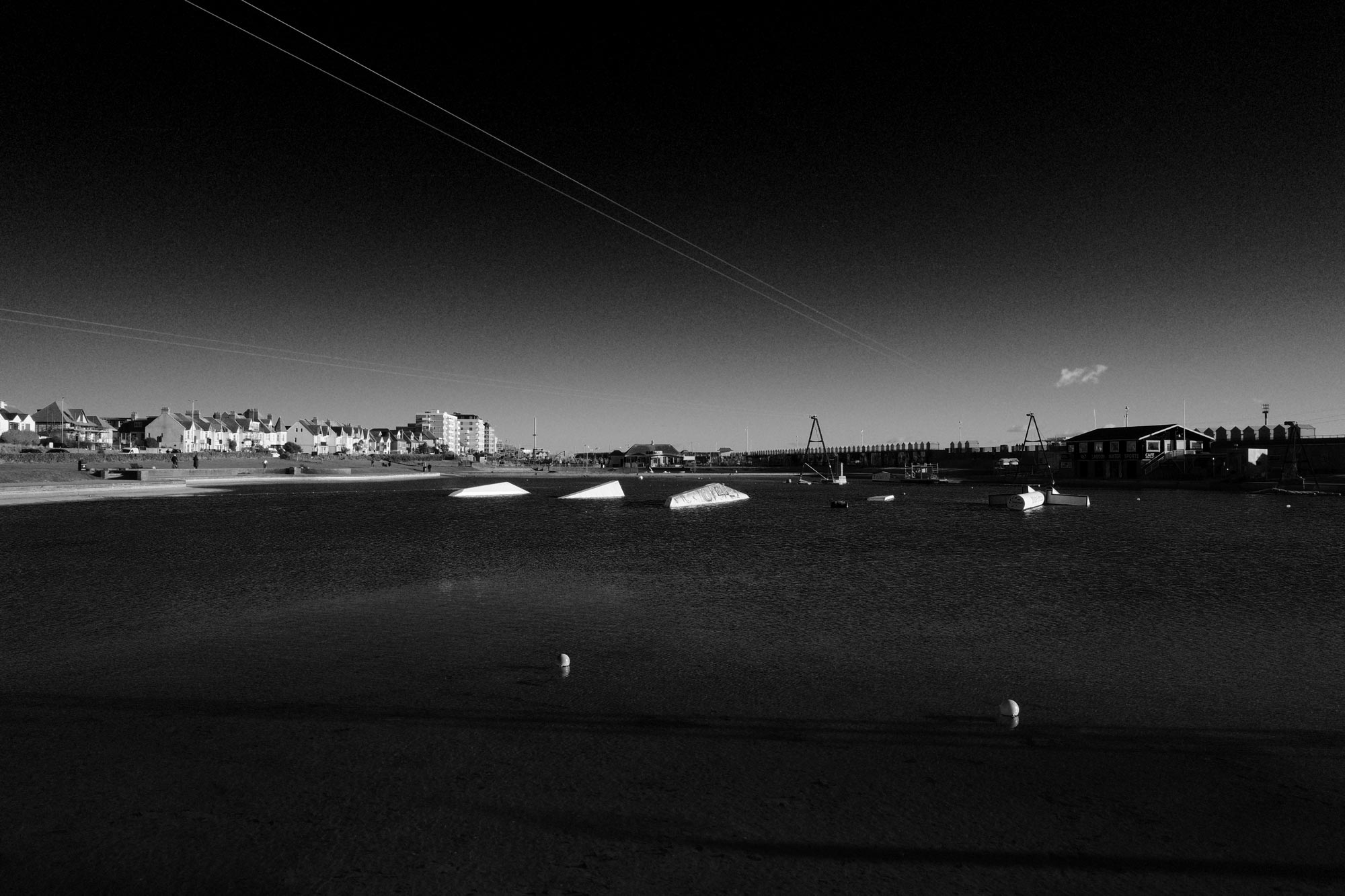
Left: Hard Monochrome | Right: No Filter
DNG files are where the Ricoh GR series shines; they’re such malleable files to work with. The photos always feel crispy but not overly so. There is no noticeable difference between the GR IV and GR III in terms of detail here, but with such a small bump in resolution, that is to be expected.
Ricoh GR IV Sample Images
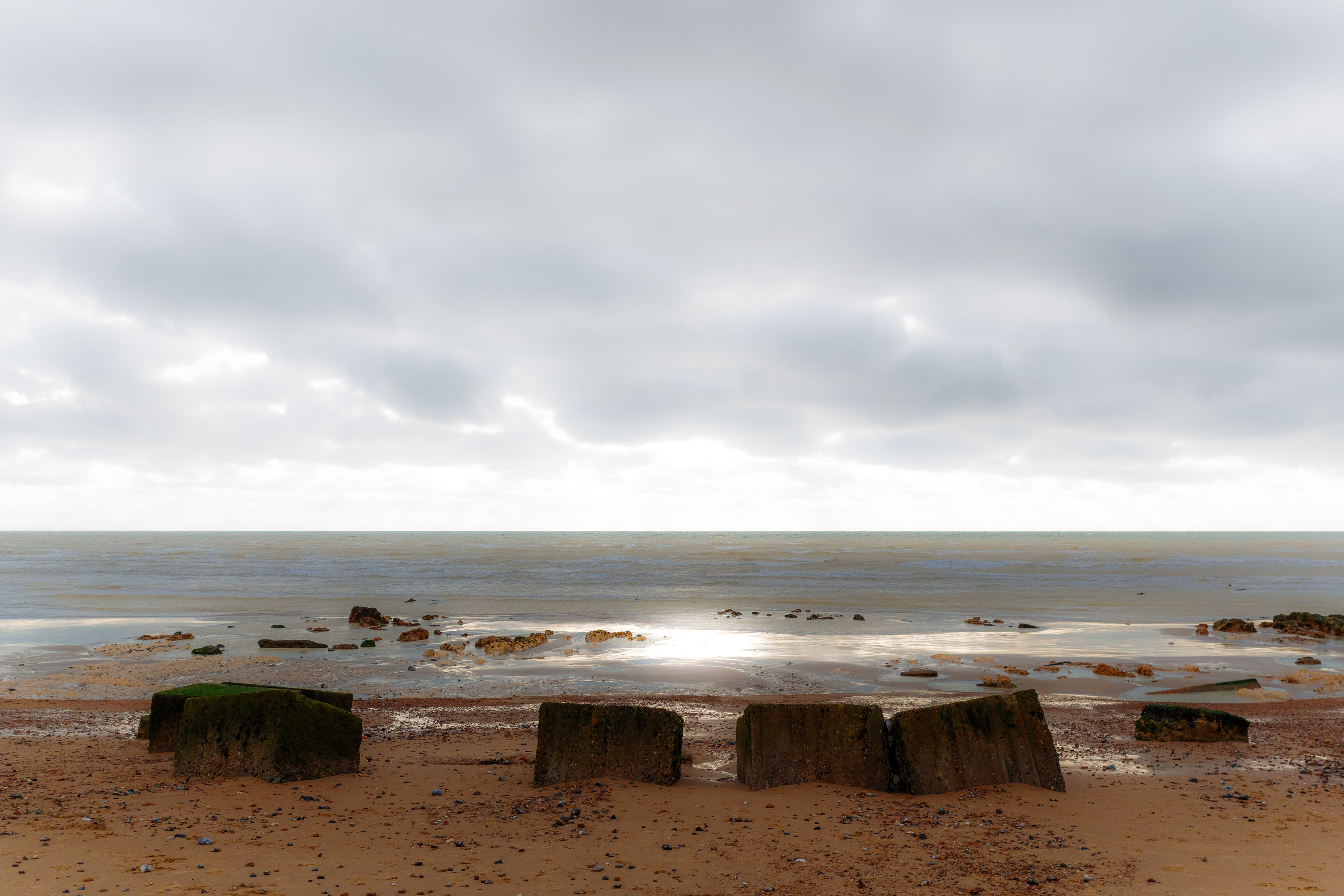
Connor Redmond | Ricoh GR IV | f/3.2 | 1/640 sec | ISO 200
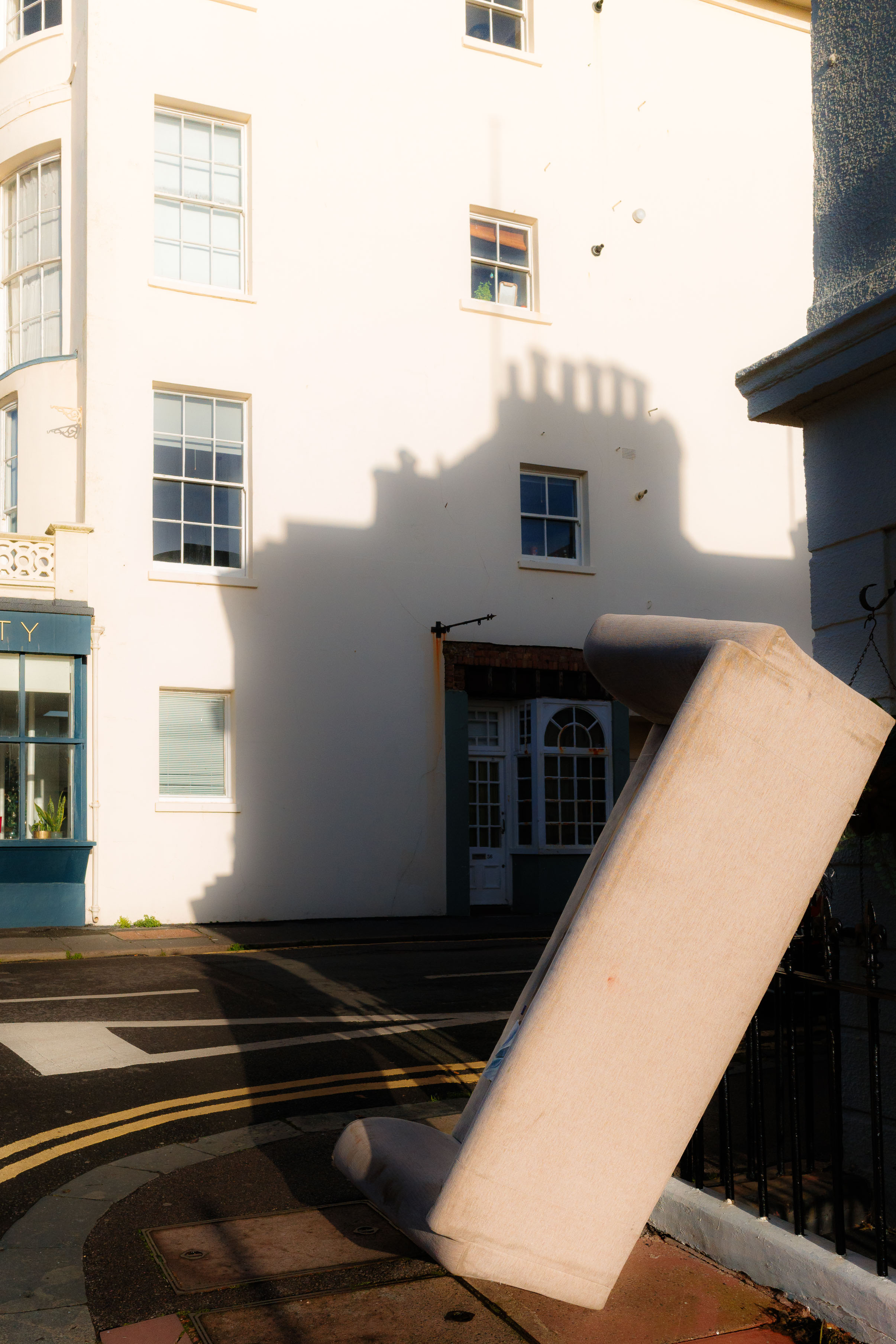
Connor Redmond | Ricoh GR IV | f/5.6 | 1/4000 sec | ISO 1000
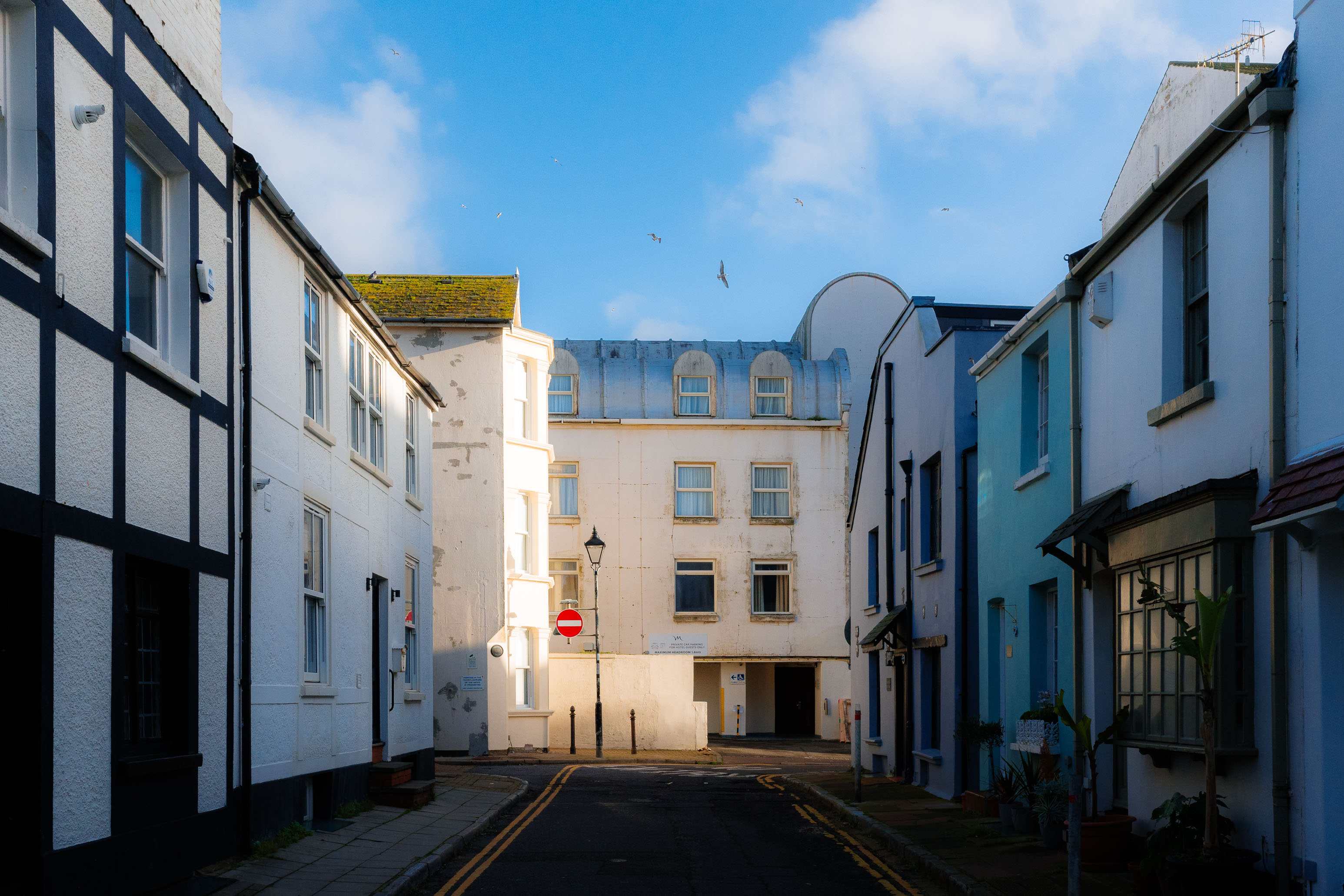
Connor Redmond | Ricoh GR IV | f/5.6 | 1/1600 sec | ISO 1000
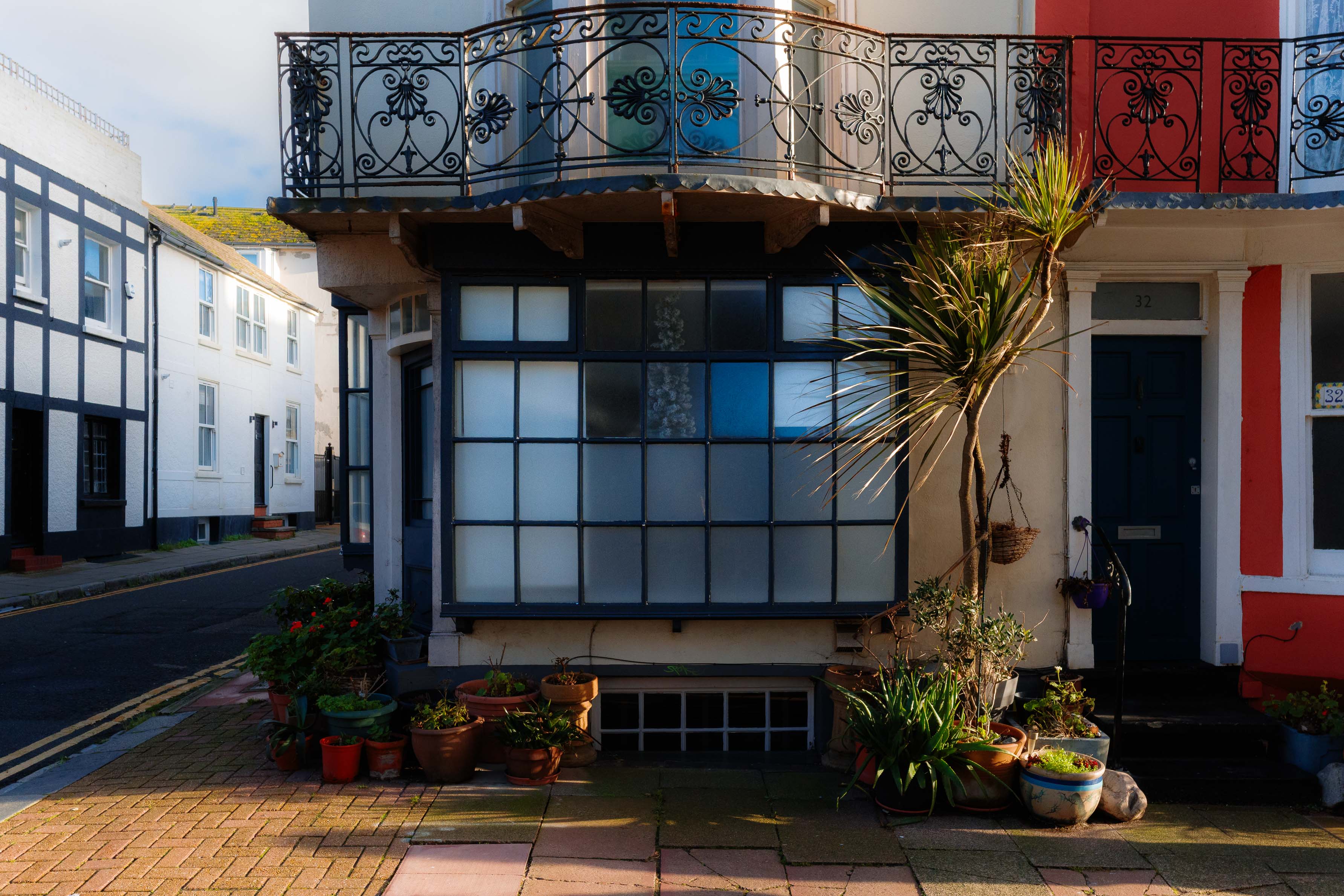
Connor Redmond | Ricoh GR IV | f/5.6 | 1/800 sec | ISO 1000

Connor Redmond | Ricoh GR IV | f/5.6 | 1/125 sec | ISO 200
Ricoh GR IV Alternatives
We’ve put together a list of some of the most viable alternative camera options, which are all ideal for both street photography and travel photography. Perfect for when you’re on the go and ready to weather any condition, you’ve got a strong lineup to go at. Let’s take a look.
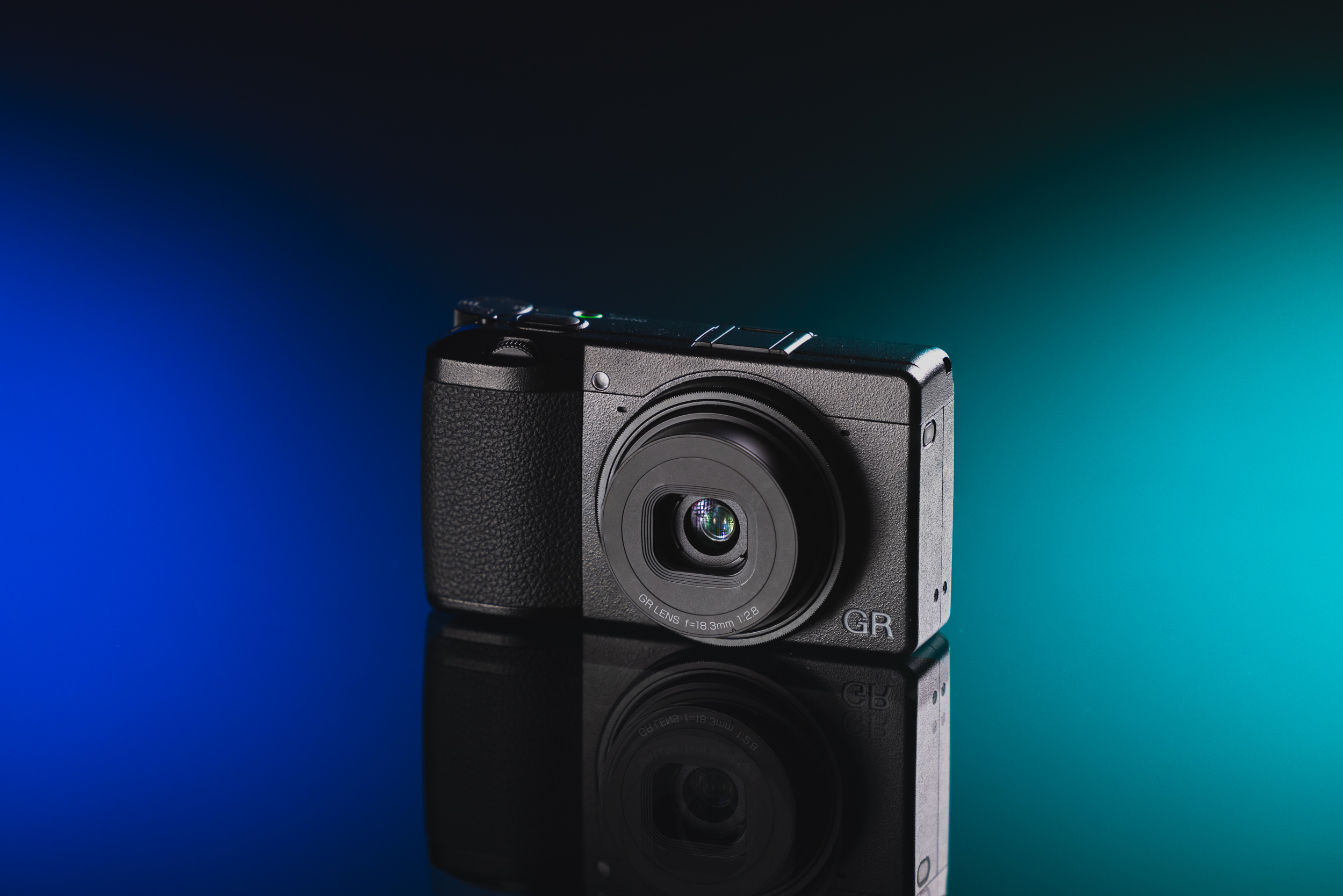
Used Ricoh GR III
Ricoh GR III or GR IIIx
We’ll start with the obvious. If you’re eyeing compact street shooters, the Ricoh GR III is the closest match to the GR IV, boasting the same 28mm-equivalent lens and many of the same specs. It’s pocketable and light (257g), and you can shoot in both RAW and JPEG. It’s also quick, making it ideal for street photography. The upcoming GR IV is expected to reduce start-up time slightly, but for most, the GR III will fit the bill
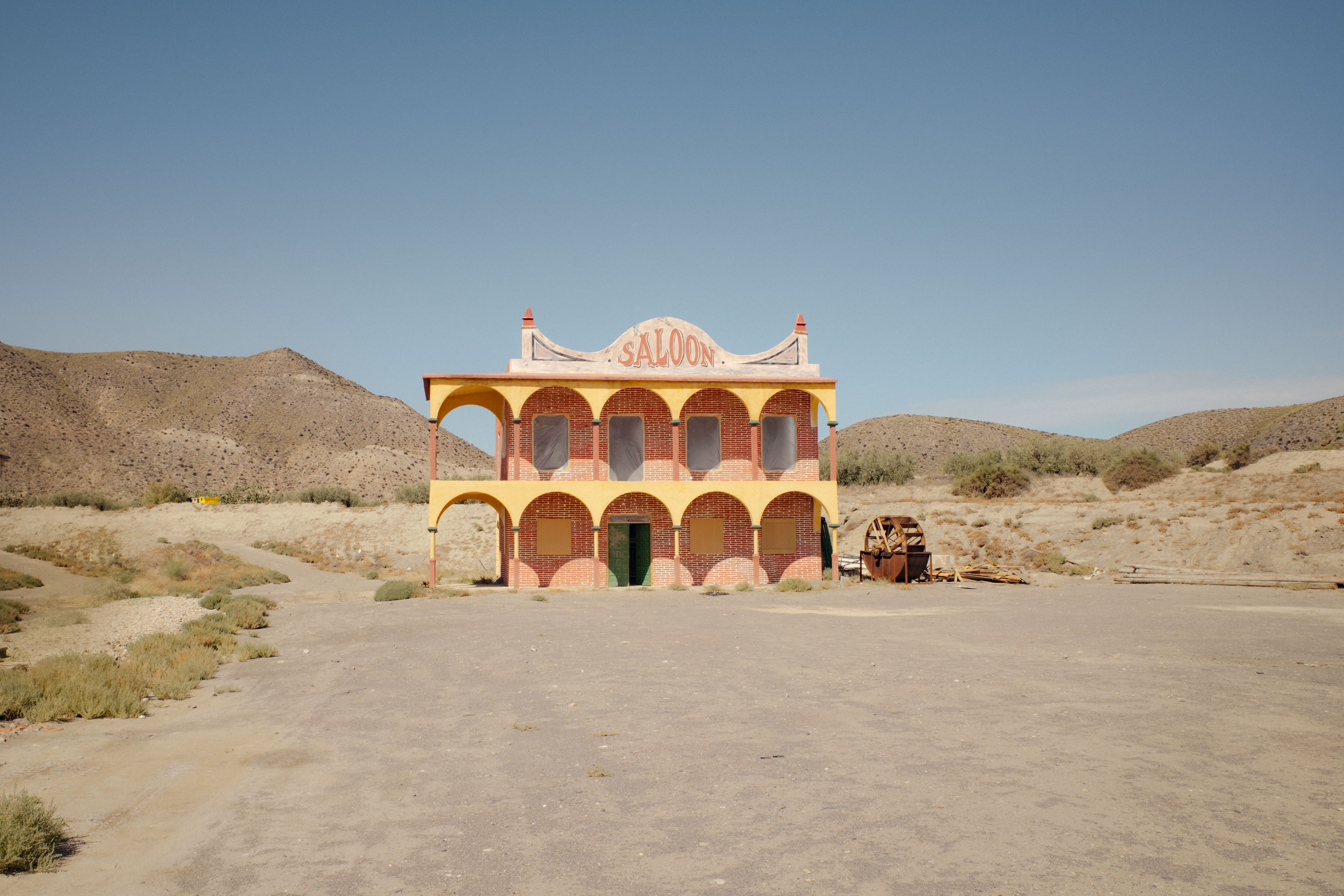
Ian Howorth | Ricoh GR III | f/9 | 1/80 sec | ISO 100
We took the GR III to Spain and Portugal to create our in-depth Ricoh GR III review, and it handled just about everything we threw at it. Long exposures, manual focus, playing with dynamic range, you name it, it nailed it.
Okay, we did need to pack some extra batteries, thanks to extended shooting time. You’ll likely need to do this with the Ricoh GR IV, too.
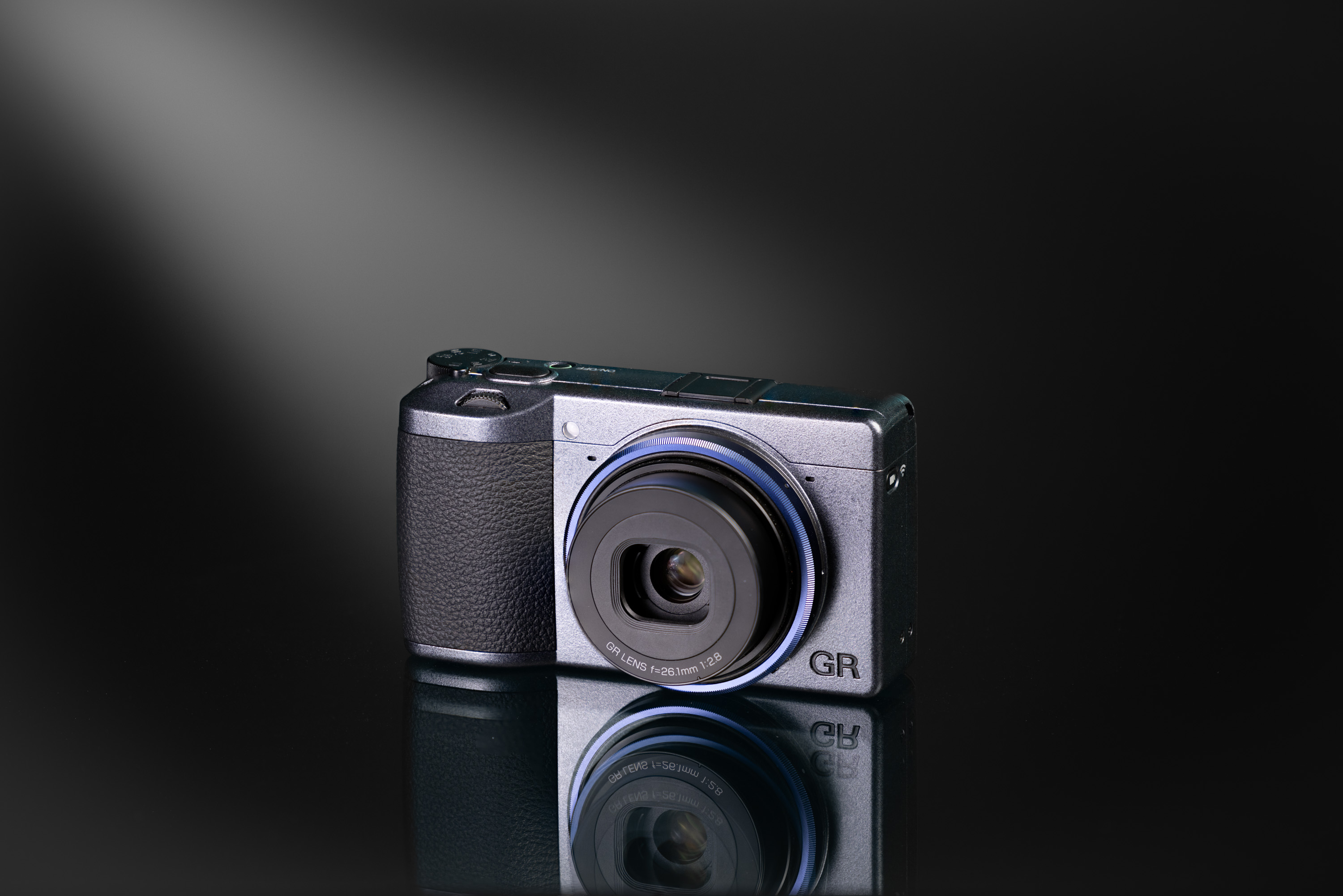
Used Ricoh GR IIIx
If you’d rather shoot the 40mm equivalent, then go with the Ricoh GR IIIx.

Connor Redmond | Ricoh GR IIIx | f/4.0 | 1/4250 sec | ISO 100
Other than the lens, the GR III and GR IIIx are virtually identical. Read our full Ricoh GR IIIx review.
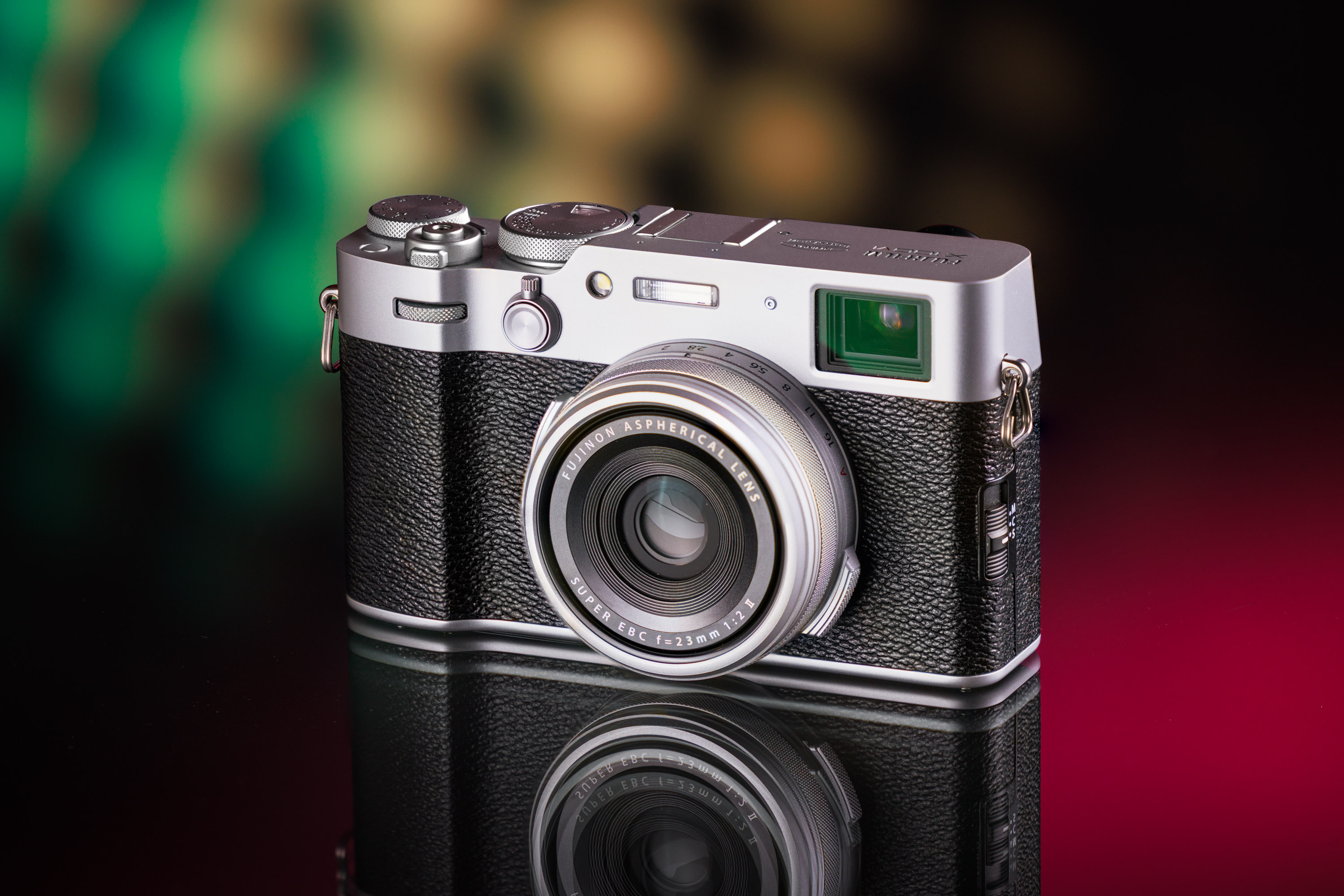
Used Fujifilm X100VI
Fujifilm X100VI or X100V
If the Ricoh GR series and Fujifilm X100 series were to jump in the ring, it would be too close to call.
https://youtu.be/ex1F7SgqLsY?rel=0The Fujifilm X100V and the GR IV differ significantly in design, handling, and intended use, but they both excel within their own category.
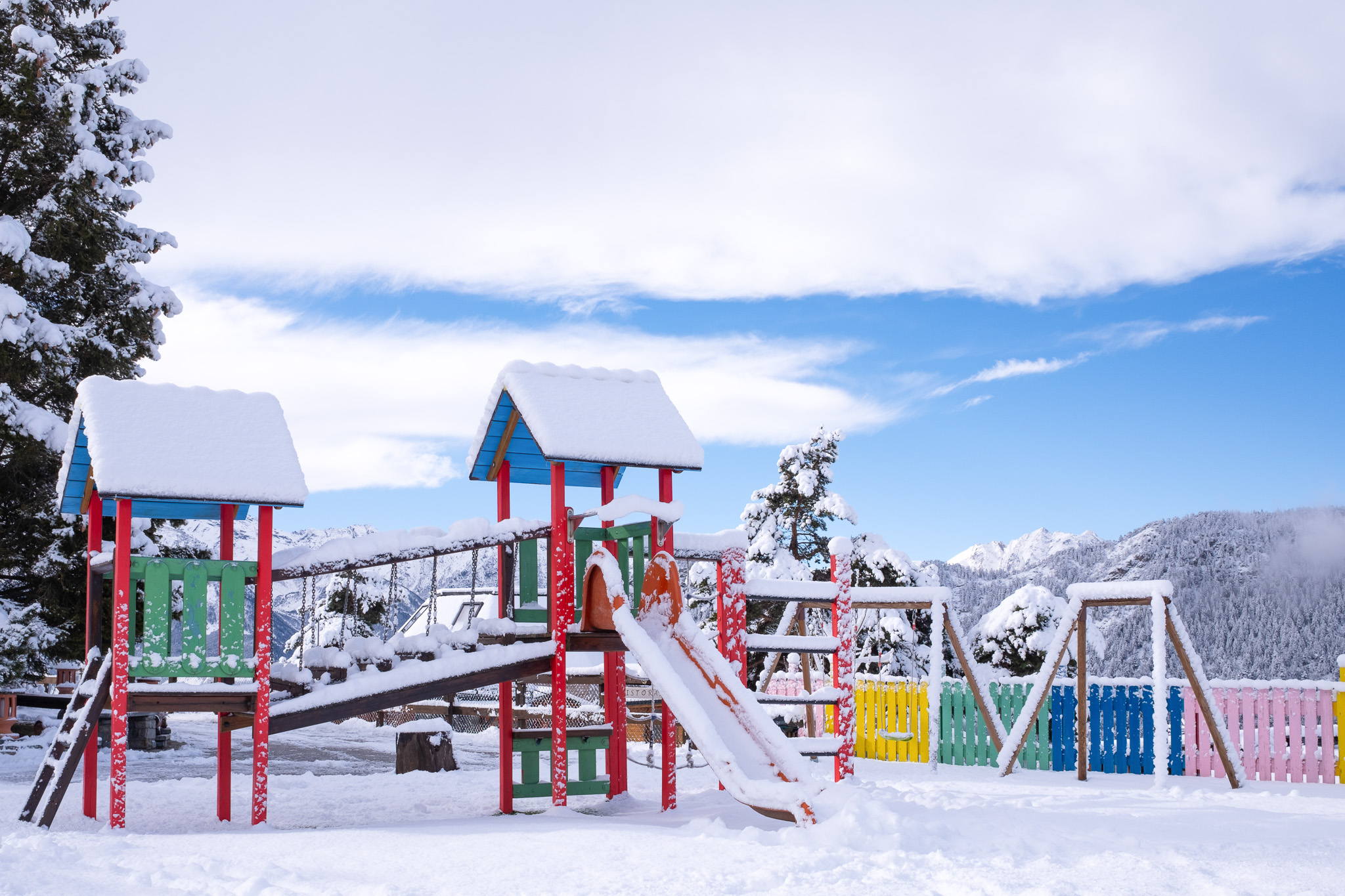
Amy Moore | Fujifilm X100VI | f/7.1 | 1/320 sec | ISO 125
Fujifilm X100VI Advantages
Built-in hybrid optical/electronic viewfinder
Wider f/2 aperture provides more light
35mm equivalent focal length preferred by some
4K video
Weather sealing possible with filter adapter
Film simulation modes
GR IV Advantages
Dramatically smaller and lighter (262g vs 478g)
Pocketable dimensions
Wider 28mm field of view
Snap Focus for instant shooting
Significantly lower expected price
Simpler, more focused operation
If you’re after something easily portable and pocketable, the GR IV looks to come out on top. But if you’re after something more robust, with more advanced video capability, then it’s probably best to read our comprehensive Fujifilm X100VI review and decide for yourself.
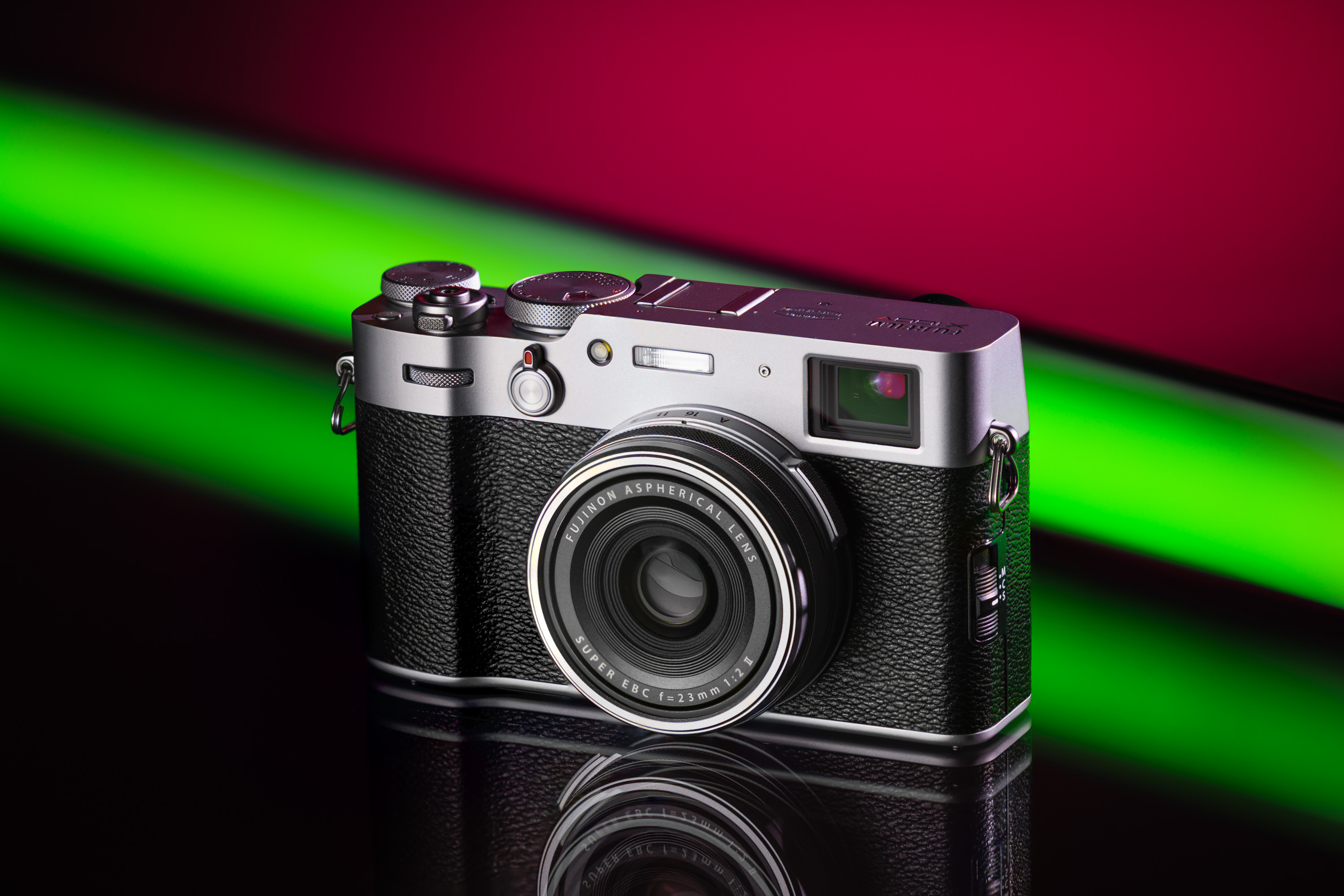
Used Fujifilm X100V
Alternatively, there’s the Fujifilm X100V, which offers many similar features to the X100VI, with only a few compromises.
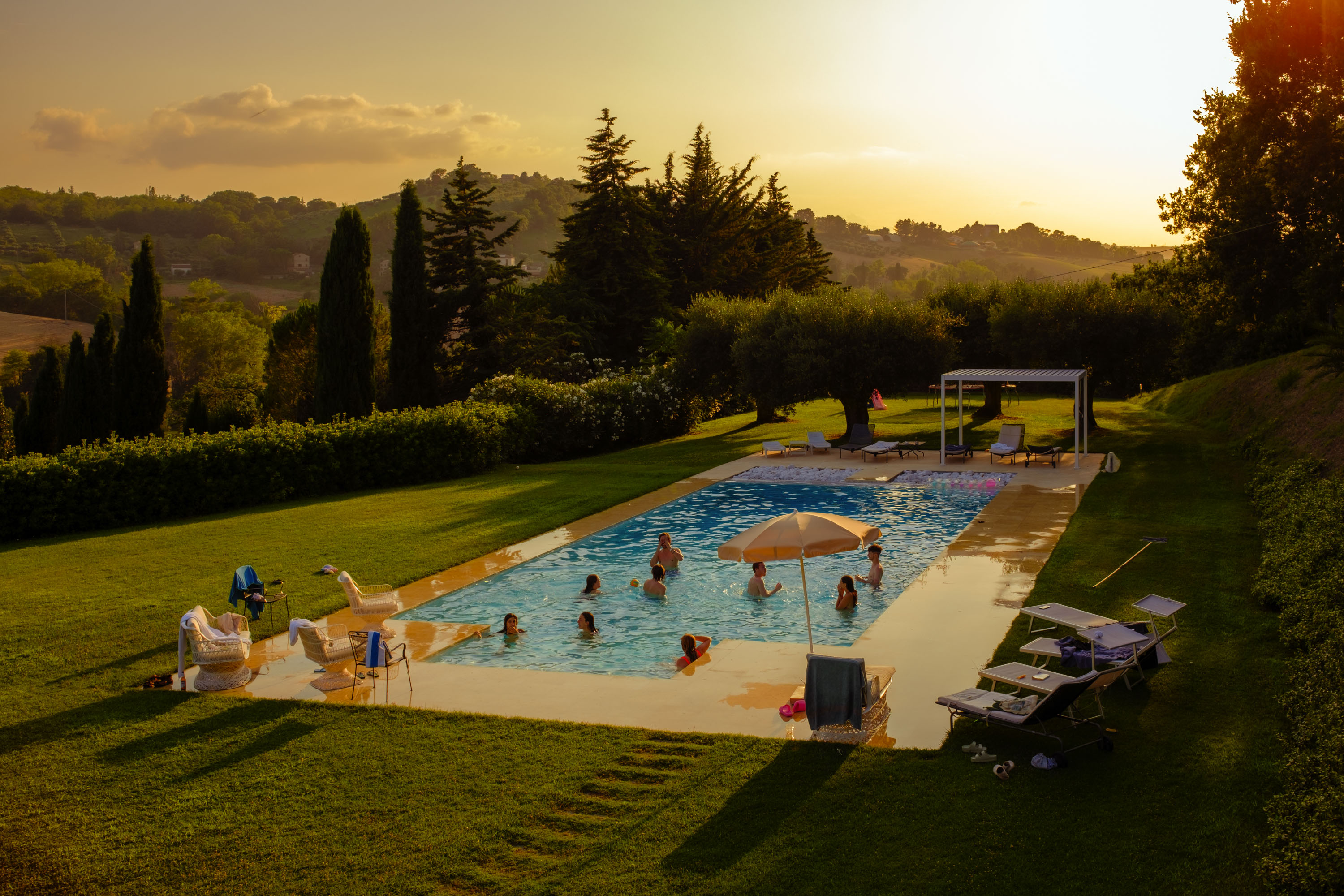
Connor Redmond | Fujifilm X100V | f/8 | 1/170th | ISO 160
Read our full Fujifilm X100V review, or take a look at other Fujifilm APS-C options in our X100-series guide.
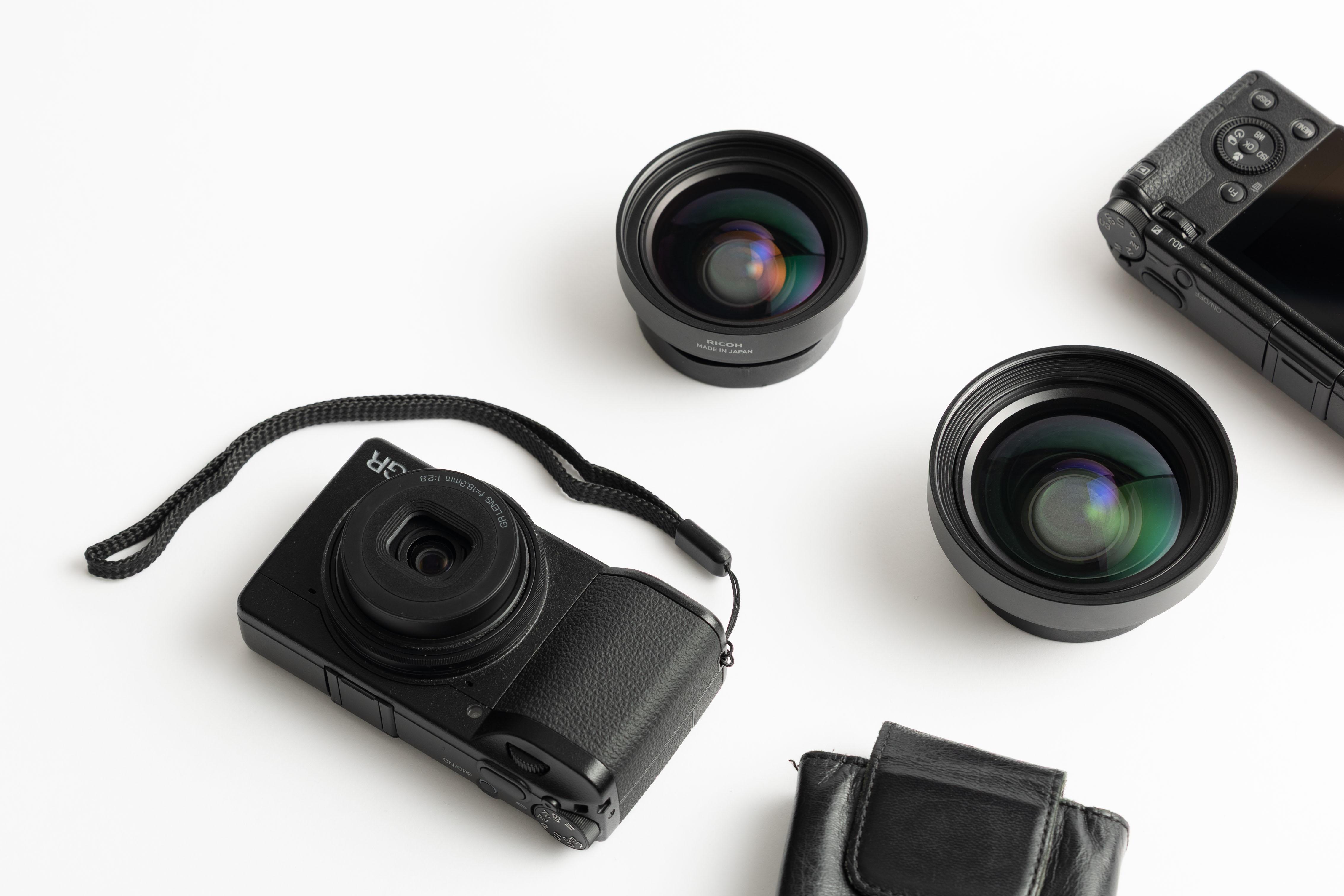
Verdict: Is the Ricoh GR IV Worth It?
The Ricoh GR IV is a necessary, thoughtful update rather than a drastic change. What’s missing are features that people (including myself) are still after, such as a built-in viewfinder or attachable EVF, better autofocus tracking and perhaps a tilting screen.
For GR III owners, the upgrade is worthwhile if better stabilisation and internal storage matter to you. Otherwise, it’s not essential. The GR IV justifies its price if you appreciate its unique shooting philosophy, but it won’t convert people who were already unconvinced by the GR concept.
It’s best suited for street photographers, people on their travels and anybody who wants portability and discretion above all else. The ability to always have the camera with you at all times can’t be overstated; I have taken shots I may never have taken because of this camera, simply because it was always in my pocket to reach for. For anyone looking to reduce their phone use for taking pictures, the Ricoh GR IV is the camera that can help break that habit.
Ricoh GR IV FAQs
What is the difference between Ricoh GR III and GR IV?
Compared to the Ricoh GR III, the Ricoh GR IV adds five-axis stabilisation, a new BSI sensor, an improved lens design, faster processing and 53GB internal storage.
What was the Ricoh GR IV release date?
The Ricoh GR IV was released in August 2025.
Does the Ricoh GR IV have a zoom lens?
The Ricoh GR IV doesn’t have a zoom lens. It uses a fixed 28mm equivalent lens.
Does the Ricoh GR IV have weather sealing?
Unfortunately, the Ricoh GR IV doesn’t have weather sealing.
What is the price of the Ricoh GR IV?
The Ricoh GR IV had a launch price of $1,499/£1,199/€1,449, but check MPB for the latest secondhand prices.
Read more camera gear guides on the MPB content hub.
Review: Canon G7 X III Compact Zoom Camera
Read our Canon G7 X III review, a popular compact all-rounder with a big zoom and lots of fun built in

Best low-budget Panasonic camera for travelling
James Popsys shows us his favorite low-budget camera for travel photography.
Review: Yashica T4 Cult Point-and-shoot Film Camera
Interested in a quality compact film camera? Read our Yashica T4 review and find out what all the fuss is about