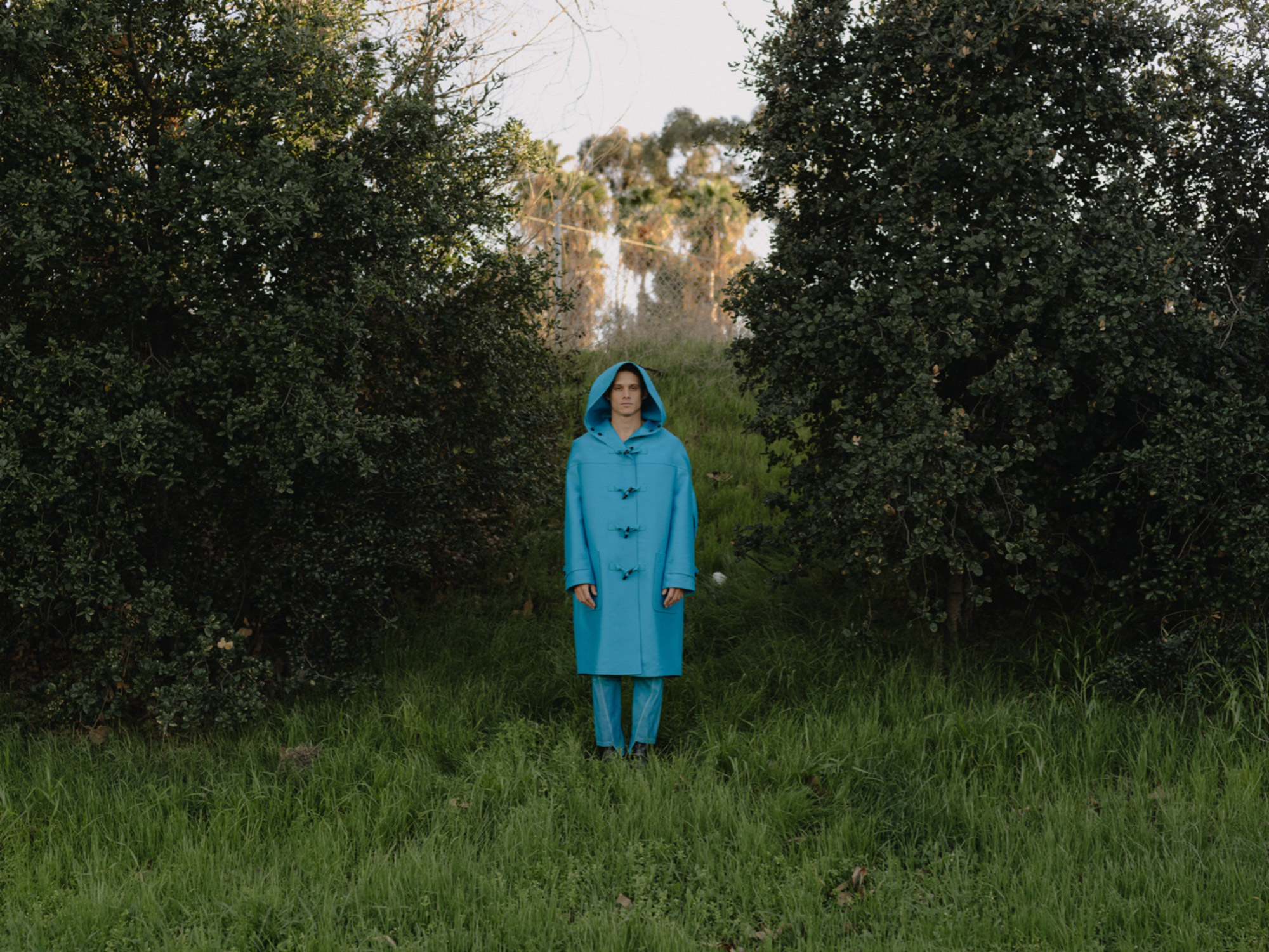
MPB Meets: Portrait Photographer Elizabeth Weinberg
Published 20 September 2021 by MPB
As the winners of the talent search alongside Boys by Girls begin their mentorship with award-winning photographer Elizabeth Weinberg, we caught up with the portrait photographer and chatted about her camera gear, advice to aspiring photographers and the use of modern technology in her work. Over to you, Elizabeth.
MPB: Could you tell us about yourself and your creative background?
EW: I grew up doing a lot of drawing and being very interested in the visual arts and creative writing. I initially wanted to be a cartoonist, and when I got a computer I got very heavily into web design and wanted to go to university to be a graphic designer. I figured that was the natural path. I spent a year in Boston University’s College of Fine Arts and during the summer between my first and second years I discovered their photojournalism program. I had been so focused on graphic design that I didn’t even realise photography was something I could pursue school, let alone a career. I had always loved taking pictures but never fathomed it could be a career choice.
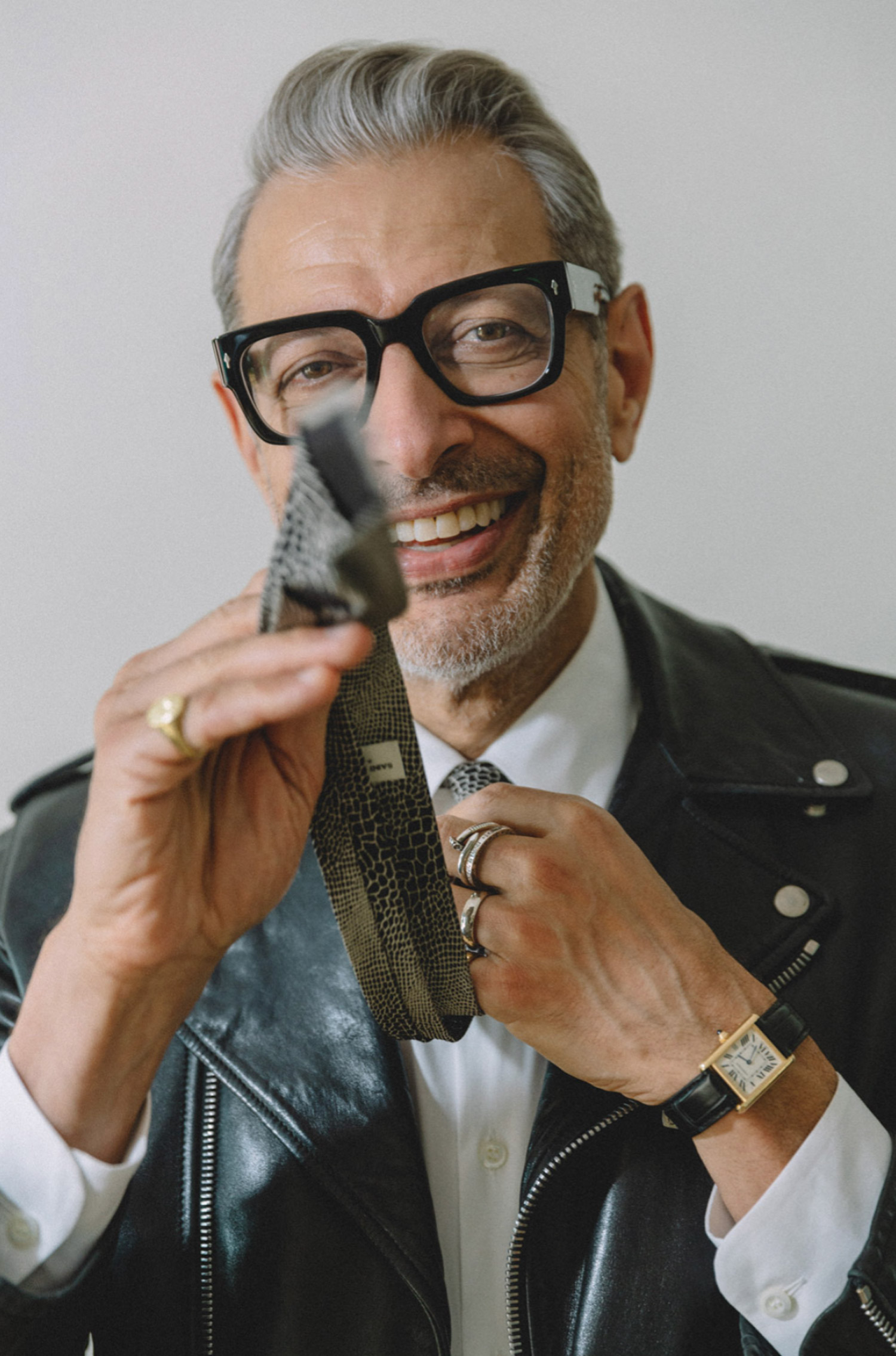
MPB: You have a photojournalism education, could you tell us about the education you received? Was the switch to a more commercial and portrait style a conscious decision? How did it come about?
EW: I switched to the photojournalism department at my university because I didn’t want to transfer entirely—I switched from the art school to the communications college as it was the only one with a major relating to photography. My degree is in journalism with a concentration in photojournalism. Our education was very much about storytelling and journalistic ethics and writing. At the time, I thought it was going to have little to do with what I wanted to eventually get into—editorial portrait work—but it has ended up being beneficial in a lot of ways. How to write well, how to describe your vision, and how to make visual decisions that push the story forward. The decision to do commercial and portrait work was always there, but it took the subsequent years for me to realise that my education was so helpful in learning how to interact with my subjects in an ethical and respectful way.
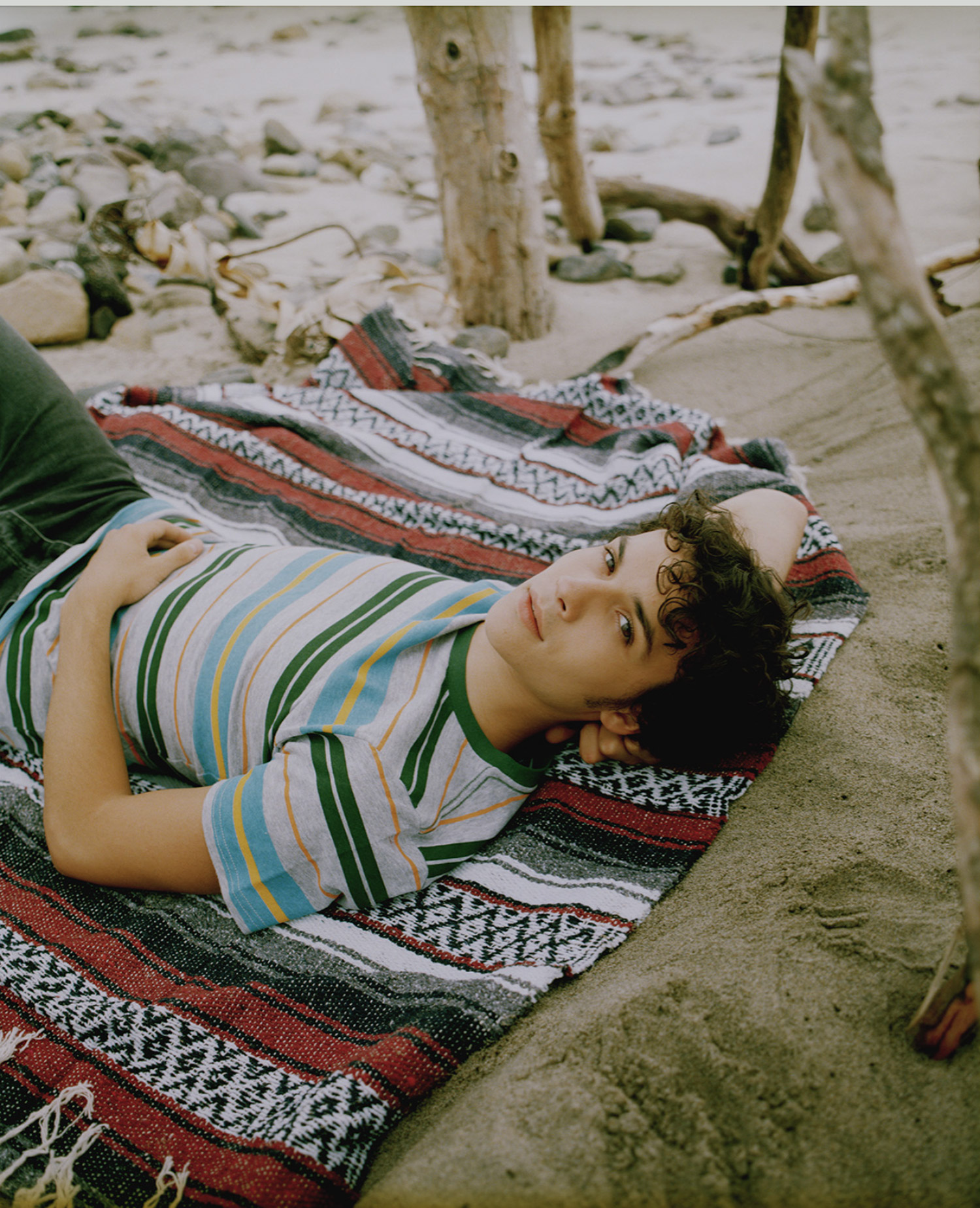
MPB: As part of the collaboration between MPB and Boy by Girls, you’re mentoring three aspiring photographers. What advice do you think you’ll be giving them? Did you have mentors whilst you were developing your style? And what was their best advice?
EW: I didn’t have many mentors—I went about a lot of things alone. That’s partly my personality and partly just how the cards fell for me. I met some great photographers when I worked at Picturehouse/The Small Darkroom in New York City from 2005–2006. A lot of these people have subsequently become peers. One of them, Chris Floyd, told me that my photo eyes should be bigger than my photo stomach. I took that to mean don’t think anything is out of your league. And the more I wade through this industry the more I see that’s true. The people who aren’t afraid of taking risks and just go for it are making waves. Impostor syndrome is really tough to overcome.
As for the advice I’ll be giving, I think it depends on what each of the photographers wants to know. Once we have our initial meetings I will have a better sense of where I can best be of help. Some people just need more help with communicating their ideas—some need help with the technicals of what goes into a shoot—some just need inspiration. So we will see what is needed and I’ll do my best to use my experience to assist!
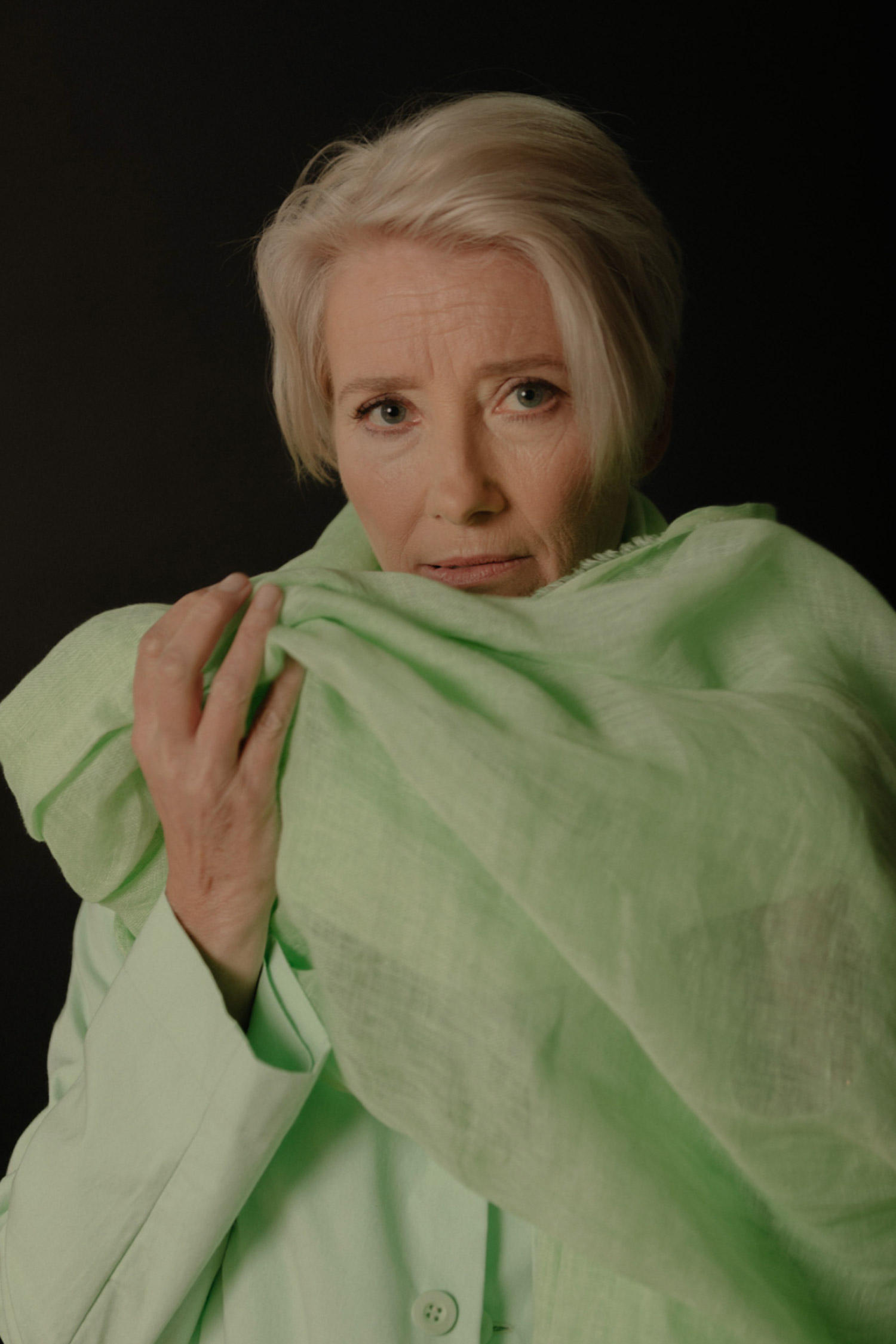
MPB: How does it feel to have the opportunity to help develop the next generation of women photographers? Are there any emerging talents out there you could tell us about?
EW: I am happy to do it, especially being a mother in this crazy industry. I want to speak out about what we face and try to bring awareness of the struggles to those who lack understanding. I want to shout out to my mentee last winter through the NAL Mentorship program, Carly Zavala. She is a great talent who works with light in the most delicate way. Her work is exquisite and she deserves a follow!
MPB: The winners have £1,000 to spend on used kit from MPB, what would be your top tips on which pieces of kit they should be looking for?
EW: The biggest thing for me is knowing what base camera system you want to use. From there it’s getting the right lenses that can be versatile enough for a wide variety of projects. If you only have one camera body then you don’t want to be switching lenses in the middle of a shoot when the vibe is good.
MPB: What is your current and go-to kit setup?
EW: I actually purchased my current kit through MPB! I purchased the Pentax 645Z with 55mm f/1.4 lens from MPB and it has been my go-to for editorial and personal work for over a year and a half. I also use the 150mm lens. For advertising shoots, I use my trusty Canon EOS 5D Mark IV with a 24-70mm f/2.8 L USM or 70-200mm f/2.8 L USM lens as I often need to tether and keep the frame rate high for lifestyle action.
(To learn more about Elizabeth's gear, read our Canon 5D Mark IV review.)
MPB: Out of the pieces of kit you have used, do you have any favourites? And why are you particularly fond of them?
EW: The Pentax 645Z is definitely my favourite. I am very particular about colour and image processing and I find that the files it produces have so much beautiful latitude and depth. You truly can make them into anything. I am a film lover at heart and attempt to give my images the feeling of film and the Pentax is really the perfect tool for that.
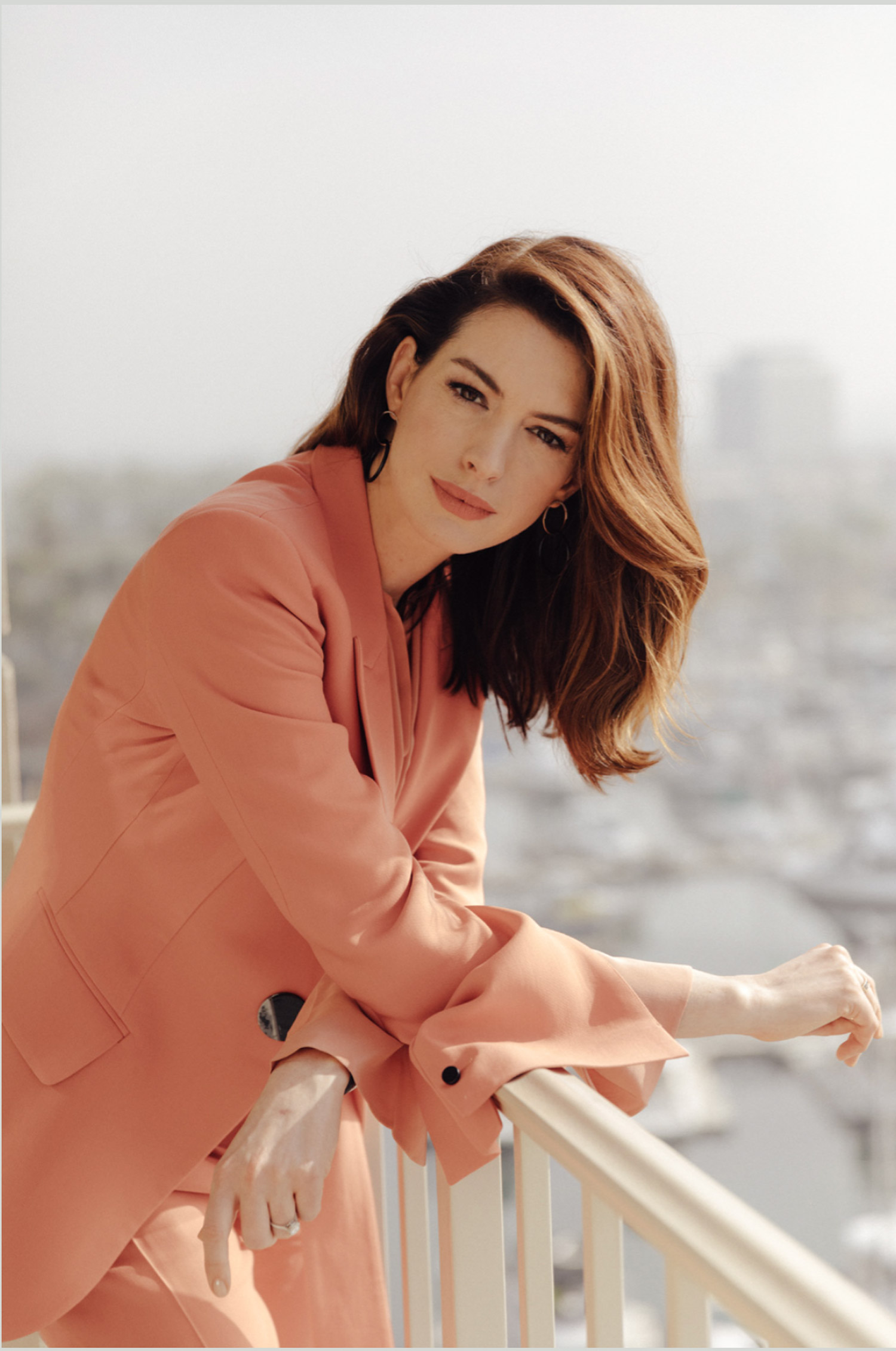
MPB: You’ve also directed short films and music videos, including directing a music video for Watchhouse, which you recently described as the ‘favourite thing I’ve ever made’. Could tell us the creative process behind films like these, and why you particularly enjoyed working on this one?
EW: Working on moving images has always been the holy grail for me. My film education really was MTV. I was glued to the screen watching music videos starting in grade school. The fusion of music and film was just where my brain wanted to be. I loved working on this Watchhouse video as it gave me full creative control and I immediately had the story in my head when I heard the song. When I sent the treatment over, they said “go for it.” Having that trust to just make what I wanted is rare and a gift, so I wanted to knock it out of the park. The song itself was about having a child, but I wanted to make that feeling of knowing someone before you’ve met them more universal. I love reading stories about strange events and parallel universes so I created a world in which the GPS stops working and two strangers meet by chance and can just read each other’s minds. I illustrated this with dance. My creative process for other films depends on the premise—sometimes I’ll hear a song by a friend’s band and ask to make a film for it, or I’ll be given a song and the assignment to then write a song by a friend’s band and ask to make a film for it, or I’ll be given a song and the assignment to then write a treatment. I like both as they flex my brain in different ways. I just really love the process for all of it.
MPB: Who or what inspires your work?
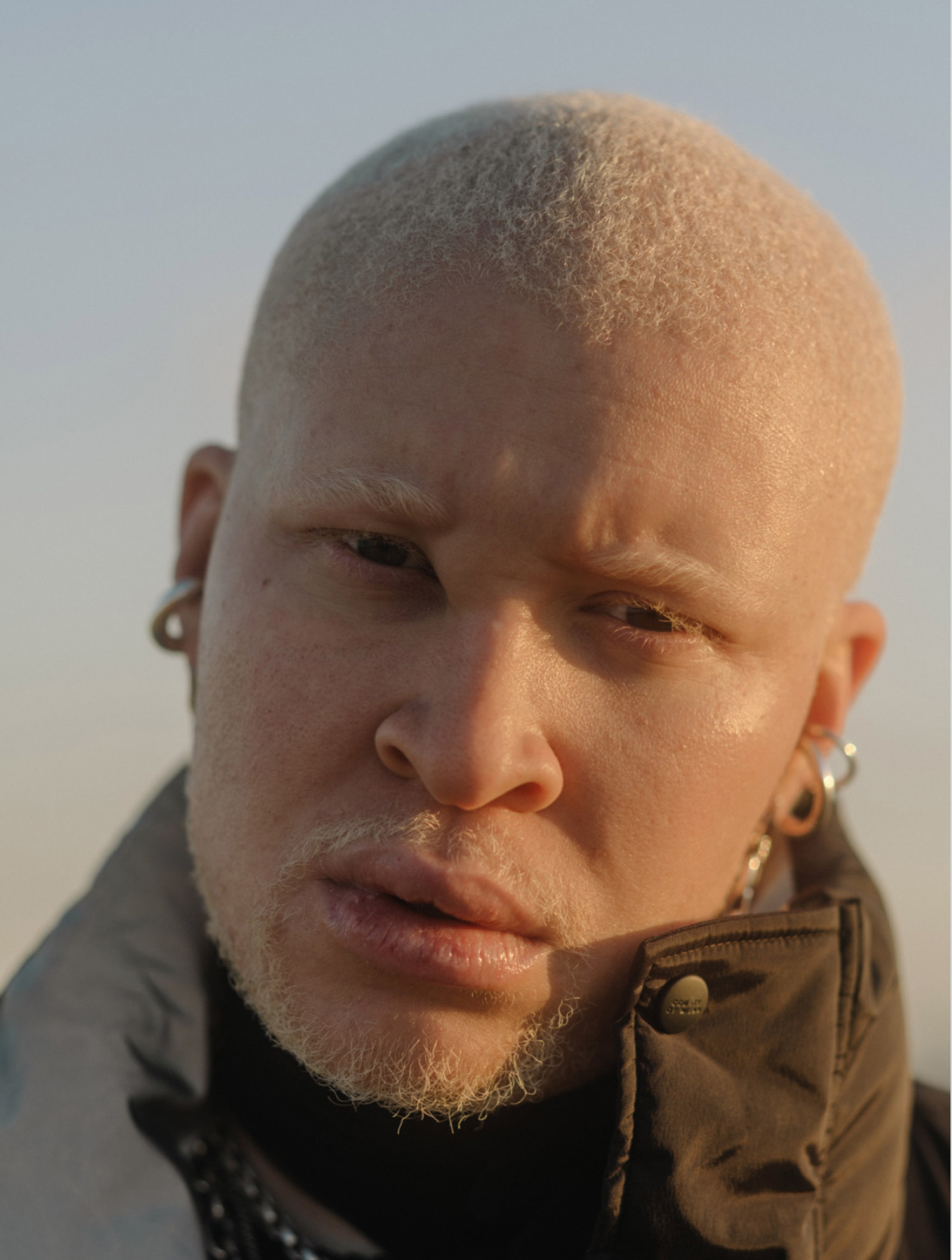
EW: It can come from anywhere. Music, just going to the beach, hanging out with friends, and books. I love science fiction and esoteric weirdness and serendipity and how that all interfaces with our modern world. I am very interested in the internet, the metaverse, and how it has become part of our physical reality. I am part of the last generation to remember a world without the internet. I think about those “analogue" days often and am conscious about the use of modern technology in my work. Sometimes I want to erase it entirely and other times I want it to be ubiquitous.
MPB: To capture images as intimate and emotive as yours you must make subjects feel very at ease in your company. What’s the secret to building relationships with your subjects?
EW: At the end of the day, we are all just people. No one is more important than anyone else on my sets. I treat my subjects with respect and hope they do the same. I think people can instantly walk into a room and put walls up and be on guard, and my job is to try to strip that artifice away a bit by being affable and most importantly, QUICK. I don’t want anyone I’m photographing to think the whole thing is a slog. It should be quick, easy, and enjoyable. I also usually show up alone or maybe with one assistant. I don’t have lights everywhere. The entire setting feels organic and like we are just friends taking some pictures. I think that alone puts a lot of people at ease.
MPB: What advice would you give to aspiring photographers looking to become the next Elizabeth Weinberg, especially women looking to break into an arena we know is dominated by men?
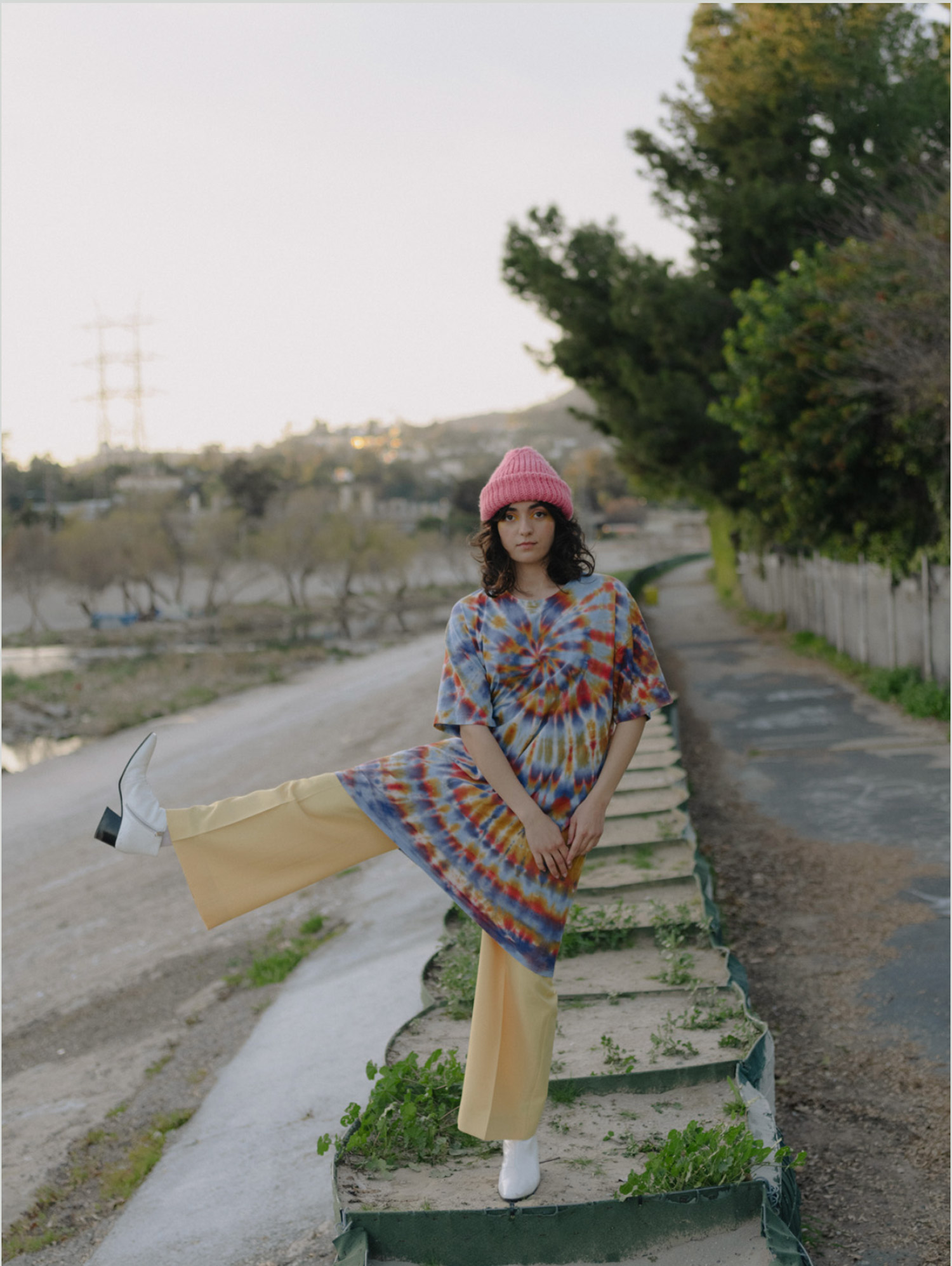
EW: Just keep making the work. Experiment, do weird stuff, and see what makes you happy. Don’t make work that is targeting a specific type of client or industry. The creatives out there are really smart. They will know where to fit you in if your vision is strong. It’s not shameful to have a side gig or even another full-time job on top of photography. And stop looking at Instagram if it bums you out!
MPB: Are there any other projects you are working on you would like to tell us about? What are your plans for the future?
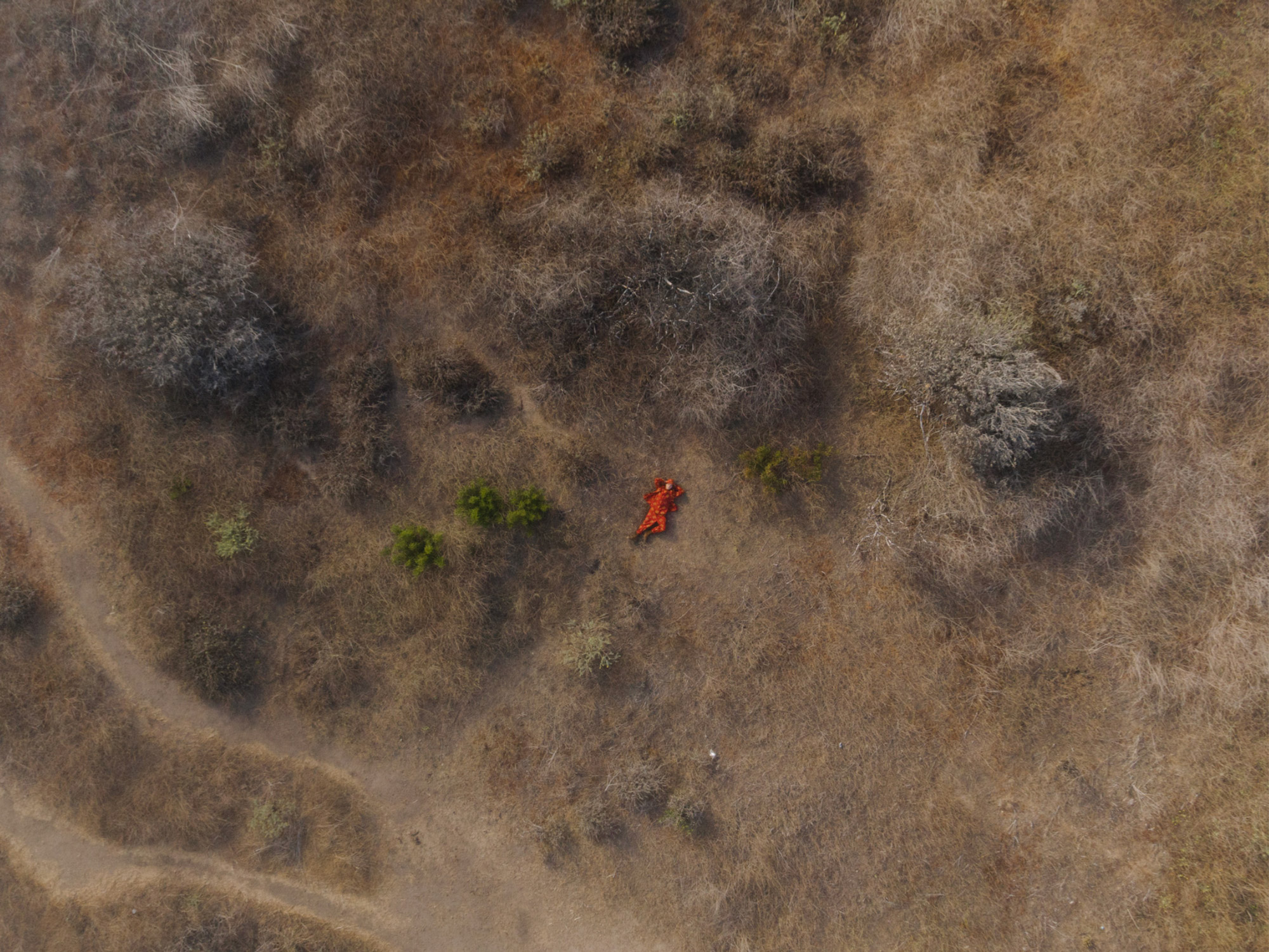
EW: I just finished a film for Dockers that comes out imminently. I also shot the stills campaign. I have a few short film scripts percolating in my mind. I want to do more with film, from documentary to narrative. More music videos, more branded content, anything!
For more tips and techniques, expert interviews and camera gear guides, check out the MPB content hub.
You can sell or trade your camera kit to MPB. Get a free instant quote, free insured shipping to MPB, and get paid within days.