MPB Meets: Documentary Photographer Chris Dorley-Brown
Published 13 March 2025 by MPB
Award-winning photographer Chris Dorley-Brown has been on the scene for decades. He’s worked with the BBC and the Museum of London and has published photobooks, including The Longest Way Round, Drivers in the 1980s and The Corners. His recent publication won plaudits at the British Book Design and Production Awards, was shortlisted at PHotoEspana Best Photography Books of the Year and Athens Photo Festival, and exhibited at Rencontres d'Arles 2016 Book Awards, Gazebook Sicily Photobook Festival and Photobook Bristol.
MPB caught up with Chris Dorley-Brown to talk about his photography, camera gear and influences, and the themes explored in his work.
MPB: What first led you to pick up a camera?
CDB: There were always cameras around when I was young. My parents and brothers all used them regularly. My elder brother Steve left home when I was two years old, he was at art school and later worked as a cruise ship photographer. The house was full of his paintings and photos, so I guess that made me think of photography as a way of life. It seemed normal as well as exciting.
I also knew the son of Oskar Barnack—the inventor of the Leica camera—who lived in Munich. We visited him and his wife in the early 60s, their flat was full of framed photos by Capa, Cartier-Bresson and Brassai. It must have sunk in somehow.
My first camera was a Kodak 56X; I think I was about 11 or 12. It never occurred to me to be anything else but a photographer.
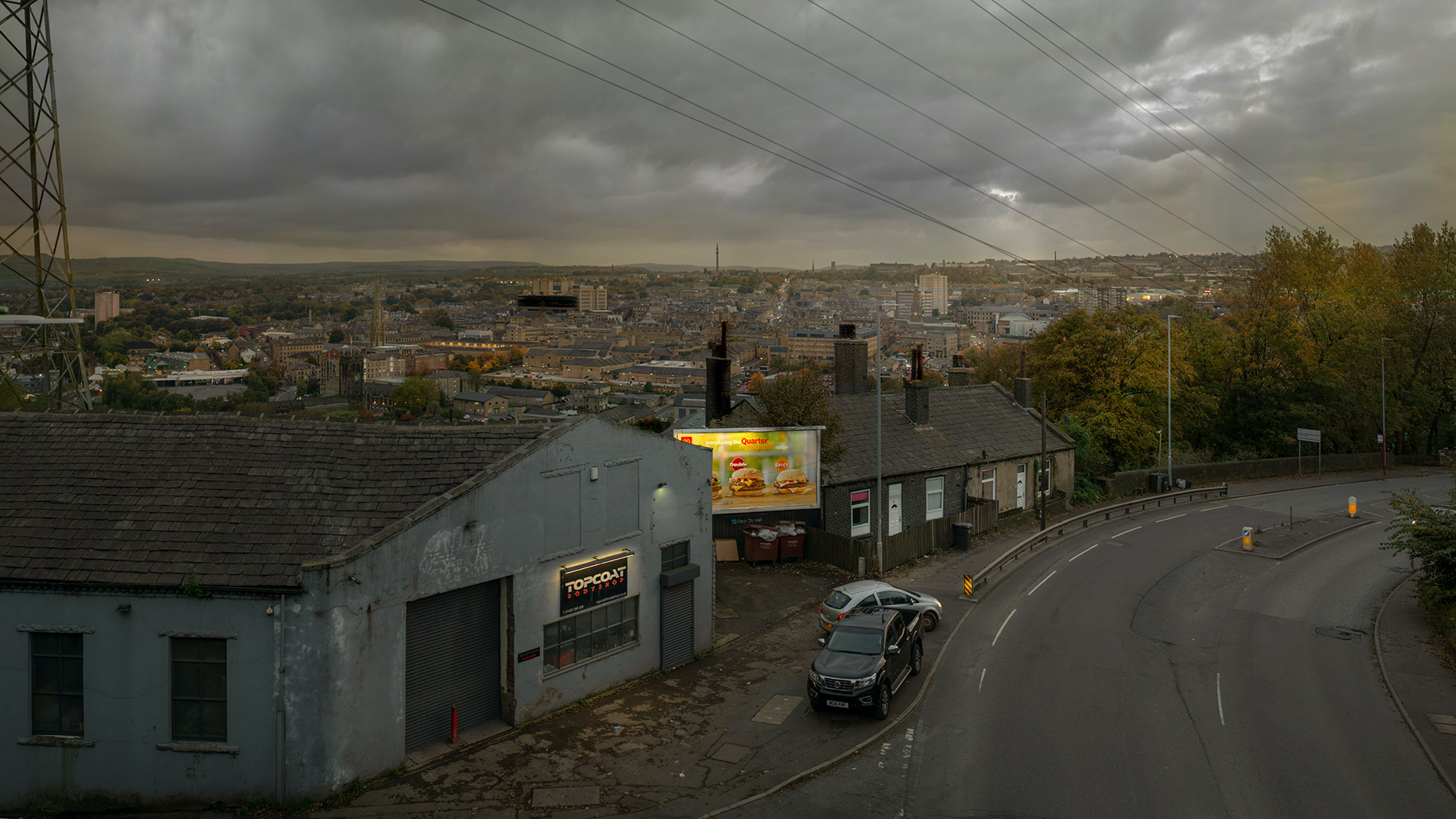
MPB: Your work shares many themes—desolation and architecture—what draws you to these?
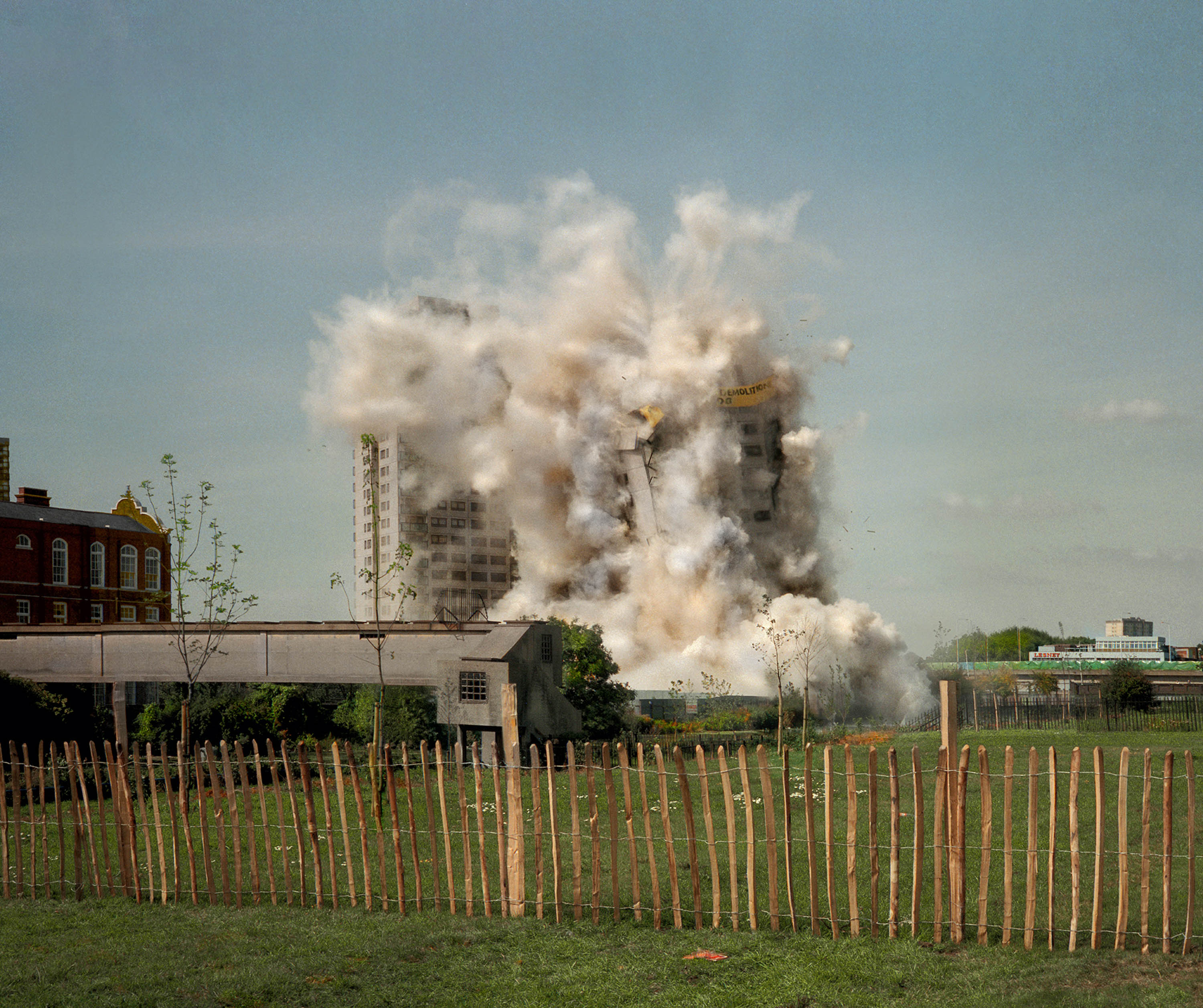
CDB: Moving to London in 1977 coincided with a curiosity about the roots of my parents; they were both from East London families. Before long, I met up with some very politically-committed photographers who were based around Camerawork in Roman Road. I began to think of London as a place of working-class history, buildings, clothes, dialects, immigration, music… you name it. This all came together in my mind, both the triumphs and the tragedies.
I studied photographers’ work—I didn’t go for formal further education—in books and shows. I got acquainted with the work of Bill Brandt, Diane Arbus and Tony Ray-Jones, to name but a few. I was part of a tight group of friends, who were painters and smudgers, they inspired me just as much as the famous ones.
East London was a fantastic place in the late 70s, and still is! Monochromatic, political, creative, an urgency in the air. Photographically speaking, it took me a while to figure out an approach. But you have to live life before you find a voice in your work. I think being surrounded by committed artists was what spurred me on to get better and to smarten up my ideas.
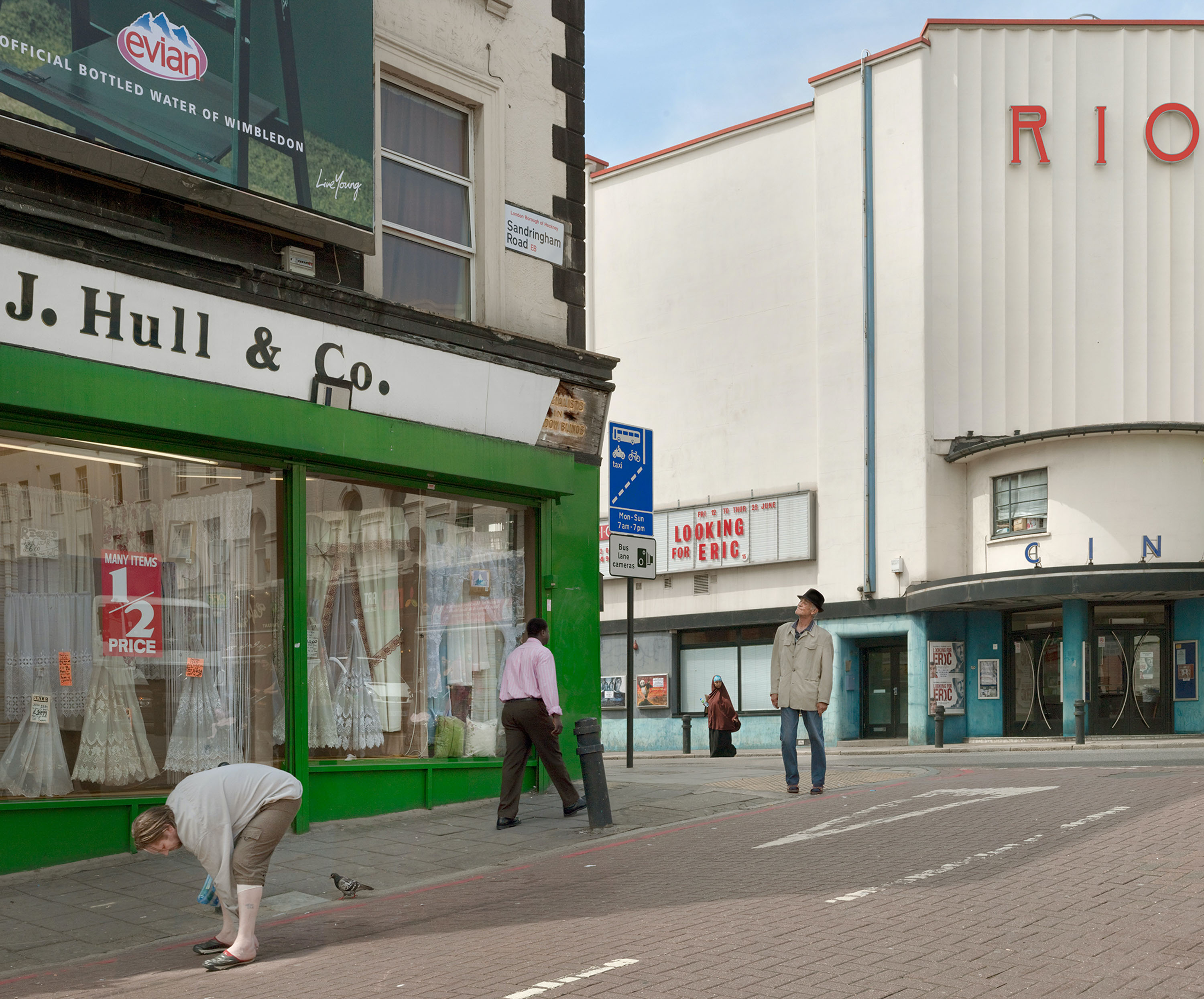
MPB: Fog and mist are recurring themes in your work. What are your preferred conditions to shoot in?
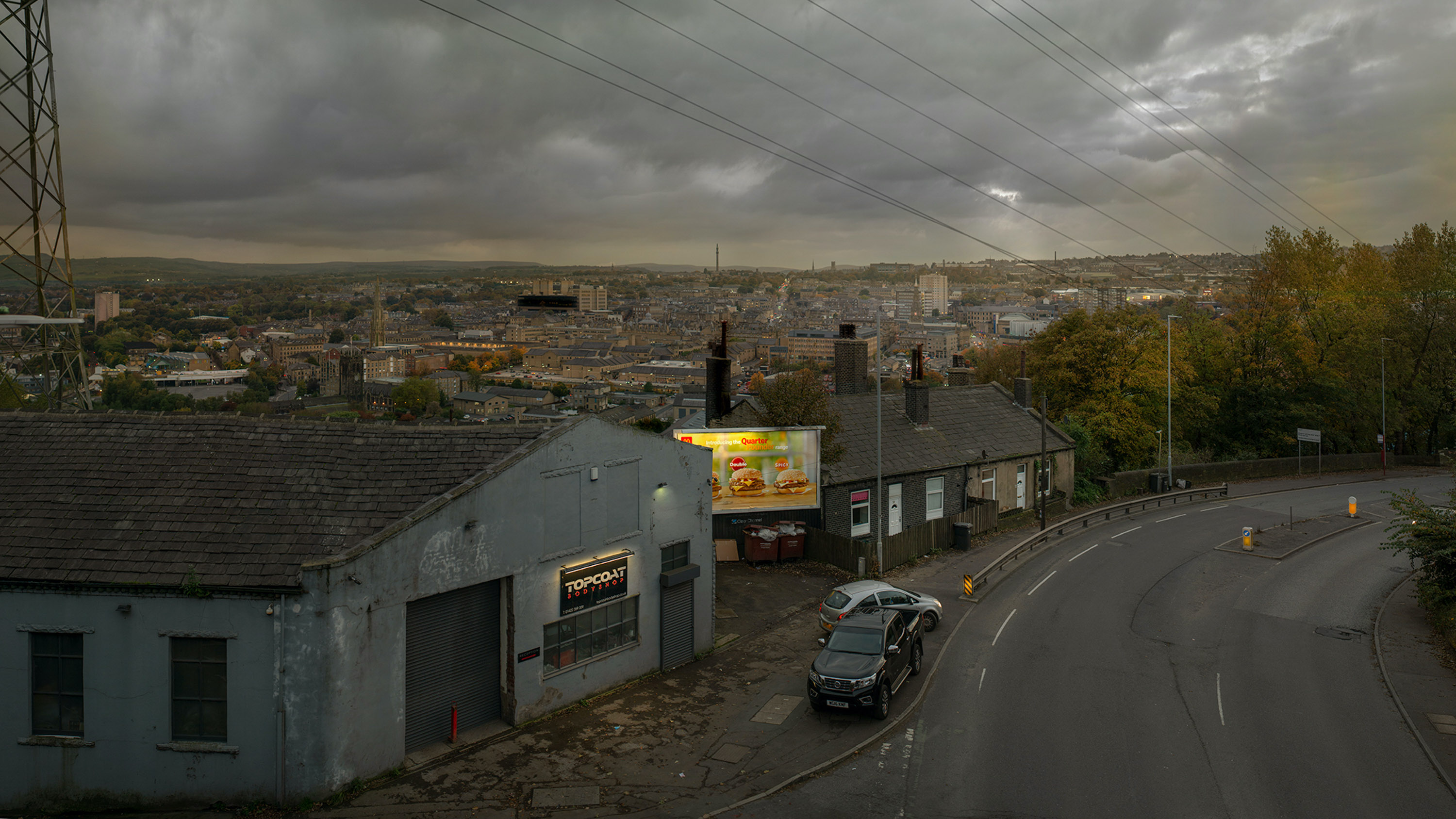
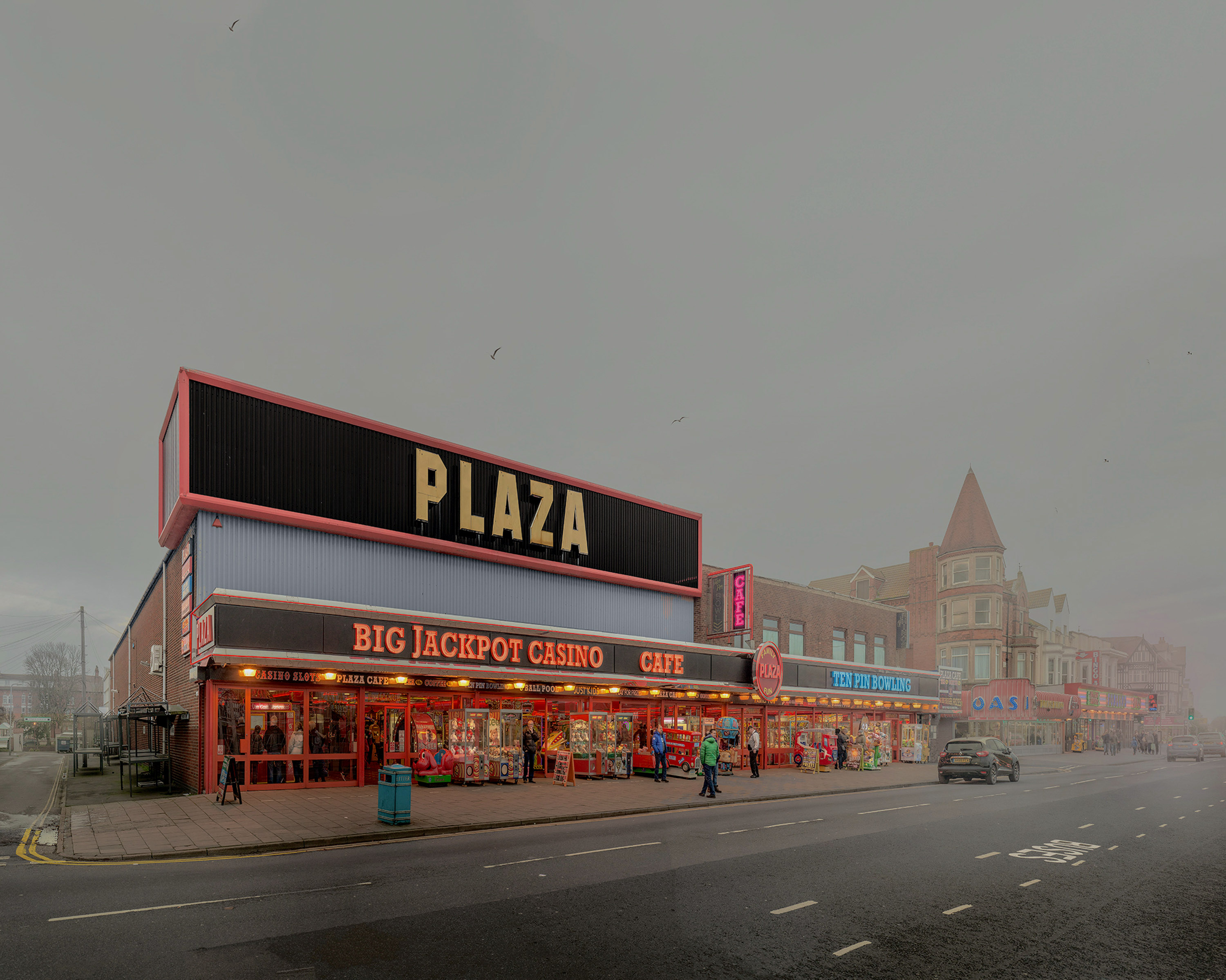
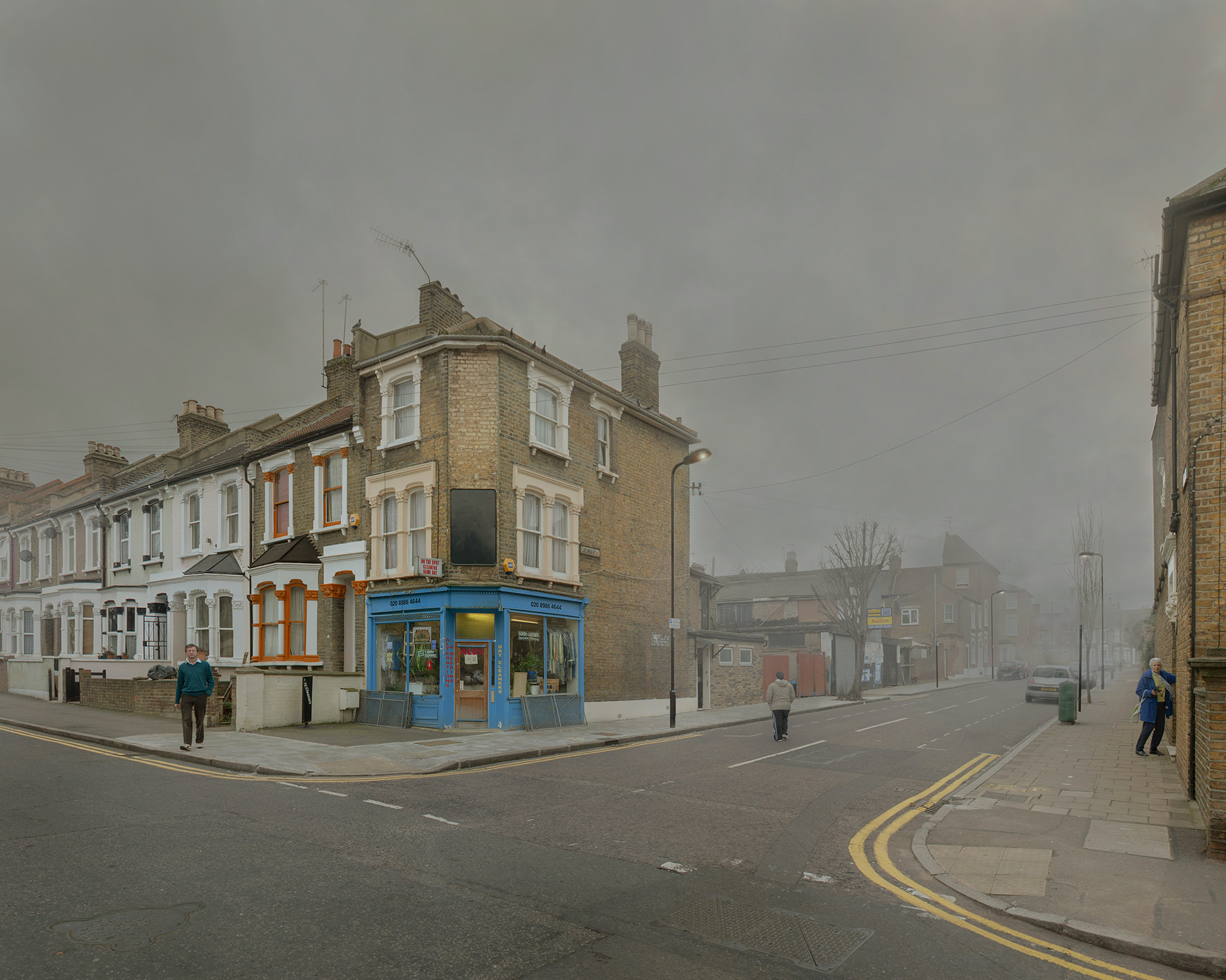
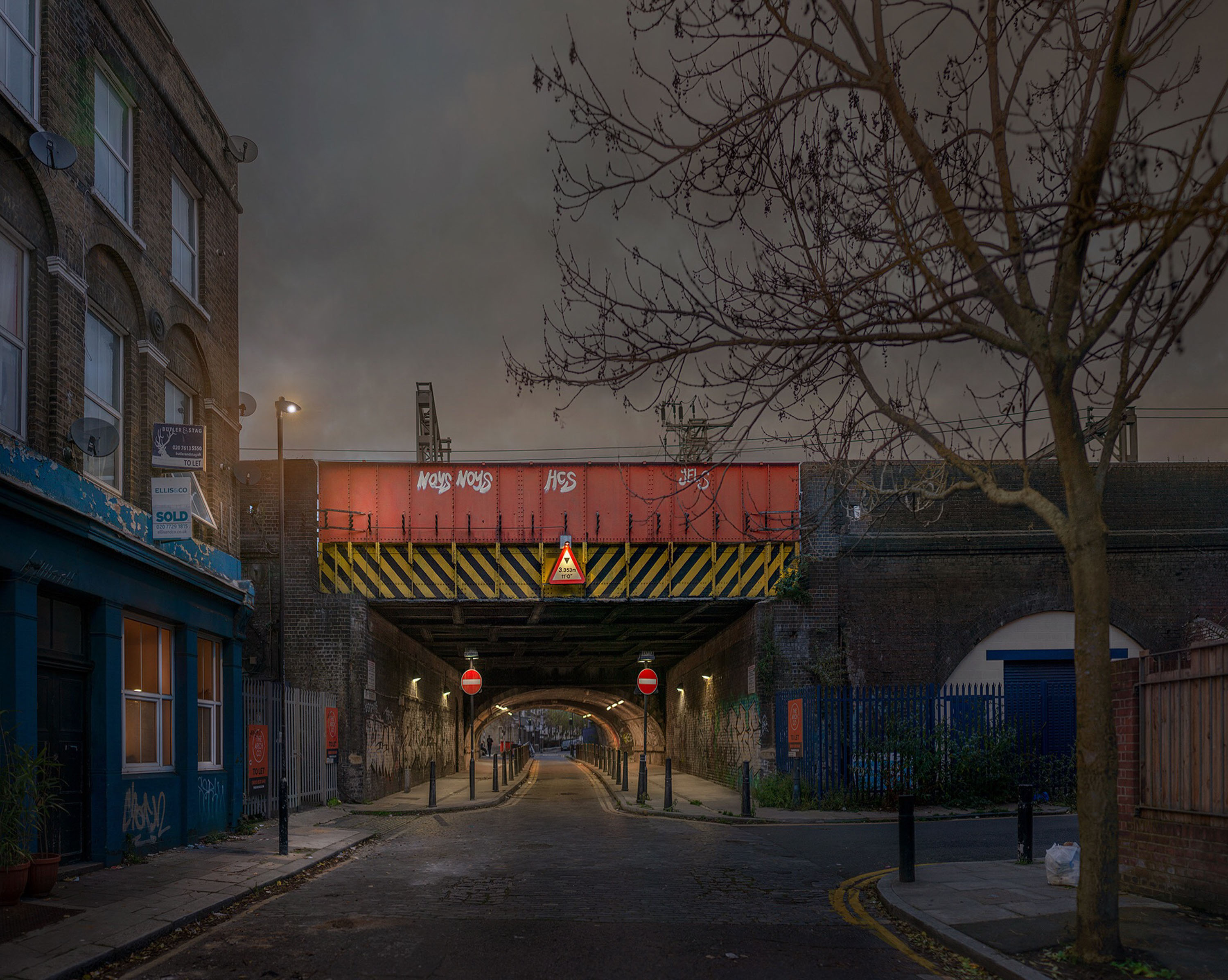
CDB: I go through phases of obsessions with different types of light. Say, how thick fog changes the way pictures look and how they reference historical tropes. I’m quite wide-angled, which suits the city. You try and cram triggers and signifiers into each picture, to ‘complicate’ the image and to trick the viewer into thinking about history or politics—or even other photography and paintings. I mean, it’s all subconscious. While out on the street with a camera, I’m not actually thinking about these things, I am concentrating on focus and composition, and not getting my arse kicked or run over by trucks!
These days I plan everything around what the sun is doing, what the weather will be like tomorrow and how the state of the world is impacting my emotions. I just get into character as a documentary photographer and get on with it. The resulting images take care of the rest, like where they will end up: which book, which mag, which website.
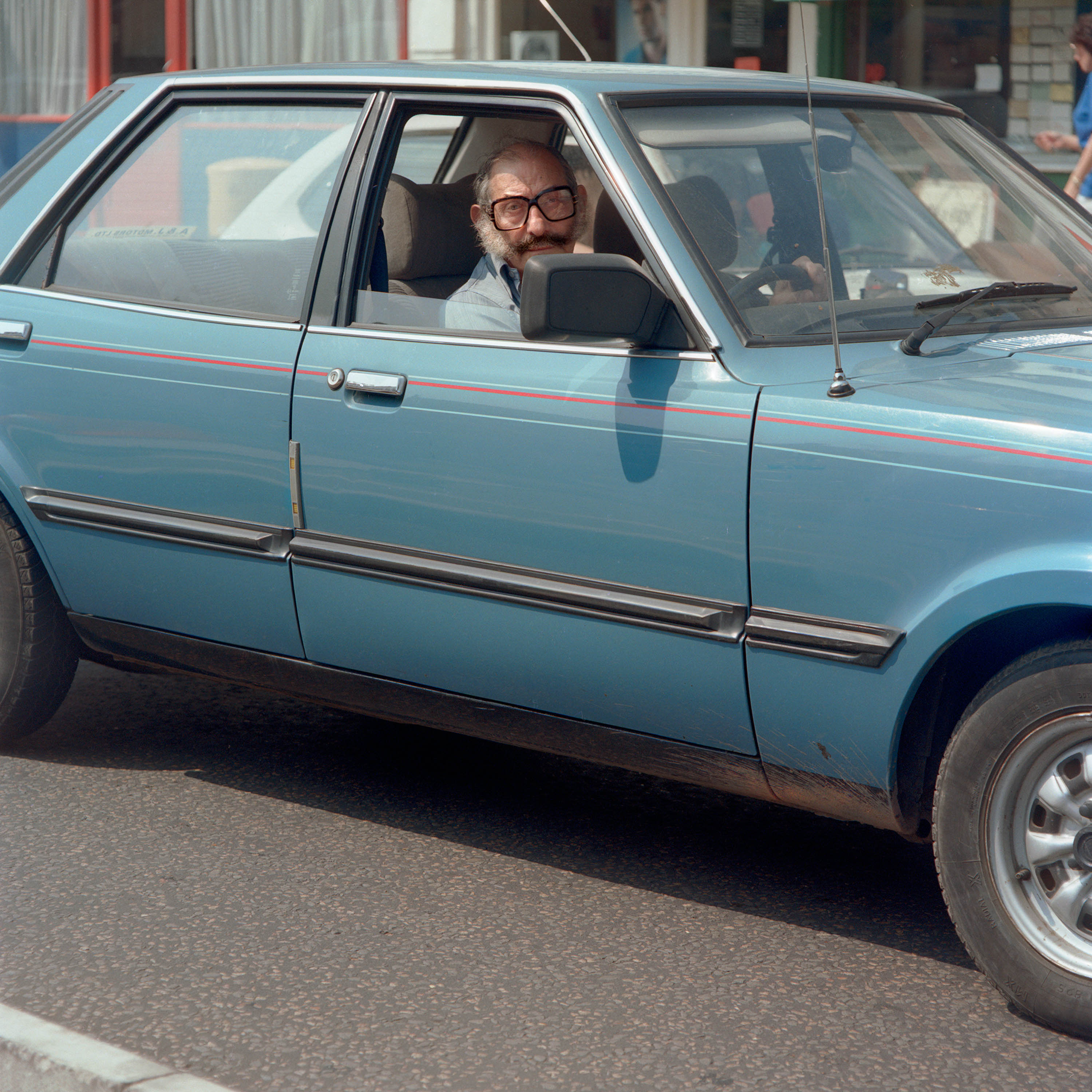
MPB: What feelings are you trying to convey in your images?
CDB: I tell myself I am making pictures for people who haven’t been born yet. This mythical rapt audience will be highly discerning, critical and very hungry for informational detail. So I want to satisfy their needs. I guess I am a supplement to StreetView—but with enhanced AI plug-ins!
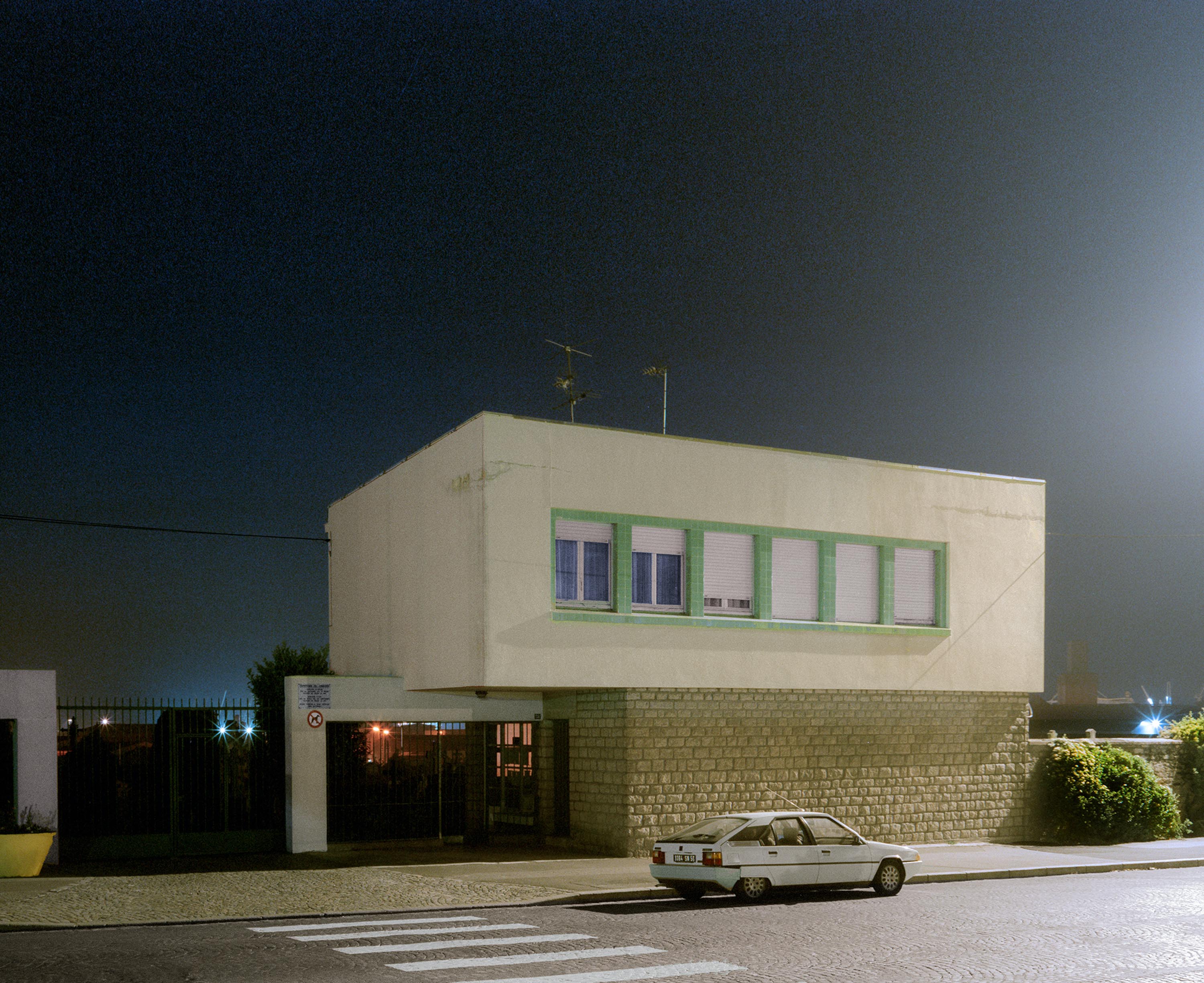
MPB: What equipment do you use, and how does it help you create?
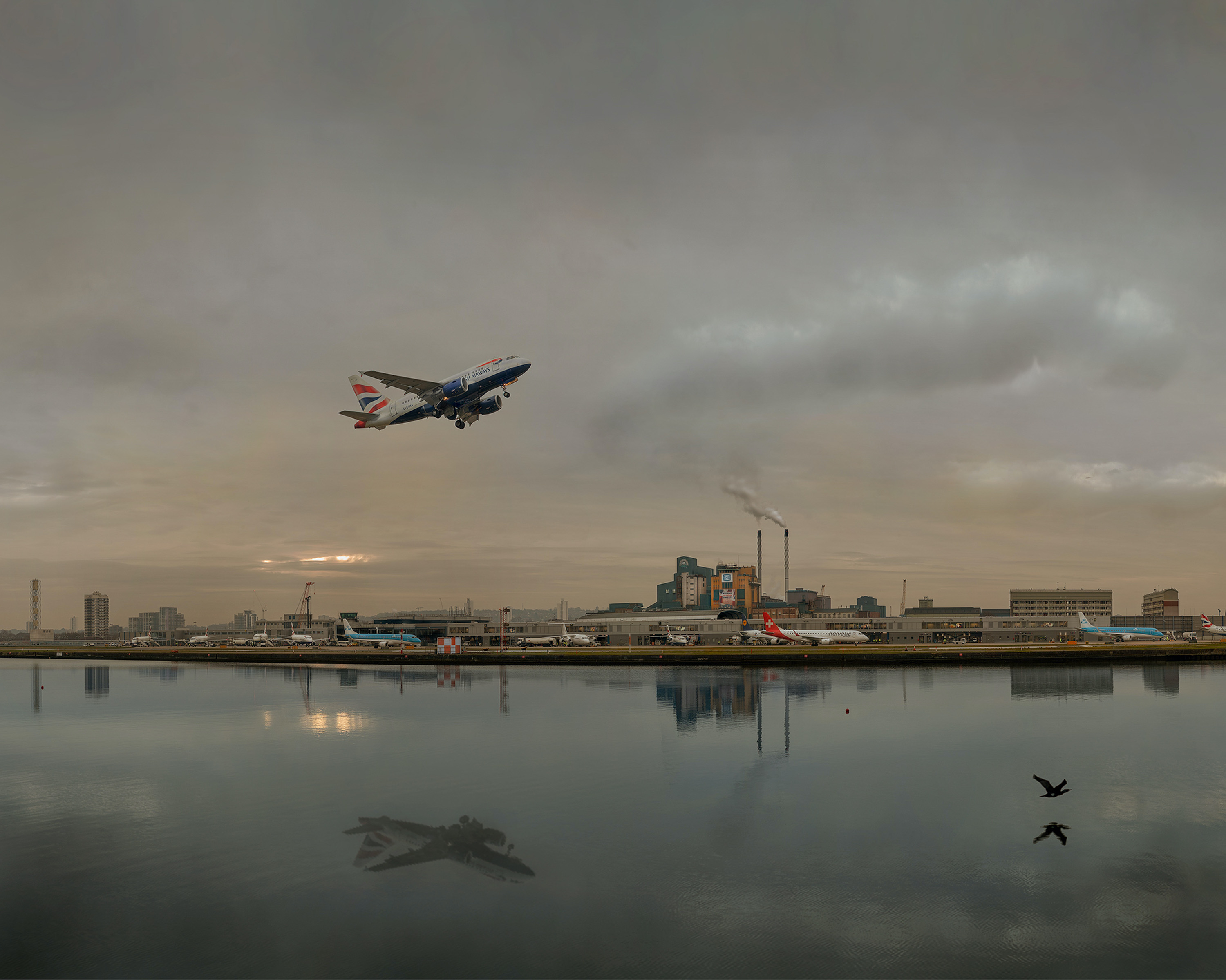
CDB: Even though I have been exclusively digital for the last 17 years or so, it hasn’t really changed my approach. The one main exception is that I don’t worry about the finished composition until I edit the final image. For each finished picture, I shoot about 30 pictures and then stitch them together like I am sewing a suit together. A sample here, a sample there.
Moving to a digital camera enhanced my love of the medium tenfold. I would never go back to film. It’s expensive, environmentally disastrous and a pain.
I always use whatever Nikon is the latest good one, and use my old heavy glass lenses I have had since I was in my 20s. I don’t like loads of kit, I am on my bike staying agile and unencumbered. I rarely even use a tripod.
Another important element is how I dress—I look like a telephone engineer or road sweeper. Hi-viz shit and tatty clothes, it helps to avoid unwanted conversations from passers-by and the cops. They just assume I am ‘working’ and let me get on with my business.
MPB: As an active photographer for over 30 years, what are the main differences you see in the world—between past and present—when you’re looking through your viewfinder?
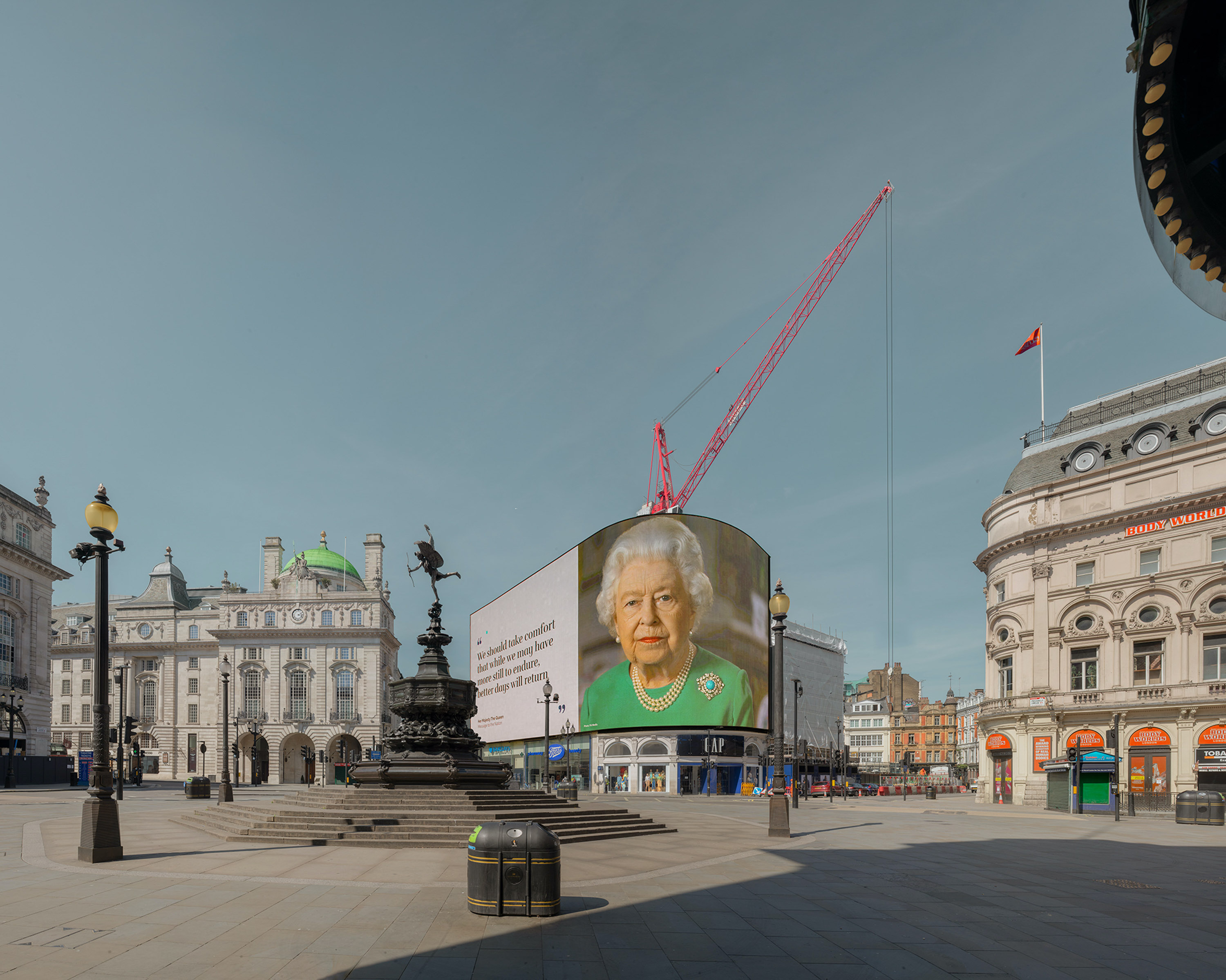
CDB: I feel just the same as I did then. Increased confidence has come with experience. That has allowed me to take a few steps back and get more information in the shots without worrying that I might be missing out on detail. My images are about 50 inches by 40 inches, with no up-rezzing, so the prints that I make are full of hidden delights and gifts that are not evident on screen.
MPB: Do you think there is a crop of photographers unduly obsessed with nostalgia, or is it somehow justified—was the world more visually interesting then?
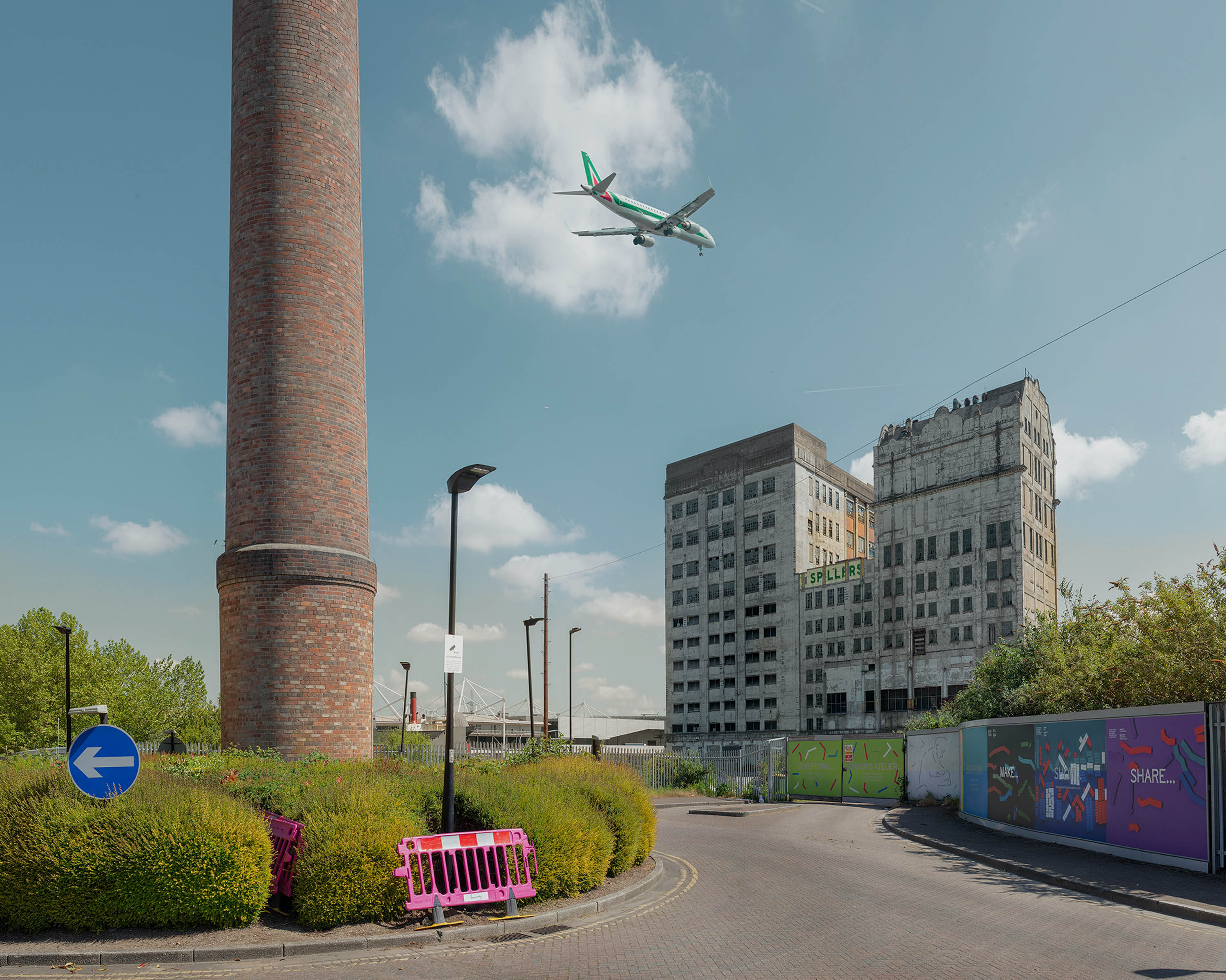
CDB: Somebody once said that “Nostalgia is a mild form of depression.” I think it was Abbie Hoffman. Anyway, you have to be careful that you add vitality and ‘contemporaneousness’ to any image that may be labelled as nostalgia. As John Berger said, “All photography is about something that happened in the past.” It’s a given, but also an albatross around your neck. There’s no way of telling whether the old days were more alluring than the present—it’s about how you manage the illusion, and where you place it.
MPB: Your work in 2020 depicted isolation in the UK during the coronavirus pandemic. Why were you drawn to documenting this space—to capture the changing face of the country? Did you struggle at all?
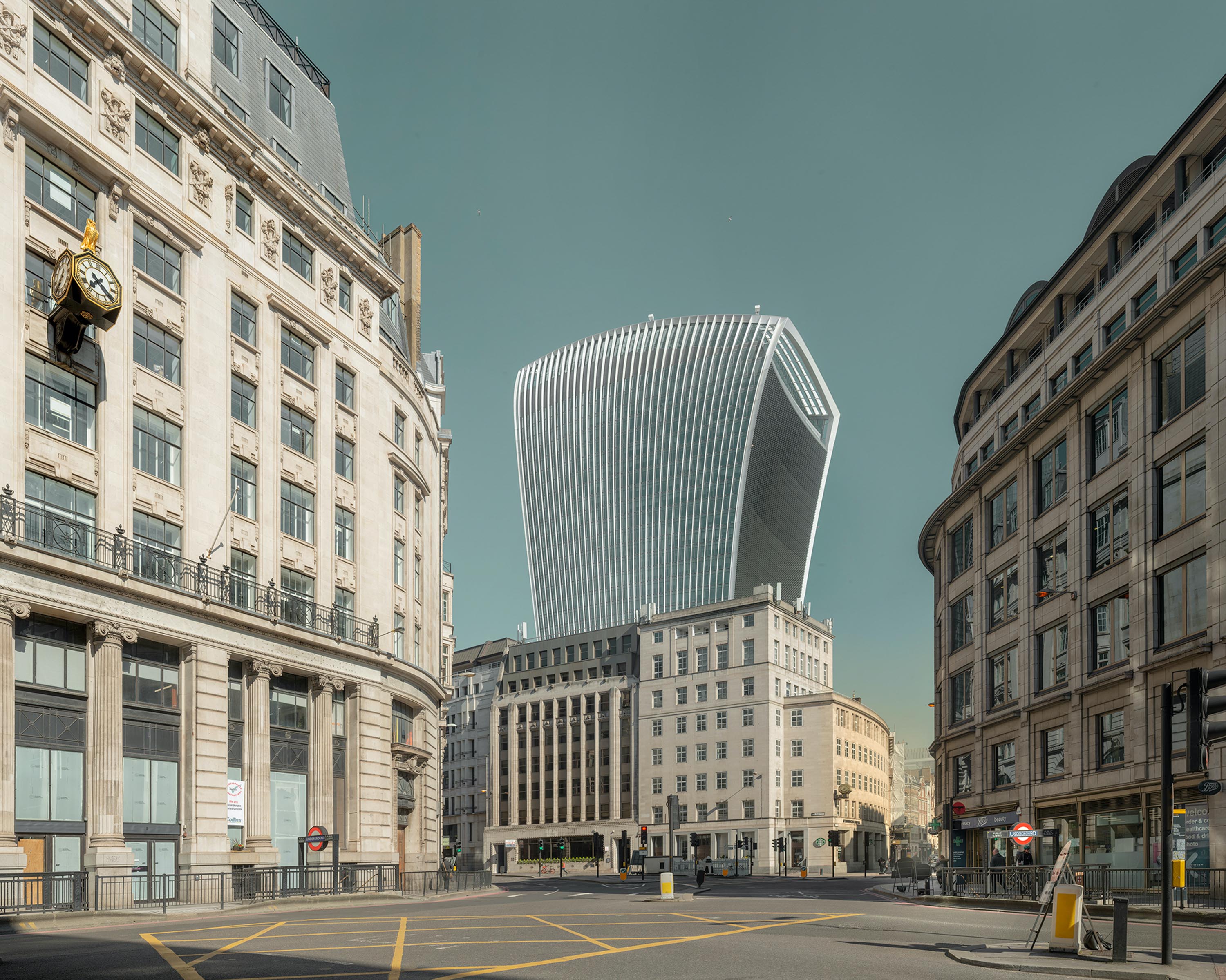
CDB: London under lockdown is exhilarating and terrifying at the same time. Any deserted city is visually exciting and alluring. Emptiness seems to clarify the lines of street and architecture, but the lack of people evokes a sadness, a desolate feeling. It feels transgressive just to be out with a camera, but it bolsters your courage somehow. No second chances, no reshooting. It makes you work harder.
Taking pictures isn’t a struggle. But, in this game, paying the rent can be. Documenting is all I have ever done. You might say it’s a cop-out—avoiding reality is the best way of confronting it—a strange dance of ducking and diving, avoiding getting a proper job.
MPB: What’s next for you?
CDB: To be able to continue as normal is a gift. If I ever felt the slightest hint of boredom, then I’m done. I will find something else to do. Maybe be of more use to society, that thing that Margaret Thatcher had said didn’t exist. I am also deeply superstitious, so I am reluctant to be specific about future plans lest I jinx them. I like making quality books and publications, as I really enjoy collaborating with editors and designers. It’s as close as I get to social life.
Thanks, Chris. You can see more of Chris’ work on Instagram @chrisdorleybrown. And if you liked this article be sure to check out our Guide to Street Photography as well as our look at the best photography spots in London.
Are you thinking about upgrading? You can sell or trade in your camera kit with MPB.