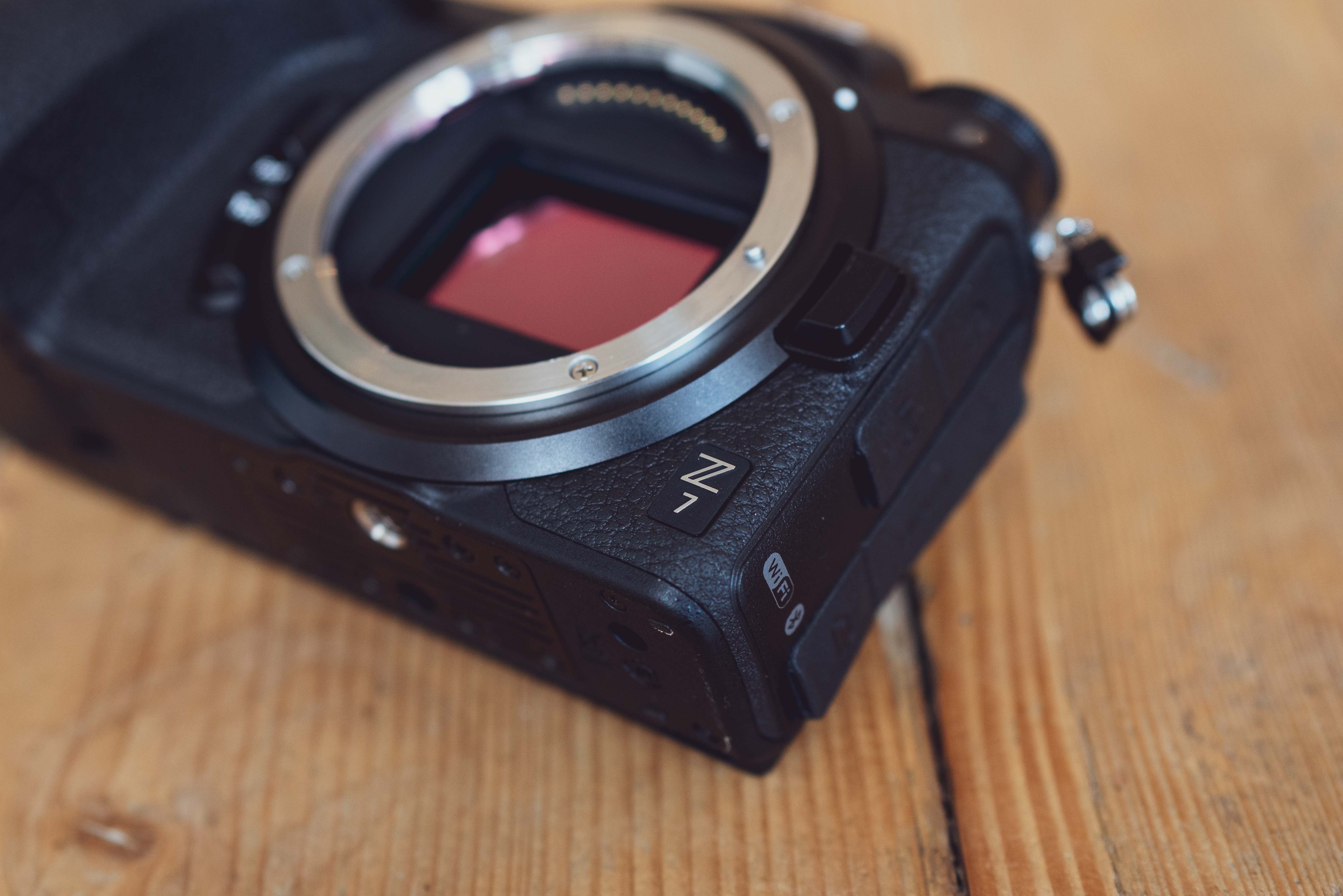
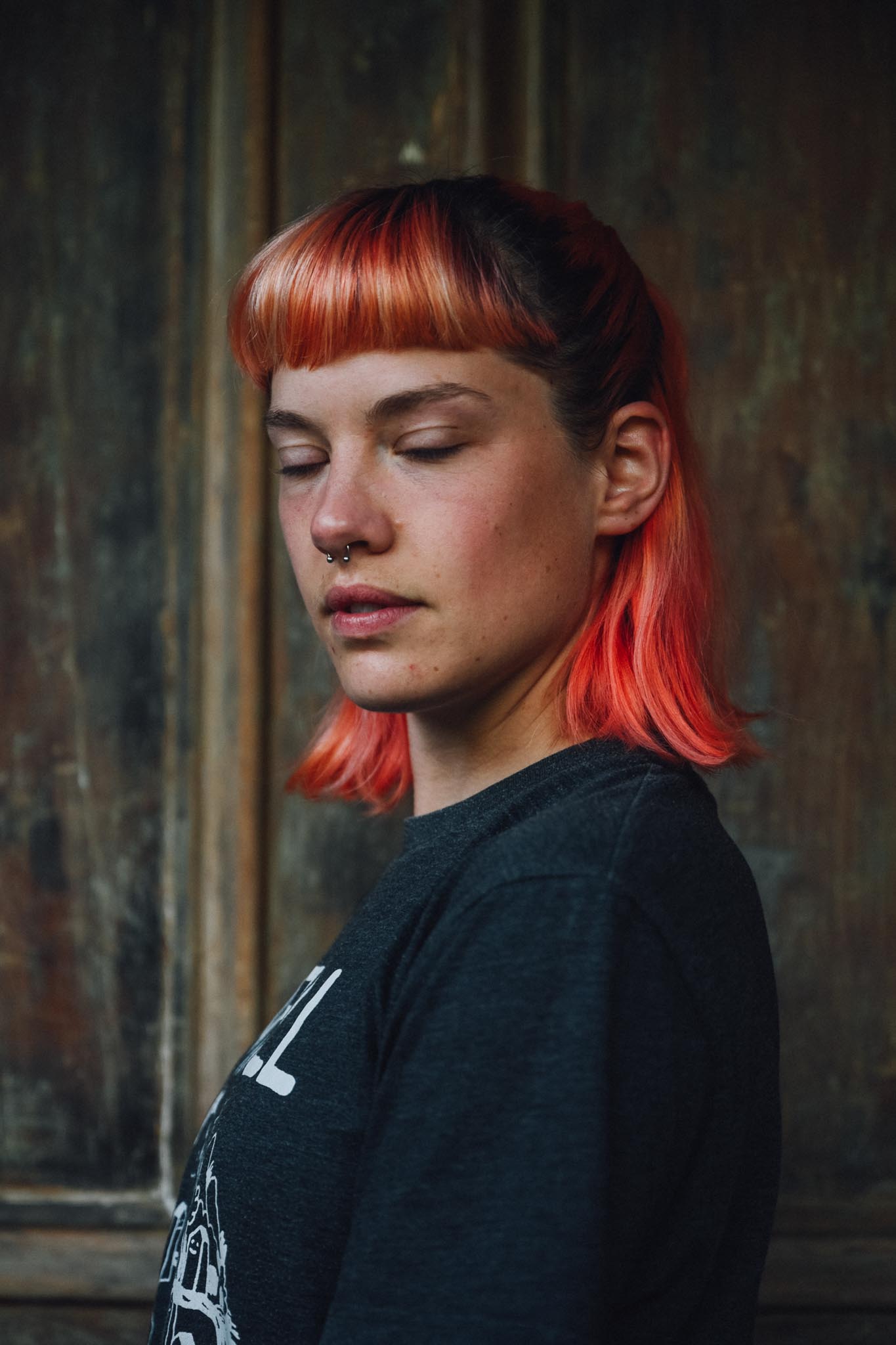
MPB Meets: Portrait Photographer Carolyn Mendelsohn
Published 30 October 2020 by MPB
We spoke with award-winning portrait photographer Carolyn Mendelsohn—who usually shoots with a Nikon D800—to hear what she thinks about switching to a Nikon Z7. Back in August 2020, we asked Carolyn about Through Our Lens, a virtual workshop she runs for young people to creatively express their experiences during the COVID-19 lockdown. Let’s hear what she has to say about the pros and cons of staying within the Nikon system, as well as lens choice, weight and usability. Over to you, Carolyn.

MPB: What is your present camera of choice?
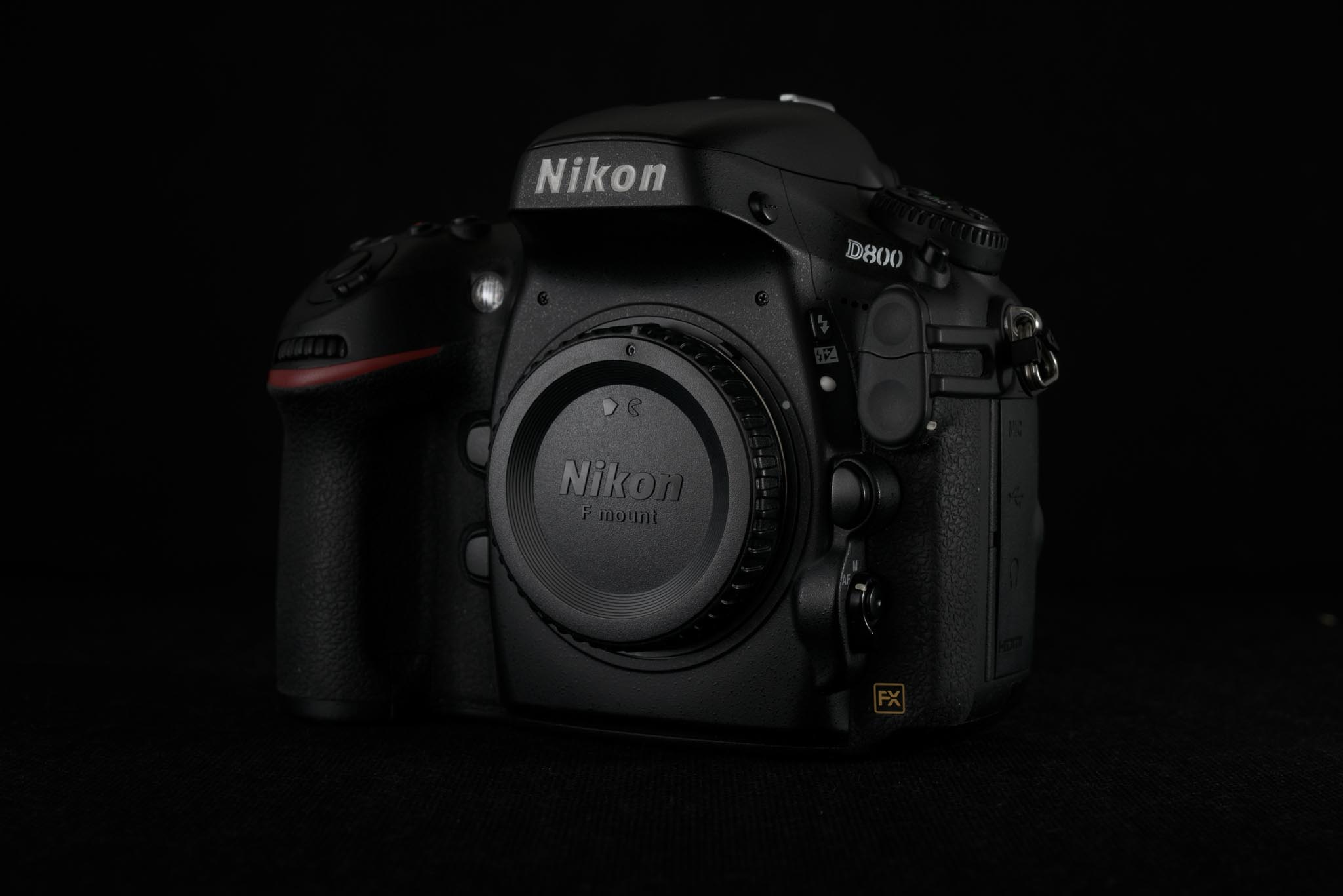
CM: I currently use my trusty old workhorse Nikon D800, but I do hire other Nikon cameras if necessary. I also use a Leica M9 Black, and an ancient Hasselblad 500CM for film—but the Nikon D800 is definitely my main camera.

MPB: Why did you choose the Nikon Z7?
CM: I wanted to see what it was like and how different it was to use, and I wanted to test out a lighter mirrorless camera with the advantages of using a system I’m familiar with. And Nikon has amazing lenses—the colour rendering is exceptional. I’ve always used Nikons, I find them very intuitive and easy to handle. The Nikon Z7 has a real-time live view, so what you see is exactly what you get. You can do this with a DSLR—it flips the mirror up to get a live view—but it drains the battery. And though I use manual settings and don’t ‘need’ Live View, it is a wonderful thing. Also, I wanted to test the Nikon Z7 because it looks like the future of photography is in mirrorless cameras.

MPB: Do you think it’s important to adopt new technology early on?
CM: No, I wouldn’t say it’s important, hence why it’s taken me a little while to come on board! In fact, I think it’s better to wait so any quirks in camera systems can be ironed out as the product is developed. As time goes on—for me, as a photographer—there are more compelling reasons to invest in mirrorless.

MPB: What were your main concerns about shooting with mirrorless cameras?
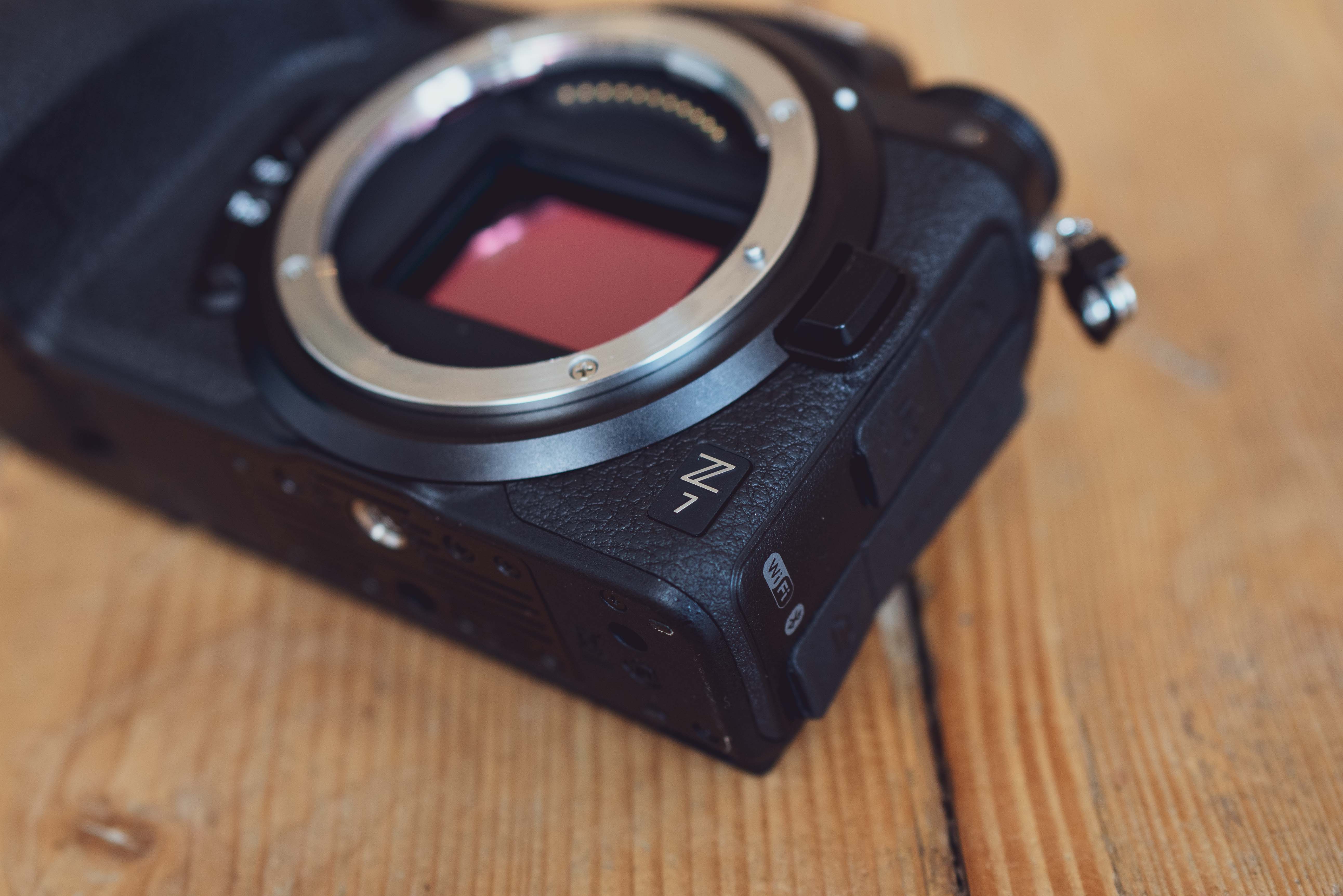
CM: Originally, my main—unfounded—concern was that perhaps the quality wouldn’t be as good. I discovered the quality to be excellent. But a real concern is that the sensor isn’t protected, so it’s possible that dust will affect it when changing lenses. At this time, there are fewer choices of lenses they’re being developed. They’re great but very expensive. However, you can use the F-mount lenses with the adaptor. You do have to manually focus the old D lenses though. The reason I would choose Nikon is the ability to use my Nikkor F Lenses with the adaptor. The few Z lenses I have tested are exceptional.
MPB: Did you find anything you didn’t like about the Nikon Z7?
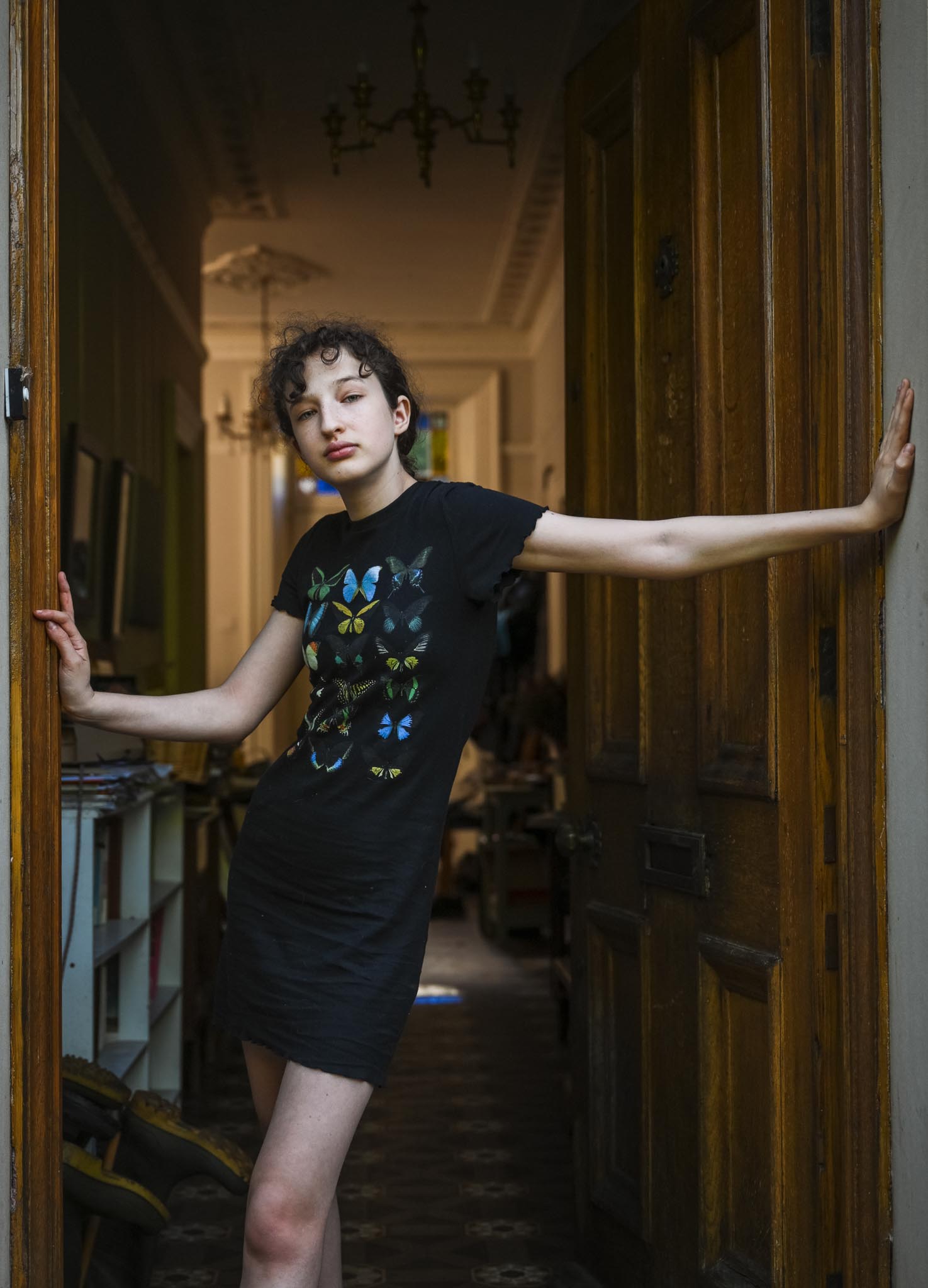
CM: The single card slot. But, to tell you the truth, that isn’t a big issue for me. I make sure I download my card after every shoot. However, the XQD card system is really expensive. Even it is a great card and very stable. I found the low-light capabilities aren’t perfect, but fine for my kind of photography.
MPB: So, what were your favourite things about the camera?
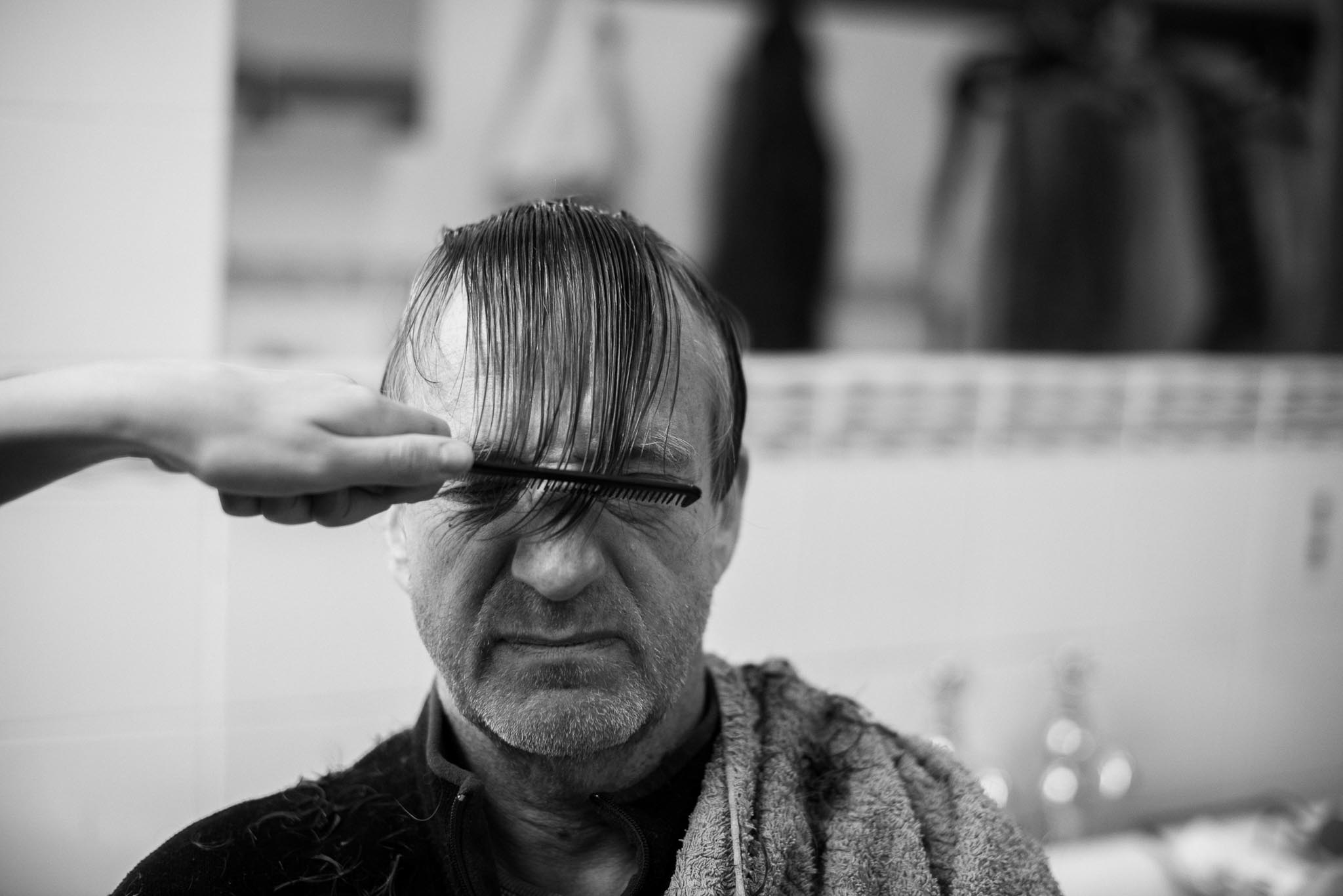
CM: The Nikon Z7 was amazing, and I was loath to let it go. It’s so fast, and lightweight, and the colour rendition and dynamic range are excellent. The viewfinder is amazing too. In short—I loved it.
Thanks, Carolyn. You can discover Carolyn’s photography on Instagram @carolynmendelsohn_.
Thinking of upgrading? Don't wait to sell or trade used camera gear. For more interviews, tips and techniques and camera gear guides, visit the MPB content hub.