
In the Field: Paris Street Photography with the Panasonic Lumix GF1
Published 2 January 2026 by MPB
Dutch photographer and curator Wesley Verhoeve spent a few days photographing Paris with the Panasonic Lumix GF1, a compact micro four thirds camera released back in 2009. He used the trip to see how the little classic holds up in 2026 for street photography in one of the world’s most photogenic cities, and it turns out it might still be one of Panasonic’s most charming cameras.
Paris is a city built for walking with a camera. Every arrondissement has its own rhythm and every café window throws out a slightly different colour of light. On this trip, instead of carrying a modern body with every possible feature baked in, I decided to spend time with something older, smaller, and more straightforward: the Panasonic DMC-GF1.
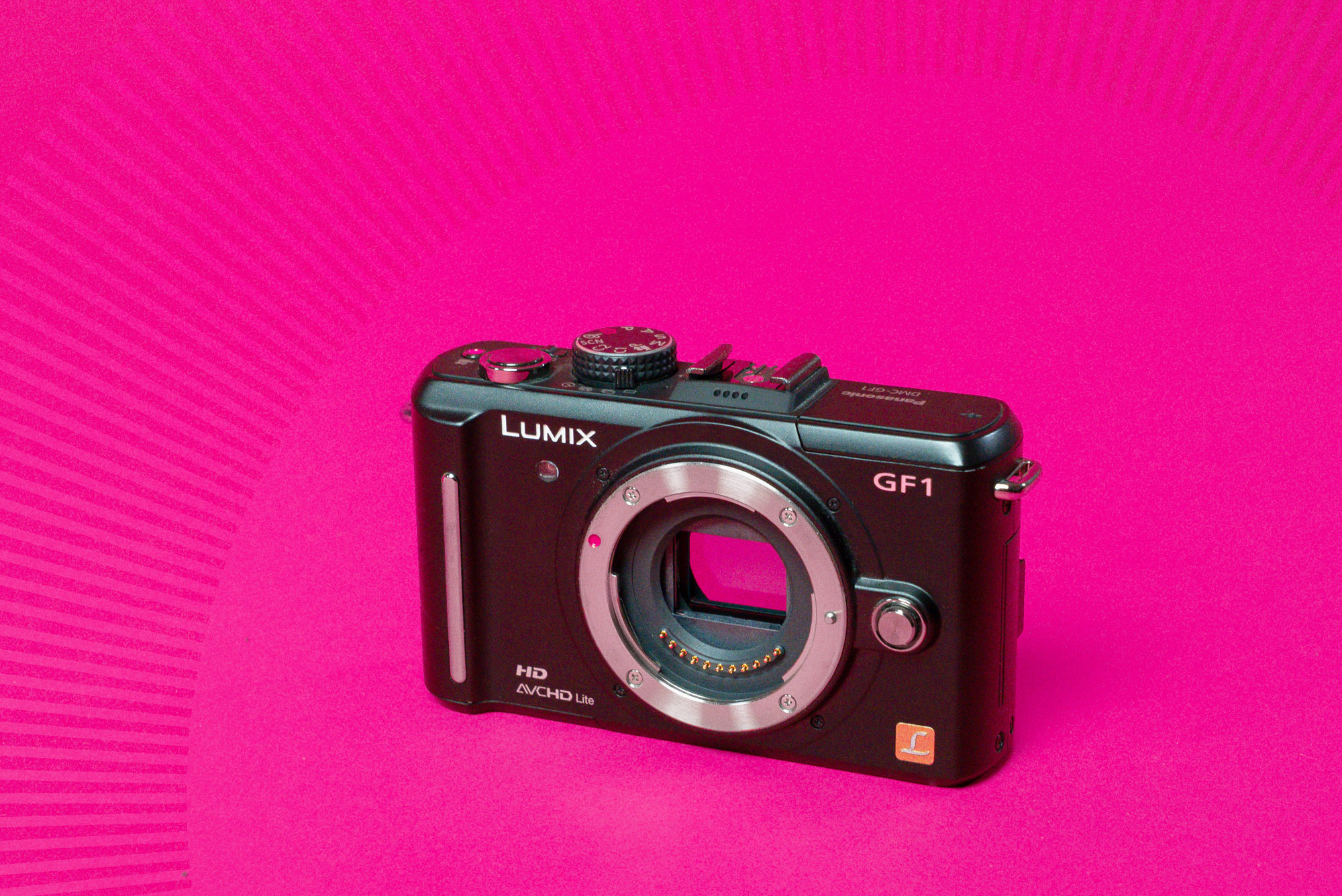
Used Panasonic Lumix GF1
The GF1 came out in 2009 and was Panasonic’s first “rangefinder-style” compact in the Panasonic G mirrorless-series. It arrived at a time when mirrorless cameras still felt experimental, and it immediately became a cult favourite for photographers who wanted DSLR-like quality in a small body. When I say it’s small, the body itself can fit in most backpockets or jacket pockets with ease. In 2026, it’s an artefact from the early days of micro four thirds, and it’s also a reminder that good photography has never depended on having the newest thing.
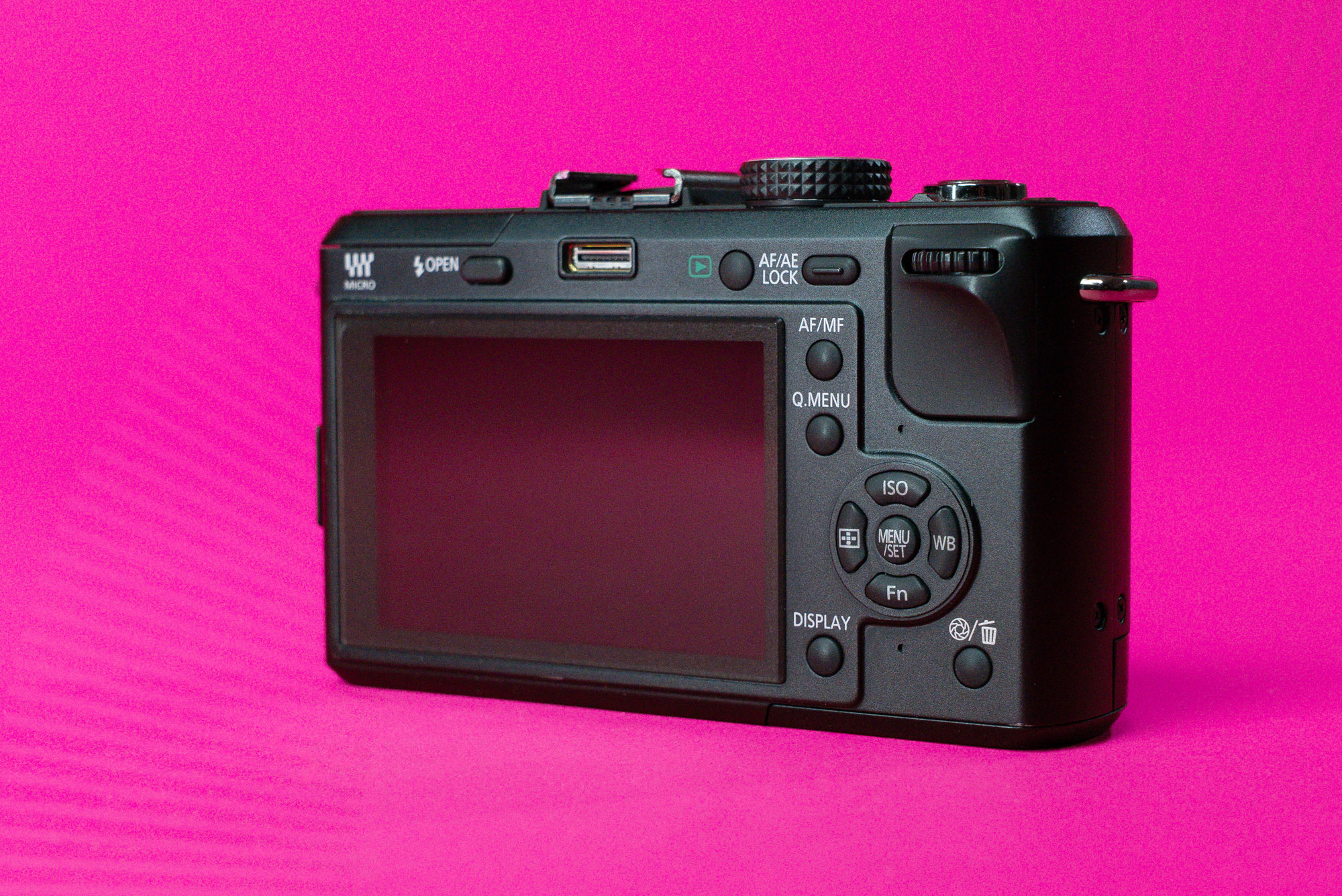
Used Panasonic Lumix GF1
I took the GF1 around Paris for several days, photographing everything from the métro to the Seine to the busy bustle of the Bastille area. What surprised me was how quickly I fell back into the rhythm of using it. It’s a simple camera with just enough features to adapt, but not so many that you get distracted. And in a city like Paris, that’s exactly what I want.
In this article, I’ll share how the GF1 handled different parts of Paris, what settings worked best, its strengths and quirks, and whether it’s still worth picking up for street photography today.
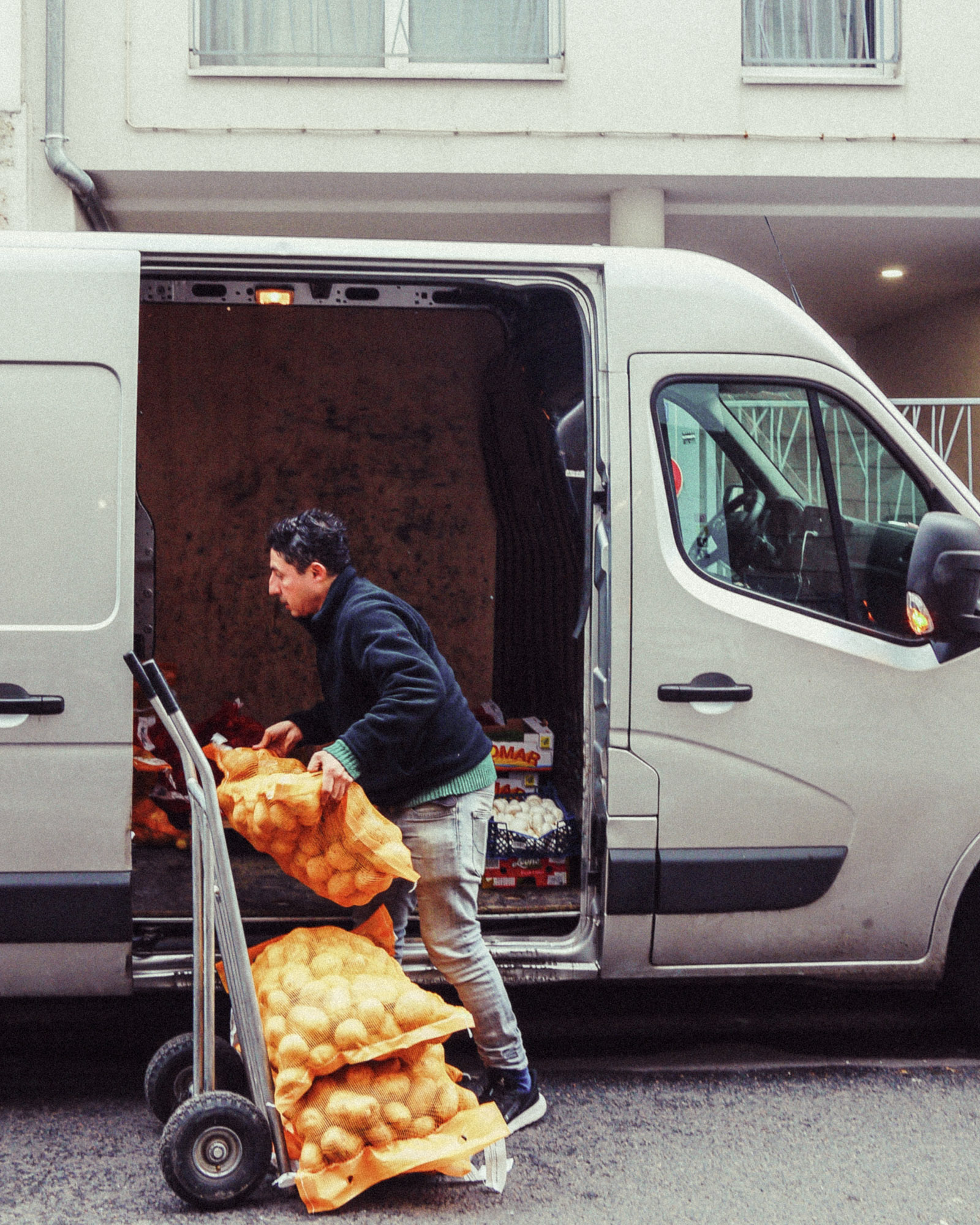
Wesley Verhoeve | Panasonic DMC-GF1 | Panasonic 20mm f/1.7 | 20 mm | f/5.6 | 1/50 s | ISO 200
Specifications Panasonic GF-1
Feature | Details |
Release year | 2009 |
Mount | Micro Four Thirds |
Sensor type | 12.1MP Live MOS |
Sensor size | Micro Four Thirds (17.3 x 13 mm) |
ISO range | 100–3200 |
Autofocus system | Contrast-detect AF (Quick AF) |
AF points | Single-area, multi-area, face detection |
Continuous shooting | 3 fps |
Shutter speed | 60–1/4000 s |
Video | 720p HD (AVCHD Lite / Motion JPEG) |
Rear screen | 3-inch, 460k-dot LCD (non-tilting) |
Viewfinder | Optional external EVF via hot shoe |
Built-in flash | Yes (pop-up) |
Storage | SD / SDHC |
Battery life | ~ 380 shots (CIPA) |
Weight | 285 g (with battery + card) |
Dimensions | 119 x 71 x 36.3 mm |
Pros
Compact and discreet for street photography
Warm colour rendering with film-like grain
Simple, distraction-free controls
Quiet shutter that keeps moments natural
Cons
Slow contrast-detect autofocus, especially in low light
Limited 3 fps burst rate
No built-in viewfinder
Noticeable grain above ISO 1600
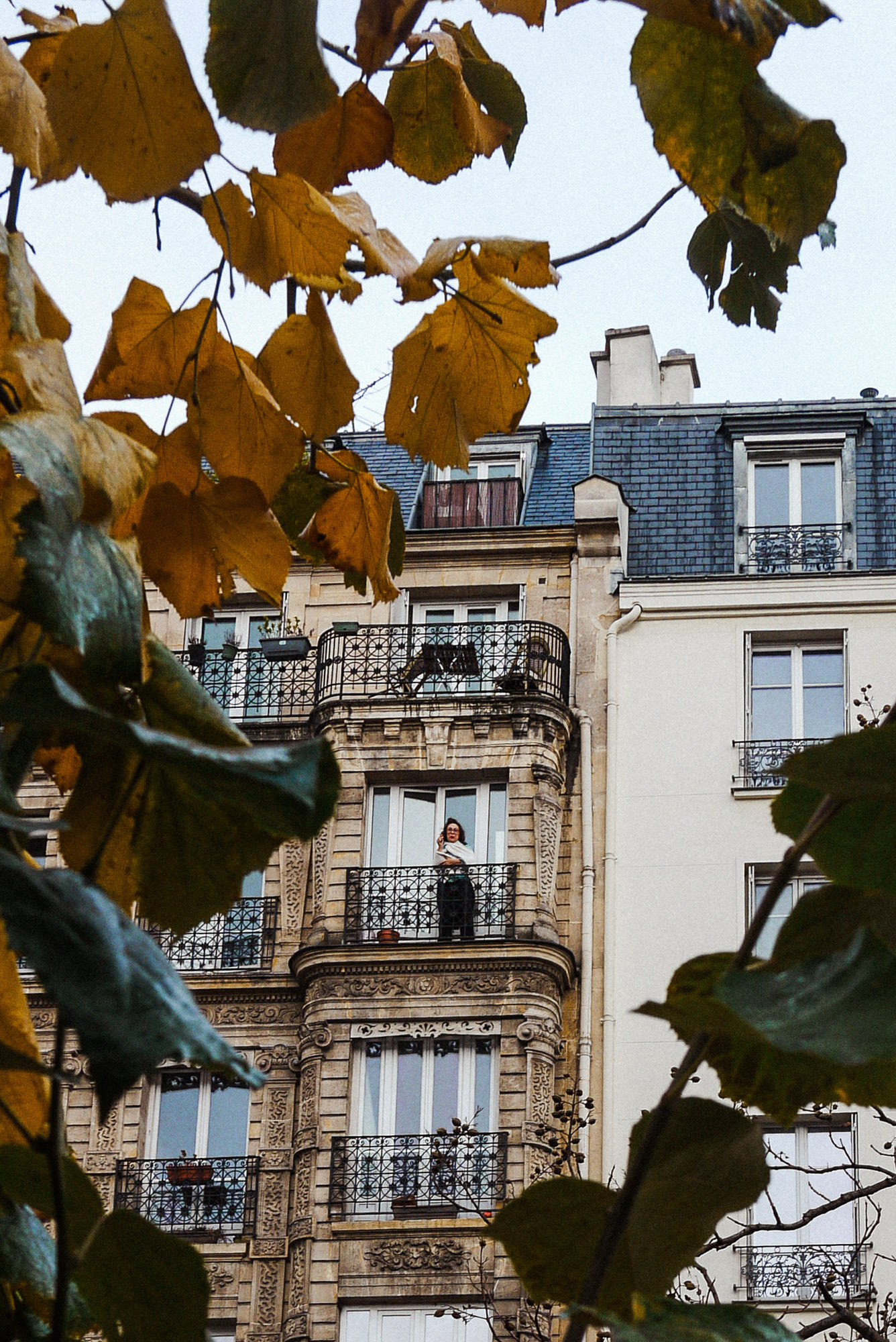
Wesley Verhoeve | Panasonic DMC-GF1 | Panasonic 20mm f/1.7 | 20 mm | f/8 | 1/125 | ISO 200
Why the Lumix DMC GF1 excels at Parisian street photography
The Panasonic Lumix GF1 was designed with portability in mind. At 285 grams with the battery, it’s lighter than many current compact cameras and can just disappear in a jacket pocket. In Paris, this made all the difference, especially since I was moving around on crutches due to an unfortunate fall the week before. I never felt weighed down or conspicuous while shooting.
Its 12-megapixel micro four thirds sensor may sound modest today, but it still produces crisp, detailed files with pleasant colour and an organic noise pattern at higher ISOs. It has real personality. For street photography, I need to be able to quickly and spontaneously respond to what I come across, so timing matters more than megapixels, and the GF1’s sensor is more than capable.
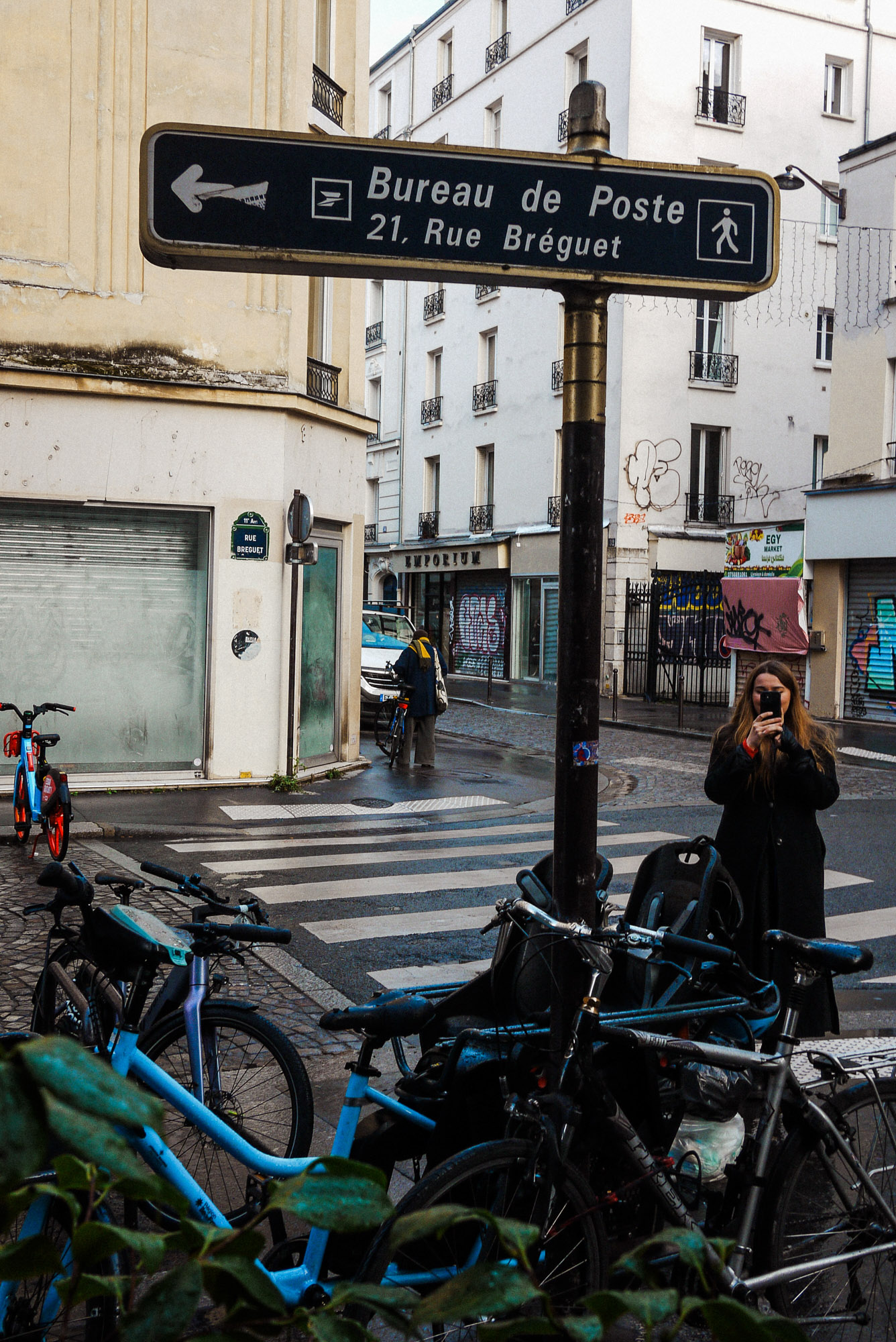
Wesley Verhoeve | Panasonic DMC-GF1 | Panasonic 20mm f/1.7 | 20mm | f/8 | 1/100 | ISO 200
One thing I appreciated immediately was the GF1’s rangefinder-style silhouette, which helps it feel even less obtrusive. It doesn’t draw attention. In a city full of tourists with large cameras, being understated helps you blend in with the everyday life happening around you. People looked at me less. They moved more naturally. They didn’t pose. Of course, for actual portraits, I’d make sure to make contact and get permission, but for the quick street shots that aren’t centred on one specific person, it’s helpful to blend in.
And then there’s the shutter. The GF1 has a soft, unobtrusive click that’s perfect for capturing candid moments. It’s not 100% silent, but it’s gentle. More like a polite tap than a snap. No way anyone would notice it on a busy street.
All of this makes the GF1 an excellent match for Paris: light, quiet, simple, and unassuming.
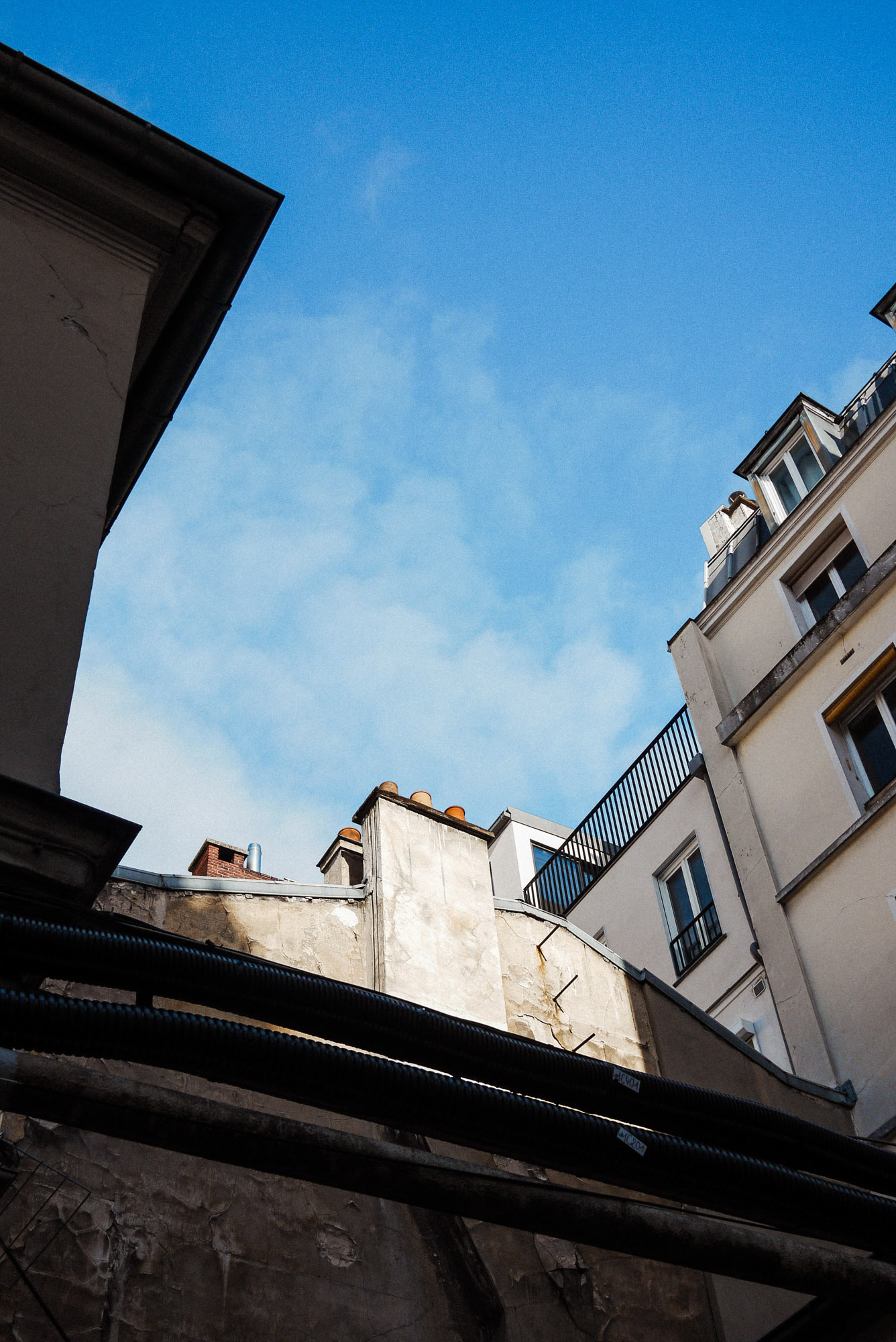
Wesley Verhoeve | Panasonic DMC-GF1 | Panasonic 20mm f/1.7 | 20mm | f/8 | 1/500 | ISO 200
My GF1 Setup
For this trip, I paired the GF1 with the Panasonic 20mm f/1.7 ASPH pancake lens, which is practically inseparable from the GF1 in the minds of most photographers. The combination is tiny, sharp, and versatile. It has a near 40mm equivalent that’s perfect for Parisian streets, cafés, and métro platforms.
I shot exclusively in Aperture Priority, keeping the lens around f/2.8 to f/8.0 depending on the light and composition. The GF1’s minimum ISO is 100, and I generally let it float up to 800 without worry. Higher than that, you see grain, but it’s the kind of grain that feels reminiscent of film, so it’s more of a texture than a distraction.
For autofocus, I stuck with centre-point AF because it’s the most predictable. The GF1 doesn’t have the speed of modern contrast-detect systems, but keeping the focus point centred makes it consistent. And when I needed speed, I zone-focused around 2 meters at f/5.6 and let the scene come to me.

Wesley Verhoeve | Panasonic DMC-GF1 | Panasonic 20mm f/1.7 | 20mm | f/5.6 | 1/50 | ISO 200
Handling on the Street
Handling is where the GF1 reveals its age, in both good and charming ways.
The body is solid metal, and the grip is minimal but feels secure. I never felt in danger of it slipping out of my hand, even without a wrist strap. The top dials are responsive, and the shutter button has a satisfying firmness. It’s a camera I feel comfortable using one-handed while holding a crutch or a croissant in the other.
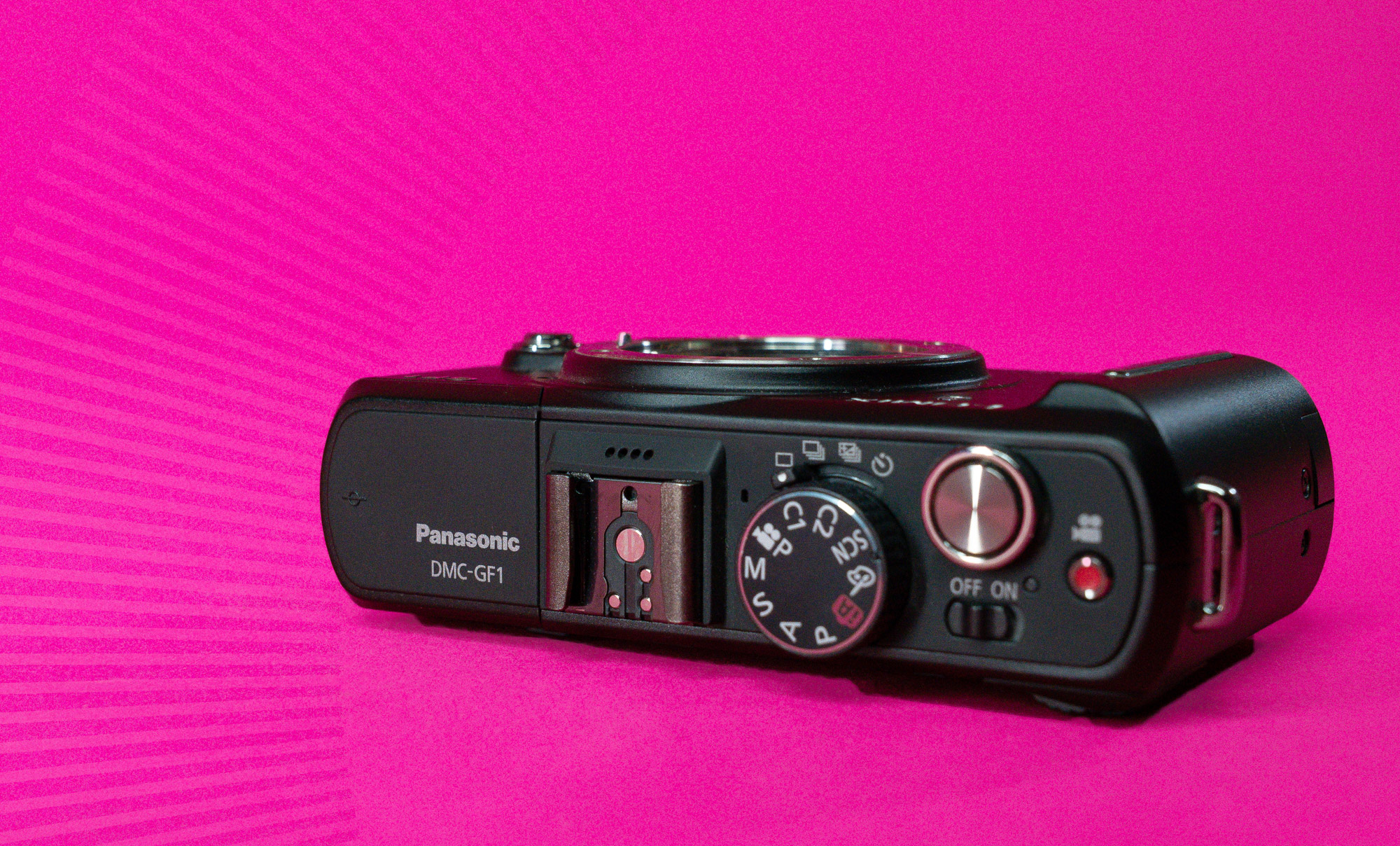
Used Panasonic Lumix GF1
The menus are slower than modern Lumix cameras, but the GF1 also has fewer distractions in those menus. I rarely needed to dive deep, or dive at all. Once the camera was set up the way I liked, I stayed almost entirely on the top dials and the rear click wheel.
The built-in flash surprised me. I used it a few times for portraits when the grey skies were dulling my subject, as a fill light. It’s gentle and has that early-2000s point-and-shoot nostalgia to it. I wouldn’t base a workflow around it, but in Paris at blue hour or in fall/winter, it added a fun spark to a few frames.

Wesley Verhoeve | Panasonic DMC-GF1 | Panasonic 20mm f/1.7 | 20mm | f/5.6 | 1/30 | ISO 200
Autofocus & Responsiveness
The GF1 uses an older contrast-detect autofocus system. It’s not fast, but it’s predictable. In good light, it locks on well enough. In low light, it hesitates, but I got around this by anticipating my moments more.
Continuous autofocus is not its strength, and bursts top out around 3 frames per second, but for street photography, I actually liked the slower pace. It made me more mindful of timing and I don’t often rely on bursts even with faster cameras.
There’s something grounding about using a camera that doesn’t encourage you to spray and pray.
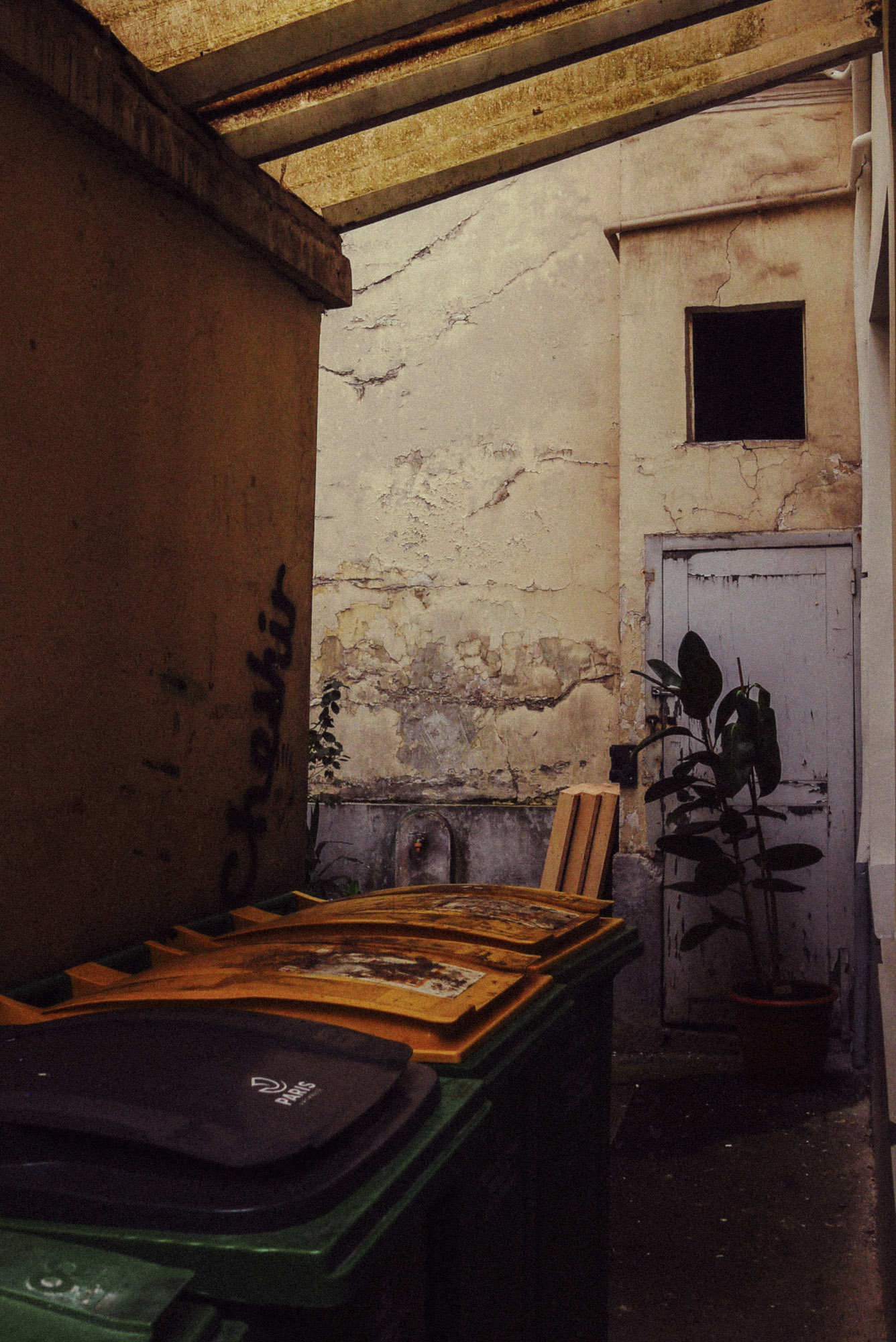
Wesley Verhoeve | Panasonic DMC-GF1 | Panasonic 20mm f/1.7 | 20mm | f/4.5 | 1/320 | ISO 200
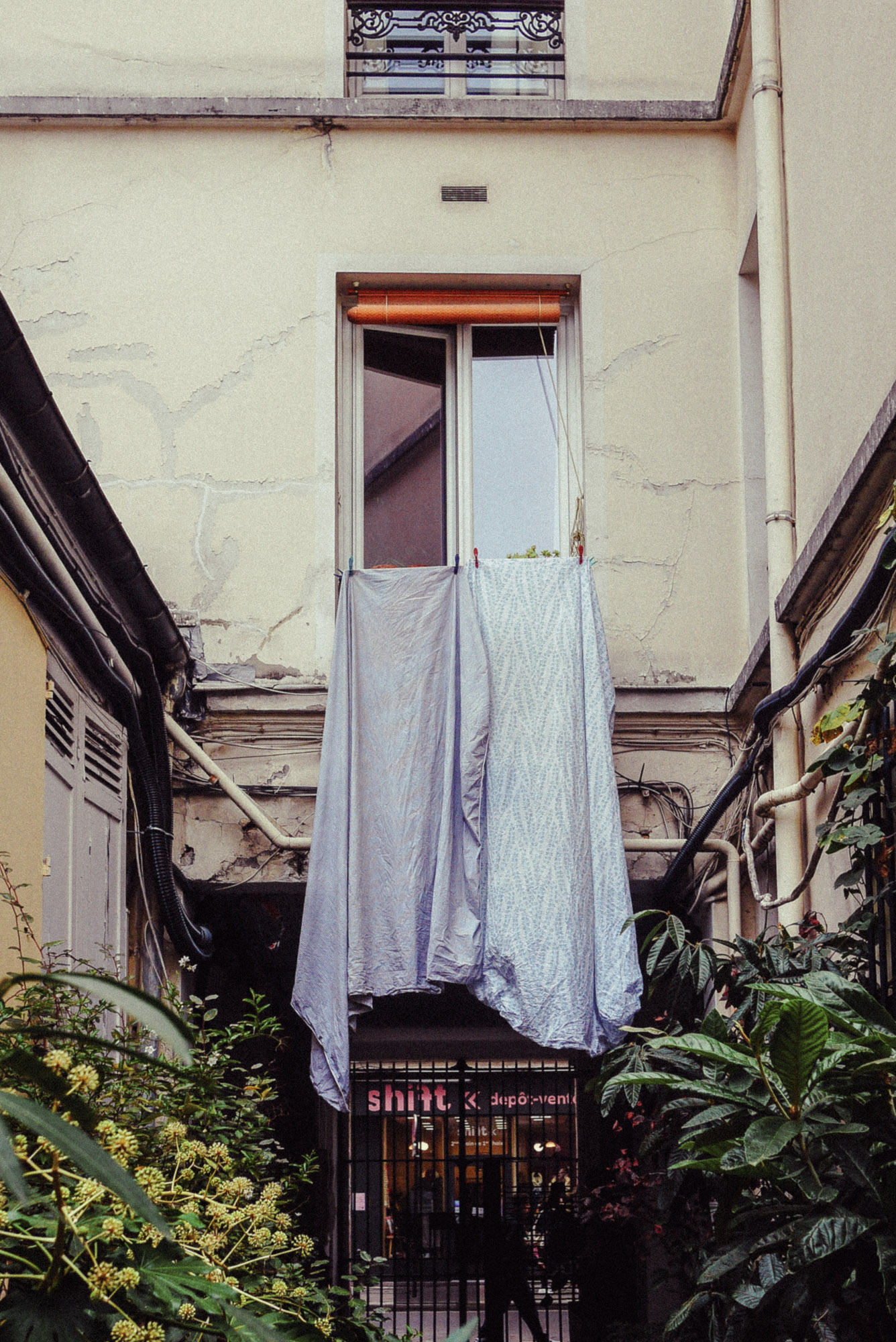
Wesley Verhoeve | Panasonic DMC-GF1 | Panasonic 20mm f/1.7 | 20mm | f/4 | 1/320 | ISO 200
Mastering light and composition with the GF1 in Paris
Paris is a playground for light. It’s full of soft café interiors, harsh backlit boulevard crossings, cool blue light along the Seine, warm lamplight in the métro. The GF1 handled these environments differently, and each required its own approach.
Café interiors
I often shot around f/2.8, ISO 400–1600. The GF1’s colours are warm and its shadows roll off softly, which suits Paris cafés beautifully. The LCD is bright enough to compose accurately even against the reflective zinc counters.
Métro platforms
The light underground is mixed and unpredictable, but setting the camera to Aperture Priority at f/2.8 and raising ISO to 800 or 1600 worked well. The GF1 renders the older yellow lighting with a nostalgic softness that I loved and I could give it an almost spooky quality.
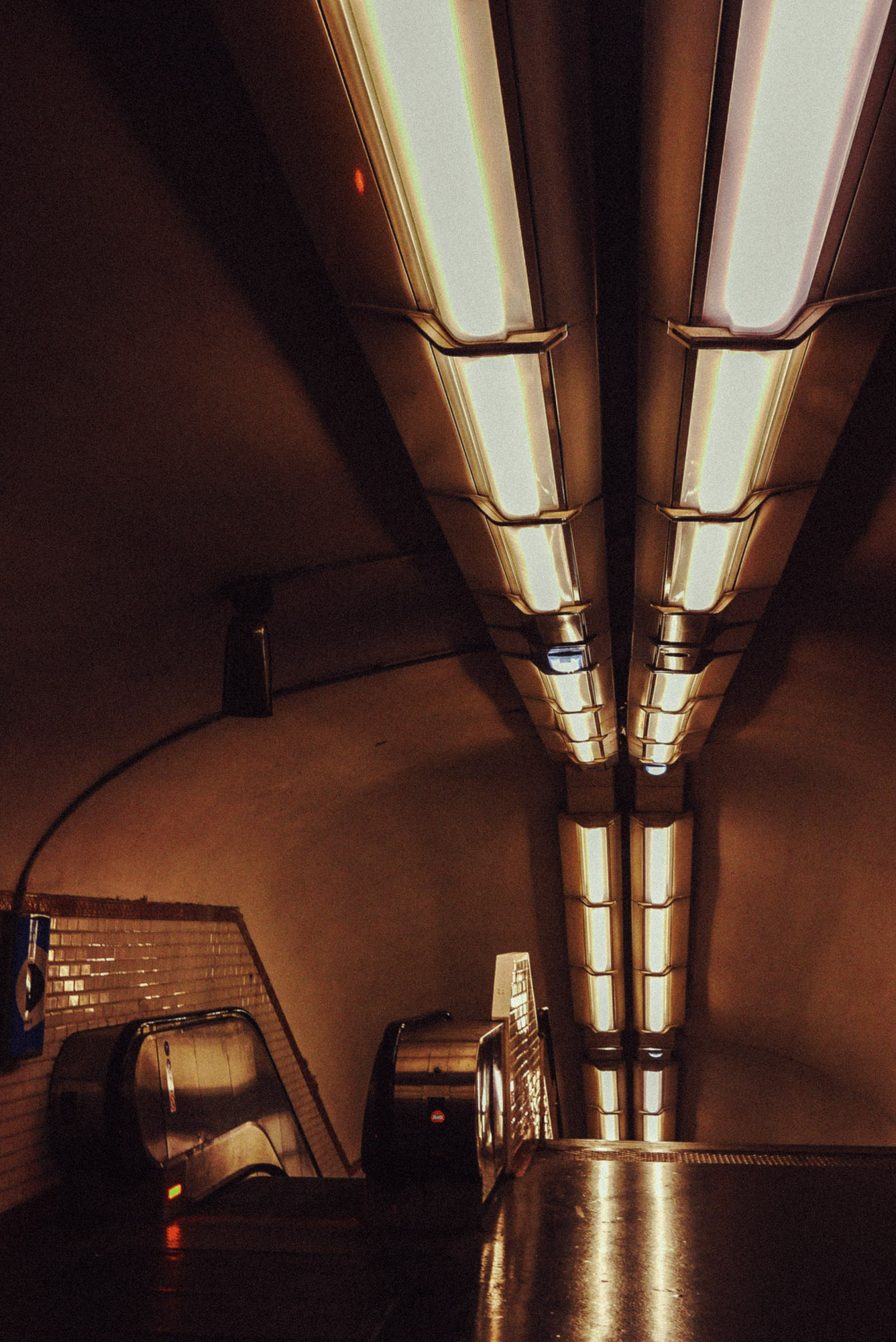
Wesley Verhoeve | Panasonic DMC-GF1 | Panasonic 20mm f/1.7 | 20mm | f/8 | 1/25 | ISO 200
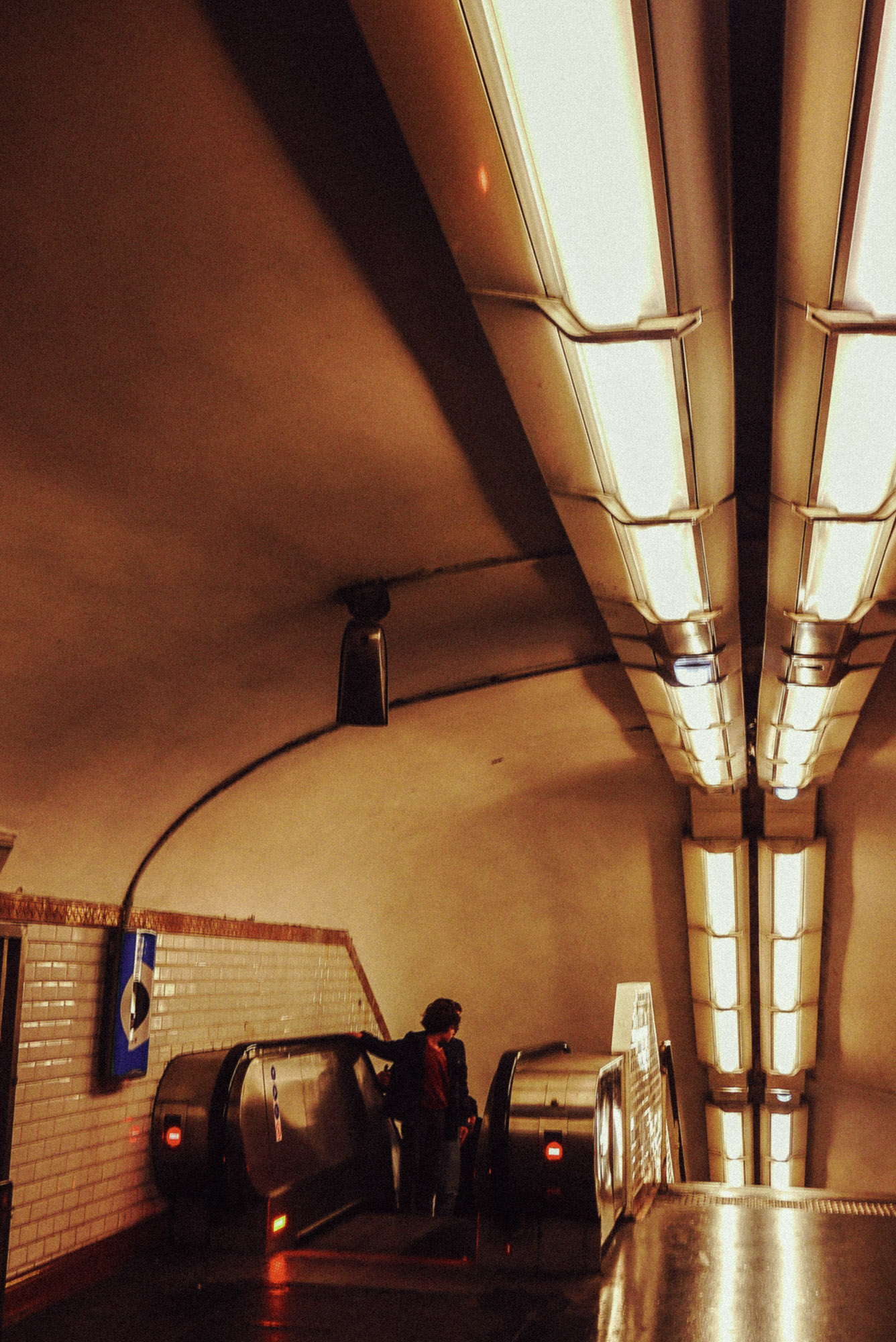
Wesley Verhoeve | Panasonic DMC-GF1 | Panasonic 20mm f/1.7 | 20mm | f/8 | 1/10 | ISO 200
The city at blue hour
I slowed down here, shooting handheld at 1/30–1/40s with the lens at f/1.7. The GF1’s noise at ISO 800–1000 has a grainy texture reminiscent of early digital cameras, which I personally like. It adds atmosphere.
Markets and busy streets
Markets in Paris move quickly, but instead of chasing every moment, I stayed wide and let the energy flow into my frame. The GF1’s shutter sound was quiet enough that nobody reacted to it, which helped keep moments natural.
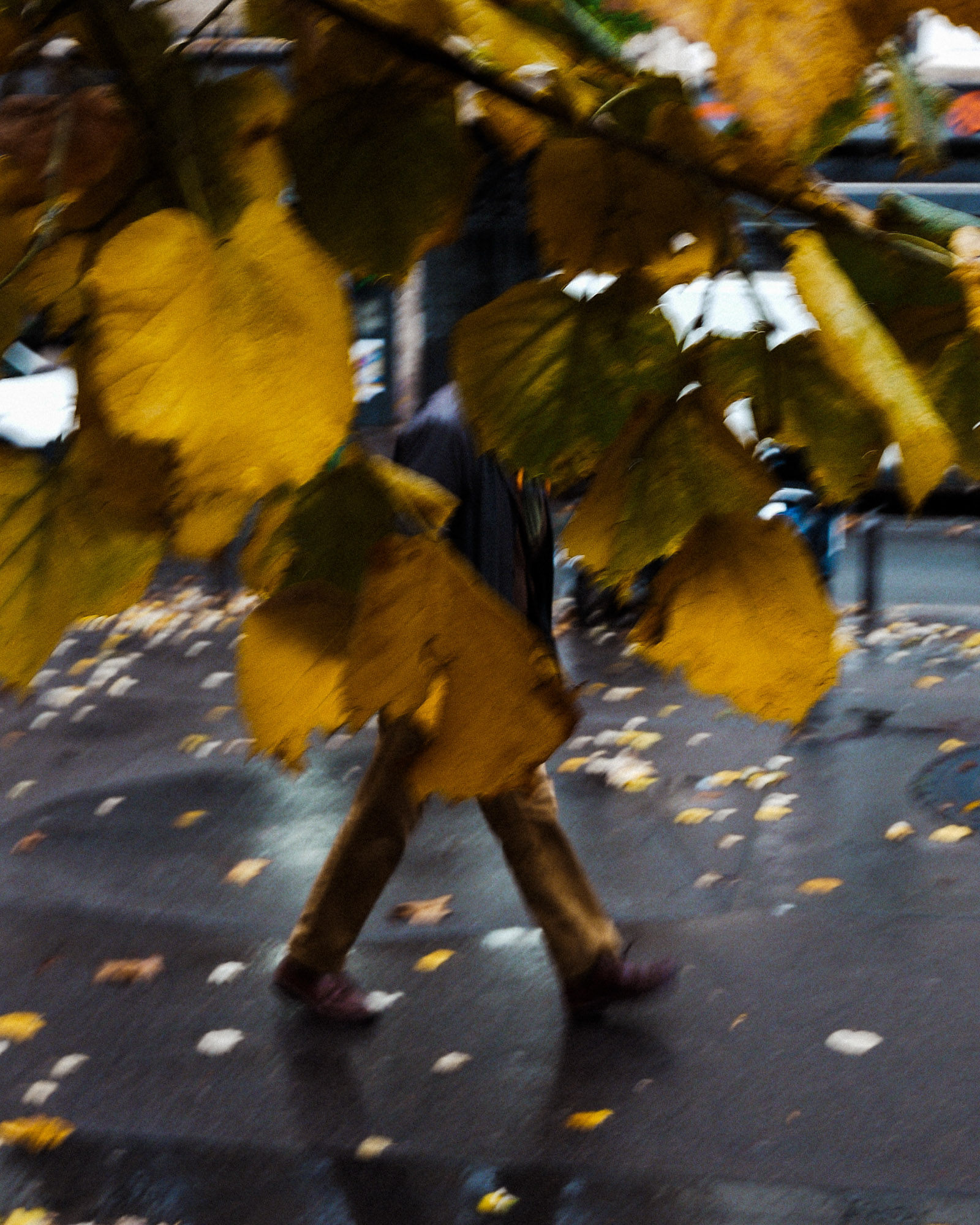
Wesley Verhoeve | Panasonic DMC-GF1 | Panasonic 20mm f/1.7 | 20mm | f/8 | 1/30 | ISO 200
Bright daylight
With the sun reflecting off buildings, I kept the camera around f/5.6 and ISO 100. The GF1 handled highlights better than I expected for a 12-megapixel sensor, and the files held together nicely when pulling back blown areas.
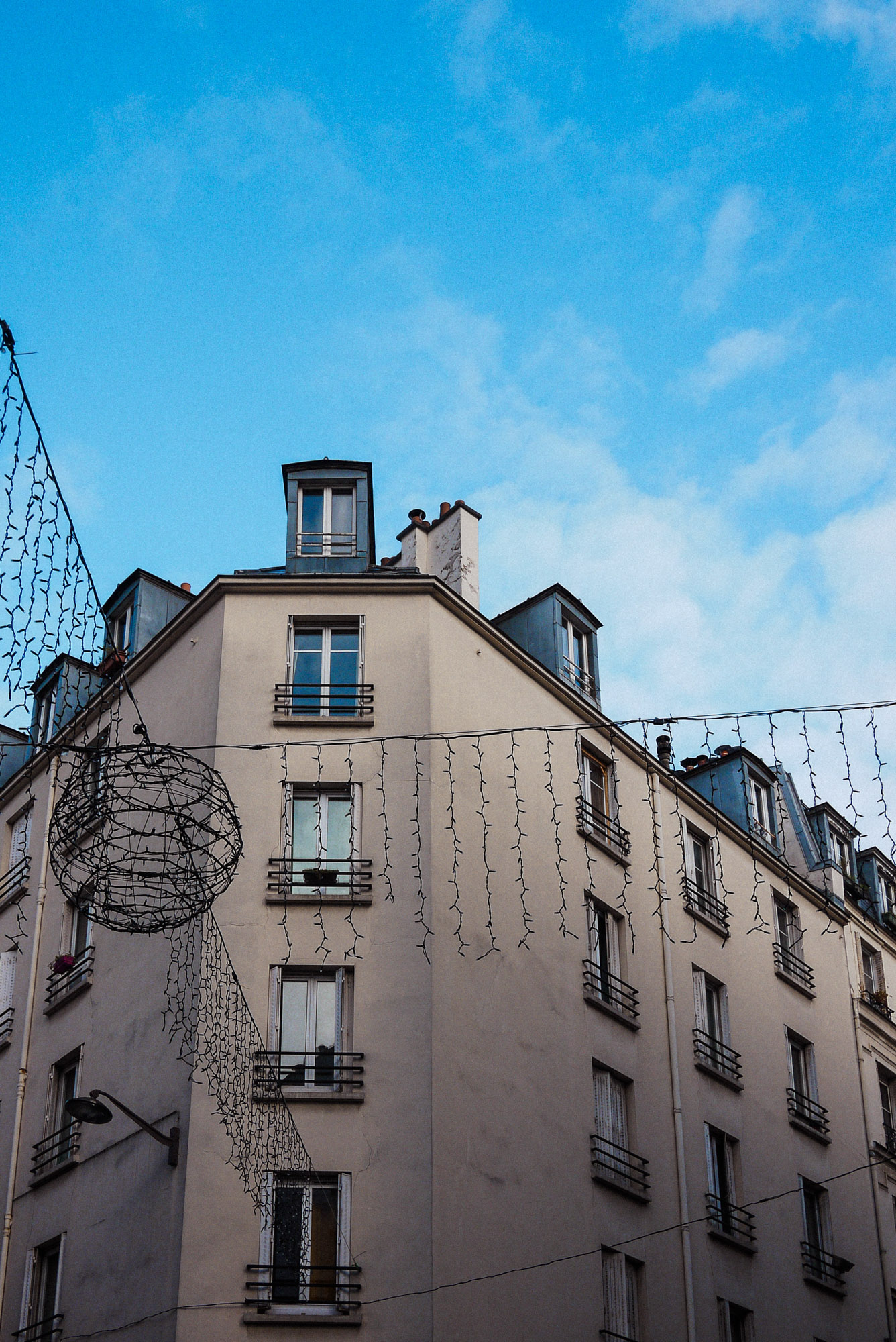
Wesley Verhoeve | Panasonic DMC-GF1 | Panasonic 20mm f/1.7 | 20mm | f/8 | 1/400 | ISO 200
Image Quality
The GF1’s 12 MP sensor is from a different era of digital photography, but it still holds up remarkably well. Colours are natural and have that distinct older-Panasonic look: slightly warm, slightly filmic, never overly sharp.
The files have a pleasing balance of detail and softness. At ISO 100–400, they’re clean and crisp. At ISO 800–1600, grain appears, but it’s the kind of grain I like to keep rather than remove.
The tonal gradation in shadows is particularly nice in Paris street scenes. It gives subtle transitions without harsh edges. Skin tones also hold up surprisingly well considering the camera’s age.
As for dynamic range, it’s limited compared to modern sensors, but not in a way that is a problem for me. In fact, the narrower range sometimes adds to the mood, with highlights that glow a little more, shadows deepen a little faster. I love deep shadows!
Printed on A4 or even A3, the images look great. They’re clean, detailed, and have that slightly nostalgic early-mirrorless character that works beautifully for Paris.
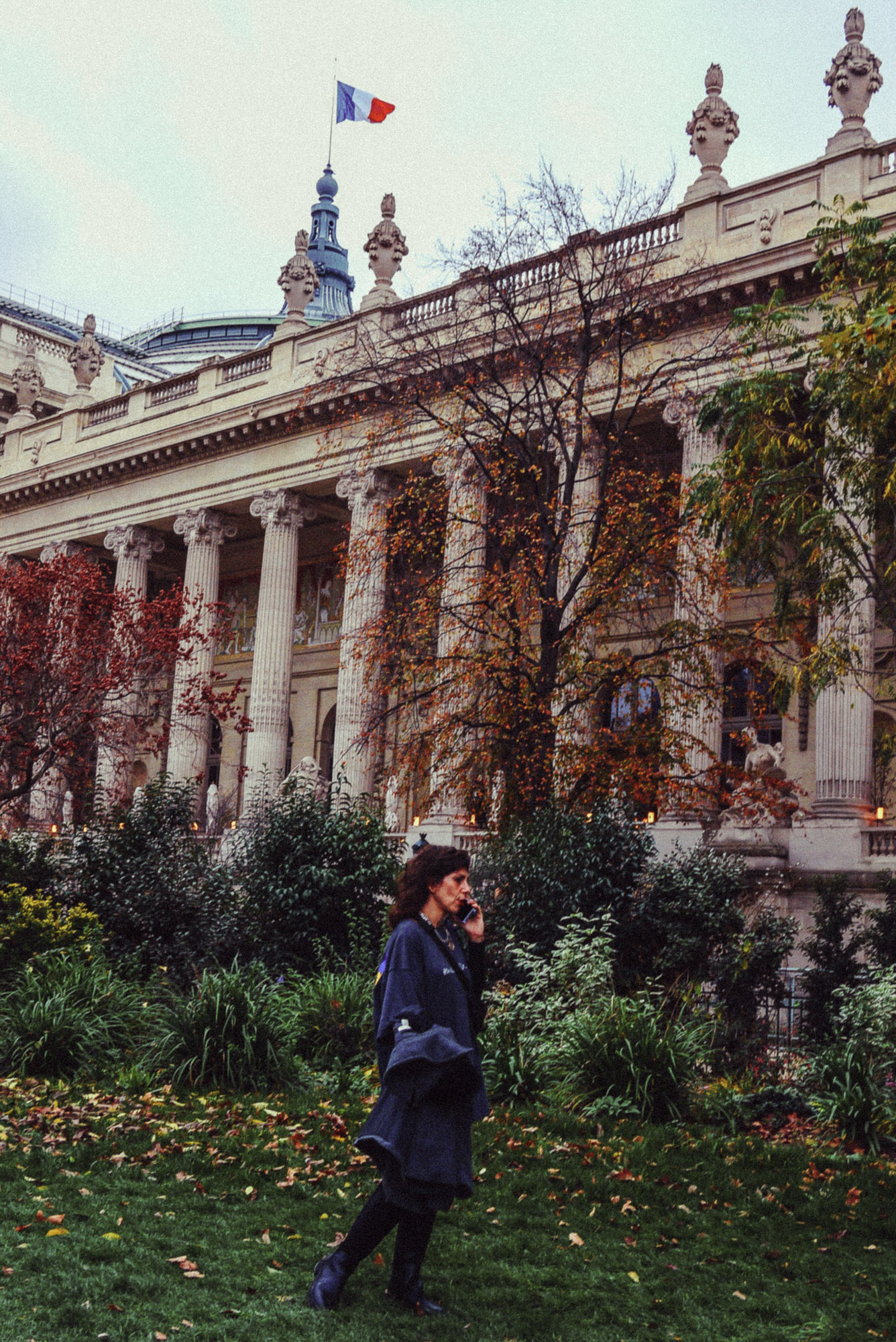
Wesley Verhoeve | Panasonic DMC-GF1 | Panasonic 20mm f/1.7 | 20mm | f/8 | 1/40 | ISO 200
Is the Lumix GF1 good for street photography?
Yes and not just “good,” but very enjoyable.
The GF1 is a camera that makes me slow down just enough to be intentional, without ever getting in the way. It’s light, discreet, simple to operate, and produces files that feel honest and real.
It’s not the fastest camera, and it’s not filled with modern features, but that’s part of the appeal. I do not want to be buried in menus or tempted by many features or shooting modes. I want to just focus on walking, looking, and taking pictures.
In a city like Paris, where every corner offers a composition, this camera is more than enough.
GF1 Alternatives
If you like the GF1 but want something in a similar spirit, here are a few options I have looked at:
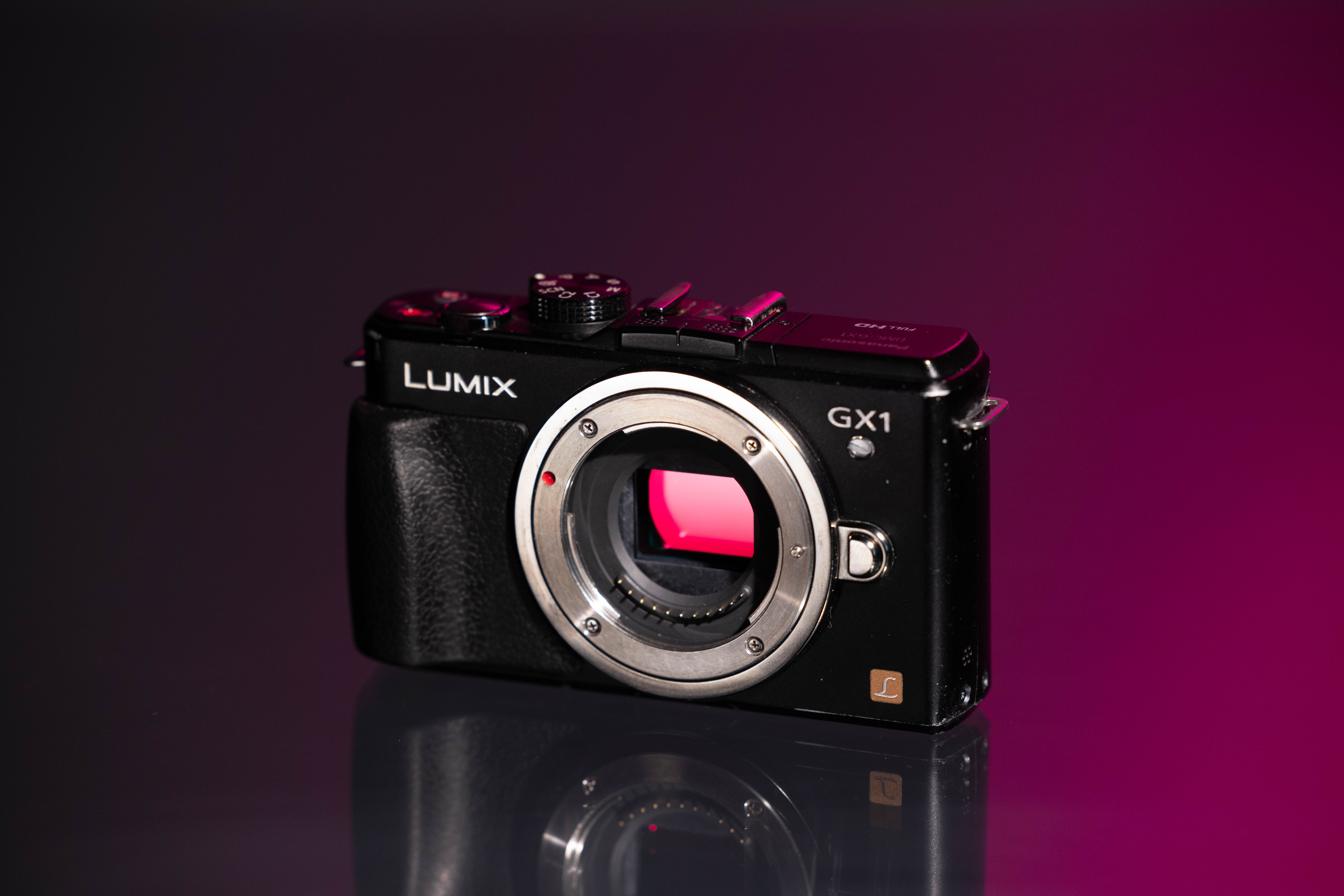
Used Panasonic DMC-GX1
Panasonic GX1
The Panasonic DMC-GX1 isn’t the official successor to the GF1, Panasonic continued the GF line with models like the Panasonic DMC-GF2 and Panasonic DMC-GF3, but it is the camera many GF1 fans naturally moved to. It keeps that same compact, rangefinder-style footprint, yet feels noticeably more modern thanks to its faster 16MP sensor, improved autofocus and touchscreen controls. In real-world use it’s snappier, more responsive and better in low light, while still staying pocketable. If you love the GF1’s charm but want a camera that’s newer and more modern, the GX1 is the closest thing to a “grown-up” GF1.
Olympus PEN E-P5 / E-P3 / E-M10
Olympus offers faster autofocus, optional in-body stabilisation for steadier handheld shots, and that iconic PEN retro styling. The JPEG colours are excellent straight out of the camera, making these bodies great for street shooters who want the GF1’s compact feel but with quicker performance and a bit more modern help in fast-moving scenes.
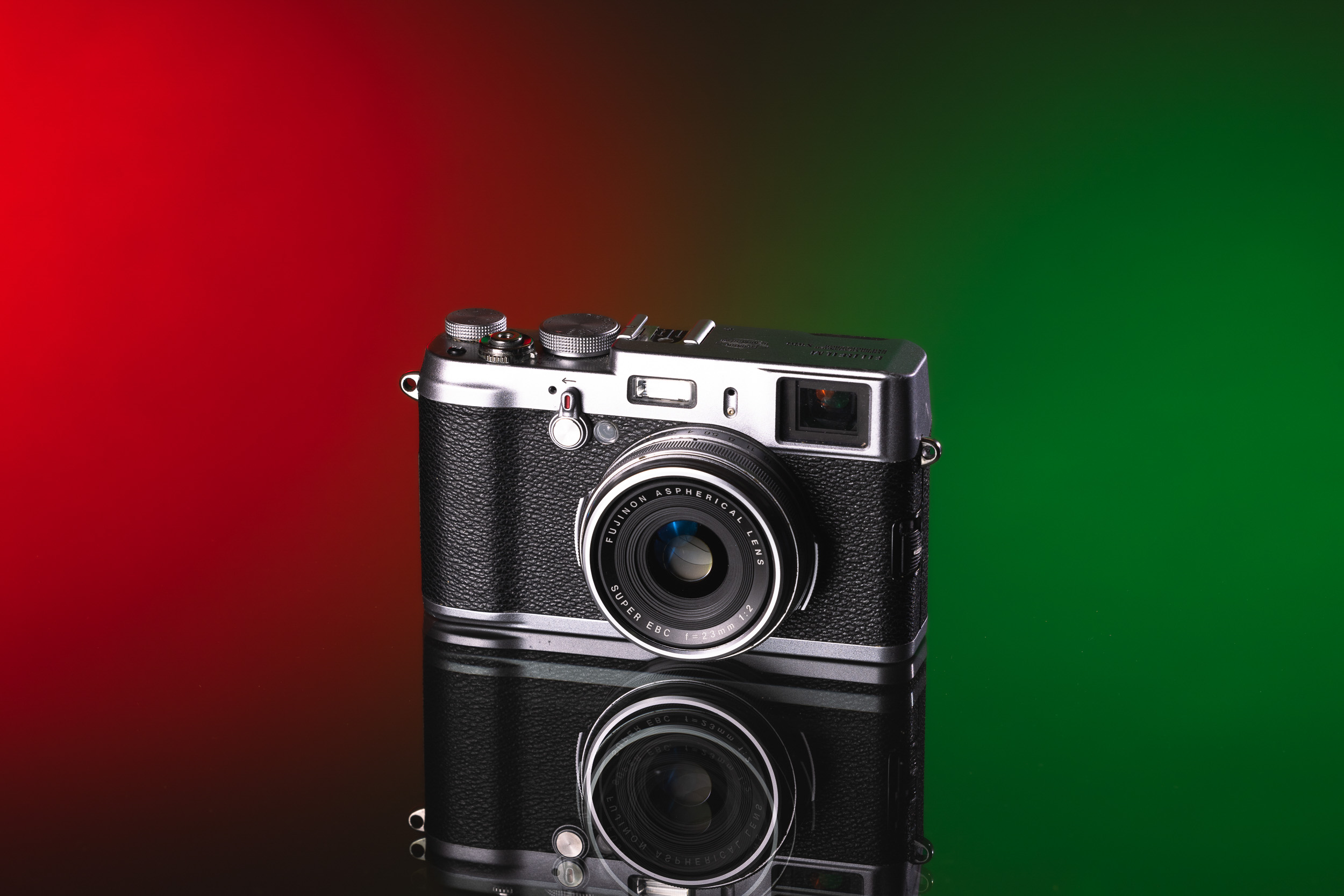
Used Fujifilm X100
Fujifilm X100
Larger sensor, hybrid viewfinder, beautiful colour science, that's the Fujifilm X100. A different experience, but excellent for street work. Not as small, so it won’t go into just any coat pocket, but more powerful. For the record, the Fujifilm X100F is my favourite digital camera of all time, but the GF1 is more appropriate for me if I am already carrying a suitcase or need to be more nimble. The X100 series is also significantly more expensive due to its cult status. Read our guide to Fujifilm X100-series.
Each of these cameras updates parts of what the GF1 does, but none replicates its exact charm.
Final Thoughts
Photographing Paris with the Panasonic GF1 felt great! It was nice to reconnect with this old pal and take advantage of the slower style of shooting. More intention than speed, which I love.
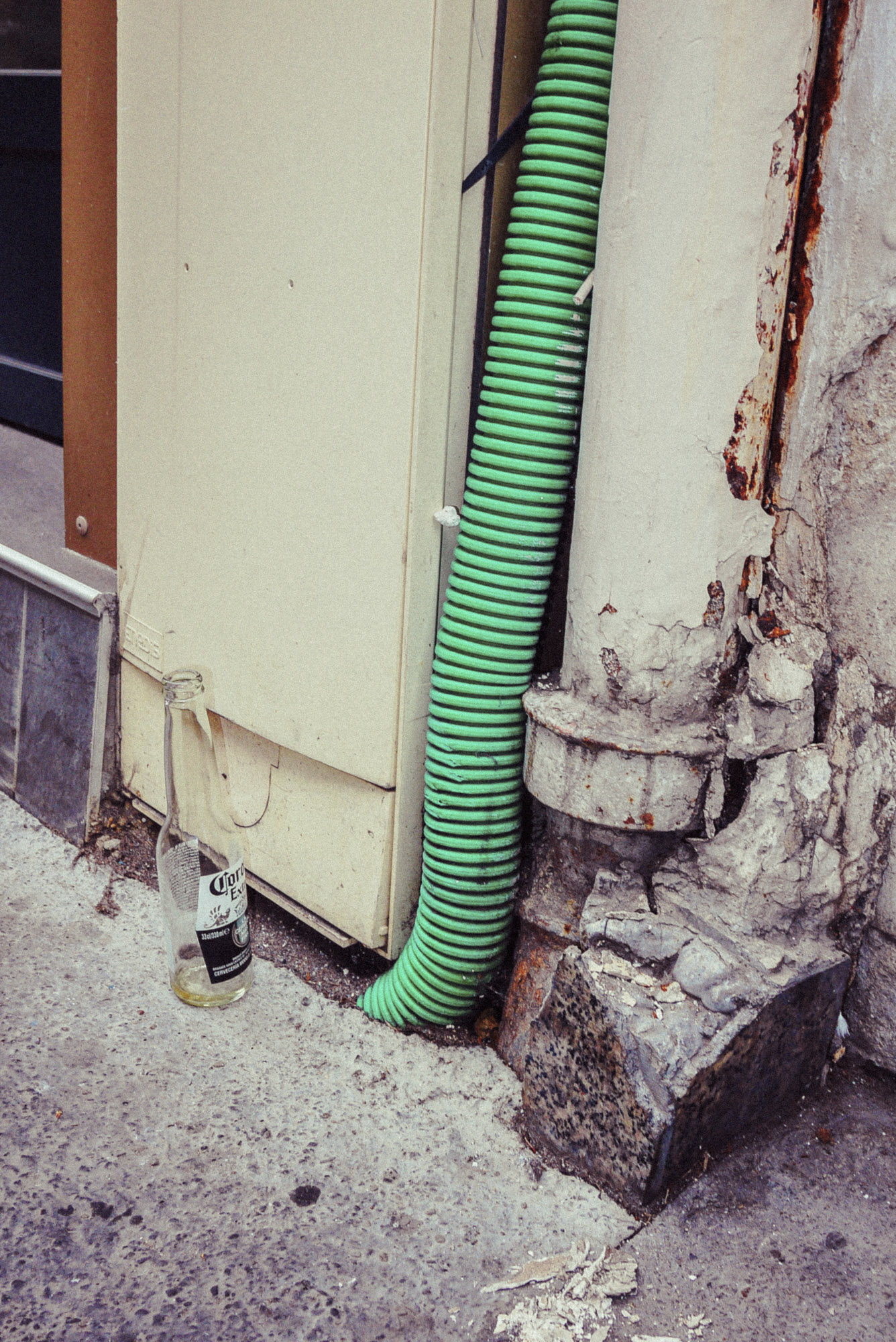
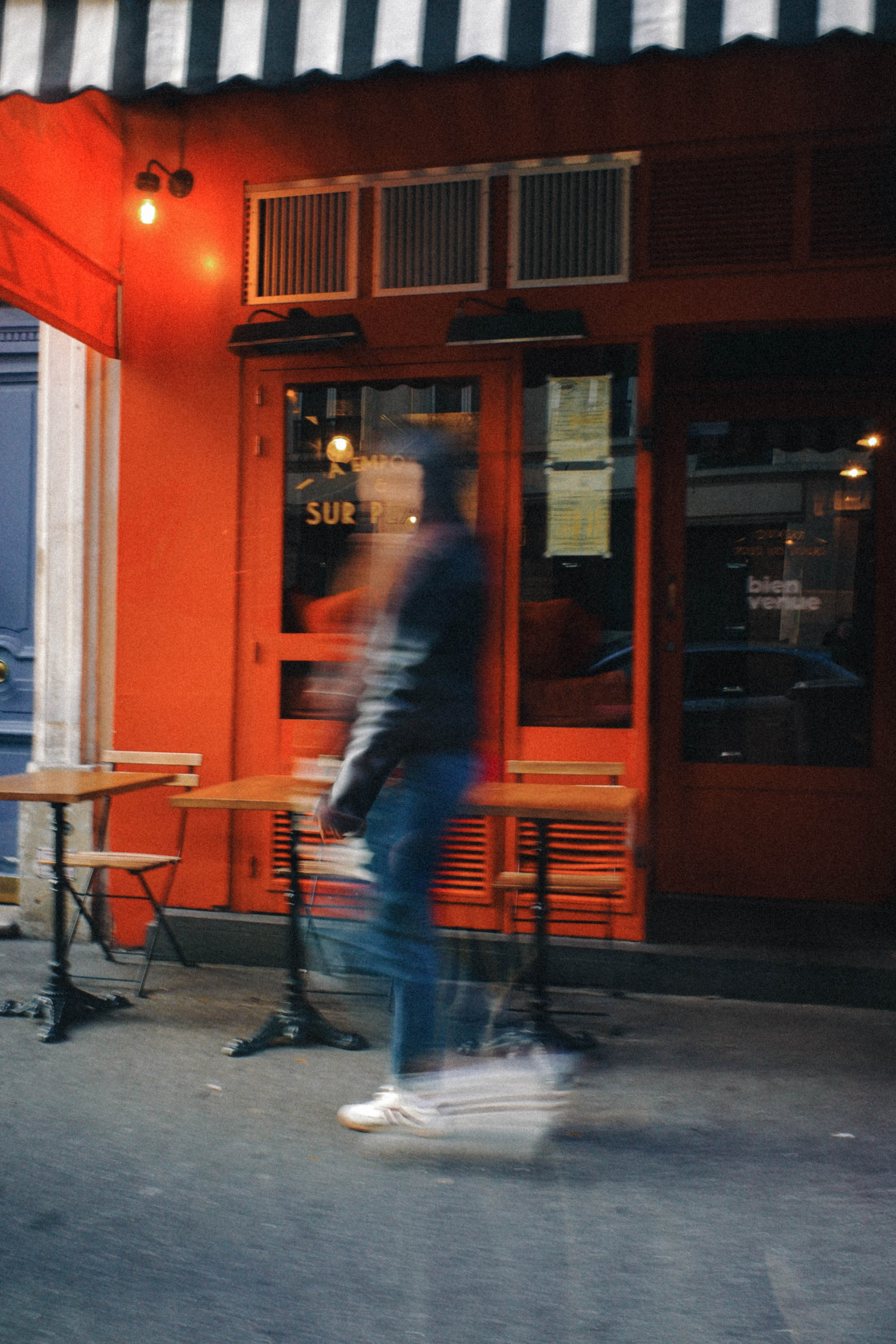
Wesley Verhoeve | Panasonic DMC-GF1 | Panasonic 20mm f/1.7 | 20mm | f/5.6 | 1/100 | ISO 200
It reminded me, once again, that great photography doesn’t need endless specs. It needs a camera I enjoy holding, that disappears when I’m in the zone, and one that gives me files I can work with. The GF1 does all of that.
If you’re looking for an affordable, lightweight, and character-filled camera for street photography in Paris or anywhere else, the Panasonic GF1 is still worth picking up, and of course, I’d recommend doing so through MPB, where I know we can rely on the gear being properly inspected and warranted for 12 months. No more random online marketplaces for me.
Review: Panasonic S1R II
In this Panasonic S1R II review, we put the camera to the test to see how it performs in real-world shooting and whether it still holds up as a high-resolution full-frame model.

Review: Panasonic S9
In this Panasonic Lumix S9 review, we look at how the camera’s compact design and full-frame sensor perform in real-world shooting.
In the Field: Fujifilm XF10
In this Fujifilm XF10 review, we take the camera on the road to see how it holds up for travel and everyday shooting.
You can sell or trade your camera kit to MPB. Get a free instant quote, free insured shipping to MPB, and get paid within days.