
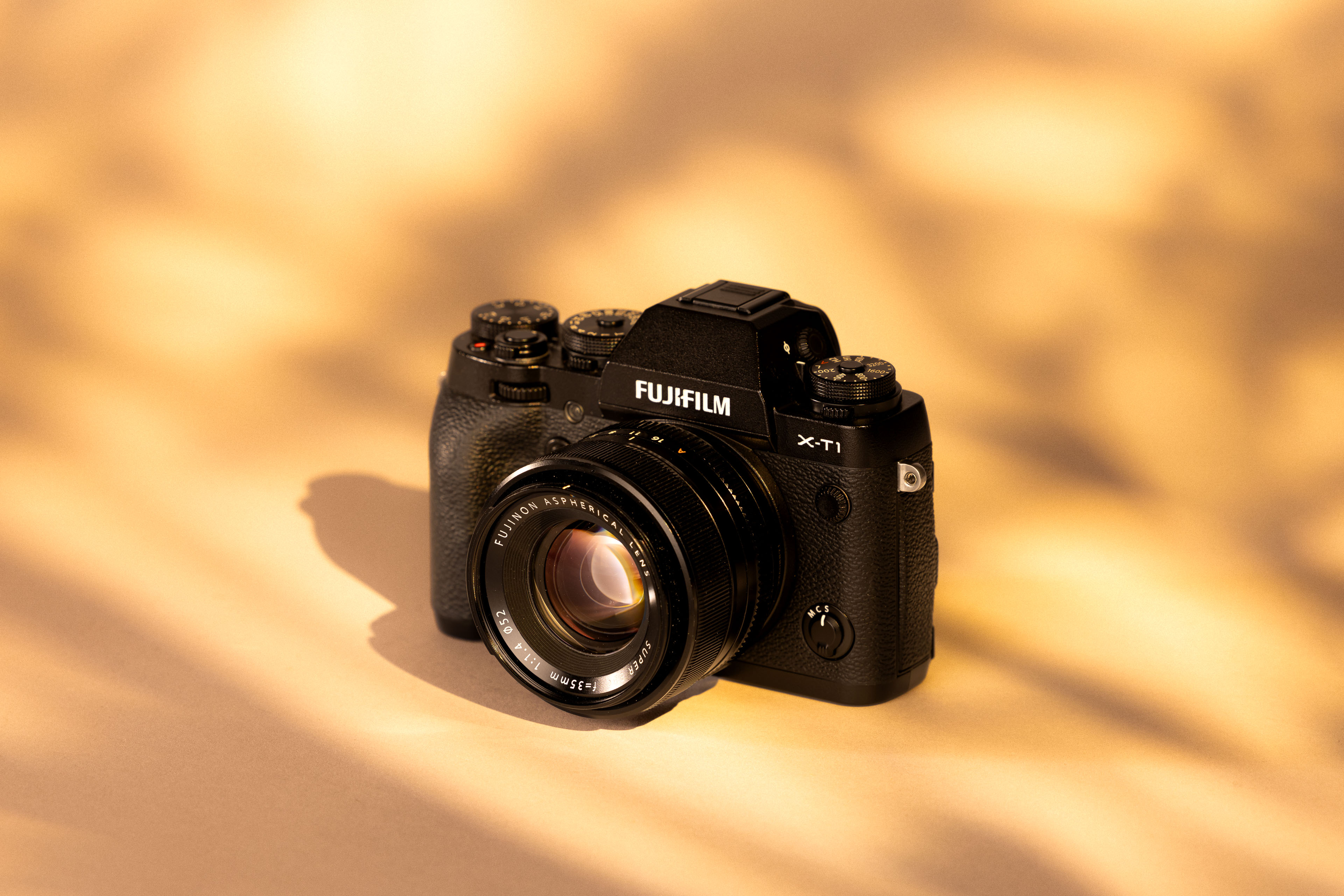
When the Fujifilm X-T1 came out in early 2014, it was a big moment for Fujifilm. This was the first camera in the X-T series, and the one that kicked off the brand’s DSLR-style mirrorless line. With its tough, weather-sealed build, those satisfying manual dials and classic looks, the X-T1 set the blueprint for many of Fujifilm’s most-loved cameras that followed.
In this Fujifilm X-T1 review, MPB’s Laura Milner explores how this 16-megapixel classic performs in 2026. She covers autofocus, dynamic range, film simulations and overall handling, sharing what it’s really like to shoot with one and why it remains a smart and affordable choice for new photographers.
Used Fujifilm X-T1
I’m new to taking photos, and I’m not being modest. I’ve always loved other people’s photography and thought I had a pretty good eye myself. But swapping my knackered iPhone 13 for a mirrorless camera like the Fujifilm X-T1 quickly taught me that I’d have to get my hands dirty and start learning if I wanted to earn my stripes as a beginner photographer.
Released in early 2014, the Fujifilm X-T1 is an old soul but a trusty sidekick for a photo walk around my local area. It’s also, it turns out, the perfect companion to help me get into the swing of things. It showed me that an older mirrorless model can be exactly what a beginner needs. I should mention I’m also pretty clumsy, so I like a camera that feels dependable.

Laura Milner | Fujifilm X-T1 | Fujifilm XF 35mm f/1.4 R | 35mm | f/1.4 | 1/4000 | ISO 200
I took the X-T1 out on a few photo walks in different conditions — from bright, crisp mornings to overcast afternoons — to really get to know its strengths, quirks and personality. I wanted to see how it handled quick changes in light, how intuitive the controls felt on the move, and how much I could trust it to keep up when inspiration struck. I suppose it was a chance for the camera to get to know me, too.
Fujifilm X-T1 Specs
Sensor | X-Trans II |
Sensor size | APS-C |
Megapixels | 16.3 |
IBIS | No |
Lens | X-mount |
ISO | 200–6400 |
ISO, exp | 100–51,200 |
Max shutter | 1/4000 |
Flash | Hot-shoe only |
Viewfinder | Electronic (EVF) |
Viewfinder dots | 2.36 |
Magnification | 1.16x (0.77x 35mm equiv.) |
Max video | 1080p |
Storage type | SD/SDHC/SDXC |
Weight, g | 440g |
Battery | NP-W126S |
Battery, shots | 350 |
Dimensions, mm | 129x90x47 |
Released | 2014 |
Pros
Easy-to-use controls
Good colour reproduction
Weather-sealed and durable
Great value on the used market
Easy to learn manual exposure
Cons
No 4K video
Modest battery life
Single SD slot
Slower continuous autofocus for moving subjects
When you’re buying a mirrorless camera, remember that the body and lens are often sold separately, so you’ll need at least one lens before you can start shooting. A good lens makes a huge difference. In fact, a great lens on an older camera will outperform a poor lens on the latest model almost every time.
For my trips out with the X-T1, I used the Fujifilm XF 35mm f/1.4 R and loved it. It helped me capture detailed shots with real character, with a look that reminded me of old film photos.

Laura Milner | Fujifilm X-T1 | Fujifilm XF 35mm f/1.4 R | 35mm | f/1.4 | 1/105 | ISO 200
Design and Handling
By the time I’d finished a photo walk or two, I’d started to appreciate just how thoughtfully designed the Fujifilm X-T1 really is. Its retro SLR styling makes you look like you know what you’re doing, as it resembles a classic, old-school camera.
Used Fujifilm X-T1
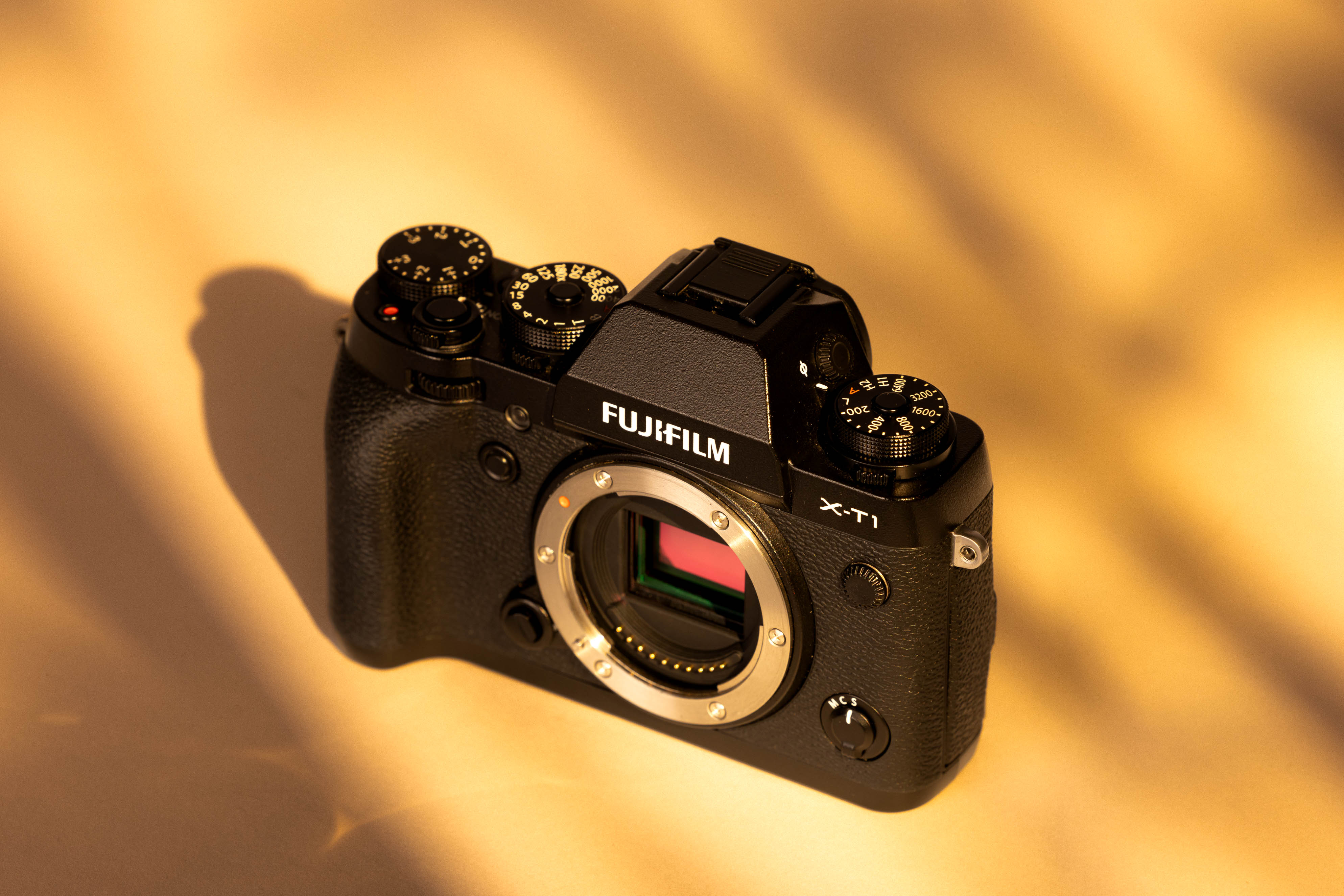
The magnesium build gives it some heft, so it feels solid in your hand and not like something you’ll accidentally fling across the pavement. Perfect for someone like me.
Used Fujifilm X-T1
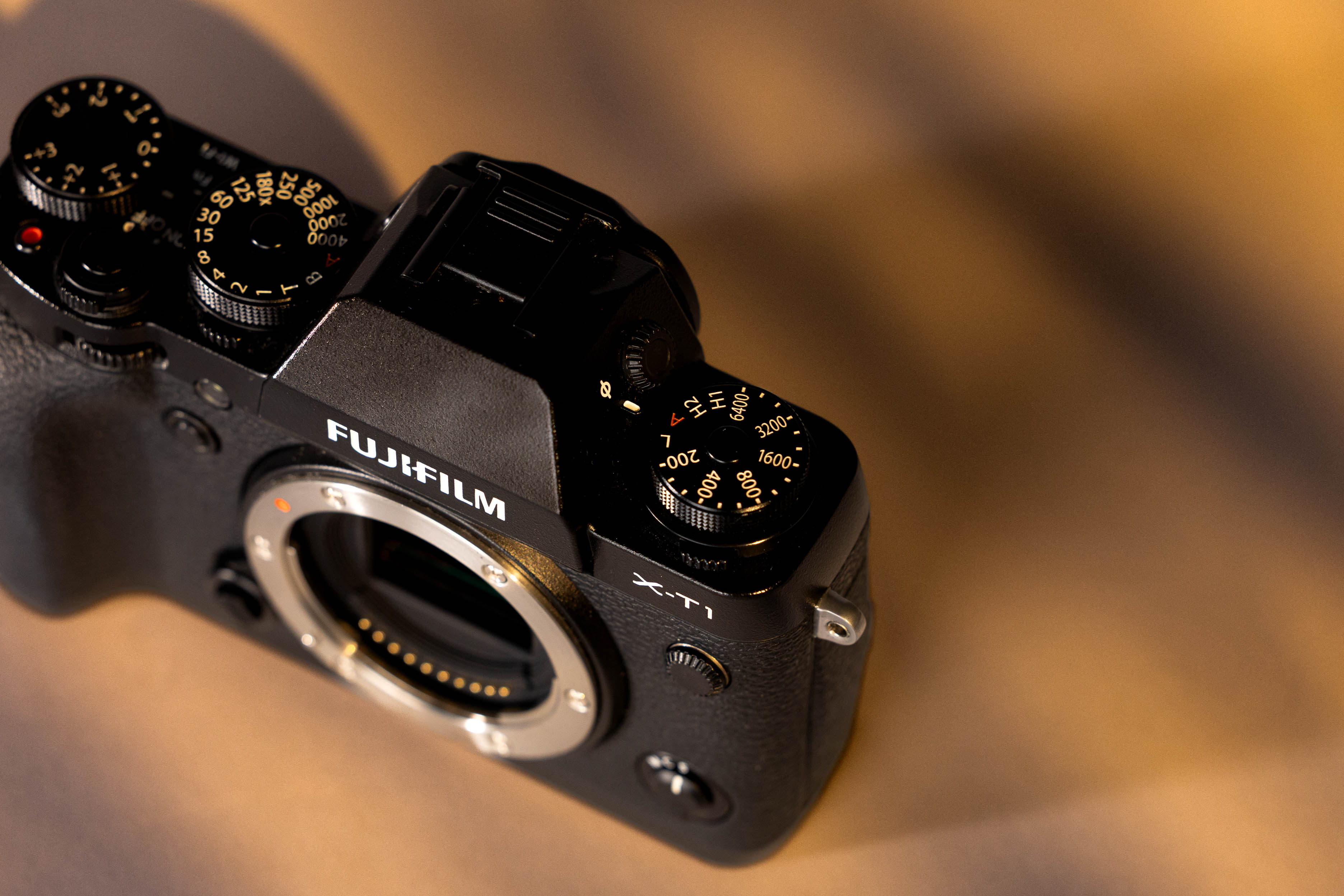
The top-plate dials are one of the X-T1’s best features. They make it satisfying to shoot and a great way to learn how shutter speed, ISO and exposure compensation interact. For a beginner, this layout makes learning exposure feel natural. Every control falls exactly where you want it.
The ISO dial did take some getting used to. It’s firm, and the lock button on top adds an extra step. It’s there to prevent you from accidentally changing ISO, which makes sense, but it can slow you down when you’re finding your flow. I found that once I got used to pressing and turning at the same time, it became second nature. If you’d rather not adjust ISO manually, you can always set it to “A” (Auto) and let the camera handle it for you. And whatever anyone tells you, that’s allowed.

Laura Milner | Fujifilm X-T1 | Fujifilm XF 35mm f/1.4 R | 35mm | f/2.0 | 1/60 | ISO 400
Beginner Tip: Spend a few minutes adjusting the dials and observing how they affect your exposure in real-time. It’s one of the best ways to learn how the triangle of aperture, shutter speed and ISO works.
I didn’t find myself reaching for the tilting screen much but that’s probably down to my inexperience. I felt more comfortable looking through the electronic viewfinder (EVF), but I can appreciate how useful the screen could be for street photography or travel photography. It allows you to frame shots from lower or higher angles without drawing too much attention to yourself.
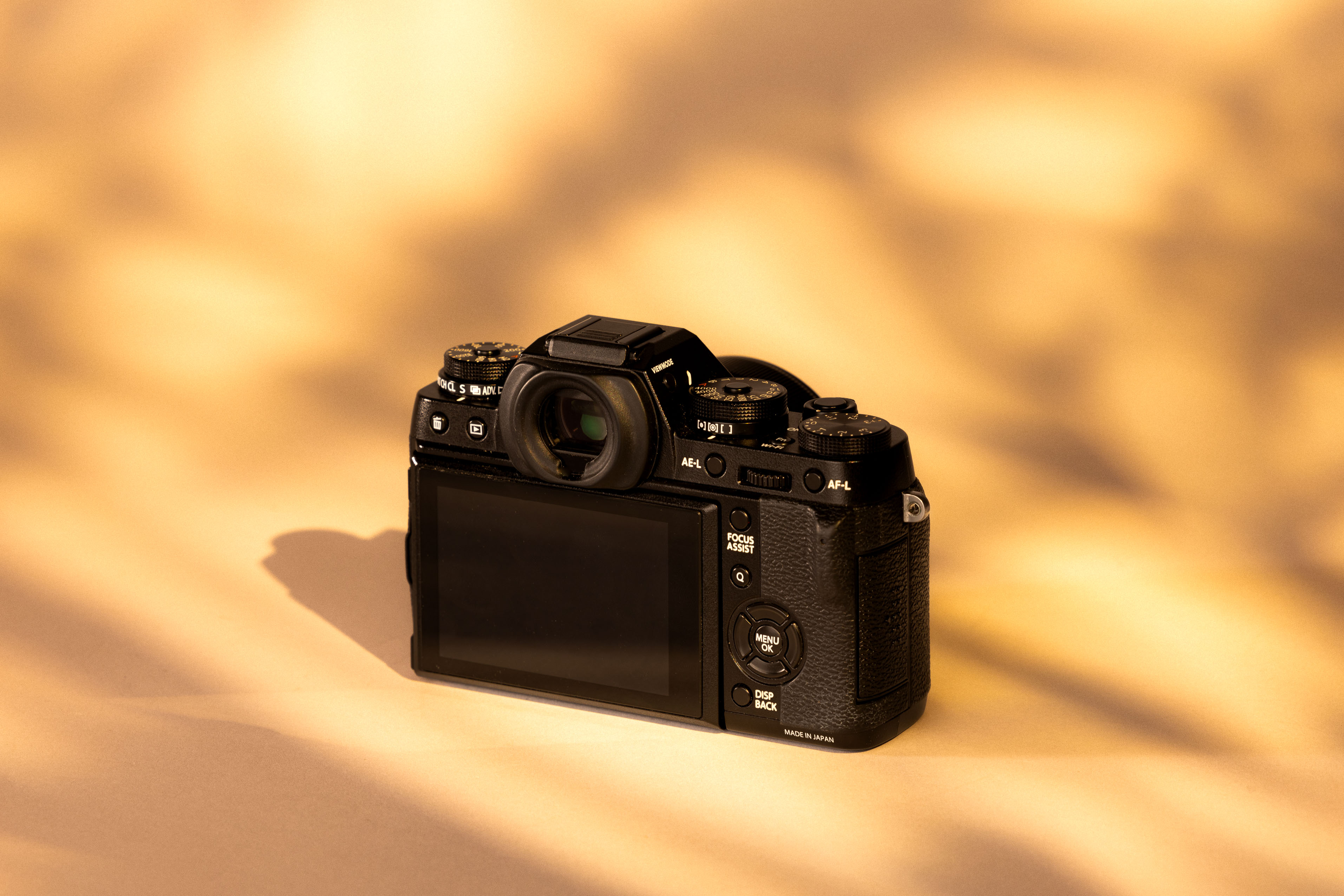
Used Fujifilm X-T1
The X-T1’s weather sealing was also a welcome reassurance, especially in England, where the clouds seem to consistently drizzle.
Shooting Performance
Autofocus
The X-T1’s autofocus was quick and reliable, particularly with its 8fps burst mode. Once I took a moment to compose my shots, it locked focus quickly and accurately. That said, I probably wouldn’t reach for it if I were shooting something fast-moving — say, a racing car or a squirrel escaping a curious dog — as its tracking autofocus shows its age.
For trickier subjects like those, switching to MF (manual focus mode) will help you. To use manual focus on the Fujifilm X-T1, slide the focus mode selector to “M” and use the focus ring to adjust focus manually. The manual focus aids, like focus peaking and split image, make it easy to fine-tune your shot, which is especially helpful when you’re learning to balance focus with instinct. The fastest subjects I managed to capture clearly were people.
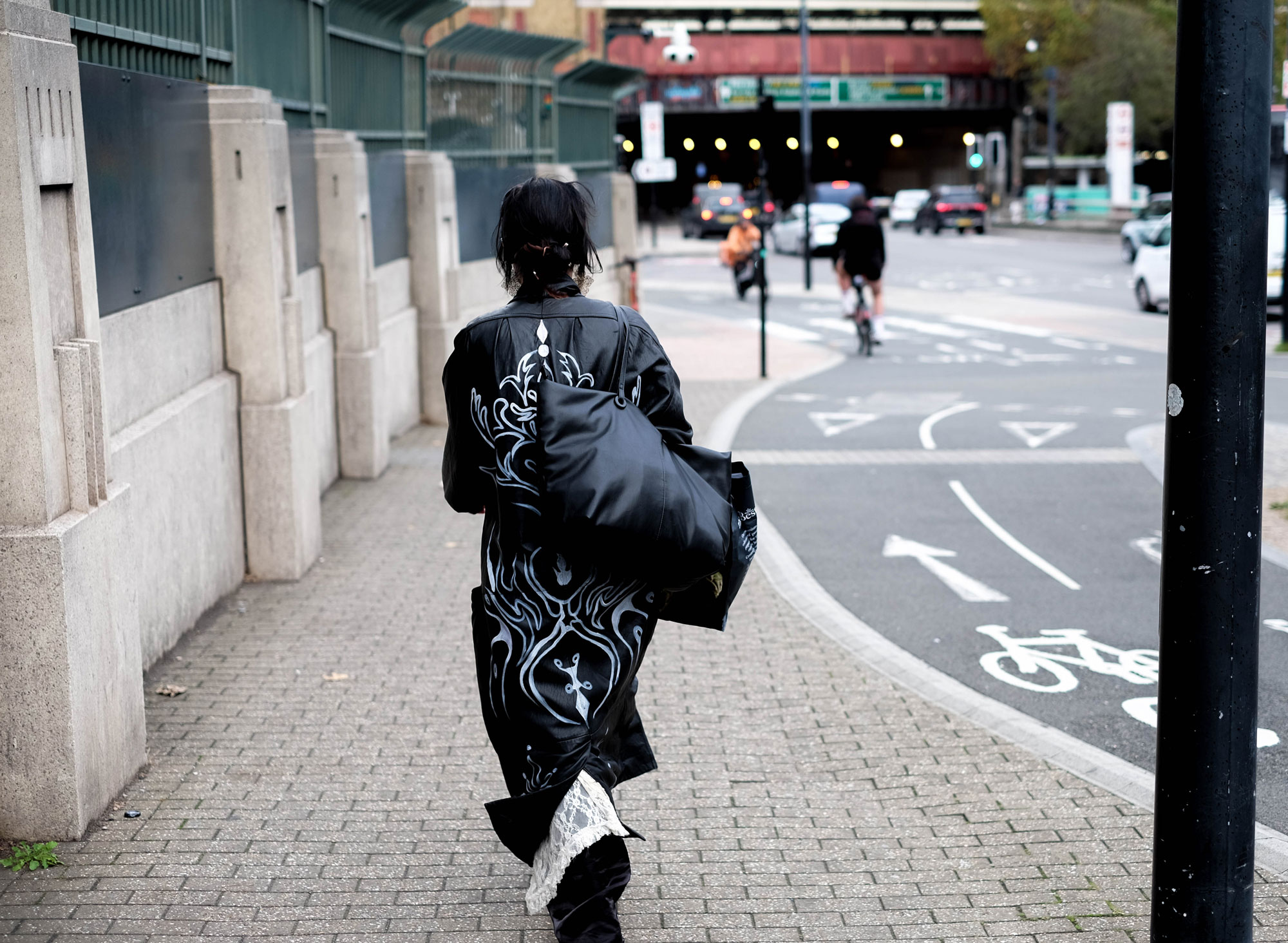
Laura Milner | Fujifilm X-T1 | Fujifilm XF 35mm f/1.4 R | 35mm | f/2.0 | 1/350 | ISO 200
ISO and Low-Light Performance
For an older model, the X-T1 still holds its own when the light dips. I was brave on some of my outings and tried to get a few shots in low light, though I didn’t end up shooting much at higher ISOs this time.
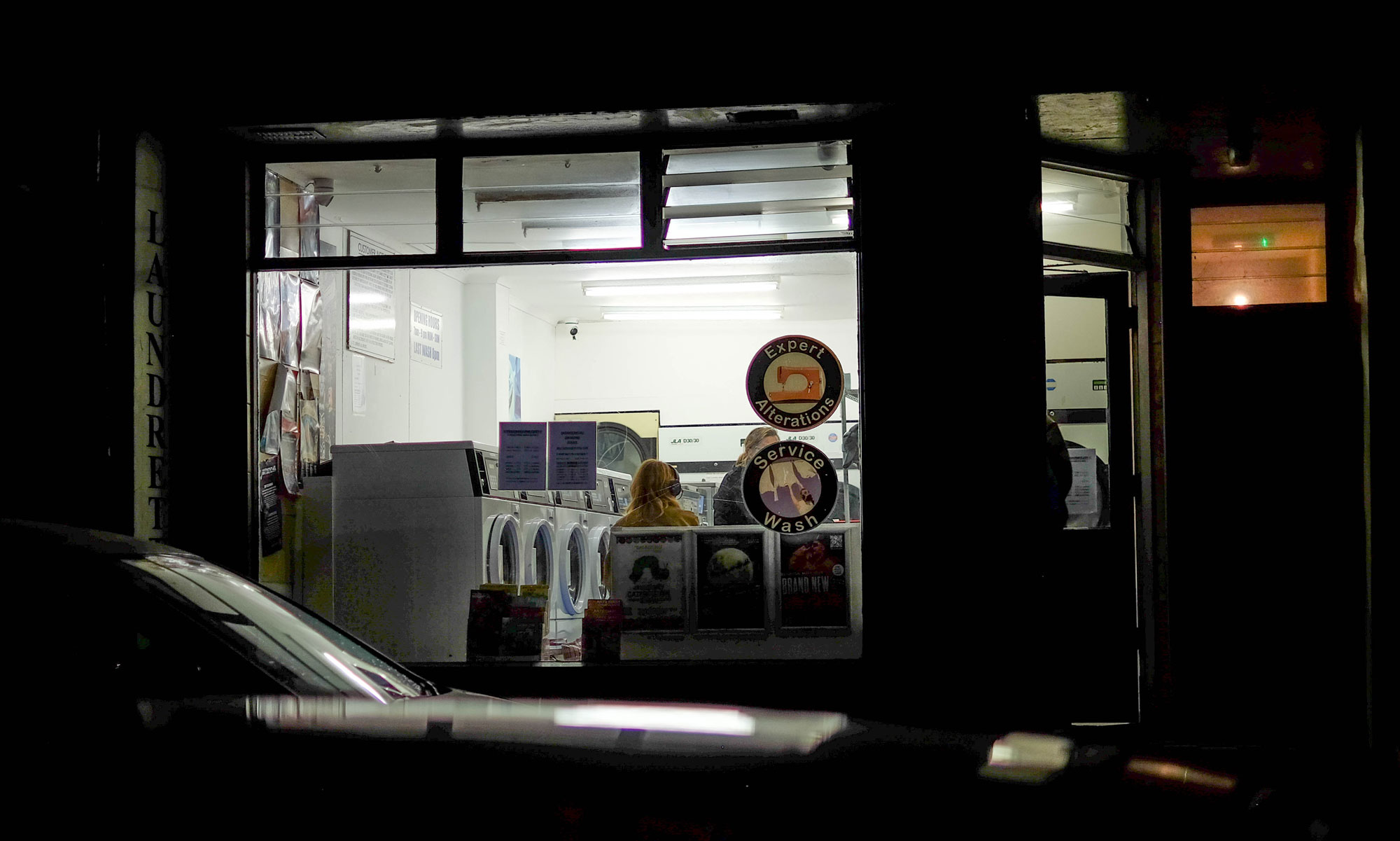
Laura Milner | Fujifilm X-T1 | Fujifilm XF 35mm f/1.4 R | 35mm | f/1.4 | 1/160 | ISO 200
Beginner Tip: Don’t be afraid of higher ISO settings like I was. It’s better to capture the moment with a little grain than miss it completely. These days, noise removal tools are so good that you don’t have to worry about it.
Battery
Considering I took it on a few two or three-hour walks, I found it a little frustrating that the X-T1’s battery ran out fairly quickly. I was turning the camera on and off to capture the shots I wanted, as well as experimenting with the various settings, but I wasn’t shooting anything particularly high-energy.
Essentially, you should bring a spare, fully charged battery or two on longer outings. It is an older camera, after all.
Tip: You can save battery life with a few quick wins: turn off High Performance mode, use the EVF instead of the LCD when you can and disable Wi-Fi when you’re not using it.
I didn’t need to use it myself, but it’s worth mentioning that the X-T1 can connect to a smartphone or tablet via the Fujifilm Camera Remote app. This lets you transfer images, change settings remotely, or even use your device as a viewfinder. It’s especially handy for shooting long exposures, group photos or self-portraits when you don’t want to touch the camera and risk shaking it.

Laura Milner | Fujifilm X-T1 | Fujifilm XF 35mm f/1.4 R | 35mm | f/1.4 | 1/170 | ISO 200
Image Quality
Fujifilm’s colour science has a cult following for a reason, and the X-T1’s 16 megapixel X-Trans II sensor is a big part of that. It produces rich, detailed images with beautifully balanced tones. Colours look vibrant without feeling overdone, and skin tones stay natural straight out of the camera. I should admit that I made a few small adjustments to exposure and contrast in editing, but nothing major. Fujifilm’s colour science really does most of the work for you.
The dynamic range holds up well for an older sensor, especially in RAW files, giving you plenty of flexibility to recover detail in highlights or shadows. Like other Fujifilm models, the X-T1 includes an excellent in-camera RAW developer, so you can tweak your photos without using a computer. Just select a RAW file in playback, choose the RAW Conversion option from the menu, and adjust things like film simulation, white balance or tone curve right there in-camera.
Beginner Tip: Try editing one of your RAW files directly on the camera before using software. It helps you to understand how different settings change your image.

Amy Moore | Fujifilm X-T1 | Fujifilm XF 16-55mm f/2.8 R LM WR | 21mm | f/5.0 | 1/500 | ISO 200
Film Simulation Modes and Colour Science
I may be new to photography, but I already know I’m not really someone who gets too excited about film simulations. I tried out Provia, Velvia, Astia, Pro Neg Hi and Pro Neg Std, and felt most at home with Provia Standard. Compared to Fujifilm’s newer cameras, the selection here is smaller, but for me, it was more than enough to experiment with and learn what kind of look I liked (or didn’t).
Velvia brings out punchy colours that pop in landscapes, while the Pro Neg modes give softer, more cinematic tones. Each one encourages you to play around with colour and mood, which makes the X-T1 a brilliant camera for learning how style can shape an image, even if you don’t end up using them much yourself. I mostly used them as inspiration before I shot.
Sample Images
I’ve included a couple of my own shots here, along with some taken by MPB’s Amy Moore, who’s a considerably more experienced photographer than I am. It’s a nice reminder of what the X-T1 can do in the hands of a skilled photographer.
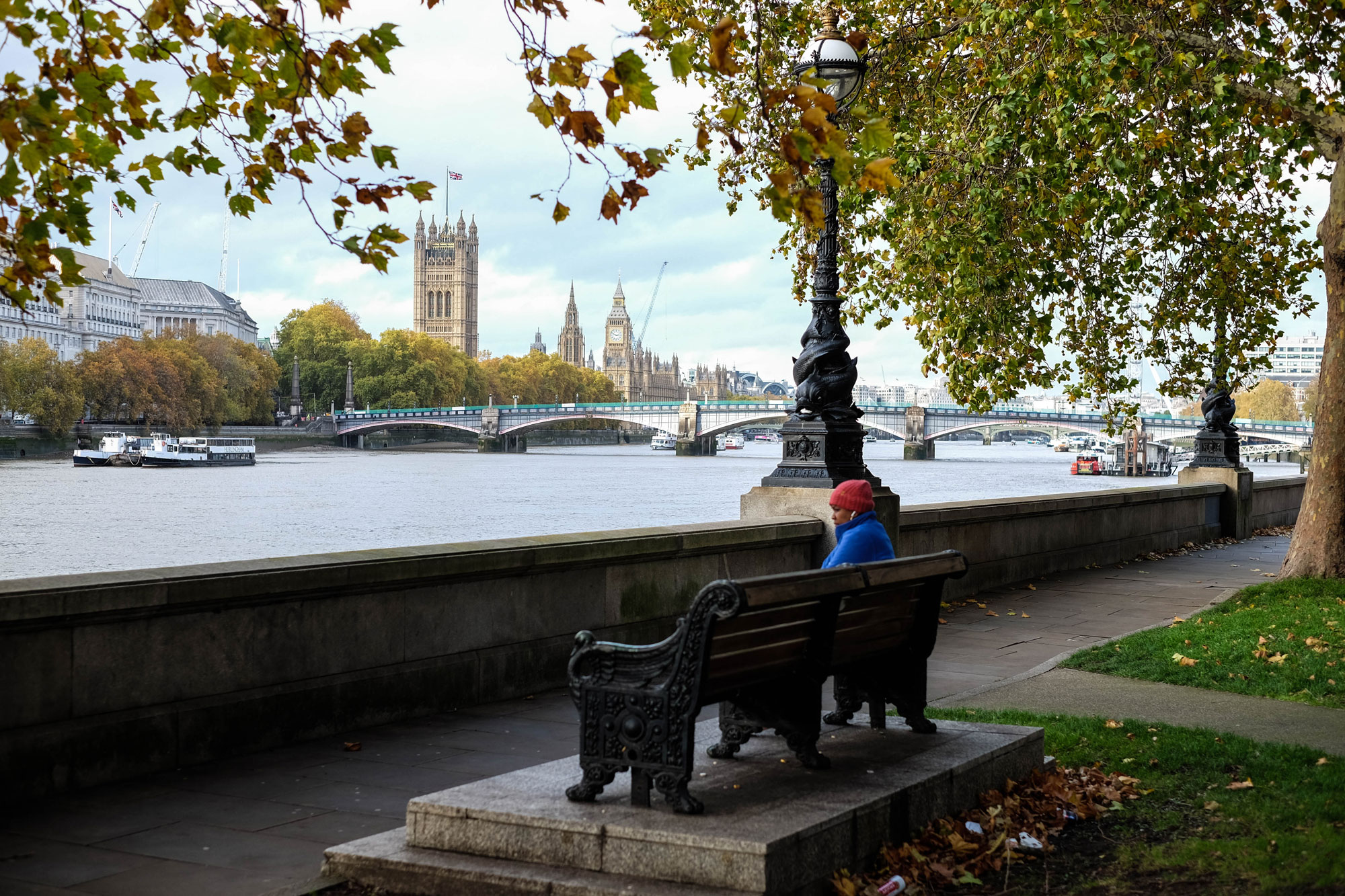
Laura Milner | Fujifilm X-T1 | Fujifilm XF 35mm f/1.4 R | 35mm | f/2.5 | 1/350 | ISO 200

Amy Moore | Fujifilm X-T1 | Fujifilm XF 16-55mm f/2.8 R LM WR | 16mm | f/6.4| 1/500 | ISO 200

Amy Moore | Fujifilm X-T1 | Fujifilm XF 16-55mm f/2.8 R LM WR | 46mm | f/4.0| 1/500 | ISO 200

Amy Moore | Fujifilm X-T1 | Fujifilm XF 16-55mm f/2.8 R LM WR | 38mm | f/4.0| 1/250 | ISO 200

Amy Moore | Fujifilm X-T1 | Fujifilm XF 14mm f/2.8 | 14mm | f/8.0 | 1/250 | ISO 200
Video
I’d heard a few bad things about the X-T1’s video performance before I took it out, so I didn’t have high hopes. What I discovered for myself was that the X-T1 isn’t ideal for video. The resolution maxes out at 1080/60p. That’s fine for casual clips you’re throwing up on social, but not suitable for professional work.
Note that there’s no 4K support, meaning it can’t record ultra-high-definition video, and there’s no in-body image stabilisation (IBIS), so any handheld footage can look a bit shaky. If you want stabilisation from your X-T1 setup, you’ll need a lens with optical image stabilisation (OIS).
Who is the X-T1 for in 2026?
As I’ve said about fifteen million times now, I’m still relatively new to photography. However, I actually felt fairly confident shooting with the X-T1. It’s one of the first times I’ve loaded my photos onto a computer and not immediately picked them apart.
In my opinion, the X-T1 is an ideal first camera for beginners, students or enthusiasts who want to get hands-on with manual photography. It’s a great partner for outdoor shoots, street photography or travel, where you can slow down and learn what each setting does.
If you’re moving on from a smartphone, like me, the X-T1 feels like your first real taste of what using a proper camera is like. It’s simple to use but still gives you full control, making every shot feel that bit more rewarding. It’s straightforward too, and there’s something satisfying about creating an image intentionally rather than letting automation do it all for you. You can print your shots comfortably up to A3, and the quality is more than good enough for the internet’s favourite gallery (your social feed).
Alternatives to the Fujifilm X-T1
If you like the X-T1’s retro style but prefer something a bit newer, or you have a slightly healthier budget, there are several great options available, especially when browsing the secondhand market.
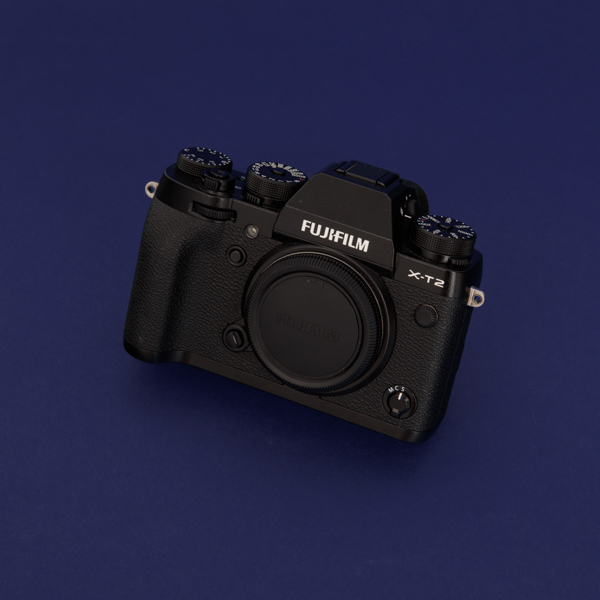
Used Fujifilm X-T2
Fujifilm X-T2
The Fujifilm X-T2 is the X-T1’s slightly more grown-up sibling. It’s got a newer 24 megapixel sensor, quicker autofocus and shoots in 4K, but it still has that same old-school look and solid build. If you love Fujifilm’s colour and controls but want a bit more performance, this one’s worth a look. Read the Fujifilm X-T2 review.
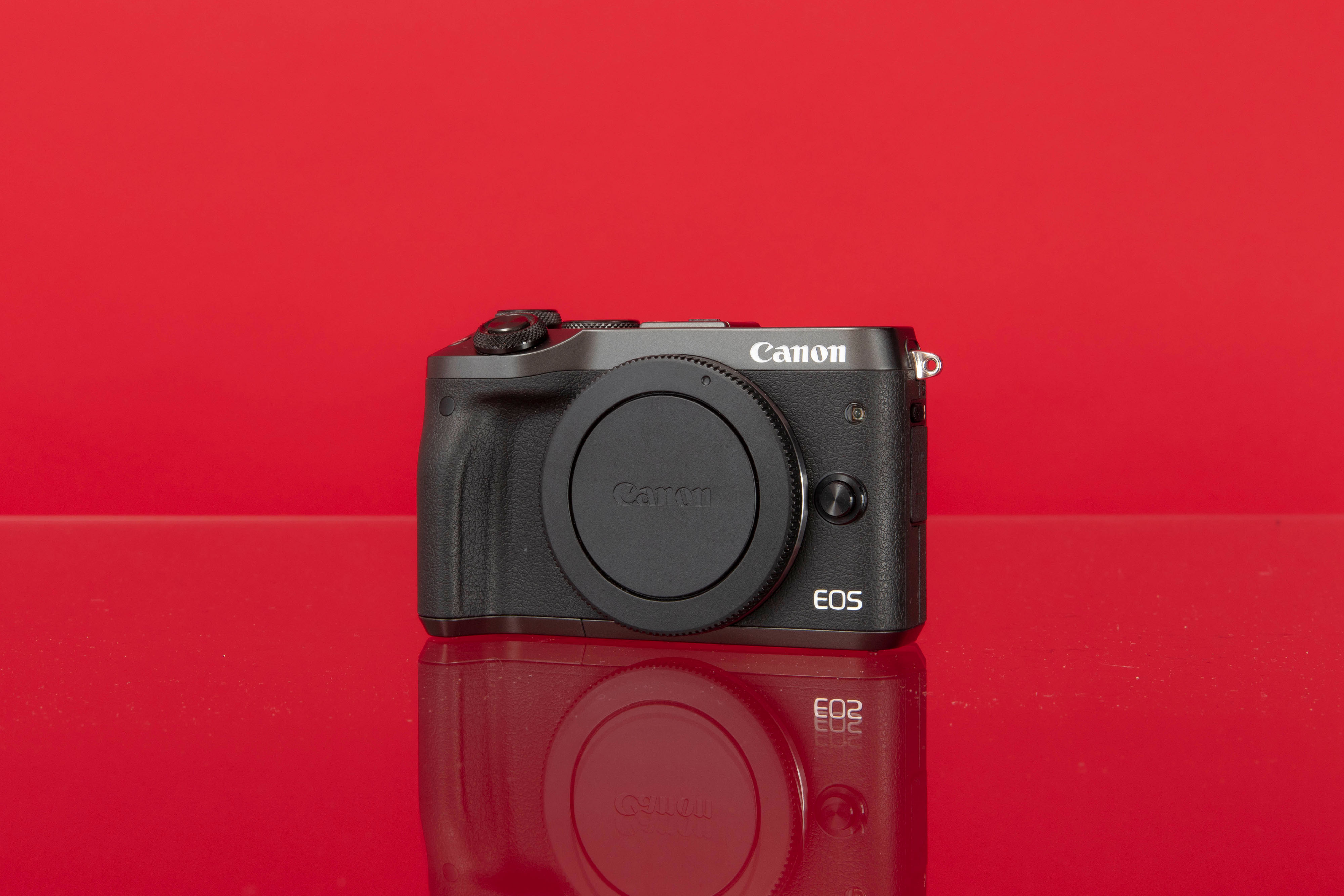
Used Canon EOS M6
Canon EOS M6
The Canon EOS M6 is smaller, lighter and simpler to use. You don’t get the retro dials, but its touchscreen makes shooting intuitive. It’s a great pick if you want something compact for everyday photos or travel. Read the Canon EOS M6 review.
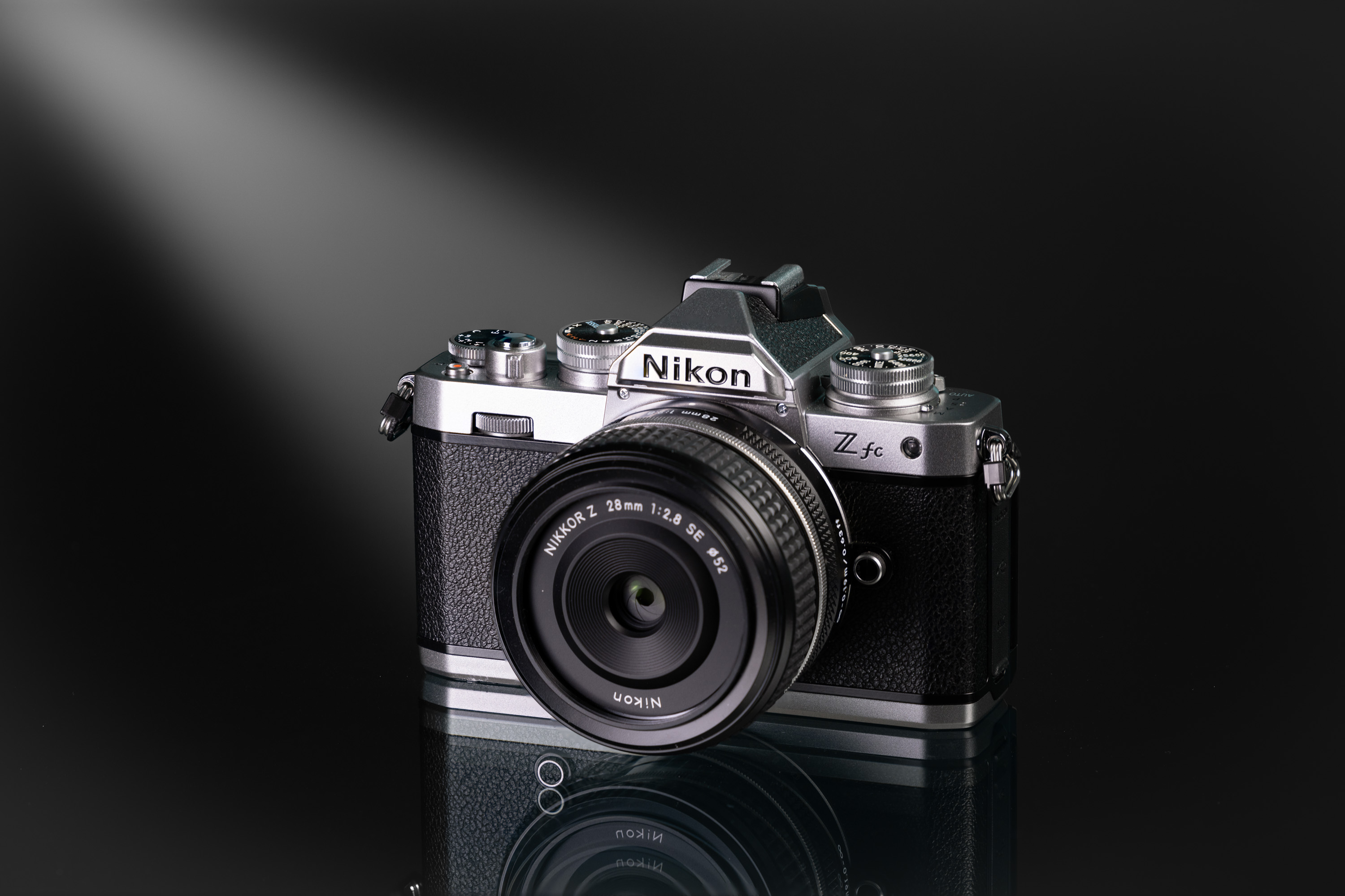
Used Nikon Z fc and Nikon Nikkor Z 28mm f/2.8
Nikon Z fc
If you love the vintage energy the X-T1 gives, you’ll probably like the Nikon Z fc too. It’s got a similar look but with newer tech inside, with a 20.9 megapixel sensor, 4K video and fast autofocus.
https://youtu.be/Z_mVY1NmGhg?rel=0Whatever route you go down, all three cameras make learning photography fun and hands-on. That’s what it’s really about, right? Check out our Nikon Z fc review.
Beginner’s Verdict
I love that this camera is affordably priced and rewards curiosity, especially for beginners. It’s great for anyone learning photography, exploring street or travel photography, or looking for a shooting experience that modern cameras often hide behind touchscreens and menus.
If I were to head out with the X-T1 again, I’d experiment more with higher ISOs and spend a bit more time trying to love its film simulations. They’re known as one of Fujifilm’s real strengths, and the X-T1 handles them beautifully once you start playing around.
The Fujifilm X-T1, although more than a decade old, is one of the most satisfying cameras for learning the craft. It encourages you to take control, experiment and make mistakes. And that’s exactly how you get better.
FAQs
Is the Fujifilm X-T1 full frame?
No, the Fujifilm X-T1 isn’t full frame. It has a smaller APS-C sensor, resulting in slightly cropped images compared to those from a full frame camera.
What lenses match it well?
The X-T1 uses Fujifilm’s X-mount system, which gives you plenty of choice. Fujifilm’s XF and XC lenses work perfectly: the XF 18-55mm f/2.8-4 R LM OIS is a great all-rounder, the Fujinon XF16-80mm f/4 R OIS WR is ideal for travel, and the Fujinon XF 35mm f/1.4 R (used for some of the photos in this review) is brilliant for portraits and low light. Fujinon is just the name Fujifilm uses for its lenses, so don’t let that confuse you.
Read more camera gear guides on the MPB content hub.
You can sell or trade your camera kit to MPB. Get a free instant quote, free insured shipping to MPB, and get paid within days.