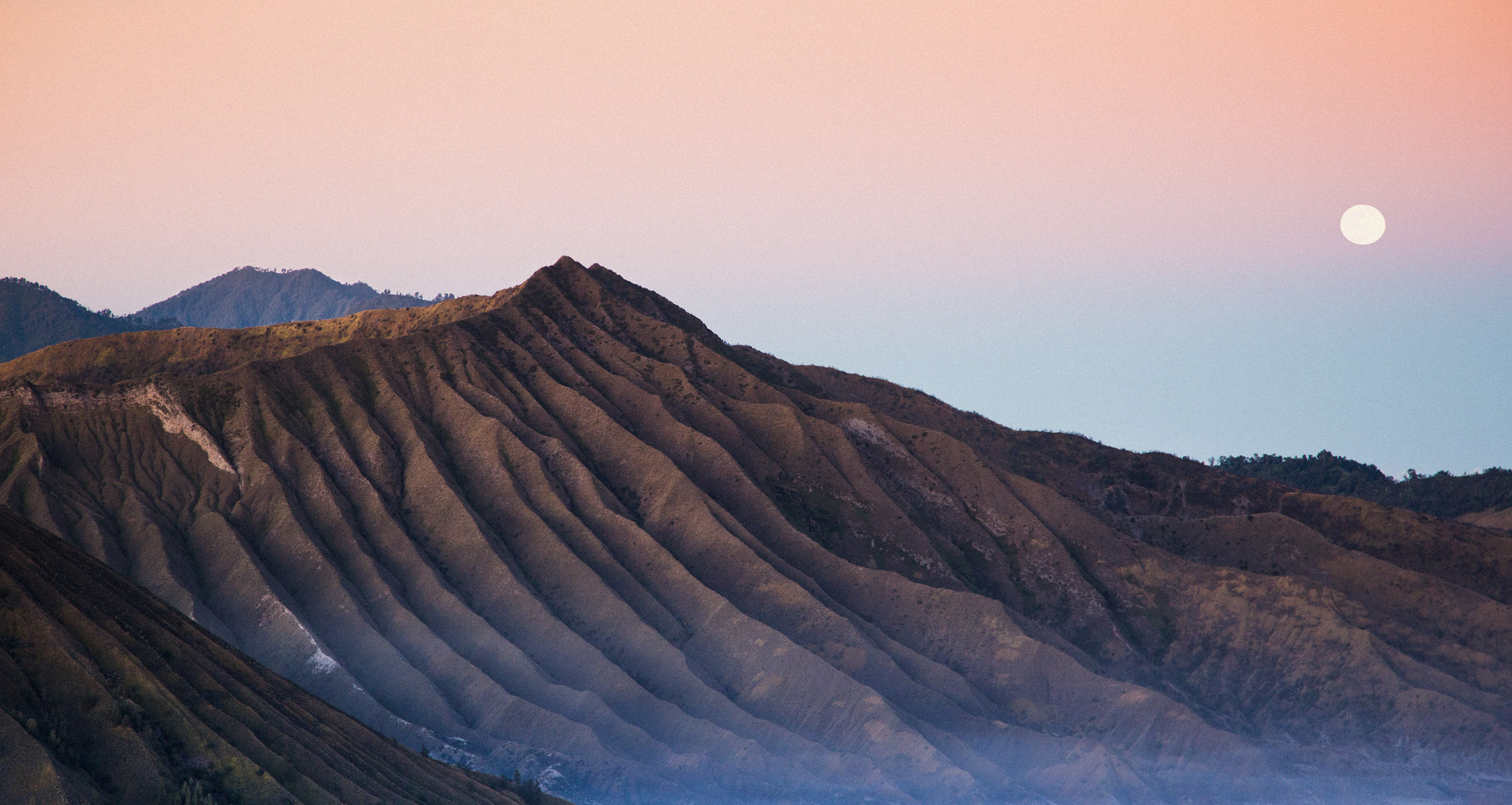
MPB Meets: Light Painting Photographer Reuben Wu
Published 24 May 2019 by MPB
Photographer Reuben Wu was a founding member of the cult electronic rock band Ladytron, but has come to the attention of photographers around the world for his innovative light painting photography. In this interview with MPB, Reuben Wu discusses his journey into photography, light-painting techniques and camera gear.
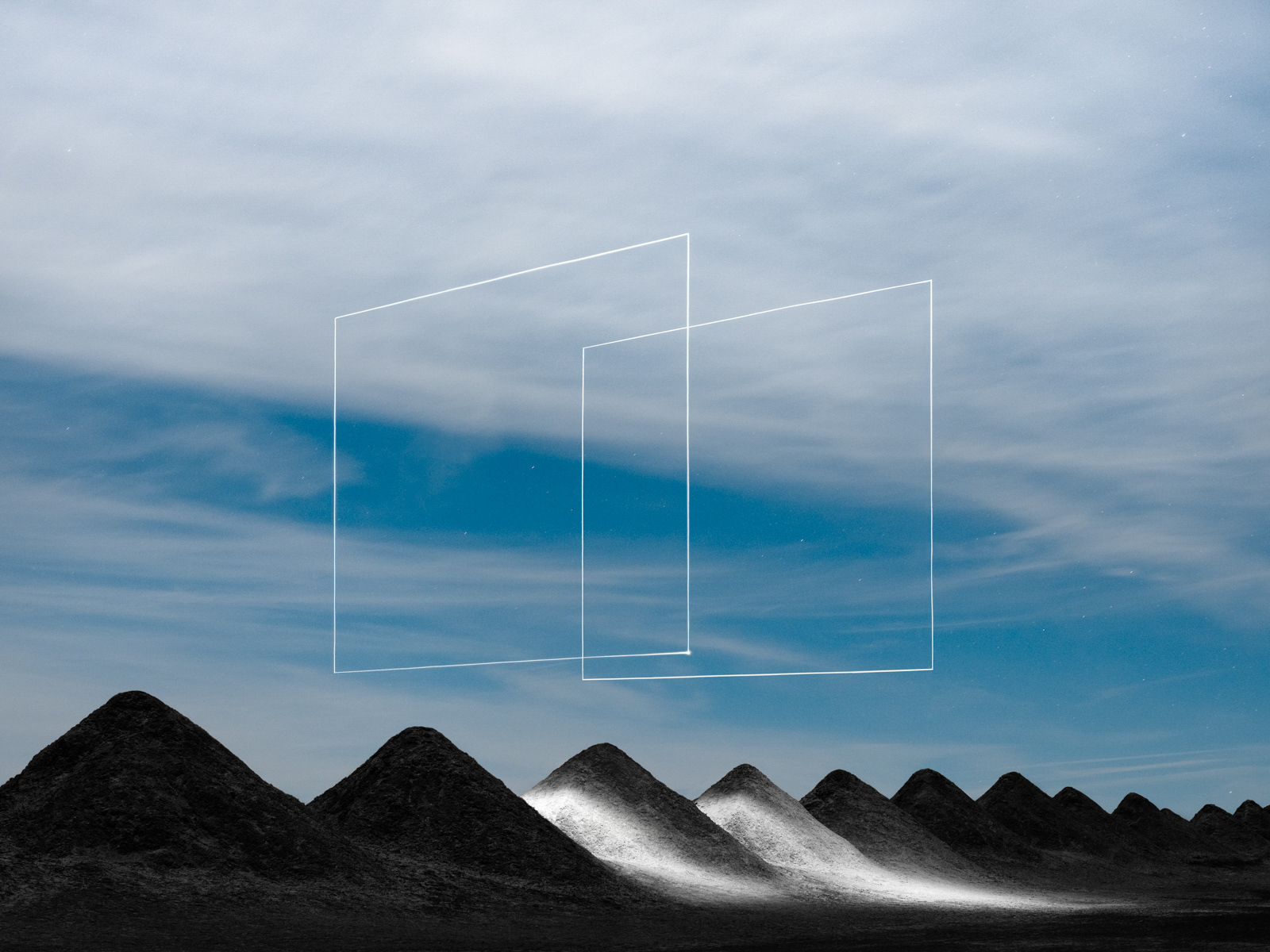
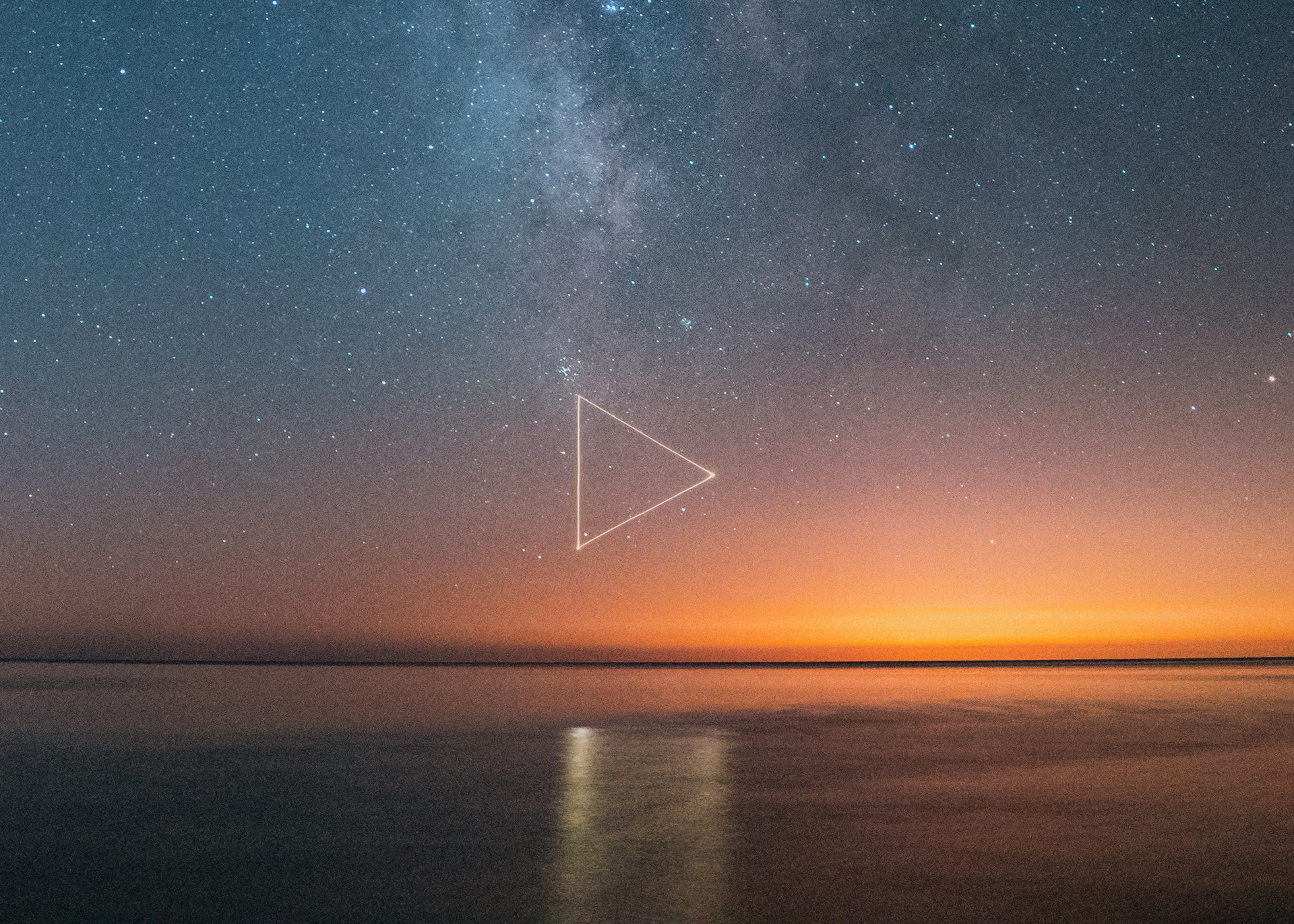
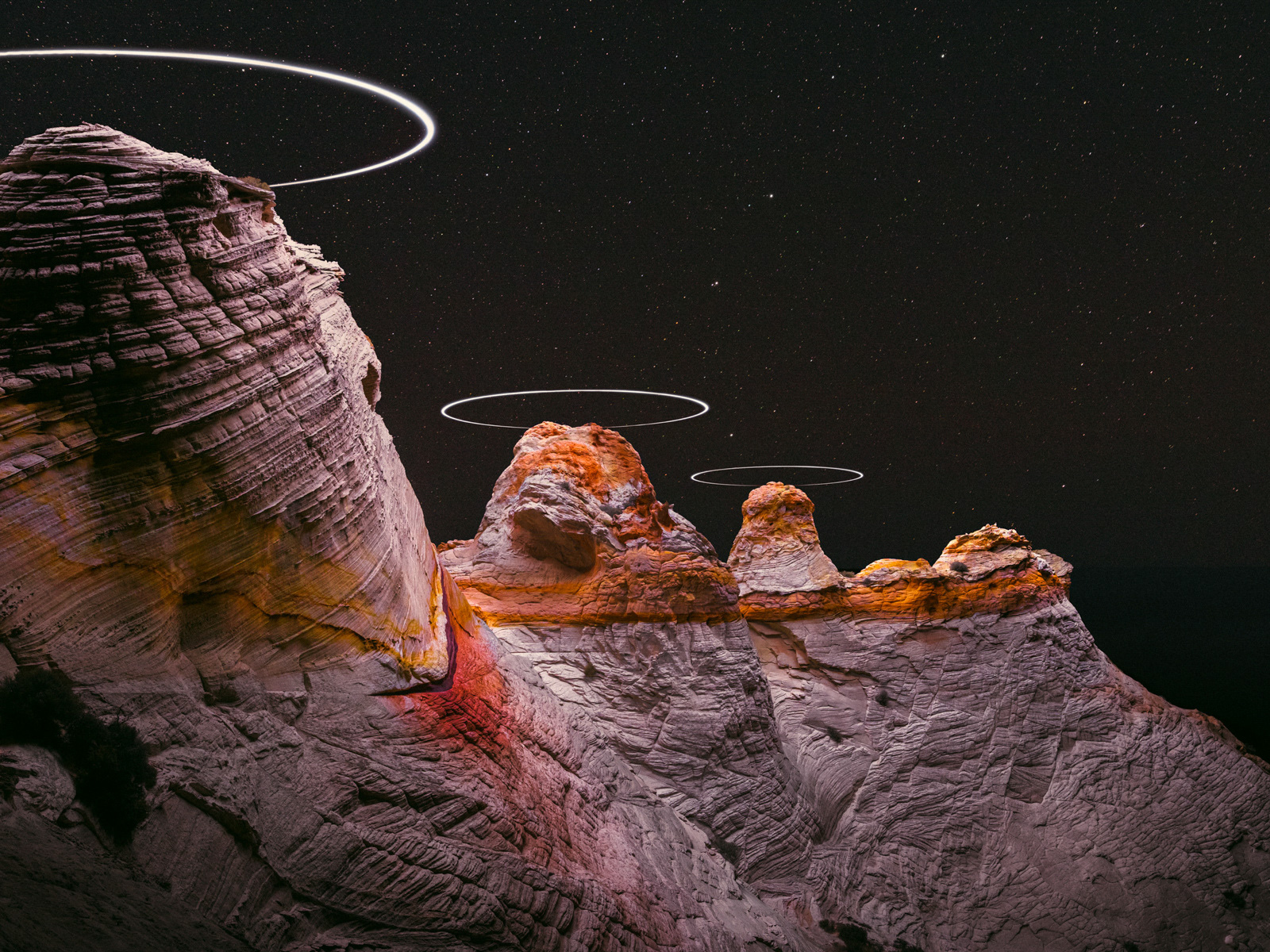
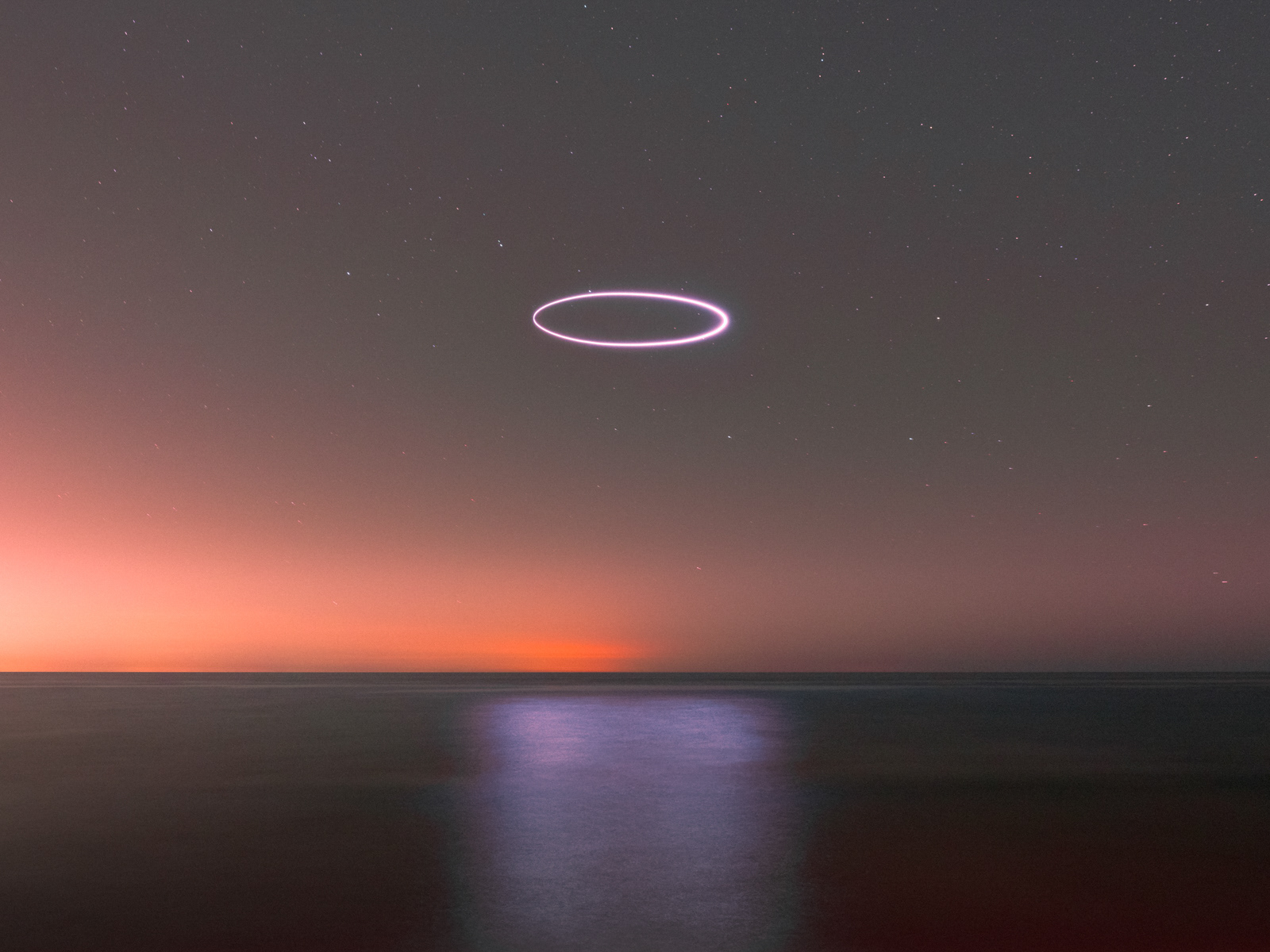
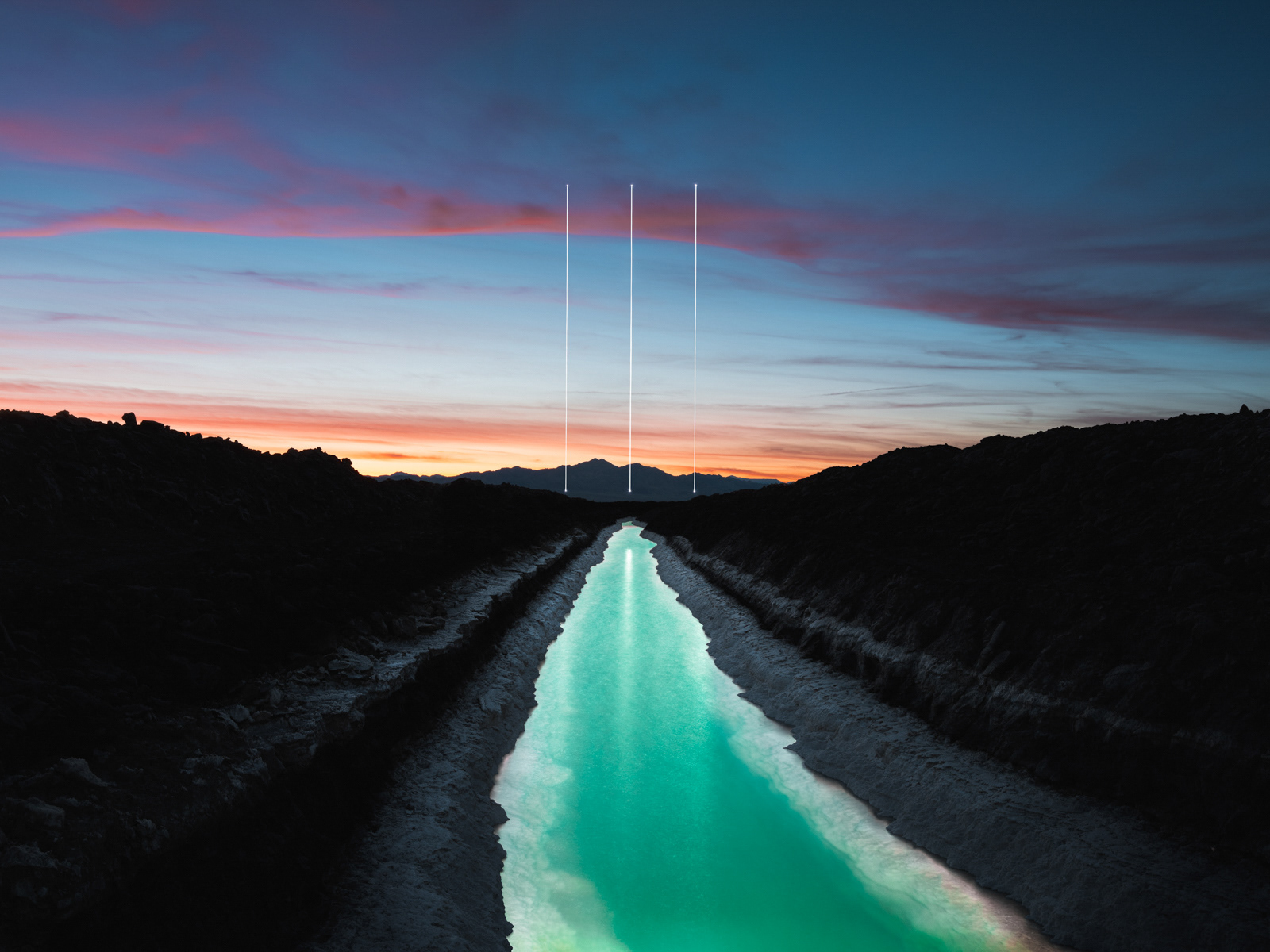
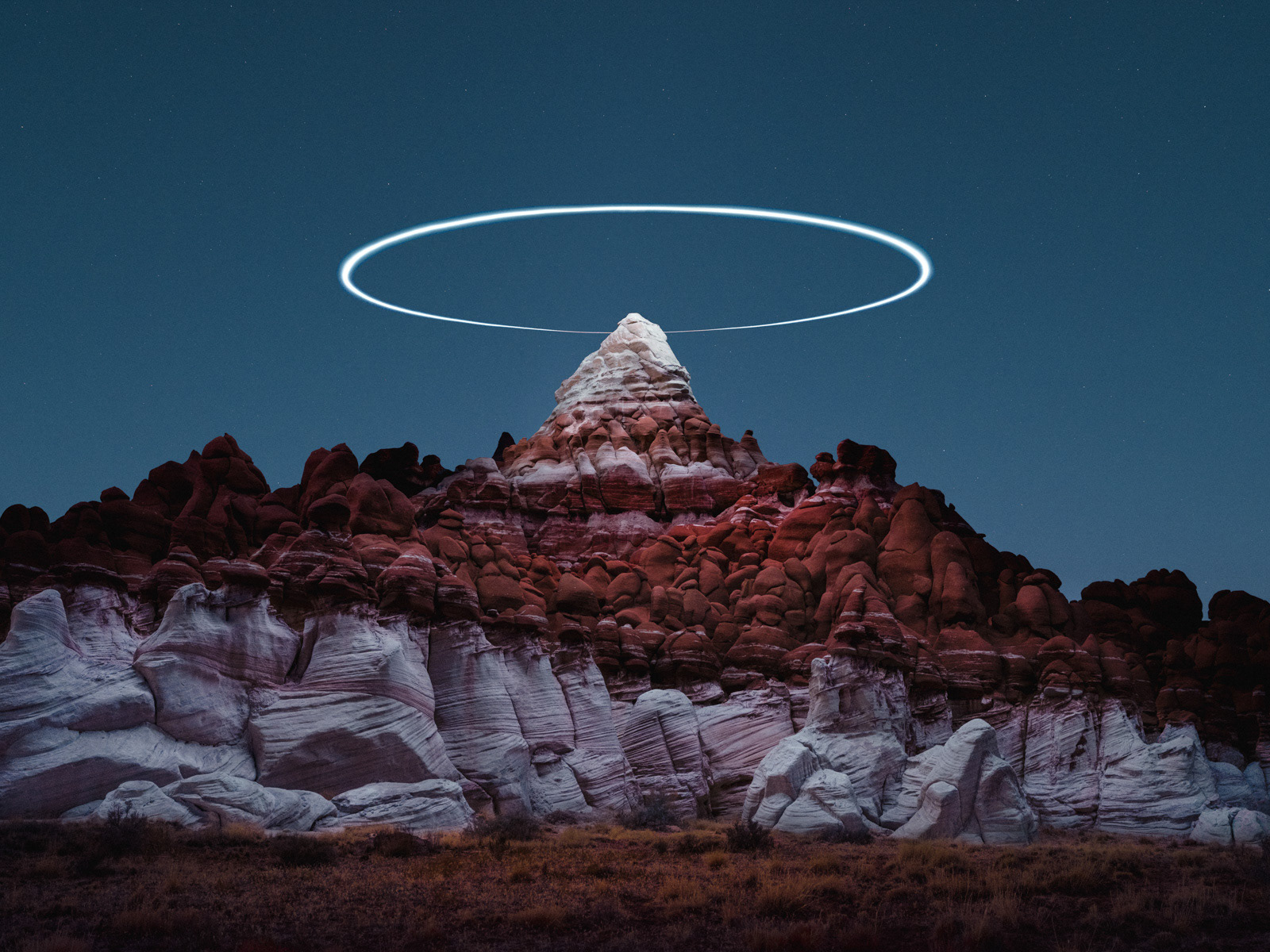
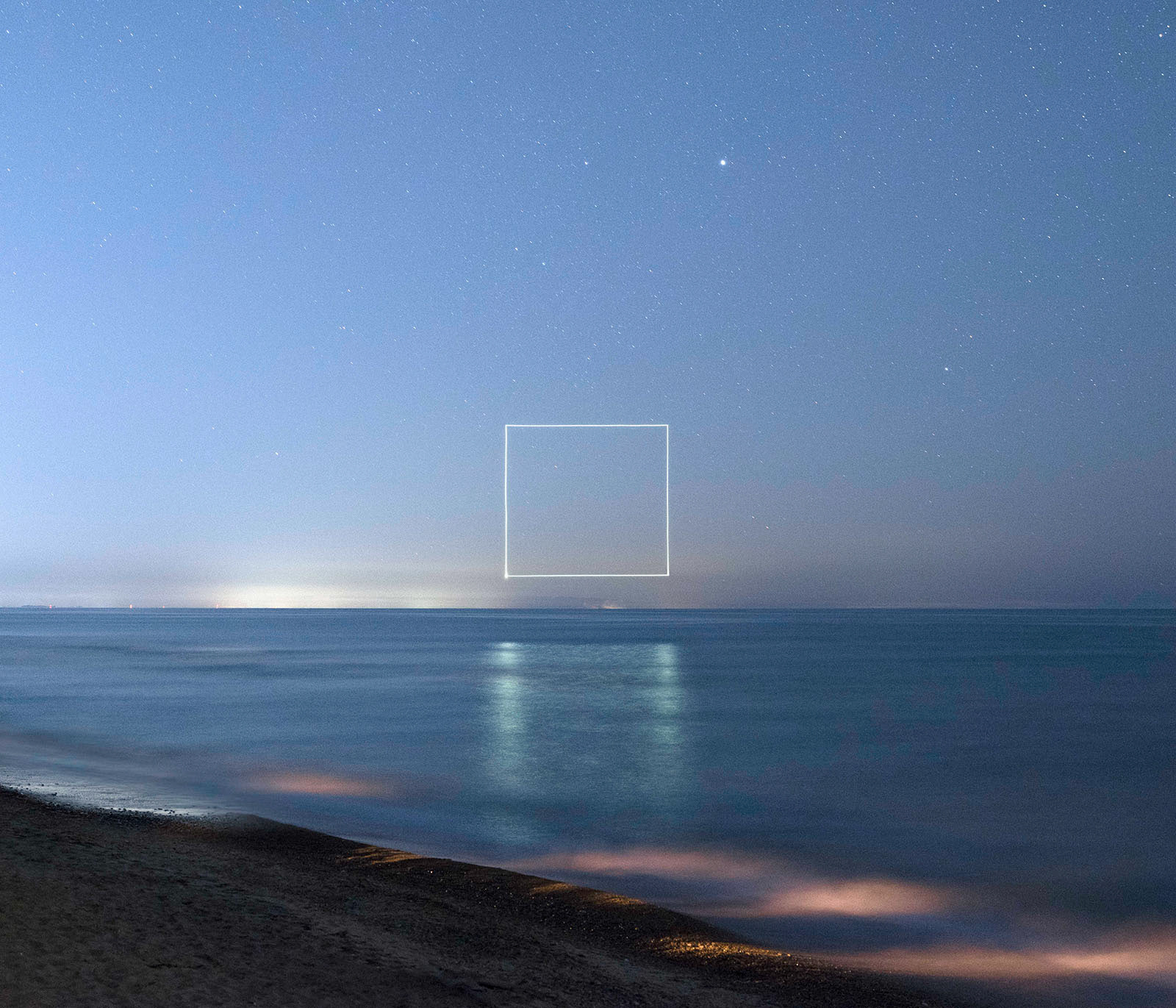
Reinventing a medium is one of the most difficult things to do, no less with photography. However, every so often, someone comes along and really changes our perceptions of what is possible. One of these people is Reuben Wu. While his work is varied, it was his unique images—involving drones painting light in geometric shapes—that really caught our eye. Beautiful, mysterious and perfectly exposed.
"Another way to experiment and create"
MPB: How did you get into photography?
RW: I grew up with drawing as my main visual passion. But as I got involved with the band and music, I began using the camera — first as a documentary tool — and then gradually as another way to experiment and create working with images. As an industrial designer at the time, I was drawn to old cameras and all their idiosyncrasies rather than modern cameras of the day.
"I kept this private for many years"
MPB: How did you manage your time between playing with Ladytron and your photography?
RW: When I was full-time with the band — a period of ten years up until 2011 — photography was an alternative outlet for my creativity. Making music in the band is and was very collaborative, so working with photography felt more personal. I actually kept this private for many years — like posting under anonymous names on Flickr.
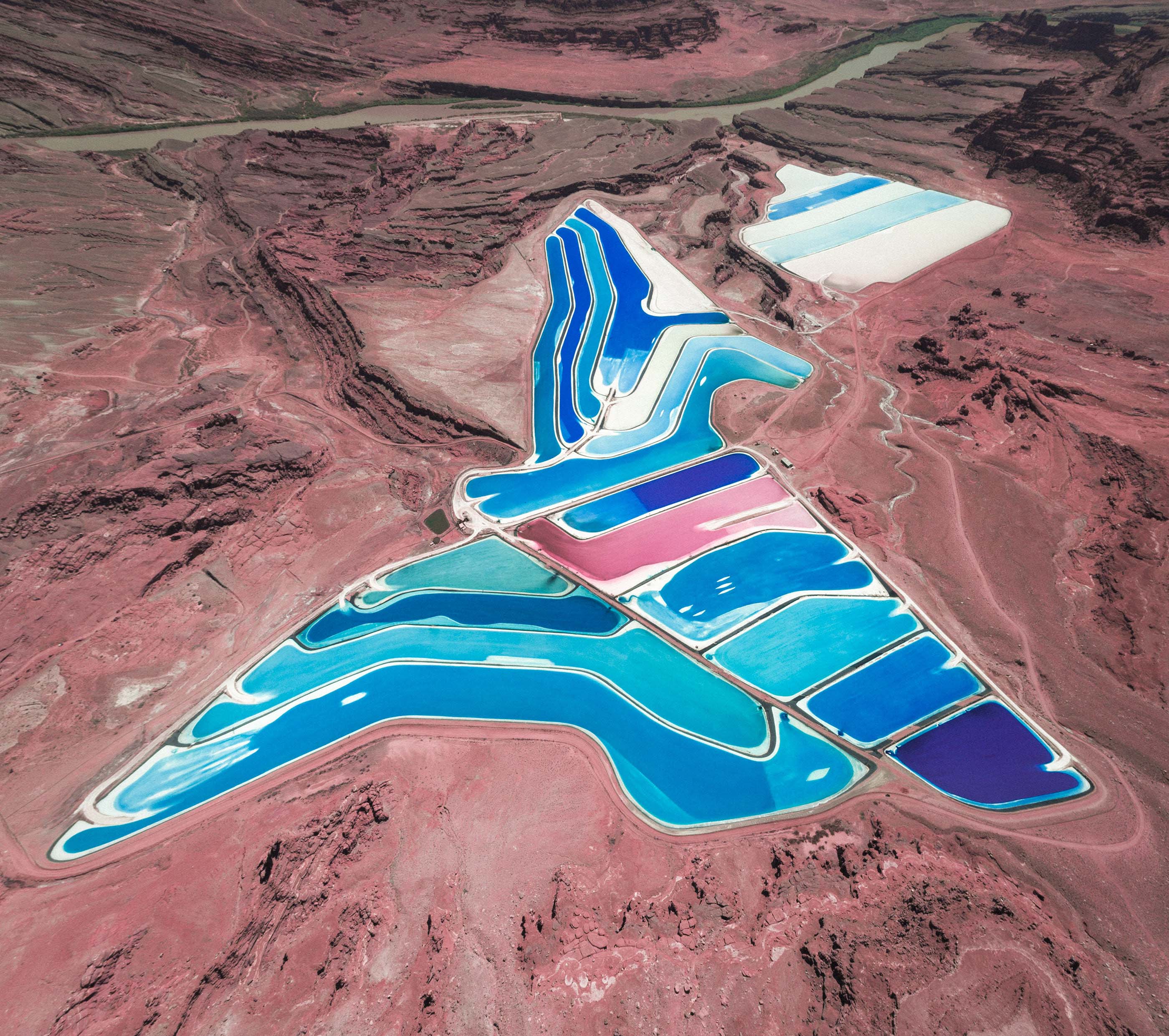
I used the opportunity with touring to explore faraway places that I could photograph, and booked time off in advance of shows so I could travel and shoot in my own time. I’ve always been obsessed with the process of planning, researching and photographing these spots so I was able to be quite productive under my own steam.
"Show the familiar in an unfamiliar light"
MPB: Can you tell us about the processes you used to create some of your more complex images?
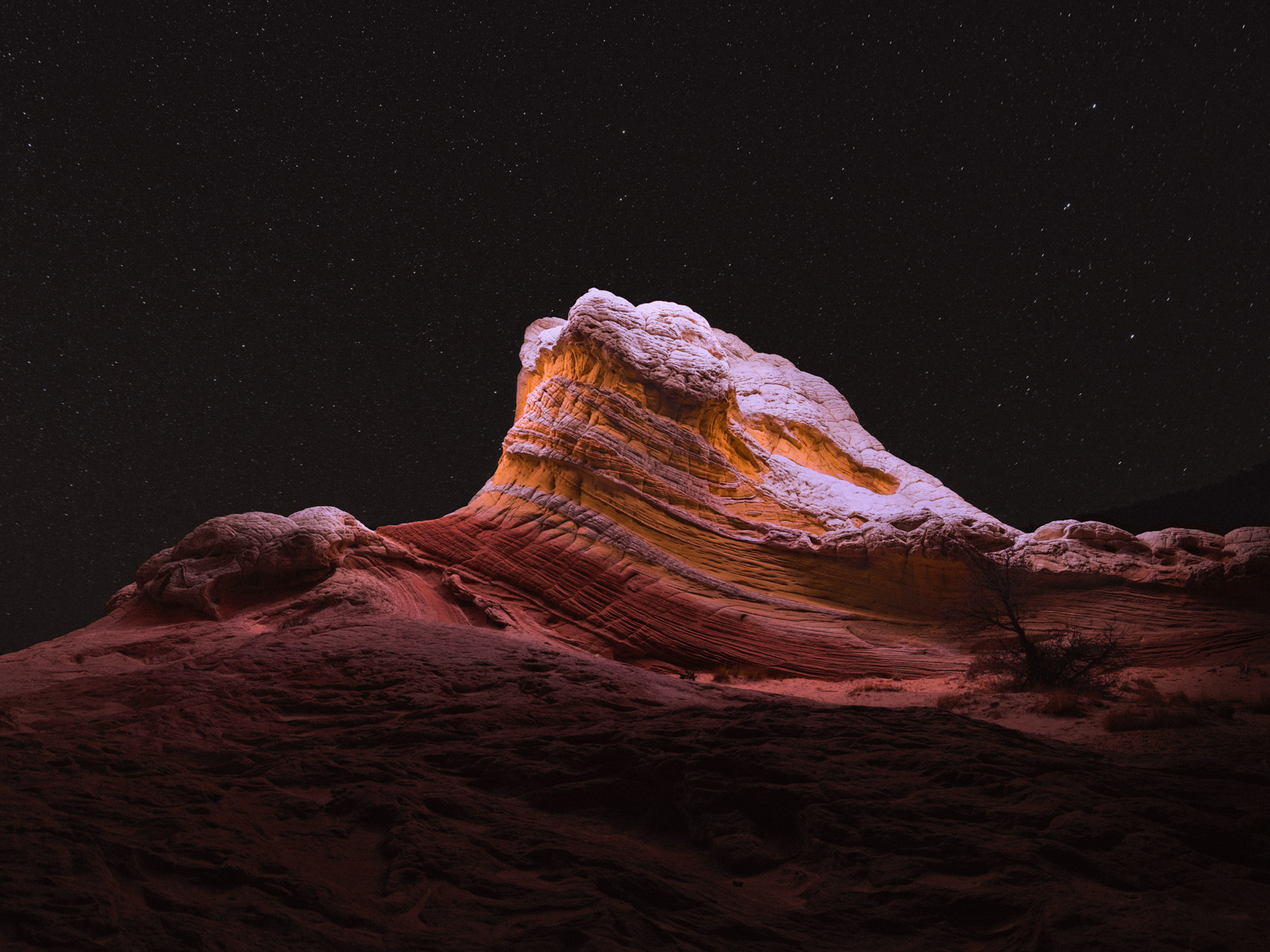
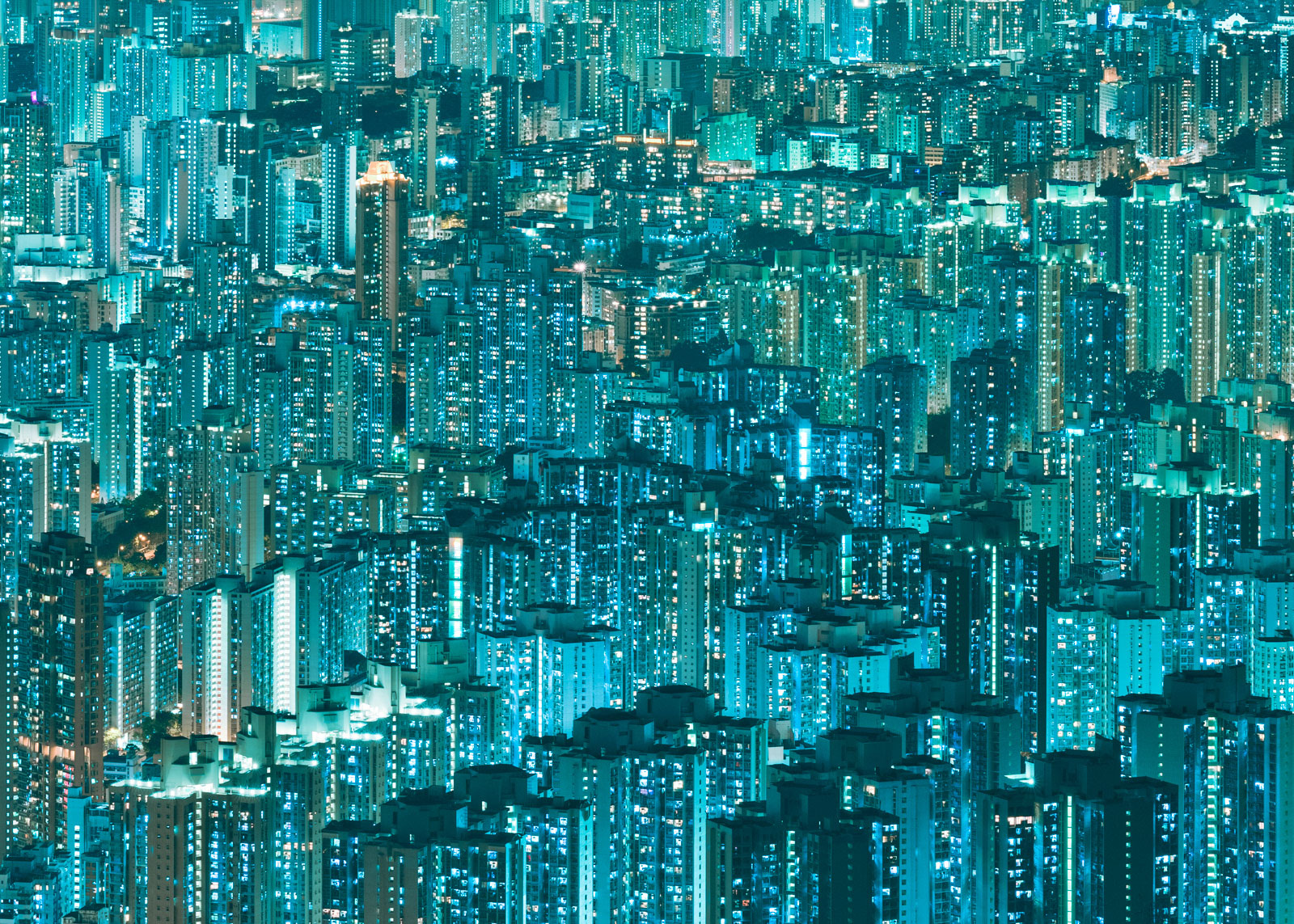
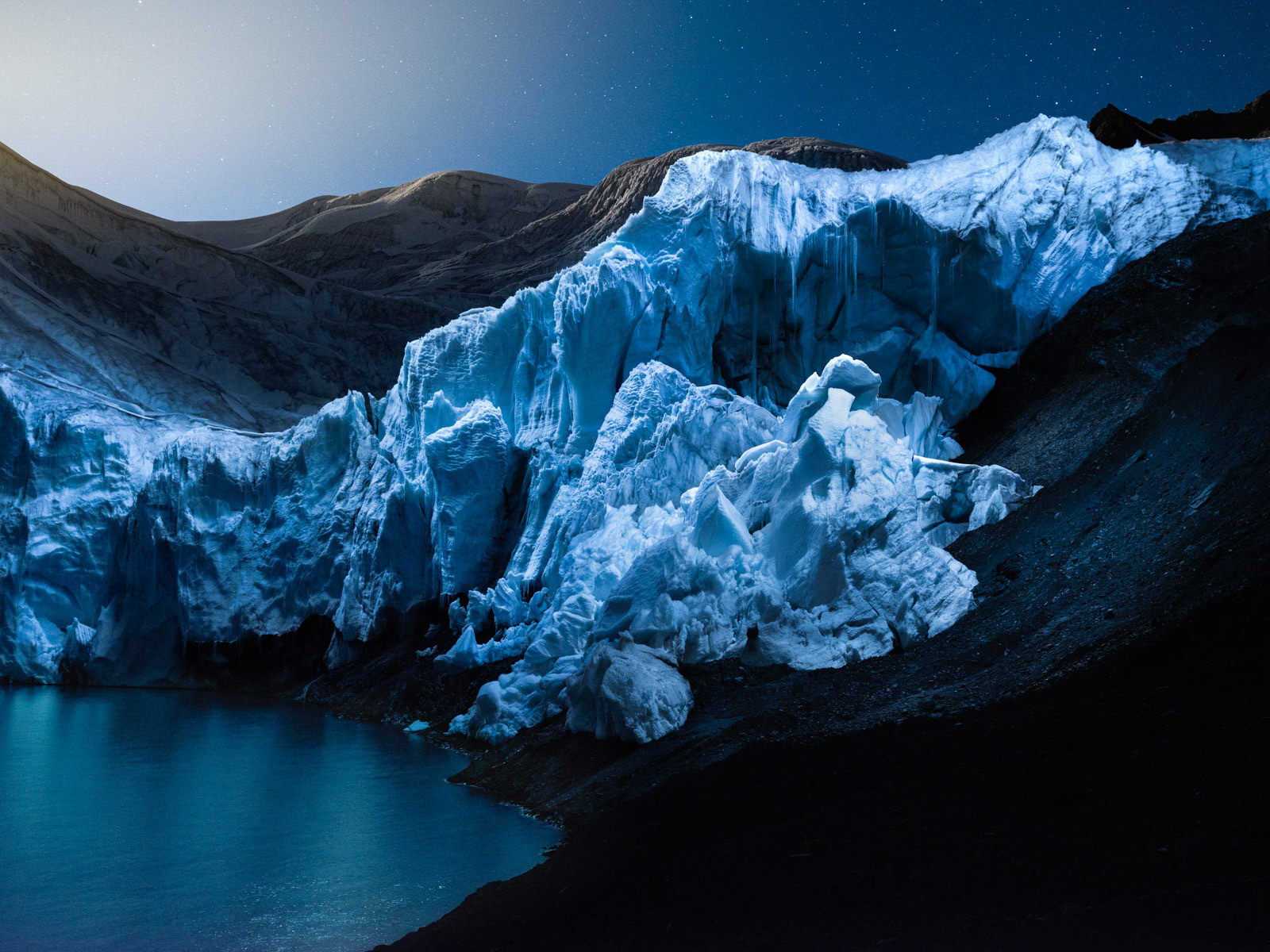
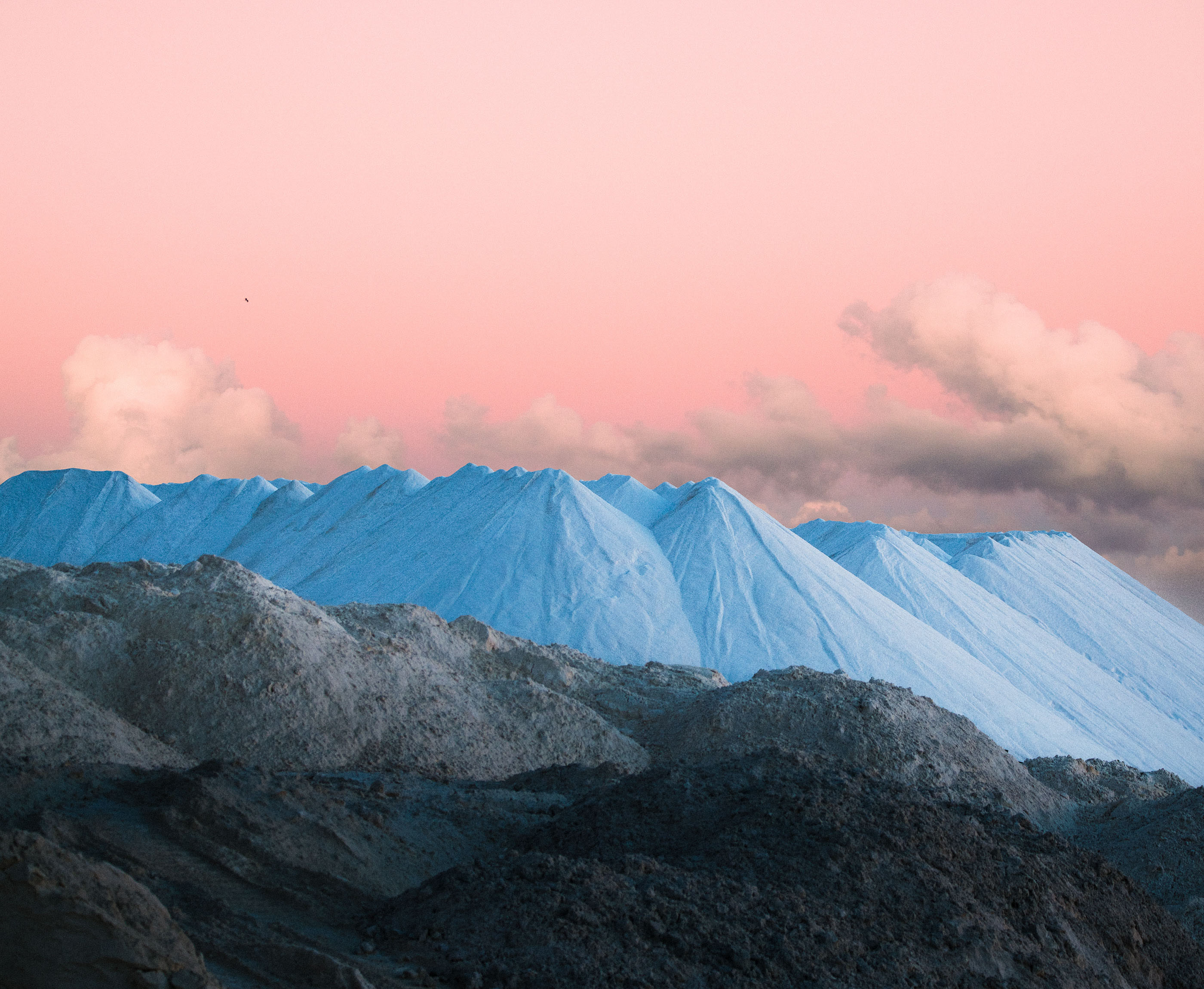
RW: Most of my techniques aim to show the familiar but in an unfamiliar light. I’m interested in showing reality but with odd or jarring nuances. In the past, I’ve experimented with different film, lenses and shooting techniques in an attempt to achieve original looks. But, in the past few years, this has changed into optical capture of artificial lighting in natural environments, combined with techniques like long exposures. In effect, I’m trying to augment the human eye using the camera and lighting.
"New things reveal themselves without planning"
MPB: What equipment are you using, and how do you test it out?
RW: A lot of learning happens when I test and experiment, even on the shoots themselves. I try to stay open to serendipitous moments where new things reveal themselves without planning. It’s also important to be very used to the equipment I'm working with, especially when I’m in the dark, or operating two separate systems — like a drone and a camera — at the same time.
This allows me to work in a more fluid way and approach it in a more playful way. I’m using a Fujifilm GFX 50S right now, but it’s never really about the camera, or the lights, or the drone. Working in medium format allows me to make bigger and better prints though.
(To learn more about Reuben's gear, read our Fujifilm GFX 50S review.)
MPB: What are the biggest challenges you face when out on location?
RW: Tiredness is a factor, especially if it’s so cold — or hot — it’s difficult to get to sleep. Also, the organisation of equipment and carrying it from A to B in an energy-efficient way is a big challenge.
MPB: You've worked with some big brands recently. How does that usually work?
RW: A lot of commercial projects come in already with my work in mind. It’s a great position to be in because it shows that people have connected with the pictures and have been able to articulate their own message through it, and they let me interpret it in my own way.
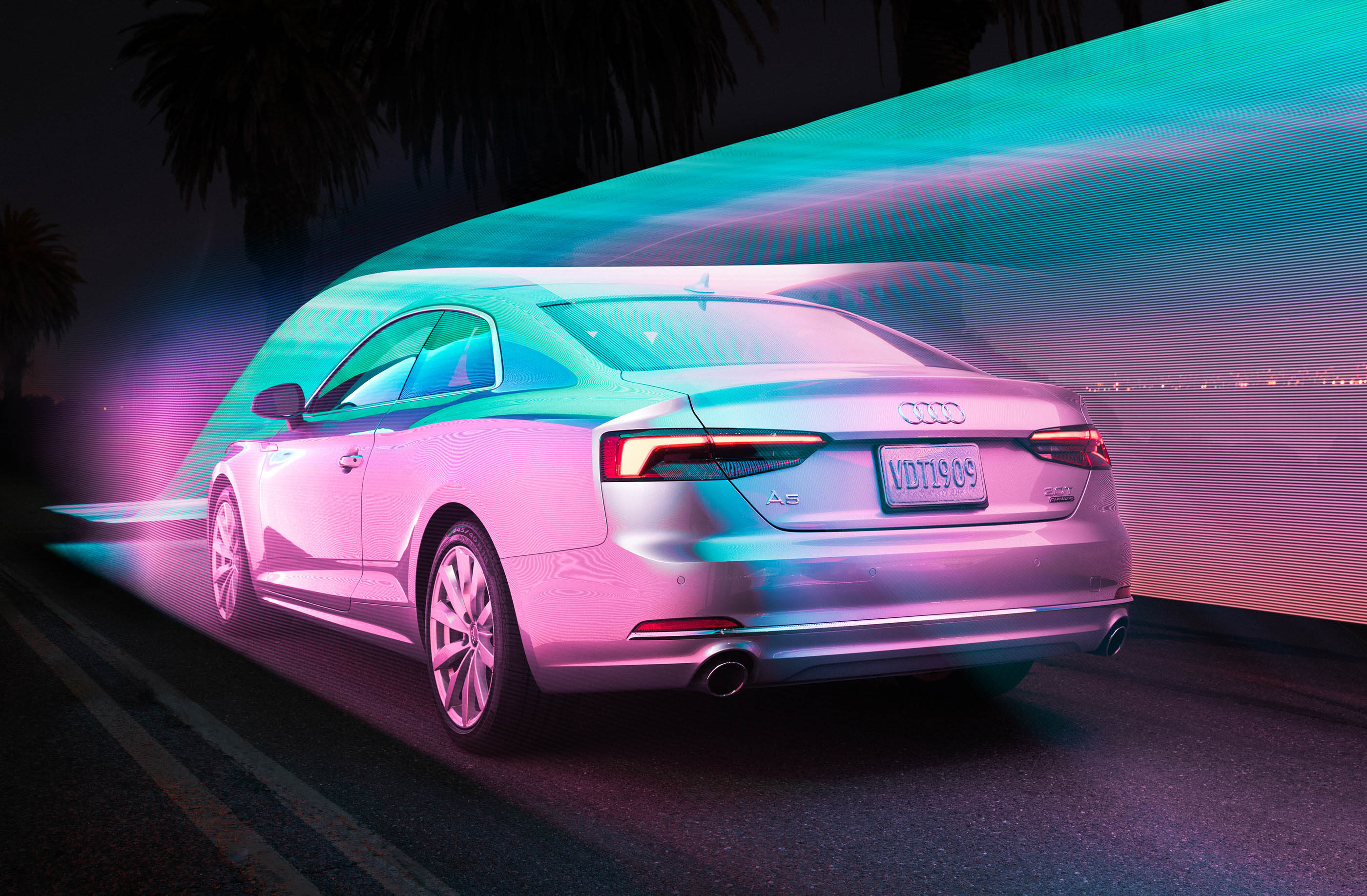
My personal projects are very open-ended and I see them as works in progress, so it’s nice to work on a shoot with definite deliverables and a real deadline, as well as collaborate with other creative people. Being able to add suggestions to an idea is part of the process, but I’m always mindful of the end goal of the imagery and make sure the work satisfies the brief.
"Branching out beyond photography"
MPB: You released your book Lux Noctis last year. What does the future hold for you?
RW: I made a lot of progress in the commercial field last year. This year I’d like to increase my activity in the fine art photo world again, while keeping the momentum up with the commercial and my own personal work. I’m also enjoying branching out beyond photography into other areas, as well as going back on tour with Ladytron for more live shows this year.
For more tips and techniques, expert interviews and camera gear guides, check out the MPB content hub.
You can sell or trade your camera kit to MPB. Get a free instant quote, free insured shipping to MPB, and get paid within days.