Best Cameras for Any Budget in 2026
Published 1 October 2026 by MPB
We’ve tested cameras of every kind, chasing the perfect shot and figuring out what really matters. After countless hours shooting, tweaking and comparing, we’ve learned something simple: great photography isn’t about how much you spend but how well you know your gear. New to photography or ready to upgrade? These are the best cameras for every budget, all tested and approved by our team.

Used Nikon D90 and Nikon AF-S DX 35mm f/1.8G
Best Camera Under €150: Nikon D90
When Nikon released the Nikon D90 in 2008, it marked a real breakthrough. It was the first DSLR to record video and one of the first to appeal to both beginners and enthusiasts. Nearly two decades later, its 12-megapixel APS-C sensor still produces detailed, colourful images with rich textures. For anyone learning the basics of exposure, the D90 is a brilliant first camera.
Connor Redmond | Nikon D90 | Nikon AF-S DX 35mm f/1.8G | f/8 | 1/160 sec | ISO 200
It feels every bit like a classic Nikon. It’s solid in the hand, simple to use and free of any unnecessary complications. Its 4.5fps burst rate, 1/4000s top shutter speed and eleven-point autofocus give beginners a real sense of control, while Nikon’s familiar menus make it easy to learn as you go. ISO performance tops out at 3,200, which isn’t huge by today’s standards but Auto ISO does a good job of handling tricky lighting.
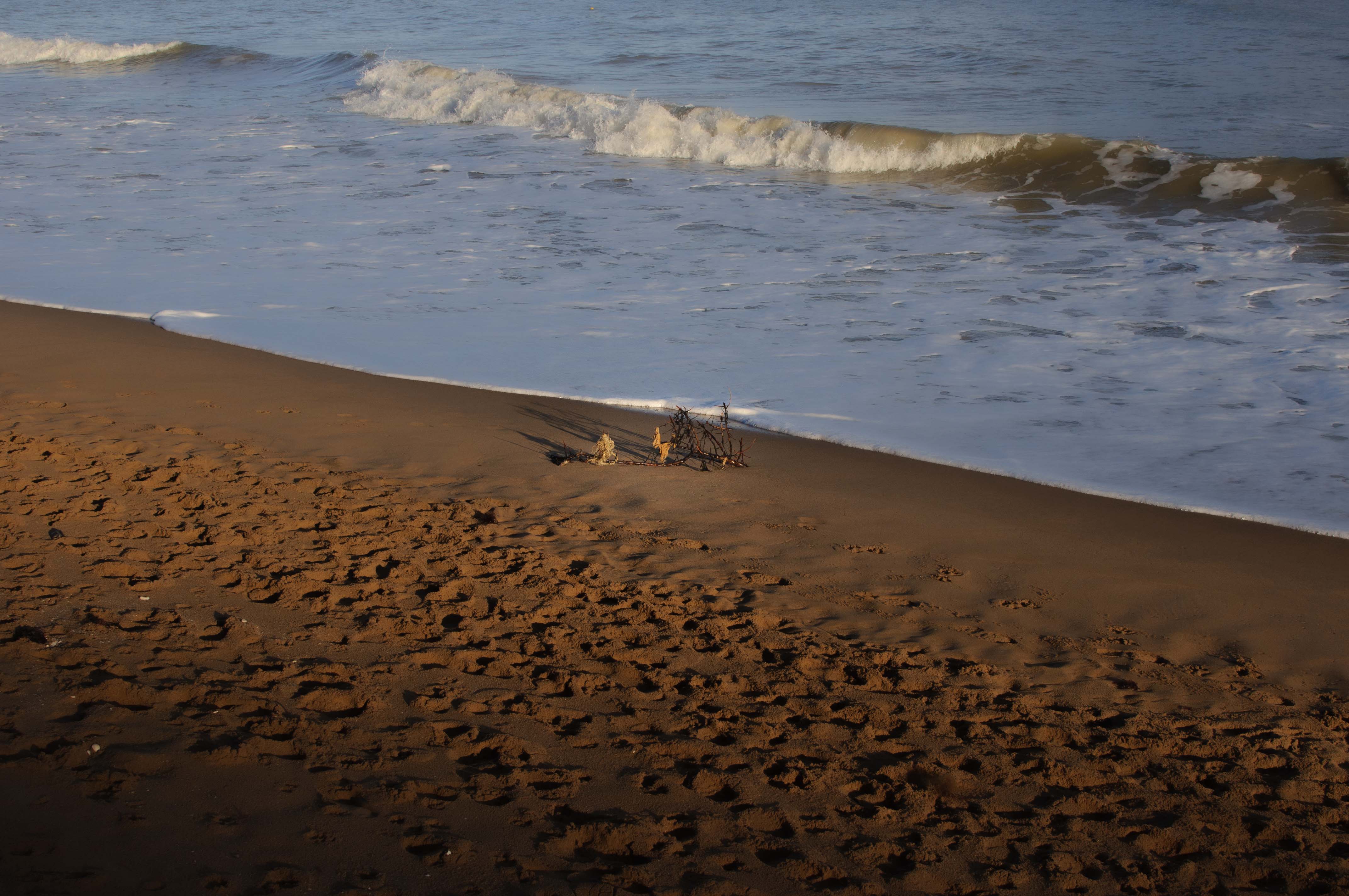
Connor Redmond | Nikon D90 | Nikon AF-S DX 35mm f/1.8G | f/8.0 | 1/1000 sec
The D90 is simple, and that’s what makes it so good for beginners. With plenty of affordable Nikon DSLR lenses to choose from, like the 18-55mm f/3.5-5.6G VR kit zoom or the sharp 35mm f/1.8G, you can try different styles without spending a fortune. If you’re ready to move beyond smartphone photography, the D90 is one of the best cameras to learn on. Read our full Nikon D90 review.
Used Panasonic DMC-GX1
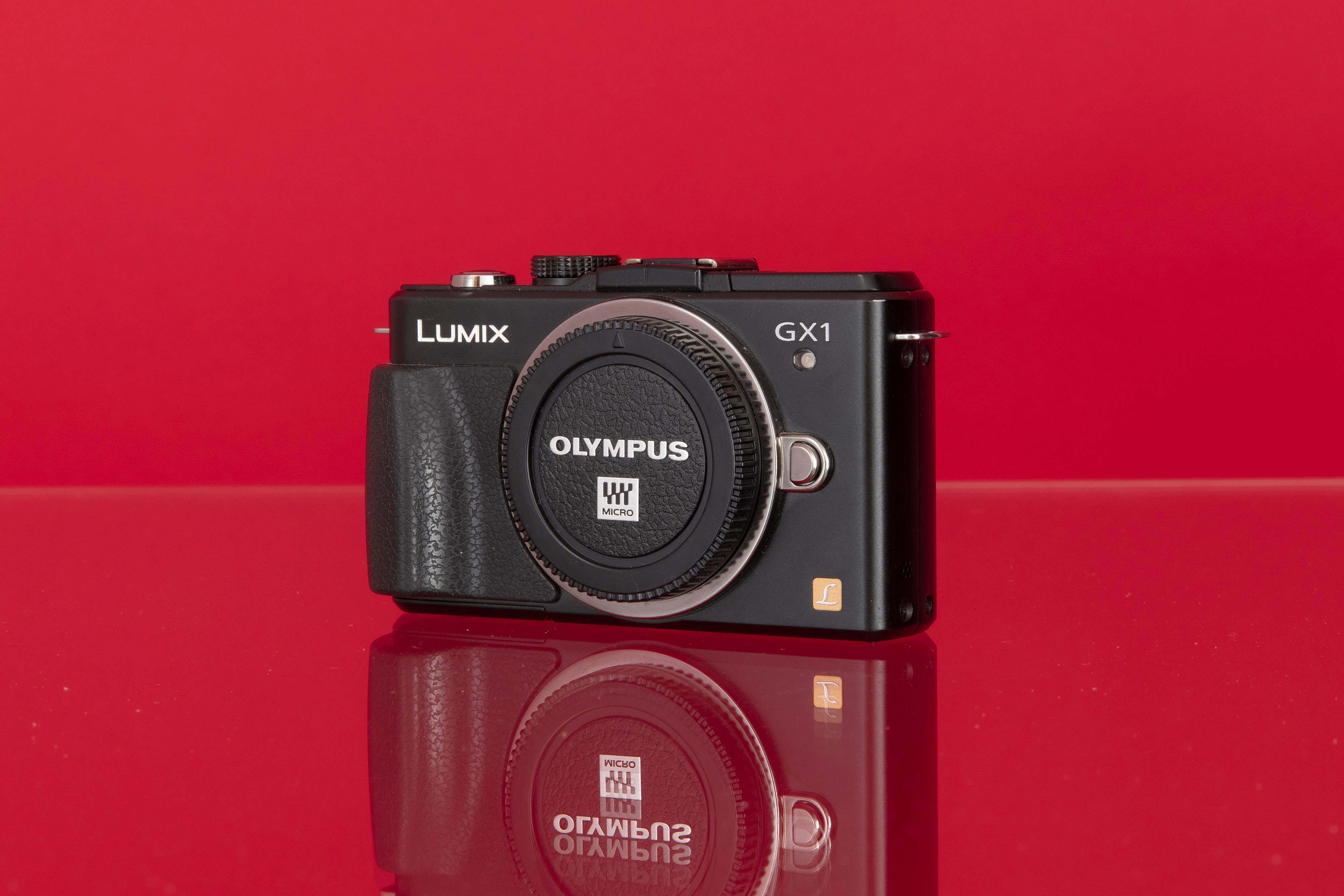
Best Camera Under €200: Panasonic DMC-GX1
The Panasonic DMC-GX1 is proof that small cameras can do big things. Travel photographer James Popsys recently revisited this Micro Four Thirds mirrorless gem and found it still more than capable of handling life on the move. With its lightweight body, 16-megapixel sensor and tactile controls, the GX1 offers a lot of camera for very little money.
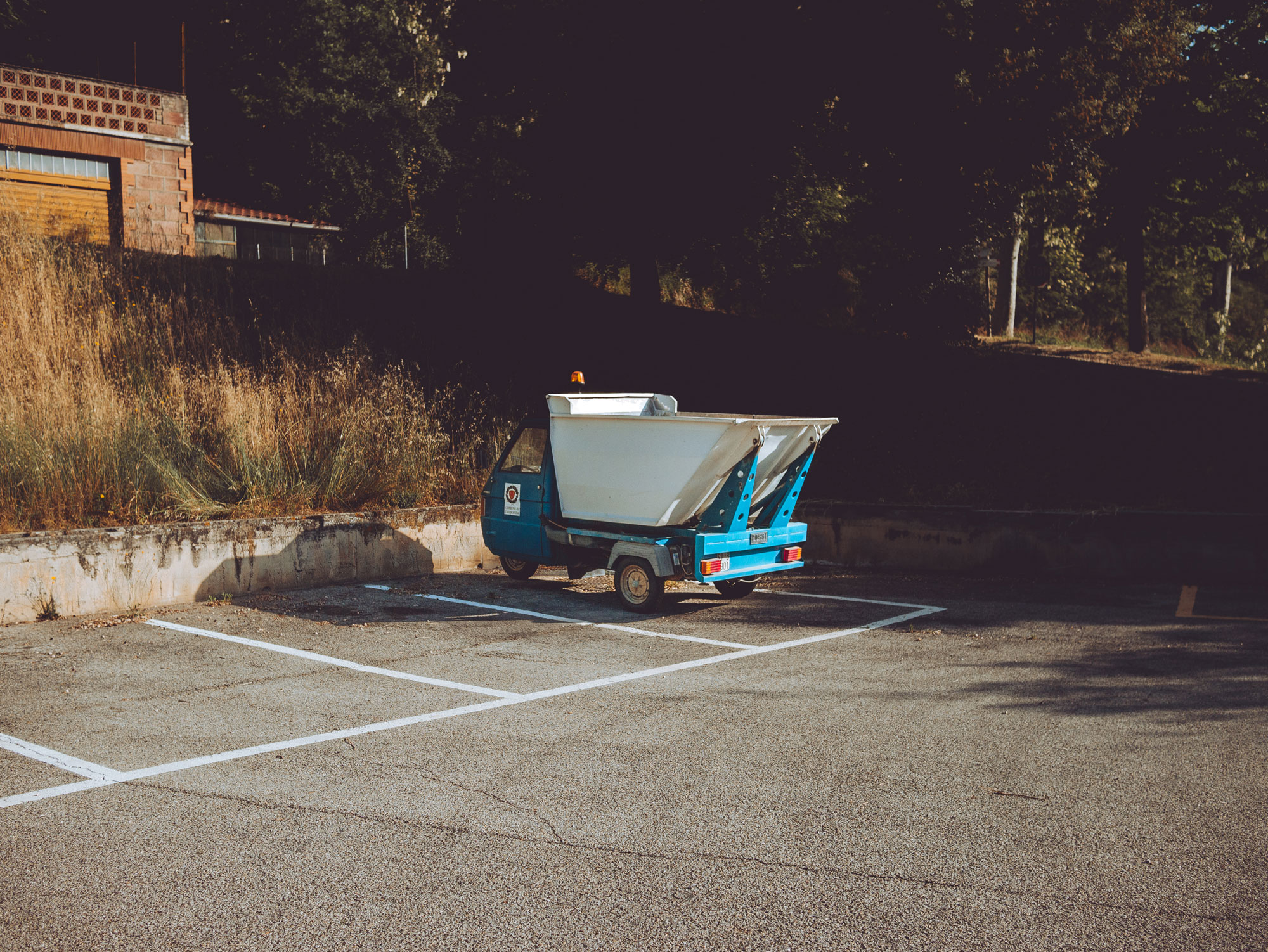
James Popsys | Panasonic DMC-GX1 | 20mm f/1.7 ASPH II | 20mm | f/2.8 | 1/3200 | ISO 160
The controls are a joy to use. The back dial makes switching settings quick and easy, and although it doesn’t have a built-in viewfinder, its rear screen and intuitive menus make it easy to compose shots in bright outdoor conditions. Ergonomically, it’s incredible how fresh this camera still feels.

James Popsys | Panasonic DMC-GX1 | 20mm f/1.7 ASPH II | 20mm | f/1.7 | 1/1000 | ISO 160
Pair it with Panasonic’s 20mm f/1.7 ASPH II lens and you have a discreet street or travel setup that fits in a jacket pocket. The GX1’s maximum shutter speed of 1/4000s can occasionally limit shooting wide open in strong sunlight without the use of an ND filter. It’s a small limitation for an otherwise capable little camera.

James Popsys | Panasonic DMC-GX1 | 20mm f/1.7 ASPH II | ISO 160 | 20mm | f/1.7 | 1/4000 | ISO 160
There’s something instantly likeable about the GX1. It’s the camera that made photographer James Popsys fall for photography, and once you use it, you get it. It’s light, capable and genuinely enjoyable to shoot with. Perfect if you’re stepping up from a phone or want a smaller camera to take everywhere. Read James Popsys’ Panasonic GX1 review.

Best Camera Under €400: Nikon D700
The Nikon D700 is one of those rare DSLRs that has become slightly mythic. Launched alongside the professional D3, it brings full-frame performance to a camera that is actually affordable.
https://youtu.be/lkyfa7GsJqs?rel=0Its 12.1-megapixel sensor may sound modest, but as MPB’s Jakub Golis discovered, it doesn’t struggle. The D700 produces soft, organic images that many still compare to film.
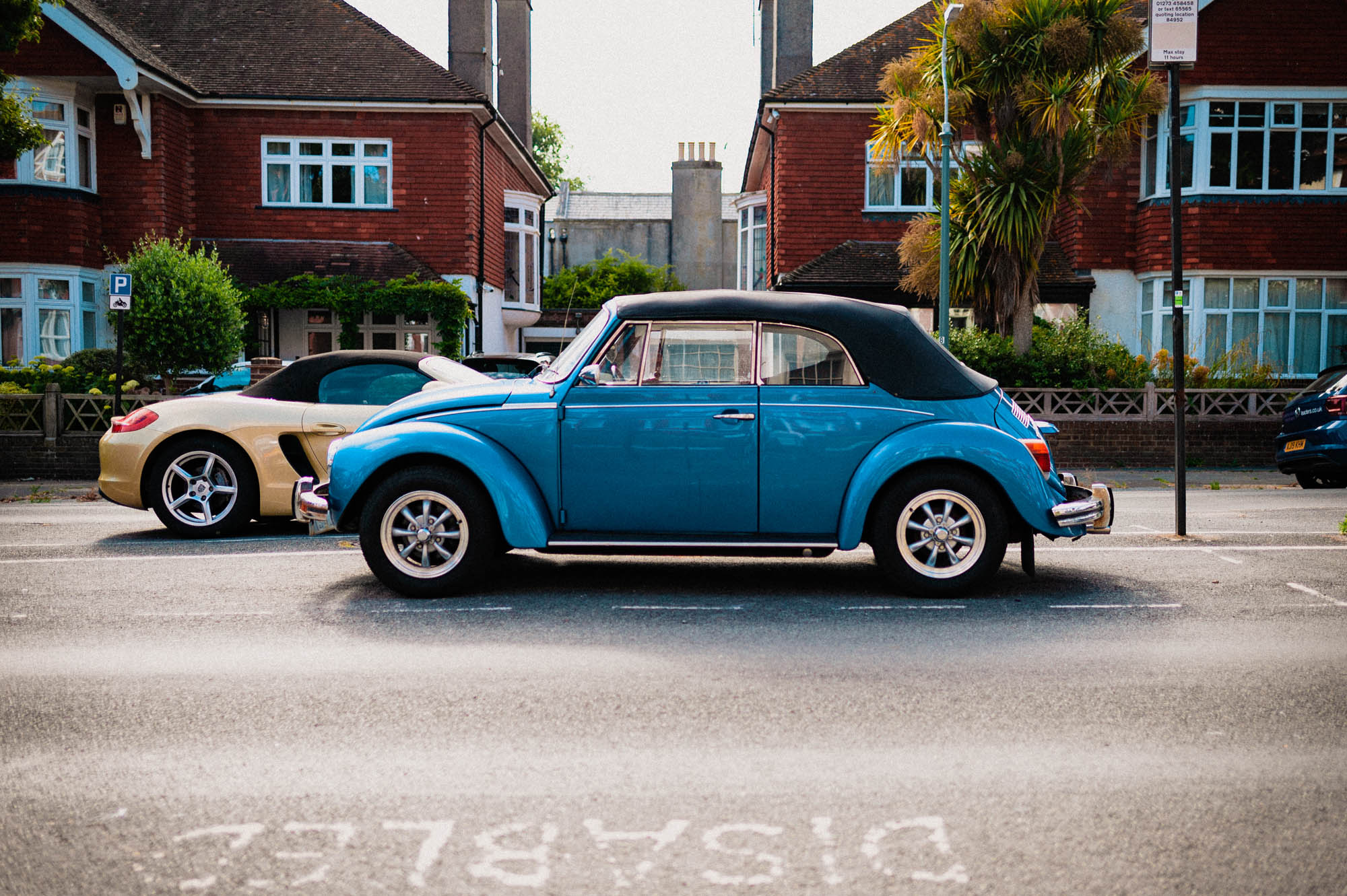
Jakub Golis | Nikon D700 | Nikon AF-S 35mm f/1.8G | f/1.8 | 1/3200 | ISO 200
Built like a tank at nearly a kilogram, the D700’s magnesium body is reassuringly tough. Inside is a 51-point autofocus system, 14-bit RAW files and a 1/8000s shutter, making it a serious photography tool, even today. The large optical viewfinder and physical controls create a shooting experience that few modern mirrorless cameras can match.
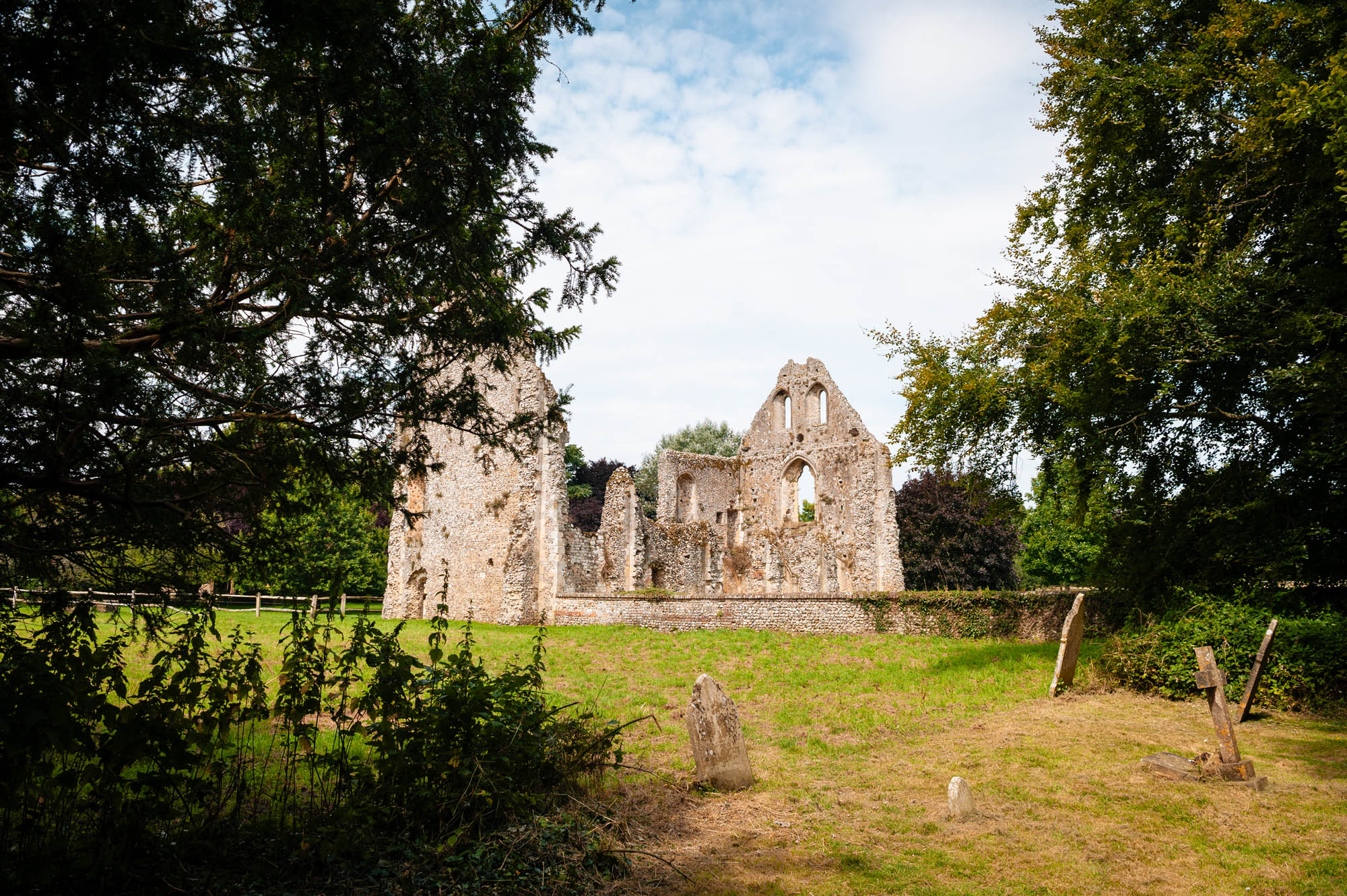
Jakub Golis | Nikon D700 | Nikon AF-S Nikkor 24-70mm f/2.8E ED VR | 24mm | f/8 | 1/50 | ISO 200
In side-by-side tests with high-resolution models like the Nikon Z7 II, the D700’s prints held up remarkably well. Its ISO range of 200–6400 (expandable to 25,600) adds what can only be described as a graceful noise that resembles film grain more than digital artefacts, especially in black and white.
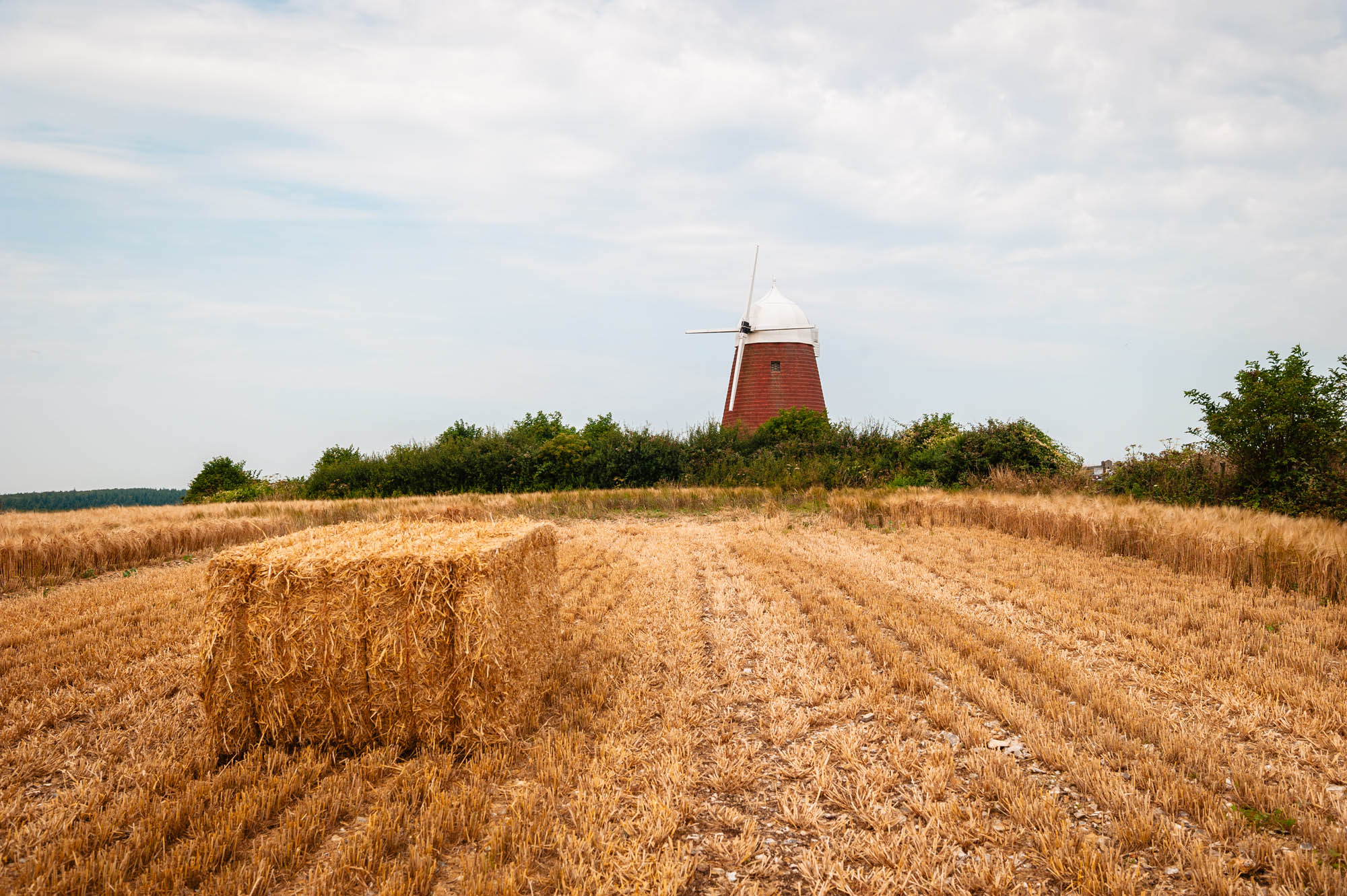
Jakub Golis | Nikon D700 | Nikon AF-S Nikkor 24-70mm f/2.8E ED VR | 36mm | f/8.0 | 1/125 | ISO 400
If you want a camera that rewards patience and skill, the D700 is unbeatable at under €400. Its colours are rich, the noise it produces is pleasingly organic, and its files are robust for editing. Read our full Nikon D700 review.
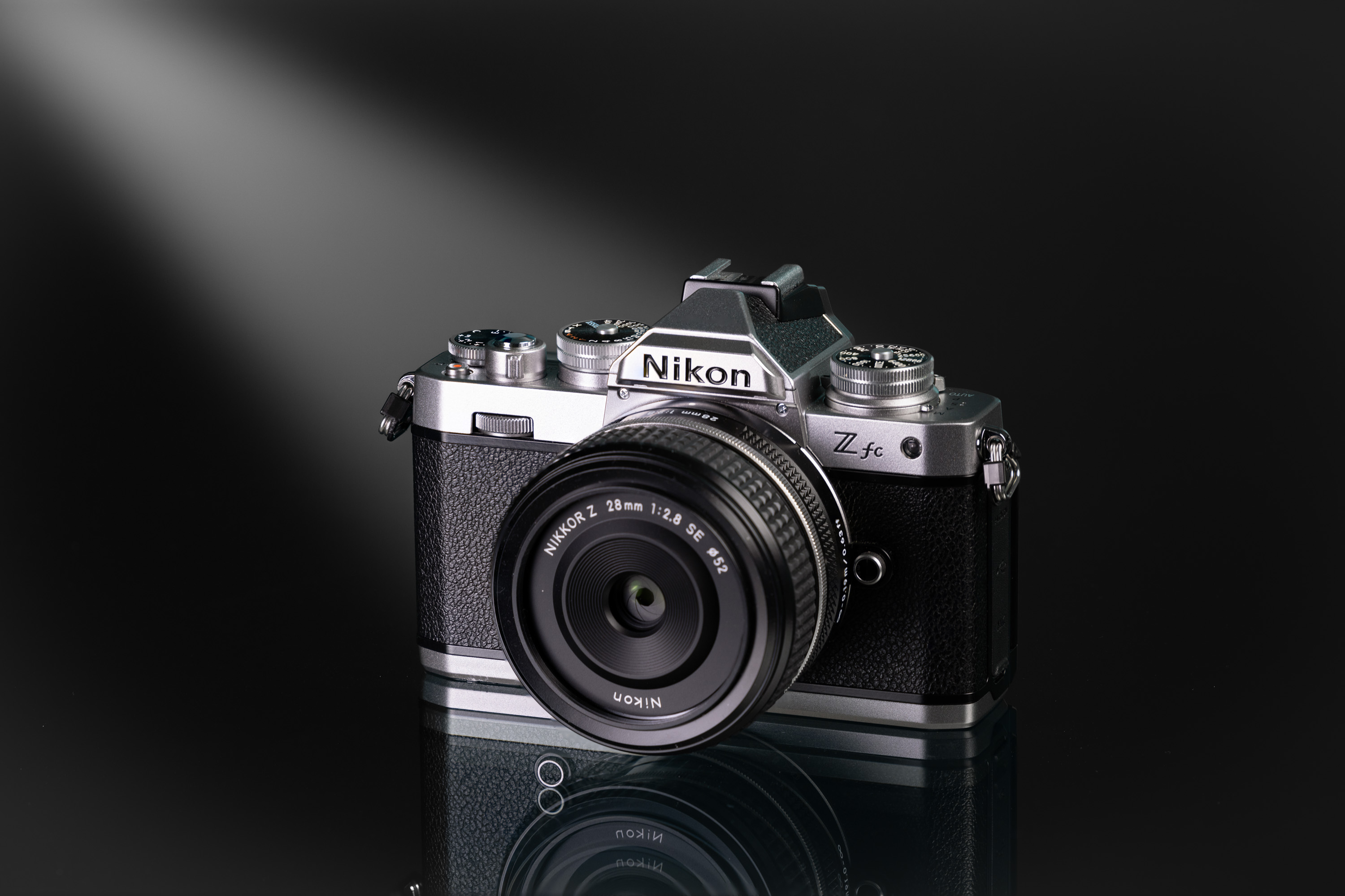
Used Nikon Z fc and Nikon Nikkor Z 28mm f/2.8
Best Camera Under €600: Nikon Z fc
The Nikon Z fc is an APS-C mirrorless camera that channels the style of the 1980s Nikon FM series, but brings it up to date with a 21-megapixel sensor, mirrorless performance and Nikon’s latest Z-mount lens system.
https://youtu.be/Z_mVY1NmGhg?rel=0The Z fc’s top-plate dials for ISO, shutter speed and exposure compensation feel great to use. The dedicated ISO dial is especially handy, allowing you to adjust quickly when the light changes without needing to dig through menus. It’s a joy for photographers who enjoy feeling in control.
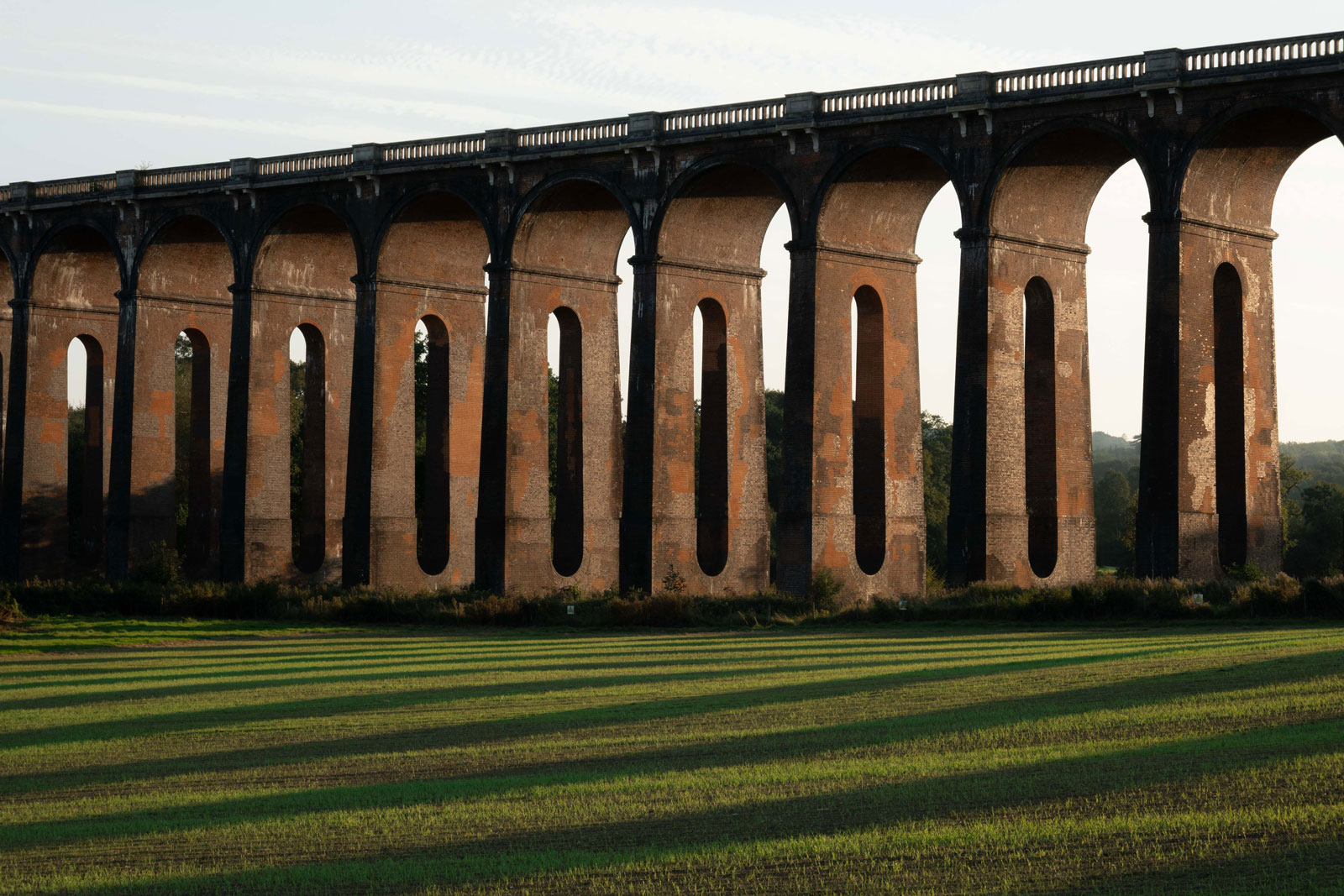
With ISO settings ranging from 100 to 51,200, this camera performs well in almost any light condition and produces lovely JPEGs immediately. It might skip the weather sealing and full-frame sensor of more expensive options but the balance of style, comfort and image quality makes it a winner in its range.
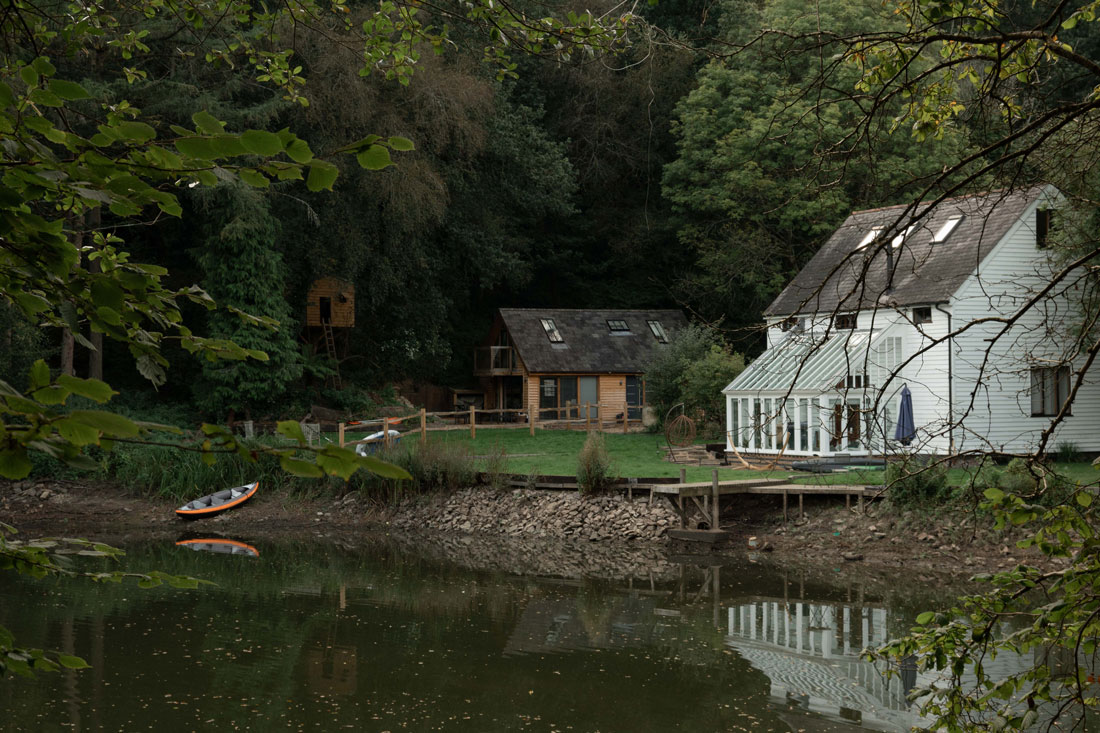
Weighing just 445g, the Z fc strikes a balance between nostalgia and practicality. If you value form as much as function, and you want a mirrorless camera that looks as good as the photos it takes, the Nikon Z fc is an inspired choice below €600. Check out the Nikon Z fc review.
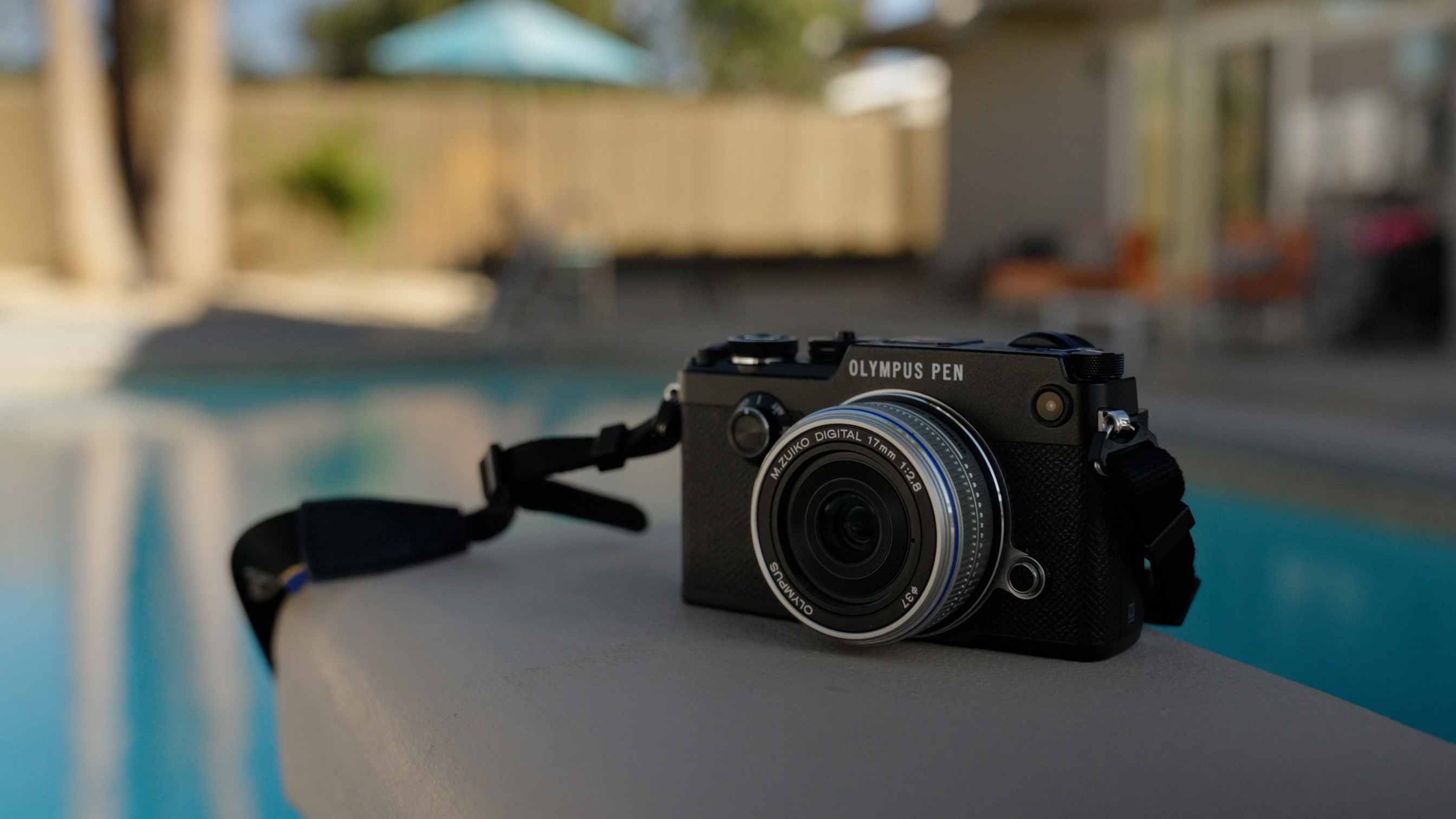
Used Olympus Pen-F
Best Camera Under €1,000: Olympus PEN-F
Few cameras juxtapose classic looks and modern capability like the Olympus PEN-F. Inspired by the 1960s original, this 20.3-megapixel Micro Four Thirds mirrorless body is every bit as stylish as it is functional. It’s built for photographers who love to shoot and experiment.
https://youtu.be/SLmvxUc39IA?rel=0The PEN-F’s magnesium alloy body feels premium but portable, weighing in at just 427g. Inside, Olympus’s renowned five-axis image stabilisation allows sharp handheld images even at slow shutter speeds. Paired with the intuitive ‘creative dial’ on the front, it encourages you to try new looks on the fly.

Justin Patricolo | Olympus Pen-F | Olympus M.Zuiko Digital 17mm f/2.8 | 17mm | f/4 | 1/8000 | ISO 800
The creative dial gives instant access to Art Filters, Colour Profiles and monochrome settings. It’s easy to fine-tune colour, tone and contrast right in the camera, or try out a few filters at once. A great feature for those who enjoy getting creative and experimental while shooting.

Justin Patricolo | Olympus Pen-F | Olympus M.Zuiko Digital 17mm f/2.8 | 17mm | f/3.5 | 1/8000 | ISO 800
The 20-megapixel sensor is impressive on its own, and the 50-megapixel high-res mode takes it even further. You might see a dip in quality past ISO 1600, but the in-body stabilisation compensates beautifully.

Justin Patricolo | Olympus Pen-F | Olympus M.Zuiko Digital 17mm f/2.8 | 17mm | f/2.8 | 1/1250 | ISO 800
Video is limited to Full HD (1080p), so this isn’t a filmmaker’s camera. However, at under €1,000, and considering its sensor size, the PEN-F offers great design, flexibility, and image quality. Read the Olympus PEN-F review.
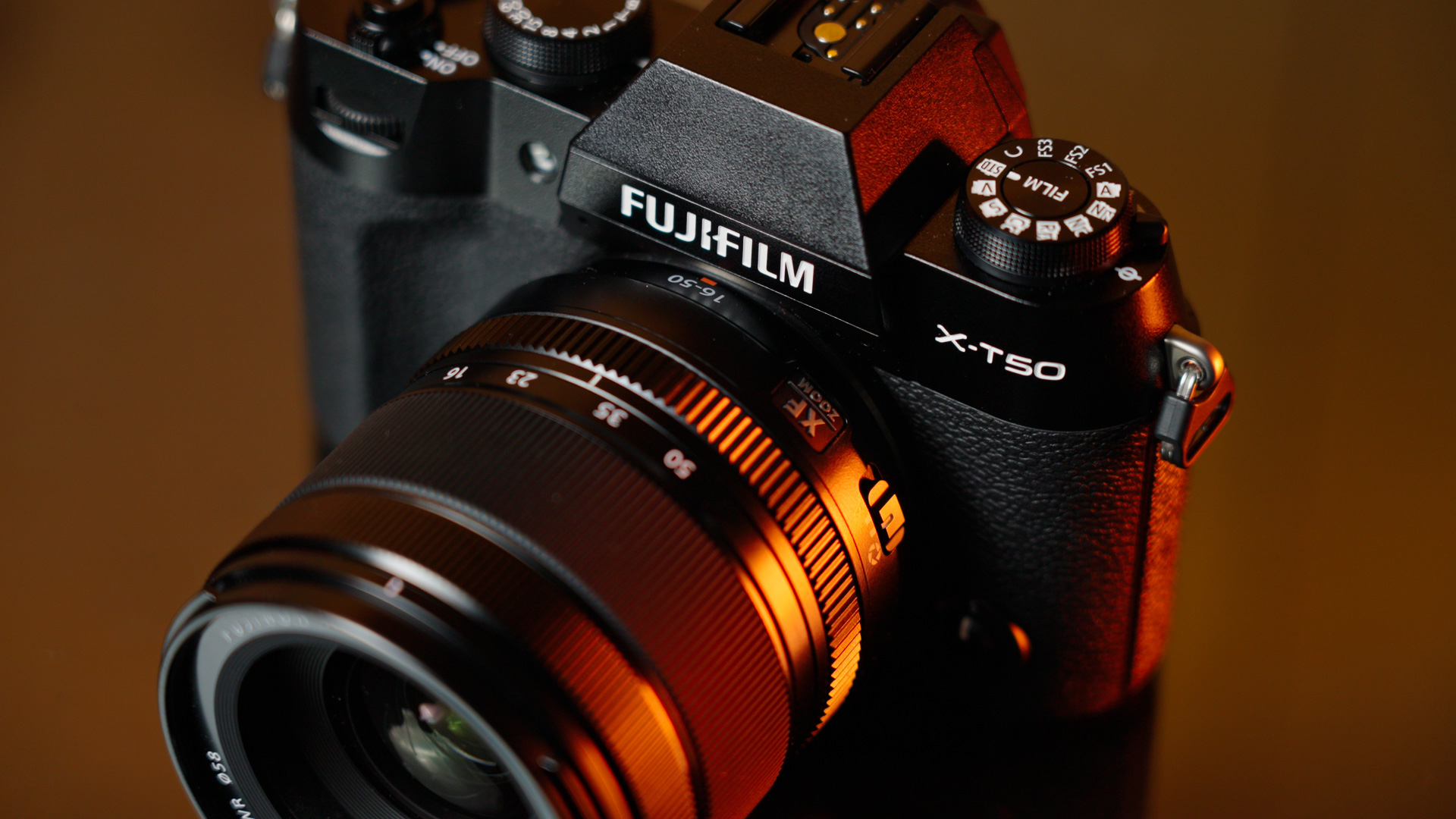
Fujifilm X-T50
Best Camera Under €1,200: Fujifilm X-T50
The Fujifilm X-T50 keeps up Fujifilm’s strong reputation for making cameras that look great and perform even better. It comes with a 40-megapixel X-Trans 5 HR sensor, seven stops of in-body stabilisation and the latest Reala Ace film simulation. That’s an impressive set of features for a camera that sits in the mid-range bracket but feels much more high-end.
https://youtu.be/4kbtRwrhMKM?rel=0The physical dials and controls make it really easy to switch between settings, and the film simulation dial gives you quick access to Fujifilm’s much-loved colour profiles. Whether you’re shooting wildlife, portraits, or travel scenes, the X-T50 produces bright, natural-looking colours. If you like to shoot both photos and video, the addition of F-Log2 and ProRes RAW support also makes it a surprisingly capable option for hybrid creators.

Amy Moore | Fujifilm X-T50 | XF 100-400mm f/4.5-5.6 R LM OIS WR | 400mm | 1/800 | f/5.6 | ISO 500
Autofocus is lightning-fast, thanks to AI subject detection. The camera recognises birds, animals, cars and even drones. These all proved reliable during field tests at Port Lympne Safari Park. Pair it with the lightweight Fujifilm XF 16-50mm f/2.8-4.8 R LM WR zoom lens and you’ve got a portable system for almost any scenario.

Amy Moore | Fujifilm X-T50 | XF 100-400mm f/4.5-5.6 R LM OIS WR | 400mm | 1/400 | f/5.6 | ISO 1000
Compared to its predecessor, the Fujifilm X-T30 II, the X-T50 features IBIS, a higher-resolution sensor and improved handling. It’s small, stable and versatile, which is ideal if you’re after Fujifilm’s colour science and charm but want to avoid the heavy price tag. Read our full Fujifilm X-T50 review.

Used Canon EOS R6
Best Camera Under €1,500: Canon EOS R6
The Canon EOS R6 finds that balance between serious performance and a price most people can justify. When Gess Puglielli compared it to the Sony A7C in low light, it was clear just how well Canon’s full-frame mirrorless camera performs. It’s easy to use, delivers great image quality, and has plenty of lens options to choose from. Perfect for work or play.

Gess Puglielli | Canon EOS R6 | Canon RF 50mm f/1.8 STM | 50mm | f/5 | 1/2000 | ISO 1250
With a 20.1-megapixel full-frame sensor, the R6 gives you great dynamic range and reliable performance at high ISO settings (up to 51,200 natively). It’s also quick, shooting at 12fps mechanically or 20fps electronically, making it great for wildlife or street photography.
Gess Puglielli found the R6 slightly bulkier than Sony’s rival but preferred its intuitive menus and superior lens range. Paired with Canon’s lightweight RF 600mm f/11 IS STM lens, it achieved crisp, shake-free telephoto results. The R6’s stabilisation and autofocus worked especially well in low light, easily capturing moody night scenes without the need for a tripod.

Gess Puglielli | Canon EOS R6 | Canon RF 50mm f/1.8 STM | 50mm | f/22 | 1/80 | ISO 20,000
If you value ergonomics and Canon’s reliable colour science, the R6 is a strong investment. It’s also well supported by Canon’s expanding RF lens ecosystem. At under €1,500, it keeps up no matter what you’re shooting, from wildlife to portraits. Read the Canon EOS R6 vs Sony A7C review.
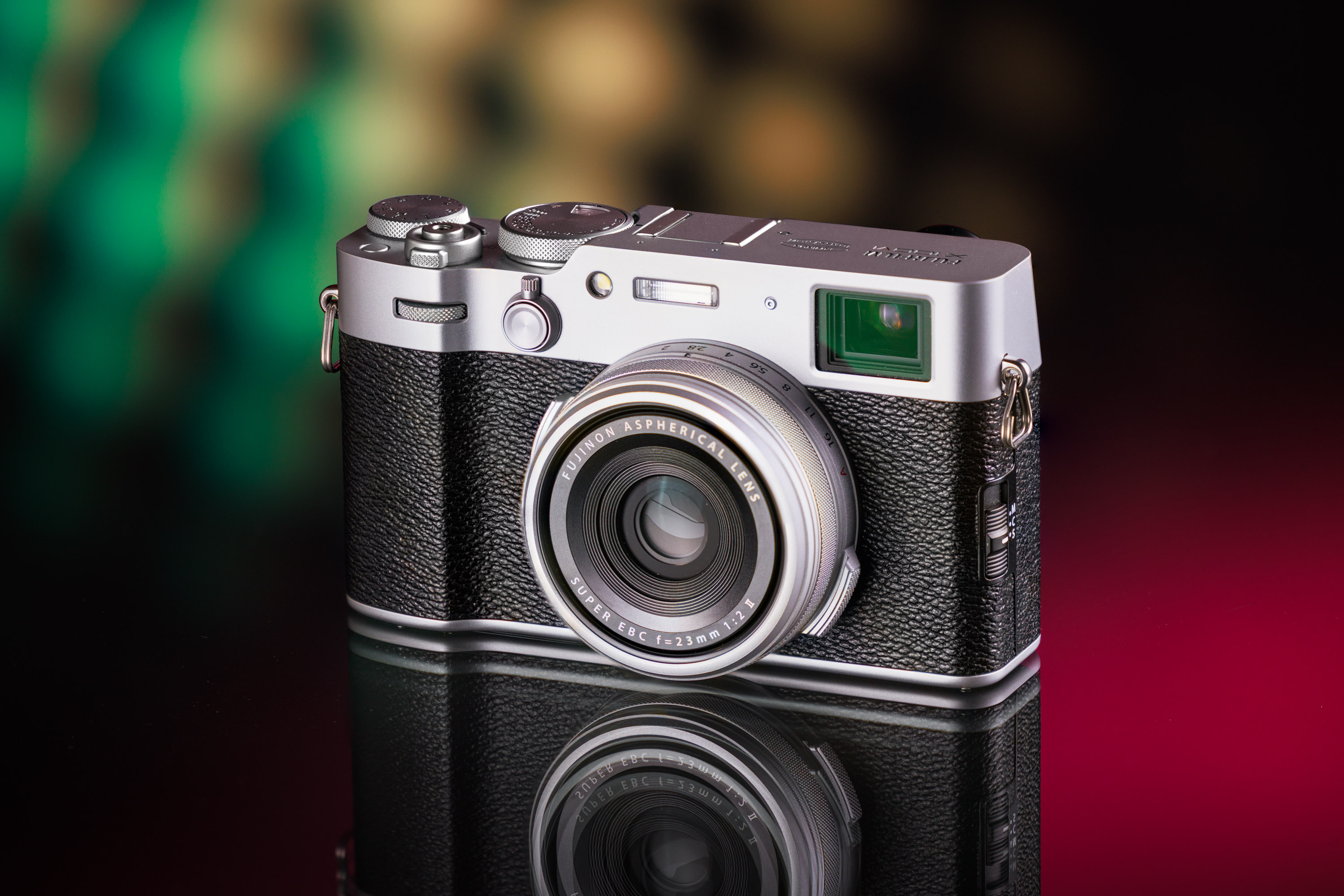
Used Fujifilm X100VI
Best Camera Under €2,000: Fujifilm X100VI
Few cameras capture the spirit of photography quite like the X100 series, and the Fujifilm X100VI refines the formula to near perfection. With its 40-megapixel sensor, built-in stabilisation and signature 23mm f/2 fixed lens, it’s the ultimate compact camera for travel and street shooters who value simplicity and image quality.
https://youtu.be/ex1F7SgqLsY?rel=0With six-stop in-body stabilisation, it handles low light brilliantly, letting you shoot handheld at speeds as slow as 1/8 of a second. The files have a generous dynamic range and show off Fujifilm’s trademark colour science. You also get twenty film simulations, including the new Reala Ace, giving you lots of creative options straight out of the camera.

Amy Moore | Fujifilm X100VI | f/7.1 | 1/320 sec | ISO 125
Even with its high-resolution sensor, image noise is well-controlled. Fujifilm’s predictive autofocus and subject detection for people, animals and vehicles make it a flexible camera for all kinds of shooting. The hybrid optical and electronic viewfinder, along with its discreet rangefinder-style design, keeps that strong connection to Fujifilm’s classic, analogue roots.

Amy Moore | Fujifilm X100VI | f/5.6 | 1/800 sec | ISO 200
If you’re a photographer looking to fall back in love with shooting, the X100VI is a fantastic companion. Sure, it’s got a fixed lens, but that’s part of what makes it special. Its limitations prompt you to slow down and consider your framing. At under €2,000, it’s hard to find a camera more rewarding to use. Check out our full Fujifilm X100VI review or our guide to Fujifilm X100-series cameras for more options.
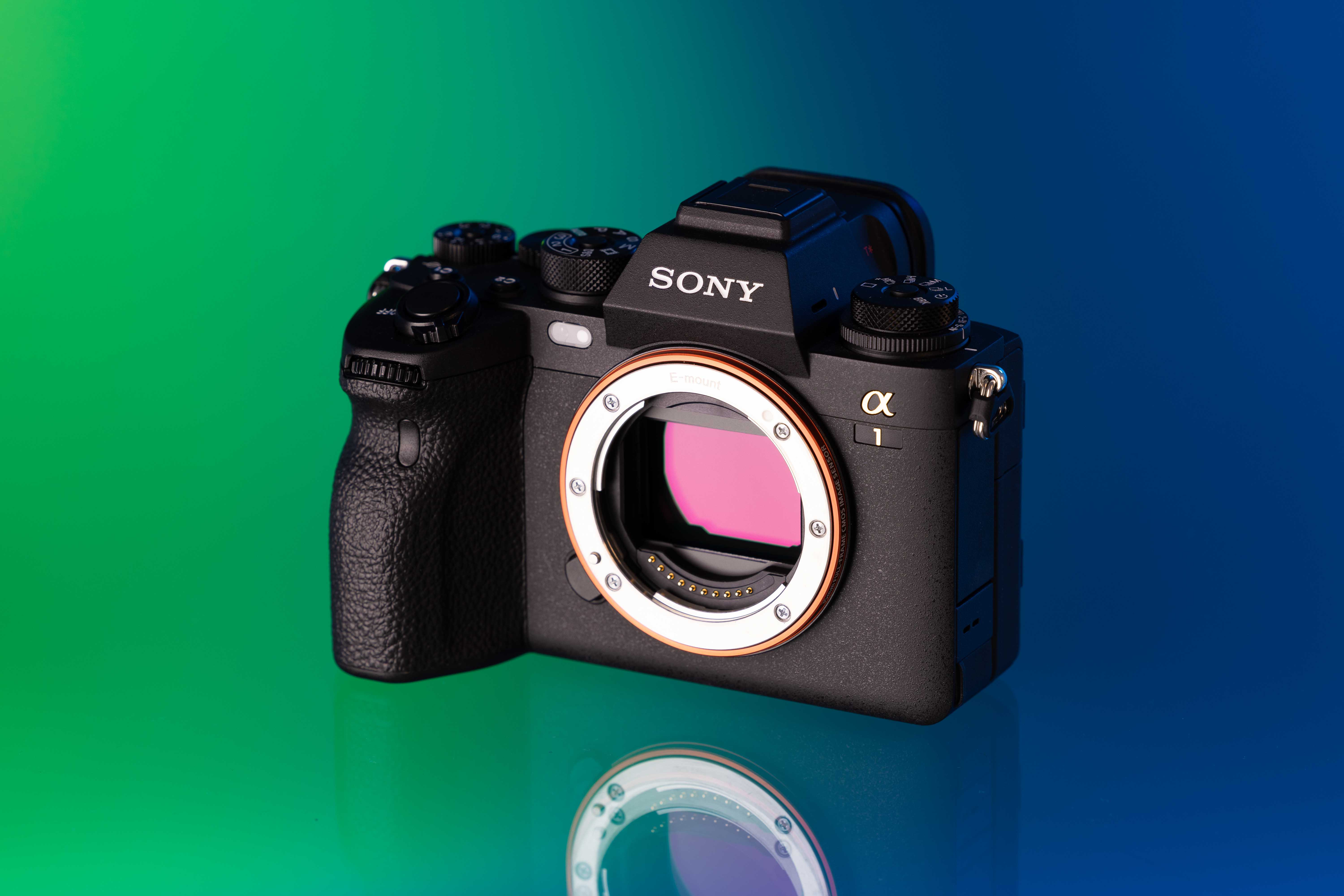
Used Sony A1
Best Camera Under €4,000: Sony A1
The Sony A1 combines speed and detail in a way that suits nearly any type of photography. Designed for professionals capturing everything from airshows to wildlife, capturing 50-megapixel images at up to 30 frames per second and recording in 8K. In short, it’s Sony’s top-of-the-line all-rounder.

British RAF Red Arrow | Sony A1 | Sony 200-600mm f/5.6-6.3 G OSS | 600mm | f/9.0 | ISO 800 | 1/3200
Aviation and wildlife photographer Marc Read put the Sony A1 to the test at the Eastbourne Airshow and was blown away by how it performed. Paired with the Sony FE 200-600mm f/5.6-6.3 G OSS lens, it tracked birds and aircraft with incredible accuracy, thanks to Sony’s advanced eye-detection autofocus. It even recognised and locked onto the cockpit area of planes, treating it like an eye.

Mikoyan-Gurevich MiG-15 | Sony A1 | Sony 200-600mm f/5.6-6.3 G OSS | 600mm | f/9 | ISO 500 | 1/3200 sec
The stacked CMOS sensor captures a huge amount of detail, so you can crop your shots without worrying about losing sharpness. The dynamic range and noise control are also impressive, giving you clean images even at high ISOs. It feels quick and responsive in use, and the dedicated dials for drive and focus modes make it easy to tweak settings as you go.

British RAF Red Arrow | Sony A1 | Sony 200-600mm f/5.6-6.3 G OSS | 452mm | f/9 | ISO 800 | 1/12000
While Sony’s premium telephoto lenses are still fairly expensive, the A1 proves itself as one of the most capable cameras ever made. For professionals or dedicated enthusiasts under €4,000, it’s an investment that pays off. Trust us (and read the full Sony A1 review).
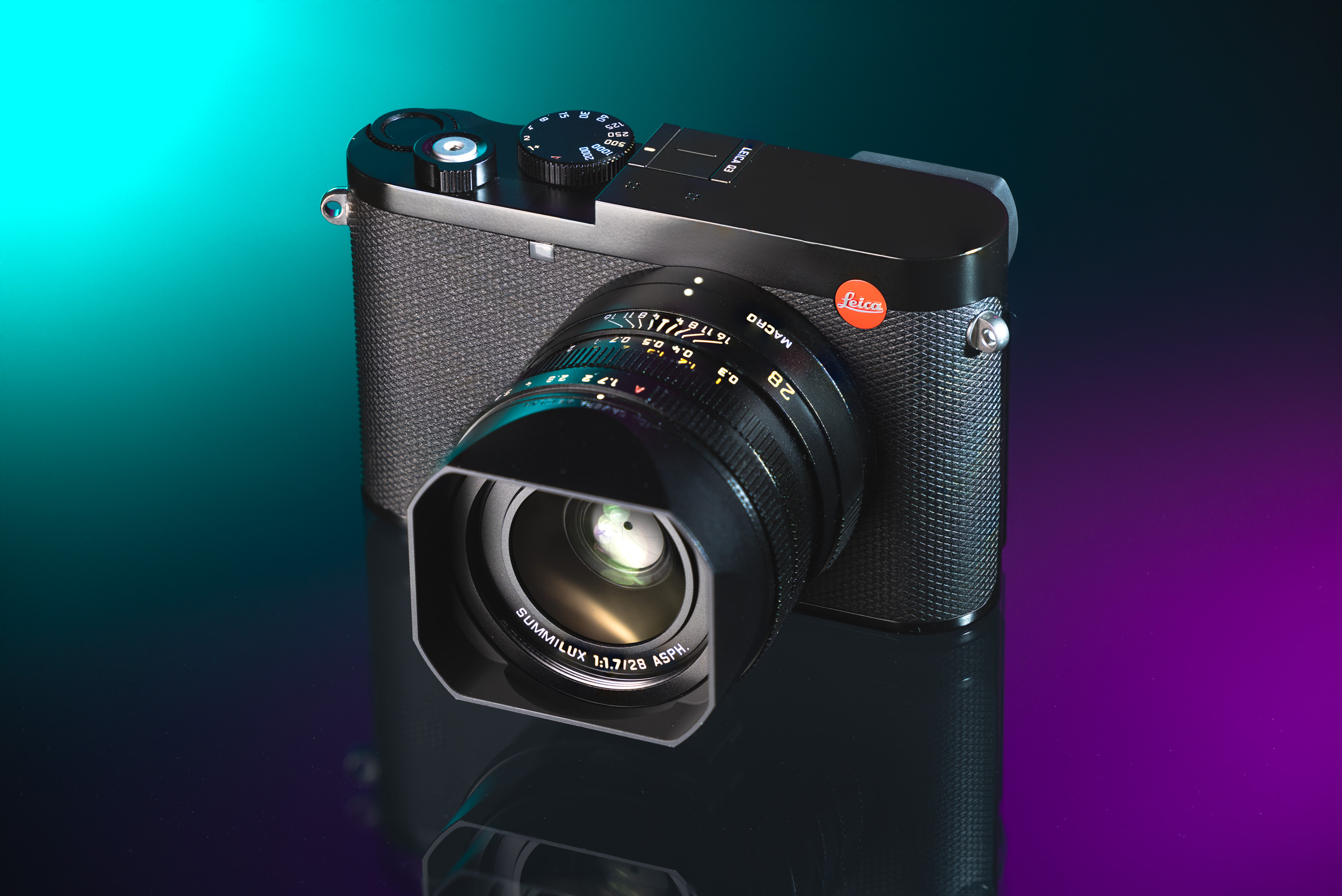
Used Leica Q3
Best Camera Under €6,000: Leica Q3
The Leica Q3 shows us what happens when design and performance come together. It’s a premium camera with a compact design, a 60-megapixel full-frame sensor and a razor-sharp 28mm f/1.7 Summilux lens. Add its timeless Leica styling, and you’ve got a camera that feels as good to use as the images look.
https://youtu.be/O3cFAxtSLd4?rel=0The Q3’s tilting screen and simple menus make it much more practical than earlier models, without losing any of that classic Leica simplicity. It’s also weather-sealed, so you don’t have to treat it like a delicate museum piece when you’re out shooting.
Ian Howorth | Leica Q3 | 28mm | f/1.7 | 1/2000 | ISO 400
Autofocus is fast and reliable, helped by optical stabilisation that allows handheld shots down to 1/4 sec. The Summilux lens itself is a masterpiece. It’s incredibly sharp wide open, yet capable of producing soft, cinematic depth when needed.

Ian Howorth | Leica Q3 | 28mm | f/8 | 1/125 | ISO 200
At ISO 1,600 to 3,200, the images pick up a gentle, film-like grain that adds a bit of character without losing any detail. The dynamic range and colour are excellent, and those DNG RAW files are a dream to work with in post. The Q3 technically shoots 8K video too, but it’s happiest when you’re taking photos, not filming.
It’s expensive. But if you value form, feel and image quality above all else, the Leica Q3 is peerless. Take a look at our full Leica Q3 review.
If you’re thinking about upgrading, starting fresh or simply trying something new, now’s a great time to find a camera that fits your budget. Each one on this list proves that great photography isn’t about the price, but about using gear that inspires you to get out and shoot.
Great images don’t come from expensive gear. They come from curiosity, patience, and a camera you actually enjoy using. The right camera can help you experiment, learn, and grow as a photographer, no matter your budget.
Read more camera gear guides on the MPB content hub.
You can sell or trade your camera kit to MPB. Get a free instant quote, free insured shipping to MPB, and get paid within days.