
Are you a wildlife or travel photographer considering Canon? Look no further than the Canon EOS R7. This camera is Canon’s first APS-C camera in their amazing RF mount ecosystem. It’s built for speed and reach: perfect for hybrid shooters wanting strong performance in an affordable package.
https://youtu.be/3Y-3UmrMasA?rel=0In this review, MPB’s Kristi Townsend explores how this 32.5-megapixel camera performs in two of America’s natural treasures, Grand Teton National Park and Yellowstone National Park. She discusses overall design and handling, autofocus capabilities, dynamic range, and more, exploring what the R7 is capable of and why it is a great choice for several types of shooters.
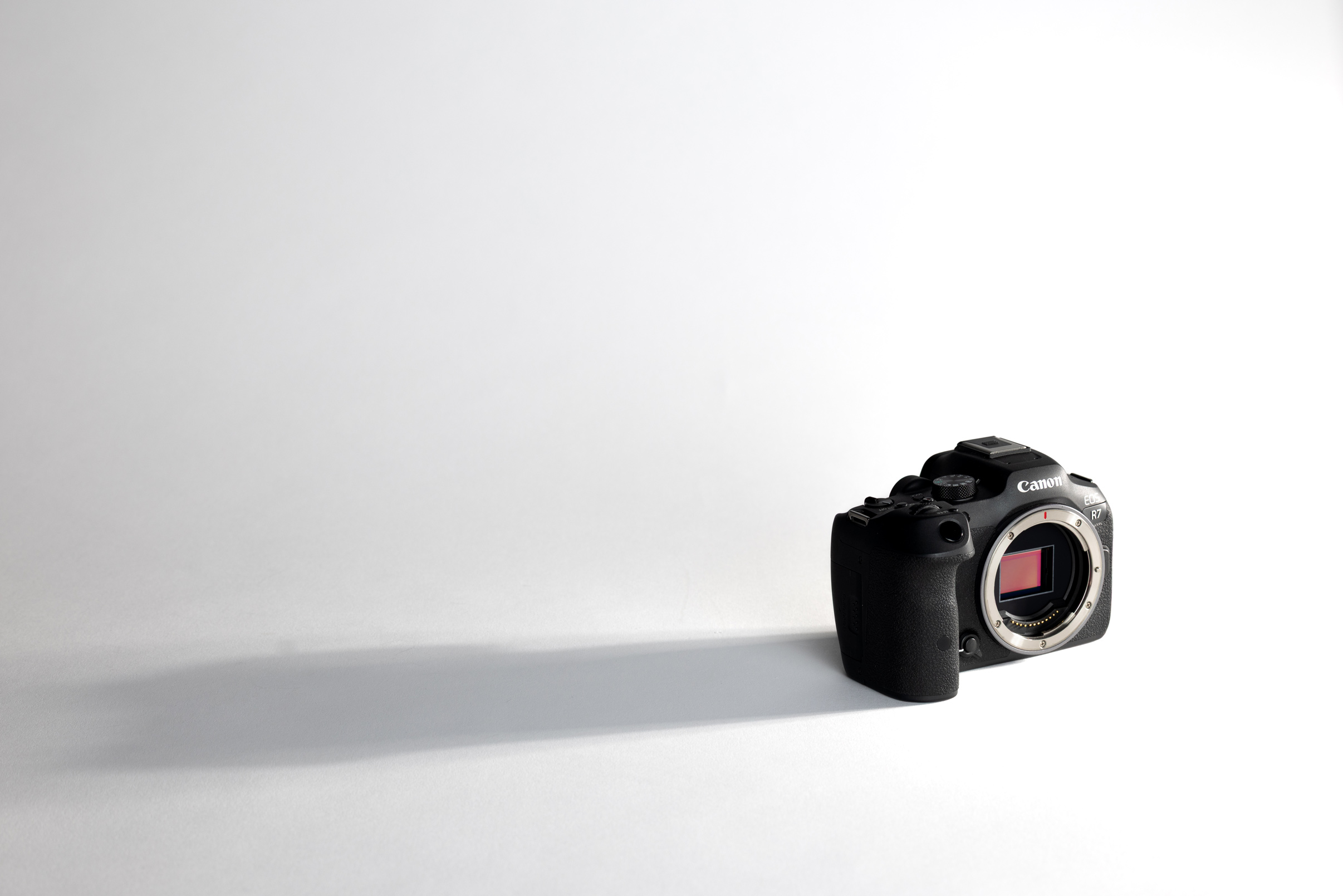
Used Canon EOS R7
Canon EOS R7 Specs
Sensor | 32.5MP APS-C CMOS |
Processor | DIGIC X |
Continuous Shooting | Up to 30 fps (electronic), 15 fps (mechanical) |
Autofocus | Dual Pixel CMOS AF II with 651 zones |
ISO | 100–32,000 (expandable to 51,200) |
Video | 4K/60p (1.8x crop), 4K/30p oversampled from 7K, Full HD up to 120fps |
IBIS | Up to 7 stops |
Media | Dual SD UHS-II |
Battery | LP-E6NH |
Mount | Canon RF / RF-S |
Size | 132 x 90 x 92 mm |
Weight | 530 g |
Released | 2022 |
Pros
Fast and accurate autofocus capabilities
Dual card slots
Compact, comfortable design
Lens mount compatibility
Good price point
Cons
Less-than-impressive low-light performance
Slight rolling shutter at 30fps
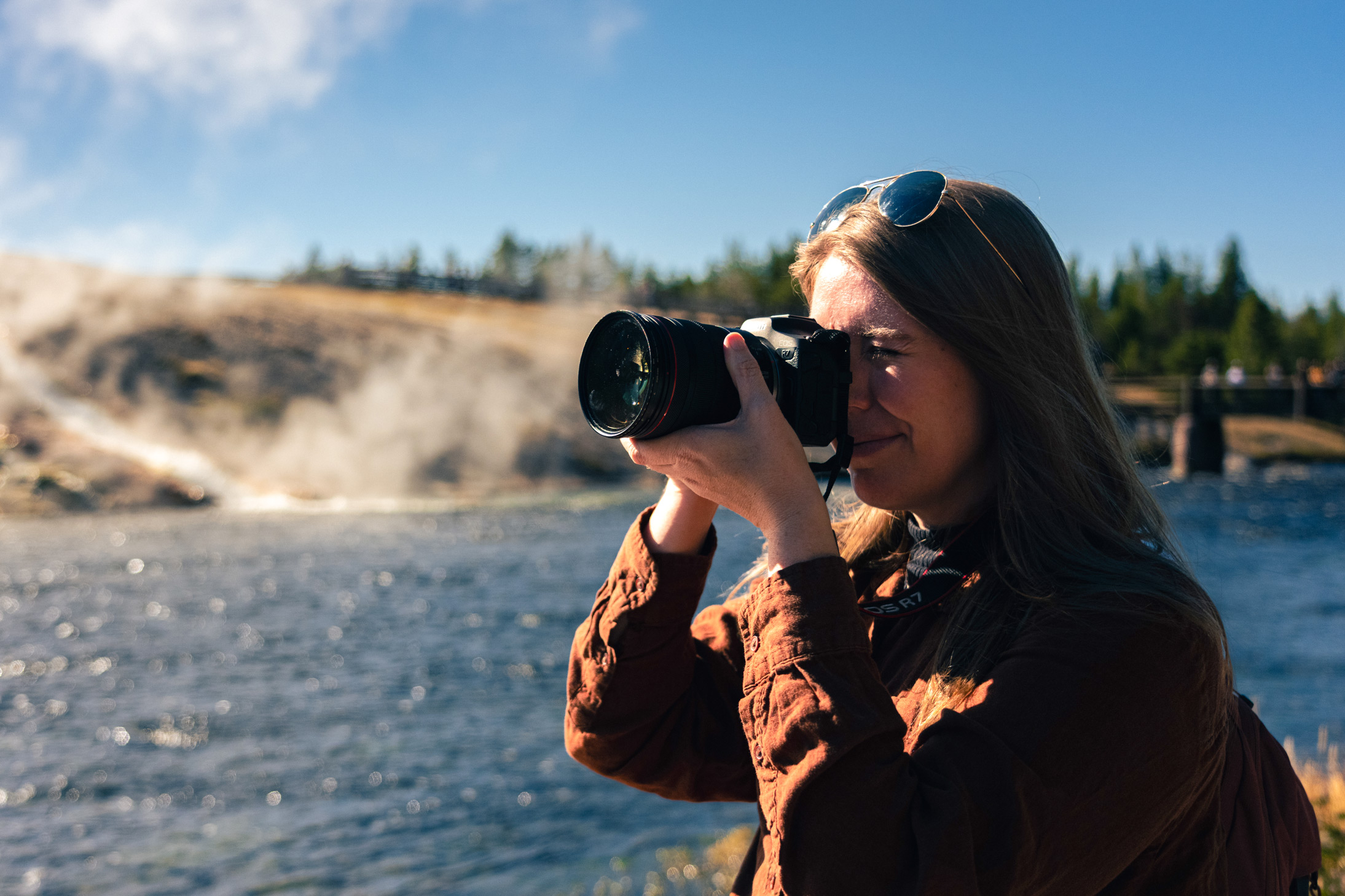
Used Canon EOS R7 in the field
When deciding what to pack for a trip to Wyoming, I knew I wanted to travel relatively lightly, but still be ready for anything. I needed a camera that would help me capture the sweeping landscapes of the Grand Tetons, as well as the wildlife of Yellowstone that often appears without warning. Enter the Canon EOS R7.
As someone who spent the majority of the past year shooting with my Fujifilm X100VI, I’ve been craving a camera with more reach. One that is relatively lightweight (I hate lugging around a ton of heavy gear), but still able to follow fast-moving subjects. The R7 has had my attention since its release, mainly because of my dad. He’s a longtime Canon EOS 7D Mark II user who’s considering upgrading and making the switch to mirrorless with the R7. Spoiler alert: I think it’s absolutely worth the switch.
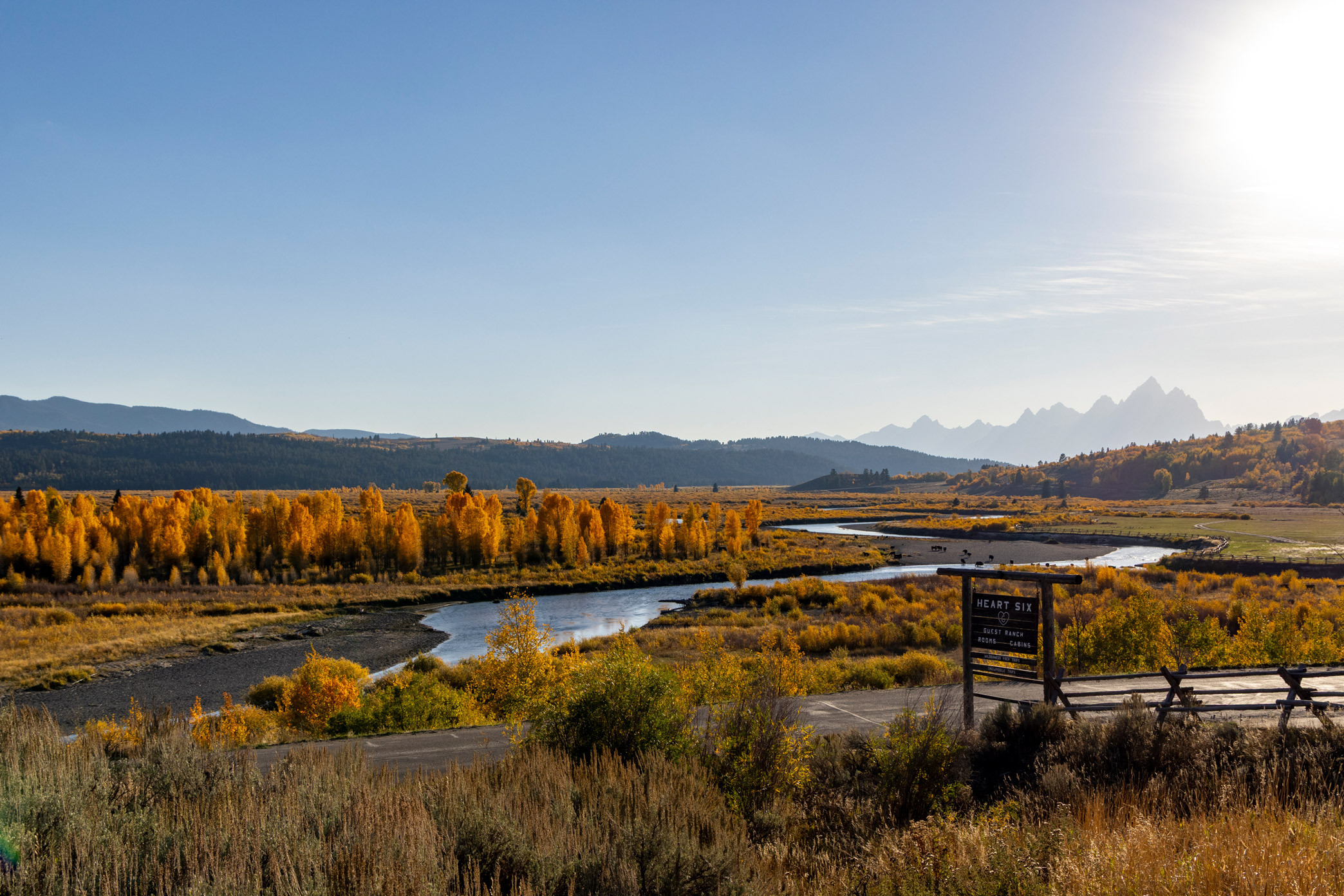
Kristi Townsend | Canon EOS R7 | Canon RF 24-105mm f/4 L IS USM | 26mm | f/8 | 1/320 | ISO 125
Quick Verdict
The Canon EOS R7 immediately felt right to me. This little camera can be portable, yet powerful enough to take on any adventure you throw at it. As someone who historically was passionate about always using a full-frame camera, I was pleasantly surprised by how much I loved the R7. That crop sensor wound up coming in handy on our trip to Wyoming, more on that later!
With the R7, you get access not just to Canon’s amazing colour science, but also the full range of RF, RF-S, and even EF lenses (if you pick up an extra adapter, that is). All in all, this camera was a winner for me, especially considering its price point.
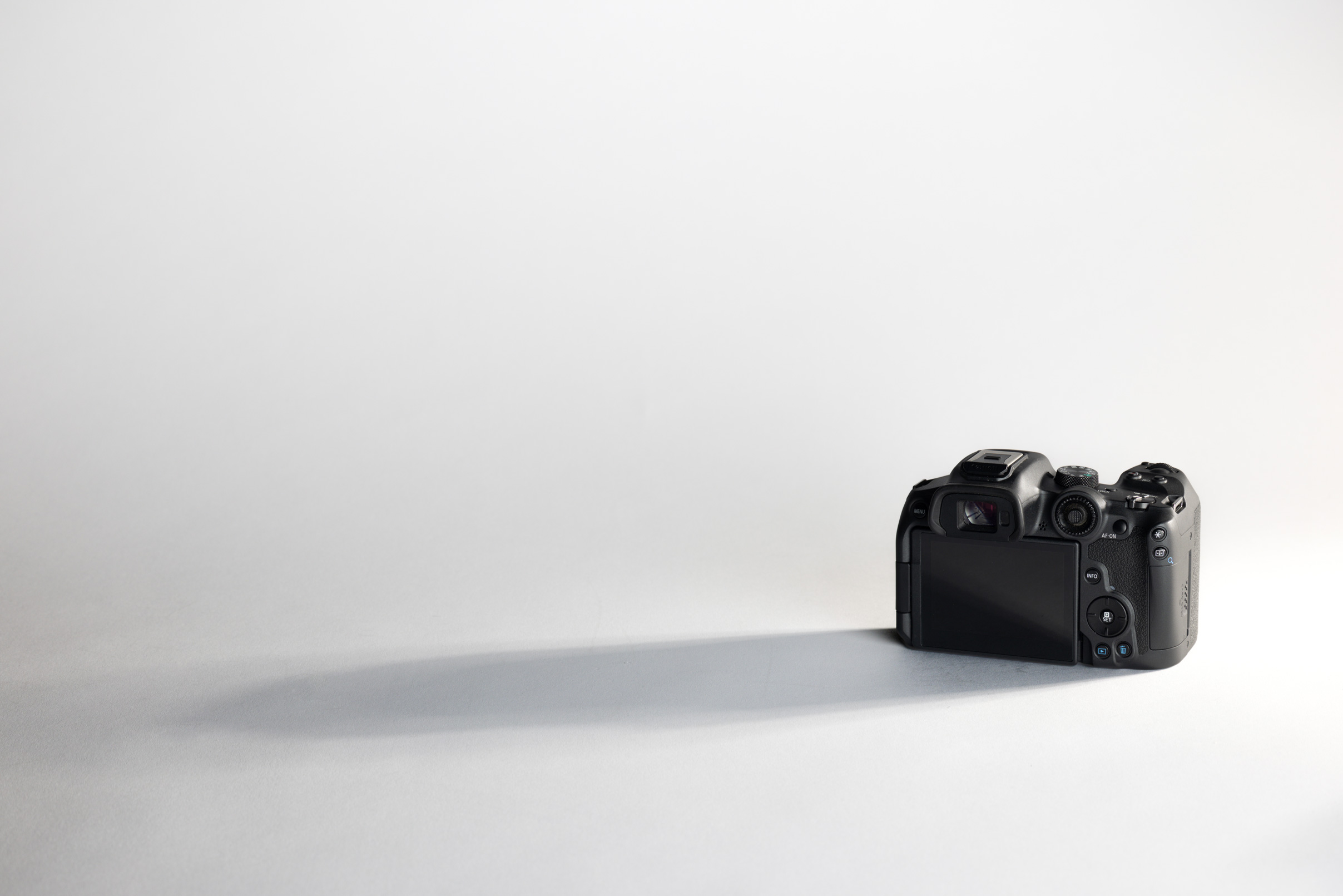
Used Canon EOS R7
Design and Handling
One of the things I generally love about Canon cameras is how natural they feel in hand, and the R7 is no exception. It’s smaller than Canon’s other full-frame mirrorless models, but the grip still felt sturdy and balanced, even with a big telephoto lens attached.
The back buttons on the R7 still felt familiar, despite small differences from other models. The spinning command dial is up top by the viewfinder rather than down outside of the four-way controller, like you see in past Canon DSLRs and other mirrorless models.
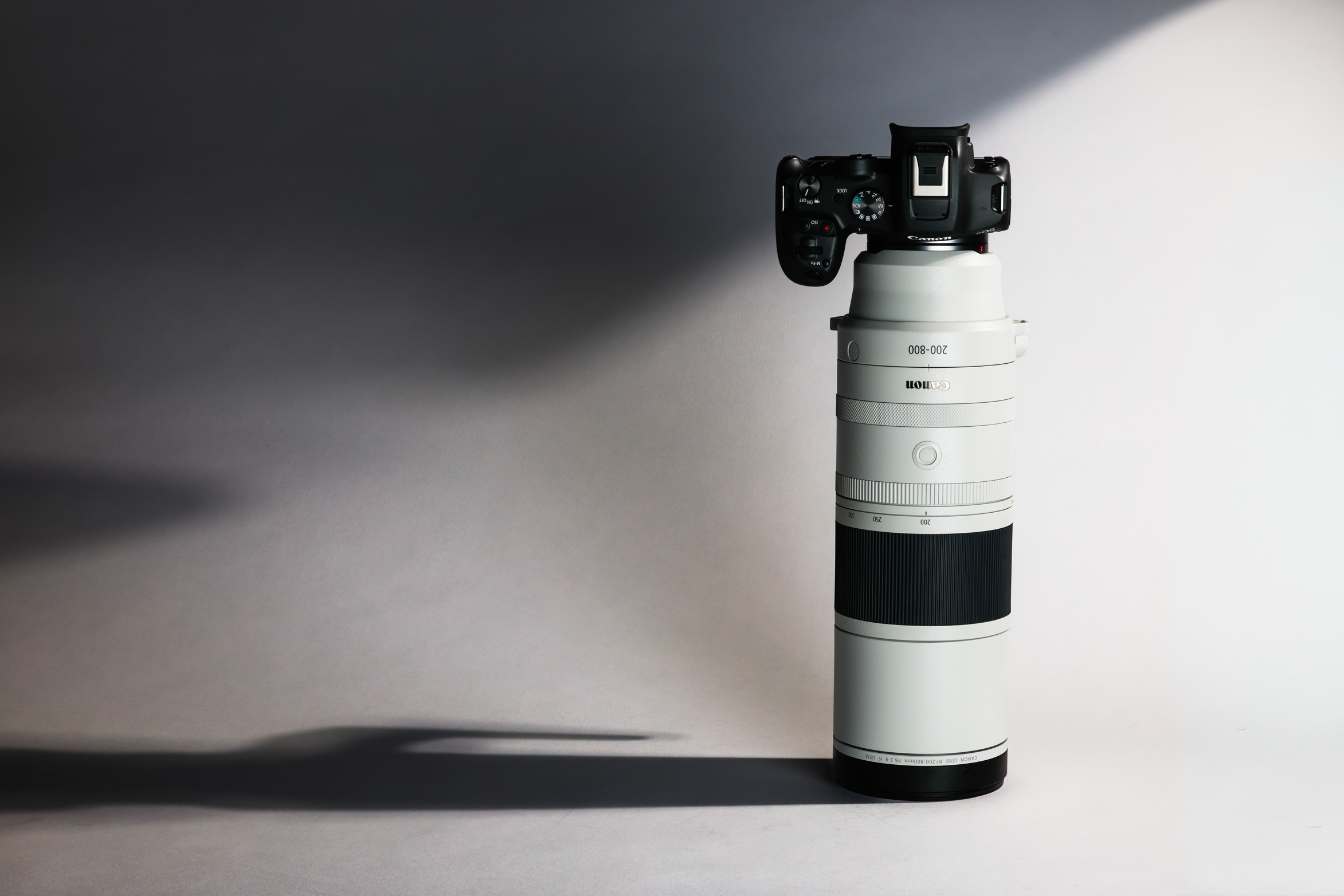
Used Canon EOS R7 and Canon RF 200-800mm f/6.3-9 IS
Something a bit odd at first glance is the inclusion of a dedicated MF/AF focus switch on the front of the camera. If you’re using RF lenses that have focus switches right on the lens itself, this button can be completely ignored. But if you’re using some of Canon’s RF-S lenses that don’t have the on-lens switch, this button becomes much more useful.
You will not find a built-in pop-up flash on the R7 as you do on other models like the Canon EOS R10, but honestly, that doesn’t bother me a bit. There’s a great hot shoe that is compatible with tons of flashguns that will give you much better performance than the built-in flashes, if you ever want to have flash capabilities. For more flash options, read our article Top 7 Canon Flashes for Photographers.
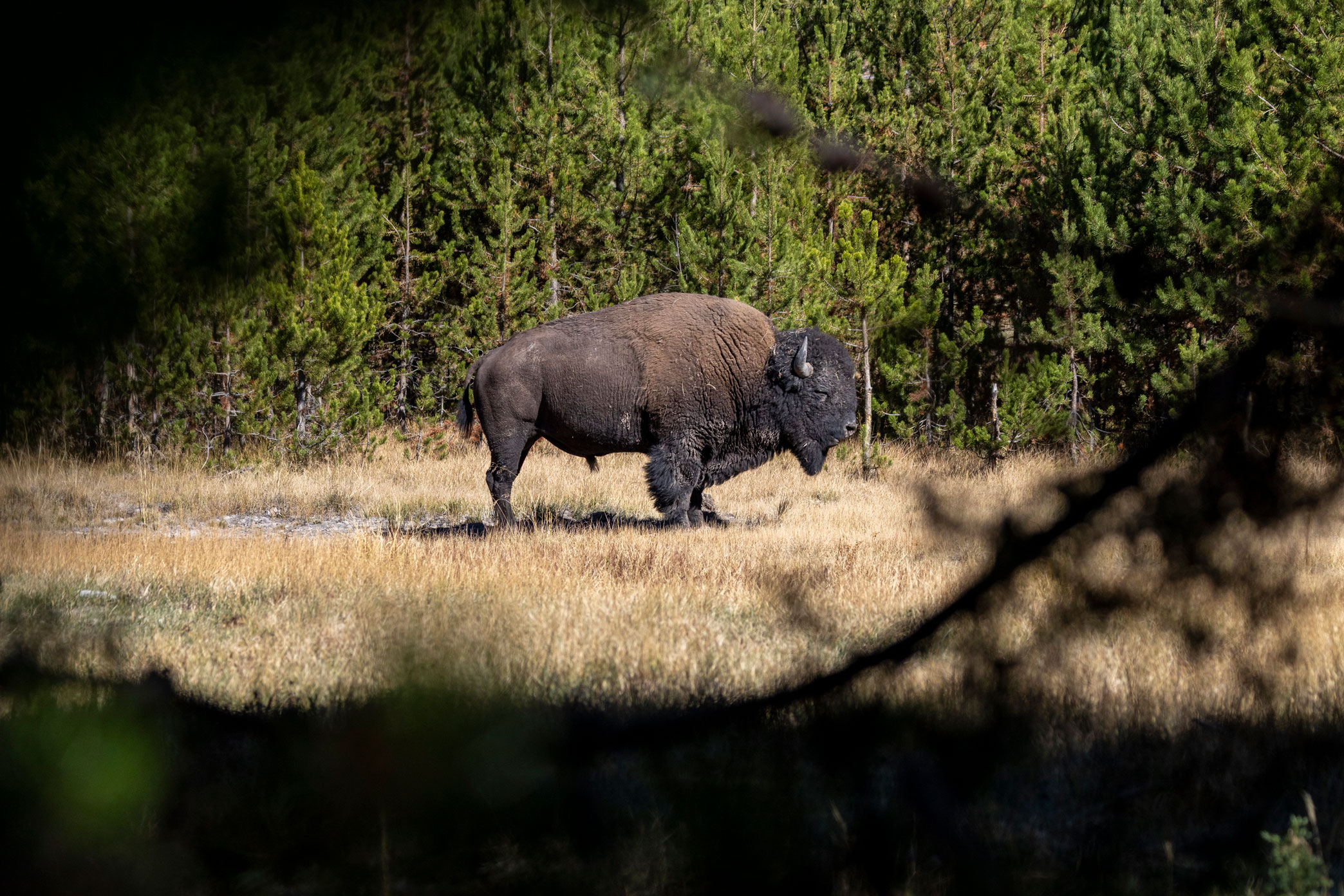
Kristi Townsend | Canon EOS R7 | Canon RF 100-500mm f/4.5-7.1L IS USM | 118mm | f/5 | 1/2500 | ISO 500
Viewfinder and Screen
We have a three-inch fully articulating touchscreen display, perfect for shooting at awkward angles or filming in selfie mode. My favourite part of the fully articulating display is the ability to turn it and tuck it away when the camera isn’t in use.
There’s also an electronic viewfinder with 2.36 million dot resolution. Some reviews complain that this is about half the resolution you’d find in higher-end models like the Canon EOS R3 feature, but personally, I’m not too fussed. The viewfinder provided more than enough resolution and detail to clearly compose and review any shots you take. Maybe my eyes are just getting worse as I get older, but peeping through the R7 viewfinder vs. some of the higher-end models…it doesn’t look too different.

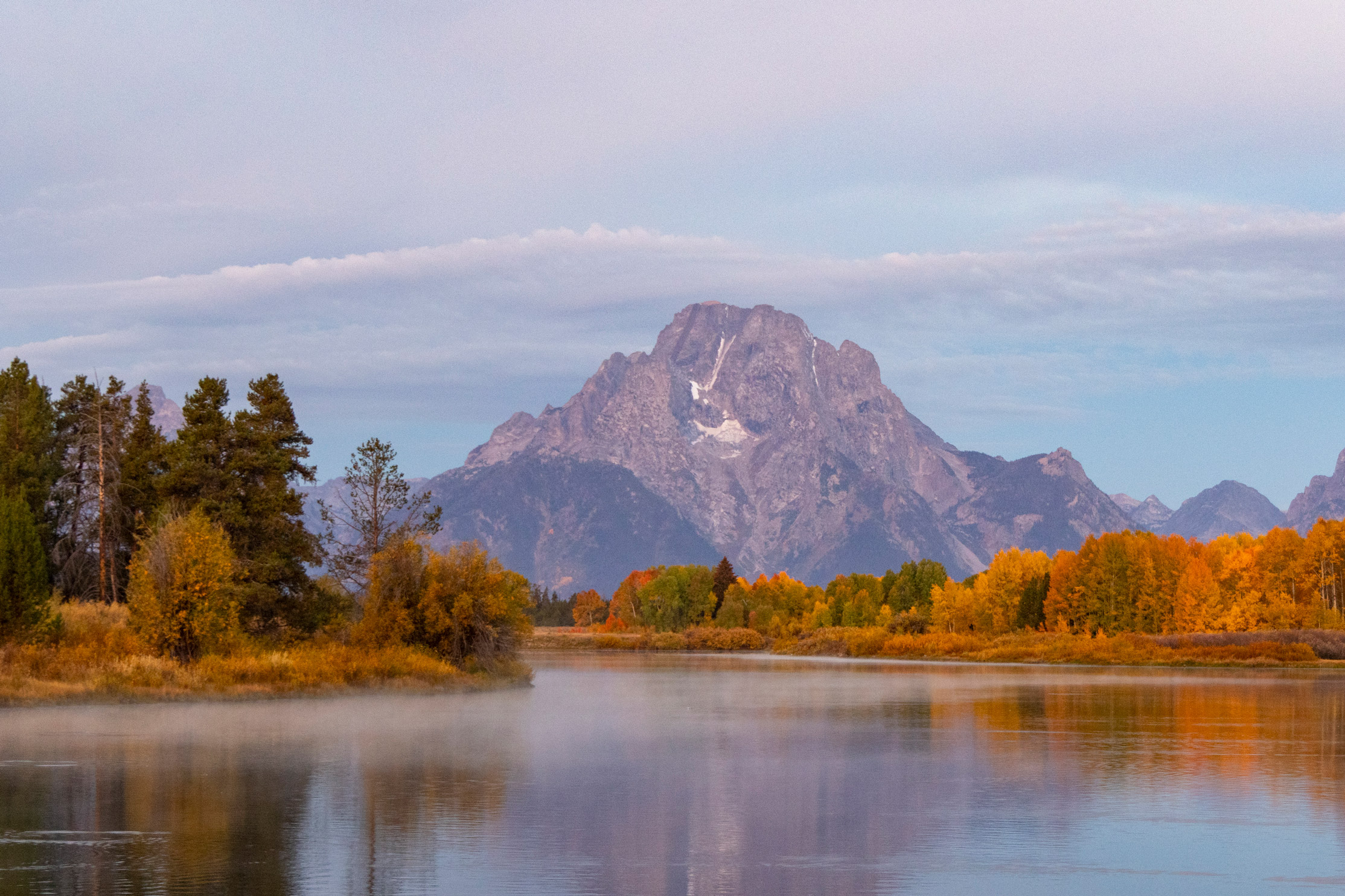
Kristi Townsend | Canon EOS R7 | RF 24-105mm F4 L IS USM | 105mm | f/6.3 | 1/1250 | ISO 200
Design-wise, the viewfinder itself sticks out a bit farther than I’m accustomed to, but I actually loved that. With other cameras, I constantly find myself accidentally pressing tons of nose prints on the screens, but I didn’t do nearly as much of that with the R7 thanks to the slightly protruding eye cup on the viewfinder.
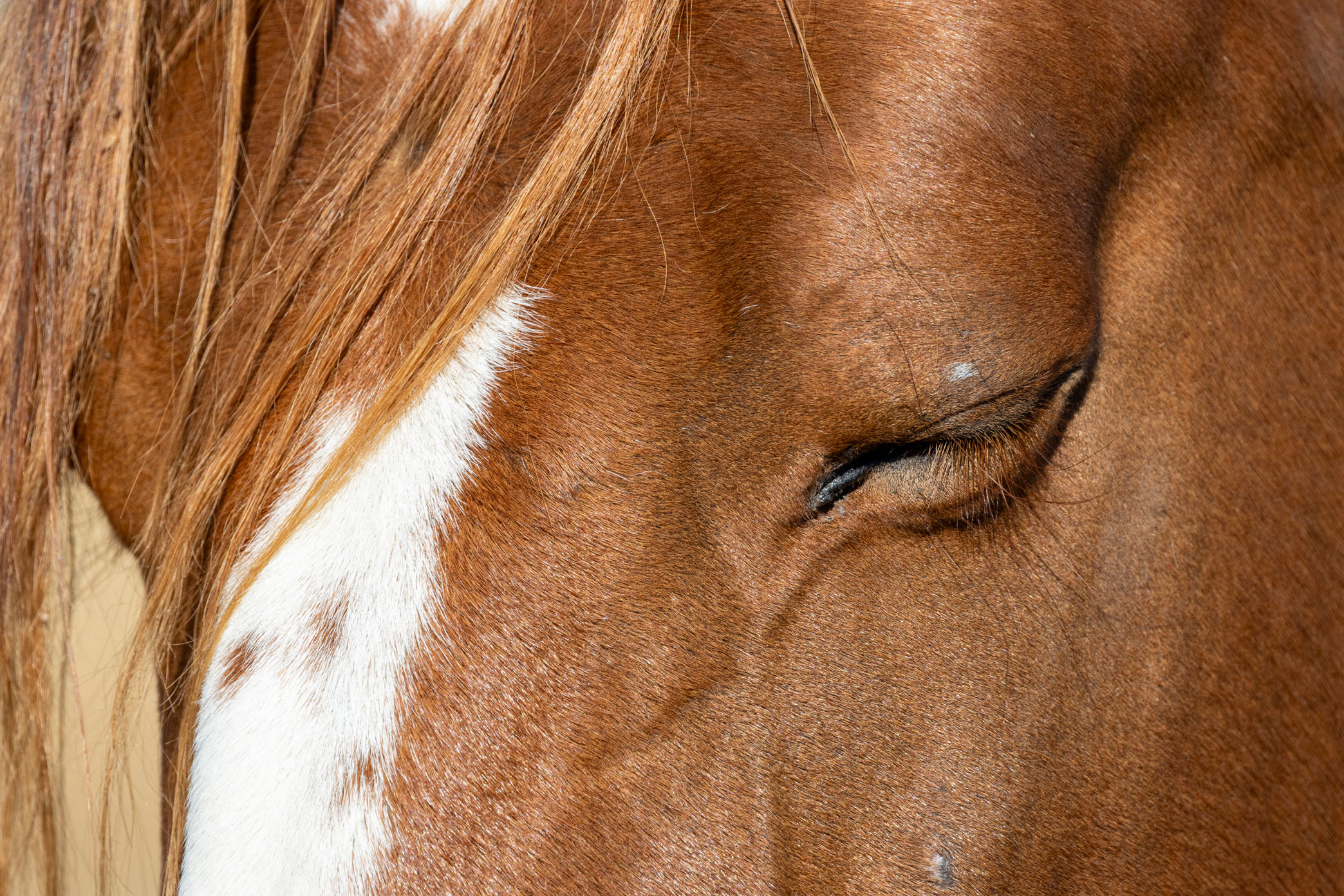
Kristi Townsend | Canon EOS R7 | RF 24-105mm F4 L IS USM | 47mm | f/4 | 1/40 | ISO 1250
Battery Life and Storage
Battery life was incredible. I often find myself feeling disappointed by mirrorless cameras’ battery life compared to my trusty Canon EOS 6D Mark II or the Canon EOS 5D Mark IVs I shot with for years. Not with the R7, though. While I frequently focused on shooting stills in Wyoming, I still shot all day long, and the battery would last right there with me throughout the entire day. I was so nervous about battery life before the trip that I packed probably four extra batteries in my bag that I never needed to use. Frankly, it was downright astonishing how great the battery life was.
Kristi Townsend | Canon EOS R7 | Canon RF 100-500mm f/4.5-7.1L IS USM | 500mm | f/7.1 | 1/1600 | ISO 400
According to Canon, the R7 is rated for 770 shots (with LCD) and 500 shots (with viewfinder), and I feel like they’re underselling it slightly. I almost exclusively used the viewfinder when shooting stills and I’m fairly sure I surpassed that amount.
A fantastic feature on this model is the dual SD card slot. I’ve rarely had cards fail, but they do on occasion, so if you’re shooting something particularly important or you’d just rather be safe than sorry, it’s great to have an instant backup.
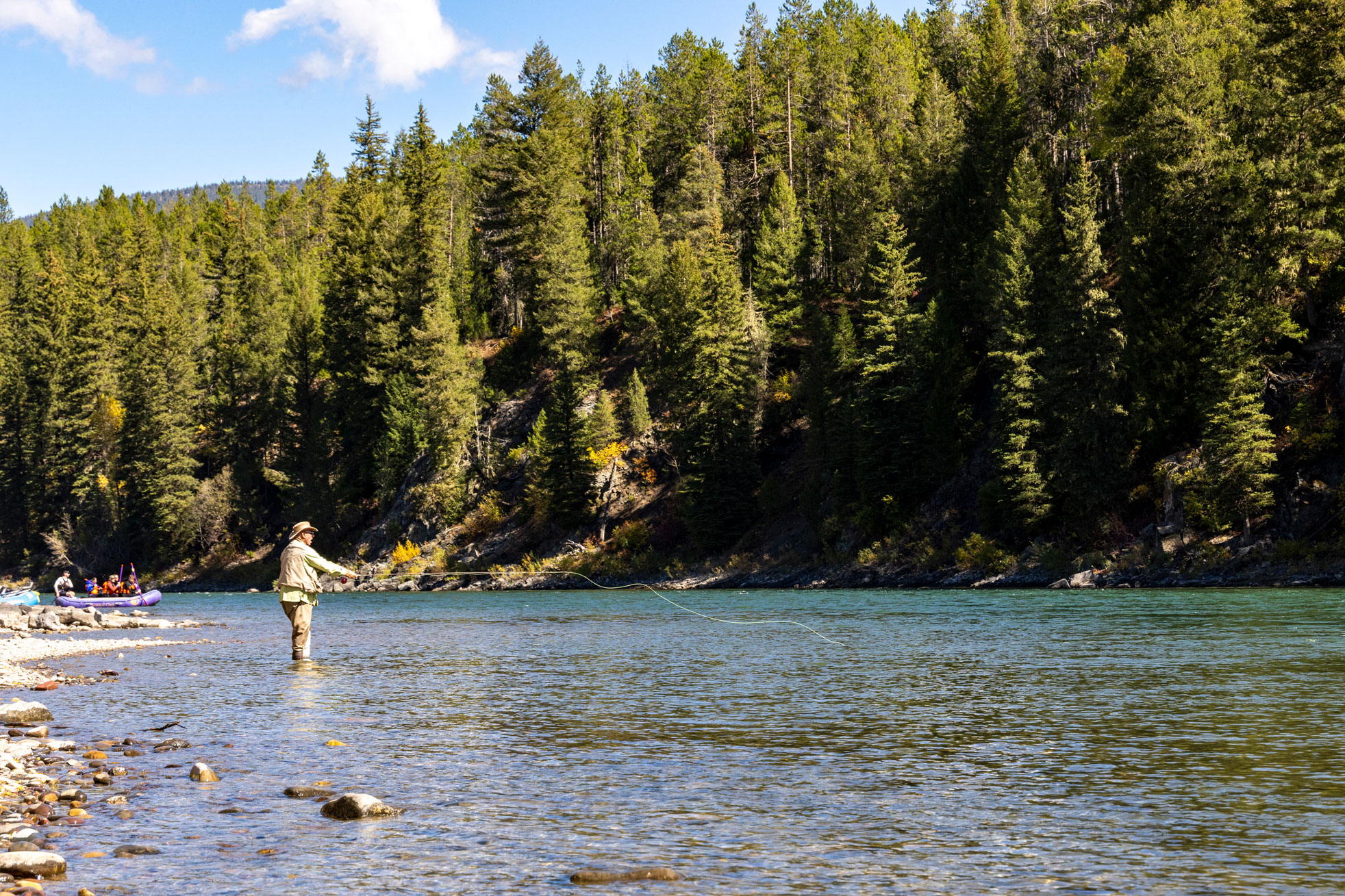
Kristi Townsend | Canon EOS R7 | RF 24-105mm F4 L IS USM | 50mm | f/6.3 | 1/640 | ISO 200
APS-C Sensor
I have always been a full-frame-is-a-must person, and I found them especially important in the day of DSLRs. I really hated (and still hate) thinking through crop factor and its impact on lens choice. Something my brain interprets this as having to “math” and struggles against the idea of a 50mm lens not giving you a 50mm field of view, but rather ~80mm. Don’t even get me started on medium format; it messes with my mind too much to think about. But why exactly do you need to think about that conversion day to day? The answer is: you really don’t.
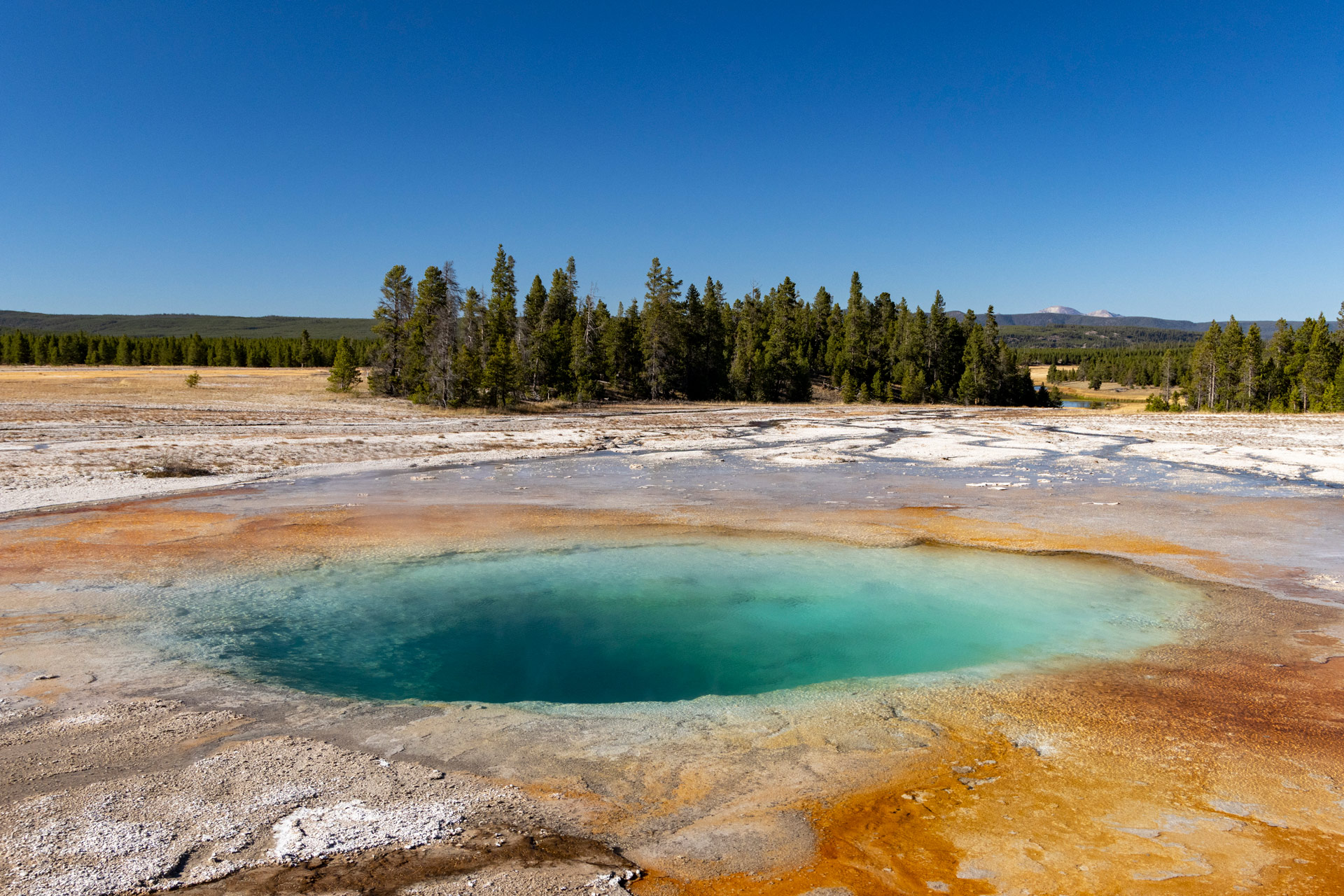
Kristi Townsend | Canon EOS R7 | RF 24-105mm F4 L IS USM | 24mm | f/5 | 1/1250 | ISO 500
Anyway, the R7’s APS-C sensor here will give you a 1.6x crop factor. For the anti-math folks like myself, it means that if you pop a 100-500mm lens on like I did in Wyoming, you can up your telephoto range from a 500mm max distance to an 800mm equivalent. This is without any of the extra doohickeys and doodads (read: extension tubes) you would and do need to get that same focal length on a full-frame camera.
For wildlife in Yellowstone in particular, this was truly game-changing.
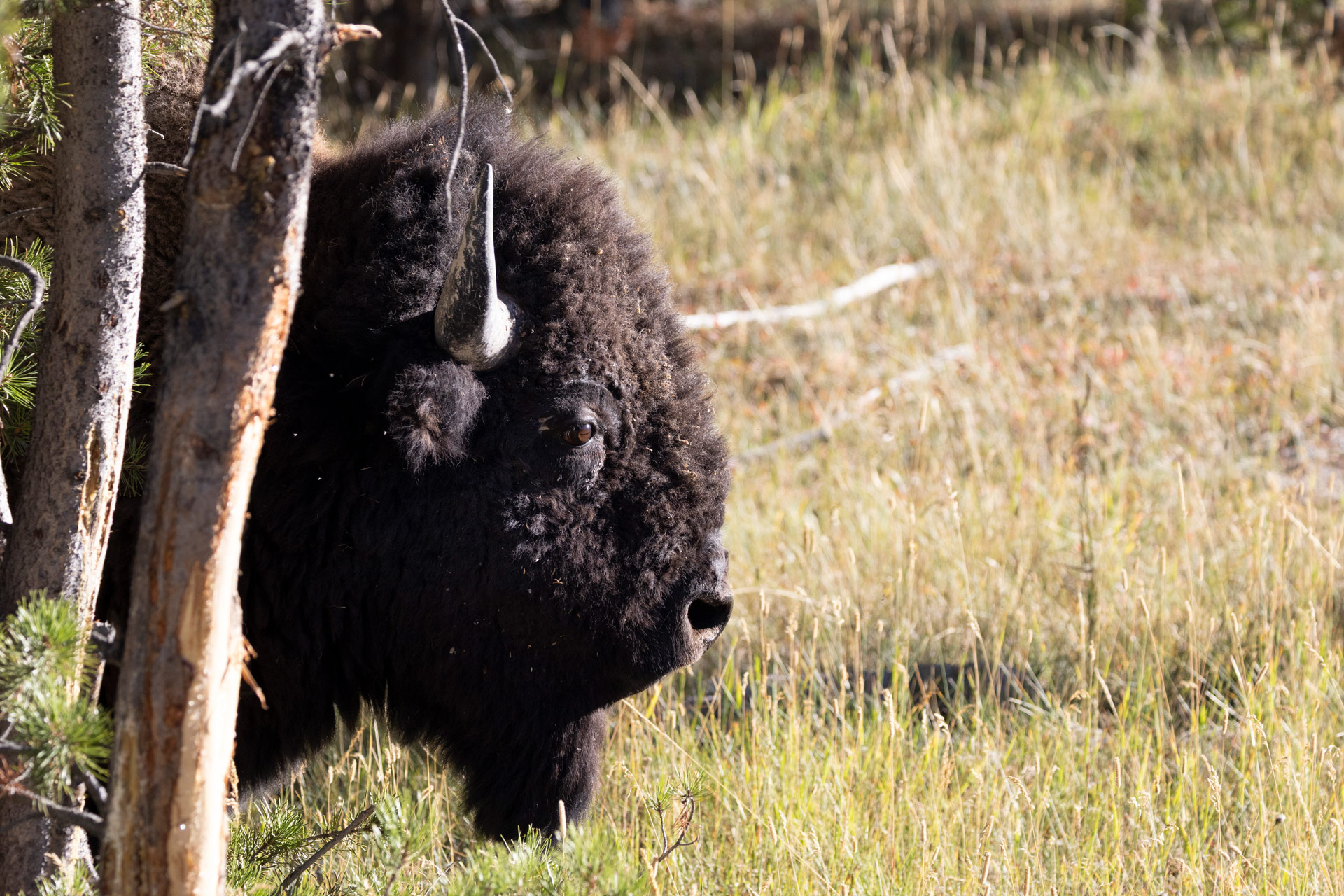
Kristi Townsend | Canon EOS R7 | Canon RF 100-500mm f/4.5-7.1L IS USM | 159mm | f/5 | 1/1000 | ISO 500
Canon R7 Lenses
“The most important thing in photography is your glass.” That phrase, along with “F/8 and be there,” were two of my dad’s go-tos when teaching me about photography when I was in middle school. With the R7, you can use some of the best lenses that money can buy in this modern day and age.
Compatible with Canon RF lenses, the R7 gives you access to the same glass that the pros shooting with the Canon EOS R5 Mark II and Canon EOS R1 have. If you’re still building out your kit bag, you can also use the still solid and much more portable RF-S lenses.
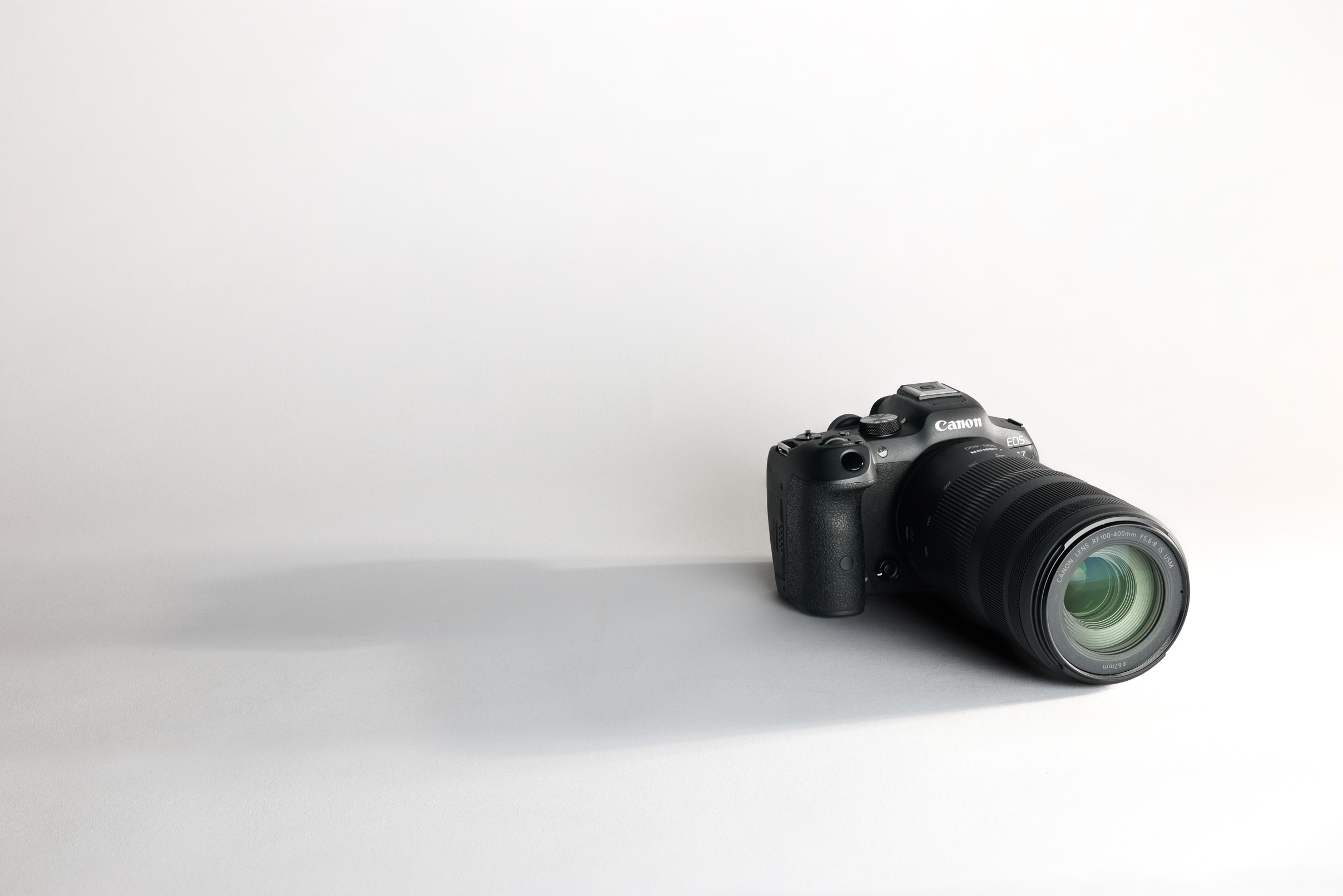
Used Canon EOS R7 and Canon RF 100-400mm f/5.6-8 IS USM Lens
I did stick with RF lenses on my trip to Wyoming, but I occasionally wished I had one of the lighter-weight RF-S lenses (especially while we were hiking). To cover the wide-angle side of things, I went with a Canon RF 24-105mm f/4 L IS lens and was very happy with the performance and coverage of the wide landscapes and epic vistas we had. For the more distant subjects, I brought the Canon RF 100-500mm f/4.5-7.1L IS.
I think my favourite part of the trip was using that tele lens and getting up to the equivalent of 800mm. While shooting out in Yellowstone, we actually came across a grizzly bear. You can’t get close to a lot of wildlife (especially a grizzly), so having this extra distance with the crop sensor was critical to getting some of the shots that I did.
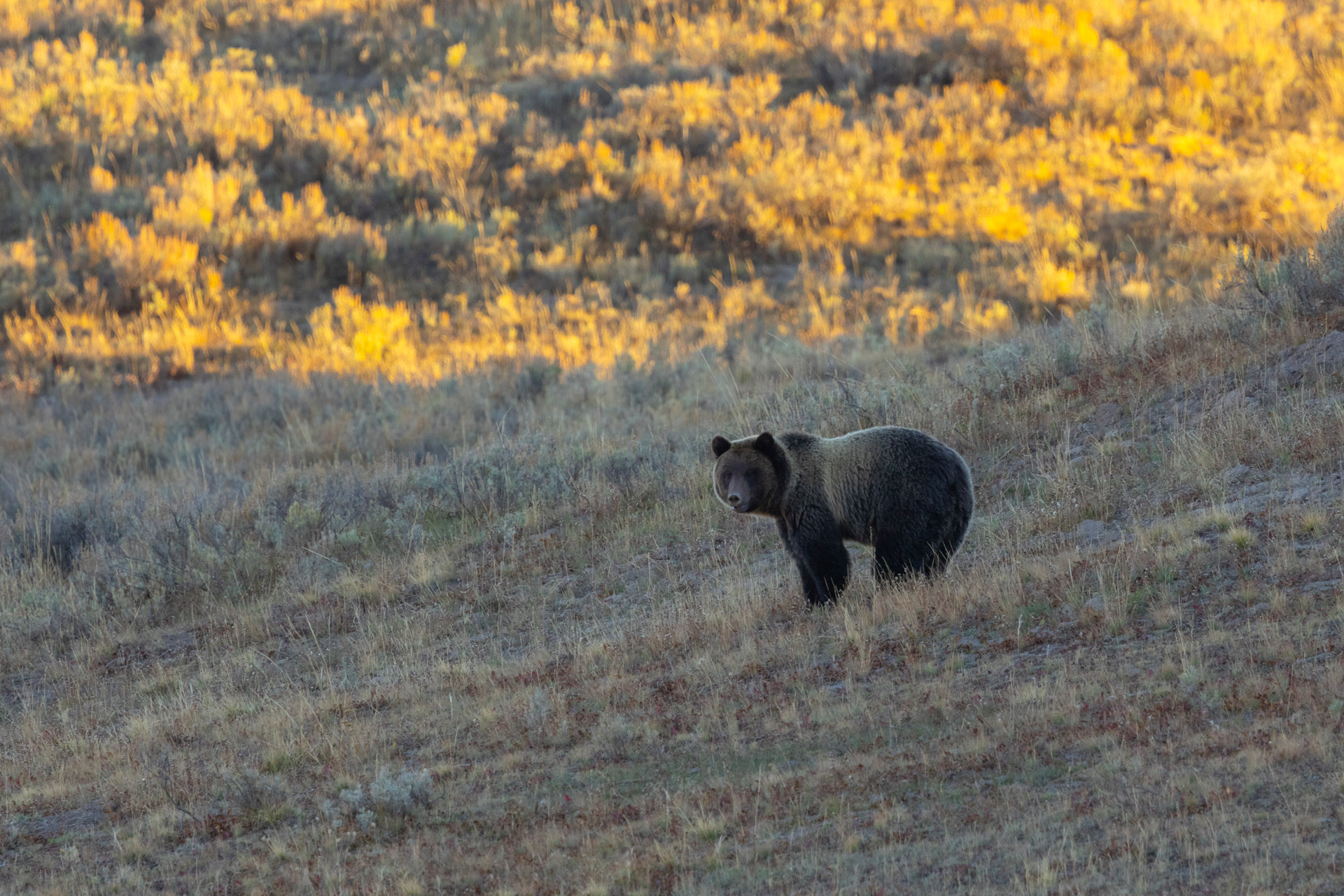
Kristi Townsend | Canon EOS R7 | Canon RF 100-500mm f/4.5-7.1L IS USM | 500mm | f/7.1 | 1/250 | ISO 800
Shooting Performance
The R7 can shoot up to 30 frames per second (fps) with the electronic shutter, and up to 15 fps with the mechanical shutter, which is significantly better than what you get with many DSLRs. There’s a larger image buffer than what we see with the R10, so it’s a much better option for shooting bursts or action sequences required for wildlife or sports photography.
Autofocus and Subject Tracking
Wildlife photography is one of the toughest tests for autofocus, and while in Yellowstone, the R7 passed with flying colours. It uses Canon’s powerful Dual Pixel CMOS AF II system with 651 selectable points and deep subject recognition. It has human, animal, and car subject detection, all of which were smooth in tracking.
I shot everything from birds to bison during my trip, and the R7 was fast and accurate, while staying locked onto targets even when shooting handheld or through long lenses.
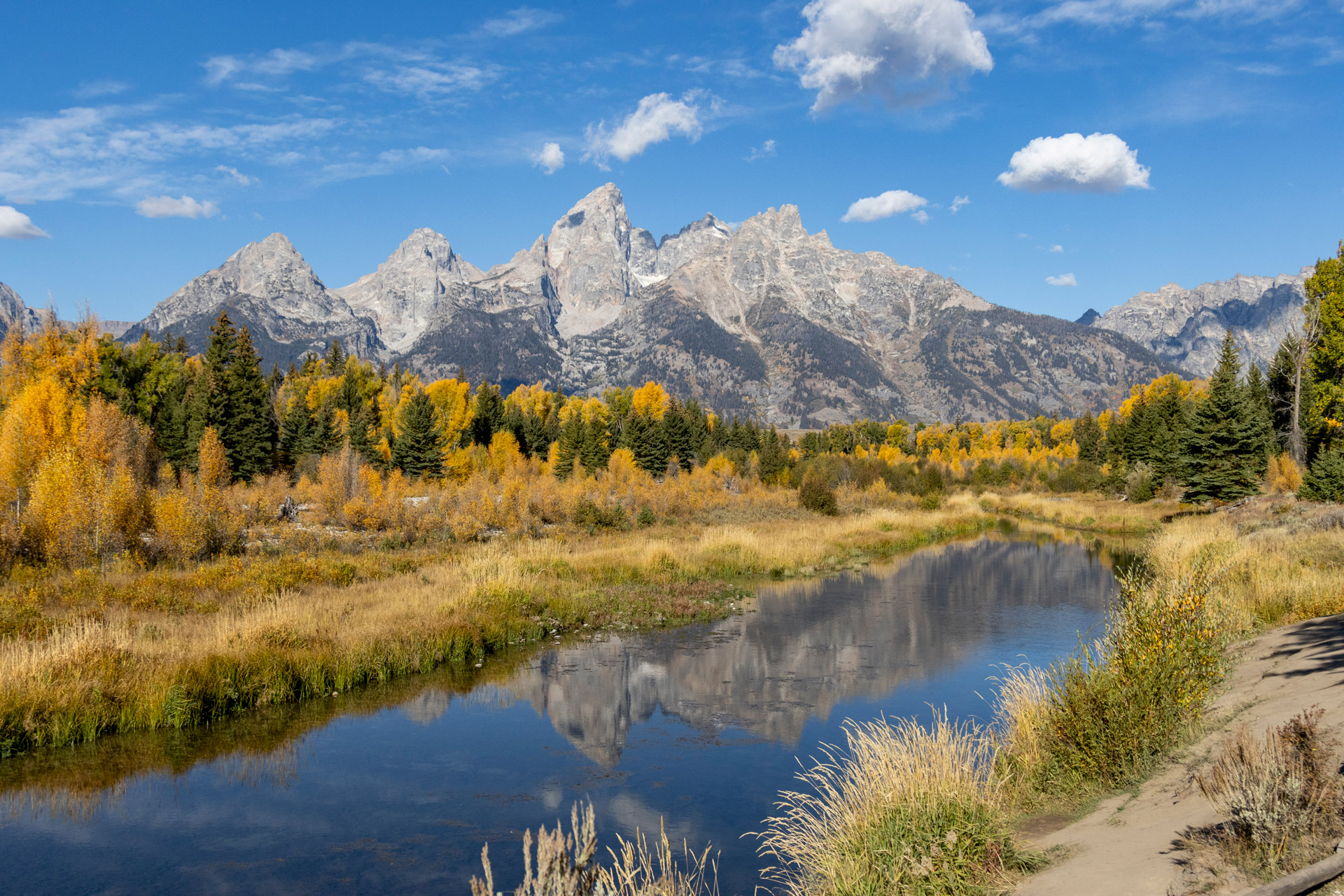
Kristi Townsend | Canon EOS R7 | RF 24-105mm F4 L IS USM | 24mm | f/4 | 1/5000 | ISO 320
Image Quality
Dynamic Range and ISO
With the Grand Tetons looming in the distance of many shots, we were often working in contrasting conditions with bright hotspots and shadowy trees. I found files to be clean, flexible, and rich with detail while shooting RAW. Highlights stayed controlled, shadows held their depth, and Canon’s colour science delivered warm, natural tones that needed little editing.
That being said, while it was leaps and bounds above some cameras I’ve shot with in the past, the low-light capabilities of the R7 did leave me with a bit to be desired.
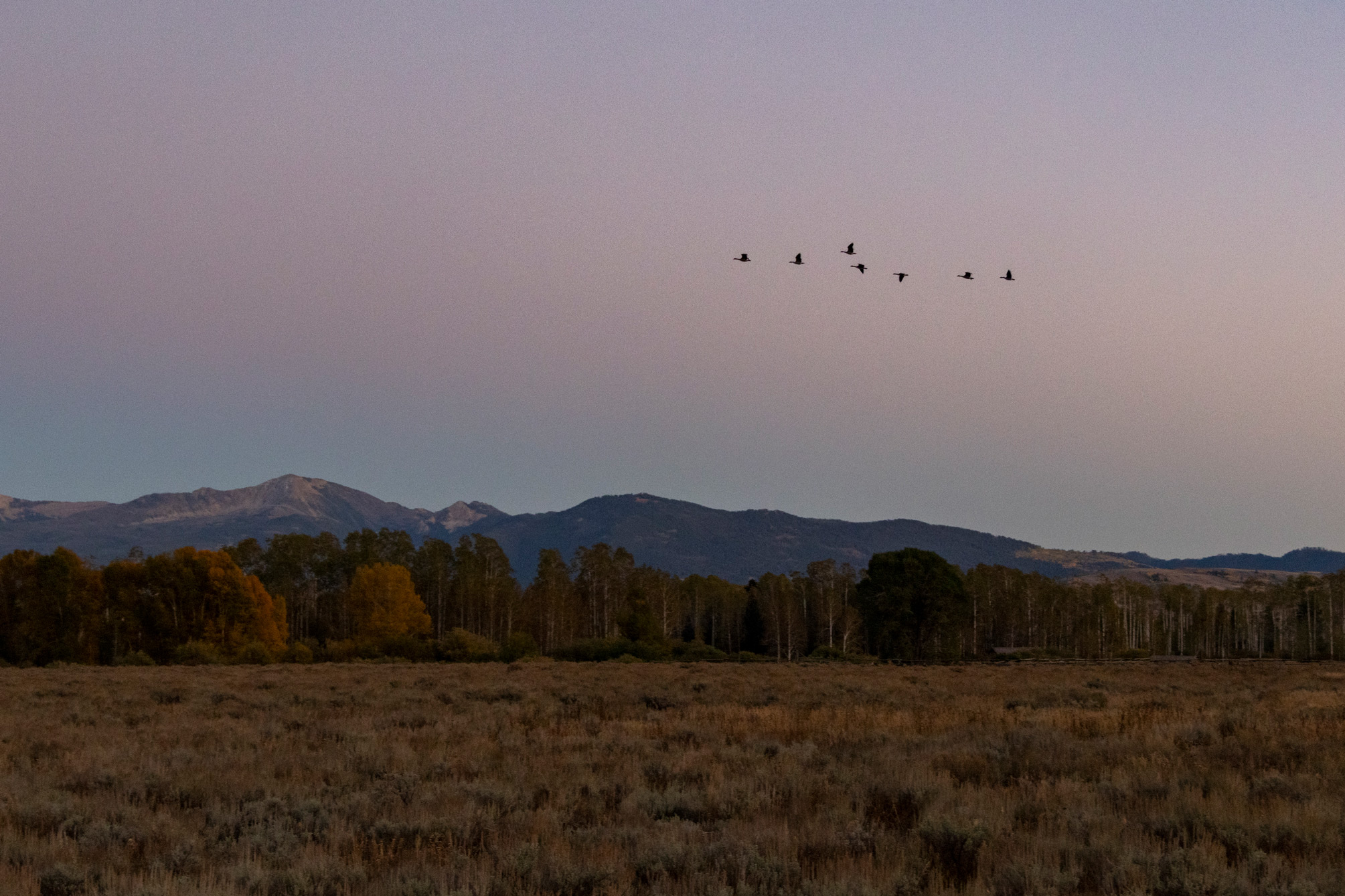
Kristi Townsend | Canon EOS R7 | RF 24-105mm F4 L IS USM | 39mm | f/4 | 1/125 | ISO 2000
With the seven stops of IBIS and a stabilised lens, I was able to handhold shots down to about 1/10 of a second and still get crisp results. The native ISO range (100–32,000) gives plenty of room to work with, and noise stays very manageable up to ISO 6400. If pushed up beyond that point and up to the expanded ISO 51200, photos become a bit more like a painting.
While leaving Yellowstone, the sun had just set when we passed by a mule deer (I think?) on the side of the road. I whipped up the camera and quickly snapped a few shots out of the car window. While the animal autofocus still worked perfectly in dark conditions, the detail retention went out the window. Lightroom’s denoise fixed things up slightly in post, but overall, I often prefer keeping a bit a noise rather than getting that overly smooth, digital look you can find when the denoise value is set too high.
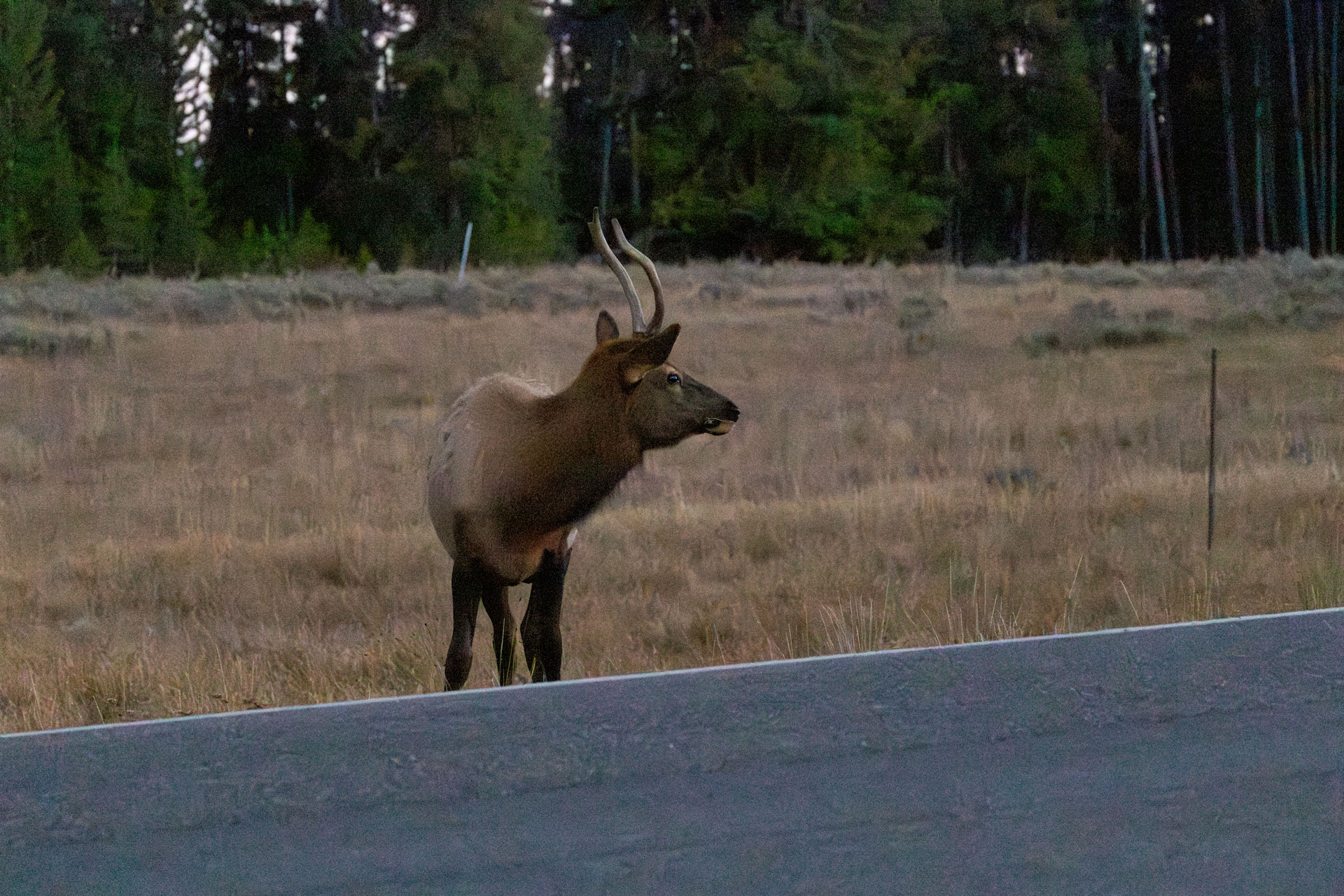
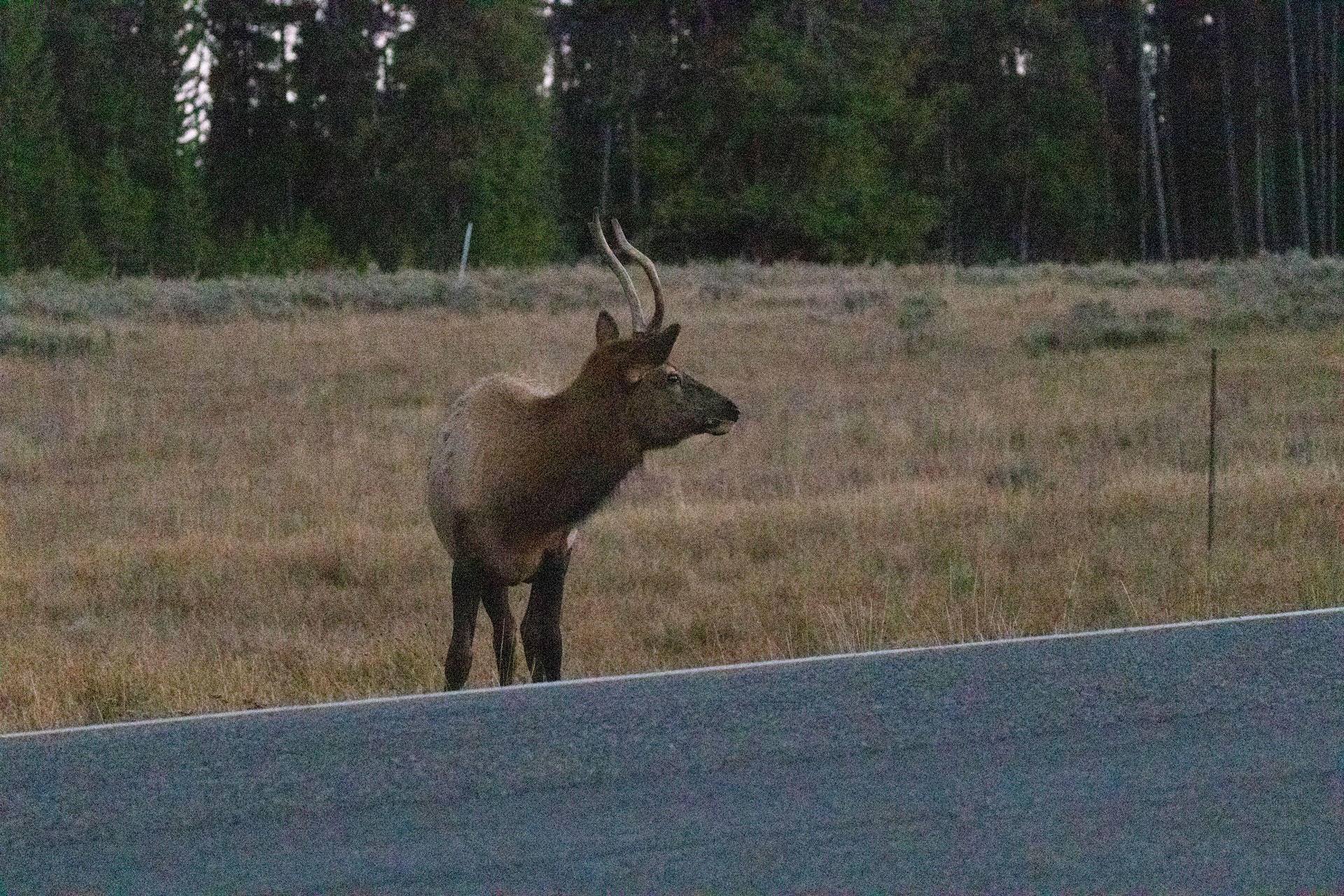
Denoise Image Comparison; Left image no denoise applied, right image denoise applied at 30%
Canon R7 Sample Images
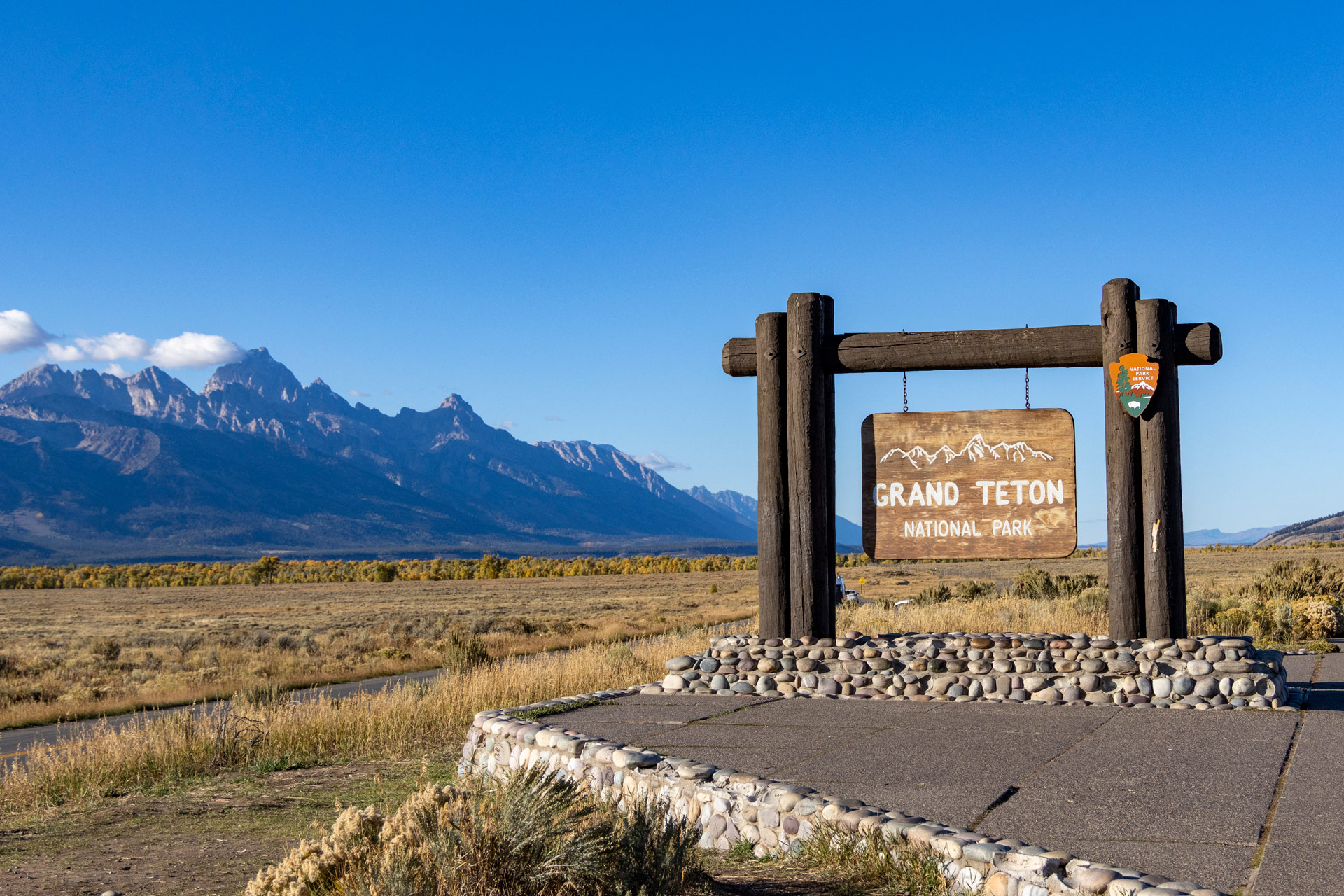
Kristi Townsend | Canon EOS R7 | RF 24-105mm F4 L IS USM | 31mm | f/4 | 1/2500 | ISO 200
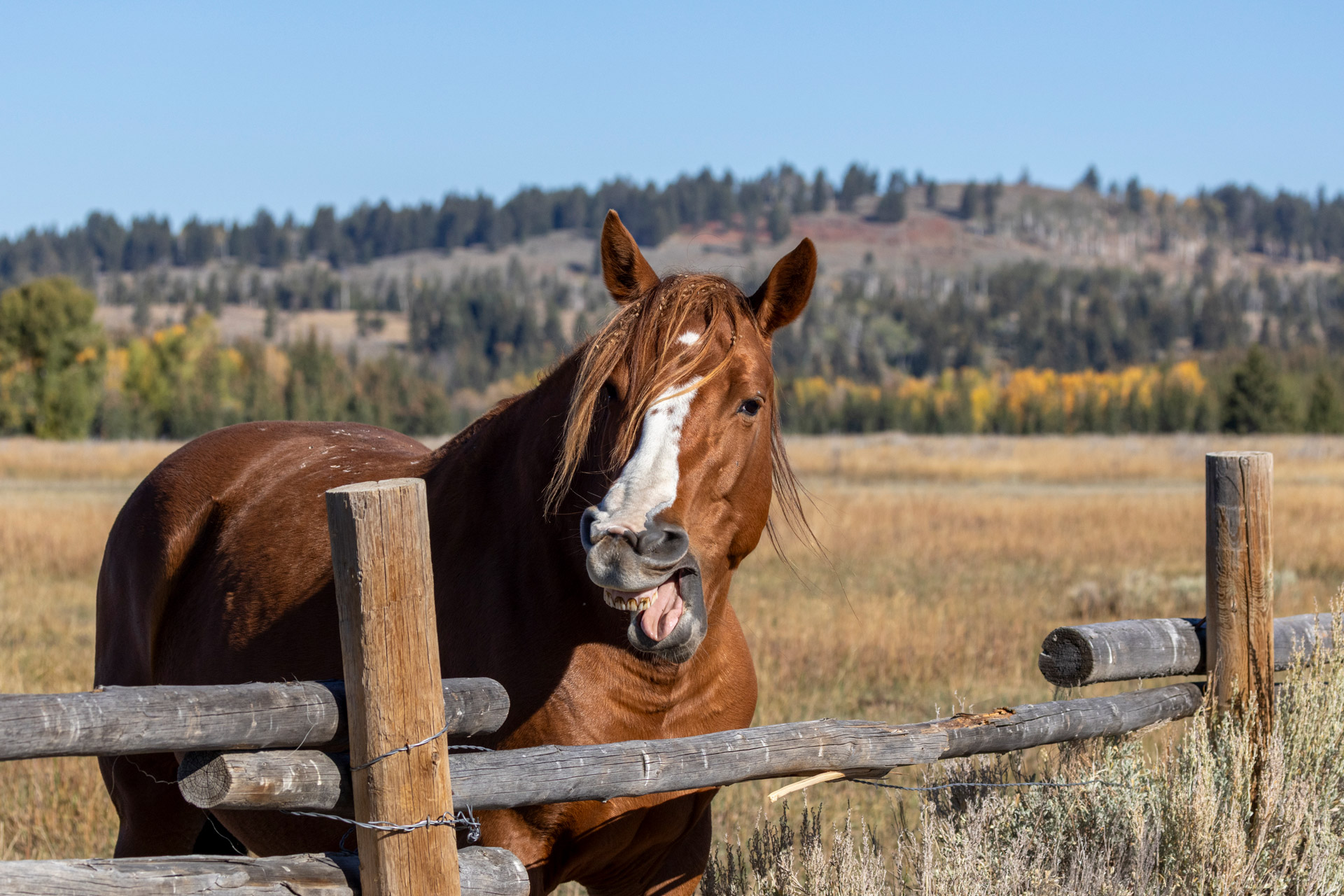
Kristi Townsend | Canon EOS R7 | Canon RF 100-500mm f/4.5-7.1L IS USM | 100mm | f/6.3 | 1/2000 | ISO 400
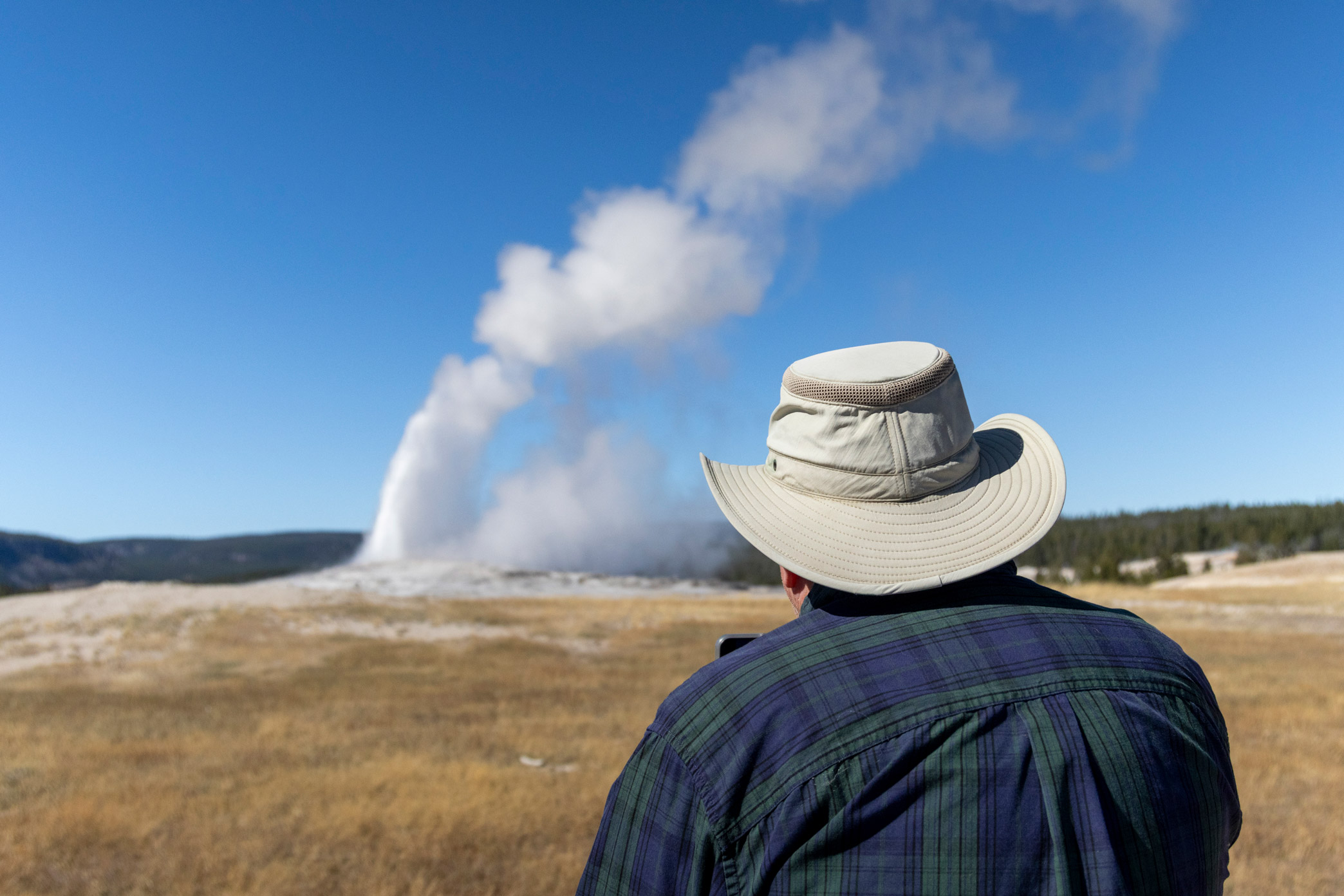
Kristi Townsend | Canon EOS R7 | RF 24-105mm F4 L IS USM | 24mm | f/4 | 1/400 | ISO 500
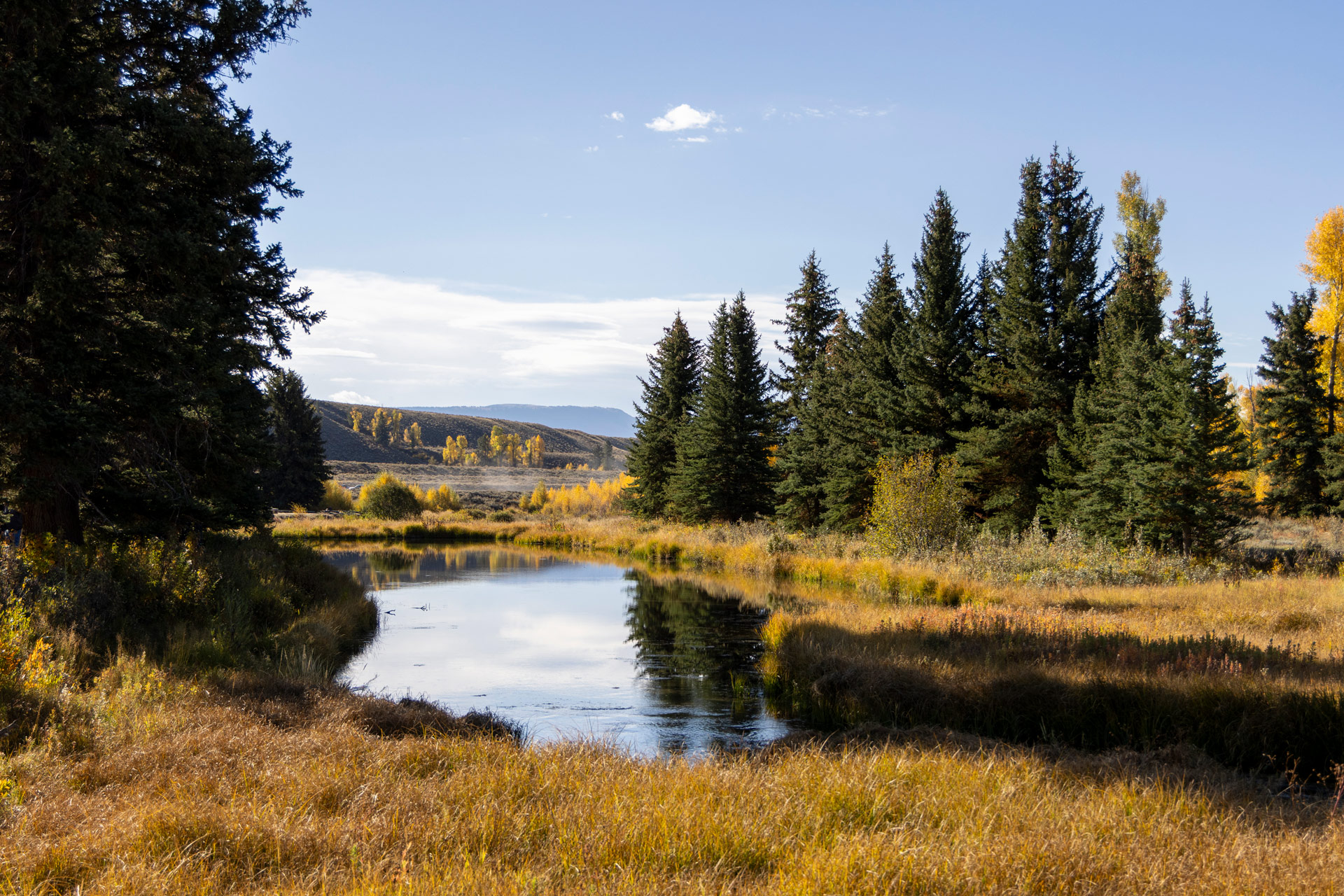
Kristi Townsend | Canon EOS R7 | RF 24-105mm F4 L IS USM | 35mm | f/4 | 1/800 | ISO 125
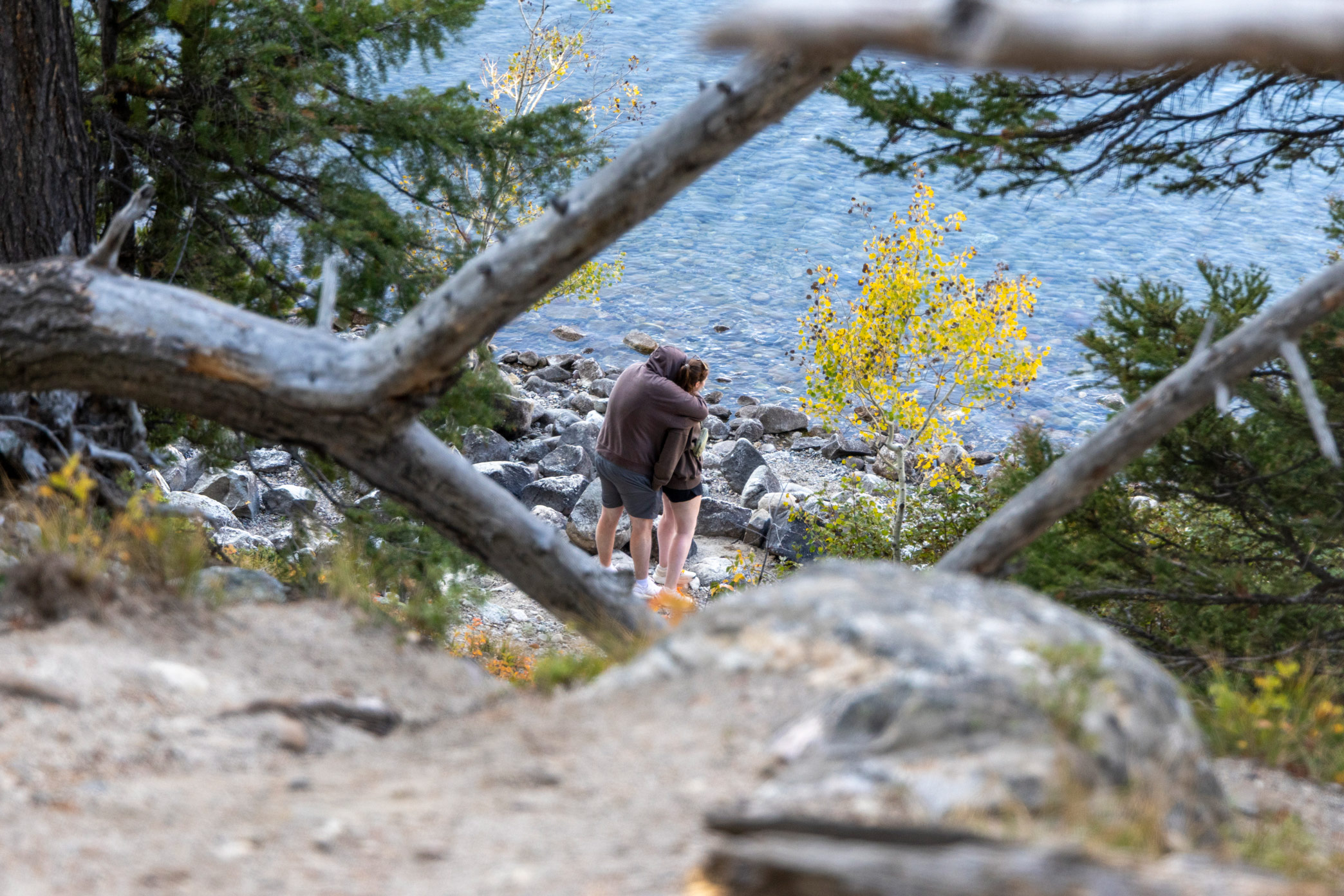
Kristi Townsend | Canon EOS R7 | RF 24-105mm F4 L IS USM | 72mm | f/4 | 1/80 | ISO 400
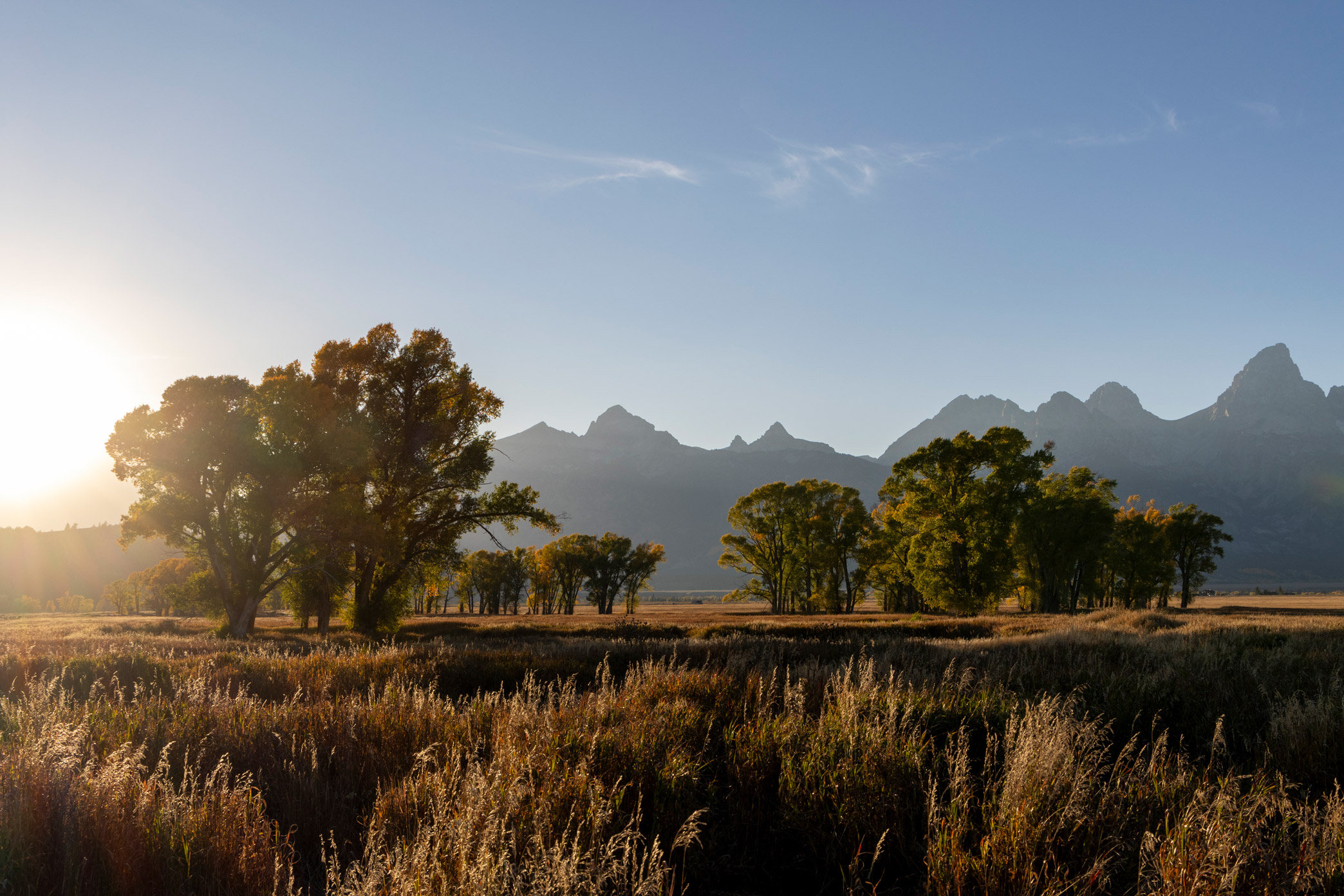
Kristi Townsend | Canon EOS R7 | RF 24-105mm F4 L IS USM | 24mm | f/8 | 1/320 | ISO 125
Video Capabilities
I primarily shoot stills, but I’ve been actively trying to shoot more video lately. Luckily, the R7 makes it easy. The dedicated video switch dial gets you into video mode and shooting within seconds. It’s actually almost too easy to flip into video mode at times with the dial integrated with the On/Off function.
Sporting some powerful video capabilities, the R7 records oversampled 4K/30p from 7K, 4K/60p with a 1.8x crop, and Full HD up to 120fps for buttery slow-motion footage. You also get C-Log3 for full control over colour grading.
The footage looks great. Oversampled 4K is sharp and detailed, colours are classic Canon, and the autofocus performs just as reliably as it does for stills. I filmed several handheld walking shots to test the IBIS, and the results were surprisingly smooth. For hybrid creators or travel vloggers, these video features really give you everything you need.
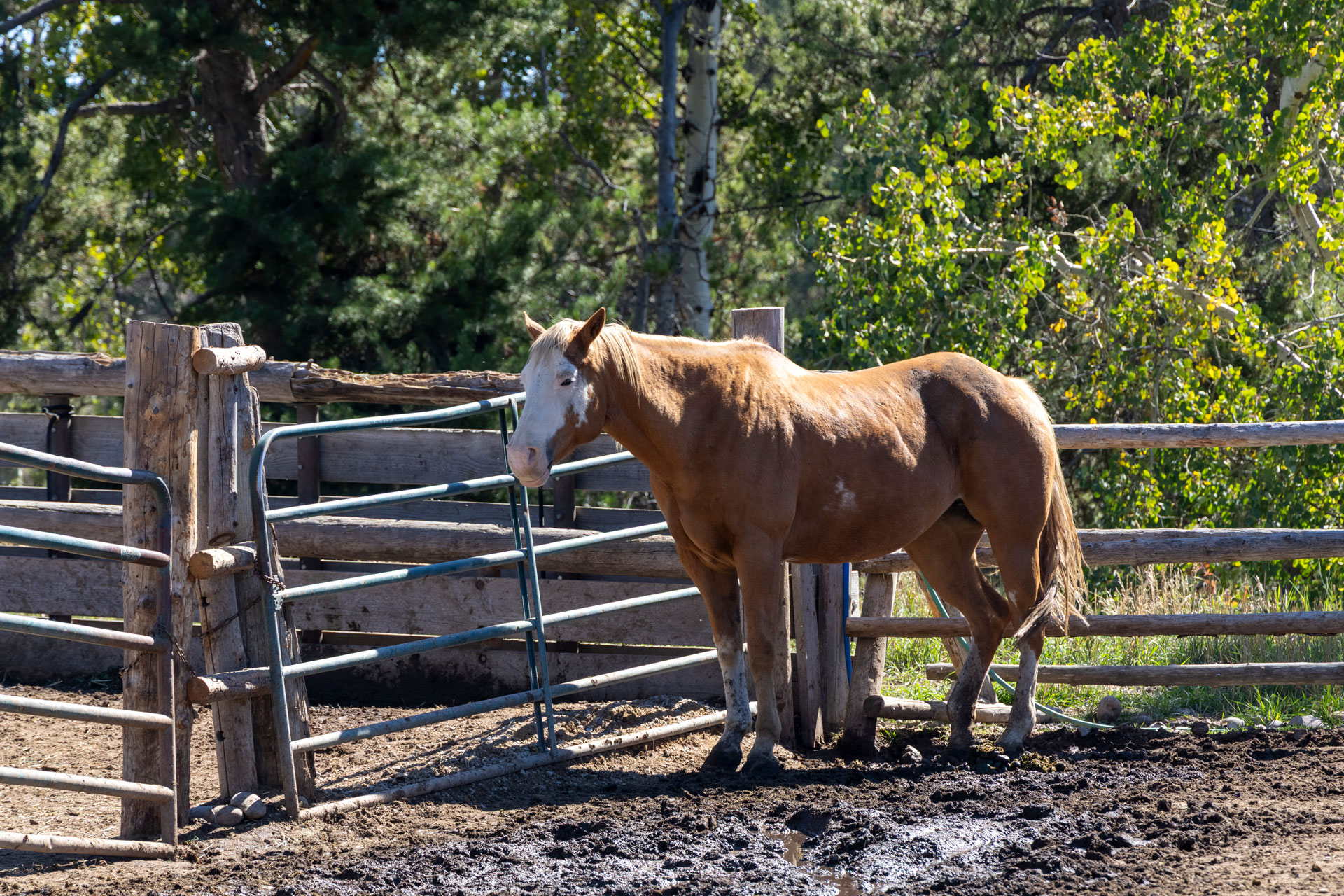
Kristi Townsend | Canon EOS R7 | RF 24-105mm F4 L IS USM | 105mm | f/4.5 | 1/500 | ISO 200
Canon EOS R7: Is it Worth It?
After a week in the field, I can confidently say that the Canon R7 is one of the most versatile cameras I’ve used. It’s fast, lightweight, and delivers stunning image quality. The autofocus system is seriously impressive, and the overall shooting experience just feels right.
If, like my dad, you’re coming from a DSLR like the 7D Mark II, this is absolutely a worthy upgrade. You’ll get better autofocus, IBIS, video features, and that familiar Canon feel. Even if you already are shooting with a more advanced full-frame Canon, I would still suggest picking up the R7 as a second body for when you need more reach or portability.
I might eat my words later, and even with whispers about an eventual Mark II, I personally wouldn’t wait to snag the R7. This model already nails the balance between performance and value. Overall, the Canon EOS R7 has completely won me over. It’s the perfect hybrid for wildlife, sports, travel, and everyday adventure. For me, it combines the reliability of Canon’s DSLRs with the innovation of mirrorless, and that’s a balance that’s hard to beat.
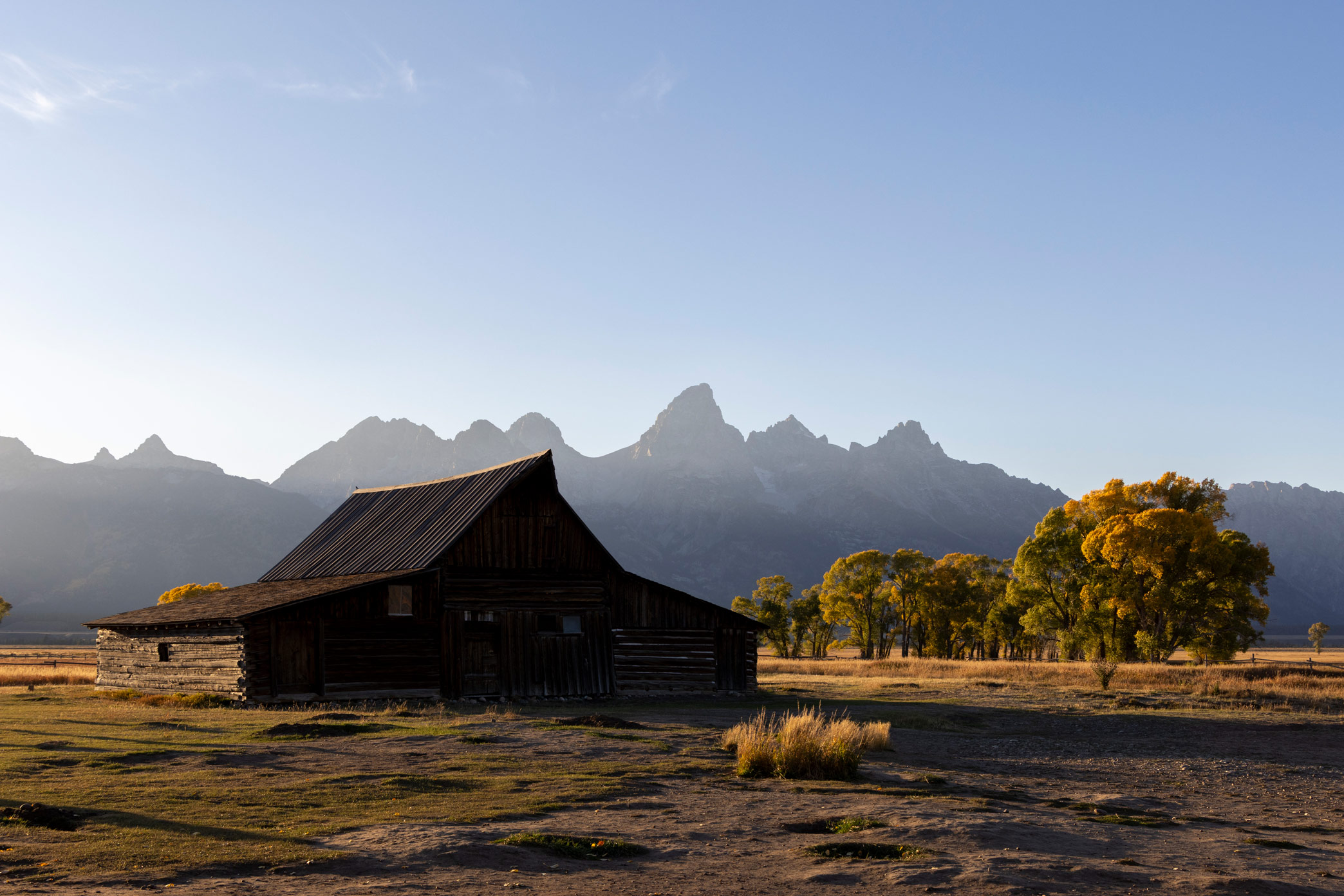
Kristi Townsend | Canon EOS R7 | RF 24-105mm F4 L IS USM | 27mm | f/6.3 | 1/250 | ISO 125
Alternatives to the Canon EOS R7
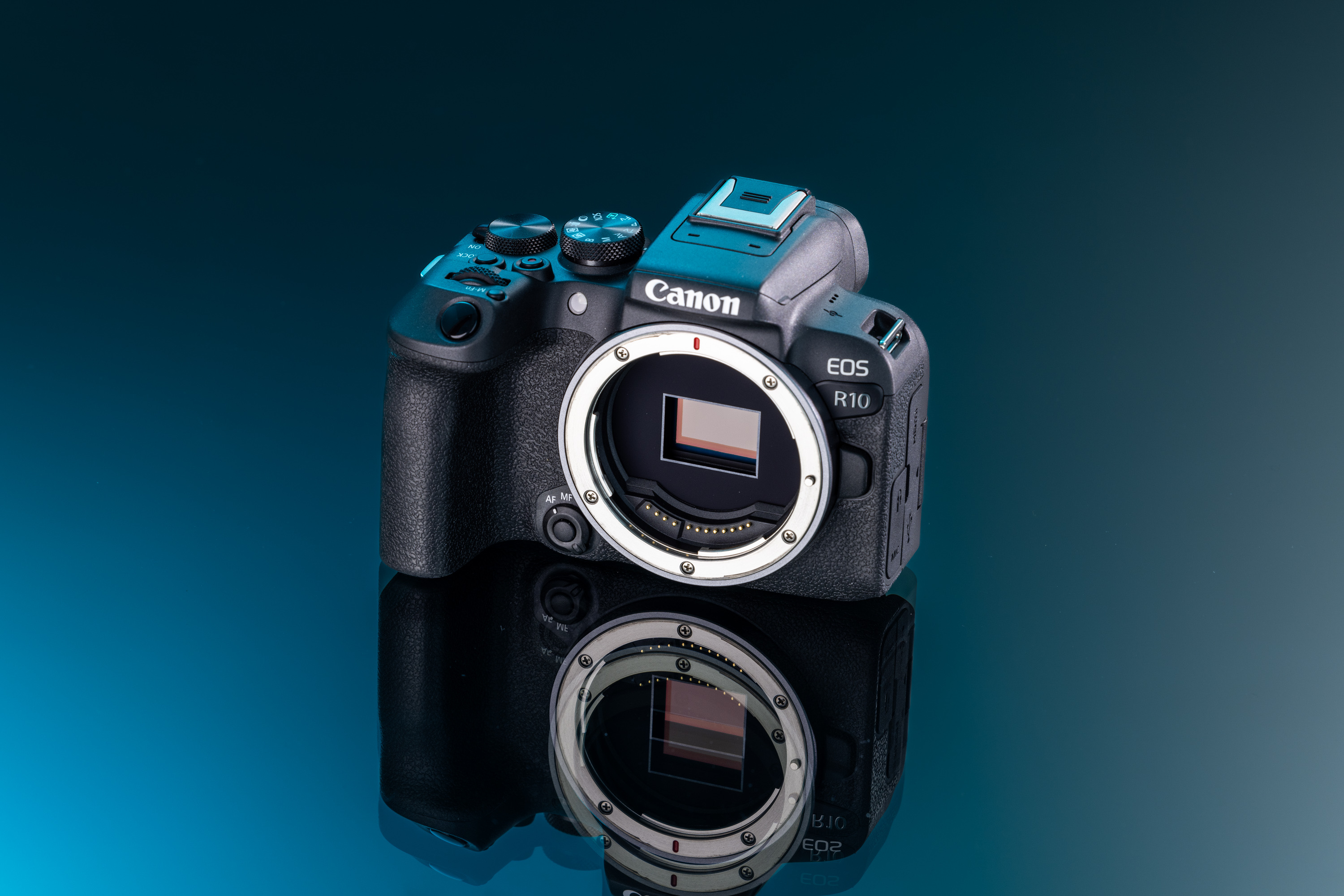
Used Canon EOS R10
The Canon EOS R10 is the closest sibling in Canon’s APS-C lineup. It offers the same autofocus system and a similarly compact build, making it a strong option for beginners or travel photographers who prioritise weight and affordability. However, it lacks in-body image stabilisation and has a smaller buffer, so if you regularly shoot wildlife or fast action, the R7 still holds the clear advantage.
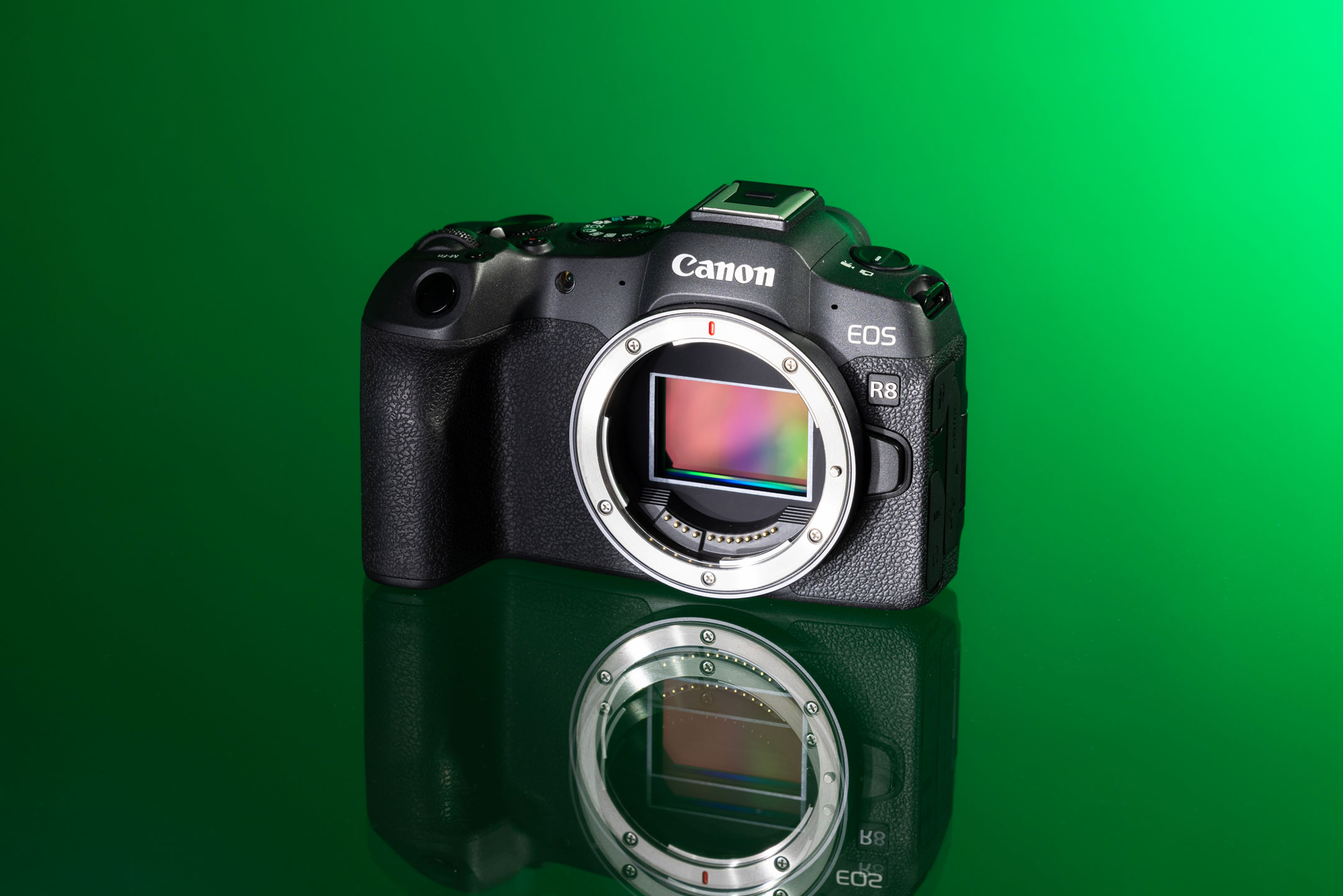
Used Canon EOS R8
If you’re looking for full-frame image quality in a body that’s nearly as lightweight as the R7, look no further than the Canon EOS R8. It offers better low-light performance, stronger dynamic range and Canon’s latest autofocus improvements. That said, it only has a single card slot and no IBIS, which limits its appeal for hybrid creators or anyone shooting long bursts. It’s a great option if you want full-frame performance at a similar price point and don’t mind fewer pro-level features. For more info, read our Guide to Canon Full-frame Mirrorless Cameras.
The Sony A6700 is one of the strongest APS-C competitors available. It offers excellent subject detection autofocus, advanced video features and a compact design. While its 26-megapixel sensor doesn’t match the R7’s resolution and its handling is more minimalistic, the camera excels for hybrid shooters who prioritise video quality, flexible codecs, and Sony’s lens ecosystem.
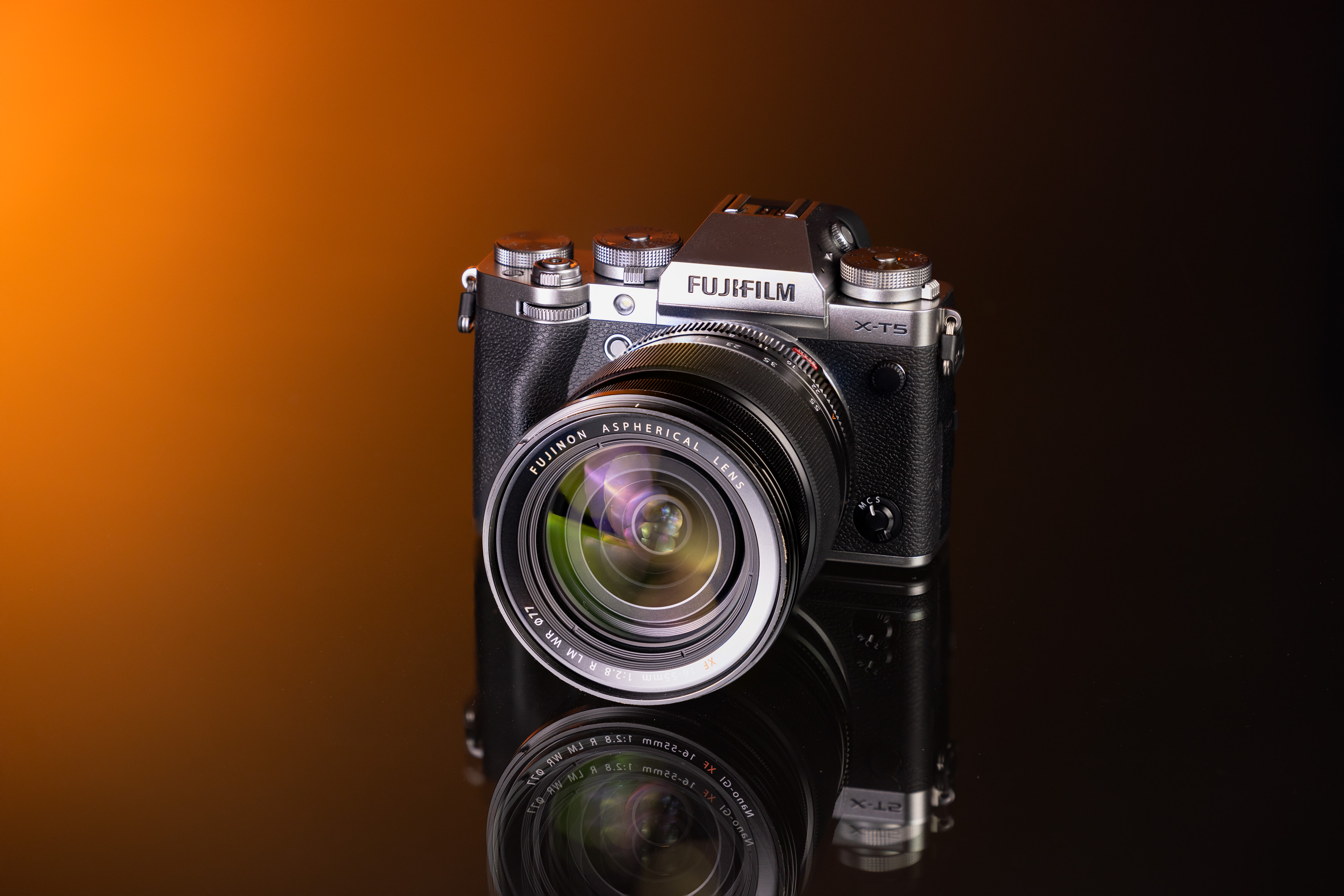
Used Fujifilm X-T5 & Fujifilm XF 16-55mm f/2.8 R LM WR
The Fujifilm X-T5 is an appealing alternative if you value a tactile shooting experience and high-resolution APS-C stills. With its 40-megapixel sensor, classic manual dials, and beautiful colour science, it’s ideal for landscape and travel photographers. Its autofocus and IBIS are strong, though not quite as reliable as the R7 for fast wildlife action. If design, ergonomics, and a distinctive image style matter to you, the X-T5 is a compelling option. Read our Fujifilm X-T5 review.
You can sell or trade your camera kit to MPB. Get a free instant quote, free insured shipping to MPB, and get paid within days.