Review: Sony RX1R III Tiny Full-Frame Compact
Published 18 August 2026 by MPB
Sony has finally updated its cult full-frame compact. The Sony RX1R III arrives with a 61-megapixel sensor, a fixed 35mm f/2 Zeiss lens and an even smaller body than before, positioning itself as the ultimate high-resolution everyday carry camera (if you’re willing to pay for it).
In this Sony RX1R III review, photographer Connor Redmond takes the camera to Margate for a real-world test, shooting seaside scenes and low-light interiors to see whether this tiny full-frame compact lives up to expectations. He’ll look at image quality, handling and ergonomics, autofocus performance, the controversial lack of in-body image stabilisation and whether that price is worth paying.
Be warned, Sony Ponies, this review comes with a healthy dose of realism. A few surprising features are missing. It’s a lovely camera, just not one that will make sense for most people or its target audience.
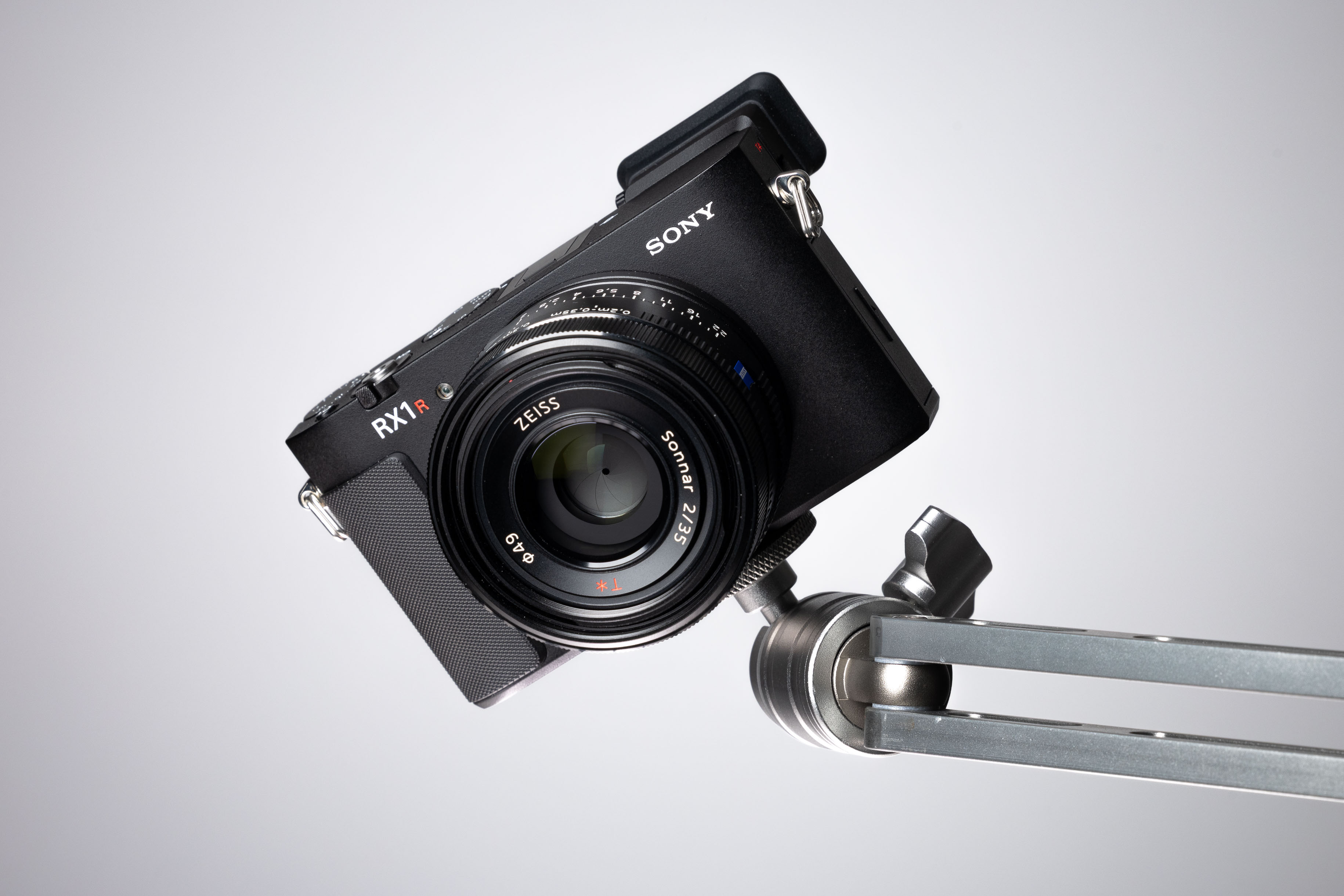
Used Sony RX1R III
Sony released the RX1R III in 2025, and for fans of the RX1 line, it’s been a long time coming. The RX1R II launched in 2015, meaning that, as of 2025, over a decade had passed without an update. That’s an unusually long gap in camera years, and it naturally raised expectations that the RX1R III would be something special.

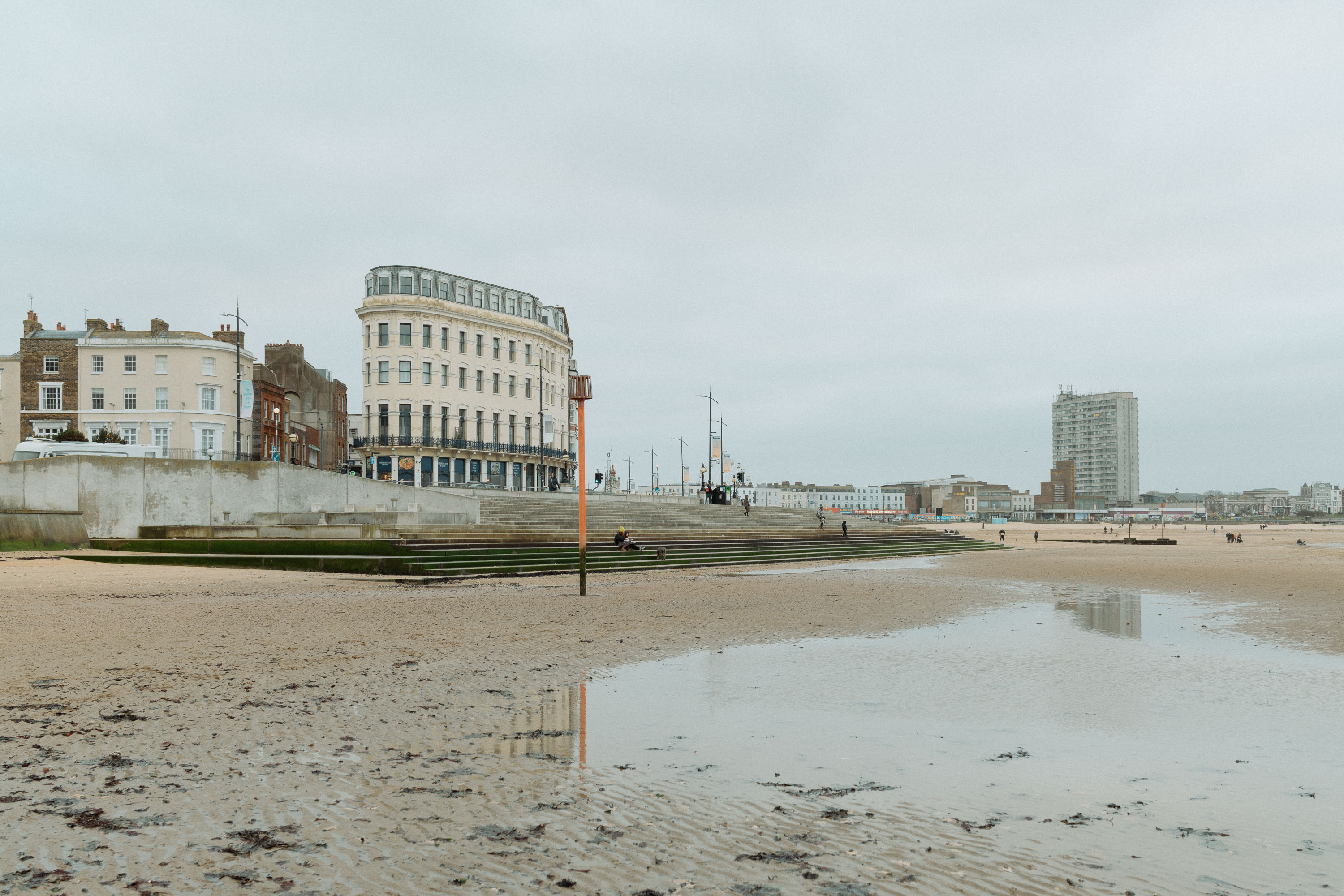
Connor Redmond | Sony RX1R III | 35mm | f/22 | 1.6 sec | ISO 50
Sony RX1R III Specs
Sensor | Full frame |
Back-illuminated | Yes |
Megapixels | 61 |
Processor | Bionz XR |
Lens | 35mm f/2 |
Autofocus | Phase/contrast, subject |
Autofocus pts | 693 |
Shutter, mech | 1/4000 |
Shutter, elec | 1/8000 |
Viewfinder | Electronic |
Display | 3-inch, fixed |
Max video | 4K 30p |
Bitrate | 10-bit 4:2:2 |
Storage | SD |
Battery | NP-FW50 |
Battery, shots | Approx 270–300 |
Weight | Approx 500g |
Released | 2025 |
Pros
Full-frame image quality in a compact body
Smallest full-frame camera on the market
Excellent RAW flexibility and in-camera cropping
Class-leading AI-powered autofocus
USB-C PD charging and updated connectivity
Cons
Expensive for a fixed-lens compact camera
No in-body image stabilisation (IBIS)
No tilting screen
Battery life is not amazing
Single SD card slot and large file sizes
Video features feel limited compared to Sony’s other cameras
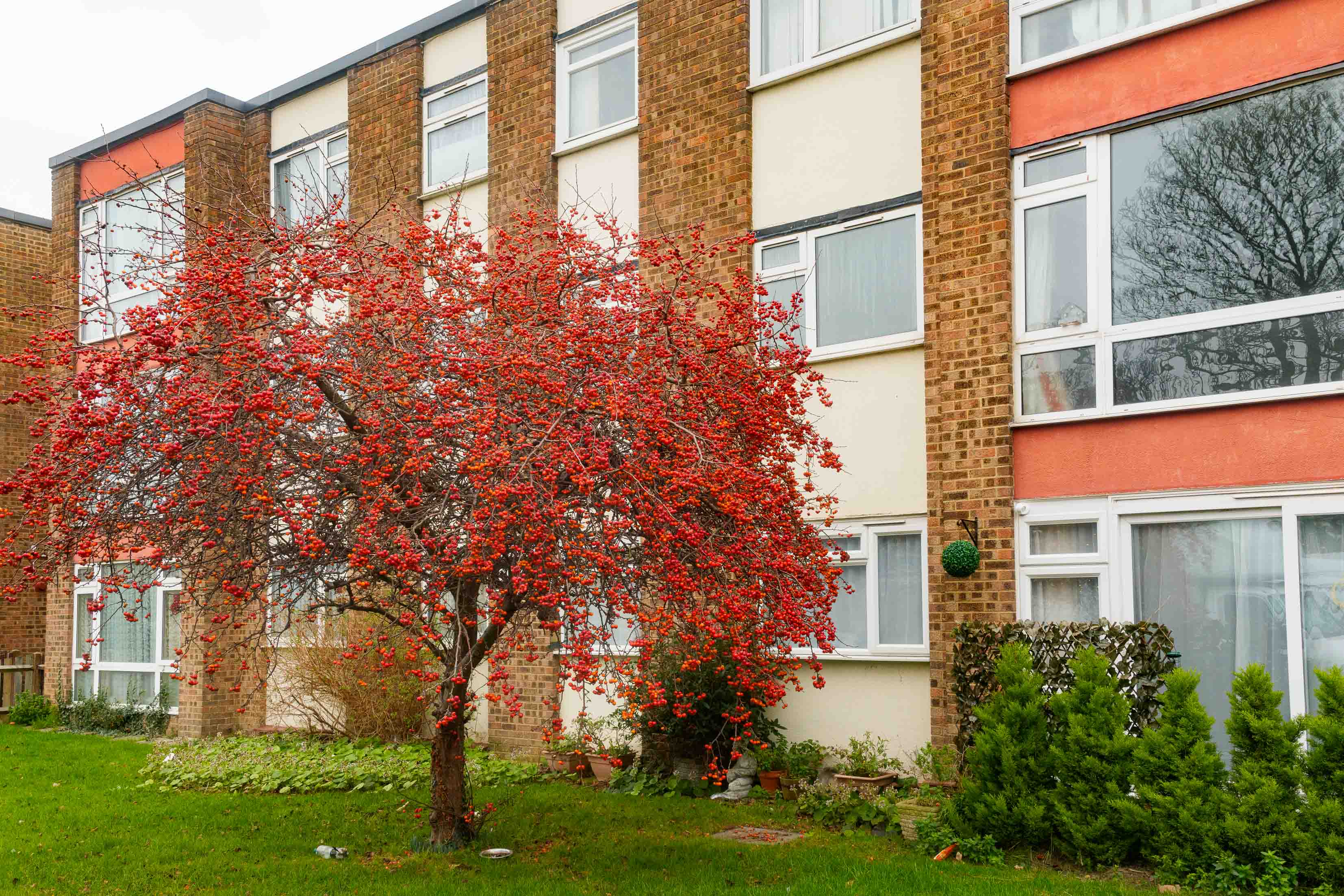
Connor Redmond | Sony RX1R III | 35mm | f/8.0 | 1/125 sec | ISO 500
Handling and Design
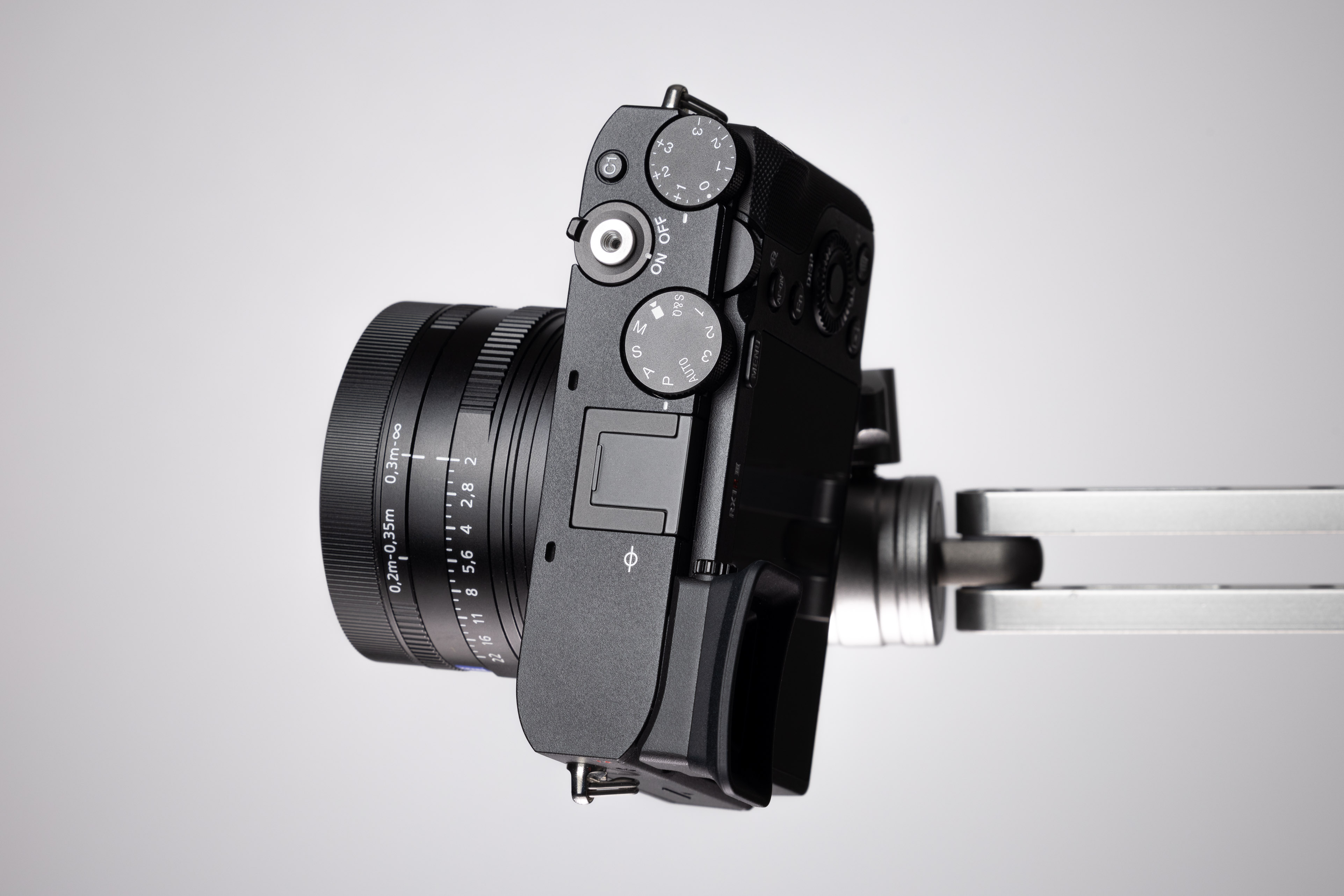
You may already be aware, but the RX1R III is small. Genuinely diminutive. It keeps itself flat, minimal and sparse, echoing a distinctly ‘Leica-like’ design philosophy. The viewfinder and lens stick out from the body. Otherwise, it’s a sturdy, rectangular magnesium alloy body.
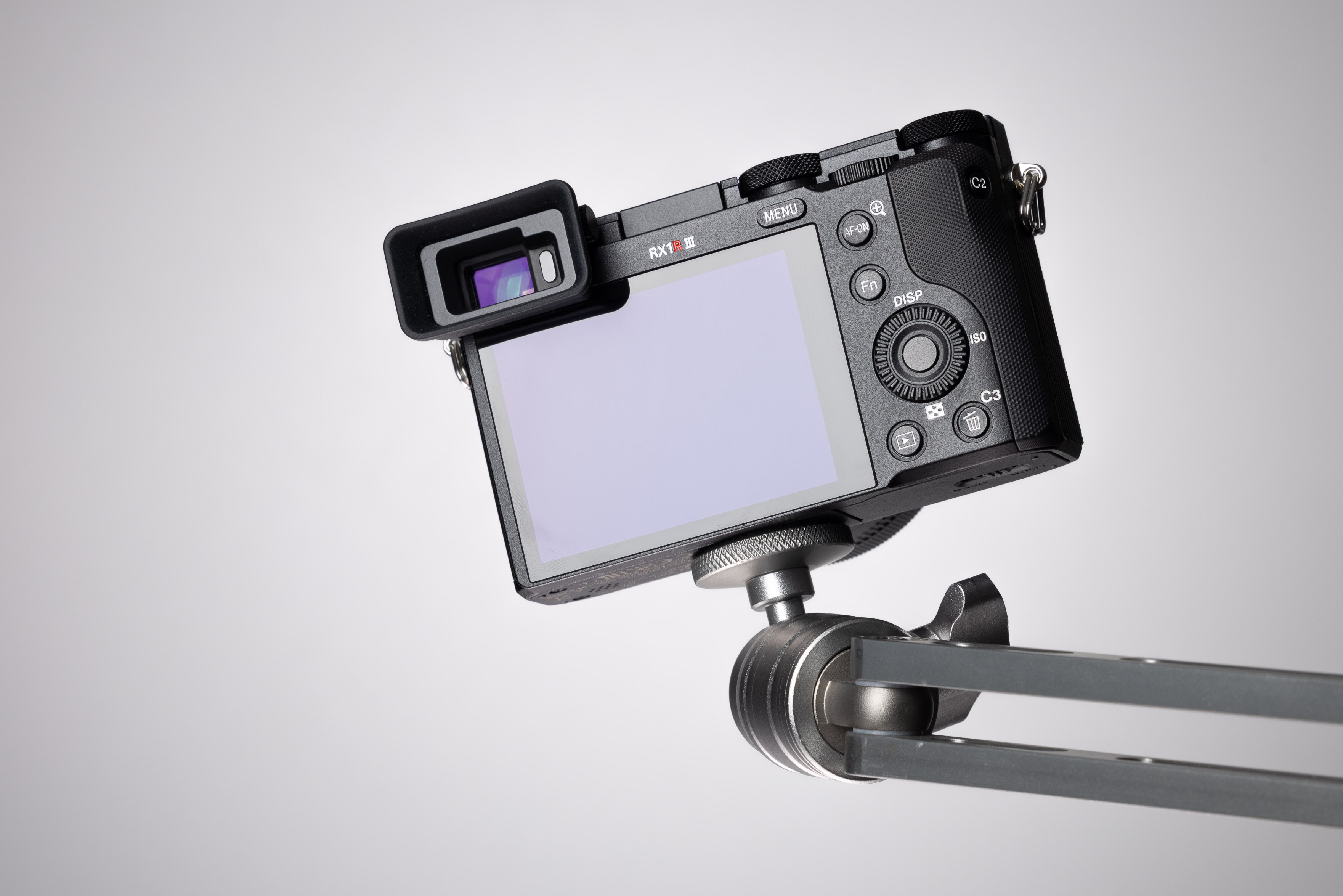
Used Sony RX1R III
The first thing you notice when you pick up the RX1R III is how nimble it feels, while having enough heft to avoid feeling like a toy. It has that particular Sony ‘premium’ feel to its build quality that we know and love, although sadly, there is no weather sealing here. It doesn’t quite match the luxury experience of the Leica Q series, though. I would say it sits a step below in terms of overall solidity. Overall, the build quality is much improved compared to its predecessors, the Sony RX1R and Sony RX1R Mark II.
Used Sony RX1R III
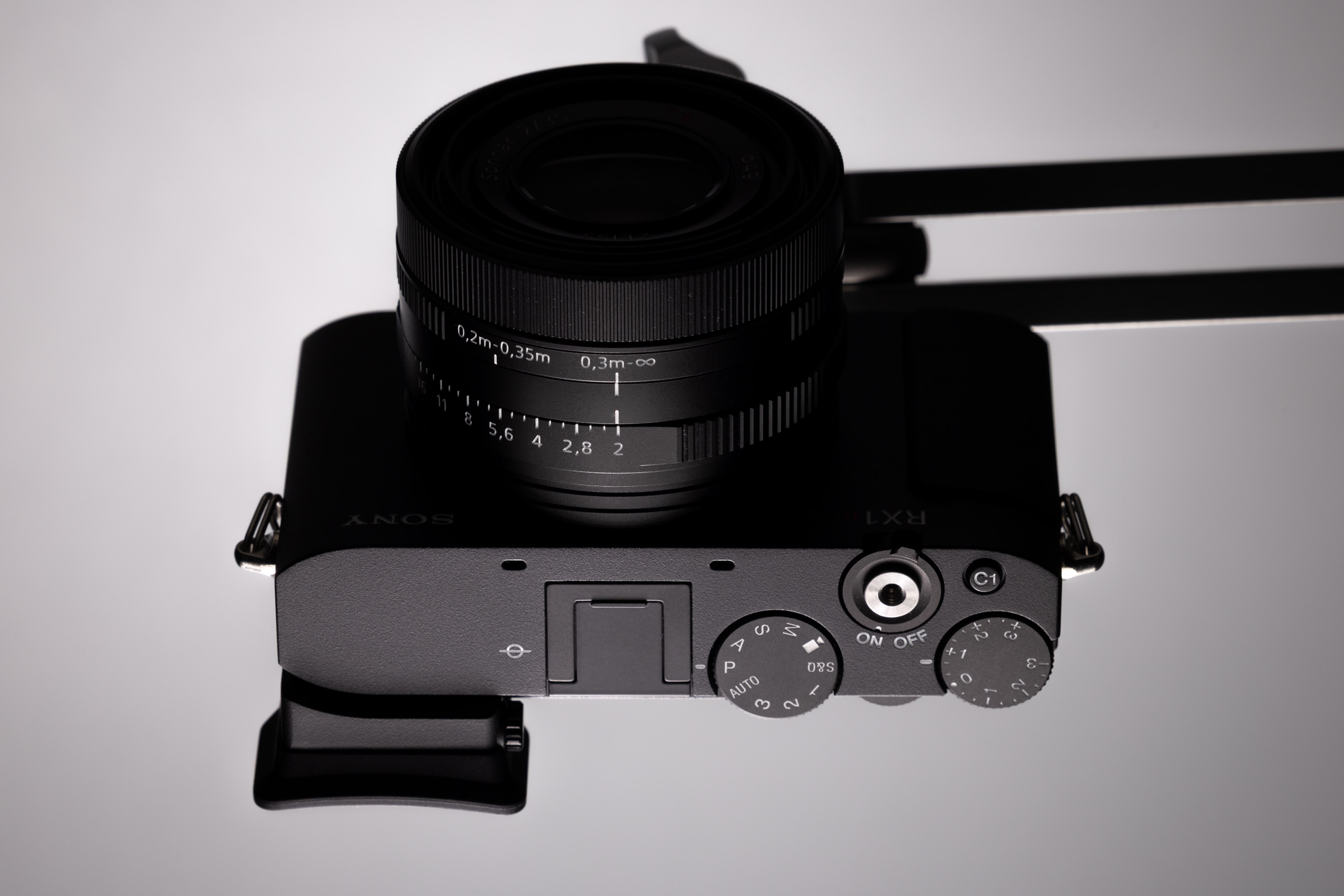
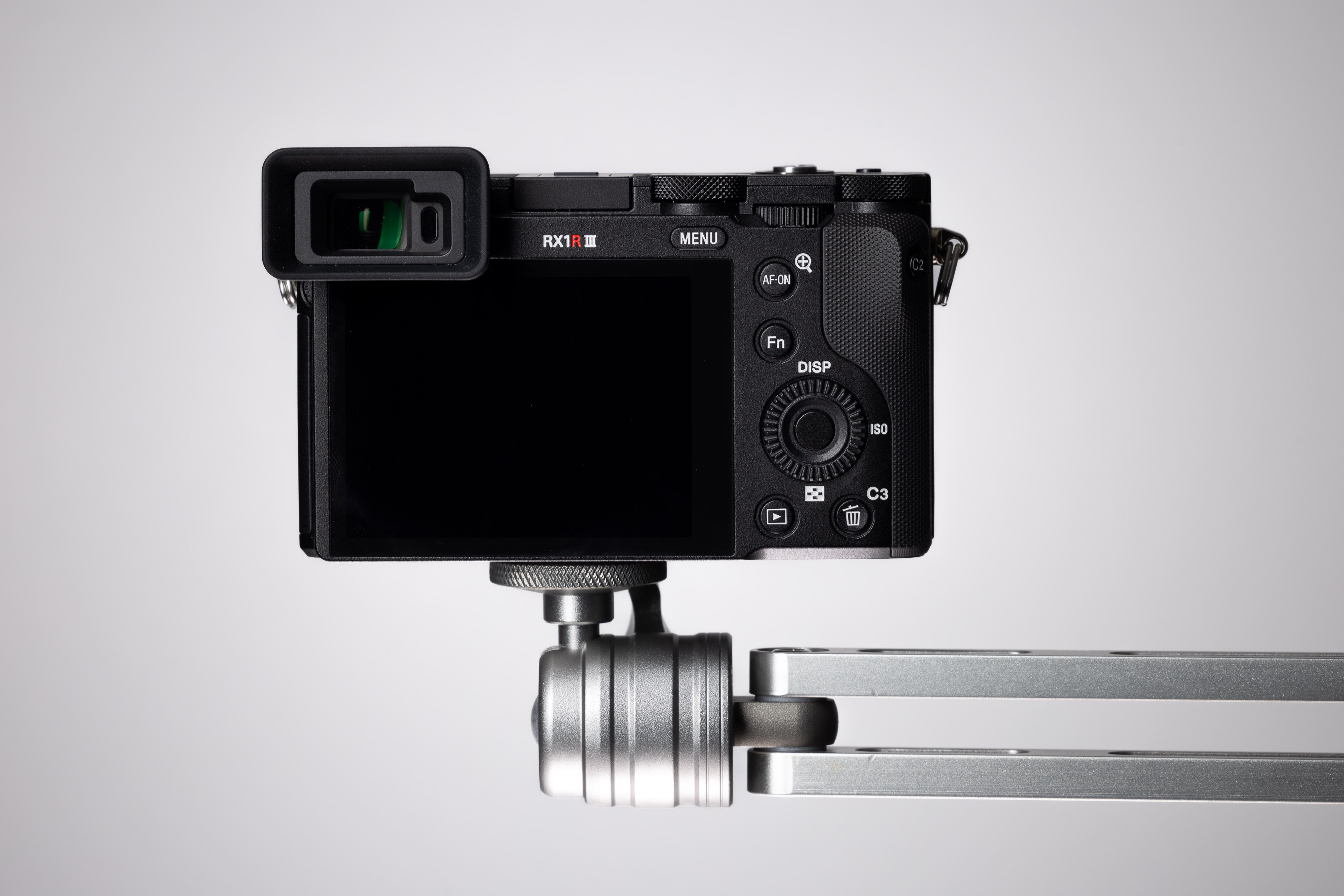
What are the pitfalls? Well, the number one offender for me is the lack of a tilting screen. I know this mechanism would have added extra bulk, but the point of a tiny, compact camera is to be able to one-handedly operate it at weird and interesting angles you wouldn’t be able to with a bigger camera. Or to get low-angle shots or use it at hip level for street-style shooting. The previous model, the RX1R II, managed a tilting screen, so it’s disappointing not to see one here.
If you’re after something to shoot street photography with, we’ve got some best cameras for street photography recommendations for you.
Another disappointment is the lacklustre viewfinder experience. It doesn't deliver a premium user experience by any means; it feels more like a mid-range option, and I don’t love how the viewfinder protrudes, either. I much prefer the pop-up viewfinder of the RX1R II. What was wrong with that design? I can’t help but feel that this is another consequence of chasing the “tiny size” trophy.
Used Sony RX1R III
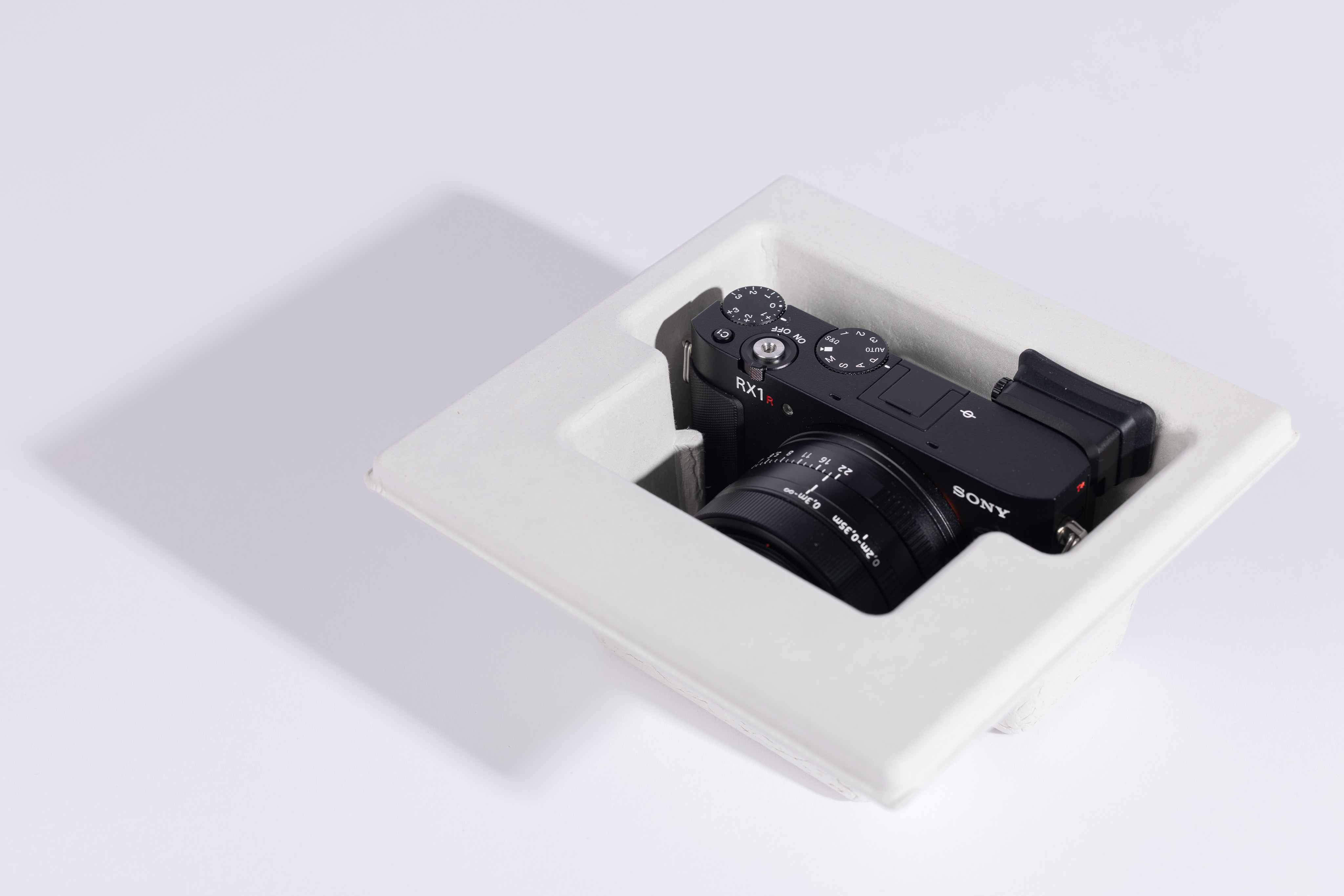
It has taken Sony 10 years to produce a new camera in this series, but do we get 10 years' worth of camera tech innovation? Not really. If anything, the most notable innovation here is the amount they have been able to slim down the camera. That refinement, however, has clearly come at the expense of other features.
Used Sony RX1R III
There were points where I felt the camera slipping from my hands, or like I was enveloping the thing, then having to revert to a claw-like grip, like a crab trying to operate a camera. I did test it extensively on Margate beach, so perhaps that tracks. Maybe I briefly transformed into my true crab-like self. In all seriousness, though, one-handed operation didn’t feel particularly well-balanced. The lens is fairly heavy compared to the body, which throws things slightly off.
I’m not that fussed about the small size, and at times it actually detracts from the handling.
Used Sony RX1R III
Battery Life and Connectivity
I found the battery lasted about a day of shooting and roughly 450 uncompressed RAWs, which is better than I expected from the NP-FW50.
Anybody shooting heavily will want a spare battery, though. The shared battery and SD card compartment under the grip can be frustrating, especially when the camera is mounted on a tripod. USB-C charging is also a godsend here. I’m glad to see that all new camera releases have finally moved to this standard.
We also have Wi-Fi and Bluetooth, working with Sony’s Imaging Edge Mobile or Creators’ App for remote shooting and image transfer. Other features include micro HDMI and a multi-interface shoe mount for other accessories.
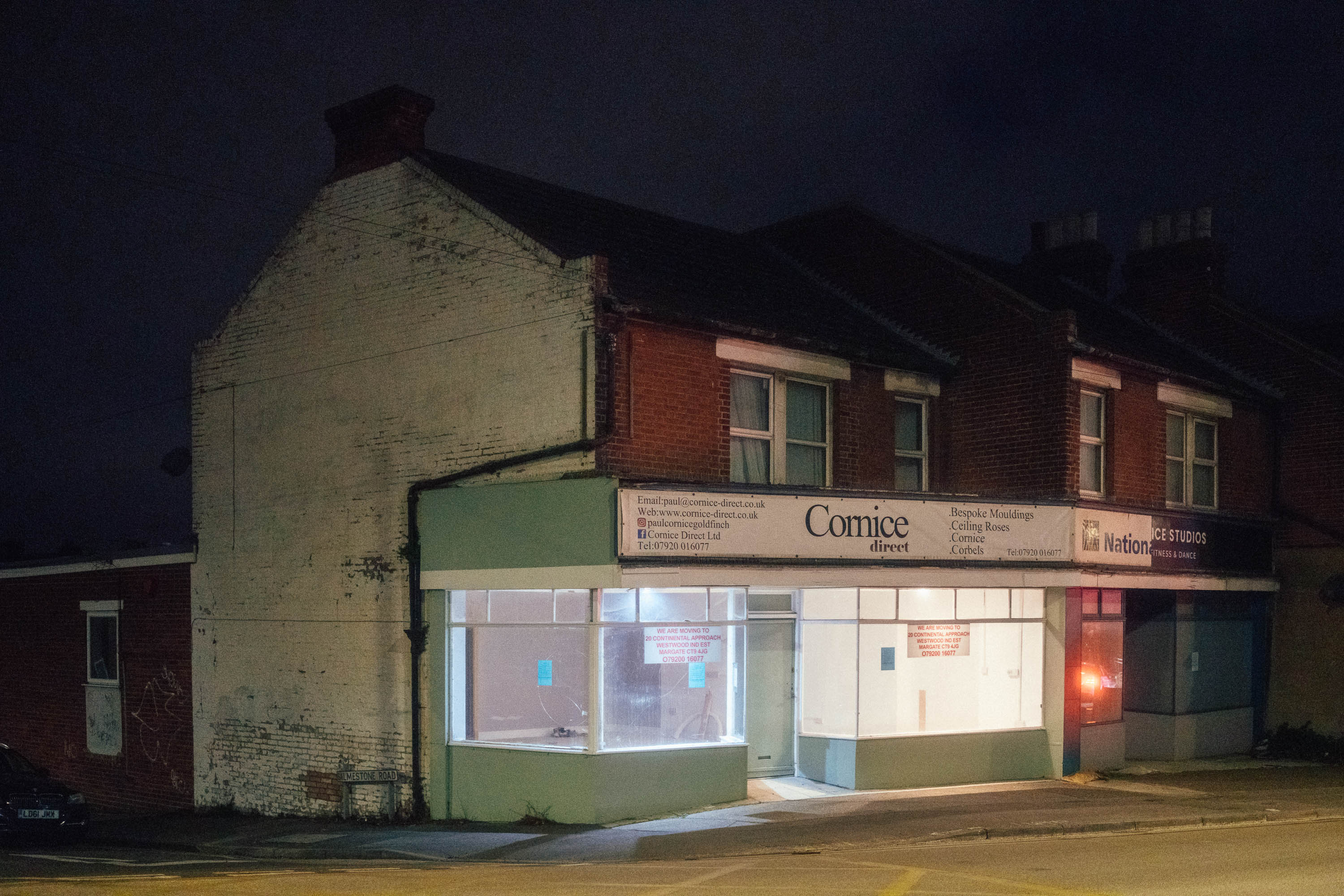
Connor Redmond | Sony RX1R III | 35mm | f/2.0 | 1/80 sec | ISO 12,800
Shooting Performance
Shooting with the Sony RX1R III is mostly a relaxed, predictable experience. There are no surprises or quirks here if you have ever used a modern Sony body. Startup times are quick, menus are familiar, and files/playback are always quick for their size.
The camera can be set up to do pretty much everything for you and do it well. Or you can take control of everything granularly, but the camera is not designed for fast action or high-speed shooting. That said, the autofocus is very quick, with the latest Sony technology. This means extremely good face recognition, so for street photographers who like to shoot in fast-paced environments with lots of people in the frame, this may well be the camera for that job. It’s discreet, too, and small enough that you won’t stick out like a sore thumb.
Connor Redmond | Sony RX1R III | 35mm | f/5.6 | 1/125 sec | ISO 125
The shooting experience of the Sony RX1R III landed somewhere in the middle for me. It has all the bells and whistles you could want in a tiny body, but it lacks a certain spark, and I didn’t find it very inspiring. Despite falling short in some areas, I can’t help but love just how small it is. Paired with a tiny flash, this camera could be a street and travel photographer's dream. While you’re packing for your next trip, read our travel photography tips.

Connor Redmond | Sony RX1R III | 35mm | f/4.0 | 1/125 sec | ISO 3200
In-body Image Stabilisation (IBIS), or Lack Of
Now for the elephant in the room that, actually, everybody is talking about. How could you ignore the lack of any IBIS or optical stabilisation? Much has already been said about it, but it still leaves us scratching our heads over the decision from Sony HQ.
In 2026, IBIS is no longer a luxury reserved for flagship cameras. It’s become a standard expectation, even in enthusiast-level bodies and many premium compact cameras. Even the APS-C Ricoh GR series (which is much smaller than the RX1R III) includes IBIS.
I’m sure many people wouldn’t have minded a bit more bulk if it meant they could keep a feature they’re now used to.

Connor Redmond | Sony RX1R III | 35mm | f/9.0 | 1/125 sec | ISO 500
Image Quality
The headline upgrade is that 60.2-megapixel full-frame sensor. It’s back-illuminated, and in day-to-day shooting, it behaves just how you’d hope, with strong dynamic range and nicely clean files at lower ISOs.
This is essentially the same sensor used in higher-end Sony models like the Sony A7R V and Sony A7CR. Bringing that level of imaging into a fixed-lens compact body is impressive.
Take a look at our Sony A7CR review, it is an extremely travel-coded camera, and we tested it in flavourful Mexico.

Connor Redmond | Sony RX1R III | 35mm | f/9.0 | 1/125 sec | ISO 1000
Resolution sits at 61 megapixels, so you’ve got plenty of room to crop without worrying about detail breaking down. There’s no low-pass filter either, which helps wring every bit of sharpness from that Zeiss lens.
Is 61 megapixels a bit too much for a camera like this? Perhaps it is, but the detail is impressive.
Paired with Sony’s Bionz XR processor, performance feels quick and efficient. The colour and overall rendering look very similar to what I experienced with the Sony A7C II. Read our Sony A7C II review.
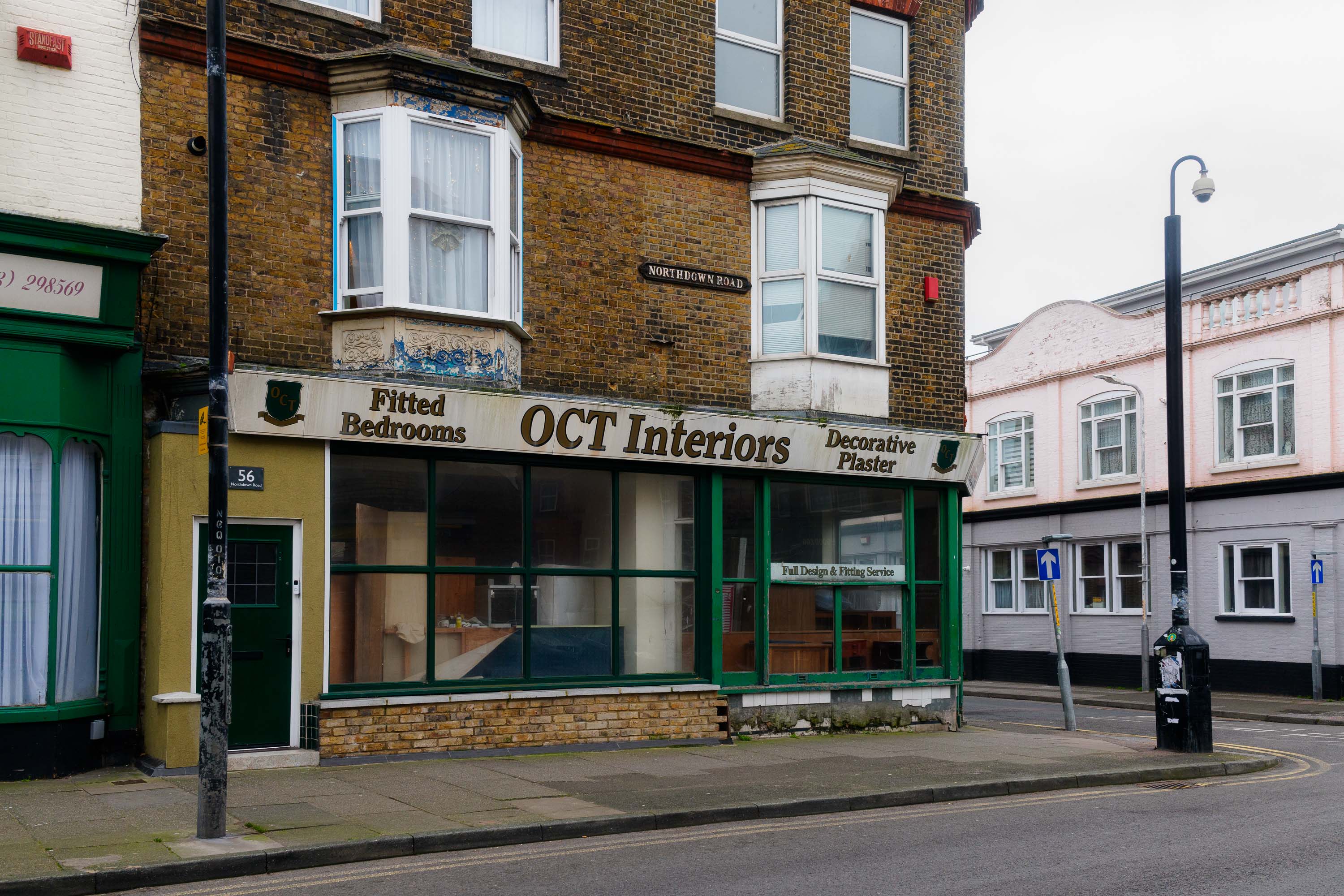
Connor Redmond | Sony RX1R III | 35mm | f/8.0 | 1/125 sec | ISO 400
Step Crop and Macro Modes
One benefit of the high megapixel count is the ability to crop in heavily and still retain plenty of detail. The RX1R III’s Step Crop modes make good use of this, offering 35mm (60 megapixel), 50mm (29 megapixel), and 70mm (15 megapixel) equivalents in-camera.
It’s worth noting, though, that you don’t get the same look and feel as you would with those focal lengths. Compression and bokeh characteristics remain those of the fixed 35mm lens. In reality, it’s much like cropping in Lightroom or Photoshop, just done in-camera. That can be helpful in certain situations, but like many crop features, I’m not entirely convinced by it.
For clarity, RAW files shot using Step Crop still capture the full-frame image and simply embed the crop in the metadata. The camera displays the cropped view on playback, but in Lightroom, you can revert to the full-frame version if you prefer.
Sample Images

Connor Redmond | Sony RX1R III | 35mm | f/9.0 | 1/125 sec | ISO 1000

Connor Redmond | Sony RX1R III | 35mm | f/5.6 | 1/125 sec | ISO 125

Connor Redmond | Sony RX1R III | 35mm | f/4.0 | 1/125 sec | ISO 100

Connor Redmond | Sony RX1R III | 35mm | f/8.0 | 1/125 sec | ISO 320
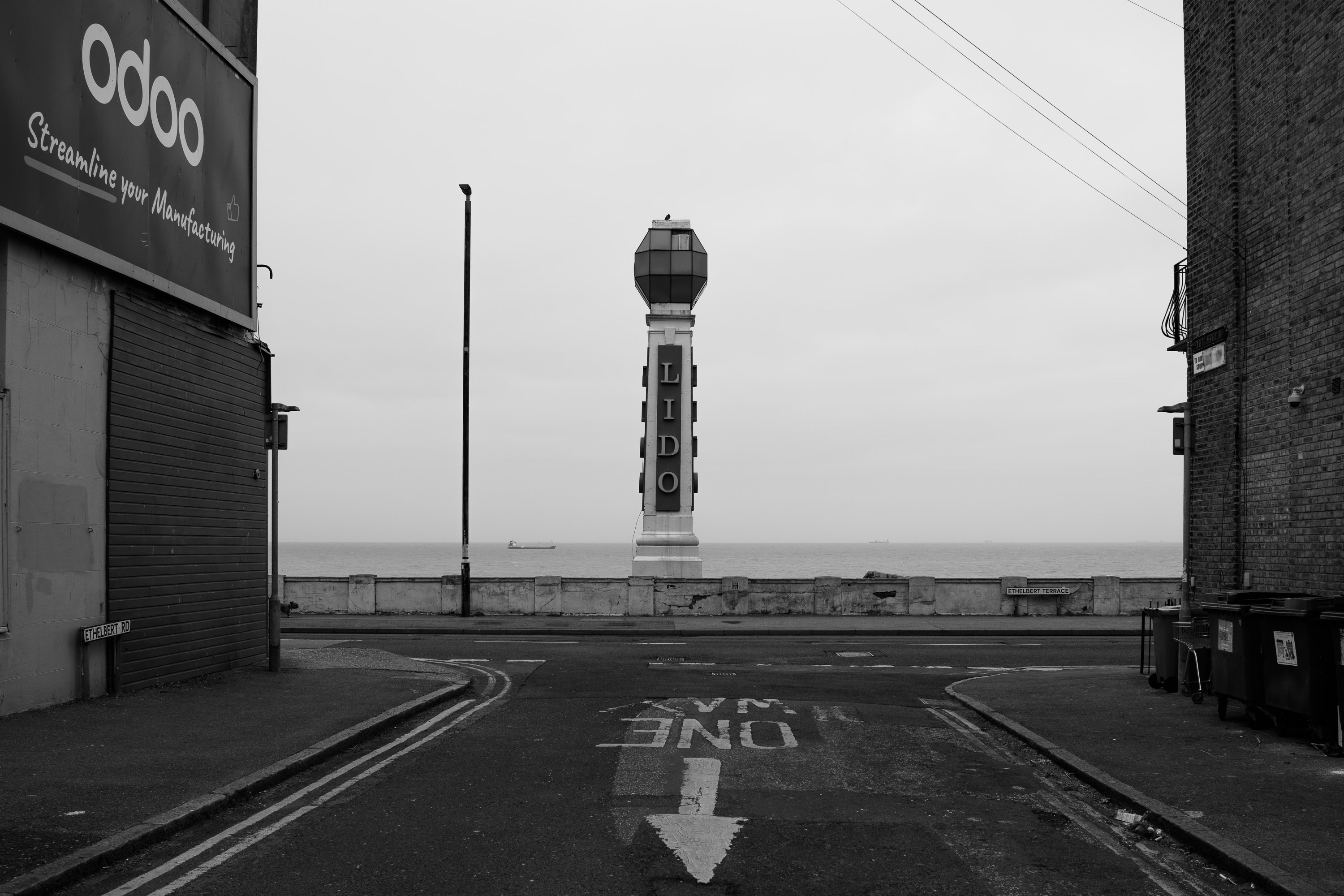
Connor Redmond | Sony RX1R III | 35mm | f/8.0 | 1/125 sec | ISO 320
Alternatives
If the RX1R III isn’t right for you, we’ve looked at some alternatives. There are the older RX1R cameras, which may be a little outdated tech-wise, but certainly still make for great premium compact cameras at more affordable prices.
Put the RX1R III next to the Leica Q3 and the Fujifilm X100VI, and the contrasts become much more obvious. They’re aimed at a similar crowd, photographers who want good image quality in a small body, but they each go about it in their own way.
So, which alternative makes the most sense for you?
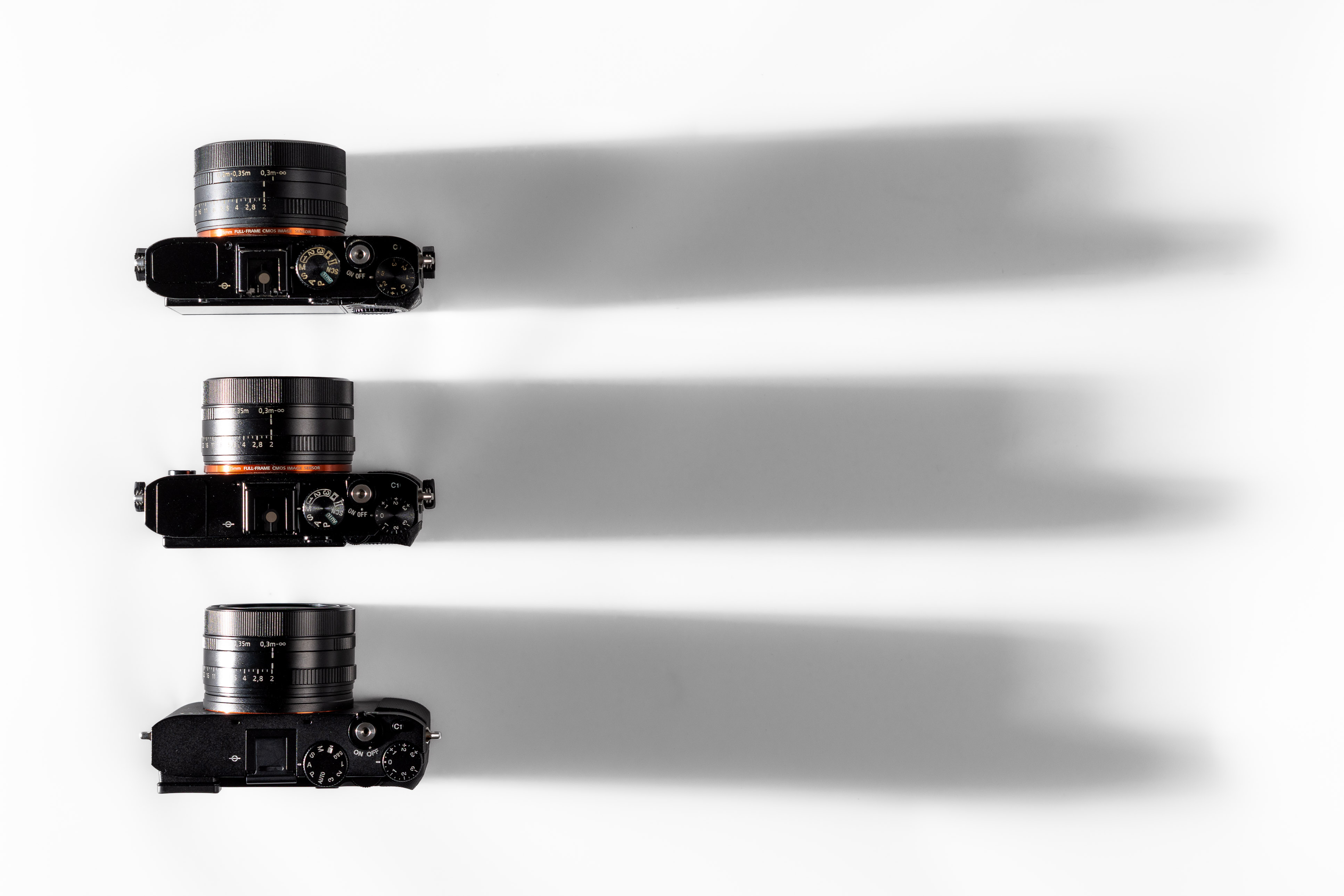
Top to bottom: Sony RX1R, Sony RX1R II, Sony RX1R III
| Sony RX1R III | | | Sony RX1R II | | | Sony RX1R |
Released | 2025 | 2015 | 2013 | ||
Sensor | Full frame | Full frame | Full frame | ||
Megapixels | 61 | 42 | 24 | ||
BSI | Yes | No | No | ||
Lens | 35mm f/2 | 35mm f/2 | 35mm f/2 | ||
Rear screen | Fixed | Tilting | Fixed | ||
Electronic viewfinder | Built in | Built in | Optional external | ||
ISO | 100–32,000 | 50–25,600 | 100–25,600 | ||
Burst | 5 fps | 5 fps | 5 fps | ||
Max video | 4K | 1080p | 1080p | ||
Battery life, shots | Approx 300 | Approx 220 | Approx 270 | ||
Dimensions, mm | 113x68x88 | 113x65x72 | 113x65x70 | ||
Weight, g | 498 | 507 | 482 | ||
Processor | Bionz XR | Bionz X | Bionz |
The jump from the RX1R II to the RX1R III is mostly about sensor performance, updated processing, a few new ‘Creative Looks’, some usability tweaks and a slightly smaller body. The newer 61-megapixel sensor feels a bit more ‘future-proofed’ and gives you a clear bump in detail. The updated grip and processing make a noticeable difference when you’re out and about with it. Autofocus is also better, but it is not a night-and-day difference.
The RX1R II still holds its own because of its 42 megapixel sensor, which was already very high and ahead for 2015. Those who really want a tilting screen can rejoice, because the RX1R II has a very good one. If you don’t need the extra resolution and you’re happy with a slightly older design, the RX1R II is a tempting option, especially as it’s much cheaper than the RX1R III.
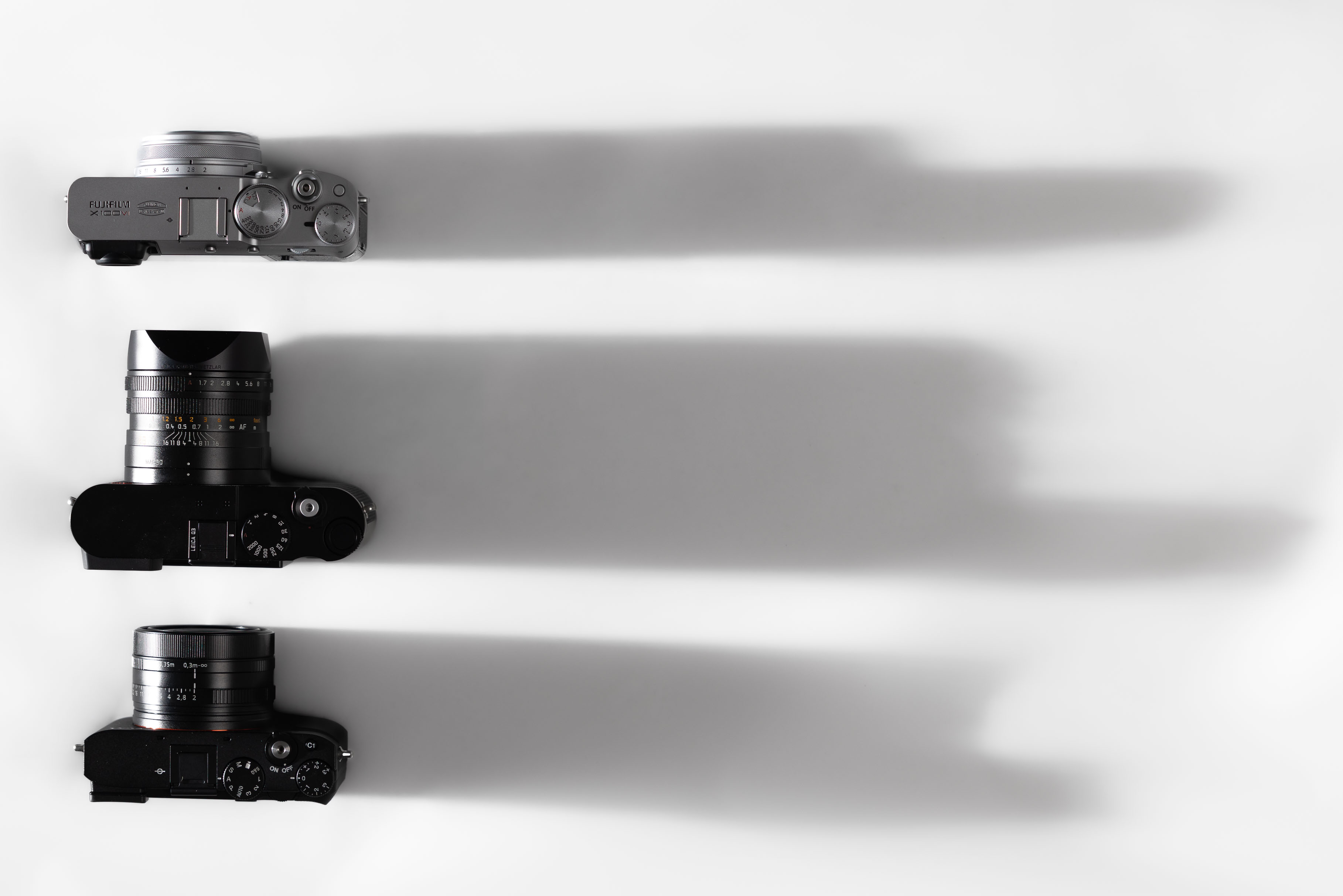
Top to bottom: Fujifilm X100VI, Leica Q3, Sony RX1R III
| Sony RX1R III | | | Leica Q3 | | | Fujifilm X100VI |
Released | 2025 | 2023 | 2024 | ||
Sensor | Full frame | Full frame | APS-C | ||
Megapixels | 61 | 60 | 40 | ||
BSI | Yes | Yes | No | ||
Lens | 35mm f/2 | 28mm f/1.7 | 23mm f/2 | ||
Stabilisation | No | Optical | IBIS | ||
Rear screen | Fixed | Tilting | Tilting | ||
Electronic viewfinder | Built in | Built in | Built in | ||
ISO | 100–32,000 | 50–100,000 | 125–12,800 | ||
Burst | 5 fps | 15 fps | 11 fps | ||
Max video | 4K | 8K | 4K | ||
Battery life, shots | 300 | 350 | 450 | ||
Dimensions, mm | 113x68x88 | 113x65x72 | 113x65x70 | ||
Weight, g | 498 | 743 | 521 | ||
Processor | Bionz XR | Maestro IV | X-Processor 5 | ||
Weather sealing | No | Yes | Yes |
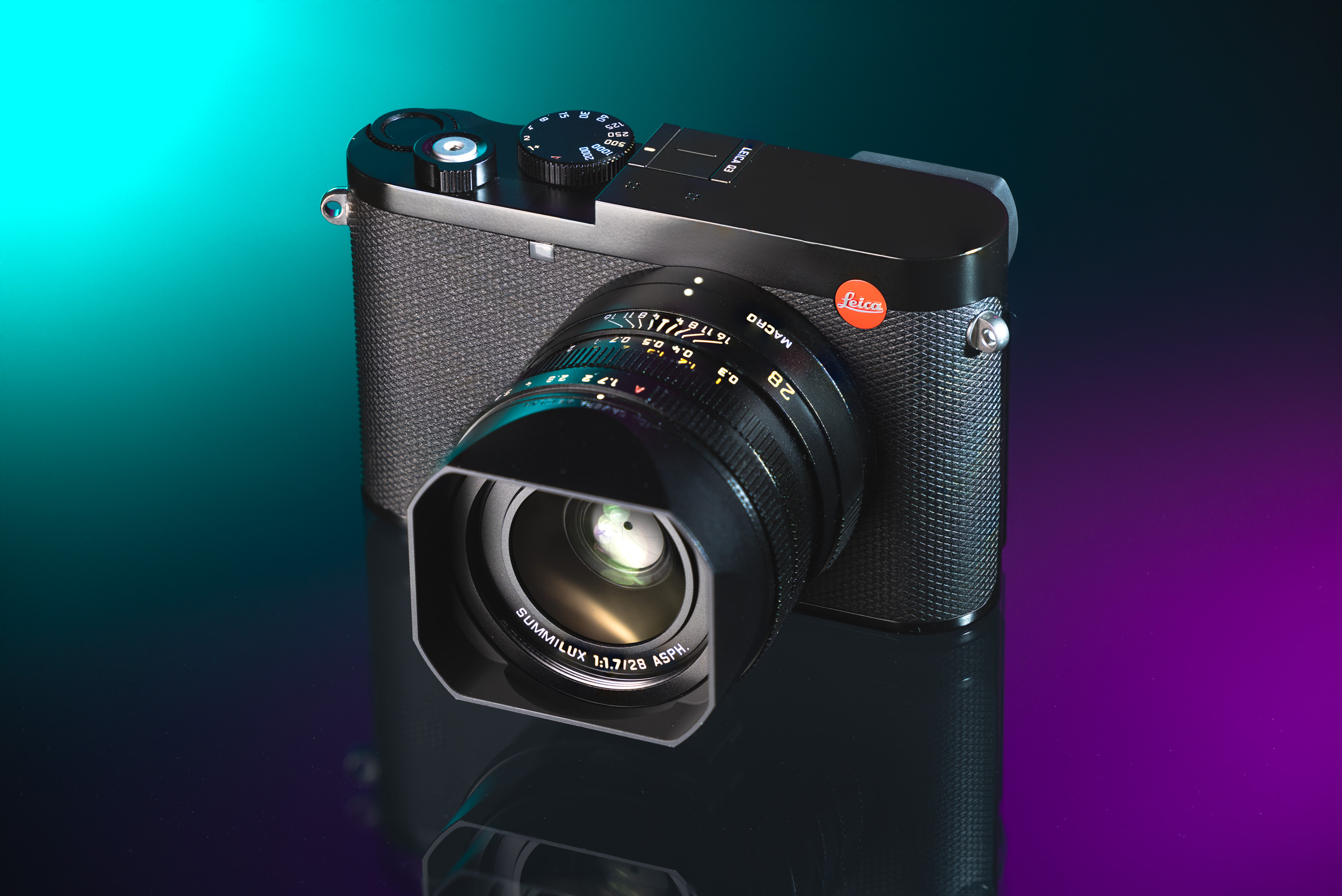
Used Leica Q3
Leica Q3
Let’s be honest: both the RX1R III and the Leica Q3 are exceptional cameras that can produce images you’ll be chuffed with. They both use a similar 60 megapixels. However, their personalities and priorities differ. The RX1R III (like all Sony cameras) feels more techy, ‘modern’ and versatile to me, but often produces uninspiring files to work with.
Leica, on the other hand, feels more tuned to inspiration and focus. Less importance is placed on the bleeding edge of tech and more on actual photography. In the case of these two cameras, the defining difference, as far as I'm concerned, is the lens choices. The Leica Q3 is using some of that legendary Leica Summilux magic, while the RX1R III is using the same Zeiss lens it has always used, which, while fine, is just that, fine.
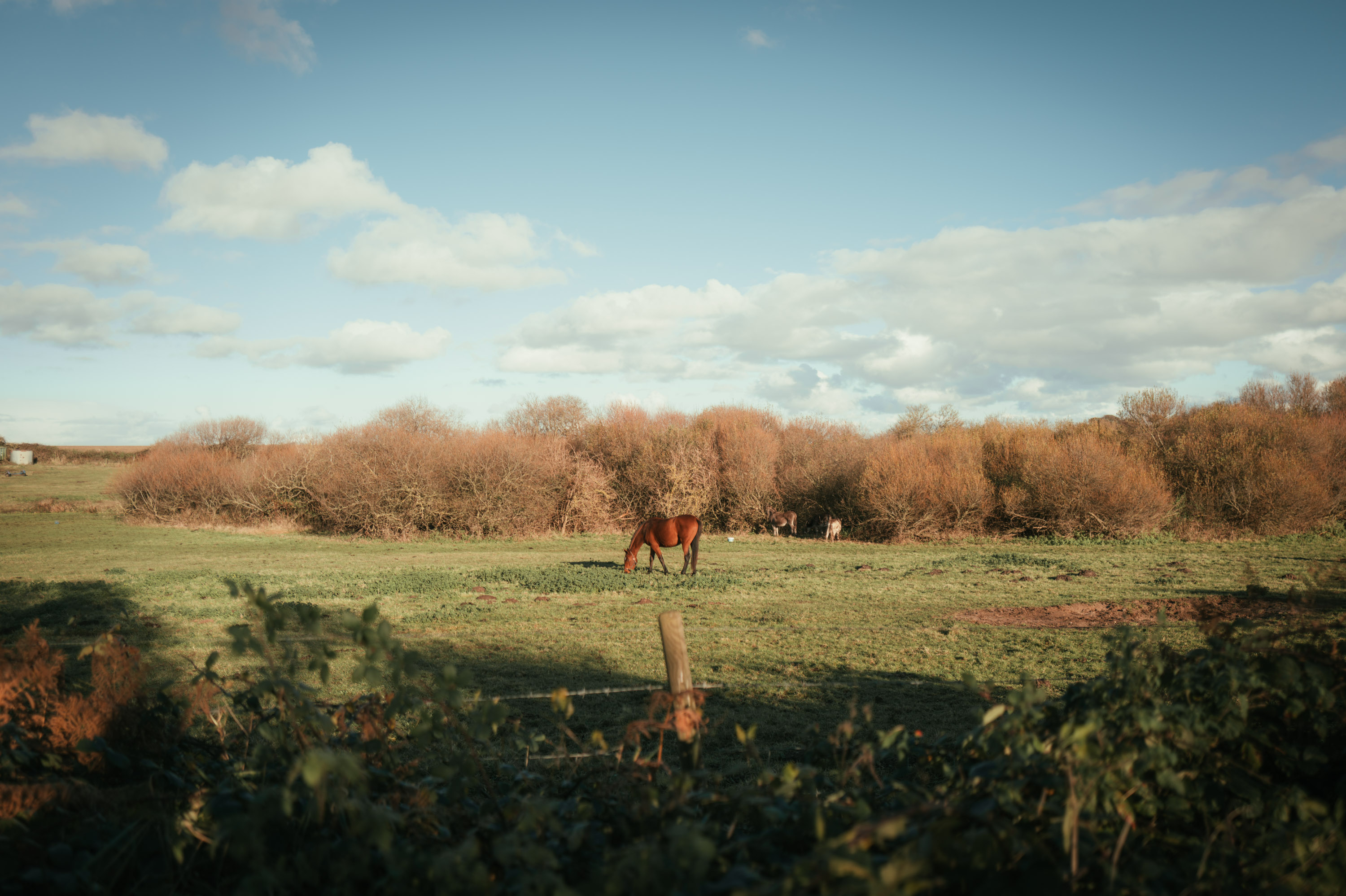
Ian Howorth | Leica Q3 | 28mm | f/1.7 | 1/2000 | ISO 100
Is the price difference between the two worth it for just the lens? I would say it is, if you are willing to pay these prices. But you’ve also got the Leica Q2, which is much cheaper than both. This is still using the quite frankly delicious Summilux 28mm f/1.7 ASPH lens, as well.
If you really like the 35mm focal length, go with the Sony RX1R III. No amount of features or clever cropping will fix your experience if you simply don’t get on with the field of view you are using to see the world.
https://youtu.be/O3cFAxtSLd4?rel=0Read our Leica Q3 review.
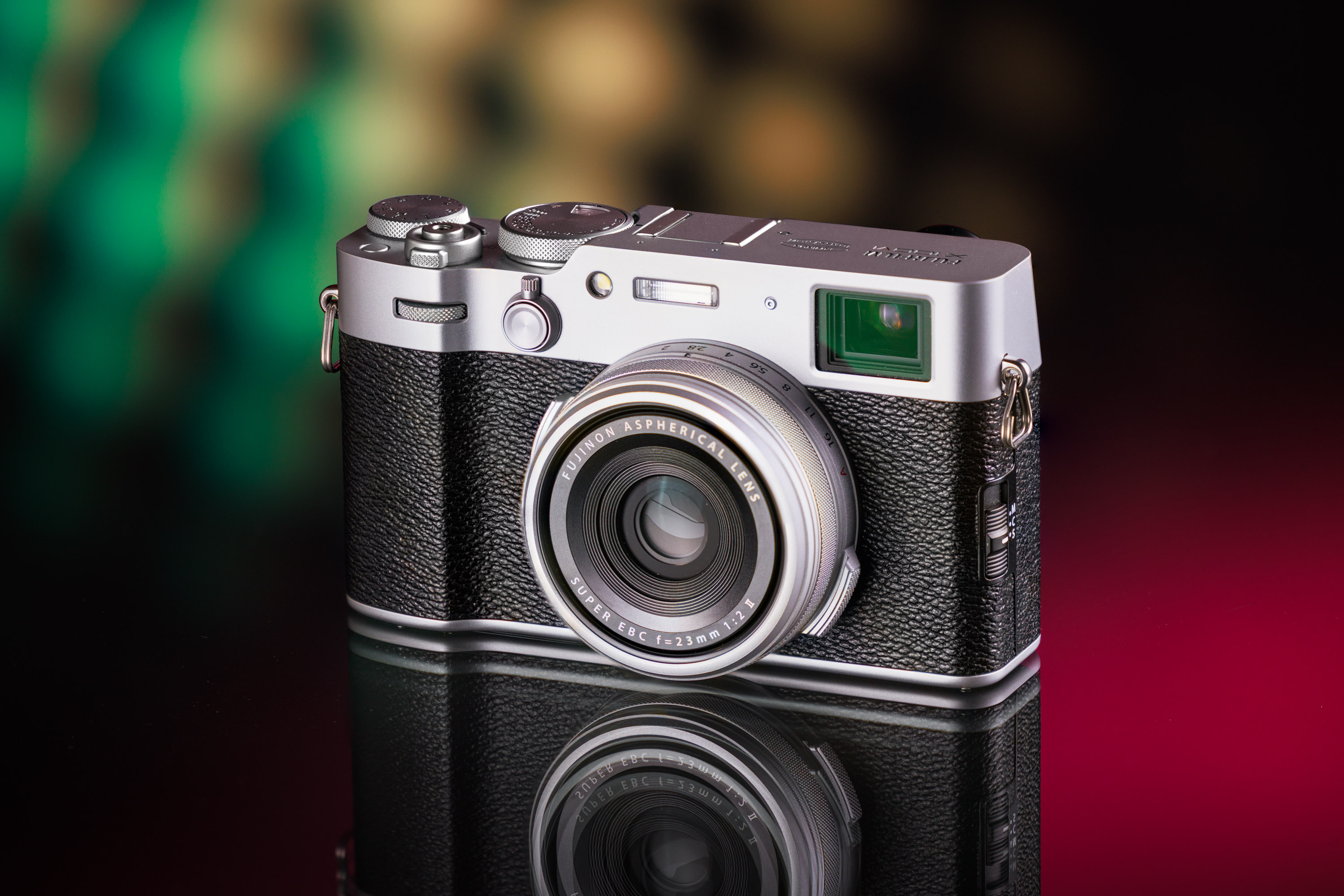
Used Fujifilm X100VI
Fujifilm X100VI
Comparing the Sony RX1R III with the Fujifilm X100VI is an interesting one. The Sony RX1R III should trample all over the X100VI, but I bet most people would pick the X100VI over the RX1R III, even without factoring in cost. Sony has both a bigger full-frame sensor and a smaller body than the X100VI, which is an impressive feat. But the X100VI is so much more charming and enticing, and its slightly bigger size works in its favour. It also has a better viewfinder experience and IBIS.

Connor Redmond | Fujifilm X100VI | 23mm | f/5.6 | 1.5 sec | ISO 125
If you need a lot of resolution from a full-frame sensor in a tiny stills-centric package, the RX1R III will give you something the X100VI can’t match, for sure. But it comes at a steep cost, which I don’t think is worth it. If you value a more fun shooting experience, better design and film-like colours in a compact body, the X100VI makes more sense. You won’t miss those extra 20 megapixels.
https://youtu.be/ex1F7SgqLsY?rel=0When the Fujifilm X100VI came out, we took the camera to the snow-capped Alps for testing. See how it went in our Fujifilm X100VI review.
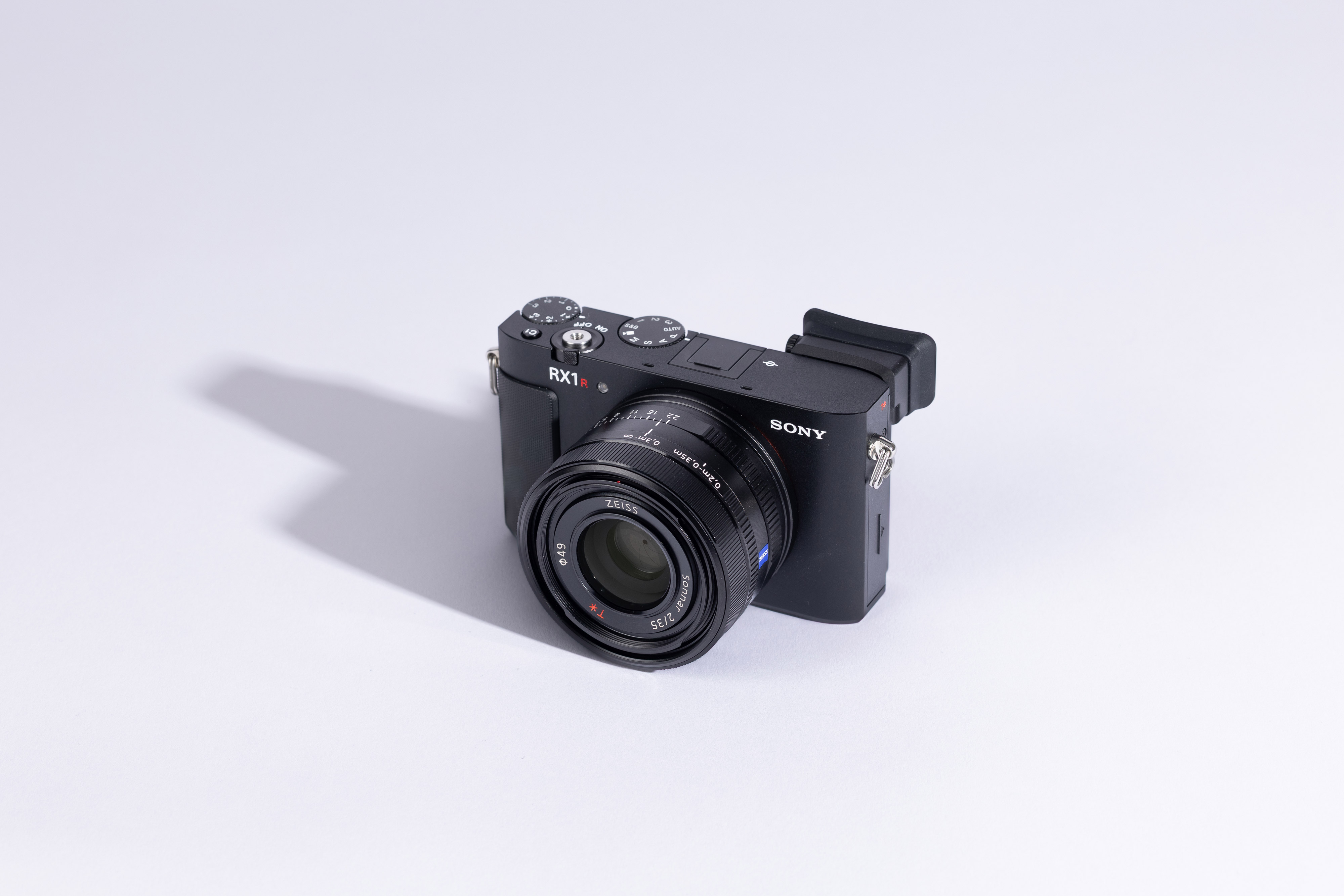
Used Sony RX1R III
Is the Sony RX1R III Worth It?
The Sony RX1R III is a beautiful, very tiny camera, but the missing features are hard to ignore: no IBIS, no weather sealing and no tilting screen. I don’t think this is an easy camera to recommend across the board.
Would I pick it at this price? Probably not. If you’re already in the Sony ecosystem, I’d probably go for the A7CR instead, trading a slight increase in size for IBIS and interchangeable lenses. Personally, I would still lean towards a Leica Q-series camera, such as the Q3 or even the Q2, because the lenses are better.
The RX1R III makes the most sense for photographers who value simplicity, portability and image quality above all else and are comfortable paying a premium for that experience. But if you’re shopping in this price bracket, there are stronger options.
FAQs
What is the Sony RX1R III’s price?
The Sony RX1R III’s pricing is premium and slightly higher than the RX1R II. In the UK, priced at £4,200 at launch, the new camera has a similar price to a used Leica Q3. In the US, import tariffs make it more expensive, with a launch price of $5,100 for the new camera. In Europe, the new Sony RX1R III costs €4,900 at launch.
What is the release date of the Sony RX1R III?
The Sony RX1R III came out in July 2025.
Does the RX1R III have in-body image stabilisation?
No, the Sony RX1R III does not have in-body image stabilisation (IBIS). It relies on electronic stabilisation for video.
Is the Sony RX1R III worth the upgrade from the RX1R II?
The Sony RX1R III is perhaps worth the upgrade for the improved sensor, autofocus and handling. However, the lens is the same, and video users may not feel the gains are enough.
Does the RX1R III have a tilt screen?
No, the Sony RX1R III’s rear screen is fixed. Some will find this limiting for low-angle shots; others will appreciate the simplicity.
Read more camera gear guides on the MPB content hub.
You can sell or trade your camera kit to MPB. Get a free instant quote, free insured shipping to MPB, and get paid within days.