Best Digital Film Cameras in 2026
Published 28 July 2026 by MPB
In this guide, we’re looking at digital cameras that recreate that film-like experience. That can mean physical dials and tactile controls, designs that are inspired by classic film cameras, or image profiles and edits that mimic the look of film. Some cameras focus on one of these elements, while others bring all three together.
Some photographers still shoot film in 2026 because it slows the process down and makes photography feel more intentional. You think more about each frame and stay present in the moment, rather than constantly reviewing images. Of course, film has its downsides. It’s expensive, harder to get hold of and you have to wait to see your results. If you want an experience as close to film as possible while still using digital, there are cameras that can deliver it.
MPB’s Jakub Golis shares his top picks for digital cameras that look like film, based on over 20 years of experience with digital and film. He covers everything from compact cameras to mirrorless models, along with a few crossover options, so there’s something here to suit how you like to shoot. He and our team filmed the video around Brighton and Hove, and Jakub has since updated his recommendations for 2026, reflecting on recent releases and how these cameras are being used today.
Additional photography and insight by Amy Moore, Connor Redmond, Justin Patricolo and Ian Howorth.
What makes a digital camera feel like film?
A digital camera can look like a film camera without feeling like one to use, which works for some people. For me, “Jakub the film enthusiast”, “film-like” is about how a camera handles, how the images look and what the camera is like to shoot with day to day. Physical dials, optical viewfinders and simple controls can make a camera feel like a traditional film body.
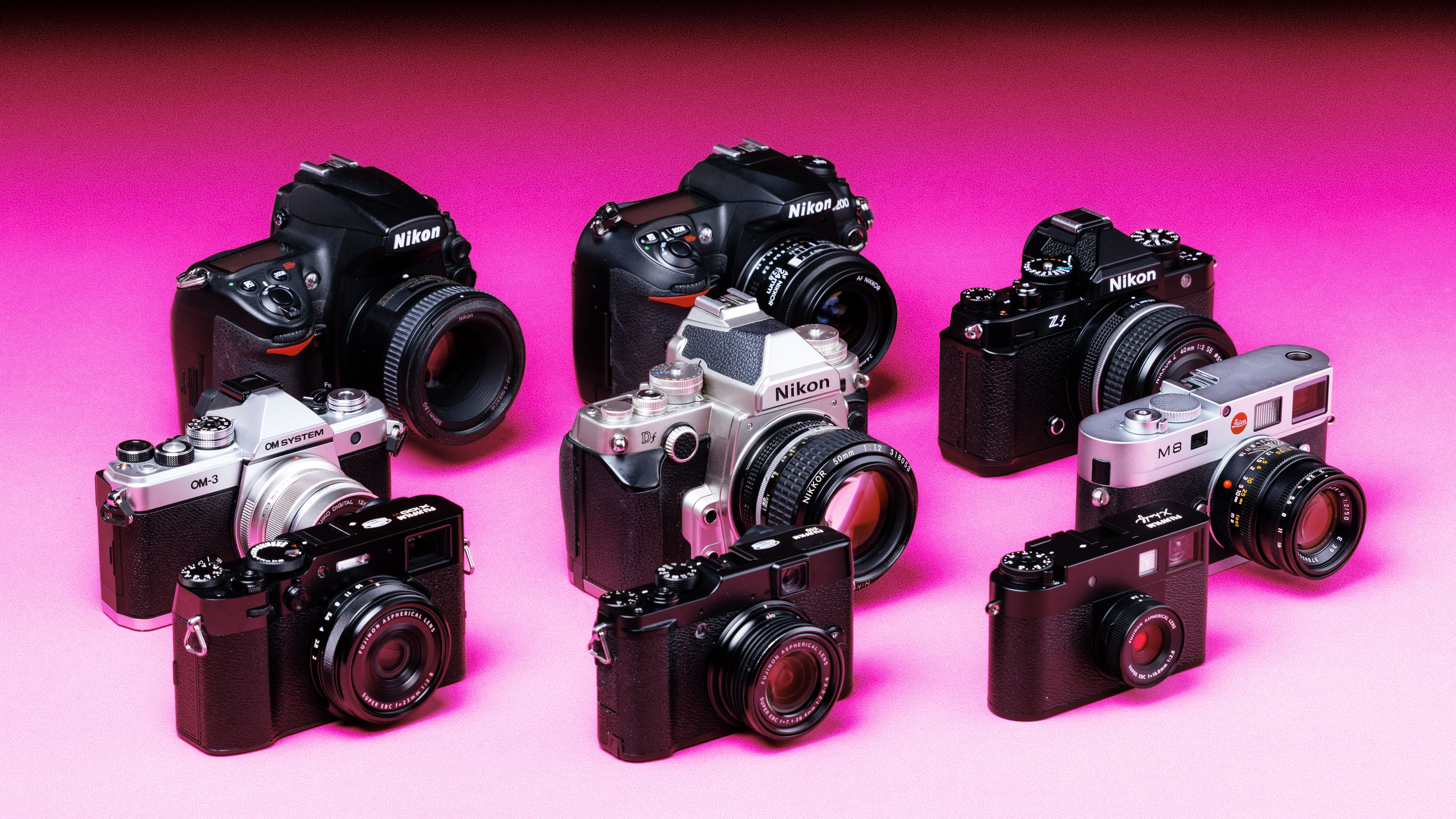
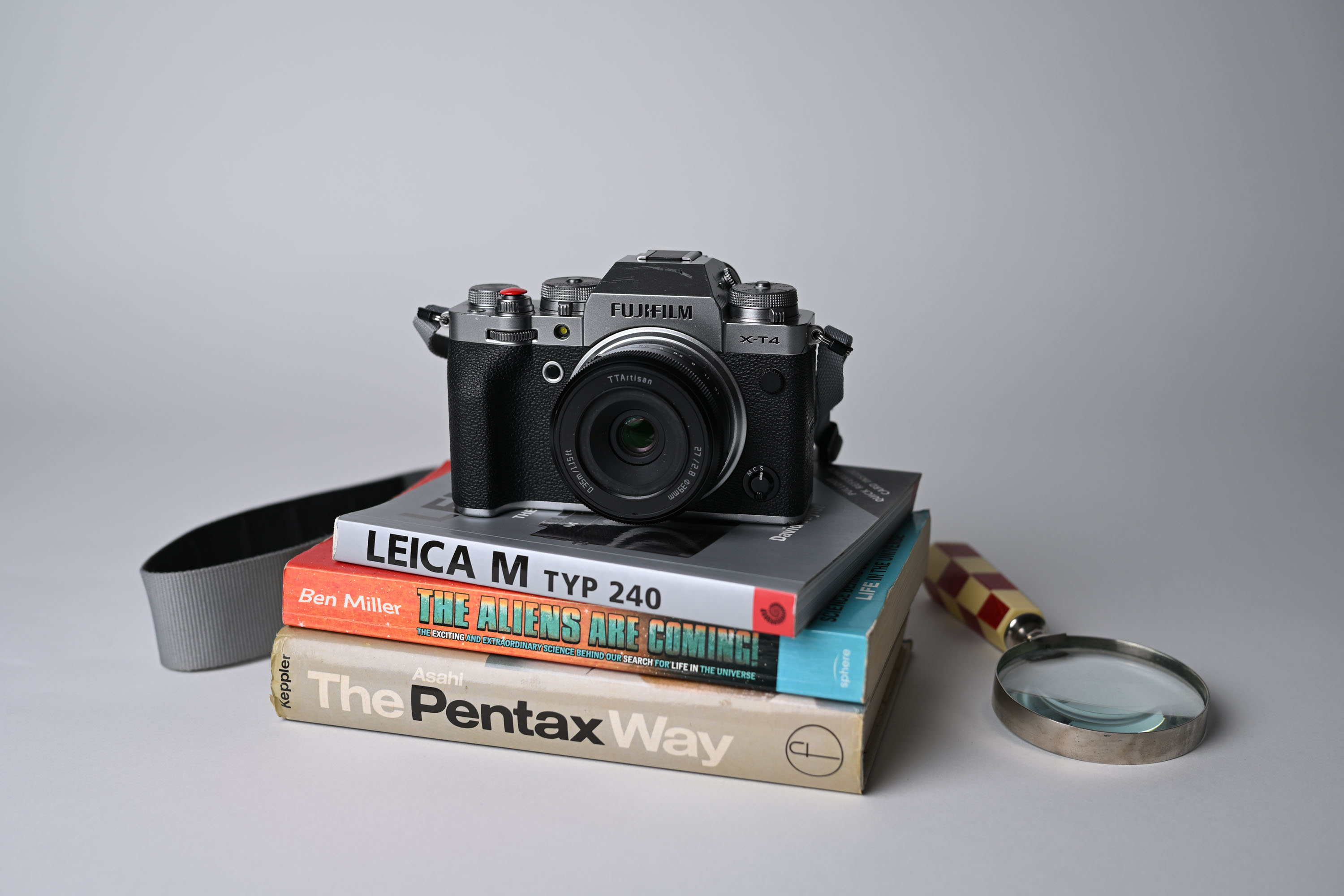
A range of used digital cameras. From L-R: Fujifilm X100V, OM System OM-3, Fujifilm X10, Nikon D700, Fujifilm X Half, Nikon Df, Leica M8, Nikon D200, Nikon Zf
On the image side, film simulations, grain and softer rendering can help you master that unmistakable film look. A similar aesthetic is part of the wider revival of early digital photography, too, which we explore in our Y2K photography guide.
The way a camera limits you will also shape how you shoot, and this is what makes certain digital cameras feel closer to film than others. Fixed lenses and fewer automated features mean fewer distractions, so you spend more time focusing on the scene in front of you. I’ll walk you through some of those that I keep coming back to.
Used Nikon Zf
Nikon Zf: Overall best digital film camera
Typical used price: €1,500
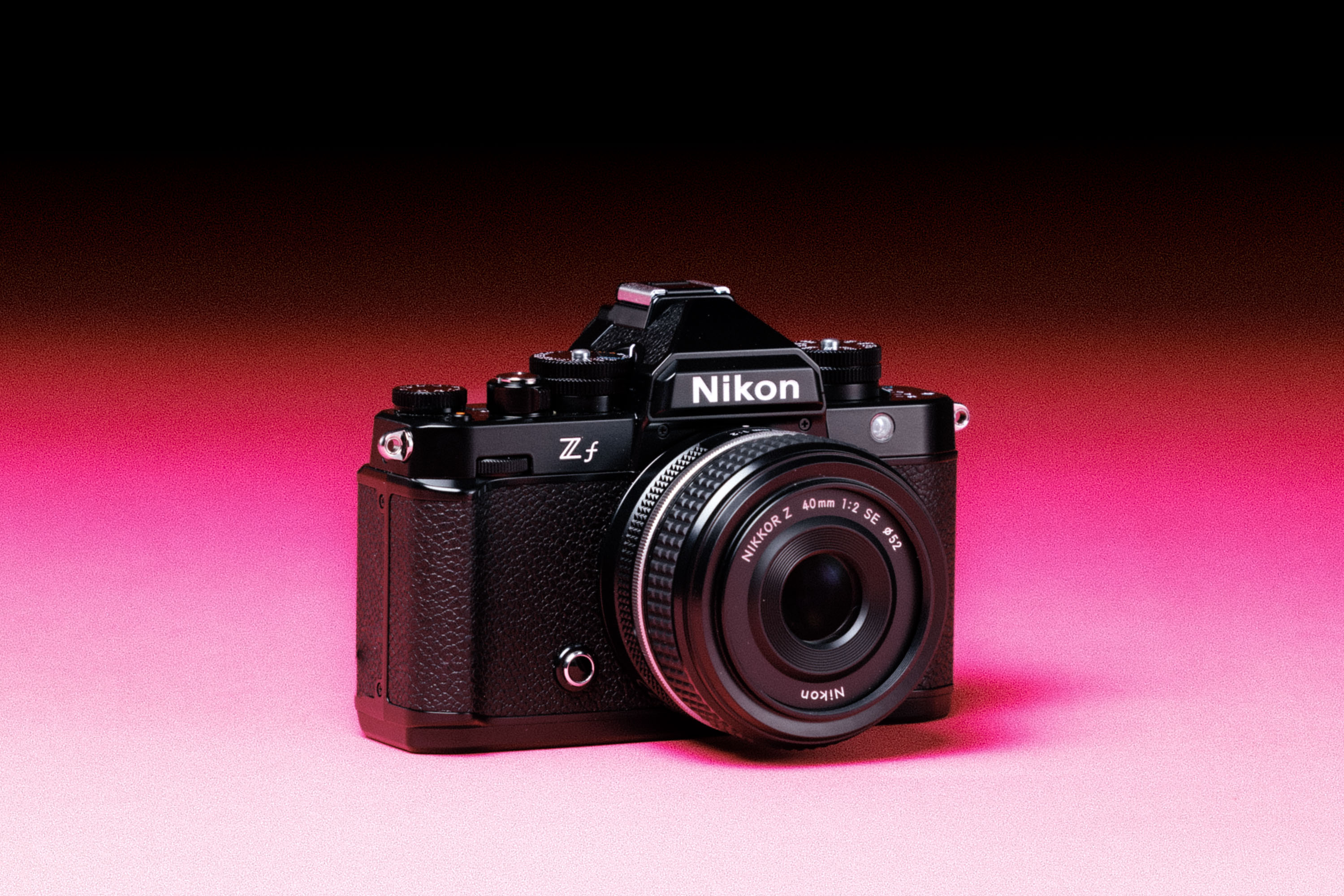
The Nikon Zf is the best overall option if you want a digital camera that feels like film without giving up “modern” shooting techniques. It takes clear inspiration from Nikon’s classic film SLRs, with physical dials, a really satisfying body feel and a retro design I’m really fond of. Underneath that, you’ve got a reliable full-frame sensor and autofocus, so it’s easy to use day to day.
https://youtu.be/S98g2iPuYPI?rel=0Specs
24.5-megapixel full-frame sensor
Nikon Z lens mount allows for adapting vintage lenses
Electronic viewfinder
5-axis sensor-shift stabilisation (8 stops)
4K UHD/60p video capture
Pros
Feels like a film camera to shoot with (dials, layout, pace)
In-camera film grain and strong JPEG flexibility
Works well with both modern and vintage lenses
Solid, well-built body
Cons
Default JPEGs need a bit of tweaking
Grip isn’t great with larger lenses
Video features feel out of place for some users
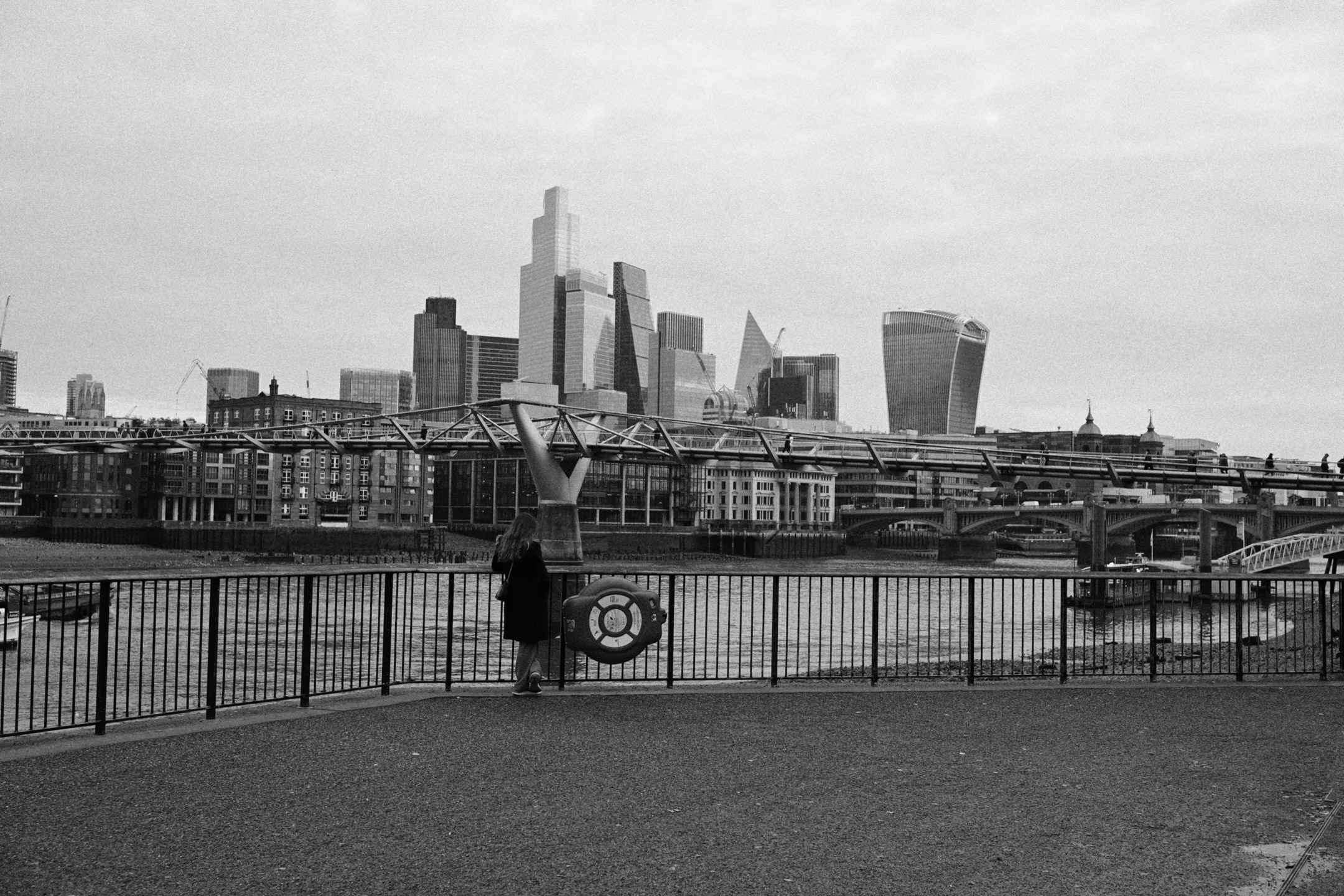
Nikon Zf | Nikon Z 40mm f/2 | 40mm | 1/100 | f/5.6 | ISO 100
Its in-camera Film Grain feature, added in firmware version 3.00, lets you add a more organic, film-like texture to your images and video, with control over both the strength and size of the grain. Cool, right? It also saves you a bit of editing time.
Left: Grain off | Right: Grain on (size: large, strength: 4 out of 6)
You’re not limited in how you use the Zf. You can use modern Z-mount lenses with it or adapt older vintage lenses like the Nikon Ai-S Nikkor 50mm f/1.2 if you want to get a bit dreamy and experimental. There’s a unique feature for that, too. If you use a manual focus lens and turn the focus ring, the focus frame will turn green when you’re actually in focus, which is really useful.
The balance between feel and performance is good, and it’s easily one of the more future-proof options here if you want a camera you won't outgrow (that magnesium body with weather-sealing makes it robust).
Used Fujifilm X100VI
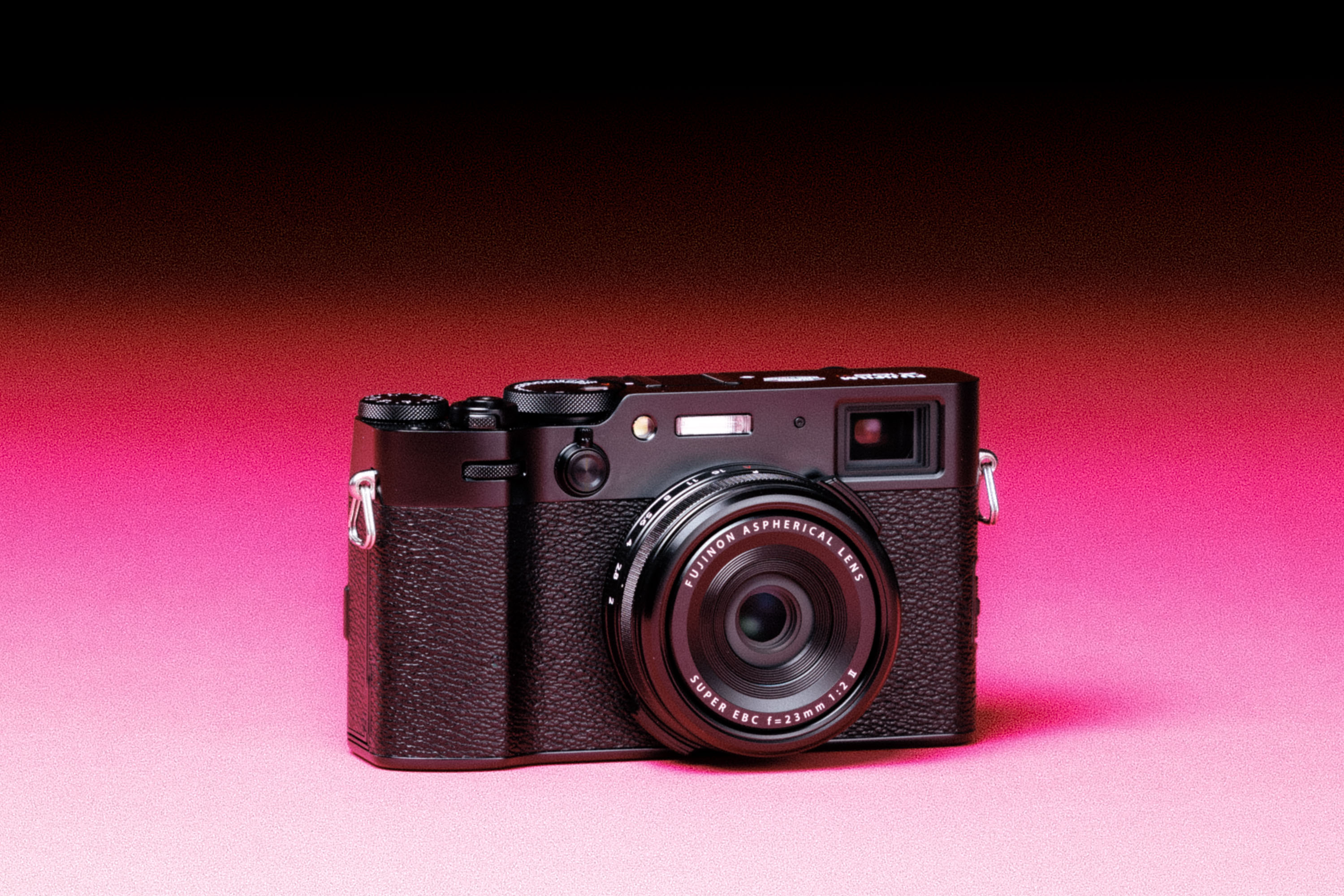
Fujifilm X100VI: Best compact film-like camera
Typical used price: €1,700
The Fujifilm X100VI is still the best compact option for a film-like experience, especially if you want something you can carry with you every day. Obviously, it’s compact, it’s small, but the fixed lens, hybrid viewfinder and physical controls encourage that slower, more deliberate style of shooting I mentioned earlier.
https://youtu.be/ex1F7SgqLsY?rel=0Specs
40-megapixel APS-C sensor
Fixed 23mm f/2 lens
Hybrid optical and electronic viewfinder
Pros
Encourages a more intentional shooting style
Strong film simulations and JPEG output
Compact and easy to carry
Simple, tactile controls
Cons
Fixed lens limits flexibility
High resolution can feel a bit too “clean”
Not much room to grow system-wise
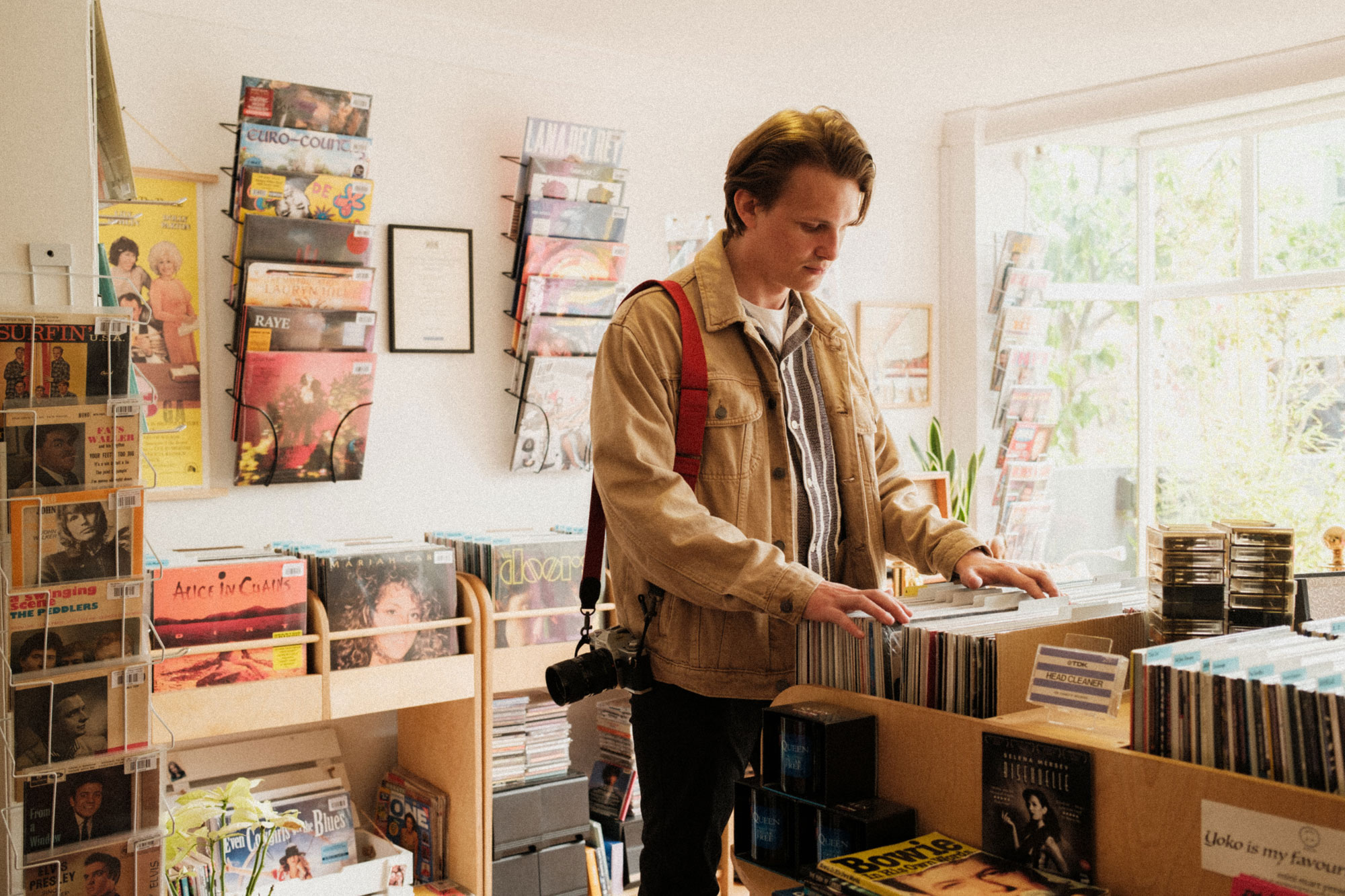
Dream Street Records | Jakub Golis | Fujifilm X100VI | 23mm f/2 | f/2.8 | 1/75s | ISO 250
Fujifilm’s film simulations make it easy to get film-like JPEGs straight out of your X100VI, and custom Fujifilm recipes can help even further, which is a win-win if your editing skills aren’t quite there yet.
Compared to older X100 models, the X100VI is technically better in almost every way, with higher resolution and improved autofocus. At the same time, the older models can actually feel more like film, as their lower resolution creates even softer, less clinical images.
The biggest limitation is its fixed lens. Sure, the higher resolution will give you more flexibility to crop, and Fujifilm’s digital zoom modes let you mimic different focal lengths, but it’s just not quite the same as having multiple lenses to go at. You can throw this camera in your jacket pocket (if it’s a big jacket pocket) and go, though.
Want to see how it handles in real-world shooting? Take a look at our Fujifilm X100VI review.
Used Fujifilm X100
Alternatives to the Fujifilm X100VI
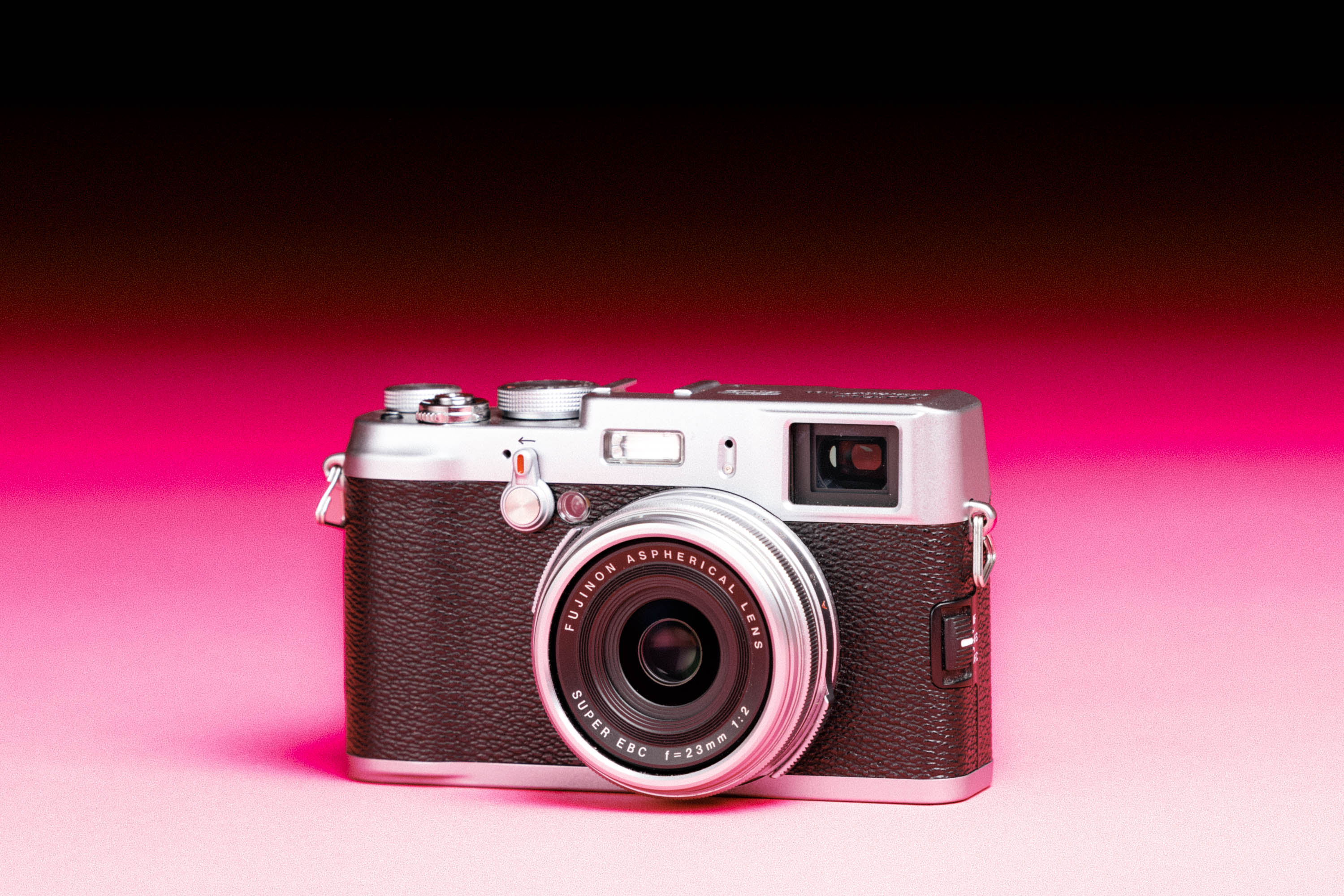
Fujifilm X100
Typical used price: €700
If you like the idea of the X100VI but want to spend less, the Fujifilm X100 is a great option, as our Fujifilm X100 review shows. Again, slow speed and low resolution will work in your favour when you’re chasing that distinctive film look.
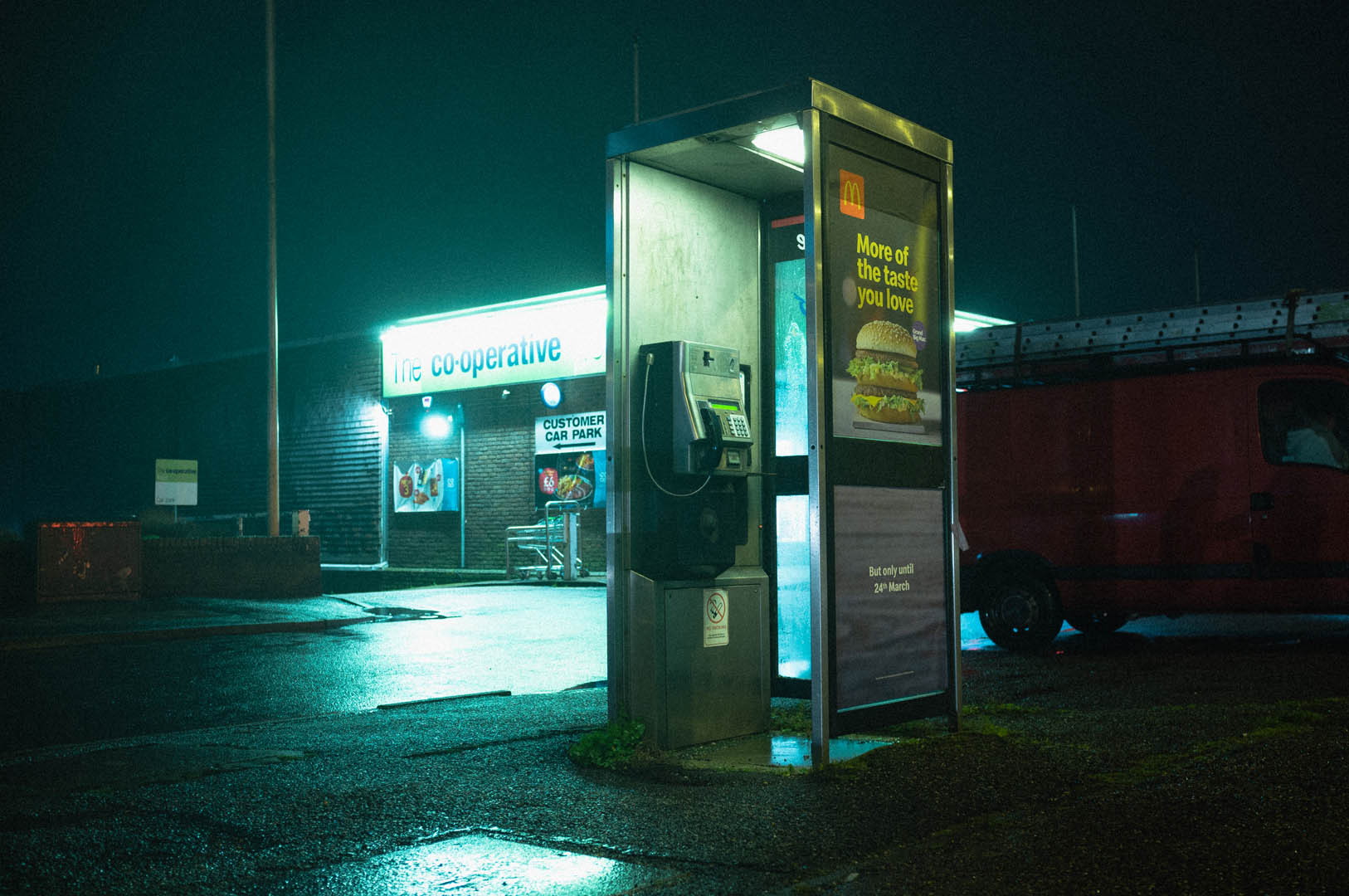
Jakub Golis | Fujifilm X100 | 23mm | f/2.8 | 3.5s | ISO 200
The entire X100 series is worth thinking about for film-like photography. Our Fujifilm X100 series guide could come in handy if you’re finding the lineup challenging to navigate, and we’ve also covered the best Fujifilm X100V and X100VI alternatives.
Used Fujifilm X10
Fujifilm X10
Typical used price: €500
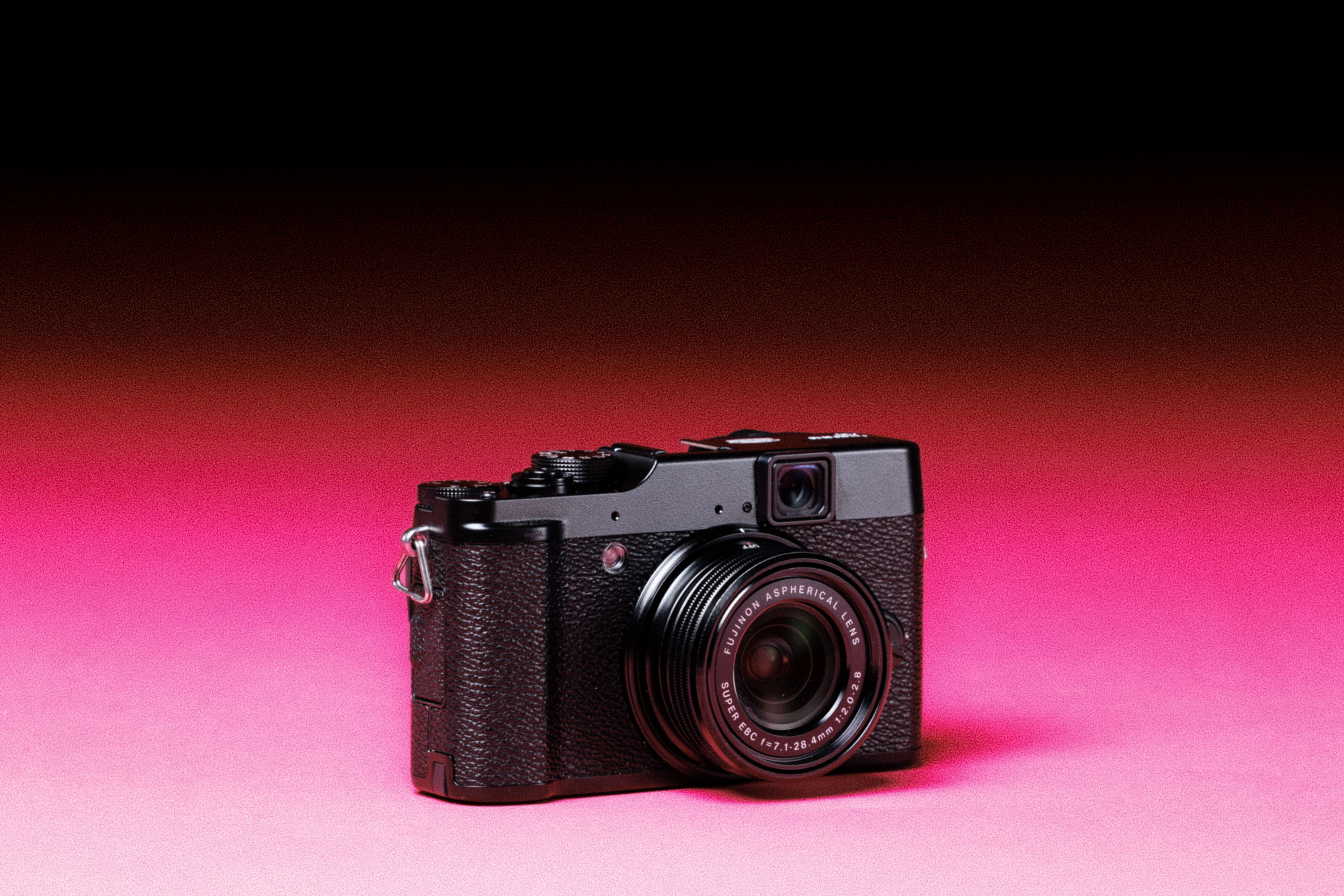
After a cheaper option? The Fujifilm X10 is a fun, all-in-one compact with an optical viewfinder and a stylish body. The images aren’t sharp, but they emulate film nicely. The straight-out-of-camera jpegs give a scruffier look, making it the perfect camera for you if you’re into the retro thing.
Used OM System OM-3
OM System OM-3: Best Micro Four Thirds film-like camera
Typical used price: €1,500
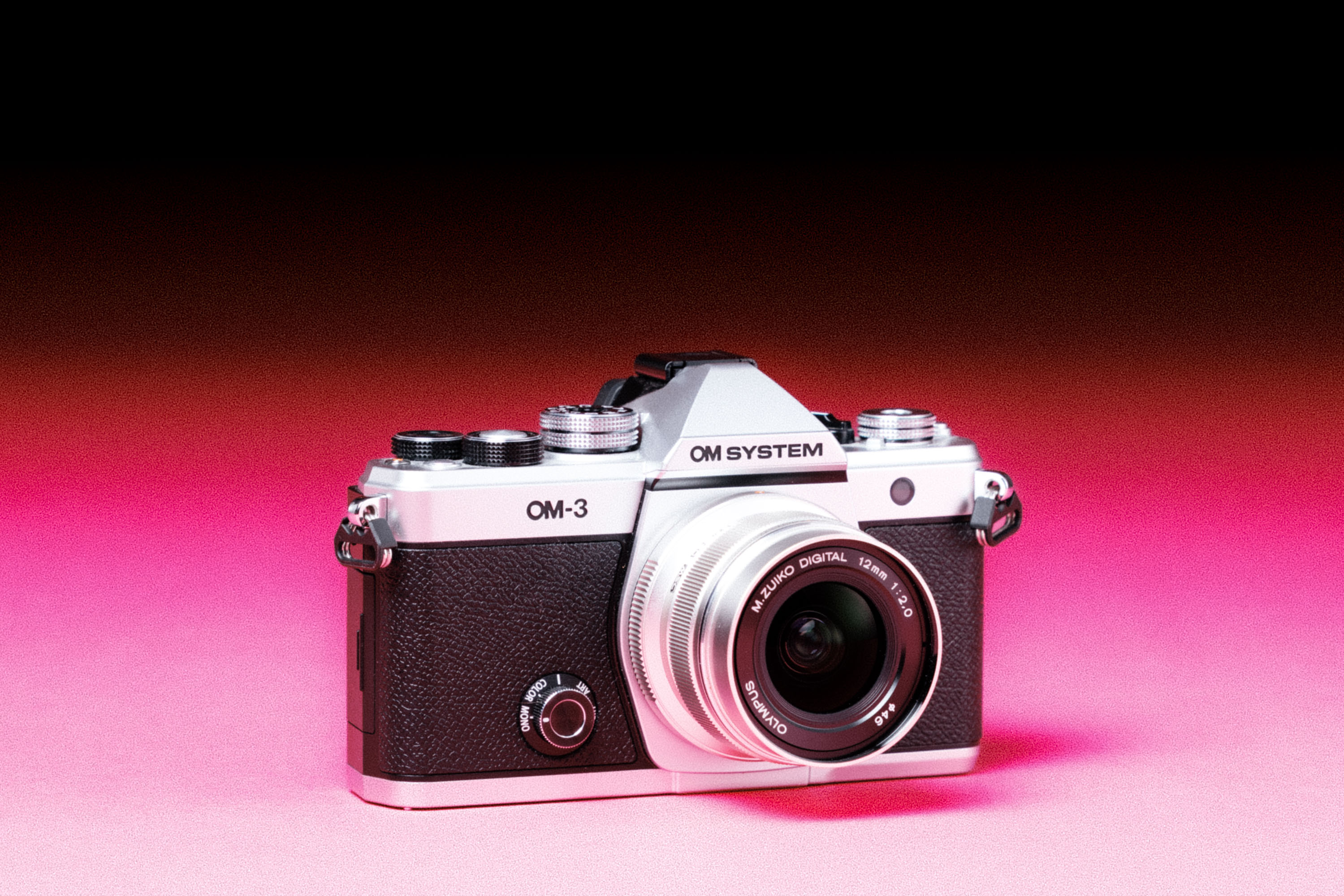
If you’re after a retro-inspired camera that’ll give you strong photos you can be proud of, the OM System OM-3 will have you feeling smug. It’s heavily inspired by classic Olympus film cameras but adds modern features like reliable autofocus and computational tools like Live ND, Handheld High-Res Shot and Focus Stacking.
Those extras don’t necessarily make the OM-3 feel more like film, but they do make it easier to get creative. You can experiment more without worrying too much about the technical side, and you'll still end up with photos that look like they’re shot on film, which is what you’re here for.
Specs
20-megapixel Micro Four Thirds stacked CMOS sensor
Interchangeable lens system
In-body stabilisation
Computational shooting modes
Pros
Strong control over JPEG look (colour, tone, grain)
Retro-inspired design with modern reliability
Compact system with small lenses
Easy to experiment creatively
Cons
Doesn’t naturally feel “film-like” without setup
Slightly bulky for its sensor size
Some features unnecessary for this use case

Jakub Golis | OM System OM-3 | Olympus M.Zuiko Digital ED 12-100mm f/4 IS PRO | 100mm | f/4 | 1/1000 | ISO 200 | Edited
What I really like about the OM System OM-3 is the level of control you get over your images. You can customise the colour and tone, and even add grain, though this feature is only available in monochrome mode, which is irritating. It makes it easy to achieve a more analogue, black-and-white look without editing.
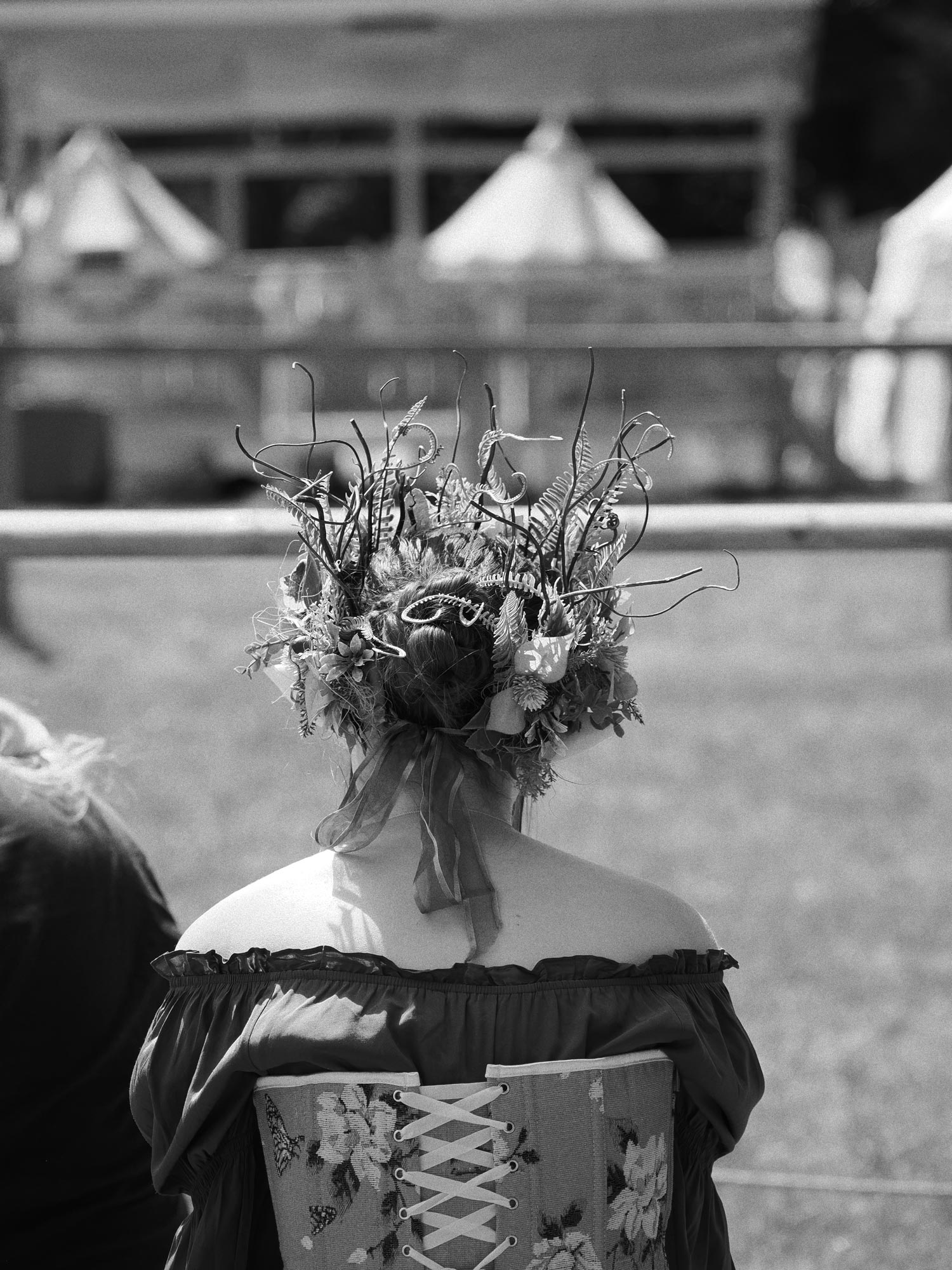
Jakub Golis | OM System OM-3 | Olympus M.Zuiko Digital ED 12-100mm f/4 IS PRO | 100mm | f/4 | 1/1000 | ISO 200
It’s also a slightly smaller system than full-frame options like the Nikon Zf, especially with Micro Four Thirds lenses like the Olympus M.Zuiko Digital ED 12-100mm f/4 IS PRO. This makes it easy to carry every day.
We’ve spent more time shooting with it in our full OM System OM-3 review, so knock yourself out.
Alternatives to the OM System OM-3
Used Olympus Pen-F
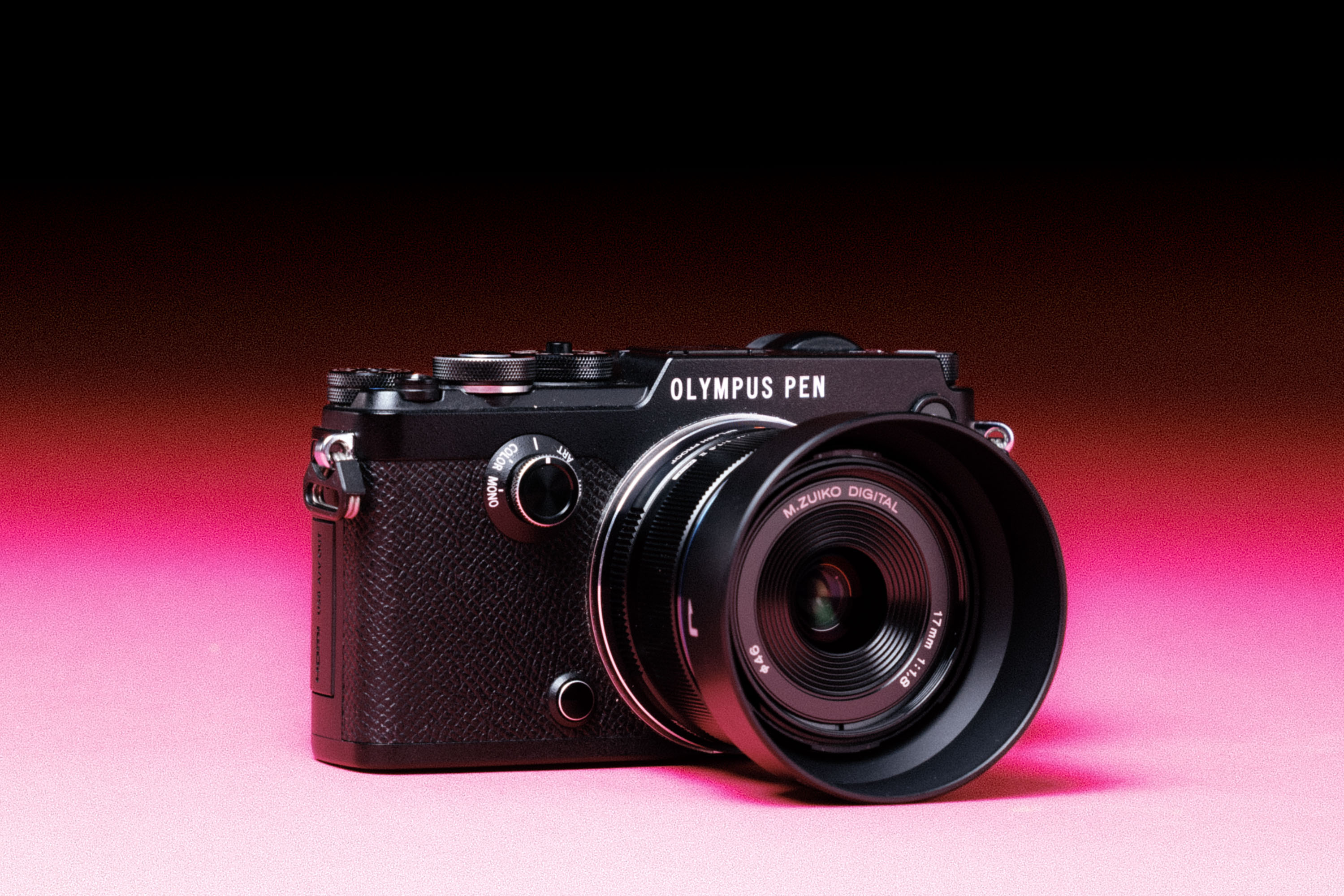
Olympus Pen-F
Typical used price: €1,000
After something similar to the OM-3 for less? The Olympus PEN-F is a solid shout. Its retro look is just… so cool. You can tweak colour and tone in a really hands-on way. It’s small, travel-friendly, and the Micro Four Thirds system means you can pair it with compact lenses and take it pretty much anywhere you like.
https://youtu.be/SLmvxUc39IA?rel=0It’s a bit “unique” in that there’s no direct successor, and it’s the only camera in the Olympus Pen line with a built-in viewfinder. This has helped keep demand (and prices) pretty high. Yes, it’s older, and you’ve got limits to work with, but it still gives you that softer output.

Justin Patricolo | Olympus Pen-F | Olympus M.Zuiko Digital 17mm f/2.8 | 17mm | f/2.8 | 1/8000 | ISO 800
We took it out to sunny Palm Springs, California, for our full Olympus PEN-F review, which feels like exactly the right place for a camera like this.
Used Leica M8
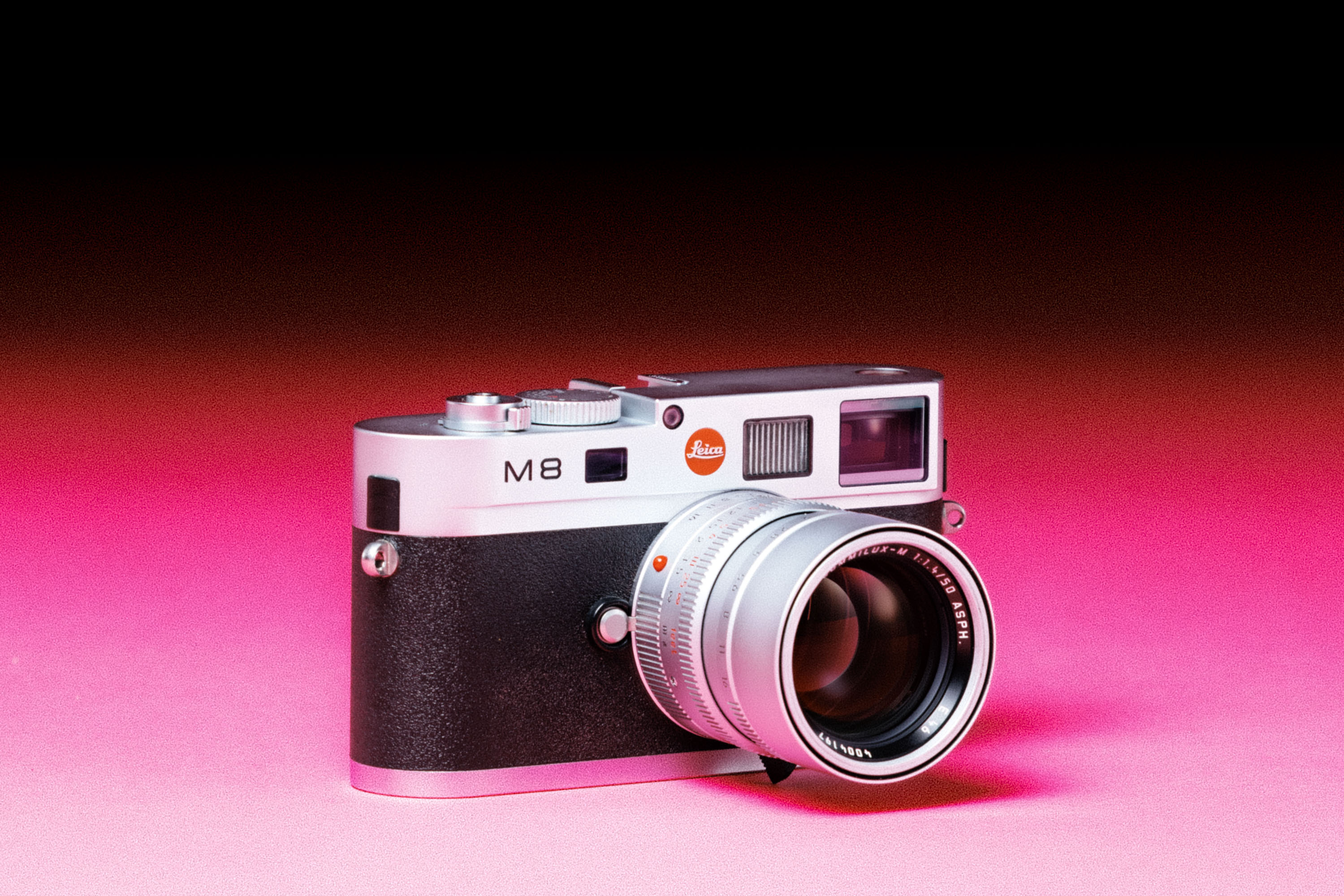
Leica M8: Best film-like digital rangefinder
Typical used price: €1,800
The Leica M8 Black is about as close to shooting film as you can get with a digital camera. A direct successor to Leica’s film M cameras, it keeps the rangefinder system, manual focus and stripped-back handling. Shooting with this will change how you shoot. You won’t be able to rely on autofocus; your shoot will feel more considered.
Specs
10-megapixel APS-H Kodak CCD sensor
Leica M bayonet lens mount
Classic rangefinder viewfinder
Pros
Rangefinder forces slower, more deliberate shooting
Distinctive rendering with character
Minimal, distraction-free design
Cons
Fully manual (not beginner-friendly)
Crop sensor affects lens behaviour
LCD and usability feel dated
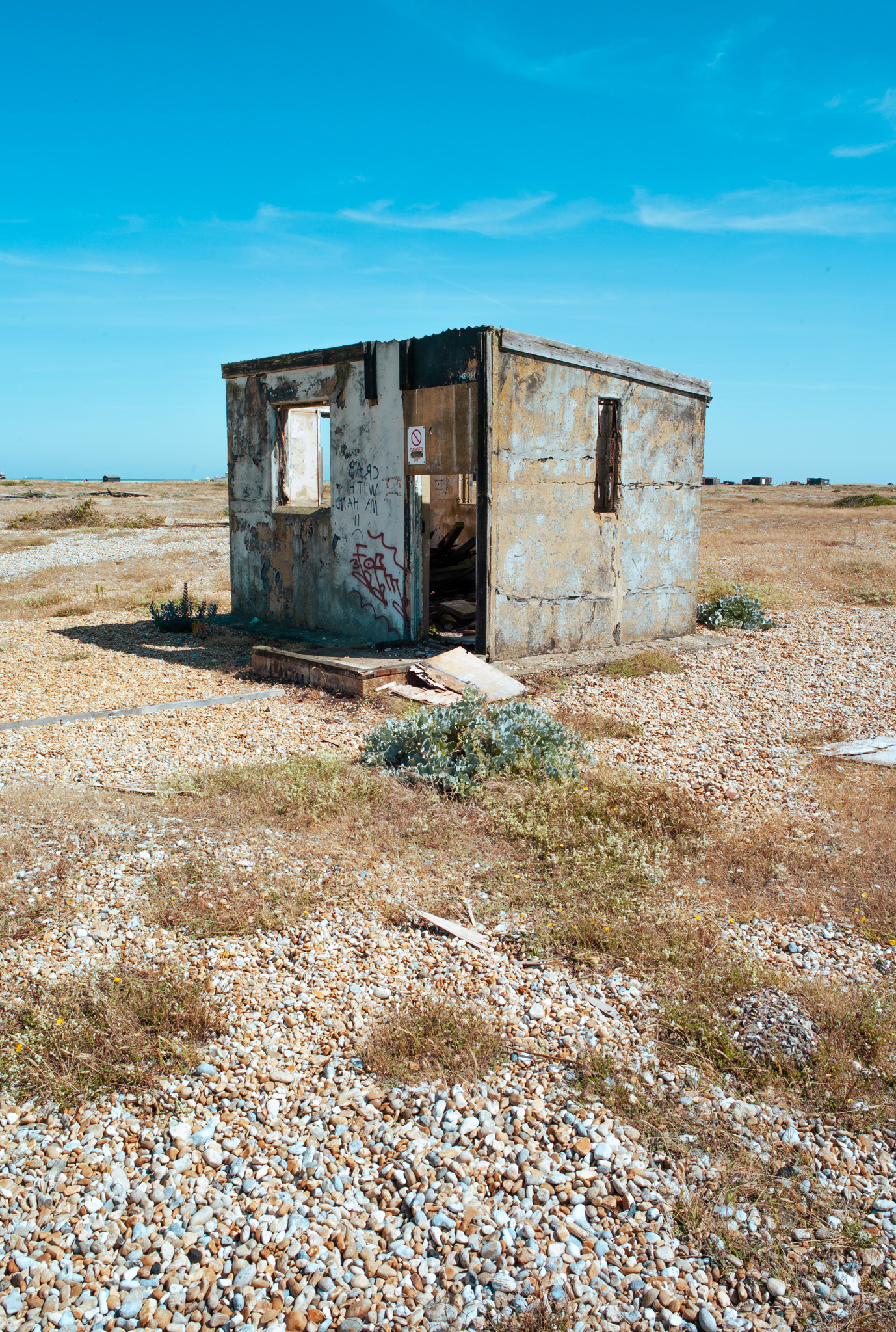
Jakub Golis | Leica M8 | Leica 35mm | f/8 | 1/180s | ISO 160
Part of the appeal is the rangefinder experience itself, which is a very different way of shooting compared to modern digital cameras. Using the focus patch (a small focusing window in the viewfinder) takes a bit of getting used to, but it becomes second nature over time. I like it because it makes you more aware of what you’re doing frame by frame.
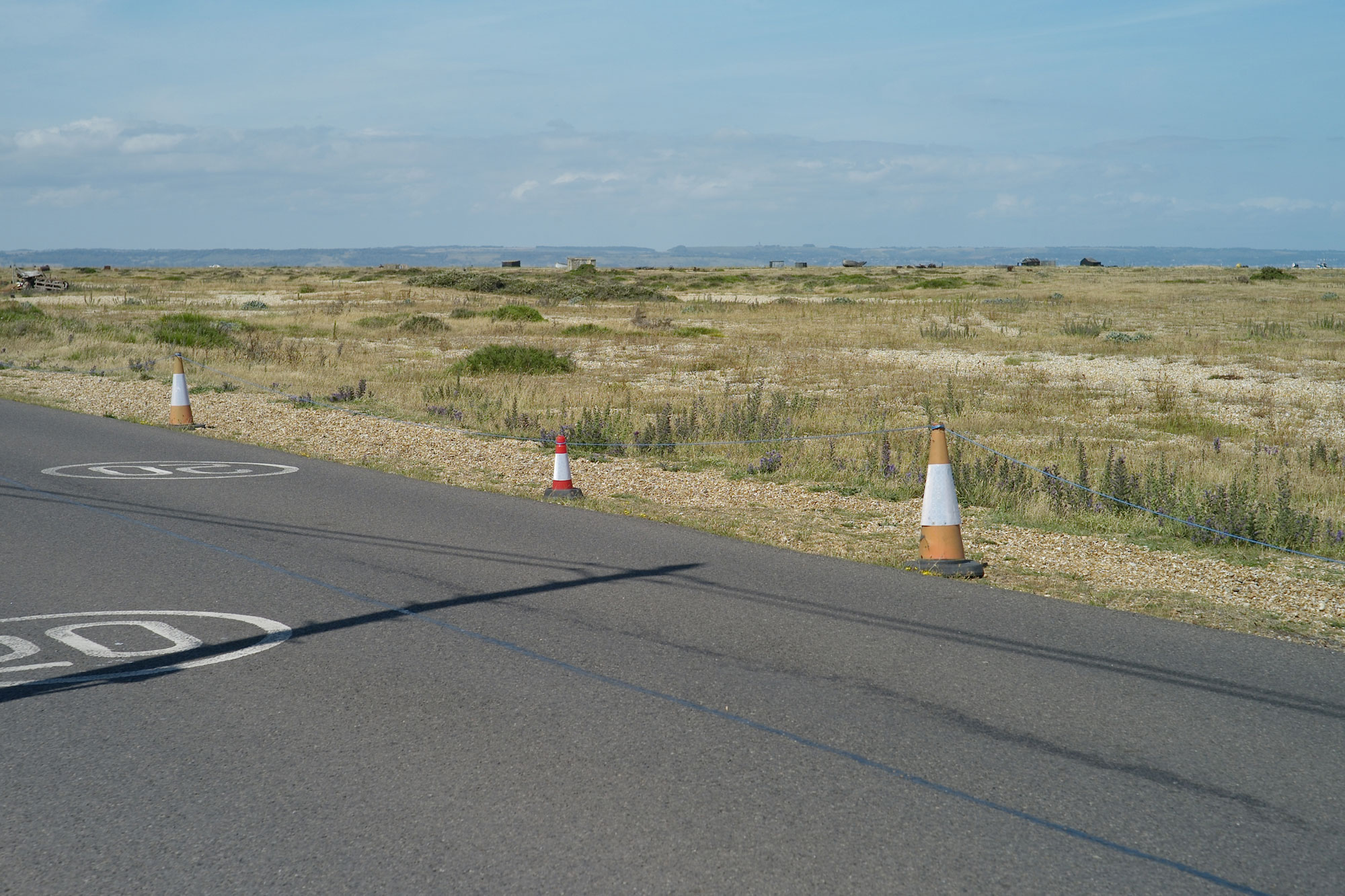
Jakub Golis | Leica M8 | Leica 50mm | f/21 | 1/750 | ISO 160
The M8 also uses a Kodak CCD sensor, which some photographers associate with a more retro effect. This reputation largely comes from early digital cameras, where colour and contrast were often tuned to mimic film stocks. The M8 leans into that with a rendering that feels less clinical than newer sensors.
It’s not the easiest camera to use. Unlike the full-frame Leica M9 that followed, there’s a fully manual setup, meaning you have to really work for your shots. But if you enjoy that process, it’s one of the most authentic digital film experiences you can get.
Alternatives to the Leica M8
Leica M9
Typical used price: €3,000
The Leica M9 Black is the M8, more polished. It’s often described as “the world’s first full-frame digital rangefinder camera” (not technically true, but we’ll get to that when we talk about the Epson R-D1). The images feel closer to the classic 35mm look, mainly thanks to the full-frame sensor rather than an APS-C one. You still get that same rangefinder feel and manual focus.
If you like what the M8 does but want something a little more up to date, the M9 is an easy step up (if you’ve got the budget). You should be aware that some early models were known for sensor corrosion issues, so it’s worth checking the camera's history before you buy.
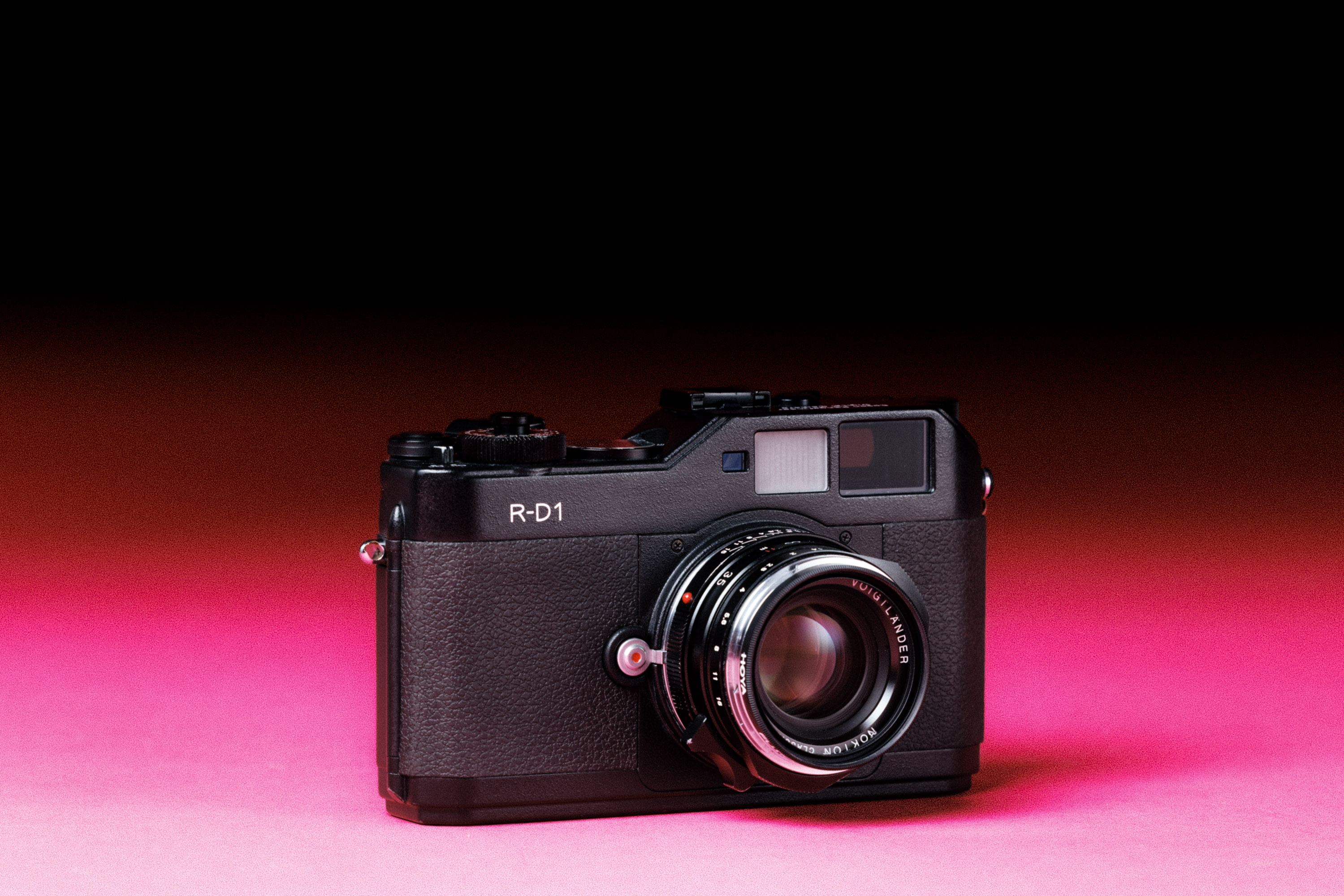
A used Epson R-D1 camera
Epson R-D1: Most unique digital film camera
Typical used price: €1,100
The Epson R-D1 is easily the strangest camera in this list, in a good way. It was the first digital rangefinder ever made (told you, even before the Leica M8), and it goes further than almost anything else in recreating an organic shooting experience. You’ll also have noticed it’s expensive, even on the used market.
Specs
6.1 megapixels APS-C CCD sensor
Leica M Mount
Mechanical winding lever
Pros
Most film-like photography experience
Unique analogue feel
CCD sensor produces softer photos
Cons
Low resolution
Slow and limited
Not practical
Expensive and extremely rare

Ian Howorth | Epson R-D1 | 1/170 | ISO 400
It’s got a mechanical winding lever that you actually have to use between shots, and I love it. Add in super unique analogue dials, and you feel like you’re shooting film, plain and simple.
Its low-resolution sensor means image quality isn’t the sharpest, but it gives your photos buckets of character.
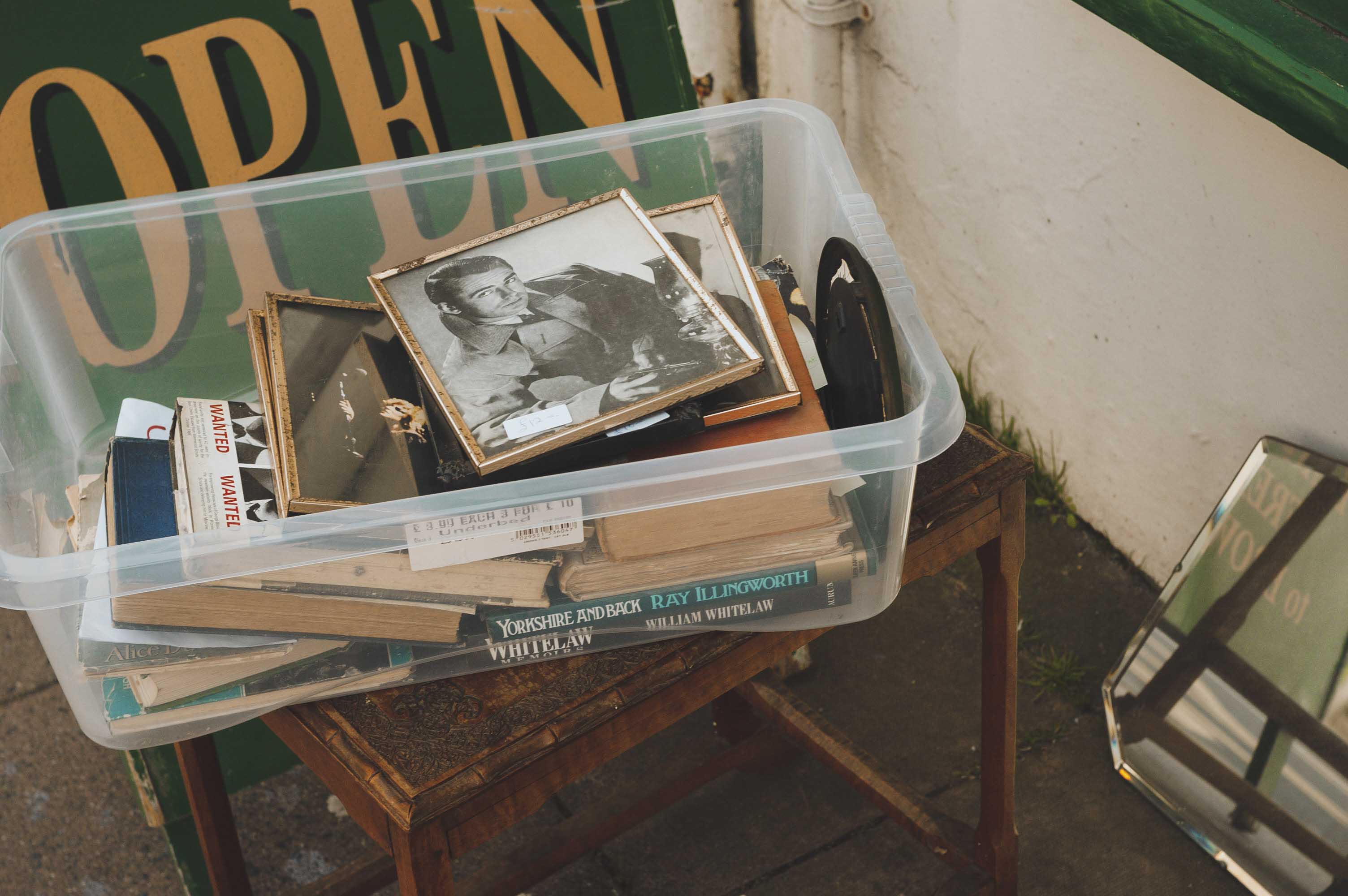
Ian Howorth | Epson R-D1 | 1/240 | ISO 400
This is one for enthusiasts and collectors, and it’s definitely not for everyone. We went down the rabbit hole in our Epson R-D1 review, if you fancy the challenge.
Alternatives to the Epson R-D1
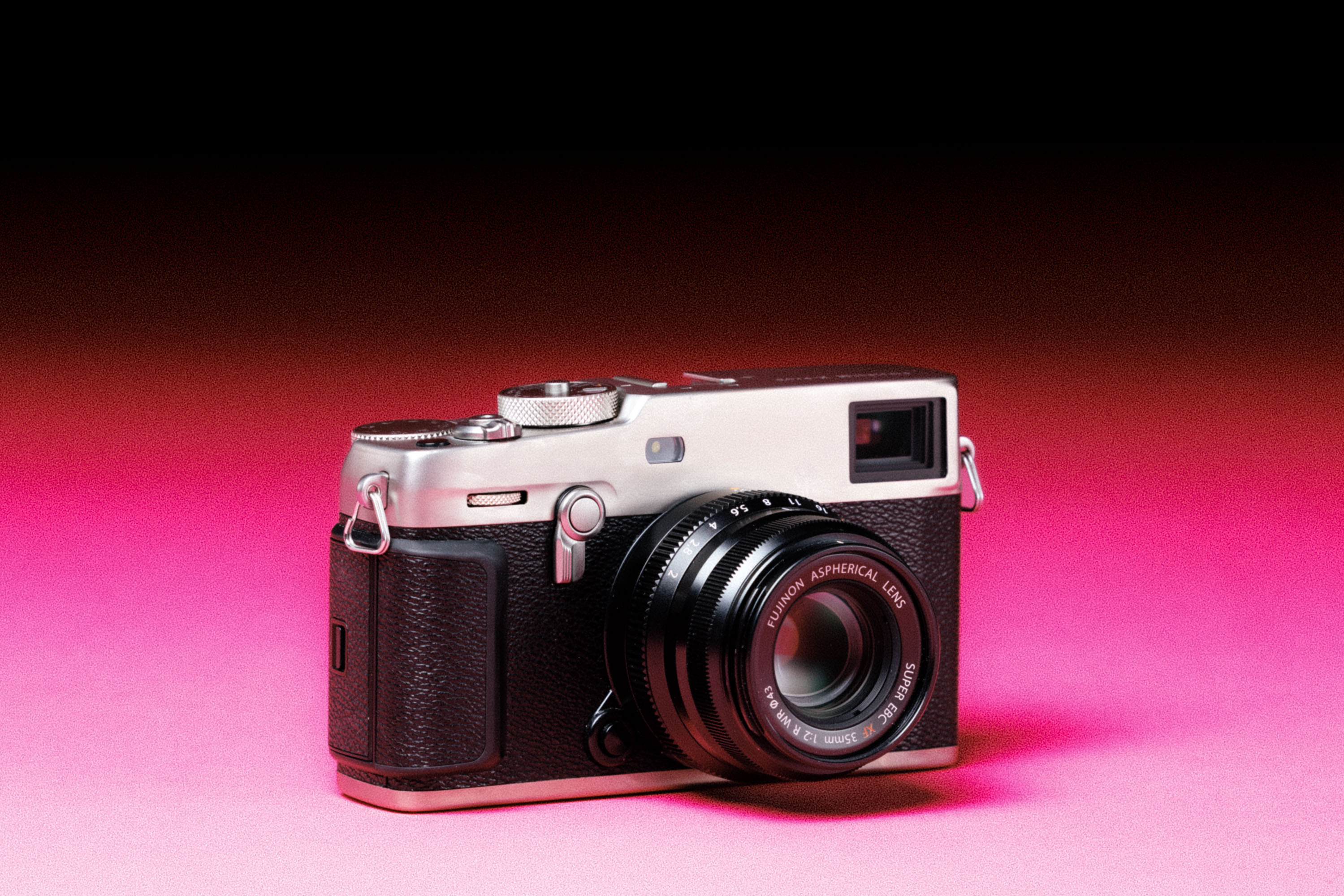
Used Fujifilm X-Pro3
Fujifilm X-Pro3
Typical used price: €1,200
Slightly intimidated by the R-D1? Fair enough. The Fujifilm X-Pro 3 will also give you the rangefinder-style feel, a hybrid viewfinder and the stripped-back way of shooting, and you won’t get a quirk-induced headache. It’s got a handy secondary screen that helps you be a bit more present, too.
We go into more detail in our full Fujifilm X-Pro3 review.
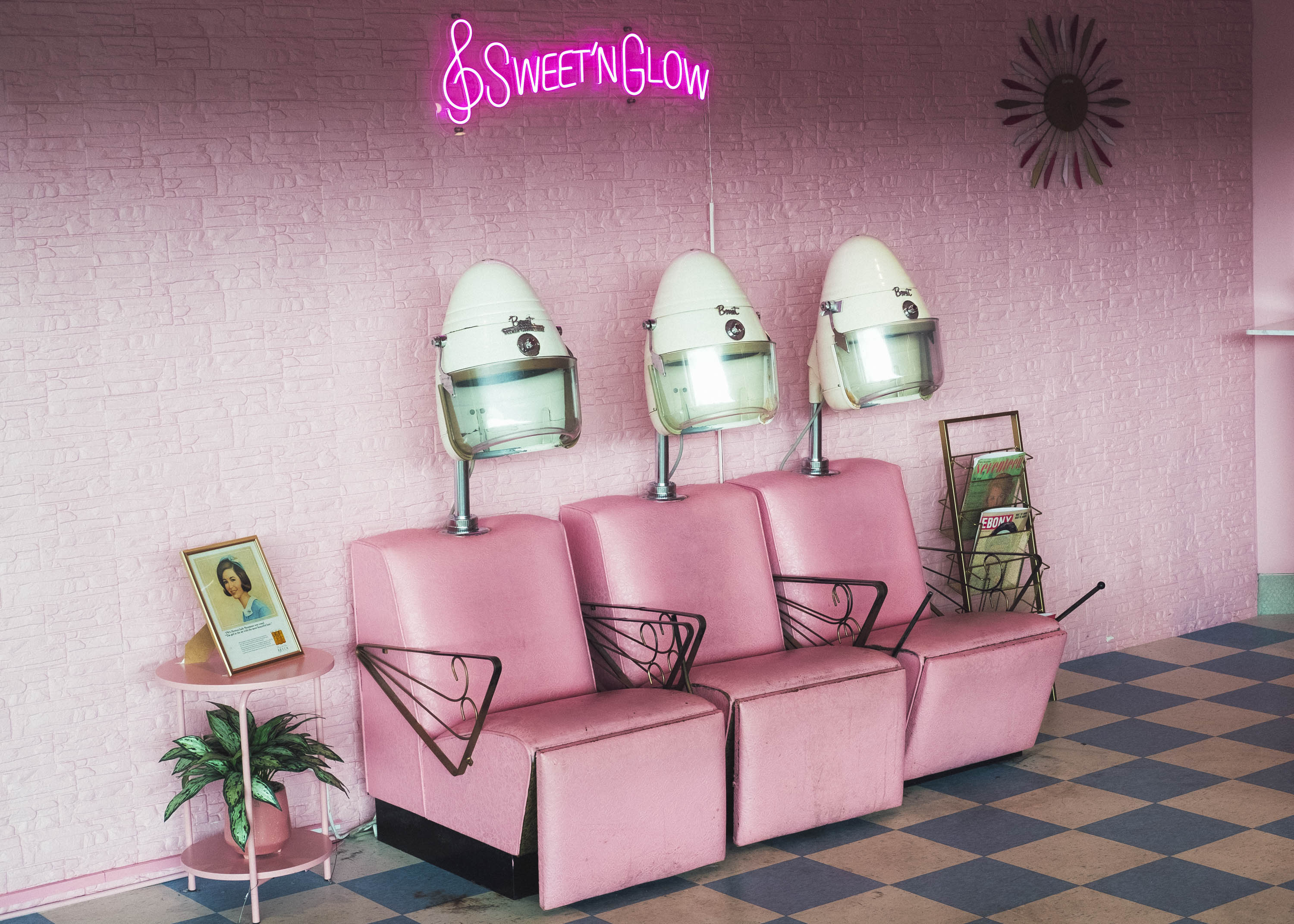
Ian Howorth | Fujifilm X-Pro 3 | Fujifilm XF 35mm f/2 R WR | f/5.6 | 1/240 sec | ISO 640
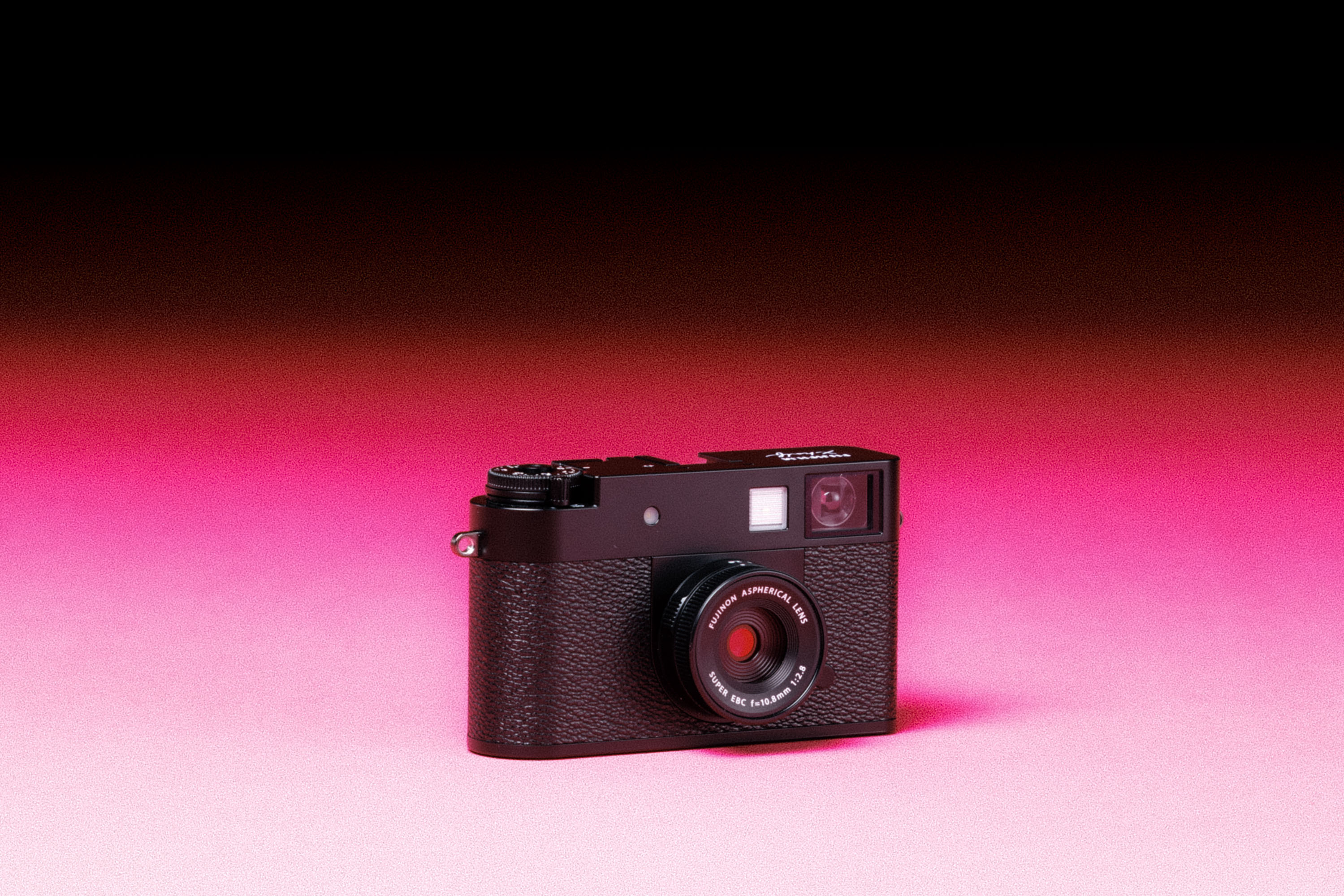
Used Fujifilm X Half
Fujifilm X half
Typical used price: €500
Compared to the Epson R-D1, the Fujifilm X half is a much more playful take on the whole film-inspired thing. It’s unique because it’s light, fun and built around the experience rather than outright image quality.
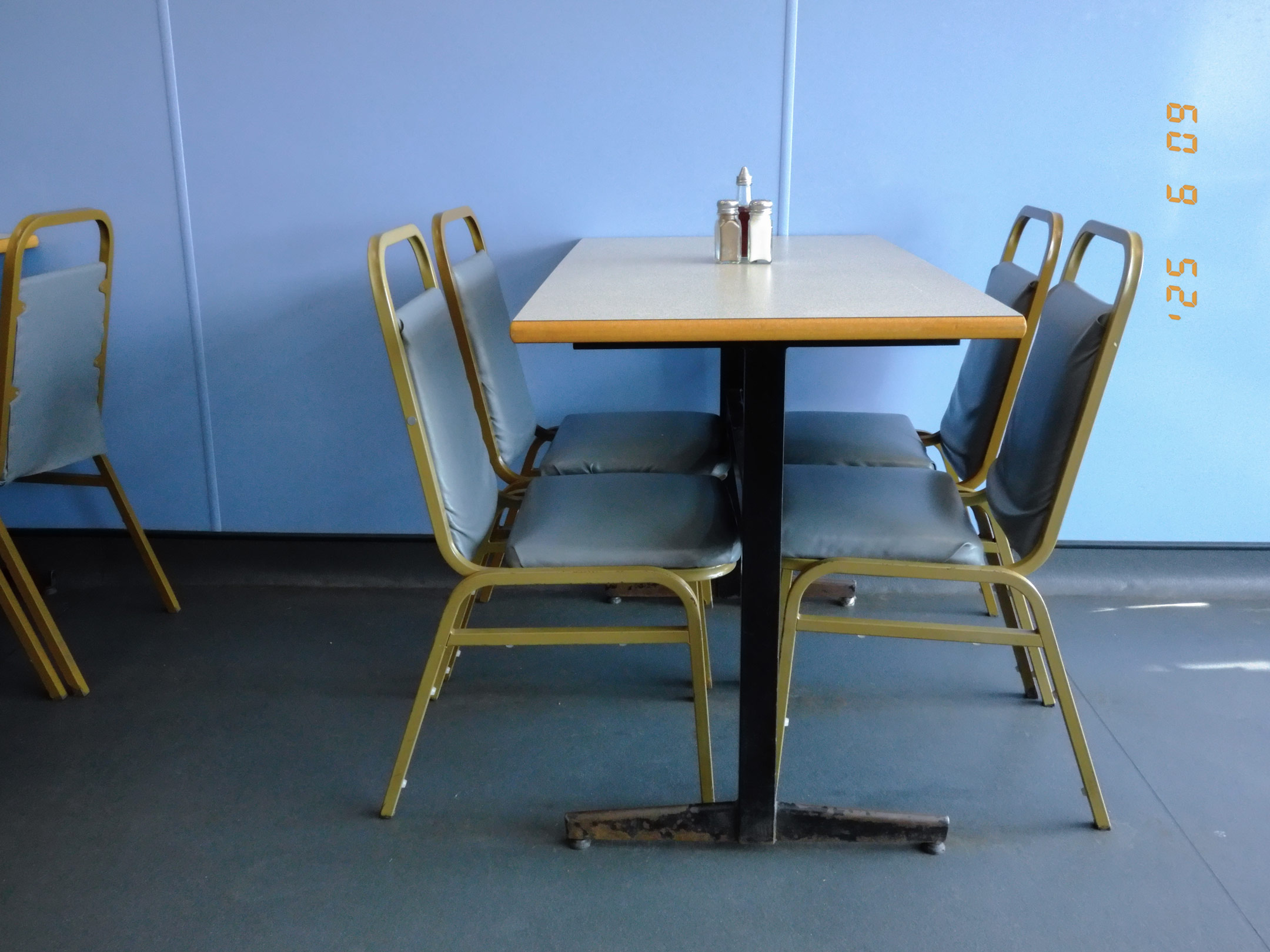
Amy Moore | Fujifilm X half | 10.8mm | f/8.0 | 1/1100 | ISO 200
With film-style shooting modes, a winding lever and JPEG-only output, you’re not worrying about settings while you’re shooting or editing later. You just pick a look and go.
https://youtu.be/CgNRt4pBiKo?rel=0It’s not trying to be a “serious” camera, so some photographers will love it, while others won't. The Fujifilm XApp even shows a faux film development process, which adds a bit of theatre.
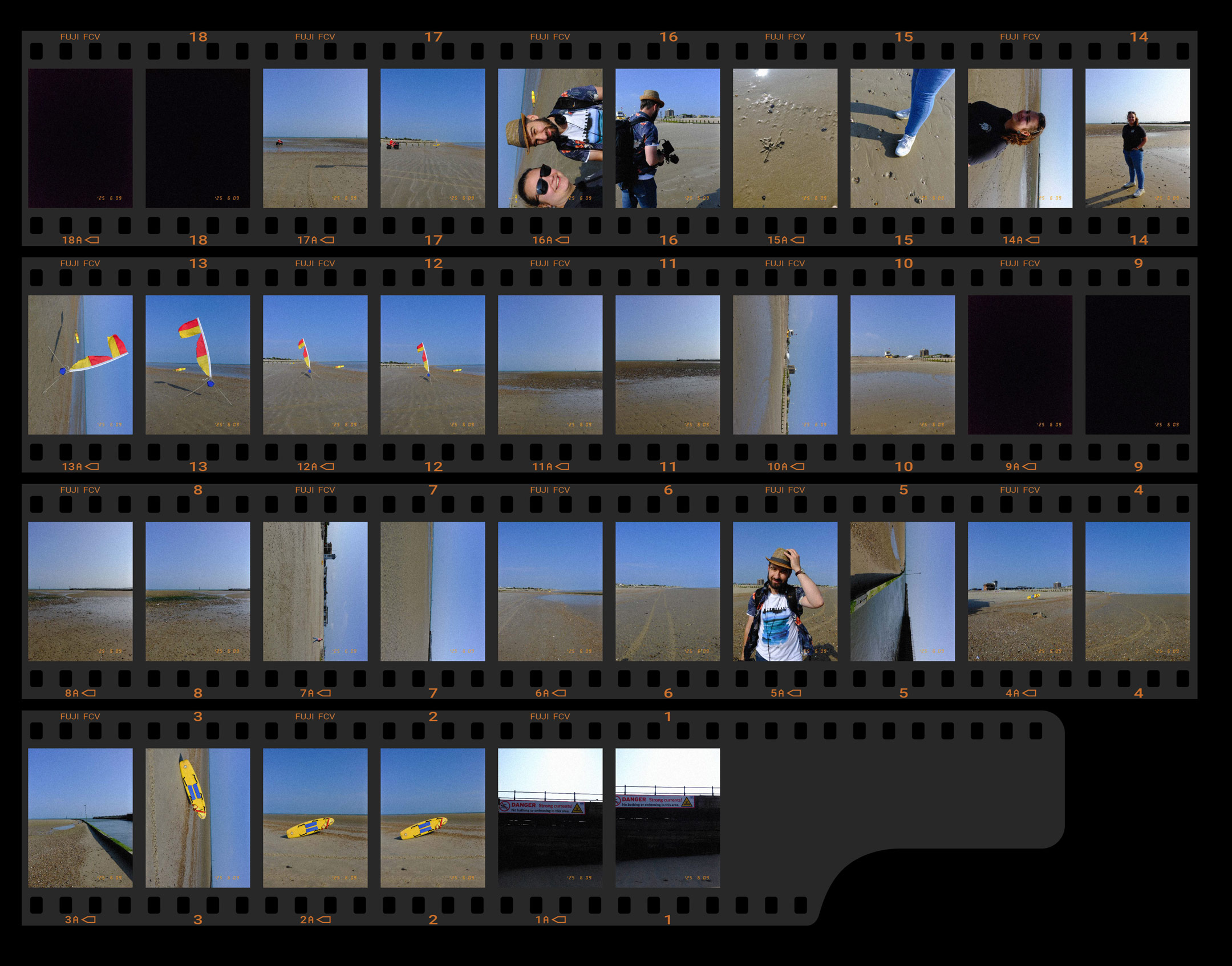
Fujifilm XApp's ‘film development'
We took all of its film simulations for a spin in our Fujifilm X half review.
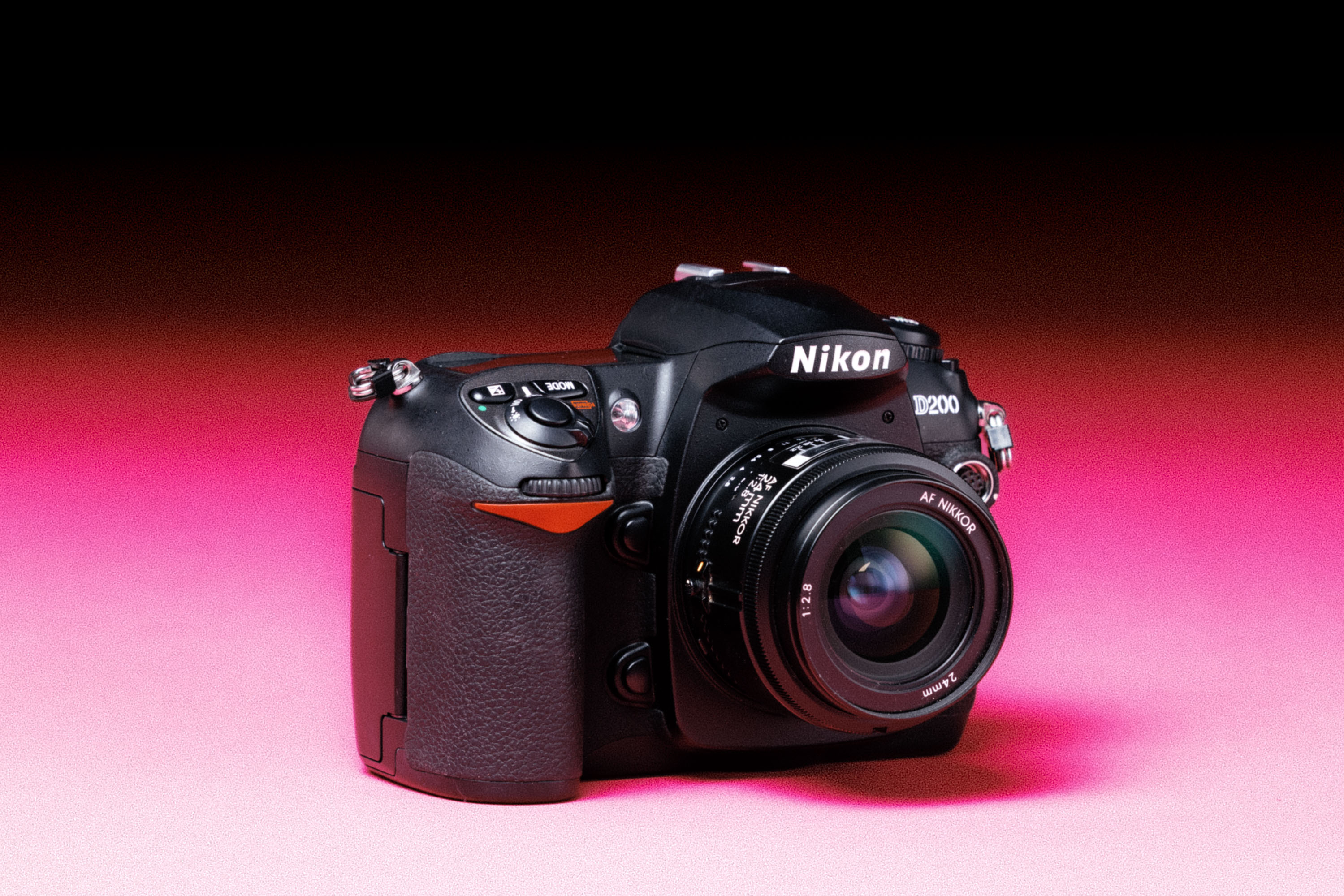
Used Nikon D200
Nikon D200: Best film-like DSLR with a CCD sensor
Typical used price: €160
Older CCD-based DSLRs like the Nikon D200 are one of the cheapest ways to get that older digital look people associate with film, so take note if you’re on a budget, or want to use a cheaper option as a place to start.
The CCD sensor is the main reason people still use them, because many photographers believe that it can produce colours and noise that feel closer to film. That same look has fed into the recent interest in early digicams, too, where some younger photographers see them as almost analogue (yes, I feel old).
Specs
10.2-megapixel APS-C sized CCD image sensor
Optical viewfinder with 0.94x magnification
Nikon F lens mount
Pros
Unique CCD sensor colour rendition
Great old-school shooting experience
Cheap entry point
Classic DSLR shutter sound
Works well in good light
Cons
Poor image quality in low-light conditions
Dated autofocus system
Low-res LCD screen
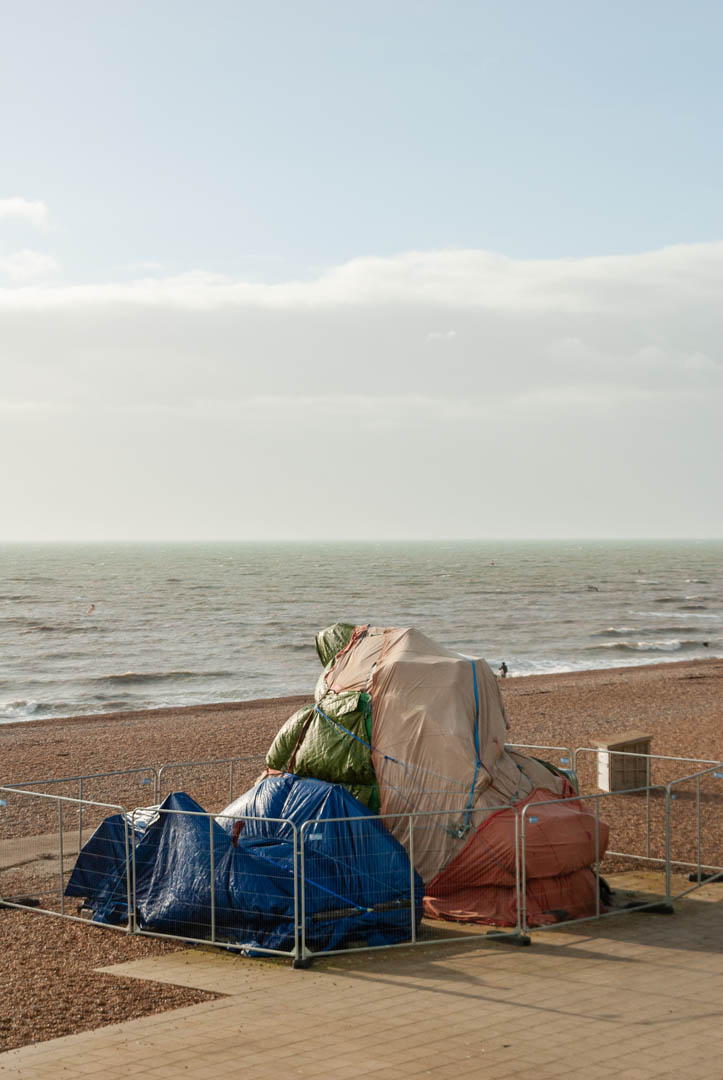
Jakub Golis | Nikon D200 | Nikon AF-S 24-85mm f/2.8-4 | f/4.5 | 1/750s | ISO 100
The D200 is an older camera, but it’s still popular for its distinctive rendering and simple DSLR shooting experience, including an optical viewfinder. It’s slower, and it really comes into its own in good light, so it’s one to work with rather than against. Just want to get out there and shoot? Then go for the Nikon D200.
Alternatives to the Nikon D200
Fujifilm S5 Pro
Typical used price: €330
Just like the Nikon D200, the Fujifilm FinePix S5 Pro, released in 2007, is an older DSLR that people still go out of their way to find, and good ones aren’t easy to come by anymore. A lot of that comes down to its out-of-camera JPEGs, which were designed to give softer colour, pleasing skin tones and a look that feels closer to film scans than most digital cameras at the time.
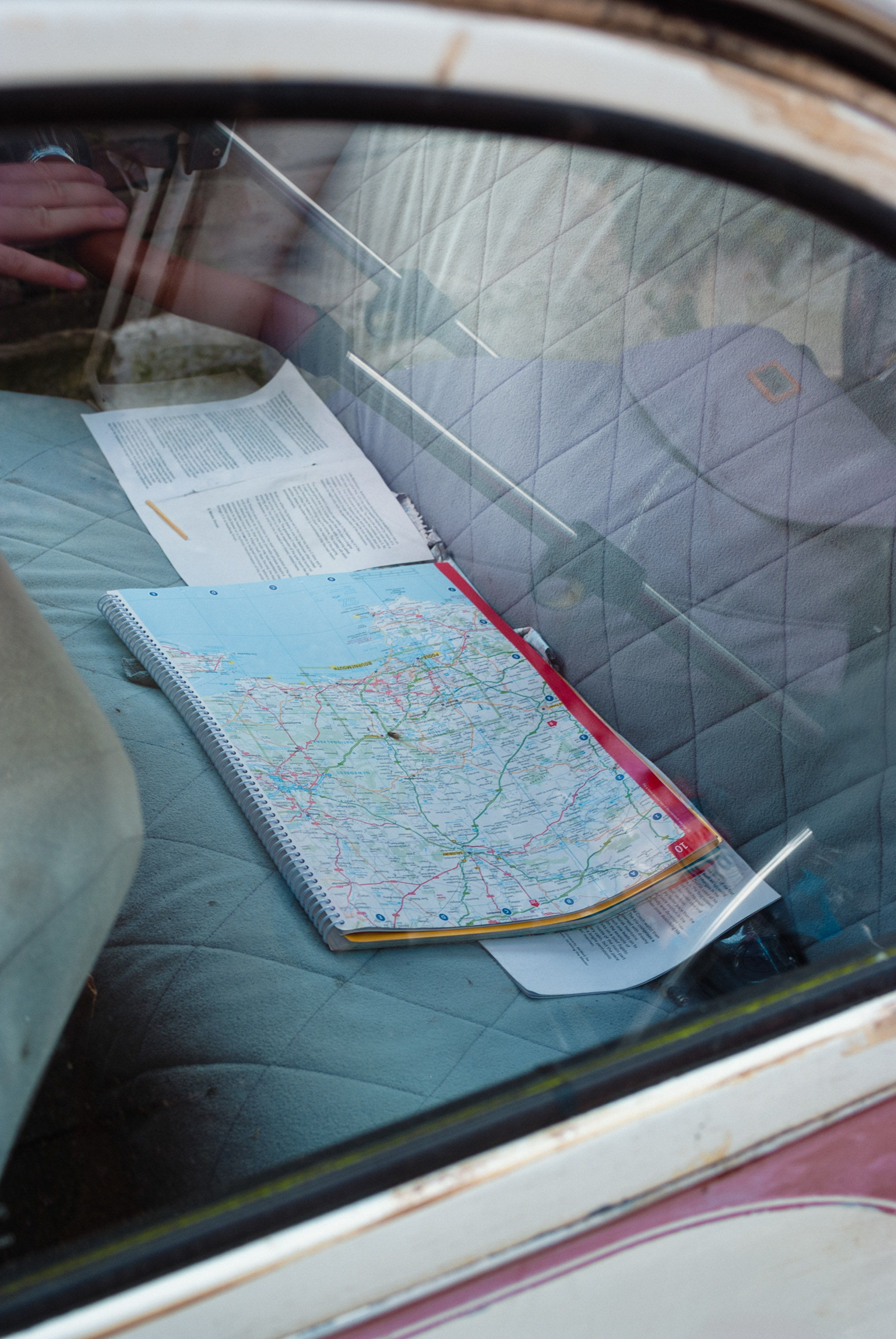
Jakub Golis | Fujifilm FinePix S5 Pro | Nikon AF-S DX Nikkor 35mm f/1.8G | f/4 | 1/30s | ISO 100
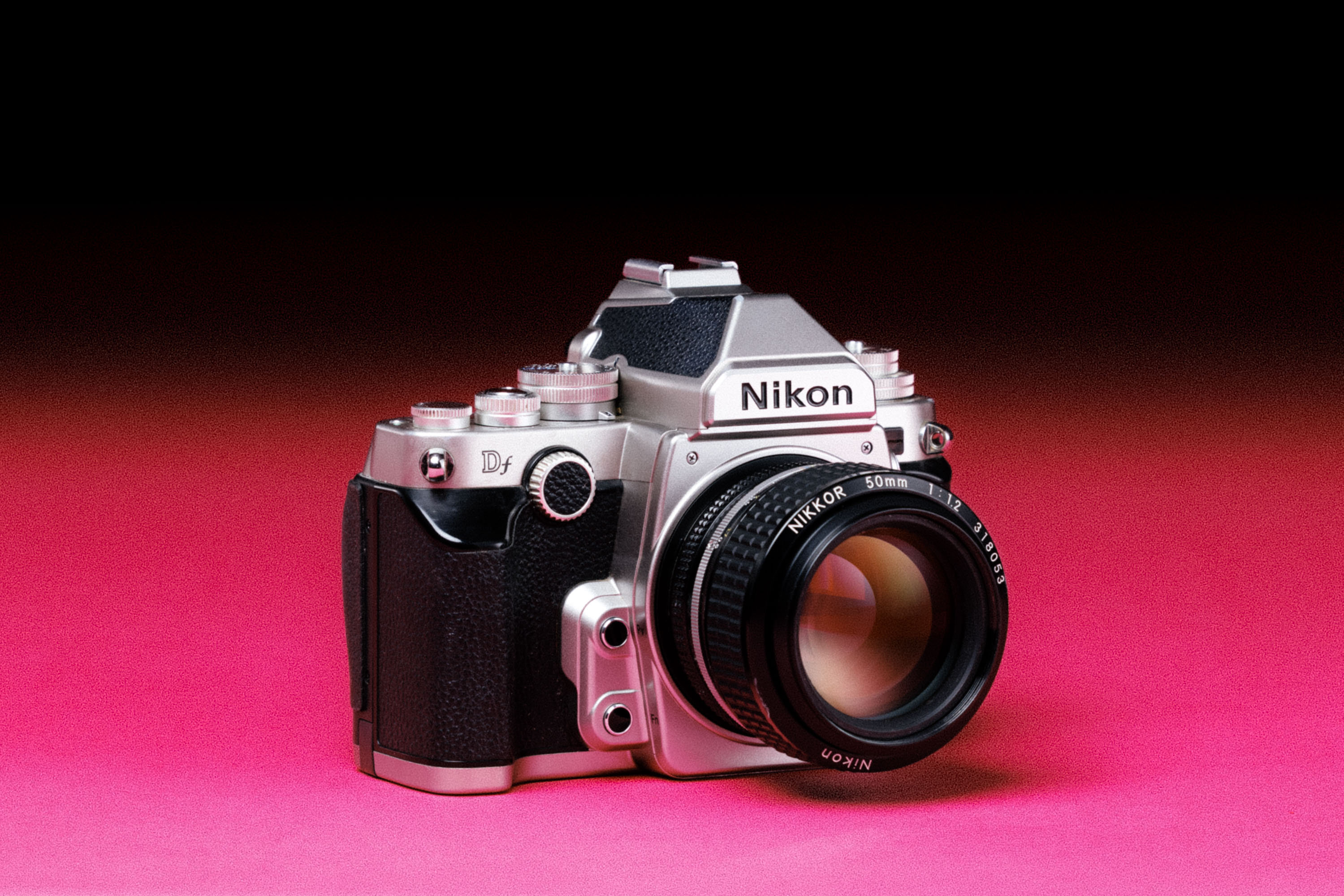
Used Nikon Df
Nikon Df: Best full-frame film-like DSLR
Typical used price: €1,300
The Nikon Df recreates a more traditional photography experience rather than a specific film look. It uses a full-frame sensor and an optical viewfinder, with physical controls that feel similar to those of older film SLRs.
You won’t find any video features on the Df. It’s strictly stills, which leans right into that “pure photography” mindset. It’s a bit bigger and more hands-on than some of the other cameras here, but if you’ve shot with film SLRs before, you’ll be used to the heft.
Specs
16-megapixel full-frame sensor
Optical viewfinder
Compatible even with older Nikon F-mount lenses (including pre-AI)
Pros
Many features aimed at more traditional photographers
Robust, awe-inspiring body design
Multiple physical controls on the body
Great image quality
Cons
Bulky
Too many physical controls, which can be overwhelming
More expensive than similar but less stylish cameras
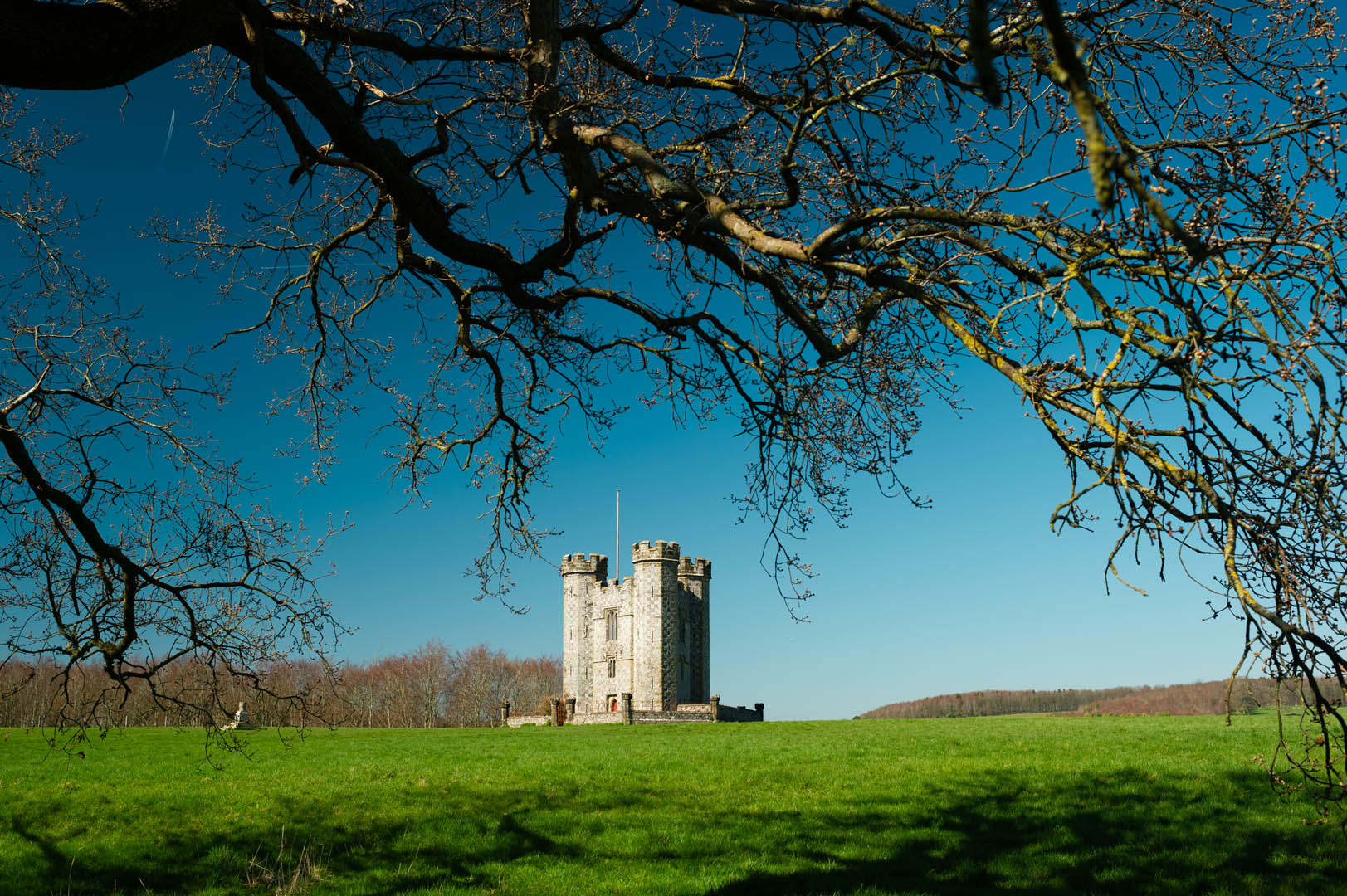
Jakub Golis | Nikon Df | Nikon AF-S Nikkor 35mm f/1.4G | f/6.3 | 1/200s | ISO 100
Alternatives to the Nikon Df
Used Nikon D700
Nikon D700
Typical used price: €400
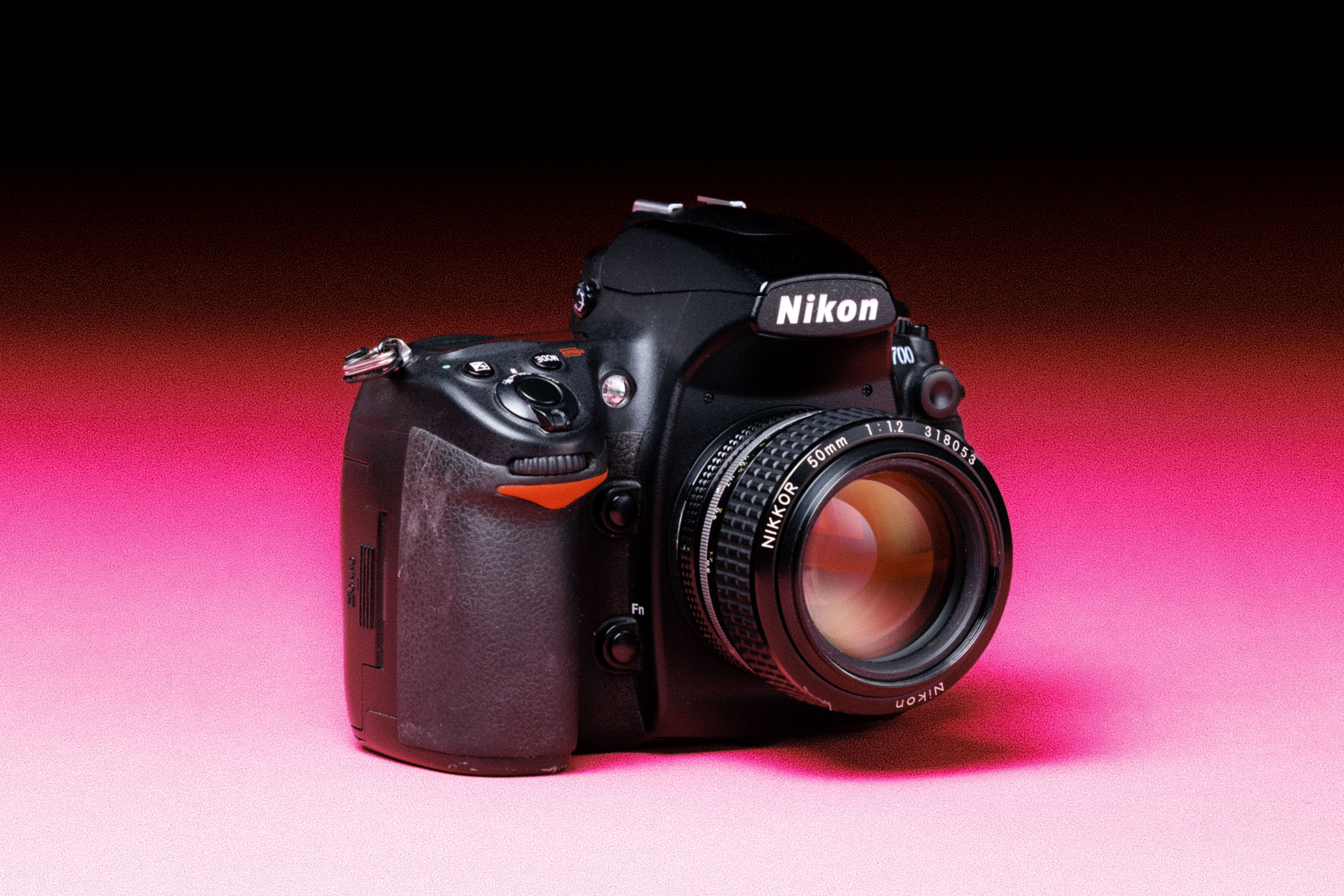
If you prefer shooting on a full-frame CMOS sensor, the Nikon D700, released in 2008, will scratch that itch for a film-like feel. Its JPEGs are known for their fairly steep contrast curve, which helps give images a more natural “film” look. It also handles ISO noise in a more monochromatic way, giving photos an organic, film-grain-like texture.
https://youtu.be/lkyfa7GsJqs?rel=0With custom picture profiles, you can fine-tune your JPEGs in-camera, but the D700 also shoots 14-bit RAW if you’d prefer to edit later.

Jakub Golis | Nikon D700 | Nikon AF-S Nikkor 24-70mm f/2.8E ED VR | 65mm | f/2.8 | 1/80 | ISO 200
It’s simple and cheap on the used market. If you’re tempted, Jakub’s full Nikon D700 review digs into the legendary “filmic” look it creates.
Conclusion: The best digital film camera’s up to you
If you’re looking for a digital camera that feels like film, I don’t have one perfect answer. It comes down to the kind of shooting experience you’re after.
For me, the Nikon Zf is the easiest camera to recommend for a film-inspired feel without too much hassle. If you want something smaller, go for the Fujifilm X100VI or Olympus PEN-F. And if you’re after a slower way of shooting, one that really leans into that film experience, the Leica M8 or Epson R-D1 are about as close as it gets to taking out an actual film camera without having to develop anything.
Budget’s a big decider, too. Go for older DSLRs like the Nikon D200 or D700 if you’re feeling a little stretched, or you’re just starting out.
It’s not about what camera you’ve got, it’s about how you use it. And the experience and enjoyment that come with it.
About the author
MPB’s Jakub Golis is a photographer and videographer with over 20 years of experience. He’s been working as a videographer at MPB since 2021 and shoots professionally in digital, with 15 years of experience in cinematography, editing and colour grading. Film photography, though, is his passion.
Jakub’s personal work, shot on both digital and film cameras, can be found on Instagram at @zupa_iso. Since 2020, he’s also run a Polish-language photography YouTube channel, @ZupaISO, where he explores film cameras, film stocks and all things analogue.
FAQs
What is the best digital camera that looks like film?
The Nikon Zf is one of the best digital cameras for a film-like look, thanks to its retro design, physical controls and in-camera grain features.
Which digital camera feels most like shooting film?
Digital rangefinder cameras like the Leica M8 and Epson R-D1 feel closest to shooting film because they use manual focus and encourage a slower, more deliberate way of shooting.
Are CCD cameras more film-like?
CCD cameras can be more film-like, producing colours and noise that feel more organic and less clinical than modern sensors, but they come with slower performance and weaker low-light results.
What’s the best budget digital camera for a film-like look?
Older DSLRs like the Nikon D200 or Nikon D700 are the best budget options for film-like photography, offering distinctive rendering at a lower cost.
What digital cameras have film simulation modes?
Fujifilm digital cameras like the X100VI and X-Pro3 have film simulation modes that recreate classic film looks straight out of the camera.
Why do photographers still shoot film instead of digital?
Photographers still shoot film because it slows the process down, encourages more intentional shooting and produces a unique look that’s harder to replicate.
Can digital cameras look like film?
Yes, digital cameras can look like film by using film simulations, custom settings or editing, especially on cameras designed with analogue-style controls.
What’s the difference between film and digital cameras?
The difference between film and digital cameras is that film cameras capture images on physical film, offering a more organic look, while digital cameras use sensors, providing instant results and flexibility.
Are there digital cameras designed to look like film cameras?
Yes, digital cameras like the Nikon Zf, Fujifilm X100VI and OM System OM-3 are designed to look like film cameras, and they feature retro styling and controls inspired by classic film cameras.
Read more camera gear guides on the MPB content hub.
You can sell or trade your camera kit to MPB. Get a free instant quote, free insured shipping to MPB, and get paid within days.