Review: OM System OM-3 Micro Four Thirds Mirrorless Camera
Published 22 July 2026 by MPB
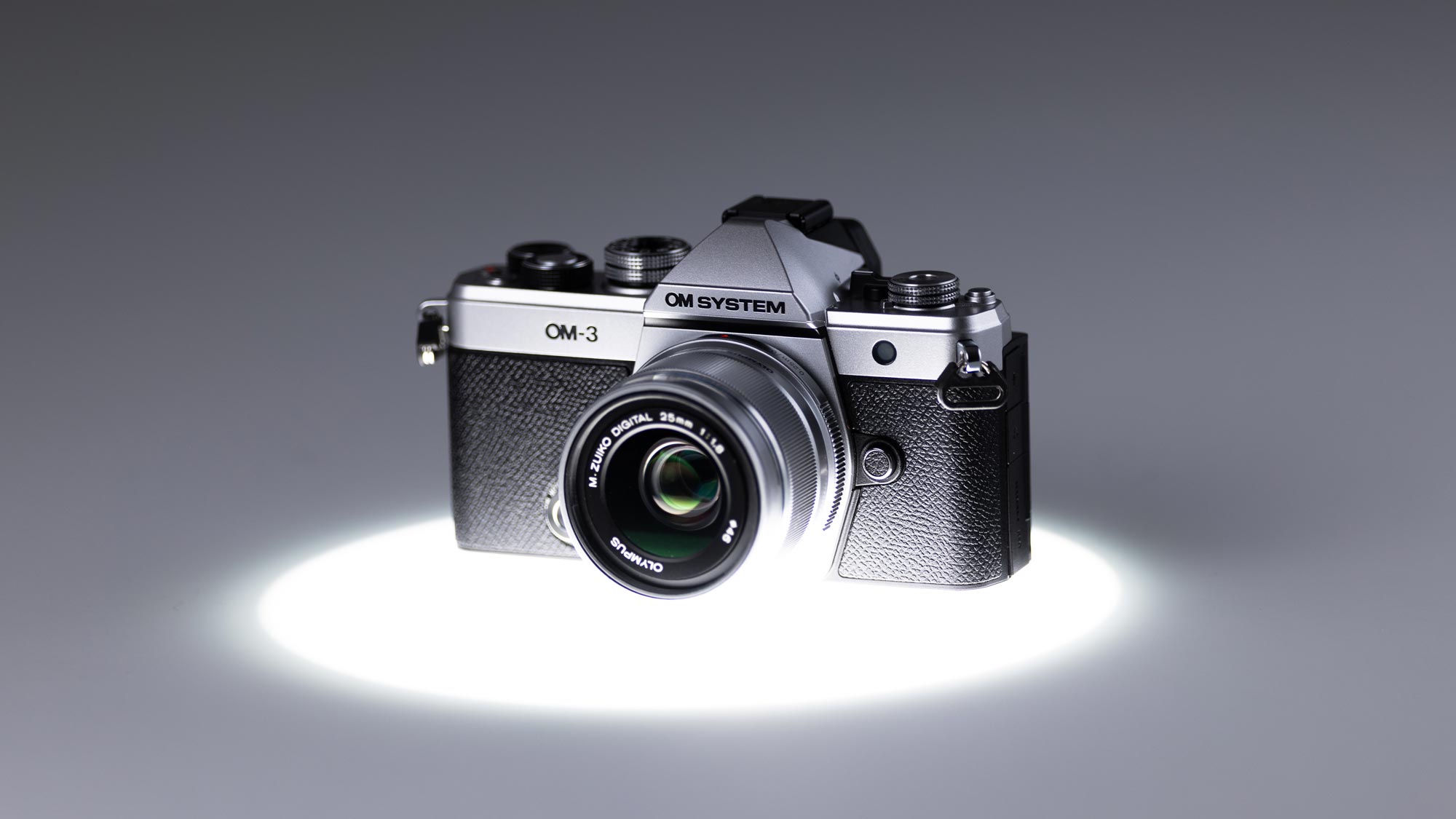
Party at the front, business… inside? At first glance, the 2025 OM System OM-3 looks like a stylish homage to Olympus’s classic film cameras. But once our Jakub Golis took it out for testing, it quickly became clear that this is far more than a nostalgia play. Beneath the retro exterior sits a modern Micro Four Thirds camera with serious capability. Some even call it the closest thing yet to a PEN-F successor, albeit dressed as a classic SLR.
Used OM System OM-3
The body conceals some impressive tech. The OM System OM-3 shares the same 20 megapixel, high-speed, stacked sensor found in the top-of-the-line OM System OM-1 Mark II, has an advanced autofocus system, useful computational photography capabilities and great video specs.
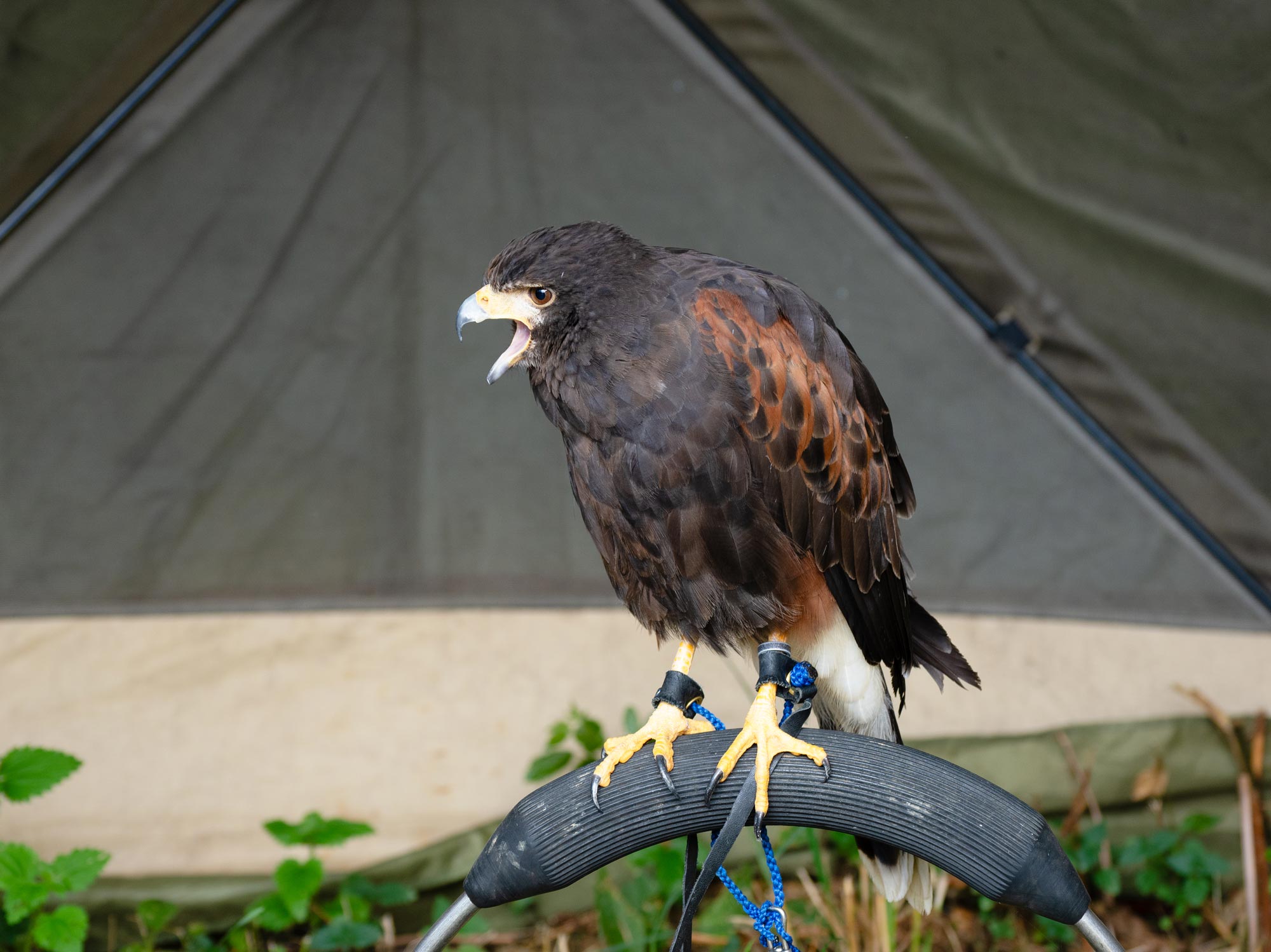
Jakub Golis | OM System OM-3 | Olympus M.Zuiko Digital ED 12-100mm f/4 IS PRO | 70mm | f/4 | 1/60 | ISO 400
The OM System OM-3 is at the sweet spot between the bulky, tech-heavy cameras made for professionals and the lightweight travel models that sacrifice usability for size. It gives you both the brains and the beauty. Once you start shooting with it, you quickly realise the retro styling is just the hook. The charm lies in its capability.
Specs
Sensor | Micro Four Thirds, Stacked BSI |
Megapixels | 20.4 |
IBIS | Yes (5 axis) |
ISO | 200–102,400 |
Max shutter, mech | 1/8000 |
Max shutter, elec | 1/32000 |
Flash | Hot-shoe only |
Viewfinder | Electronic |
Viewfinder dots | 5.76m |
Magnification | 0.83x |
Max video | 4K 60p 10-bit |
Storage | Single, SD |
Weight, g | 499 |
Battery | BLX-1 |
Battery, shots | Approx 590 |
Dimensions, mm | 139 x 89 x 46 |
Released | February 2025 |
Pros
Robust body.
Well-suited for both stills and video.
Great straight-out-of-camera JPEGs.
Same stacked sensor and processor as the OM System OM-1 Mark II.
Excellent IBIS for handheld stills and video.
Useful computational tools like Live ND and Live GND.
Cons
Bigger than many Micro Four Thirds bodies.
Single SD card slot.
10-bit limited to Log/Hybrid Log Gamma (HLG) only.
Micro HDMI port.
Low-light performance behind full-frame rivals.
Design and Handling
The look of the OM System OM-3 system body is a clear nod... Actually, not a nod. It’s a full bow to the classic 35mm film cameras from Olympus, the Olympus OM-1 and Olympus OM-2. It keeps the flat front, metal top plate and numerous physical, tactile dials on the body.
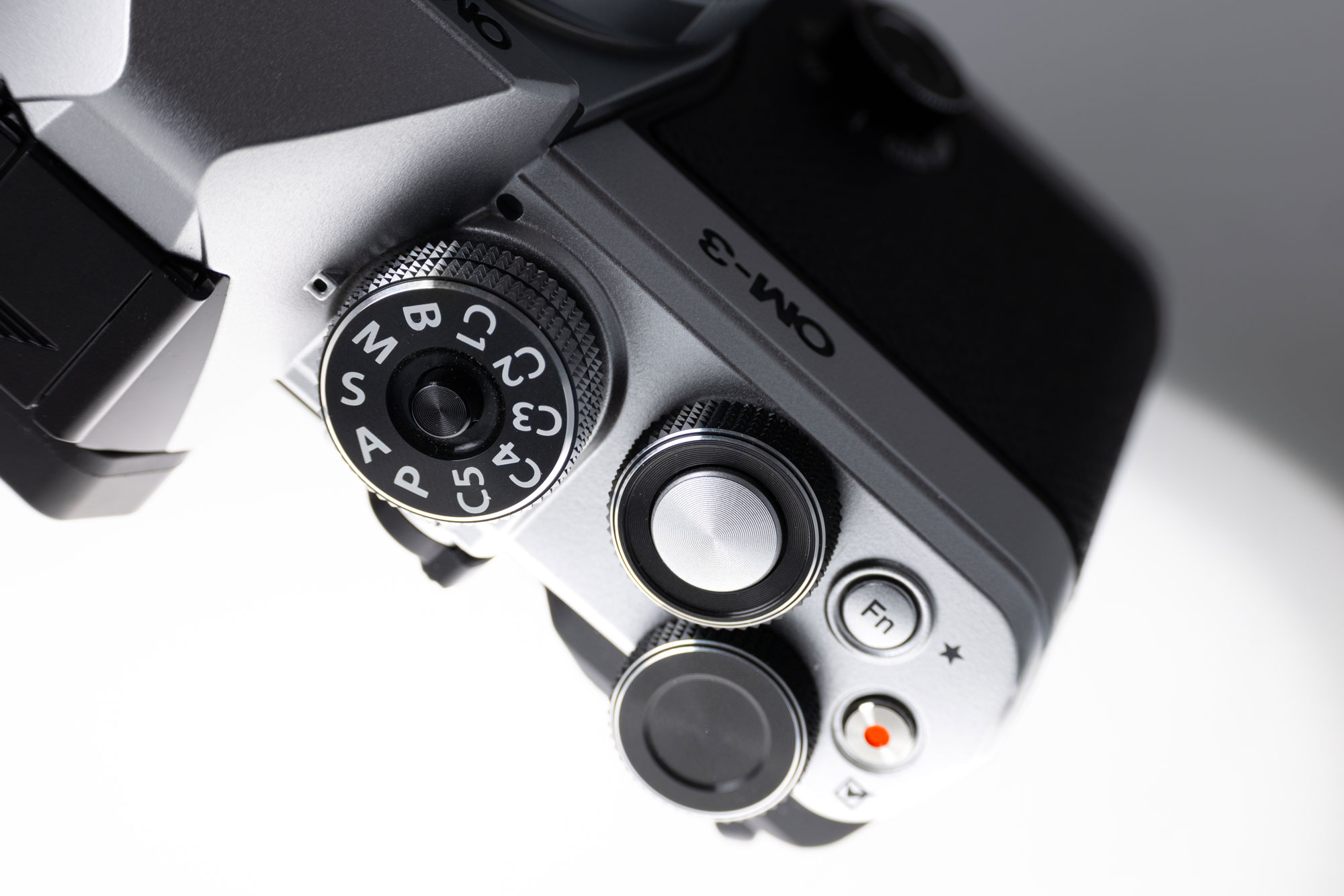
Close-ups of the dials on a used OM System OM-3 camera
Some photographers might find the lack of a chunky hand grip awkward with larger lenses, but I didn't have any trouble, even when using the Olympus M.Zuiko Digital ED 12-100mm f/4 IS PRO lens, which many consider "big and heavy". Coming from the full-frame world, I find the whole setup rather small for what it offers.
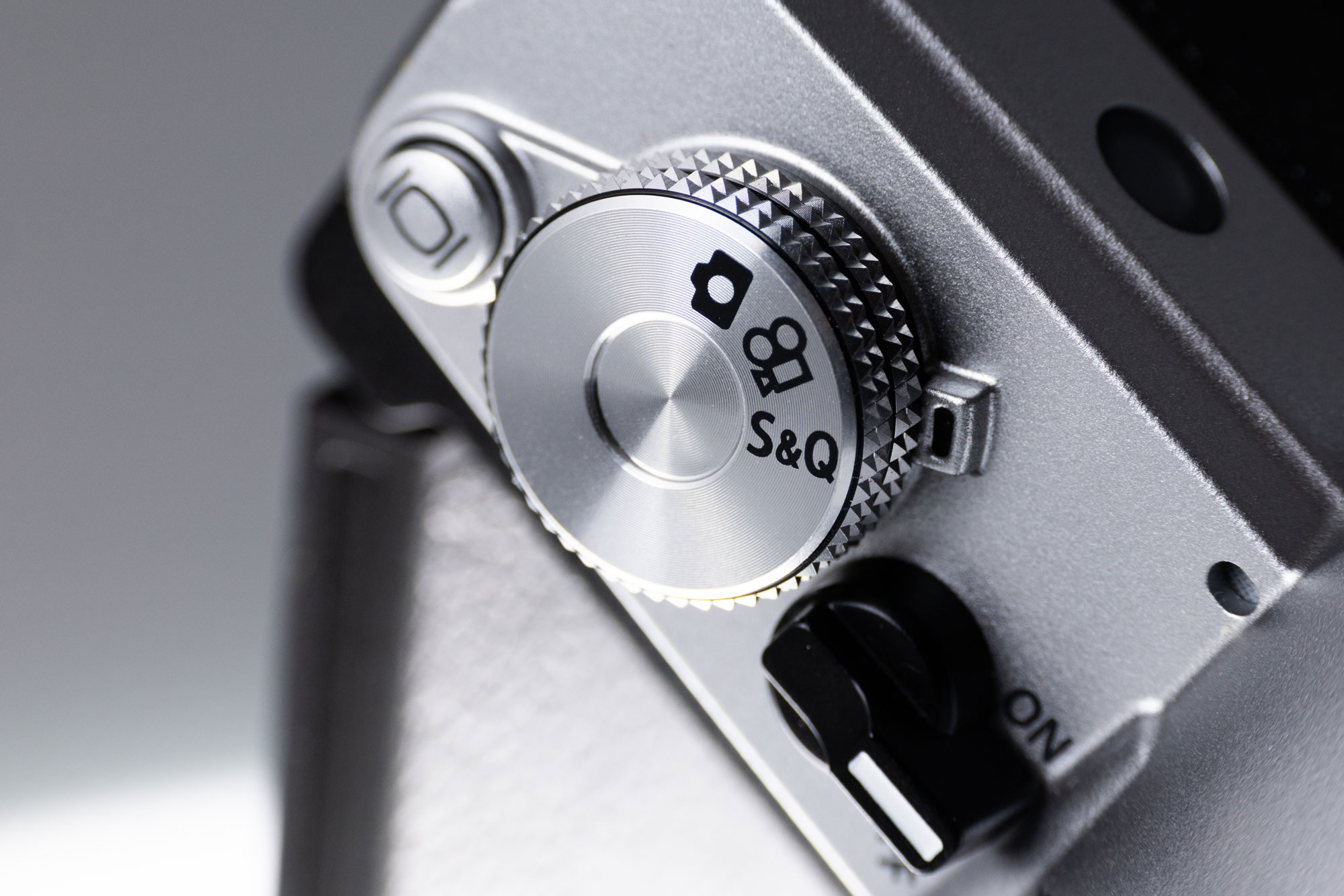
Close up of a dial on a used OM System OM-3 camera
The OM System OM-3's body is made from a magnesium alloy that gives it a nice weight and sturdiness. It's also weather-sealed with an IP53 rating, meaning it’s protected against dust and moisture. I've seen people online using it in fairly miserable wet conditions with no problems (though don't quote me on that if your OM-3 breaks in rain, please).
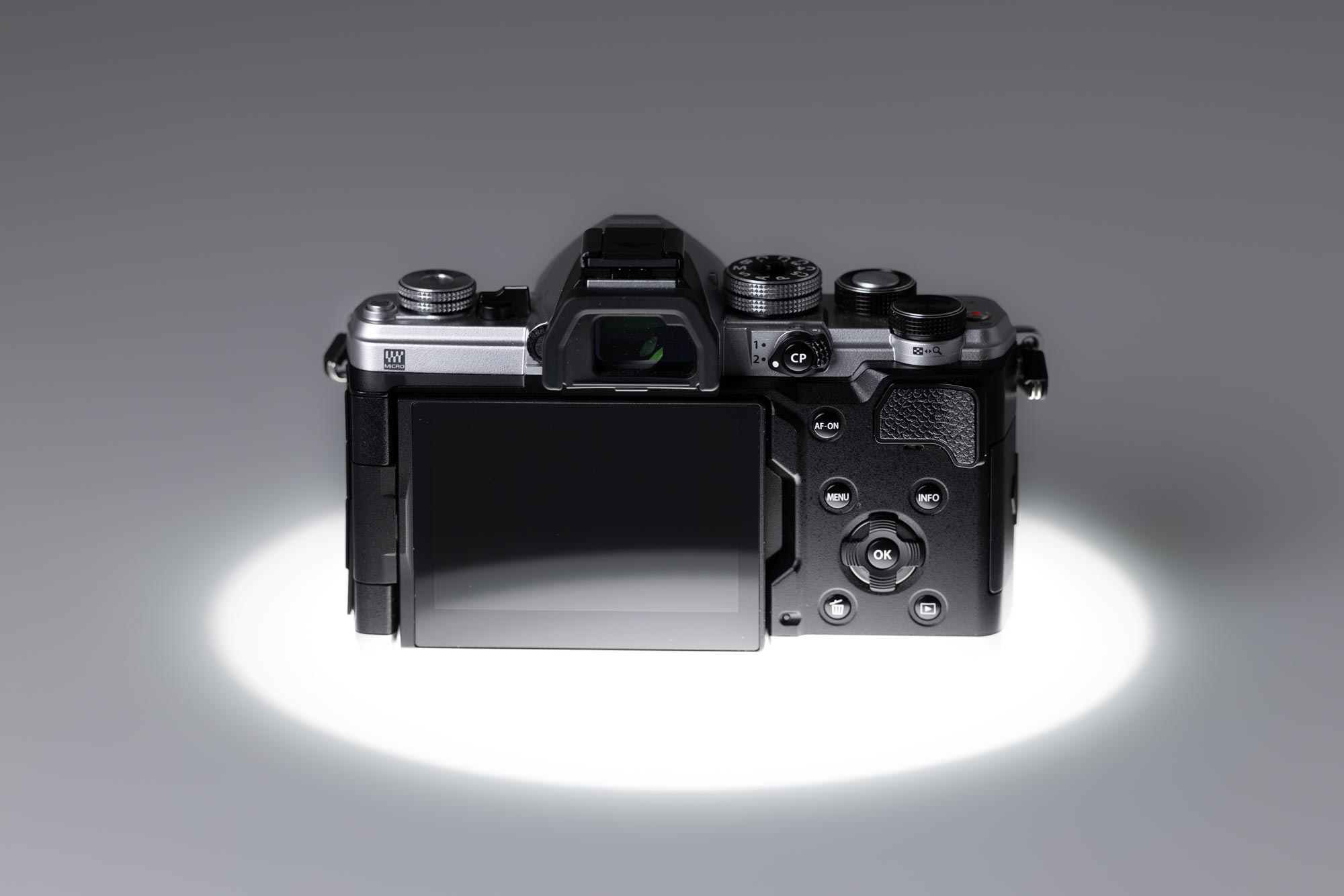
Used OM System OM-3
Controls: There's plenty to like (and some to grumble about). Aside from the usual PASM mode dial, you get two customisable control dials on the top plate, a nicely placed function and video record button on the right-hand side, and a photo/video/Slow and Quick mode dial on the left. Next to that, there’s an Electronic Viewfinder (EVF)/LCD button and a dedicated On/Off switch, which may spark some debate. It forces you to use both hands to power the camera on: one to hold it, the other to flick the switch. Luckily, you can assign the custom lever (which is easy to reach with your thumb) to act as the power switch instead. It's a very customisable camera.
On the back, there is a 3-inch 1.62-million-dot Vari-angle, touch-sensitive LCD screen that flips 180 degrees for selfies, and an OLED EVF that some say is too small, although I didn't have any issues with it.
Like with the Nikon Zf, some photography purists aren’t fans of a flippy screen on a body like the OM-3. I'm not one of them. I really liked having it, especially for filming. I took the OM-3 to a medieval festival and found the screen really handy for shooting over the crowd, which is perfect when you’re stuck in the second row trying to get a clean shot.
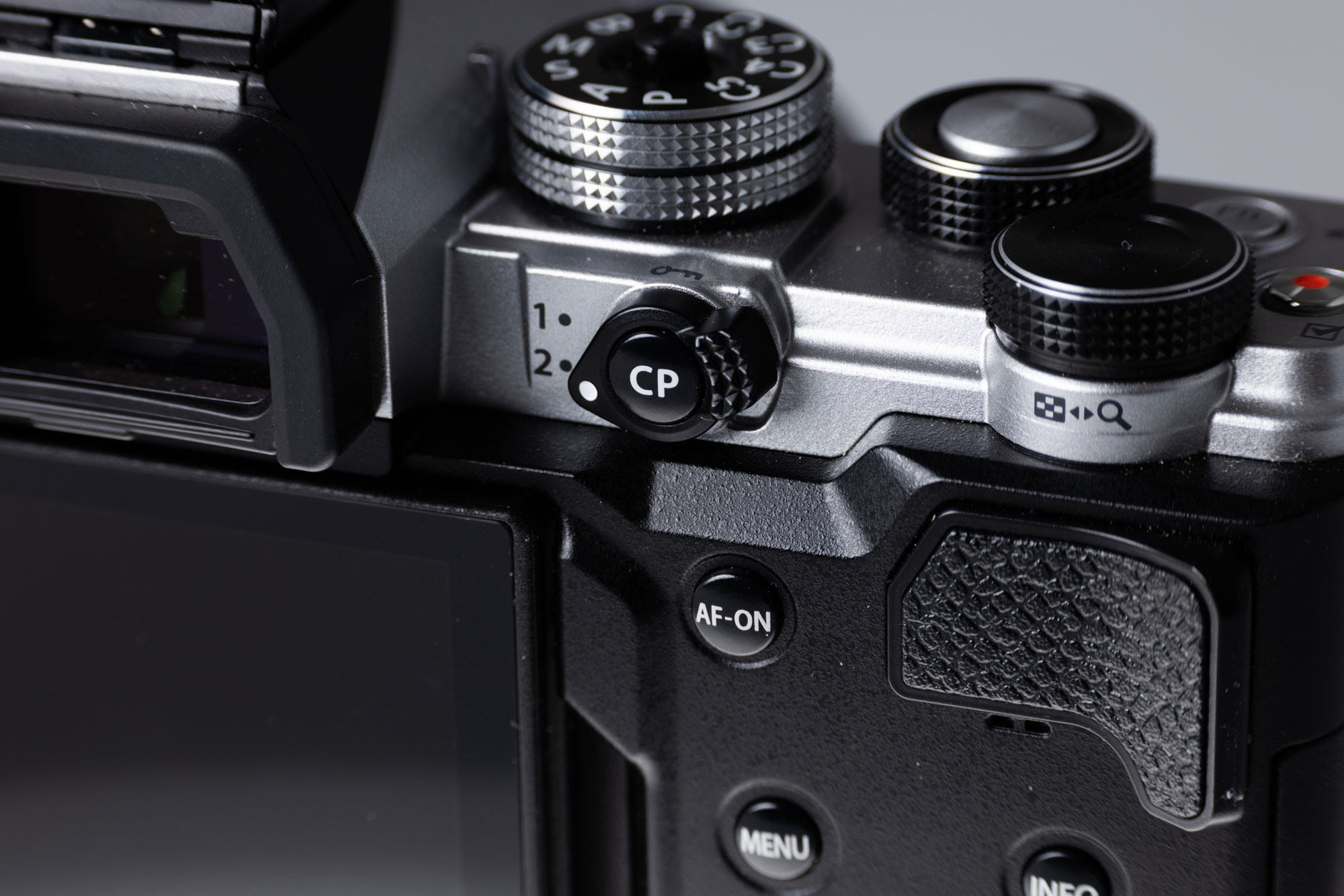
The back of a used OM System OM-3
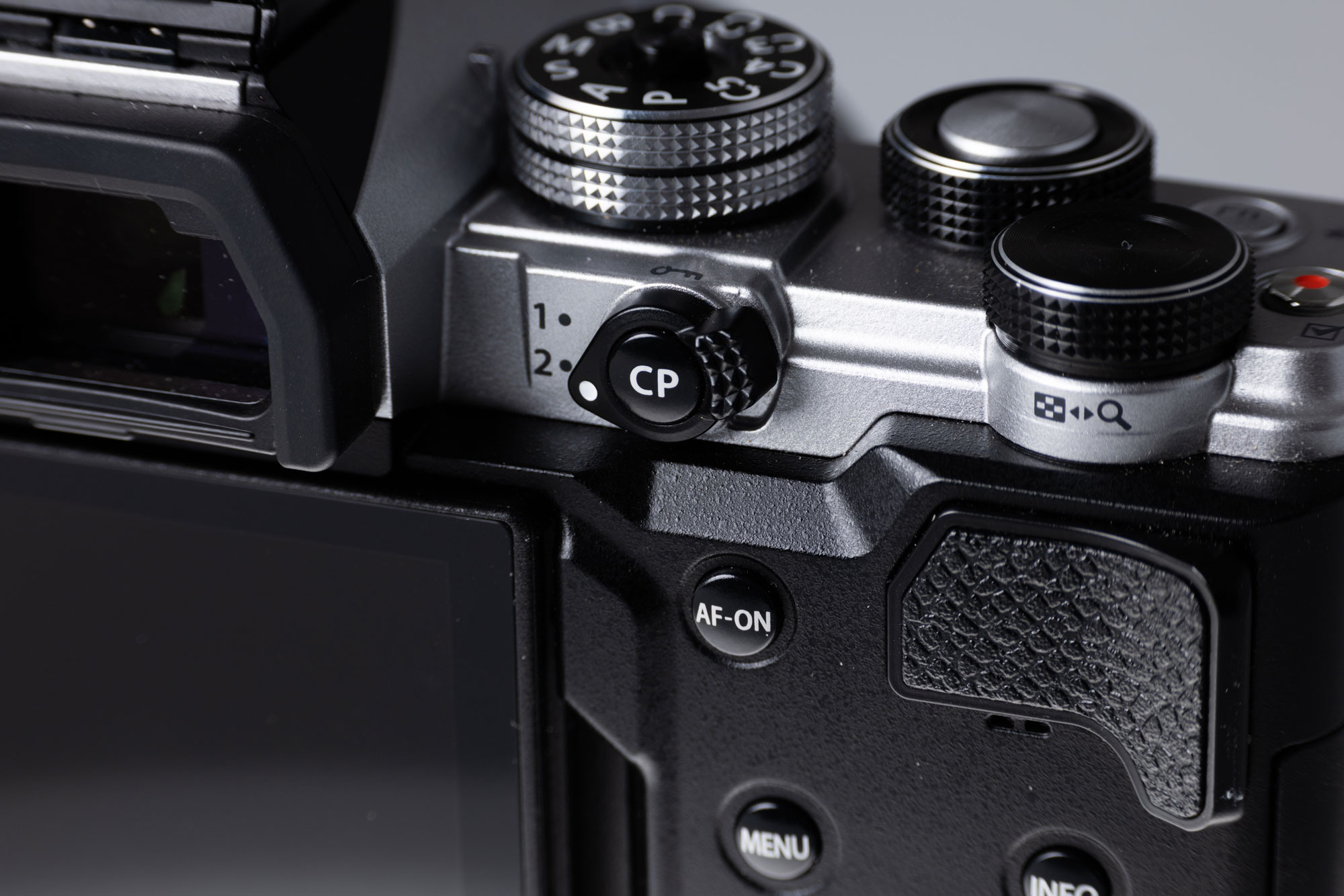
There are two additional controls on the body that I found to be quite unique and useful. The first is the custom switch with the Computational Photography (CP) button built into it. The switch itself is really versatile. You can set it up as an extra On/Off switch, assign it to control focus, or pretty much anything else you like. Have I mentioned it's a very customisable camera?
The CP button is where the Computational Photography magic happens. It gives you access to all the clever shooting modes: high-resolution modes (50 megapixel handheld and 80 megapixel on a tripod), focus stacking, HDR, multiple exposure and my favourites: Live ND and Live Graduated Neutral Density filter (GND).
Live ND lets you take long exposures or open up the aperture even in bright daylight (just like using a physical Neutral Density filter). Live GND, on the other hand, allows you to darken the sky while keeping your main subject correctly exposed. You can adjust the strength, hardness and position of the gradual neutral density on the touchscreen, which is absolutely mind-blowing. Leave your ND filters at home; you won't need them with this camera. The best part? Even when using Live GND, you still get a full-resolution RAW file; it doesn't restrict you to using only JPEGs.
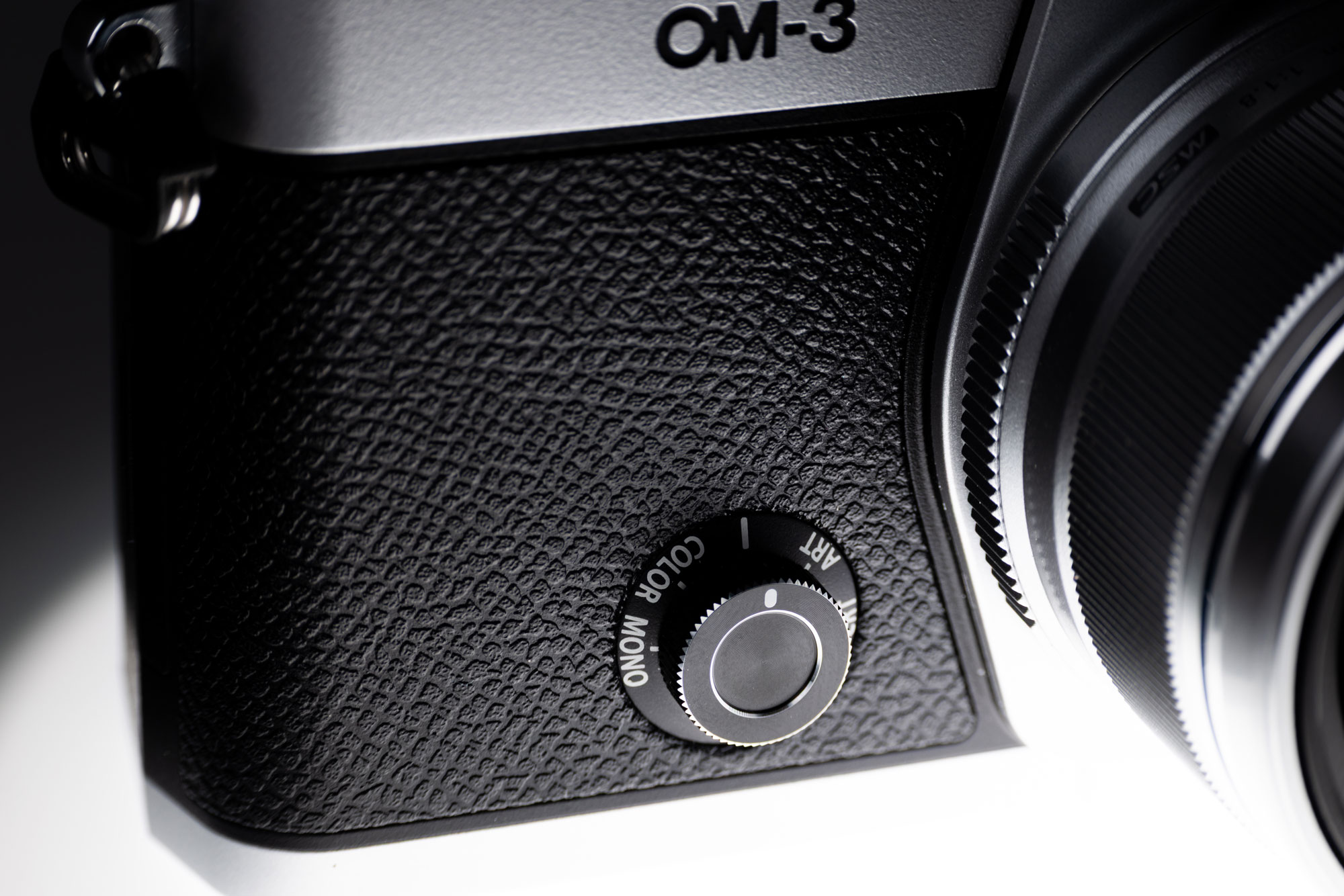
The creative dial on a used OM System OM-3
Creative Dial
The other unique physical control on the OM System OM-3 is the creative dial on the front. It’s got a satisfying click to it and makes it easy to quickly switch between the various colour modes. Alongside the standard setting, you get monochrome, art filters and a Colour Creator mode.
I’ll be honest. I found the art filters and the Colour Creator (CRT) Mode a bit gimmicky. The art filters give you effects like pinhole, frames and watercolour, which have very “early Instagram” energy. The CRT mode mainly adds a general tint to the image, which is fun to play with but not something I’d use often. The Monochrome mode, though? Absolutely brilliant.
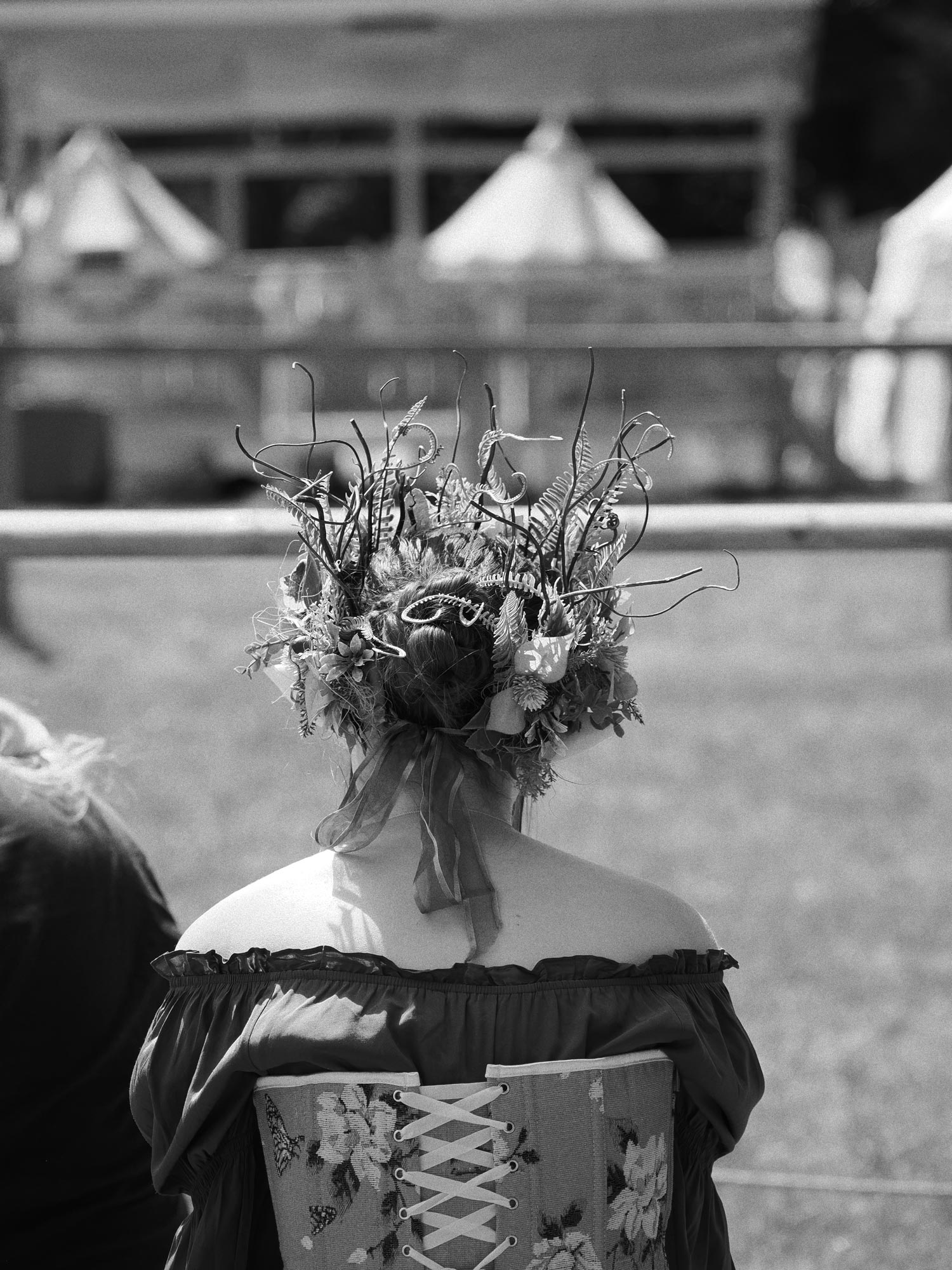
Jakub Golis | OM System OM-3 | Olympus M.Zuiko Digital ED 12-100mm f/4 IS PRO | 100mm | f/4 | 1/1000 | ISO 200
The Colour Mode lets you modify the saturation of specific colours and adjust the overall contrast curve. Monochrome, on the other hand, gives you beautiful black-and-white images straight out of the camera. You can further customise these with various settings, including adding in-camera grain (beware, Fujifilm!). If you like film-inspired looks straight from the camera, the OM-3’s creative modes hold their own against film-like digital cameras.
Apart from allowing experimentation, the creative dial also allows you to instantly switch from colour to monochrome without diving into the menus. I loved it. Of course, shooting in this mode still retains the full data in RAW files, but honestly? The level of customisation of the JPEGs is so great that you can use the straight-out-of-camera files without any problems.
Sensor and ISO
Inside, the OM-3 shares many similarities with the professional OM System OM-1 Mark II, most notably the same 20.4 megapixel Micro Four Thirds stacked backside-illuminated (BSI) sensor. In terms of image quality, you’ll get similar results from both. The main differences come down to design and usability. The OM System OM-1 Mark II is the tougher, more practical choice for professional work, like sports or wildlife photography. Although they can both give strong results and excellent autofocus performance, the OM System OM-3 has a smaller viewfinder, only one card slot and lacks a front hand grip. This makes it less suitable for use with longer, heavier lenses. For a deeper look at how this sensor performs in a more professional-focused body, our OM System OM-1 review is a good companion read.
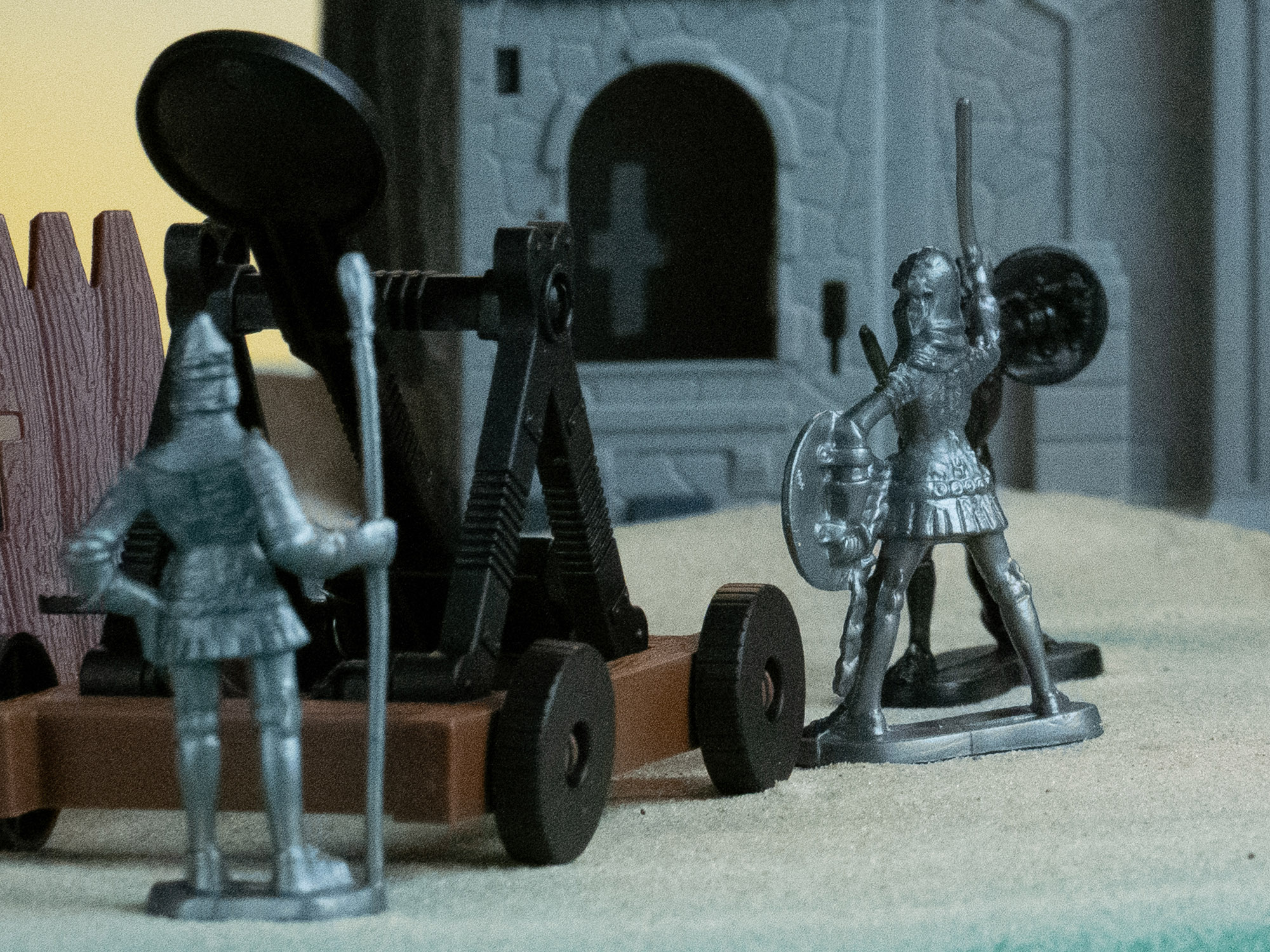
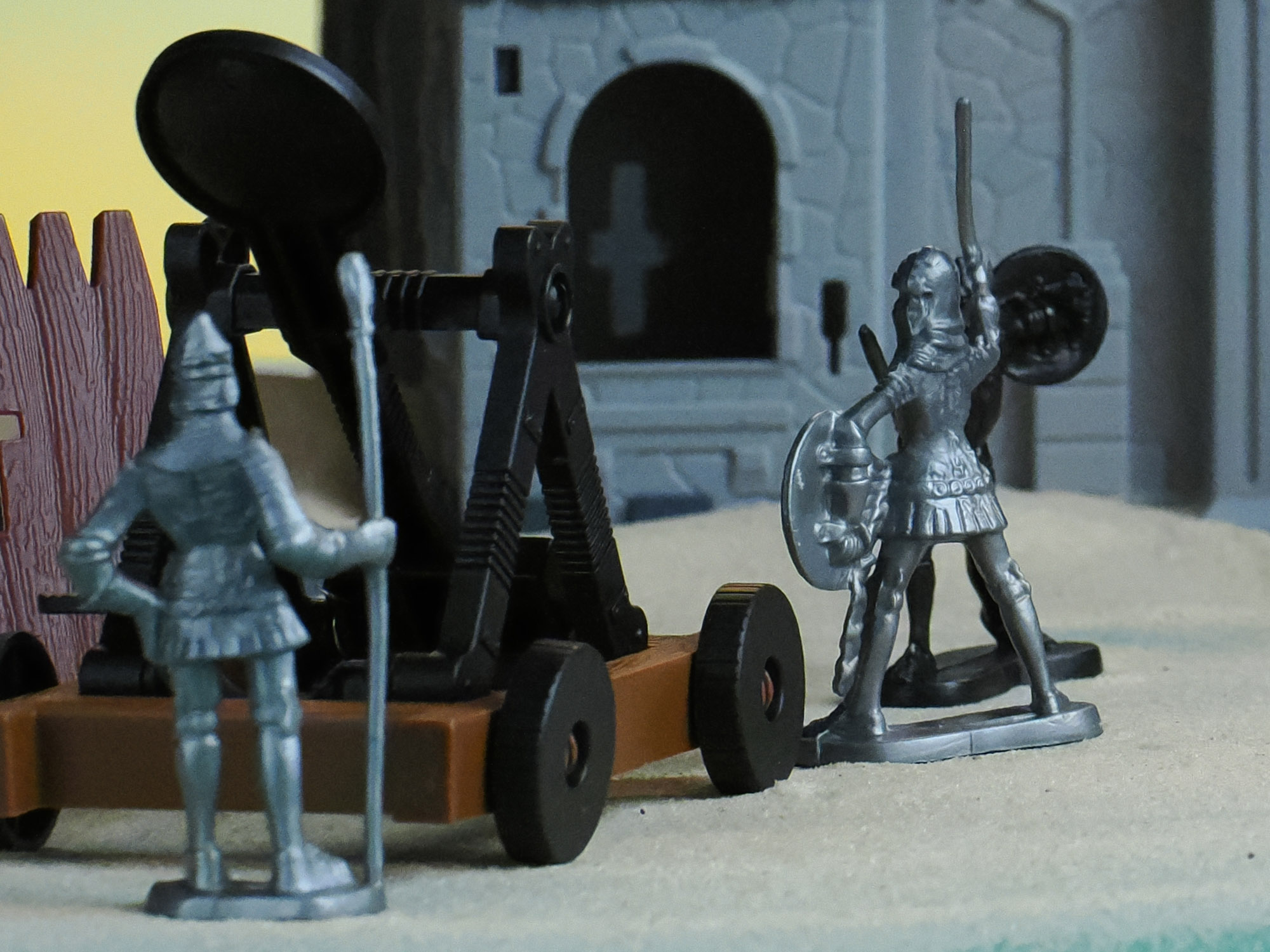
Left: Straight-out-of-camera JPEG at ISO 6400 with default noise reduction. Right: 100% crop of the RAW file at ISO 6400 with no noise reduction.
When testing the ISO performance of the OM-3, I found that shooting in RAW at ISO 6400 became a bit noisy, and above ISO 25600, it was significantly worse. At ISO 51200, there was weird discolouration, and ISO 102400 is a big no-no. With JPEGs, ISO 6400 still looks good because of the noise reduction. However, from ISO 12800, we start losing detail, and from ISO 51200, the image becomes a mushy mess. Overall, it's still great for a Micro Four Thirds camera. However, if low-light performance is your top priority, I would recommend considering a full-frame camera like the Sony A7S III. The A7S III barely breaks a sweat when OM-3 is already losing its breath.

Jakub Golis | OM System OM-3 | Olympus M.Zuiko Digital ED 12-100mm f/4 IS PRO | 100mm | f/4 | 1/250 | ISO 200 | Edited
Autofocus and Stabilisation
Apart from the sensor that I previously mentioned, the other similarity between the OM System OM-3 and the high-end OM System OM-1 Mark II is the TruePic X processor, which indicates that the OM-3 should deliver strong autofocus performance. It’s a good thing, then, that I found that this is indeed the case. The autofocus is slightly less reliable than that of some of the latest Sony cameras, but it still delivers. It was snappy and followed the subjects in continuous tracking, even in the blazingly-fast 50fps mode (note that the highest 120fps mode fixes focus and exposure on the first frame). There were occasional hiccups, with some frames in high frame rate modes not perfectly in focus, focused slightly behind the subject's eyes in dim lighting conditions. Overall, though, it was reliable for both stills and video. Depending on your needs, you can choose from various autofocus modes and subjects to track, including humans, birds, animals, trains, cars and aeroplanes.
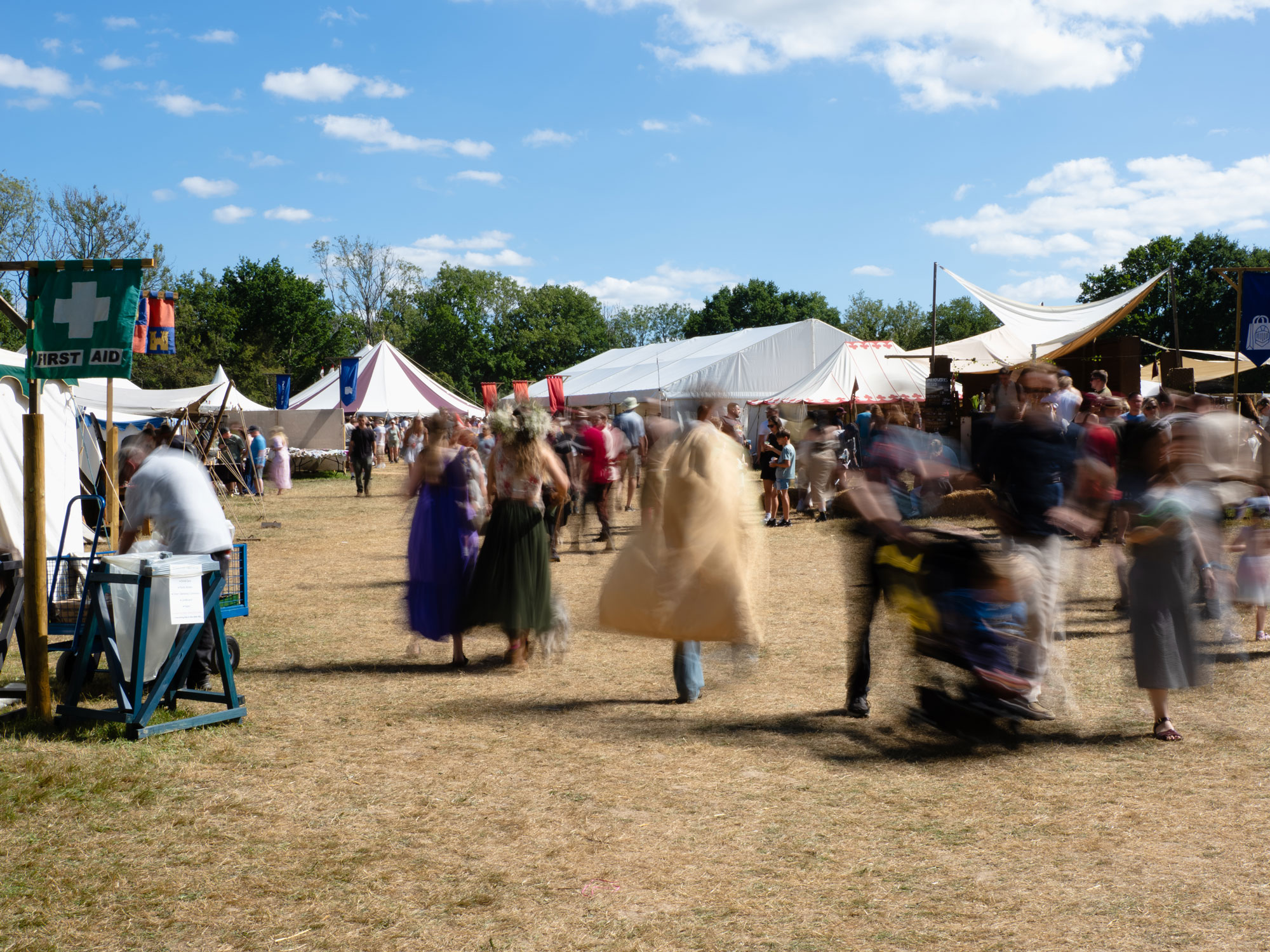
A straight-out-of-camera 0.5-second handheld exposure using the Live ND feature
OM System (and, previously, Olympus) is well known for its sensor stabilisation, and OM System OM-3 delivers on that front too. It is rated for up to 7.5 stops with compatible lenses, and for everyday use, it performs well. I was able to comfortably film, even when using the Olympus lens, at its maximum focal length, without the video turning into a jello-fest. This wouldn't happen, anyway, because OM-3 has a good rolling shutter performance, but it's just. Really. Good. Combine it with the Live ND feature, and you can get long exposures in daylight without any need for a tripod (or lower ISO in poor lighting conditions).
Image Quality
Overall, I really, really like the images that come from the OM System OM-3. The straight-out-of-camera JPEGs are, in my opinion, a benchmark of how good JPEGs can look. If you prefer to have full control, the RAW files also give you enough data to tweak photos as you like. I was surprised to find that most of the Computational Modes had an effect on both RAWs and JPEGs.
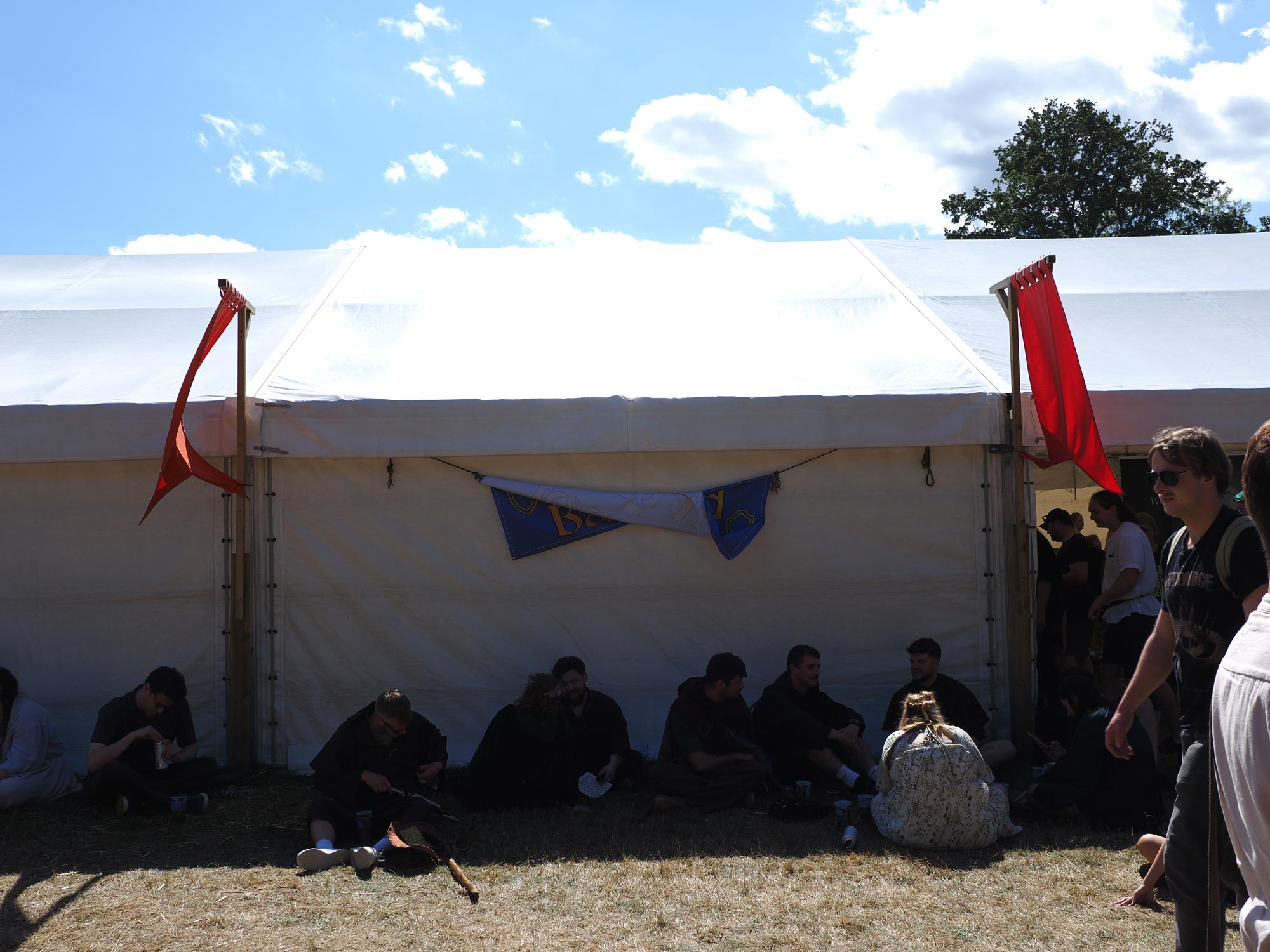
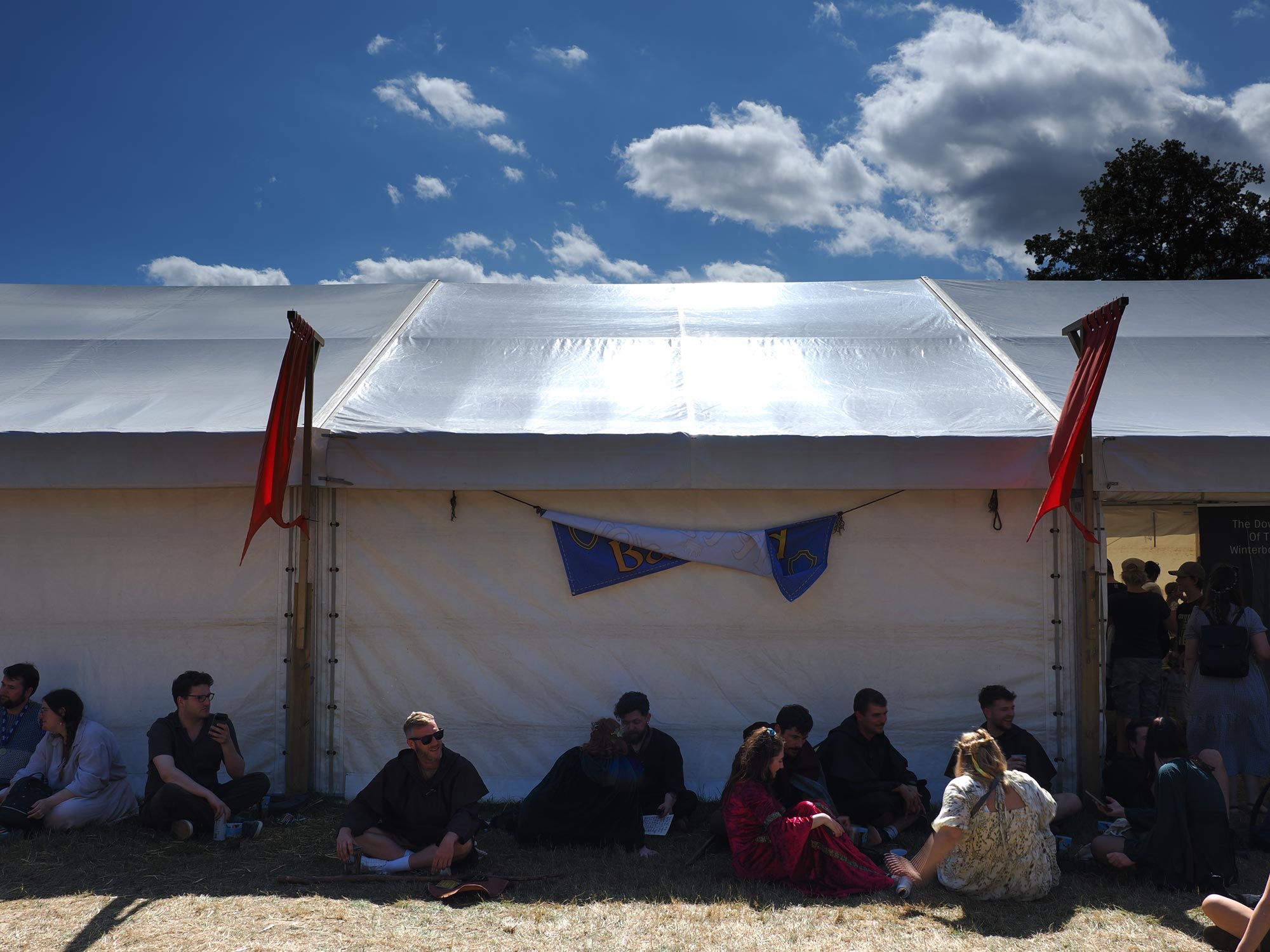
Left: A shot using Live GND Right: A shot with no Live GND
Compared to other cameras with much higher resolutions, 20 megapixels may not seem like a lot. But, I assure you, it is more than enough. I conducted a test comparing a large print of a 12 megapixel file to one with 45 megapixels, and I couldn't see a significant difference from a normal viewing distance. If you really need more than 20 megapixels for professional work, you can either use the High-Res Shot mode or look for alternative cameras with a larger sensor, like Fujifilm's medium-format cameras (check out our Fujifilm GFX series guide).

Jakub Golis | OM System OM-3 | Olympus M.Zuiko Digital ED 12-100mm f/4 IS PRO | 100mm | f/4 | 1/50 | ISO 320 | Edited
It’s worth mentioning that the default Micro Four Thirds aspect ratio (and the OM System OM-3's, of course) is 4:3. That means if you want to print standard 10x15cm (6x4") family photos, you’ll either need to crop them or use a smaller portion of the sensor in-camera. It’s not a big deal for most people but I still print my photos for the family album, and every time I shoot with an Micro Four Thirds body, I find myself a bit frustrated that I have to switch the aspect ratio to 3:2.
Video Capabilities
The OM System OM-3 is a good hybrid camera. Alongside great stills performance, it is also great for video. You can shoot 4K up to 60p and Full HD up to 240p. The 4K footage, both at standard frame rates and 60p, appears crisp and high-quality. The default video sharpening effect is a bit too strong for my taste, but that's easy enough to tweak in the settings.

A 4K/60p OM-Log400 10-bit 4:2:0 video still, finished with a light curves adjustment.
The manufacturer made a controversial choice with the OM System OM-3. It only records 10-bit 4:2:2 footage when you’re shooting in Log or HLG profiles. For everything else, you’re limited to standard 8-bit. You can’t shoot 10-bit in any of the non-log profiles. Some people aren’t happy about that, but it makes sense to me. You don’t gain much by filming in a standard profile at 10-bit, and you definitely shouldn’t be shooting in a log profile with just 8-bit colour depth. Learn more about 8-bit vs 10-bit video.
https://youtu.be/R9hQYZbPjR4?rel=0If you use the highest quality, H.265 10-bit 4:2:2 OM400-Log footage, you won’t be disappointed. The footage is very detailed, with natural colour rendition and plenty of flexibility for grading.
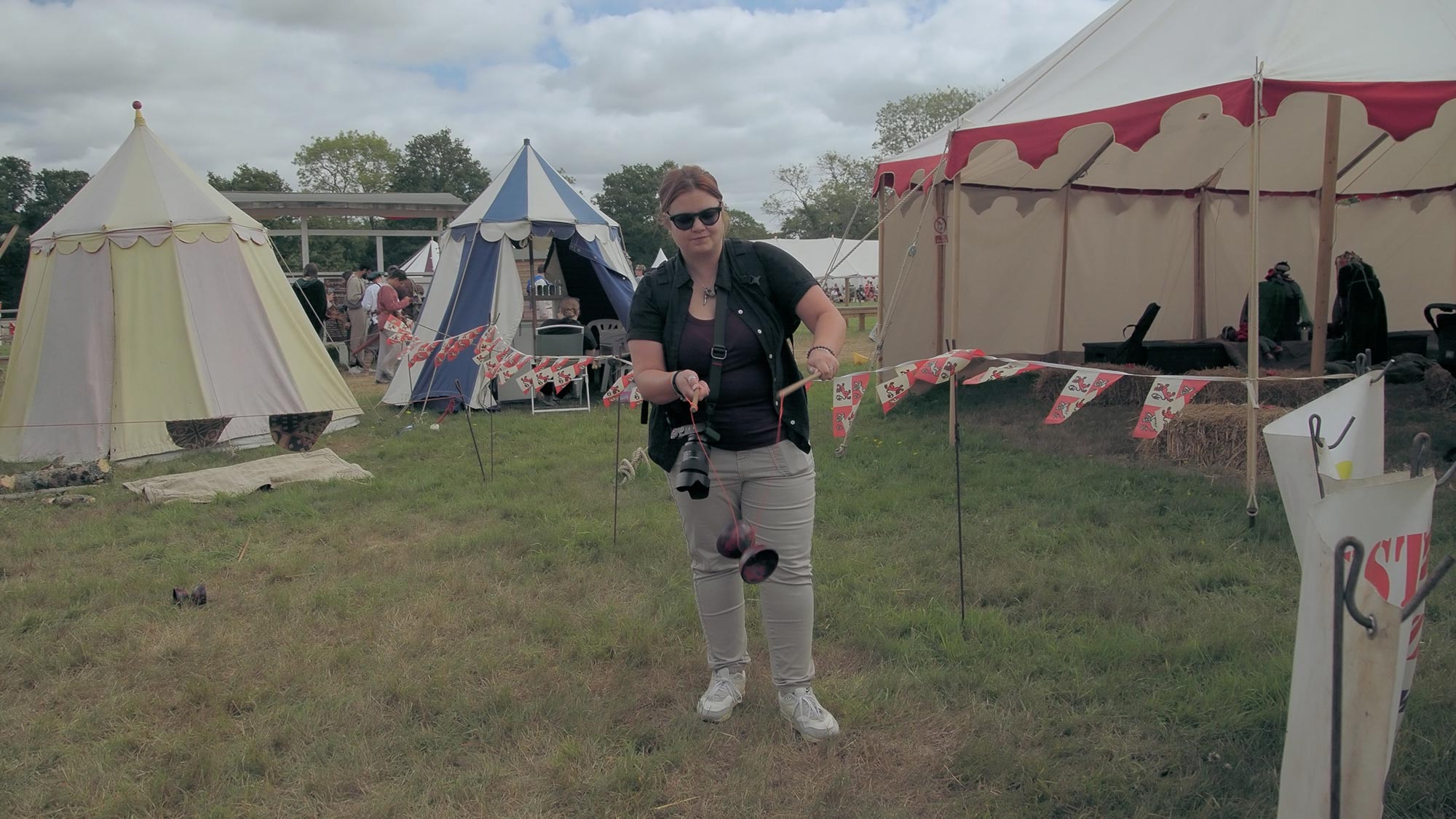
Still taken from 4K/24p video footage captured in the Cine 2 picture profile on the OM System OM-3.
If you’d rather not shoot in 10-bit log, the OM System OM-3 has two new colour profiles for video: Cine 1 and Cine 2. Cine 1 reminds me of Sony’s S-Cinetone. It’s slightly flatter than a standard profile, but still looks great straight out of the camera, making it perfect for quick turnarounds without heavy grading. The Cine 2 has a more stylised look, with raised shadows and pronounced reds. Personally, I didn't love it, but I can see it working for minimal grading setups, when you wouldn't want to invest in full log footage.
When it comes to ports, the OM System OM-3 includes both mic and headphone mini-jack inputs, which is great but sadly only a micro HDMI output. Still, despite being micro, it can still output a RAW video signal to an external recorder. Good for anybody who enjoys customising their setup.
Who Is the OM-3 For?
I really liked the OM-3. I didn’t love it, but I really liked it. Feel free to laugh at me for this, but I have to admit something: I didn't like its shutter sound. The OM System OM-3 resembles a vintage SLR, and those cameras produce a satisfying crunch whenever you take a photo. It may not matter to many others, but if I'm choosing an everyday carry camera, I want it to have as high a fun factor as possible.

Jakub Golis | OM System OM-3 | Olympus M.Zuiko Digital ED 12-100mm f/4 IS PRO | 100mm | f/4 | 1/1000 | ISO 200 | Edited
Apart from that small gripe, the OM System OM-3 delivered on almost every front. I love its looks, as it produces beautiful photos thanks to one of the best JPEG rendering engines available, and its Computational Photography features are really useful. If you're after a camera that slots neatly into your video setup, it is great for that too. Overall, it's a very capable camera. It’ll appeal to style-conscious content creators, travel photographers or basically anyone who wants to take high-quality photos without carrying something that doesn’t look very good. If you're after a professional-grade wildlife photography machine, you might be better off stepping up to the OM-1.
Alternatives
The OM-3 sits in a unique spot in the market but it’s far from your only option. If you’re weighing up what else might suit your style or needs, here are my recommendations.
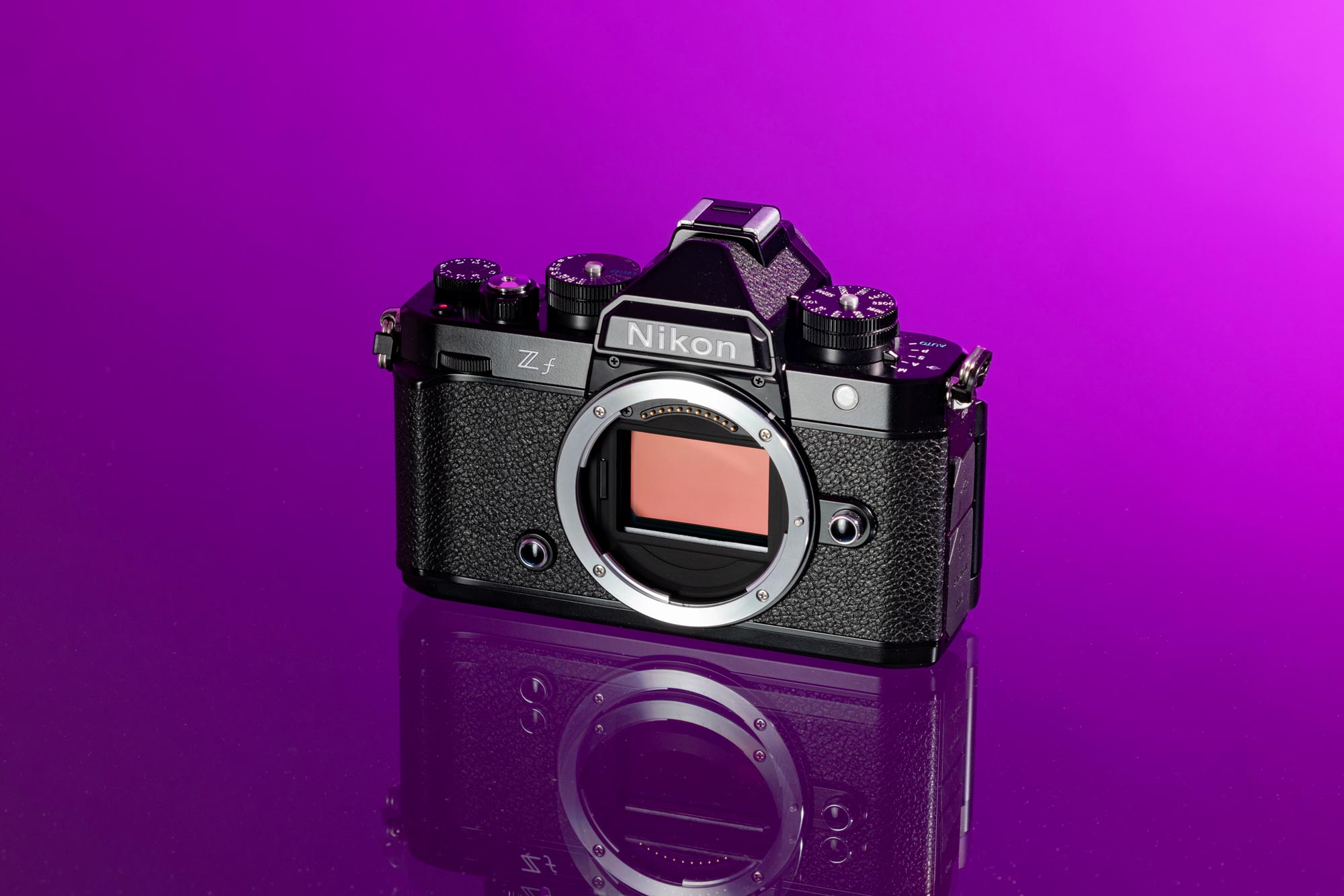
Used Nikon Zf
Nikon Zf
The Nikon Zf is as close as you can get to the OM System OM-3 if you're looking for a full-frame sensor. It's a similar camera, weighing in at over 700g, while the OM-3 is just under 500g. It looks great, delivers high-quality photos and will let you take photos with a shallower depth of field. However, both the camera body and the lenses are bigger than the OM-3 and it doesn't offer the same high frame rates. If you prefer the slightly smaller APS-C sibling in Nikon’s retro line-up, give our Nikon Zfc review a go.
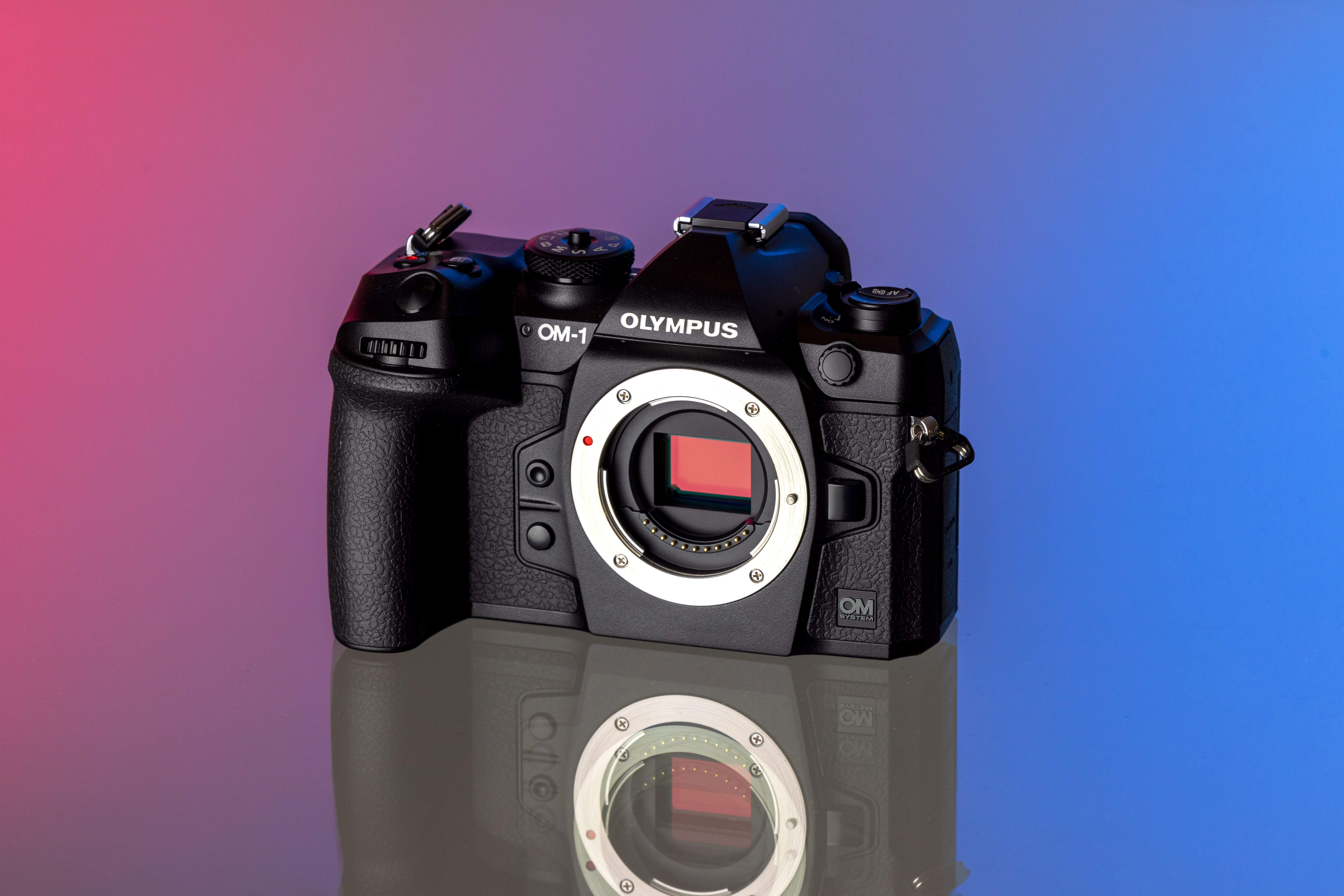
Used OM System OM-1
OM-1 Mark I or Mark II
Both the OM System OM-1 and OM System OM-1 Mark II have been mentioned a few times in this review. If the looks don't matter to you that much and you're looking for the most reliable, robust Micro Four Thirds body with dual card slots and comfortable use with larger lenses, consider one of these.
Panasonic Lumix G9 II
At a similar price, the Panasonic DC-G9 II gives you stronger video features, a larger and sharper electronic viewfinder with dual card slots, making it a better fit for hybrid shooters who prioritise pro-level control. Its body is noticeably larger and heavier than the OM-3, though.
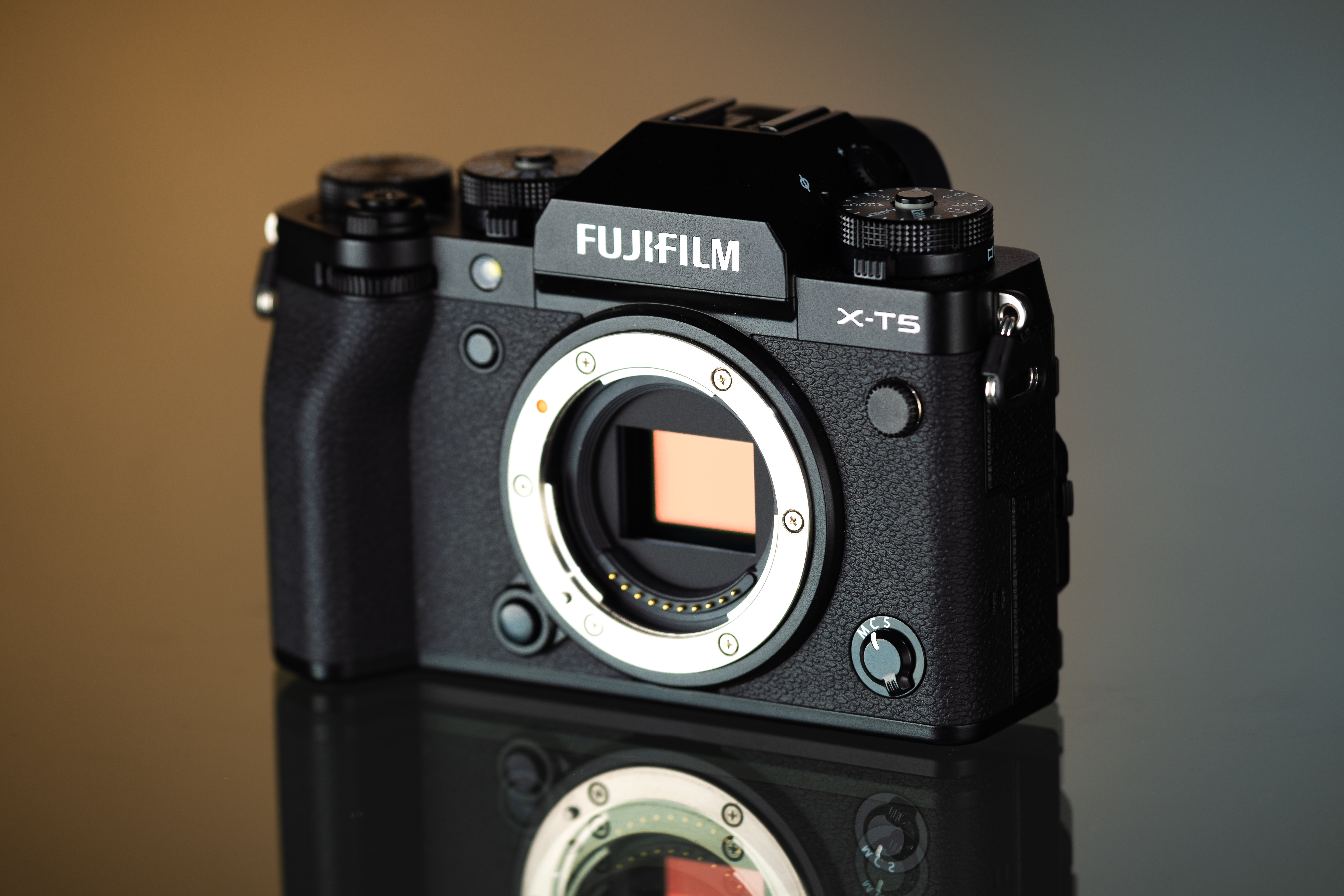
Used Fujifilm X-T5
Fujifilm X-T5
The Fujifilm X-T5 gives you a bit more flexibility with its 40 megapixel stills, dual UHS-II slots and a higher-res 3.69million-dot electronic viewfinder. Fujifilm’s colour science and Film Simulations are as strong as ever, and it also offers solid 6.2K/4K video options. It keeps that same retro shooting experience OM-3 fans like, which we cover in our Fujifilm X-T5 review. Go for the X-T5 if you’re primarily focused on stills and want maximum detail and dual slots for peace of mind. If you value speed, stabilisation wizardry and lightweight lenses, the OM-3 might suit you better.
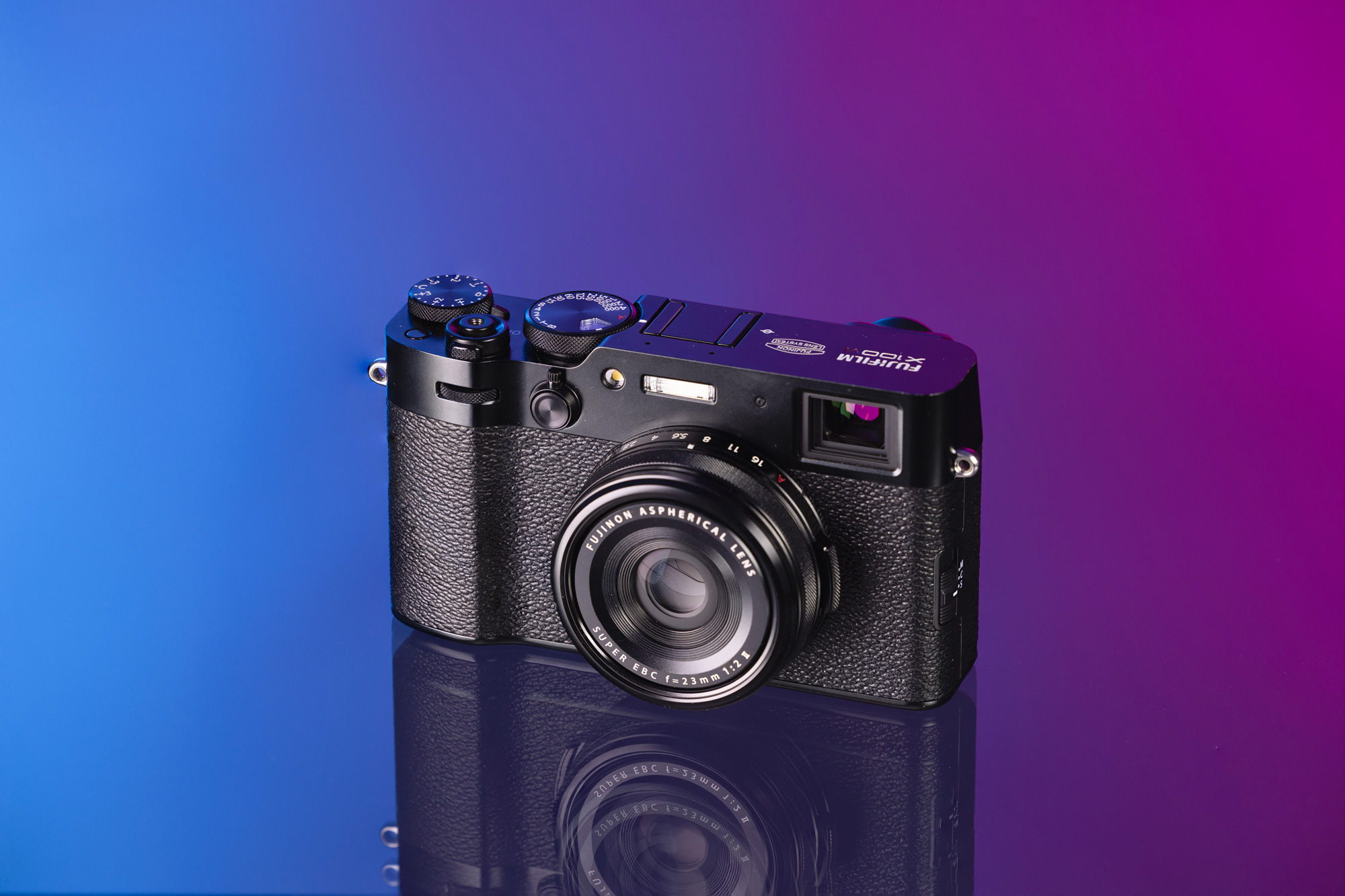
Used Fujifilm X100VI
Fujifilm X100VI
The Fujifilm Fujifilm X100VI gives you that classic fixed-lens setup with a hybrid electronic viewfinder and a larger APS-C sensor, while the OM-3 offers the flexibility of interchangeable lenses, weather sealing, stacked-sensor speed and in-camera computational tools. Check out our Fujifilm X100VI review.
FAQs
What's the difference between the OM System OM-1 Mark II and the OM System OM-3?
The OM System OM-1 Mark II is the tougher, more professional option with dual card slots and a deeper grip. The OM System OM-3 offers the same sensor in a smaller, retro body with a focus on style and creative tools.
What's the difference between the Olympus OM-2 and the OM System OM-3?
The Olympus OM-2 is a classic film SLR. The OM System OM-3 from 2025 is a modern digital mirrorless camera inspired by that older design.
Which Olympus or OM System camera is the best?
For film shooters, the Olympus OM-1 is the classic favourite. For digital, the OM System OM-1 Mark II is the most advanced pro option.
What's the difference between the Canon EOS R7 and the OM System OM-3?
The Canon EOS R7 has a larger APS C sensor and is better in low light. The OM System OM-3 is smaller, lighter and offers powerful stabilisation and computational features.
Read more camera gear guides on the MPB content hub.
You can sell or trade your camera kit to MPB. Get a free instant quote, free insured shipping to MPB, and get paid within days.