How to Make a Music Video on a Budget
Published 14 August 2026 by MPB
You do not need a huge crew, an expensive cinema kit or a studio to make a music video. What you do need is a clear idea, a realistic plan and the ability to make smart choices with the resources you already have.
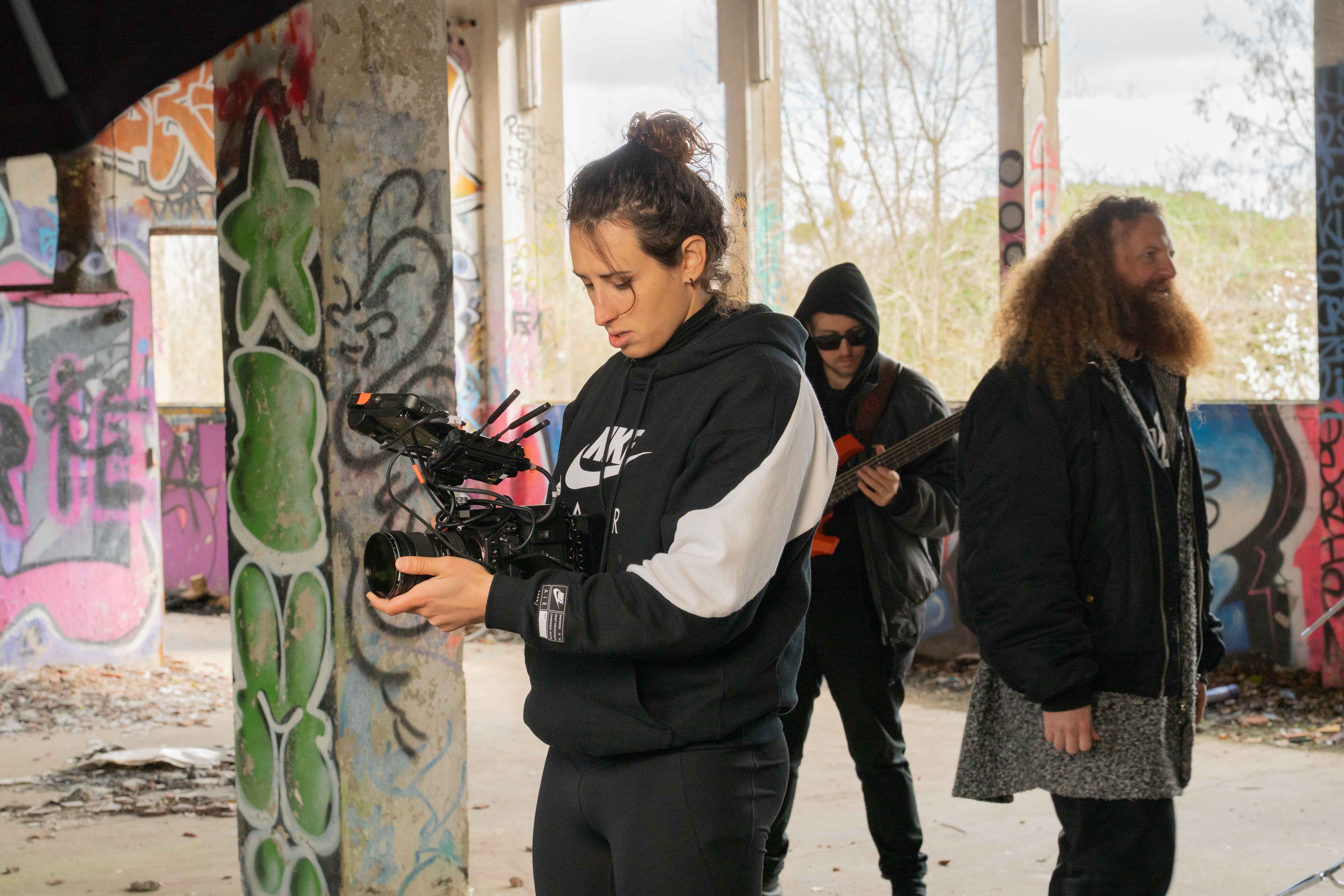
We asked videographer Lena Hempel to show us how she makes music videos on a budget. A true multitalent—videographer, editor, guitarist, composer and creative director whose work spans music videos, sports, social content, and commercial projects—Lena also makes music videos for her metal band, bringing together her experience behind the camera and her understanding of rhythm and performance. We leave her the floor.
Lukas Davos | Nikon ZR | Lens not specified | 44mm | f/9 | 1/200 sec | ISO 250 |
What Is a Music Video on a Budget?
A budget music video is a video made with limited funds, using what you already have, what you can borrow or what you can access for free. That might mean one camera and one lens, a mix of natural light and one studio light if available, instead of a full lighting kit, freely accessible locations, a small crew or DIY rigs built from what is around you. Ultimately, a smaller budget means you need to understand your tools properly.
Watch how Lena shot a music video on a budget for her band:
https://youtu.be/U131pB2ce8g?rel=0How Do You Plan a Music Video on a Budget?
To plan a music video on a budget, I make sure I’m clear on the concept before we spend any money. Decide if the video will be based on musical performance or driven by a story. A performance video needs energy, movement and enough coverage for the edit, while a narrative video needs a stronger structure, specific locations and more pre-production.
Once the concept is clear, create a mood board. Use references to define colour, framing, mood, camera movement and action before you get to set. This helps everyone understand the direction and keeps the shoot focused.
I also structure the plan for the day and share it with the crew in advance. Everyone should know their role, the direction and what needs to happen on set. The more uncertainty there is, the longer everything takes.
Another very important thing to do during the planning phase is to scout the area where you want to shoot. But I’ll speak more about location and what to bear in mind later on.
Remember that investing time on preparation is key. If you arrive prepared, you’ll have enough mental space to recognise when happy accidents arise during the shoot, rather than taking time out from the shoot to find inspiration.
Lukas Davos | Nikon ZR | Lens not specified | 60mm | f/2.8 | 1/250 sec | ISO 640 |
What Gear Do You Need to Shoot a Music Video on a Budget?
You do not need expensive gear to shoot a good music video on a budget. If you are deciding where to spend money, prioritise lighting first, then one useful lens, then the camera body. A better camera can help, but good light, a clear idea and knowing your setup will usually make a bigger difference.
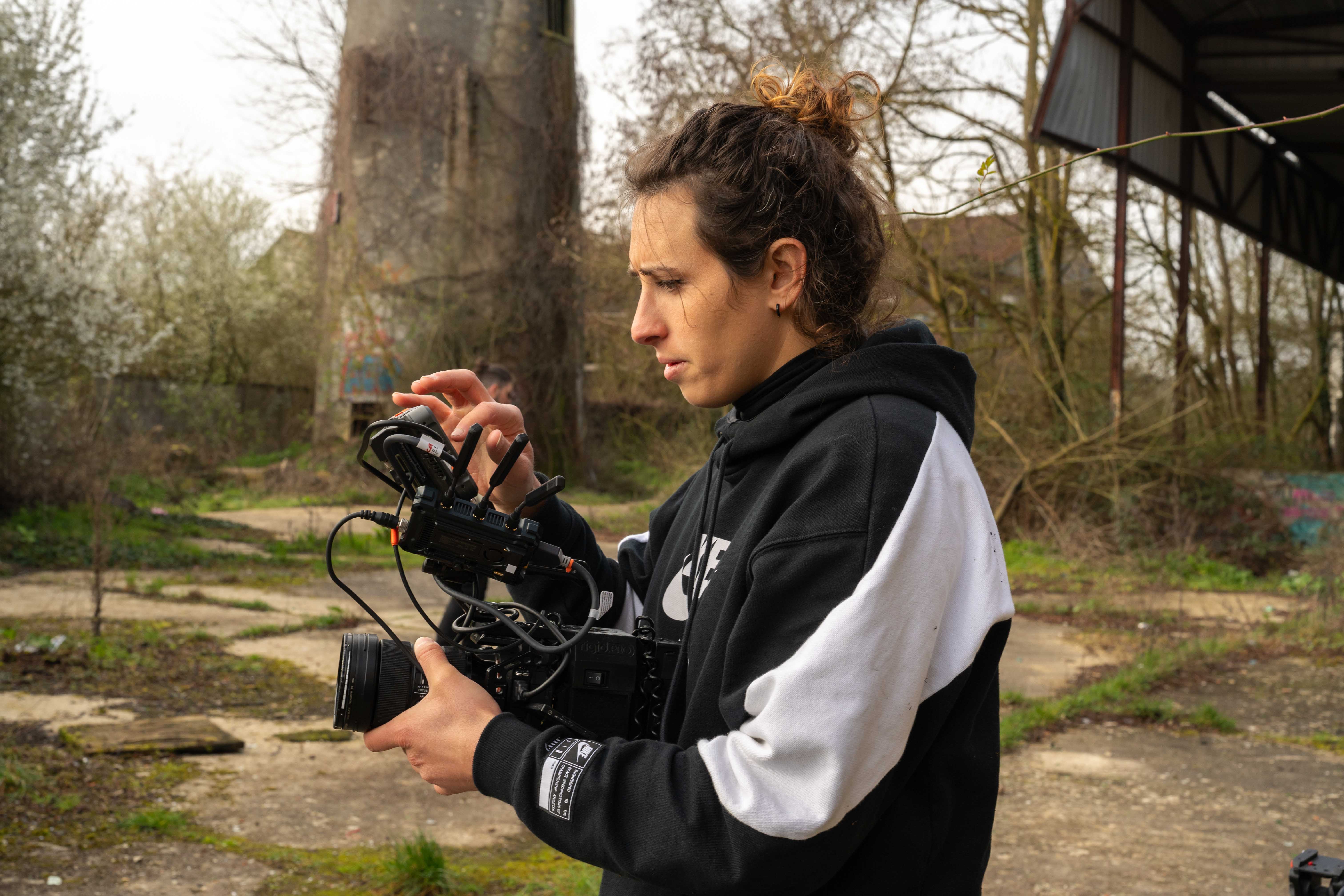
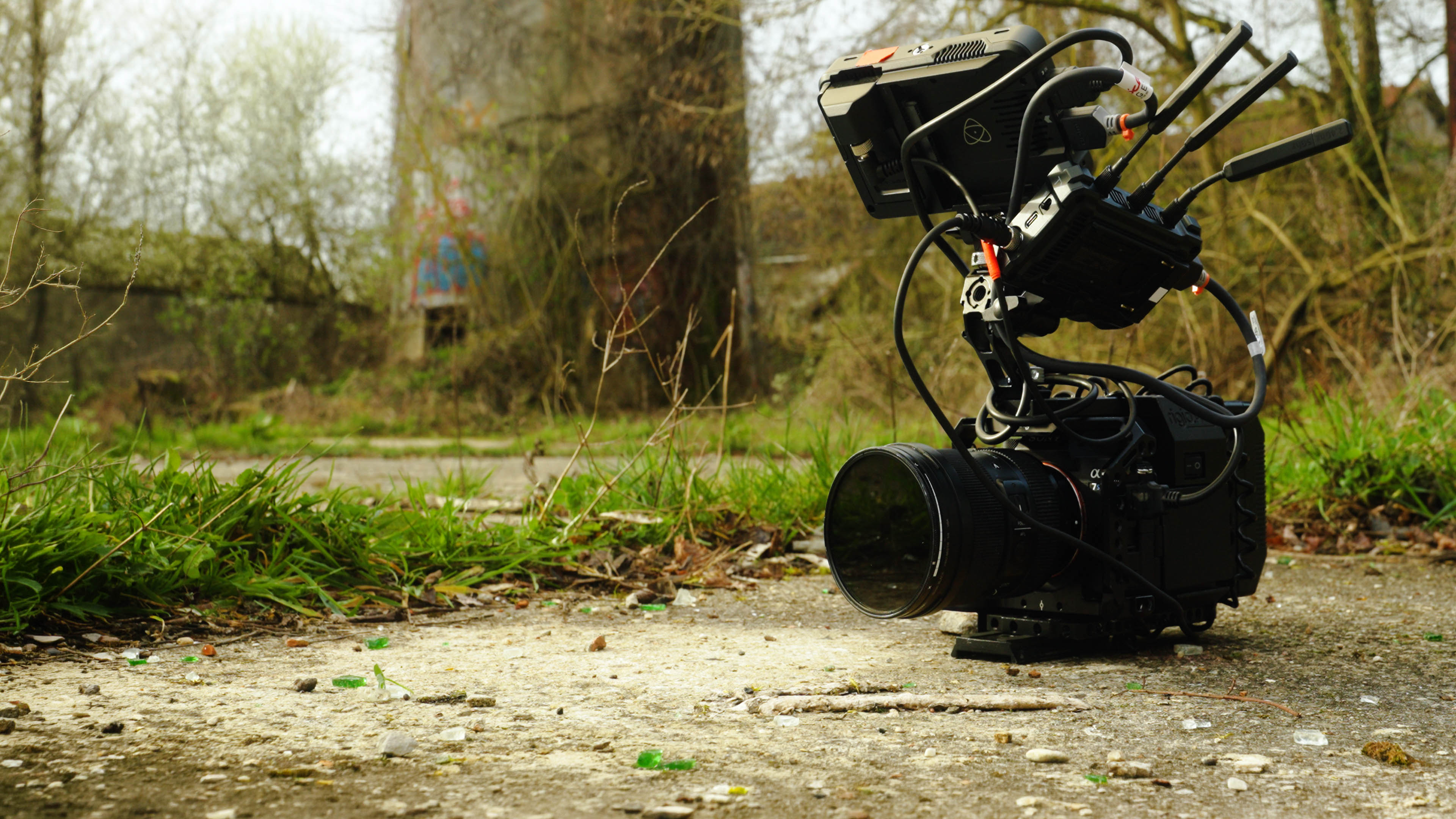
Start with one camera, one useful lens and the best light you can access. I shoot on a Sony A7S III with a Sigma 24-70mm f/2.8 D EX A and I often use a Black Pro-Mist filter to soften the digital sharpness and create a creamier look. But you can have another setup to make things work. A camera that shoots 10-bit video gives you more flexibility when colour grading, but 8-bit is still workable if you expose well and keep your grade controlled. Read more about shooting on 10-bit and 8-bit on MPB’s article about the difference between 8-bit and 10-bit.
Whether you are buying or borrowing gear, one good lens is usually more useful than several average ones. A 35mm or 50mm prime can be a great starting point, especially because primes are often cheaper, sharper and better in low light than zooms. Vintage lenses can also be a strong budget option. They may force you into manual focus, but that limitation can become part of the look.
Lukas Davos | Nikon ZR | Lens not specified | 70mm | f/2.8 | 1/60 sec | ISO 80 |
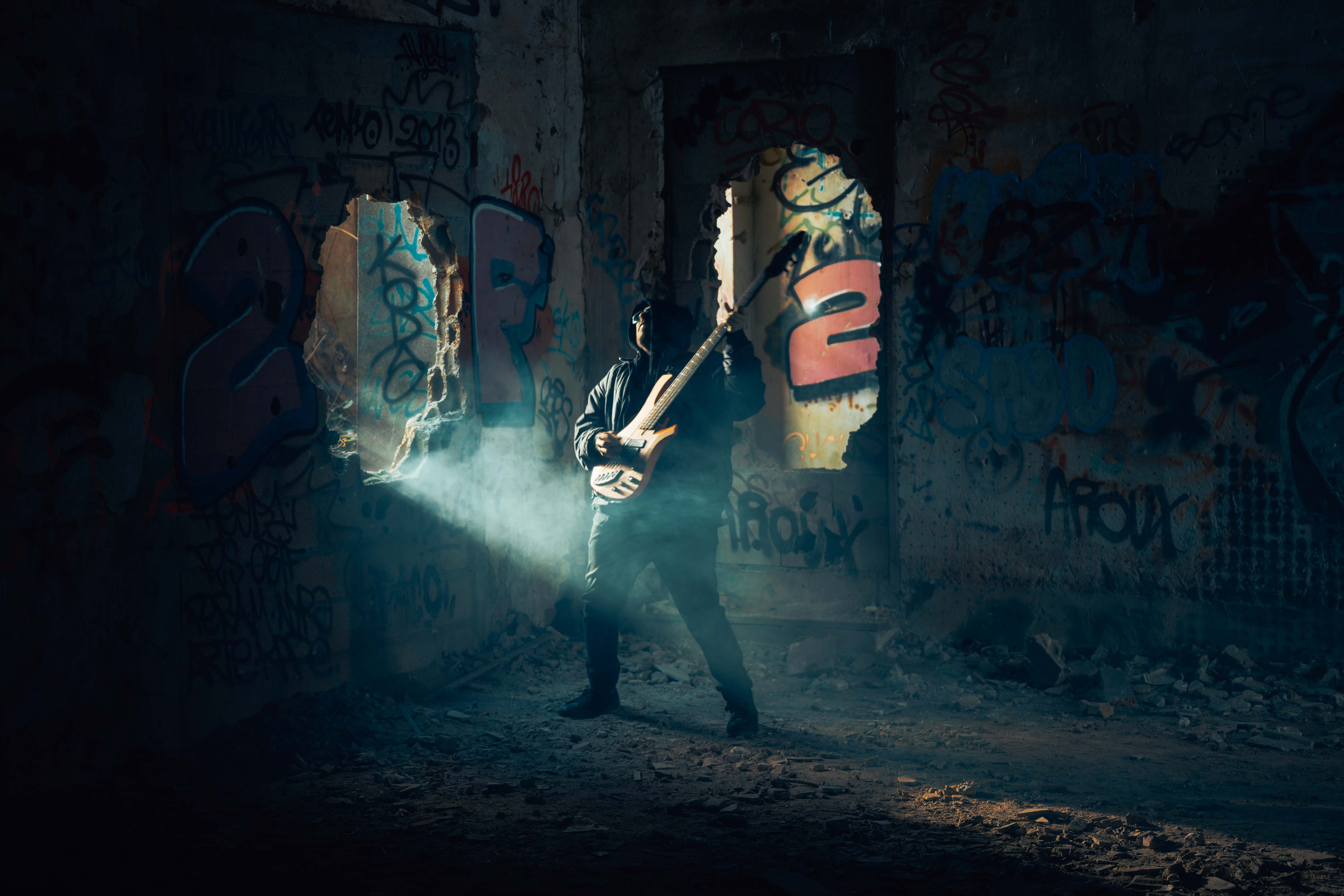
Lighting should be the first thing you think about if you have money to spend. This does not mean you need a huge lighting setup. Even one good light can make the difference between a flat image and something that feels more cinematic. Understanding a few basic lighting principles, like where to place the light and what mood it creates, can get you out of trouble quickly. Natural light can also look beautiful, especially if you understand when to use it. Hard sunlight can create a harsher, more intense feeling, while softer light can feel more intimate or cinematic. The key is to make it a choice, not an accident.
But most importantly: master the gear that you already have. Better gear can help, but it will not give you taste, intention, rhythm or a clear idea.

Lukas Davos | Nikon ZR | Lens not specified | 24mm | f/14 | 1/200 sec | ISO 1000 |
How to Find Locations for a Music Video on a Budget?
To find locations for a budget music video, start with places you can access for free: spaces owned by friends, local venues, outdoor areas or unusual locations you can get permission to use. The right location can do a lot of visual work without adding much to your budget.
Good locations are not always easy to find, so build a list over time. Ask around, save places that could work for future shoots and always scout before filming.
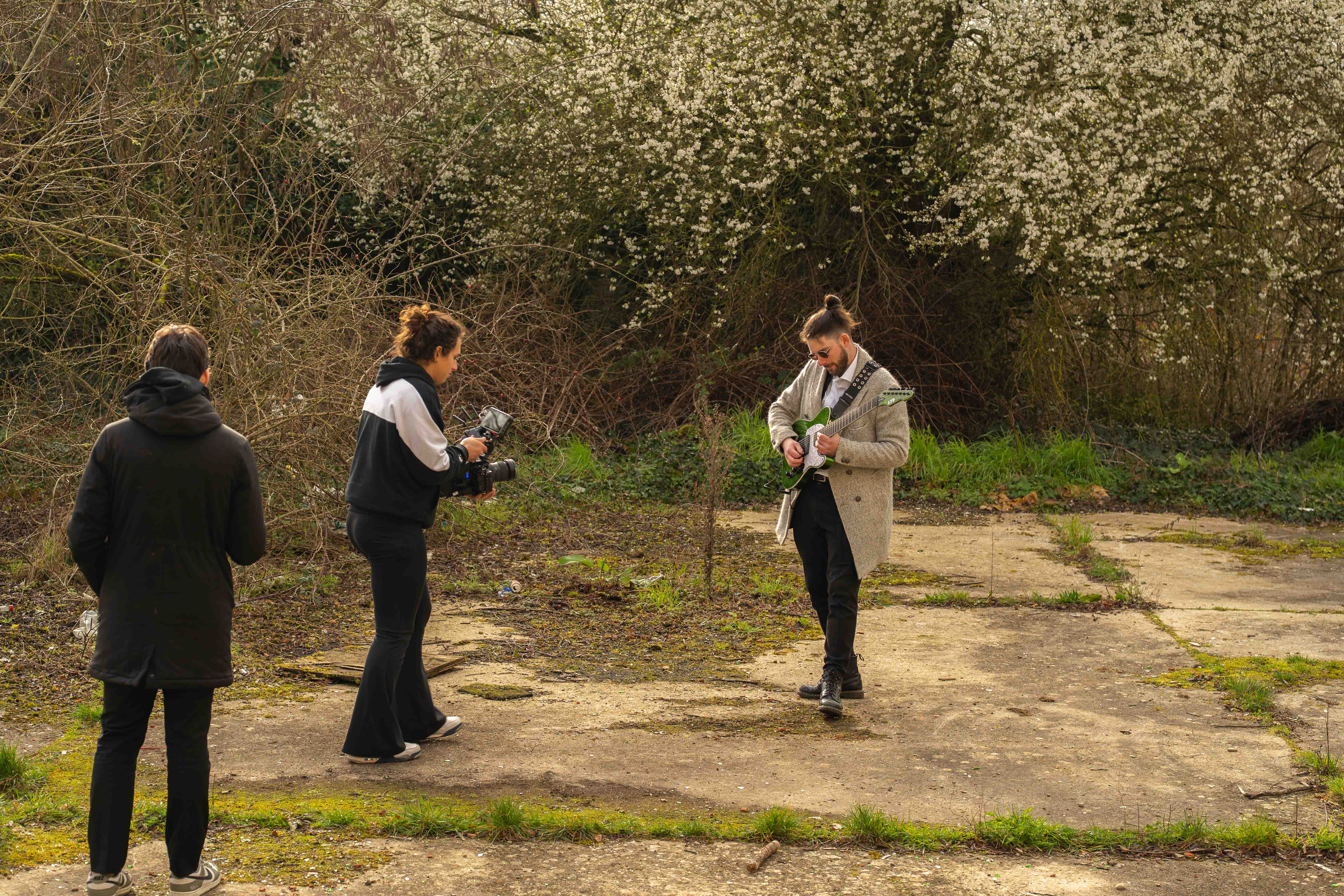
A location can look amazing in one corner and terrible everywhere else, so you need to know what you can actually show. Remember to always check the following:
Can you legally and safely film there?
How is the light?
Are there power sockets or do you need batteries? This is particularly important if you’ll be working with lights.
Will noise be an issue when instruments are playing?
Could you be interrupted?
What angles look good and what should stay out of frame?
Lukas Davos | Nikon ZR | Lens not specified | 70mm | f/4.5 | 1/200 sec | ISO 64 |
Do You Need a Crew to Make a Music Video?
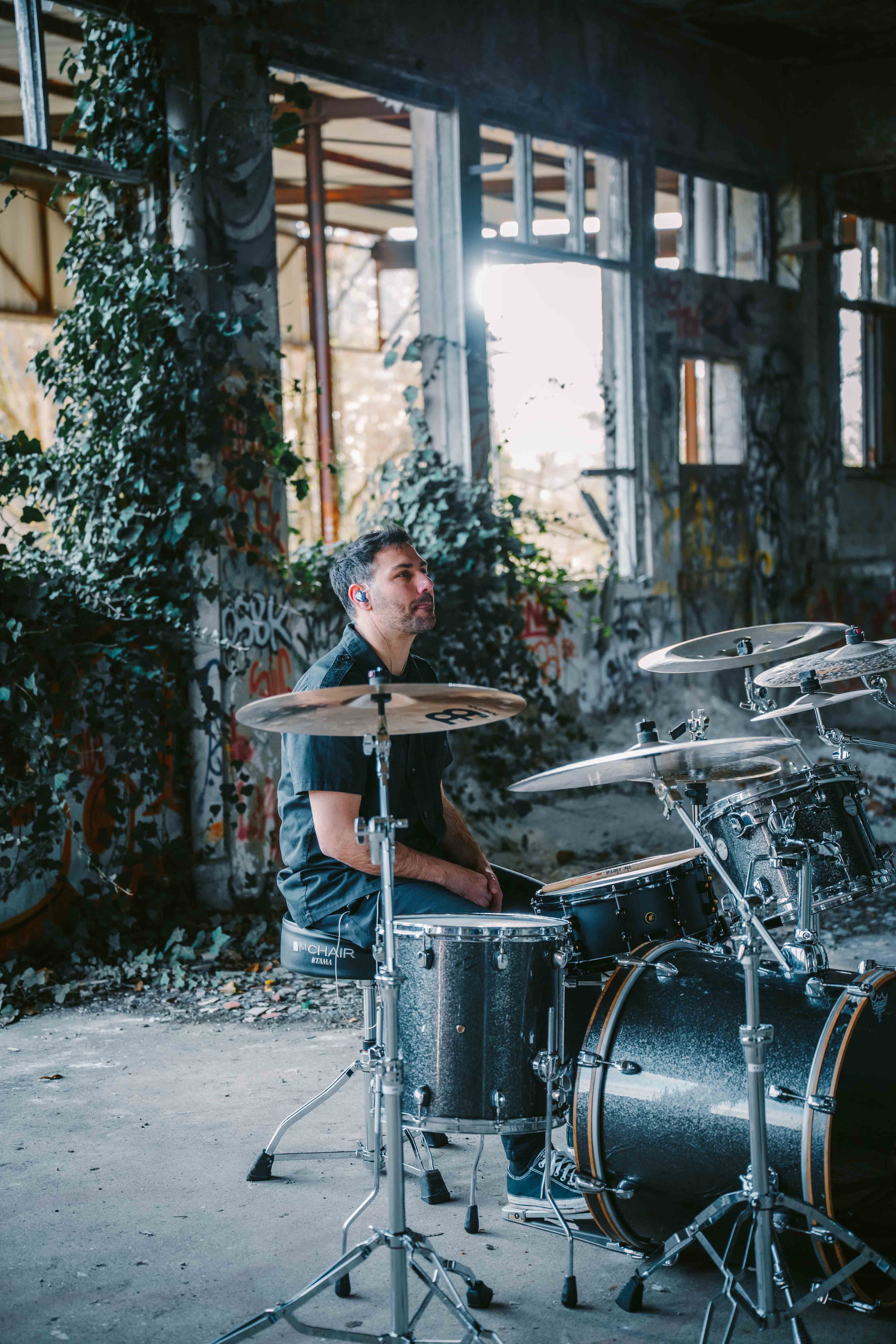
You can shoot a music video alone, but even one or two extra people can make the day much smoother. Someone can help with camera and gear. Someone can manage timing. Someone can look after the people on set. But all the roles should be clear: if nobody knows who is doing what, everything gets slower.
One person needs to be responsible for the creative direction. Other people can contribute during pre-production, but once the plan is set, the shoot needs direction. Too many opinions on set can kill momentum fast.
For unpaid or low-paid collaborations, make sure people are getting value from being there. That might be portfolio material, experience, a connection, a learning opportunity or simply a creative day with people they like. Don’t frame everything as “I need help”. Frame it as a project they’ll want to be part of.
Still from video of a Sony camera rig
How Do You Shoot a Music Video on a Budget?
To shoot a music video on a budget, create variety with framing, movement and performance rather than extra locations or expensive setups. Even with one location, you can mix wide shots, medium shots and close-ups with static frames, moving shots and more intense, motion-blurred moments. That gives you more options when cutting the performance around the track.
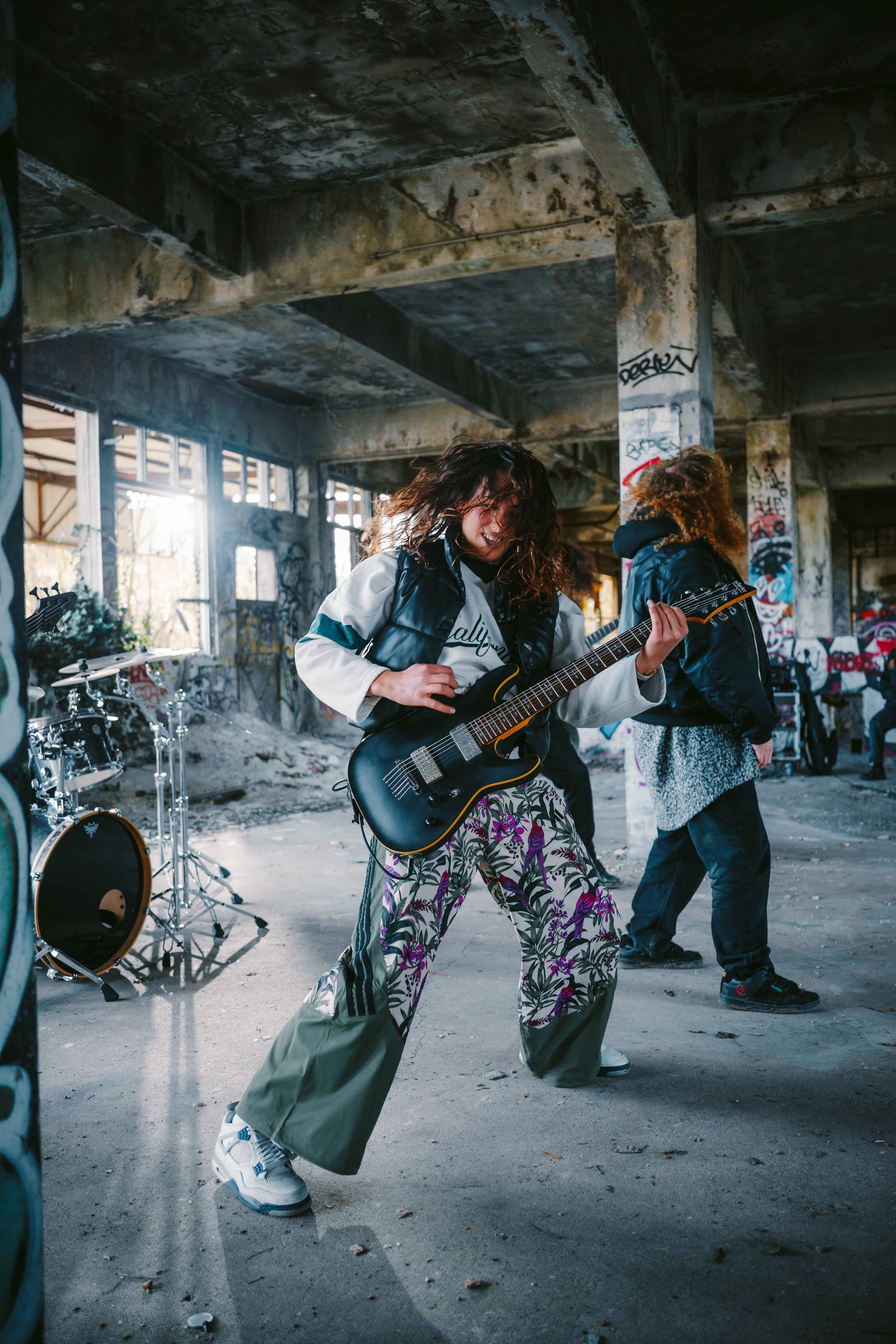
For a performance video, energy is everything. The artist or band needs to commit to the performance, and the camera move
ment should enhance what they are doing. If the guitarist moves with the beat, I move with them. If there is a strong moment in the performance, I try to capture it in a way that makes the viewer feel closer to it.
When you are starting out, you probably will not know exactly when you have enough, so shoot more than you think you need. You will have to deal with that footage in the edit, but going through your footage is how you learn what works.
At the same time, be aware of what the frame is revealing. If only the close-up works, shoot the close-up. If a wider shot shows too much of the location and makes it feel cheap, reframe it. The idea is to show as much as you can without revealing the limits of your set.
Lukas Davos | Nikon ZR | Lens not specified | 30.5mm | f/2.8 | 1/250 sec | 400 |
How Do You Edit a Budget Music Video?
Editing is where a budget music video can really come together. What you cannot buy with money, you can often make up for with time and strong choices.
For a performance video, I start by syncing the footage to the track. If the artist performed the song on set, that gives me a clear base to work from. The harder part is choosing what stays. Be ruthless: if the energy drops, the composition breaks or the shot does not make you feel anything, cut it. Sometimes you are not choosing the best shot, but the least bad one.
Shot selection matters more than people think. A technically imperfect shot can work if the emotion is strong enough. A technically clean shot can still be boring. A good shot should make you feel something, support the story and avoid obvious technical problems, unless those problems are part of the style.
Rhythm matters too. Cutting on the beat can create impact, but cutting everything exactly on the beat can feel predictable. Sometimes cutting off the beat makes the edit feel smoother, or creates tension before a bigger moment.
Colour grading can also add structure. In one of my videos, I graded the drowning shots red to separate them from the natural blue of the sea. It cost nothing in production, but it changed the feeling of the scene.
Just do not rely on post to fix everything. “We’ll fix it in post” should basically be banned! Control what you can on set, then use the edit and colour grade to strengthen the footage.
Common Mistakes to Avoid When Making a Music Video
1. Using a stabiliser just because you own one: A stabiliser can be useful, but only when it supports the story. If handheld movement feels more immersive for the video, use handheld. If a smoother look fits the concept, use a stabiliser. Let the story decide.
2. Lighting the video like a makeup tutorial: Avoid flat front lighting unless it is a deliberate choice. A ring light or direct light facing the subject can remove shape and atmosphere from the image.
3. Overusing effects in the edit: Effects should support the edit, not carry it. If an effect does not add anything to the feeling of the track, cut it.
4. Ignoring eye tracing: Eye tracing is about where the viewer’s eye goes from one shot to the next. If the point of interest jumps around without intention, the edit can feel less controlled.
Lukas Davos | Nikon ZR | Lens not specified | 70mm | f/9 | 1/100 sec | ISO 400 |
Final Advice for First-time Music Video Makers
If it is your first music video and you only have one day, focus on the basics. Know what you want. Know your gear. Understand the mood you are trying to create. Shoot more than you think you need. Then learn from the edit.
Budget music videos are not about pretending to have more money than you do. They are about making stronger choices with what you already have. Use the limits. Build the world. Cut ruthlessly. Make every frame earn its place.
FAQ
Can you shoot a music video with one camera and one lens?
Yes. One camera and one versatile lens are enough to shoot a music video, provided you capture the performance several times from different distances and angles. A standard zoom offers flexibility, while an affordable 35mm or 50mm prime lens can work well in low light and help create a more distinctive look.
How can you make a low-budget music video look professional?
Plan the visual style before the shoot, control the lighting and only show the parts of the location that strengthen the frame. Consistent colours, deliberate camera movement and confident performances can make a simple production feel intentional. Avoid adding effects or equipment simply because they are available.
How do you plan a music video shoot?
Start with a clear concept, decide whether the video will be performance-led or narrative-led, and create a mood board to define the visual direction. Then prepare a shot list, assign roles, scout the location and build a realistic schedule for the day.
What shots do you need for a music video?
Aim for a mix of wide shots, medium shots and close-ups, along with both static and moving footage. For performance videos, record several full takes from different angles so you have enough coverage to create pace and variety in the edit.
What is the best way to edit a music video?
Start by syncing all the footage to the final track, then choose the strongest shots based on energy, composition and emotion. Use rhythm to guide the edit, but avoid cutting every shot exactly on the beat, as this can quickly feel repetitive.
You can read more tips and techniques in the MPB content hub.
You can sell or trade your camera kit to MPB. Get a free instant quote, free insured shipping to MPB, and get paid within days.