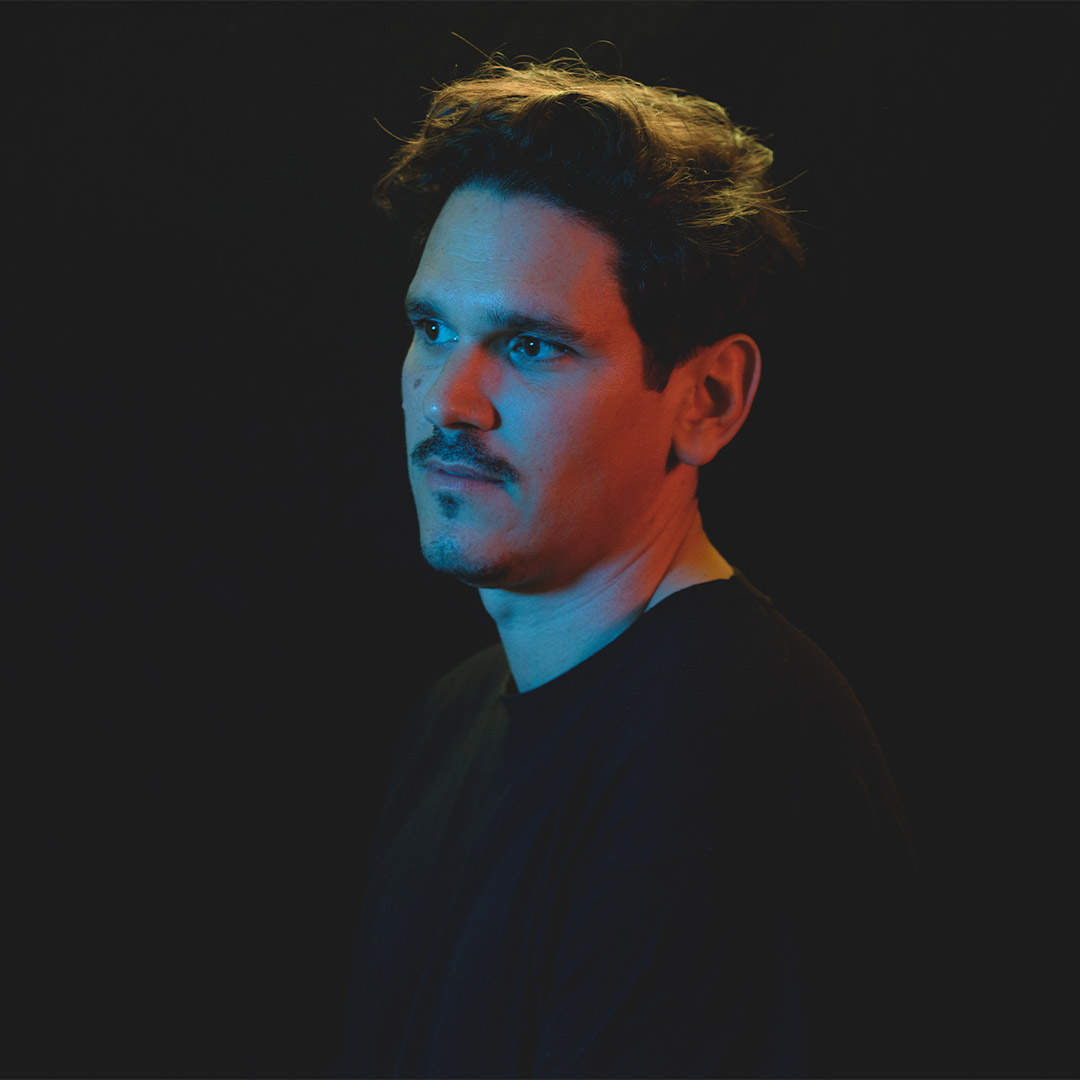
Telling a story, setting the scene or remembering a fond feeling, one of the most important opportunities in photography is to capture raw emotion. As photographers, we’re often in the room for emotional moments. It’s important that we honour these moments and concepts with the best techniques. From laughter and joy to contemplation and sadness, emotions can make a striking impression and relatability for viewers.
New York photographer Bronson Farr has worked for Netflix, MTV, Airbnb and Vogue, and in this article shares his expert advice for capturing emotion in photography.
https://youtu.be/EpRFL-4Nk24?rel=0Consider your Own Emotions
There is a clear duality within my work. I love to photograph loud, joyful, empowered people. I am a pretty joyous person myself, and that naturally shows up in my images. Bold colour, movement and expressive body language often define that side of my photography.
At the same time, I am equally drawn to quieter, more thoughtful moments. In those images, the colours may be more desaturated, the mood softer and the composition more reflective. Both approaches are emotional. Both are honest. They simply represent different sides of who I am.
When I create portraits, I want my audience to feel empathy. Whether they’re responding to joy and empowerment or to pensiveness and thoughtfulness, I want the image to connect with them on a human level.
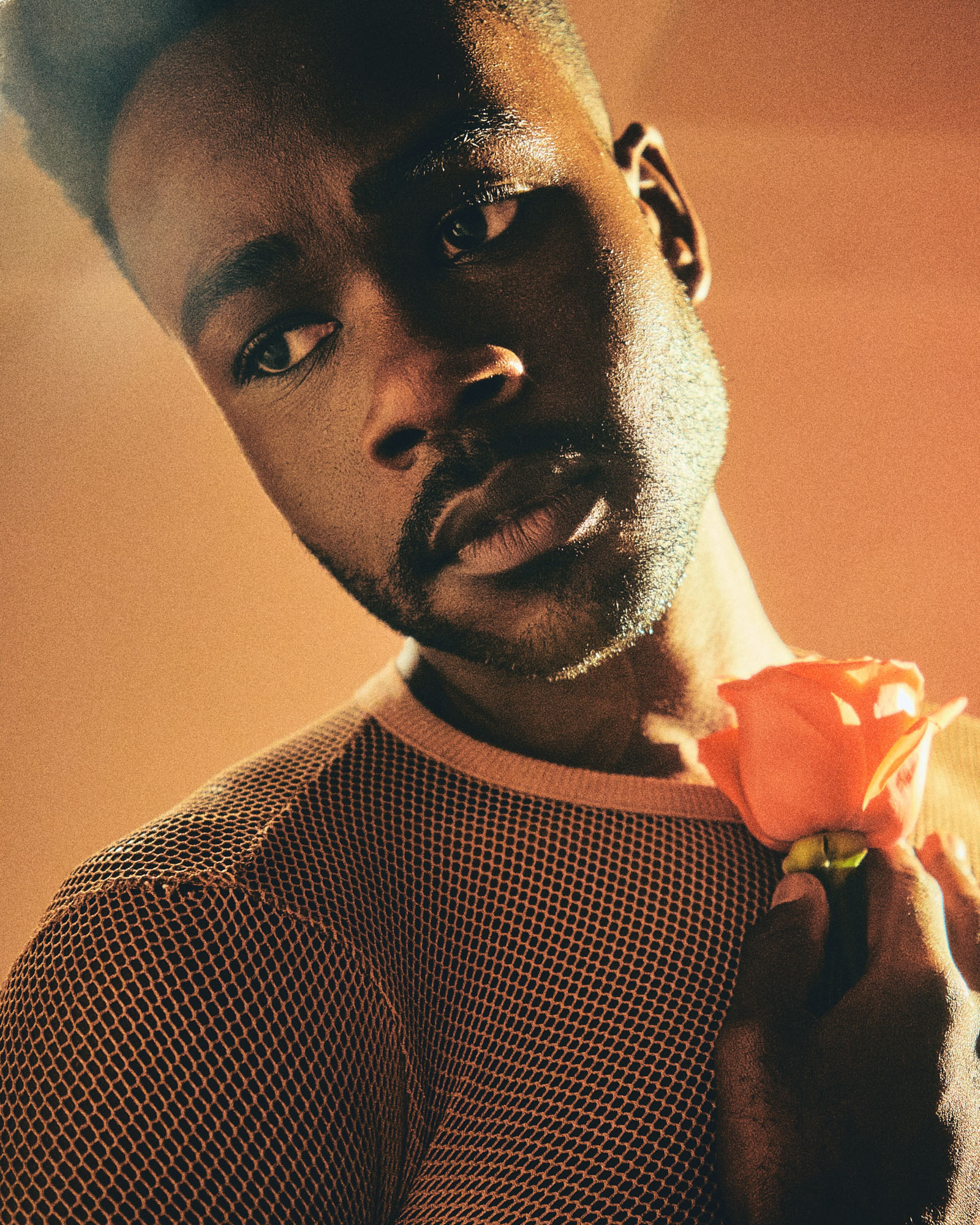
Bronson Farr | Canon EOS 5D Mark IV | Canon EF 24-70mm f/2.8 L USM | 24mm | f/2.8 | 1/250 | ISO 3200
Pick the Right Lens
The lenses I choose play a significant role in how emotion is conveyed. I often use a Canon EF 70-200mm f/2.8 L IS II USM lens to create compression. By compression, I mean that creamy background that helps the subject stand out. That separation brings focus to expression and body language, simplifying the frame so the emotional content becomes clearer.
When I want something bold and striking, I may use a wide-angle lens like a Canon EF 24-70mm f/2.8 L USM and allow my subject to come very close to the camera. That closeness feels dynamic and immersive. It draws the viewer in and creates intensity.
I have also used a Sigma f/1.4 lens to capture expressions. Crisp and clear. When portraying authentic emotion, clarity matters. Every detail in the face should feel present and real. Sometimes I incorporate a star filter to create hazy highlights across the subject’s body. These subtle effects add atmosphere and enhance the emotional tone of the image.

Bronson Farr | Canon EOS 5D Mark IV | Canon EF 70-200mm f/2.8 L IS II USM | 90mm | f/10 | 1/160 | ISO 100
Use Colour, Composition and Movement Intentionally
Emotion is not created by lighting alone. Wardrobe, props and what you place in the foreground all influence how an image feels. In one image, I used red, yellow and blue from a painted background, leaning into primary colours to make the photograph feel bold and energetic.
Movement is another powerful tool. I have used shutter drag to create motion around a subject’s ankle and hand, adding dynamism and life. That blur communicates energy in a way a completely frozen frame might not.
Foreground elements can shape how a viewer experiences the image. In one lifestyle shoot, I used materials I found on set to shoot through, creating an orange blur in the corner of the frame. That blur guides the eye and adds depth, helping the viewer take in the entire image.
I also pay close attention to composition. Natural elements, like trees in a public space, can guide the viewer’s eye towards the subject. Everything in the frame should serve the emotional intention.
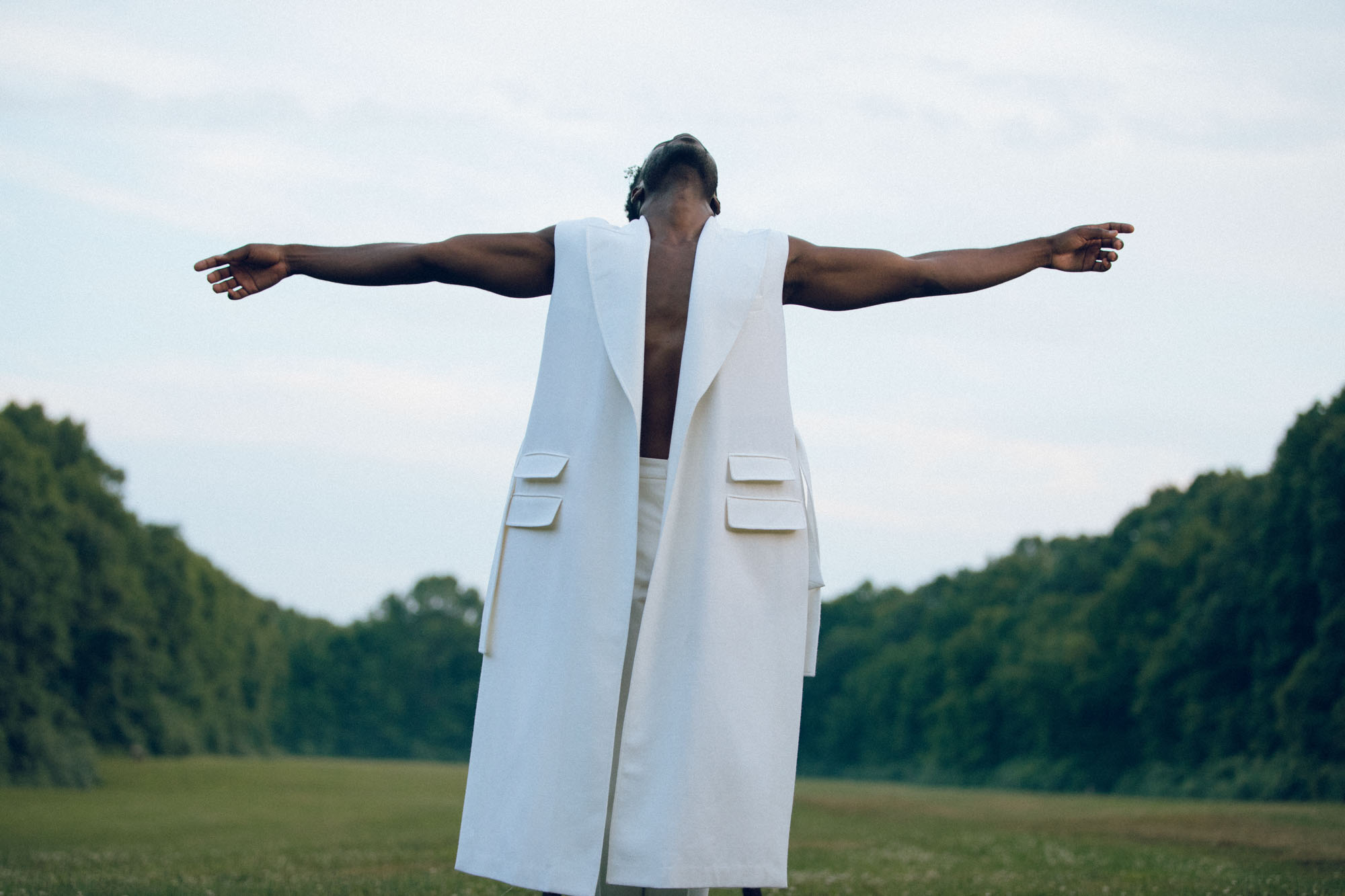
Bronson Farr | Canon EOS 5D Mark IV | Canon EF 70-200mm f/2.8 L IS II USM | 70mm | f/2.8 | 1/500 | ISO 1600
Use Lighting to Define Mood
Lighting is fundamental in creating great portraiture. A photograph is 90% the lighting you use.
For softer, more pensive looks, I rely on soft natural light or modified strobes that mimic natural light. This type of lighting feels gentle and honest, supporting introspection. For more striking and bold images, I may use flash with stronger shadows. Bright, colourful light with defined contrast heightens drama and amplifies energy.
Lighting shapes mood instantly. It's one of the strongest emotional tools available. Read more about light and shadow in photography.
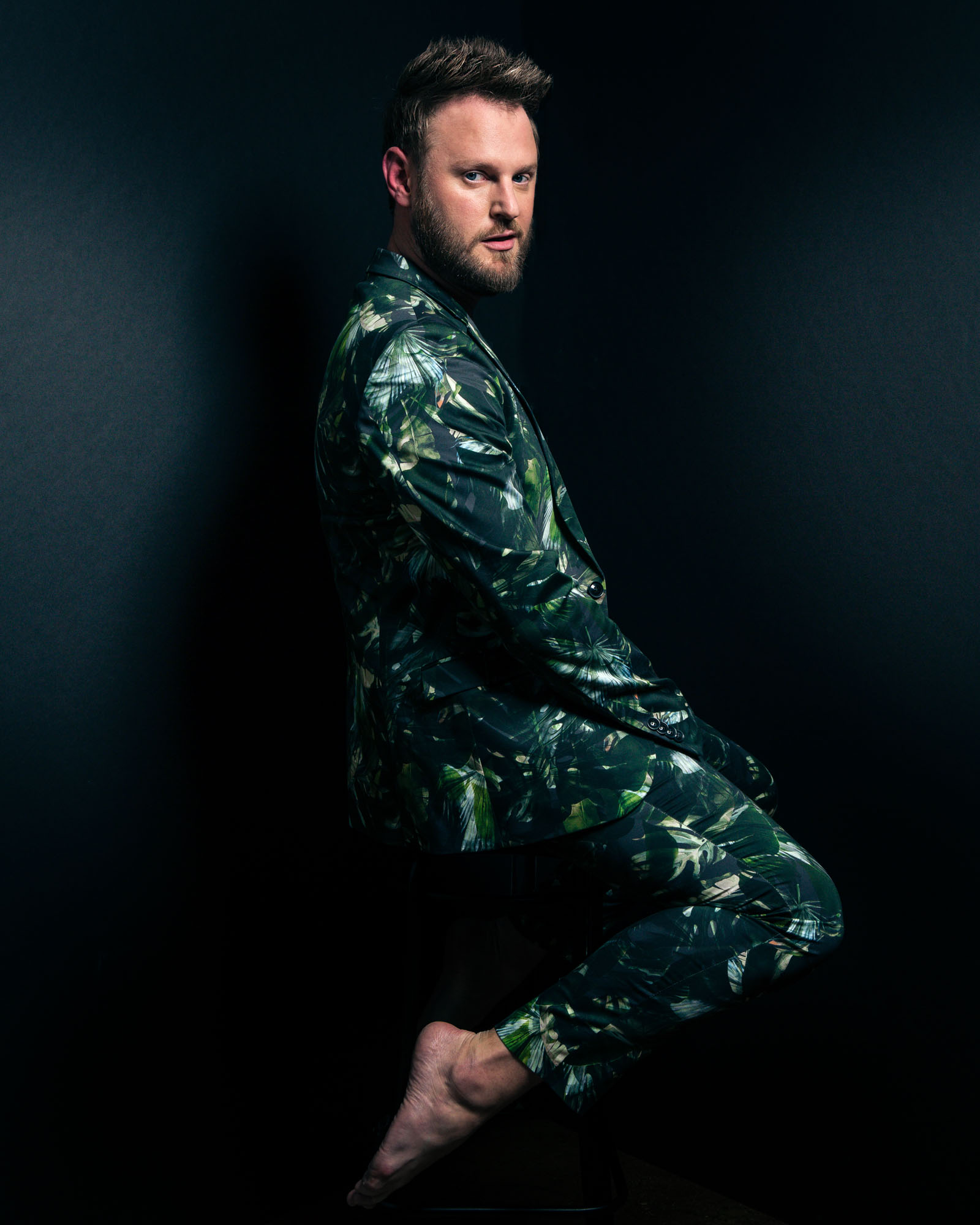
Bronson Farr | Canon EOS 5D Mark III | Canon EF 24-70mm f/2.8 L USM | 42mm | f/10 | 1/100 | ISO 320
Create Intimacy with Subject Eye Contact
I really love eye contact. When a subject looks directly into the camera, it creates an intense sense of intimacy. It feels personal and immediate.
Inversely, I also love when subjects look away. Shooting through a doorway or through a plant creates a voyeuristic point of view, as though the viewer is observing a private moment.
Both approaches are equally emotional. Direct eye contact invites connection, while looking away can evoke contemplation or vulnerability. The key is choosing the approach that aligns with the feeling you want to convey.
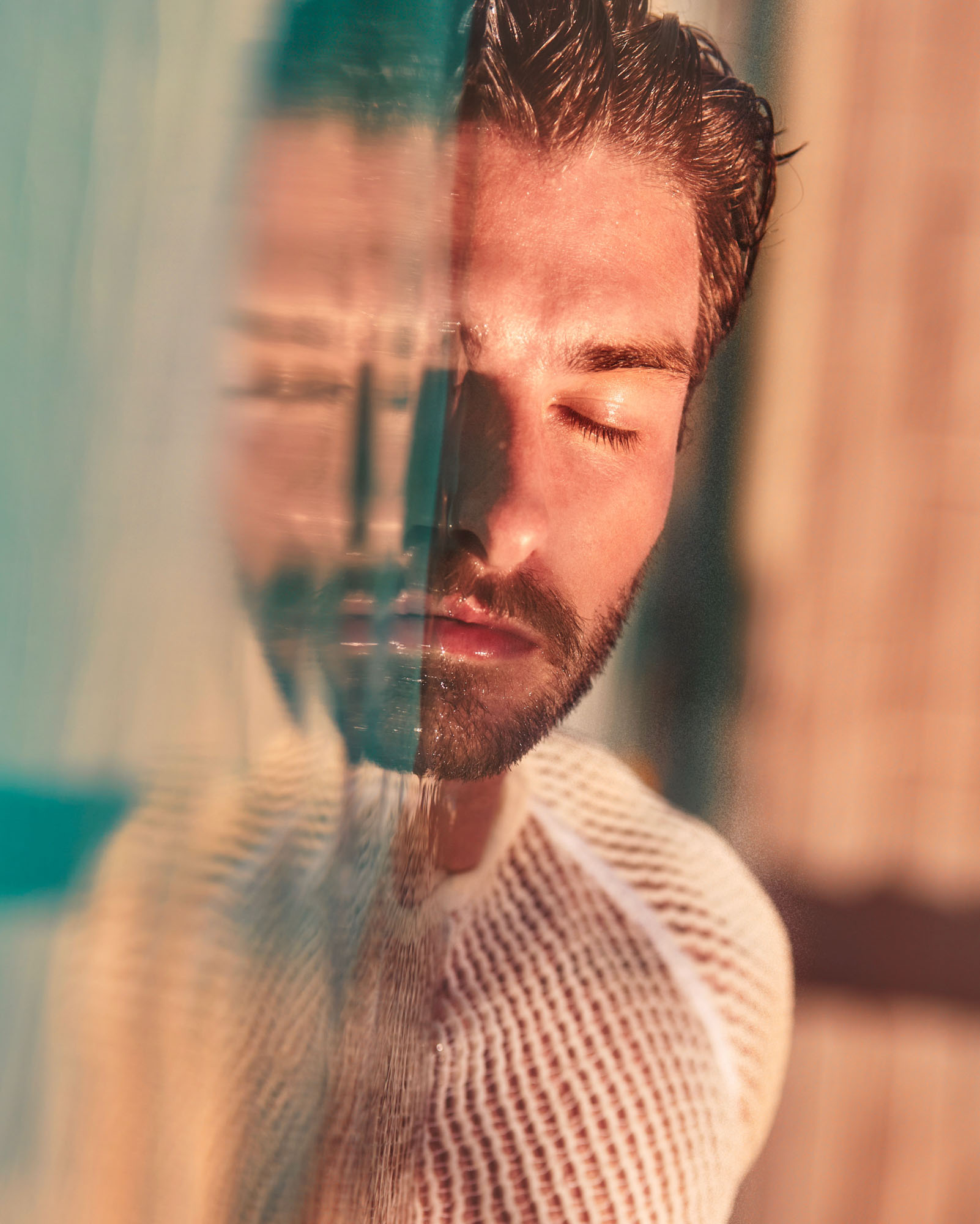
Bronson Farr | Canon EOS 6D Mark II | Canon EF 70-200mm f/2.8 L IS II USM | 70mm | f/3.2 | 1/2500 | ISO 100
Refine Emotion in Post-Processing
The emotional process doesn’t stop once the photograph is taken. In post-processing, I pay attention to how my eye moves throughout the image. Is it interesting to me? Will it be interesting to viewers? Most importantly, how does it make me feel?
I rely heavily on my own emotional response before sending an image out into the world. If it resonates with me, there is a good chance it will resonate with someone else.
Learn how to edit your photography.
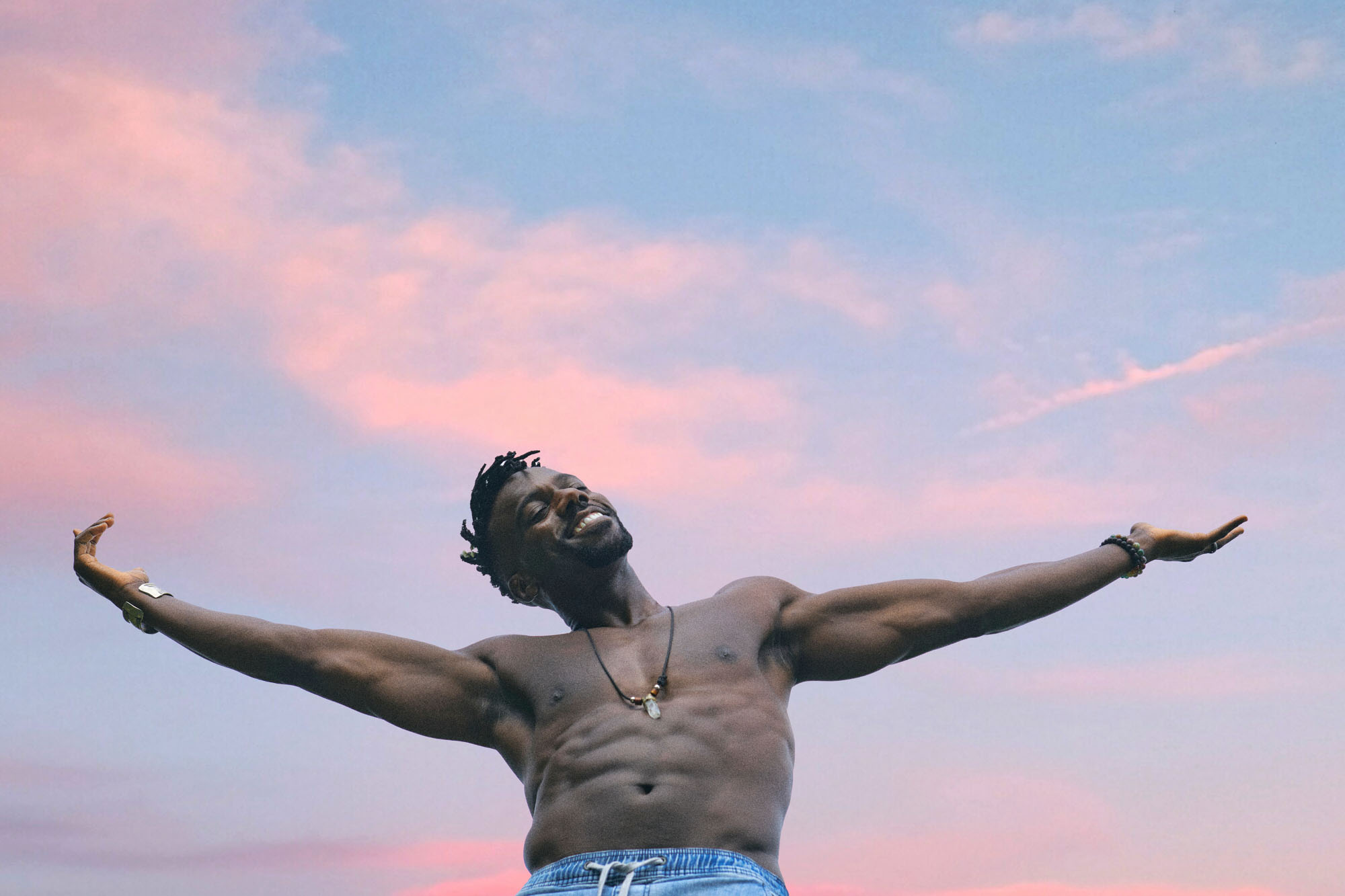
Bronson Farr | Canon EOS 5D Mark IV | Canon EF 24-70mm f/2.8 L USM | 52mm | f/6.3 | 1/320 | ISO 200
Build Trust to Capture Authentic Expressions
Authentic emotion depends on comfort and trust. I like to be involved in the casting process as much as possible. That allows me to build a relationship and a sense of relatedness before we step onto set. When directing talent, I lean on that foundation of trust.
The environment on set matters just as much. My team is an extension of me. If I want my subject to feel at ease, I have to be at ease myself. The energy I give off influences everything. The people around me make a huge difference in creating a space where authentic emotions can surface naturally.
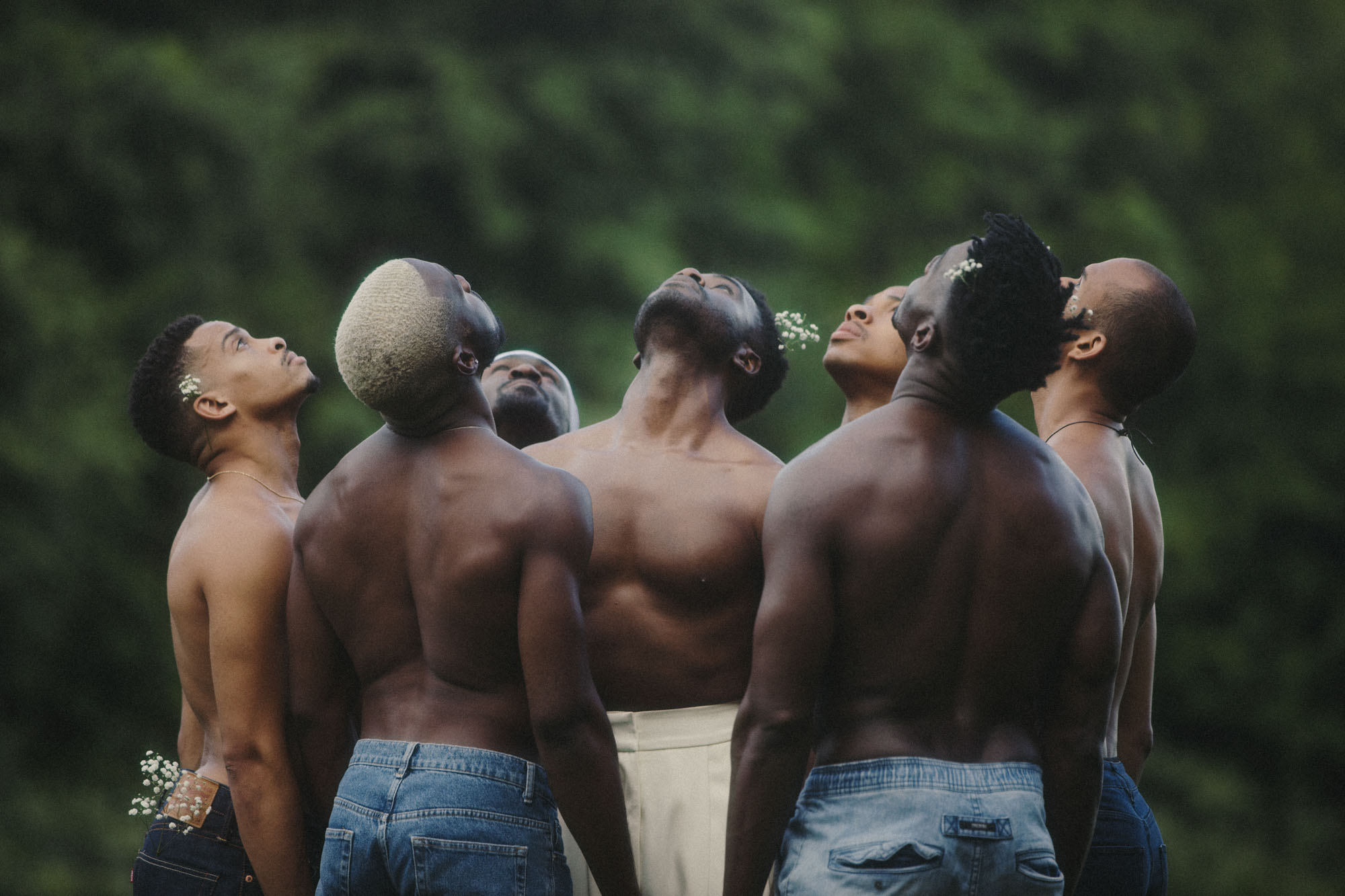
Bronson Farr | Canon EOS 5D Mark IV | Canon EF 70-200mm f/2.8 L IS II USM | 200mm | f/2.8 | 1/400 | ISO 320
Tell Stories
Ultimately, I want to keep making beautiful portraiture. I want to keep telling stories of joy and empowerment and of pensiveness and thoughtfulness.
Emotion in photography is not accidental. It is intentional. It is shaped by lens choice, lighting, colour, composition, direction and energy. Most of all, it is shaped by who I am as a person.
When I create an image, I’m not just capturing a face. I’m sharing a feeling.
Read more tips and techniques on the MPB content hub.
You can sell or trade your camera kit to MPB. Get a free instant quote, free insured shipping to MPB, and get paid within days.