MPB Meets: Experimental Cinematic Photographer Maria Lax
Published 16 February 2022 by MPB
When it comes to shooting at night in the most inhospitable environments, few are as committed as photographer Maria Lax. She uses unusual in-camera techniques to achieve her beautifully mysterious images, a rich tableau of colour and light. In this interview with Maria Lax, we discuss her beginnings in photography, equipment and the critically acclaimed book Some Kind of Heavenly Fire.
MPB: Can you tell us about yourself?
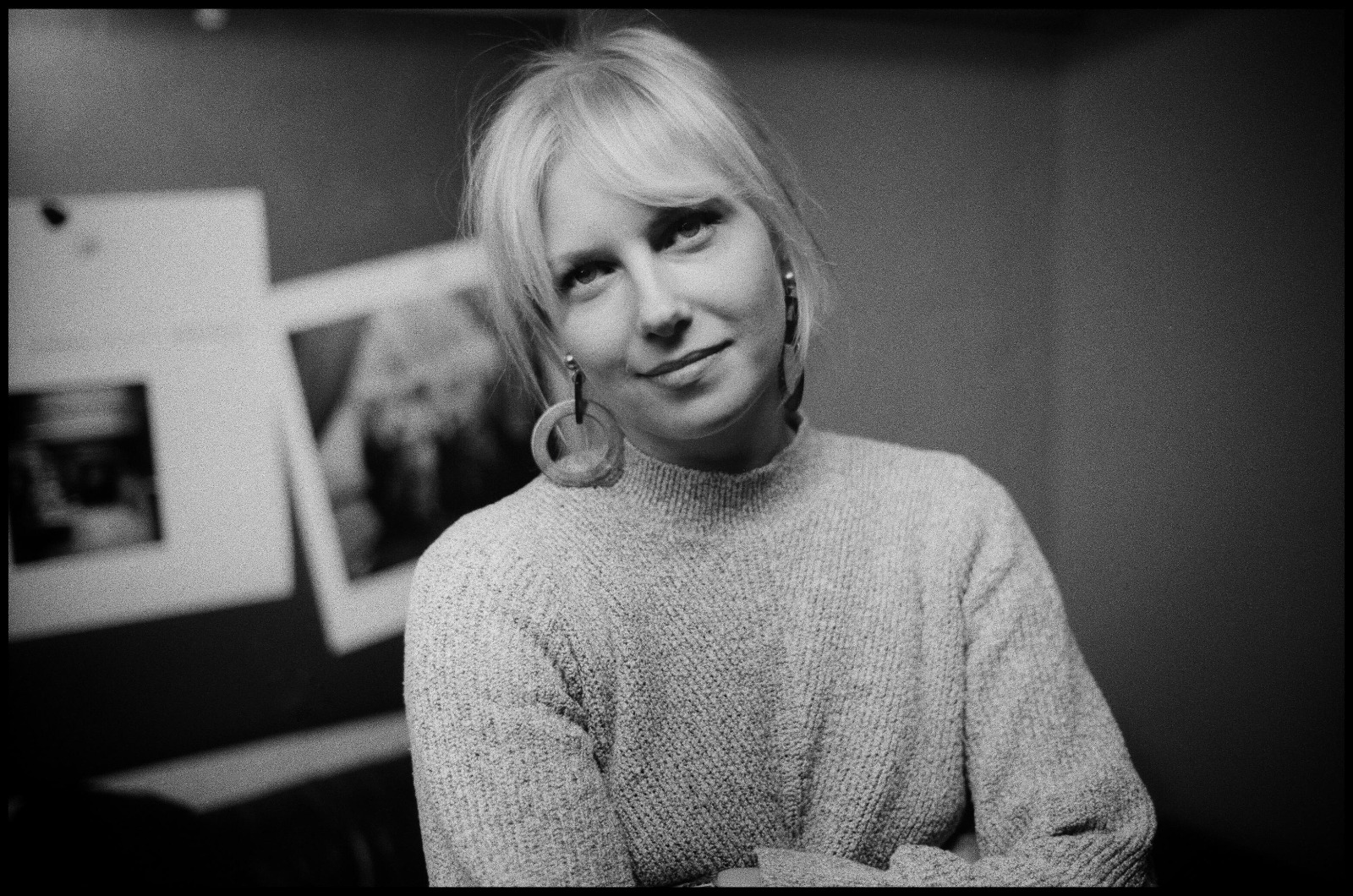
ML: I’m a photographer originally from Northern Finland but have been based in London for the last ten years or so. In my work, I am drawn to alternate realities—how places can be transformed by memories we have of them, or how our perception can change depending on how the spaces are visually presented. I love uncovering lost or forgotten stories, and photographing real places so they appear almost otherworldly, turning the mundane to something magical.
MPB: You began your journey into image-making in film, but you studied something completely different. Can you tell us how this came about?
ML: I studied international politics and strategy, focusing on peacekeeping and conflict resolution. I’ve always had a fascination with history and human nature, and specifically what drives us to wage wars because it seems so counterintuitive in all its destructiveness. My original career plan then was to do my degree and enlist in the Finnish Army and work as a peacekeeper. As you can tell, that plan didn’t quite pan out the way I thought it would. But those themes are still something that interests me, and will make their way into my photography work, too. I feel like the academic side of my brain has an itch that needs to be scratched. Then again, Some Kind of Heavenly Fire had a political undercurrent to it too.
MPB: Have you always had a fascination with capturing your home?
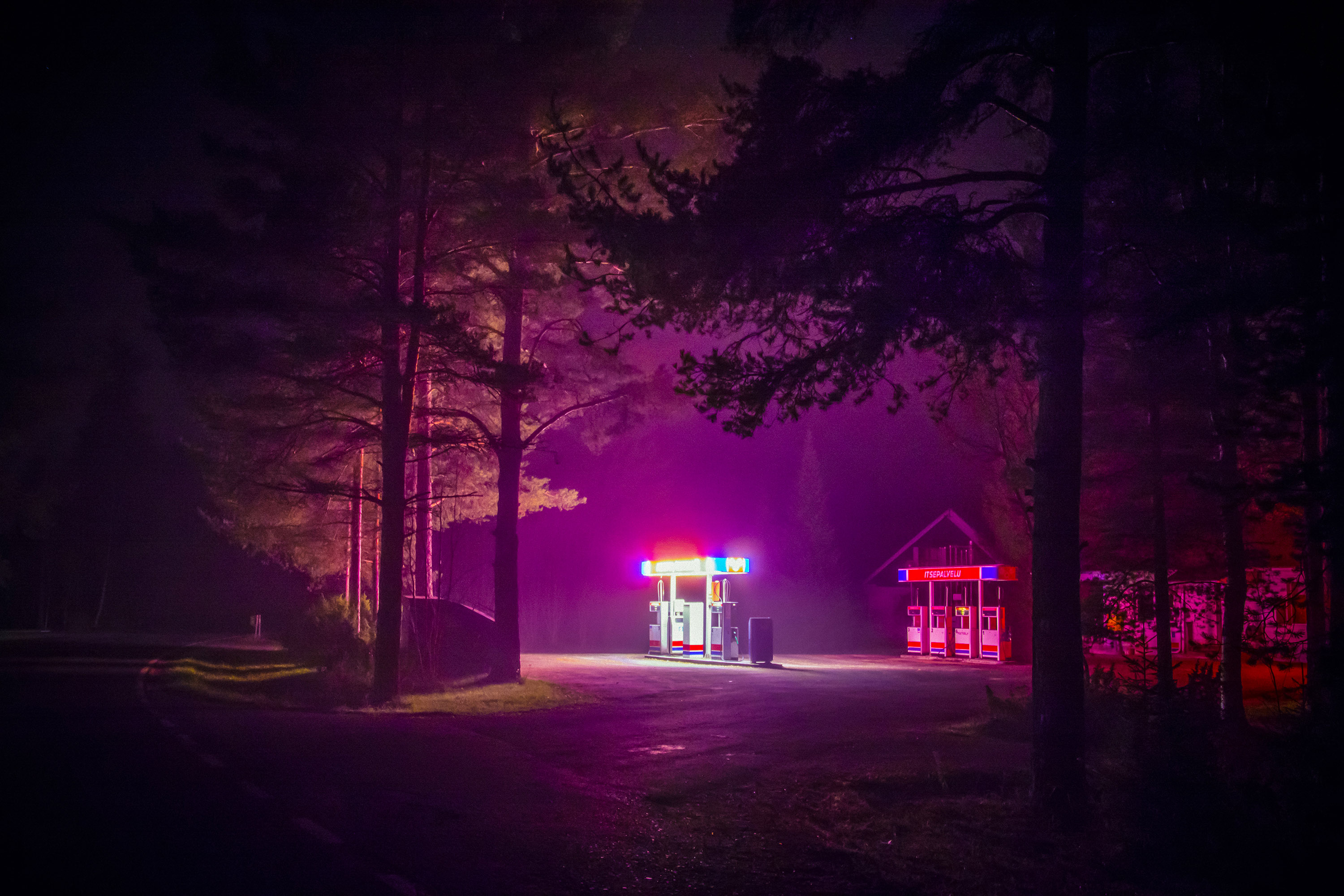
ML: I don’t think I have. For one, I have never really known what ‘home’ is, as a concept, because I moved around so much growing up. I didn’t grow roots in any one place. I think my roots are very much scattered on the road somewhere. But I think it’s often when you have distance from a place that you can truly start seeing. It took me a ten-year absence from Finland and my home town to be drawn back to look at it in a new light and go back to the place where I belong. Right now, it’s the same thing about London—I find it incredibly hard to find anything here to photograph, simply because I’m too close to it. Perhaps once I leave here, I might be drawn to return in a few years' time and start photographing the very locations I once called ‘home’.
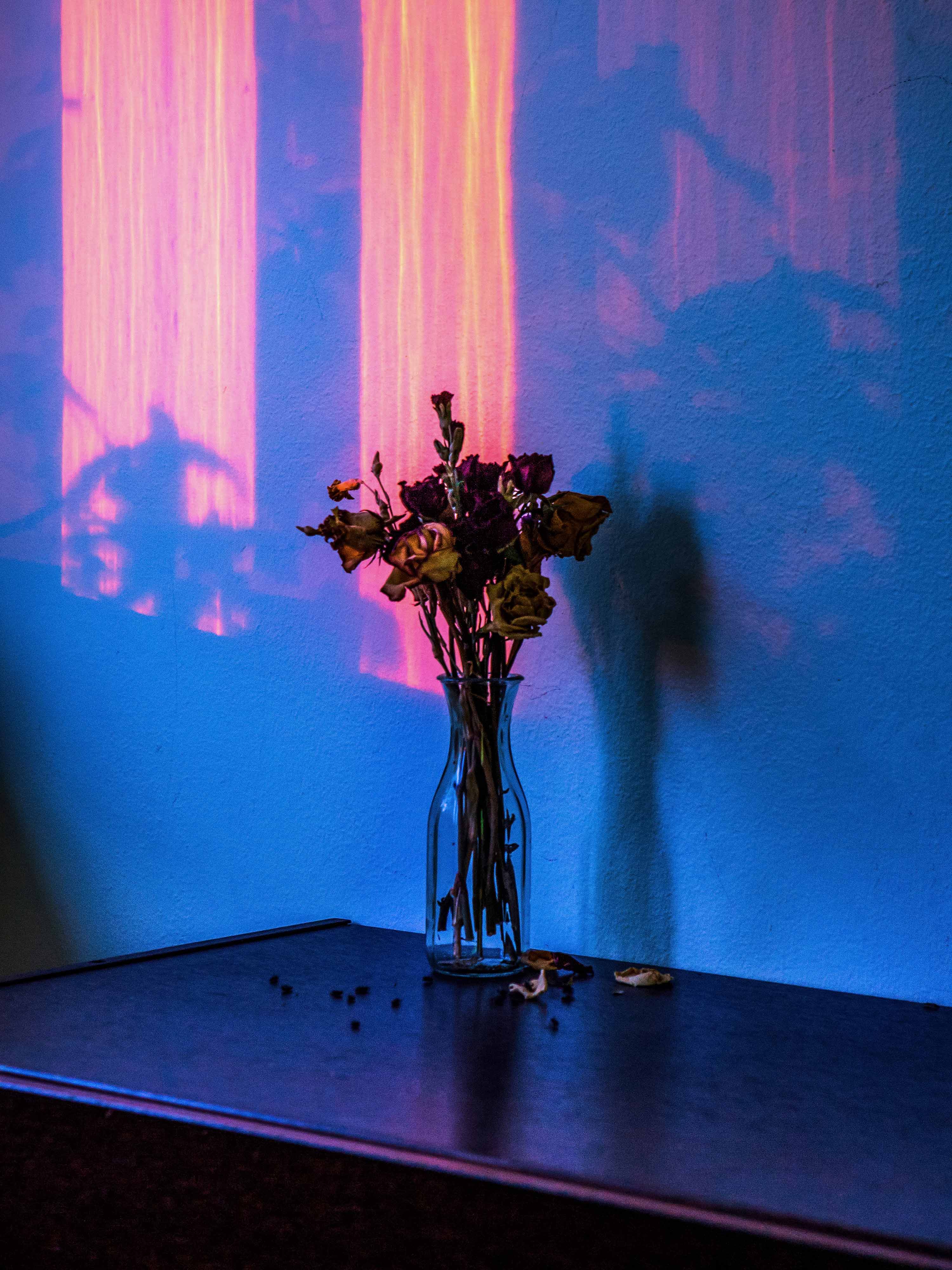
MPB: When you’re out in the wild, is there anything unique to northern Finland you have to be wary about?
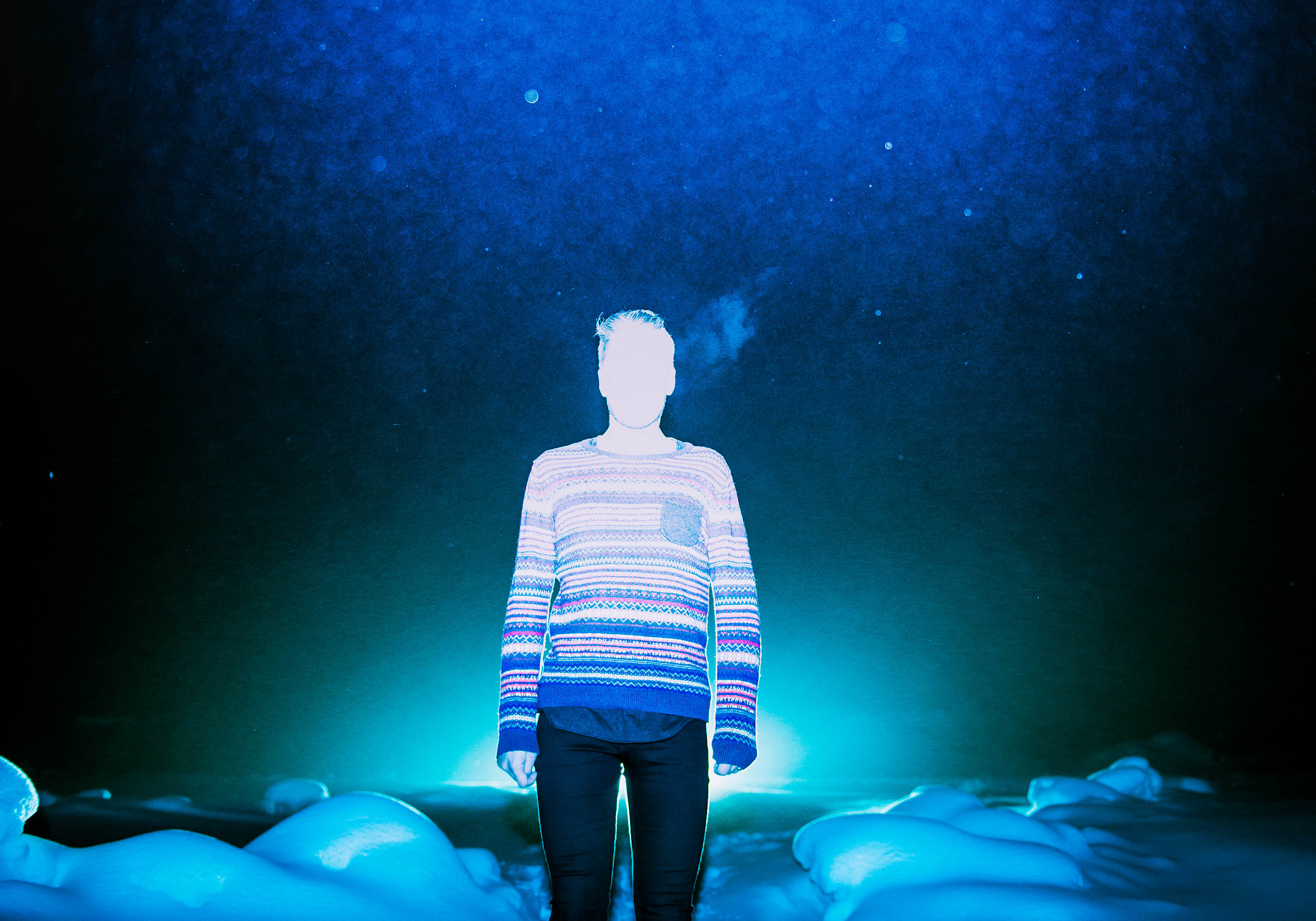
ML: The biggest challenge is definitely the cold weather, which can sometimes be unpredictable. I’ve been shooting in temperatures around -35°C [-31°F], and it really pushes you and your equipment to the limit. I did one night of shooting where my hair just froze stuck to the camera and was really hard to peel off. It’s one memory that will stay with me forever, I think. Battery life is always a concern when being out in the extreme cold, and really you just want to store spare batteries as close to your body as possible, otherwise, they’ll be of no use by the time you need them. I’ve also shot in extreme heat and humidity, and I must say that’s much tougher on you and the equipment in many ways. But that’s a story for another time.
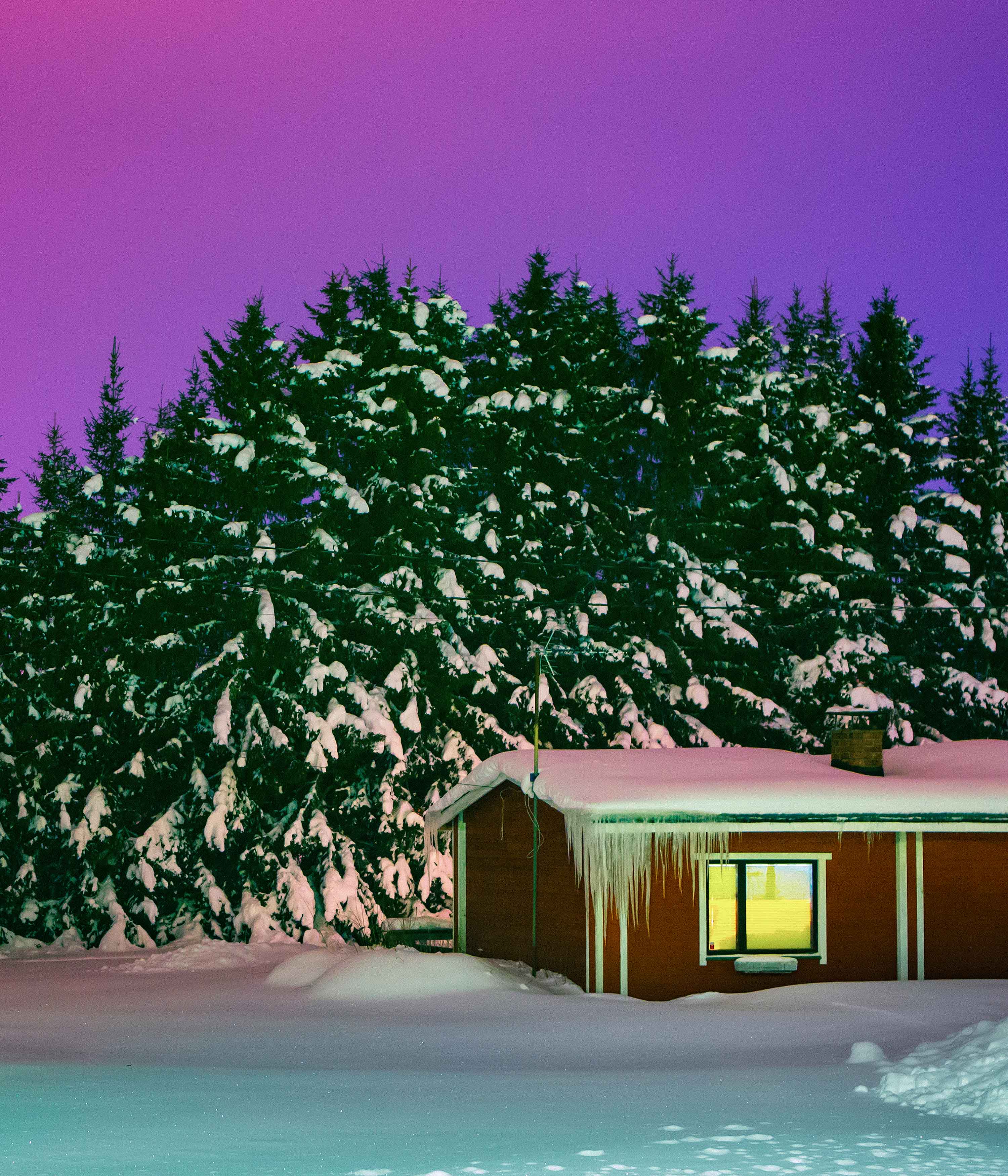
MPB: Can you tell me about the original idea behind your book, Some Kind of Heavenly Fire, and how it developed?
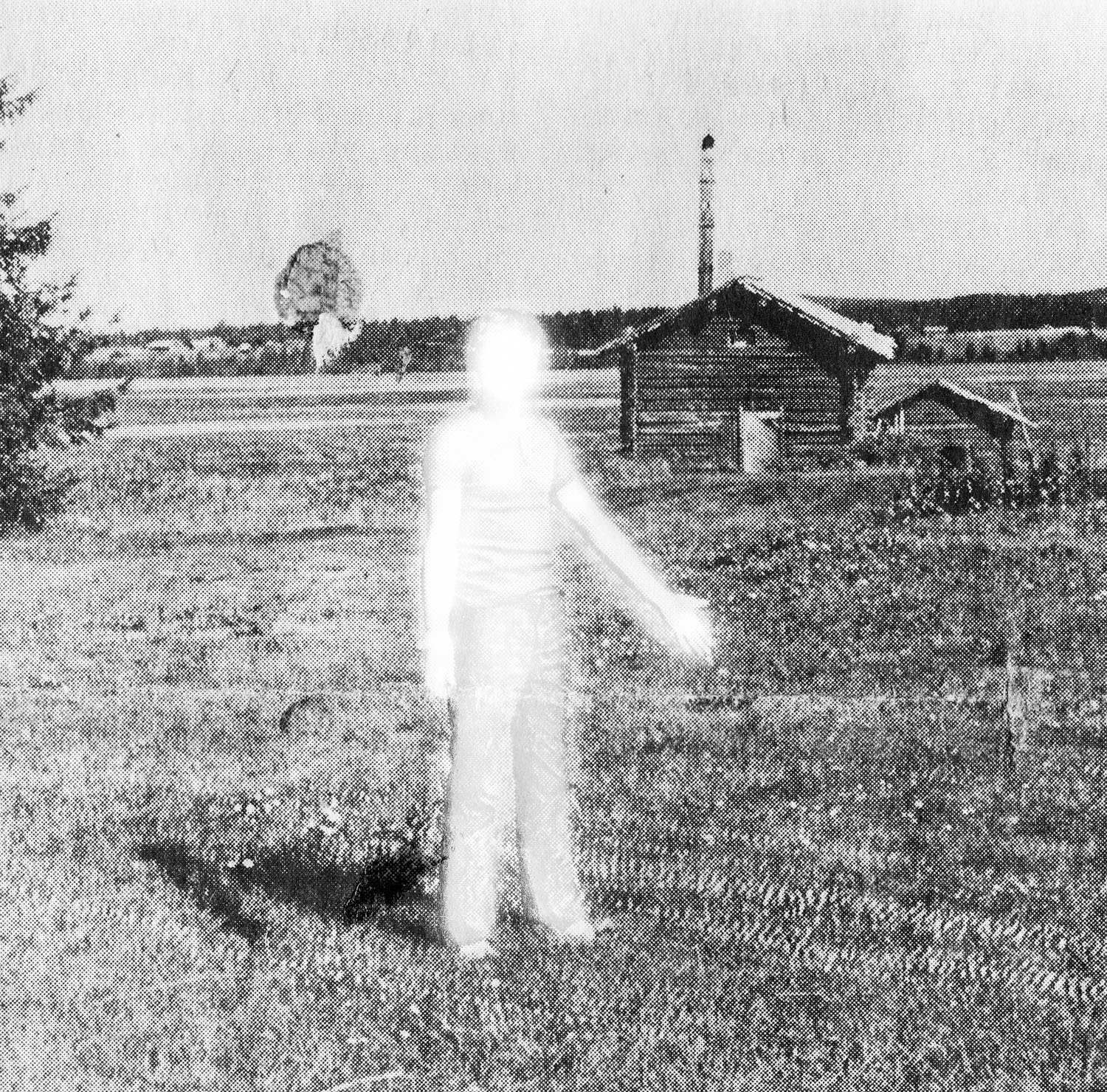
ML: My path thus far has been that of slow discovery and learning through mistakes. I sometimes say I am an accidental photographer or a failed filmmaker. Because, as I was trying to make a film about UFO sightings in my hometown, I discovered that people enjoyed the photographs that I took for storyboarding purposes. During the process, I discovered that—most importantly—I enjoyed photography much more than filmmaking. I started this process in 2016, but it wasn’t until 2019 that I quit my full-time job and became a freelance photographer.
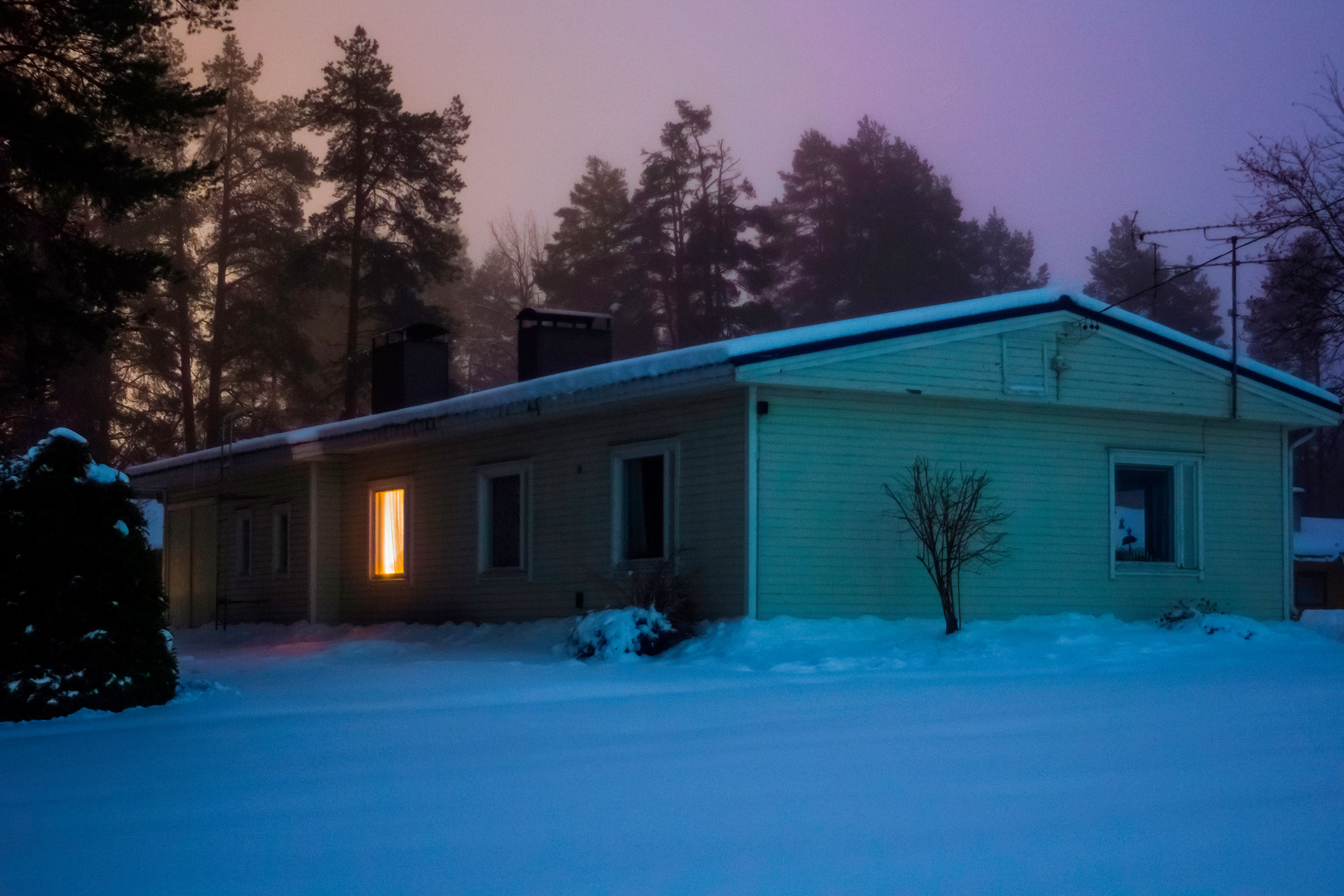
MPB: The images in the book are beautiful and have an air of mystery. How did you arrive at the aesthetic treatment of the work? Was there an ‘aha’ moment?
ML: The aesthetic is a mix of so many different influences. I grew up watching The Moomins, and am a huge fan of Tove Jansson and her work. She’s massively underrated as a painter and an artist, her works have amazing colour and always a presence that’s a bit unnerving. Likewise, I admire Hugo Simberg, Henri Rousseau, Steven Spielberg and Esko Mannikko. I think all these artists, and the art I’ve been exposed to from an early age, influenced the visuals I’m drawn to—and that meant the preferred aspects of my aesthetic were already there. I just needed to start exploring and experimenting with the elements and make them my own. I think there was an ‘aha’ moment, but it was a prolonged one that took me a couple of years.
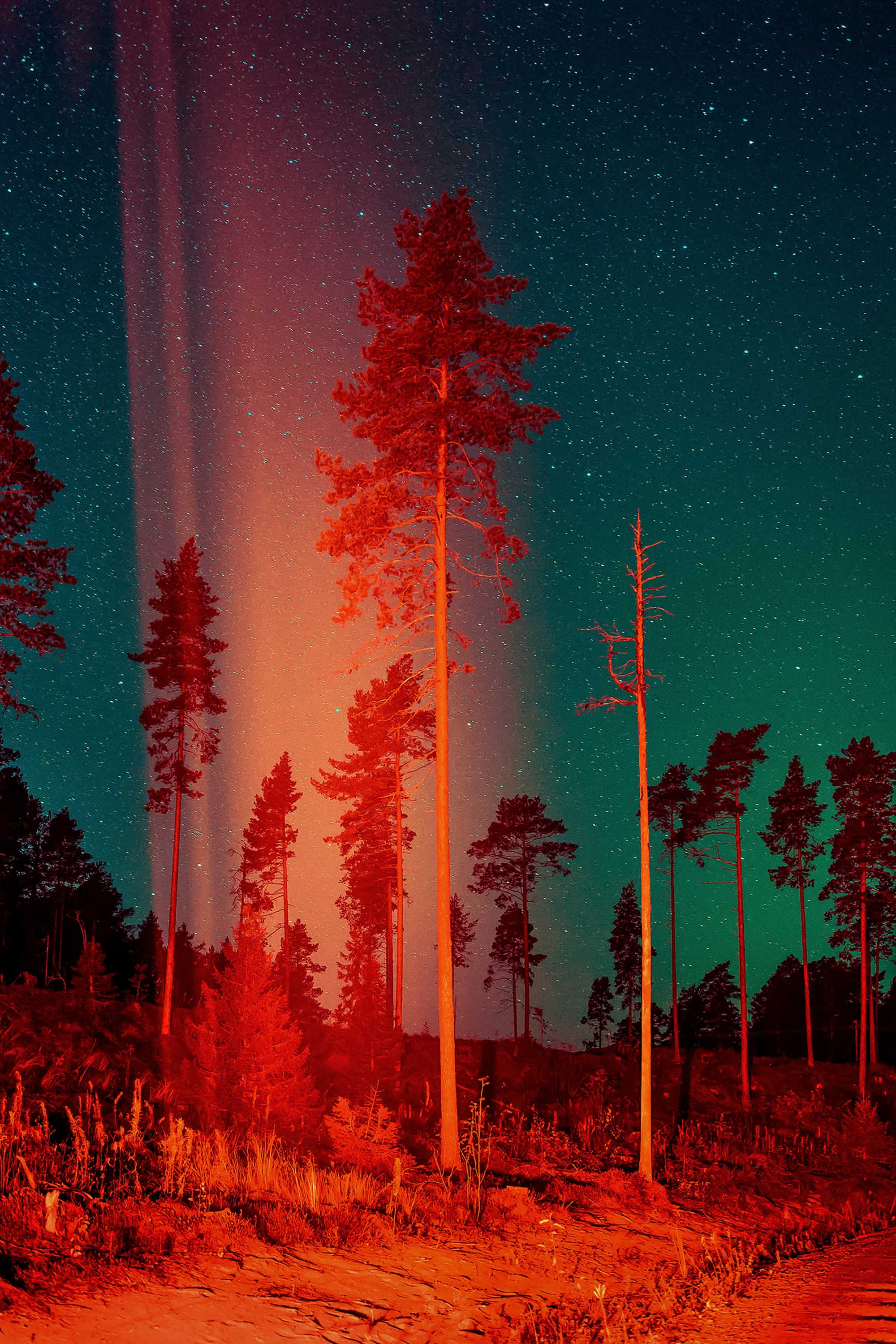
MPB: Can you tell us about your equipment? What do you usually carry with you?
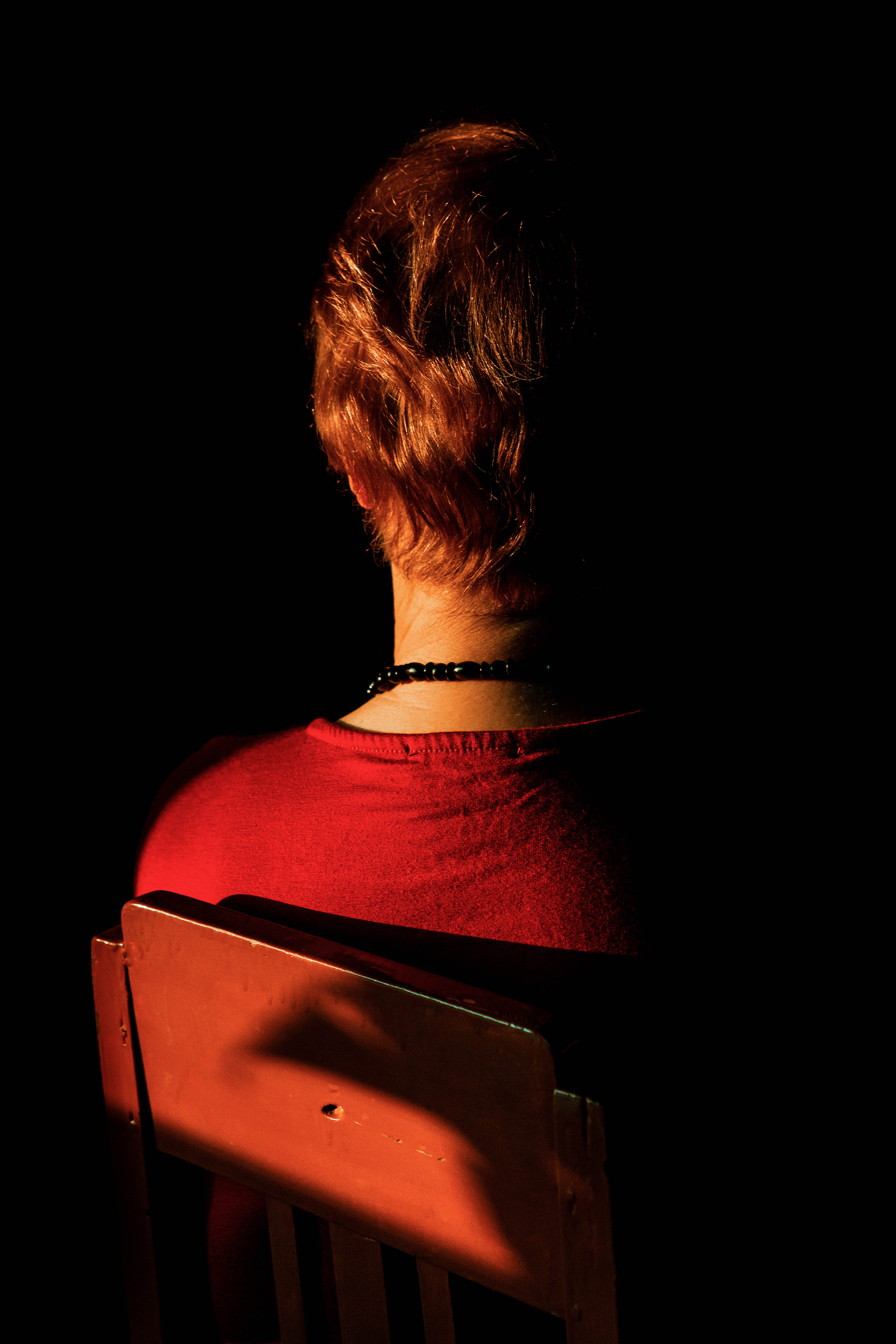
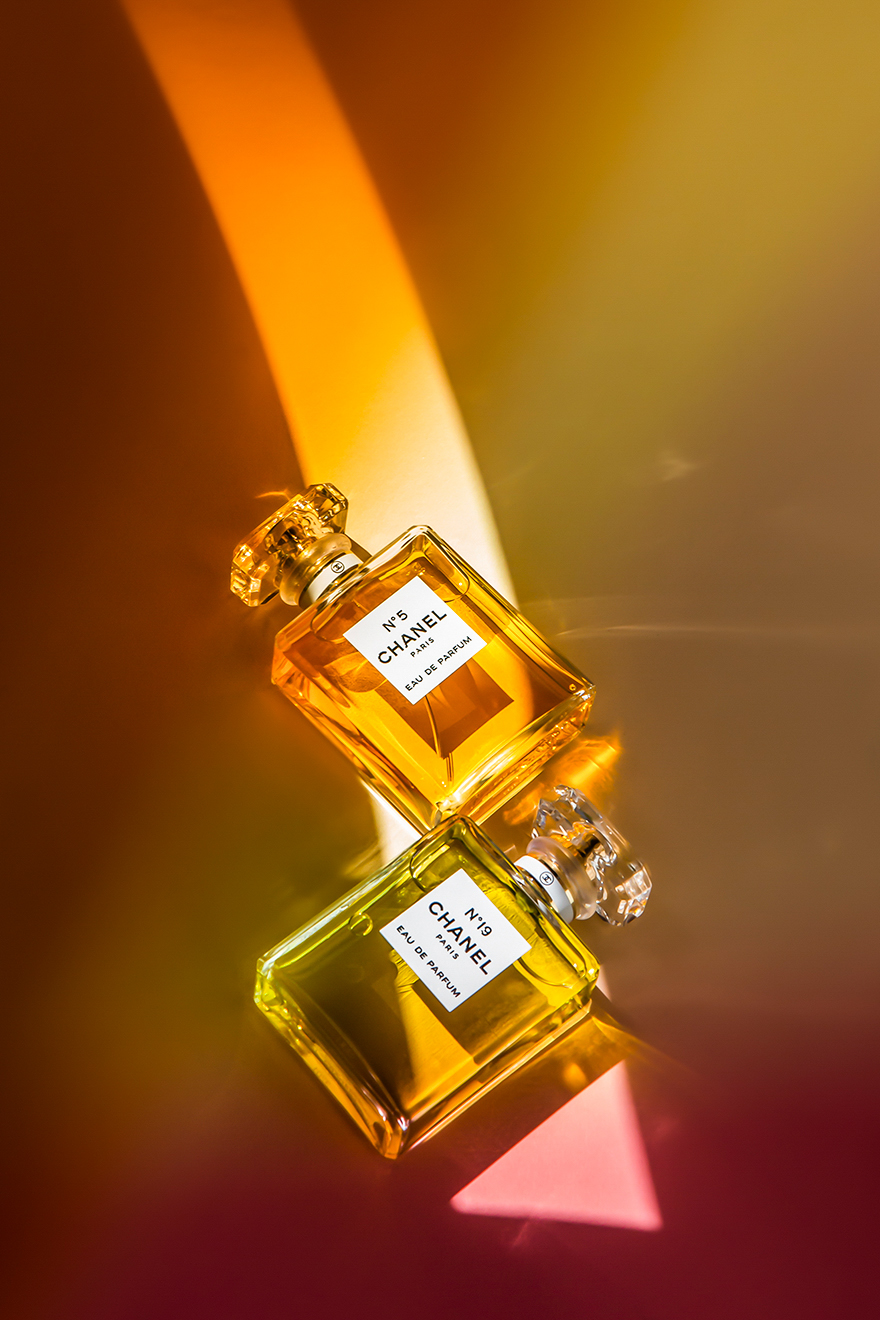
ML: I don’t have a preferred shooting setup, and I would certainly never be too married to any single brand. I’ve shot my work with Nikon, Canon, Panasonic, Lomo, iPhone and now Hasselblad and Fujifilm mirrorless, and I think the key for me is that the kit is suited to the project I am working on. I currently own a Canon EOS 5D Mark III and a Panasonic DC-S1R, but for jobs, I often hire equipment that is extremely varied. I pay attention to camera formats and technical capabilities, but in my work, I’m much more focused on lighting. I almost always use continuous light on shoots, and love Source4, Skypanels and Dedos. What I definitely carry with me at all times are gels and a variety of torches, plus a very random selection of filters and materials that can be used as filters.
MPB: You’ve recently experimented with medium format. How did you find this experience to be beneficial to your work?
ML: When shooting landscapes, medium format pretty much knocks it out of the park in comparison to anything else. The higher resolution makes all the difference in the separation between elements. Textures pop a lot more, and it’s easier to take in the scale of the image when viewing it. This is something I’ve felt lacking in my previous work. In many ways, using medium format now has meant that it’s near impossible to return to shooting the way I used to. It’s addictive to see your work in that format.
MPB: Aside from your personal work, you’re also a successful commercial photographer. How do you find the time to do both?
ML: Success is a funny word, I’d like to point that out, to begin with. It’s such an elusive concept. And I think most of us feel like it’s smoke and mirrors when we get referred to as being successful.
I’m incredibly fortunate in being able to work as a photographer full-time, and support myself through that, but it does mean that in many ways photography has changed for me since it became the sole source of my income. It’s not as carefree as it used to be.
Finding time and energy to do personal work is challenging at times, but that’s the one that will ultimately drive your career forward too. So, in many ways, these struggles are what we call first-world problems—and I try to remember that.
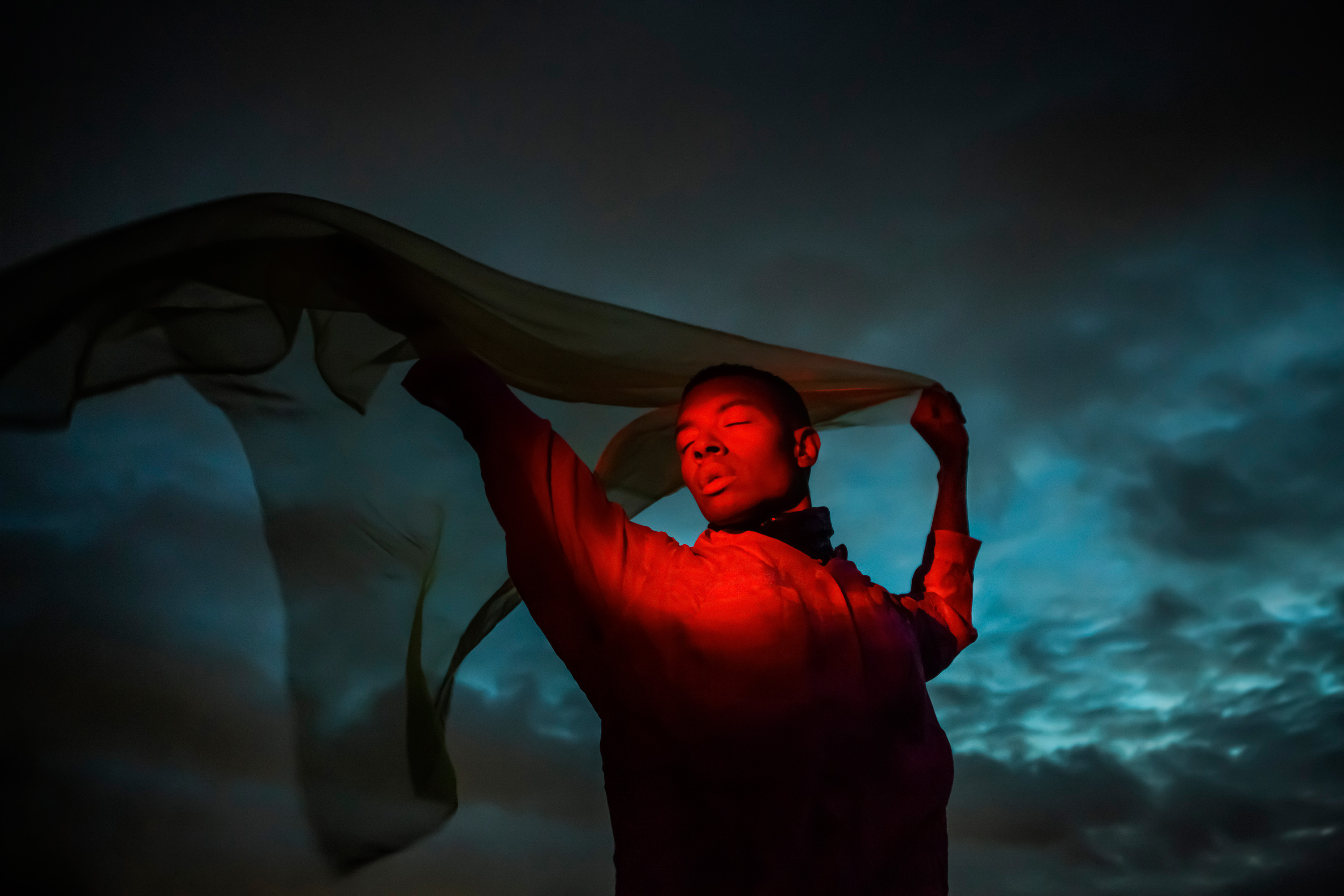
MPB: You recently shared a snippet of some future work. Can you tell us more about that?
ML: I started shooting in Mexico in the summer of 2021, working in collaboration with my good friend Cecilia Gonzalez Barragan @cc.gb, who is a very talented lighting designer. We had conversations throughout the lockdown and wanted to do something that is tied to the natural environment.
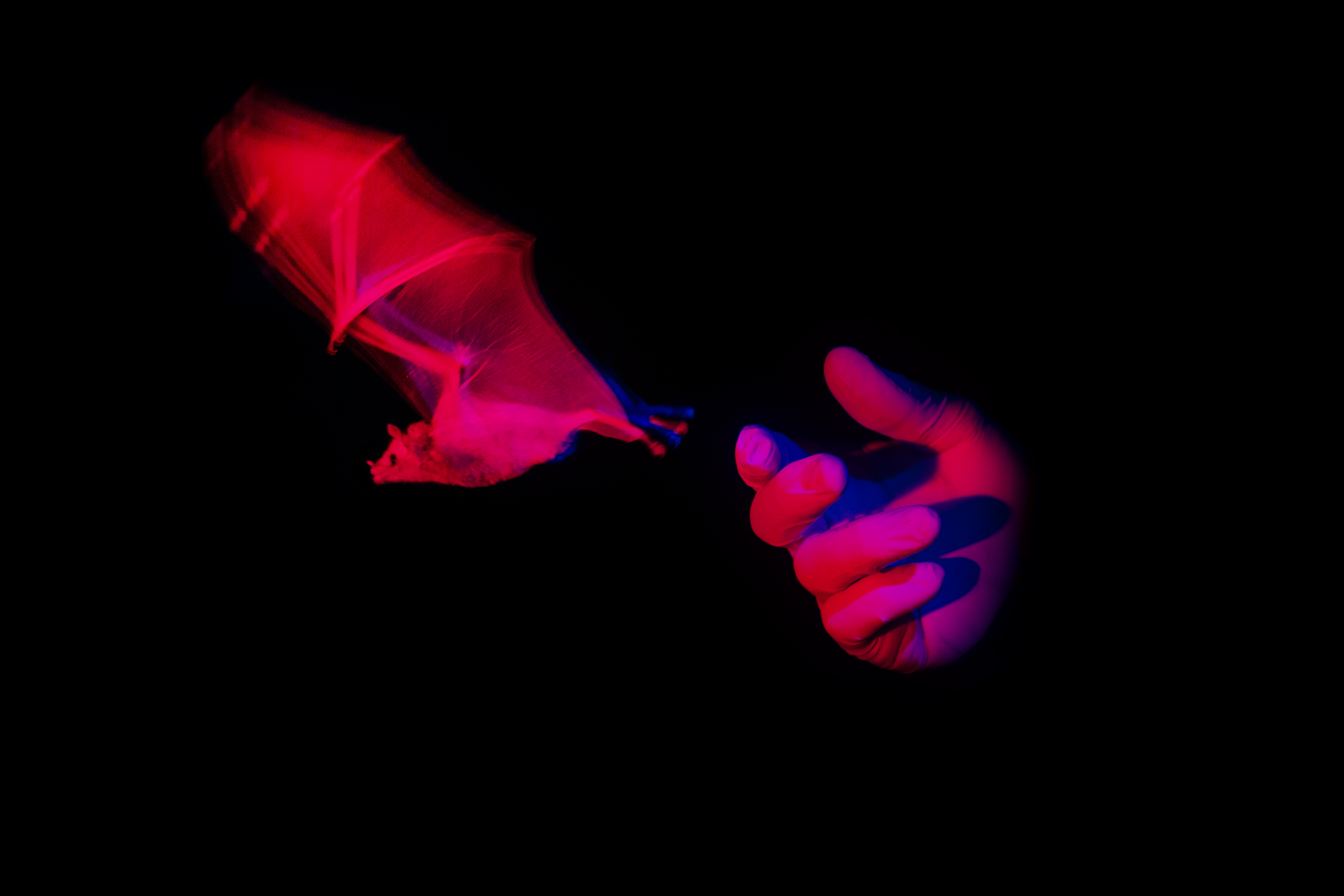
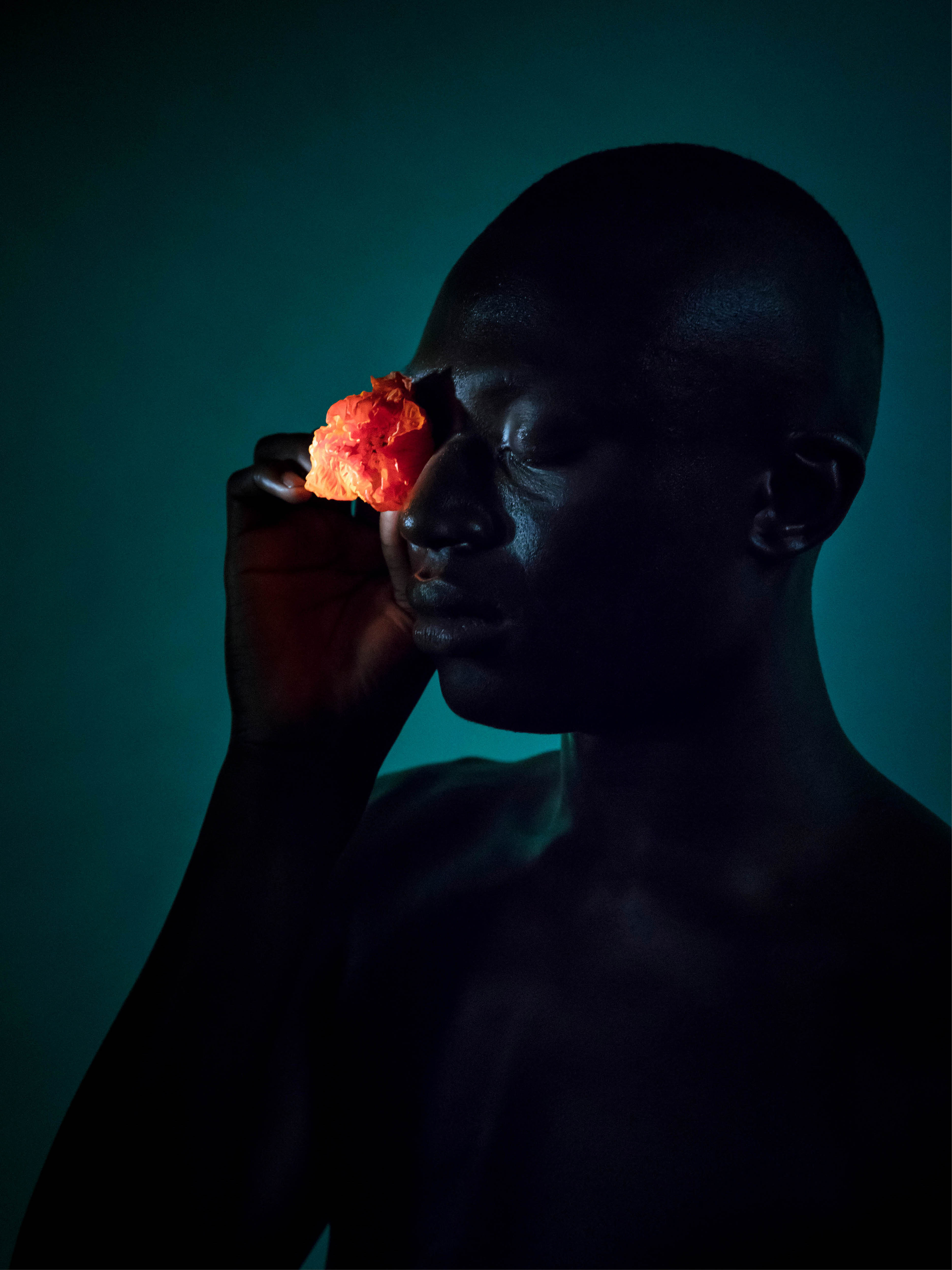
We both share a fascination with light and the lack of it—how shapes and sounds become a mere suggestion at night, leaving our imagination to fill in the rest. In many ways, darkness gives us the freedom to explore the unknown.
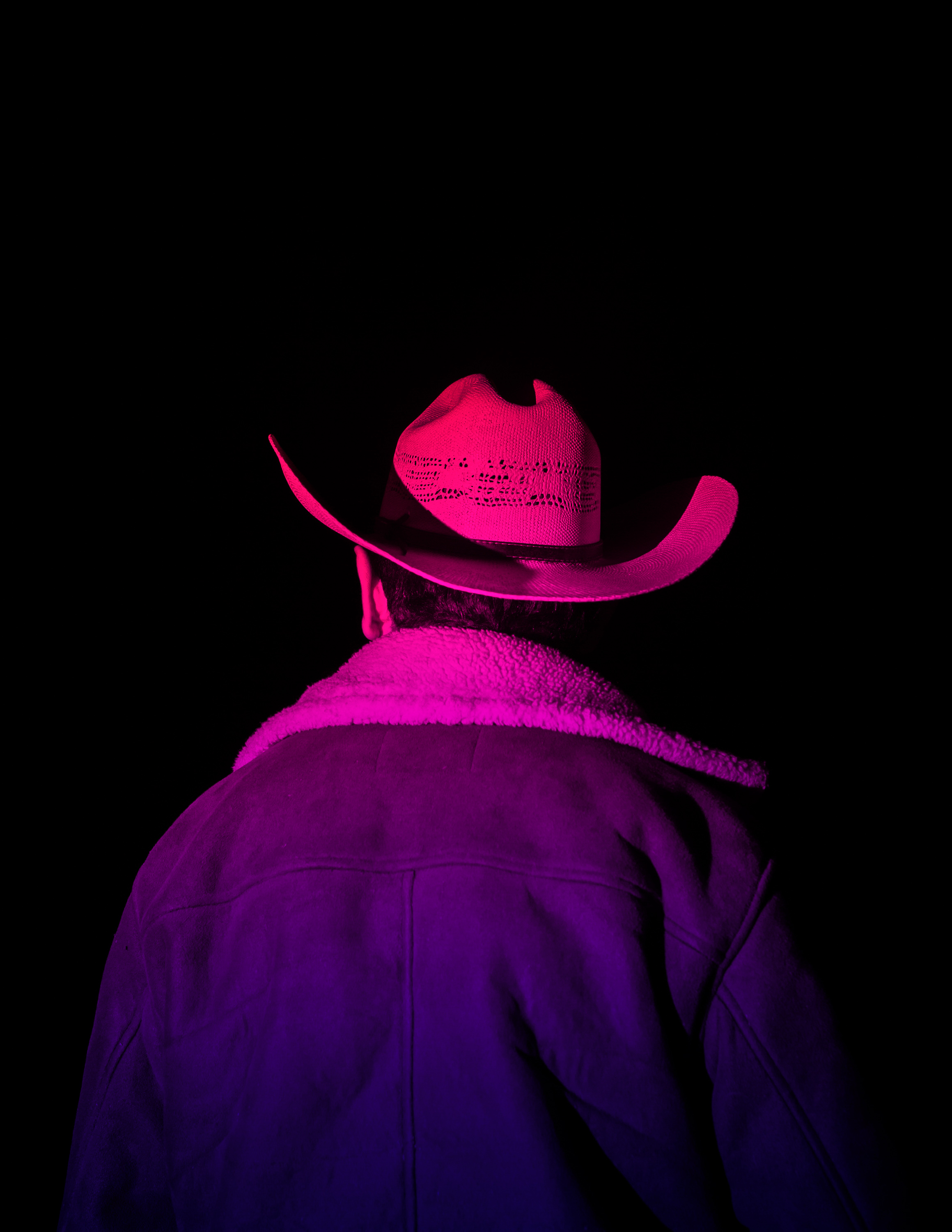
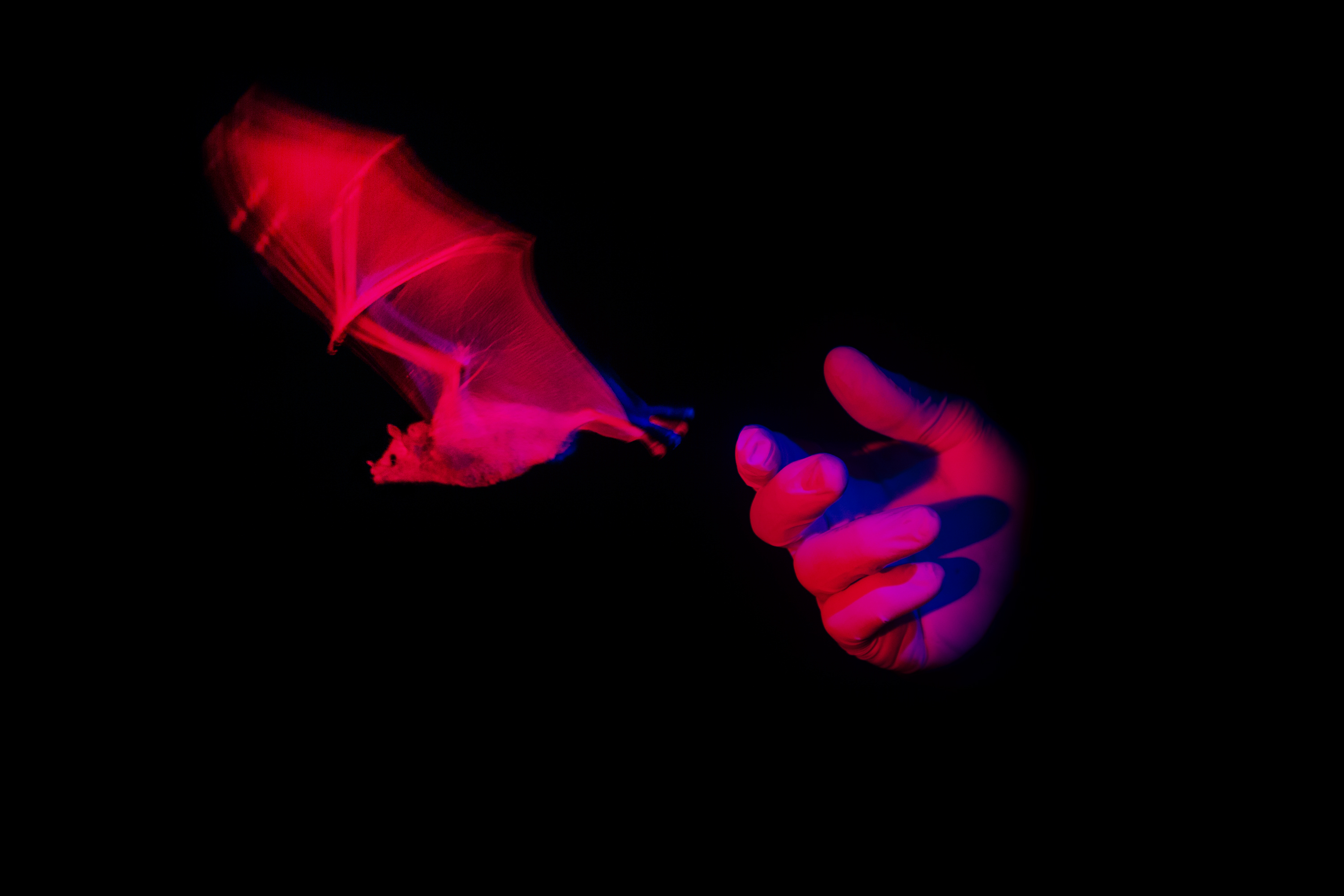
Based on this, we decided to start exploring the night and darkness as a wider concept. We’ve teamed up with researchers working with nocturnal species, photographing bats and fireflies. Next, we hope to follow people that work through the night. So far, this is a very open ongoing exploration and I’m excited to see where it leads us. But I hope that ultimately a project like this can help draw attention to how fast natural darkness is disappearing, and how we need it as a part of our lives.
For more tips and techniques, expert interviews and camera gear guides, check out the MPB content hub.
You can sell or trade your camera kit to MPB. Get a free instant quote, get free insured shipping to MPB and get paid within days.