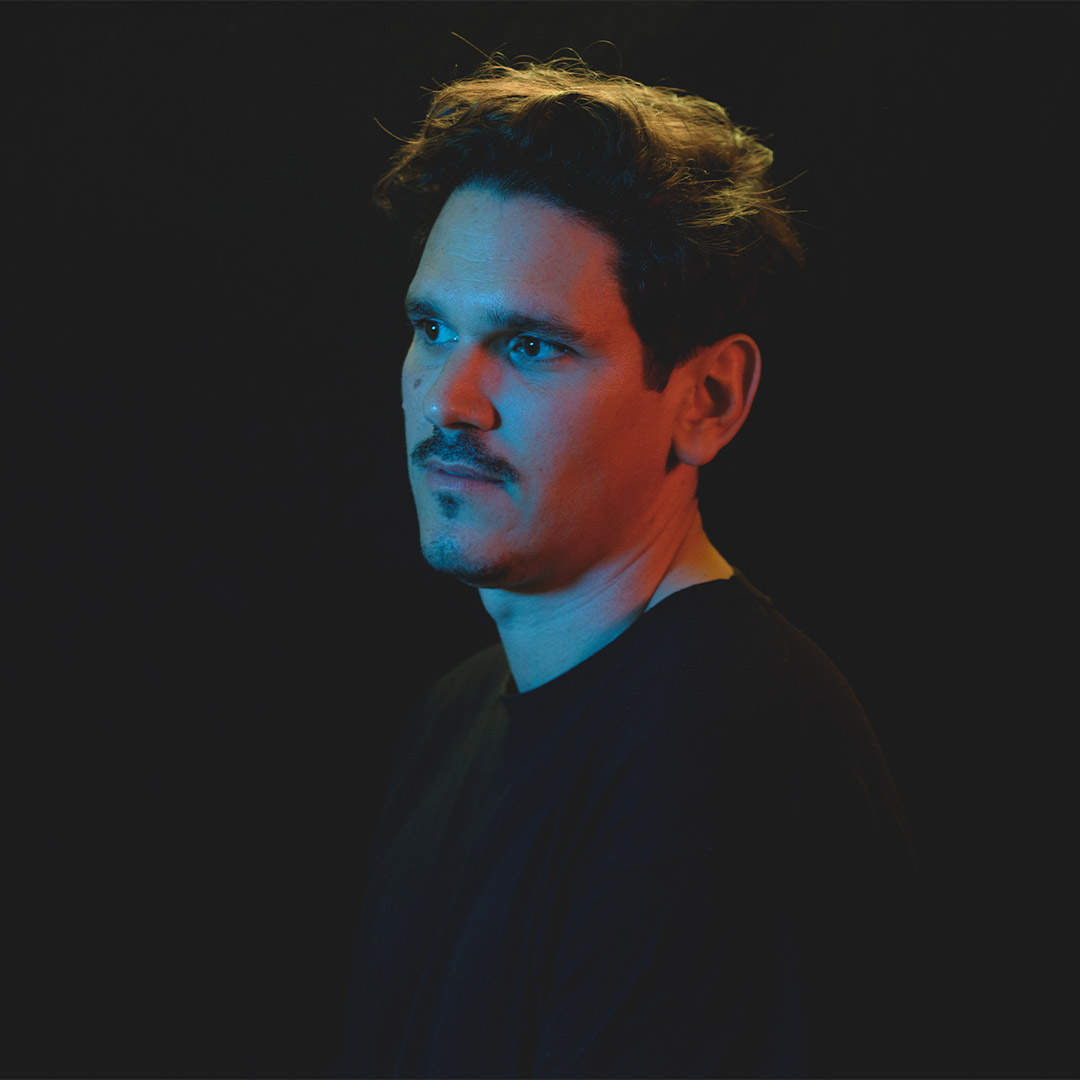
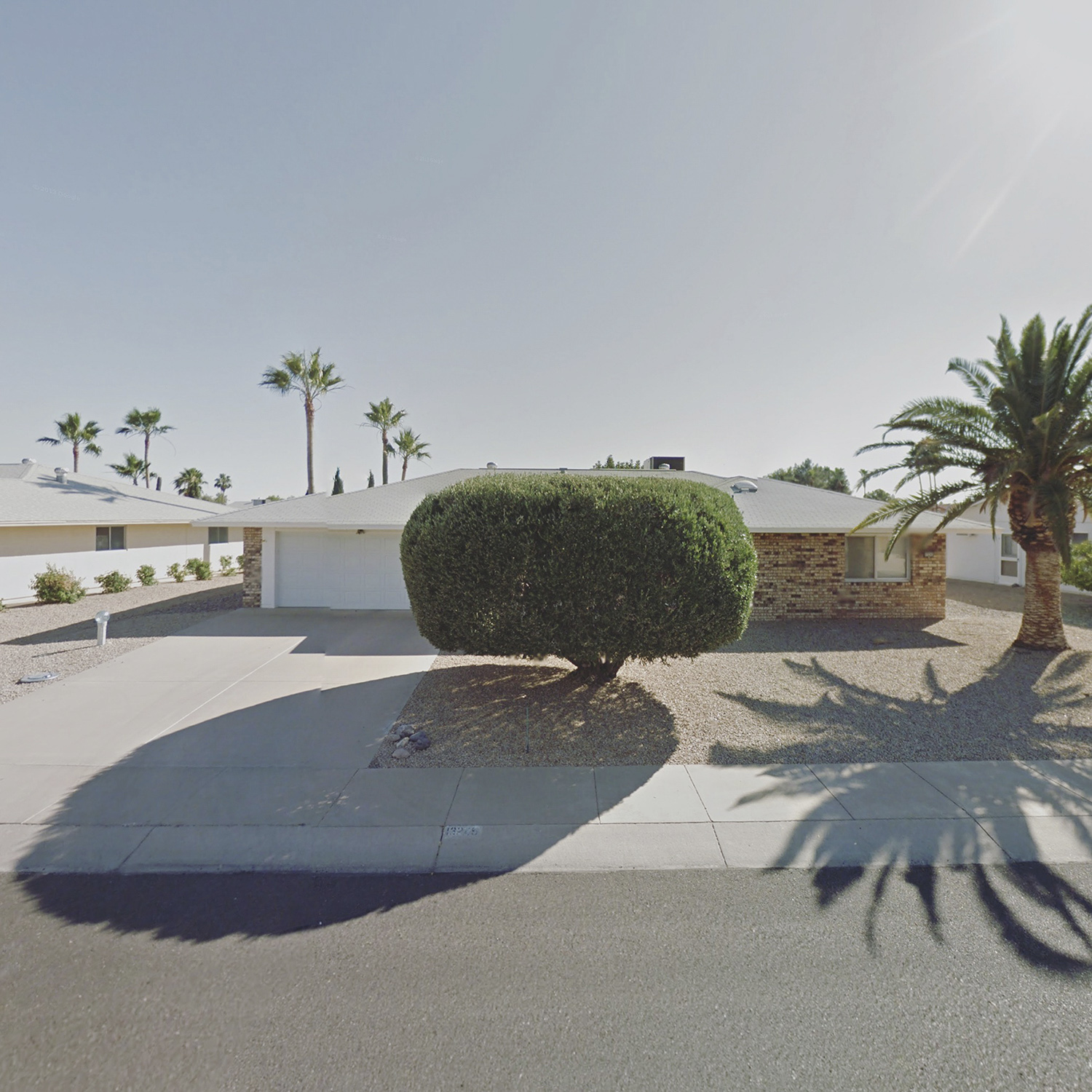
Affected by agoraphobia—a type of anxiety disorder in which you fear and avoid public places and situations—Jacqui Kenny found a unique way to capture travel photography. Using Google Street View, and armed with her outstanding eye for photography, Jacqui Kenny explores the world to create truly impressive imagery. Millions of people saw Jacqui’s work as it featured on Google’s homepage during World Mental Health Day 2018. And now, as more young people than ever are being diagnosed with agoraphobia during the pandemic, her work continues to raise awareness of agoraphobia and inspire people to keep creating photography. Keep reading to learn more about Jacqui’s work and her process of finding the perfect location to capture her images.
MPB: How does agoraphobia affect your daily life and long-term goals?
JK: My agoraphobia is a lot more manageable these days, but it has definitely shaped my creative process and how I see the world. I’m constantly thinking about new and innovative ways to travel without ‘physically’ travelling, which has ultimately changed my whole creative journey. When my agoraphobia was at its toughest, my world became so small and I knew that I needed to find a new pathway in order for it to open up to me again. There really is no place quite like the imagination and you can use it to take you anywhere.
MPB: Is your agoraphobia likely to be always with you, or is it something you can overcome completely?
JK: It has definitely improved and I do think this project has been very instrumental in helping me manage my anxieties. There are a few reasons for this. First, it has given me a really great creative outlet, which has helped me work through my mental health challenges. It has also given me a sense of purpose because I’m able to use my platform to talk about my agoraphobia and in turn many people have reached out to me to discuss their own struggles. For me, this has been the greatest upside of the project.
I also felt a real shift when I started talking openly about it. Before I started The Agoraphobic Traveller, only a few close friends knew that I struggled with my mental health. There was so much stigma and I felt ashamed to talk about it, which was ultimately one of the main reasons why my world was constantly shrinking. So opening up about it was a huge release, it almost felt like the panic and the anxiety didn’t have the same hold over me. In saying all that, even though my agoraphobia is getting better, I still struggle with severe anxiety and I don’t think that will ever disappear. I’m just getting much better at managing it.
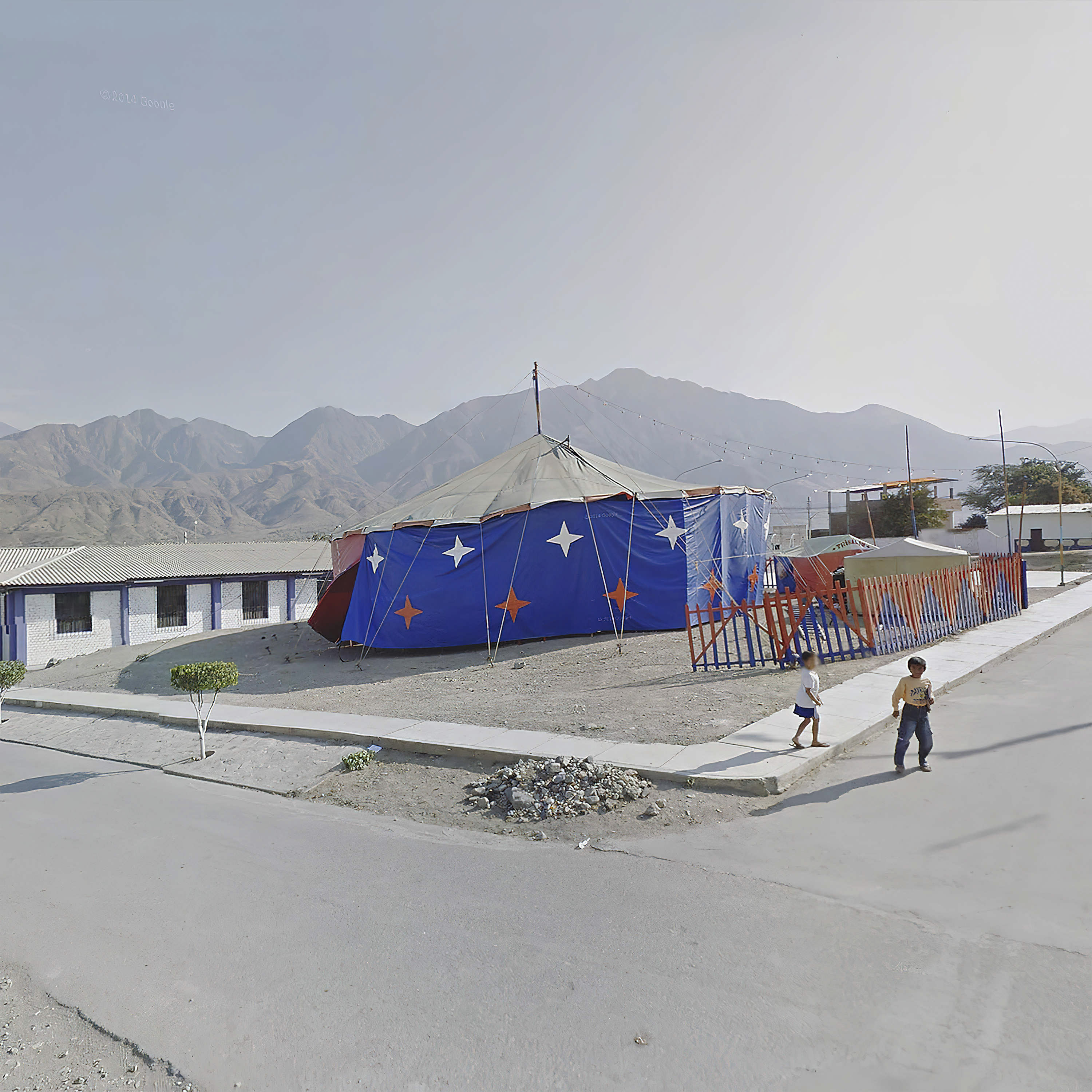
MPB: Please tell us a bit about how The Agoraphobic Traveller came about. What came first, the need to discover or the need to create?
JK: The story of The Agoraphobic Traveller started about six years ago. I was going through a tough time and was at an incredibly low point in my life. It got so bad that it was very hard to leave the house. Every time I did, it was exhausting and panic would set in. I knew that I needed to do something to help myself out of it, so this is when I decided to embark on a creative project and travel in a new way. I went into Google Street View and started parachuting into different parts of the world. I loved it right, from the start, and it didn't take long before I was hooked. The fact you can jump from one side of the world to another in seconds, and travel through this parallel universe that is essentially billions of images stitched together, is just extraordinary. I went to places I didn’t even know existed and was in constant awe of what I was discovering. I felt like a modern-day explorer. And when I was in this world, my head and thoughts were so much calmer, so it became a great distraction for me.
What I also loved was not only was I finding these magic moments, but I also started to discover my own aesthetic. I realised that I was finding my own unique way of seeing the world, which is something I had never had before. Another one of the benefits I got from searching Google Street View was that it gave me a zoomed-out view of the world. I was always finding common threads in every country and it made me realise just how similar we all are. Even though I was doing all my travelling from home, strangely it made me feel connected to the world.
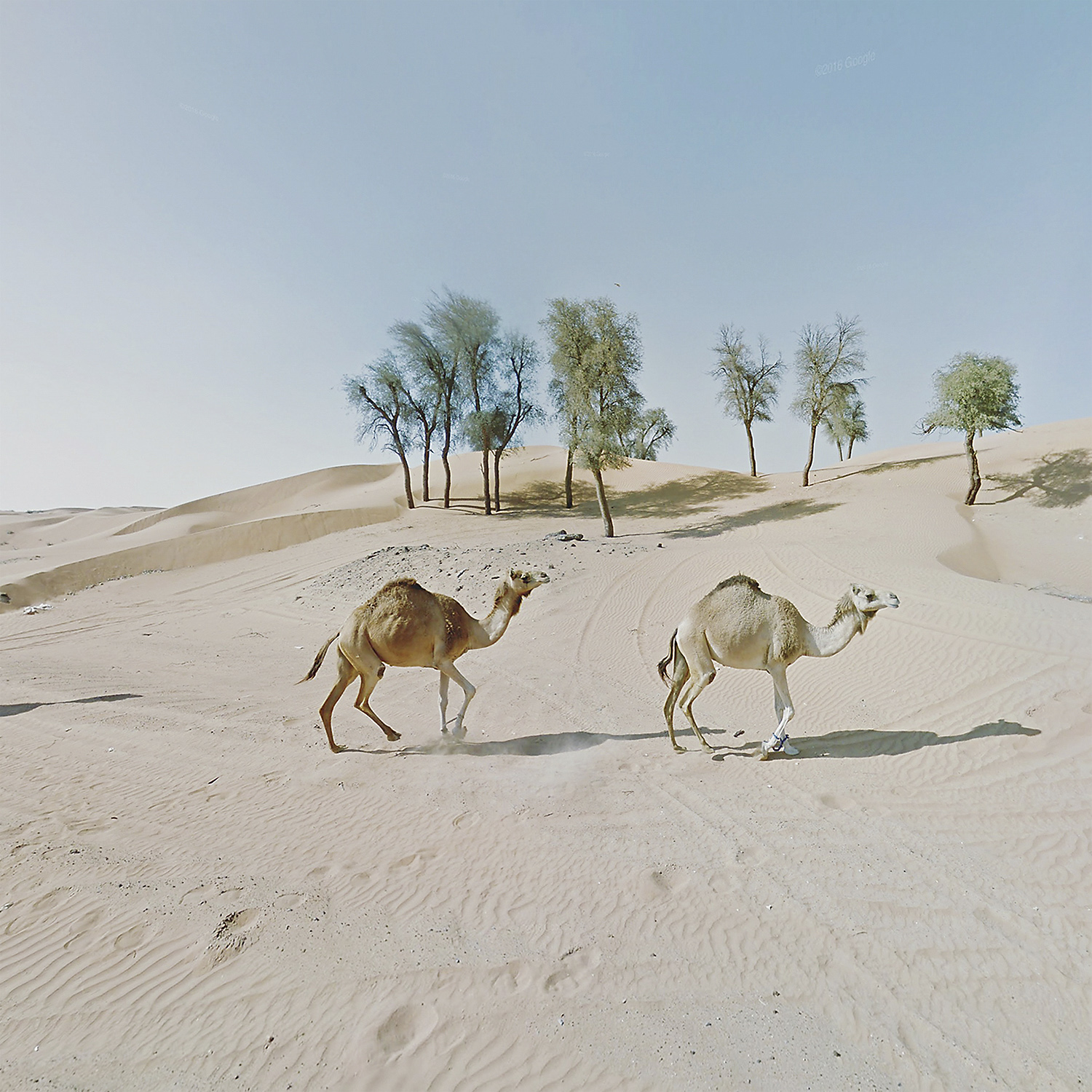
MPB: What’s your process for finding images—does a location pop into your head or is there a more systematic process?
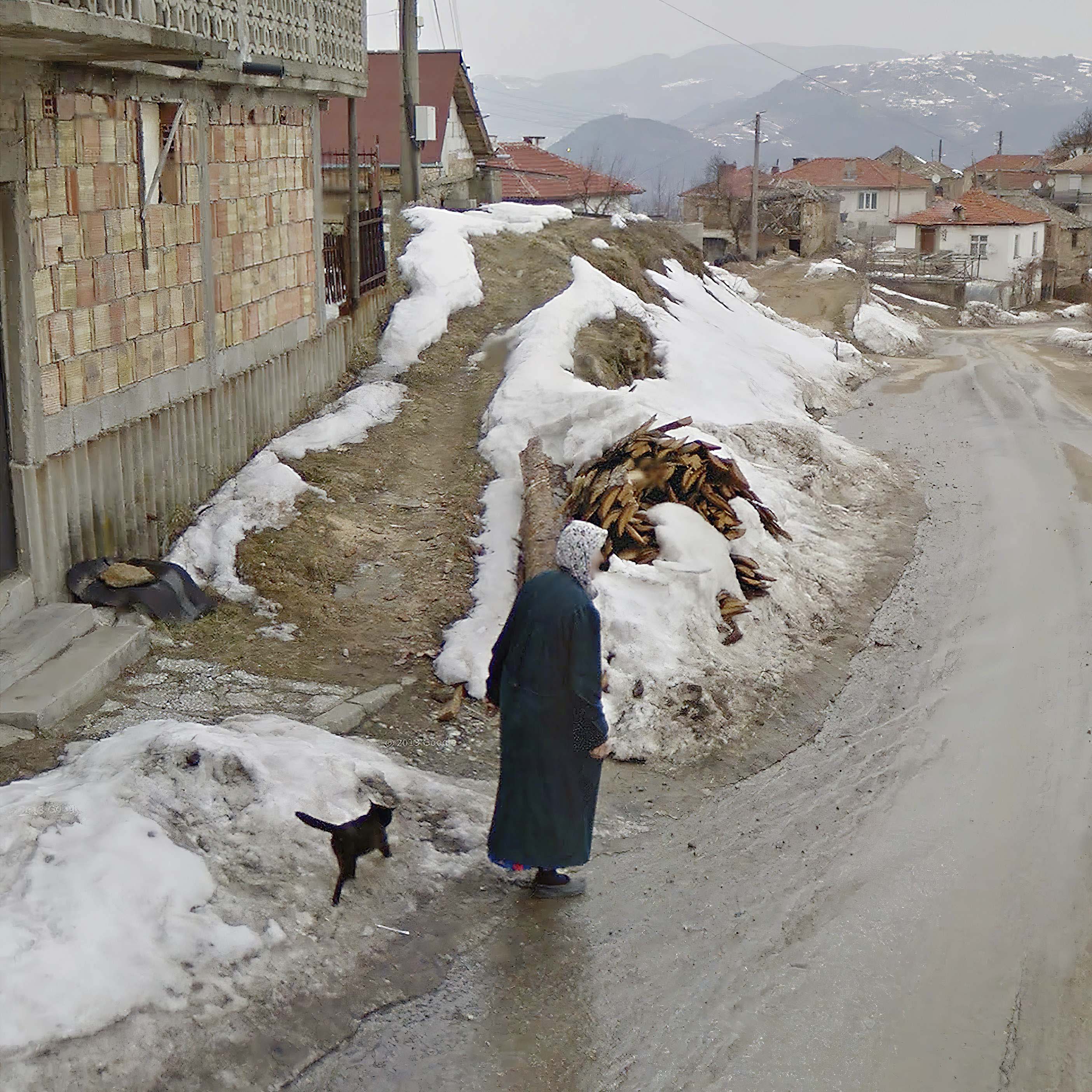
JK: When I first started, I was in awe of pretty much everything I saw. From a camel crossing the road to kids playing football in the street, I found everything new and fascinating. I also loved the perspective from the camera and the fact that it is 360, which makes the images slightly warped and everything looks a bit more miniature.
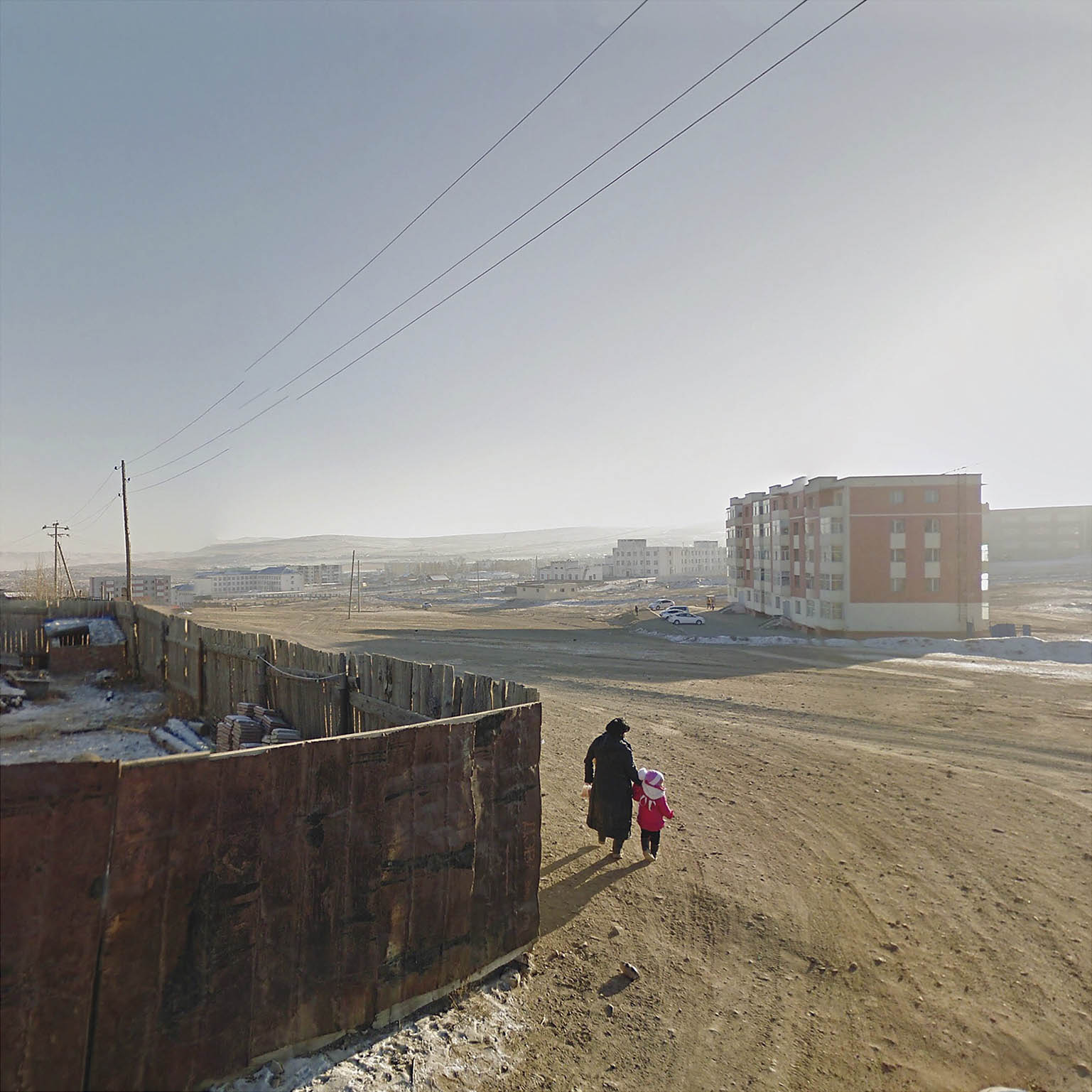
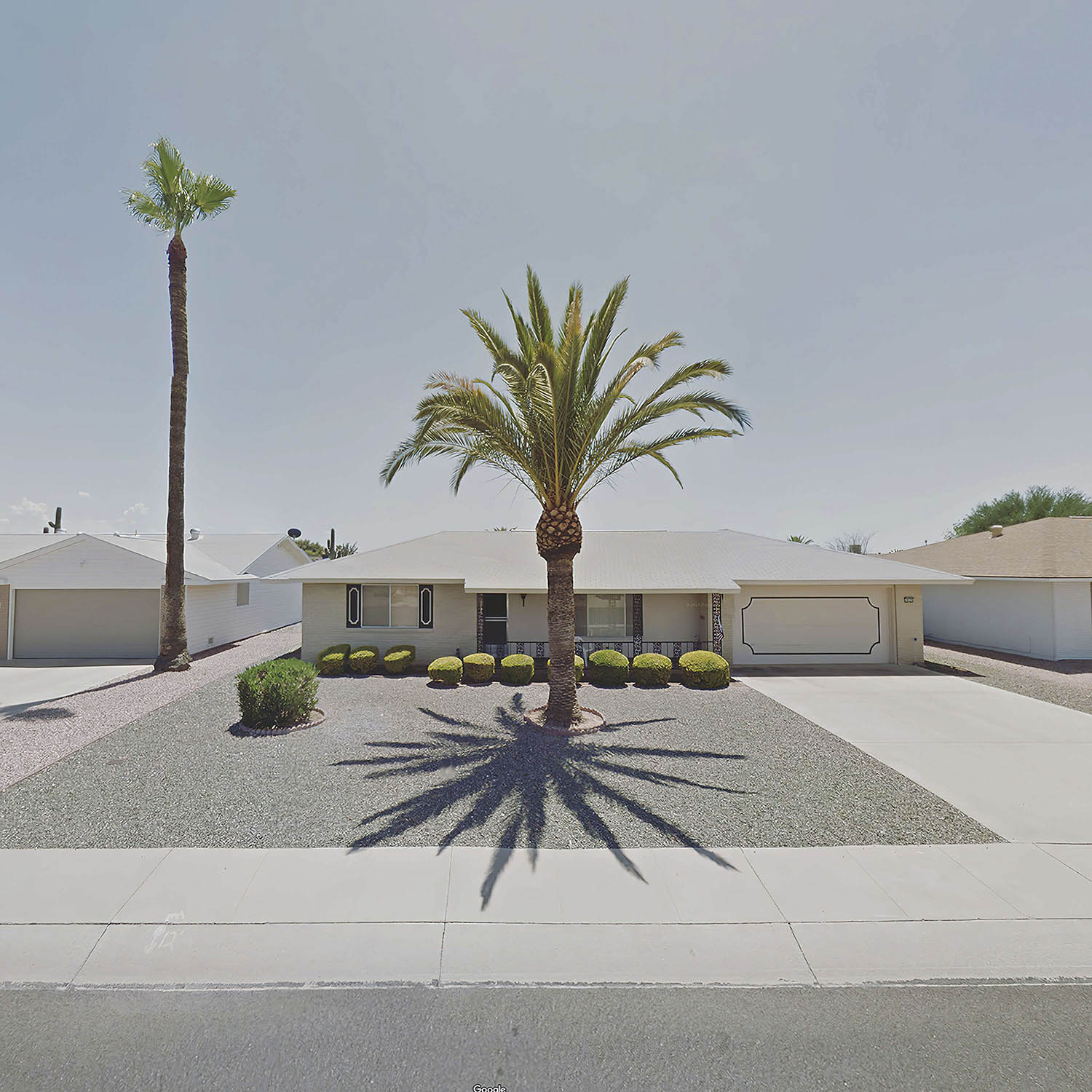
Once I got over my initial excitement of loving everything, I started to realise that I was drawn to certain elements that, over time, helped me develop my own style. I was looking for images that had more of a cinematic feel, so I needed environments that had a lot of space, which drew me to smaller, more isolated towns. Light is very important to me, so I started to look at locations with extreme temperatures. I was also attracted to vibrant colours and interesting architecture. Once I found a place with all these elements, I would spend a lot of time looking for the perfect capture. Sometimes I would spend weeks in one small town, just hoping something would come up. The main challenge for me was looking for something extraordinary in the everyday-ness.
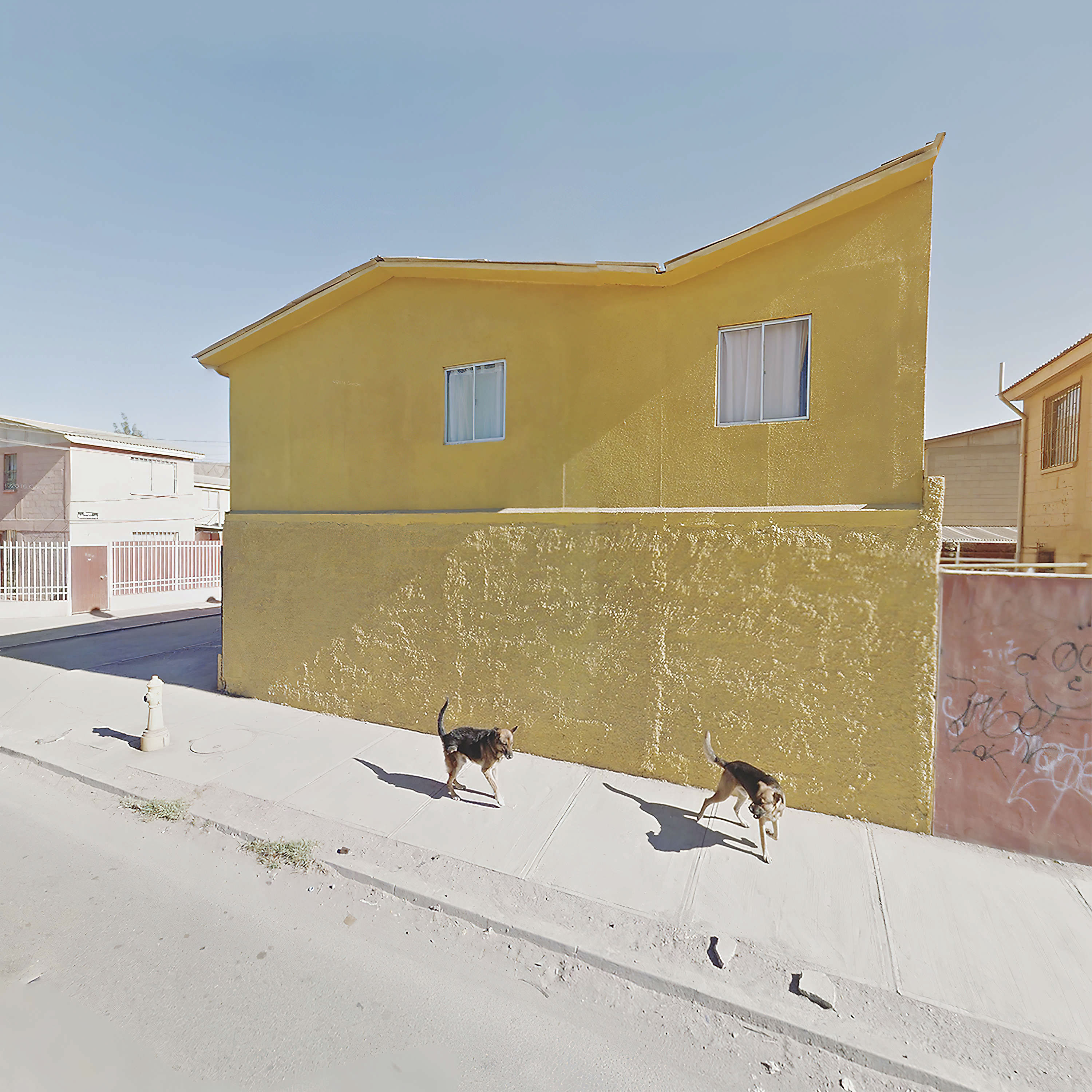
MPB: Where does your work sit in the photography sphere? Do you think that finding seemingly random compositions by Google, and then curating them, is comparable to ‘physically’ taking photographs?
JK: There are similar challenges because you still have to think about the light, the composition, the surroundings and you have to find that special ‘moment’ that every photographer looks for. Just like photography, the slightest change in someone’s pose can make the difference between a good or average capture. It’s a practice that involves a tension between control and surrender, because on one hand it’s great that you can go anywhere you want in the world but so many of the elements are in Google’s hands. You are selecting from billions of fixed images, so you have to work within those restraints and you are also trying to find the art in a platform that was created for utility only.
Very often, I don’t find what I’m looking for because I don’t have the ability to control the image. It can get so close, you just want to reach into the world and change something to make the image work. So it can be incredibly frustrating at times and it’s so hard to find the perfect shot. More than 40,000 screenshots later and I'm still looking for it.
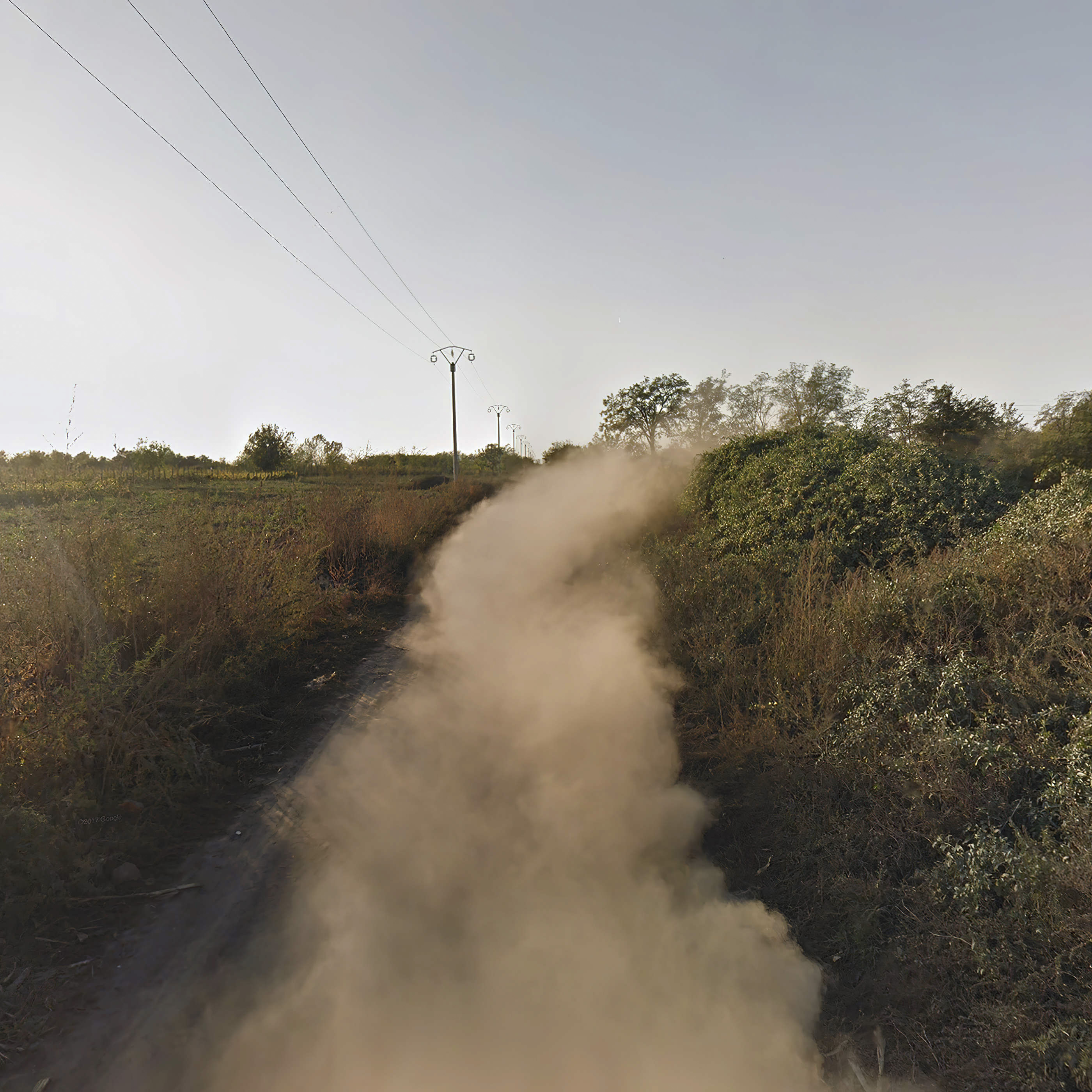
MPB: You’ve developed quite a following on Instagram. How have people responded to your work?
JK: Yes, I have been so surprised by the response. I think that I was lucky in the sense that it has several layers to the story. Often, people see the images before they even realise they are Google Street View. And then they read my personal story, which adds a whole new dimension to the work. So it’s great that people can take away completely different things from the work. I get contacted by travellers, architects, photographers, technologists, mental health specialists—a whole range of people with different interests.
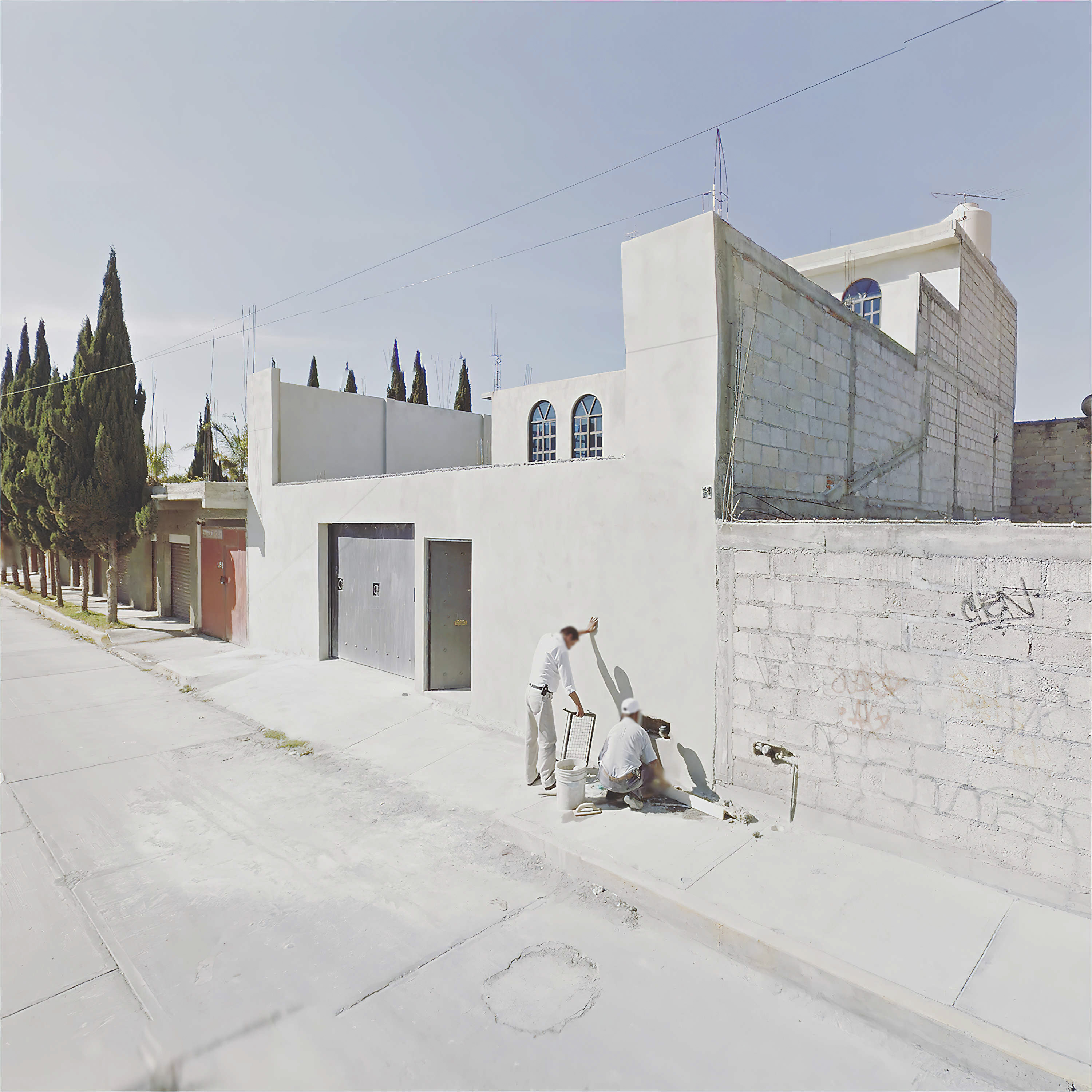
MPB: You had your first exhibition some time ago and Google gave their blessing, were they fully supportive in terms of using their imagery for your art?
JK: It has been great working with Google and I’ve collaborated with them on a few projects. They also put my story up on the front page of Google in 2018 for World Mental Health Day. It linked to a short film they created about my work and exhibition, and they helped me raise thousands of dollars for charity. They have been very supportive. But, of course, there are limitations to what I can do with the images because of legalities.
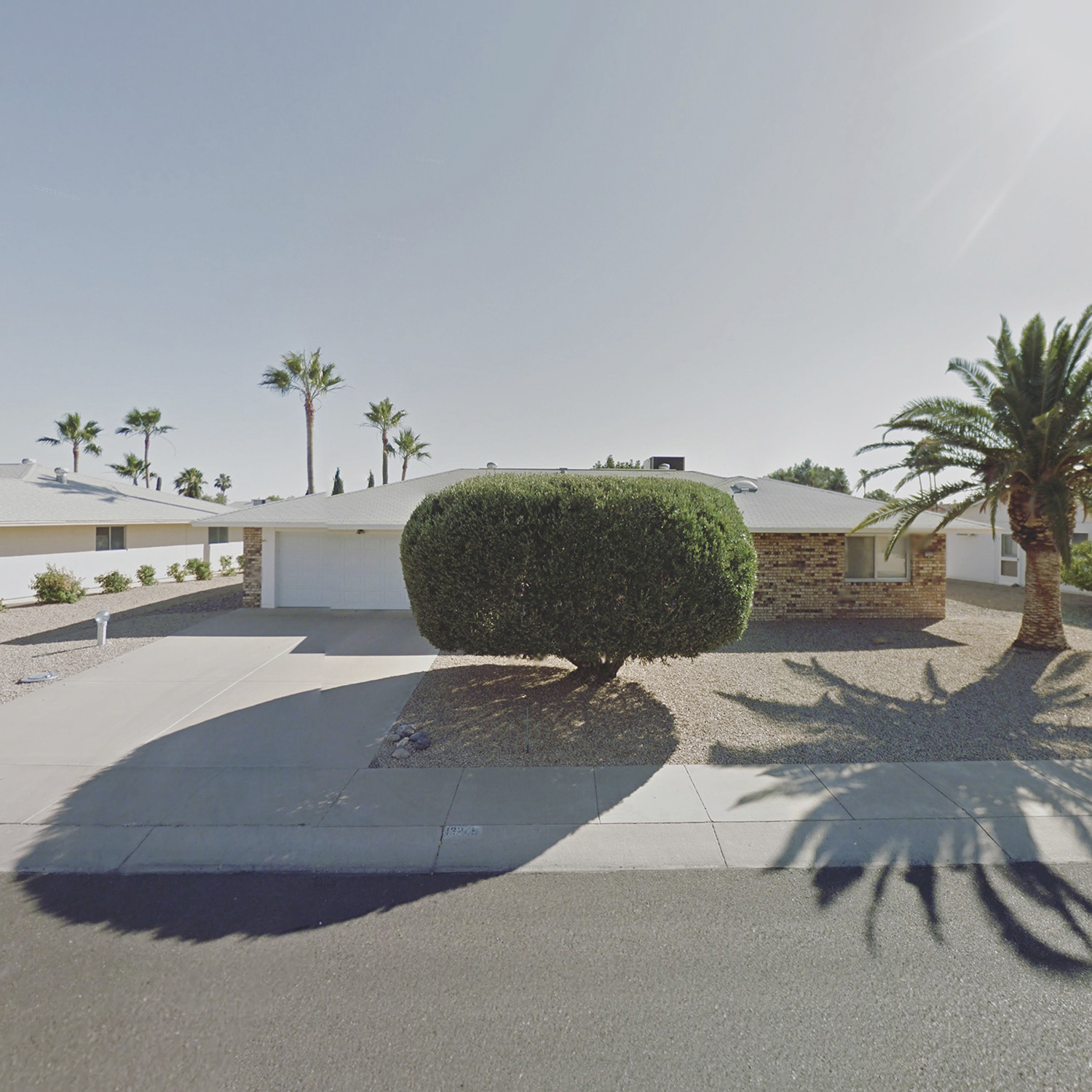
MPB: With the world literally at your fingertips, the project is seemingly never-ending. Are there any places or regions you haven’t yet touched that you are excited about?
JK: Yes, there is always a new country or city to explore. Google is constantly mapping new places. I keep checking and hoping that more of Africa will be mapped.
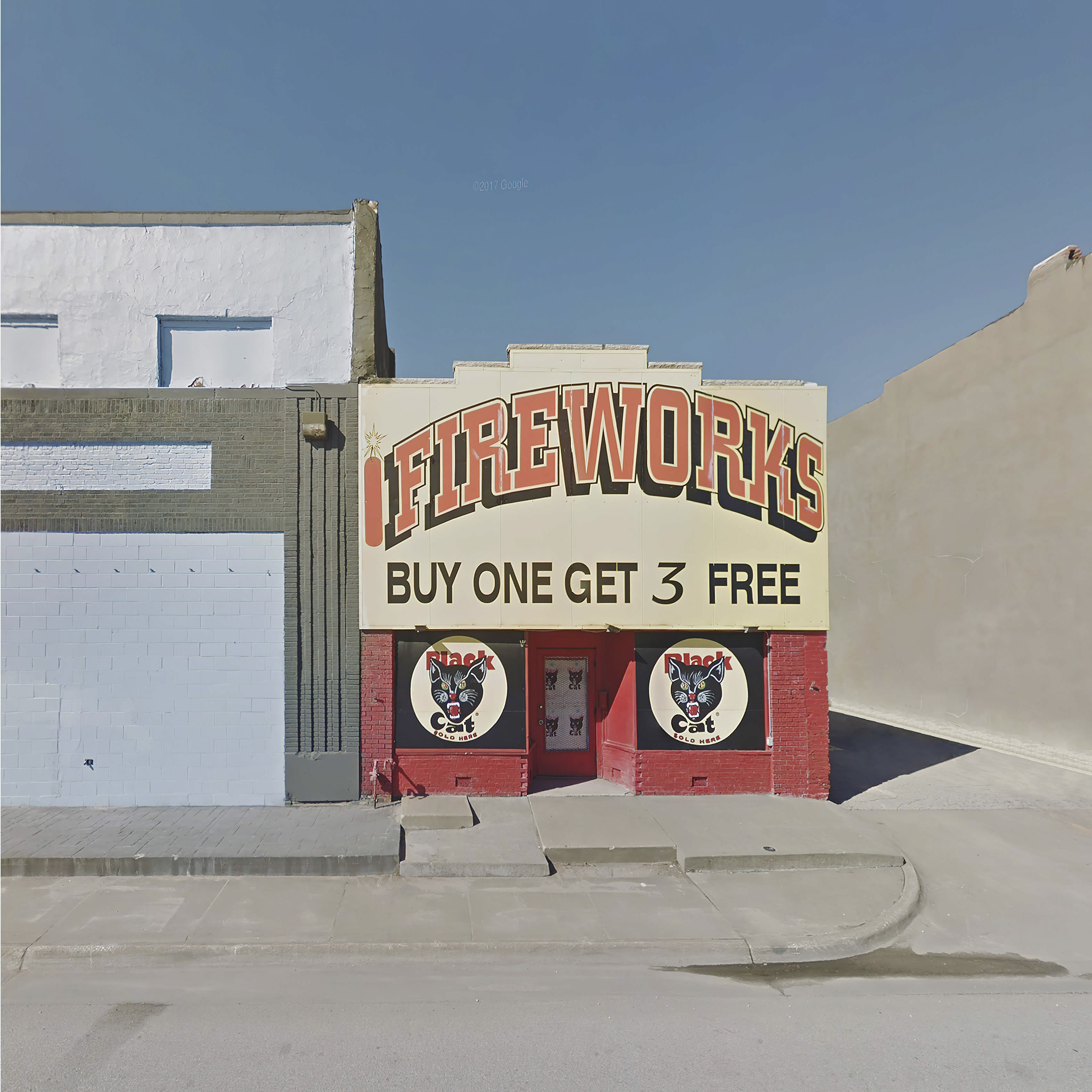
MPB: What is your favourite location or country to explore?
JK: There are so many, but I’m really captivated by Senegal, Peru, Mexico and Mongolia. I would love to visit these places in person, but for now, I’m happy to explore them virtually.
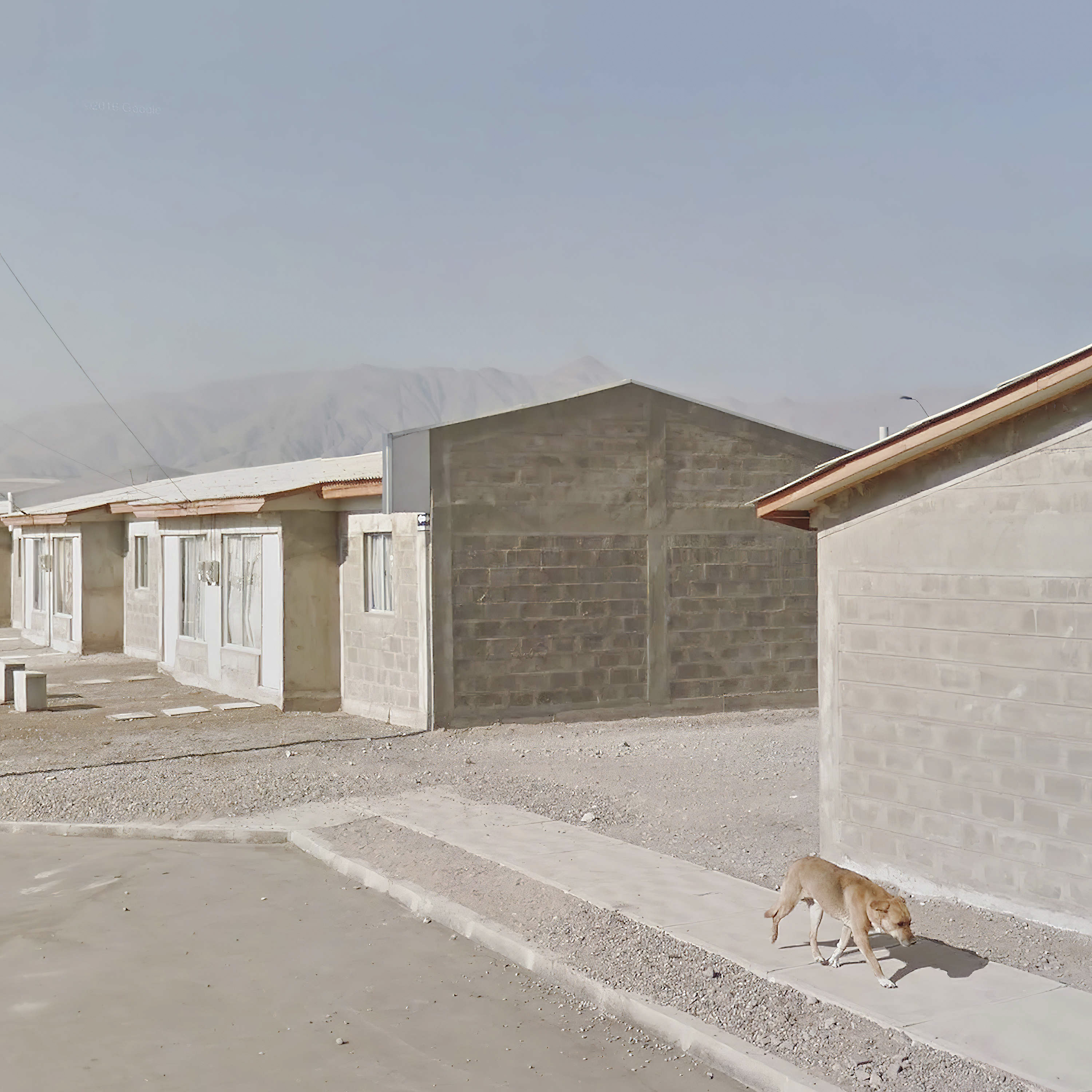
MPB: What are your plans for the future?
JK: I’m really fascinated by finding new ways of travelling without physical travel, especially using new technologies. So, even though I don’t spend much time on Google Street View now, I am finding new ways to explore by using all the images I amassed during my slightly obsessive years of virtual travel. I have spent many hours going back through the 40,000+ images I captured and have been curating them into different collections. I have then been taking these collections and seeing what happens when an AI (Generative Adversarial Network) uses them as a training data set to create whole new worlds.
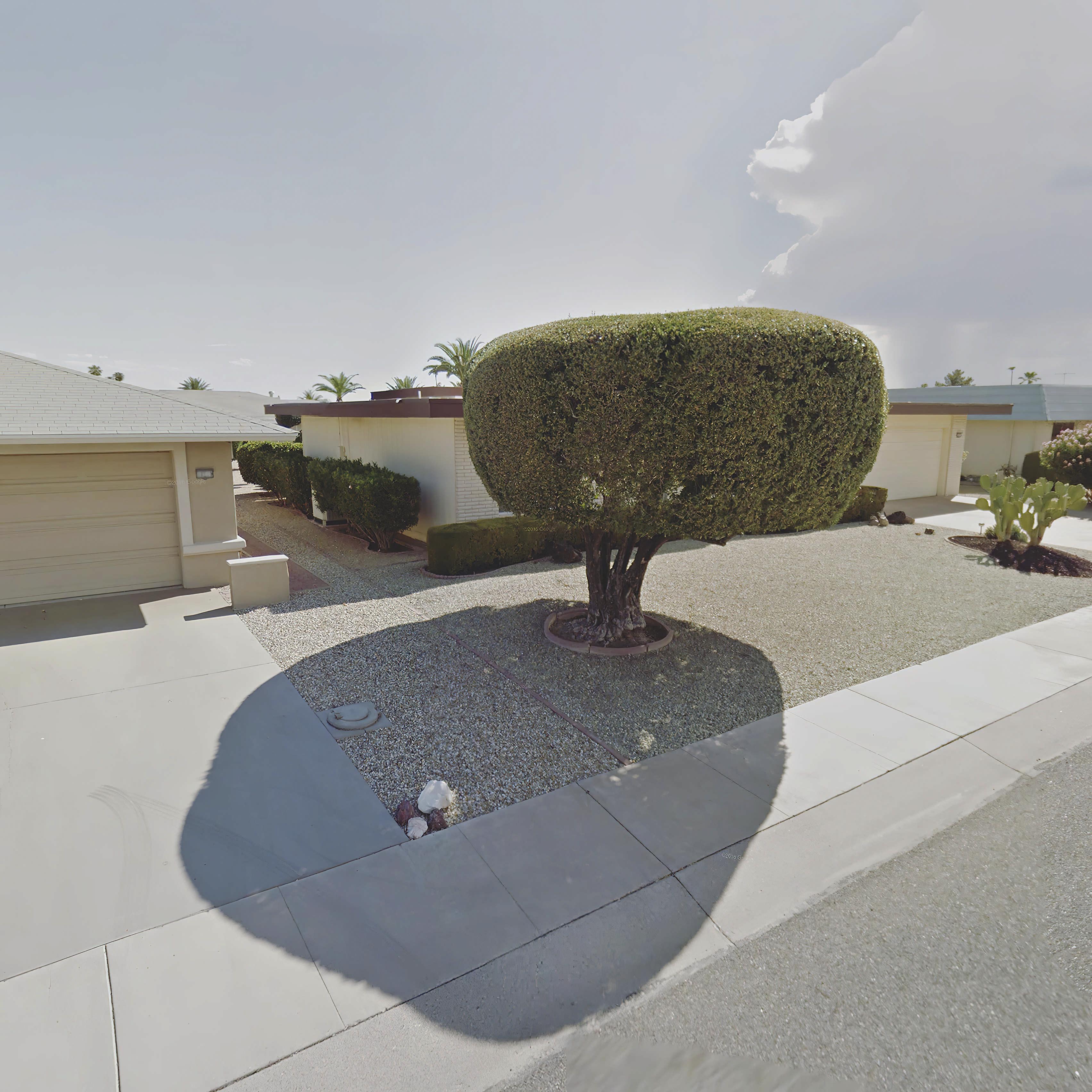
At the moment, I am working on building a collection of AI homes. I wanted to focus on the theme of ‘home’ because it has resonated so strongly with me over the years. Not just because of agoraphobia but also lockdown, which has been a unifying experience for billions of people across the world. It has made people reconsider the idea of home, which is the counterpoint to travel. It has symbolised both safety and incarceration. It's even more important to me now that I’ve found out that a lot more young people are being diagnosed with agoraphobia since the beginning of the lockdown.
For more tips and techniques, expert interviews and camera gear guides, check out the MPB content hub.
You can sell or trade your camera kit to MPB. Get a free instant quote, free insured shipping to MPB, and get paid within days.