MPB Meets: Film Photographer and Actor Jason Lee
Published 25 August 2020 by MPB
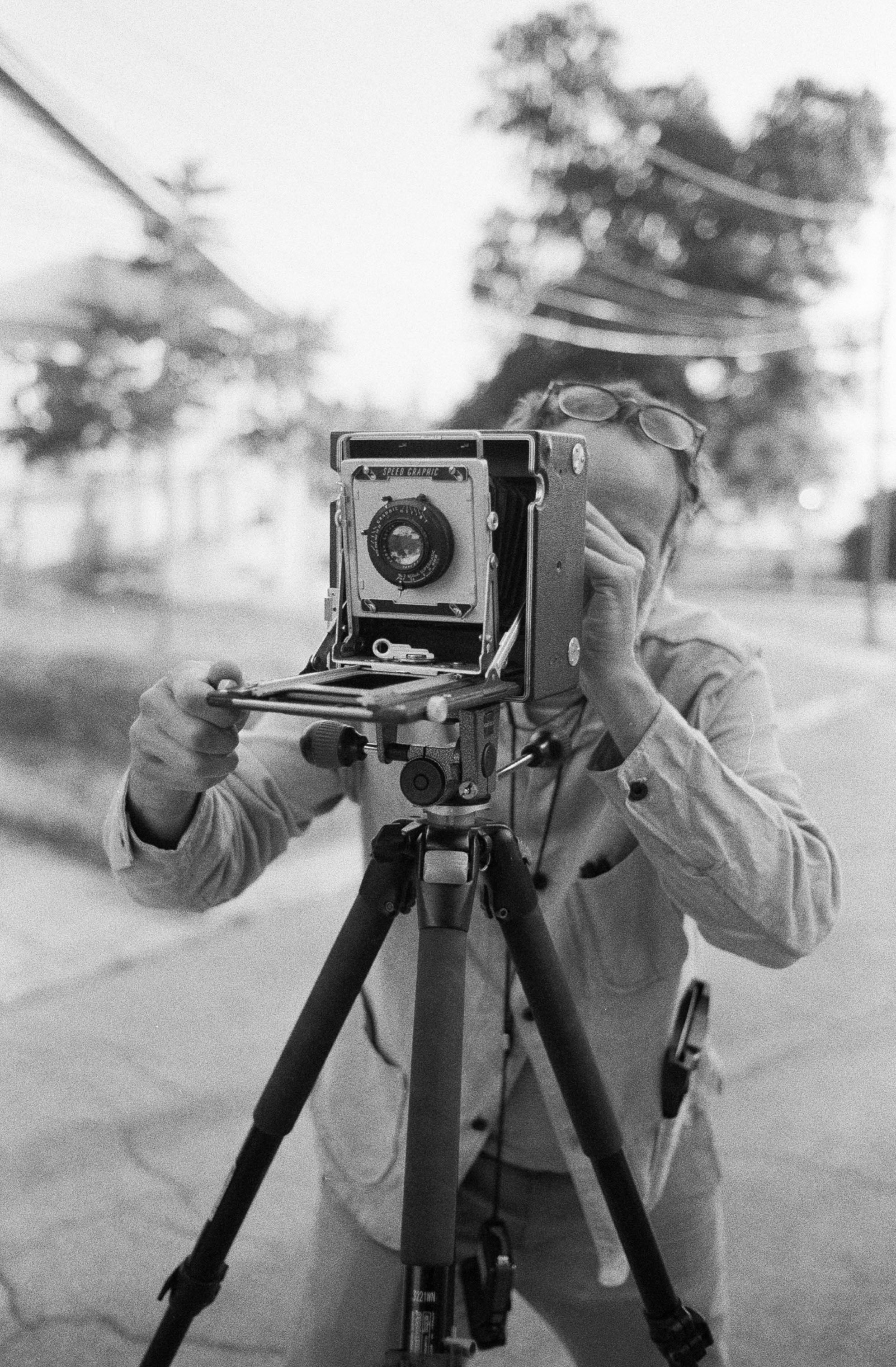
Jason Lee started out as a pro-skater in the late-80s and early-90s, establishing the long-running brand Stereo Skateboards. But the wider public will recognise Jason Lee for his work as an actor—his unforgettable turn as Earl Hickey in the hit 2000s TV series, My Name is Earl, as well as feature films Mallrats, Chasing Amy and Vanilla Sky. These days, photographers have come to know and love Jason Lee for his incredible film photography documenting the beauty of rural America. In this interview with MPB, Jason Lee discusses his film photography, camera gear and shooting on the road.
MPB: How did you get into photography?
JL: In the early 90s I was exposing quite a lot of Super-8 film for a skateboarding project we were making at the time, and so I knew I loved film.
I was around a handful of skateboard photographers at the time but I suppose I was just focused on my skateboarding, and in 1993/94 focused on the Super-8 film cameras, and so I didn’t really think much about being a photographer myself. But I knew that I loved film and the visual arts.
And then in 2002, while working on a movie as an actor, my interest in cameras and photography grew at a rapid rate. It resulted in quickly buying a few cameras and feverishly experimenting. I was hooked.
MPB: How do you decide which format/camera to use for a specific project?
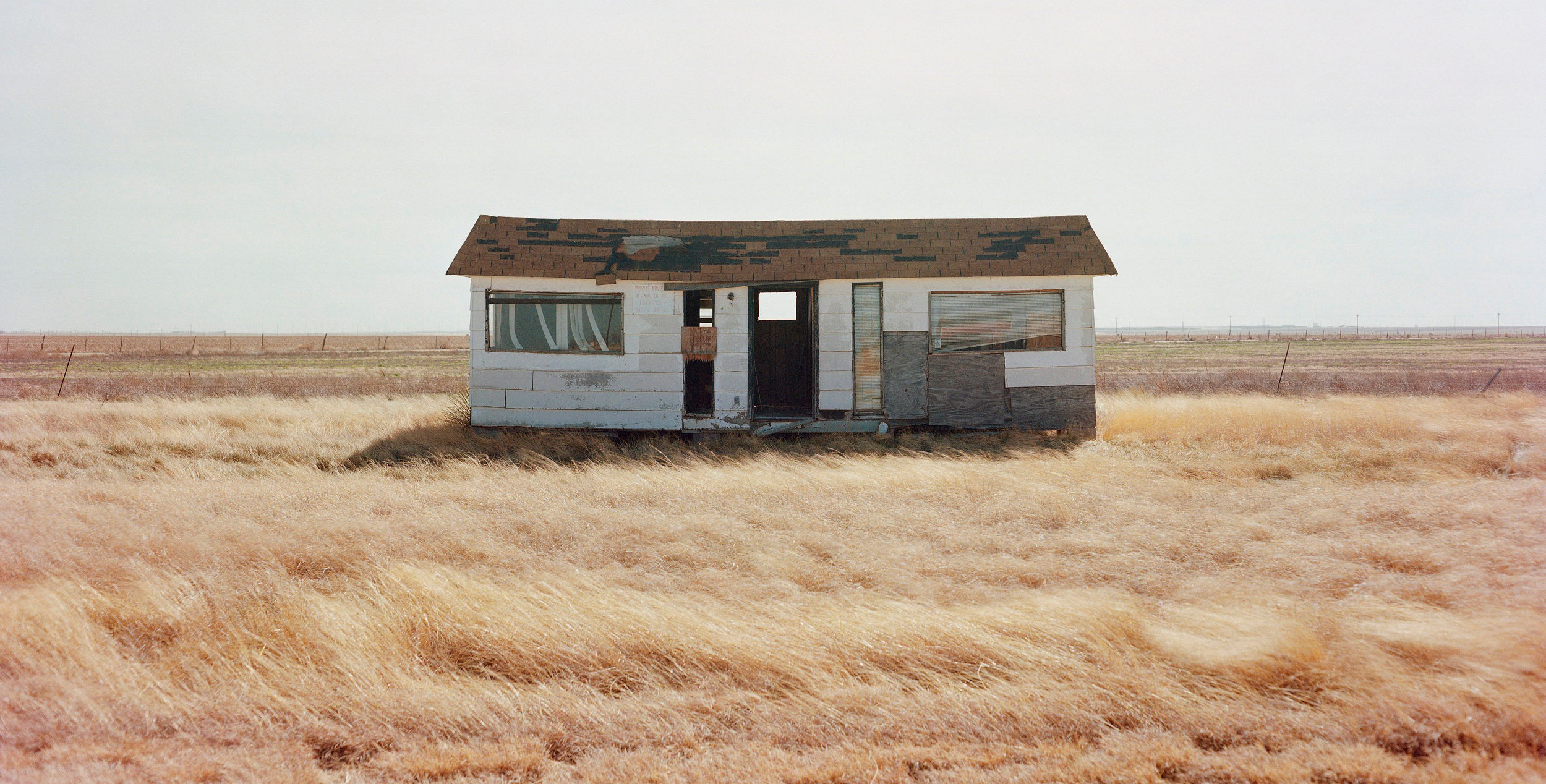
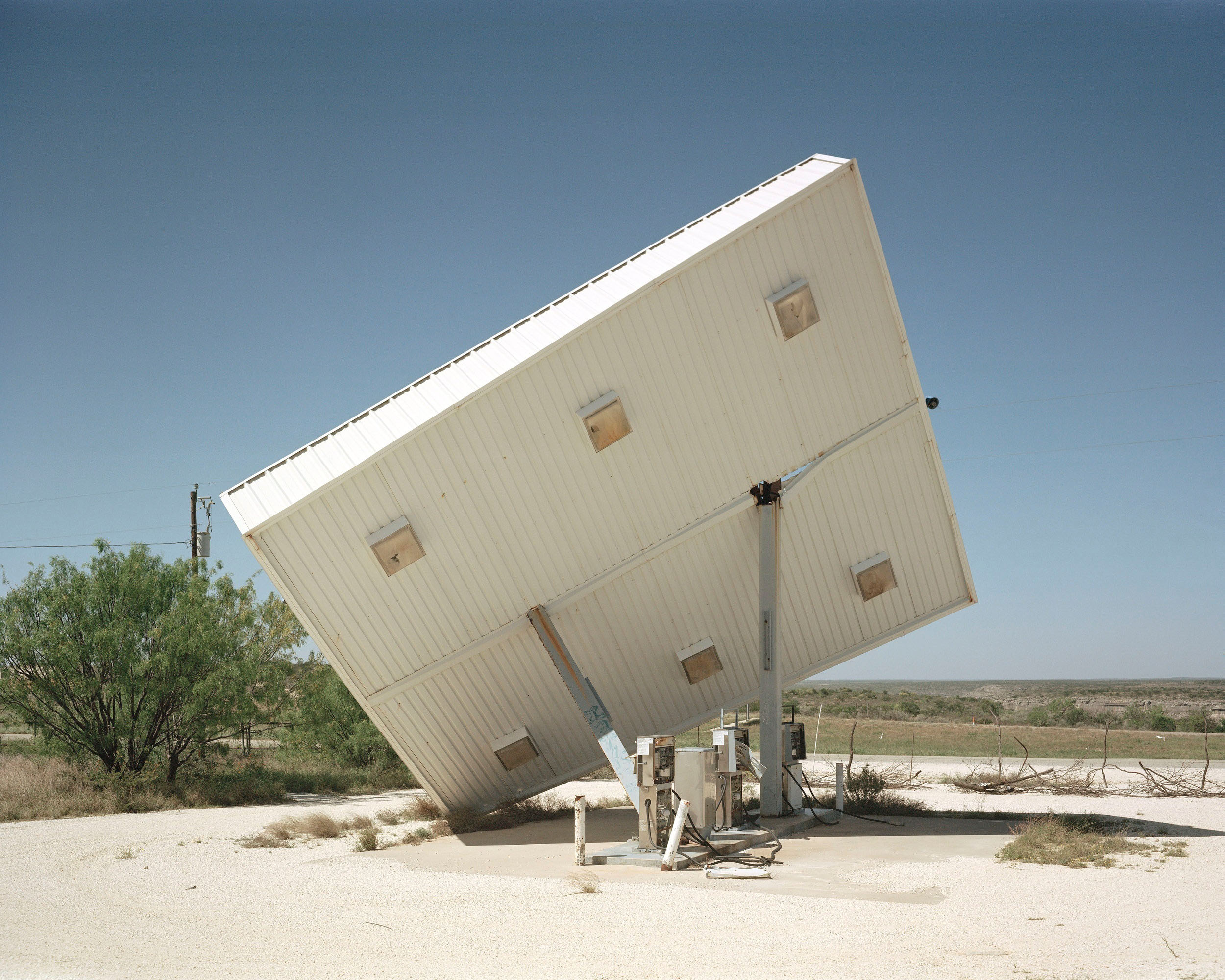
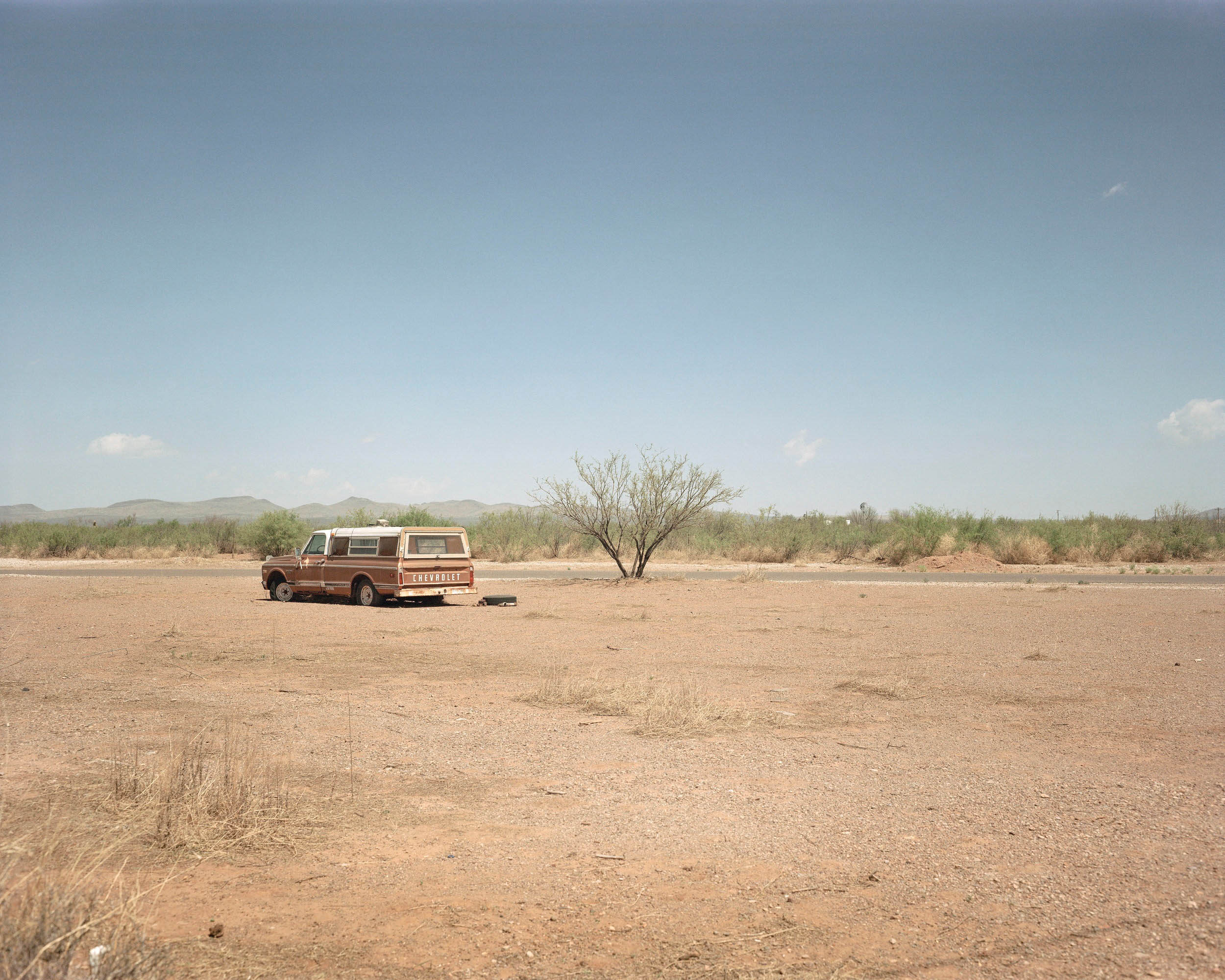
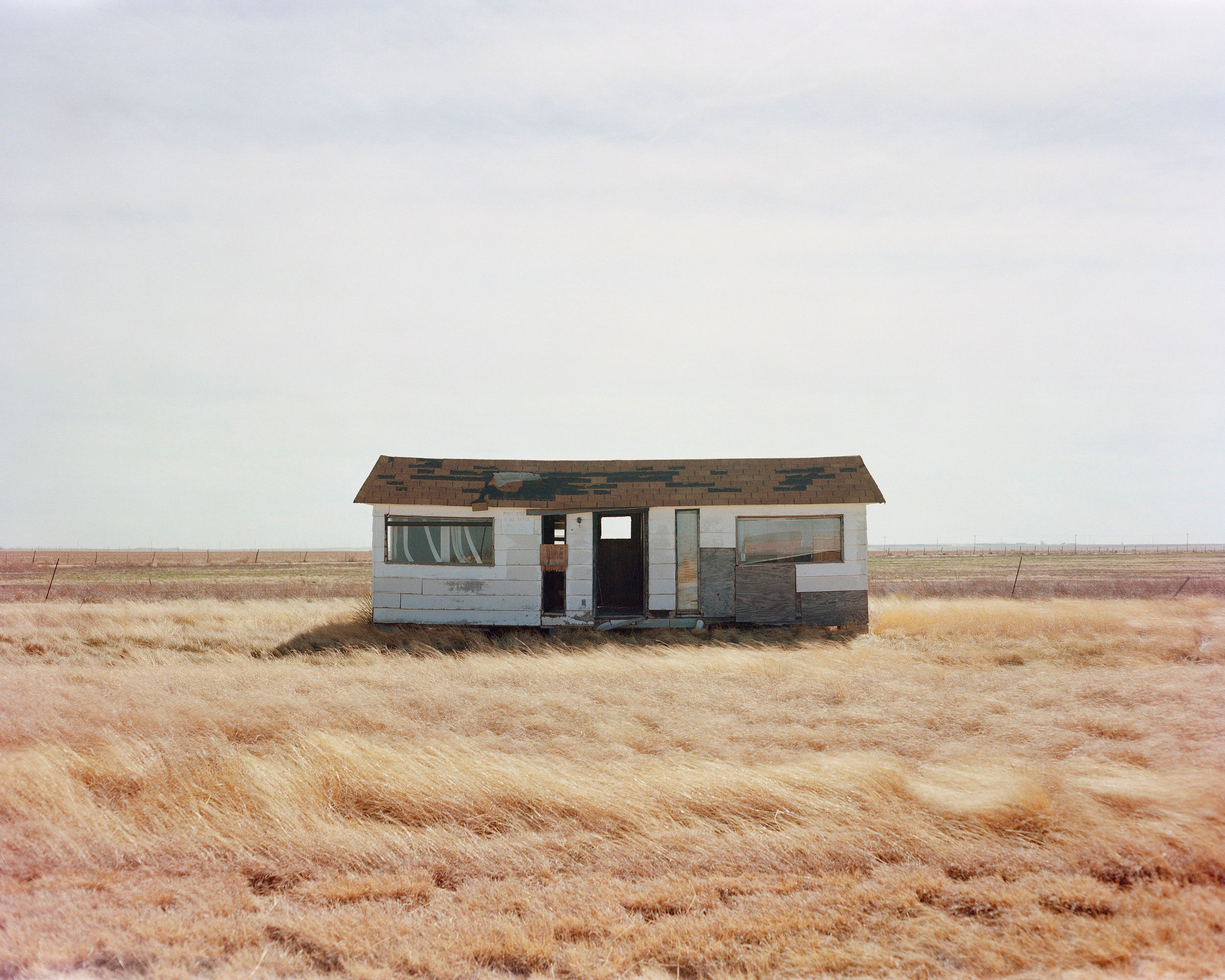
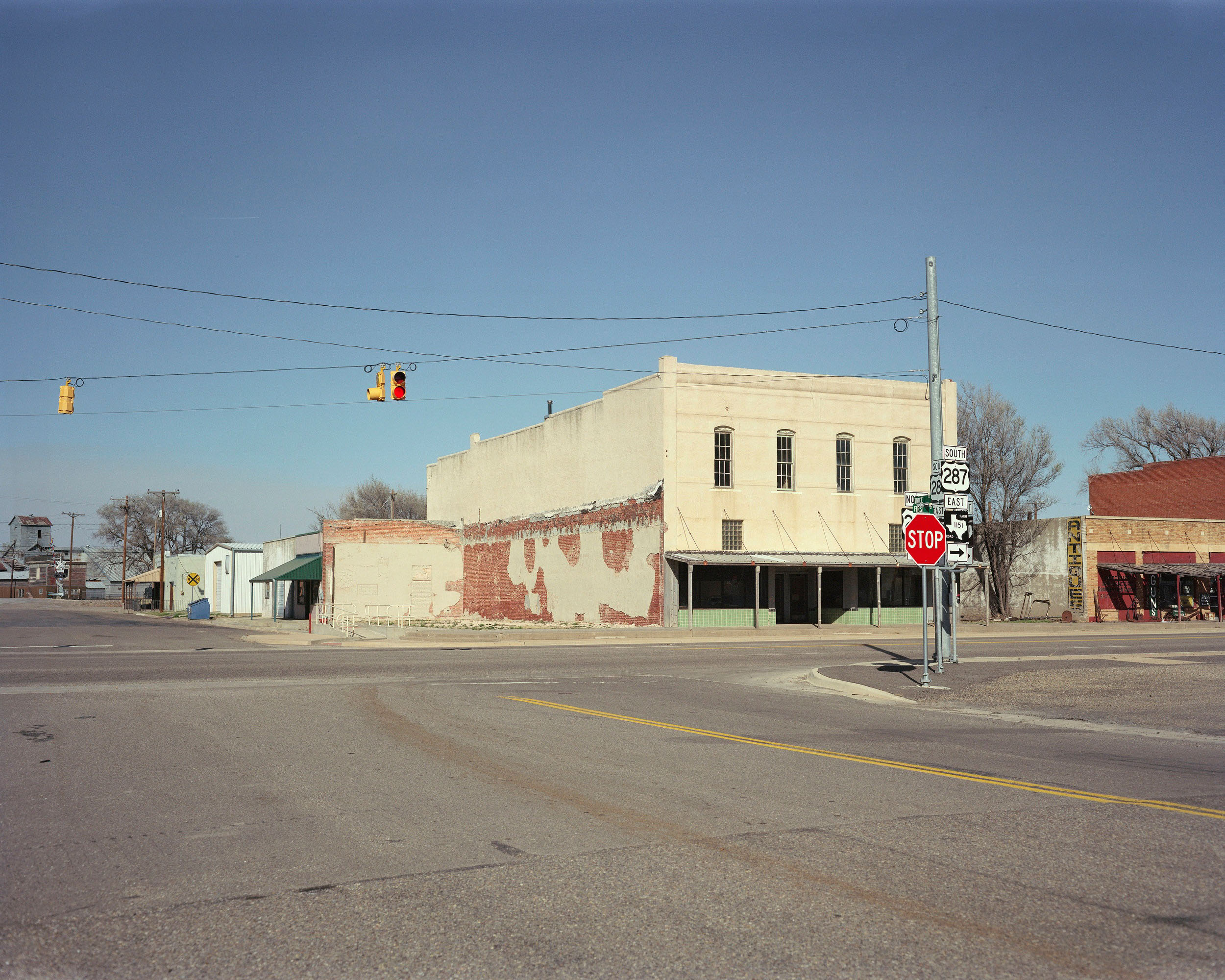
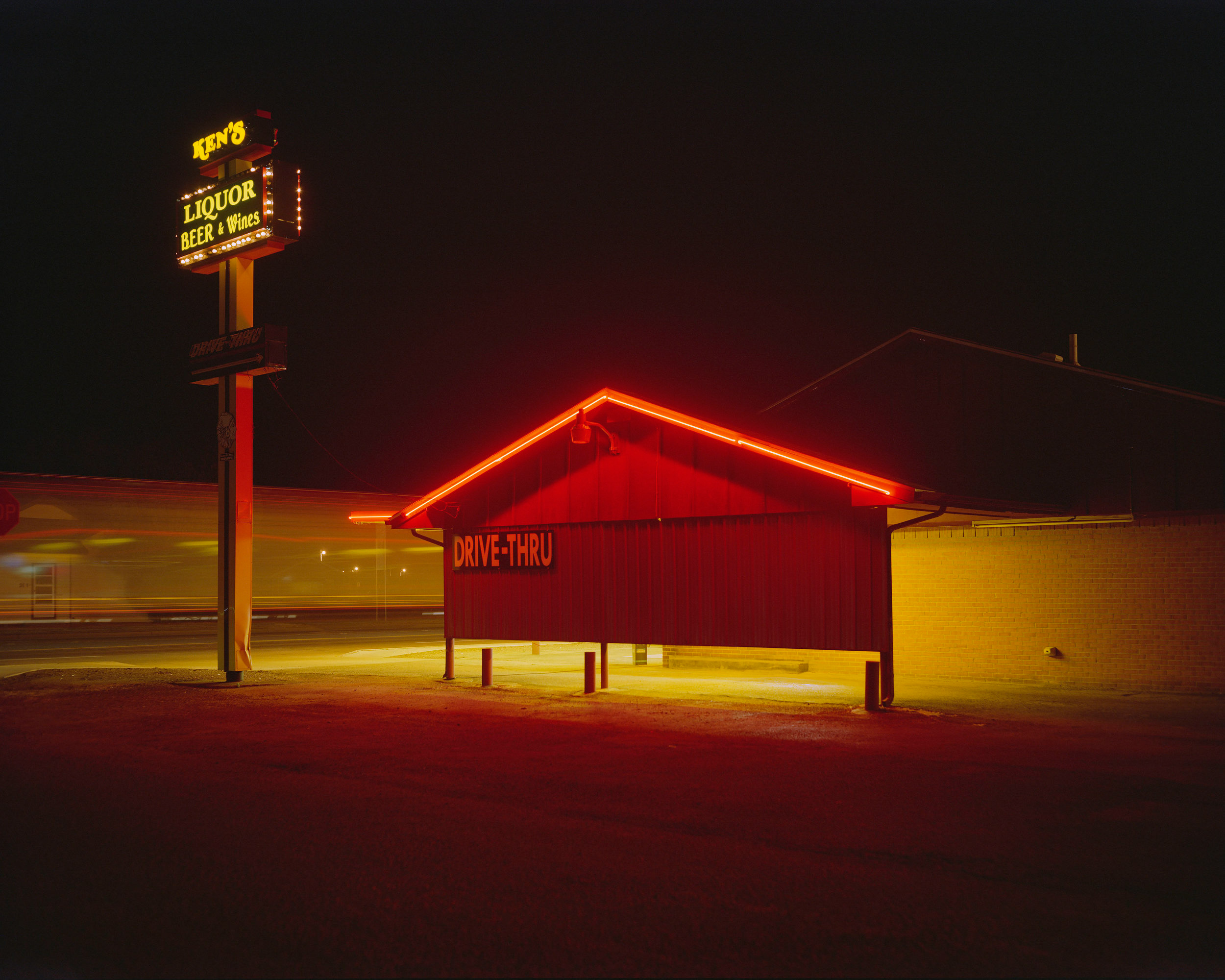
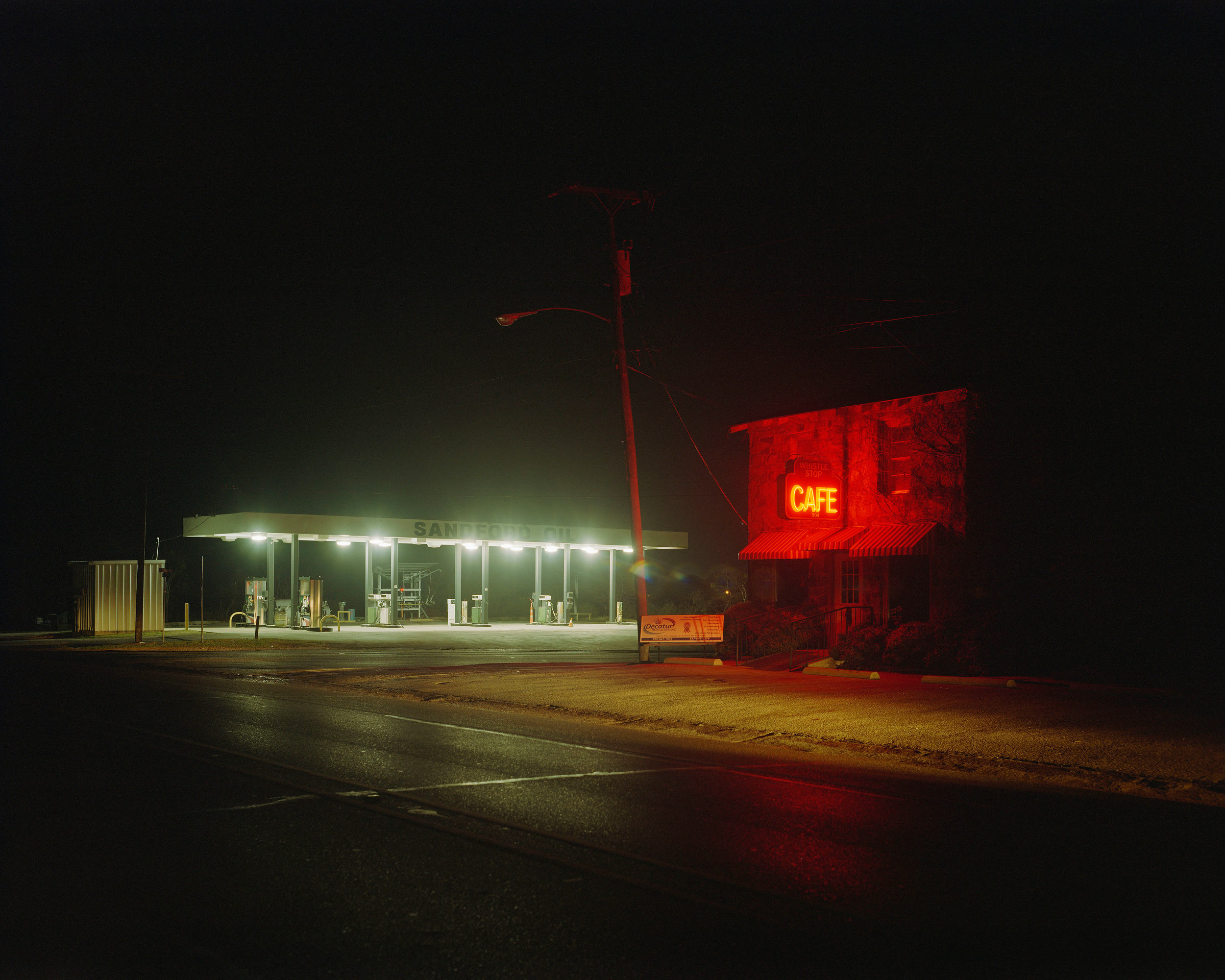
JL: For the Texas photos, I knew I wanted to use color film. And I knew I wanted 4x5. But I had a particular color palette in mind, so I used an old uncoated low-contrast lens from 1941. This allowed for a gentler palette.
The cruise ship photos were made with a 35mm pocket camera and consumer-grade color slide film, which I thought would be fitting for such a saturated environment. But, in general, I tend to bring at least two formats when I’m out on the road.
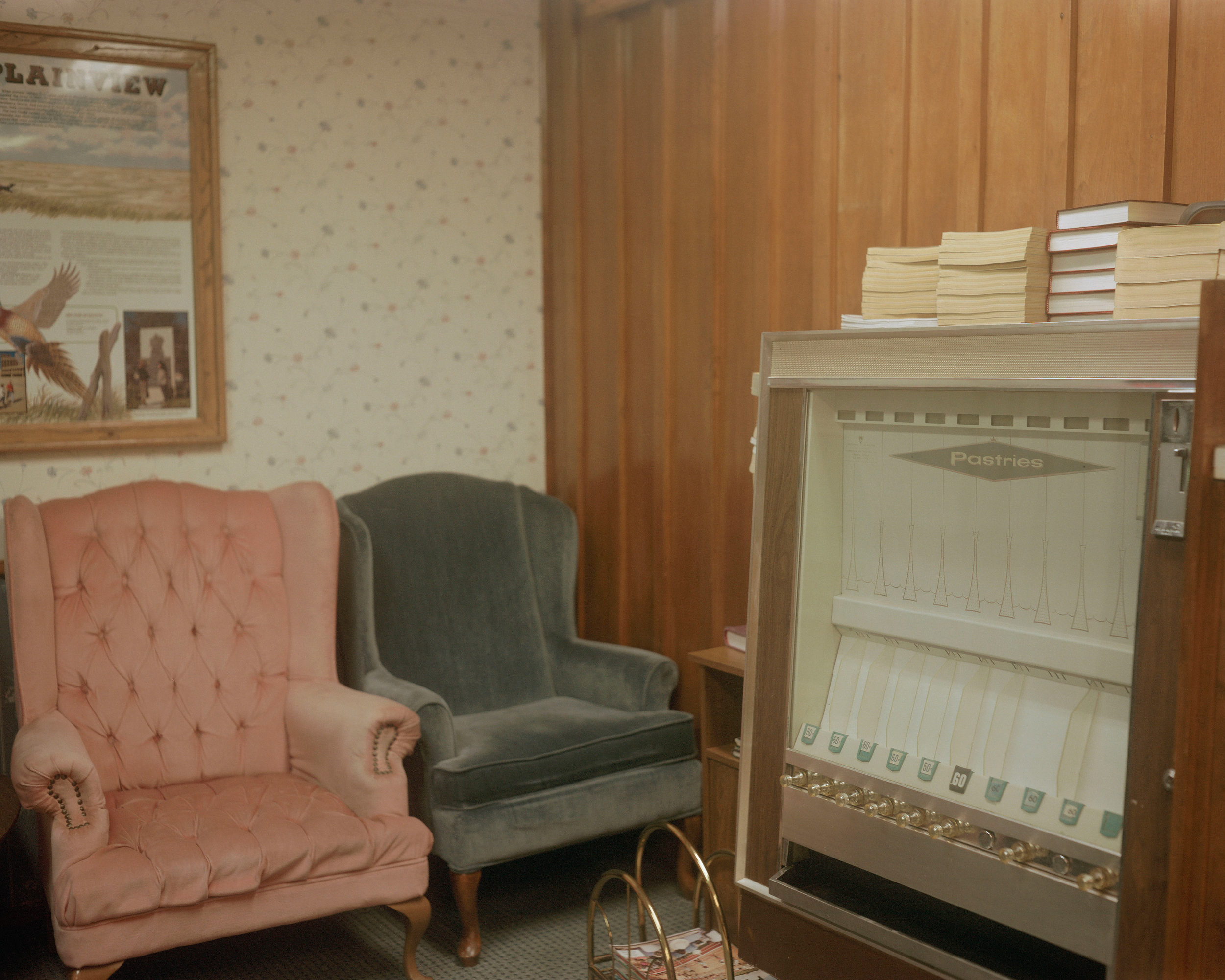
MPB: Plain View is a beautiful body of work—in the vein of Wim Wenders and William Christenberry—documenting space. Did it surprise you that parts of Texas could appear so undisturbed for 50 years?
JL: Thank you! What I’ve found about Texas, and pretty much all of America, is how little things have changed. And how much one town somewhere is much like another town somewhere else. In very rural America, not much is done with old buildings and such. So you tend to find a lot of leftovers that, over time, have become an everyday view and as much a part of the landscape as anything else.
It’s been this way for a very long time—there’s always going to be that conflict between old and new, people and nature, material and time. It’s what makes any environment interesting, those contrasts and contradictions.
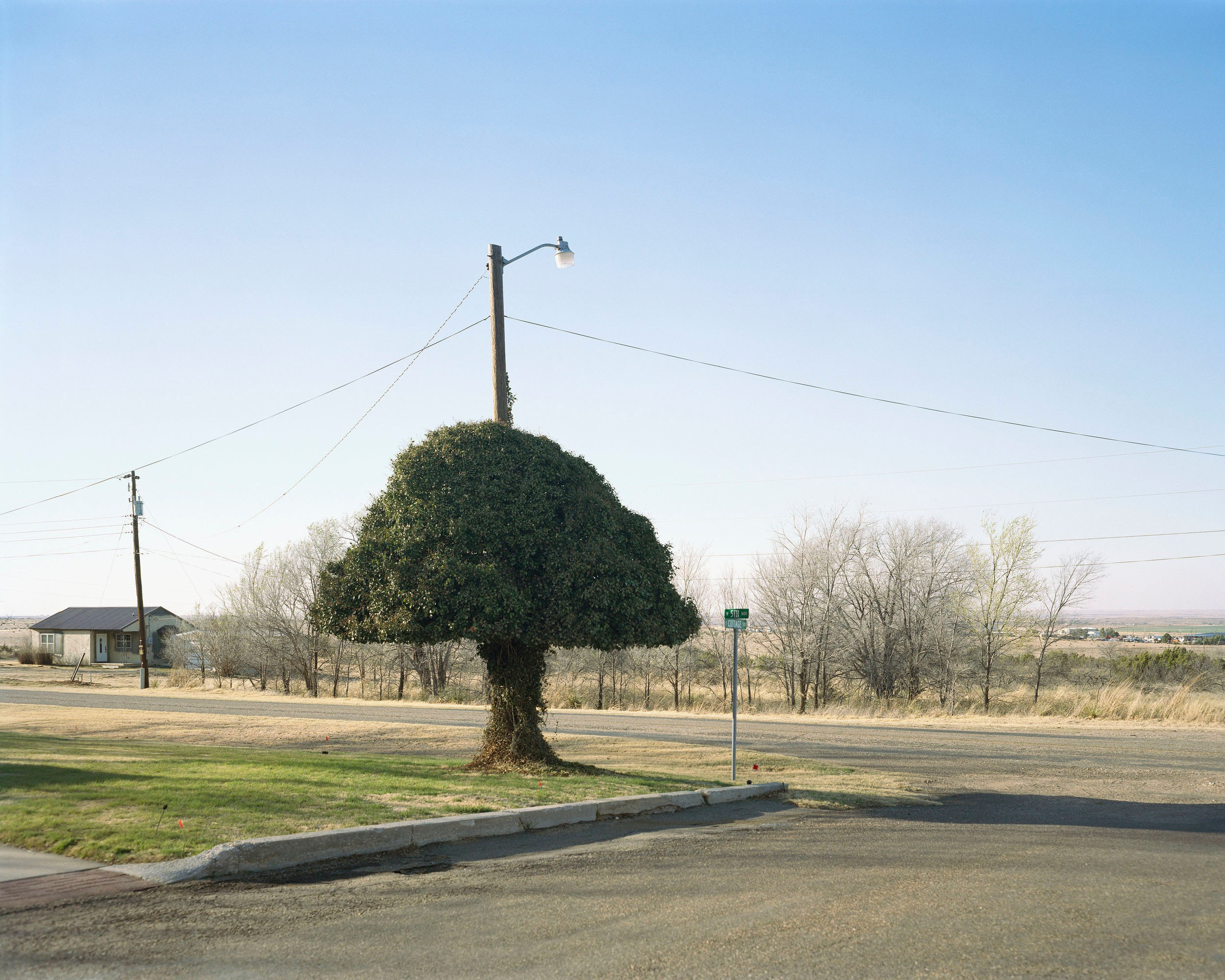
MPB: There’s something romantic about the open road, especially in the American South. Why do you think so many photographers still want to try and capture it?
JL: I think collectively we’re all drawn to older things. We’re curious about how things hold on over time, and take on new shapes and values. Rural America and the South are pretty special places. There is indeed a romance there.
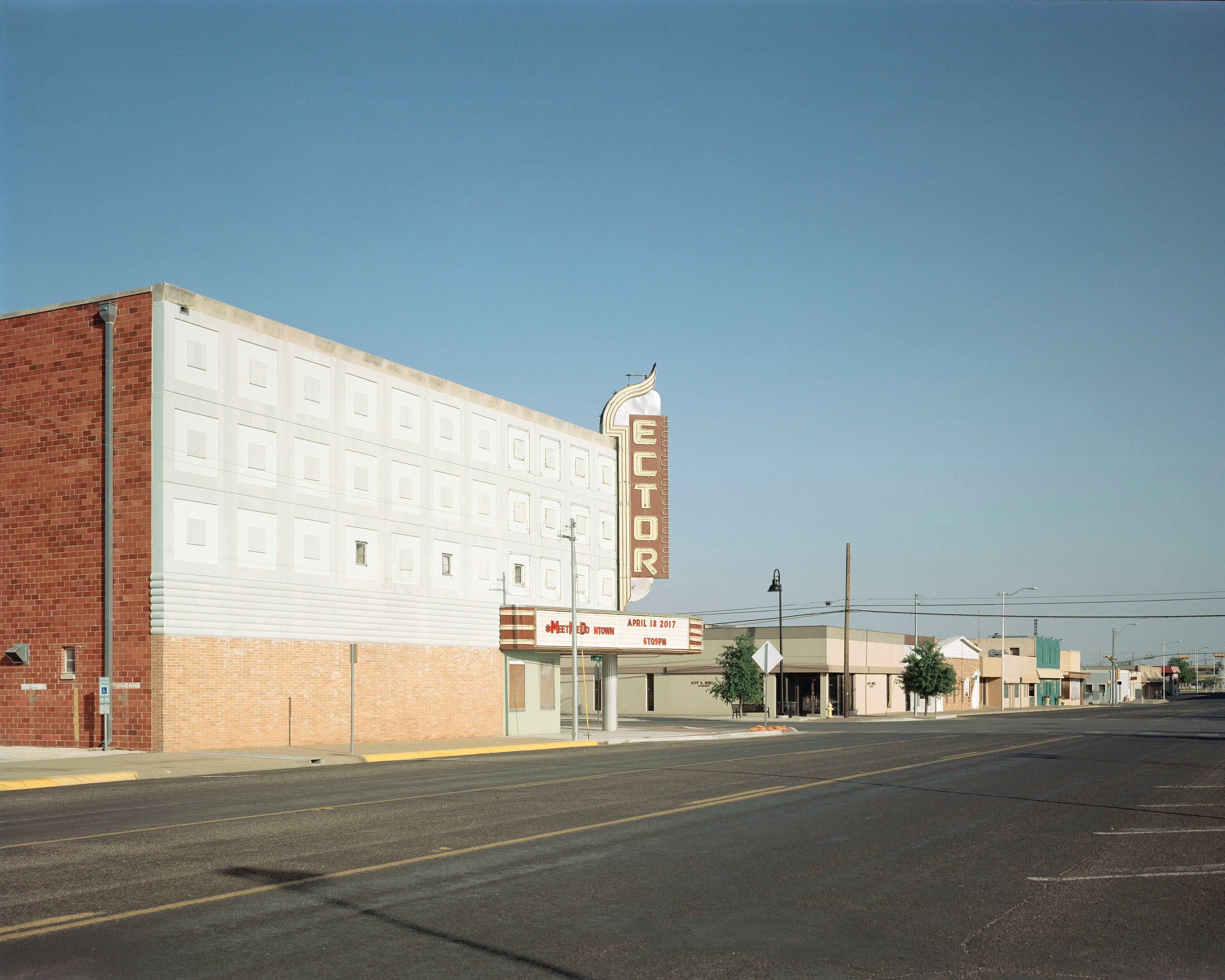
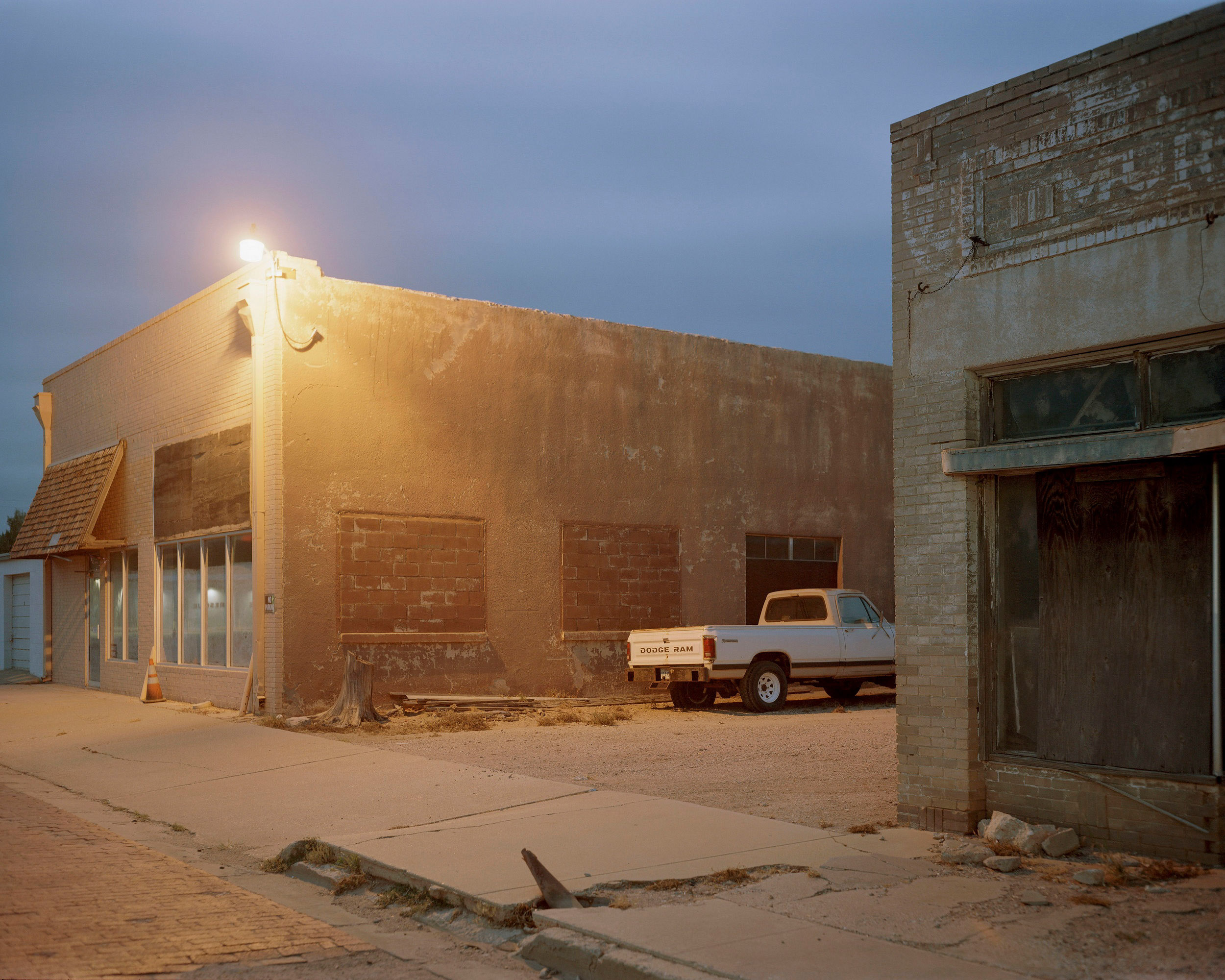
MPB: Do you prefer undertaking projects on your own or accompanied?
JL: Mostly I’m solo, but I’ve been on quite a few photo road trips with photographer friends and family. It’s always a treat to be on the road with my children and watching them make film photos too.
MPB: Do you usually work on one project at a time, or more? And do you know what your next project will be?
JL: While the photography is usually spontaneous, photographing wherever I end up, I do have books planned. It’s nice to have projects lined up and have something to look forward to.
Read more interviews on the MPB content hub.
You can sell or trade your camera kit to MPB. Get a free instant quote, free insured shipping to MPB, and get paid within days.