Best Cameras for Landscape Photography
Published 5 October 2026 by MPB
If you’re searching for the best camera for landscape photography, you’ll quickly realise there isn’t one perfect answer, and there are plenty of options to choose from. Landscape photographers tend to prioritise the same core things: image quality, dynamic range and clean low ISO performance, but the “best” choice depends on how you actually work (tripod-heavy long exposures vs handheld hiking shots), and which lenses you already own or want to own.
MPB’s Connor Redmond rounds up some of the best cameras for landscape photography across DSLR, mirrorless and compact options, with clear pros and cons to help you find the right fit for landscapes, outdoor photography and travel photography, even on those miserable “why is it raining sideways?” days.
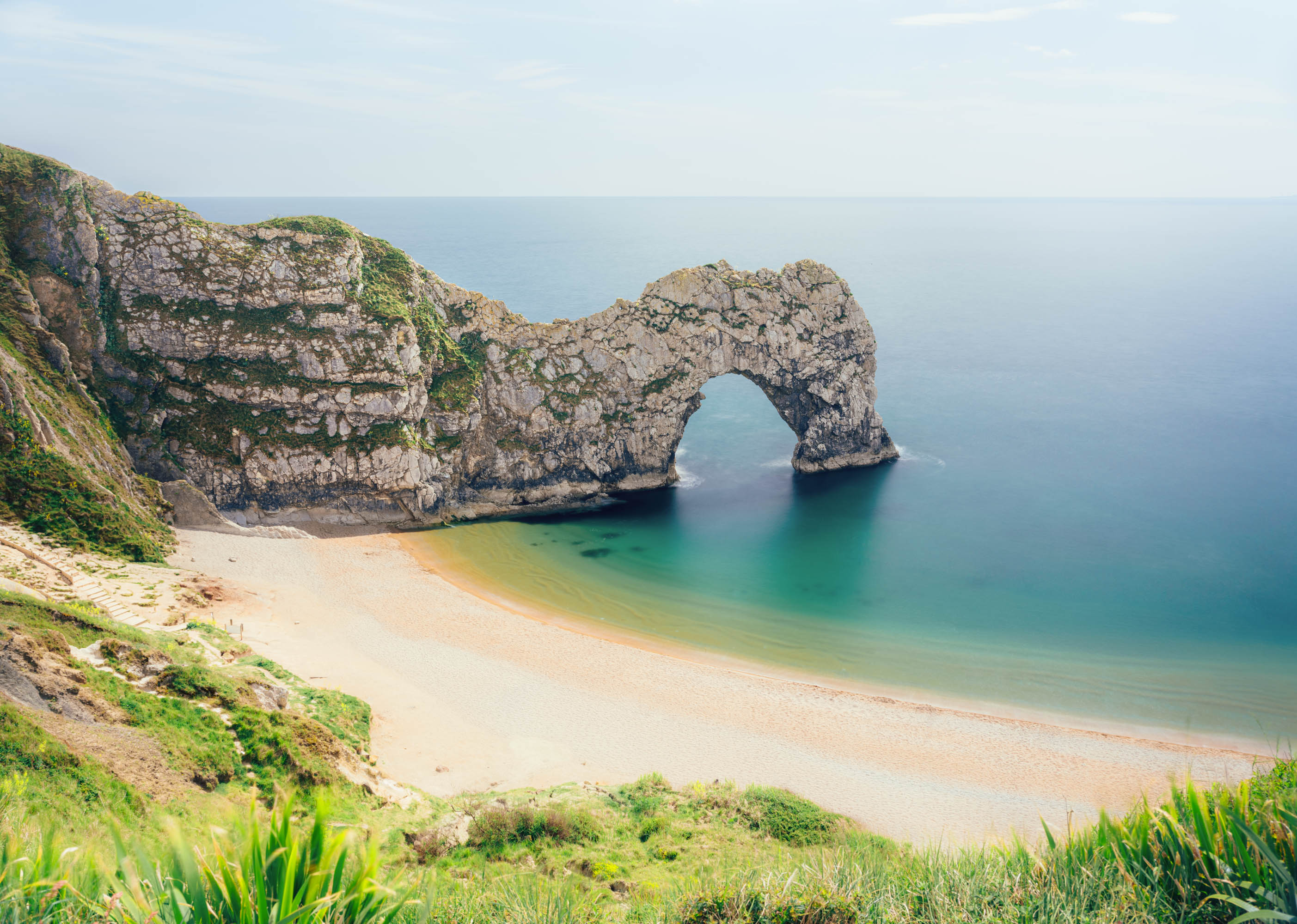
Connor Redmond | Fujifilm GFX100S II | GF 32-64mm f/4 R LM WR | 32mm | f/8.0 | 13 sec | ISO 80
What matters in a landscape camera (without getting too nerdy)
Resolution (megapixels)
Resolution is one of the key factors landscape photographers look for. In this realm, megapixel count and overall image quality is king. This helps us print big, crop a lot and handle fine textures like rocks, trees and distant detail.
Dynamic range (handling bright skies and dark foregrounds)
Landscapes often mean high contrast. Most modern mirrorless cameras perform well here, and how you shoot, using RAW files and exposure bracketing, still matters more than the camera brand itself.
Weather sealing and battery life
If you shoot in the UK, you already know why this is on the list. Weather sealing varies and it’s never a guarantee, but it’s far better than nothing. Nikon even notes that dust and drip resistance isn’t guaranteed in all situations, which is the right kind of honesty.
Lenses (quietly the biggest deal)
A great landscape body with limited lens options is a bit pointless. If you already own lenses, that’s often the deciding factor. Sharp wide-angle options, in particular, are what many professionals base their system choice on.
Storage (two card slots please!)
Two card slots are a massive advantage when shooting out in the wild. SD cards can fail, and having one primary and one backup offers peace of mind, especially if it saves you from losing your best pictures.
Best Beginner DSLR for Landscape: Canon EOS 80D or Nikon D3500
If you’re starting out, the Canon EOS 80D and Nikon D3500 are good “learn the basics properly” options. They’re also a reminder that an APS-C (crop sensor) camera can be a perfectly capable landscape photography camera, especially when paired with a sharp wide-angle lens.
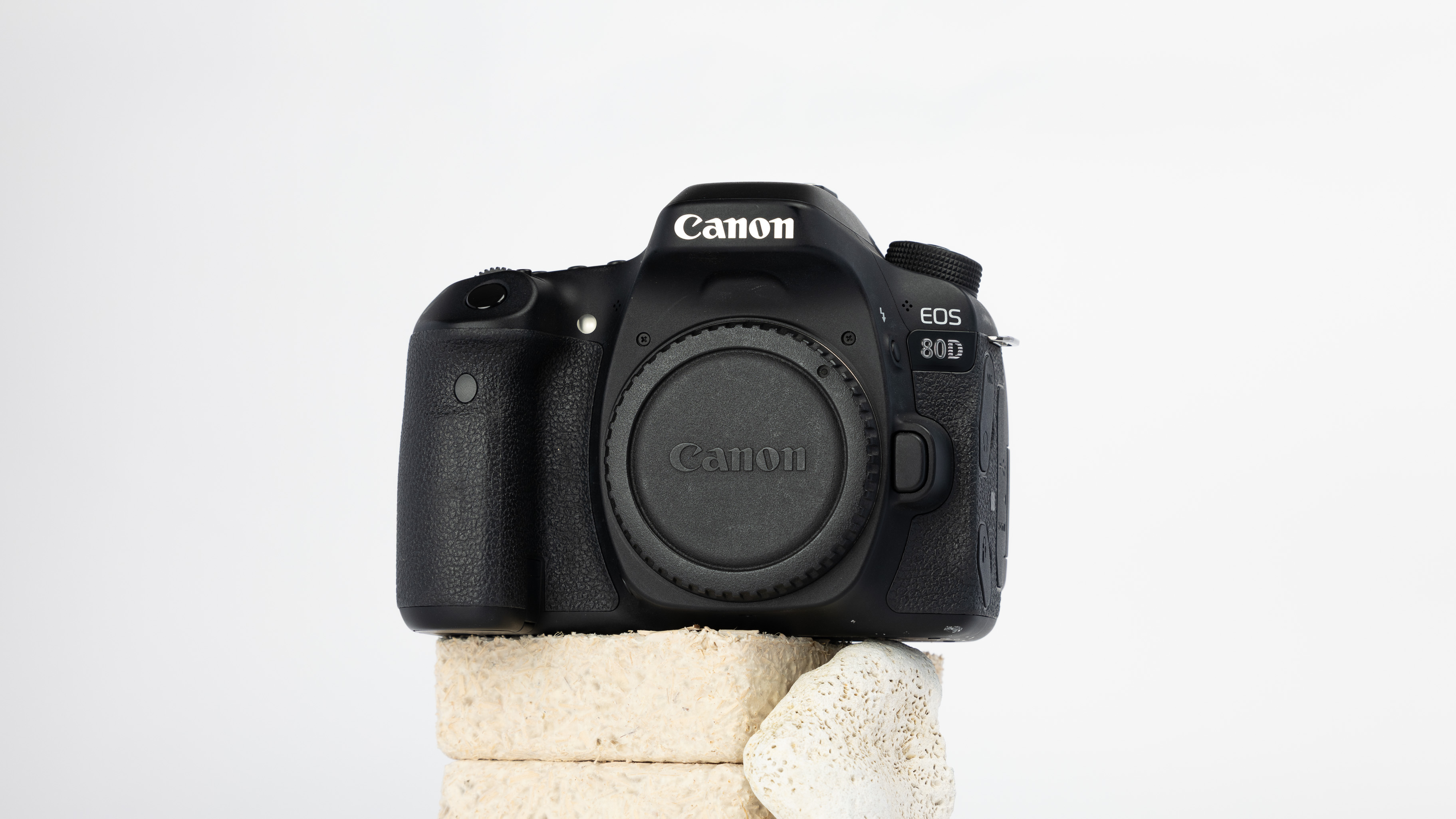
Used Canon 80D
Canon EOS 80D
Specs
24-megapixel APS-C sensor
Base ISO 100
Fully articulated rear LCD (useful for tripod use and low angles)
Weather-sealed body
730g
Pros
Excellent value at under £450
Nice handling and controls for the money
The articulated screen is genuinely useful for tripod landscapes
Huge Canon EF/EF-S lens selection
Cons
No in-body image stabilisation (IBIS)
Bigger and heavier than many beginner mirrorless options
The Canon EOS 80D is the perfect entry point for those seeking a DSLR that feels “serious” without being complicated. Pair it with a decent wide-angle lens, like the EF 24mm f/2.8 IS USM, or a zoom lens, like the EF 24-105mm f/4 L IS USM and you’ll be set for most kinds of landscape photography.
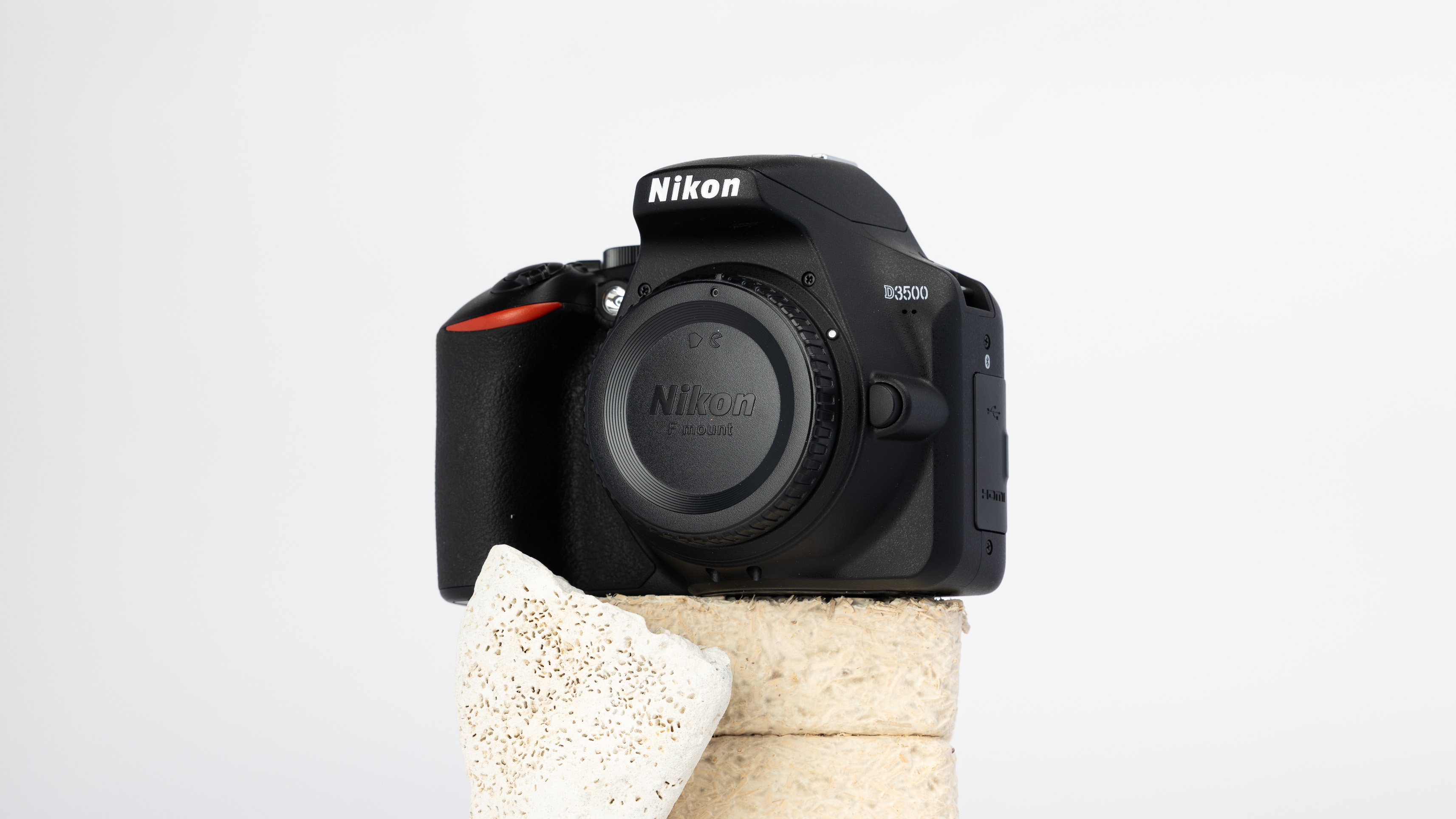
Used Nikon D3500
Nikon D3500
The Nikon D3500 is one of the simplest ways to get started with landscapes on a tight budget. If you’re patient with light and composition, it can create shots you’ll be proud of. Pair with Sigma's 17-50mm f/2.8 EX DC OS HSM for an affordable all-round setup.
Specs
24.2-megapixel APS-C sensor
Base ISO 100
Battery life rated up to approximately 1,550 shots
415 grams
Pros
Affordable used at under £400
Brilliant battery life for long days out
Light enough for travel and casual outdoor shooting
Cons
Not the best choice for poor weather
More basic controls, so you may outgrow it
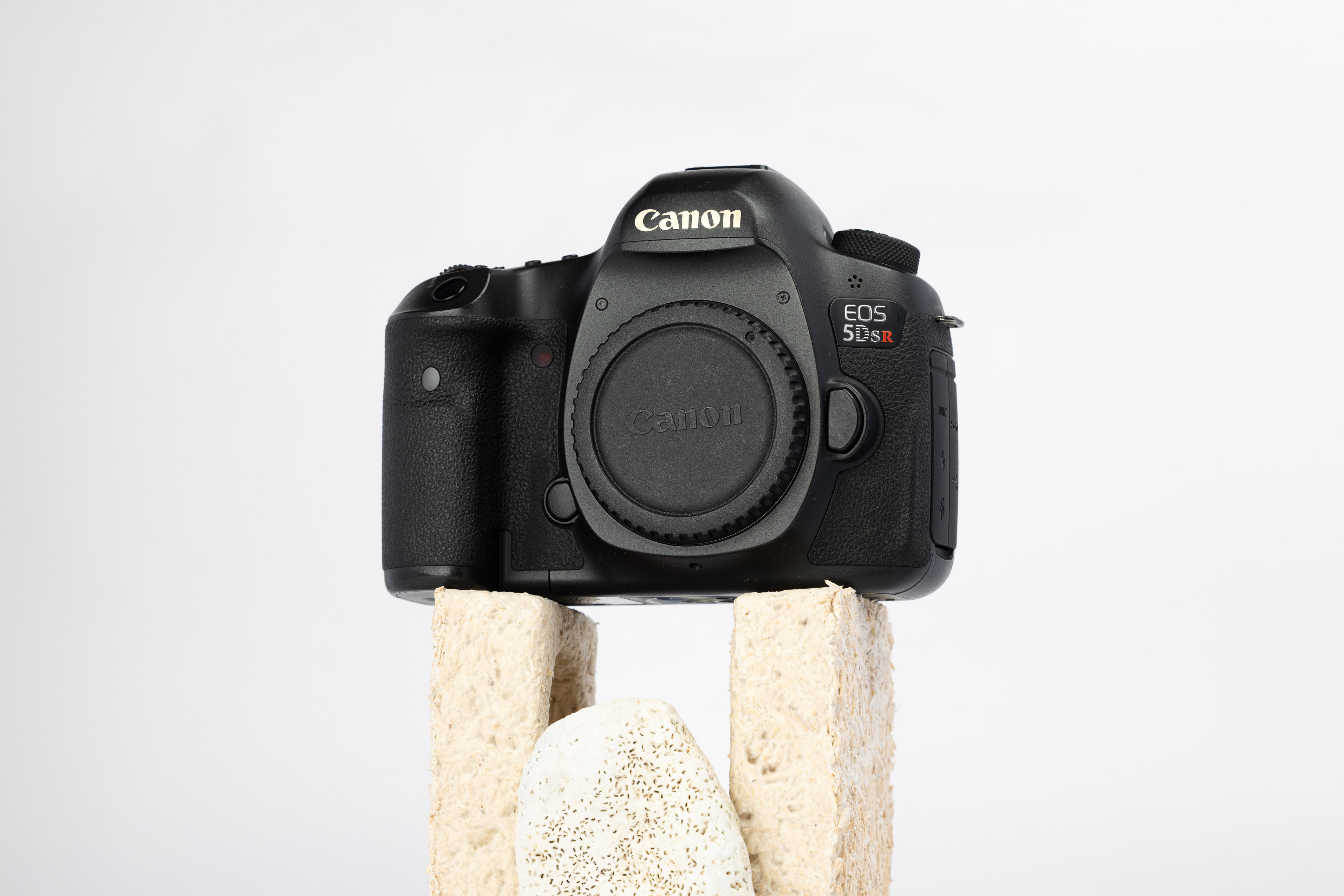
Used Canon 5DS R
Best Canon DSLR for Landscape: Canon 5DS R
If you’re after better detail for big prints or heavy cropping, the Canon EOS 5DS R is still an interesting used buy. It’s Canon’s “max detail” DSLR for landscape or detail-oriented work. You get pro-grade specs at a mere fraction of the cost of a mirrorless camera.
Specs
50.6-megapixel full-frame sensor
Designed specifically for high-resolution stills and cropping
Base ISO 100
930 grams
Sem IBIS Ficheiros de grande dimensão Exige técnica cuidada e mais lenta (tripé estável, objetivas nítidas)
Pros
Good price
Lots of megapixels for fine detail and large prints
Great choice if paired with Canon EF wide-angle lenses
Straightforward DSLR workflow for tripod landscapes
Cons
No IBIS
Big files
Rewards careful and slow technique (sturdy tripod, sharp lenses)
If your version of the best landscape photography camera means “give me maximum detail”, the 5DS R still delivers this, especially for fine art landscape photography and controlled tripod shooting. Released in 2015, many professional landscape photographers still use this camera, including those who later moved to mirrorless systems. The pictures from the 5DS R are just as detailed and good now as they were back then.
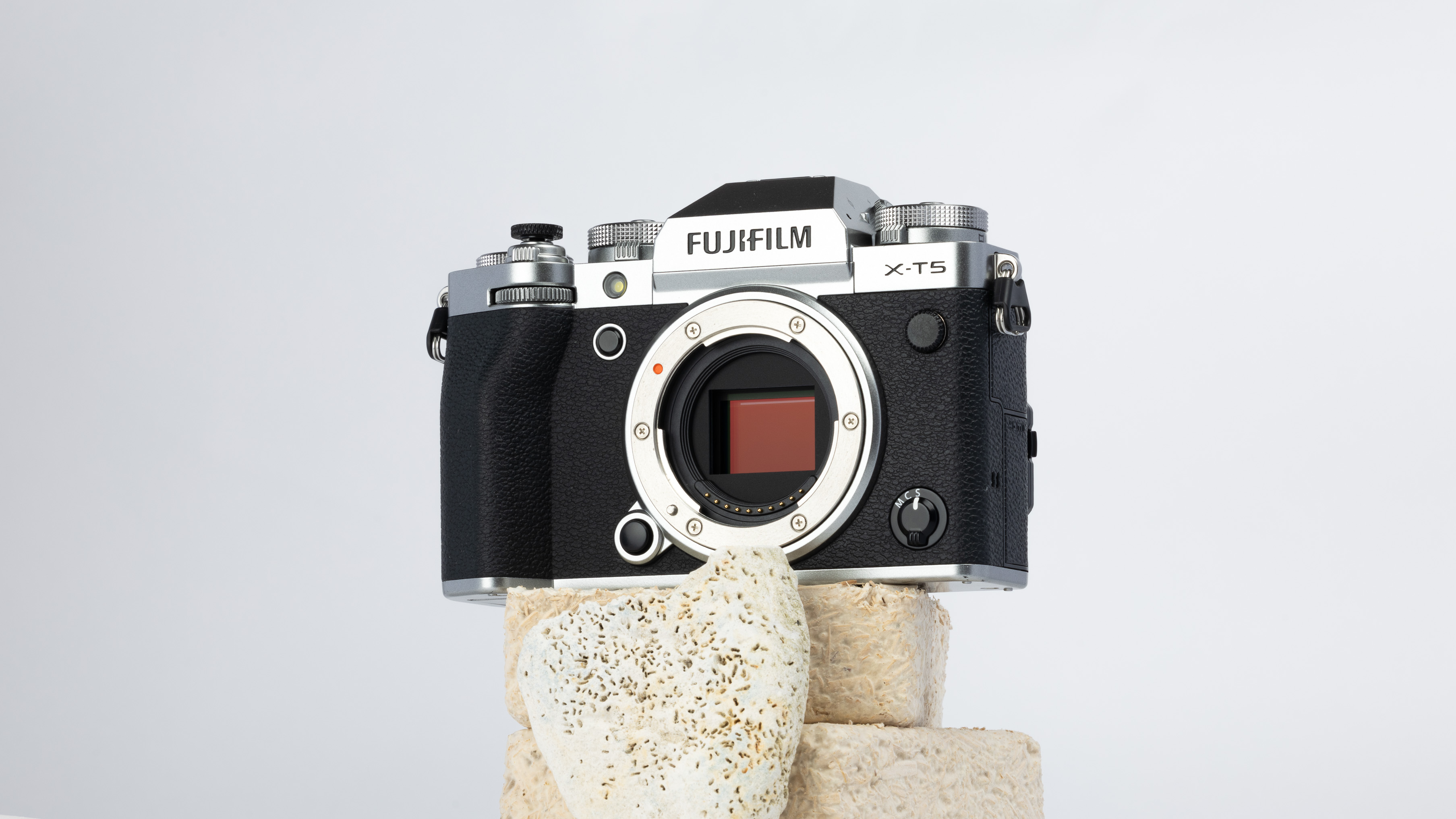
Used Fujifilm X-T5
Best APS-C Camera for Landscape: Fujifilm X-T5
If you want a smaller, lighter camera that doesn't compromise on quality, then look to APS-C cameras. The Fujifilm X-T5 is one of the best in this category. It has an excellent X-Trans 5, 40-megapixel sensor, 7 stops of IBIS, two SD card slots for peace of mind and access to the unrivalled options of the X-mount lens system.
Specs
40.2-megapixel APS-C sensor
IBIS up to seven stops
Pixel shift multi shot up to 160 megapixels
Weather resistant and cold rated to -10°C
Dual UHS II SD card slots
557g
Pros
Great detail without full-frame heft
Strong handheld performance thanks to IBIS
High-res mode is great for calm tripod scenes
Range of native wide-angle lenses in X mount
Cons
APS-C can be less forgiving than full frame if you push shadows hard
The X-T5 is one of the most convincing “serious” landscape photography camera options outside full-frame. It gives you the detail and flexibility landscape photographers care about while keeping the kit relatively compact for travel photography and hiking.
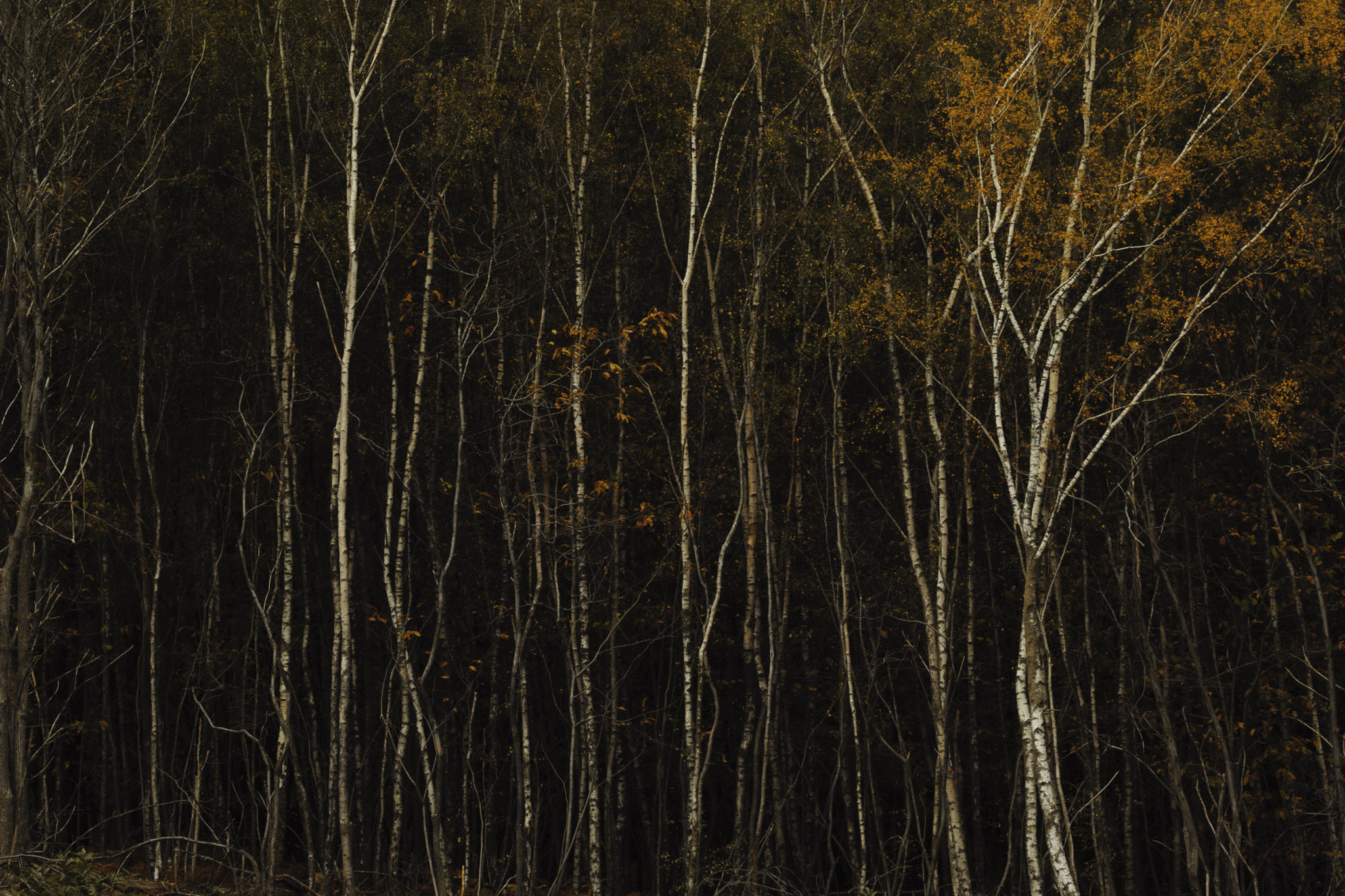
Adam Makkai | Fujifilm X-T5 | Fujifilm XF 100-400mm f/4.5-5.6 R LM OIS WR | 200mm | f/8.0 | 1/250th | ISO 400
Because it’s APS-C, a 10–24mm behaves more like roughly a 16–35mm “full-frame equivalent”, so if you love ultra-ultra-wide lenses, then maybe consider full-frame.
Pair the Fujifilm X-T5 with the XF 10-24mm f/4 R OIS WR, a versatile lens that still keeps the system relatively compact compared to full-frame setups. Read our Fujifilm X-T5 review for more details.
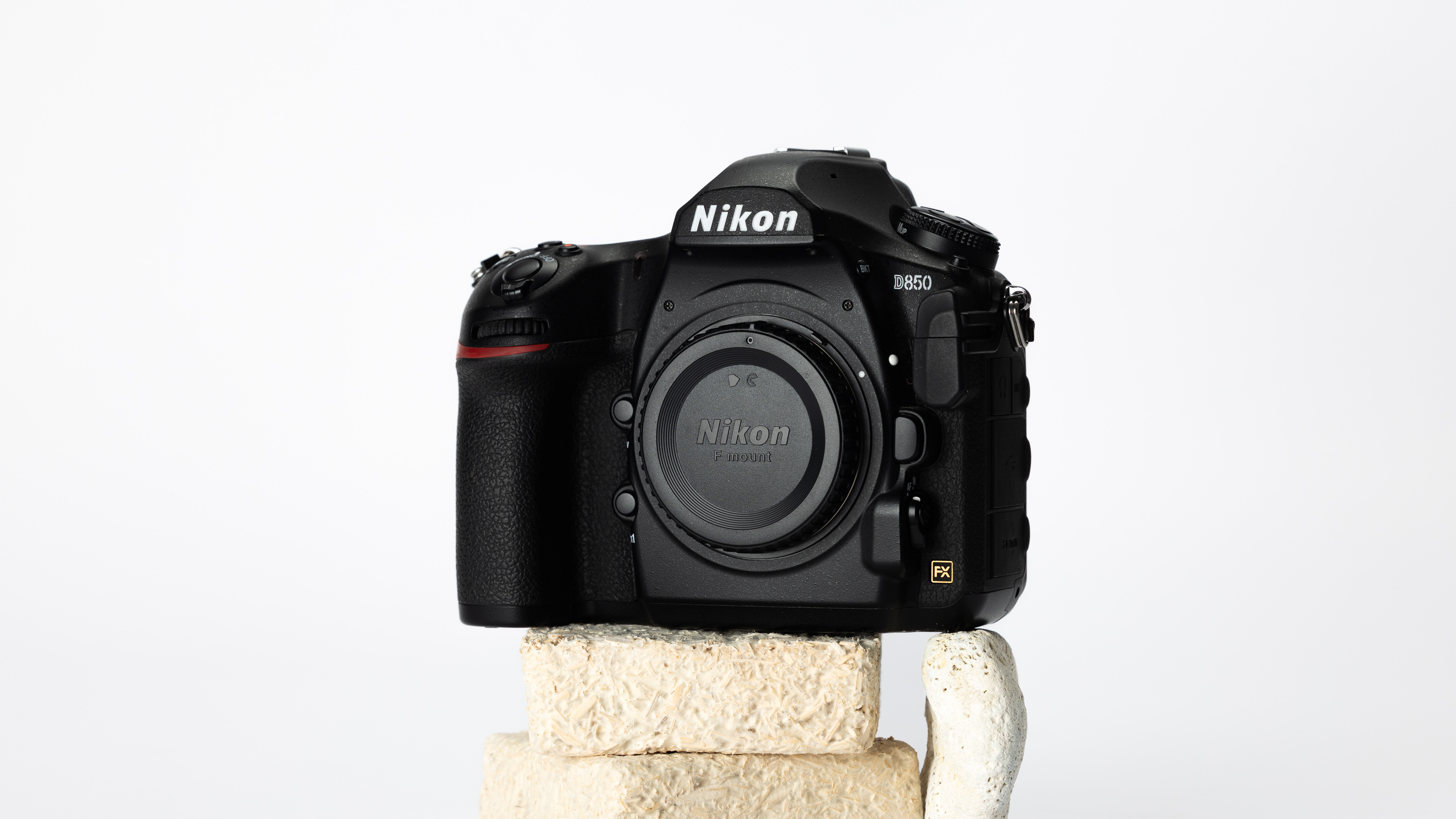
Used Nikon D850
Best Nikon DSLR for Landscape: Nikon D850
The Nikon D850 has a long-standing reputation as one of the most complete high-resolution DSLRs for landscapes, and its sensor is built for detail and dynamic range. It is still a powerful camera today and remains one of Nikon’s most well-rounded.
Specs
45.7-megapixel full-frame sensor
Very strong dynamic range and detail rendition
Base ISO 64 (which expands even lower to ISO 32)
1005g
Pros
Great balance of resolution and usability
Excellent for tripod landscapes, long exposures and base ISO shooting
Nikon’s F-mount lens ecosystem for wide-angle lenses
Cons
Bigger/heavier than most mirrorless bodies
No IBIS
Heavy and bulky body
If you want a high-resolution Nikon DSLR that’s brilliant for landscape photography, the D850 is your camera. It is also one of the best DSLRs ever made. Here are 10 top tips for landscape photography when you’re out there shooting. It’s also great at most other forms of photography, so it could easily be your pro-level DSLR all-rounder.
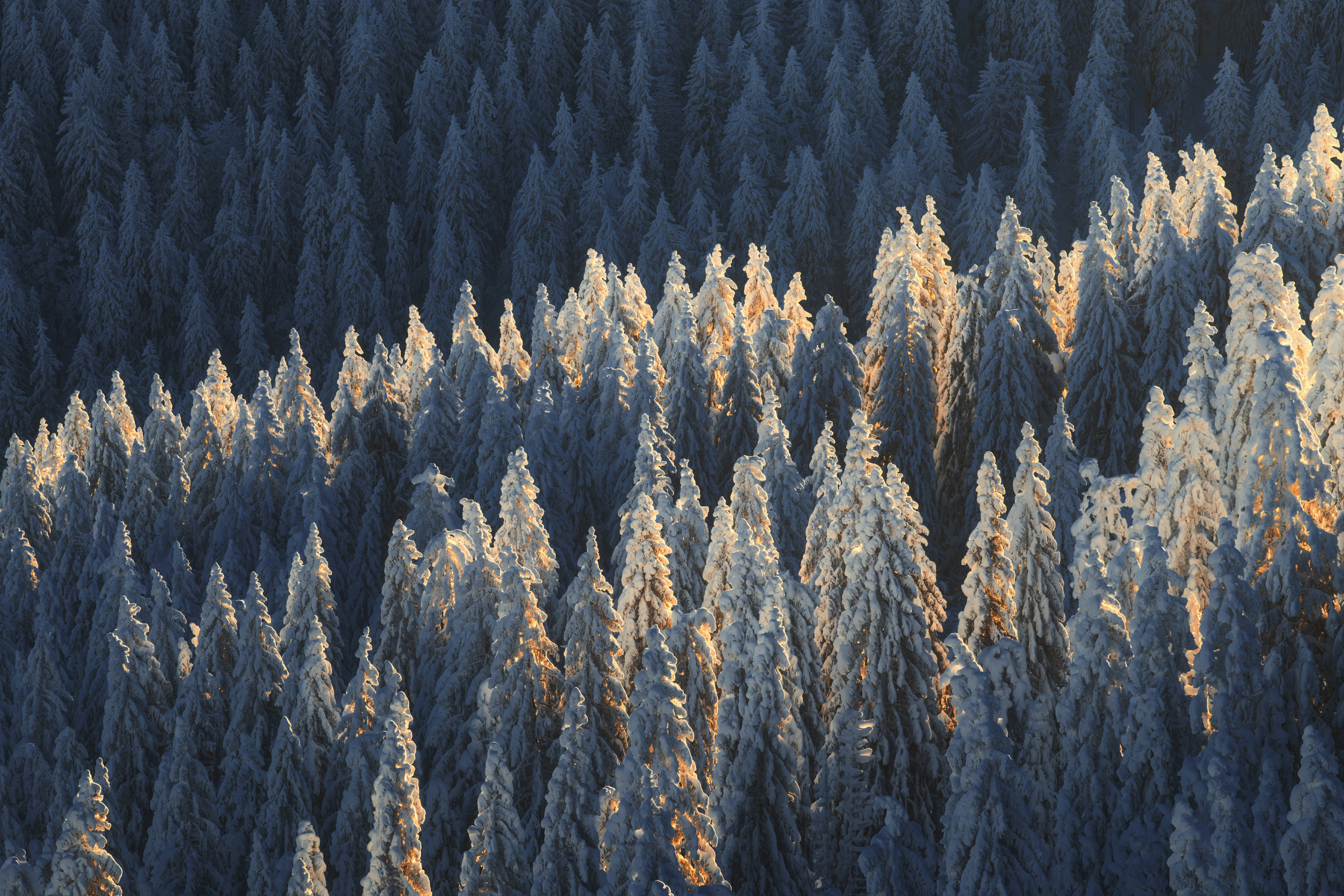
Kilian Schönberger | Nikon D850 | Nikon AF-S NIKKOR 70-200mm f/4G ED VR | 200mm | f/13 | 1/50 sec | ISO 200
This camera continues to impress well after its release year of 2017, we are not joking when we say it is built like a tank, it is actually a challenge to break this camera. Nikon lenses hold a similar reverence as well; we'd recommend pairing the D850 with the AF-S24-70mm f/2.8E ED VR, an all-round premier choice that can tackle most needs.
Used Nikon Z7
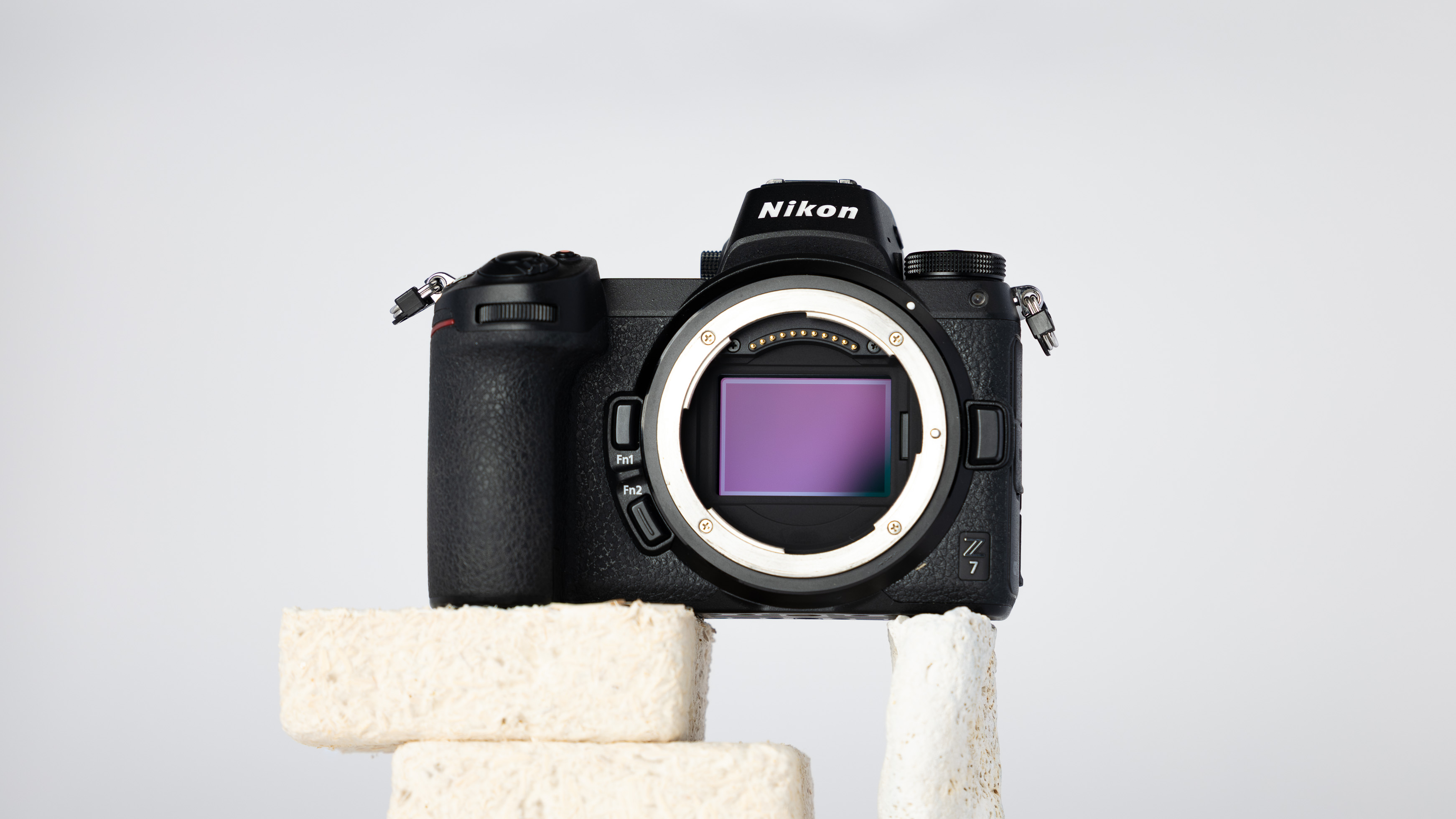
Best Value Mirrorless Camera under £1000 for Landscape: Nikon Z7
If you want one of the best value mirrorless cameras for landscape photography under £1,000, the Nikon Z7 is one of the strongest picks. The Z7 is a bargain for stepping into the professional landscape space, as it provides high-res, low-base-ISO files without pushing you into flagship pricing.
Specs
45.7-megapixel full-frame sensor with no low-pass filter
ISO 64–25600
5-axis IBIS
675g
Pros
Proper cropping/printing headroom for the money
45.7 megapixels means a lot of detail at this price point
Outstanding dynamic range
IBIS adds real flexibility for handheld landscape shooting
Compact and durable magnesium alloy body
Surprisingly lightweight design
Cons
Big files (45.7-megapixel RAWs add up quickly in storage and editing time)
CIPA battery rating is modest (around 330 shots). Carry a spare. For landscapes, the Z7 is hard to ignore. Don’t be disheartened by the relatively small native lens lineup for the Z-mount system; there are some of the best landscape lenses ever made in the lineup. These include the 24mm f/1.8 S, the 14-30mm f/4 S, and the exceptional 14-24mm f/2.8 S pro lens, all of which are great go-to native landscape lenses.
If you’re on a tight budget and already own a Nikon F-mount lens, then you have the option to adapt to your Z-mount body with the Nikon F–Z mount adapter.
Used Canon EOS R5
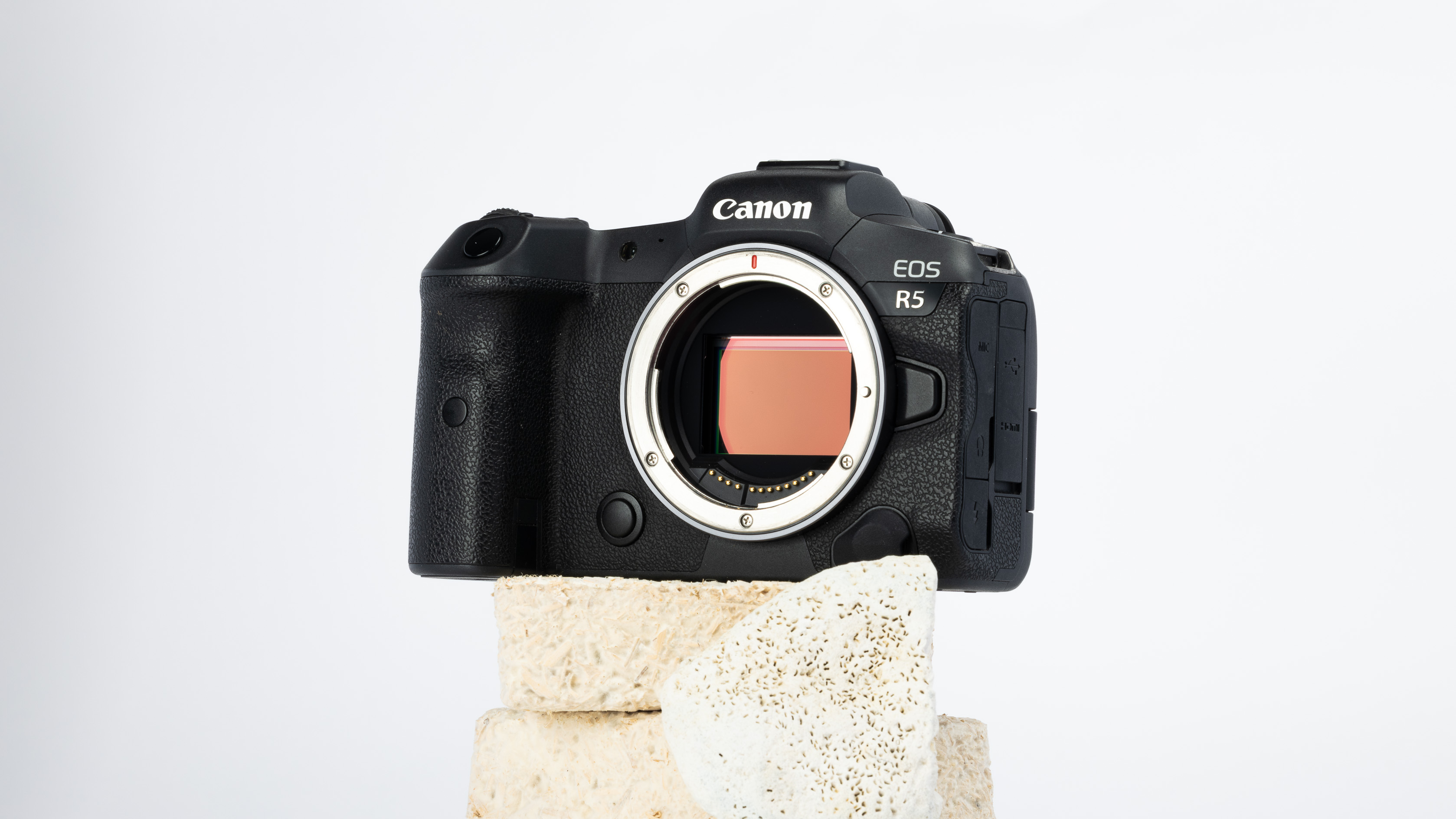
Best Canon Mirrorless for Landscape: Canon EOS R5
If you’re a Canon shooter, then you will know about the Canon EOS R5. It remains Canon’s best mirrorless option for high-resolution shooting for landscape photography. Since the camera has been available for a while now and has since been succeeded by the Canon EOS R5 Mark II, the original R5 price has dropped significantly since its launch. It’s a great value-for-money option at £1,409–£1,909, considering it's also Canon’s best all-rounder.
https://youtu.be/FgLCTO3qYMY?rel=0Specs
45-megapixel full-frame sensor
ISO 100–51,200
Up to 8 stops of stabilisation when IBIS works with compatible lens IS
IBIS High Resolution mode
5.76M dots electronic viewfinder
738g
Pros
Strong mix of resolution and usability for outdoor work
Great lens options in RF, especially for wide-angle zooms
High-res composite mode useful for static tripod scenes
Cons
RF lenses are pricey
The Canon R5 is a safe pick if you want one of the best cameras for landscape photography that can also handle pretty much anything else you chuck at it.
Amy Moore | Canon EOS R5 | RF 24-70mm f/2.8L IS USM | 70mm | f/16 | 1/320 sec | ISO 400
Although the RF lens lineup is not yet as mature as the giant EF lens lineup, there are still great lenses for landscape like the RF 14-35mm f/4 L IS or the fantastically compact RF 70-200mm f/4 L IS.
Used Sony A7R V
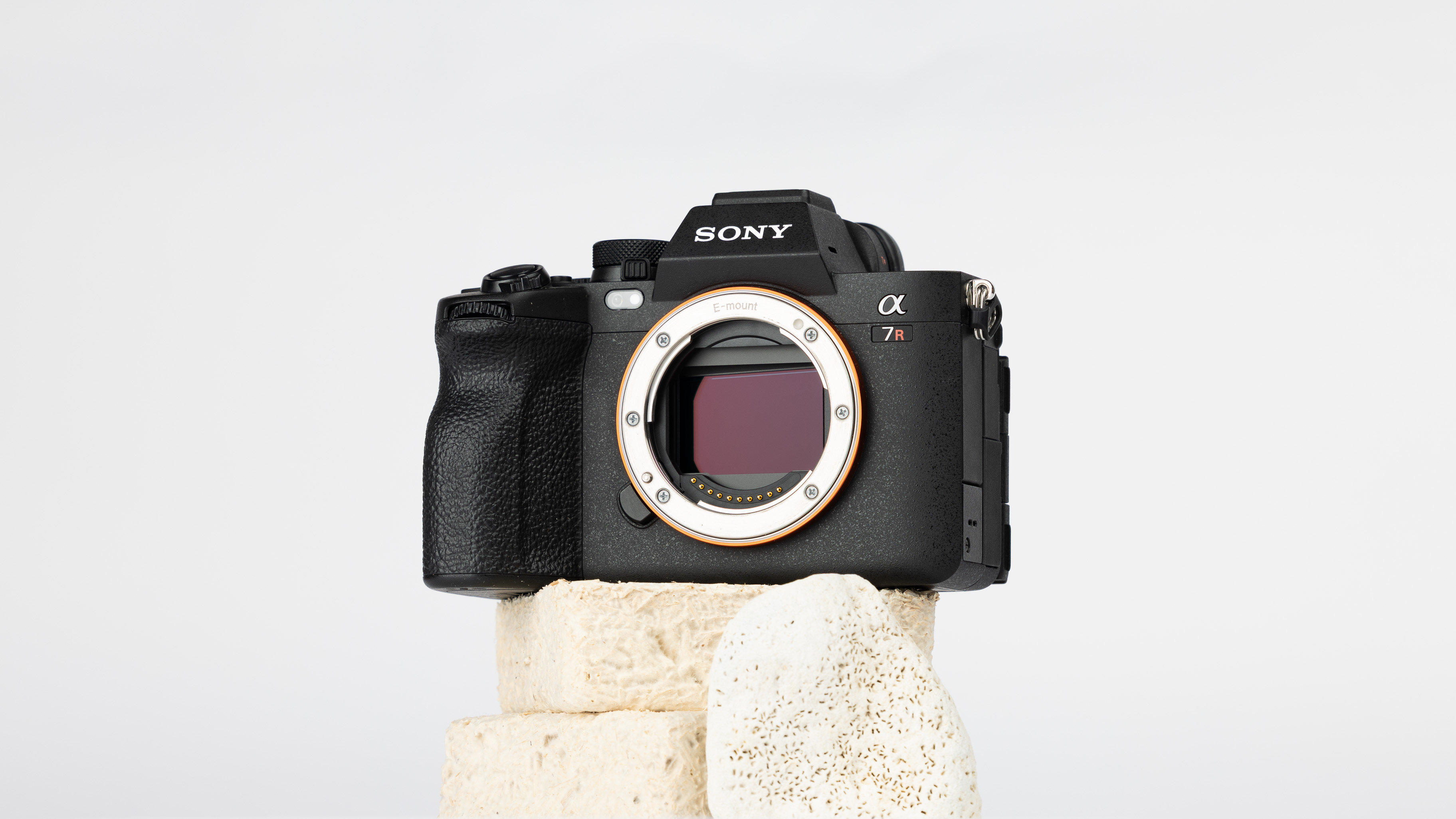
Best Sony Mirrorless for Landscape: Sony A7R V
Are you after maximum detail from a modern full-frame camera? Then the Sony A7R V is one of the easiest picks. It’s built around a whopping 61-megapixel sensor, but it is also on the smaller side compared to other cameras in this category.
Specs
61-megapixel full-frame sensor
8-stop IBIS
Pixel-shift multi shooting
9.44 million-dot OLED electronic viewfinder
723g
Pros
Good image quality for landscape work and big prints
Huge FE lens ecosystem
Handheld-friendly for a high-megapixel body
Selectable RAW sizes
Cons
Big files and a heavier editing workflow
Pixel shift is only practical when the scene is very still
Not the cheapest route into high-resolution mirrorless
If you’re choosing the best camera for landscape photography based on detail, versatility and a deep lens ecosystem, the A7R V is a strong bet. It suits both tripod-based nature photography (pixel shift, focus stacking, long exposures) and more spontaneous travel photography (IBIS and sensible battery life), as long as you’re happy handling big files.
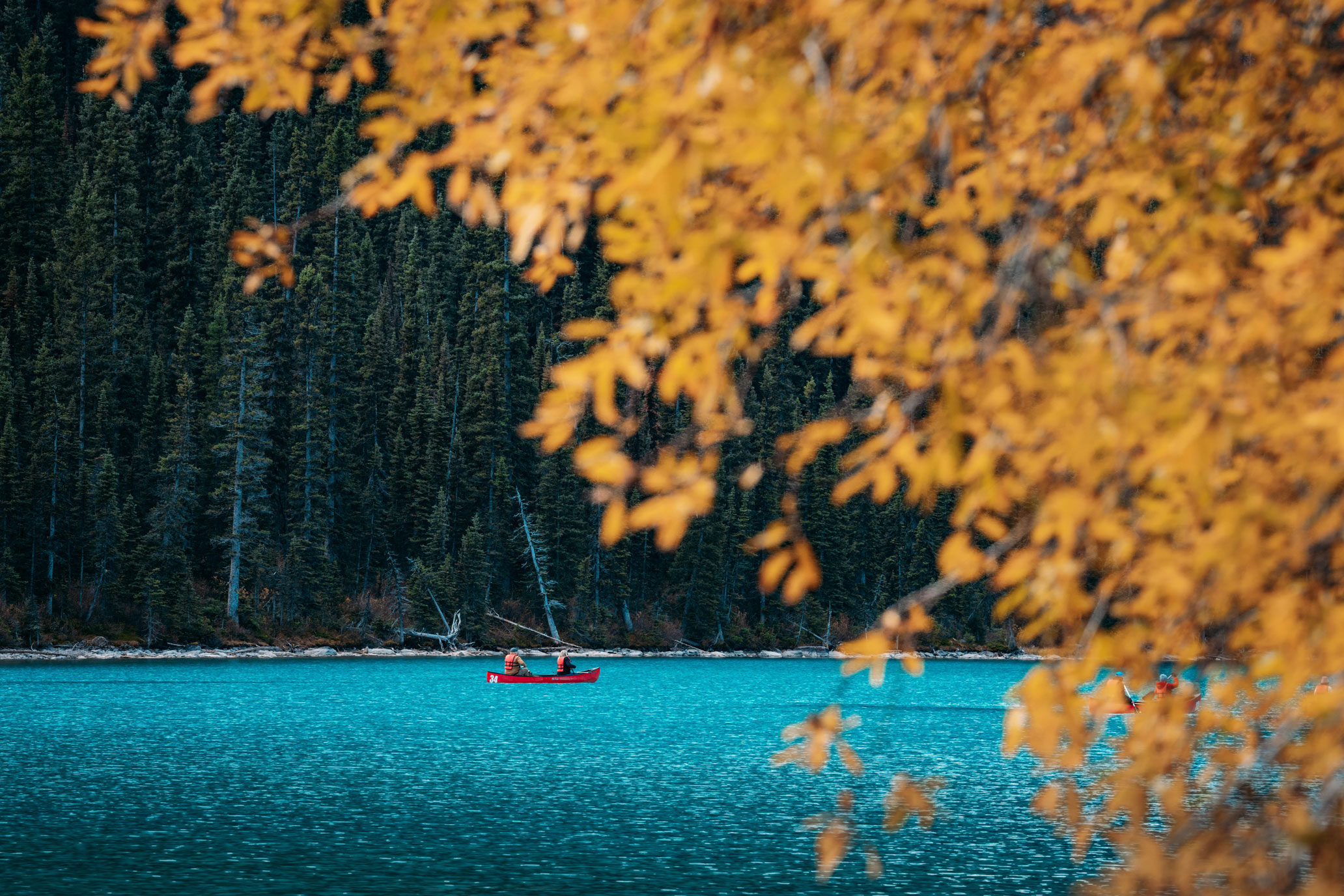
Jude Allen | Sony A7R V | Sony FE 70-200mm f/2.8 GM OSS II | 136mm | f/9 | 1/200 | ISO 100
Check out the Sony A7R V review for landscape photography in the stunning Banff, Canada and see how it performed.
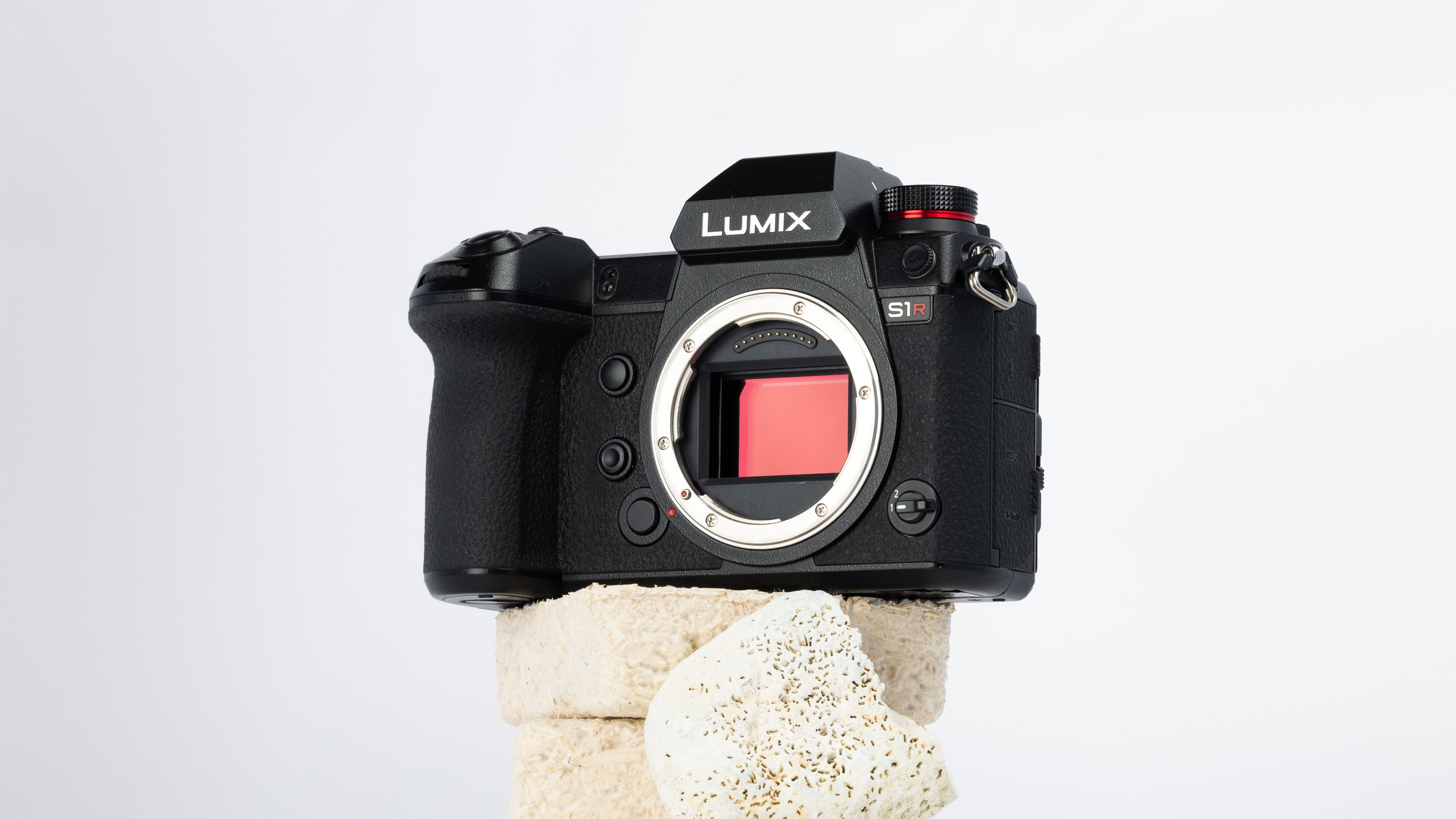
Used Panasonic S1R
Best Panasonic Mirrorless for Landscape: Panasonic S1R
The Panasonic DC-S1R has a bulky body, but it’s very much built for image quality and outdoor use. Here’s the appeal for landscape photographers: you get a high-resolution sensor (47.3 megapixel) in a full-frame camera, plus a useful high-resolution mode/pixel shift option for tripod work.
It’s not the lightest choice for hiking and travel weight, but if your landscape shooting involves a tripod, a slower pace and a lot of attention to detail (such as sharpness, corner sharpness and fine textures), it’s the one for you.
Specs
47.3-megapixel full-frame sensor
L-mount (Compatitable with any L-mount lens by Panasonic, Leica, Sigma etc.)
5.76M-dot OLED electronic viewfinder
Sturdy magnesium alloy body design
1020g
Pros
Built for outdoor rugged photography
Great for people seeking sturdy ergonomics
Cons
Heavy camera
L-mount is solid, though not the widest native lineup
The S1R makes the most sense if your landscape style leans towards tripod use, careful composition and getting the best possible files.
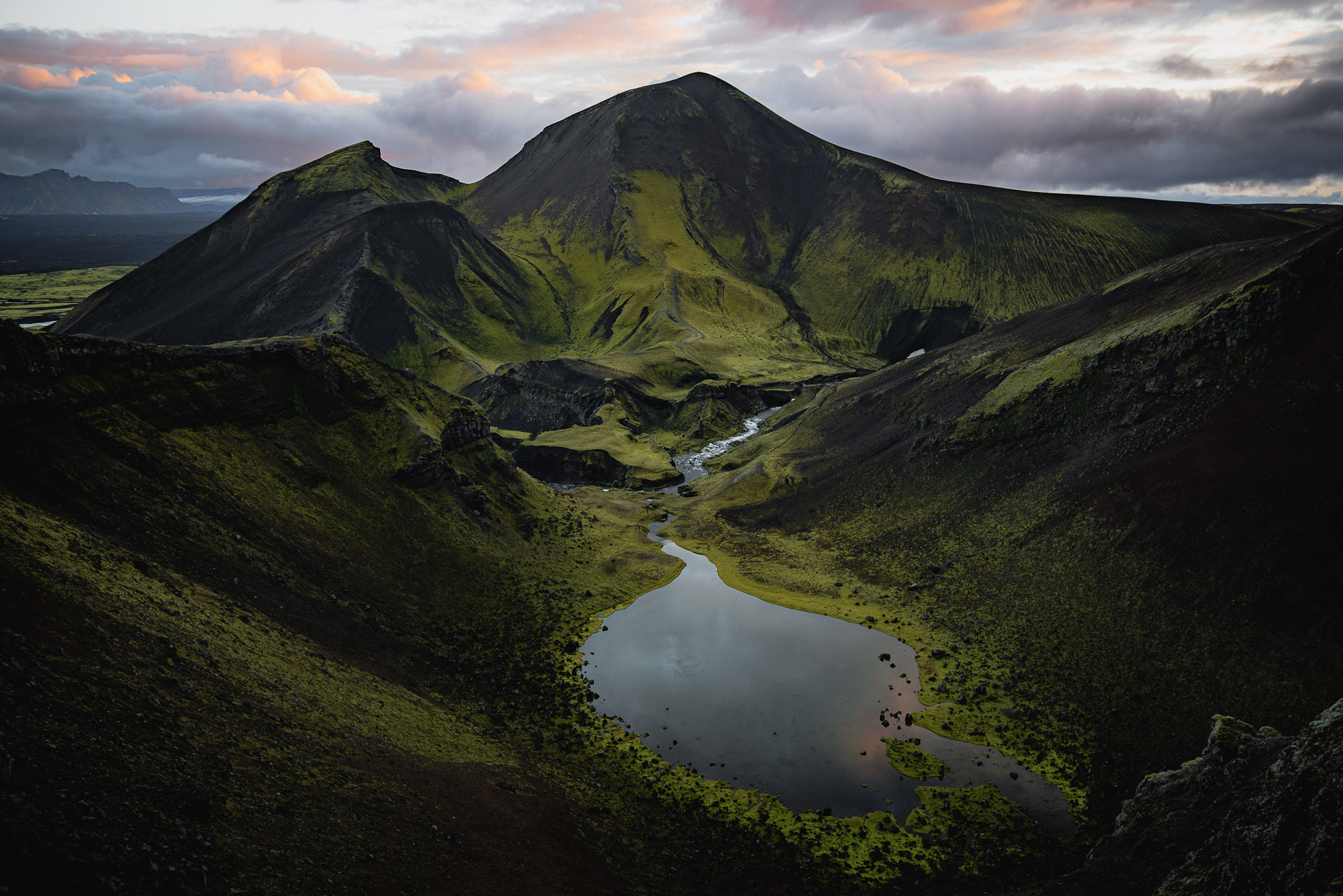
Paul Watson | Panasonic S1R | 24-105mm f/4 | 24mm | f/4 | 1/13 | ISO 100
If you mostly shoot handheld on long walks, you’ll notice the weight, but if you’re happy carrying a sturdier kit, it’s a very capable landscape photography camera.
Read our Panasonic S1R review for more information. And check out landscape photographer Paul Watson's experience of using the Panasonic S1R to shoot the Northern Lights in Iceland.
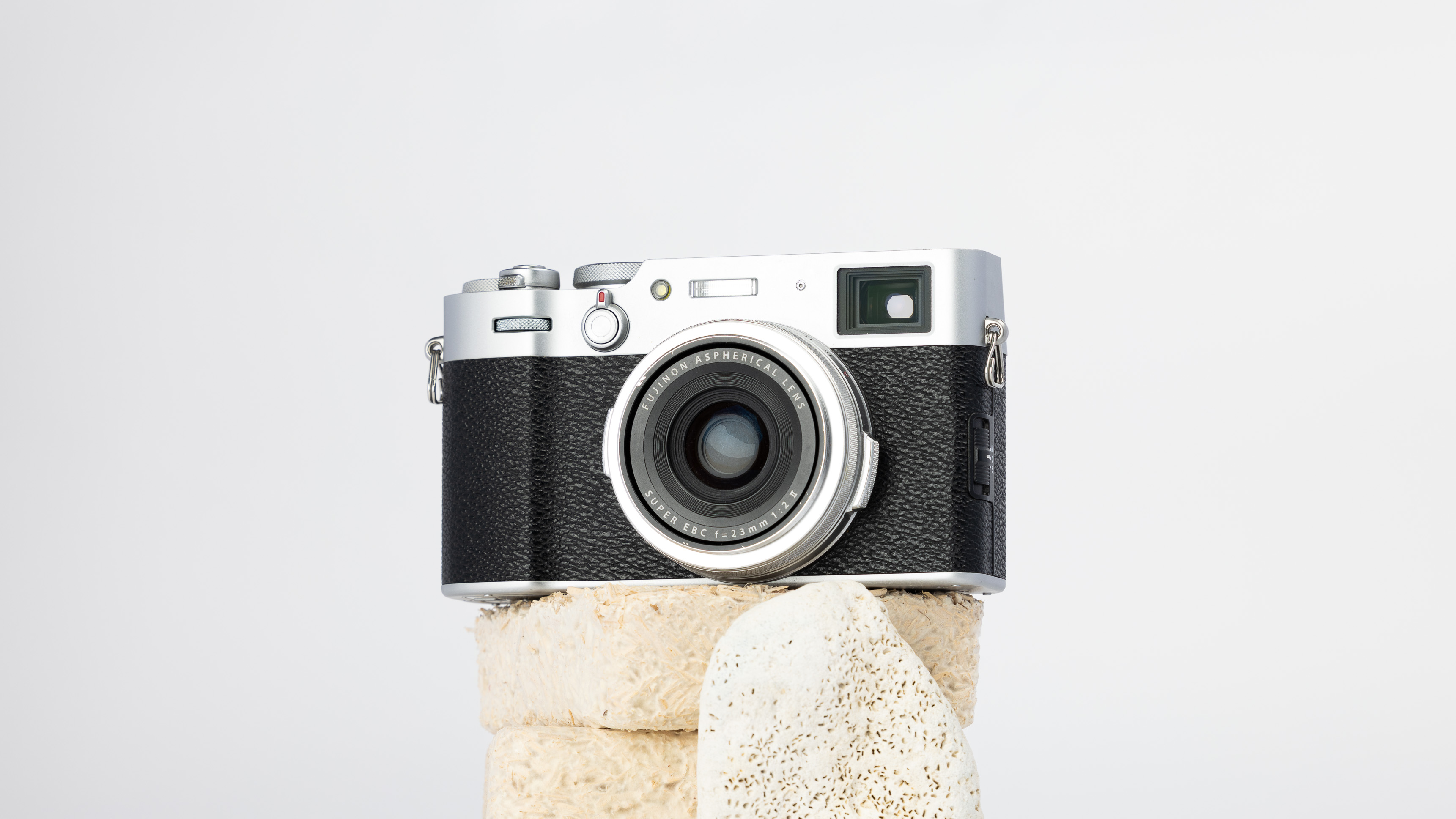
Used Fujifilm X100VI
Best Compact Mirrorless for Landscape: Fujifilm X100VI
Most landscape photographers will carry a “main” camera for planned shoots, but still want something smaller for travel photography, location recce and those in-between moments. That’s where the Fujifilm X100VI makes sense for professional work, with 40 megapixel RAW files, IBIS and a sharp lens in a body you can take out in bad light, for early starts and long walks.
https://youtu.be/ex1F7SgqLsY?rel=0Specs
40-megapixel APS-C X-Trans 5 sensor
Fixed 23mm f/2 lens (35mm full-frame equivalent), with built-in 4-stop ND filter
Extended ISO down to ISO 64
IBIS up to 6 stops
Hybrid optical/electronic viewfinder
521g
Pros
An “always with you” landscape camera
Excellent image quality for APS-C sensor
Built-in ND filter is genuinely useful outdoors
Very small and lightweight compared to other setups
Cons
Fixed 35mm equivalent focal length is the obvious limitation
You’ll still want a “proper kit” sometimes
Weather resistance needs a lens ring to be attached to be fully weather sealed
The X100VI appeals to landscape photographers because it’s a capable camera in a compact package with a built-in ND filter. What more do you need? It’s great for travel photography, scouting and those days when you want to shoot without lugging around a full bag.
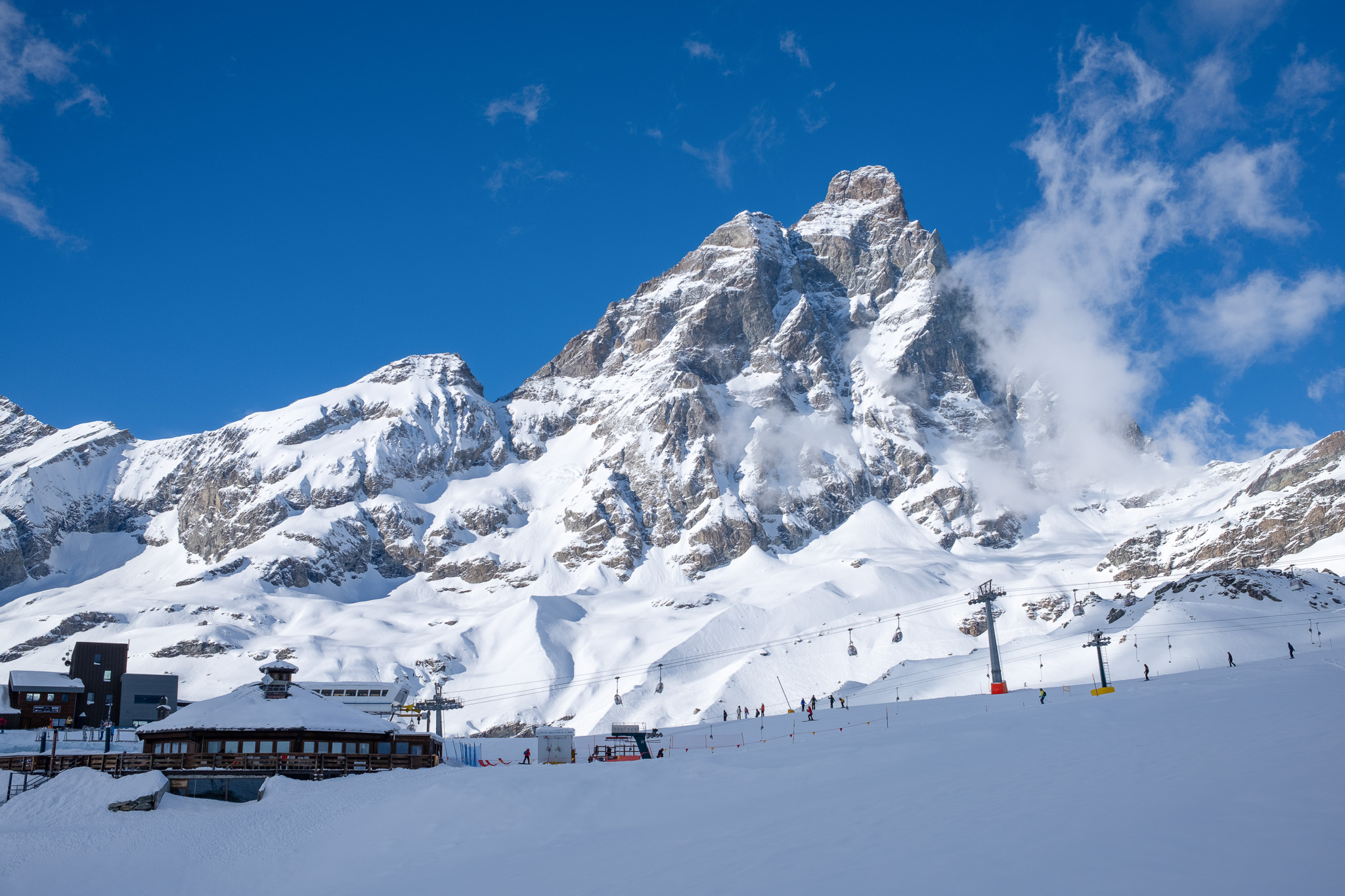
Amy Moore | Fujifilm X100VI | f/5.6 | 1/800 sec | ISO 200
It won’t replace a full-frame or interchangeable lens setup for everyone but as a second body (or a minimalist main camera), it’s one of the more convincing “serious” compact options. Check out our full Fujifilm X100VI review.
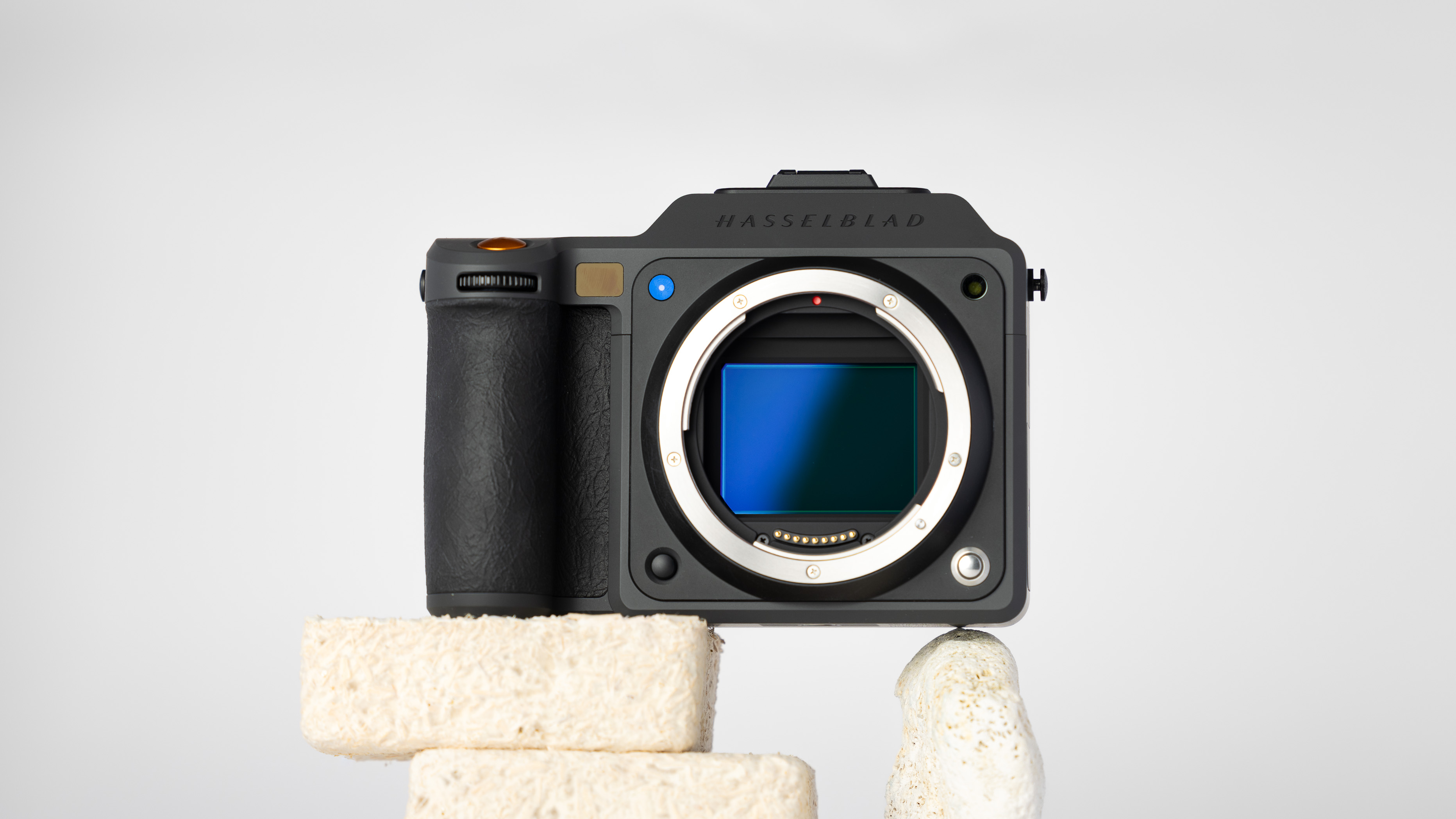
Used Hasselblad X2D II 100c
Best Medium Format Camera for Landscape: Hasselblad X2D II 100c
I’m closing with a special one. If you’re looking for the best of the best, the ‘endgame’ camera, if you will, the Hasselblad X2D II 100c is pretty much as good as it gets. One of the most purpose-built options for fine art landscape photography.
The X2D II 100c is not trying to be a do-everything hybrid body. This camera is all about the absolute best in quality. It's aimed at photographers who spend a lot of time on composition and want files with extreme flexibility.
Specs
102-megapixel medium-format sensor (44×33mm)
16-bit colour depth with a dynamic range and 15 stops
IBIS rated to 10 stops
5.76M-dot electronic viewfinder and a 3.6-inch tilting touchscreen
Built-in 1TB SSD plus CFexpress Type B card support
840g
Pros
Huge resolution that suits big prints, heavy cropping and scenes with lots of fine texture
Best in-class colour depth and dynamic range, low base ISO of 50
IBIS makes it more practical for handheld landscape shooting than older medium-format bodies
1TB internal storage reduces the stress of working with large files on trips
Cons
XCD lenses are expensive, and the body is already expensive. Not the “cheap route”.
100-megapixel workflows are heavy. You’ll want plenty of storage and a powerful computer
Battery life is fine, rather than brilliant
The Hasselblad X2D II 100c is the best combination of image quality, portability and versatility for landscape photography on the market, and its price reflects that. The XCD lenses for the Hasselblad X-system are sharp and, we’re saying it, among the best for landscape photography. Period. If you can afford it, you won’t be disappointed with the results. Read our Hasselblad X2D II 100c review.
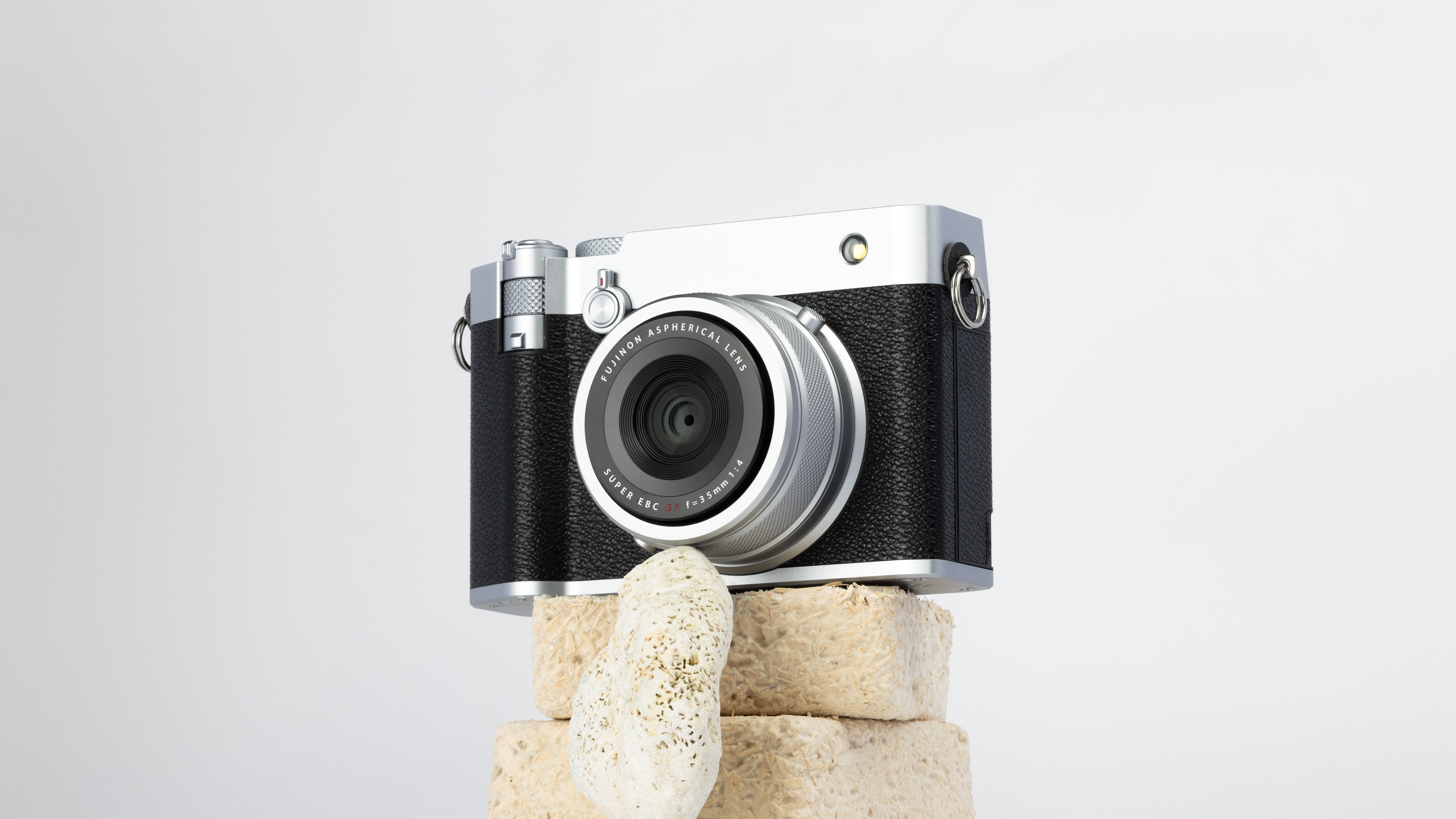
Used Fujifilm GFX100RF
Honourable mention: Fujifilm GFX100RF
A sneaky additional option is the travel-friendly Fujifilm GFX100RF, which is like a beefed-up version of the X100 series, with a 102-megapixel medium-format GFX sensor and a fixed 35mm f/4 (28mm equivalent) lens.
https://youtu.be/S5tE27b-T6E?rel=0For an on-the-go landscape photographer, it’s ideal. Read our Fujifilm GFX100RF review for more details.
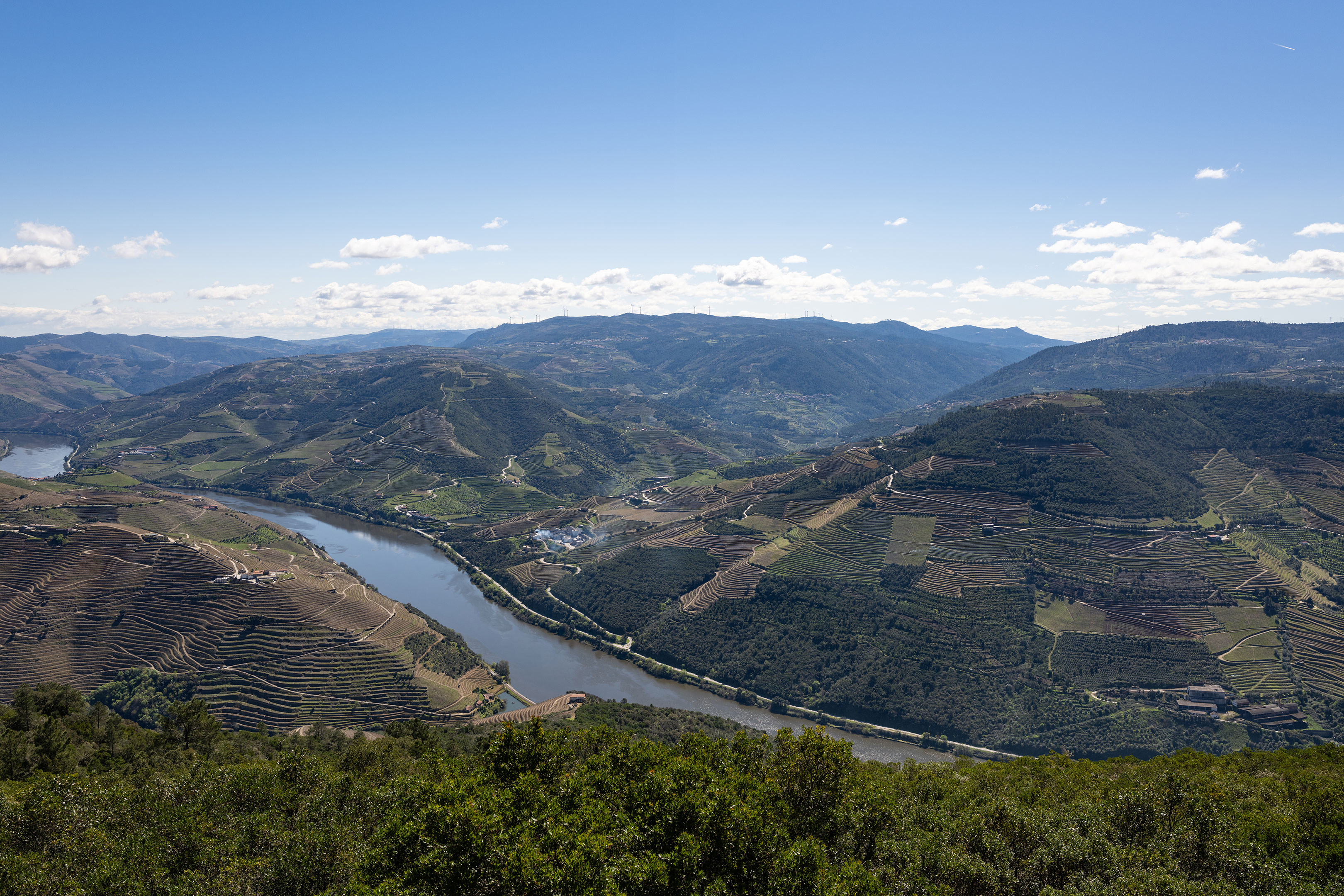
Amy Moore | Fujifilm GFX100RF | 35mm | f/8 | 1/500 sec | ISO 200
Verdict: Which One Should You Buy?
If you want a clean way to decide among the best cameras for landscape photography, it’s best to think in terms of how you shoot:
Best beginner DSLR for value: Nikon D3500 (cheap, light, huge battery life)
Best beginner DSLR with nicer handling: Canon 80D (lots of controls, articulated screen)
Best DSLR for serious landscape detail: Nikon D850 (high resolution, dynamic range)
Best mirrorless under £1,000 used for most people: Nikon Z7 (all-rounder, high resolution, IBIS)
Best high-res mirrorless for detail: Sony A7R V (pixel shift option for static scenes)
Best compact option for travel landscapes: Fujifilm X100VI (high-res APS-C, IBIS in a small body)
If you’re torn, it’s often better to buy the body that’s “good enough” for your needs and allocate your budget to a sharp, wide-angle zoom lens and a tripod. The lenses you choose will always make the biggest difference.
DSLR Vs Mirrorless: Which is better for landscape photography?
This is usually where people start when they’re comparing the best cameras for landscape photography, and the honest answer is that both can be excellent.
Mirrorless has clearly become the default for new camera releases, but that doesn’t make DSLRs bad for shooting landscapes. In fact, many of the older flagship DSLRs now represent really good value when bought secondhand. There are many good-value DSLR options for beginners starting out in landscape photography as well.
Mirrorless is often better for landscapes if you want:
An electronic viewfinder that previews exposure and white balance
Modern ‘cleaner’ native lenses
Better live view for more accurate composition
More modern features, including IBIS and high-resolution modes/pixel shift
Lighter carryweight because of smaller bodies
DSLRs still make sense if you want:
An optical viewfinder and a more traditional shooting experience
Typically, stronger battery life
Great used value, especially for high-megapixel bodies
For landscape work, remember: the bigger deciding factor is usually the lens ecosystem. You want sharp wide angles, good corner sharpness and, obviously, options you can afford. You also want to be happy with the weight you have to carry.
FAQs
What are the best camera settings for landscape photography?
Your camera settings will vary depending on the scene you are shooting, but try f/8.0 to f/22 and as low an ISO as possible.
Is the Canon EOS R or R6 better for landscape photos?
The Canon EOS R gives you more resolution, while the Canon EOS R6 tends to give you more handheld flexibility because of the stabilisation.
Are full-frame cameras better for landscape photography?
Full-frame can help with cleaner shadow and highlight recovery, and more resolution but it’s not required.
How many megapixels do you need for landscape photography?
For many people, around 24 megapixels is plenty for web use and normal-sized prints. Higher megapixels become more useful if you crop heavily, print big or want maximum fine detail (think fine art landscape photography).
You can sell or trade your camera kit to MPB. Get a free instant quote, free insured shipping to MPB, and get paid within days.