Canon launched the EOS R6 Mark II back in 2022, and it quickly earned a reputation as one of those unflappable cameras you could take just about anywhere and trust to get the job done. No niches here. It is comfortable shooting a bit of everything.
In this review, MPB’s Amy Moore gets hands-on with the Canon EOS R6 Mark II while visiting a local wildlife park and exploring darker environments, like a forest. She tests how the camera handles fast-moving subjects, tricky light and switching between stills and video, the kind of versatile shooting most of us actually do.
https://youtu.be/NfKY0rCW3ws?rel=0Some cameras feel like tools. Others feel like companions. The Canon EOS R6 Mark II sits very firmly in the second camp.
If you’re looking for a full-frame hybrid camera that can shoot almost anything without asking too much of you in return, this might be it. Weddings, wildlife, travel, sports and video projects, plus long days where the light changes and plans fall apart. As we cover in our sports photography guide, reliability and speed matter most, and the R6 Mark II does not flinch.
The spec sheet tells the same story.
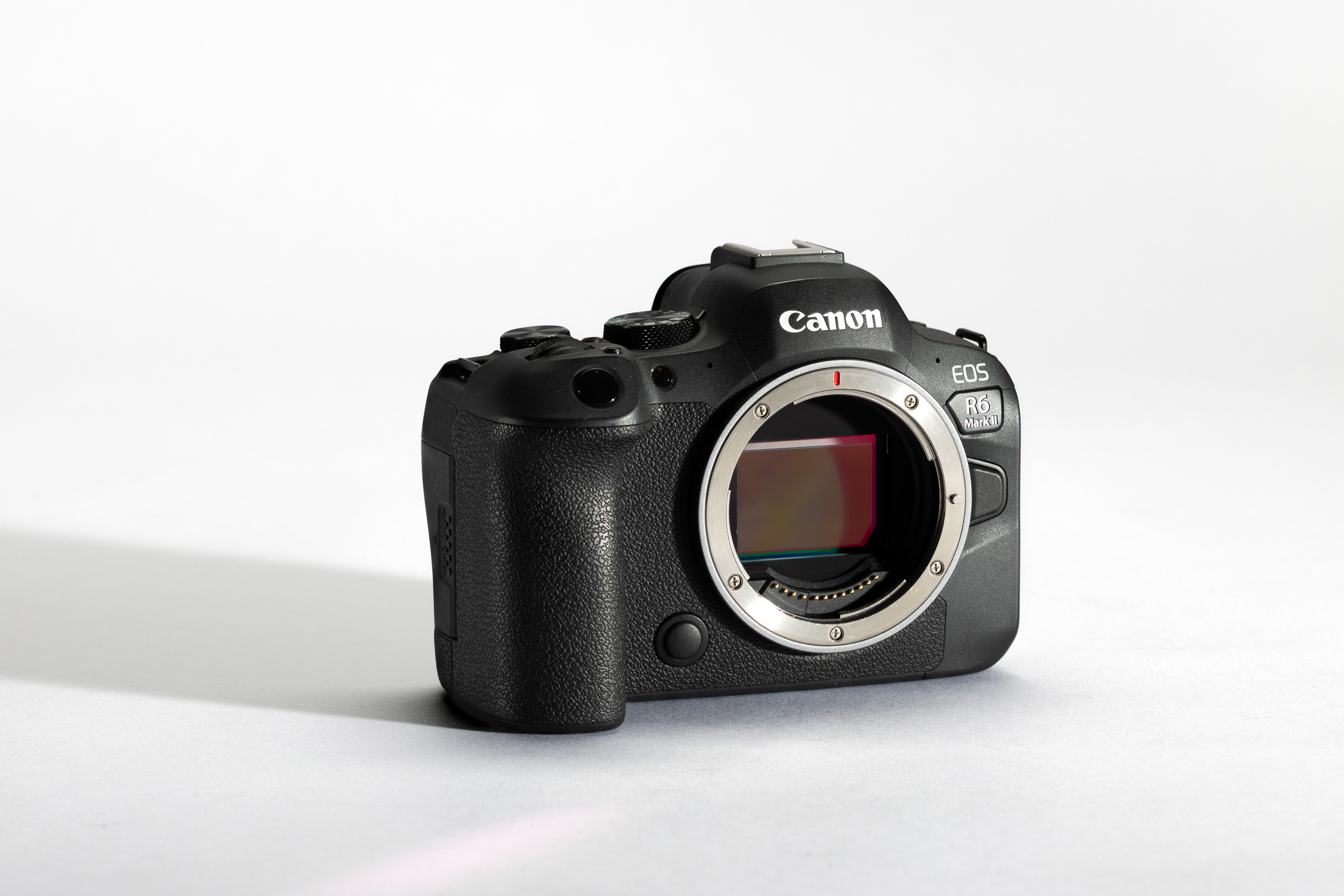
Used Canon EOS R6 Mark II
Canon EOS R6 Mark II Specs
The Canon EOS R6 Mark II is built around a full-frame Dual Pixel CMOS AF II sensor. It has a Canon RF mount and features both mechanical and electronic shutter shooting (up to 40fps).
Video shooters get 4K video oversampled from 6K, high frame rate of 180 fps for super-slow-motion footage at 1080p and, thankfully, no more 30-minute recording limit. You also get in-body image stabilisation (IBIS) rated up to eight stops with supported lenses, weather-sealing and dual UHS-II SD card slots.
Sensor | CMOS |
Sensor size | Full frame |
Megapixels | 24.2 |
IBIS | Yes (5 axis) |
Mount | Canon RF |
ISO | 100–102400 |
ISO, exp | 50–204800 |
Shutter | Mechanical and electronic |
Max shutter | 1/8000 |
Flash | No built-in flash, hot shoe only |
Viewfinder | Electronic (3.69m-dot OLED) |
Max video | 4K 60p (oversampled from 6K) |
Storage type | Dual SD UHS II |
Weight, g | 670 |
Battery | LP-E6NH |
Battery, shots | Approx. 760 |
Dimensions, mm | 138.4x98.4x88.4 |
Released | 2022 |
Pros
Reliable autofocus
40fps electronic shutter
Excellent low-light performance paired with strong IBIS
No 30-minute limit for video recording
Comfortable, familiar Canon handling
Much improved battery life
Cons
Micro HDMI still feels like a missed opportunity
Memory cards cannot be hot-swapped
Limited room for cropping

Amy Moore | Canon EOS R6 Mark II | Canon RF 100-500mm f/4.5-7.1L IS USM | 200mm | f/4.0 | 1/320 | ISO 400
Design and Handling
You can happily carry the R6 Mark II all day without feeling like you are babysitting it. The grip is comfortable and the buttons fall where you expect them to. If you are coming from an earlier Canon body, especially the original Canon EOS R6, the handling will feel instantly familiar, something we touched on in our Canon EOS R6 vs Sony A7C review.
One of the nicest changes from the original R6 is the stills-to-video switch. Yes, just a switch but flick it and you’re ready to film, putting you in a different headspace instantly. That is what a hybrid camera is all about. Unlike older models, the R6 Mark II allows the custom modes (C1–C3) to be set independently for video, saving specific video setups for quick recall. You can choose whether those changes automatically update or stay static.
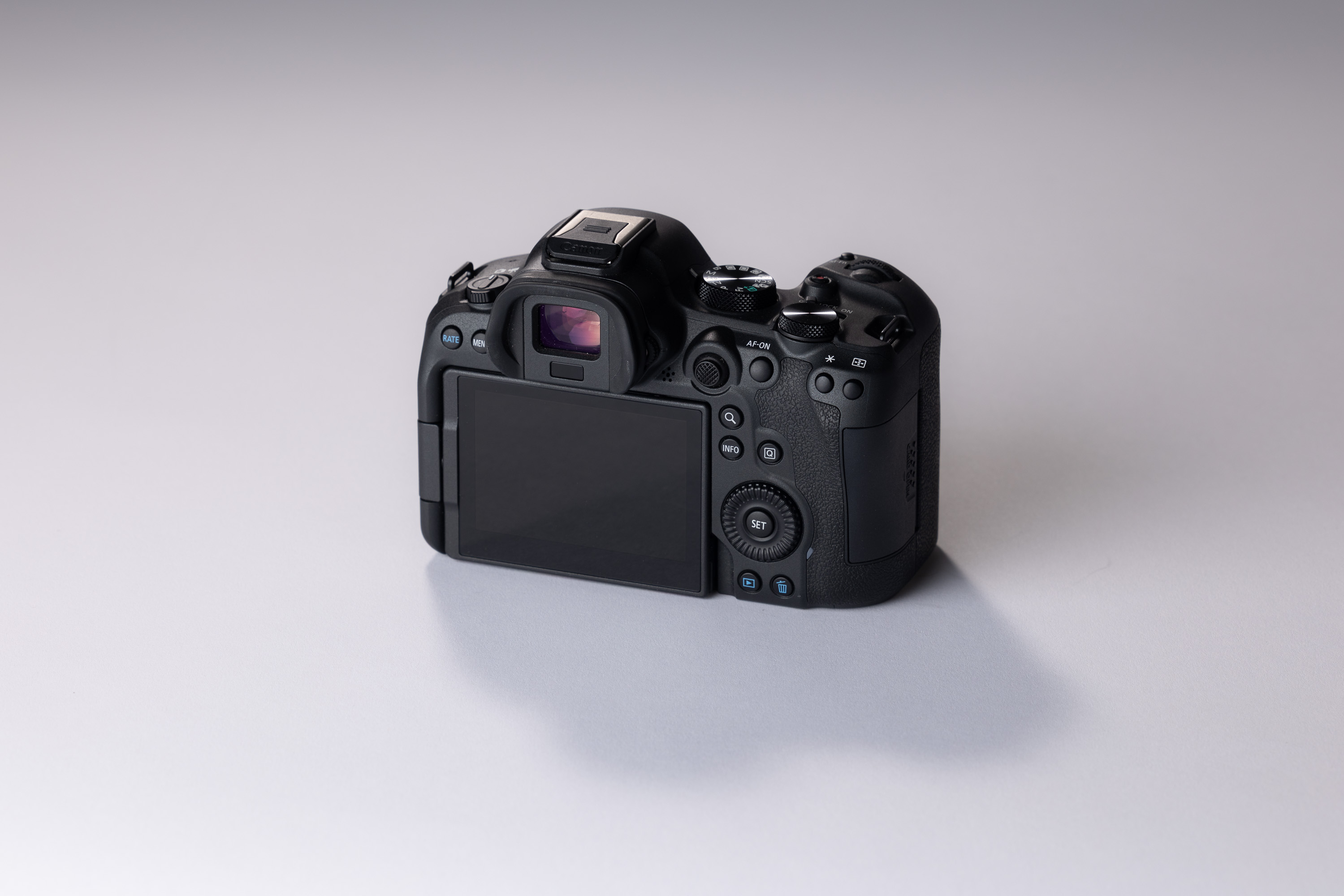
Used Canon EO6 R6 Mark II
Around the body, you get a USB-C port with power delivery, a microphone and headphone ports, remote input and a micro HDMI. Dual UHS-II SD card slots provide flexibility for backup or separating stills and video, as long as you remember that you cannot swap cards while recording (a point worth remembering, especially if you’re filming an entire afternoon’s conference, for instance).
Battery life is not something you have to worry about. Canon quotes around 760 shots on the LP-E6NH battery, and in practice, two batteries will comfortably get you through a full day.
Full Frame 24.2 Megapixel Sensor
The move from 20 megapixels on the original R6 to 24.2 megapixels here is a subtle but welcome upgrade. Be aware, this is not a stacked sensor and it is not backside illuminated. You get excellent image quality, very good low-light performance, and flexible RAW files. Colours look good without the need for editing, though there is plenty of room to work with in post if needs must.

Amy Moore | Canon EOS R6 Mark II | Canon RF 100-500mm f/4.5-7.1L IS USM | 73mm | f/4.0 | 1/800 | ISO 400
The sensor works really well alongside the stabilisation and ISO performance. Picture this: you’re shooting at night or in very low light. Maybe you’re travelling, or at an event, and you realise you’ve left your tripod behind. As discussed in our travel photography guide, this is where strong IBIS and good high ISO performance really earn their keep. Slower shutter speeds are manageable, ISO stays sensible and you come away with usable images.

Amy Moore | Canon EOS R6 Mark II | Canon RF 100-500mm f/4.5-7.1L IS USM | 200mm | f/4.0 | 1/320 | ISO 400
The trade-off is resolution. If you love cropping heavily, especially for wildlife shooting, you may feel the limits of 24.2 megapixels. If that’s central to your style, cameras like the Sony A7 IV may be worth considering instead. As you'll also find in our wildlife photography guide, a longer lens can often do more than extra megapixels. For everything else, this resolution feels like a very comfortable place to be.
Shooting Performance
This is where the Canon EOS R6 Mark II feels fast in a way that instils confidence rather than stress.
Continuous Shutter and Burst Mode
With the mechanical shutter, you get 12 frames per second, just like the original R6. Switch to the electronic shutter, and it jumps to a frankly impressive 40fps, with full autofocus and auto-exposure.
Electronic shutters often come with baggage, especially rolling shutter distortion. On the R6 Mark II, though, it is not much of a problem. In testing, subjects running straight past the camera showed no distortion and autofocus stayed locked onto the subject’s eyes throughout.
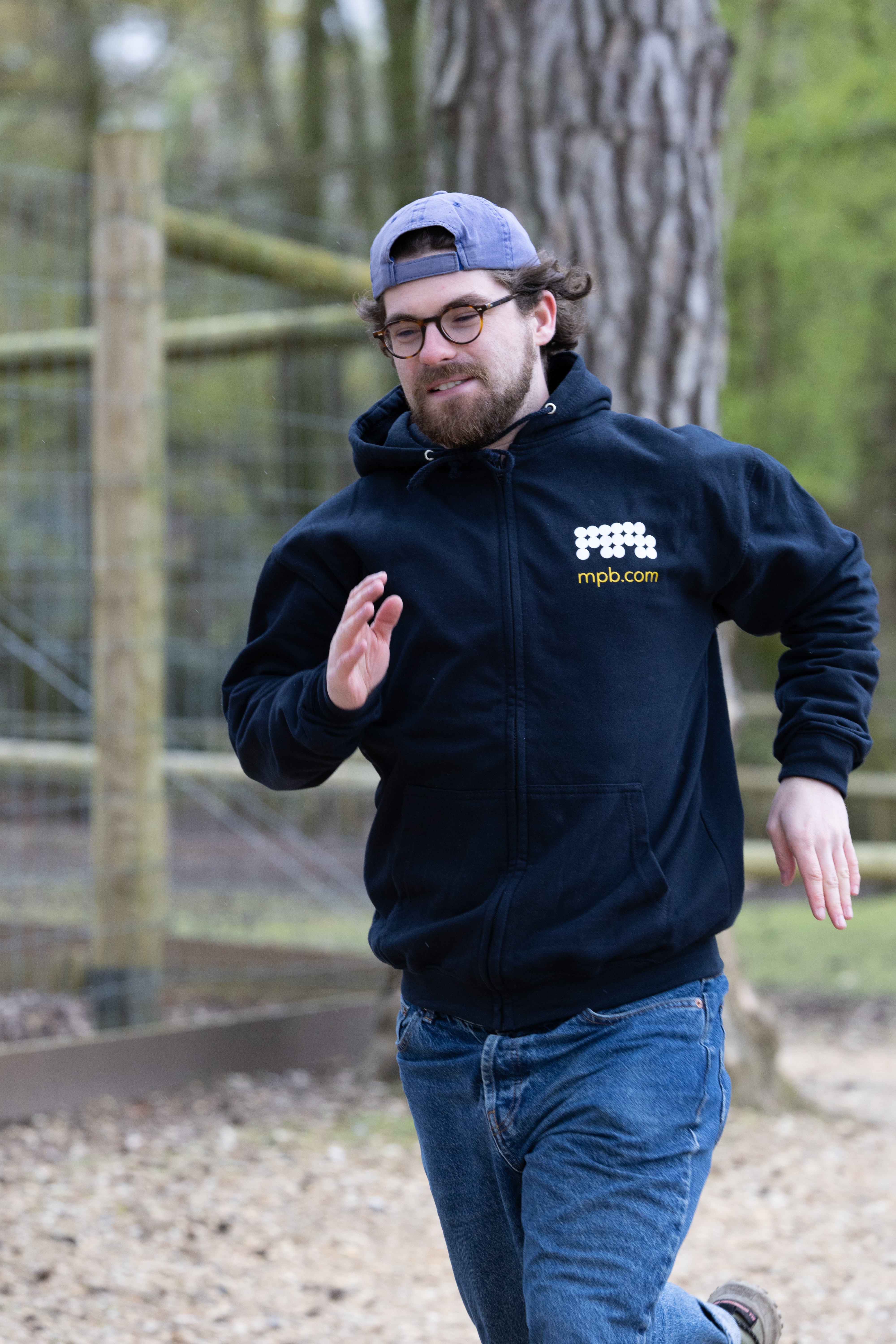
Amy Moore | Canon EOS R6 Mark II | Canon RF 100-500mm f/4.5-7.1L IS USM | 223mm | f/7.1 | 1/800 | ISO 1250
The difference between 12fps and 40fps is bigger than you might expect. Playback feels smoother, moments are easier to pick from and even short bursts can capture expressions you would normally miss. For something like a wedding kiss, a boxing match or an Osprey catching its prey, that difference really matters. Shooters who spend most of their time photographing wildlife or fast action might also want to consider cameras like the Canon EOS R7, which excel in speed and reach.
RAW burst mode provides another safety net. Shooting at 30fps with pre-capture means the camera can grab frames before you even fully press the shutter. It could sound like a gimmick, but actually, it may save a moment you would otherwise have lost.

Amy Moore | Canon EOS R6 Mark II | Canon RF 100-500mm f/4.5-7.1L IS USM | 200mm | f/4.0 | 1/320 | ISO 400
Autofocus
Canon claims autofocus is up to 80 per cent faster than the original R6. The Mark II’s Dual Pixel CMOS AF II system is an AI-based autofocus system that lets you track subjects closely, with wide coverage and strong low-light sensitivity.
Imagine you are deep in the woods, suddenly spotting a group of muntjac. You are all set to capture their sweet little faces before they sprint off in the opposite direction. Subject detection covers people, animals, birds, and vehicles, while eye tracking is sticky and you can feel confident with subject tracking. The camera does a great job of staying focused on your chosen subject, even when the frame becomes busy.
Say a sly fox has been approaching the group of muntjac during your shoot without you knowing, and the muntjac notice? You are still well set to get the shot.
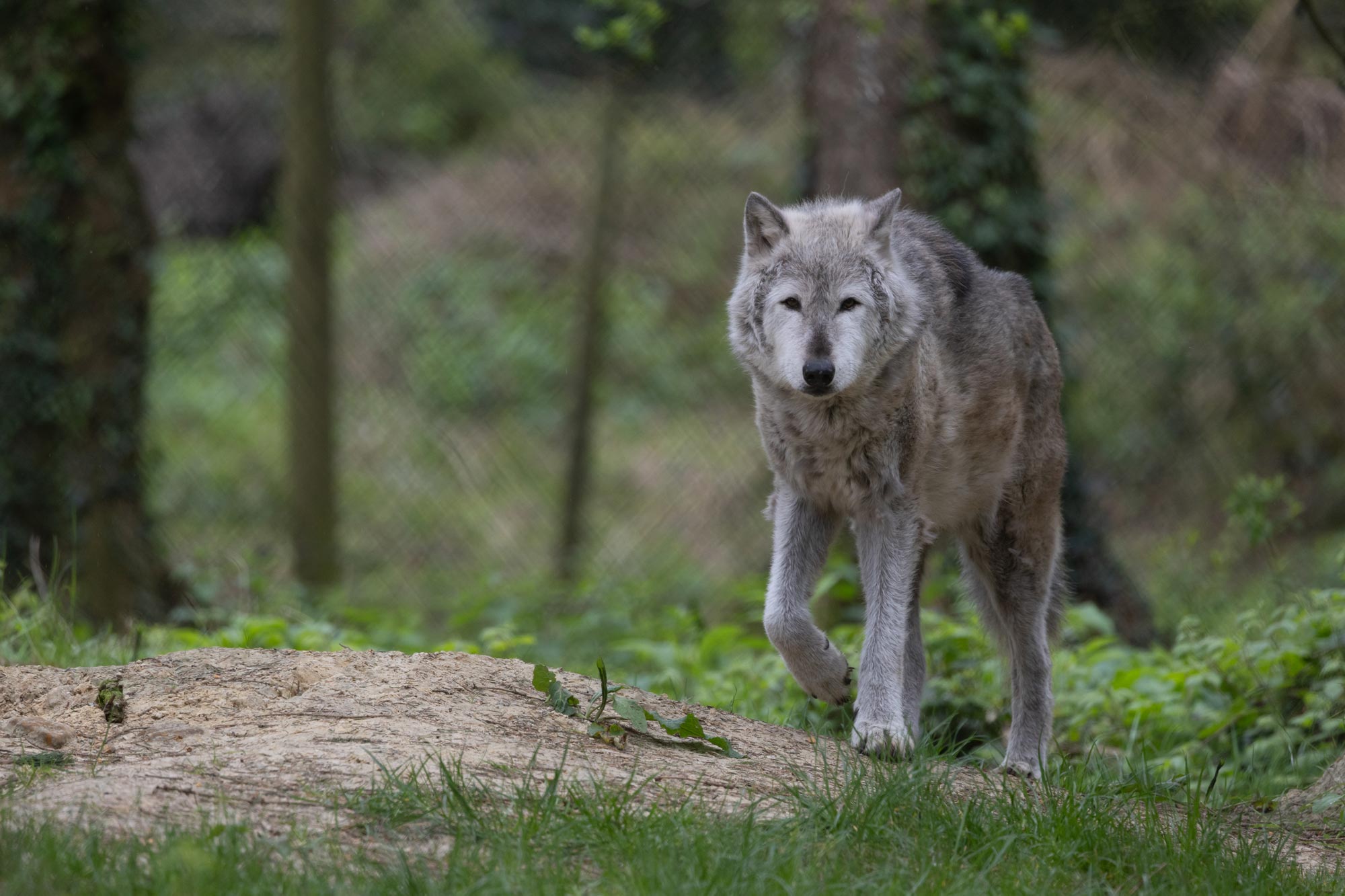
Amy Moore | Canon EOS R6 Mark II | Canon RF 100-500mm f/4.5-7.1L IS USM | 500mm | f/7.1 | 1/640 | ISO 1000
ISO and Low Light Performance
The R6 Mark II can shoot up to ISO 102,400, although unless you are hunting mythical creatures at night, you probably would not go that far to avoid excessive grain.
What matters more is how usable the camera is at high ISO settings you actually care about. Autofocus works down to an exposure value (EV) of -6.5, which means it can lock focus in extremely dark conditions.

Amy Moore | Canon EOS R6 Mark II | Canon RF 100-500mm f/4.5-7.1L IS USM | 200mm | f/4.0 | 1/125 | ISO 6400
Image quality holds up well in low-light, with sensible noise control and good dynamic range. If low-light shooting is a big part of your work, our tips for low-light photography is worth reading alongside this review.

Amy Moore | Canon EOS R6 Mark II | Canon RF 100-500mm f/4.5-7.1L IS USM | 500mm | f/7.1 | 1/150 | ISO 1000
Canon R6 Mark II Image Quality
Image quality is classic Canon. Colours are pleasing to the eye and skin tones look natural. RAW images have plenty of flexibility without falling apart when you push them post-shoot.
The differences from the Canon R6 may be subtle but the extra resolution helps, and the improvements in the other parts of the camera make it easier to get the most out of every shot.
Sample Images

Amy Moore | Canon EOS R6 Mark II | Canon RF 100-500mm f/4.5-7.1L IS USM | 200mm | f/4.0 | 1/400 | ISO 400

Amy Moore | Canon EOS R6 Mark II | Canon RF 100-500mm f/4.5-7.1L IS USM | 188mm | f/4.0 | 1/500 | ISO 400
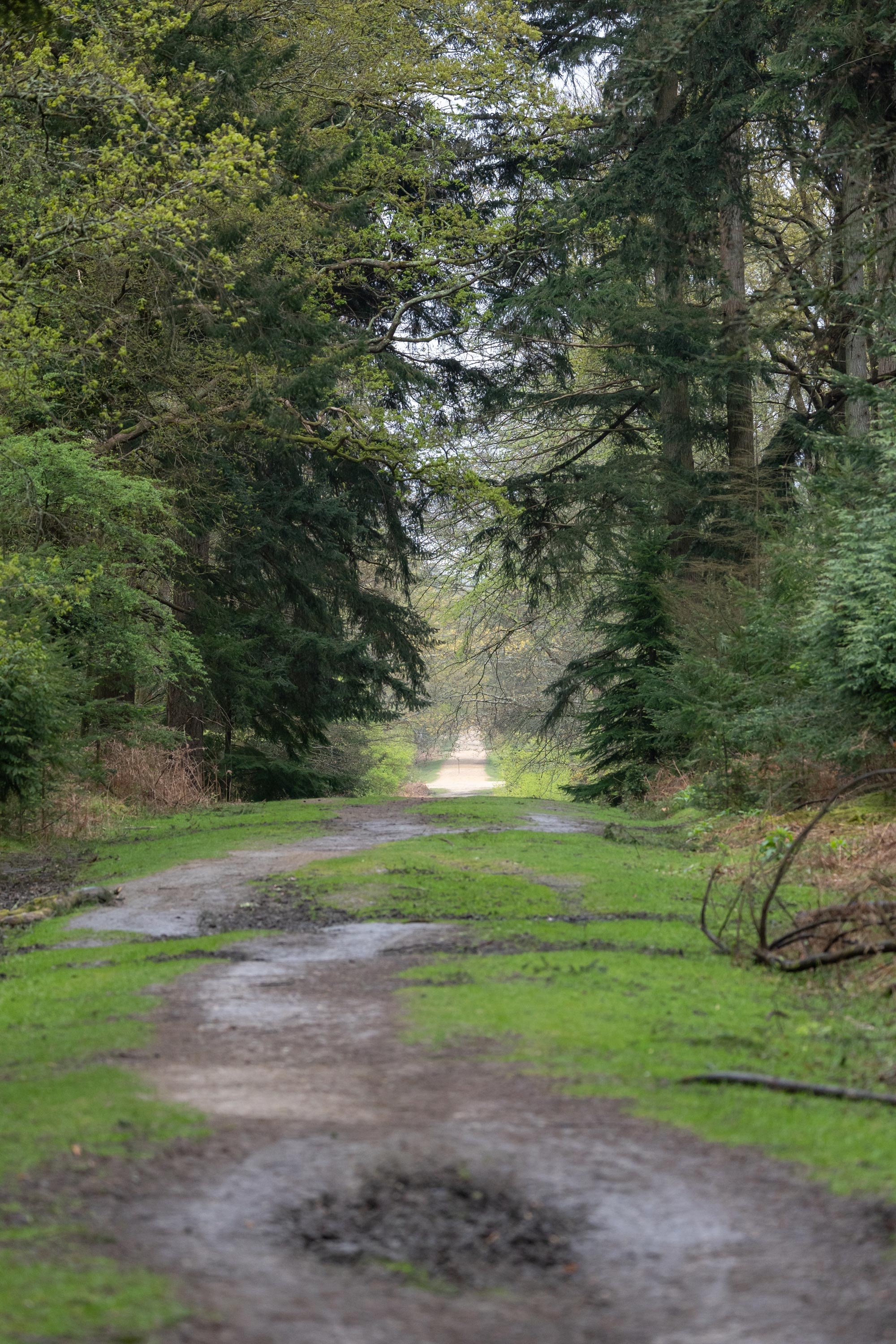
Amy Moore | Canon EOS R6 Mark II | Canon RF 100-500mm f/4.5-7.1L IS USM | 176mm | f/5.0 | 1/320 | ISO 1000

Amy Moore | Canon EOS R6 Mark II | Canon RF 100-500mm f/4.5-7.1L IS USM | 200mm | f/4.0 | 1/320 | ISO 400
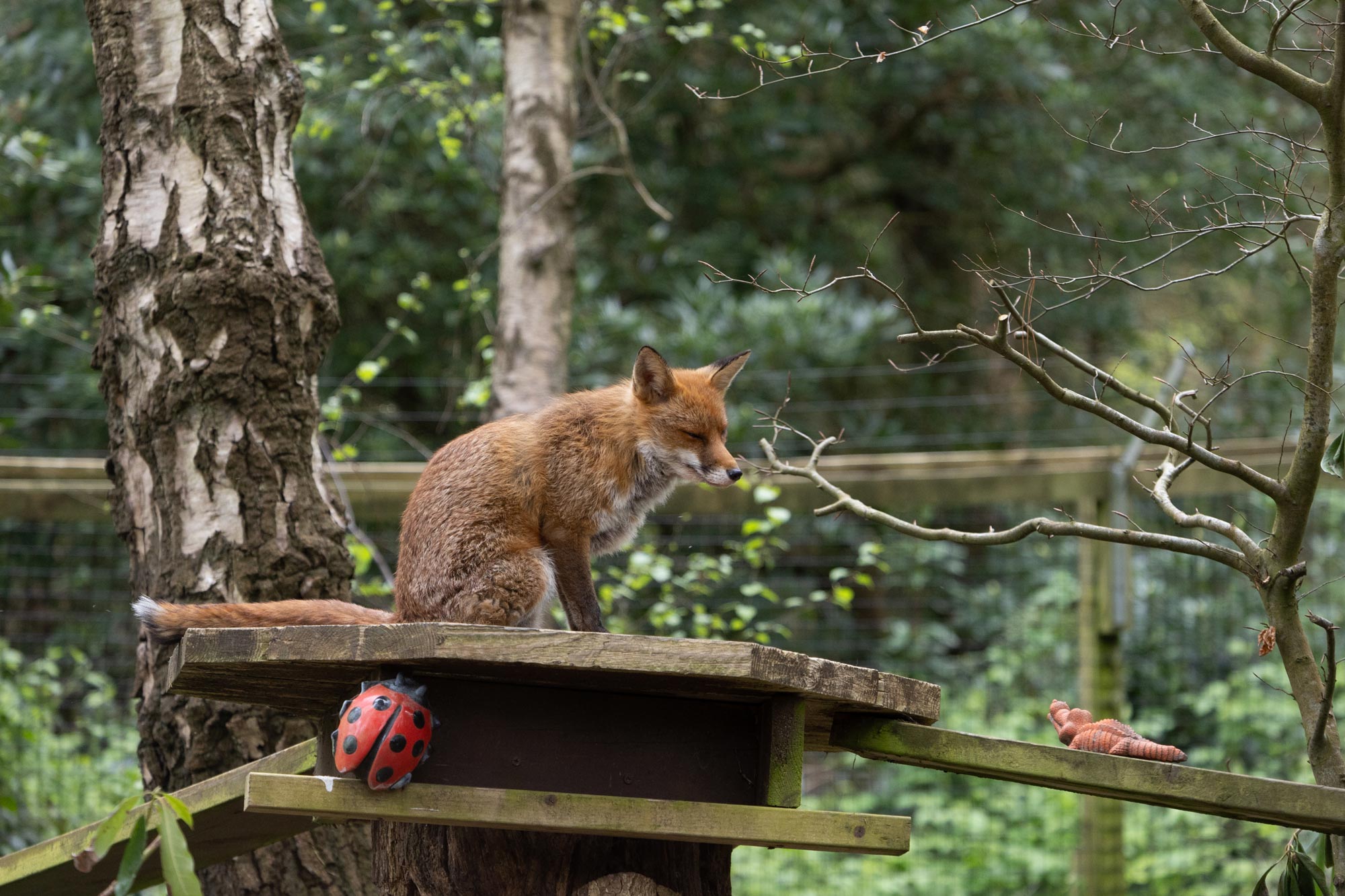
Amy Moore | Canon EOS R6 Mark II | Canon RF 100-500mm f/4.5-7.1L IS USM | 151mm | f/4.0 | 1/80 | ISO 800
Video Capabilities
Video was already a strong point on the original R6. The R6 Mark II leans towards stills, with what we reckon is a rough 70 percent photography and 30 percent video split. You can shoot 4K video at up to 60p, oversampled from 6K, along with Full HD at up to 180fps for slow-motion effects. The removal of the 30-minute recording limit makes a difference for longer shoots like interviews or training sessions.
Be aware, though, that overheating can still happen when shooting 4K 60p. Up to six hours of recording is achievable in a standard frame rate, which is almost unbelievably good. You’re looking at closer to an hour and a half of shooting in a high frame rate (HFR). The in-body image stabilisation works brilliantly for video, especially when paired with an Electronic Digital IS. You’ll experience gimbal-like smoothness (why not film while you walk?), with features like pre-record and aspect ratio markers making it easier to work quickly and compose for different formats, including social platforms.
For a stills first body, we’re telling you: video performance is impressive.
Is It Worth the Upgrade?
The original Canon EOS R6 is still a very capable camera and is good value, especially on the used market. That said, 20 megapixels now feels tight for some shooters.
The R6 Mark II adds more resolution, faster shooting, better battery life and no video recording limit. These upgrades matter most if you shoot wildlife, weddings, or fast-moving subjects, or if you rely on video more often.
If you already own an R6 and are happy with it, there is no urgent need to upgrade. If you want that extra breathing room and flexibility, the R6 Mark II makes a lot of sense.
Competitors like the Sony A7 IV and Panasonic S5 II are also worth considering, especially if video is your main focus. You can read our Sony A7 IV review for videography, and check out the Panasonic Lumix S5 II review when it goes live.
Alternatives
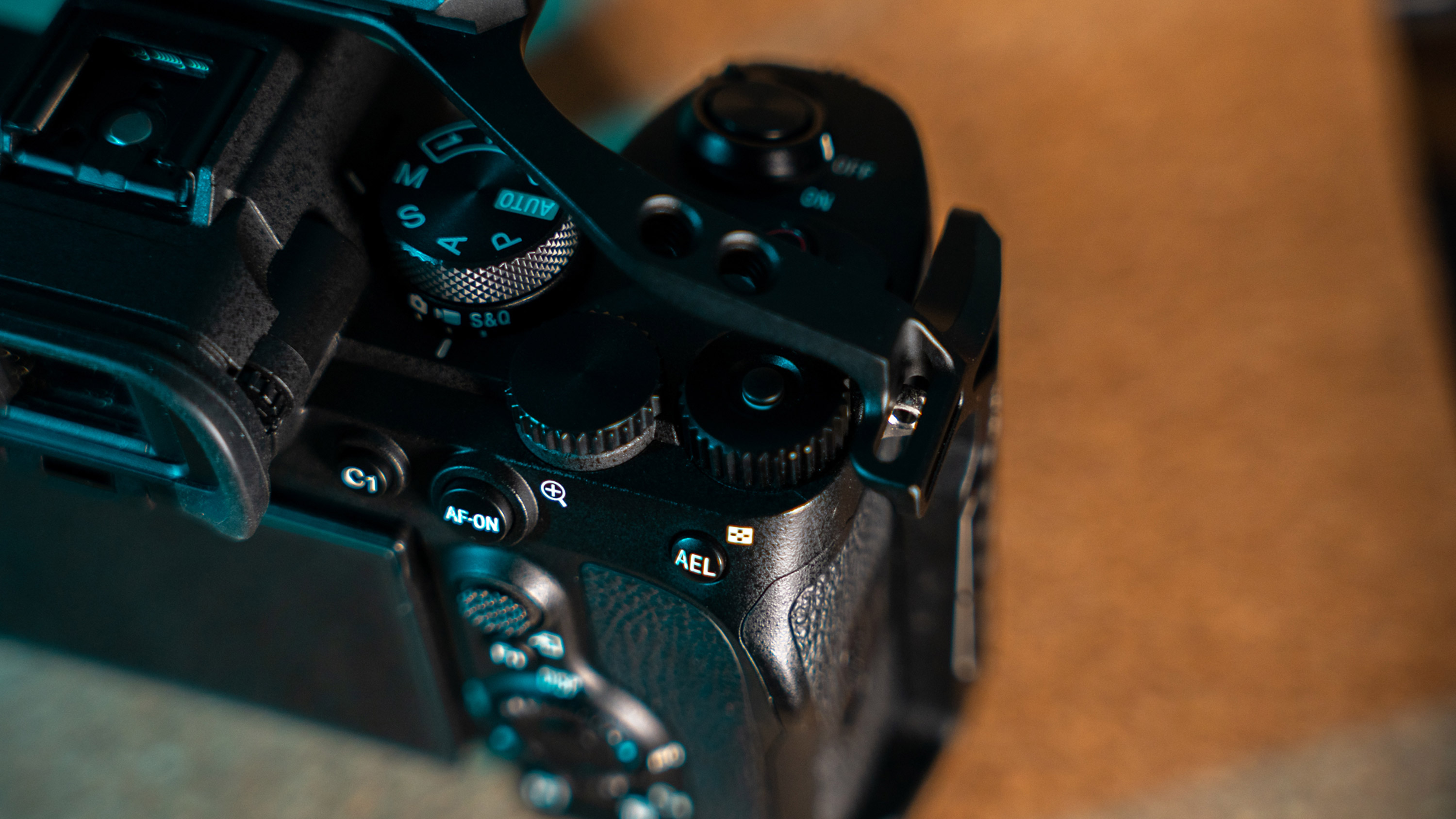
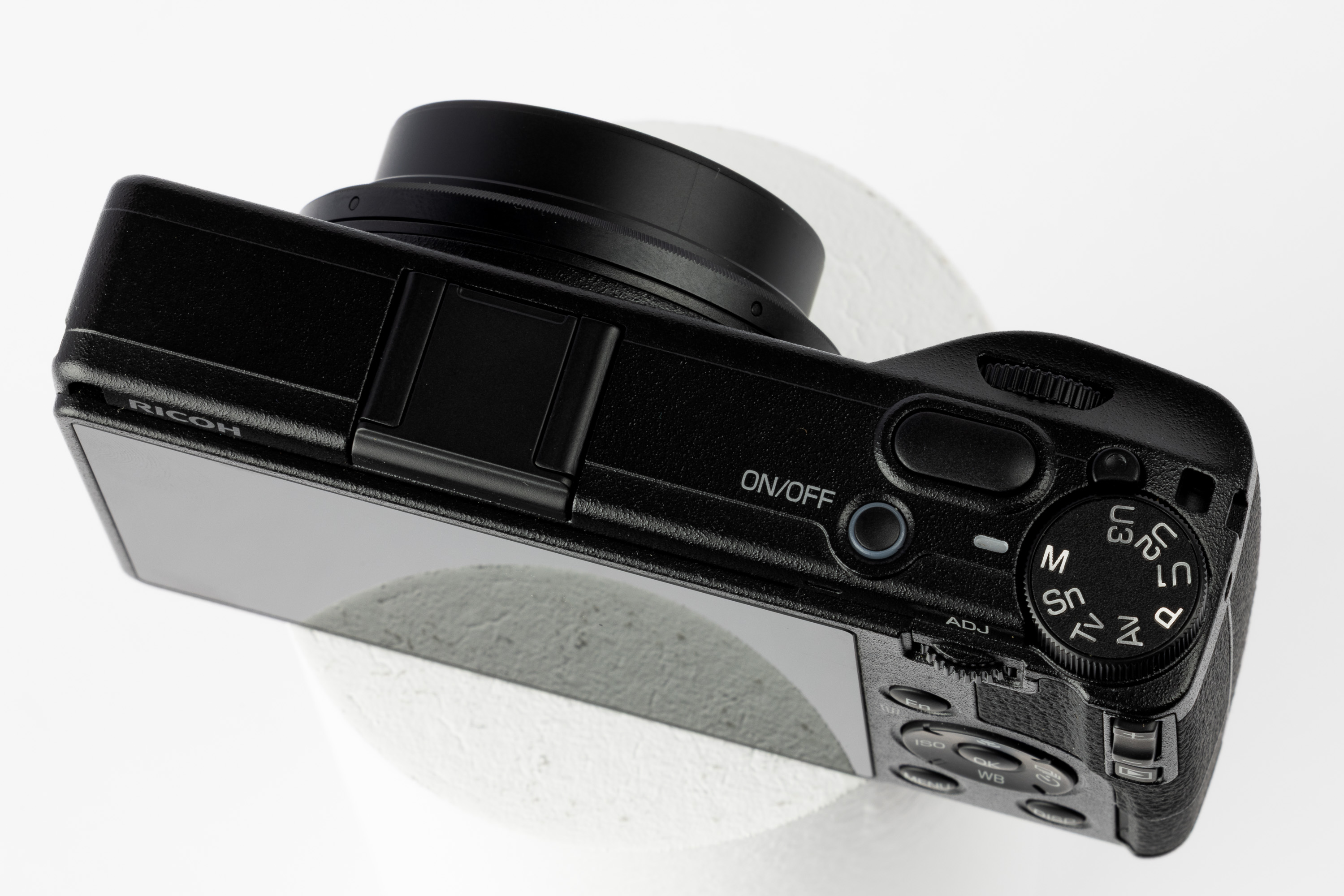
Used Sony A7 IV from above
Sony A7 IV
The Sony A7 IV is often the first camera people compare with the R6 Mark II, especially if filmmaking is the priority. Autofocus is quick and dependable, and there is plenty here for creators who like to shape their video rather than keep things simple. If you are coming from Canon, the menus can feel like a culture shock at first, but they make sense once you settle into a video-heavy workflow. You can read our full Sony A7 IV review for videography to see how it compares.
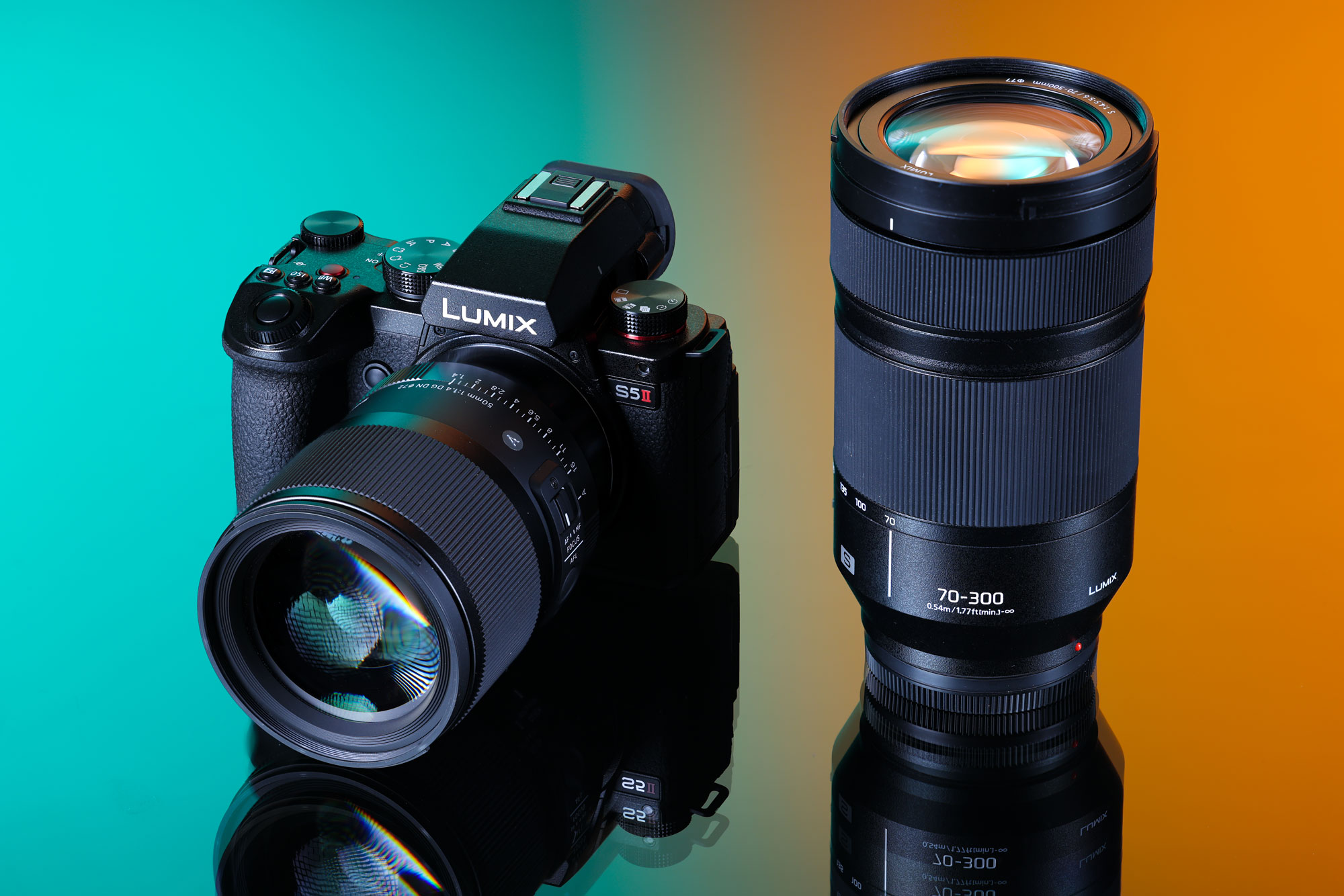
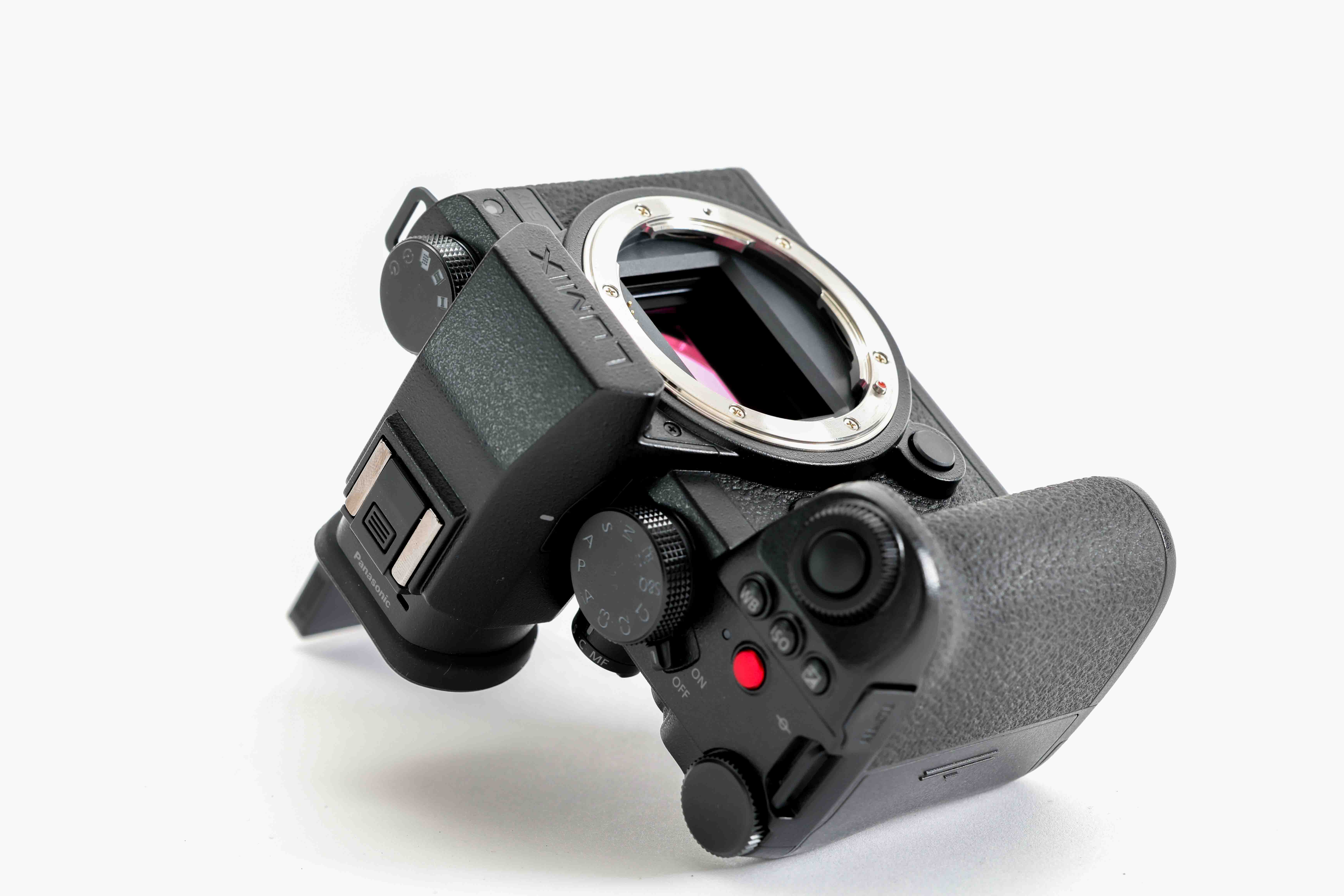
Used Panasonic Lumix S5 II with a Sigma 70-300mm f/4.5-5.6 Macro OIS and a Sigma 50mm f/1.4 DG HSM
Panasonic Lumix S5 II and S5 IIx
The Panasonic S5 II and Panasonic S5 IIX also lean much further into video than the R6 Mark II. These cameras suit shooters who enjoy tweaking settings and choosing codecs. They are less about quick, flexible shooting and more about building a video workflow.
If you want a camera that feels most comfortable shooting stills but can switch to video without any hassle, then Canon EOS R6 Mark II still hits the jackpot. If video comes first and photography second, Sony or Panasonic may be the better fit.
Verdict
The Canon EOS R6 Mark II never feels like it is trying too hard, which is what makes it so easy to like. It works because it is dependable and flexible.
This is a camera for people who want to shoot without overthinking. One that handles low light well, focuses reliably, shoots fast when you need it to and switches to video the second you ask it to.
If your photography or video involves real-world, everyday conditions or plans that can change at the last minute, the R6 Mark II makes it easier to adapt to changing circumstances and roll with any punches.
Read more camera gear guides on the MPB content hub.
You can sell or trade your camera kit to MPB. Get a free instant quote, free insured shipping to MPB, and get paid within days.