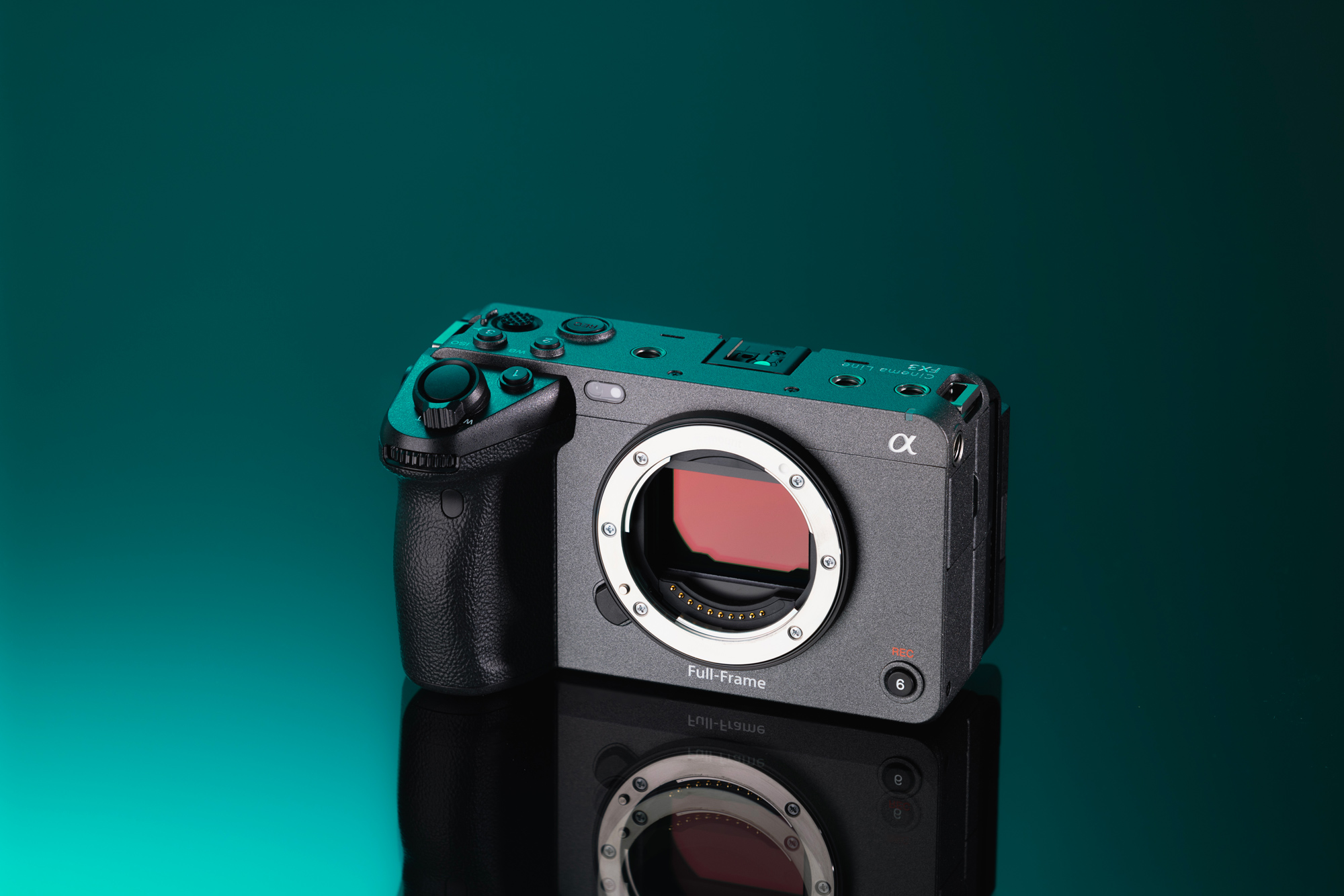
Review: Sony FX3 | Best Small Filmmaking Camera?
Published 5 August 2026 by MPB
Small cameras can deliver big results: even in the filmmaking world. Some of the best in the business are pocket-sized powerhouses that allow you to shoot your story without an oversized, overpriced setup.
A leading camera in this category is the Sony FX3. Despite dropping five years ago, the FX3 still carries impressive capabilities for filmmakers. The question is, how does it compare to cameras that released since?
All three MPB videographers across markets have taken the FX3 for a spin (or multiple spins, rather). Our Brooklyn-based videographer Justin Patricolo stacked it against other Sony models to determine whether it’s the best small filmmaking camera on the market. Stick around for our in-depth breakdown on specs, features, and more.
Sony FX3 Key Specs
Sensor | Full-frame Exmor R CMOS sensor |
Megapixels | 12.1 |
Weight (Grams) | 715 |
Autofocus Points | 627 phase-detection points |
Stabilisation | 5-axis (IBIS) |
ISO | 80–102,400; 640 & 12,800 Dual Base ISO in S-Log3 |
Flash | No built-in flash, Multi Interface Shoe |
Maximum video resolution | 3840×2160 (4K UHD) |
Maximum Video Frame Rate (FPS) | 120 |
Storage type | CFexpress Type A / SD / SDHC / SDXC (dual slots) |
Viewfinder | None |
LCD Size | 3 inches |
Year of release | 2021 |
Pros
Active internal fan prevents overheating and supports long-form recording
Dual CFexpress A / SD card slots for flexible workflow
Best-in-class low-light performance (12,800 base ISO)
Sony’s exceptional autofocus with Real-time Eye AF
Compact, travel-friendly full-frame cinema body
S-Cinetone looks fantastic straight out of camera
Cons
No built-in viewfinder
No internal ND filters
Low stills resolution (12-megapixels), not a hybrid camera
RAW requires an external recorder
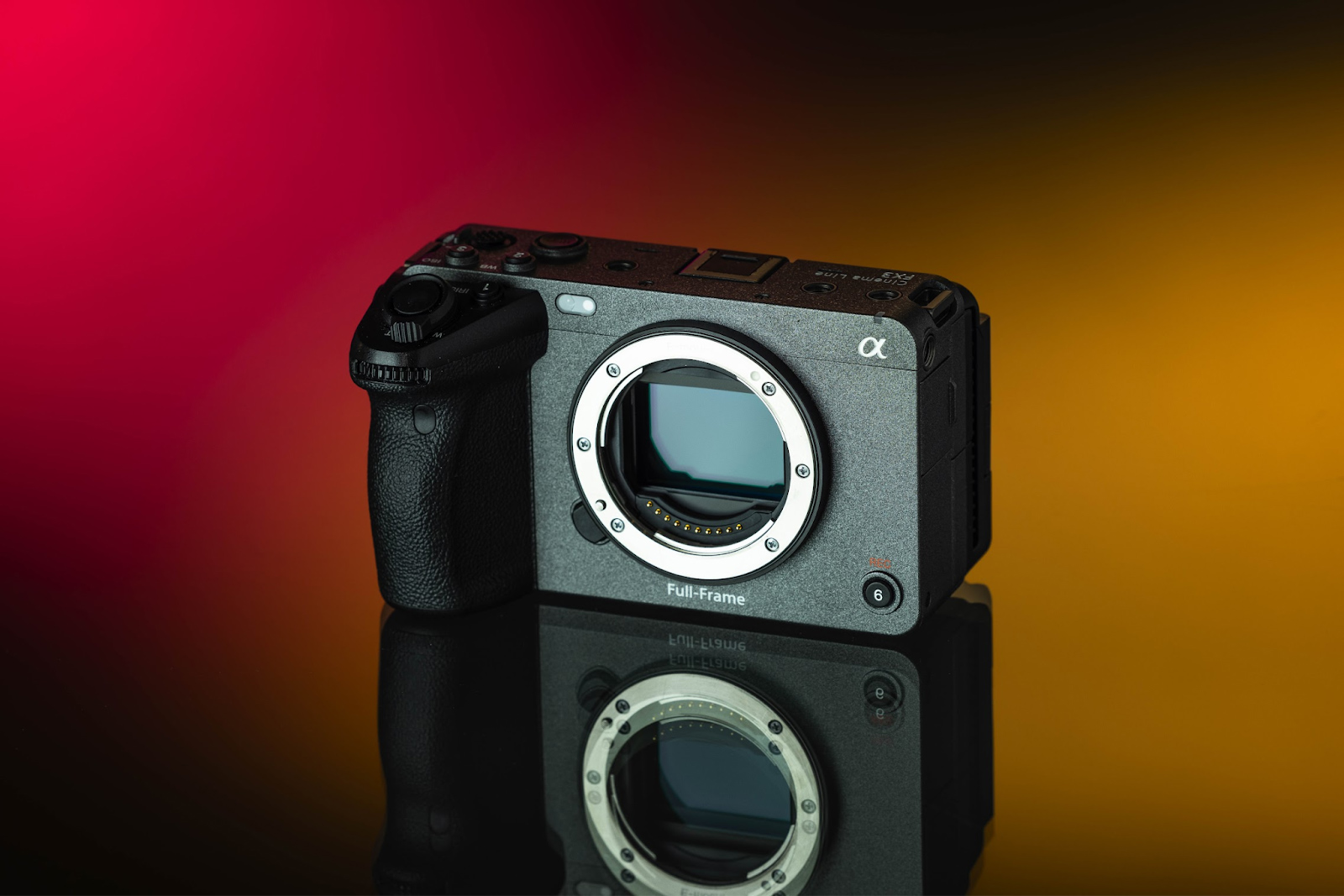
Used Sony FX3
Design and Handling
The FX3 is small, but it is not a hybrid camera. It was built for filmmakers first, and its minimalist, compact form factor makes it easy to rig, fly on a gimbal, or shoot handheld for extended stretches. Despite its small size, it packs a punch with the following design choices:
Multiple 1/4"-20 mounting points built into the body
Fan-assisted cooling for unlimited recording
Top-handle with dual XLR inputs (included)
Deep, comfortable grip for GM lenses or cinema glass

Jakub Golis | Sony FX3
Despite being made for filmmakers first, the FX3 has decent photography features. Shooting stills on set is absolutely worth it, as shots still impress (thanks in part to the FX3’s sensor). Low-light conditions help the camera’s capabilities shine even more.
In our field tests, the camera easily transitioned between fully rigged commercial or cinema builds, and lightweight handheld “run-and-gun” setups. This versatility is a big reason filmmakers and creators alike still choose the FX3 in 2026.
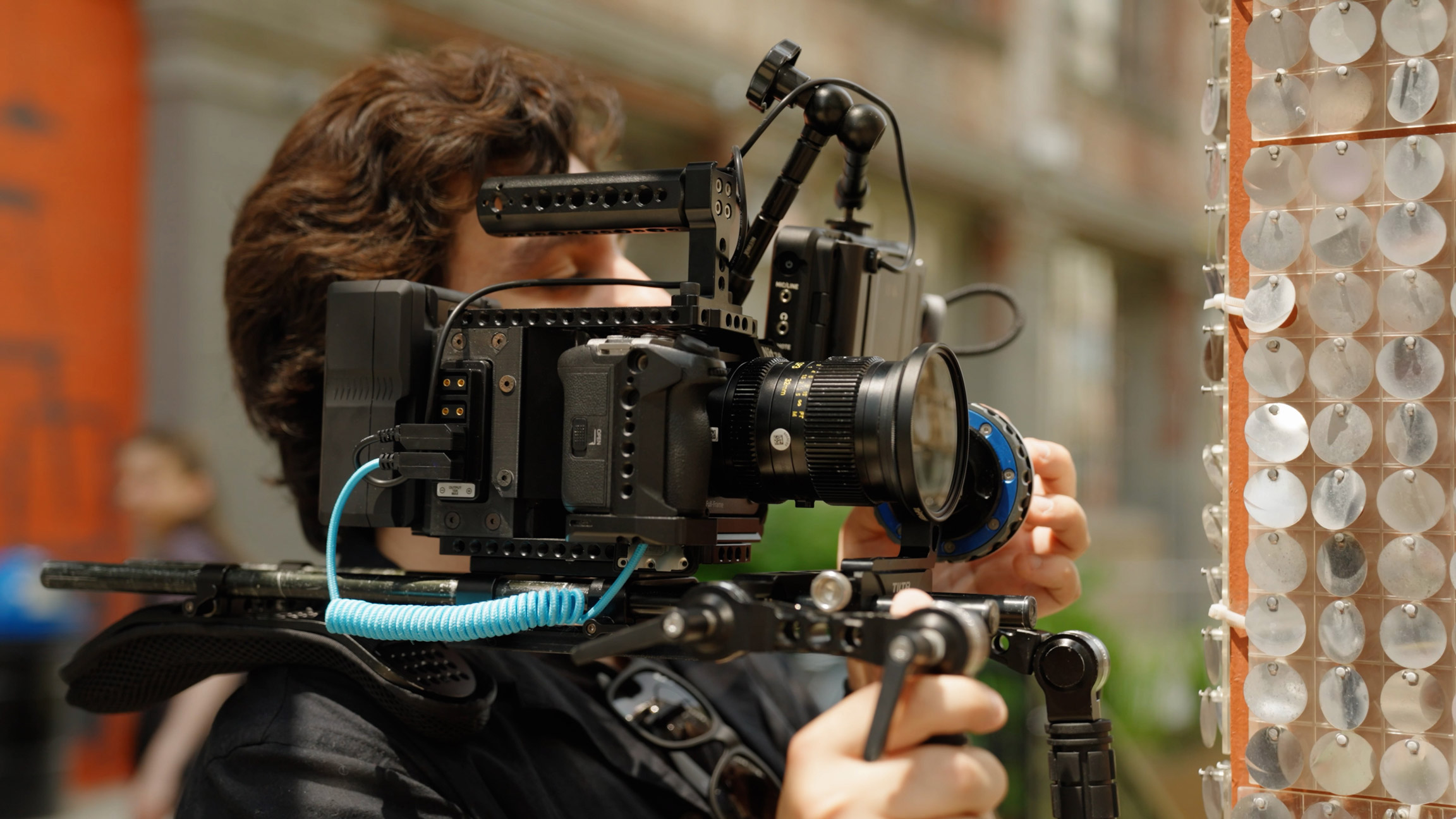
Used Sony FX3 Cinema Setup
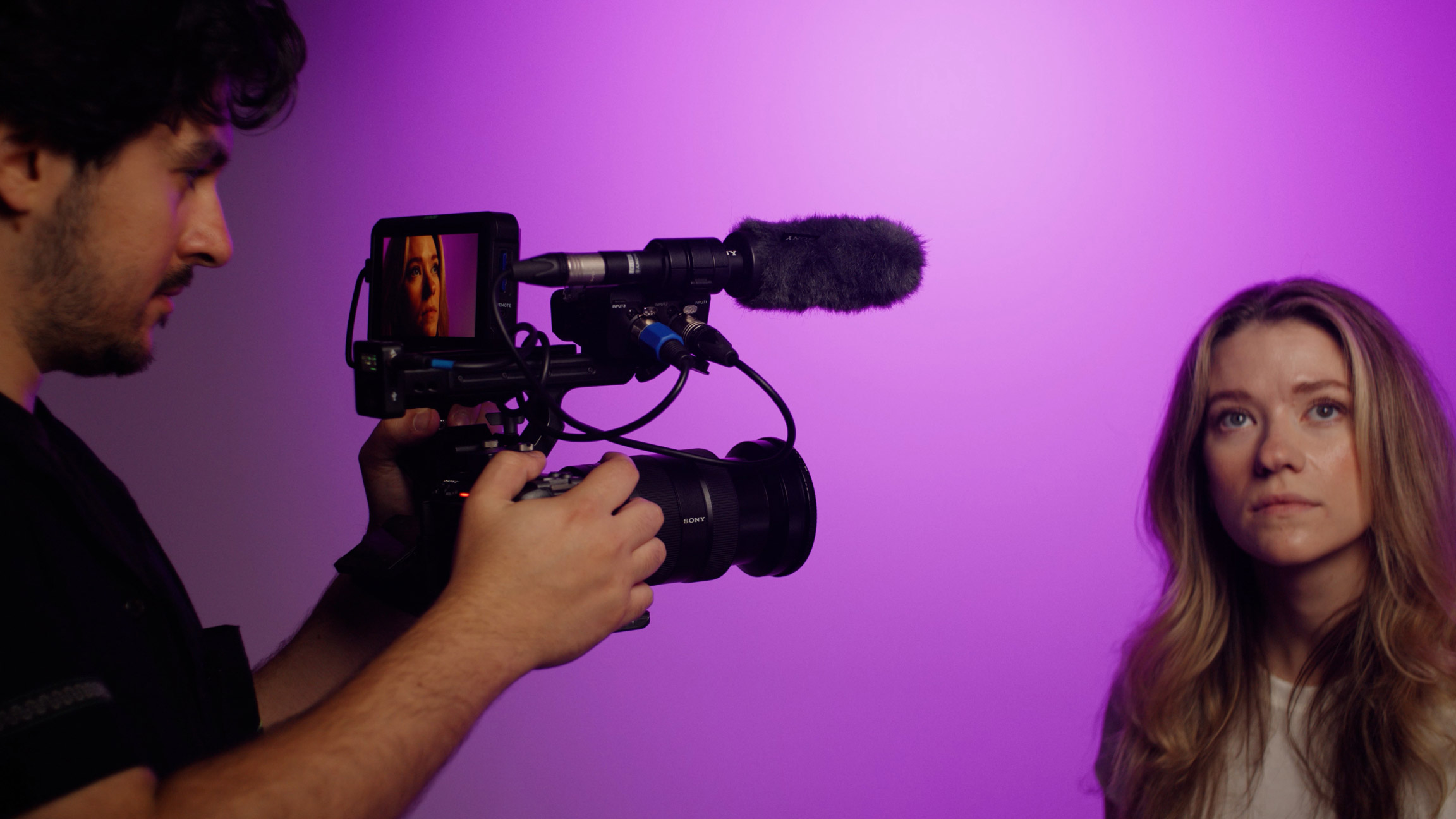
Used Sony FX3 Lightweight Setup
Connectivity & Workflow
The FX3 is equipped for professional productions of all scales. Its dual CFexpress A / SD card slots offer flexibility depending on your codec. The CFexpress is best for high-bitrate All-Intra, while the SD V90 is perfectly fine for 4K 10-bit XAVC.
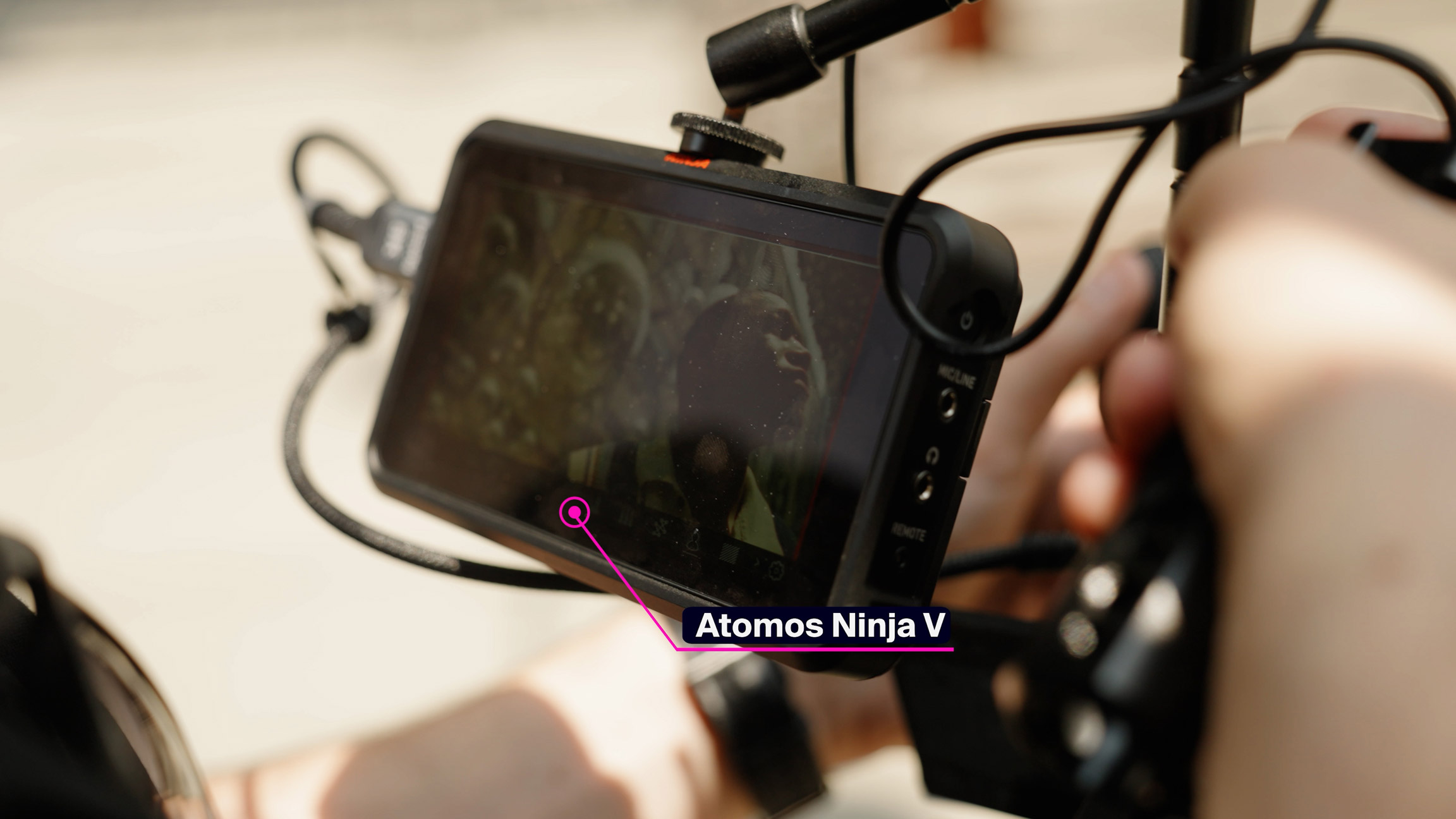
In our review, we used 128GB V90 SD cards for XAVC and Angelbird SSDs for ProRes RAW via the Ninja V.
The FX3’s full-size HDMI capabilities come up clutch, providing a massive advantage for reliability. They’re essential for recording ProRes RAW to an external monitor, external monitoring, video village setups, and wireless transmitters.

Jakub Golis | Sony FX3
Active Cooling
The internal fan is one of the FX3’s biggest wins. In our tests, it allowed for unlimited 4K recording, long interviews, and hot-environment sessions, all without thermal shutdown: a common issue on hybrid mirrorless cameras.
Jakub Golis | Sony FX3
Video Capabilities
And now: the main event. The FX3 is full of impressive video features, but we pulled the most noteworthy ones to highlight.
4K at 120fps (10-bit 4:2:2)
The FX3 shoots smooth, detailed slow motion with minimal artifacts. It doesn’t get much better than this, even with more sizable setups. There aren’t many complaints about the video quality with this one.
Atomos Ninja V with Sony FX3
RAW vs. Internal Recording
File Format screen on Sony FX3
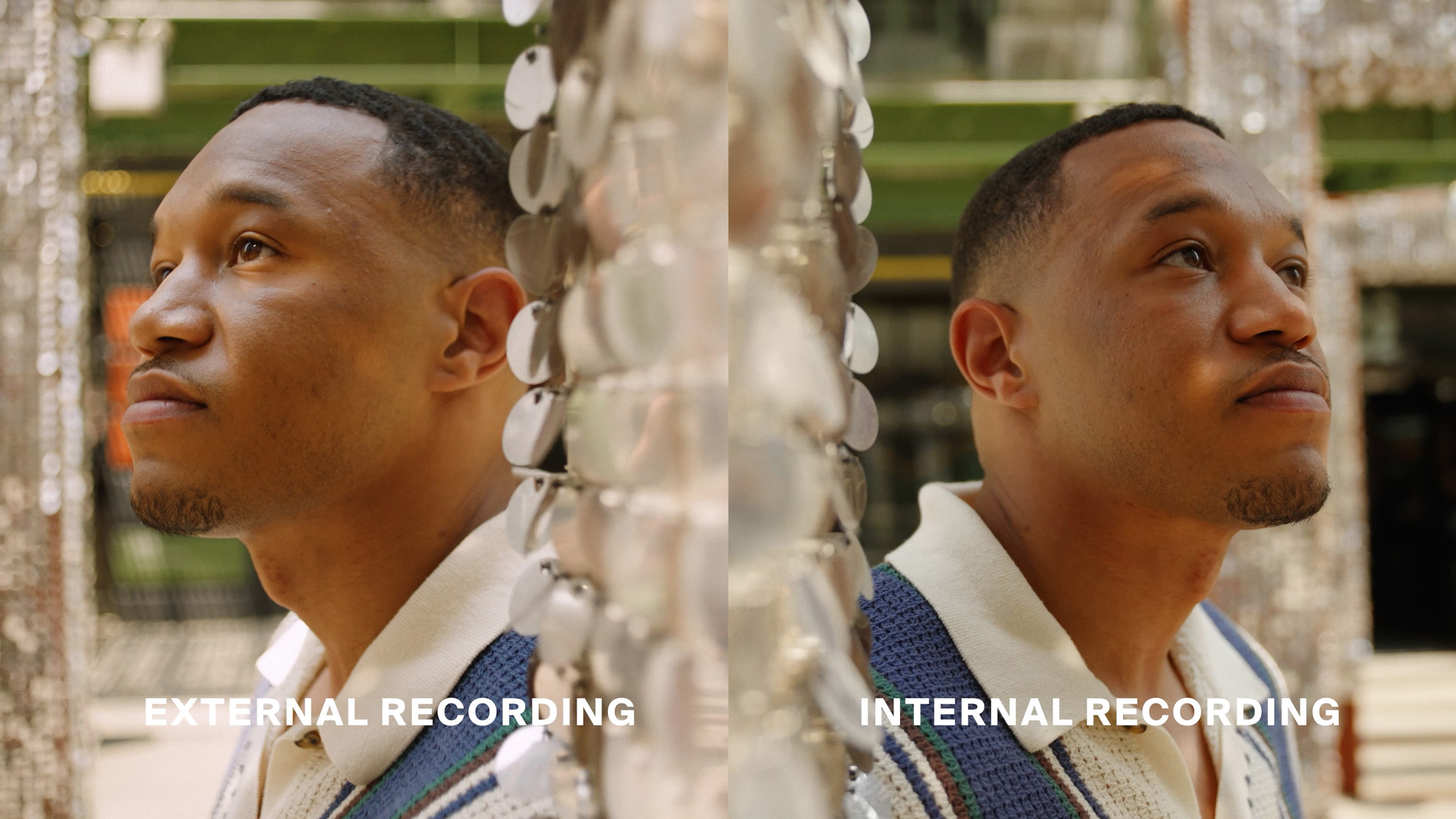
Using an Atomos Ninja V 4K, the FX3 converts 16-bit linear to 12-bit ProRes RAW. This provides better highlight rolloff, cleaner gradients, and more flexibility for skin tone adjustments. In our tests, RAW retained more detail in highlights and flare-heavy scenes.
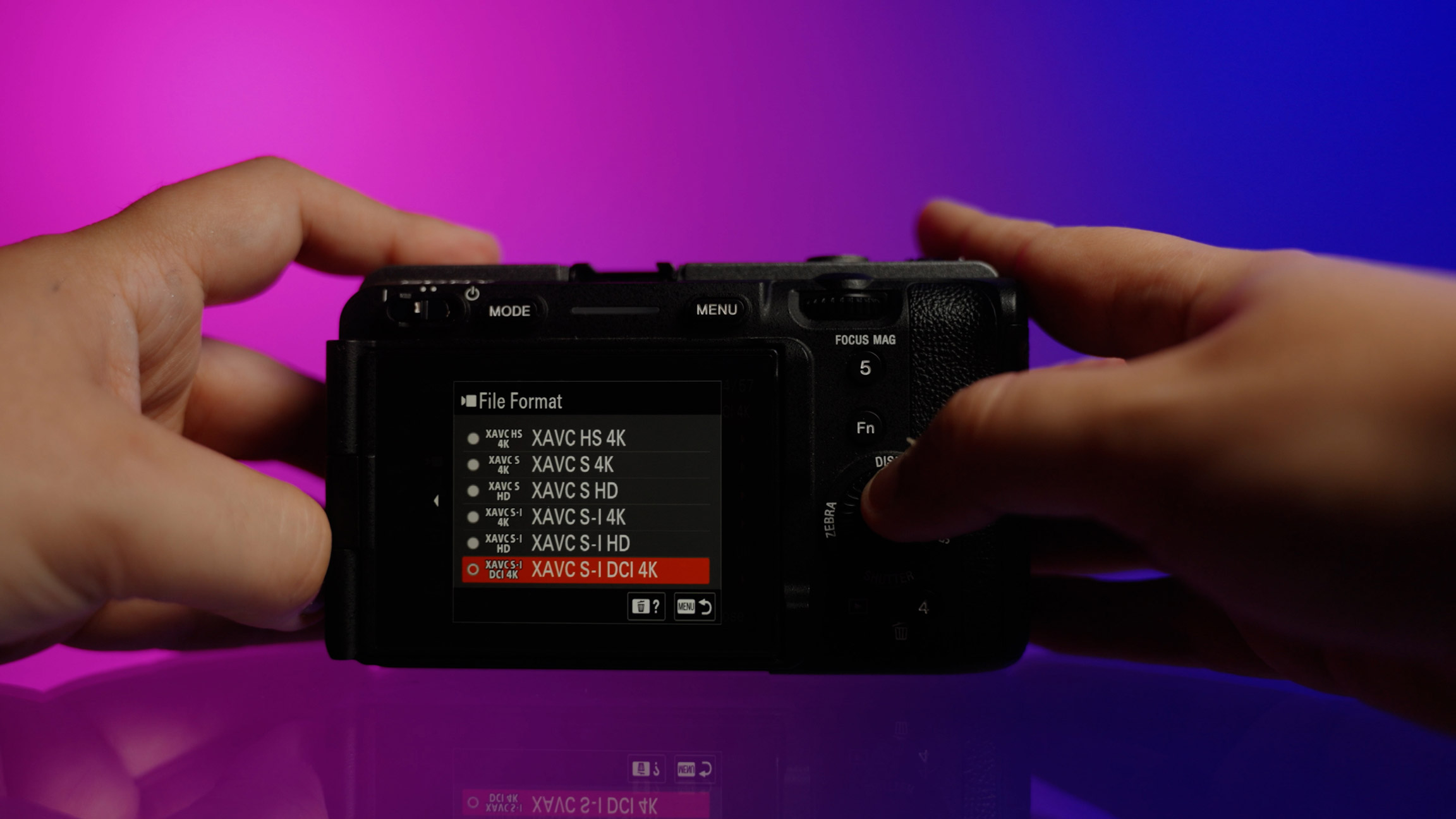
For our internal codec footage, we recorded XAVC S-I 4K 10-bit 4:2:2.
External vs. internal recording split-screen of person in white and blue shirt
Jakub Golis, our UK-based videographer, was unbothered by the lack of RAW recording.
“I don't mind it not having an internal RAW recording,” Jakub said. “If I need RAW, I can always attach an external recorder. For the kind of work that I do, smaller video projects for social media, I like the quality/size balance of the 10-bit files it produces.”
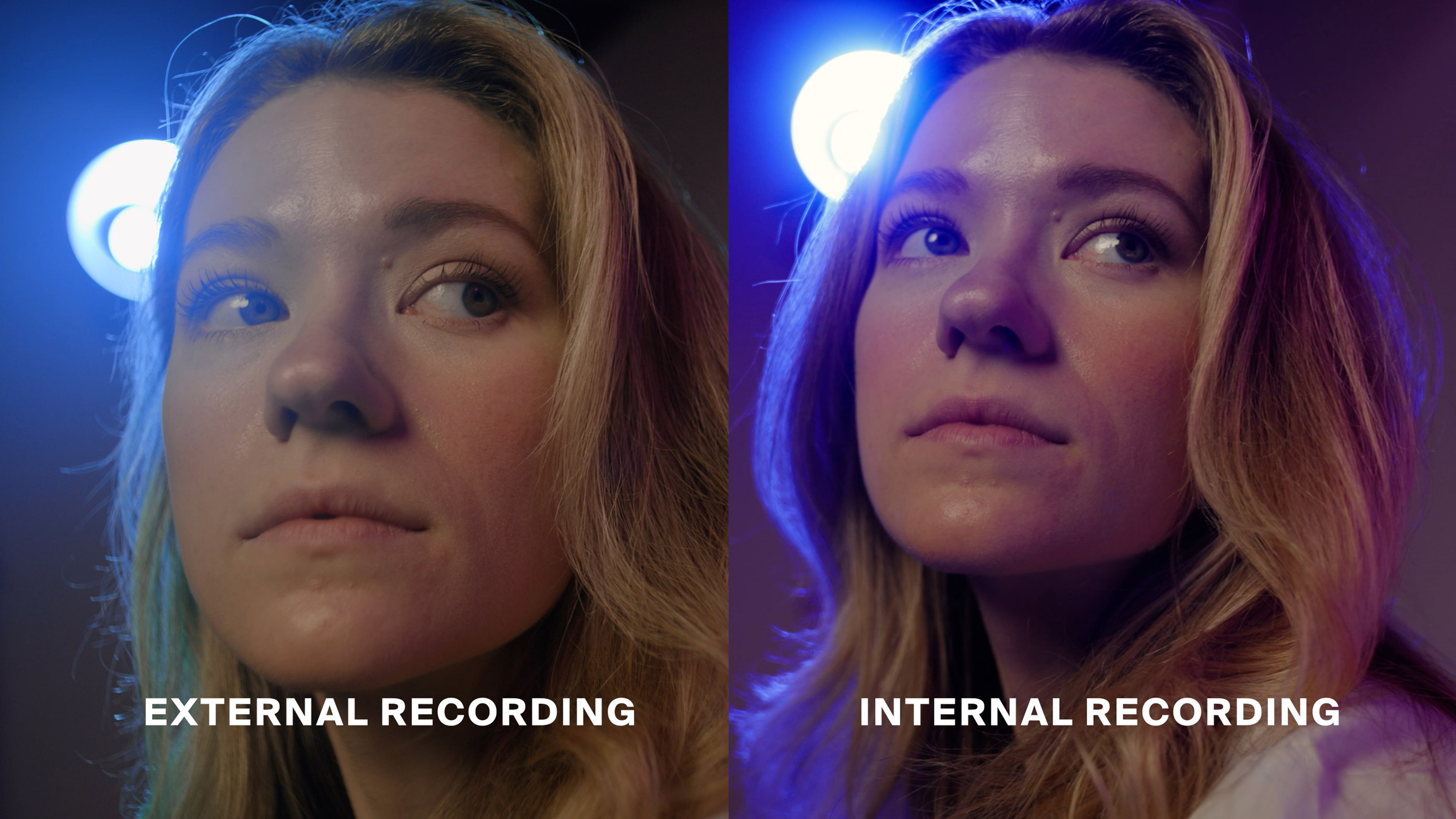
External vs. internal recording split-screen of person with blond hair
S-Cinetone & S-Log3
Not sure whether to go with S-Cinetone or S-Log3? S-Cinetone is excellent for quick turnarounds, while S-Log3 is ideal for colourists wanting maximum flexibility.
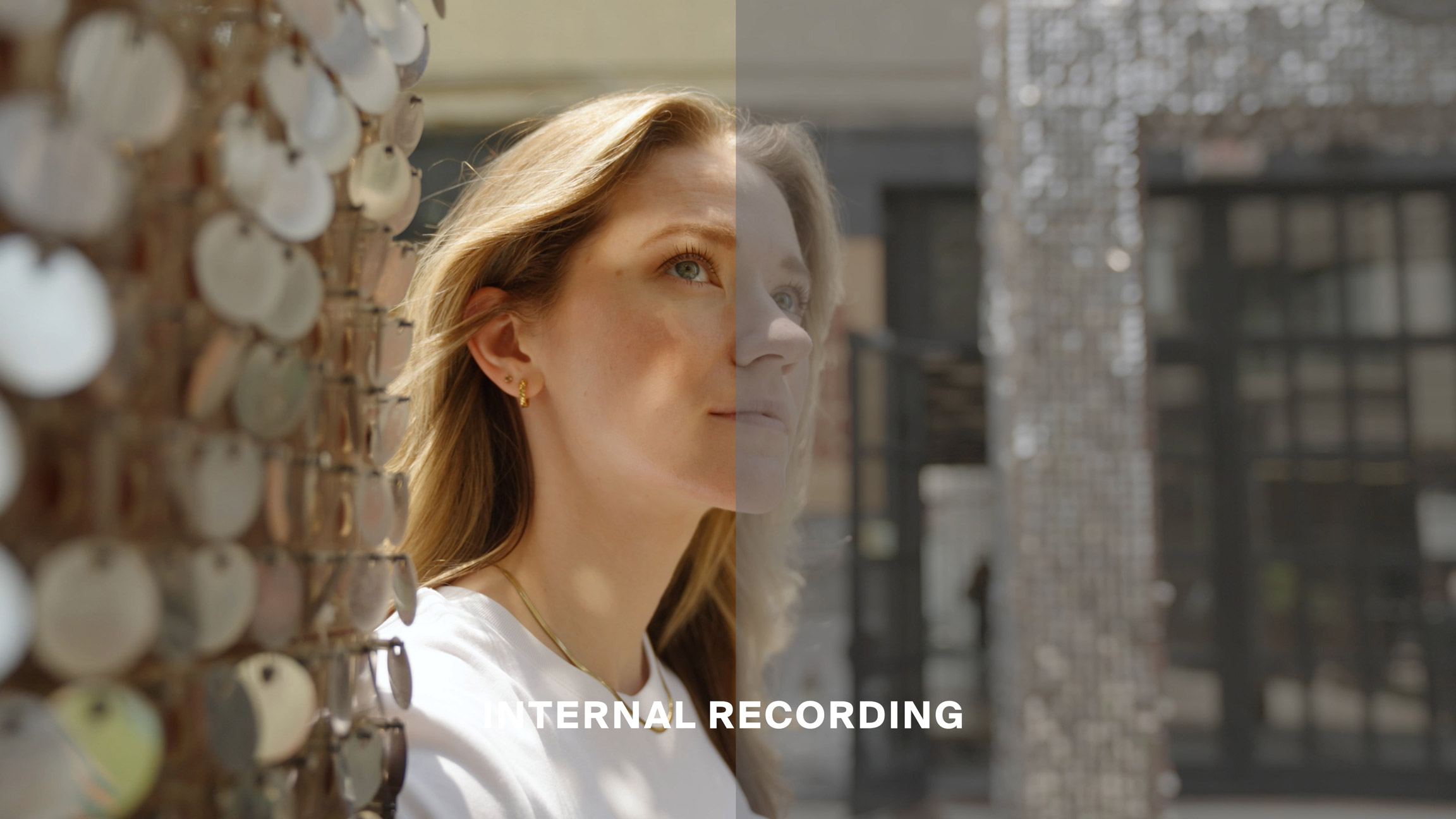
Internal recording split-screen of person with blond hair
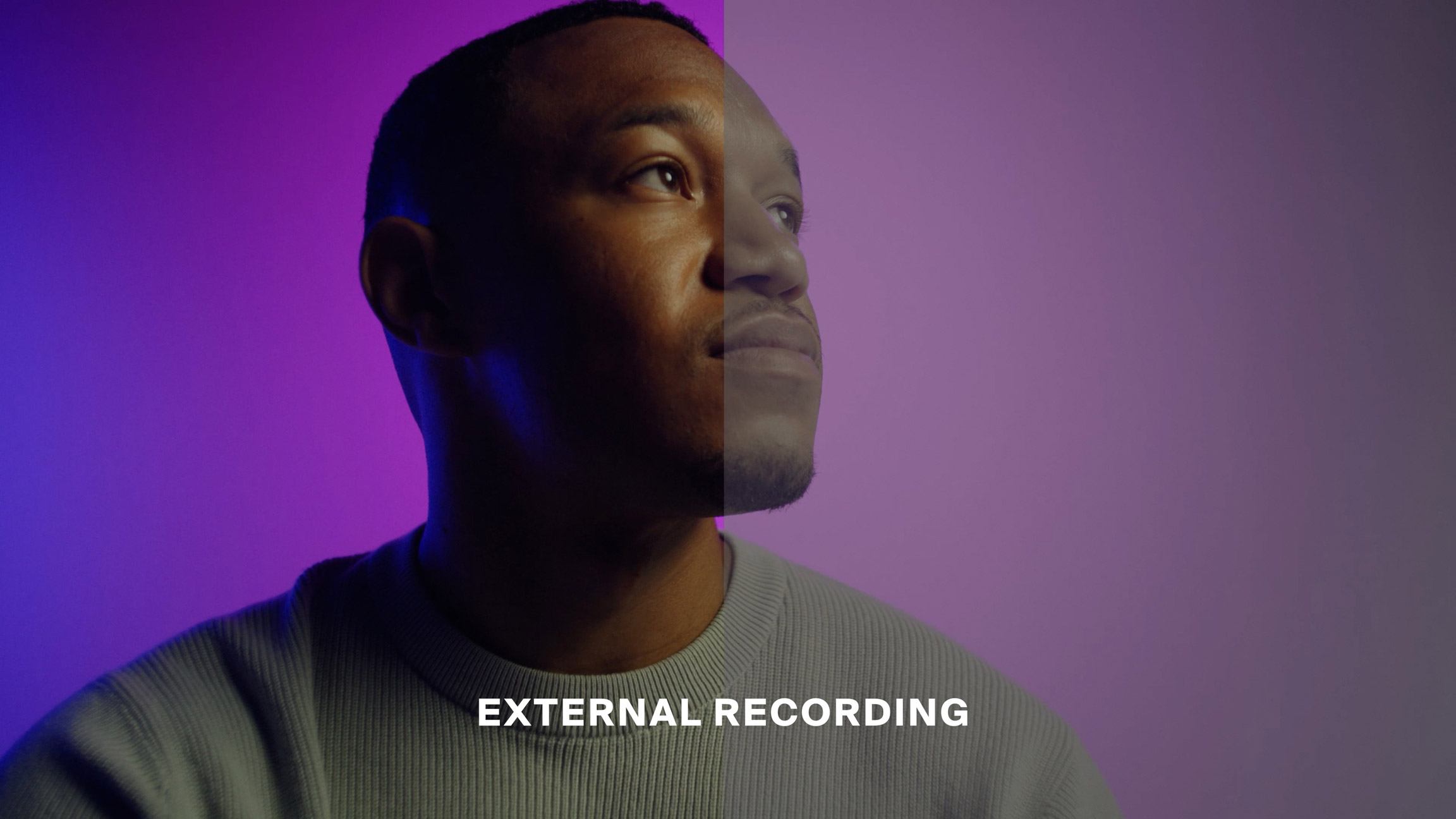
External recording split-screen of person in green shirt
Shooting Performance
Performance is, without a doubt, one of this camera’s strong suits. The FX3 remains one of the best full-frame video sensors for low-light, dynamic range, colour latitude, and autofocus reliability.
Low-Light & Dynamic Range Performance
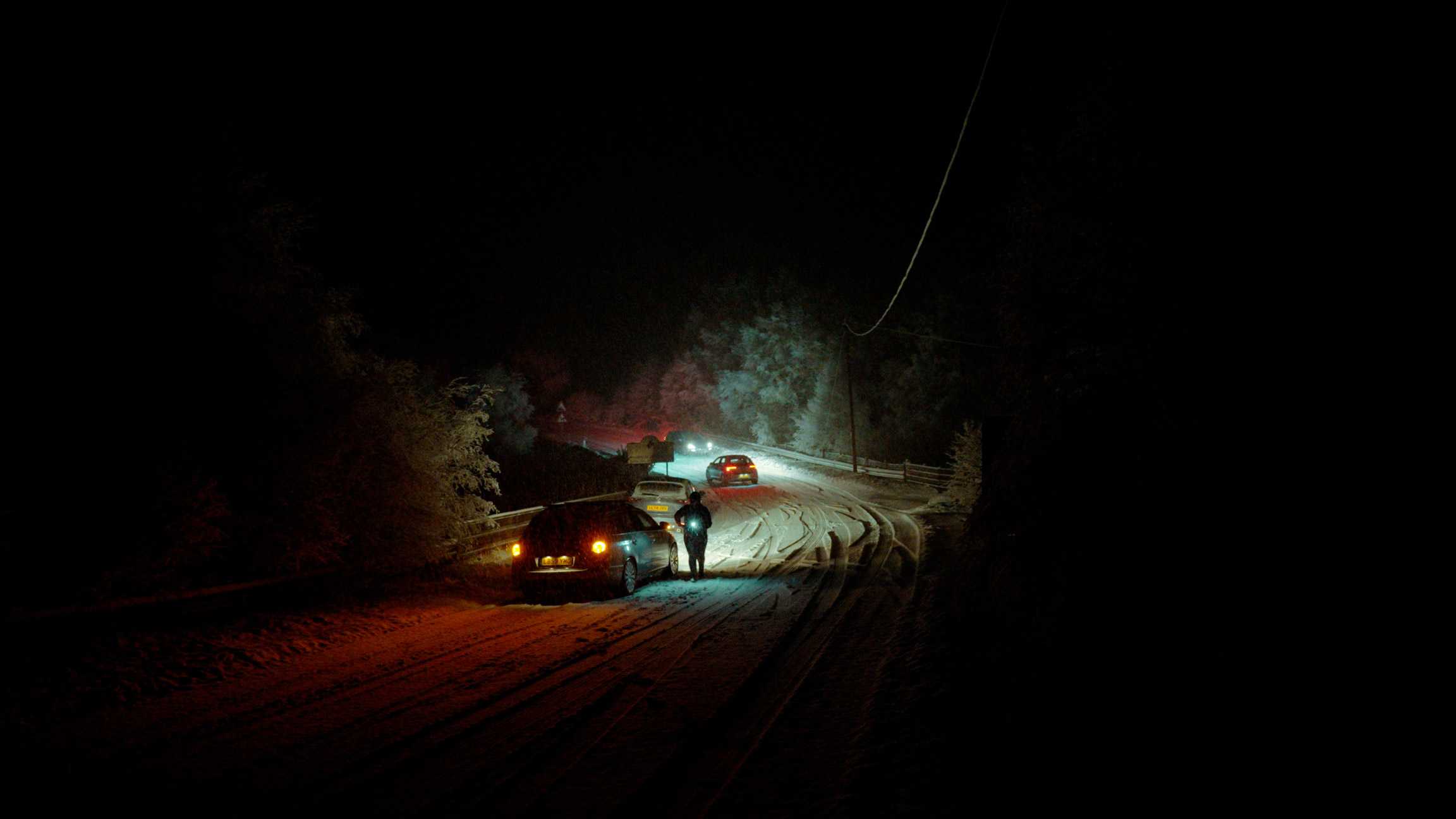
The second base ISO at 12,800 is a game-changer. Our real-world test in my parents’ New Jersey backyard showed how clean ISO 12,800 looks, even in dim, late-day lighting. You can even capture stunning footage underwater with the FX3.
With 14+ stops of dynamic range, the FX3 handles harsh backlighting, window exposure, sunset transitions, and flare-heavy scenes with impressive stability.
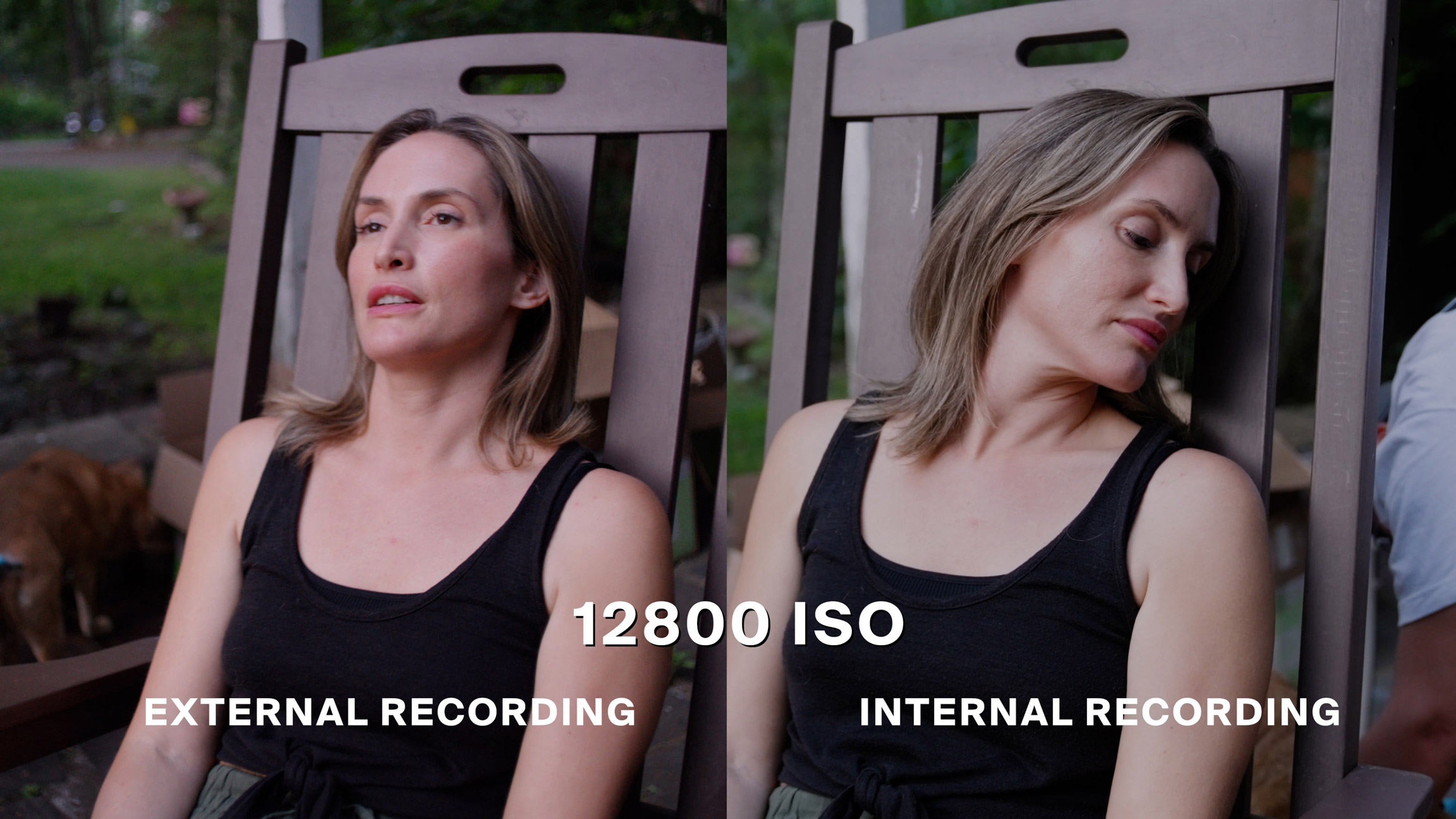
External vs. internal recording shot on Sony FX3 12800 ISO
Autofocus & Stabilisation
Sony’s autofocus is arguably the best in the world, and the FX3 proves it.
Autofocus
In our tests, the FX3 made me “believe in autofocus” for the first time.
Real-time Eye AF works reliably even in wide-open spaces and low-light settings. It’s also great with GM lenses, and it excels at tracking fast movements.
Active Stabilisation
The FX3 isn’t gimbal-smooth, but it’s fantastic for handheld walk-and-talk, documentary-style moments, and travel shooting.
When paired with a shoulder rig or lightweight cage, you get a stable, cinematic feel without extra tools.
Post Production
Our workflow breakdown aligns with what most FX3 shooters experience.
The ProRes RAW workflow produces large files but is best for highlight control and “hero” projects or commercial colour grades. We estimated ~45 minutes of RAW on a 1TB SSD.
The XAVC internal workflow is much smaller and faster to edit. It works well for most YouTube, corporate, and doc work. Most creators will favour XAVC over the others for day-to-day shooting.
It’s tough to turn down the proxy workflow. Whether you’re shooting RAW or XAVC, proxies make editing smooth as butter, especially with 4K 120fps clips.
“Many cameras on the market give us better quality, but the FX3 is so battle-tested and reliable that it still holds its value quite well. The fact that blockbuster movies, like The Creator, are shot on it only proves how versatile this camera is.” – Jakub Golis
How It Compares
Sony A7S III vs. Sony FX3
Used Sony A7S III
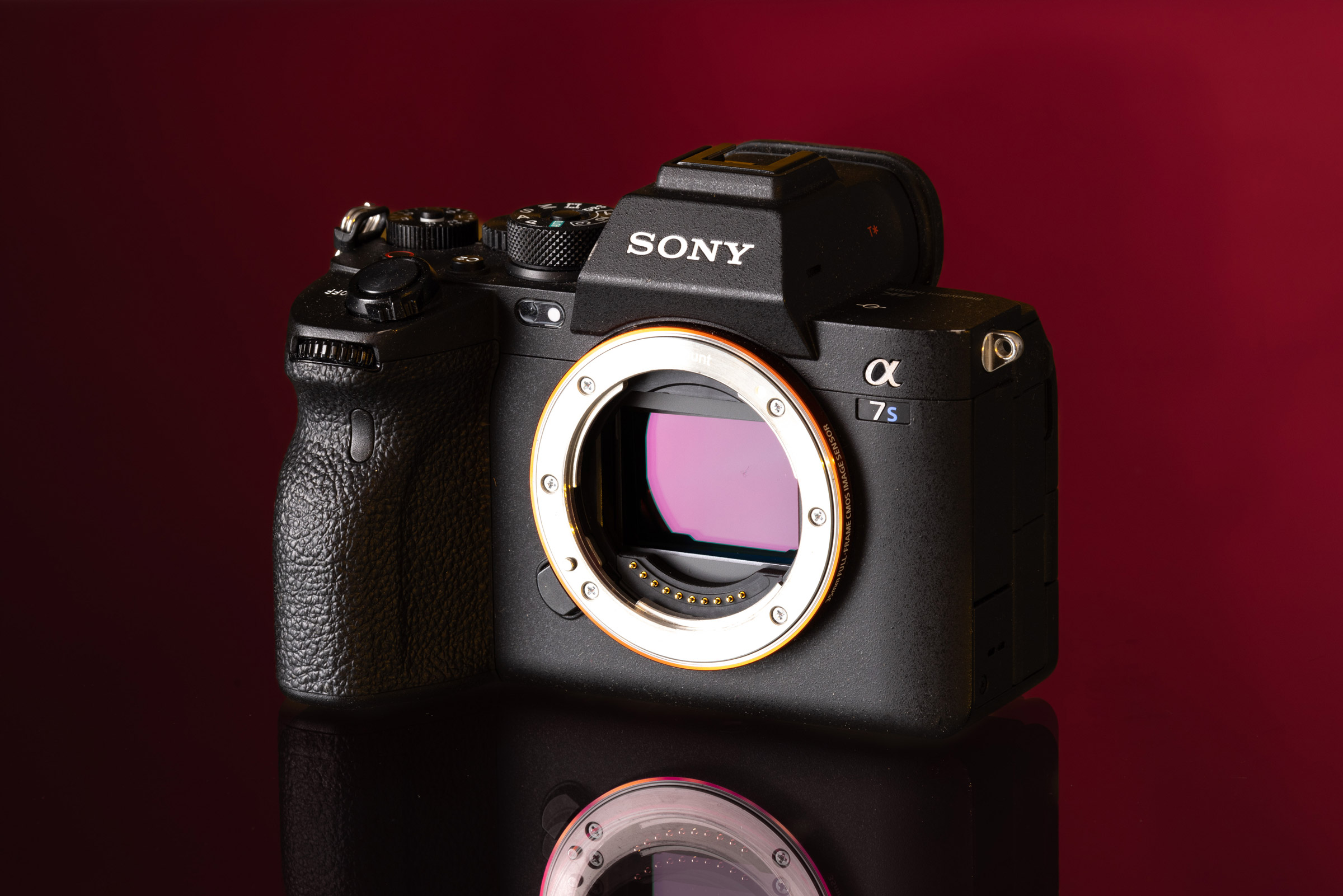
This is the FX3’s closest sibling, with which it shares the same sensor. However, there are quite a few differences between the two. For instance, the Sony A7S III has an EVF, yet it lacks an XLR top handle (you can still buy one separately and attach it; just don’t expect to unbox one with the camera). The FX3 also has a fan, unlimited recording time, and a more cinema-focused button layout.
If you focus on photo more than video, the A7S III is likely your winner. (Though you can shoot solid stills with the FX3.) However, in the battle between the FX3 vs. A7S III for video, the FX3 takes the cake.
Who Should Pick the A7S III?
Reach for the A7S III if video isn't your only focus. The FX3 reigns supreme for video, but you'll want to take the A7S III for travel and street photography or any other still-shooting needs.
Sony FX6 vs. Sony FX3
When compared to the FX3, the Sony FX6 is a major step up in internal ND filters and SDI outputs. The FX6 also has a larger body with deeper ergonomics. Overall, the FX6 triumphs over the FX3 in several settings, including broadcast, live events, multi-cam shoots and high-end commercial sets.
That said, the FX3 still shines in certain areas. If you’re a travel photographer, solo shooter, YouTuber, or just a fan of using lightweight rigs, you’ll want to take the FX3 over the FX6.
Who Should Pick the FX6?
Pick up the FX6 if you have massive ambition with a wallet to match. The FX6 is geared toward pros working on large-scale projects, so if you’re looking for something more low-key (and more affordable), the FX6 probably isn’t for you.
Sony FX30 vs. Sony FX3
The Sony FX30 shares the FX3’s body but uses an APS-C sensor, making it the budget-friendly Cinema Line option. (The APS-C sensor also works well for telephoto shooters and Super 35 glass.) It’s cheaper than the FX3 and features the same ergonomics and menu system, plus you get excellent 4K120 performance for the price.
Unfortunately, the FX30 has its fair share of faults. It has no meaningful RAW output, and less dynamic range with a softer highlight rolloff. Its low-light capabilities can’t compare to those of the FX3, and the FX30’s 1.5x crop changes the look of your full-frame lenses. (You can still use smaller APS-C/Super 35 lenses, which are completely compatible without any crop or changes.)
Who Should Pick the FX30?
Opt for the FX30 if you want the best entry-level cinema camera. Go with the FX3 if you need full-frame low light, RAW workflows, and maximum dynamic range.
Sony FX2 vs. Sony FX3
https://youtu.be/sSR5LaAECrE?rel=0The Sony FX2 is a “different” take on the FX3, but it doesn’t fully replace it. Each camera comes with pros and cons depending on what you’re looking to shoot.
There are several reasons to take the FX2 over its successor. For one, its higher-resolution sensor makes it more versatile for hybrid shooters who need usable stills. The FX2 also features an updated processor, improved rolling shutter, a superior autofocus system with better tracking in tricky light, a proper EVF, and additional codec options with (slightly) better oversampling.
When it comes to downsides, the FX2 has no internal NDs: just like the FX3. Its higher power draw results in a shorter battery life, and the camera has a 1.1x crop when recording external RAW.
Who Should Pick the FX2?
Choose the FX2 if you want many of the same features at a lower price, as well as the latest AF, a viewfinder, and stills options. Pick the FX3 if you want uncropped RAW, better value, and proven thermal performance.
Jakub Golis | Sony FX3
Sony FX3: Is It Worth It?
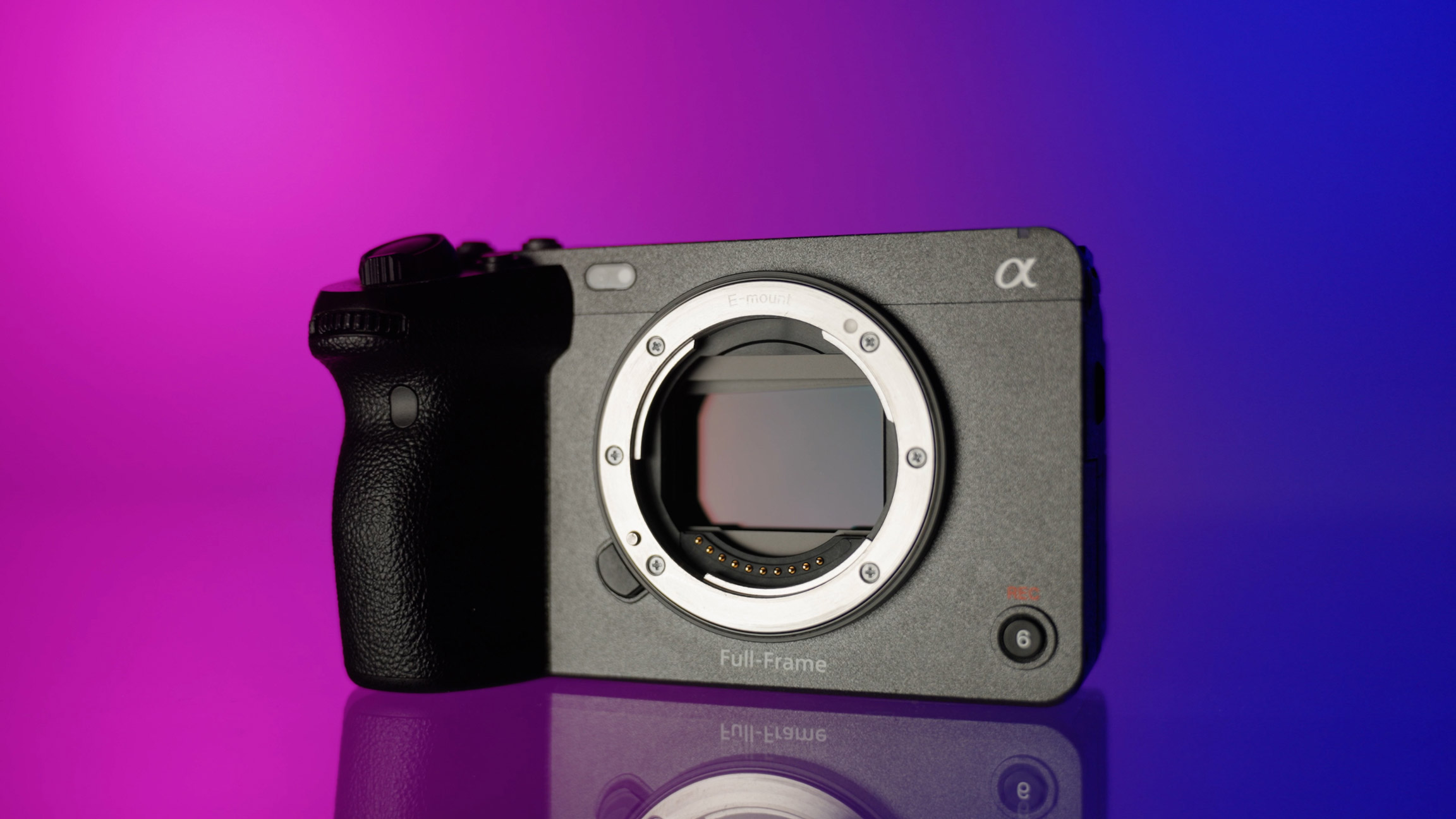
Absolutely! The Sony FX3 is still an exceptional choice in 2026, especially when you shop used (wink). If you’re searching for a small camera that meets your filmmaking needs, it’s tough to beat this thing. It may not pack as strong of a punch as more sizable setups, but it gets the job done for a pocket-sized filmmaking camera.
The FX3 delivers cinema-grade image quality, incredible autofocus, unlimited recording and great low-light capabilities. Plus, you get Sony VENICE-adjacent colour with the right workflow. Did we mention this all comes in a compact size?
Used Sony FX3
For YouTubers, indie filmmakers, commercial videographers, and documentary shooters, this camera remains a top-tier choice. Only hybrid shooters needing high-res photos or productions requiring SDI/NDs should look elsewhere.
“It's a great, compact video camera with good quality and budget balance. It's no wonder it's so popular amongst smaller video creators and videographers.” – Jakub Golis

Jakub Golis | Sony FX3
FAQs
Is the Sony FX3 Netflix-approved?
Netflix added the Sony FX3 to its approved camera list in 2022, making it one of 15 Sony cameras to receive the streaming giant's sign-off.
How old is the Sony FX3?
The FX3 was released in 2021, updated via firmware, and it remains relevant in 2026.
Can the Sony FX3 do photography?
Yes, but the 12-megapixel sensor limits flexibility for prints or cropping. It’s great for thumbnails, but not full-photo workflows.
Which camera wins: FX3 or FX30?
The FX30 is cheaper and uses an APS-C sensor. The FX3 has better low-light capabilities, a solid full-frame look and better dynamic range. If it fits your budget, go with the FX3.
Craving more camera content? See other camera gear guides on the MPB content hub.