
Review: Sony A1 II | A Closer Look at Sony’s Flagship Camera
Published 25 September 2026 by MPB
In 2021, Sony released the Sony A1, a powerhouse flagship camera that changed the game for professional hybrid shooters with its 50-megapixel sensor, 8K video and incredibly fast continuous shooting alongside Sony’s top-tier autofocus. The A1 could handle anything, whether you're shooting birds and wildlife or aviation. Then, in 2024, Sony dropped its successor.
Enter the Sony A1 II: a next-gen evolution of the A1 with similar specs. (And, as expected, a higher price tag.) So, what’s the point? What does the A1 II have that the Sony A1 doesn’t? Turns out, while the differences are minor, they can make a huge difference in the field. Let’s take a deeper dive into what makes the Sony A1 II special, and how it compares to similar cameras (especially its predecessor).
Before we jump into the article, check out our companion video for breathtaking footage from Norway and Yellowstone National Park, Wyoming, USA. We compare the two cameras, with Amy using the A1 in Norway and Justin wielding the A1 II in Wyoming. Each creator makes their case for why their camera is superior, but you can watch (and read this article) to draw your own conclusion.
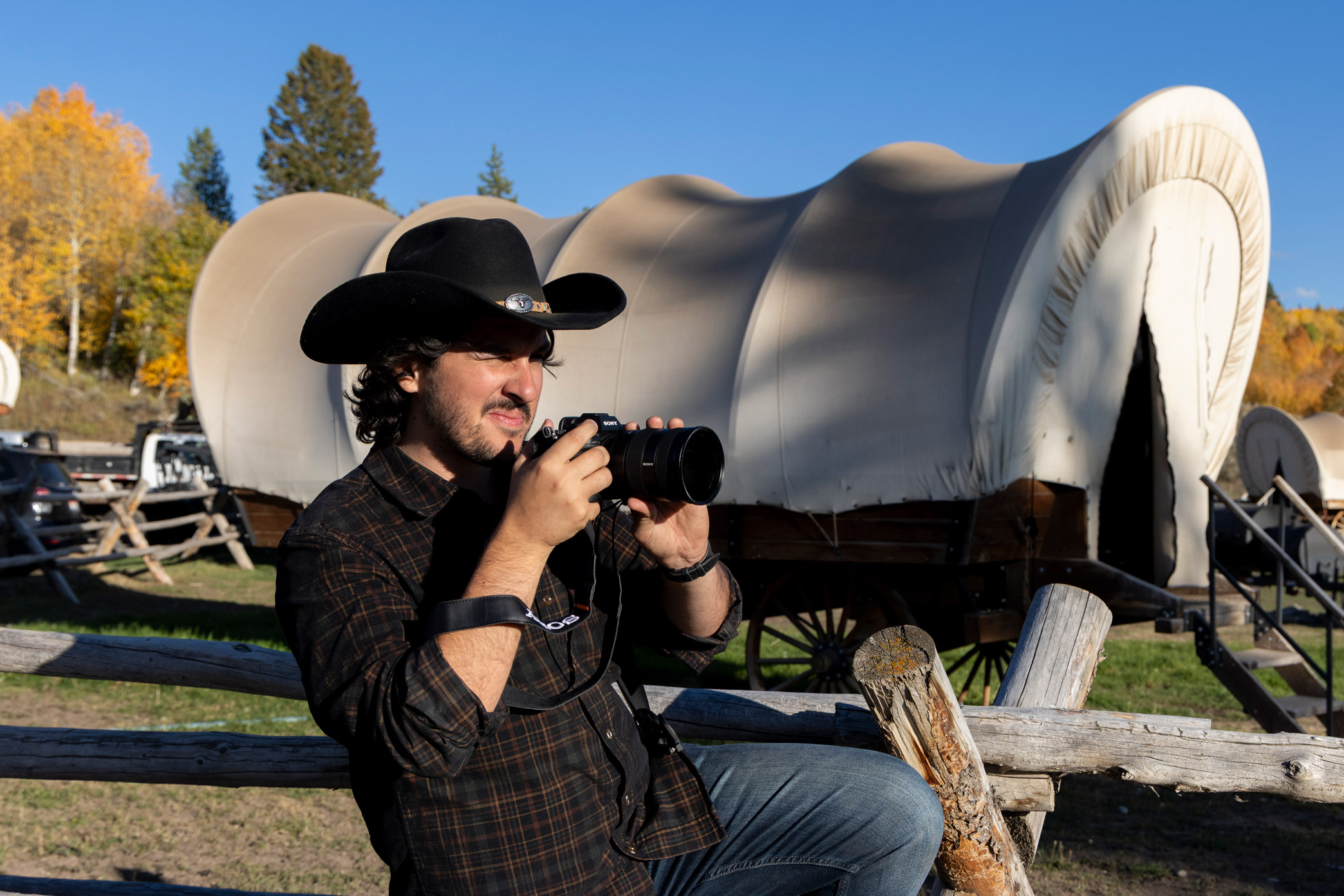
Kristi Townsend | Canon EOS R7 | 24-105mm f/4 L IS | 30mm | f/5.6 | 1/500 | ISO 125
Sony A1 II Specs
Sensor | Full-frame Exmor RS stacked CMOS sensor |
Megapixels | 50.1 |
Weight (Grams) | 743 |
Autofocus Points | 759 phase-detection points |
Stabilisation | 5-axis in-body image stabilisation (IBIS), up to 8.5 stops |
ISO | 100–32,000 native; expandable to 50–102,400 |
Flash | No built-in flash, Multi Interface Shoe |
Maximum video resolution | 7680×4320 (8K UHD) |
Maximum Video Frame Rate (FPS) | 120 |
Storage type | CFexpress Type A / SD / SDHC / SDXC (dual slots) |
Viewfinder | Electronic viewfinder (9.44M-dot OLED EVF) |
LCD Size | 3.2 inches |
Year of release | 2024 |
Pros
Sharp autofocus
Impressive IBIS (8.5 stops)
Improved video capabilities
Cons
Few groundbreaking upgrades from the original A1
Mediocre battery life
Higher price tag
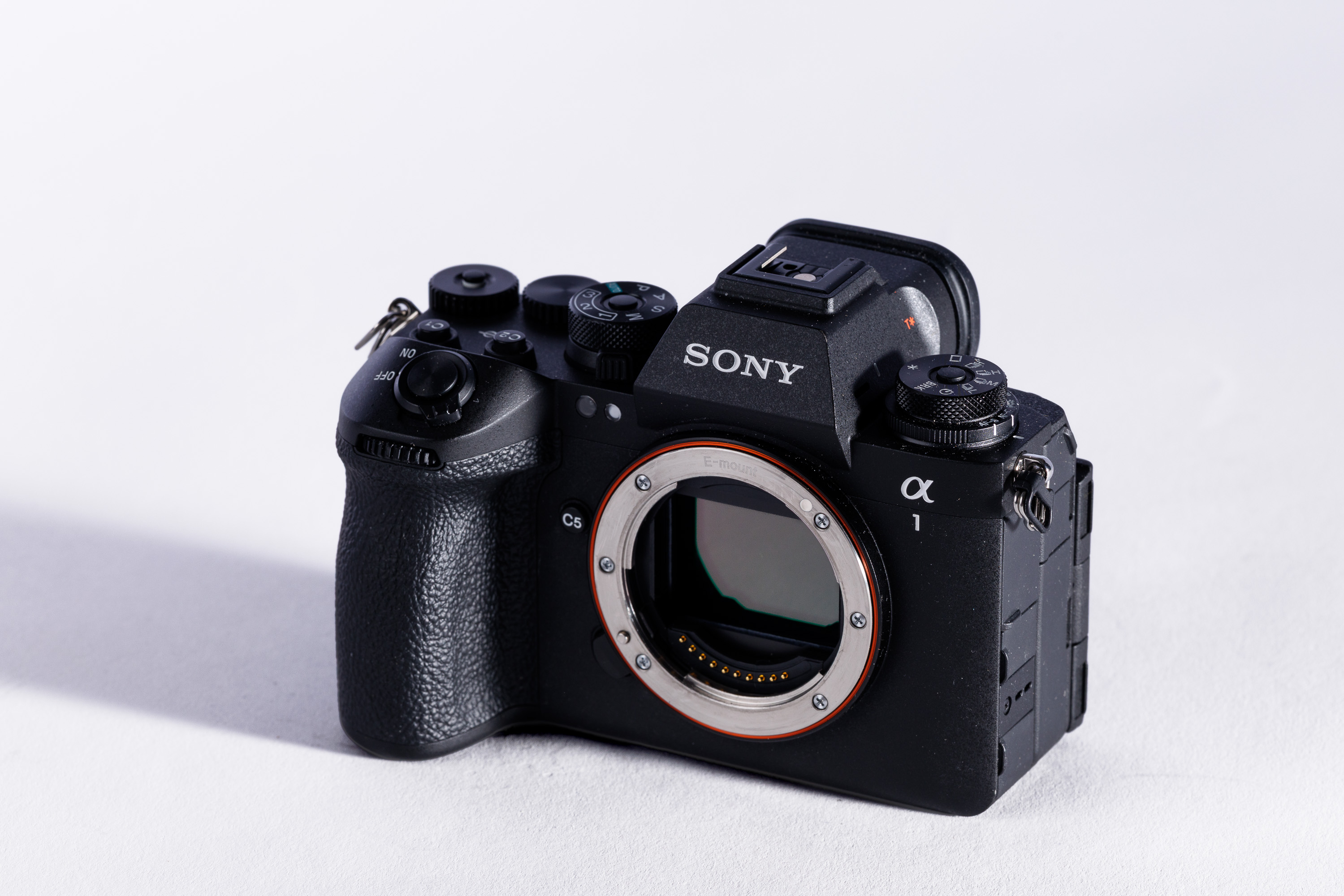
Used Sony A1 II
Design and Build Quality
Screen
Sony cooked in this category, as the A1 II’s screen is much more impressive than the original’s. The successor sports a 4-axis fully articulating LCD touchscreen that improves upon the original in nearly every way. It has a resolution of 2.1 million dots, clearing the original by roughly 660,000. The screen is also 0.2 inches larger than the A1’s; it’s not substantial, but it’s something.
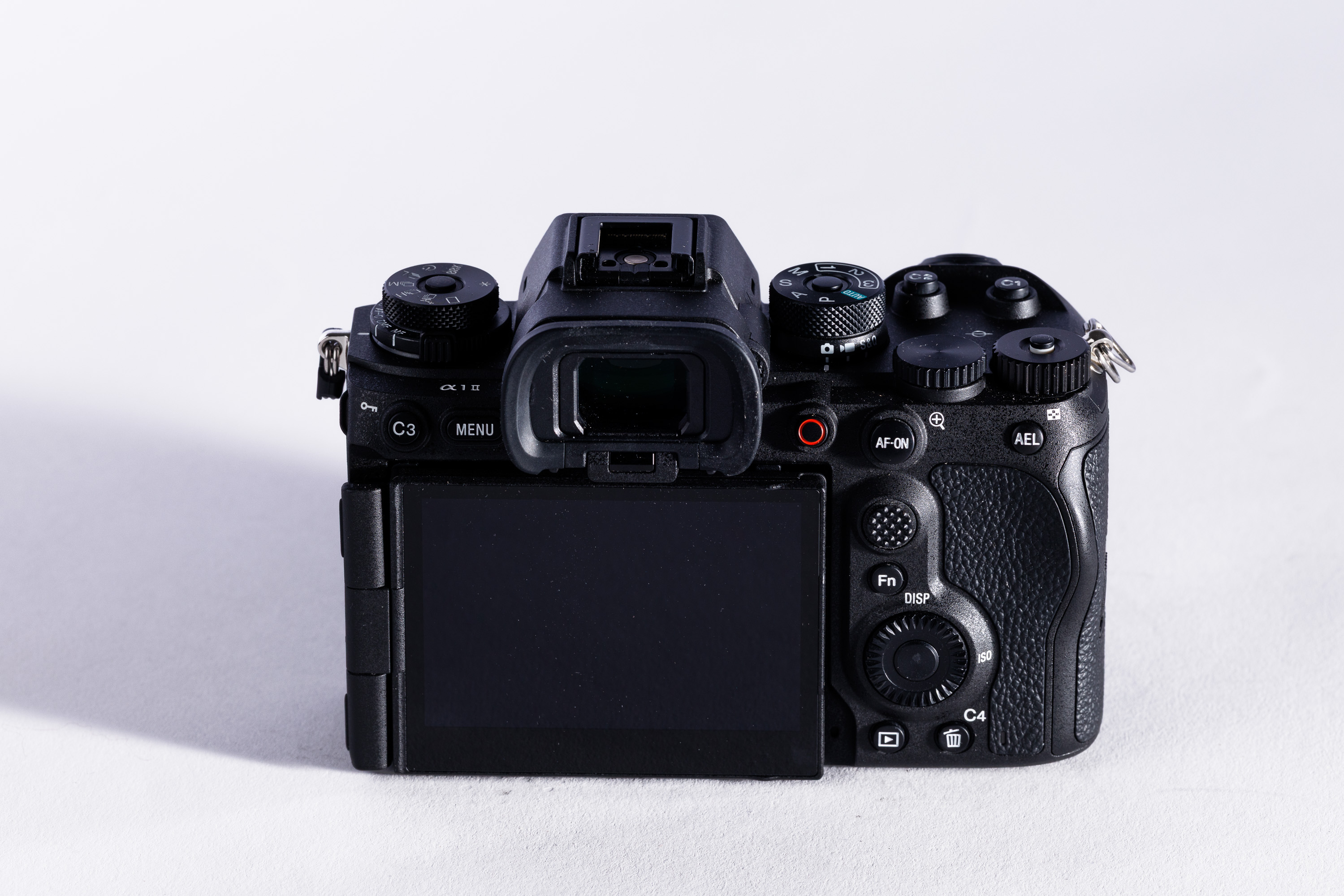
Used Sony A1 II
Buttons and Connectivity
Fortunately, the A1 II comes with customisable front buttons by the grip, giving you full control of how you shoot.
The ports and slots are mostly the same as those on the original A1. For folks who liked the A1’s setup, this is a plus. However, if you were hoping for a different layout or extra bells and whistles, you’ll likely be disappointed.

Justin Patricolo | Sony A1 II | 24-105mm f/4 G OSS | 95mm | f/8 | 1/320 | ISO 800
Shooting Performance
Autofocus
Sony is a champion brand for autofocus, and the A1 II lives up to the hype with a special edge over the A1: AI-powered autofocus.
While it uses a similar 759-point hybrid autofocus framework to the original A1, the A1 II adds a dedicated AI processing unit that enhances subject recognition and tracking, allowing the camera to automatically detect and track multiple subject types (humans, animals, birds, vehicles, etc.) and even switch between them on the fly.
"The A1 II’s AI-powered autofocus is extremely intelligent. Enabling animal subject recognition is particularly useful, whether I’m tracking a bison on the move or a more calming subject." – Justin
Justin Patricolo | Sony A1 II | Sony FE 24-105mm f/4 G OSS | 82mm | f/4 | 1/2000 | ISO 200
This is a step beyond the original A1’s system and closer to the AI-assisted autofocus technologies seen in newer Sony bodies, giving faster and more intuitive focusing performance for both stills and video.
The A1 II also comes with a very special feature the A1 does not have: a pre-shoot buffer. This constantly records full-resolution frames (from about 0.03s to 1s) to an internal buffer when you half-press the shutter, so when you finally press the shutter fully, the camera saves images from before you clicked. This ensures you don’t miss fleeting moments in sports or wildlife action.
In-body Image Stabilisation
The A1 II’s image stabilisation narrowly beats that of the A1, with 5-axis IBIS up to ~8.5 stops over the A1’s ~5.5 stops. This means you can leave the tripod at home, even when shooting with longer lenses. The weather-sealed body and improved grips/controls also give handheld shooters an edge.

Justin Patricolo | Sony A1 II | 200-600mm f/5.6-6.3 G OSS | 600mm | f/6.3 | 1/320 | ISO 400
"Wide shots really show the power of the sensor and the A1 II’s dynamic range. The RAW files have beautiful detail retention in the shadows, smooth highlight rolloff in the skies and give you plenty of wiggle room in post." – Justin
Precapture
The pre-capture performance here is a step up from the A1. The sequel buffers full-res stills before you fully press the shutter, as it can start from a half-press or an AF-ON press. This pre-capture window ranges from 0.03 seconds to 1 second, with your selected burst rate controlling the number of saved frames. With the camera’s 30 fps peak, you can save up to 30 frames before securing the shot. However, while the A1 II allows you to shoot up to 30 fps in lossy-compressed RAW, it tops out at 20 fps in lossless-compressed RAW.
Sony A1 II Sample Images

Justin Patricolo | Sony A1 II | Sony 70-200mm f/2.8 GM OSS II | 124mm | f/2.8 | 1/3200 | ISO 800

Justin Patricolo | Sony A1 II | Sony FE 24-105mm f/4 G OSS | 105mm | f/4.5 | 1/160 | ISO 250
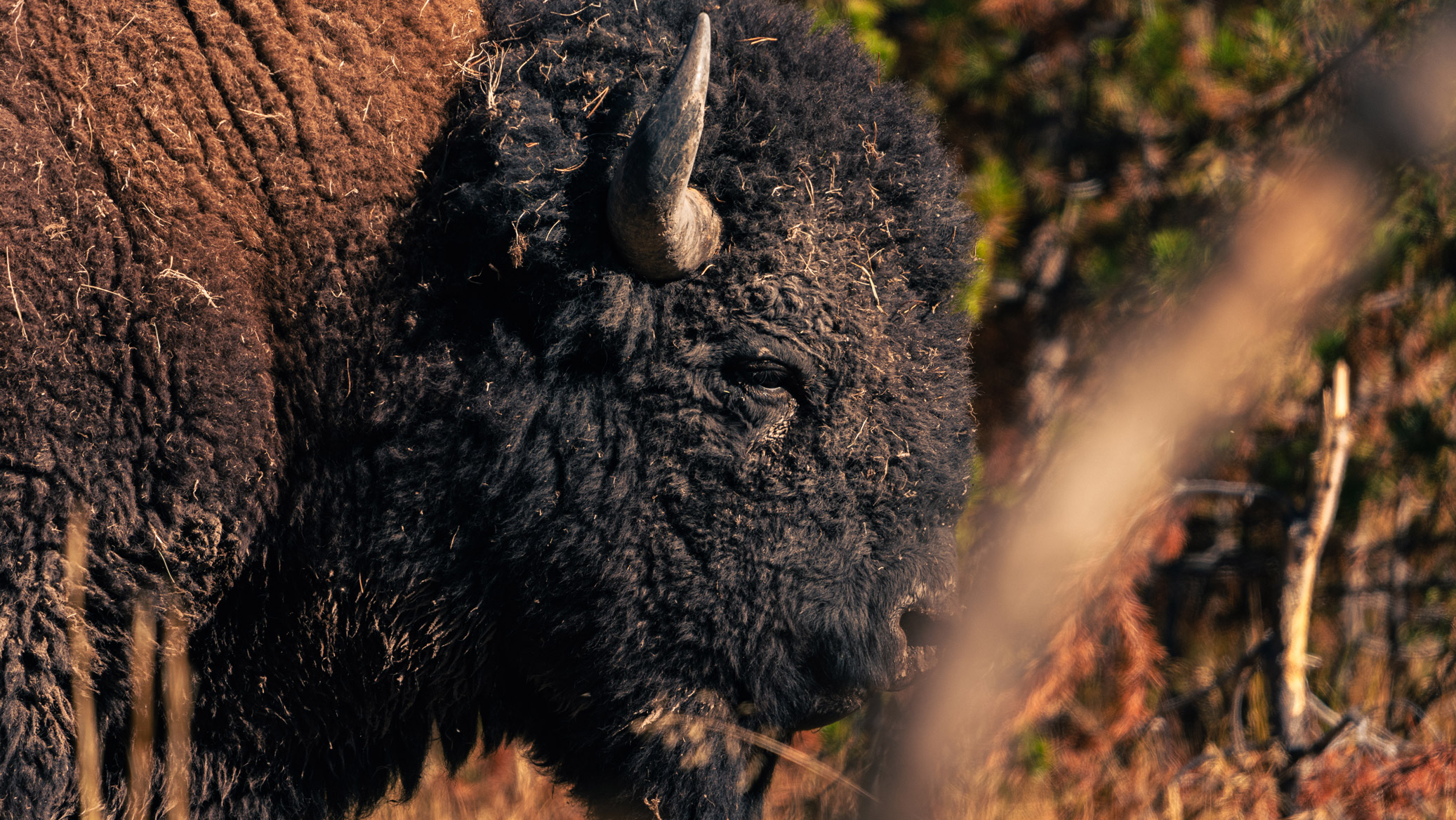
Justin Patricolo | Sony A1 II | Sony FE 200-600mm F/5.6-6.3 G OSS | 600mm | f/6.3 | 1/500 | ISO 200

Justin Patricolo | Sony A1 II | Sony FE 24-105mm f/4 G OSS | 105mm | f/4 | 1/160 | ISO 6400

Justin Patricolo | Sony A1 II | Sony FE 200-600mm F/5.6-6.3 G OSS | 600mm | f/6.3 | 1/320| ISO 200
Video Capabilities
Subject Recognition
This is one of the A1 II’s main upgrades over the original. It added Sony’s dedicated AI processing unit and updated Real-time Recognition AF, so the camera can easily notice people, animals, birds, cars, aeroplanes and more. By helping the camera better understand what it’s looking at, the A1 II took the original's stellar autofocus and turned it up to 11.
"The RAW files give plenty of detail in the shadows and the highlights hold without blowing out. The same can be said for shooting video in S-Log3, which gives me about 15 stops of dynamic range to bring out those wonderful colours and control the image." – Justin
Sony also added auto subject recognition, so you don’t have to worry about making manual adjustments based on the subject you’re shooting. This is Sony’s first Alpha camera to include the feature, which helps a bunch when several subject types are in a scene.
How It Compares
Now that we’ve taken a closer look at the Sony A1 II’s specs and features, let’s see how it stacks up against similar cameras on the market.
Sony A1 II vs. Sony A1
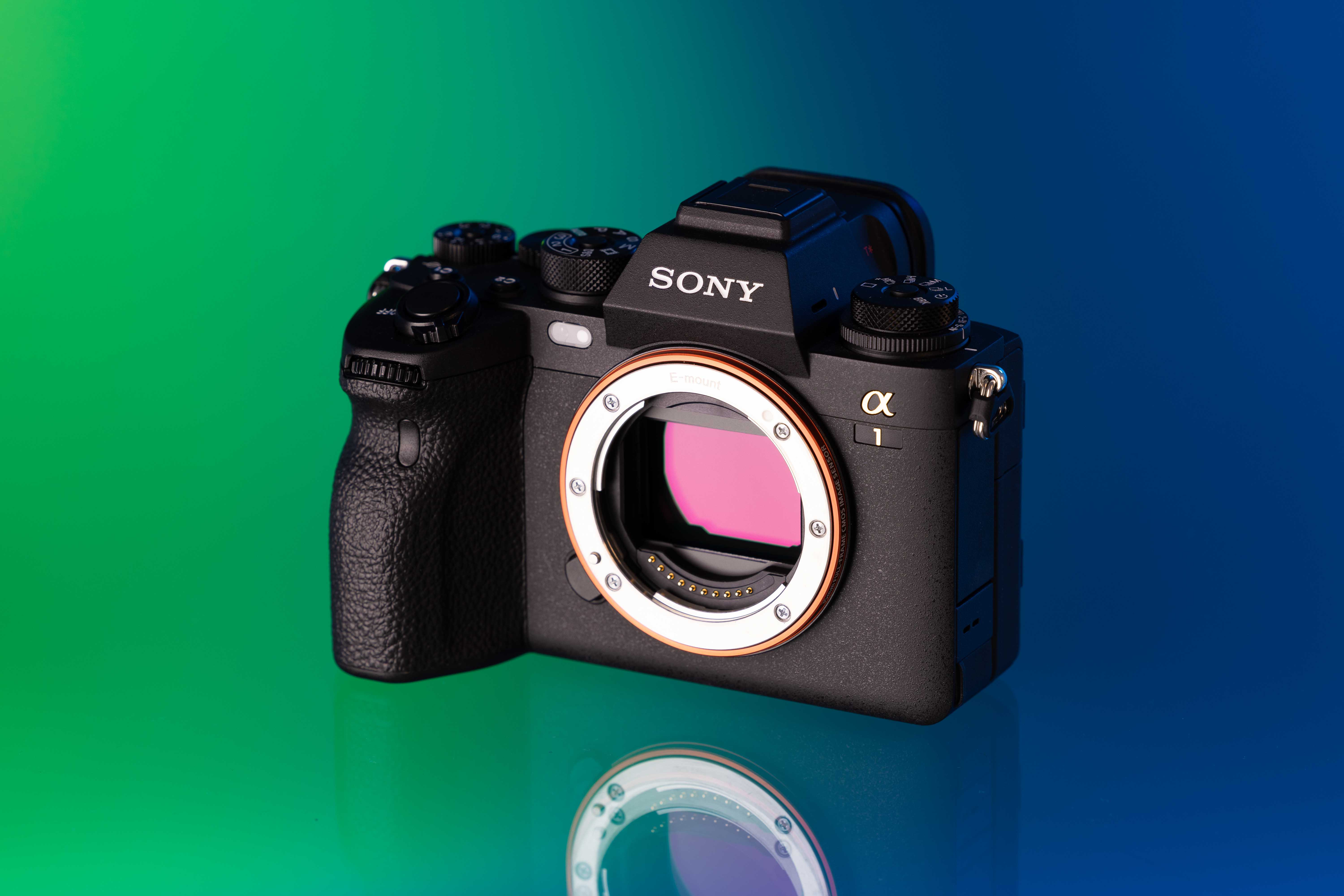
Used Sony A1
The A1 II didn’t reinvent the wheel, but it did provide a polished, more intuitive version of the original. It has a similar skeleton with a 50.1-megapixel stacked full-frame sensor, high-speed shooting up to 30 fps, 8K video and solid build quality, but its upgrades make it simpler to secure the shots you want. Improvements include superior subject recognition and automatic subject detection, improved in-body stabilisation, and a better body design similar to newer Alpha models. Again, check out our YouTube video to watch Amy and Justin argue their case for the respective favourites.
Sony A1 Sample Images
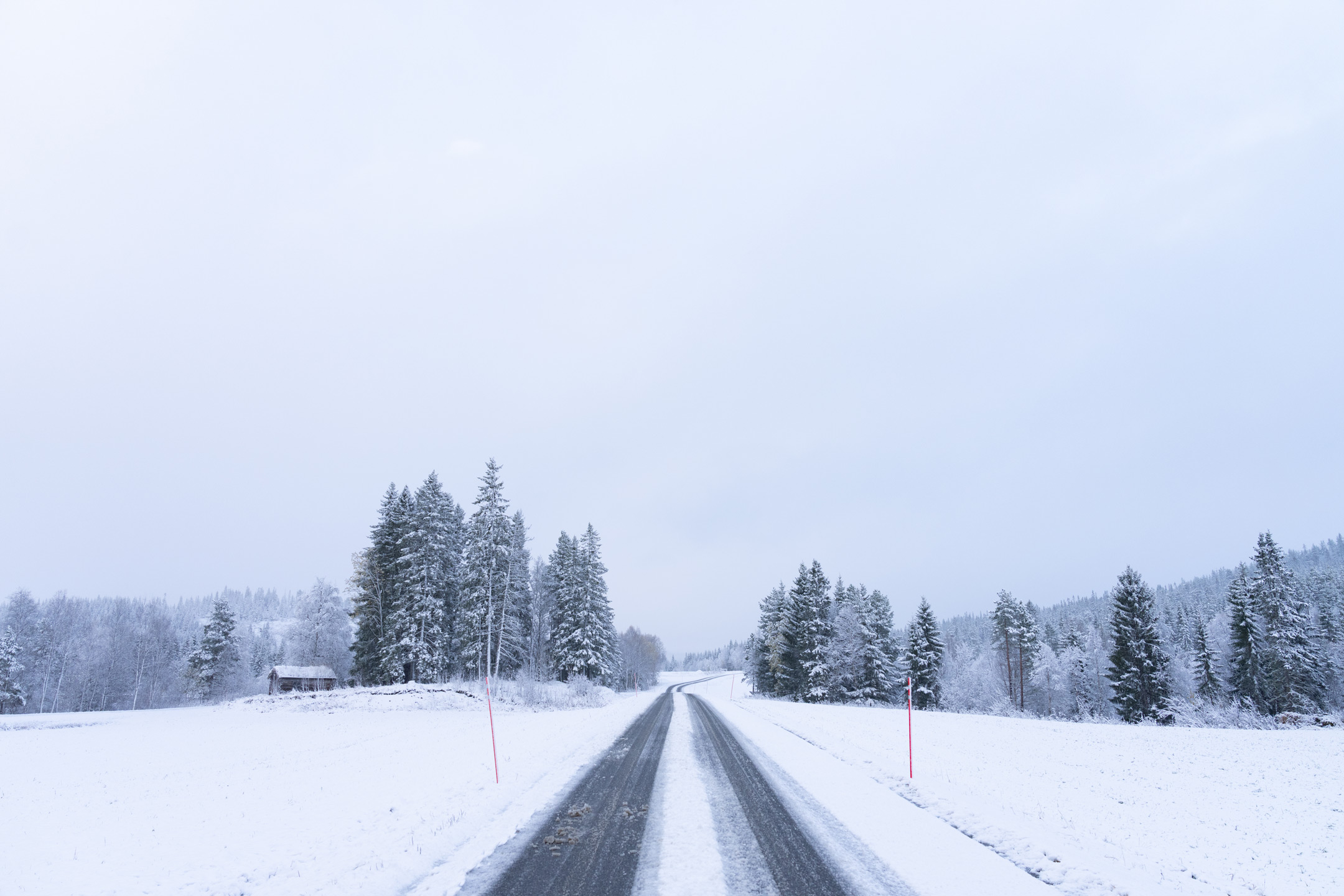
Amy Moore | Sony A1 | 24-70mm f/2.8 GM II | 24mm | f/4.5 | 1/500 | ISO 400

Amy Moore | Sony A1 | Sony FE 24-70mm f/2.8 GM II | 63mm | f/3.2 | 1/640 | ISO 640

Amy Moore | Sony A1 | Sony FE 24-70mm f/2.8 GM II | 63mm | f/3.2 | 1/640 | ISO 640
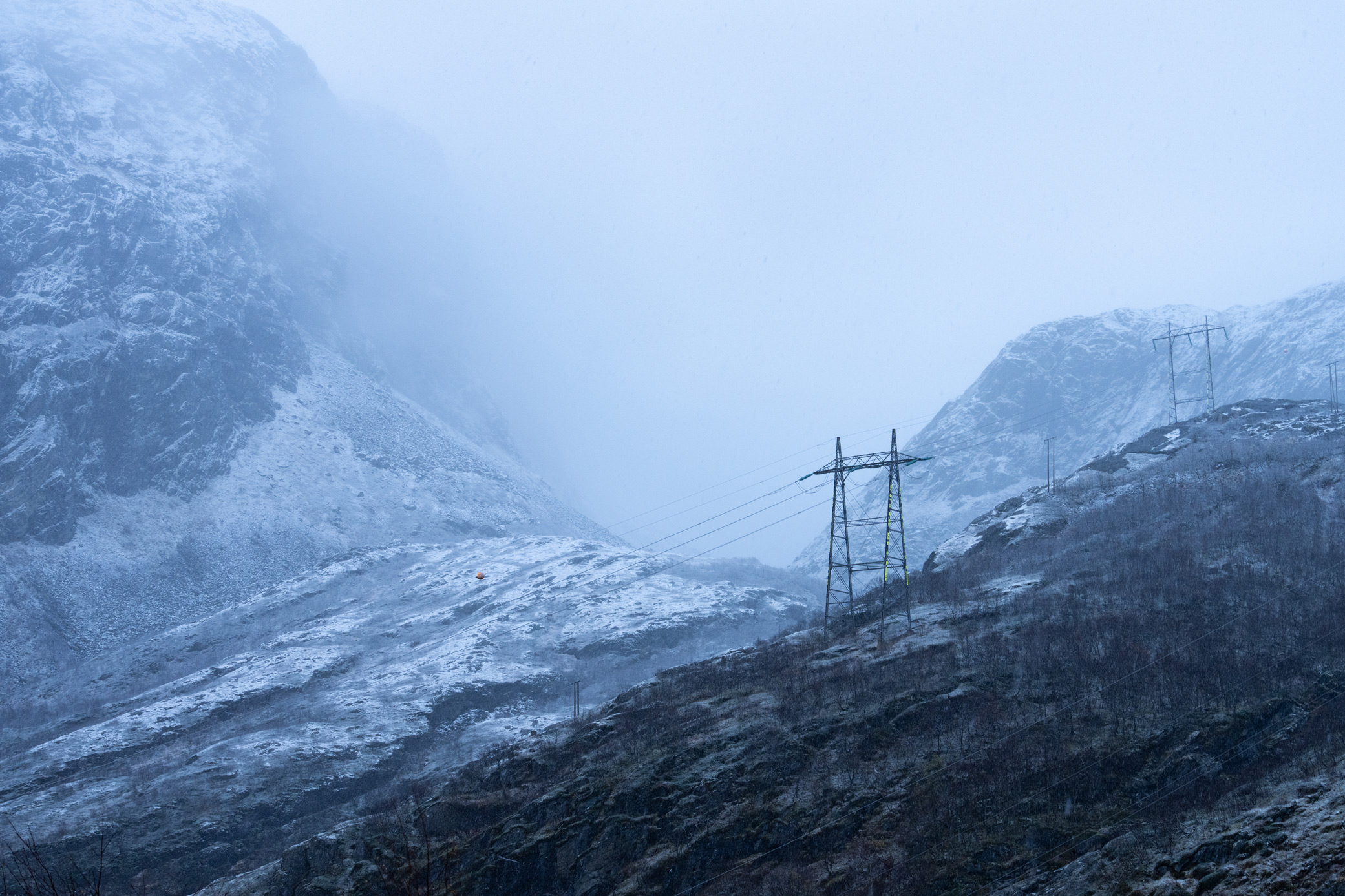
Amy Moore | Sony A1 | Sony FE 50-150mm f/2 GM | 50mm | f/6.3 | 1/100 | ISO 640
Sony A1 II vs. Canon R1
While they’re both flagship bodies, the A1 II and Canon EOS R1 serve different purposes. The A1 II is a high-res hybrid with its 50.1-megapixel sensor, 8K/30p video and 30 fps blackout-free shooting. The Canon R1, on the hand, specialises in shooting action. Its 24.2-megapixel sensor swaps resolution for speed, and its autofocus abilities make it superb for shooting fast-moving subjects. Simply put, the A1 II is most versatile while the R1 specialises in speed.
Sony A1 II vs. Nikon Z9
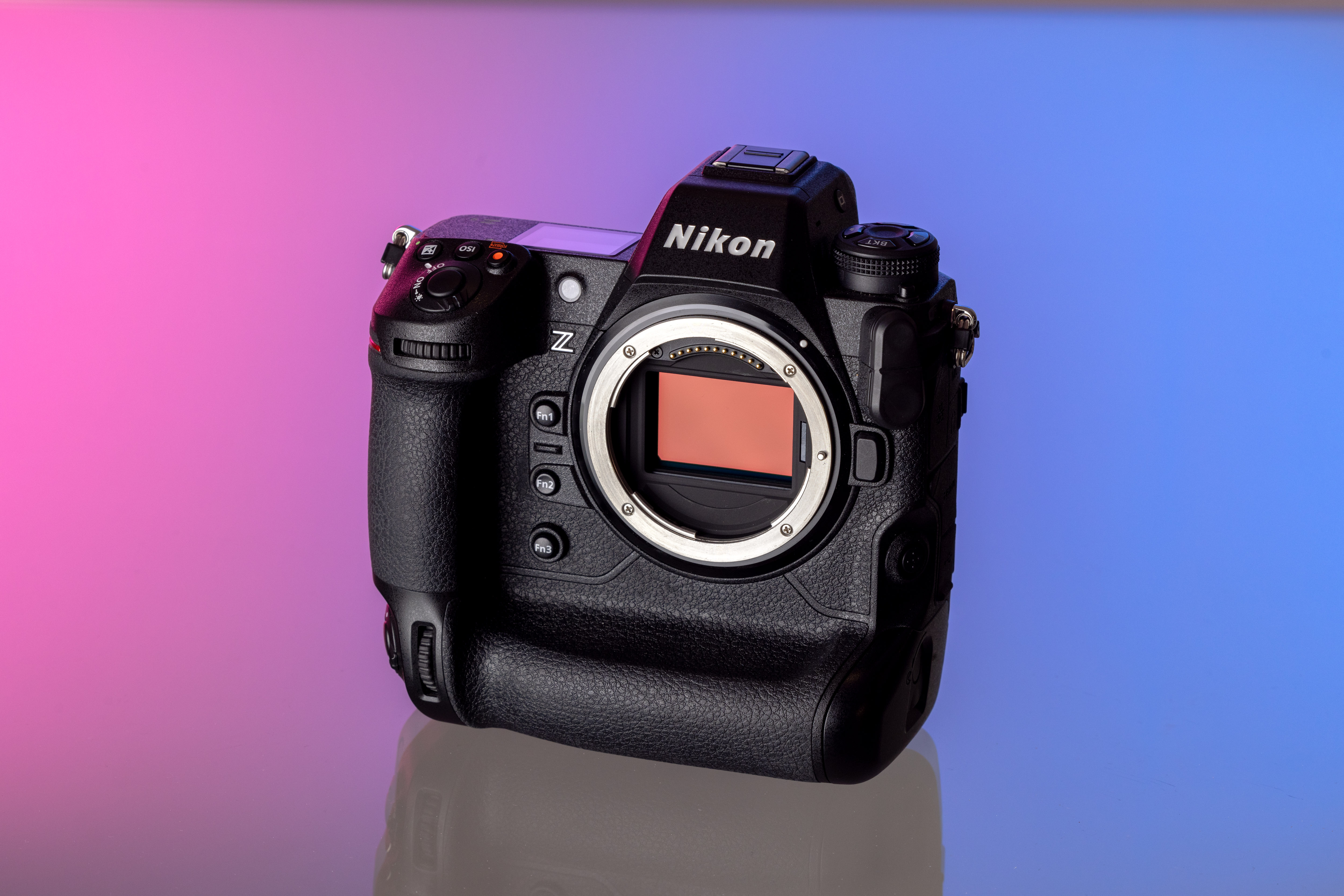
Used Nikon Z9
Both cameras provide high resolution and high speeds, yet they feel dramatically different. The A1 II is a sleek shooter, with its compact size making it easy to carry. The Nikon Z9 is a weighty workhorse (nearly twice as heavy as the A1 II) that makes for a durable companion in the field. If you want a compact hybrid, go with the A1 II. If a tougher, video-focused model is more your speed, opt for the Z9.
Honourable Mentions
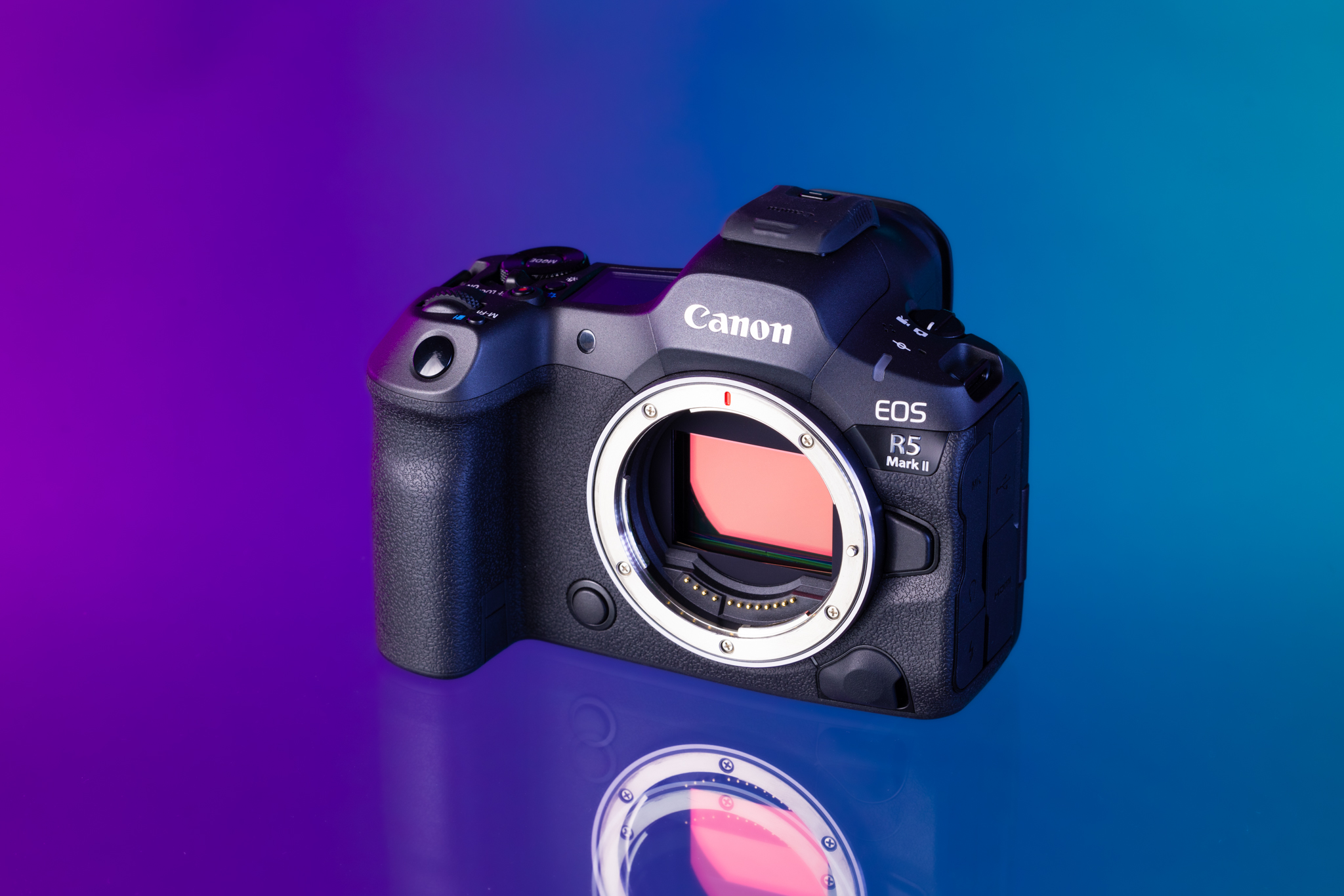
Used Canon EOS R5 Mark II
We have to mention the Canon EOS R5 Mark II and the Nikon Z8, two outstanding cameras that stand strong next to the A1 II. The R5 II is a noteworthy hybrid, with a 45-megapixel stacked full-frame sensor, shooting up to 30 fps, 8K RAW up to 60p, Action Priority autofocus and more. It feels like a slightly smaller sibling to the A1 II with a stronger focus on resolution.
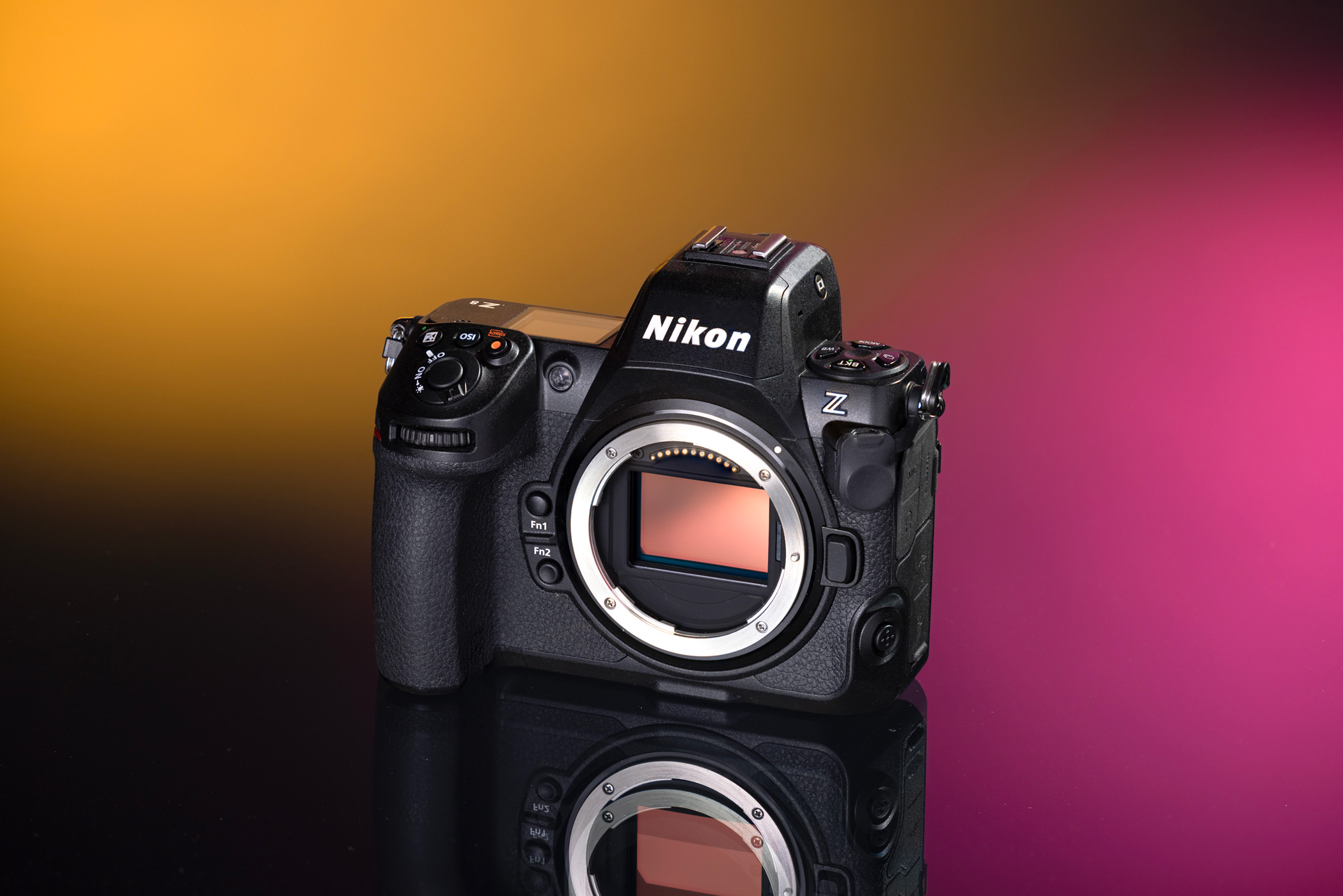
Used Nikon Z8
The Nikon Z8 is basically a compact Z9. It features a 45.7-megapixel stacked sensor, 20 fps RAW shooting, 8.3K/60p RAW video, nine-type subject detection and an array of additional features. Like the Canon R5 II, the Z8 didn’t make quite the same splash as the A1 II, but it’s still an outstanding hybrid option.
Sony A1 II: Is It Worth It?
As mentioned, the differences between the A1 and the A1 II are minor, but crucial for certain shooters. The Mark II adds meaningful pro-level refinements, such as a fully articulating high-resolution LCD, vastly improved 8.5-stop IBIS for sharper handheld shots, a faster wired 2.5 Gbps Ethernet port and smarter autofocus/tracking features that broaden its usability for both stills and video workflows.
These enhancements, along with features like pre-shoot buffering and expanded subject recognition, make the Mark II more capable for dynamic shooting environments and more efficient as a daily workhorse. Professional sports, wildlife and hybrid photographers/filmmakers who demand the fastest, most flexible capture and tracking performance, plus improved ergonomics and workflow tools, will benefit most from upgrading to the A1 II.
If you’re an A1 owner, try the A1 II to see if the upgrade is a fit for you.
Craving more camera content? Read more camera gear guides on the MPB content hub.
Turn your camera into cash and sell or trade your used gear. Get a free instant quote, free insured shipping to MPB and get paid within days.