MPB Brighton codebar workshops
Published 3 August 2022 by MPB
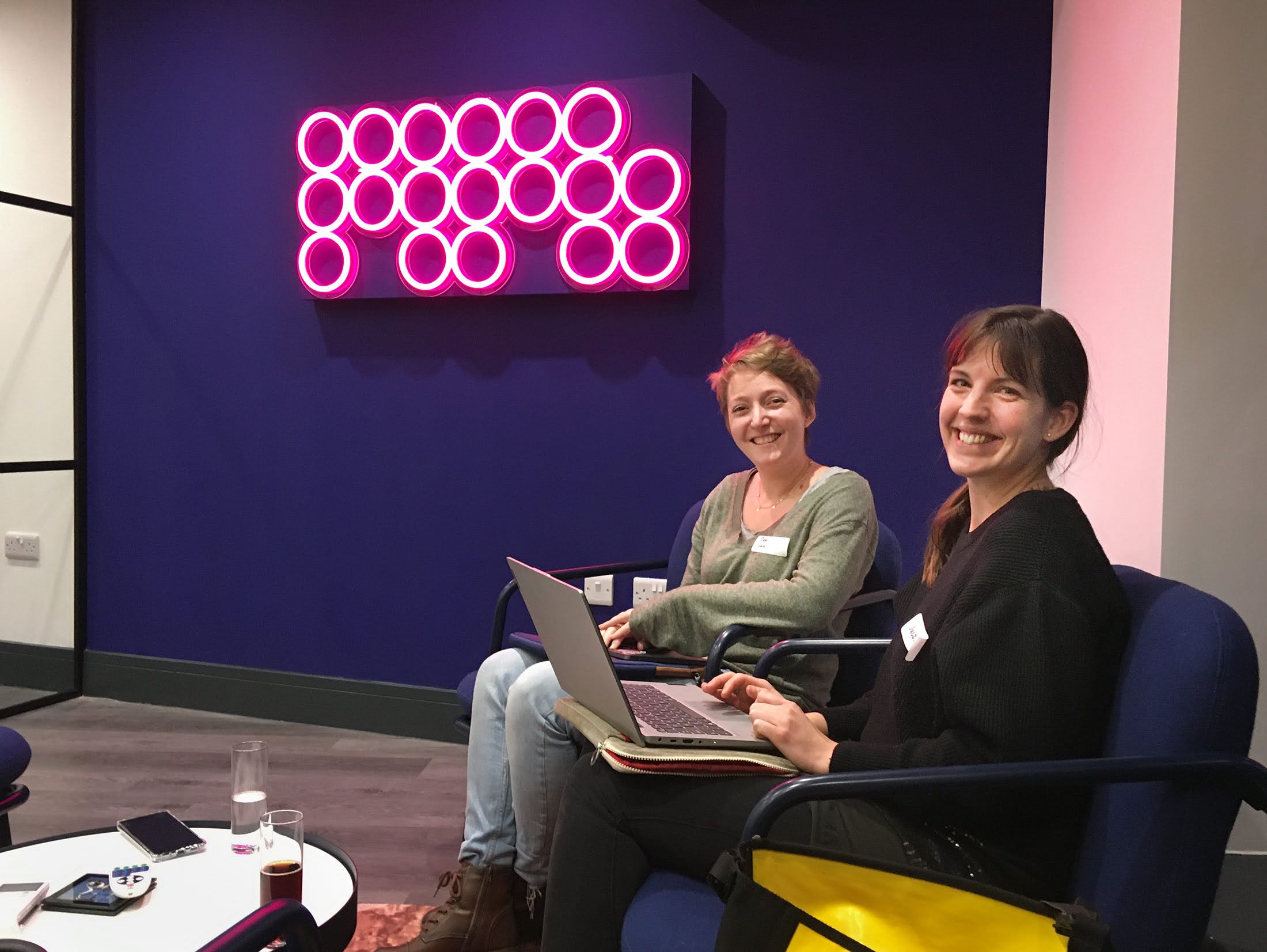
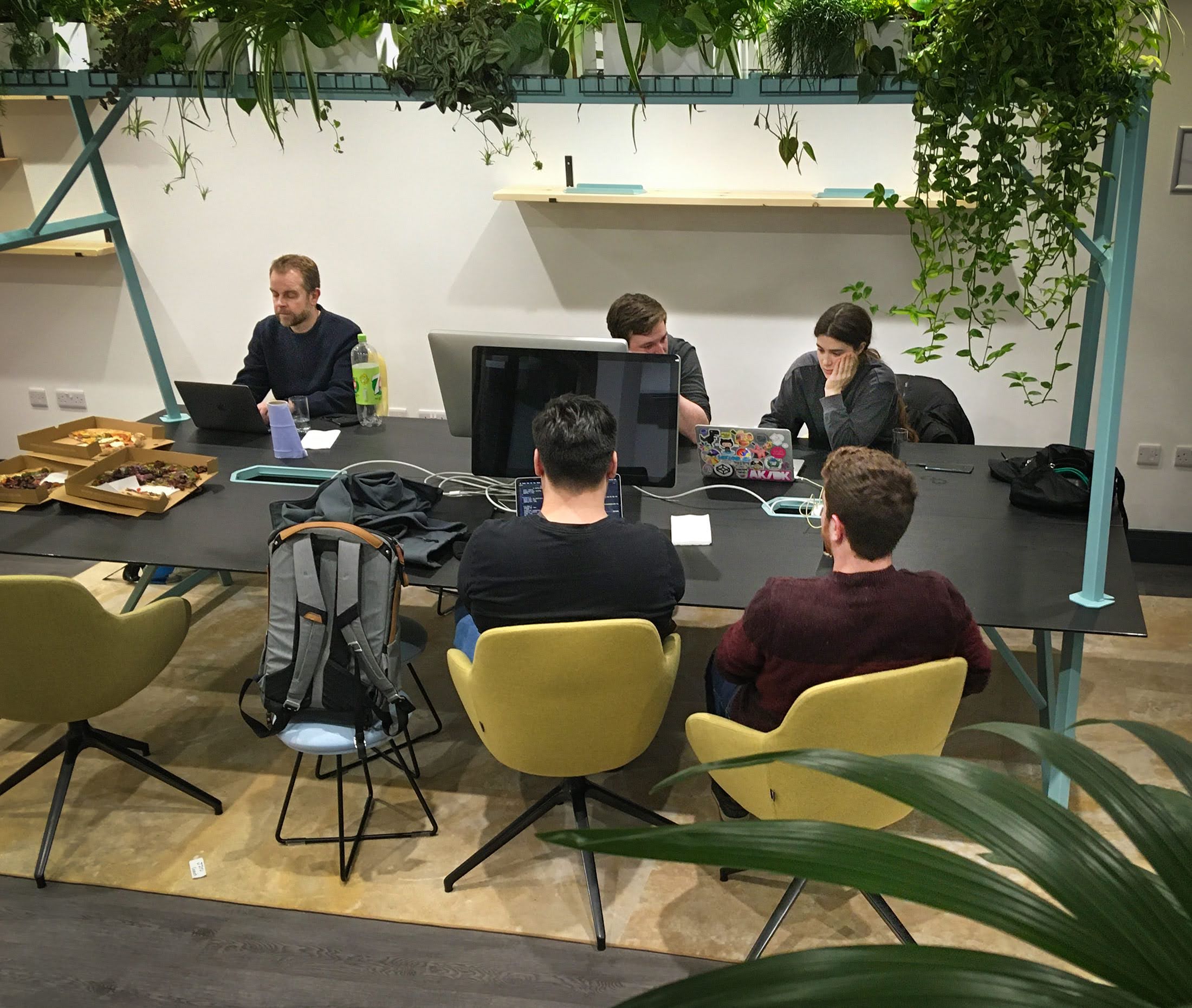
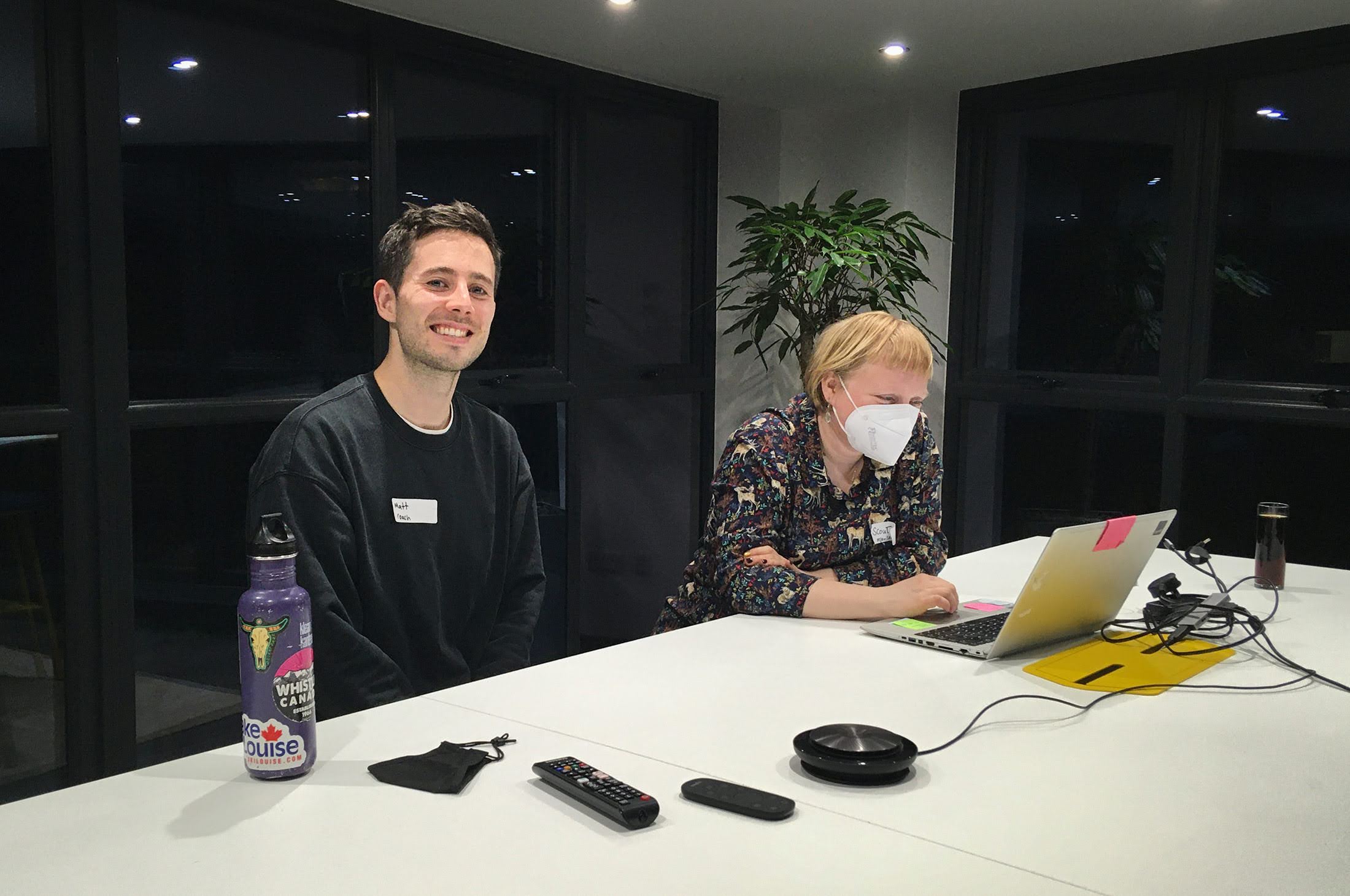
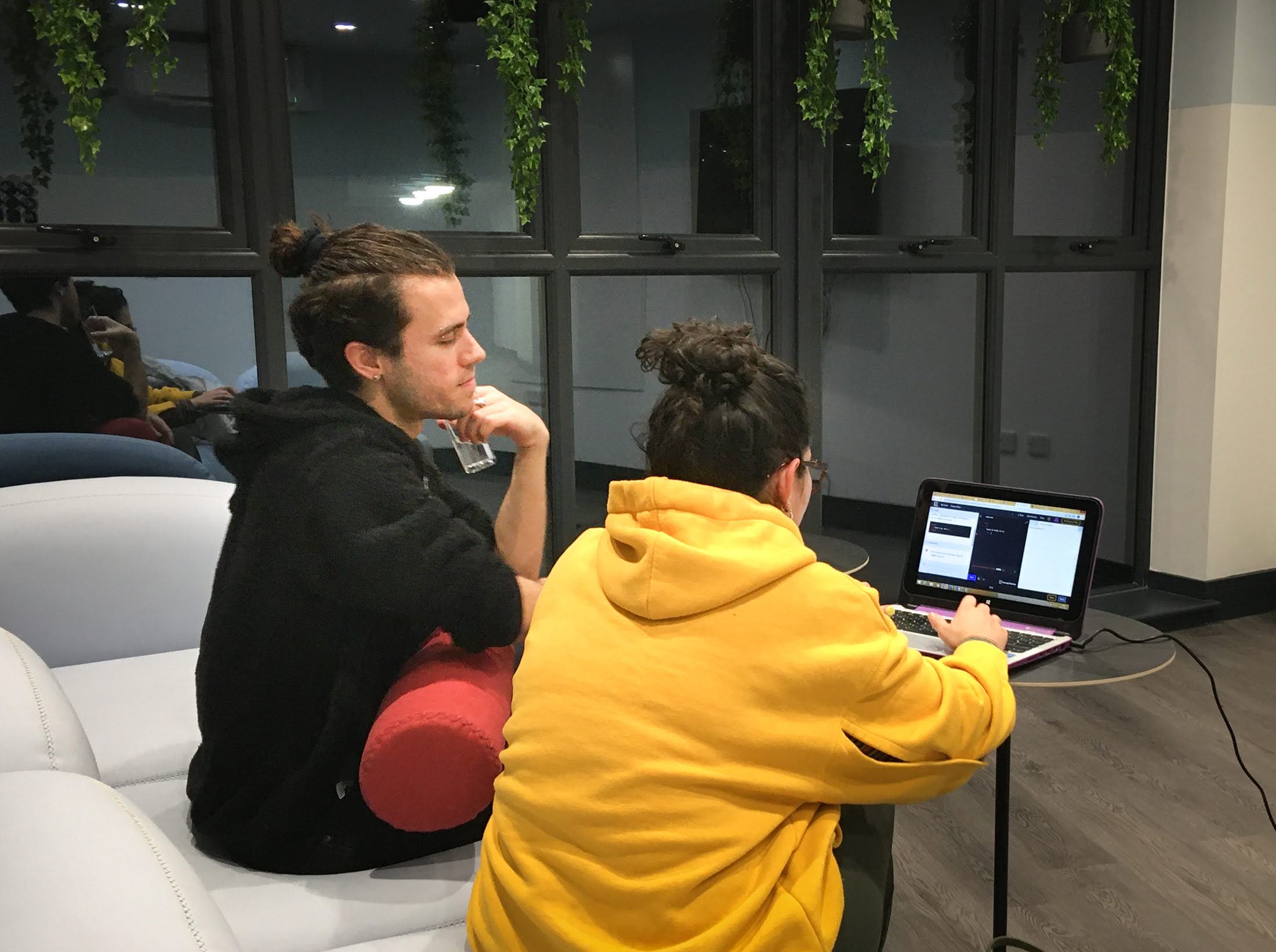
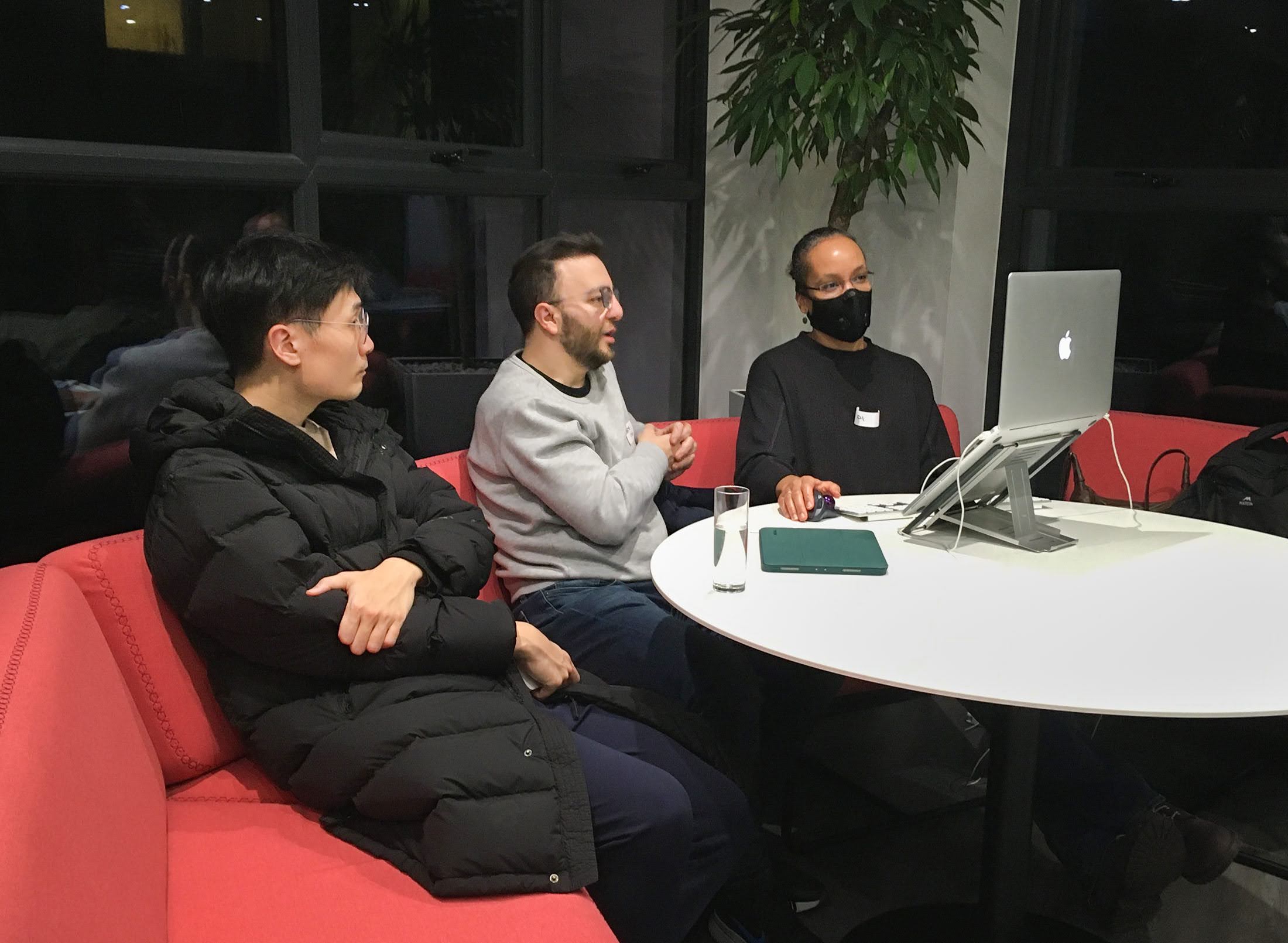
MPB is working as a workshop host with codebar Brighton to enable minority group members to learn programming in a safe and collaborative environment and expand their career opportunities. The free workshops, which are hosted at the MPB office in Brighton and run on one Tuesday every month, aim to create opportunities to make technology and coding more accessible. Each workshop consists of 30 minutes of socialising with food and drink, followed by a lightning talk, then coding.
These workshops are available to women, LGBTQIA+ and people who are underrepresented in the tech industry. Codebar students come from a variety of backgrounds. Some want to become full-time developers, whereas others would like to learn the basics of coding in a supportive environment.
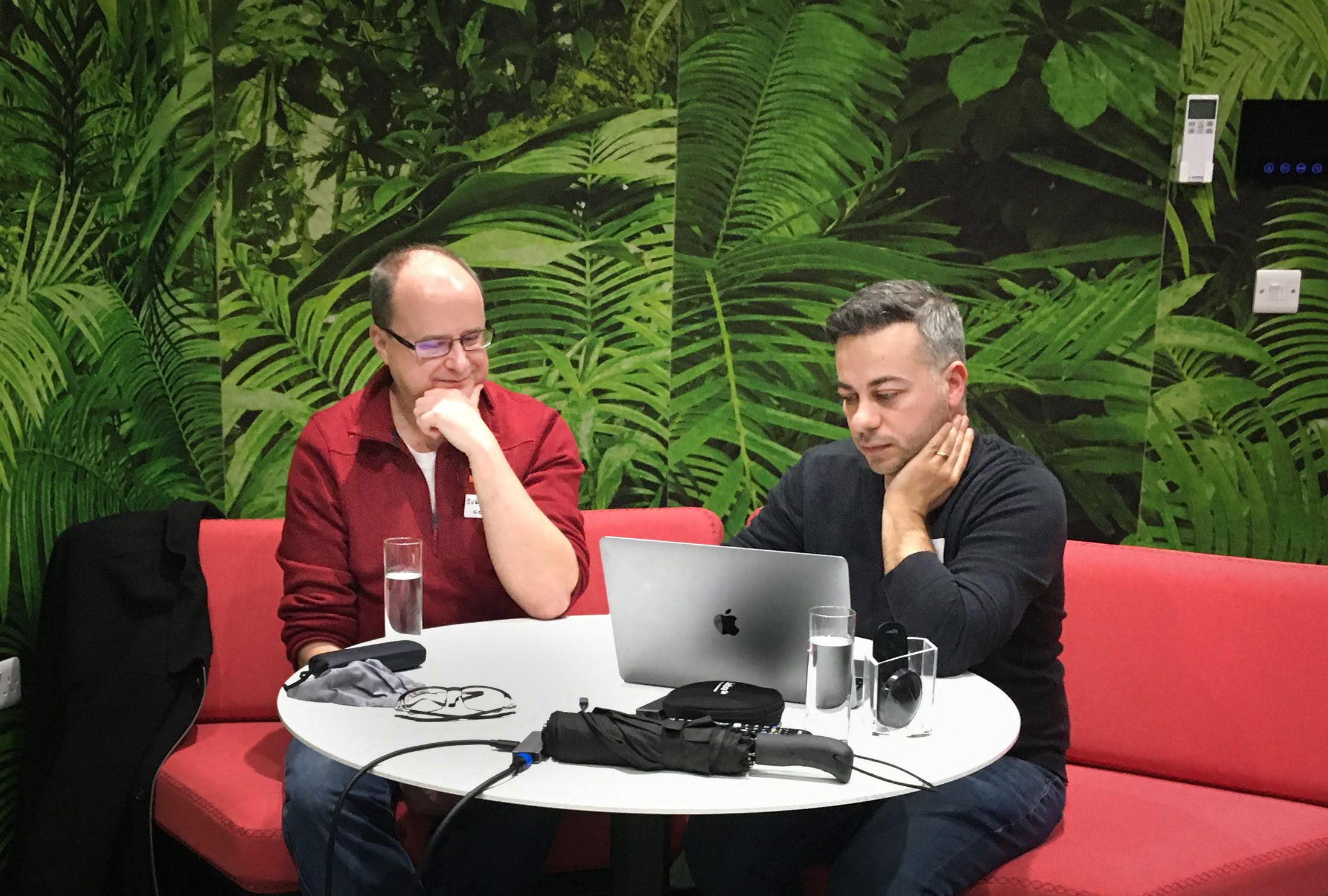
The sessions are run by ‘coaches’, who encourage students to work on our HTML/CSS, JavaScript, Ruby, Python or Git tutorials, and also help them understand programming concepts.
This activity supports our objectives of raising our profile as an exciting tech employer in the City of Brighton & Hove and also supports our wider brand values of making technology more accessible to more people.
Held at 11–13 Ship Street, Brighton, the next workshops will take place on:
Tuesday, 12th July
Tuesday, 9th August
Tuesday, 6th September
Tuesday, 4th October
Tuesday, 1st November
Tuesday, 29th November
Sign up for the next workshop at www.codebar.io/events
Meet the codebar coaches from MPB
We sat down with some of our Codebar coaches—Hellen Ward, Matthew Dodd, Matthew Robinson, Jack Corpe and Paul Hickman from the MPB Product and Engineering team—to learn about their transition to becoming a developer, how they got involved with codebar and any advice they have to individuals looking to get into the tech and coding industry.
MPB: How did your interest in tech start?
HW: I did an Information Systems GCSE back in the 90s, but the tech my school was using was pretty out-of-date, even for the time (hello, Visual Basic!). I ended up pursuing my interests in English and Theatre instead. And it wasn’t until much later that I came back to coding seriously. By then, things had definitely moved on from where I’d left off! Luckily, these days, there are loads of online resources as well as organisations and meet-ups—such as codebar—to help you learn.
MD: I’ve always been fairly interested, but I’d say I started seeing the problems that it could solve and that’s what piqued my interest the most. From there, it was a gradual process of discovering more and more.
MR: I got stuck on a Half Life 2 boss and decided I wanted to cheat, since you can mod Source engine games. So I picked up How to Learn C++ in 30 Days from the library and from there discovered Open Source and Linux, which led to my interest in how computers actually work.
JC: My interest in tech started from a young age. I was an avid gamer growing up, I spent a lot of time on my computer and trying to fix it when it wouldn’t run the game I wanted. This meant I was always to go to person in case a friend or family member needed help with something technological, and that only solidified my interest.
PH: Even from when I was quite young, I remember being interested in all things tech. I wanted to find out how things worked and how they were made. I liked doing and creating things myself which I guess tailored my hobbies to more creative things.
MPB: How did you make the transition to becoming a developer?
HW: I was working as an Executive Assistant for the CEO of a tech company in Brighton. And while the job and the people I was working with were all great, I felt that there really wasn’t anywhere else for me to go that interested me in that career path. I got chatting to some of the developers at work and also some developer friends I knew personally, and they encouraged me to give coding a go.
I started off just doing coding tutorials online from Codecademy. After quite a short amount of time, I was completely hooked—it had gone from something I was just trying out, to something I was totally in love with. I started dedicating as much time as I possibly could outside of work to go through tutorials and build my own projects with a view to eventually having a portfolio I could use to change jobs. After about a year, the company I worked at let me know a junior role was coming up and encouraged me to apply. And the rest is history!
MD: In my free time, I started learning HTML and CSS on freeCodeCamp. I then picked up a £10 JavaScript Udemy course, which I made about halfway through before settling on using Treehouse. I was lucky enough to be able to take a couple of months off work. And so, once I decided that it was definitely something I wanted to do, I focused on that full-time for about three months. I spent another month or so working part-time and building a portfolio, then started applying for jobs! In total, I probably spent a year of part-time/full-time learning before I got my first job.
MR: I started my career in the ‘Ops’ side of technology as a Linux system administrator. Since I was coding a lot in my free time on Open Source, I found ways to incorporate coding projects and automation as part of those roles until I convinced my old company, MongoDB, to move me to a development team.
JC: I’ve always dabbled in web development, creating sites with simple HTML and CSS when I was young. But, most of the time, I was too busy gaming. I then took an AS Computing class in college, which sparked my interest again. From there, I worked in a high school as a data analyst, which involved a lot of spreadsheets and extracting information from their ‘school database system’.
I used what I learned from the AS computing class, and a lot of googling— mostly googling—to write scripts to extract that information and put them into spreadsheets. This eventually turned the job into just a few button clicks and bug fixes. From there, I was tasked with creating a web application for the school to make a ‘reward points’ system for the students. This took around a year to complete. While doing that, I realised this is what I want to do, and that made me want to transition to a developer. I then applied for many jobs as a developer and managed to get one.
PH: Throughout school, I started really enjoying graphic design. As my graphic design skills grew, I started doing work for clients. Some of them would ask for website designs. This led me to start learning some very basic HTML and CSS so I knew what was achievable when designing things for the web.
I started learning more and more about the coding side of web development, which then prompted me to do a computer science course at the University of Sussex. From here, I was introduced to a whole heap of things, from natural language processing to game development. This set me up well to apply for my first job in web development after uni.
MPB: How did you get involved with codebar?
HW: One of the developers at work told me about codebar and encouraged me to go along. I wasn’t sure what to expect at first, but it turned out to be a very welcoming and friendly space. The coaches—all volunteers—were able to help me get past problems I would have struggled with for ages on my own at home. They helped explain concepts to me or suggest ways I could improve what I was doing.
I also found the networking element really helpful. When you’re just running through tutorials in isolation at home, it’s too easy to feel like you’re on your own. Codebar provided me with the opportunity to interact with other students, many of whom were on the same path as I was, and also speak to experienced developers and potential employers.
About six months in, some of the codebar organisers were stepping down and I offered to step up. I have been on the codebar Brighton organisers team ever since. I love that I have the opportunity to help students from underrepresented groups in tech learn to code.
MD: I didn’t know it existed until Hellen started working at MPB. I joined the first two MPB events and am looking forward to joining others. It’s really easy to sign up as a coach.
MR: I hadn’t heard of codebar until Hellen brought it to MPB. I’d been involved with various similar things in the past, like Women Who Code Cincinnati, and so was excited to have another opportunity to get involved with the local community here in Brighton.
PH: Soon after I joined MPB in January 2022, I saw the first post about codebar and I knew it was something I wanted to get involved in. Mentoring and teaching is something I really enjoy doing, and if it means more people get into the wonderful world of tech, then it makes it even better.
MPB: What is your favourite thing about the codebar events?
HW: I love that I’m part of a movement that is helping people from non-traditional backgrounds get into the tech industry. The Stack Overflow Developer Survey 2021 makes for sobering reading, as only 5.31% of respondents to the survey were women, 2.19% were transgender, and we’re still in a situation where almost 60% of developers are white/European and 85% are straight. The lack of diversity in the wider tech industry is a huge problem, and I feel like I’m doing something to counter that by being part of the codebar team. I love to hear the codebar success stories, they are proof that you can move into a career in tech without being from the traditional demographics or having years and years of experience.
MD: Being able to help people is super rewarding. It’s nice being able to lend a hand to people who are looking to learn. Sometimes it’s not only giving help with programming issues but can be a general steer in the right direction or sometimes even just giving motivational help.
MR: Let’s face it, I’m a nerd. And one thing about every nerd is they love geeking out about their passions. Mentoring is one of the most rewarding ways to share something I love with others.
JC: Helping and mentoring people is something that I find extremely rewarding and worthwhile. It’s something I’ve done many times over the years as a developer. Not only does it help the person, but also helps solidify my own knowledge when explaining things. I’m super passionate about programming and really excited to help others find that passion as well.
PH: Everyone I have met at codebar has been so friendly and easy to talk to. Everyone shares the same passion for learning, which helps contribute to the amazing buzz you get from being there. I think it’s a great example of how learning doesn’t have to be boring, and that you can have fun with it and meet amazing people along the way.
MPB: What advice do you have to someone looking to get into the tech and coding industry?
HW: Firstly, some reassurance: you don’t really need a computer science degree or ten years of experience to get into tech. You will, however, need a portfolio of projects so you can demonstrate you can do the job. Also as someone who started at 38, and who has met students older than myself, it’s never too late to start!
In terms of timing, it took me a little over a year of intensive learning in my spare time before I felt ready to start applying for jobs. Bootcamps promise a much quicker turnaround time, but they do cost money and are full-time for a few months. Personally, I wasn’t in the position to do a bootcamp, although I’ve met people who did go down that route and were successful. There are lots of places that do courses online. Codecademy is the site I used, but there are also courses you can buy on Udemy, freeCodeCamp and many more. Try to look for a course that gives you the opportunity to build your own projects as this helps you retain information, and also build your portfolio ready for job hunting.
If you can, try to get involved in a tech community that’s local to you—whether that’s codebar (if you’re from an underrepresented group) or other tech meetups in your town. I found the mutual support and encouragement invaluable and it may also help you further down the line when you come to the point where you’re ready to look for work.
Finally don’t give up! Coding can be challenging but also very rewarding and it’s a fantastic field to get into.
MD: Everyone learns differently. What works for others won’t necessarily work for you. Try different learning methods taught by different people and find the one that works best for you.
Be different. There are many people trying to get into the industry, a lot of those people do similar courses and end up with similar-looking portfolios. Try to make sure you spend the extra time personalising your projects. It doesn’t need to be much, but try to stand out from the others.
PH: Although I went down the university route, you really don’t have to. If you have a passion and a genuine interest in coding, then that is the main thing you need. Keep in mind that future employers will want you to prove you can do the job, so if you don’t have qualifications in the field, then a portfolio is a great alternative. Try and make this as unique as possible—tailoring projects to some of your other interests is always a great idea.
Don’t give up. Going from zero to getting a job can be an intimidating process and there might be times when you feel like giving up for many reasons. Imposter syndrome is rife in the industry, and almost everyone will experience it at some point. Take a step back and look at the progress you’ve already made, you’ll often be surprised at how far you’ve already come.
Learn more about codebar workshops at www.codebar.io