5 Tips for Reportage Photography in Extreme Environments
Published 5 May 2026 by MPB
How do you create reportage photography in places where most people would have given up long ago? We’re talking active volcanoes, humid jungle climates, or 4,000 metres up in a sulphur mine. Adventurer and photojournalist Heiko Beyer isn’t your typical reportage photographer. He combines photography, video, music and narration in what he calls his “multivisions”, immersive live experiences that take audiences on visually powerful, informative journeys.
Here, Heiko shares five tips on what matters when shooting reportage in extreme environments, from planning and gear to camera skills, storytelling and the encounters that shape it all and how you can apply them to your own work.
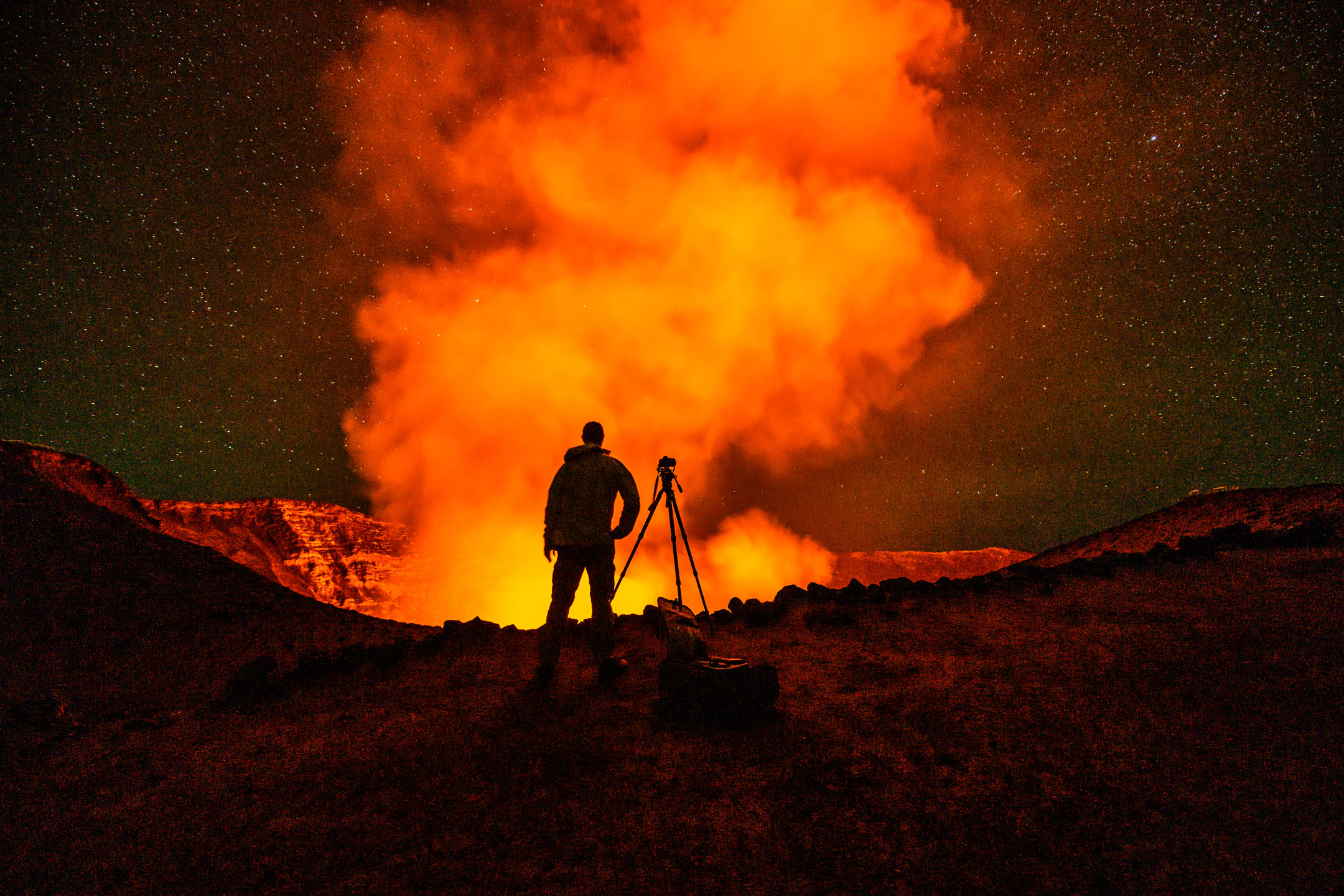
Heiko Beyer | Canon EOS 5D Mark II | Canon EF 24-105mm f/4 L IS USM | 28mm | f/9 | 1/100s | ISO 200
Plan ahead and be ready for surprises
"I mainly look for gripping stories that go beyond beautiful landscape shots. Extreme conditions are exciting because they shape the landscape, as well as the animals and people who live there."
Before he even boards a plane for a trip, Heiko browses travel guides, watches documentaries and gathers ideas for extraordinary locations and shooting styles on social media. This helps him uncover unique settings that inspire story ideas, like a retirees' club in New Zealand that builds its own coffins.
Your planning checklist
Focus on countries or topics that fascinate you personally.
Choose topics that will also captivate your audience, especially if you plan to make money from your photos.
Use a variety of sources and be open to information that you encounter in conversations or on the go.
Be prepared for surprises, as you can't always predict what you'll find when you're in a new environment.
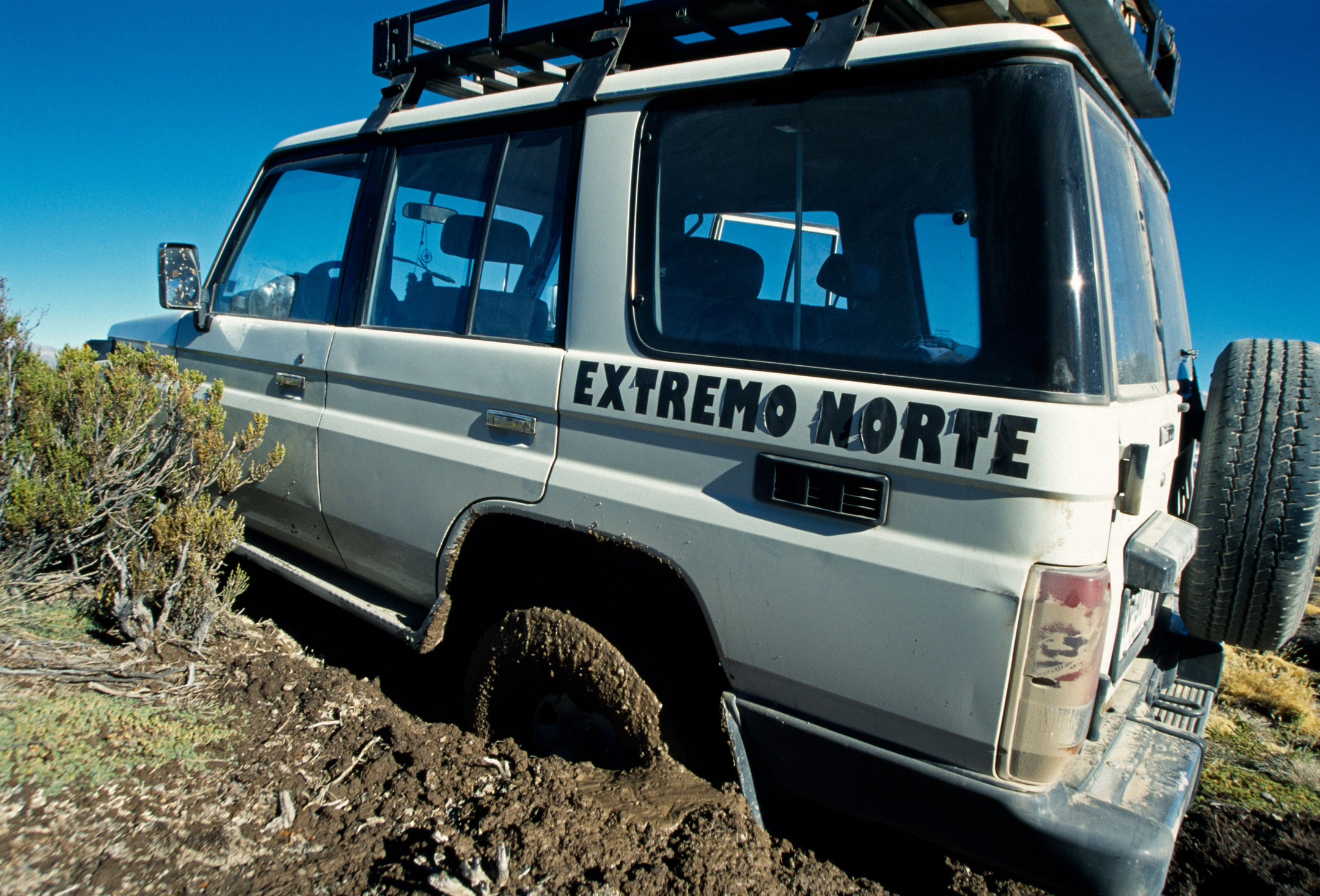
Klaus Stange | Nikon D800E | Nikon AF-S Nikkor 14-24mm f/2.8G IF-ED | 19mm | f/5 | 1/200s | ISO 400
Bring a lightweight camera setup
"When I travel with several people, I always bring multiple camera backpacks with all the bells and whistles, but when I have to carry my equipment on my own, versatility and weight are key."
Heiko's gear doesn't just need to record high-quality photos and videos, but perform reliably under extreme conditions, including dust storms, corrugated roads, varied temperatures and high humidity. Because every ounce counts when travelling through rough terrain, Heiko likes to reduce his setup to the basics.
Heiko's go-to gear
A robust and flexible system camera like the Canon EOS R5 Mark II (for high-resolution photo and video) or the Sony A7S III for strong low-light performance.
A spare body, in case his main camera gives out in extreme environments.
An all-round lens like the Canon EF 24-105mm f/4 L IS USM.
A set of robust zoom lenses, like the Canon EF 70-200mm f/2.8 L USM or the Canon RF 100-500mm f/4.5-7.1L IS, which offer even more range with a 1.4x or 2x converter without adding too much weight.
A DJI Mavic 3 Pro for aerial shots and a GoPro Hero11 Black for dynamic perspectives and tight situations.
Sufficient batteries and chargers.
Other useful accessories
ND filter, flashguns and reflectors for contrast and exposure control.
A tripod, or a slider, especially for video recordings.
Handheldremotes for shake-free long exposures.
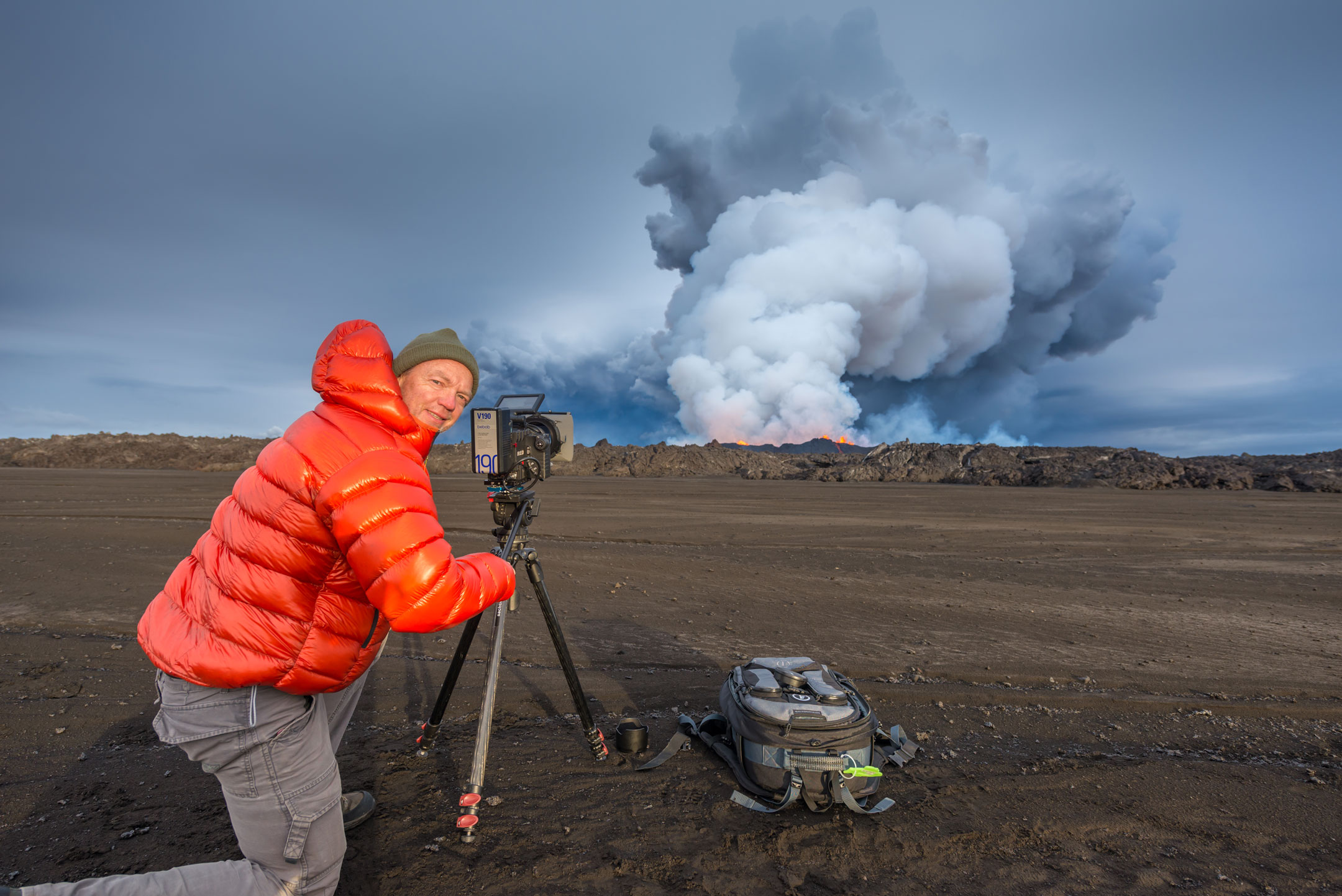
Heiko Beyer | Canon EOS 5D Mark II | Canon EF 70-200mm f/2.8L USM | 24mm | f/4 | 1/8s | ISO 1000 | Tripod
How to protect your gear
Solo traveller or beginner: If you're travelling solo or just starting out, it's sensible to avoid investing in an extensive, expensive professional setup straight away. If you're a beginner, premium compact cameras should do the trick. Plus, you can always edit your photos afterwards to get the most out of them.
Fluctuating conditions: Use tightly sealed velvet pouches to protect your gear from dust and sand, or plastic bags with silica gel to protect your lenses from fungus when exposed to high humidity.
In volcanic areas: Thoroughly inspect and clean your cameras and batteries after use to prevent salt from corroding the circuit boards.
Local data backup: Cloud solutions tend to be unreliable in remote areas with poor internet connectivity. That's why it's best to do a double backup on high-capacity local storage devices.
Buying used: It's sensible to consider buying used equipment for your shoots, since gear tends to break down more easily in extreme environments.
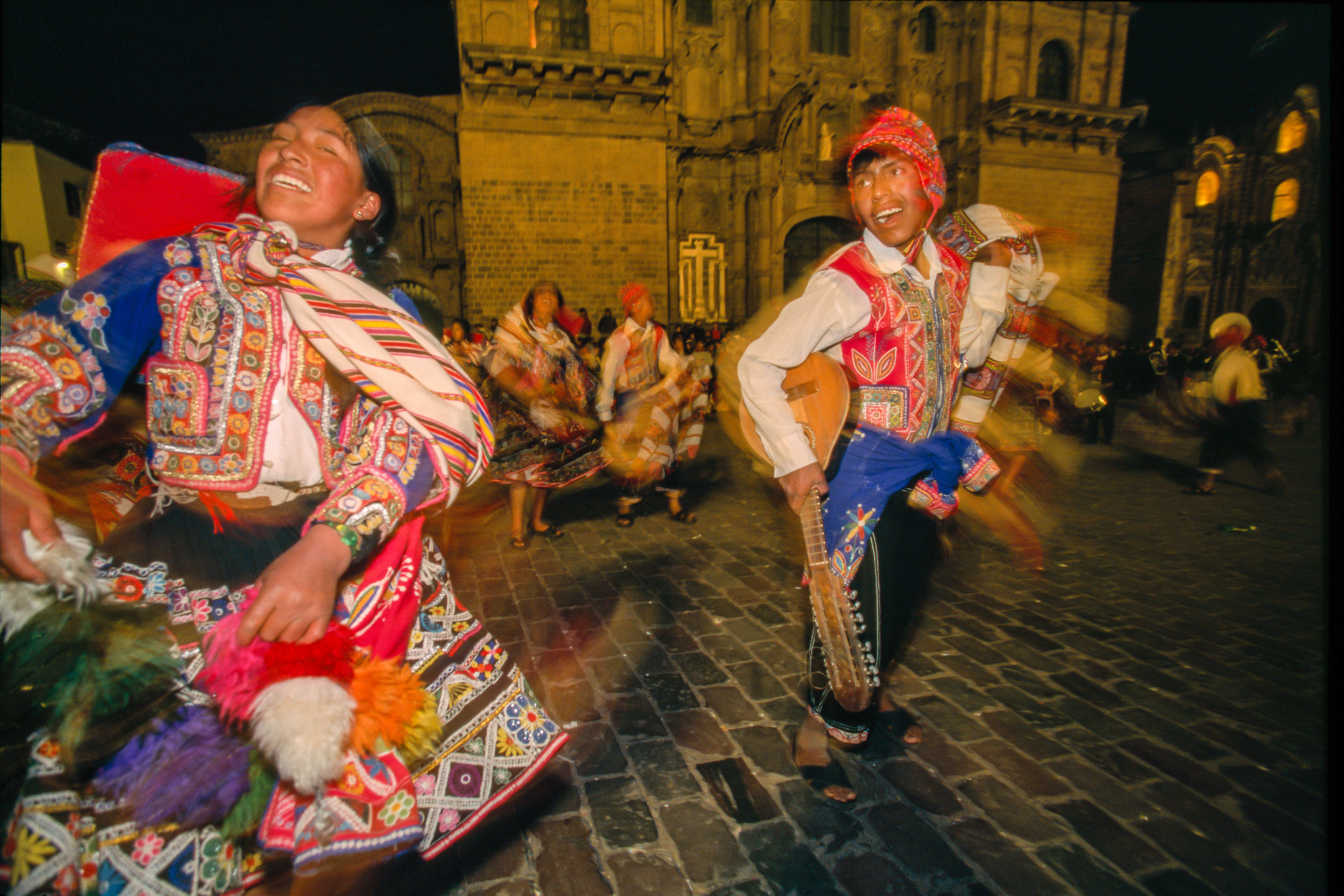
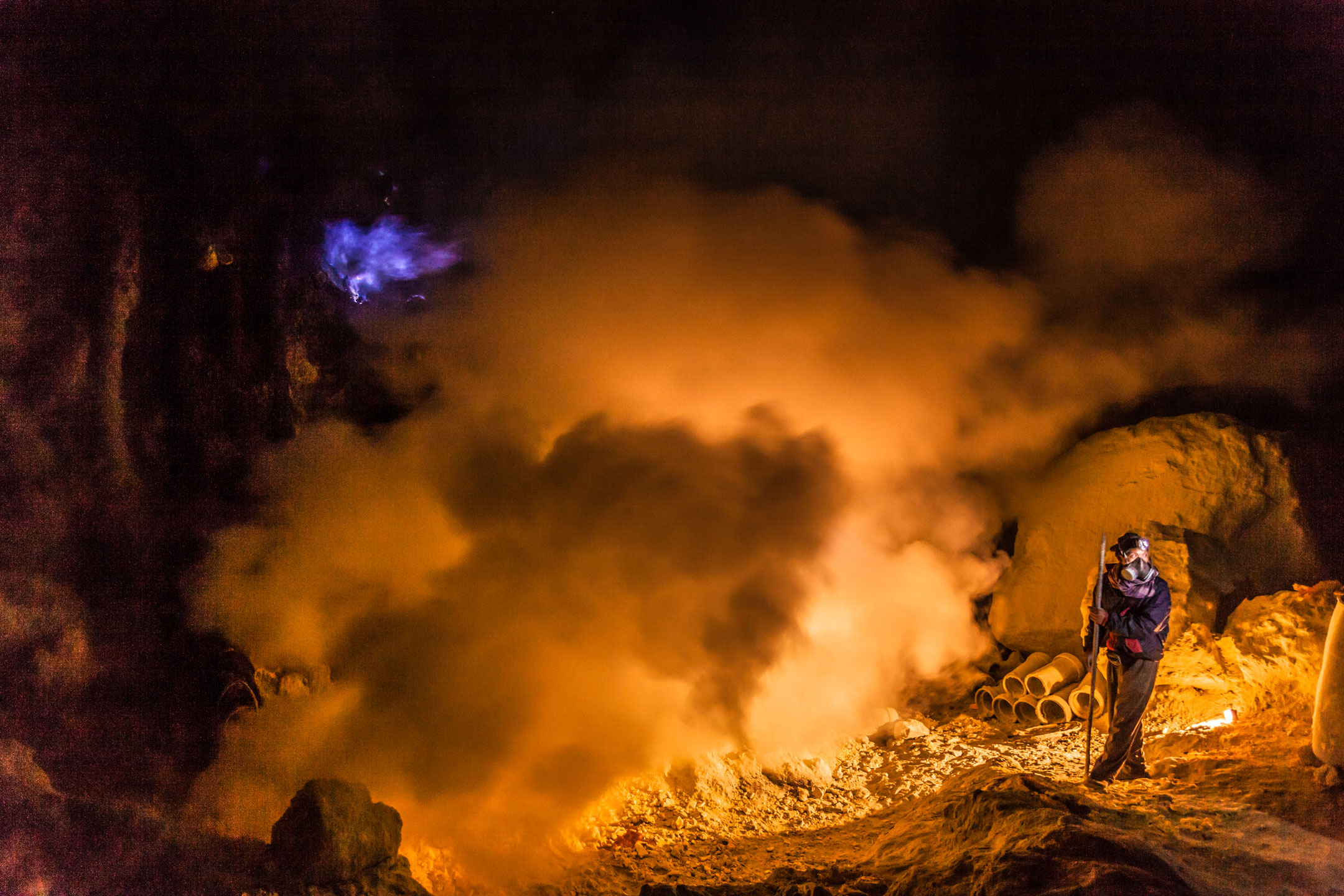
Heiko Beyer | Canon EOS 5D Mark IV | Canon EF 16-35mm f/2.8 L USM | 18mm | f/2.8 | 1/30s | ISO 2000
Make the most of your shoot
Use your instinct
When things need to happen fast, being a responsive photographer is more important than the perfect setup. It's important that you master your camera and use your photographic instinct.
Perfect your camera settings
For wildlife photography with extreme telephoto lenses or low-light situations, Heiko uses ISO presets of 2000 to 3000, short exposure times (at least 1/2000s), long focal lengths (e.g., 700mm with a teleconverter), and continuous shooting.
Pay attention to composition
Pay attention to calm backgrounds, clear lines and specific details in your composition. In dynamic scenes, bringing order to the image will guide the viewer’s eye toward the key elements of your story.
Think about perspective
Whether you're using action cameras on the ground or drones high in the sky, changing the frame or angle of your shots can also bring fresh energy to your photography.
Prepare presets ahead of time
Defining your appropriate presets in advance will help you respond more effectively in unpredictable situations.
Make the most of camera functionality
Use specific camera features, such as eye autofocus and burst mode, to make sure you don't miss important moments.
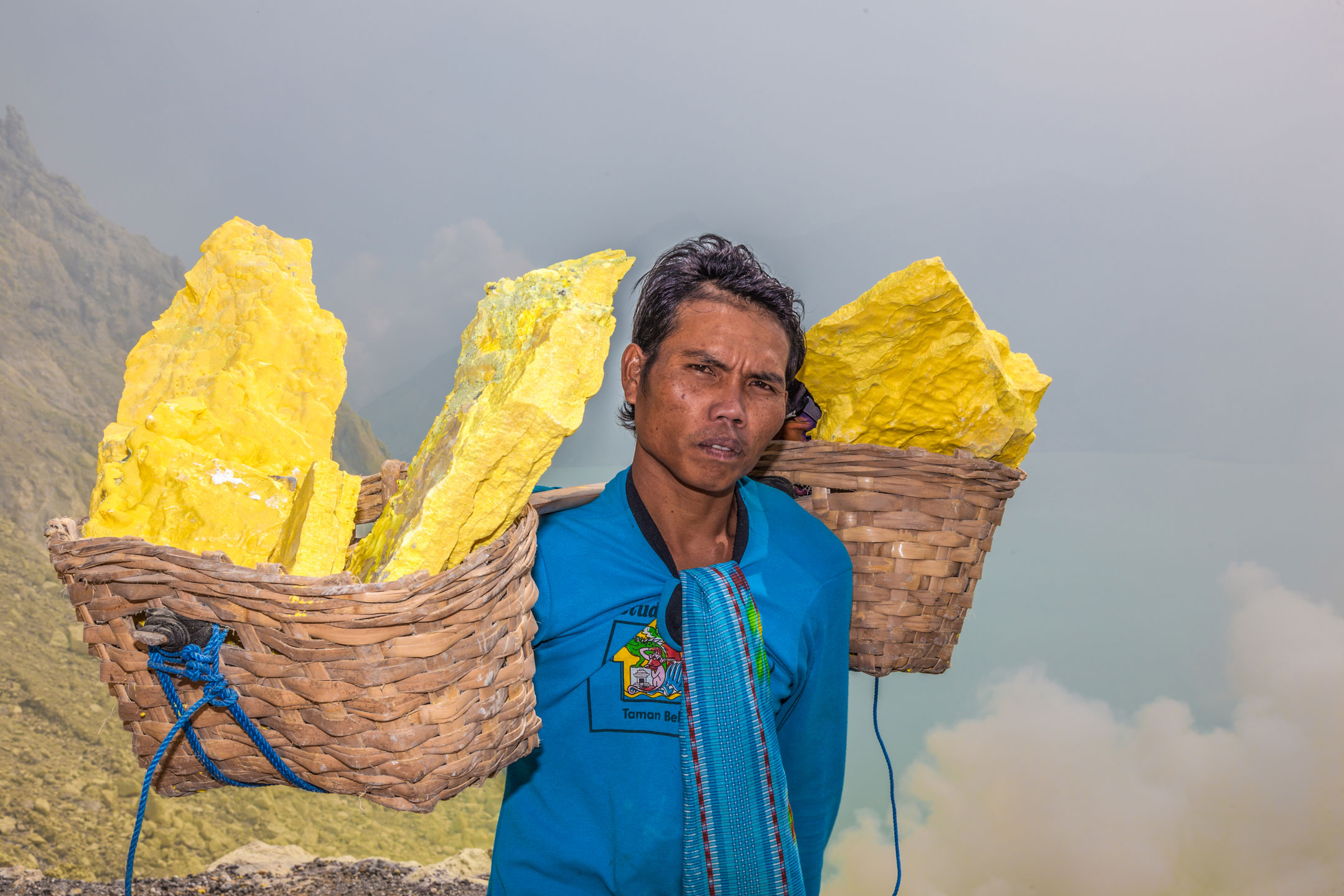
Heiko Beyer | Canon EOS 5D Mark II | Canon EF 24–105mm f/4 L IS USM | 45mm | f/14 | 1/200s | ISO 100
Master the art of storytelling
"When you're on a shoot, you hardly ever know what the final story will look like. Even imperfect images can help fill gaps in your storytelling."
Beyond jaw-dropping portraits or dramatic landscapes, the success of a photo report really lies in the strength of the story it tells.
Build a unique narrative
Heiko builds his narratives around the unique details he comes across on his travels, from a shamanic gesture to an ice cream vendor. The key is to keep your eyes open for the things most people would miss.
Tell stories in sequences
Use image sequences for an engaging narrative flow. Heiko tells his stories in sequences, with long shots, medium shots, close-ups and atmospheric details.
Use all of your footage
Don't discard your shots with imperfections. If anything, you should capture more images and footage than you may need. The final narrative arc often develops afterwards, when you whittle the details down and carve out the story.
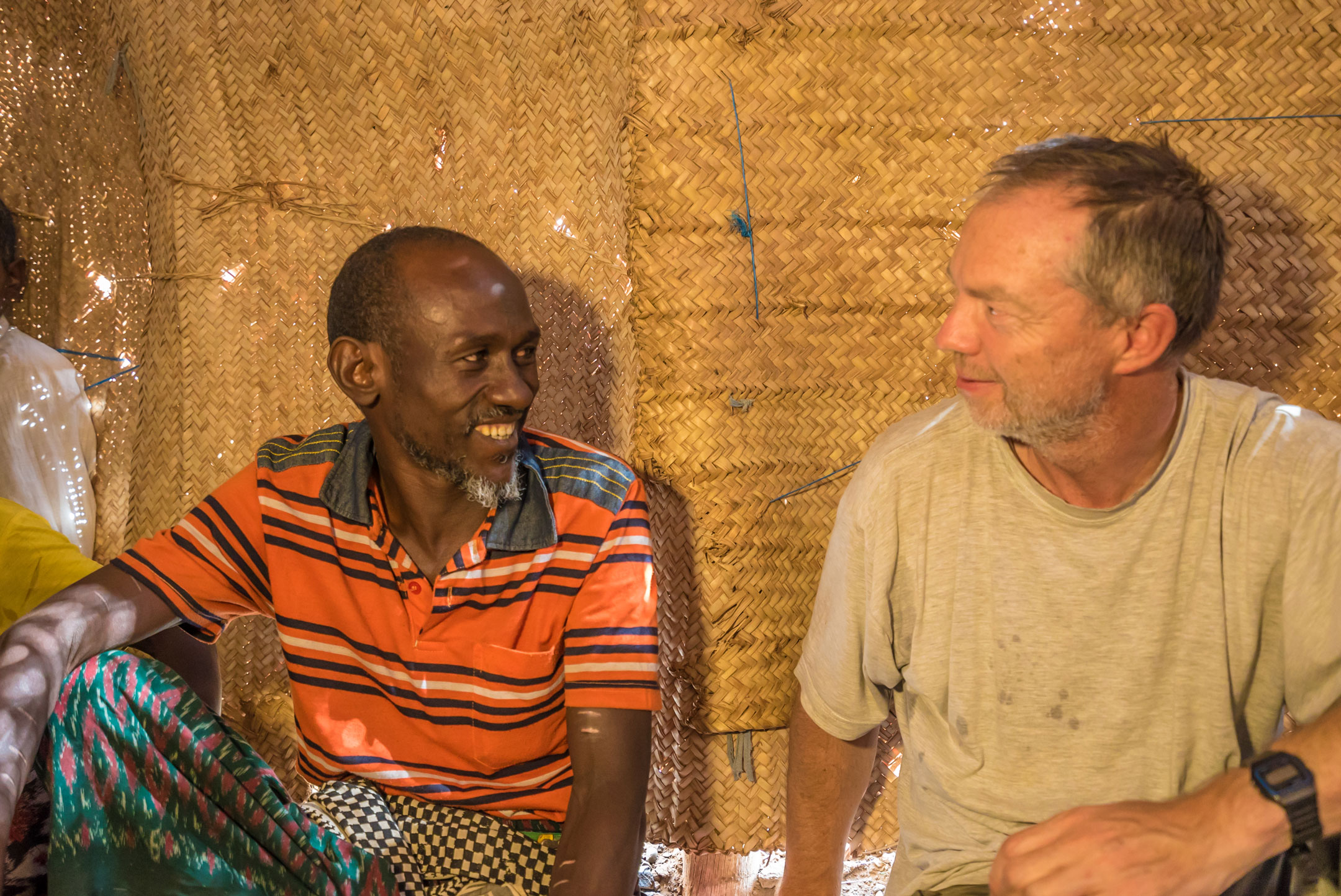
Dr Till Ditting | Sony A7S | Sony FE 35mm f/1.4 ZA Distagon T* | 35mm | f/5 | 1/80s | ISO 200
Be authentic
"If you don't just use your reportage photography to show off your adventures but instead are genuinely interested in the country and its people, your enthusiasm will shine through in your pictures."
Alongside proper planning and technical execution of his reportage photography in extreme environments, one of the key aspects for Heiko is to make the viewers feel as if they were part of the action. This also includes giving them a sense of how local people live and of the relationships he builds with them.
Use genuine curiosity
Don’t treat your destination as just a backdrop; see it as a space for real encounters. Take the time to connect with your subjects before bringing out your camera.
Practice your language skills
Learn at least a few words in the local language, such as “Hello”, “Please”, and “Thank you”. This will show respect, and could ultimately open doors for you.
Involve yourself personally
Engage in people's daily lives or activities to become part of the story. Seek people's consent before taking pictures, avoid stereotypical or degrading portrayals and depict people in a way that's relatable for them.
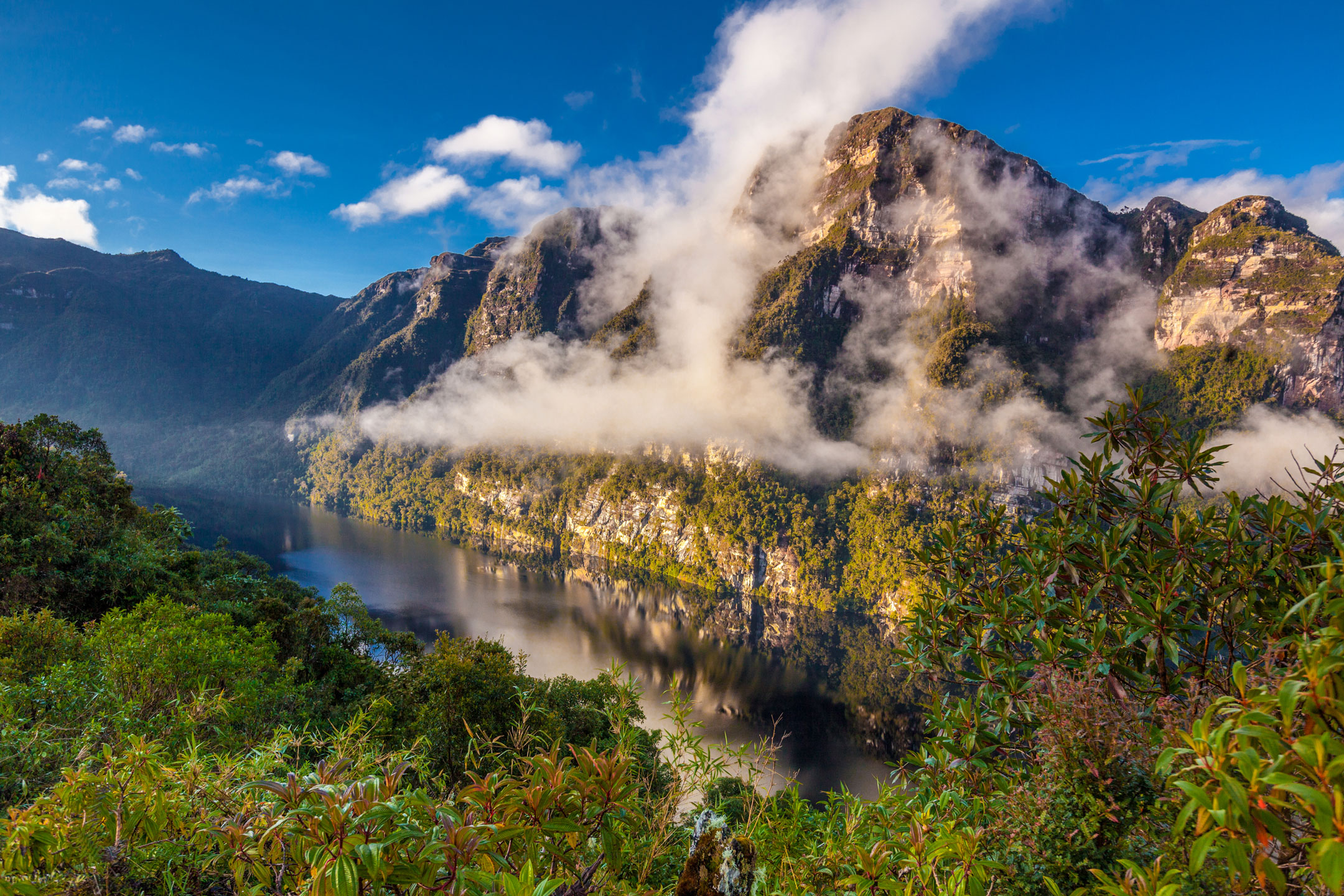
Heiko Beyer | Nikon D800E | Nikon AF-S Nikkor 20mm f/1.8G ED | 20mm | f/8.0 | 1/80s | ISO 100
Find out more about Heiko Beyer and his work on Instagram at @heiko.beyer.photography.
Read further tips and techniques on the MPB content hub.
You can sell or trade your camera kit to MPB. Get a free instant quote, free insured shipping to MPB, and get paid within days.