
MPB Meets: Documentary Photographer Chris Malloy
Published September 14, 2021 by MPB
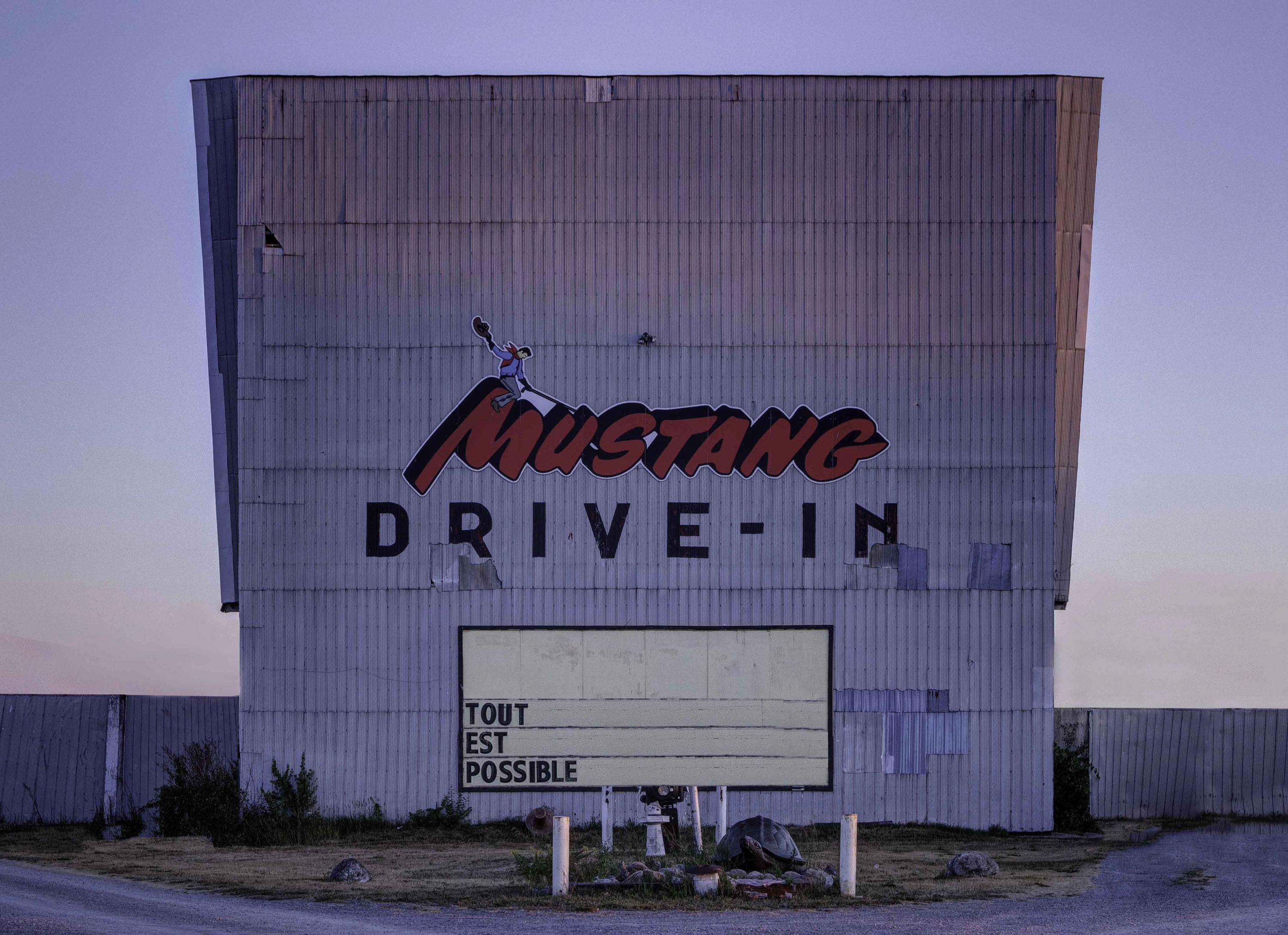
Drawing from the aesthetic of cinema, documentary and landscape photography, Chris Malloy uses different camera gear—from large format film to digital—to show a quiet solitude in his images. In this interview with MPB, documentary photographer Chris Malloy discusses his camera gear and path to photography.
MPB: Can you tell us a bit about yourself? Where do you live and where are you from?
CM: I currently live in Calgary, Alberta (Western Canada). I moved here in 2007 to begin my teaching career. I’m an elementary school teacher by day, grades 5 and 6. I have two rapidly growing sons, Henryk (7) and Oskar (4). When not in ‘Dad Mode’, I like to spend my free time exploring and documenting the small rural towns of Western Canada with my partner Rakel, who is also a photographer.
MPB: How did your photography journey begin. Was it by chance in later life or something that’s been with you since childhood?
CM: I didn’t own a camera until I was 30 years old. The first camera I purchased was a Canon EOS 60D (read our Canon EOS 60D review). I got it to photograph my soon-to-be-born son, Henryk. From the very first day I bought that camera, I was infatuated. Photography quickly became an obsession for me, as it gave me a creative outlet for the first time. There were tons to learn (and still is), and I couldn’t ingest knowledge fast enough.
MPB: You shoot on a variety of different formats, from large format film to medium format digital. Can you tell us a bit about your equipment?
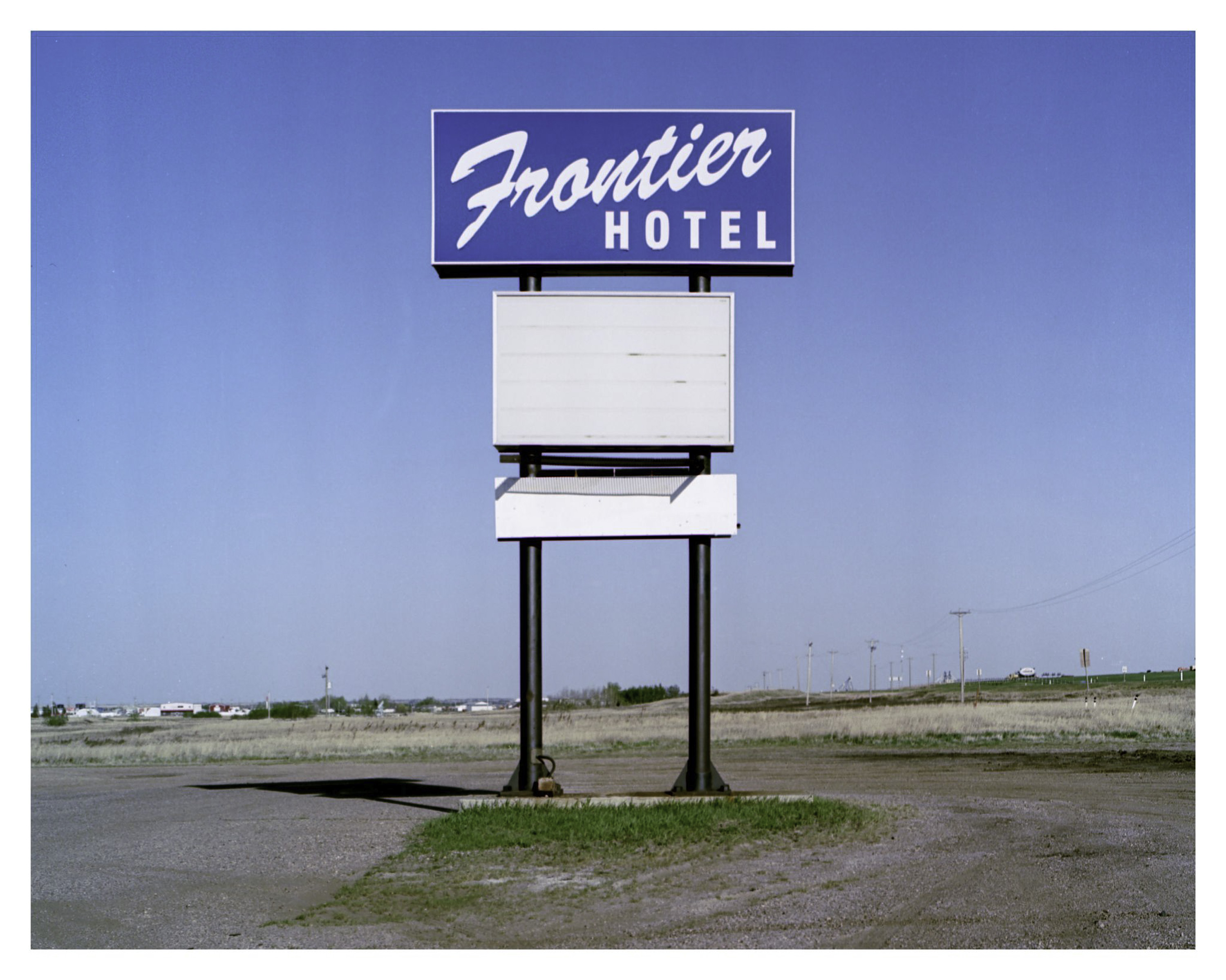
CM: I’m a huge gear nerd and I could talk about it endlessly. I have been shooting mostly film for the last five years in a variety of formats. My favourite camera, and my main shooter, is a Mamiya RZ67. It has the ergonomics of a heavy loaf of bread but does everything I need a camera to do. Over the last few years, I’ve also shot a lot of 4x5, with a Toyo 45a. There’s something incredible about the large format process and the images you can create are unlike any other. I also shot with a Phase One P45+ 645 (read our Phase One P45+ review). The files with that are the closest digital look I have ever seen to film, which is the aesthetic I’m after.
MPB: People often think that film photographers aren’t that geeky about their kit, likely because most cameras aren’t made new, but they’re no different to digital photographers, right?
CM: That’s an interesting idea! I think there are gear nerds in both the film and digital worlds. There is a level of nerdery that film enthusiasts can achieve, with rare or quirky vintage cameras. It seems like a lifestyle choice that I don’t see in the digital world. I’ve never met someone with a Canon EOS 5D Mark III tattoo. Other people are tickled pink to make images with a basic point and shoot, and aren’t concerned with the technical aspects of photography. I respect that approach as well.
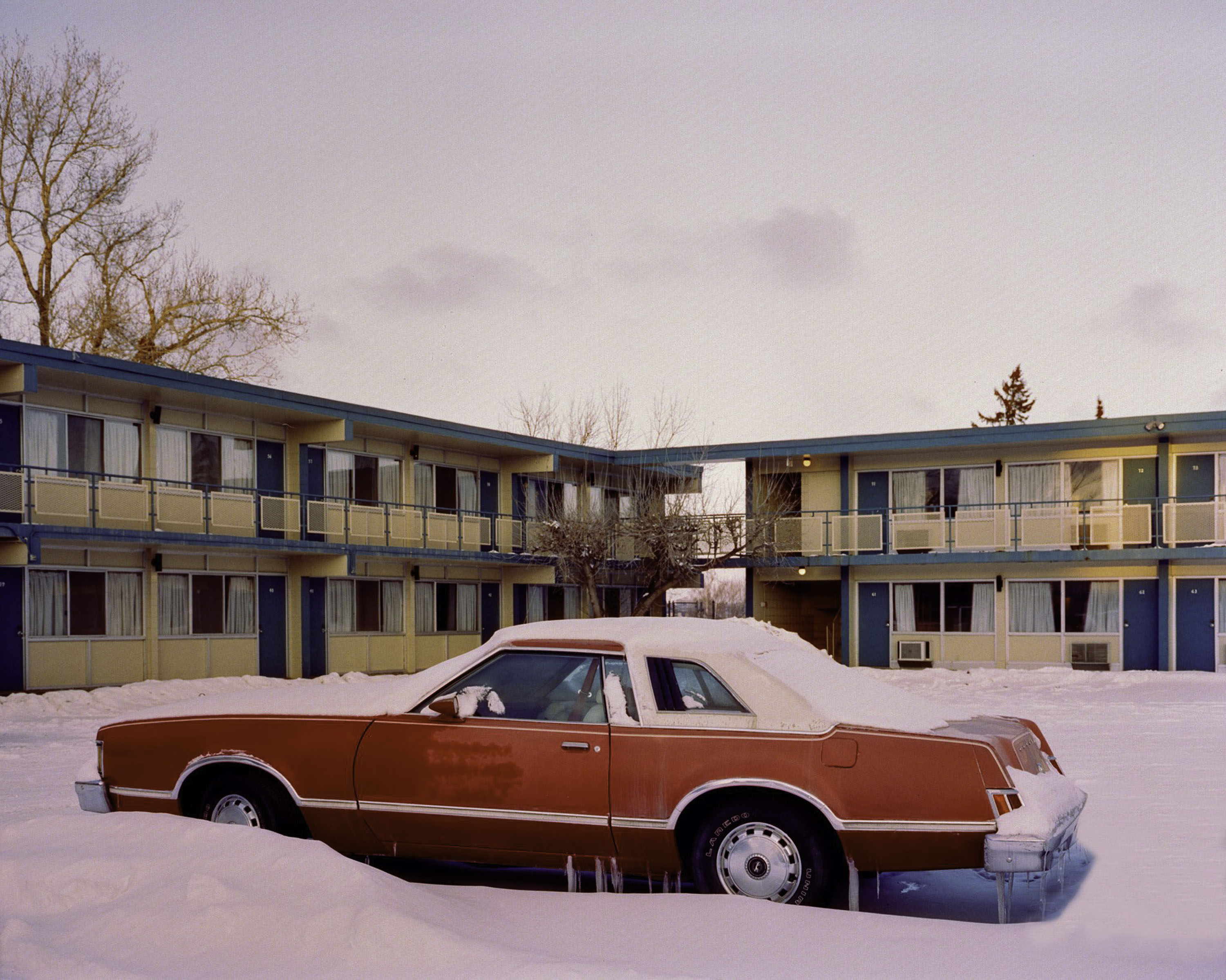
MPB: What inspires you to shoot everyday scenes?
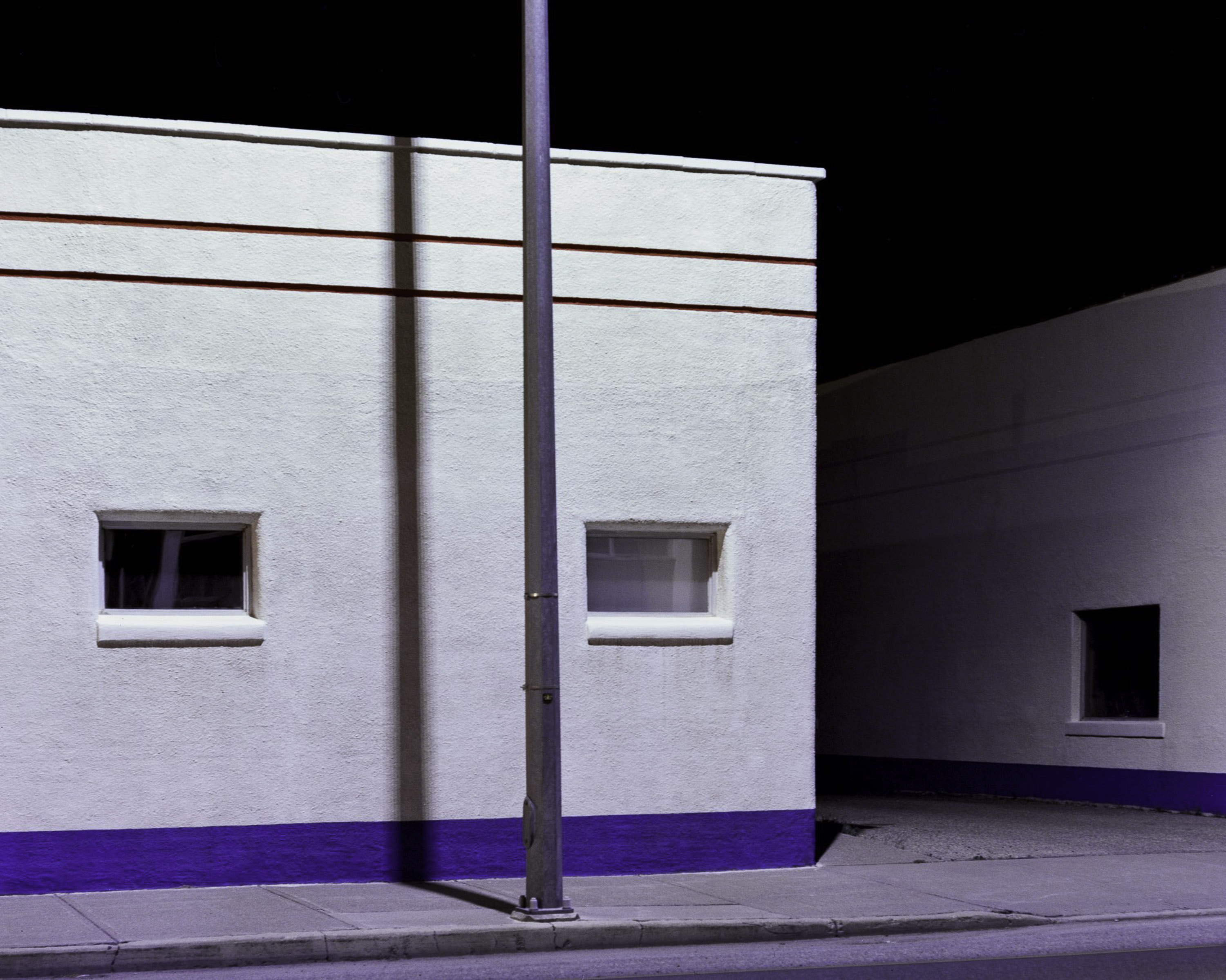
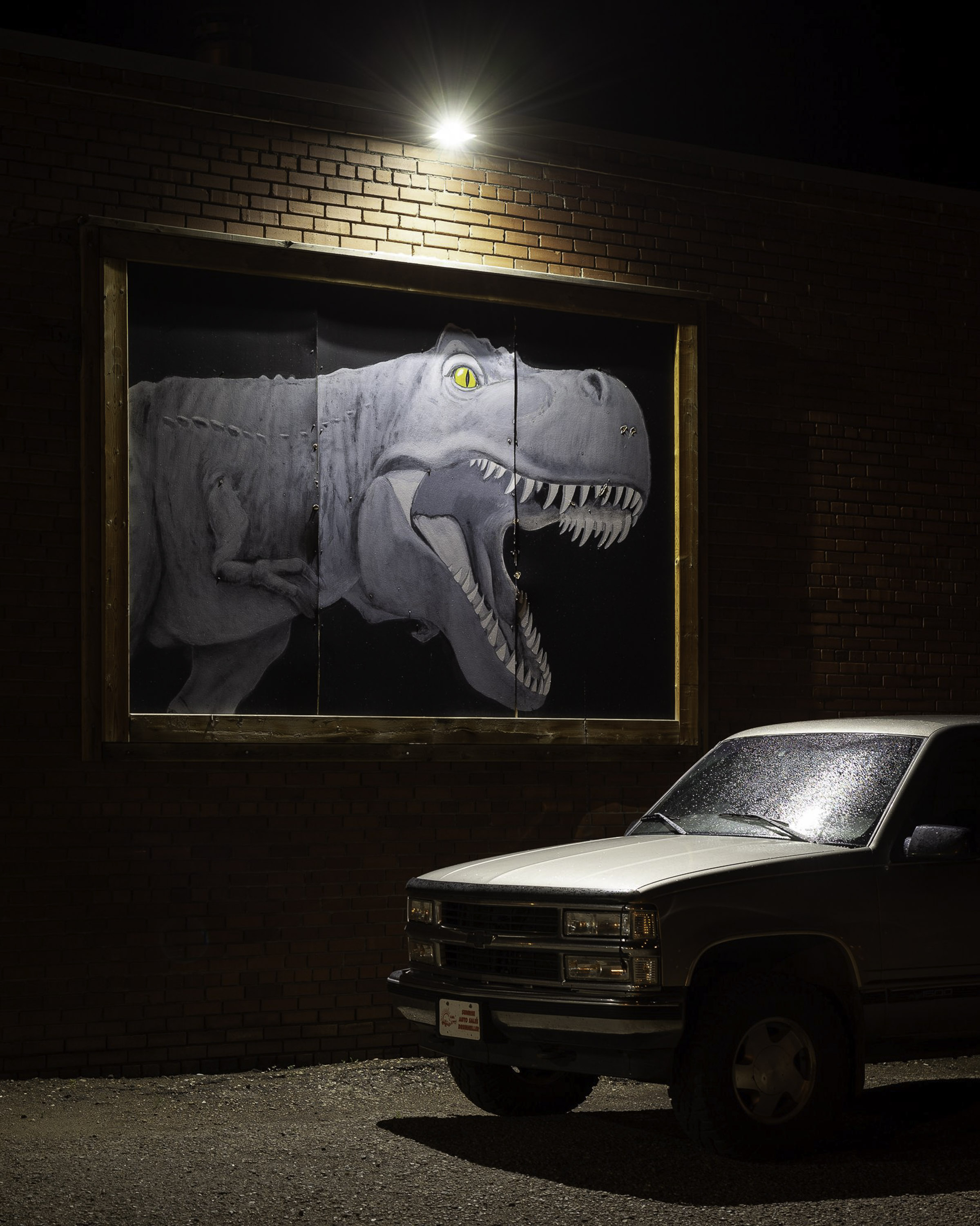
CM: I challenge myself to see beauty in a scene that would traditionally be overlooked. One of my favourite things is when I am taking a photo of something, and a stranger walks by me on the street, looks at what you’re shooting, and it does not register to them as something worthy of a photo. They end up looking at me with a fairly baffled expression, and then just walk away. The other advantage to shooting vernacular is that it’s everywhere!
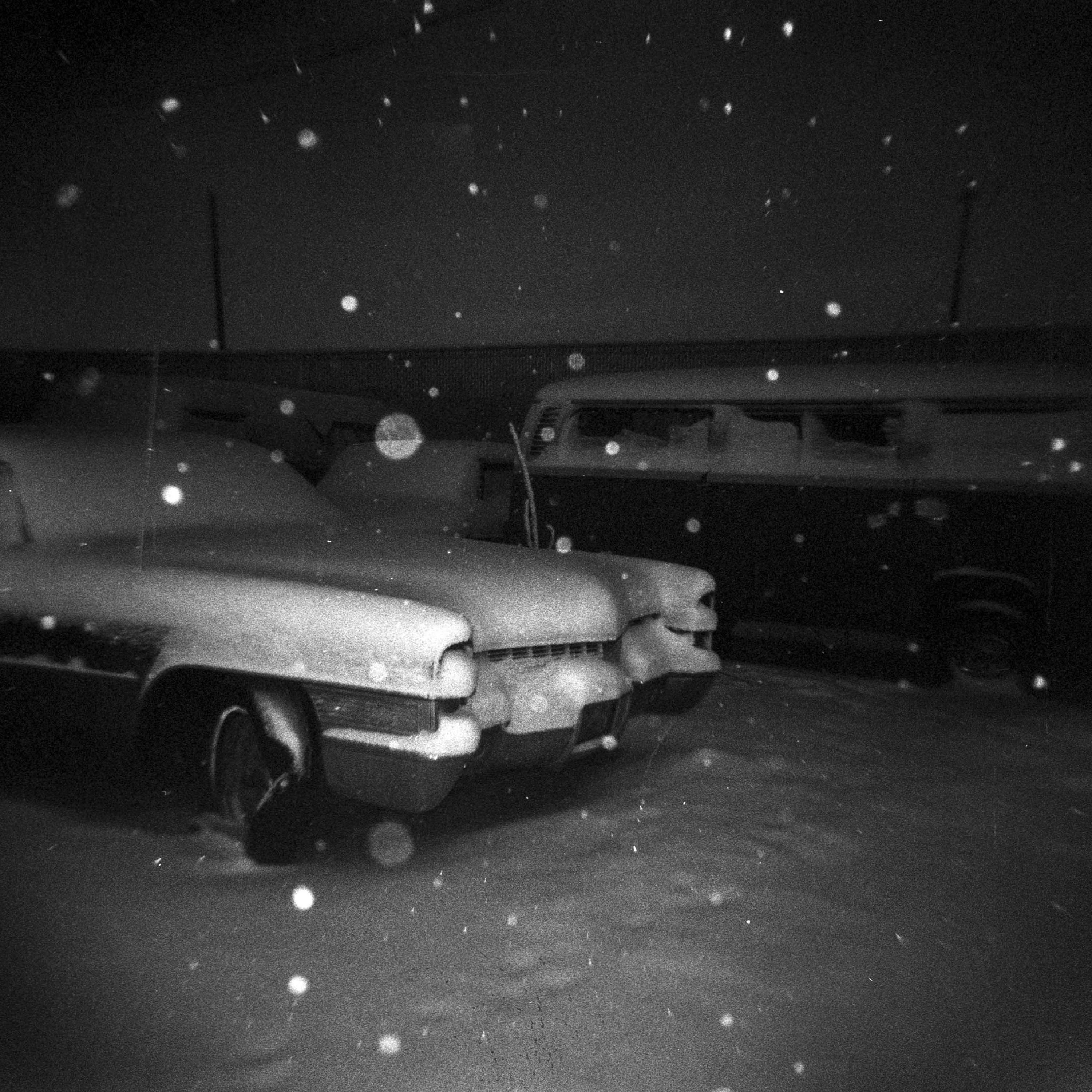
MPB: Many of your shots have various points of interest, whether it’s the subject itself or the light around it or even if there is snow present. Do you often wait for specific times or conditions to make your shot?
CM: Yes, I patiently wait for conditions to be interesting. Sometimes I’ll scout locations over and over again, but hold off on shooting until things look a certain way. I don’t always have a final result in mind. These days, I am pickier than I ever have been. The lighting, weather, season, etc., have to add up to something special for me to take a photo.
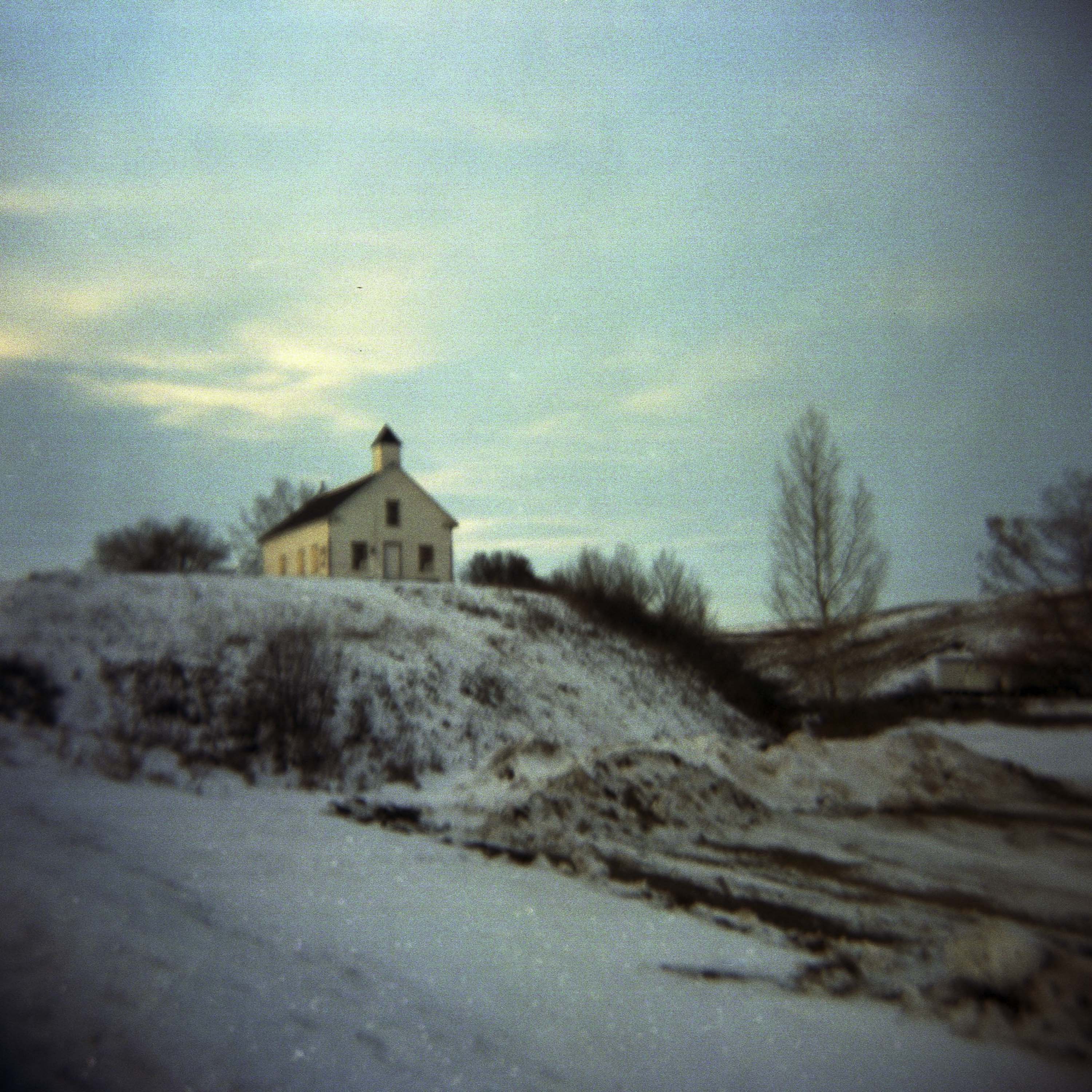
MPB: Living in Canada snow is unavoidable for a big chunk of the year. Are there any things you have to do (equipment, clothing) that more fair-weather photographers might not be aware of?
CM: During the winter, I often shoot in conditions as cold as -45C. At that point, most gear starts to fail, and even the LCD screen on a digital camera becomes sluggish at temperatures like that. I have found that with the older film cameras, what starts to seize up first is the lubricants. You can’t keep gear warm and then bring it out into the cold because of the condensation that occurs. One trick I use is shooting from the car when it’s that cold. It’s not glamorous or ideal, but it gets the job done. I have found that the most inhospitable conditions make for the most interesting photographs.
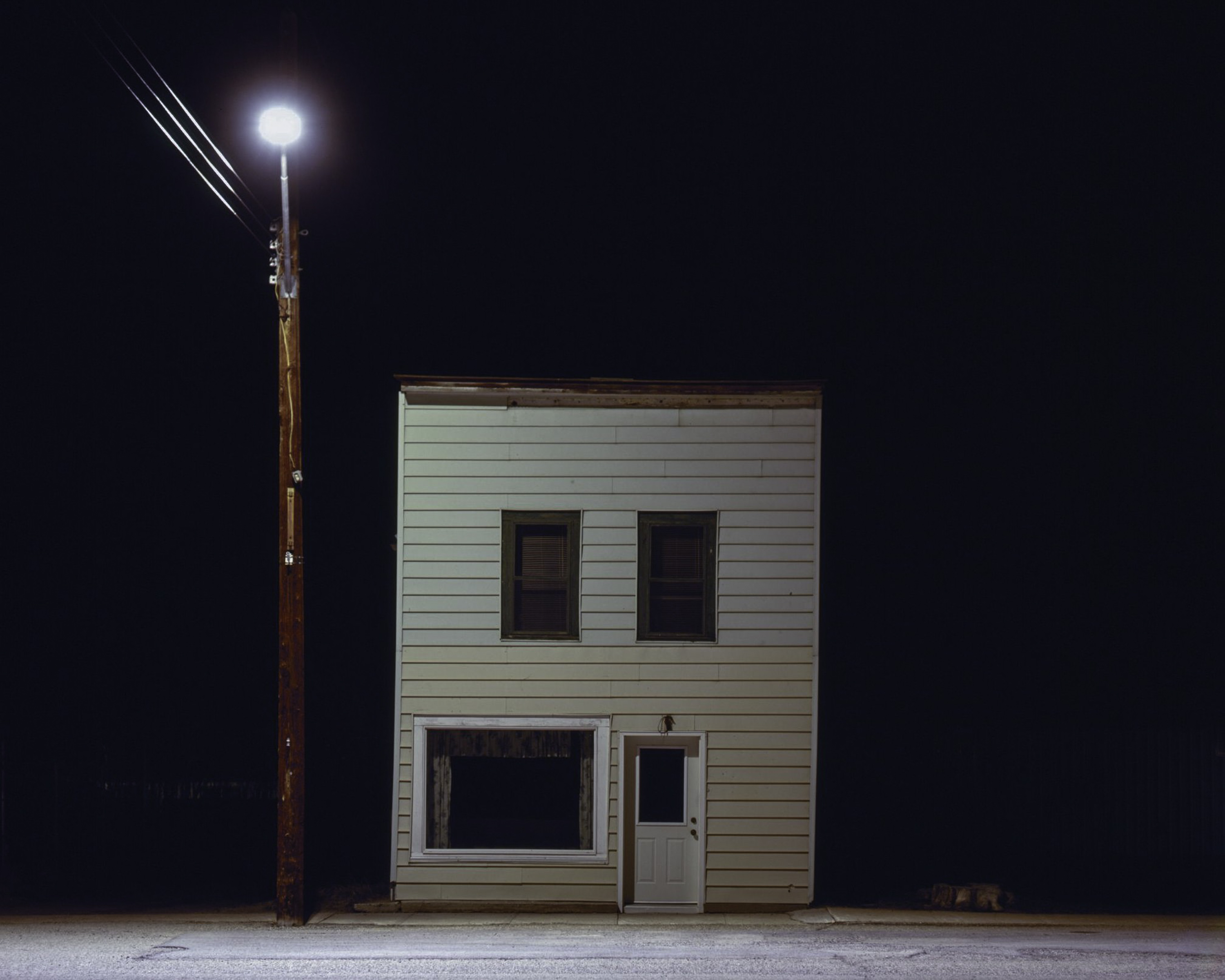
MPB: I see you also do digital art. How does this type of work differ from your more traditional images?
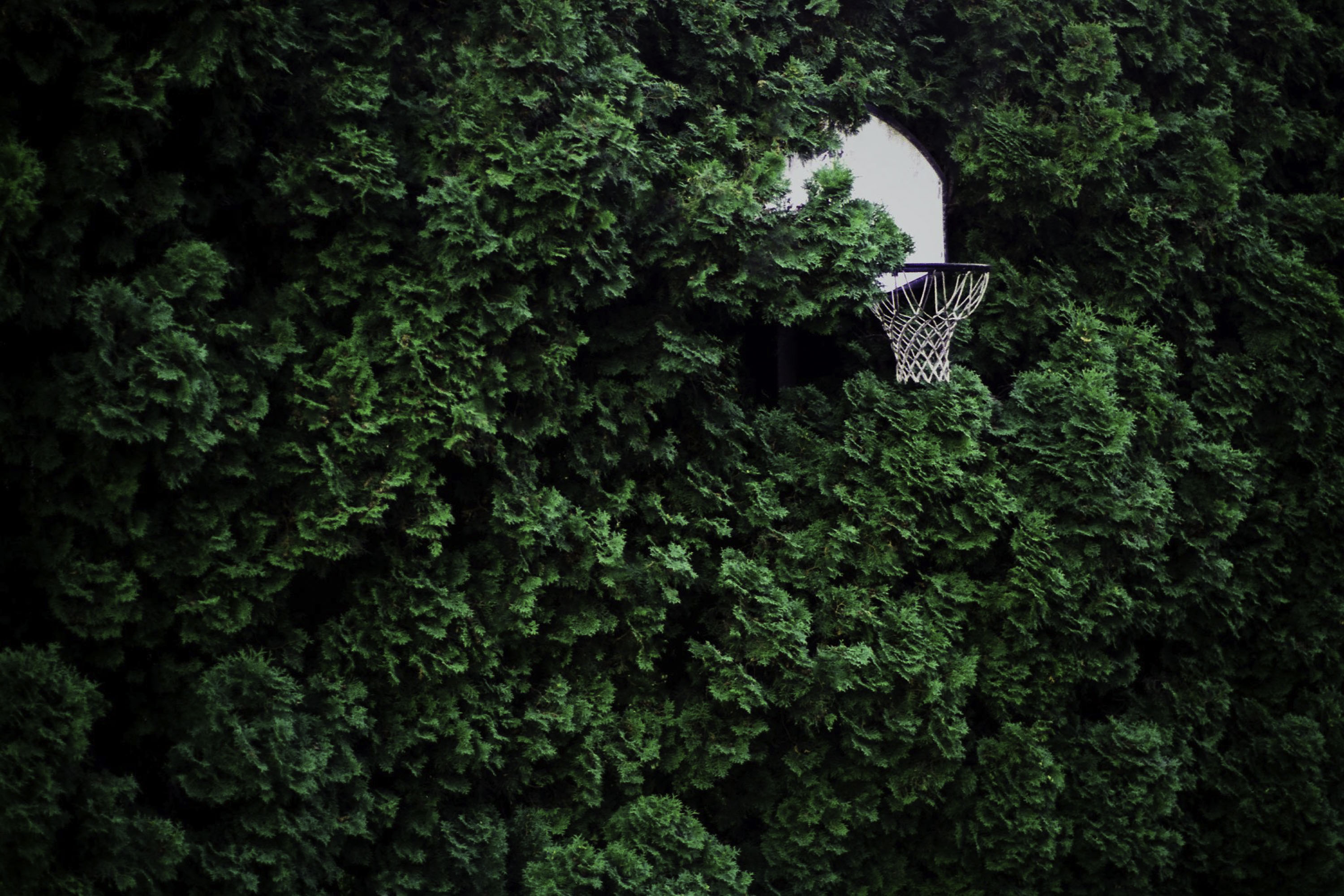
CM: I grew frustrated by the limitations of being able to only create photos of exactly what I saw in front of me. I started to conceptualize composite images, where I would place a building from one location onto a background or foreground from another location and a sky from somewhere else. This was a freeing process, and I spent a lot of time shooting those types of images specifically. Now, if I see a really incredible element for a composite I’ll shoot it and store it in my bank of composite ideas.
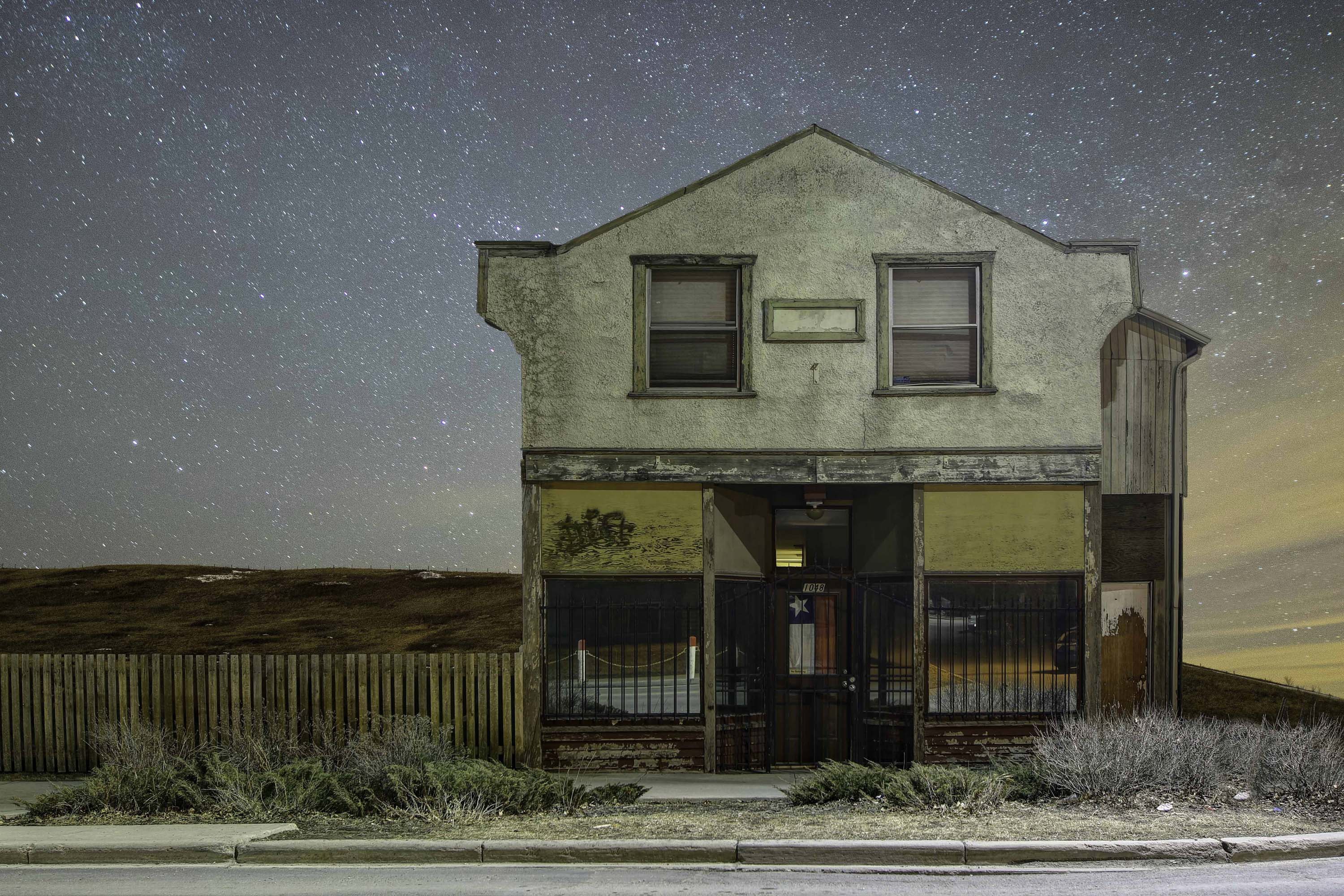
MPB: People often forget that photographers don’t just stumble upon images, they have to search for them and this often involves a lot of miles on the road or walking. Is this something you enjoy?
CM: It’s the hunt that I love the most.No one is stumbling on a great photo inside their room, you have to be out there. Everything here in the prairies is very spread out, I have put 150,000 km on my vehicle in less than three years.
MPB: How do your kids feel about you taking photos? Has this sparked their interest in photography?
CM: They both like looking at my photos and there’s always a camera around. Henryk has started drawing a lot, and we do composites together. He has shot a few rolls of film and taken some good photos, but nothing too exciting yet.
For more tips and techniques, expert interviews and camera gear guides, check out the MPB Content Hub.
You can sell or trade your camera gear to MPB. Get a free instant quote, free insured shipping to MPB, and get paid within days.