MPB Meets: Francesco Lopazio, Nadine Rovner and Luke Saxton
Published March 25, 2025 by MPB
Recently, we published a guide to capturing emotion in photography. But does this mean in practice? Let’s hear from three photographers, who are known for their highly emotive imagery, about the methods they use to create pictures that spark an emotional change within the viewer. Francesco Lopazio, Nadine Rovner and Luke Saxton spoke to us about what emotive photography means to them, how they use light and composition to capture an emotional narrative, and what kit they use to create their work.
Francesco Lopazio
MPB: What is it that makes your images so emotive?
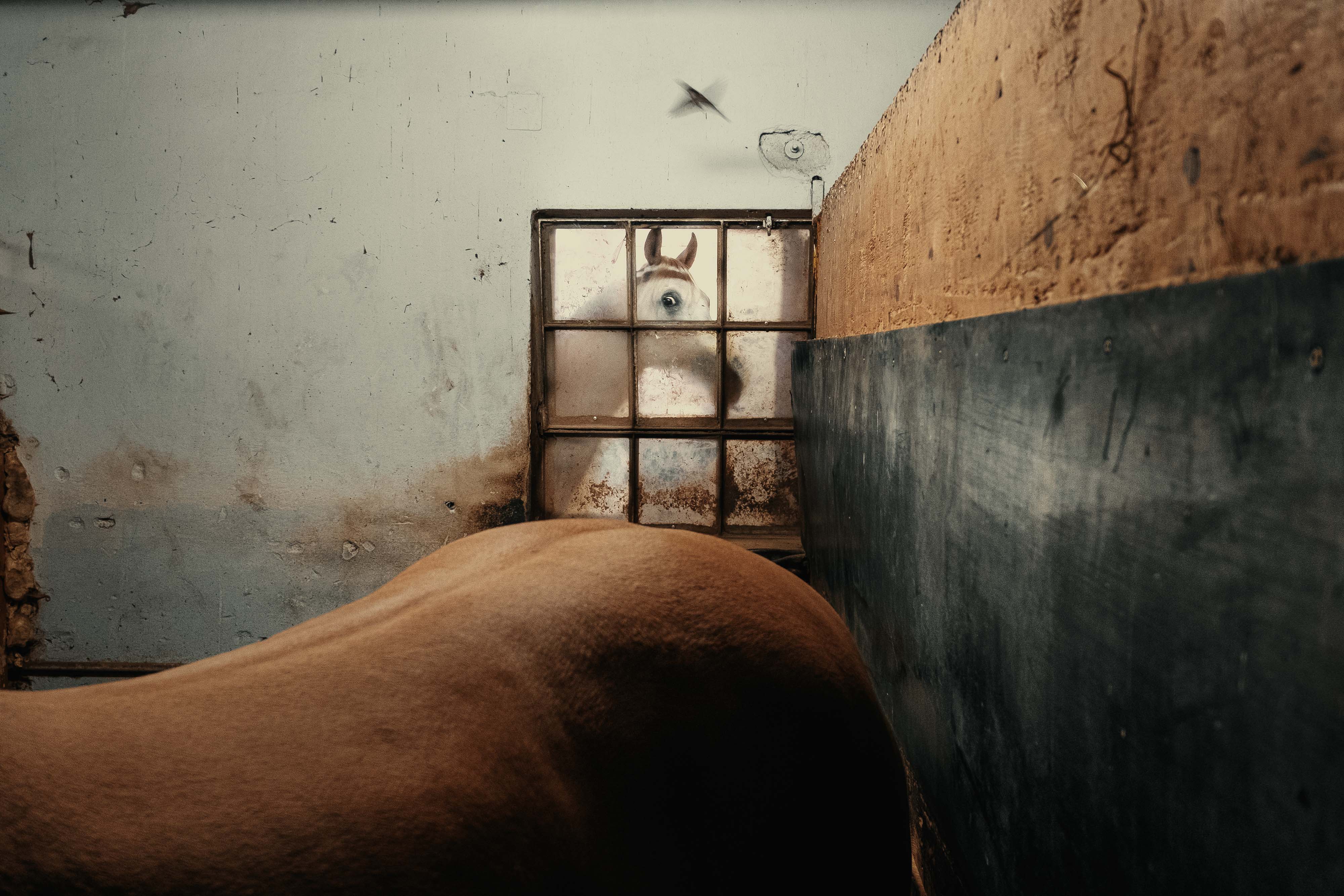
FL: In my opinion, if an image is capable of arousing strong emotions then you're doing a good job! In every photo, essentially, there are two different parts. Reality—what we see—and truth, the essence of how it makes you feel. Reality is made up of the elements that compose a photograph, like streets, subjects, urban or natural elements. But the essence is what involves and affects me in an image. This feeling is different for each of us, but it causes emotions because it works on the memories, on our life experiences and on our identities.
MPB: How do you use light in your images?
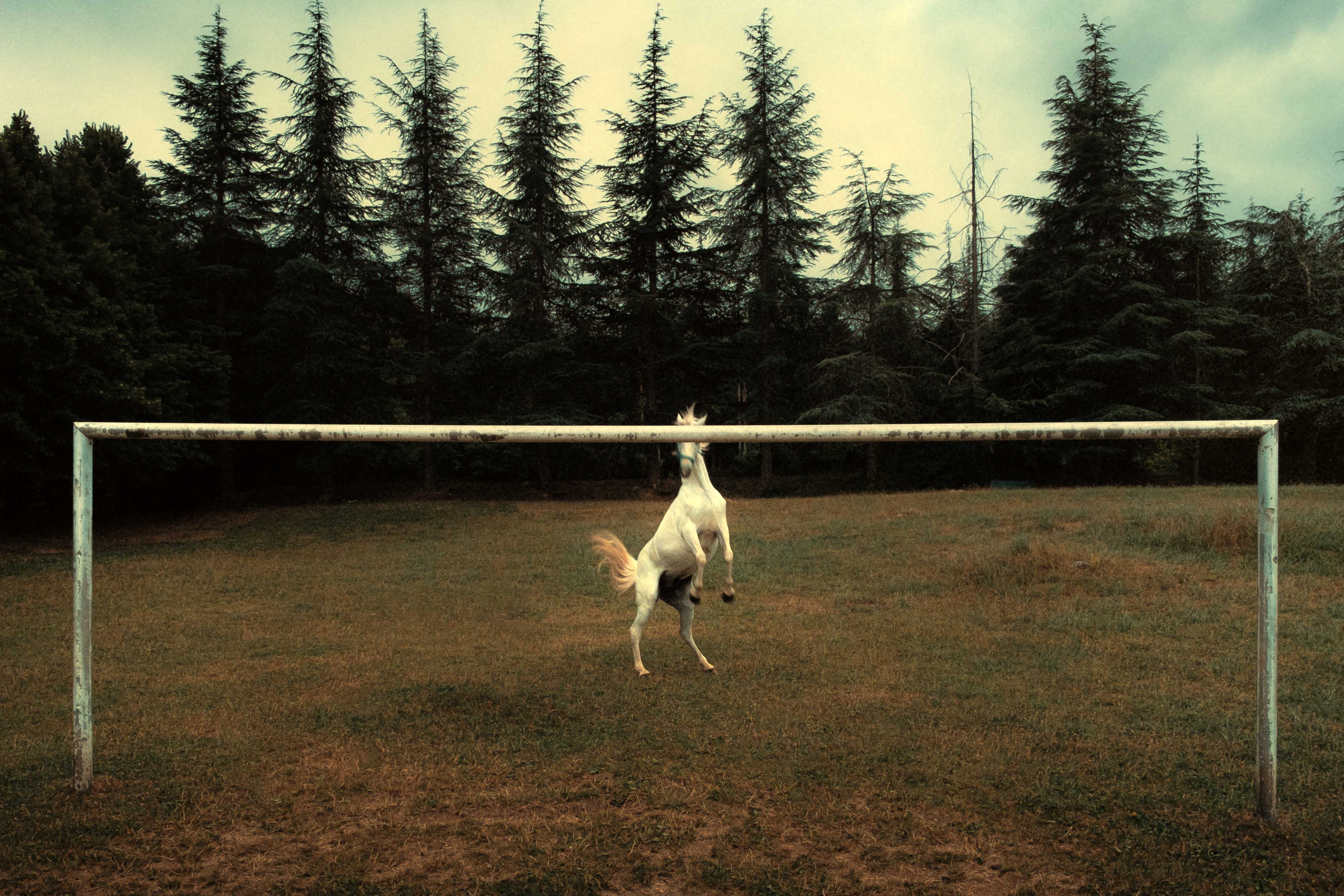
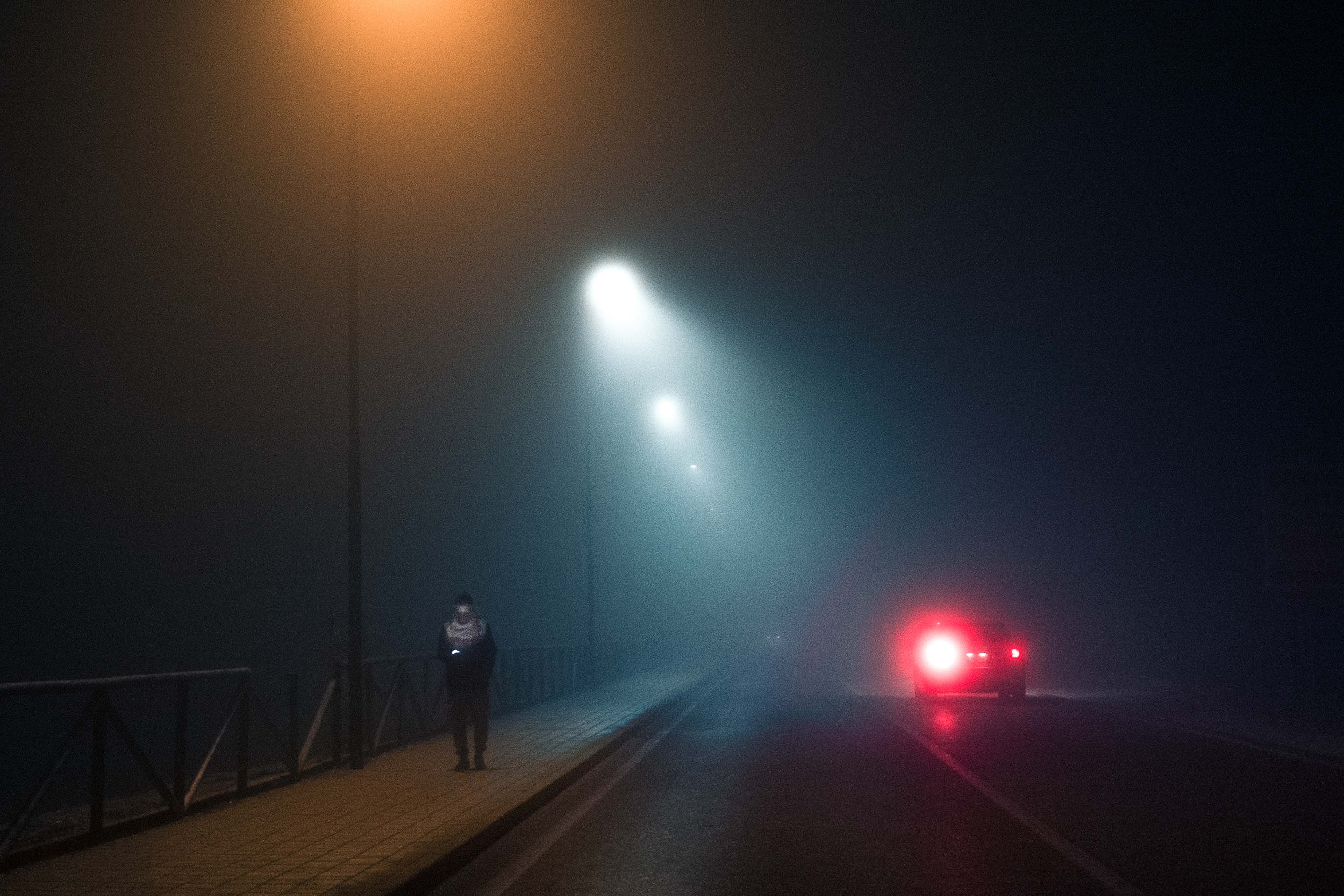
FL: Recently, I’ve been influenced by cinema. So, in my latest photos, I prefer to create moody atmospheres with a more cinematic use of light. Living in a town surrounded by mountains and villages brings me closer to a documentary and conceptual approach. It’s easier for me to find situations where that relationship between human beings and nature is stronger.
MPB: Can you tell us about your kit?
FL: I have always used digital, and I’ve just recently started using film. I’m a big fan of the Fujifilm system. Over the years I’ve had lots of Fujifilm cameras in my hands, the Fujifilm X-T1, Fujifilm X-T2, Fujifilm X30 and Fujifilm X70 and many others. I love Fujifilm lenses—the 18mm f/2 R and 35mm f/1.4 R are my favorites—the color rendition is beautiful. Last year, I decided to use a full-frame sensor. So, I tried a Sony A7 III. The performance of that camera surprised me—and I still use it. It’s amazing.
I always have an Olympus OM-4Ti and Pentax 6x7 with me. The analog photography process is fascinating. Grain, color palette and consistency are the strengths of this world. So, at the moment, I use digital just for work—like architectural photography —and I prefer using film for my personal photography projects.
Thanks, Francesco.
Nadine Rovner

MPB: Do you use any hidden narratives as part of your own process?
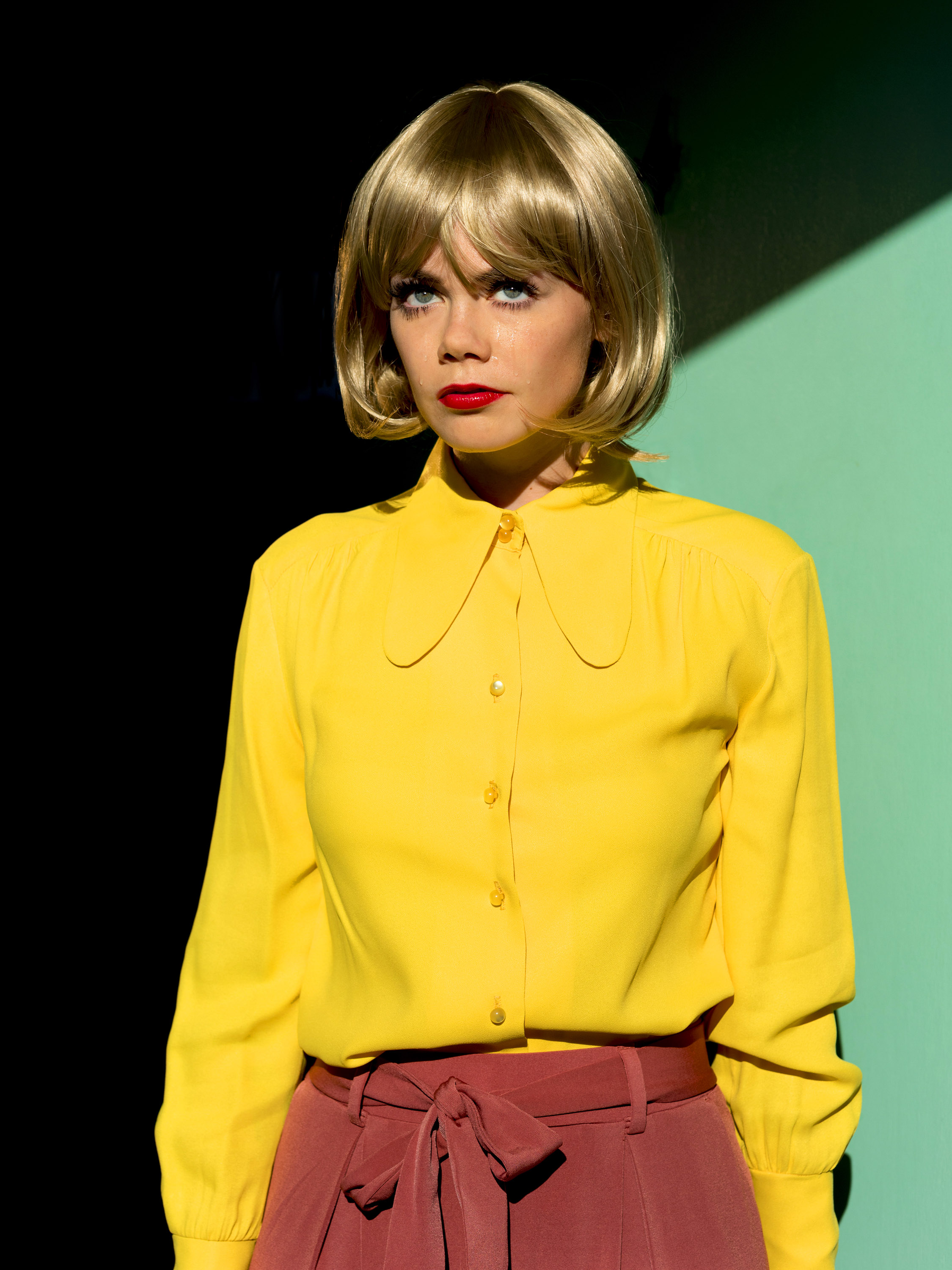
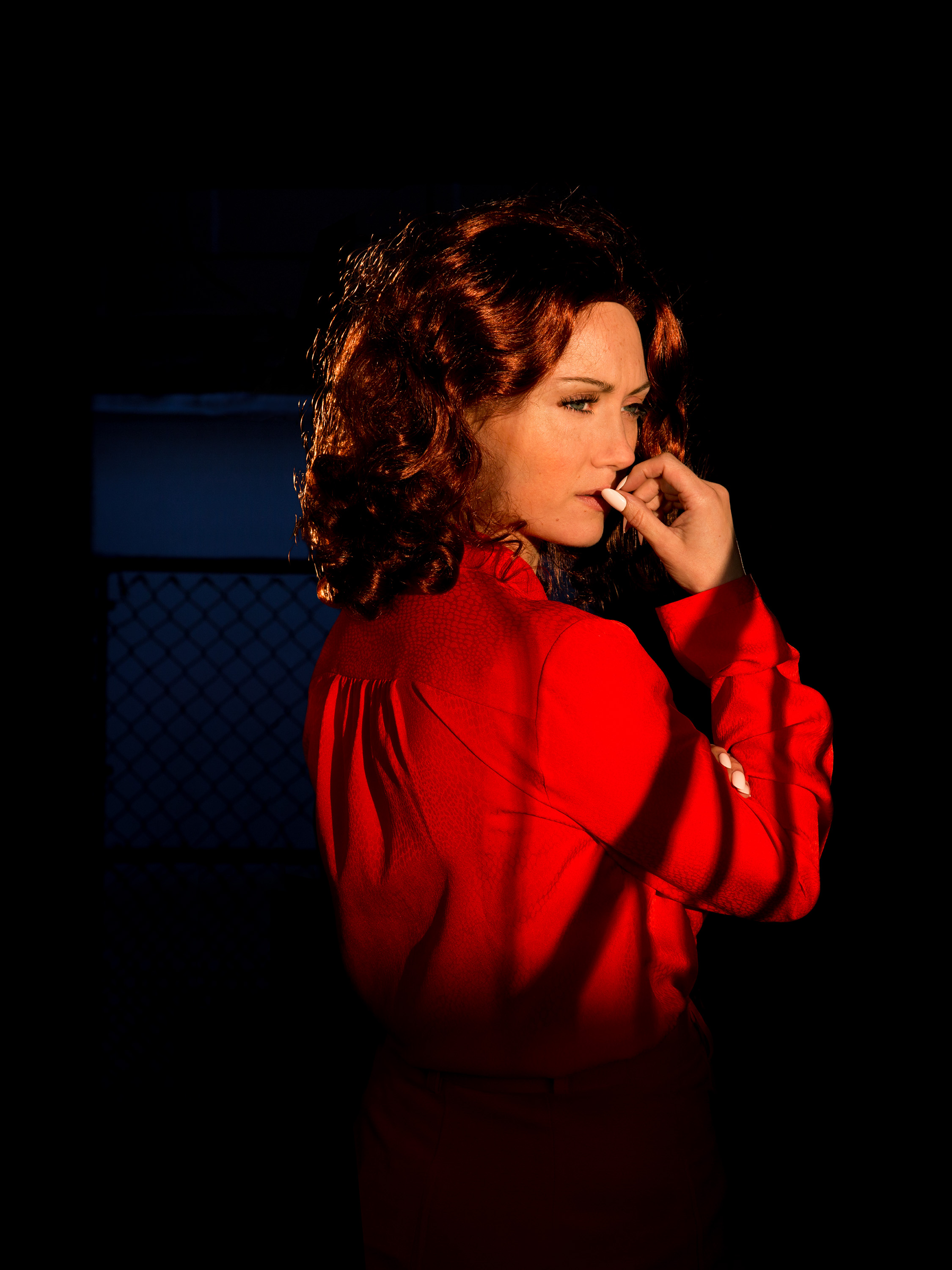
NR: Many times, there is a single woman in the image. Because naturally, being a woman, I understand and relate to the emotional and psychological states of women. I work with the thing that I know best. I don’t see myself as a political artist, but it’s hard not to have it part of the discussion. Especially as a female in today’s time. I am creating a setting that is removed from our expectations of reality to address contemporary concerns. As a female, I have struggled with feelings of uncertainty and fear. But I also feel empowered that my voice is heard through the compositions. These narratives are my visceral reaction to our current social climate, my way of raising awareness of these problems we must all face together. Reflecting these emotions, my photographs are filled with women who struggle against the depiction of one-dimensional objectified appearances. These images advocate for looking beneath the veneer, finding strength over vulnerability. The people in my work, whether female or male, represent the right passage of time and inclusion of all.
MPB: What camera do you usually shoot with?
NR: No Vacancy was shot on a Canon EOS 5D Mark IV. But, to be honest, I’m looking around at different cameras right now—like Sony’s mirrorless cameras.
Luke Saxon
MPB: Colour and the interplay of color is an important feature in your work. Why do you think this is?
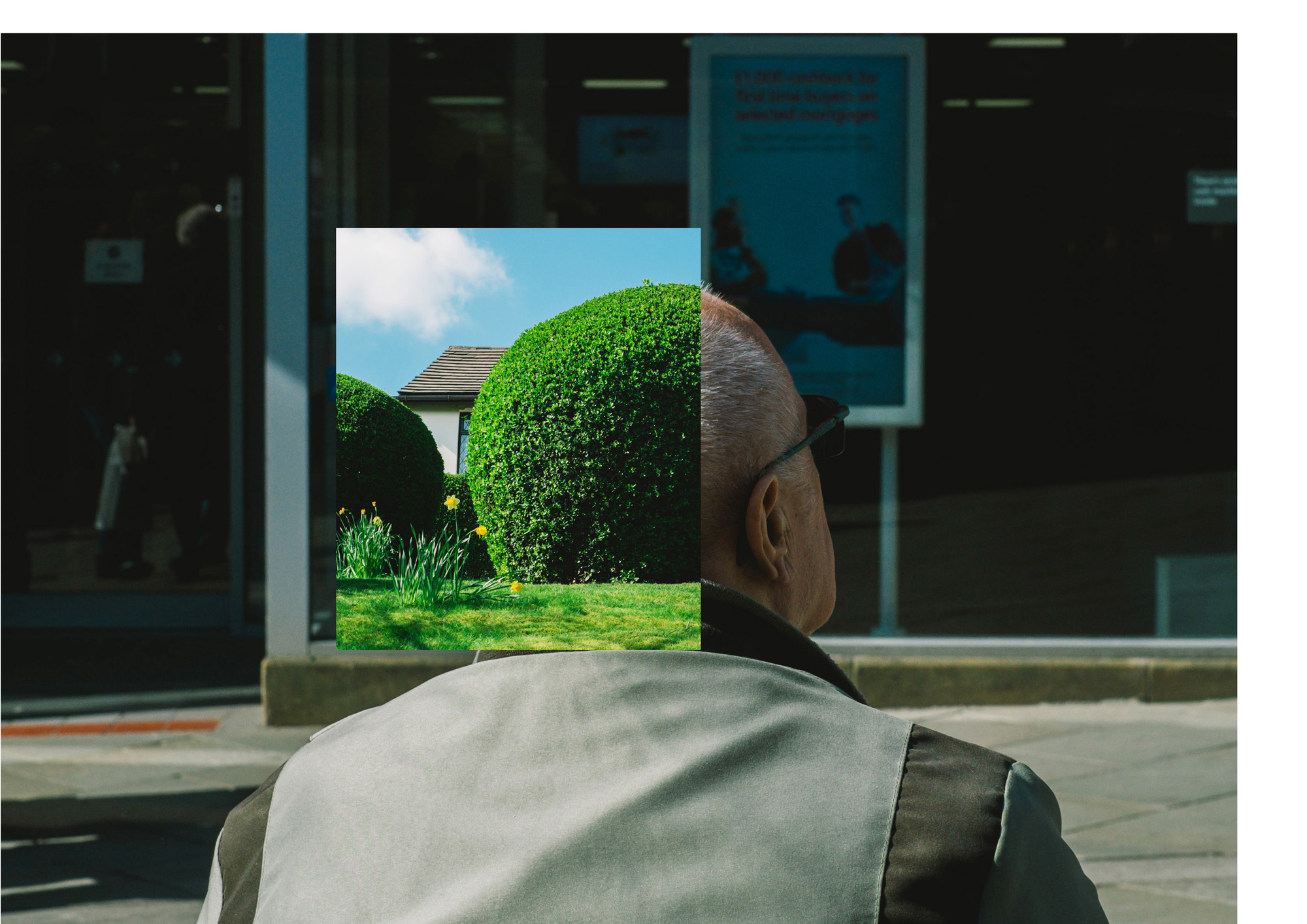
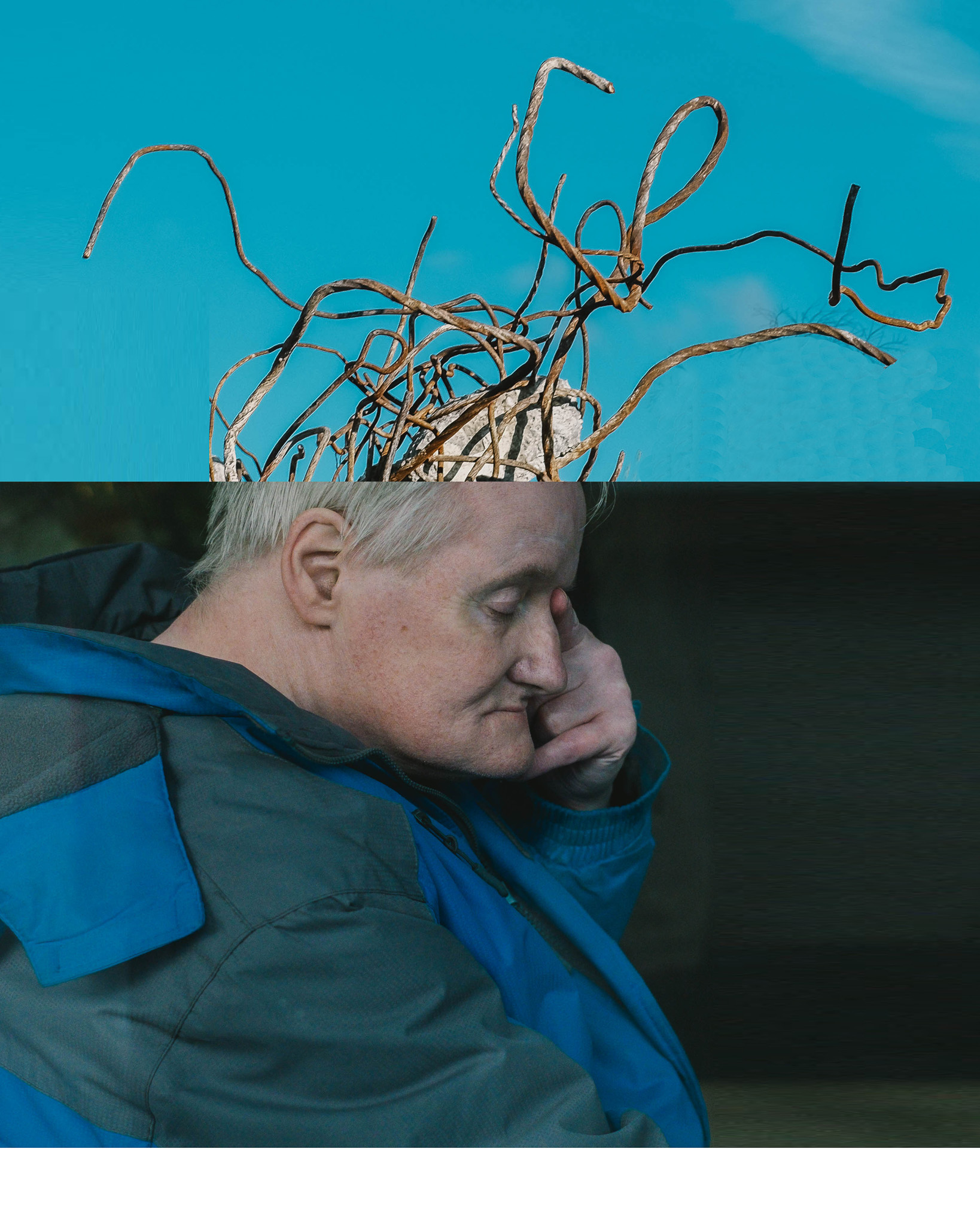
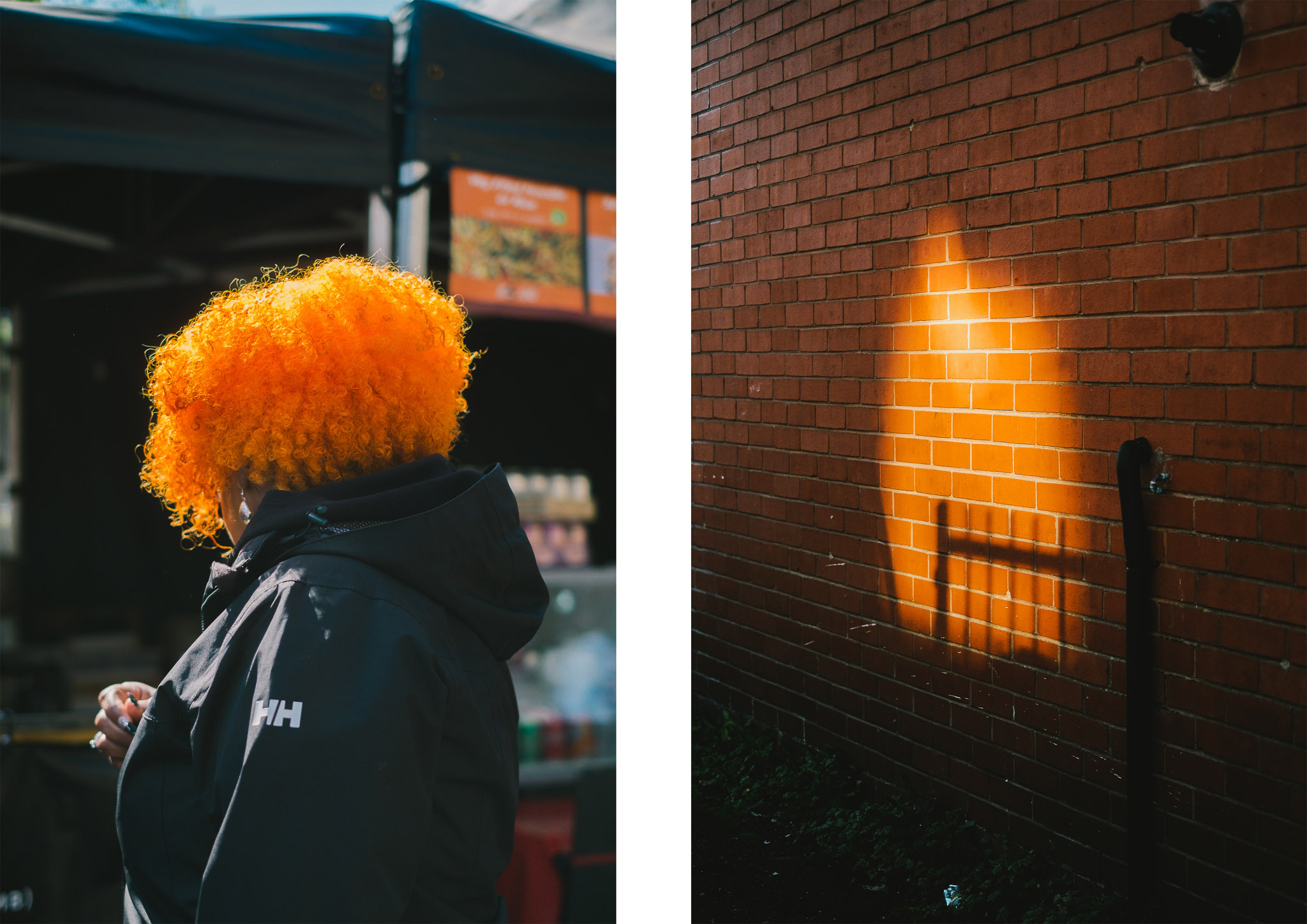
LS: I feel that color plays a huge part in creating an emotional response in photography and art. So I use color as a way to exaggerate certain things, or add humor to something that could be perceived as quite dark.
MPB: Where do you find your inspiration?
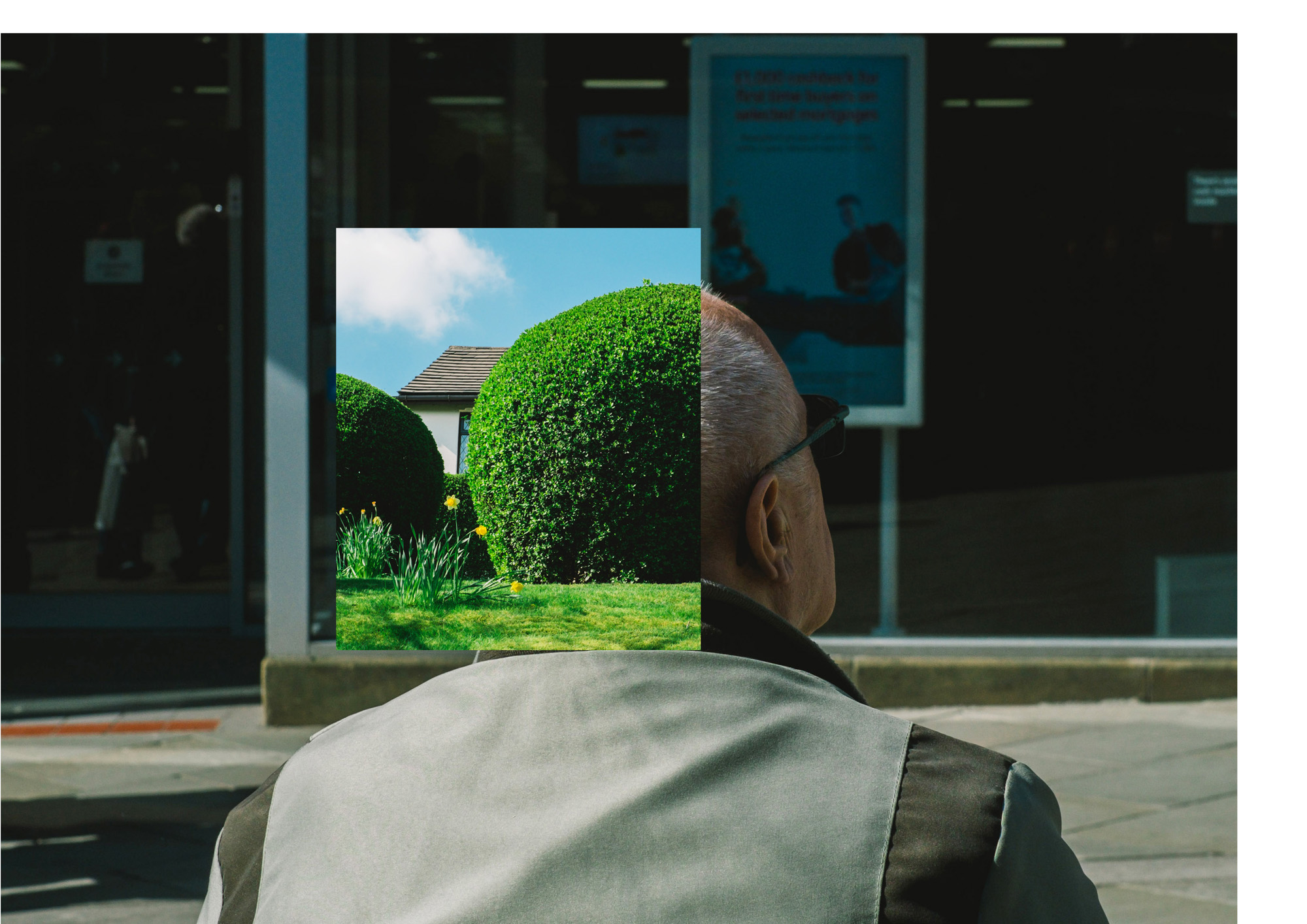
LS: My inspiration comes from everyday life. Something I’ve always felt is important is the idea of piecing things together to create a narrative I can relate to. My style is constantly developing. I enjoy experimenting with my work to create a story.
MPB: Can you tell us a bit about your process?
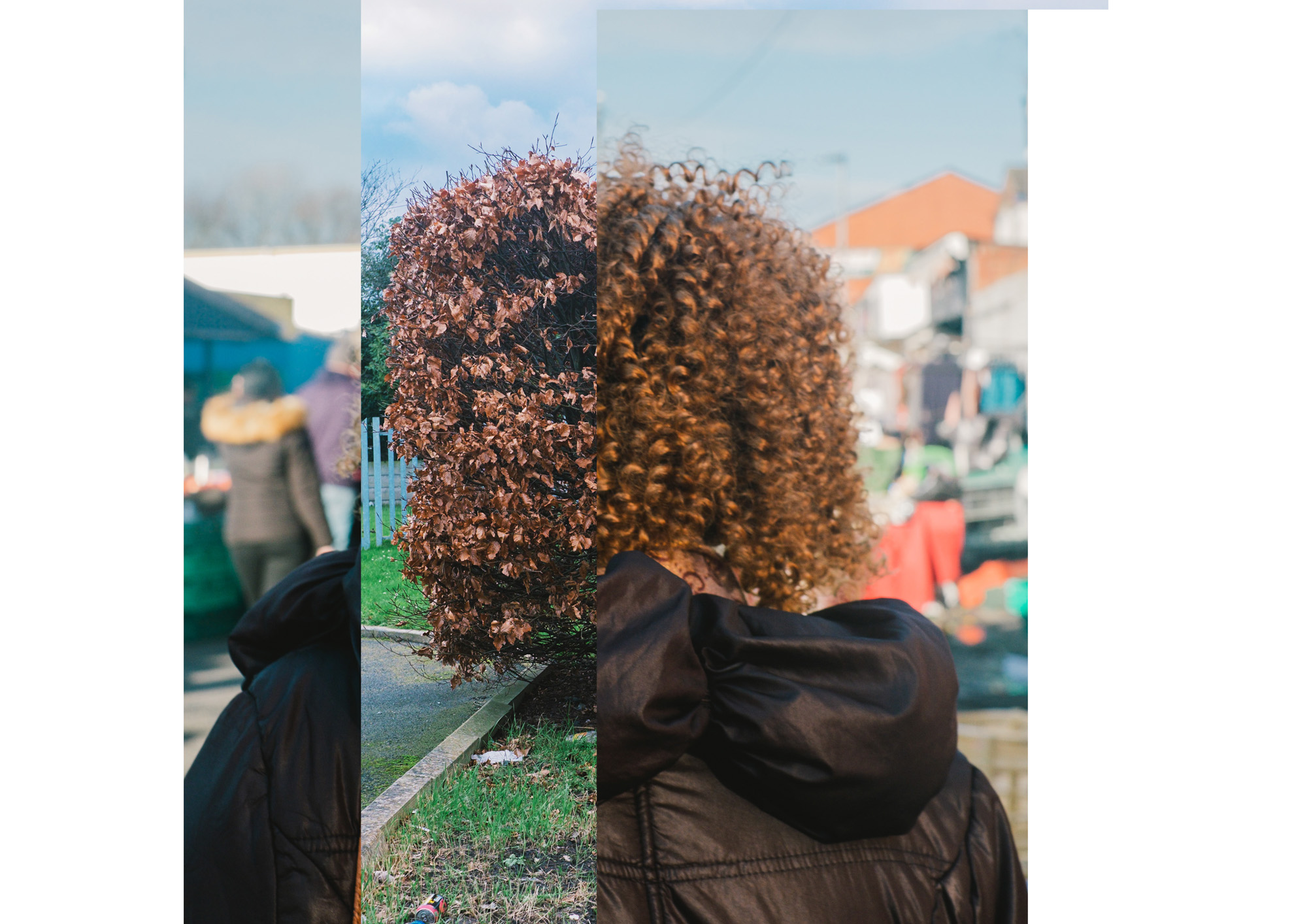
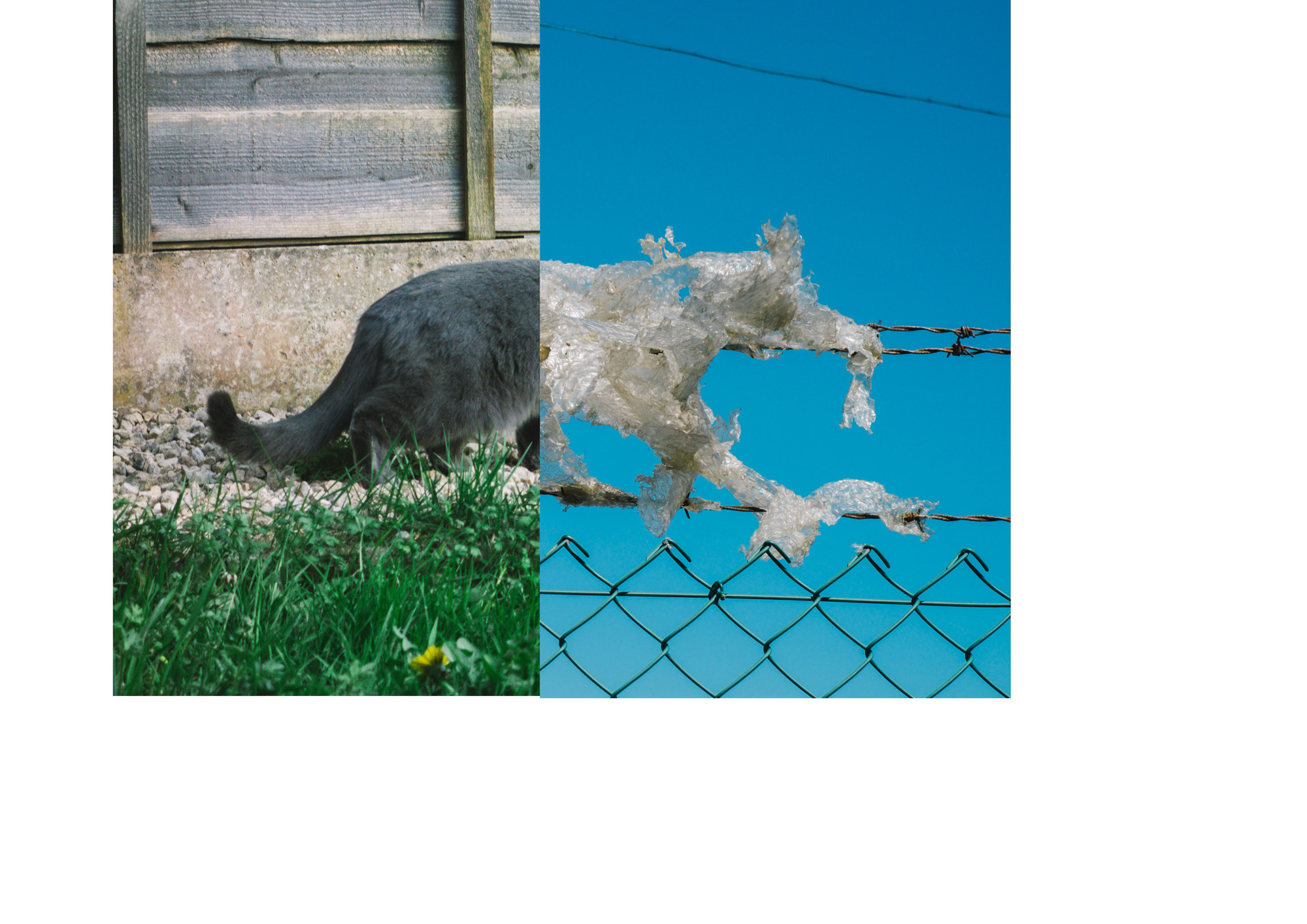
LS: When I started to experiment with photo collage, I was going through my archive. I started to see images that fit together, so I began joining them and moving them around using Photoshop. After a lot of trial and error, I found images that fit together almost seamlessly. It was great to see two separate images merge together to create one new image.
MPB: How important is your choice of camera to your work?
LS: When I first started shooting, I would only shoot on film. Over the years, I’ve switched between using both film and digital cameras. But now I tend to stick to digital, I use a Fujifilm X-T3 and 35mm f/1.4 R. For me, it’s more a matter of convenience. I can visualize my work while I’m shooting and see how different images can fit together.
Read more interviews on the MPB Content Hub.
You can sell or trade your camera gear to MPB. Get a free instant quote, free insured shipping to MPB, and get paid within days.