MPB guide to sports photography with Eddie Keogh
Published November 15, 2021 by MPB
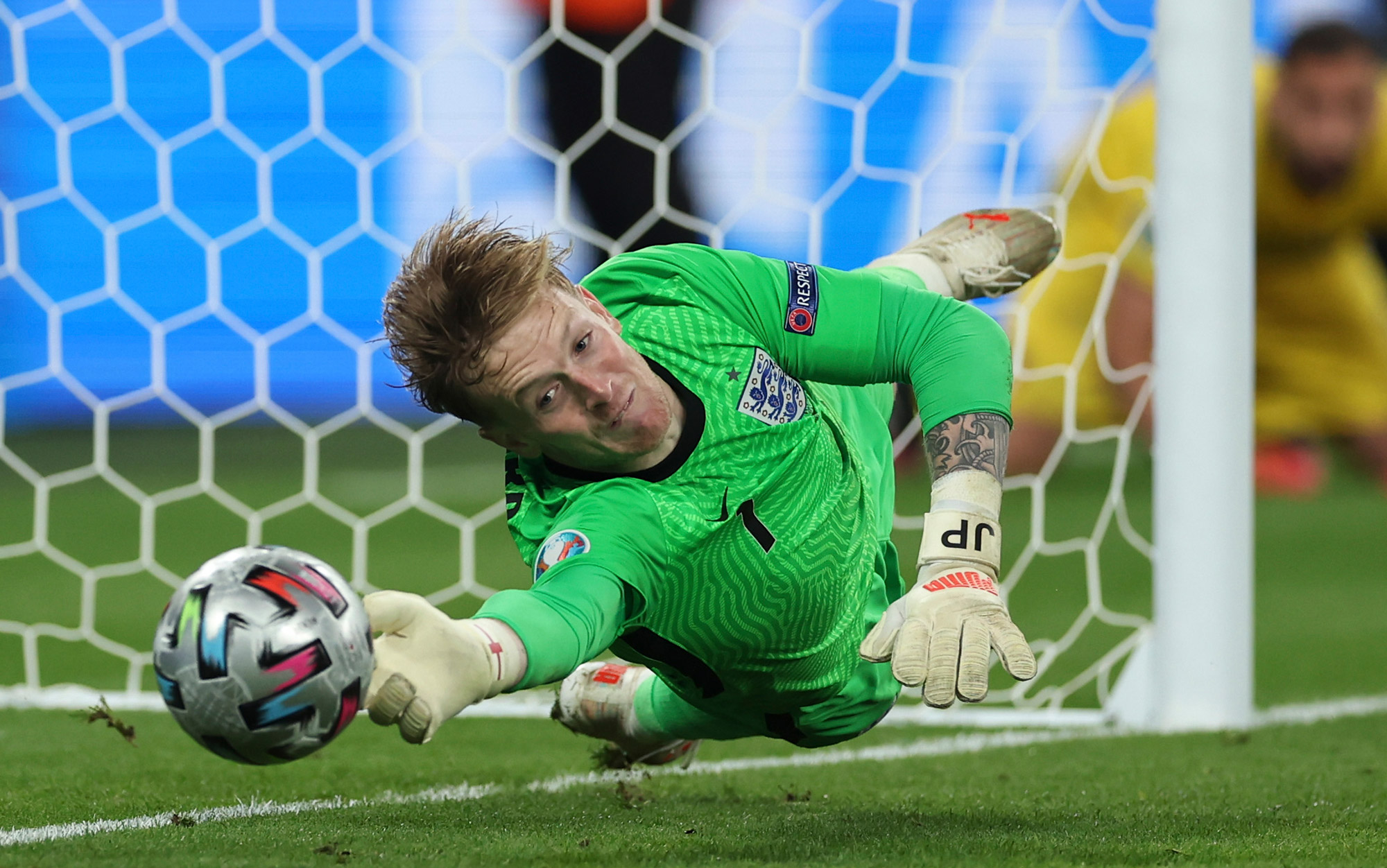
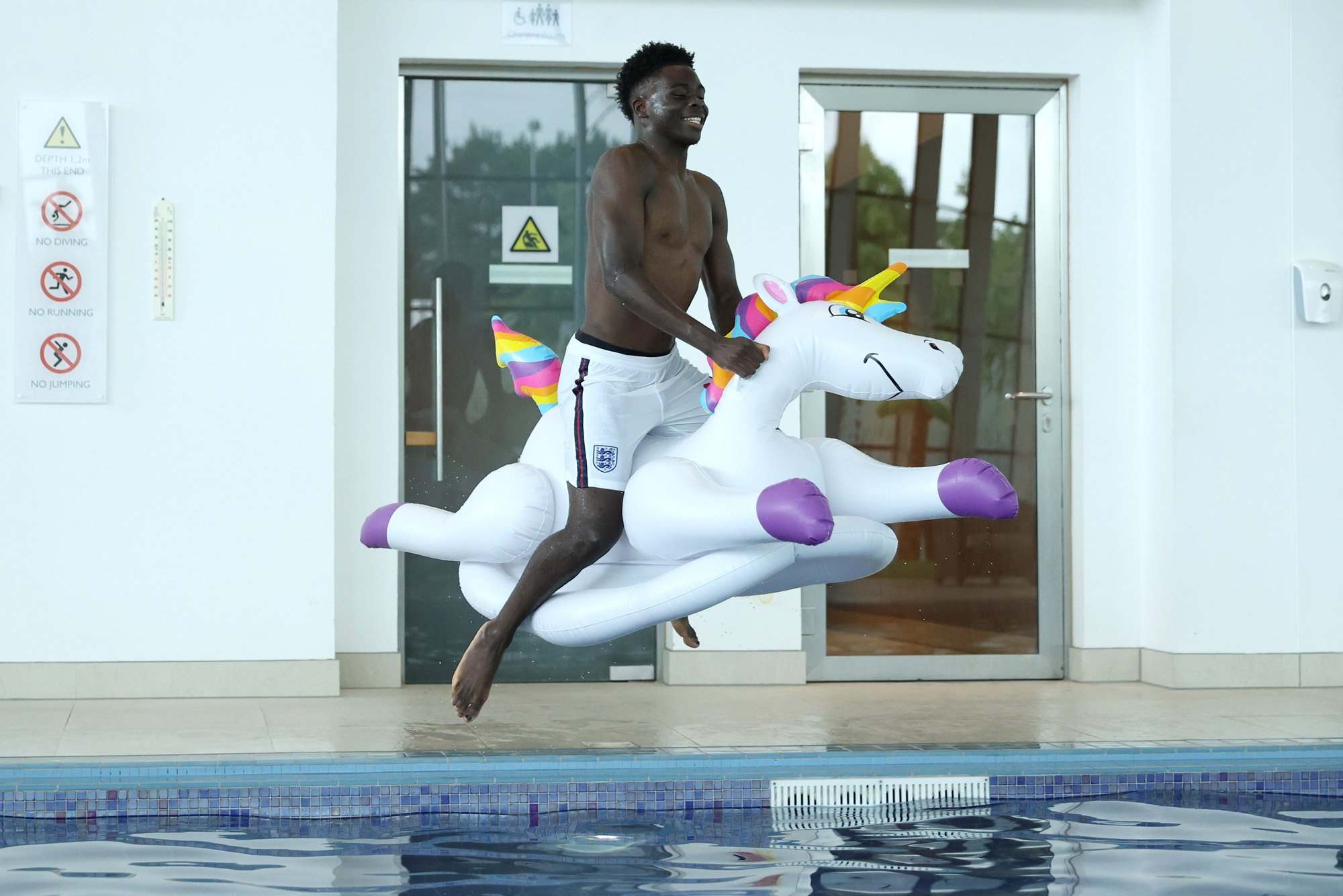
The official photographer for the England men’s soccer team, the 35-year career of Eddie Keogh has seen him work at some of the most iconic sporting events in the world, including the Premier League, the Summer Olympics and the FIFA World Cup. He also has a knack for capturing inflatable unicorns in action. We caught up with Eddie Keogh to find out his top tips for taking unforgettable sports photography. Over to you, Eddie.
Attitude
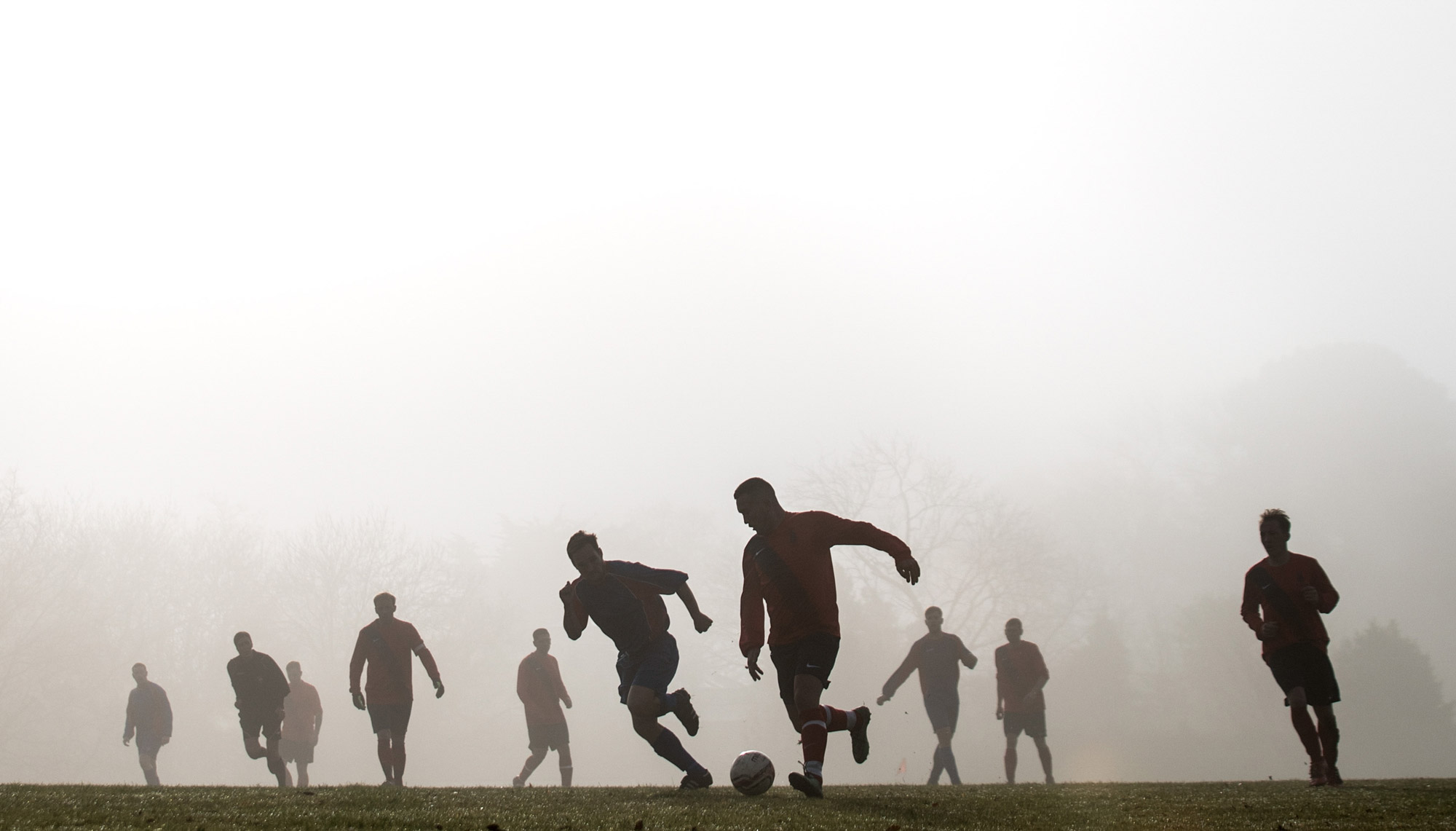
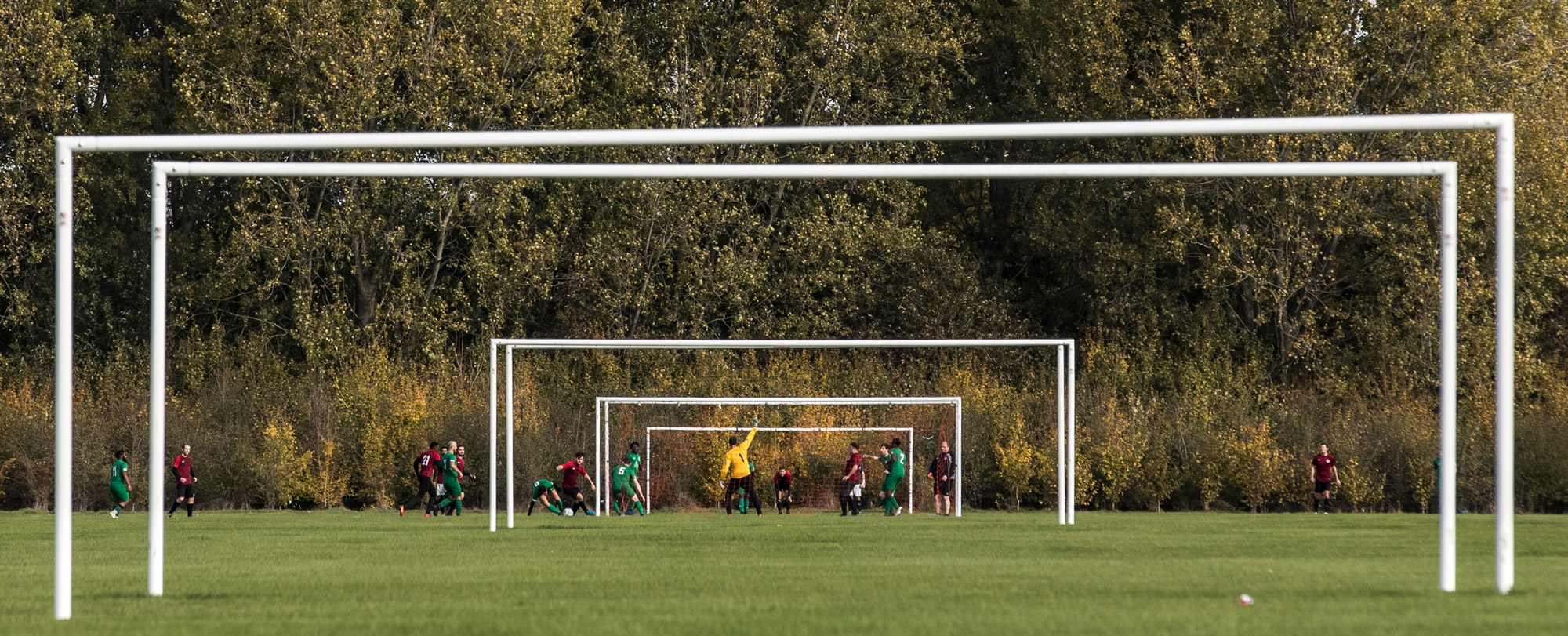
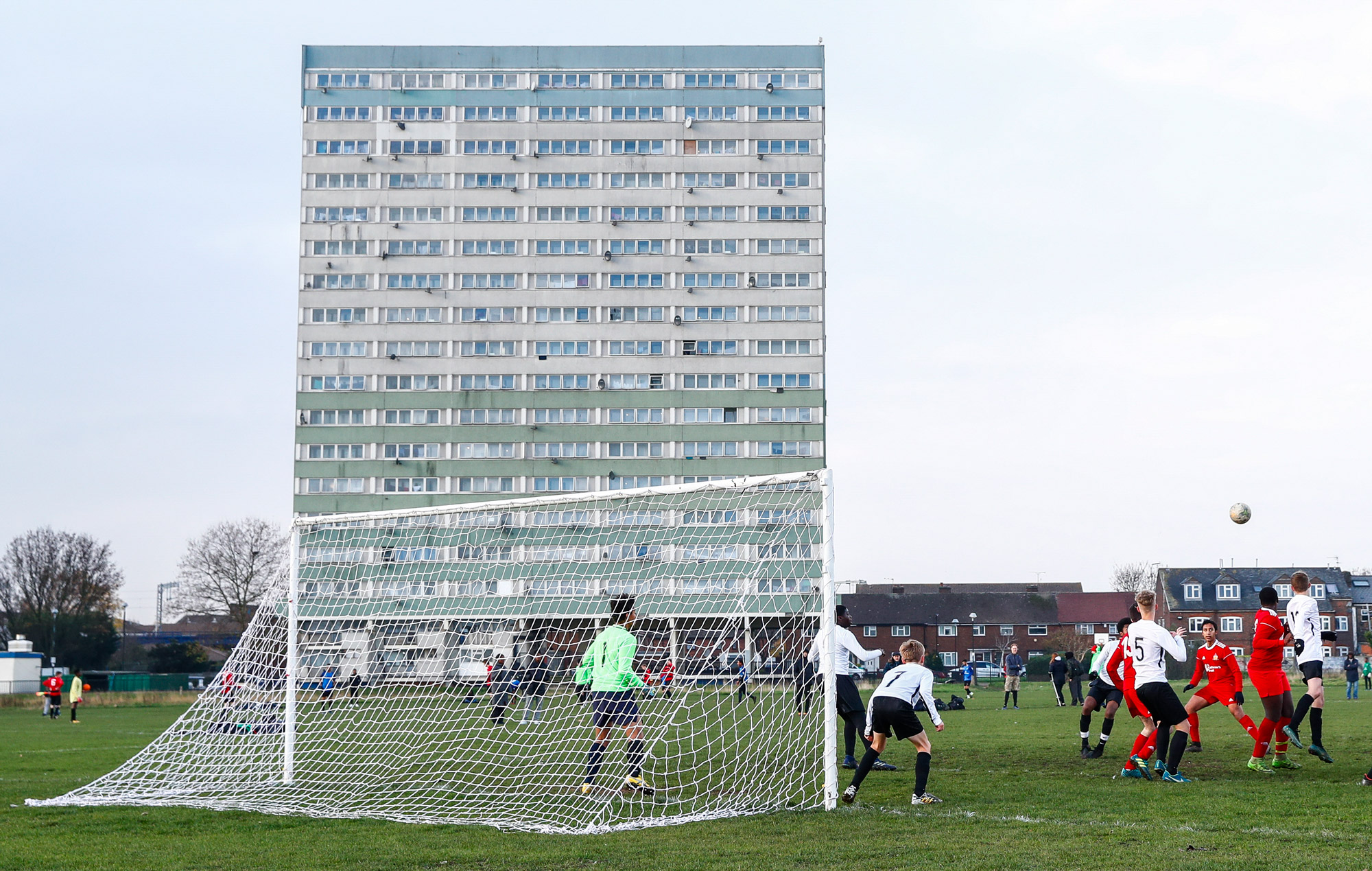
Many keen sports photographers think they need to attend high-profile sporting events and travel to exotic places to take great sports photographs, but you don’t. I’ve covered the Olympics, World Cups and more sporting events than I care to mention, but some of the best photographs I’ve taken have been close to home at Sunday morning grassroots soccer matches.
The most important thing to succeed in your photography goals is attitude. You need to get out and about as much as you can. If photography isn’t your full-time job, but you want to improve, then you need to use your evenings and weekends to build your skills and portfolio. Be open to shooting lots of different sports—don’t restrict and limit your experience. So, if you’re an avid soccer photographer, find another sport to keep you busy during the off-season. Local communities have multiple sports clubs that regularly practice and compete. Do your research and get out with your camera.
Eddie Keogh
Preparation
As a sports photographer, there are some factors you can’t control on game day, such as the weather, lighting or even the spot you’re allocated on the side-lines of the pitch—I often don’t get the choice. But there are several things you can prepare to help get the best photographs possible on the day.
Have you charged all your batteries? Have you packed your wet weather gear? Do you need something to sit on? Are all your cards formatted and ready to go? These are the basics, but making sure you’ve packed the right kit to deal with the conditions you’re up against is a good place to start.
In addition to this, if you can, it’s a good idea to use multiple cameras with different-sized lenses attached. By doing this, you’ll reduce the risk of missing a shot whilst changing lenses. For example, I take two or three cameras—all with various lenses attached—with me to match. This allows me to switch smoothly from the EF 70-200mm f/2.8 L IS III USM, perfect for photographing something like a tackle that’s taking place close to me, to a 400mm f/2.8 L IS III USM lens, for further-away mid-pitch activity.
Get low
The England players were always curious as to why I wore waterproof leggings on sunny days. So, I explained that the groundsmen always water the pitch before training—and I spend all my time either crouching down on my knees or on my stomach to get the best angle. The lower you get to the ground, the better the sense of drama. This is true for almost every sport, as at this angle you can see the athlete’s feet are off the ground and that portrays a sense of movement and speed. It might feel a bit odd, but next time you’re photographing a sport, lay on the grass, court or track and you will notice that everything looks more dramatic.
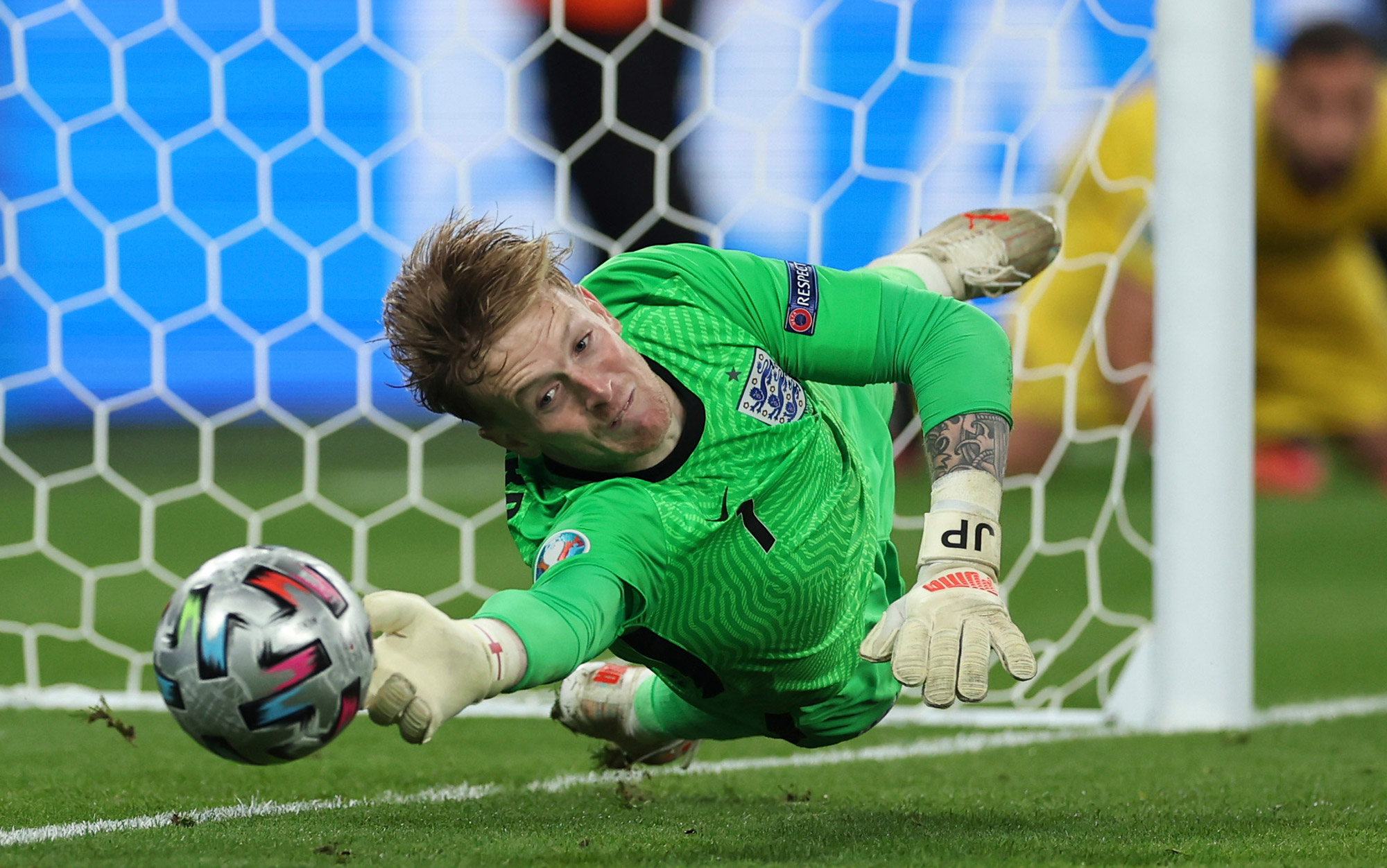
Angles and backgrounds
If you’re still learning, don’t just sit in the same spot. Move around. It’s amazing how different things look as you work from different positions. Getting low, as I said earlier is great, but now can you also get high and shoot down on the action? A nice clean grass background can also look cool. Talking of backgrounds, I can’t stress how important it is to think about what your background looks like. Walk around the pitch or event beforehand and work out which backgrounds are best avoided. If it’s a small ground, why not go into the crowd behind a goal and shoot some goalmouth action with some fans in the foreground to give the picture some atmosphere? Feeling creative, then maybe drop your shutter speed to around a 1/30th, turn on your image stabilization (IS) and do some panning as the players run past. Who says you can’t have some fun while you’re learning?
Eddie Keogh
Homework
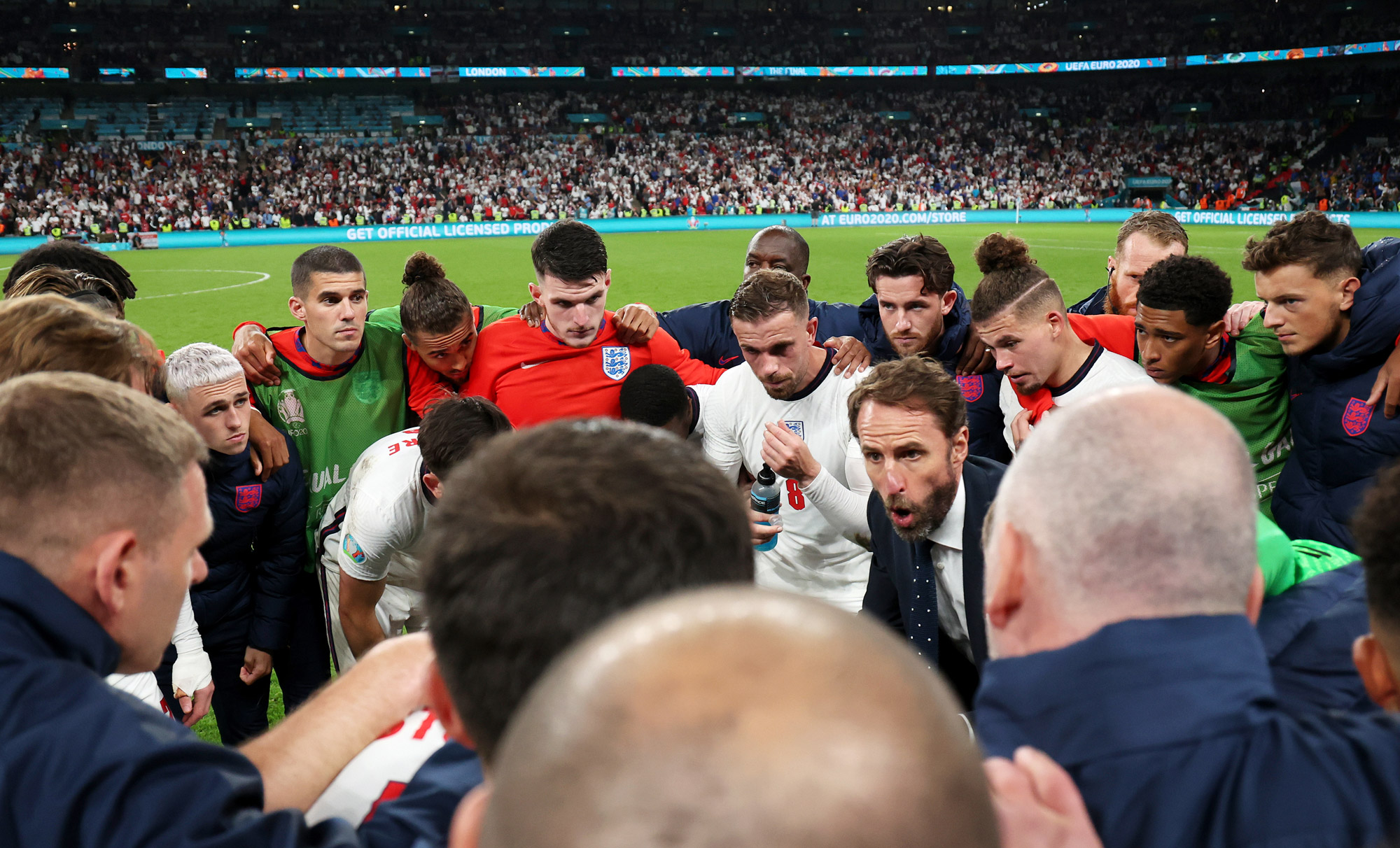
Do you know the story? Whatever event you’re covering, do you know the back story? Is it a player’s 100th game? Is there a special rivalry between the managers? Is there lots of talk about a young star coming through? It’s too late to read about it after the game, so don’t be shy. Talk to people in the know, before the event, if anything special is happening.
This could also be a good time to start a conversation about your pictures too. If you’re just beginning, and keen to do more photography at a local club, offer them your pictures to keep them sweet. Please use some discretion if they already have a club photographer though. You don’t want to upset people.
Eddie Keogh
Kit
Every professional or aspiring professional wants to take the best photographs possible. That’s a given. However, it’s not always possible to fill your kit bag with the latest products. My advice to photographers looking to improve their sports photography would be to invest in the best equipment you can afford—it will pay off in the long run.
My kit bag
The Canon EOS 1DX Mark III is my go-to camera. What’s not to like? Incredible autofocus, wonderful colors and image quality, 12 frames a second, top-of-the-range comms for sending pictures from the camera, and tough enough to take the knocks of daily use.
The EF 16-35mm f/2.8 L III USM lens is so handy when you just need to get super wide. Sharp all the way through. I’m never without the EF 24-70mm f/2.8 L II USM, it’s always around my neck when I head to sporting events. And the sports photographers’ workhorse, the EF 70-200mm f/2.8 L IS III USM. When the action is not too far away and the subject is in your point of focus, this lens will nail it. Plus, a dream of a lens, the 400mm f/2.8 L IS III USM. At f/2.8, the background disappears and the subject jumps out of the screen. And the autofocus is a joy. Most pro sports photographers work with one of these and use a monopod to work with it. The EF 85mm f/1.8 USM is beautiful for portrait work, with such a narrow depth of field it loses the background to perfection.
For most games, I will set up a Canon remote camera with a 20mm f/2.8 USM behind the goal on a mini tripod. I use a PocketWizard to trigger that camera and will set the speed to 1000th and the aperture to around f/5.6, depending on how good the light is.
You can sell or trade your camera gear to MPB. Get a free instant quote, get free insured shipping to MPB and get paid within days.