MPB Meets: Wildlife Documentary Filmmaker Ellie Stones
Published March 3, 2022 by MPB
Conservation photojournalist and wildlife documentary filmmaker Ellie Stones explores the relationships between humans and nature, with a drive to tell impact-led, investigative stories. Her latest documentary, The Pangolin Man, tells the story of one person’s fight to save the world’s most illegally trafficked mammal. At just 22 years old, Ellie’s work has already won awards at the biggest short film festivals, including the 2022 World Wildlife Day Film Showcase. We spoke to Ellie about her short film, camera gear choices and advice for aspiring filmmakers, as well as the power of visual storytelling in raising awareness of wildlife preservation.
MPB: Could you tell us about yourself and your creative background?
ES: I grew up in the Suffolk countryside, so I developed a fondness for nature early on. But my interest in nature photography started when I was about 14, when I bought my first ‘proper’ camera—a Fujifilm X-T4. I knew nothing about the technical side of photography, I just enjoyed capturing the world around me in interesting ways. Up until I went to university, I focused more on classic, long-lens wildlife photography. But when I started my degree, and became aware of conservation storytelling, I found myself drawn to photojournalism. I studied Marine and Natural History Photography at Falmouth University. Even though it was described as a photography course, it actually involved various forms of visual storytelling. Over my three years there, I used photography, documentary filmmaking and even 2D animation. I really got to push my creativity and experiment with topics that fascinated me. I realised that the stories I cared most about involved both human and animal relationships, and so my work moved more into documentary and wide-angle.
(To learn more about Ellie's gear, read our Fujifilm X-T4 review.)
MPB: Could you tell us more about The Pangolin Man? What is the film about?
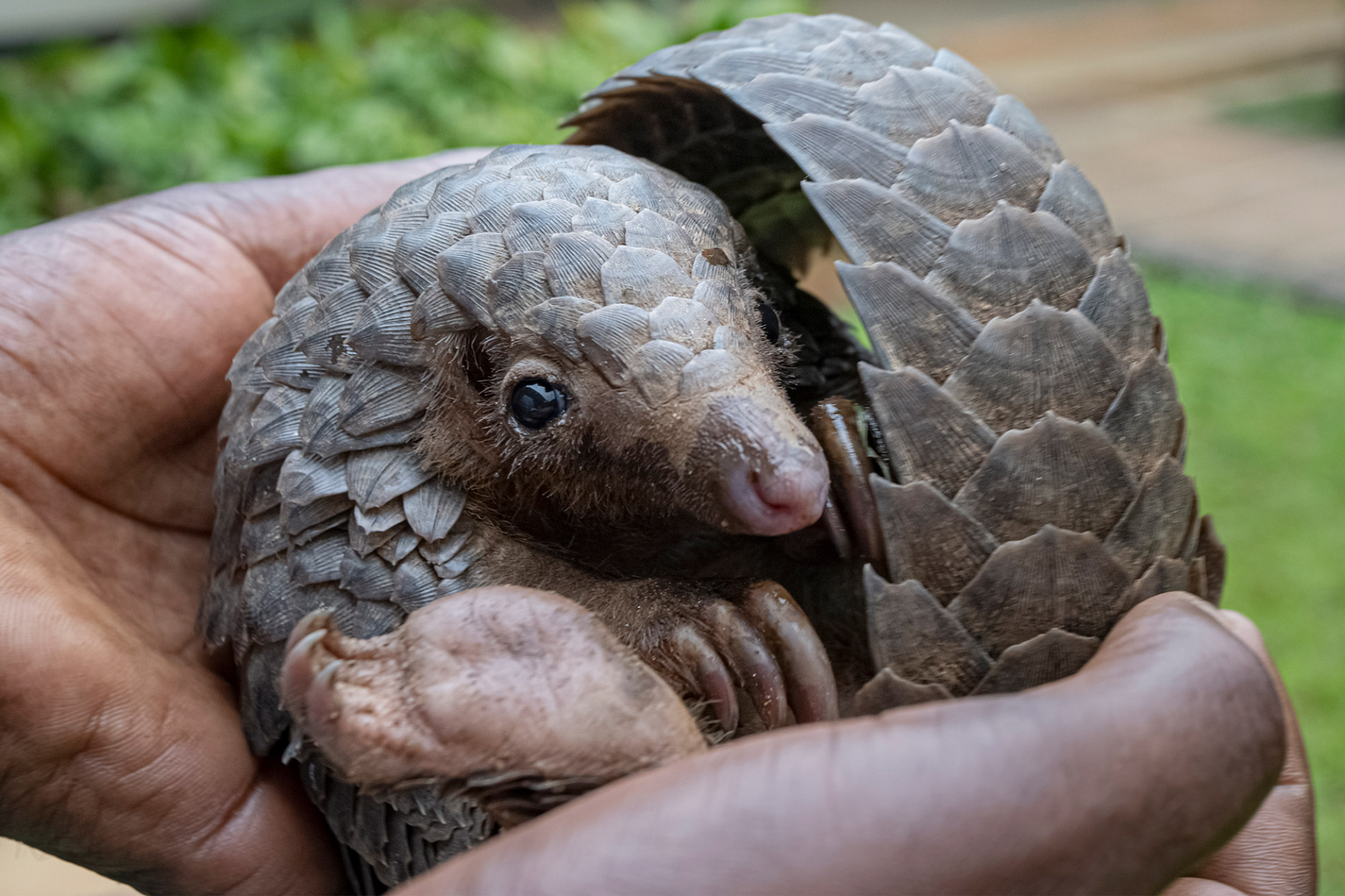
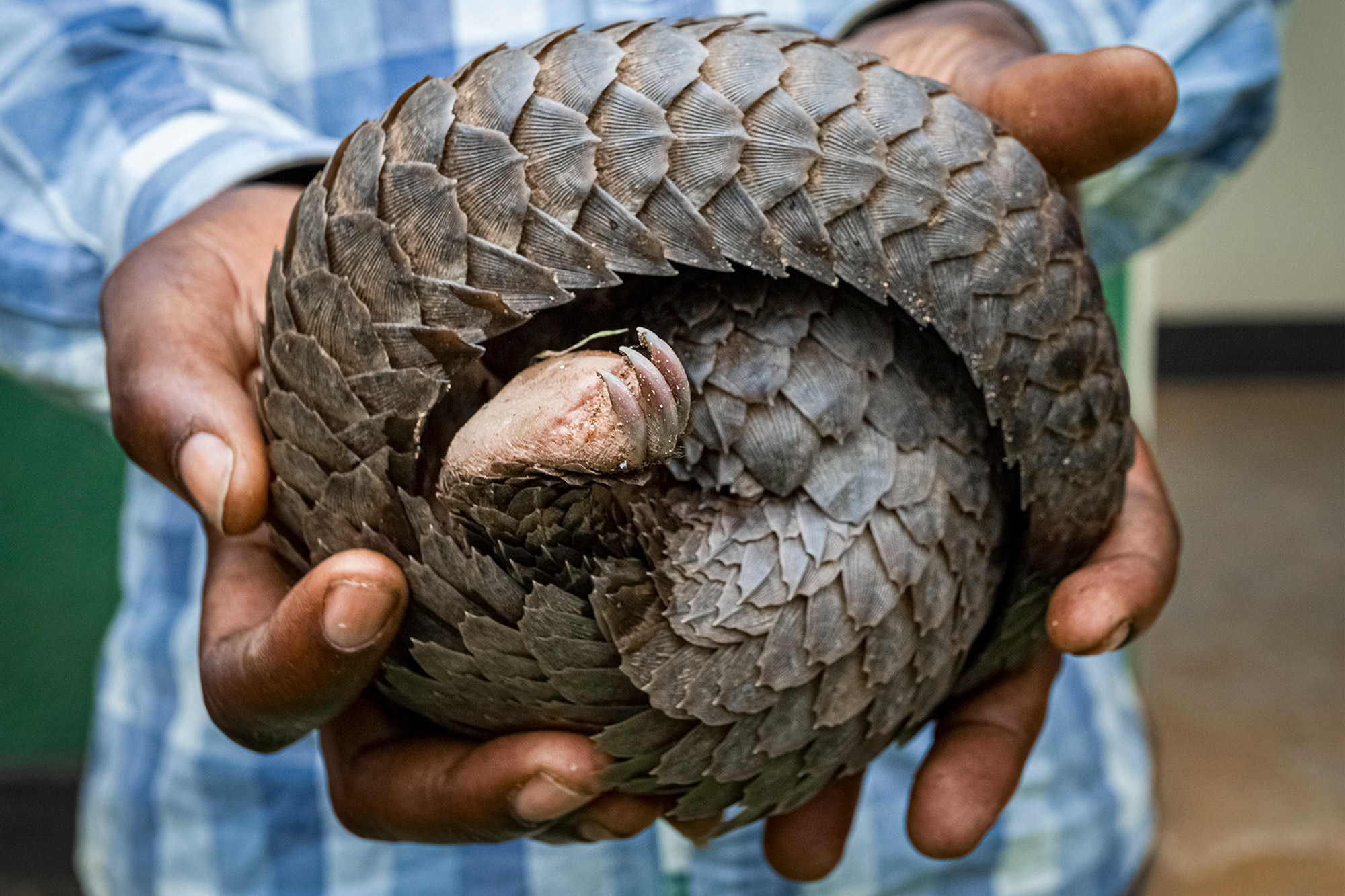
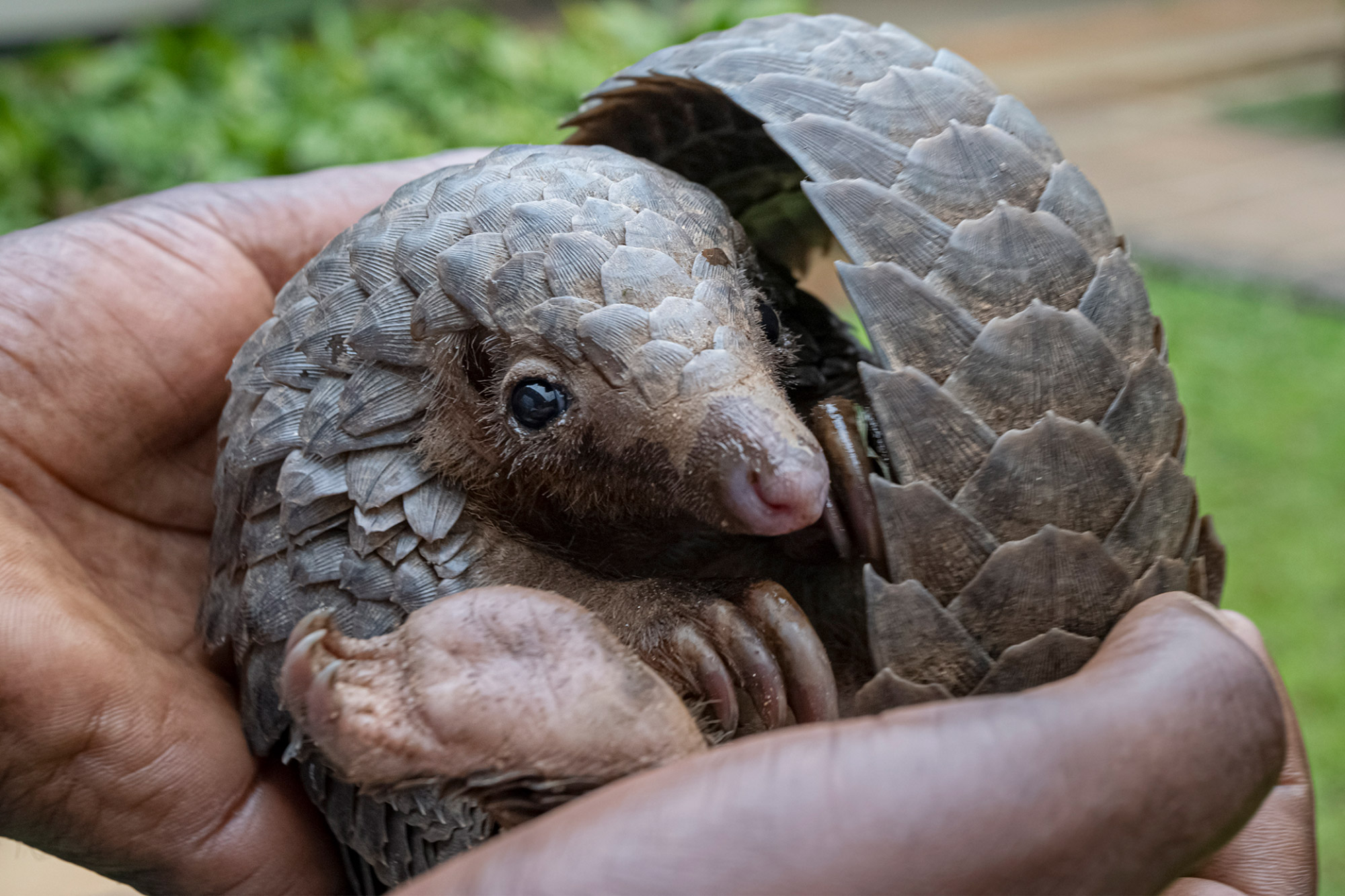
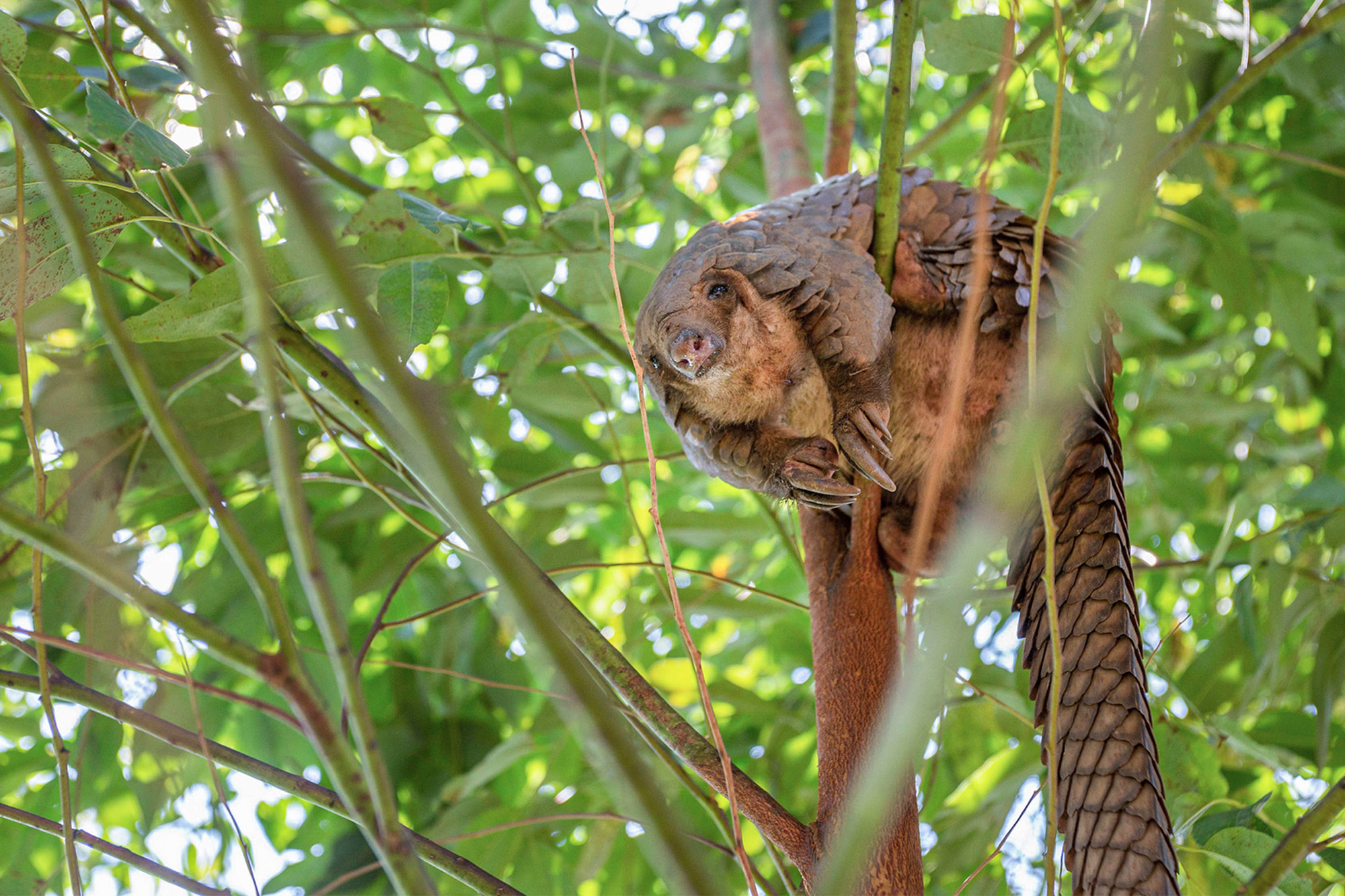
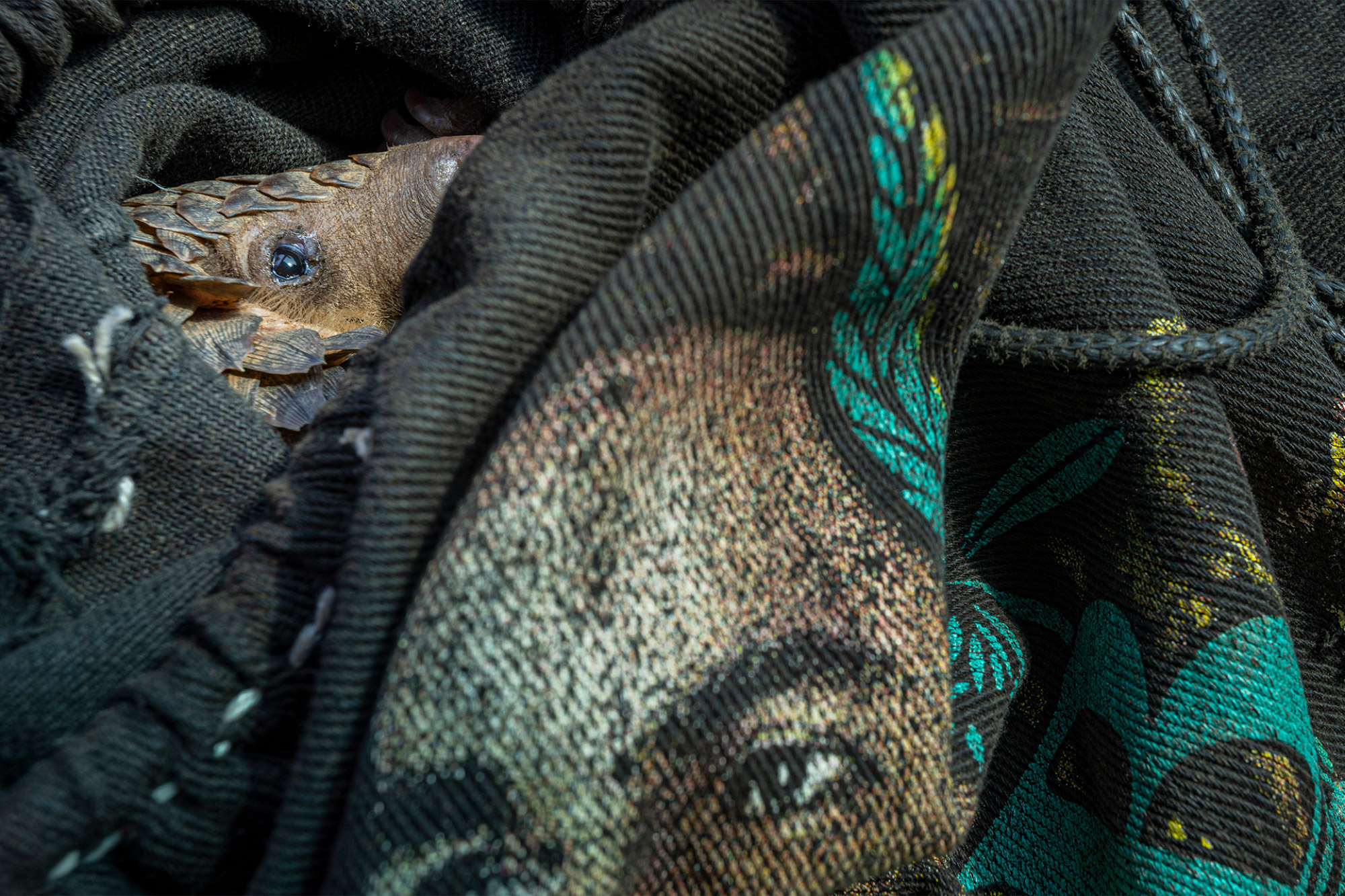
ES: The Pangolin Man is a short documentary focusing on one man’s fight to rescue pangolins in south-western Uganda, and to change the minds of the very people who hunt them. Pangolins are the most illegally trafficked mammals in the world, hunted across Africa and Asia for their meat and scales. Among other reasons, mainly a long-term obsession, this was why I was adamant about sharing their story. I wanted to give pangolins a voice in a way that had never been done before. Bush hunting is common in southwestern Uganda as a source of subsistence. But, thanks to one man’s work, attitudes are changing.
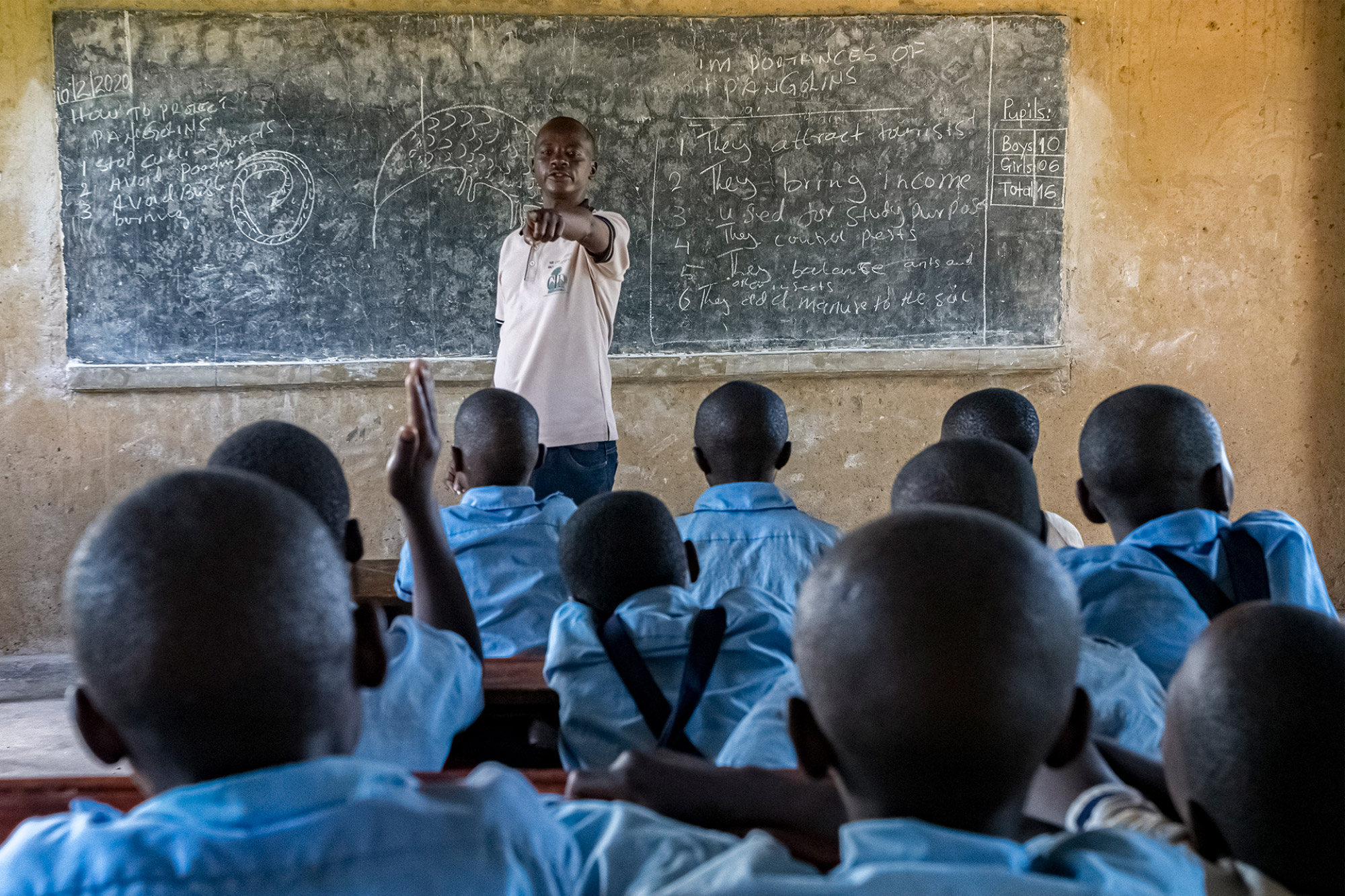
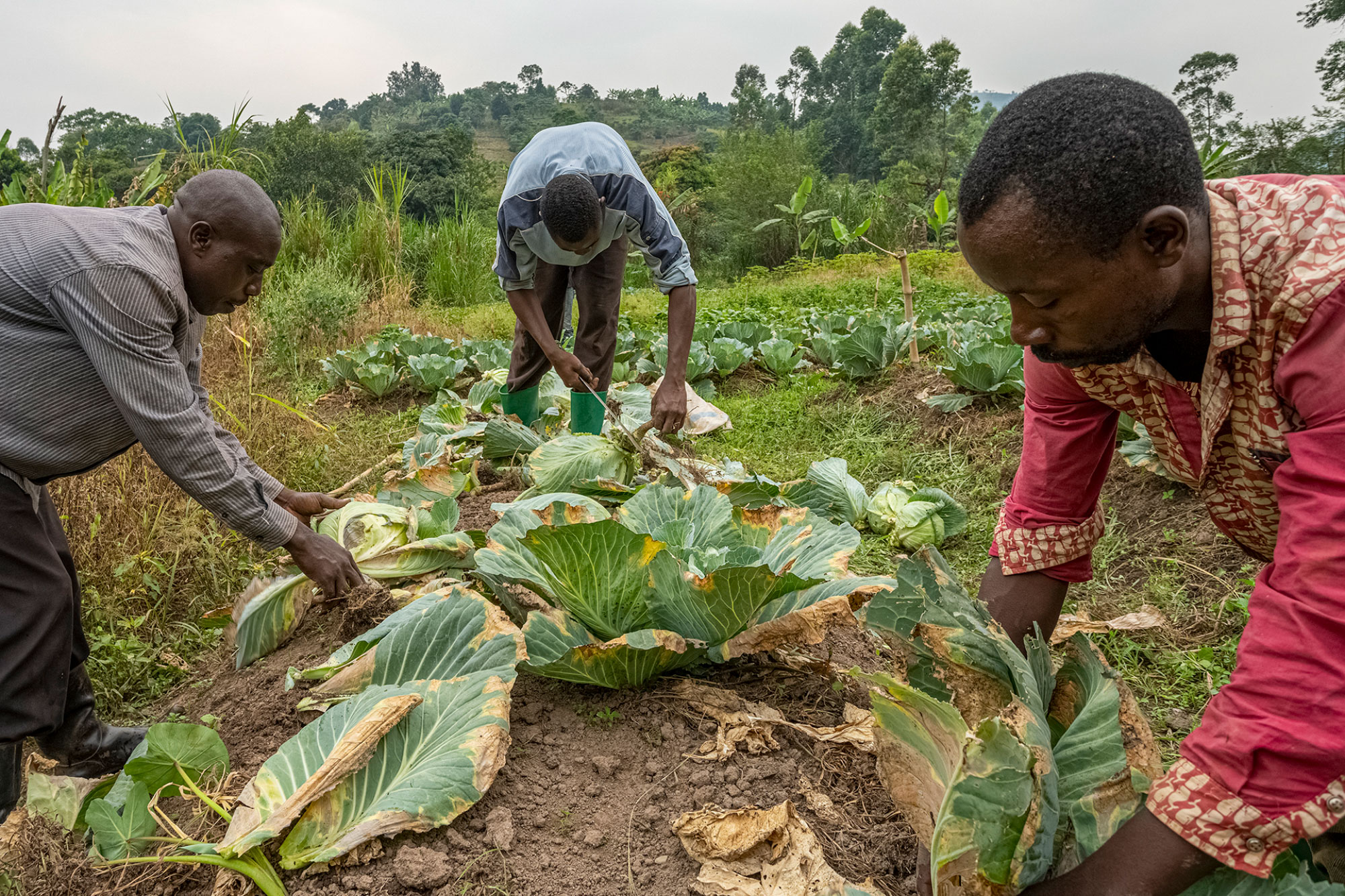
Moses Arineitwe, the pangolin man, rescues pangolins from hunters and actively influences his community, creating grassroots alternatives to poaching—such as gardening and sustainable fishing—and educating those around him about the value of nature. The film portrays his hopes and victories as well as his struggles, and Moses’ passionate voice provides an authentic perspective that other Ugandans can connect to. It’s a local story that speaks to a much larger issue and takes a more positive, solutions-based approach to the wildlife trade narrative.
MPB: Can you tell us more about the shoot? How did you hear about Moses in the first place? How long was the shoot? What were the biggest hurdles and how did you overcome them?
ES: Finding Moses was a mixture of luck and determination. When I was developing my film, I knew I wanted to focus on pangolins, specifically a story in Africa. Pangolins are found in both Africa and Asia, but the wildlife trade is more lucrative in Asia—and this makes it trickier to navigate, particularly for an inexperienced student on a tight budget. One of my lecturers gave me a contact, who spoke of a man in rural Uganda rescuing pangolins. And, after many conversations and a chain of contacts, I found Moses. He really needed someone to shine a light on the incredible work he was doing, so he agreed to let me tell his story.
I went on two separate shoots. The first was for two weeks, just long enough for me to put a trailer together. I then used that trailer to crowdfund for my second trip, which was about a month. At this point, I’d also put all of my work wages towards my project, as well as essentially bottoming out my student overdraft. So I basically put every penny I had into the film, as well as pennies I didn’t.
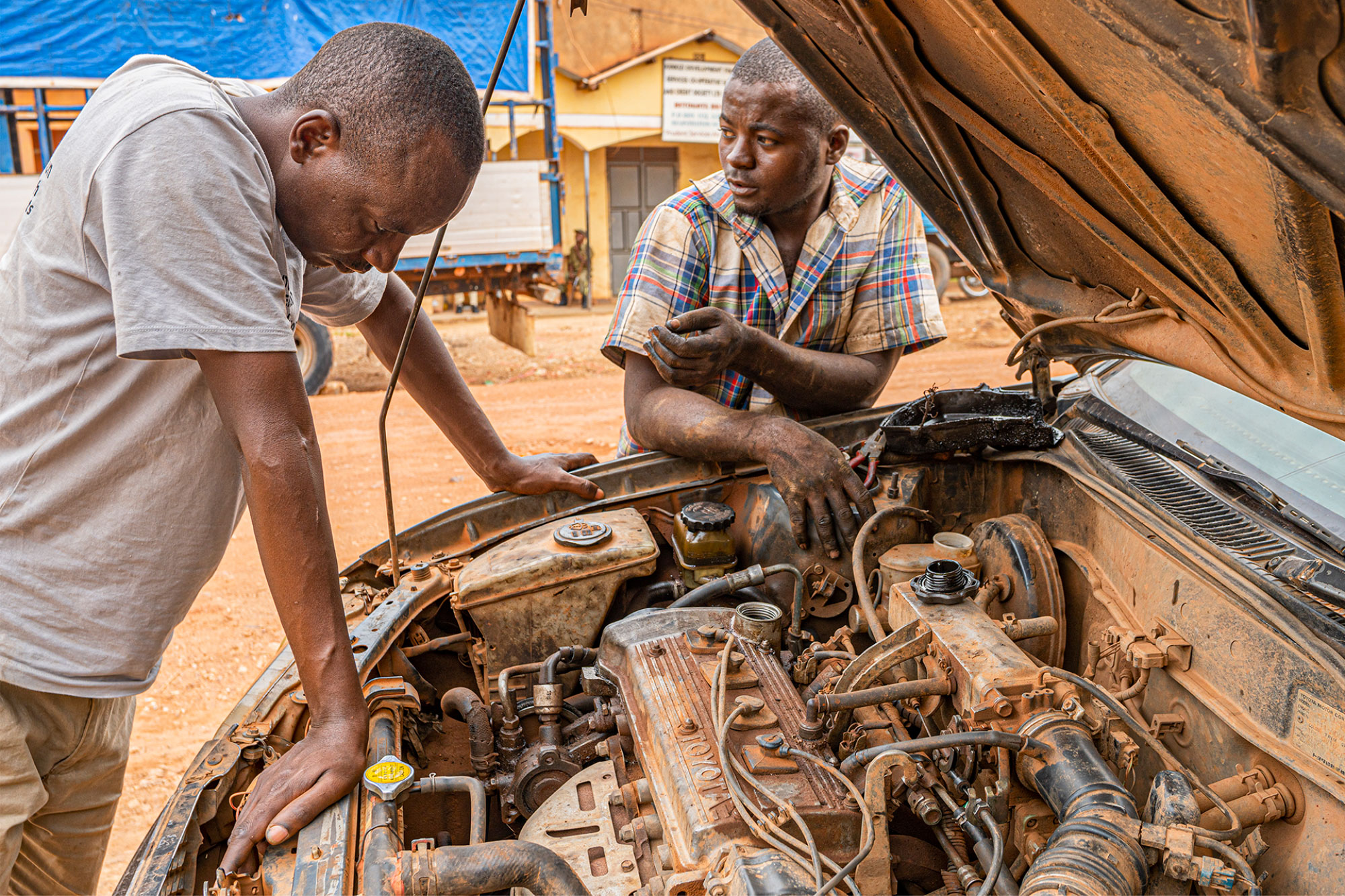
One of the biggest things to overcome was just the unfamiliarity of being a one-woman crew. You have to be self-sufficient, whether it’s directing, shooting, interviewing, sound-recording or building contributor relationships. And you have to be able to deal with things on your own when they go wrong. When Moses and I were travelling to a pangolin rescue at the Uganda-Congo border, which is the opening scene in the film, the car broke down—as it often did—which meant walking the rest of the way. It was during that same time that the lapel mic attached to Moses also failed, so I couldn’t record any close interactions between Moses and the poacher. It was already a tense situation, and there was the added pressure of knowing that I probably wouldn’t get another chance to shoot a rescue, given their unpredictability. All I had with me was an H4n Zoom recorder, which I ended up haphazardly holding while trying to film hand-held.
Looking back on it, with hindsight and more experience, I absolutely should have brought a top mic with me as a backup. But you can’t learn from a mistake until you’ve made it. I remember feeling incredibly frustrated after that rescue, because I was convinced I didn’t have anything even remotely usable. It’s amazing how much things can change when you get into the edit though, and that rescue actually ended up becoming one of my favourite parts in the whole film.
MPB: What was in your kit bag for the shoot? What were the reasons you selected the kit you did? How did you find using them?
ES: I had a strict weight limit on my luggage because I was travelling to remote parts of Uganda. So, I had to be smart about what I took with me. I remember stuffing my pockets with camera batteries and even a 24-105mm f/4 L IS USM at one point, just so my luggage wouldn’t weigh too much at the airport. I was so weighed down with gear that my trousers nearly fell down. But wearing clothes with large pockets is always a good move.
I took a Sony A7S III (read our Sony A7S III review) with me as my main camera and the Canon EF 24-105mm f/4, 100-400mm f/4.5-5.6 L IS and 100mm f/2.8 L IS USM lenses, which I used with a Canon-Sony mount adaptor. My favourite pieces of gear are always small and robust. Technology has advanced so much that you can now get compact but really powerful pieces of equipment. Using discreet gear also doesn’t draw attention, and it’s much easier to be a fly on the wall, particularly when it comes to shooting in more potentially dangerous situations. I also had a GoPro Hero5 Black (read our GoPro guide), which is always useful. They’re compact, can attach to pretty much anything, are nearly impossible to break, and actually have brilliant quality. I also took a small Manfrotto 546B Pro attached to the side of my camera bag. I remember there was one moment when I was walking through a village and people started whispering and pointing at me because they saw my tripod and thought I was a CIA agent with a gun.
MPB: How can our readers help support Moses and his mission?
ES: When I made the film, I set up a donation page on Patreon @pangolinman for people to support Moses’ work. He relies entirely on public donations, so anyone who’s kind enough to donate makes a real difference. But even just sharing The Pangolin Man with people, and talking about it, and helps to spread the message.
MPB: What would advice would you have for aspiring nature photographers and filmmakers?
ES: You have to be bold and brave with your work. You have to push yourself outside of your comfort zone, because that’s how you learn and how you grow. Find a subject that you truly care about, because only then will you be willing to do whatever it takes to tell that story. And you absolutely don’t have to travel somewhere remote. There are stories everywhere, and doing a project right on your doorstep can have just as much impact as one that’s thousands of miles away.
When approaching a new story, consider how it can be mutually beneficial for both you and your contributors. You have to think “how will this benefit the people I’m trying to gain access from?”, and clearly highlight that. Contributors like to know what they can get out of a situation, and they’re much more likely to agree to you sticking a camera in their face if they know it will actually benefit their work in the long run.
Perfection doesn’t exist. As creatives, we’re often incredibly self-critical of our work, but I don’t believe that something can—or should—be perfect. So, there’s no point fixating on it. I still have to remind myself of that sometimes. But the most important thing to me is that my work has soul and that it stands for something.
It’s not all about the gear. If you can’t afford a high-priced camera, don’t let that stop you from producing amazing work. It’s all about the subject you’re shooting and the story you’re sharing. If you showed me a soulful film shot on an iPhone, and a vanilla film shot on a RED, I’d take the iPhone film any day of the week. Ultimately, no amount of extravagant gear can distract from a bad story.
MPB: Your film has been recognised by festivals and awards around the world. How does it feel to have your work held in such high regard?
ES: I’m incredibly grateful for all of the attention that the film has received. It’s motivating to know that so many people have connected with pangolins and with Moses in some way. The best thing about it is seeing the tangible impact that The Pangolin Man has had in Uganda because of the festival screenings. As a result of the film’s creation, Moses has received more than £5,000 [$6,700] in donations, all going towards pangolin rescues, community outreach, and reformed poacher projects. I hope it proves to people just how important it is to make a difference with your work, and to push it in front of as many people as possible.
MPB: Your degree and your creative output reflect your passion for wildlife and its preservation. Could you tell us how you see the role of photography and videography in raising awareness around the issue?
ES: The powerful thing about visual storytelling is that you can bring stories to people’s eyes that would otherwise remain hidden. You build this universal connection between the creative and factual world. The reason I feel so strongly about conservation storytelling is it gives a voice to animals, who don’t have one. It can move, shock and inspire in ways that nothing else can. Both photography and filmmaking are incredibly influential tools, and I think actually knowing when to use one over the other is important. With The Pangolin Man, I felt that a documentary—as opposed to a photo story—would have the most impact on Moses. People needed to hear his voice, and experience his victories and his struggles.
MPB: You’re a member of the Her Wild Vision initiative, could you tell us more about that?
ES: Her Wild Vision is an online directory of female and female-identifying filmmakers and photographers focusing their work on conservation. It’s about getting more female storytellers into the spotlight, given that it’s still a rather male-dominated industry.
MPB: Do you have any other projects you are working on at the moment you would like to tell us about? What are your plans for the future?
ES: I’m hoping to return to Uganda later this year to hold a screening of my film in the local villages, with a plan to document how Moses’ work has expanded as a result of the film’s creation. Given that The Pangolin Man directly encompasses the local people, community outreach is key—not only to educate about the value of pangolins and the natural world but to show that there are successful and sustainable alternatives to poaching. But I’m always working towards telling impact-driven, investigative and journalistic stories about the issues facing the natural world.
For more tips and techniques, expert interviews and camera gear guides, check out the MPB Content Hub.
You can sell or trade your camera gear to MPB. Get a free instant quote, free insured shipping to MPB, and get paid within days.