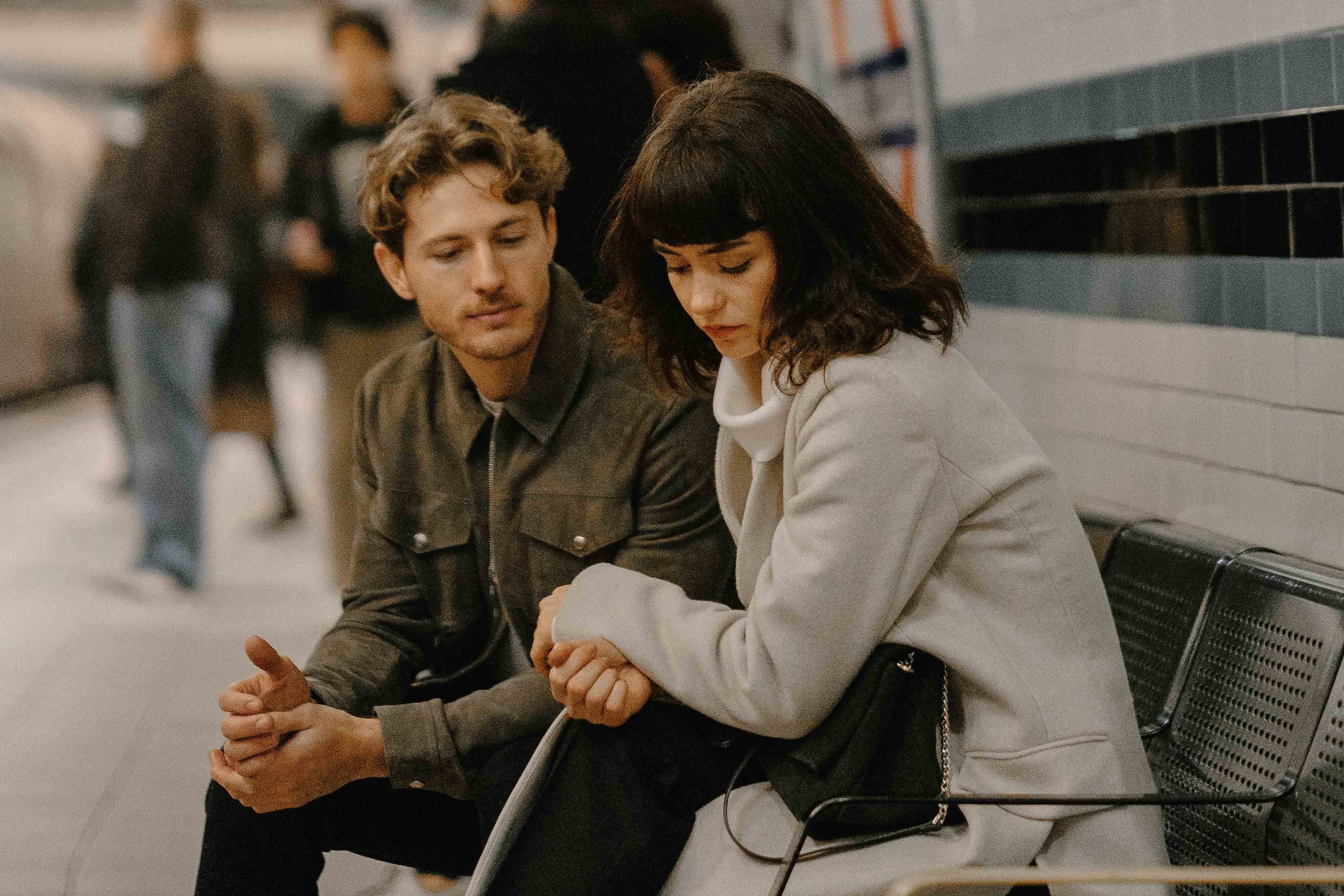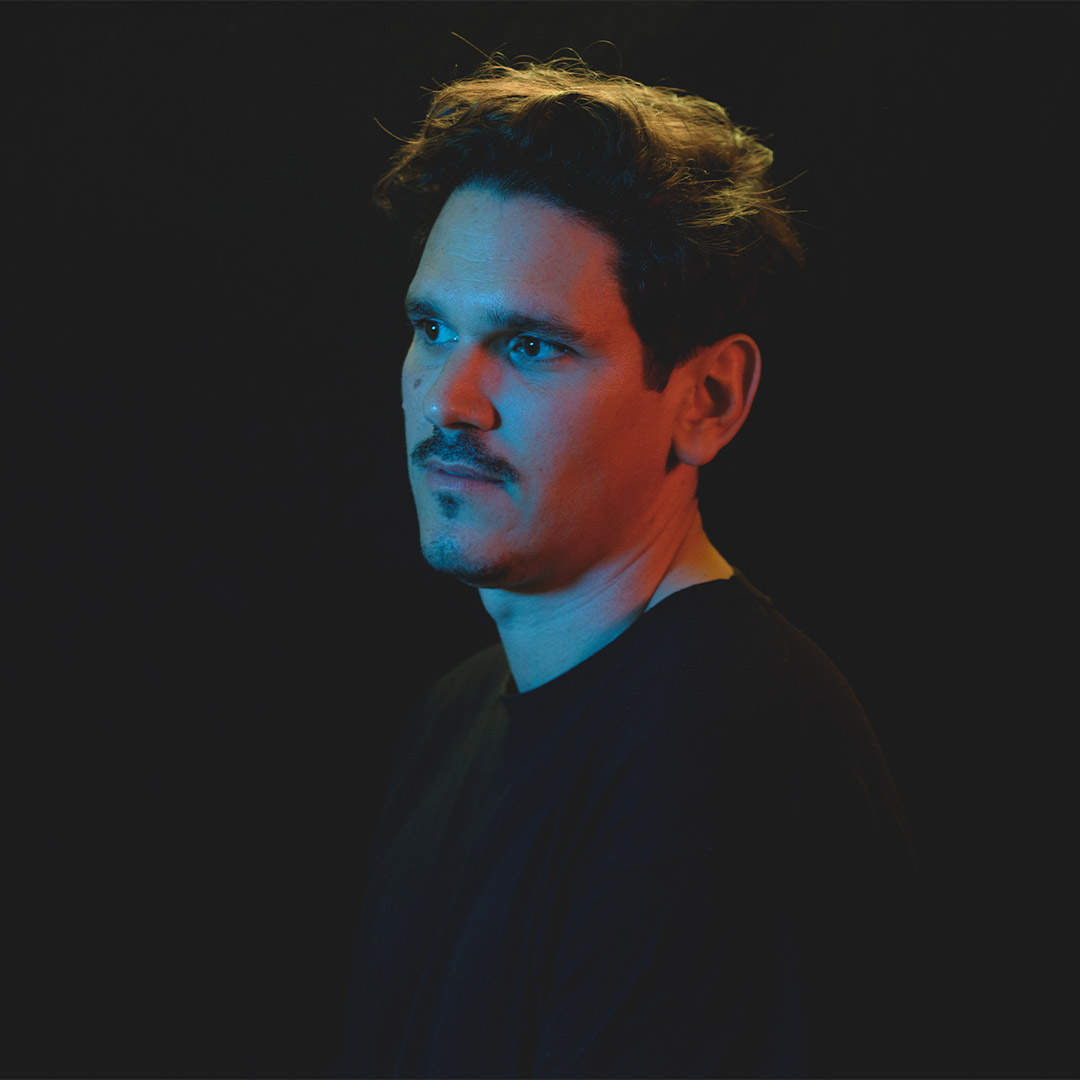
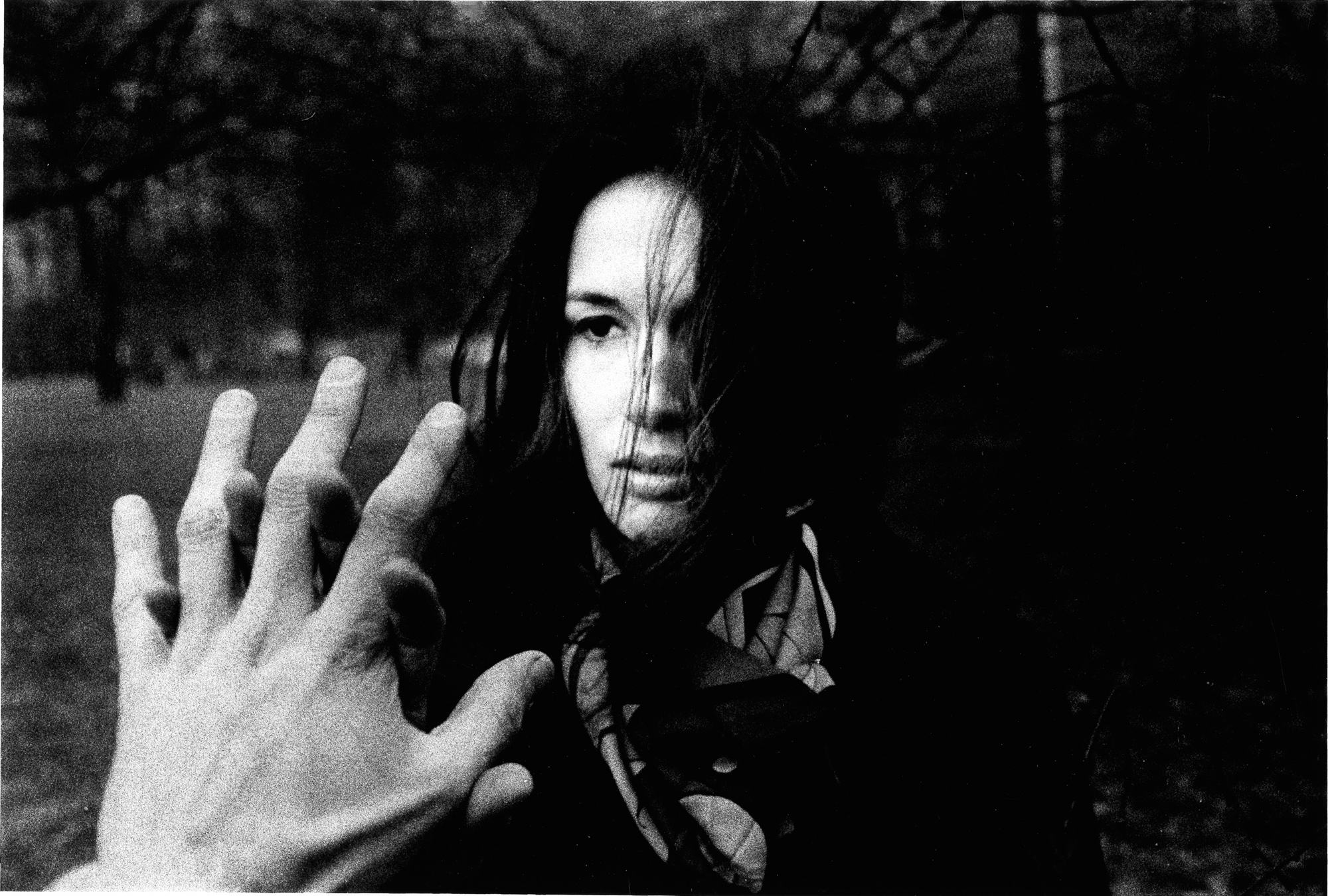
Ralph Gibson, one of the most celebrated American photographers of our time, spent 50 years in the darkroom before digital photography became part of his practice. His career had been shaped by film and by a refusal to be categorized, making the move to digital less a simple change of equipment than a shift in how he could continue working.
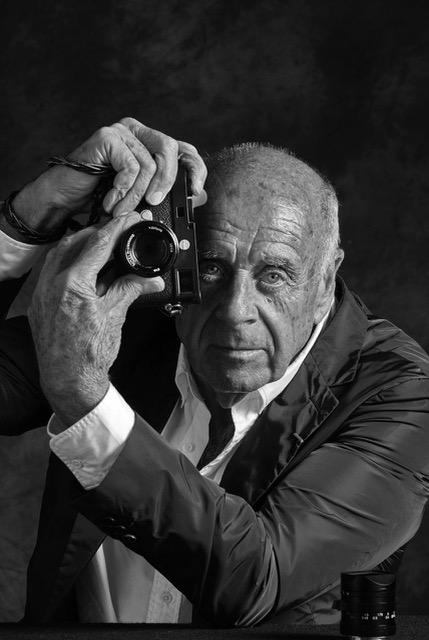
Ralph Gibson by Bob Tursack
In this conversation with MPB, Gibson reflects on working with Leica, moving from film to digital, the importance of originality, and what it means for one of his own cameras to begin a new chapter in someone else’s hands through MPB and Bling Magazine.
The camera that made the move to digital possible
For Gibson, who had spent a lifetime working with film, the move to digital didn’t seem a realistic option, nor did it appeal to him at first. Then Leica sent him a prototype of the M Monochrom in 2012.
What was it about the Leica M Monochrom that changed your mind about digital photography?
I had spent fifty years in the darkroom, so I wasn’t going to go digital. When Leica came to my studio to propose my signature Monochrom, I told them I wasn’t interested. I was leaving for a big show in Australia, but they sent a prototype anyway. While I was there, a man named Dave asked me about digital, and I gave him my prepared line: the history of photography has been etched into the emulsion of black-and-white film, and digital will resist the epic pursuit. Then I came home, and on my desk was a FedEx box from Germany, a Monochrom with my name on it. Coming out of my therapist’s office, I saw a manhole cover, a bicycle came into the frame, and I shot. I looked at the back of the camera and thought: that could have been taken by me. I got my look on the very first touch of the finger. I decided to run with it, and I haven’t loaded film since. It was my last great decision. The camera understood how I see, and I knew I had nothing to lose.
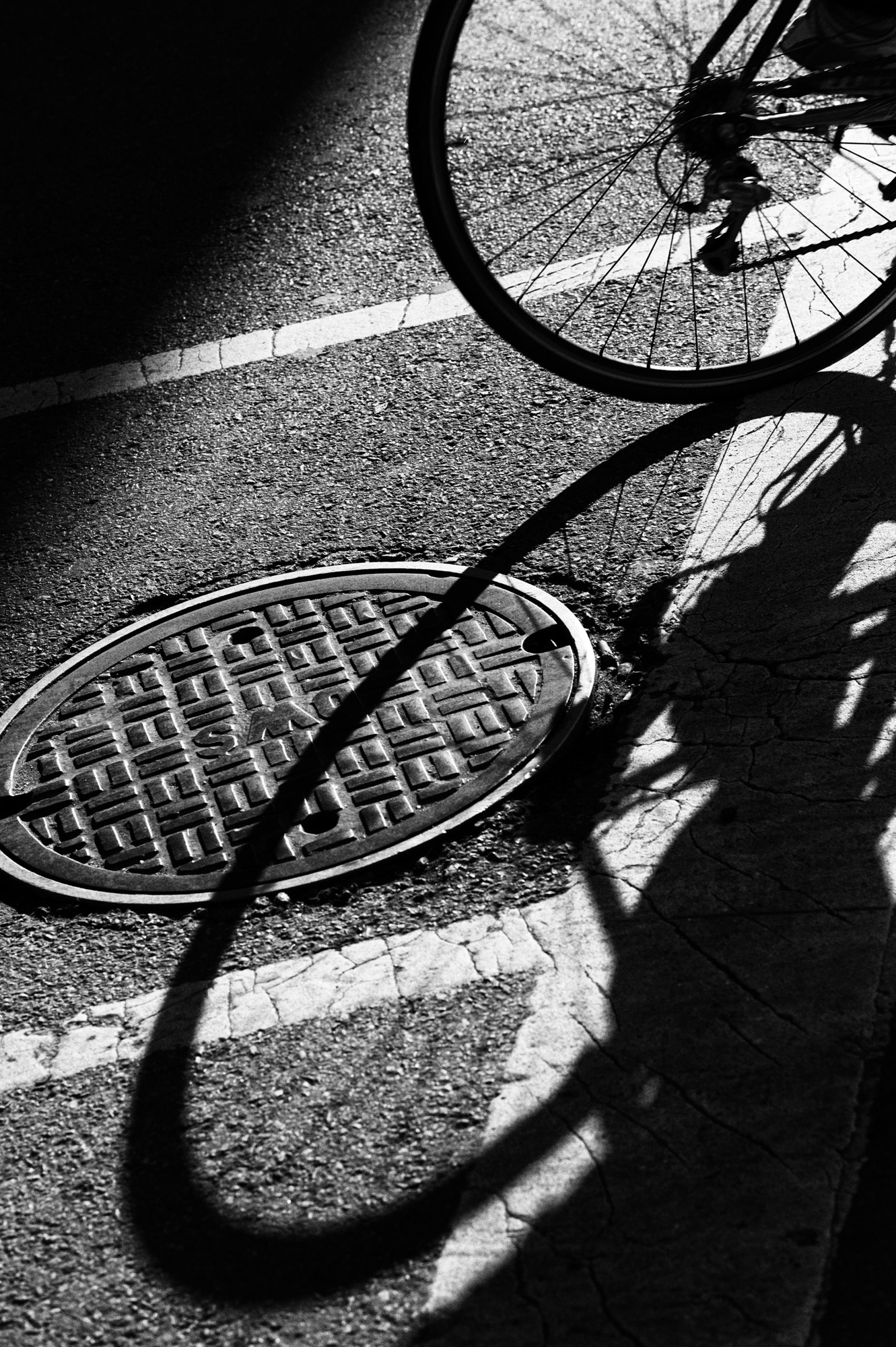
Ralph Gibson | Leica M Monochrom | 2012
That first encounter with the Monochrom didn’t simply change Gibson’s gear. It changed the scale and pace of what he’d create next. In fact, digital allowed him to discover a whole new photographic language at a later point in his career.
You’ve described that shift as a kind of reinvention. What did digital photography open up for you creatively at that stage in your career?
I believe in the language of digital. Digital compresses, and I love that compression. Everything touched digitally is compressed: communications, banking, the internet, cinema, music. So I study digital the way I study French; it’s my new vocabulary, and it gets me out of bed in the morning. I have no nostalgia for the past, but I have an enormous nostalgia for the future, and I want to know how things are going to be. Practically, it set me free. Since 2012, I’ve made one or two books a year and many large exhibitions; I’d need ten assistants to process all that film, and at my age, I’ll never again spend two days on my feet in the darkroom over a single negative. The most recent picture I sent you is exactly where I see myself now. I was turning eighty-seven when I made it, and digital is a large part of that.
Is there anything you still miss about film?
Honestly, very little. I won’t romanticize two days on my feet in the darkroom over one negative. What I kept from film is a way of relating to the materials. When I was young, the films were slow, and you mixed your developer from powder, which was a much more organic approach. I could imagine the light settling onto the emulsion, the silver grains swelling as I developed. We even had terms (sharpness, acutance) for the character of the edge between one thing and another, and a Monochrom sensor renders that edge differently than a full-color one. But if your whole picture depends on that single quality, you should stay with film. I kept the instinct: I still want the sensor to respond to me organically. The chemistry I let go.
Originality as a constant
Gibson has worked across different tools and media, using photography as a continuous exploration of visual language. The publication of The Somnambulist in 1970 marked a turning point in his practice, moving beyond photography’s documentary traditions towards something more subjective and symbolic. Across those changes, his work has remained recognizably his own.
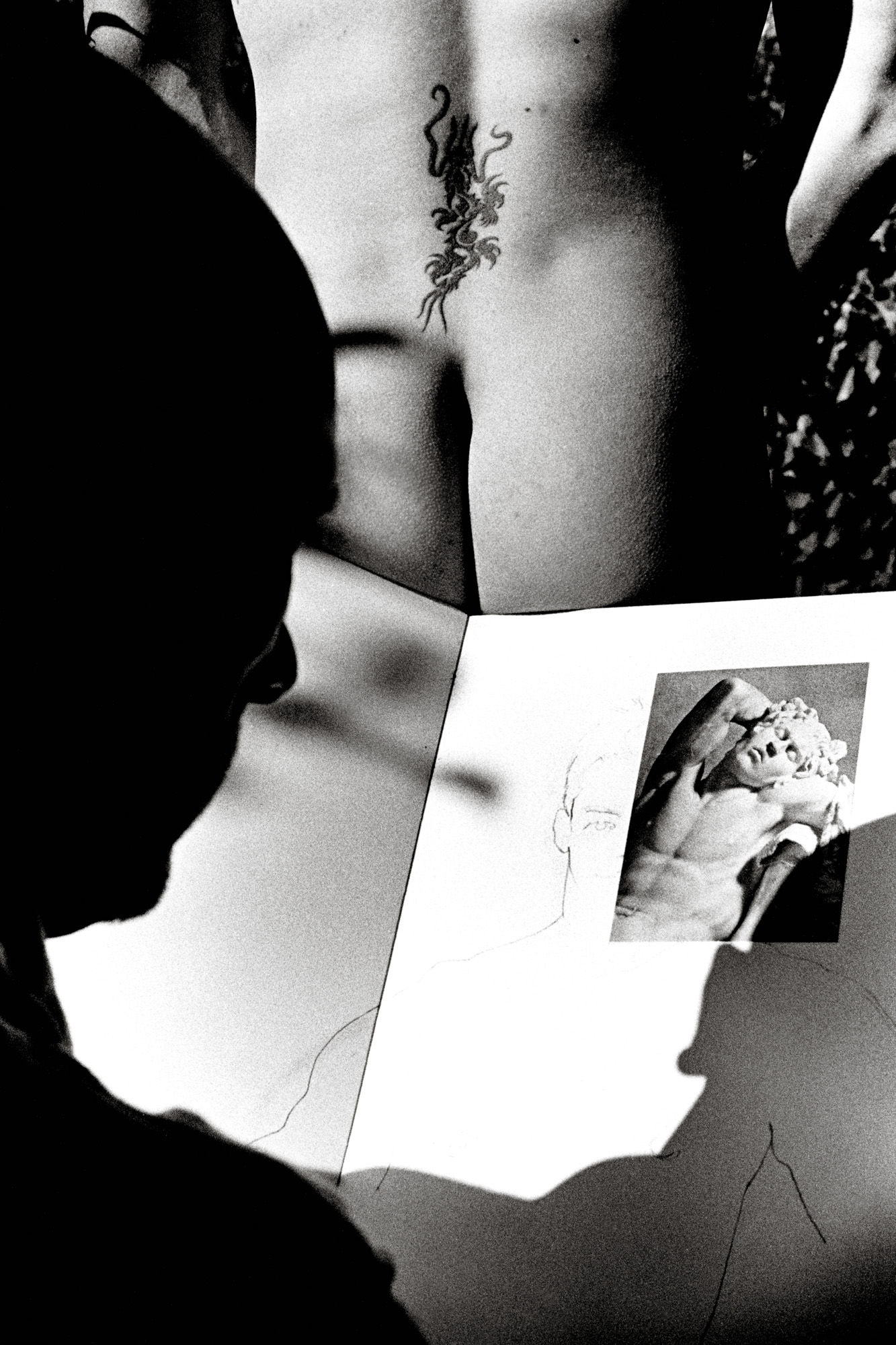
Ralph Gibson | Leica | 2012
When you look back at your career, what has stayed constant in the way you see, even as the tools have changed?
Originality. I started as a photojournalist—I assisted Dorothea Lange, I assisted Robert Frank, I was briefly in Magnum—and from them I learned the importance of originality above everything. I never wanted to belong to any movement, any école, any ism. I refuse to be categorized by design. Beneath that, there’s a method. Reading Valéry on Mallarmé, I understood that his purity was the ability to apply the same set of protocols to a constantly changing set of conditions. That’s what I do, and it’s how people recognize my work even when they’ve never seen the picture before. I’m a formalist: my photographs are always immediate but premeditated, and almost everything I shoot is destined for the page. None of that has changed, no matter which camera’s in my hands.
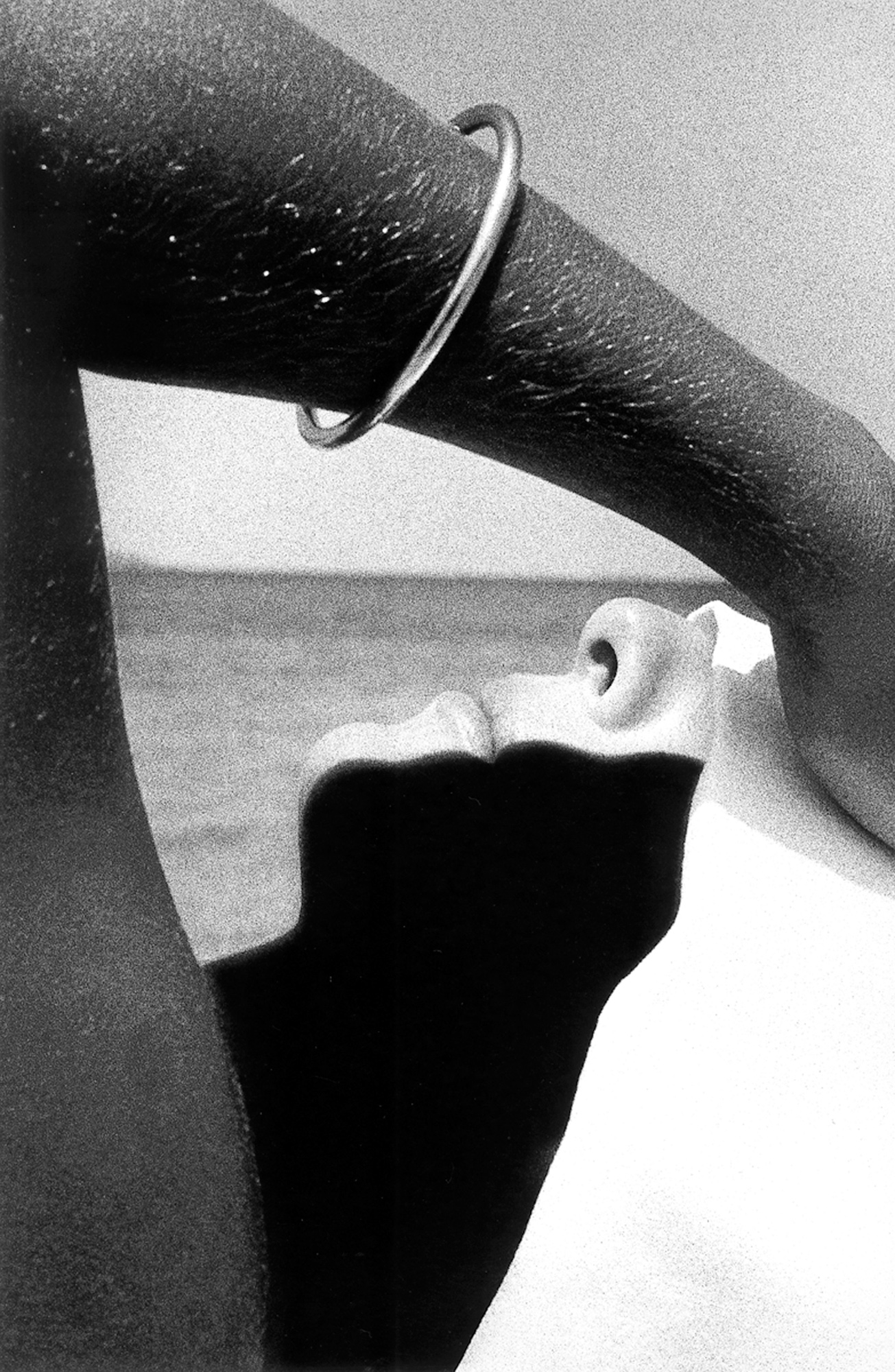
Ralph Gibson | Leica, shot with 35mm film | 1983
What still excites you about making photographs now?
The future excites me, and I want to see how everything plays out. After seventy years of work, I’ve finally reached a level where I can work directly with ideas, with the things I actually want to do, and that’s thrilling. The work is always better than the worker; the photograph is better than the photographer. Otherwise, why do it? I’m still learning from my own work, and I’m only as good as my next picture. Kertész, whose studio was two blocks from mine, photographed into old age with his SX-70, saying he saw new things every day. Lately, what moves me most is observing the dialogue of forms among themselves, without my interruption. I’ll sit in the Tuileries reading Proust, turn around, and there it is: a chair, a thing in a shed, nothing, really, but it carries the whole essence of the place, and I can sense the tension in it. That’s what still gets me out of bed.
Leica, a constant companion
Gibson first began working with Leica in 1961, at a point when his photographic language was still taking shape. The M2 belongs to the early part of that story, before the books and before the visual language that would make his work recognizable.
Your relationship with Leica began with the Leica M2 early in your career. What made that first camera so formative, and did the discipline of the Leica M system help you discover your own visual language?
I’ve worked only with Leica since 1961, so the camera has been in my hands for more than sixty years. People ask how the restraint of the Leica—the manual focus, the absence of distractions—shapes the pictures, and my honest answer is: in no way whatsoever. After all these many years, asking that is like asking how the way you hold your knife and fork affects the taste of the food. The instrument has become completely internal. There is, of course, the mystique, so many photographers we admire have used it, and that’s aspirational; I played tennis for forty years with the same racket Federer used. But that’s as far as I take the romance of the object. The real question, for anyone serious, is whether the camera informs how you see or you inform the camera how you see. The discipline that mattered was carrying it every single day, even when I don’t shoot—the way a guitarist practices to keep his hands. That daily rapport is where a visual language comes from.
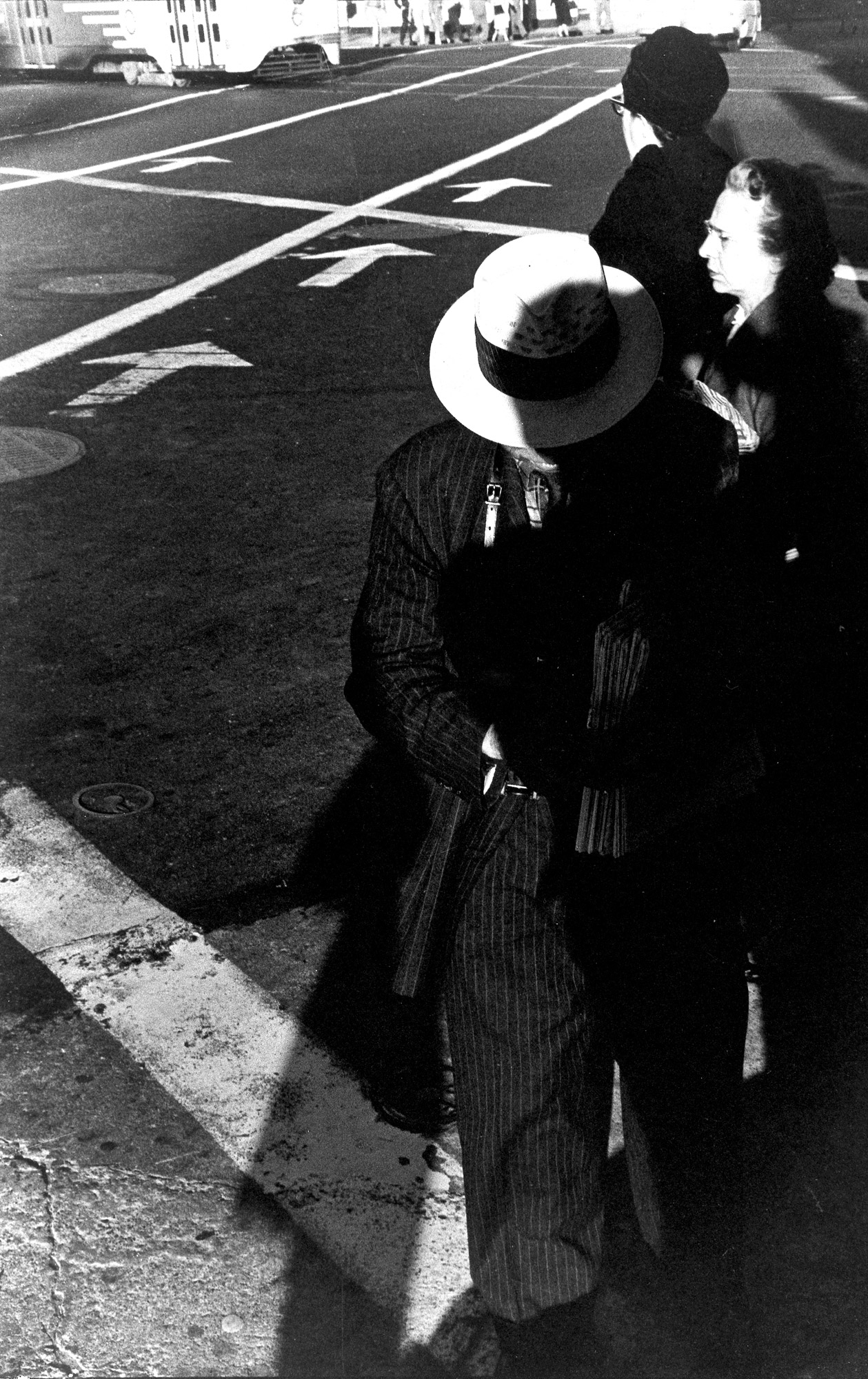
Ralph Gibson | Leica M2, shot with 35mm film | 1961
Guidance for a new generation of photographers
Today’s photographic world is very different from the one Gibson came of age in. Photographers now enter the medium through a different set of tools, taking, editing, and sharing images almost instantly. In that landscape, developing a visual language that feels truly your own becomes a more urgent question.
What do you think younger photographers misunderstand most about finding their own visual language?
They mistake technology for expression. In my TED talk, I said that the same technology that made everyone a photographer makes everyone’s photographs look the same. When Photoshop arrived, the first thing you saw in people’s pictures was Photoshop. You saw the tool before the image. Even on a Leica, if you get too good at the exposure settings, the picture starts to look like an iPhone filter. Technology is not in charge of my expression, and it shouldn’t be in charge of theirs. When I get a new camera, I never read the manual. I reinvent it to suit my own requirements. The only thing I really have to offer anyone is that whatever I achieved came from trying to be original. Experience converts into courage.
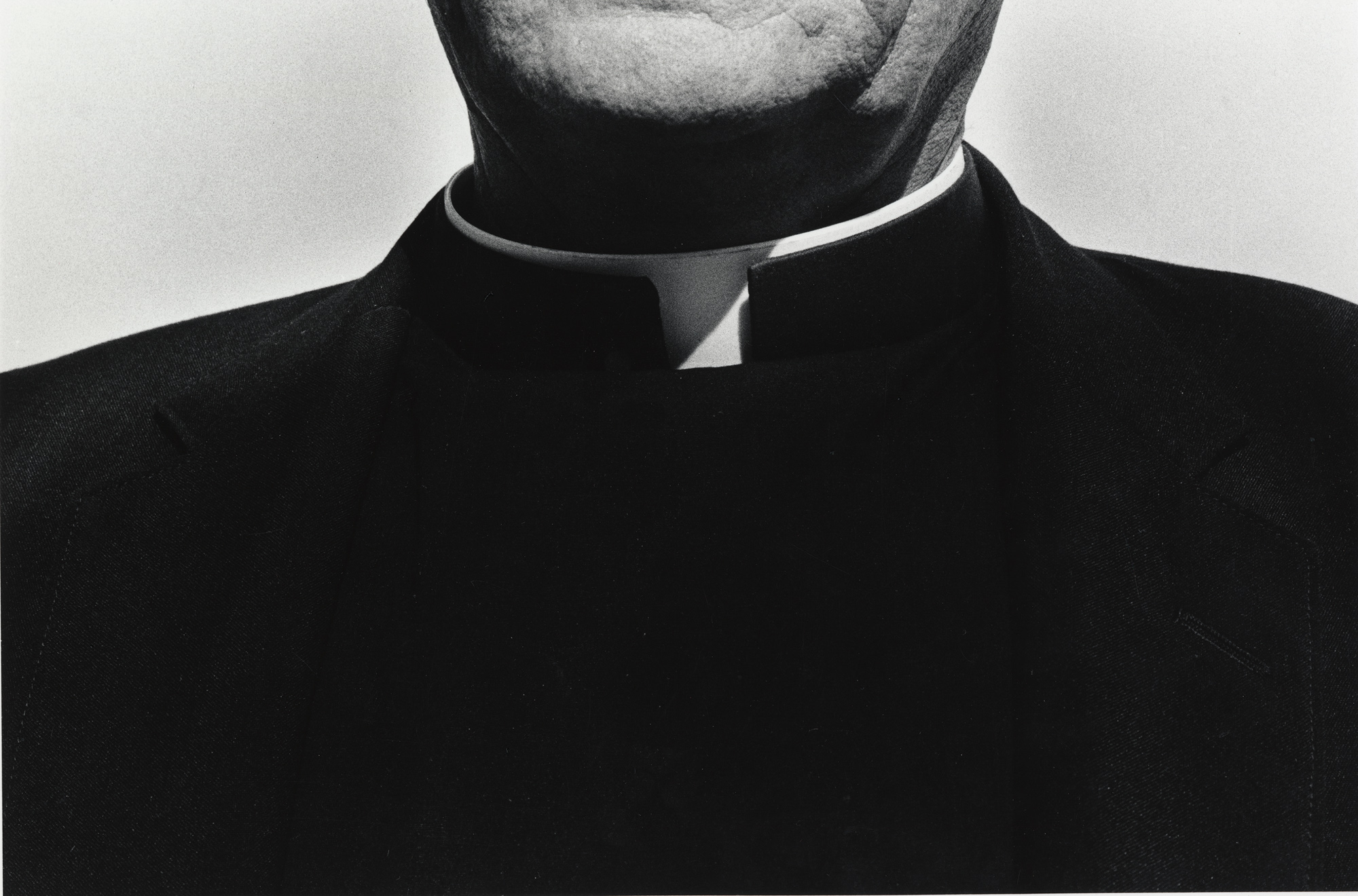
Ralph Gibson | Leica, shot with 35mm film | 1975
His camera in new hands
In MPB’s giveaway, Gibson’s Leica M Monochrom (Typ 246) becomes a point of exchange between one photographer’s practice and another’s. More than a camera changing hands, it suggests a creative handover: a tool shaped by one way of seeing, now ready to be explored by someone else’s.
What does it mean to you that this Leica M Monochrom (Typ 246) from your own photographic journey is now being passed on to another photographer?
I owned this camera and used it while it was state of the art, so it carries a real stretch of the road I’ve traveled. What I want to go with is simple: whatever the next person does, try to be original. I feel a responsibility to share what I know, because I’ve worked a long time and the medium has been extraordinarily good to me. We added something personal to the prize, too: a print from 1996, signed and numbered on the back. So it’s a meaningful camera leaving my hands and beginning another chapter with someone else, and that’s exactly as it should be.
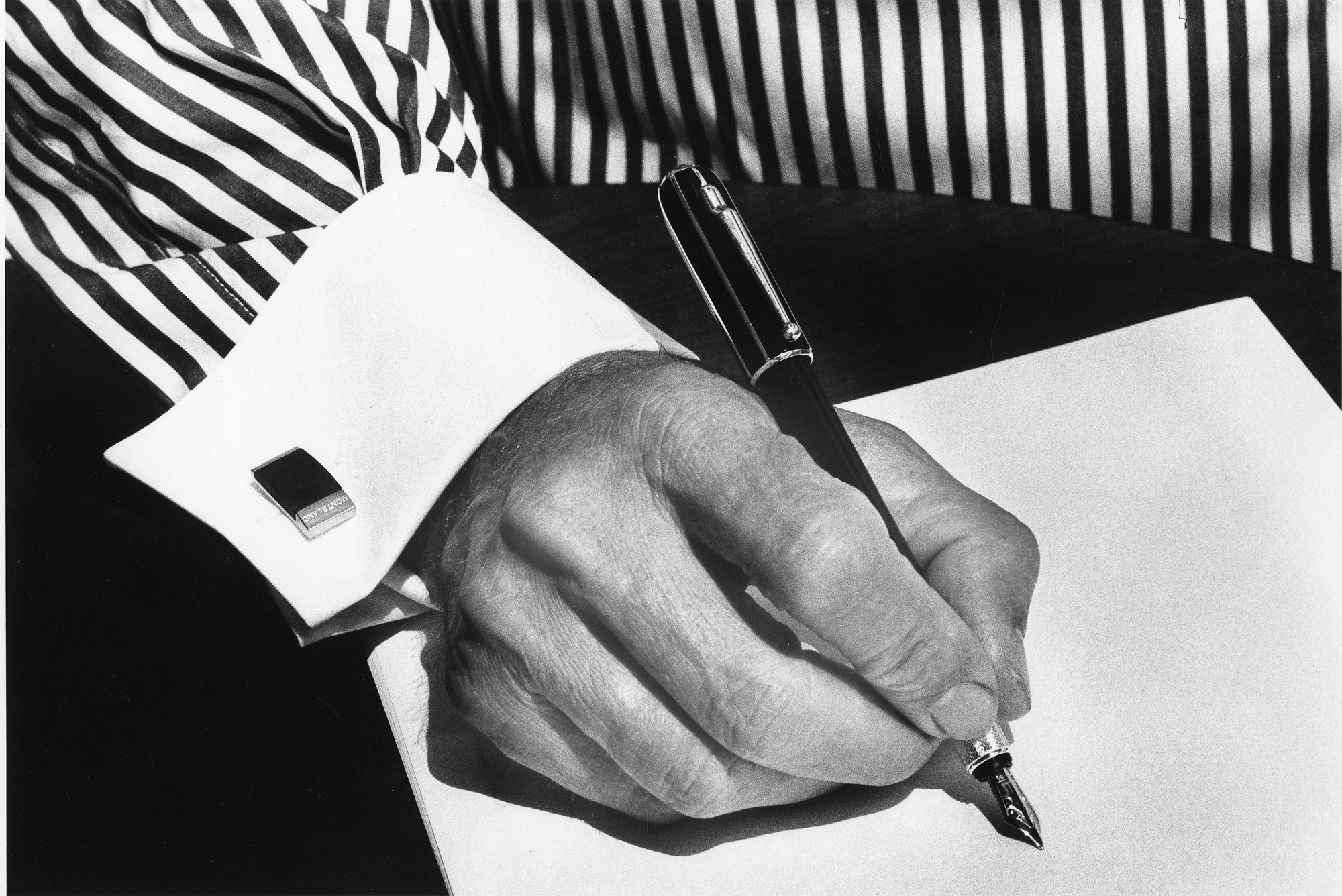
Ralph Gibson | Leica | 2014
Do you have a favorite photograph shot with this specific Leica M Monochrom (Typ 246)?
I tend not to single out one picture, and I should be honest about why: I’m attached to the results, not to any particular body. But I have a vivid memory tied to this Monochrom. I could use all my Leica lenses with it, and it shot both stills and video. I ran a workshop in San Francisco where I had five models and a long lens and photographed them moving, on video, and my students sat there wondering why they hadn’t thought of it. As for naming a single favorite frame, I don’t do that. I never explain my photographs; they’re there for the viewer to do with as they wish. A truly good photograph is the definition of something otherwise undefinable, so what good are words?
What do you hope the next photographer discovers through this camera?
That the camera is only the beginning of the question. I hope they discover whether the camera informs how they see, or whether they inform the camera—because everything serious follows from that. I hope they carry it every day, even when they’re not shooting, so their hands keep a rapport with it the way a musician practices: a visual language is built in that daily practice. I hope they stop waiting for the great event. I never wait for it; my pictures are immediate but premeditated, found by studying the world closely enough to recognize the picture when its corner appears. I hope they learn from their own work, because you learn the most from your mistakes. And, above all, I hope they own it: all the credit, all the blame. In today’s era of AI, that matters more than ever.
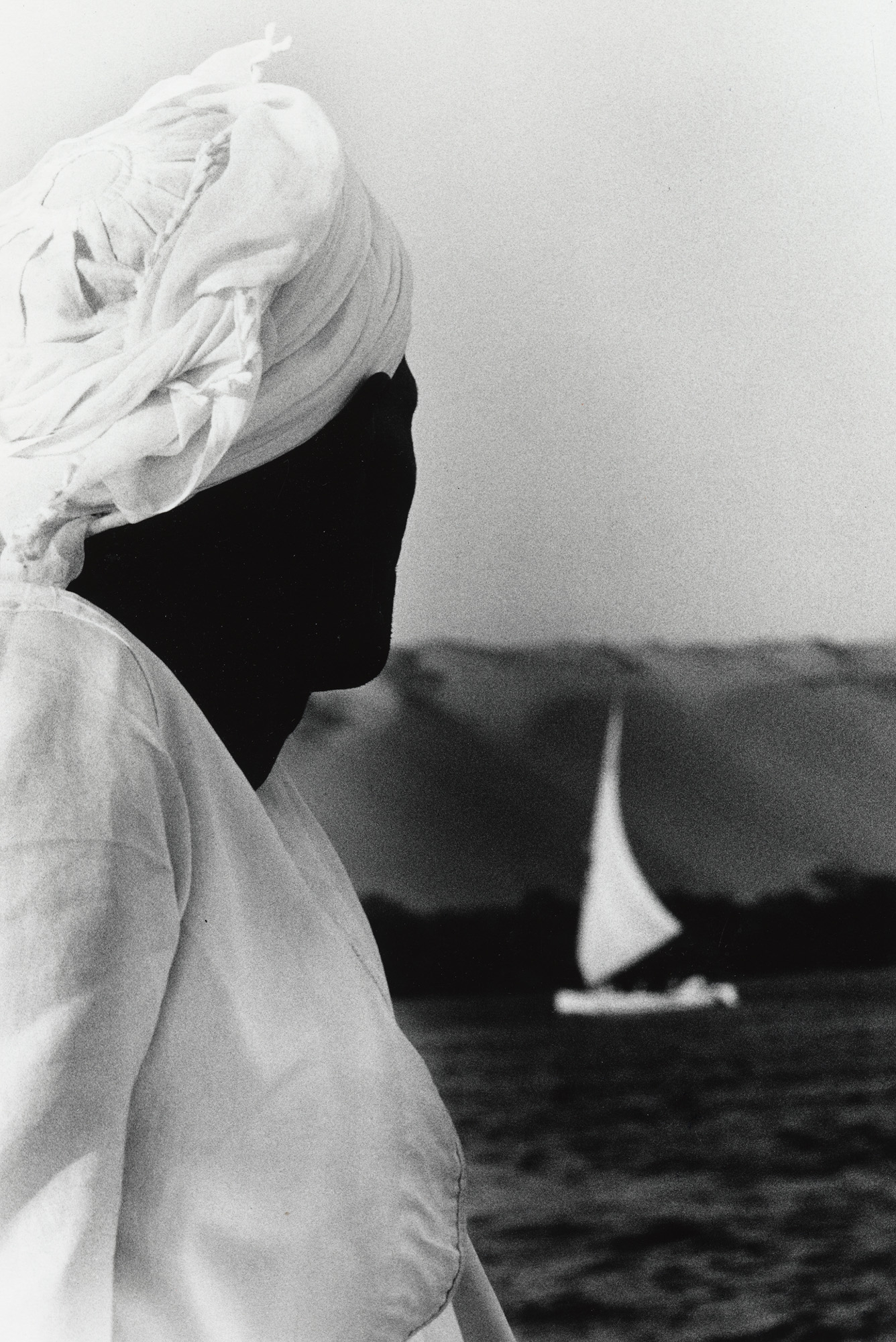
Ralph Gibson | Leica, shot with 35mm film | 1989
In Gibson’s hands, the Leica M Monochrom became part of a practice shaped by attention, instinct, and the refusal to repeat what already exists. Now, in someone else’s hands, it becomes something open again: a camera with history behind it, and another body of work still ahead.
You can sell or trade your camera gear to MPB. Get a free instant quote, free insured shipping to MPB, and get paid within days.