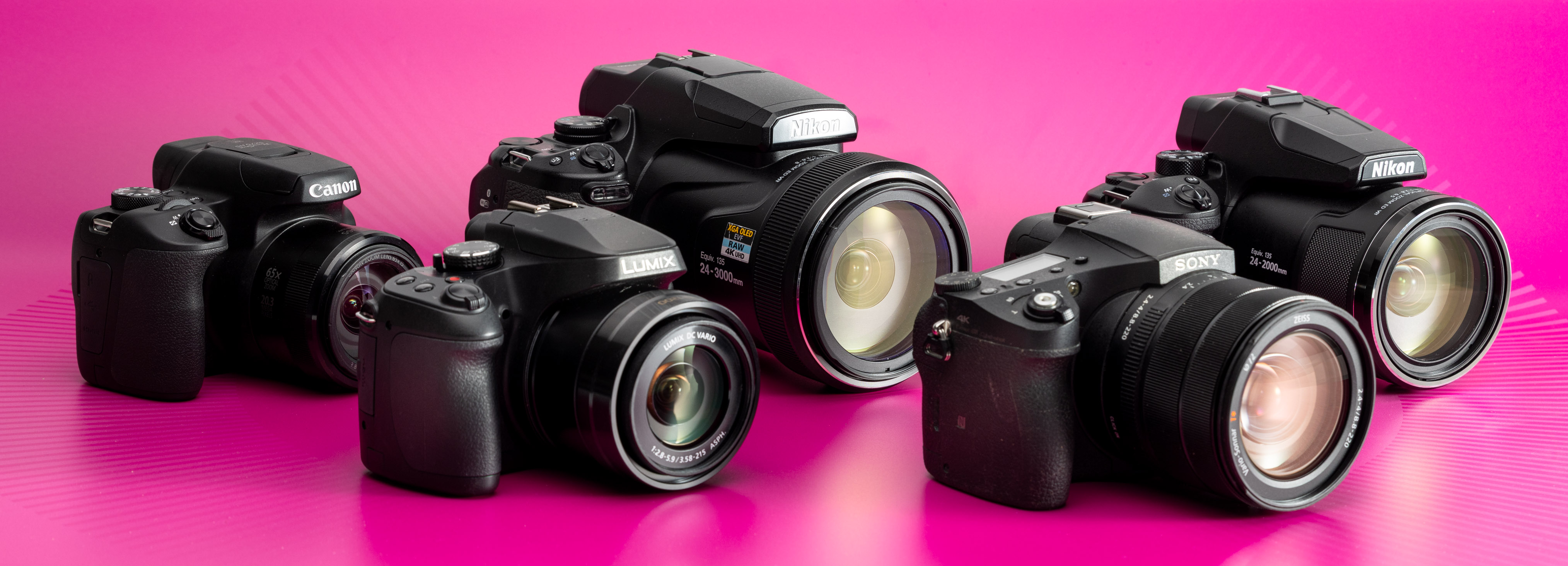
Best Bridge Cameras in 2026
Published July 3, 2026 by MPB
If you're looking for a camera that can handle everything from wide landscapes to distant wildlife without swapping lenses, a bridge camera is hard to beat. These all-in-one cameras are easy to use and have impressive zoom ranges, making them ideal for travel, wildlife photography and everyday shooting.
In this guide, we've selected five models that really stand out to help you find the right fit for your budget and shooting style. These picks are based on the hands-on experience of MPB Videographers Joel Arias and Jakub Golis, who’ve spent years trying out and shooting with a wide range of bridge cameras. With additional images by Joel Arias and Connor Redmond.
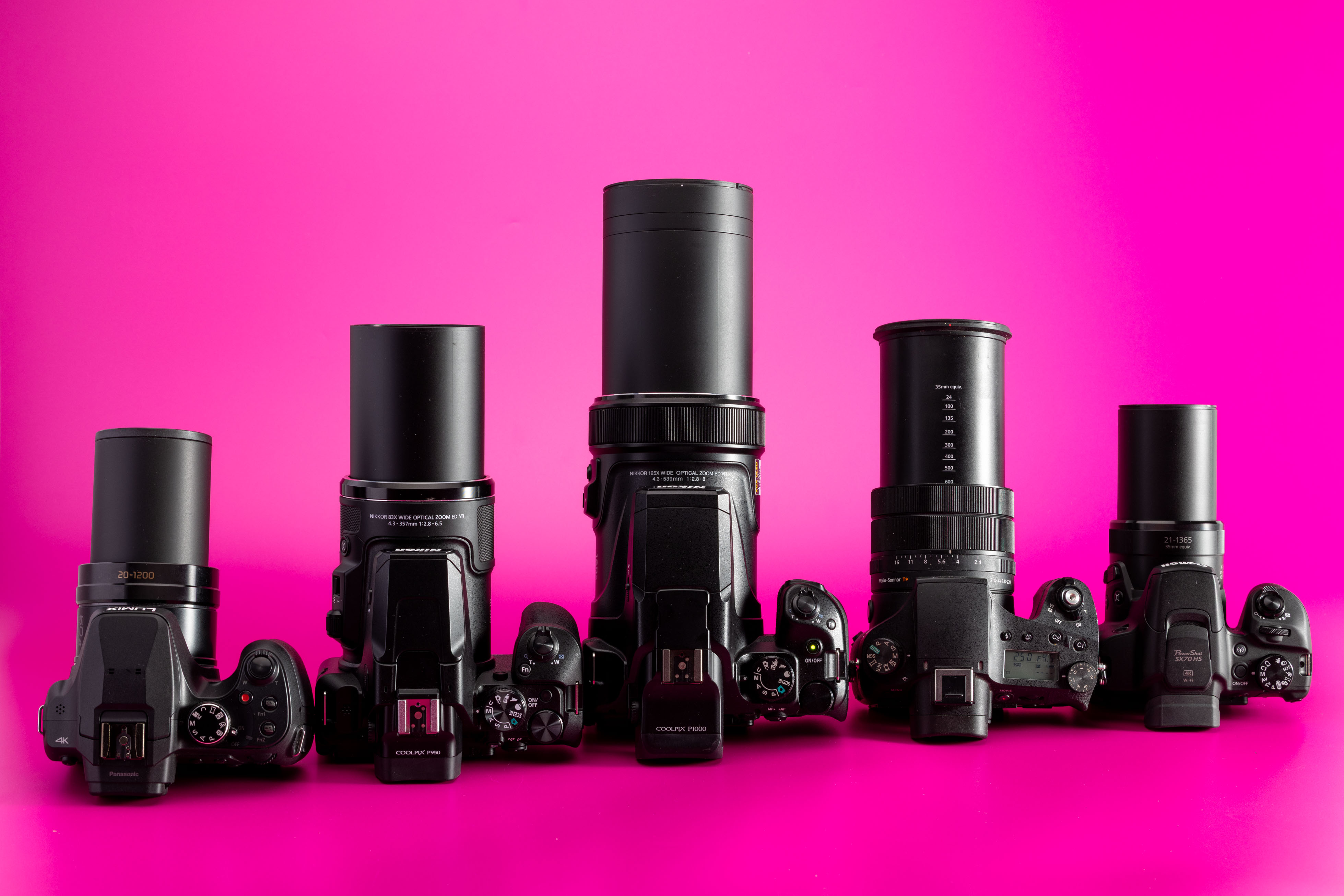
Used bridge cameras. From L-R: Panasonic Lumix DMC-FZ82, Nikon Coolpix P950, Nikon Coolpix P1000, Sony RX10 IV, Canon PowerShot SX70 HS.
What is a bridge camera?
A bridge camera is a fixed-lens model with an extended zoom, designed to (quite literally) "bridge" the gap between compact cameras and interchangeable-lens models like mirrorless cameras and DSLR cameras.
Bridge cameras have very powerful zooms in a single lens, manual controls and, when compared to more complex cameras, are pretty simple to use. They're an ideal choice if you're looking for versatility without having to manage multiple lenses, which can be a headache.
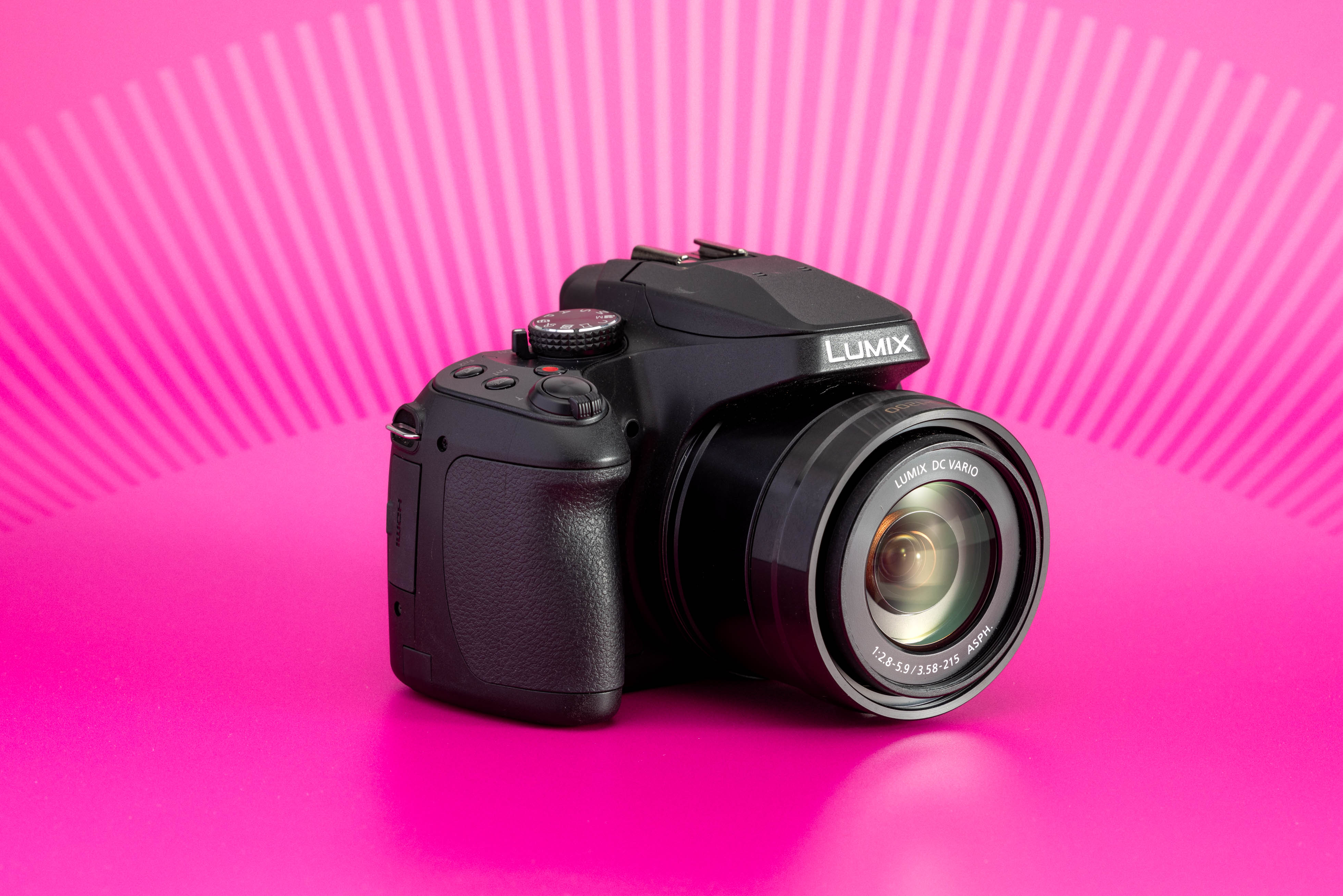
Used Panasonic Lumix FZ82
Panasonic FZ82: Best low-cost bridge camera
Key specifications
Sensor: 1/2.3”
Zoom: 20–1200mm equivalent (60x)
Aperture: f/2.8–5.9
Video: 4K
Pros
Versatile zoom
Affordable used price
Easy to use
Cons
Small sensor
Limited low-light performance
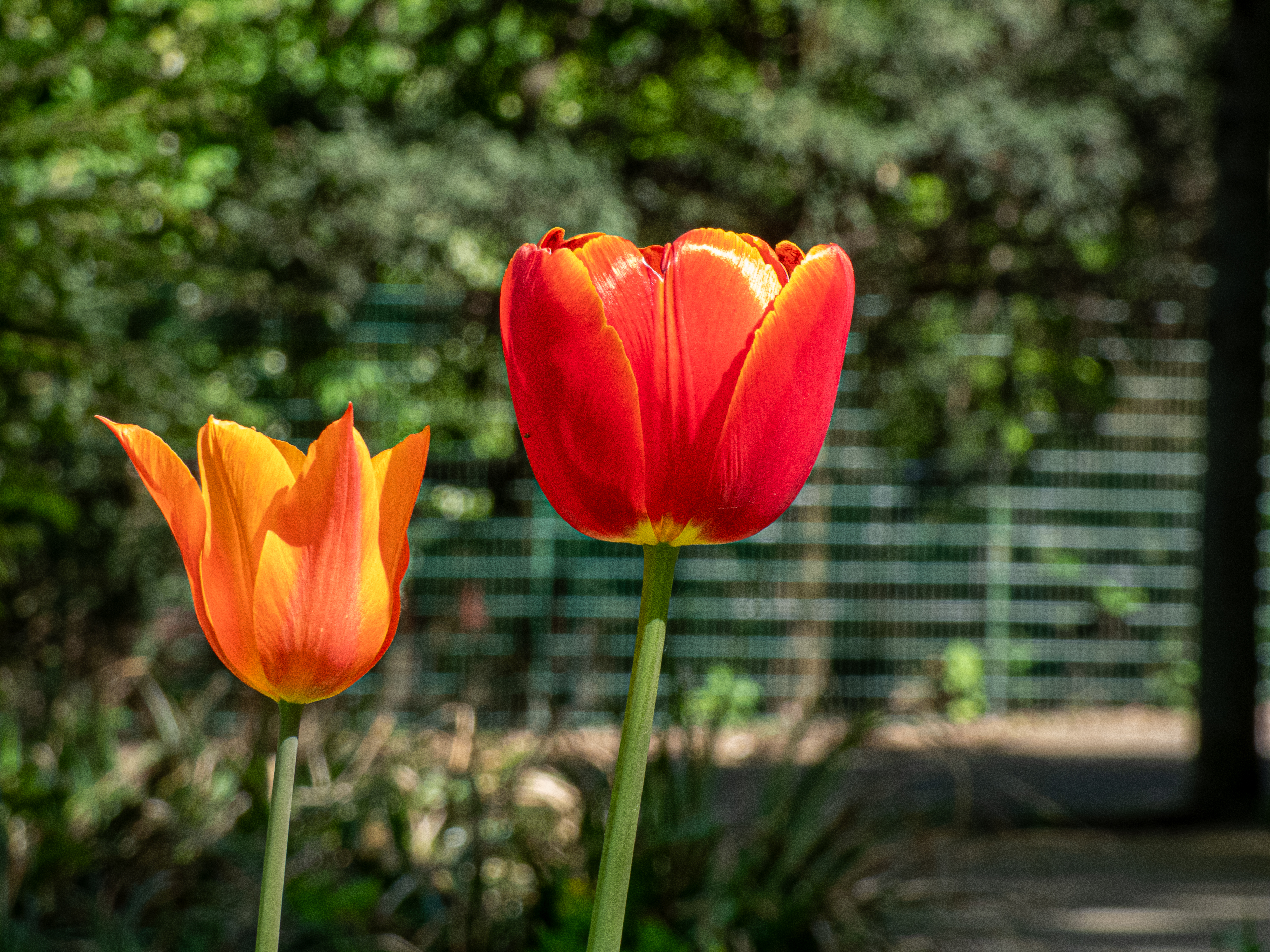
Joel Arias | Panasonic Lumix FZ82 | Fixed lens | 189mm | 1/80 | ISO 125
ThePanasonic DMC-FZ82 is one of the most straightforward bridge cameras to use, and its simplicity is its main strength. It's designed for those who just want to get started, with a 60x zoom that lets you switch quickly from wide landscapes to distant subjects.
Sure, it has some limitations, too: the small sensor will affect image quality, especially in low-light conditions or when zooming to longer focal lengths. It's a camera designed for practicality and immediacy, so if you're looking for outrageously high performance, we'd recommend alternatives on this list.
The DMC-FZ82 is the ideal choice for anyone moving on from their smartphone or compact camera and looking to take their first step into photography with something simple. It's an everyday companion.
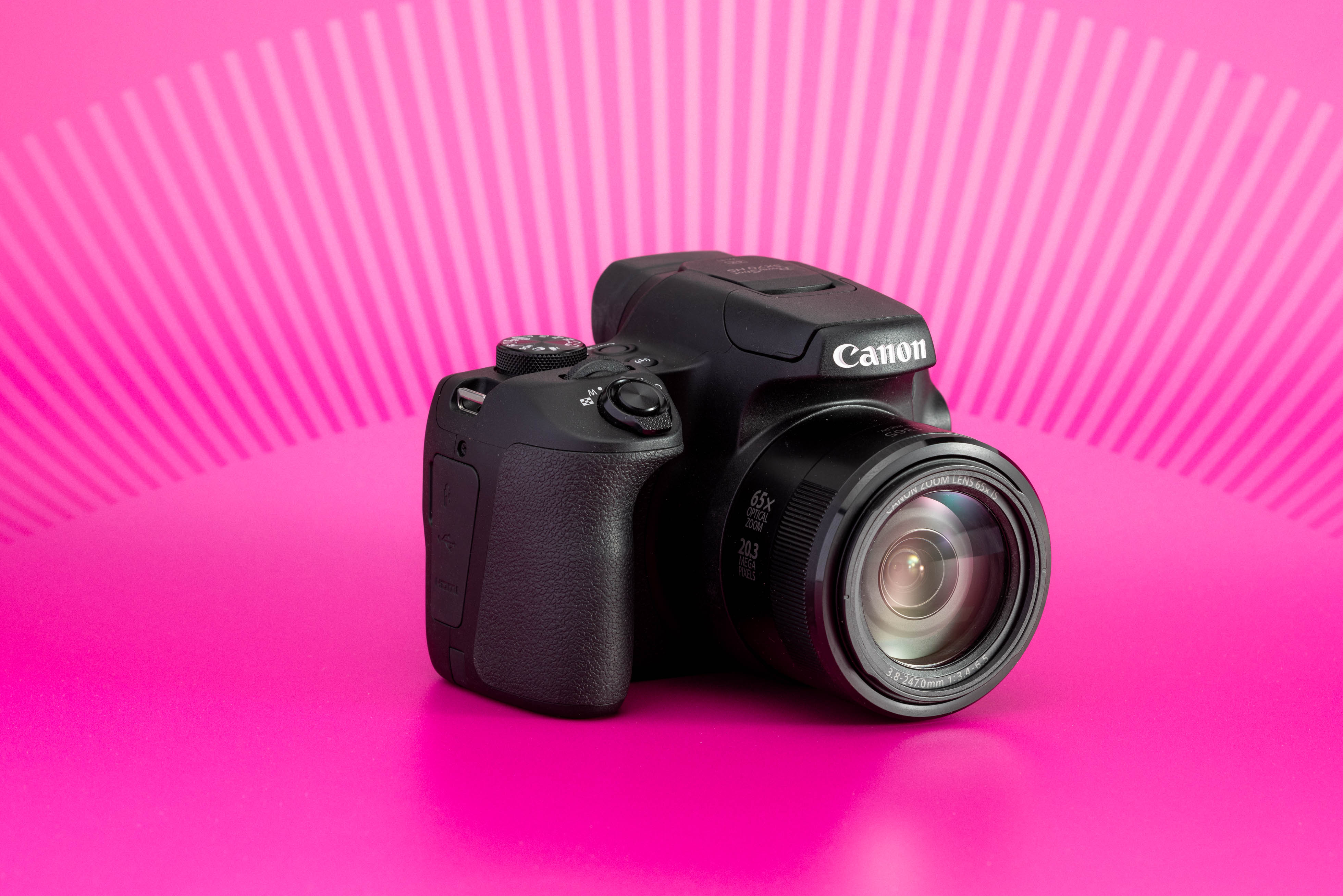
Used Canon PowerShot SX70
Canon PowerShot SX70 HS: Best travel bridge camera
Key specifications
Sensor: 1/2.3”
Zoom: 21–1365mm equivalent (65x)
Aperture: f/3.4–6.5
Video: 4K
Pro
Great versatility
Lightweight body
Good ergonomics
Cons
Limited dynamic range
Small sensor
The Canon SX70 HS sits right between entry-level cameras and more advanced models, giving an interesting balance of performance and ease of use. With its 65x zoom and relatively lightweight body, it's a camera designed to accompany you on your travels or everyday photography, without being bulky or complicated.
How easy it is to use is another of its strong points. The interface is intuitive, the ergonomics are well-designed and everything is made to be accessible even to those without much experience. At the same time, it maintains enough manual control if you're looking to start experimenting and growing.
There are some trade-offs, particularly in low-light conditions and scenes with high contrast. Even so, it's still the camera we'd recommend if you're after a flexible, do-it-all option that won't require you to invest in extra add-ons.
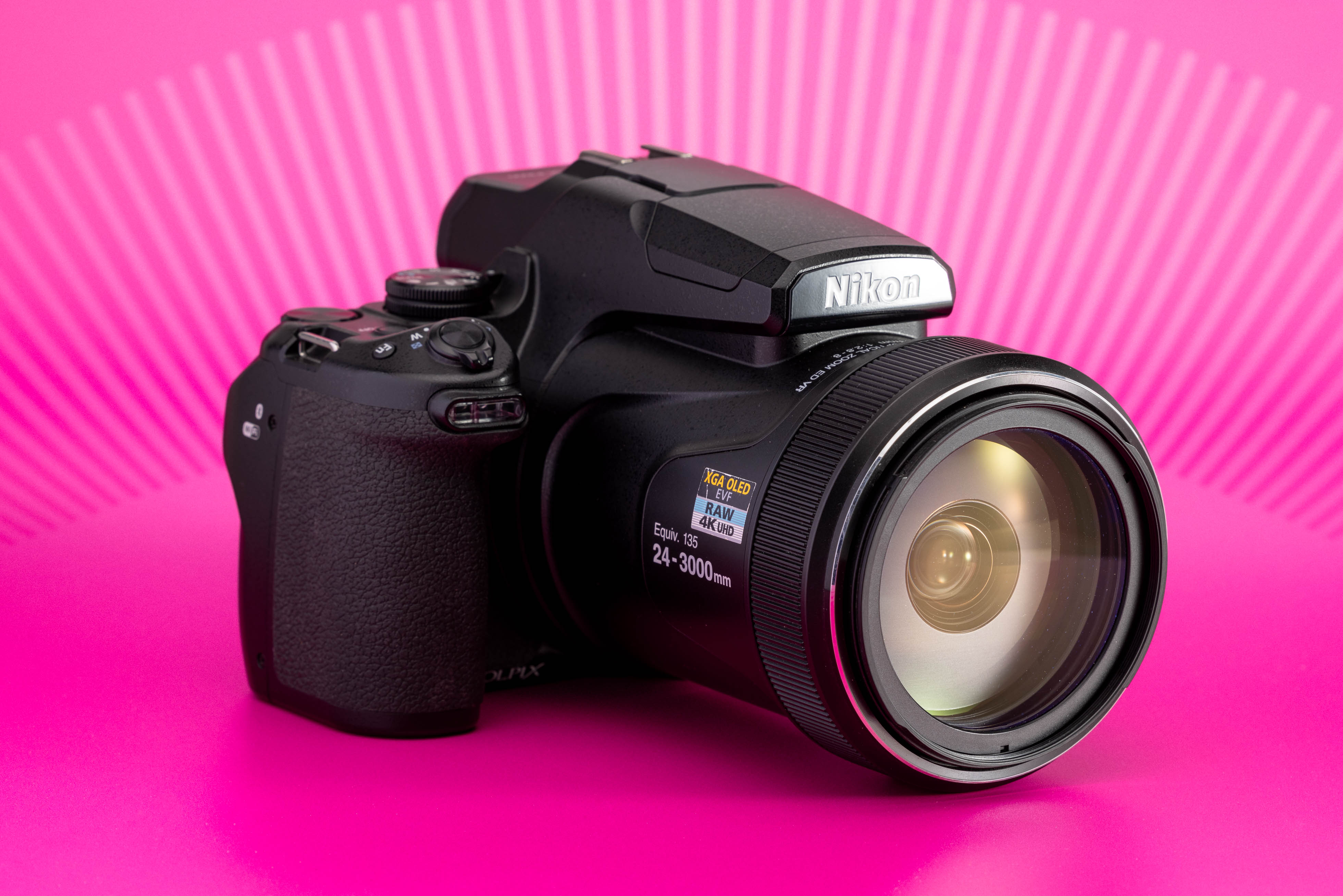
Used Nikon Coolpix P1000
Nikon Coolpix P1000: Best superzoom
Key specifications
Sensor: 1/2.3”
Zoom: 24–3000mm equivalent (125x)
Aperture: f/2.8–8
Video: 4K
Pro
One of the most powerful zooms available
Ideal for extremely distant subjects
Effective stabilization
Cons
Large and heavy body
Limited quality compared to larger sensors

Joel Arias | Nikon Coolpix P1000 | Fixed lens | 144mm | 1/1000 | ISO 100
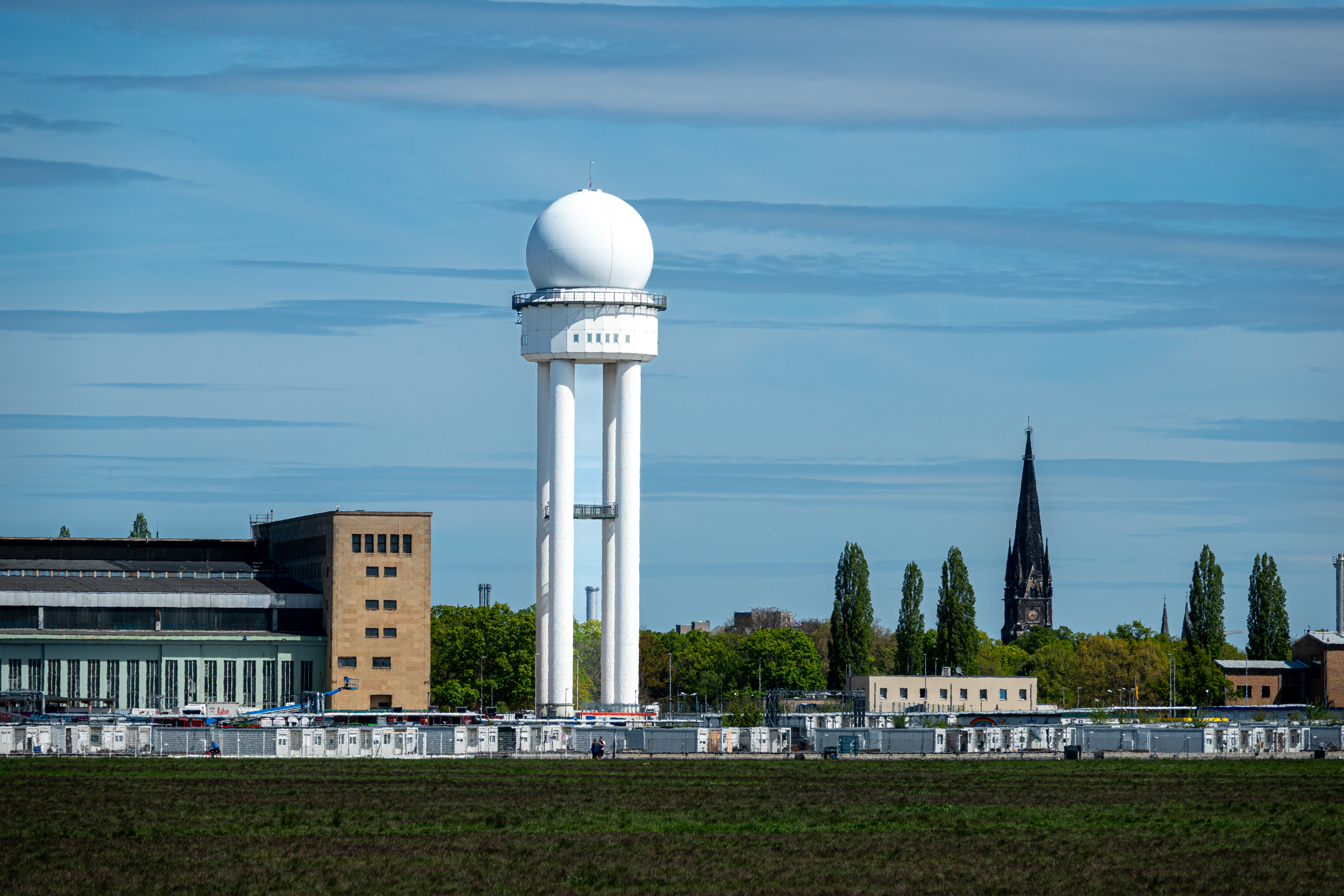
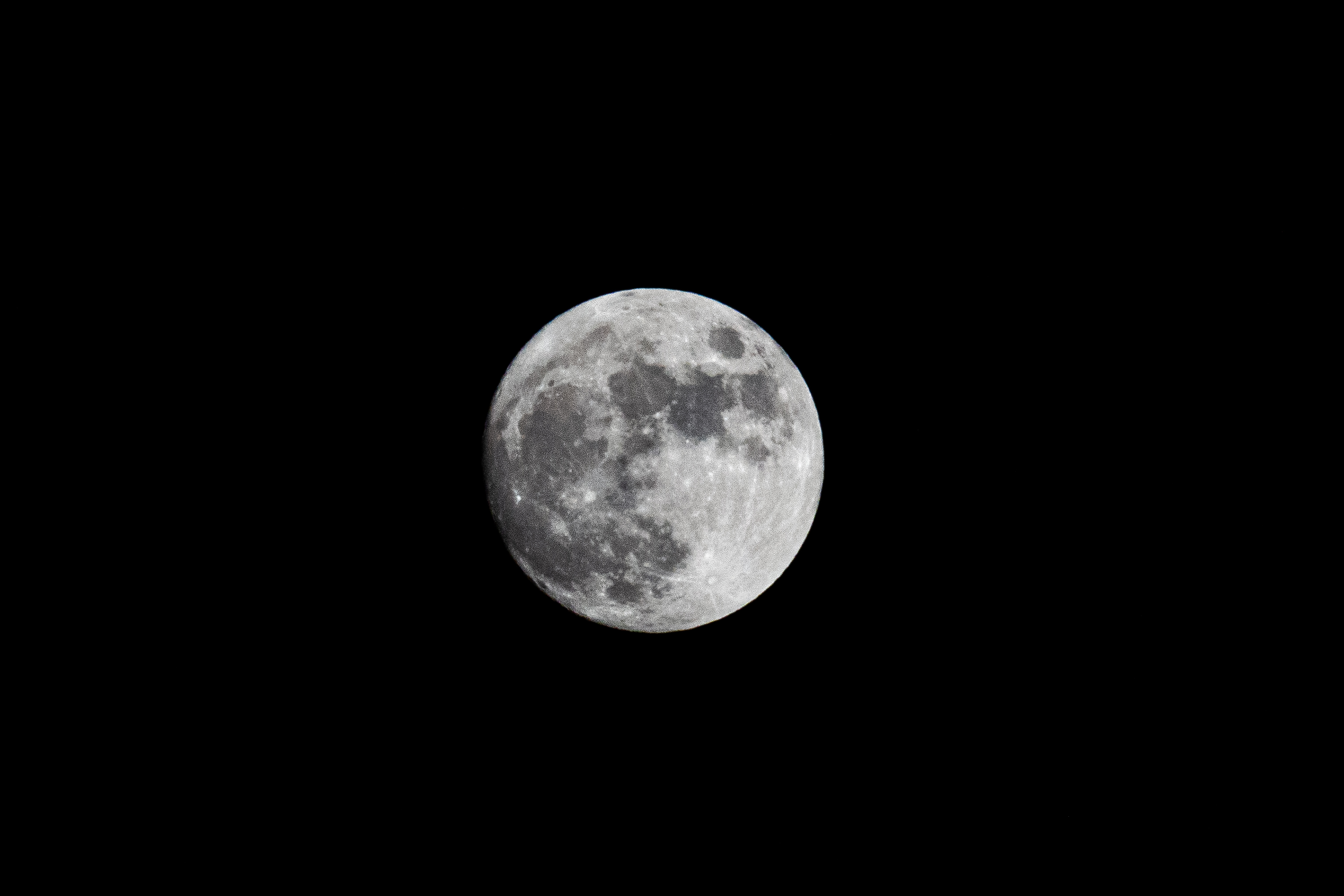
The Nikon P1000 is unlike almost any other camera on the market. Its remarkable 125x optical zoom, equivalent to 3000mm, lets you photograph subjects that would be out of reach for most cameras, from distant wildlife and faraway architectural details to impressive close-up views of the Moon (yeah, really).

Joel Arias | Nikon Coolpix P1000 | Fixed lens | 125mm | 1/1250 | ISO 100
The trade-off for that extraordinary zoom range is that image quality isn't always consistent at the longest focal lengths. Photos can appear softer, with less fine detail than you'd get from a camera with a larger sensor. It's also a sizeable camera, and its bulky design can be inconvenient compared to more compact alternatives. For photographers who prioritize reach above all else, though, these compromises are worth it.

Joel Arias | Nikon Coolpix P1000 | Fixed lens | 170mm | 1/8 | ISO 100
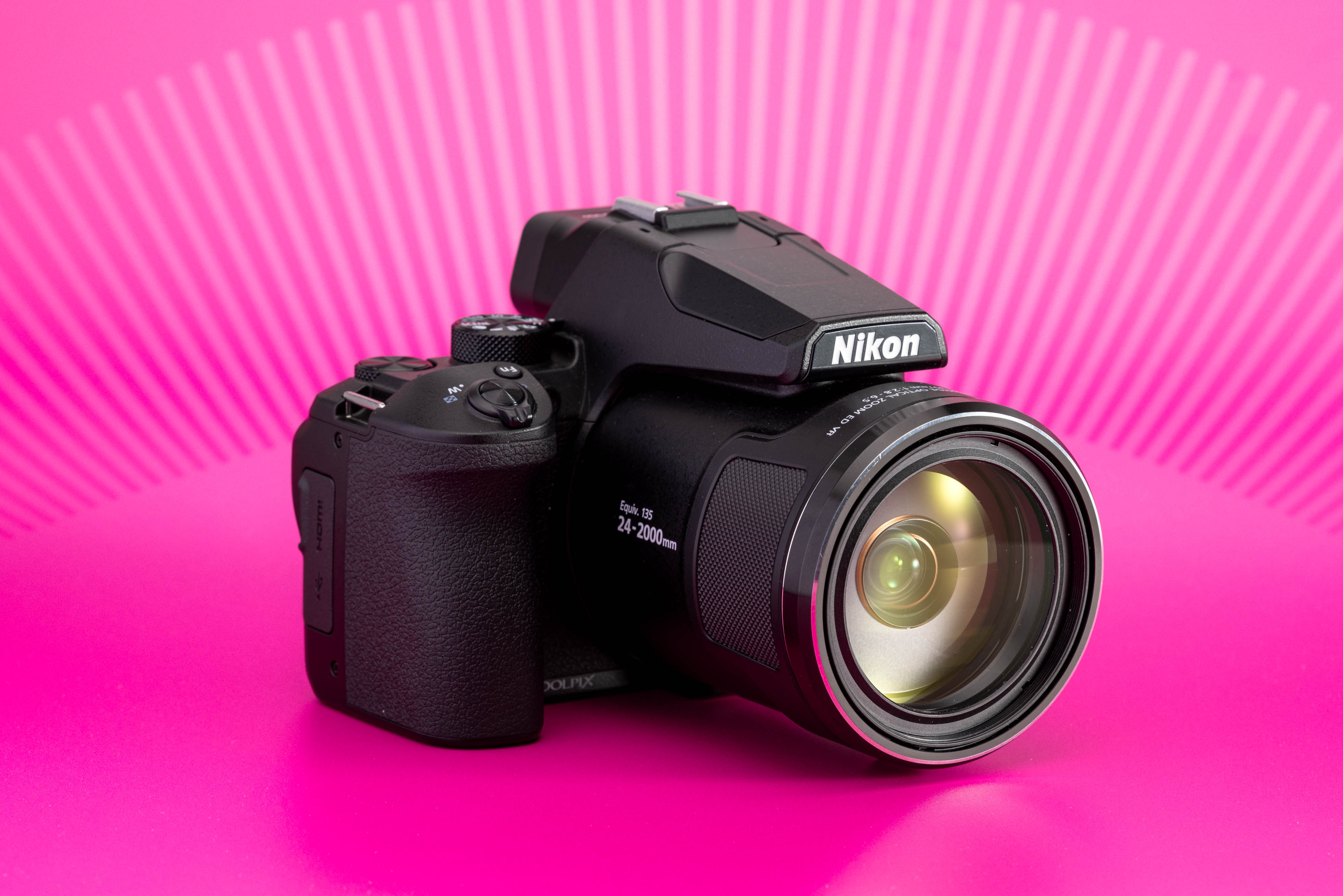
Used Nikon Coolpix P950
Nikon Coolpix P950: Best bridge camera for wildlife photography
Key specifications
Sensor: 1/2.3”
Zoom: 24–2000mm equivalent (83x)
Aperture: f/2.8–6.5
Video: 4K
Pros
Powerful yet more manageable zoom
Good balance of performance and size
Great for wildlife photography
Cons
Small sensor
Limited performance in low light conditions
If the P1000's extreme zoom feels like overkill, the Nikon P950 is a sensible option. With a still-impressive 83x optical zoom, it can bring distant subjects close while being easier to carry and more comfortable to use, particularly during wildlife photography sessions. Check out our Guide to Wildlife Photography and Filmmaking for more expert advice.
Compared to its bigger sibling, the P1000, it's easy to handle. Like many bridge cameras, though (you'll start to see a pattern here), it relies on a small sensor to achieve its huge zoom range. As a result, image quality can soften at the longest focal lengths, and low-light performance isn't great.
For most everyday photographers, the P950's combination of portability and zoom power will be easier to live with than the more extreme P1000.
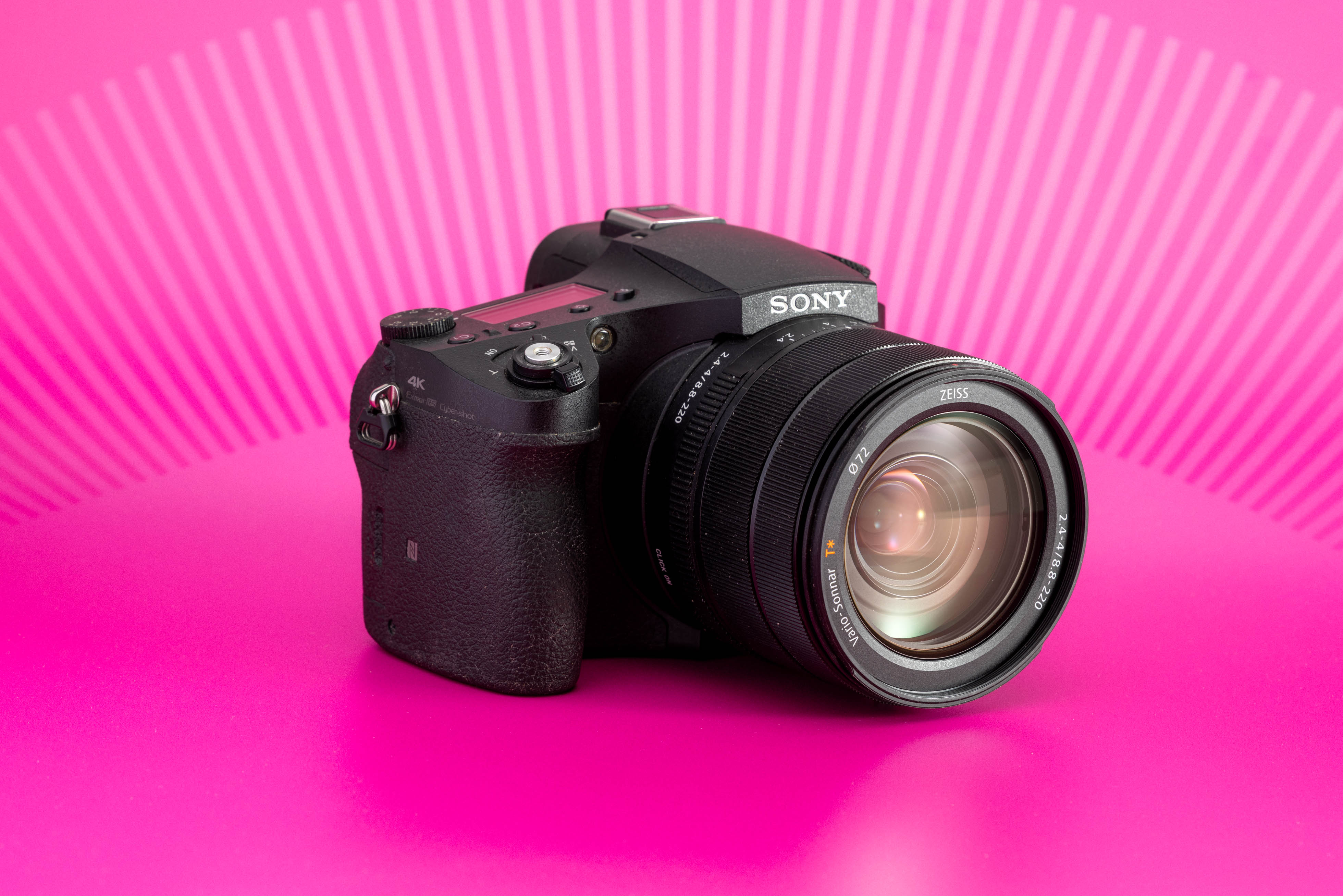
Used Sony RX10 IV
Sony RX10 IV: Best premium bridge camera
Key specifications
Sensor: 1”
Zoom: 24–600mm equivalent
Aperture: f/2.4–4
Video: 4K
Pros
Excellent image quality
Extremely fast autofocus
Strong video capabilities
Cons
High price
Less extreme zoom than superzooms

Joel Arias | Sony RX10 IV | Fixed lens | 300mm | 1/1600 | ISO 100
Joel Arias | Sony RX10 IV | Fixed lens | 200mm | 1/1600 | ISO 100
Of all the cameras in this guide, the Sony RX10 Mark IVfeels the closest to a professional camera. MPB photographer and videographer Joel Arias is a fan.
"The 1-inch sensor is larger than those in the other bridge cameras on the list, and that extra sensor size pays off. You'll notice an impressive difference in image quality and light management."
Joel Arias | Sony RX10 IV | Fixed lens | 220mm | 1/125 | ISO 320
What to consider when buying a bridge camera
Every bridge camera will involve a compromise somewhere, so the key is to find one that matches how you like to shoot. As we've hinted at already, most bridge cameras use small sensors, which allow for very extended zooms but limit image quality compared to more advanced alternatives. This can also make them especially tricky to shoot with in challenging light conditions.
Bridge cameras aren't always as compact as you might expect, either. While they typically use smaller sensors, many have DSLR-style bodies that are similar in size to mirrorless cameras. If portability isn't your top priority, a mirrorless camera with a larger sensor could be a better fit. You'll usually sacrifice zoom range unless you're prepared to invest in additional lenses.
On the other hand, their biggest strength is their simplicity. As Jakub Golis, videographer and video editor at MPB, explains:
With a bridge camera, you can just switch it on and start shooting. You don't have to think about changing lenses or building a whole camera system around it.
That ease of use is a big part of what makes bridge cameras so appealing to photographers looking for a convenient shooting partner. They're designed to be straightforward, which makes them a great option for photographers who want to focus on taking pictures rather than managing lenses, settings and accessories.
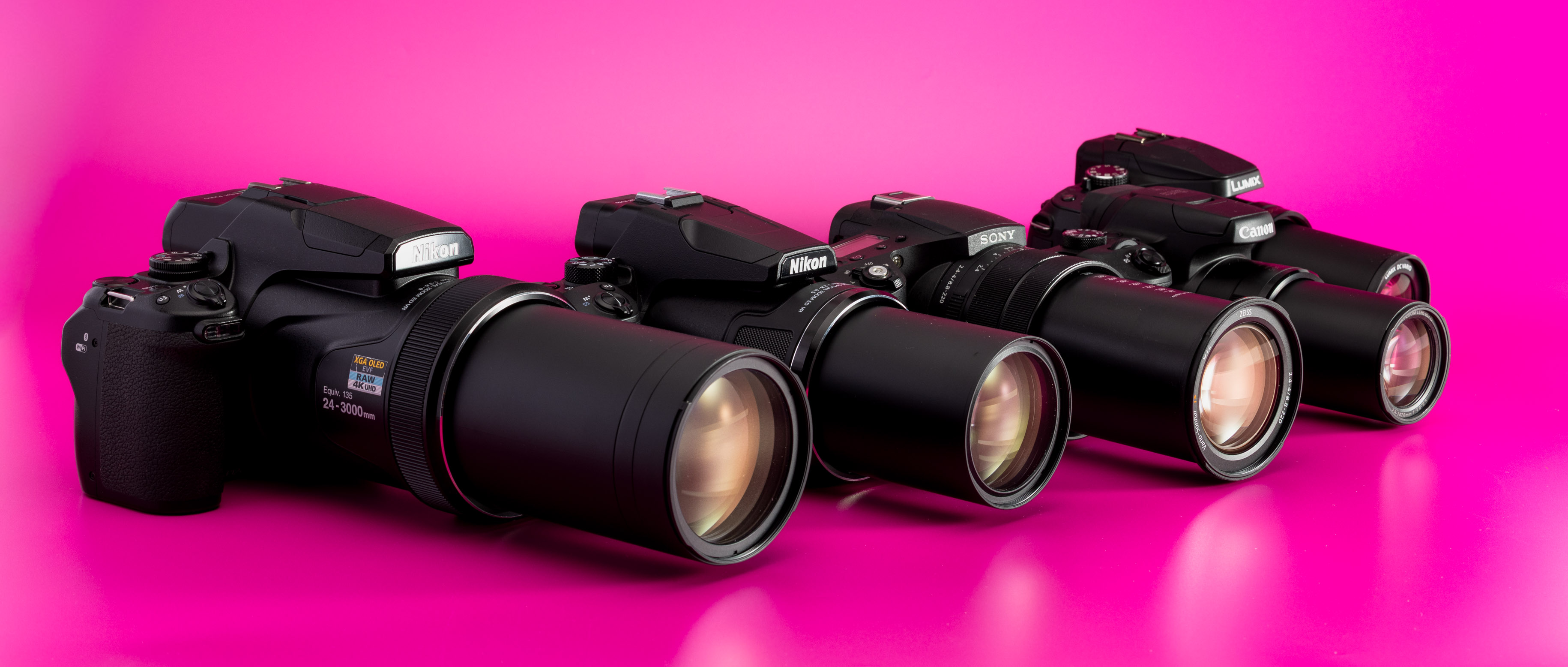
Used bridge cameras. From L-R: Nikon Coolpix P1000, Nikon Coolpix P950, Sony RX10 IV, Canon PowerShot SX70 HS, Panasonic Lumix DMC-FZ82
Is a bridge camera for you?
Choosing the best bridge camera for you ultimately depends on how you like to take photos. Before you buy one, it's worth setting realistic expectations. They prioritize convenience and versatility, which are obviously great, but they'll suit some photographers better than others.
For wildlife, travel, sports and everyday photography, they're one of the simplest ways to cover an impressive range of subjects. They're easy enough to use, though they won't fit in your pocket. If you need the highest possible image quality for commercial work or large-format printing, a larger-sensor camera is likely a better choice. In that case, consider an APS-C mirrorless camera. We've already covered the best mirrorless cameras for travel photography.
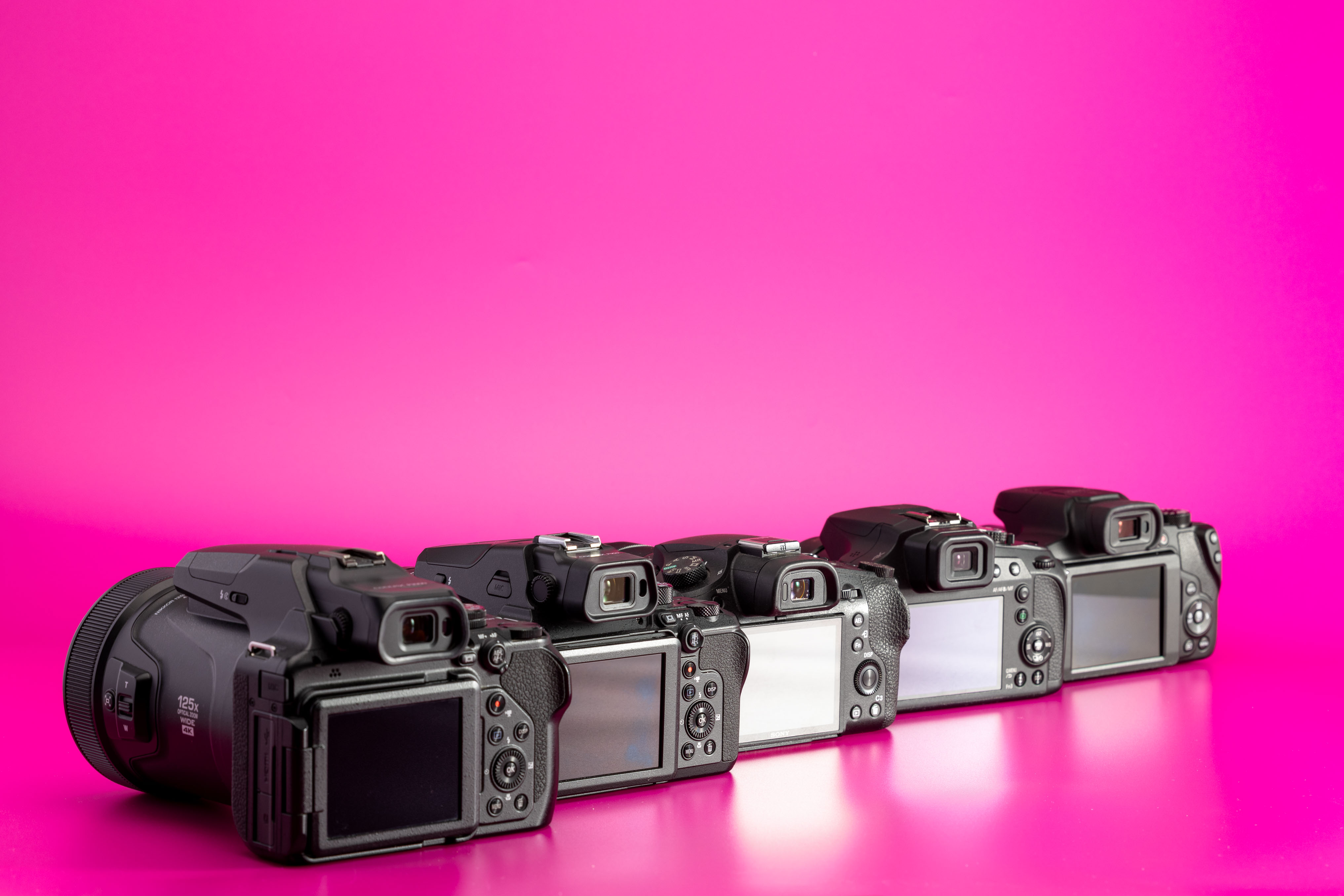
Used bridge cameras. From L-R: Nikon Coolpix P1000, Nikon Coolpix P950, Sony RX10 IV, Canon PowerShot SX70 HS, Panasonic Lumix DMC-FZ82
Choose a bridge camera in 10 seconds
Want to spend less and get started straight away? Go for the Panasonic FZ82, a simple and accessible solution that'll help you take your first steps.
If you're after a versatile travel camera, the Canon SX70 HS is perfect for taking anywhere because it's practical and lightweight.
Looking for the most impressive possible zoom? The Nikon P1000 will help you get close to those hard-to-reach subjects.
Or maybe you want all that zoom power without going to extremes. In that case, the Nikon P950 will still get you close to distant subjects, but in a package that's easier to carry.
For maximum performance, go with the Sony RX10 IV, which is the most comprehensive choice for image quality and speed.
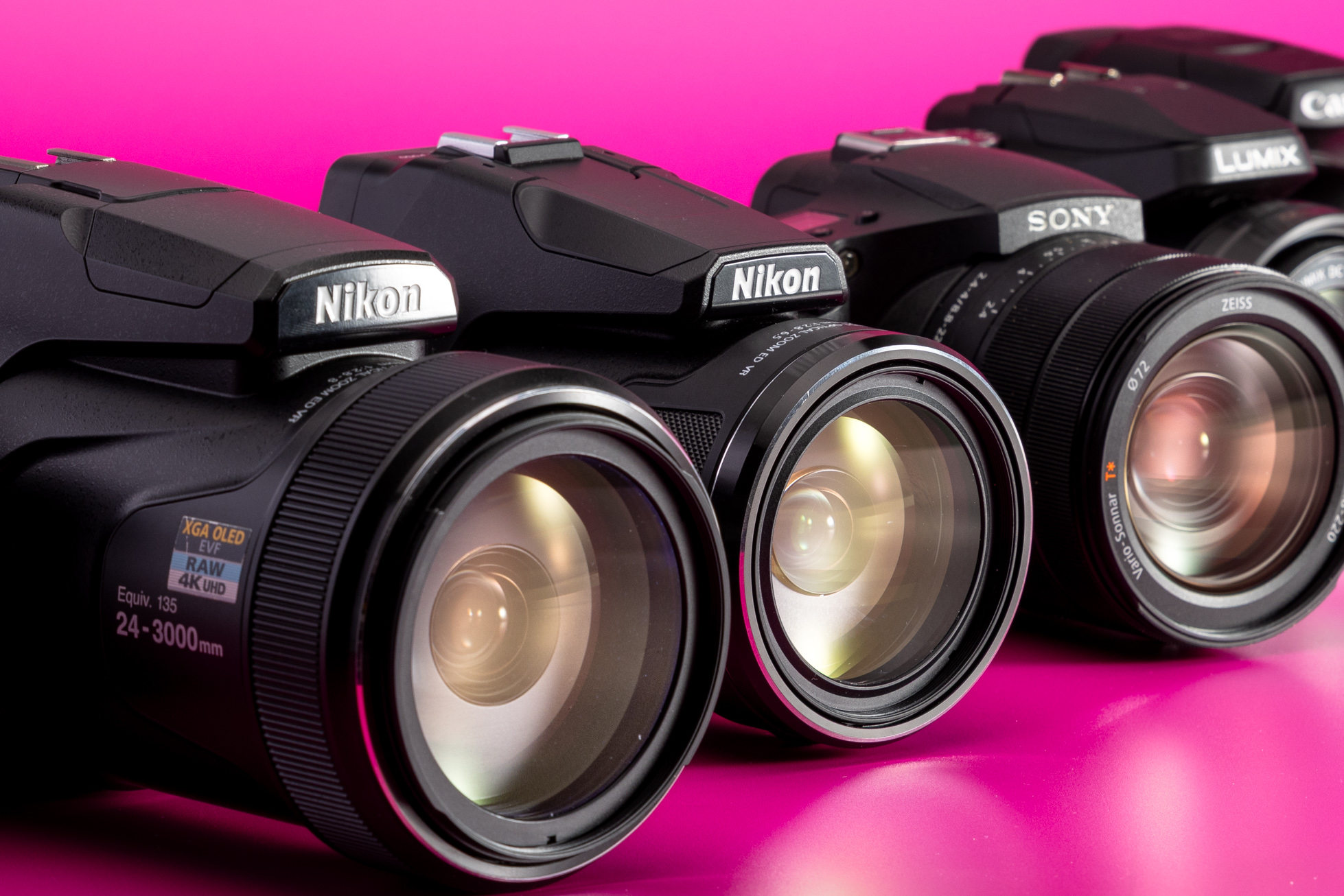
A range of used bridge cameras. From L-R: Nikon Coolpix P1000, Nikon Coolpix P950, Sony RX10 IV, Canon PowerShot SX70 HS, Panasonic Lumix DMC-FZ82
You can sell or trade your camera gear to MPB. Get a free instant quote, free insured shipping to MPB, and get paid within days.