
Review: Fujifilm X-T30, A Compact APS-C Camera
Published October 5, 2026 by MPB
The Fujifilm X-T30 has long been known as a compact mirrorless camera that punches above its weight. First released in 2019, it quickly earned a reputation for delivering strong image quality and performance in a small, lightweight body. Even years later, it remains a popular choice for photographers looking for a capable, portable camera without the bulk of higher-end models.
To see how the Fujifilm X-T30 holds up today, MPB teamed up with Amsterdam-based photographer Maartje Hensen (they/them). A queer lifestyle, travel and wedding photographer, Maartje tested the X-T30 in real-world shooting situations, pairing it with the XF 35mm f/1.4 R lens. Coming from years of shooting with Canon, their perspective offers a fresh look at what this camera does well, where it falls short, and whether it’s still a worthwhile option for visual storytellers today.

Maartje Hensen | Fujifilm X-T30 | XF 35mm f/1.4 R | 35mm | f/4 | 1-500 sec | ISO 320
Fujifilm X-T30 Specs
Sensor | 26.1 MP APS-C X-Trans CMOS 4 |
Processor | X-Processor Pro 4 |
Autofocus | Hybrid phase & contrast AF, extensive coverage |
Video | 4K DCI/UHD up to 30 fps; Full HD up to 120 fps |
EVF | 2.36 M-dot OLED, 100% coverage |
LCD | 3.0″ tilting touchscreen (1.04 M dots) |
Continuous shooting | 8 fps mech / 20 fps ES |
ISO range | 160–12,800 (expandable) |
Connectivity | Wi-Fi, Bluetooth, USB-C, micro HDMI |
Battery life | 350–380 shots (CIPA) |
Weight | 383 g (with battery & SD) |
Weather sealing | None |
IBIS | None |
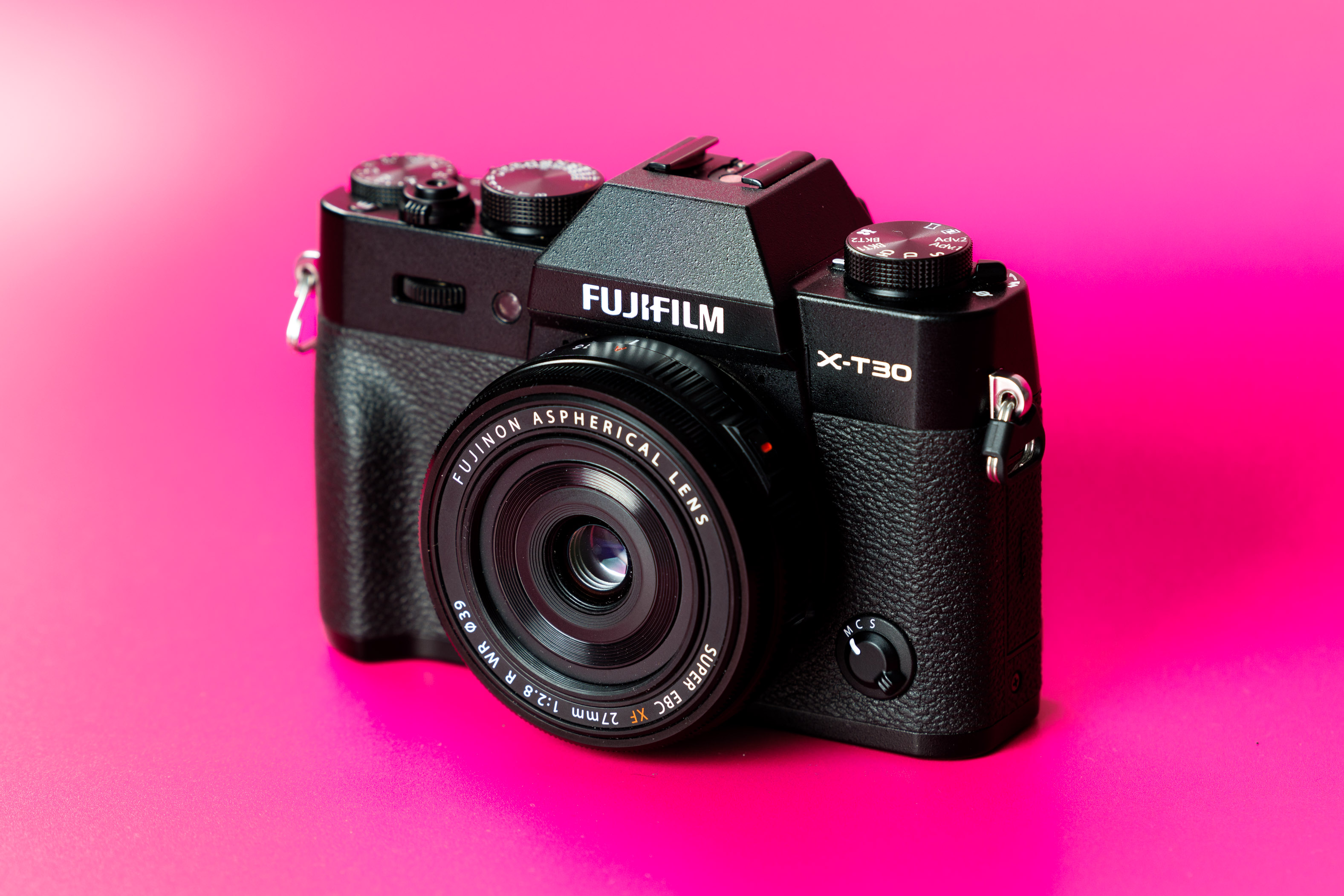
Used Fujifilm X-T30
Pros
Compact, lightweight body that’s easy to carry and great for travel, street and everyday photography
Strong image quality with rich colours and pleasing files straight out of camera
Fast and reliable autofocus for both stills and casual video
Fujifilm’s film simulations add a creative, intuitive shooting experience
Retro design with tactile dials that feel good to use
Easy image transfer to smartphone via Fujifilm’s companion app
Cons
No in-body image stabilisation, which makes low-light handheld shooting more challenging
Video features feel limited compared to newer models
Small buttons and dials can feel cramped, especially for larger hands
Screen only tilts up and down, making vlogging or vertical shooting harder
No weather sealing
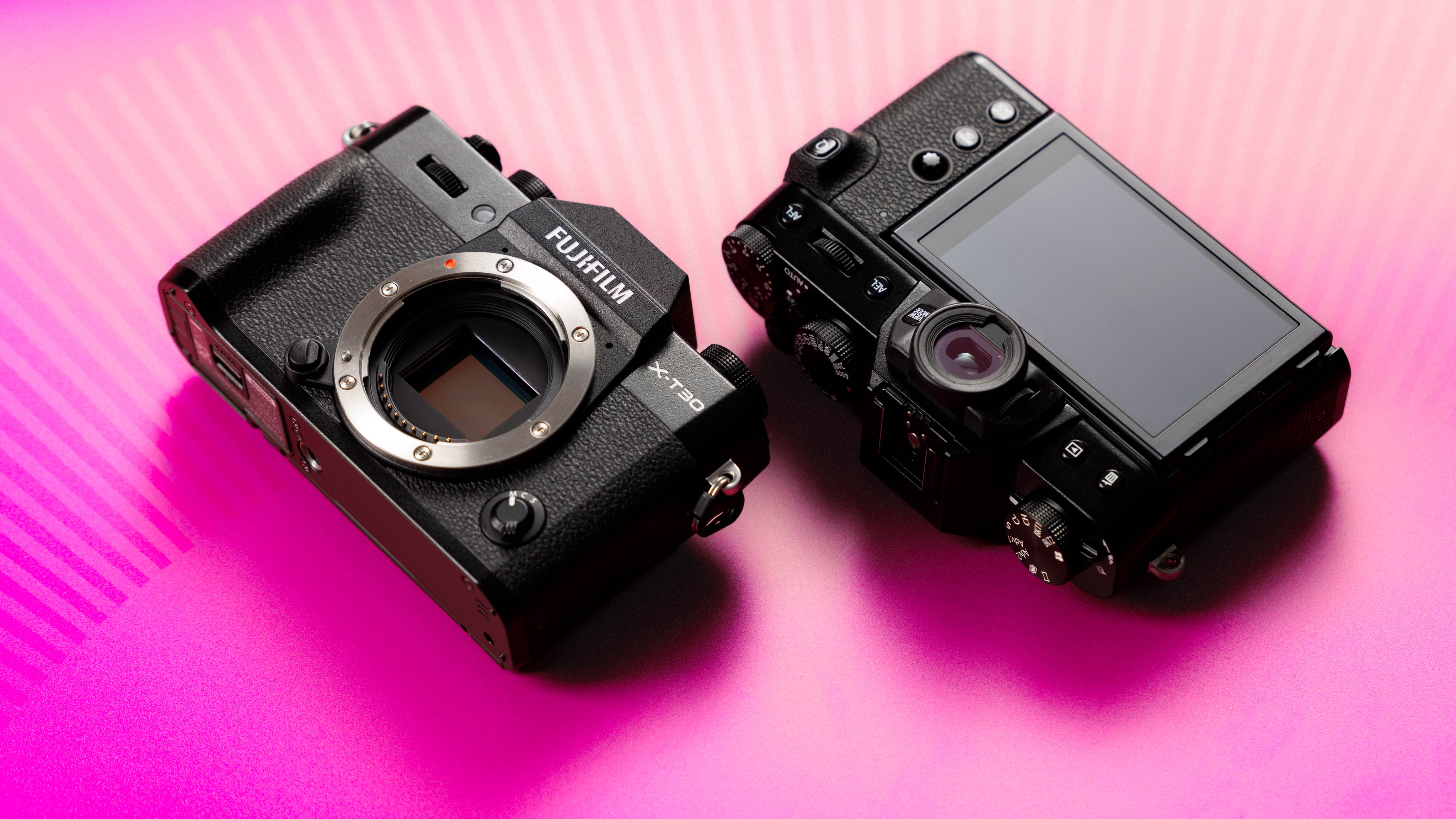
Used Fujifilm X-T30
Quick Verdict
The Fujifilm X-T30 proves that a camera doesn’t have to be big or overly technical to deliver strong results. Compact, lightweight and fast, it offers great image quality, reliable autofocus and solid low-light performance for its size. It’s especially well-suited to travel, street and everyday photography, where portability and ease of use really matter. While it lacks features like in-body stabilisation, weather sealing and more advanced video options, the X-T30 remains a capable and enjoyable camera for photographers who value feeling, simplicity and a camera that doesn’t get in the way of shooting.
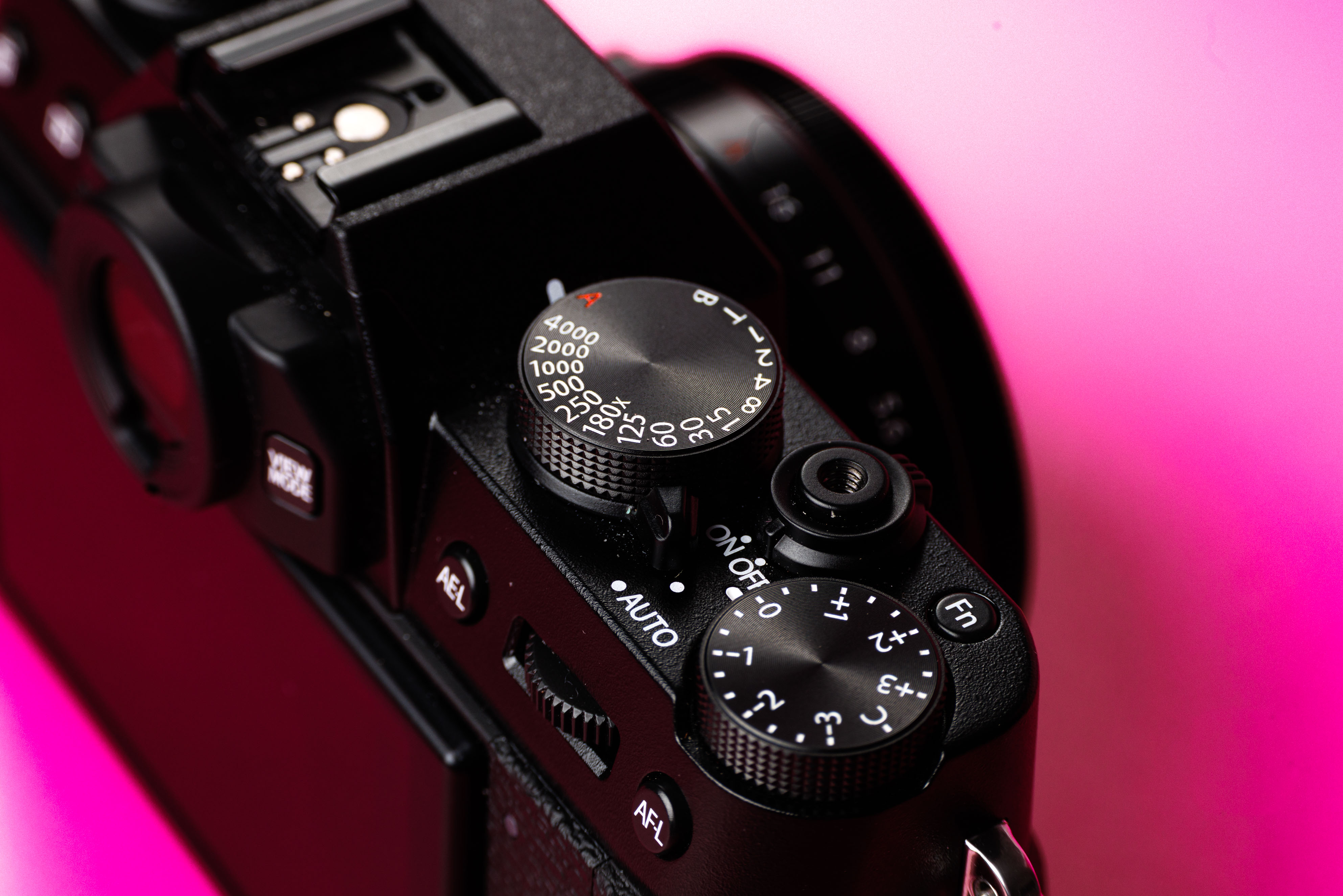
Used Fujifilm X-T30
Design and Build
Honestly, I would buy this camera for its looks alone. It has a strong retro vibe, especially with the dials on top, which feel great to use. But it’s not just about the design; the camera also feels good in hand because it’s so compact and lightweight.
That compact size does come with some trade-offs. People with bigger hands or fingers may find the buttons and dials a bit cramped. I personally didn’t struggle too much, but I did miss having a directional pad. Navigating the menu with the joystick takes more time, and the touchscreen isn’t as responsive as the one I’m used to on Canon cameras.
On the top right, you’ll find the shutter speed dial and exposure compensation dial, plus an auto switch for full automatic mode. I was disappointed to discover that this auto mode only shoots JPEG. It makes sense for beginners, but as a professional photographer, I would still like the option to work with RAW files later on.
On the left side, there’s the drive mode dial, where you’ll find the continuous shooting options. There’s also a pop-up flash, which is something many Fujifilm cameras don’t have. With direct flash photography becoming popular again, this is actually a really nice bonus.
There’s no dedicated ISO button, which surprised me. You can assign ISO to the front or rear dial, but those dials are very sensitive, making it easy to accidentally change settings. The electronic viewfinder is also quite small and didn’t impress me much, so I often found myself using the rear screen instead.
Maartje Hensen | Fujifilm X-T30 | XF 35mm f/1.4 R | 35mm | f/16 | 1-30 sec | ISO 80
Shooting Performance
Autofocus
I really enjoyed the camera’s fast and accurate autofocus. Using the continuous high setting, you can shoot up to 8 frames per second with the mechanical shutter and up to 20 fps with the electronic shutter. There’s even a sports mode that goes up to 30 fps, although it does crop the image slightly.
This speed was great when I wanted to freeze moving subjects, like cyclists, using a longer shutter speed. One thing I noticed is that the built-in flash can’t keep up with the fastest burst modes.
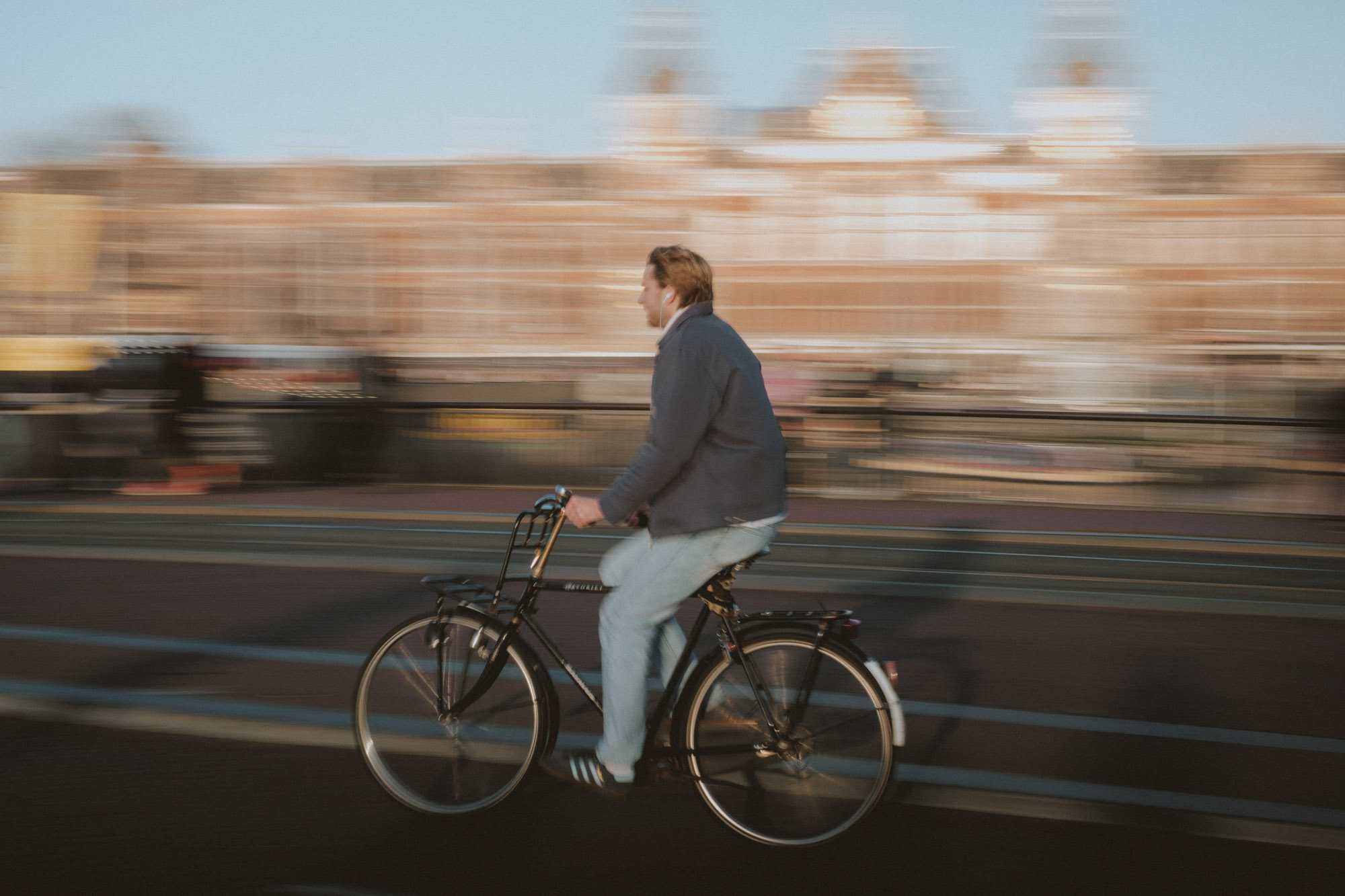
Maartje Hensen | Fujifilm X-T30 | XF 35mm f/1.4 R | 35mm | f/16 | 1-15 sec | ISO 80
ISO and Low Light Performance
For a crop sensor camera, I was quite impressed with the ISO and low-light performance. I went into the city at night without a tripod, and shooting handheld with a slow shutter speed was tricky, especially because the camera doesn’t have in-body stabilisation.
The lack of IBIS can be a downside when shooting in low light, but when used creatively, a bit of motion blur can also add something to an image.

Maartje Hensen | Fujifilm X-T30 | XF 35mm f/1.4 R | 35mm | f/4 | 1.0 sec | ISO 80

Maartje Hensen | Fujifilm X-T30 | XF 35mm f/1.4 R | 35mm | f/2.5 | 1.0 sec | ISO 80-2
Battery Life and Practical Use
I was underwhelmed with the battery performance, but this isn’t an issue unique to the X-T30. It uses the same battery as other Fujifilm X-series mirrorless cameras, which is handy if you already own spares. Investing in extra batteries is definitely a good idea.
Fujifilm cameras are also supported by a companion mobile app, making it easy to transfer images to your phone for quick editing or sharing. For creators who like to post on the go, this kind of workflow can be a real plus.

Maartje Hensen | Fujifilm X-T30 | XF 35mm f/1.4 R | 35mm | f/4 | 1-60 sec | ISO 2500
Image Quality and Sensor Performance
I’ve talked a lot about technical details so far, but if I’m honest, I’m more of an emotional photographer. I care more about vibes than specs, and I’ve never had a client ask me how many megapixels a photo has.
The image quality from the X-T30 is excellent. Images come out crisp, with rich colours and plenty of detail. Fujifilm’s film simulations play a big role here. They really match my dreamy, almost fairytale-like photography style and produce beautiful JPEGs straight out of camera. If you shoot RAW, you can still apply those film simulations later in Lightroom.

Maartje Hensen | Fujifilm X-T30 | XF 35mm f/1.4 R | 35mm | f/5.6 | 1-60 sec | ISO 80

Maartje Hensen | Fujifilm X-T30 | XF 35mm f/1.4 R | 35mm | f/5.6 | 1-250 sec | ISO 200
One thing I noticed is that Fujifilm’s RAW files are much larger than the Canon RAW files I’m used to, almost double in size. JPEGs range from 7 to 17 MB, and with only a single card slot, storage is something to keep in mind.
After testing this camera, I genuinely felt tempted to buy one myself. Its size, colours and overall feel make it a great everyday camera for capturing friends, family, travels or just city life, without carrying a heavy bag.

Maartje Hensen | Fujifilm X-T30 | XF 35mm f/1.4 R | 35mm | f/4.5 | 1-60 sec | ISO 80
Video Capabilities and 4K Recording
The Fujifilm X-T30 is a decent hybrid camera, but I would say it’s more suited to photographers than videographers. It shoots sharp 4K video up to 30 fps, with slow-motion options available in Full HD.
There’s no in-body stabilisation, no headphone jack, and you’ll need an adapter for an external microphone. The screen only tilts up and down, which makes vlogging more difficult, and longer 4K recordings can cause the camera to overheat.
For casual video or mixed photo and video use, it performs well. If video is your main focus, the limitations will be more noticeable.
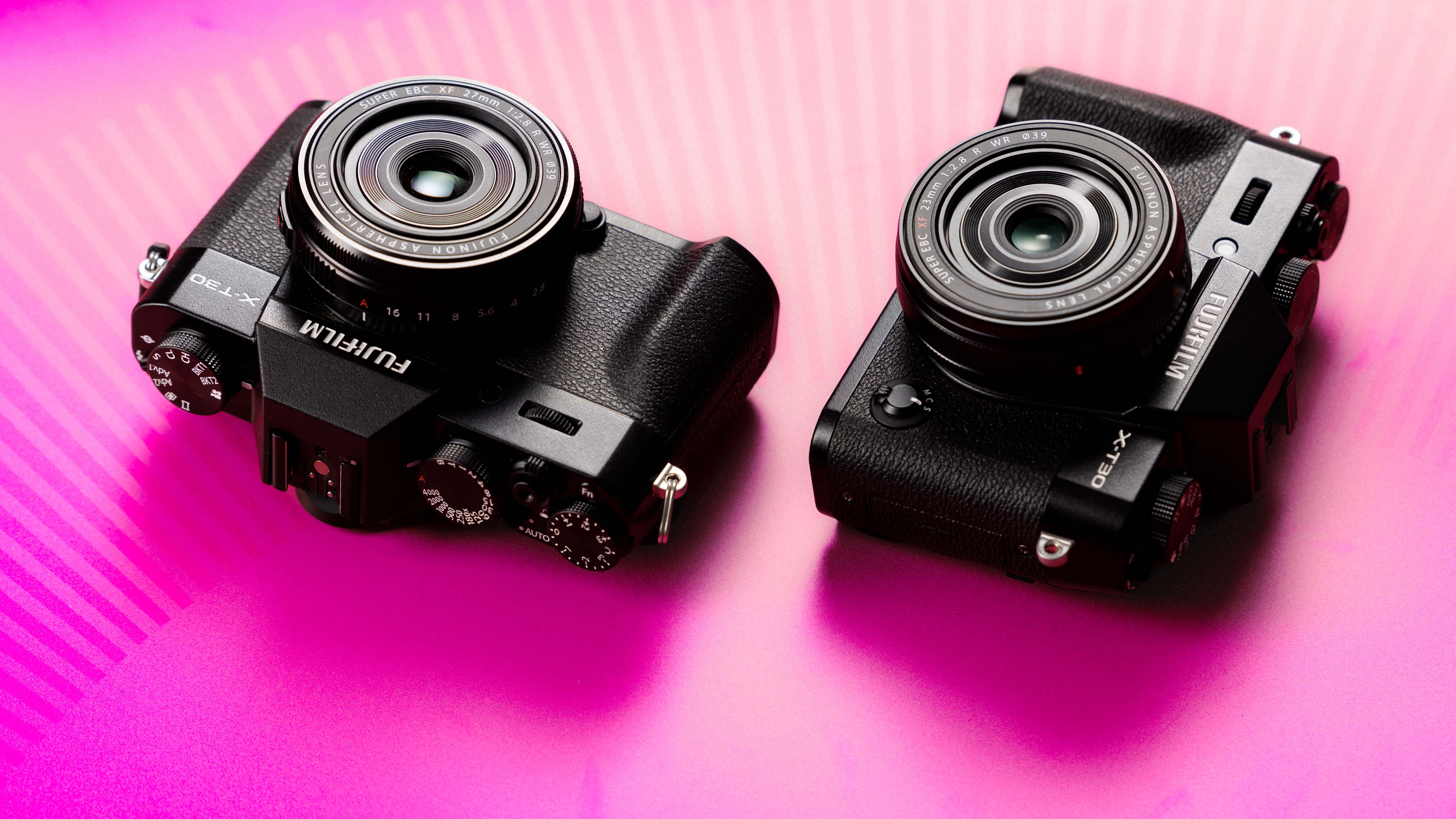
Used Fujifilm X-T30
Fujifilm X-T30 vs X-T30 II vs X-T30 III
The Fujifilm X-T30 was released in 2019, followed by the Fujifilm X-T30 II in 2021 and the Fujifilm X-T30 III in 2025. While the cameras look very similar, there are some meaningful differences between them.
The original X-T30 uses Fujifilm’s X-Processor 4. The X-T30 II keeps the same processor, but with minor improvements that result in smoother performance and slightly better autofocus. In practice, the differences between the original X-T30 and the X-T30 II are relatively small, especially for photographers.
The X-T30 III is where the biggest step happens. It introduces the newer X-Processor 5, which brings faster overall performance, more advanced autofocus and AI-driven subject detection. Video is also a key area of improvement, with the X-T30 III offering 6.2K recording, 4K at 60 fps and higher frame rates for slow motion, along with better digital stabilisation.
Both the X-T30 II and X-T30 III feature a higher-resolution rear screen compared to the original model. The X-T30 III also adds more film simulations and a dedicated film simulation dial.
Overall, the step from the X-T30 to the X-T30 II is fairly modest, while the X-T30 III is a more noticeable upgrade. Video-focused creators will benefit most from the newer models, but for photographers, the original X-T30 still holds up very well.

Maartje Hensen | Fujifilm X-T30 | XF 35mm f/1.4 R | 35mm | f/1.4 | 1-60 sec | ISO 1600-4
Conclusion: Is the Fujifilm X-T30 the Right Choice for You?
If you’re a beginner looking to grow, a semi-professional photographer, or someone who values portability and creativity, the Fujifilm X-T30 is a great choice. It’s compact, fun to use and delivers excellent image quality.
It’s less suitable for creators who need in-body stabilisation, weather sealing or more advanced video features. But for photographers who care more about feeling and colour than ticking every spec box, the X-T30 still feels very relevant.
Even years after its release, the Fujifilm X-T30 proves that a camera doesn’t have to be big, heavy or overly technical to be inspiring.
See more of Maartje on their Instagram.
Read more camera gear guides on the MPB Content Hub.
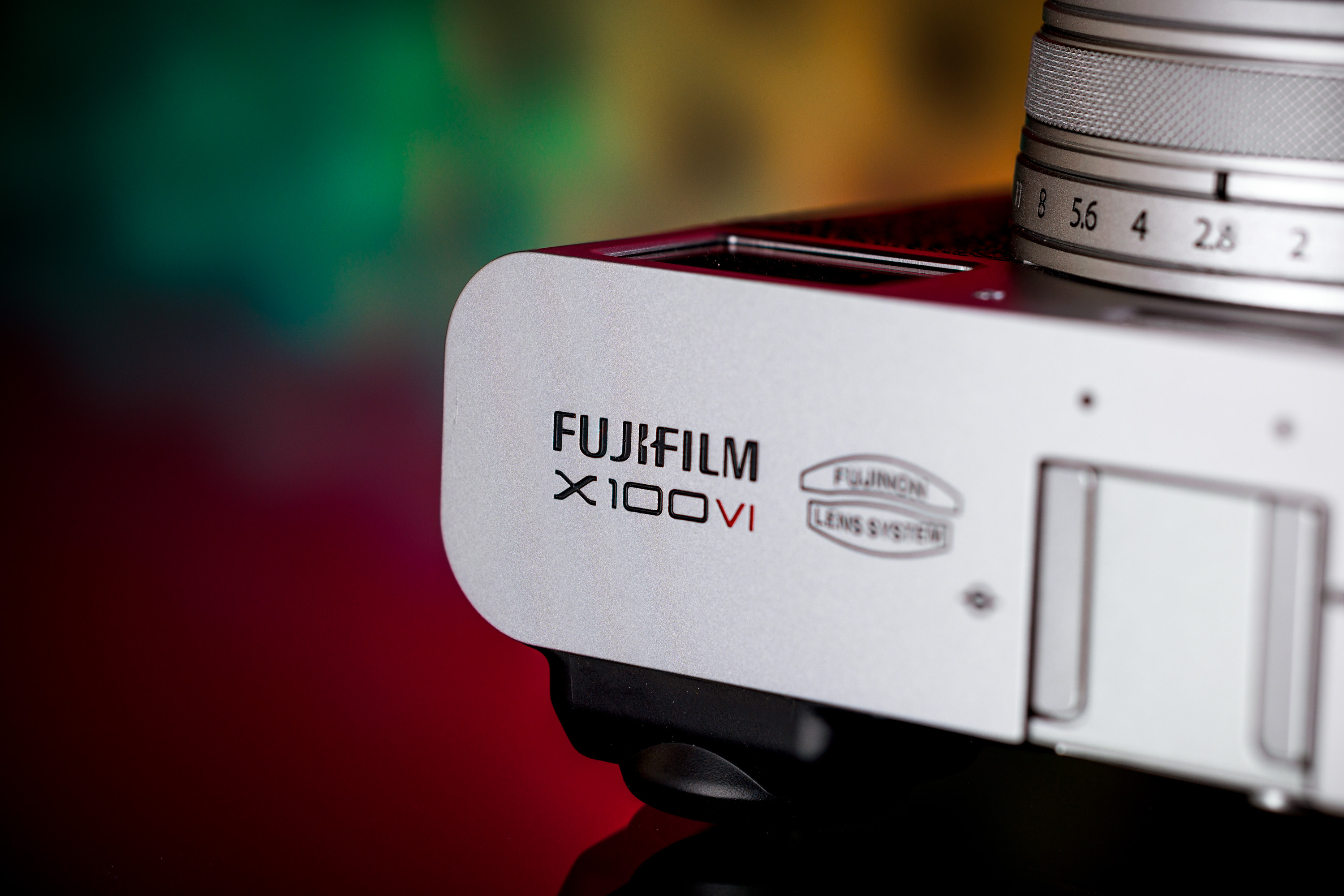
Top 4 Alternatives to the Fujifilm X100V & X100VI
Explore the top Fujifilm X100V & X100VI alternatives. Discover compact cameras from Leica, Ricoh and Nikon that rival the X100V-series.
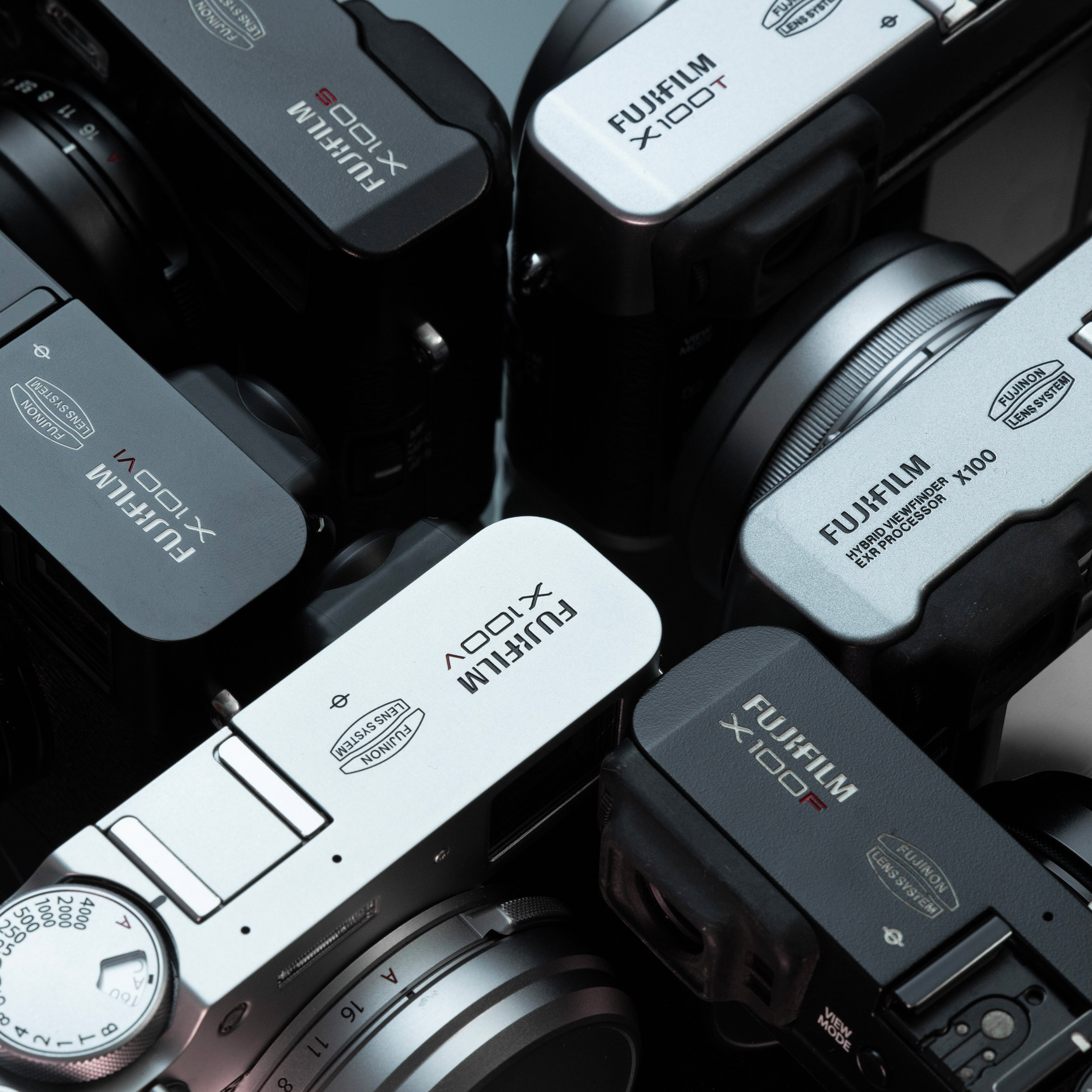
Guide to Fujifilm X100-series Compact Cameras
Read our Fujifilm X100 series guide, comparing the popular X100, X100S, X100T, X100F, X100V and X100VI compact cameras.

In the Field: Fujifilm XF10
In this Fujifilm XF10 review, we take the camera on the road to see how it holds up for travel and everyday shooting.
You can sell or trade your camera gear to MPB. Get a free instant quote, free insured shipping to MPB, and get paid within days.