
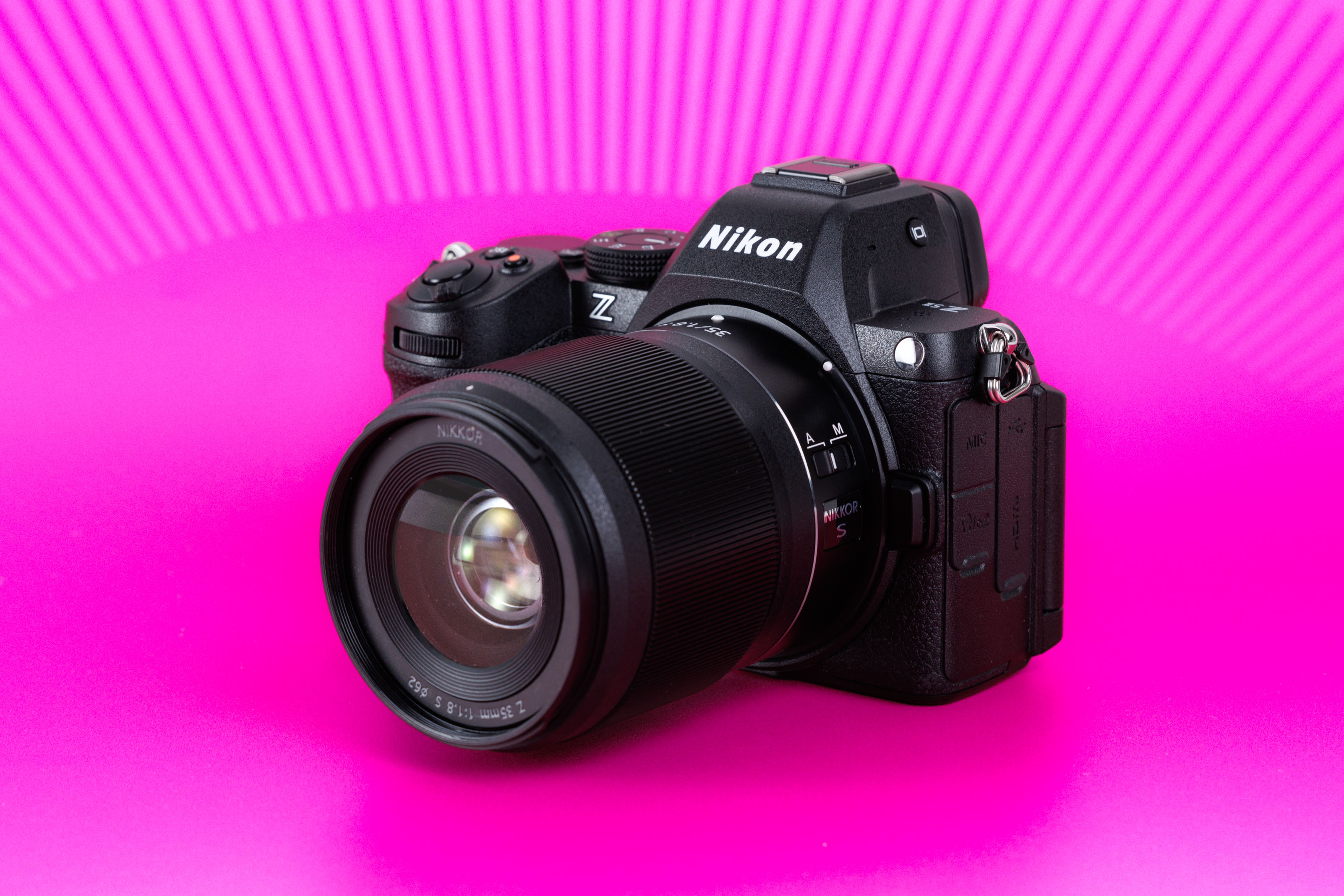
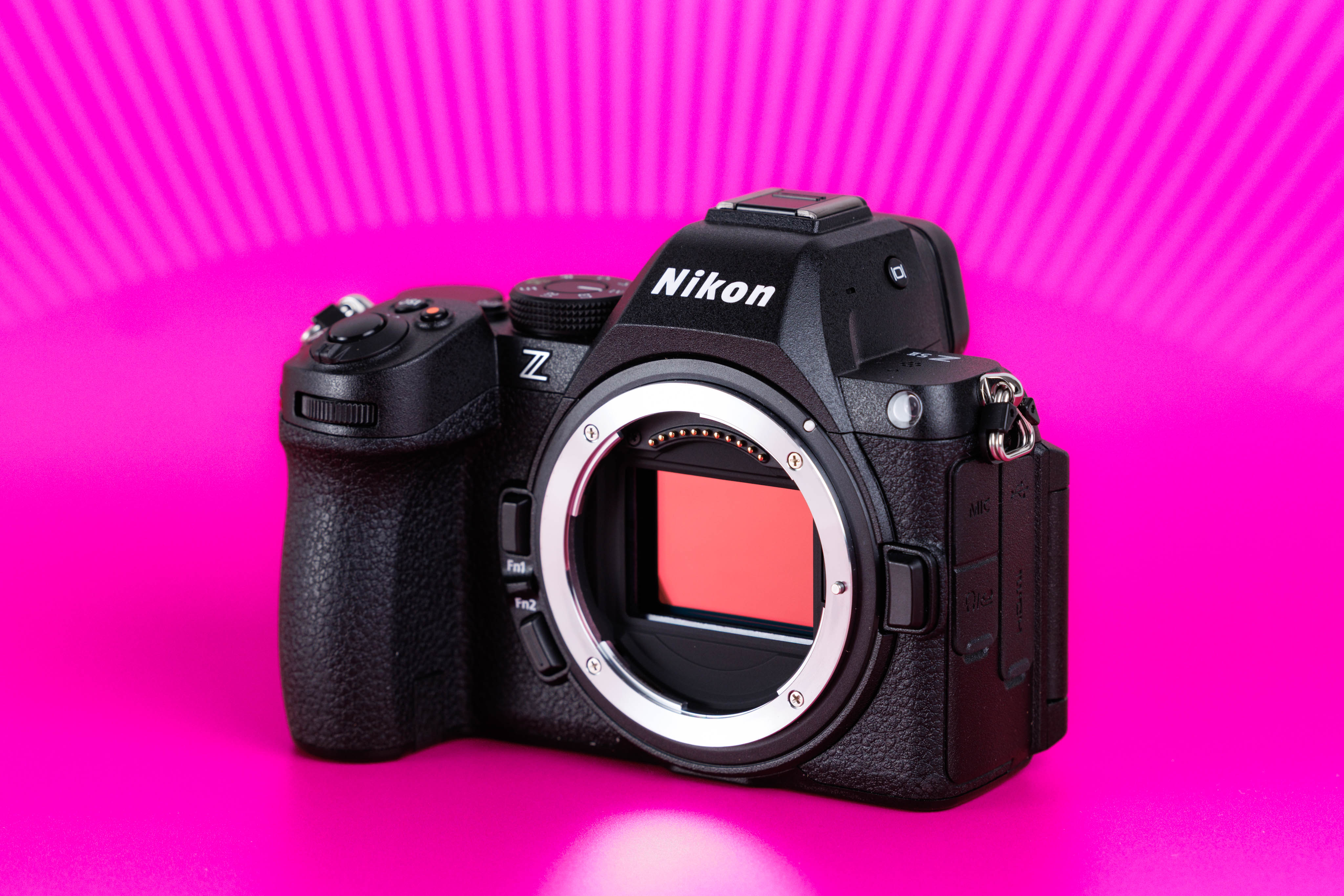
On paper, the Nikon Z5 II offers many features usually found in higher-end cameras: Nikon's EXPEED 7 processor, modern autofocus, powerful image stabilization, and solid video functions. What really matters, though, is whether a camera reacts quickly, works reliably, and is intuitive to use, so you don't miss the perfect shot.
Viennese professional photographer and videographer Dhan Limwattana has worked with the Nikon system for years. He thoroughly tested the camera for us in the Austrian capital to see whether it lives up to its reputation as an affordable entry into full-frame photography.
Used Nikon Z5 II
Nikon Z5 II: Technical Specifications
Sensor Type | Full-frame CMOS sensor |
Sensor Resolution | 24.5 megapixels |
Image Processor | EXPEED 7 |
ISO Range | 400–64,000 (expandable to 50–204,800) |
Shutter | Mechanical/electronic |
Continuous Shooting | Up to 30 frames per second |
Autofocus | Hybrid autofocus with 299 phase-detection AF points |
Subject Detection | People, animals, cars, motorcycles, bicycles, trains, airplanes |
Image Stabilization | IBIS (5-axis, up to 7.5 stops) |
Viewfinder | Electronic viewfinder with 18 brightness levels |
LCD Display | 3.2 inches, vari-angle |
Video | 4K at up to 60p |
Flash Sync | Yes |
Storage Media | Two SD card slots (UHS-II) |
Connectivity | Wi-Fi, Bluetooth 5.0, HDMI Type D, USB-C |
Battery | EN-EL15c |
Dimensions | 134 × 100.5 × 72 mm |
Weight | 700 g |
Weather Sealing | Yes (dust and splash resistant) |
Release Year | 2025 |
Strengths
Great value for a full-frame camera
Excellent image quality with plenty of editing leeway
Fast autofocus with subject recognition thanks to the powerful EXPEED 7 processor
Effective 5-axis image stabilization for photos and video
4K video with modern picture profiles
Dual SD card slots for everyday backups
Weatherproof body
Weaknesses
Video recordings above 4K 50p only with crop
Continuous shooting slower than high-end models
No stacked sensor
Electronic viewfinder not on par with the Z8 or Z9
Fewer video features than other hybrid cameras
Only Micro HDMI connection
Somewhat complex menu structure for beginners
Rolling shutter
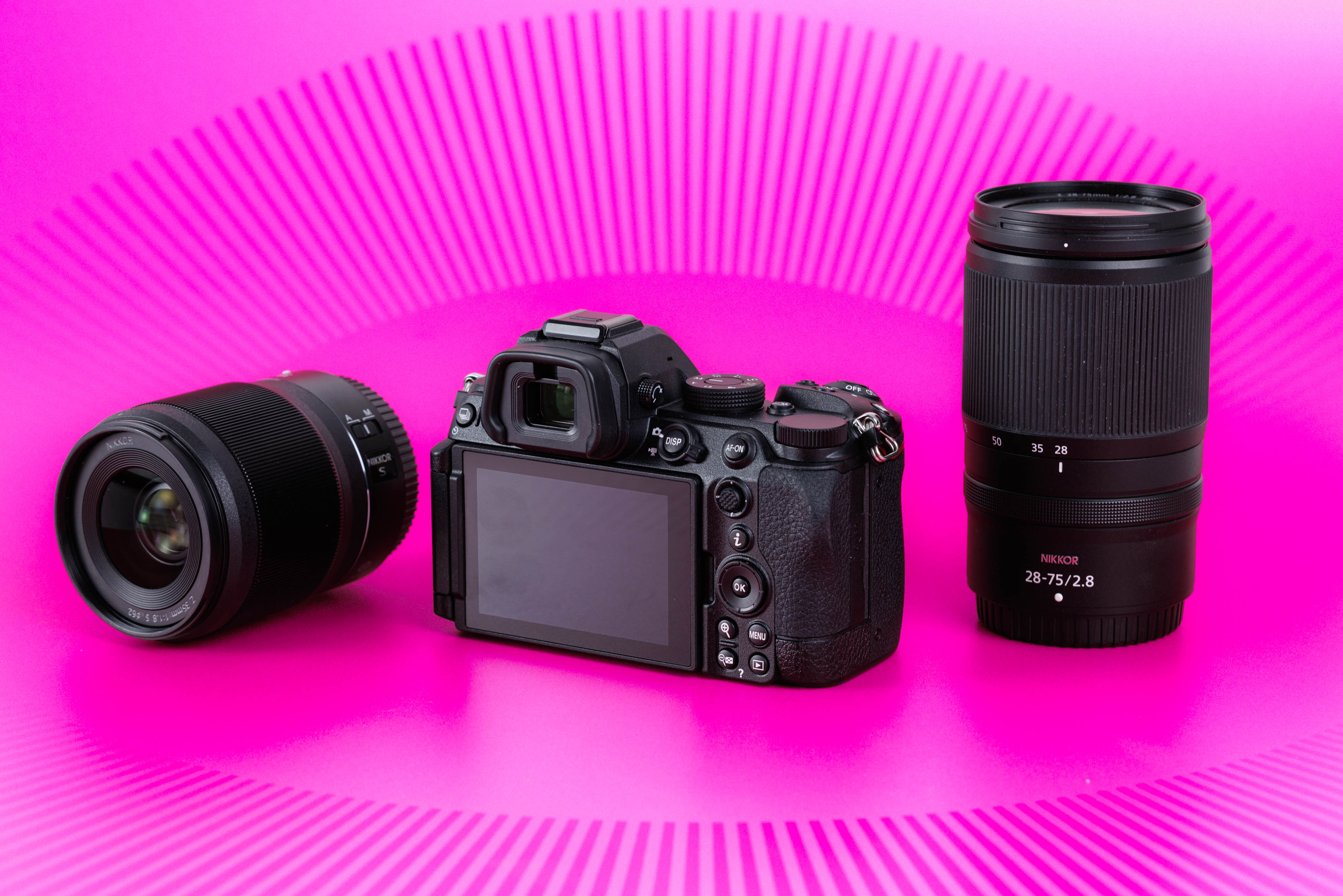
Used Nikon Z5 II
First Impression
For me, the Nikon Z5 II is primarily aimed at three target groups: ambitious hobby photographers who want to take their first step into full-frame or the Nikon Z system, those switching from APS-C or older DSLR cameras, and hybrid creators looking for a reliable all-around camera. It offers many features that you really notice in everyday use: lots of dynamic range, good low-light performance, significantly better autofocus than the original Nikon Z5 , and an overall more mature user experience.
However, if you're looking for maximum speed, minimal rolling shutter, or uncompromising video features, you'll likely end up with a Nikon Z6 III, Nikon Z8, or a more video-focused alternative. But that's exactly where the Z5 II shines: it doesn't try to master every discipline, but rather aims to be a sensible, reliable solution for as many uses as possible. And, especially when price is a factor, it's a very attractive overall package.
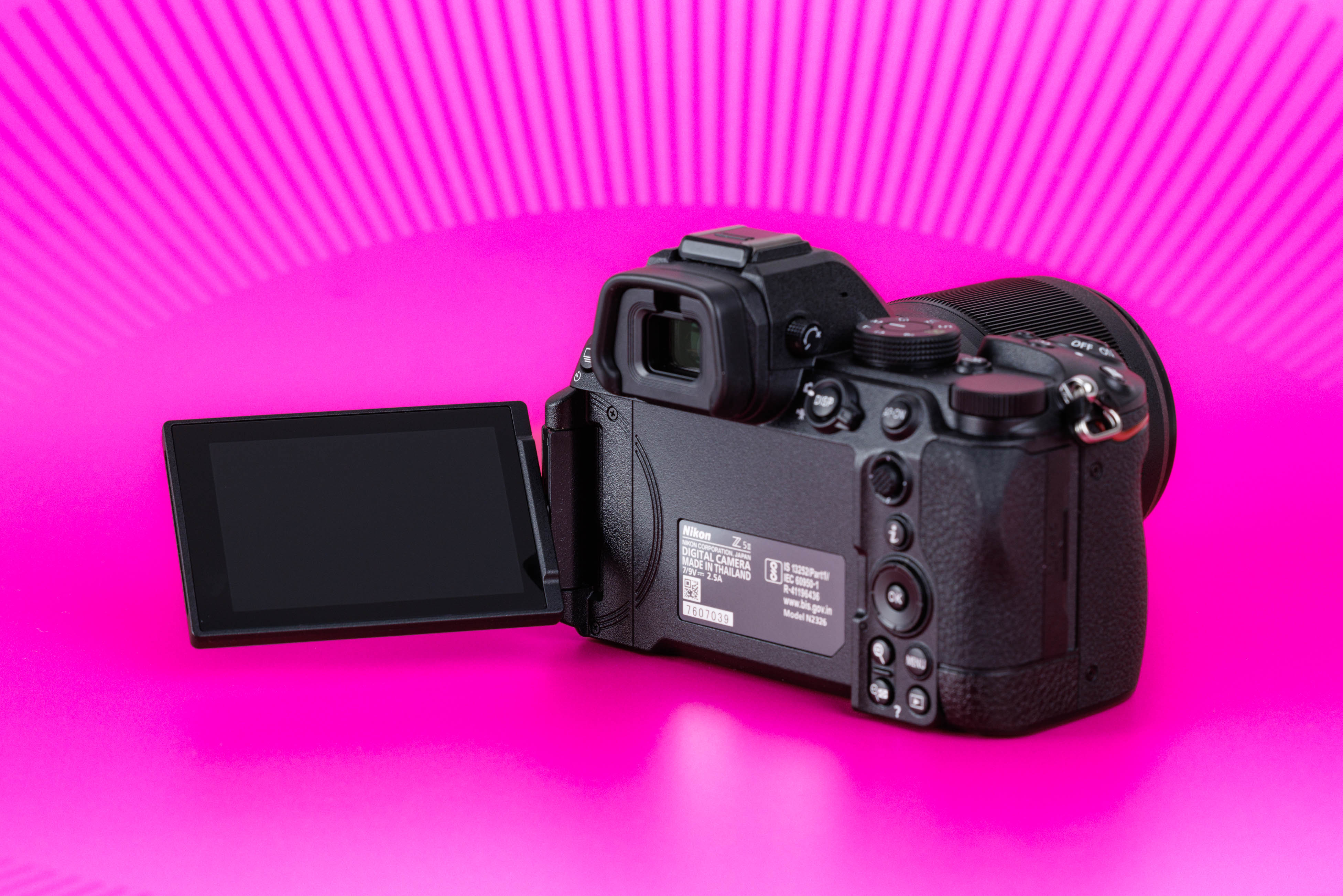
Used Nikon Z5 II
Design and Handling
If you've ever worked with a Nikon camera, the Z5 II's body will feel instantly familiar. The grip is comfortably deep, providing a secure feel for average-sized hands and maintaining good balance even with medium-sized Z lenses. Weighing around 700g, the camera feels sturdy but is compact enough not to become a burden during longer photo sessions, like my typical street photography tours through Vienna's city center.
The build quality is also very impressive. As you'd expect from Nikon, the body feels high-quality and solid. The buttons have a clear pressure point, and overall, the camera is clearly made for regular use. Another plus for uses like street photography, photojournalism, or travel photography is the weather sealing. I've used the Nikon Z5 II on dusty and rainy days without any plastic bags or other protection, and it never gave me any problems afterwards.
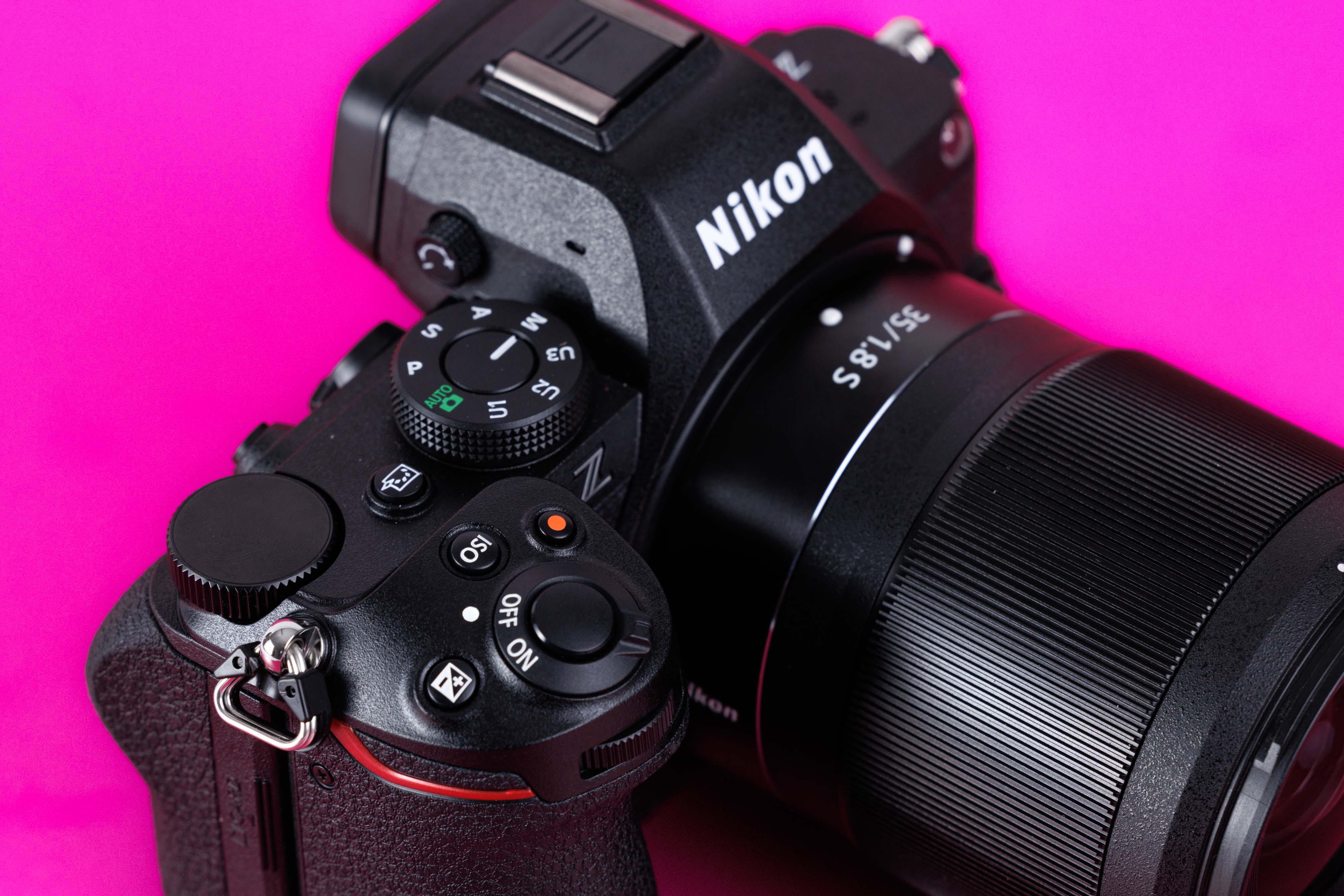
Used Nikon Z5 II
Controls
I especially like how easy it is to use. The controls for shutter speed, aperture, and ISO are intuitively arranged and quickly accessible, so you don't have to click through endless menus. At the same time, you can easily customize the camera to your workflow using the buttons or individual menu settings.
Plus, there's the Picture Control button, which lets you download various film looks (recipes) from the Nikon Imaging Cloud and apply them directly in-camera, just like shooting with your own presets. This is a cool option for creators who want to switch from classic phone photos to a camera look and transfer images directly to their smartphone without worrying about post-processing. For spontaneous moments and fast action, the Z5 II offers faster continuous shooting than its predecessor and a pre-release capture function that records before you fully press the shutter.
As the successor to the Nikon Z5, the Mark II feels significantly more modern in practice than its predecessor and other entry-level full-frame alternatives. The EXPEED 7 processor, also found in higher-end Nikon models, offers not only more power but a smoother overall feel.
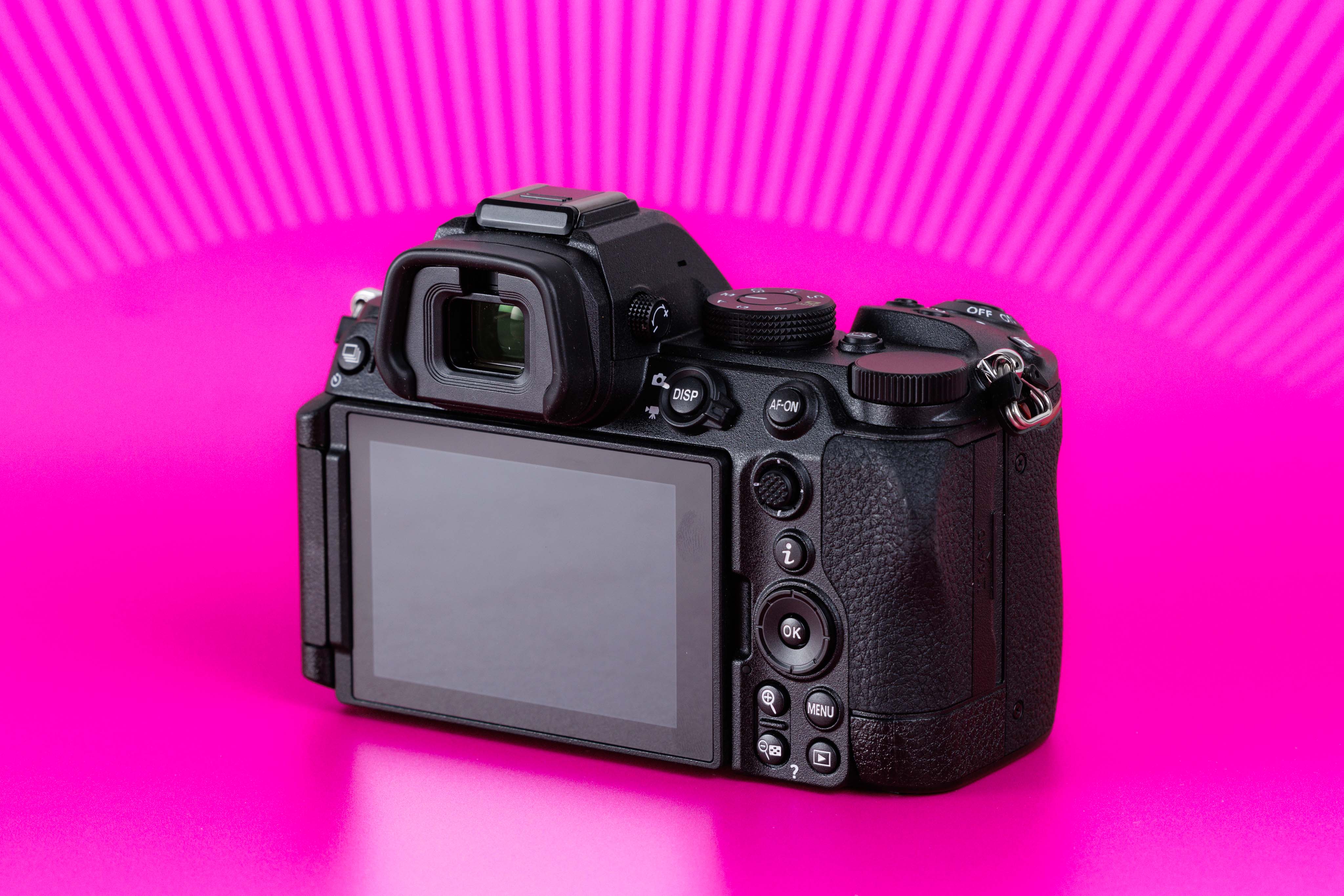
Used Nikon Z5 II
Viewfinder and Display
The Nikon Z5 II's 3.69-million-dot electronic viewfinder is great for its class. It's bright enough to work cleanly even in strong sunlight or complete darkness, and it provides a much more pleasant view than many older entry-level models. Of course, it's not in the same league as the Z8 or the Nikon Z9, but it hasn't slowed me down in everyday work.
For me, the vari-angle display is one of this camera's most practical features. It gives you much more flexibility when shooting from the hip, overhead, or in cramped spaces. It's a real game-changer for street photography, traveling, and self-setup video shoots.

Dhan Limwattana | Nikon Z5 II | NIKKOR Z 35mm f/1.8 S | 35 mm | f/4.0 | 1/640 sec | ISO 3200
Battery, Storage, and Connectivity
The Z5 II uses the EN-EL15c battery, which you might recognize from other Nikon cameras. I've read a lot of measurements on average battery life, but I can tell you that in practice, you'll get significantly more from a single charge. From my experience, one battery easily lasts four hours if I'm shooting the whole time. When filming, you'll naturally run out of juice a bit faster, depending on whether you're shooting in 4K or 1080p.
The two SD card slots are a strong selling point for me. I like to use the second slot as a backup for photos or to separate RAW and JPEG files, but Nikon unfortunately doesn't offer video backup yet. The fact that Nikon relies on UHS-II SD cards instead of expensive specialty cards also fits the camera's ethos: powerful, but down-to-earth.
When it comes to Wi-Fi and Bluetooth connectivity, the Z5 II has you covered. For example, you can quickly transfer your photos to your smartphone or control the camera remotely. While the necessary Nikon app isn't always the fastest tool in the world, it fulfills the job for everyday use.

Dhan Limwattana | Nikon Z5 II | NIKKOR Z 28-75mm f/2.8 | 75 mm | f/5.6 | 1/250 sec | ISO 100
Autofocus and Subject Recognition
Autofocus is one of the biggest advancements in the Z5 II, especially for portrait, street, and landscape photography, or hybrid use.
When it comes to moving subjects, the system works much faster and more reliably than older models, drawing on cues from newer-generation cameras. What immediately stands out is that the camera accurately recognizes a wide variety of subjects like people, animals, cars, motorcycles, bicycles, trains, and airplanes, and for portraits or street photography, it focuses directly on the eyes without a long search. Personally, I prefer using AF-C in combination with 3D-tracking or spot metering because it allows me to work precisely without completely handing over control to the camera. But, especially for beginners, the camera's subject recognition modes are perfectly sufficient in most cases.
Even in challenging lighting conditions, such as backlighting, the autofocus remains surprisingly stable. In low light, it slows down a bit, but it's still usable as long as there's some contrast somewhere.

Dhan Limwattana | Nikon Z5 II | NIKKOR Z 28-75mm f/2.8 | 28 mm | f/2.8 | 1/250 sec | ISO 800
Image Quality
Overall, the Z5 II's image quality is very impressive. If you're looking for huge crops or maximum resolution, you'll find more reserves elsewhere, but for most photographic applications, 24.5 megapixels is more than enough. Especially when combined with good Z lenses, the full-frame sensor delivers clear images and sharp details.
There is one minor criticism, however: the rolling shutter is visible during fast pans and in silent mode, although you can partly fix this issue by simply not shooting in silent mode.

Dhan Limwattana | Nikon Z5 II | NIKKOR Z 28-75mm f/2.8 | 70 mm | f/2.8 | 1/500 sec | ISO 125
Colors, Skin Tones, and Dynamic Range
Colors and skin tones have that typical Nikon look: natural, not too washed out or oversaturated, and without any strange color casts. This is particularly pleasing for portraits, as the files look very harmonious straight out of the camera. The automatic white balance also works reliably; I only prefer to set the Kelvin temperature manually when dealing with mixed artificial and daylight, to ensure consistent results.
The dynamic range is also strong for this class. Shadows can be lifted well, highlights often retain detail without the image immediately losing quality, and overall, the RAW files provide enough leeway for post-processing, making the camera a flexible companion for everyday photography.

Dhan Limwattana | Nikon Z5 II | NIKKOR Z 70-180mm f/2.8 | 180 mm | f/2.8 | 1/4000 sec | ISO 100
ISO and Low-light Performance
Even in low light, you don't need to worry with the Z5 II. For me, shots from ISO 3200 to 6400 remain usable without much thought. While noise is visible at higher ISO values, it can be easily fixed with modern image editing software.
In-camera image stabilization is also useful. Especially in natural light, when traveling or for spontaneous street photography, you can often shoot handheld without immediately having to crank up the ISO or grab a tripod.

Dhan Limwattana | Nikon Z5 II | NIKKOR Z 35mm f/1.8 S | 35 mm | f/4 | 1/200 sec | ISO 100
Video Functions
The Nikon Z5 II’s video features are surprisingly strong for this price point, making it an interesting option for hybrid creators like me. The upgrade to 4K up to 60p, Full HD up to 120p, N-Log, and internal N-RAW ensures smoother motion and significantly more flexibility for B-rolls or slow-motion shots compared to its predecessor.
The 4K/60p mode comes with a slight crop. However, for many uses, this is easily manageable, especially if you primarily work with normal or telephoto focal lengths. If you do a lot of vlogging or like wide handheld shots, this could limit you.

Dhan Limwattana | Nikon Z5 II | NIKKOR Z 28-75mm f/2.8 | 32 mm | f/2.8 | 1/500 sec | ISO 100
The autofocus also works reliably for video recording. Face and eye detection function stably. The focus transitions generally appear smooth and can be controlled via the settings, with only occasional slight “pumping.” For a body in this class, that's absolutely fine, but if you're working purely cinematically and need maximum reliability in every situation, you'll probably end up with a more specialized model eventually.
My impression of the N-Log and N-RAW footage is also very positive. The shots are easy to grade and offer enough headroom for more demanding looks. Plus, there's a microphone and headphone jack, along with manual level control. If you want the audio to be a bit more professional, I'd still recommend an external mic.
Overheating was never an issue in my tests. While the camera does get hot during longer 4K/60p recordings, it has never shut down or displayed a warning message. Rolling shutter is visible in video, but it remains within a range you can work with, as long as you avoid extreme pans.

Dhan Limwattana | Nikon Z5 II | NIKKOR Z 28-75mm f/2.8 | 45 mm | f/5.6 | 1/250 sec | ISO 200
Nikon Z5 II: Alternatives
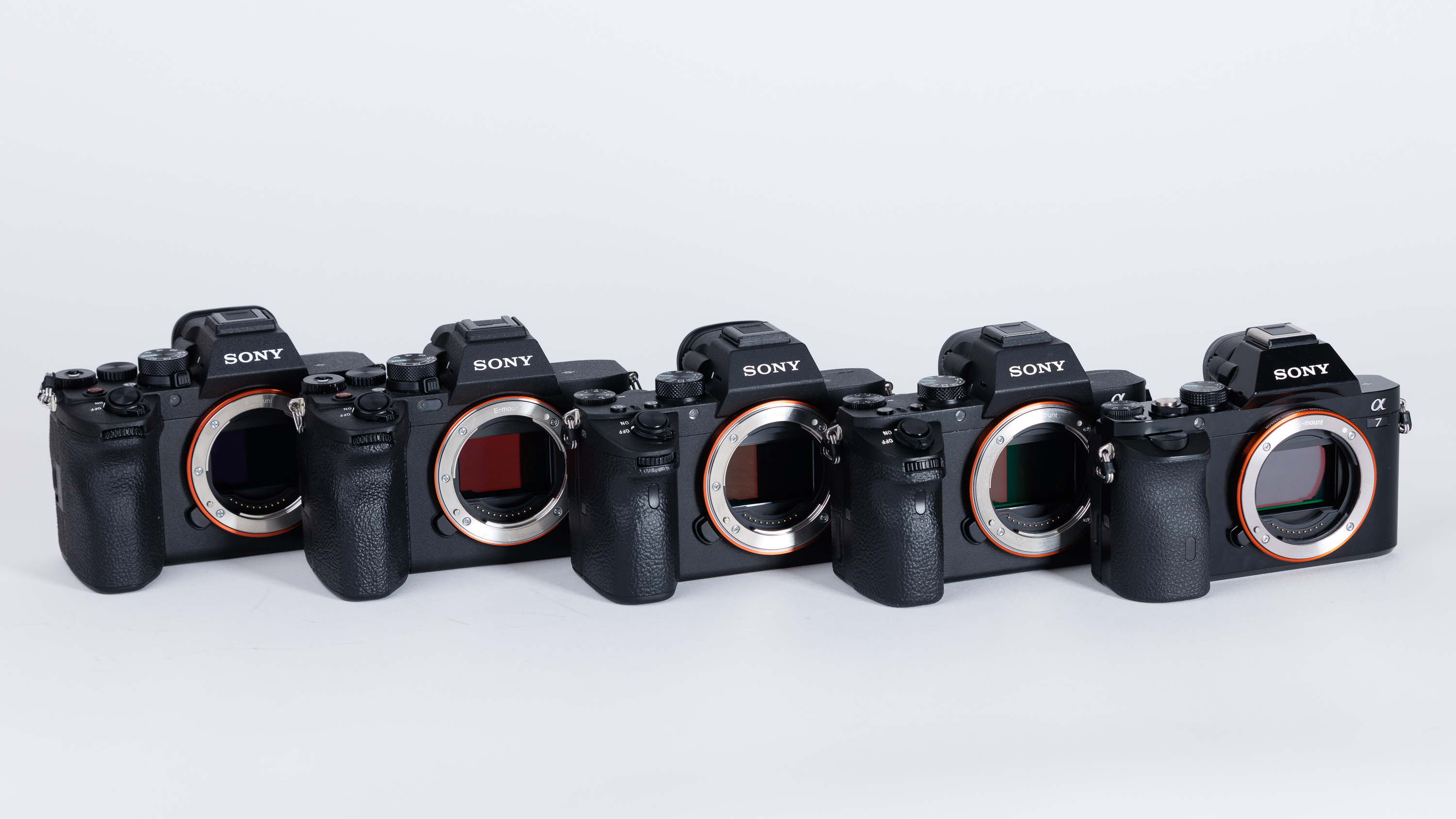
If you're looking for alternatives to the Nikon Z5 II, you'll quickly come across some well-known models like the Nikon Z6 II, Canon EOS R8, or the Sony A7 III. All are relatively close in price but have different strengths. The Z5 II really shines in image stabilization, low-light performance, and handling. A clear disadvantage compared to some alternatives is in video, for example, due to the crop or the lack of focus on high-end video. So, if you primarily shoot videos, other models might be a better fit.
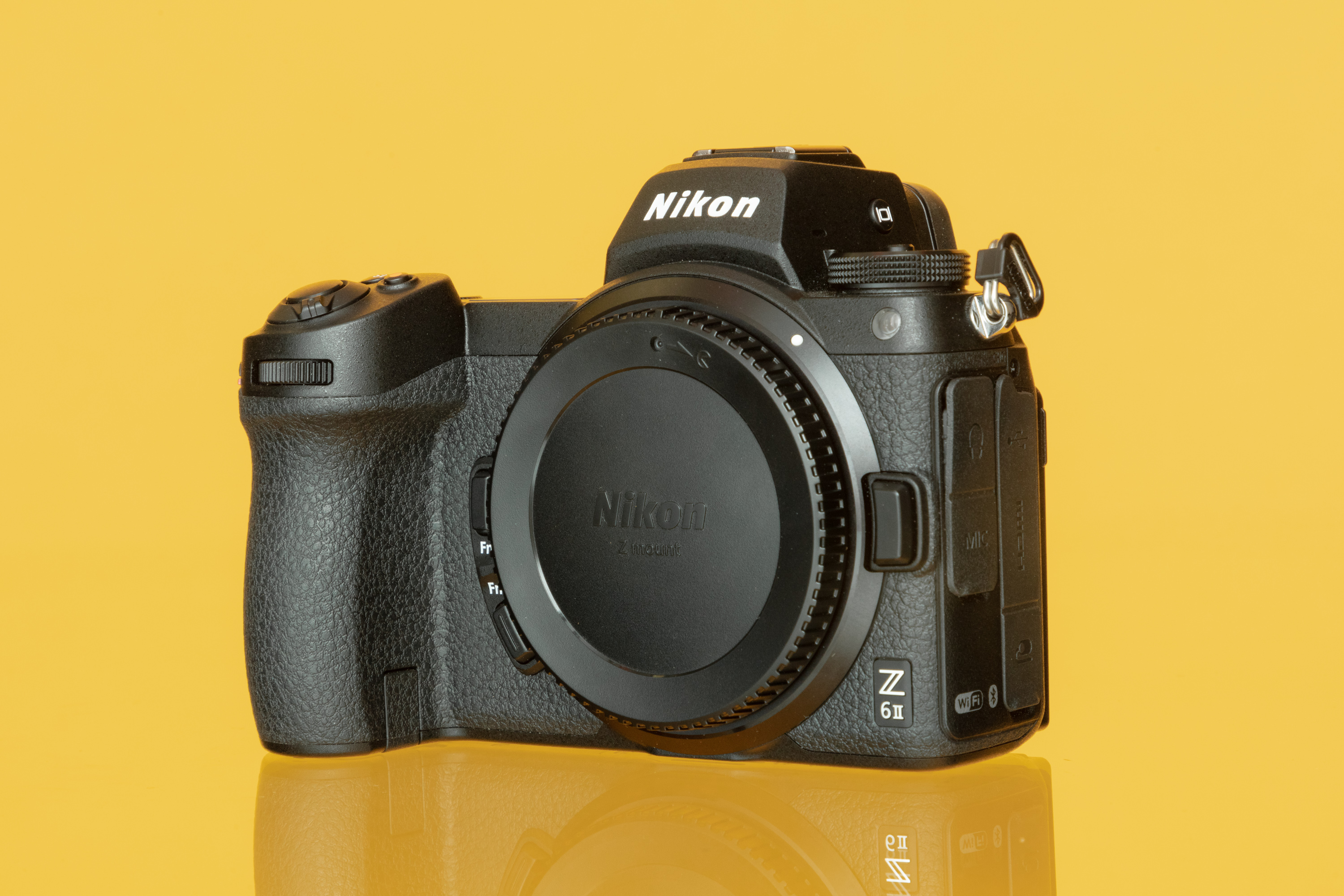
Used Nikon Z6 II
Nikon Z6 II
For many, the Nikon Z5 II vs. Z6 II comparison is probably the most obvious. The Z6 II is still a good camera, supporting faster memory cards and a more professional workflow, but the Z5 II feels significantly more modern with its better autofocus, a more up-to-date processor, a more contemporary user interface, and overall greater comfort.
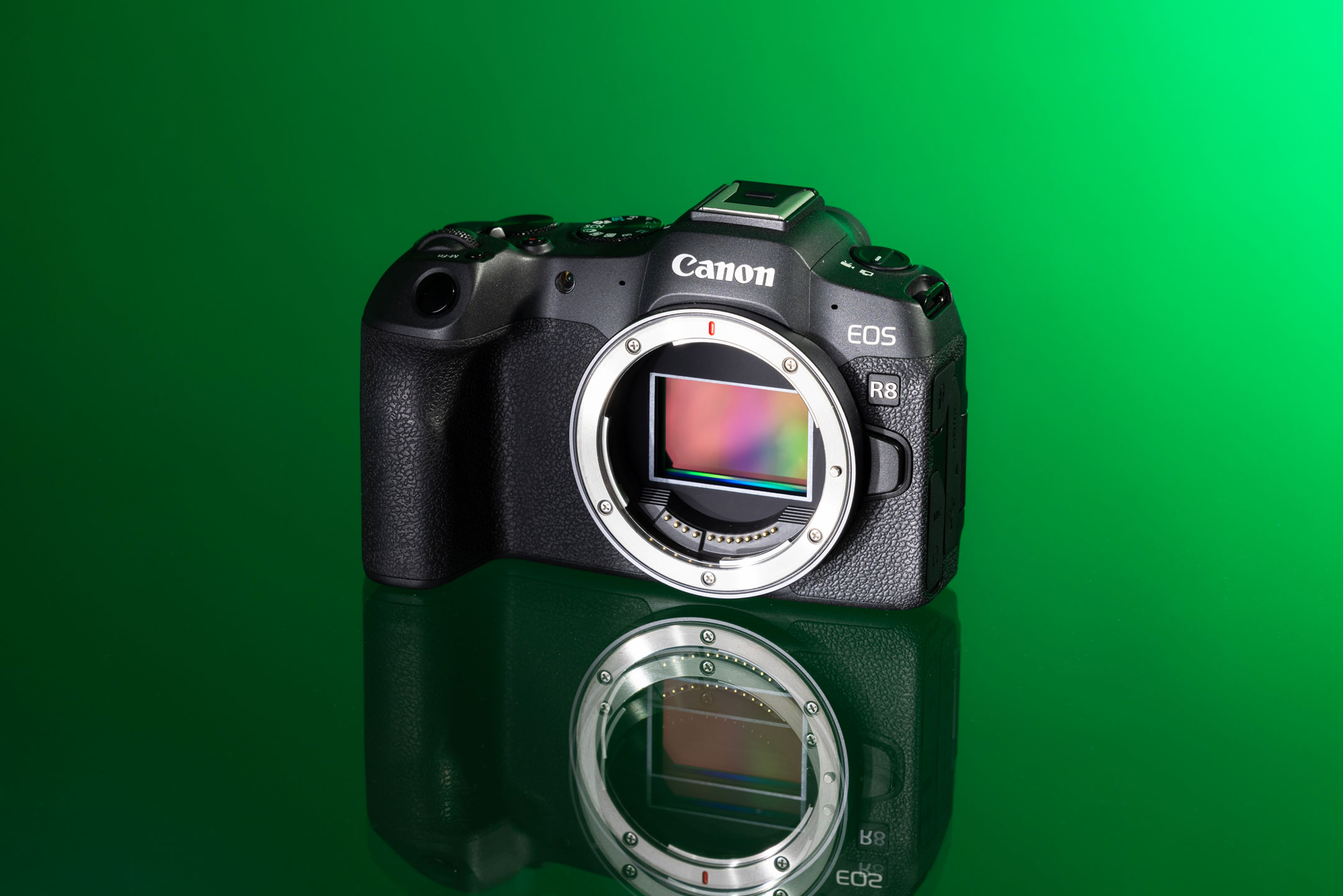
Used Canon EOS R8
Canon EOS R8
Outside the Nikon system, the Canon EOS R8 is a good alternative. It particularly excels in autofocus and video (4K without crop), but it lacks IBIS, so you'll need more expensive lenses with image stabilization or a gimbal for everyday video recording.
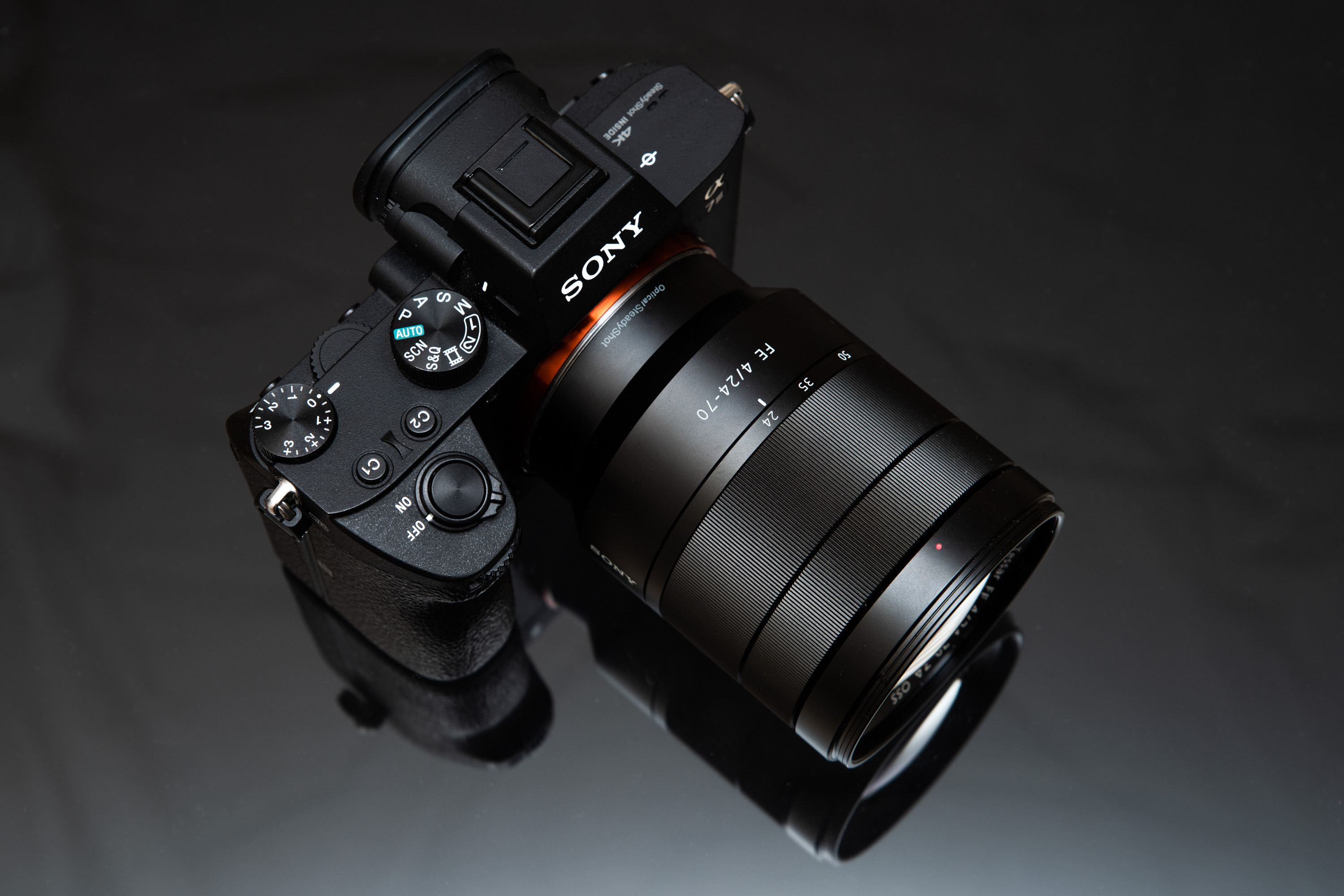
Used Sony Alpha A7 III
Sony A7 III
Despite its age, the Sony A7 III is still a solid option. You'll get a huge lens ecosystem and extra-long battery life, but the tech isn't quite as up to date as the Nikon Z5 II.

Dhan Limwattana | Nikon Z5 II | NIKKOR Z 28-75mm f/2.8 | 41 mm | f/5.6 | 1/400 sec | ISO 250
Conclusion: Is the Nikon Z5 II worth it?
For me, the Nikon Z5 II is one of the most sensible full-frame cameras in Nikon's current lineup. It doesn't try to be everything, but it does a lot right: good handling, strong image stabilization, modern autofocus, clean image quality, and usable video options. Above all, it doesn't feel like a stripped-down compromise, but rather a camera you can seriously work with.
If you're coming from APS-C or DSLR, it's a very compelling entry into the Z series and full-frame. And if you already own an older Nikon model and value better autofocus, more comfort, and hybrid functions, it's also an exciting option. The Z5 II is also a smart investment for many photographers, price-wise, especially when bought used.
If you almost exclusively shoot video, need 4K/60p without a crop, or regularly photograph very fast-paced action at a top level, you should probably look for an alternative. For everyone else, however, the Z5 II is a well-balanced, everyday, and surprisingly mature Nikon mirrorless camera.

Dhan Limwattana | Nikon Z5 II | NIKKOR Z 28-75mm f/2.8 | 60 mm | f/5.6 | 1/250 sec | ISO 100
FAQs
Who is the Nikon Z5 II best for?
The Z5 II is best for ambitious hobby photographers, those switching from APS-C or DSLR, and hybrid creators looking for a versatile full-frame body without immediately investing in a top-tier model.
Is upgrading from the Nikon Z5 worth it?
Yes, especially if autofocus, responsiveness, viewfinder brightness, and modern video options are important to you. That's exactly where the Z5 II feels like a significant step forward.
Just how good is the Nikon Z5 II's autofocus?
It’s great for everyday photography, portraits, street photography, reportage, and travel photos. For action sports or extremely fast wildlife situations, there are stronger alternatives.
Is the 4K/60p crop a dealbreaker?
Not necessarily. For B-roll, interviews or telephoto-heavy shots, it often doesn't matter. However, for vlogging, handheld wide-angle shots, and very flexible hybrid workflows, it can be a limitation.
Which lenses work with the Z5 II?
NIKKOR Z lenses are the best. However, many F-mount lenses can still be used with an FTZ adapter, making switching from older Nikon systems much easier.
Is a used Nikon Z5 II a good choice?
Yes. Especially when bought used, the Z5 II becomes an interesting option for many, as it combines modern tech with great value for money.
You can find out more about Dhan and his work on Instagram.
Find more camera gear guides on the MPB Content Hub.