
In the Field: Panasonic Lumix S5 IIX; Worth it for Video?
Published September 28, 2026 by MPB
Video has a way of quietly taking over. What starts as the occasional clip alongside stills can, over time, become a central part of how you tell stories.
That’s exactly what happened to Amsterdam-based photographer and curator Wesley Verhoeve. In recent years, his work has expanded from photography into documentary projects, branded content and short narrative films, bringing new demands to the tools he relies on.
So when MPB offered him the chance to try out the Panasonic S5 IIX, he approached it with a clear focus: not as an all-round hybrid, but as a dedicated video camera tested in real-world conditions.
Together with his collaborator Harry Orange, Wesley spent several weeks filming, putting the S5 IIX through a range of scenarios to see where it shines, and who it actually makes sense for.
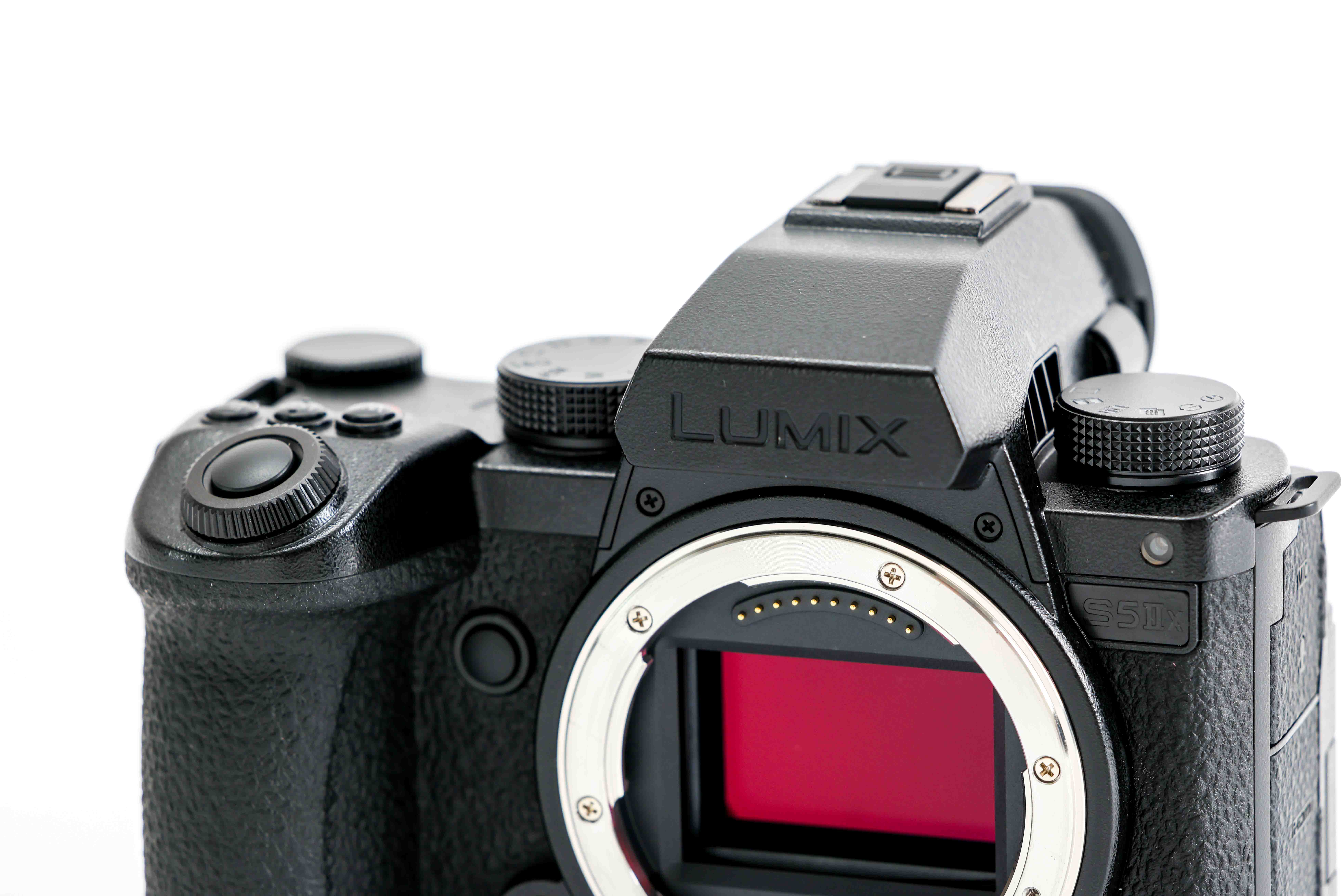
Used Panasonic Lumix S5 IIX
Quick verdict
The Panasonic Lumix S5 IIX is one of the most capable video-focused hybrid cameras available at its price point. It’s built for creators who treat video as their primary output, but still want a camera that can handle stills when needed.
The combination of internal ProRes recording, RAW over HDMI, SSD recording, excellent stabilisation, reliable autofocus and unlimited recording time makes it a seriously powerful production tool. For short films, documentaries, branded video content or livestreaming, the S5 IIX makes a lot of sense.
If you mainly shoot photos and occasionally dabble in video, the standard Panasonic DC-S5 II is probably the smarter buy. You get the same sensor, the same autofocus and the same image quality at a lower price. But if video is your main output, the S5 IIX is absolutely worth the premium.
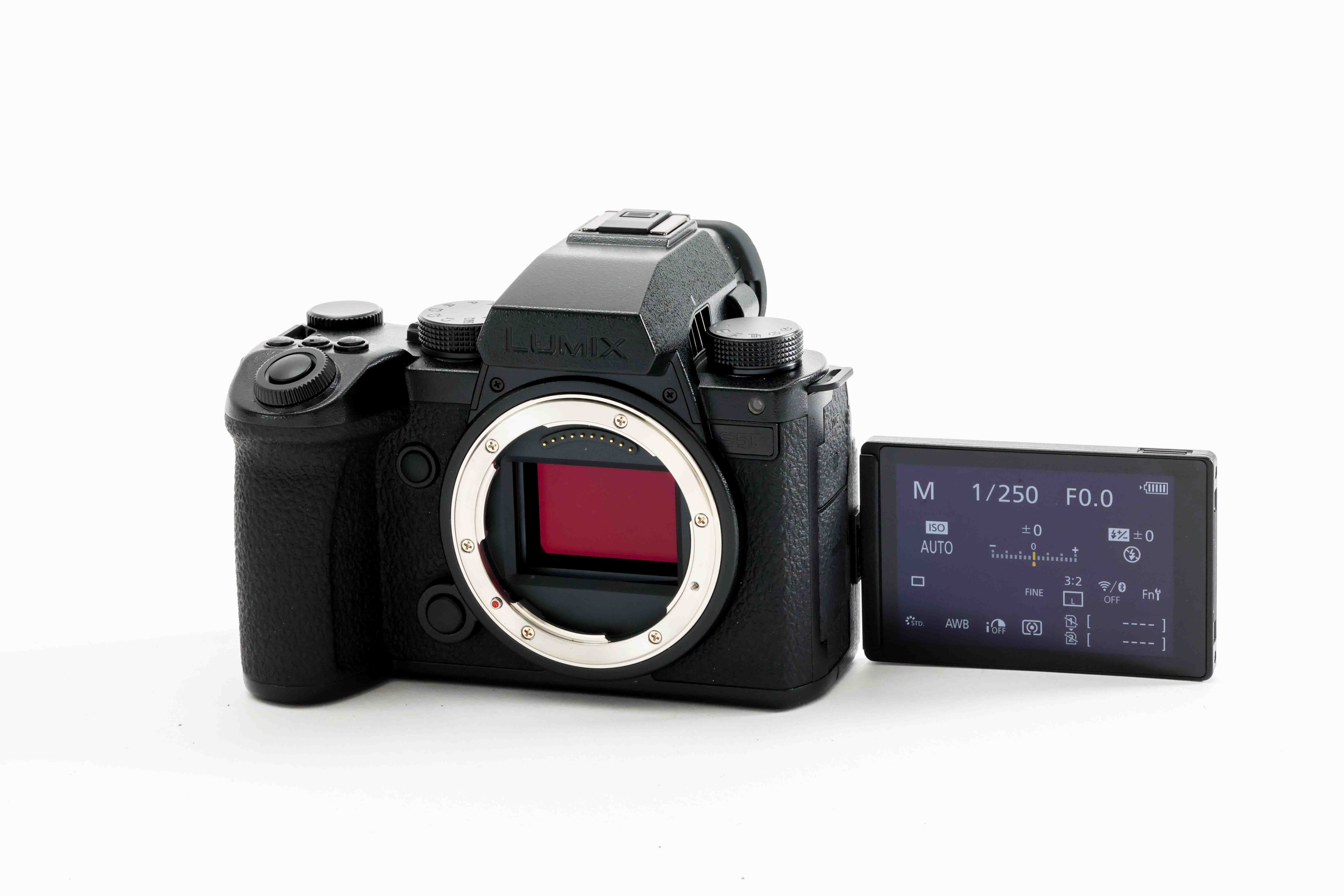
Used Panasonic Lumix S5 II
Panasonic Lumix S5 IIX specifications
Sensor | 24.2MP full-frame CMOS |
Processor | Venus Engine (L2 technology) |
Autofocus | Phase Hybrid AF (779-point) |
Image stabilisation | 5-axis IBIS (up to 6.5 stops) |
Video resolution | 6K up to 30p |
4K video | Up to 60p |
Internal recording | 10-bit 4:2:2 |
Codecs | ProRes (via SSD), All-Intra, LongGOP |
External recording | RAW via HDMI |
Streaming | IP streaming (wired & wireless) |
Burst shooting | Up to 9fps (mechanical), 30fps (electronic) |
ISO range | 100–51,200 (expandable) |
EVF | 3.68m-dot OLED |
Screen | Fully articulating touchscreen |
Storage | Dual SD + external SSD (USB-C) |
Connectivity | Wi-Fi, Bluetooth, USB-C |

Harry Orange | Still from the Panasonic Lumix S5 IIX
Pros
Internal ProRes recording, RAW over HDMI and SSD recording
Excellent stabilisation and reliable autofocus
Unlimited recording time
Built-in livestreaming
Compact, weather-sealed body
Strong low-light video performance
Cons
Battery life is solid, though not exceptional
Photo performance is identical to the cheaper S5 II
Active I.S. applies a slight crop to your footage
The depth of video features can be overwhelming if you’re new to filmmaking
The lens selection is still smaller than what Canon and Sony offer
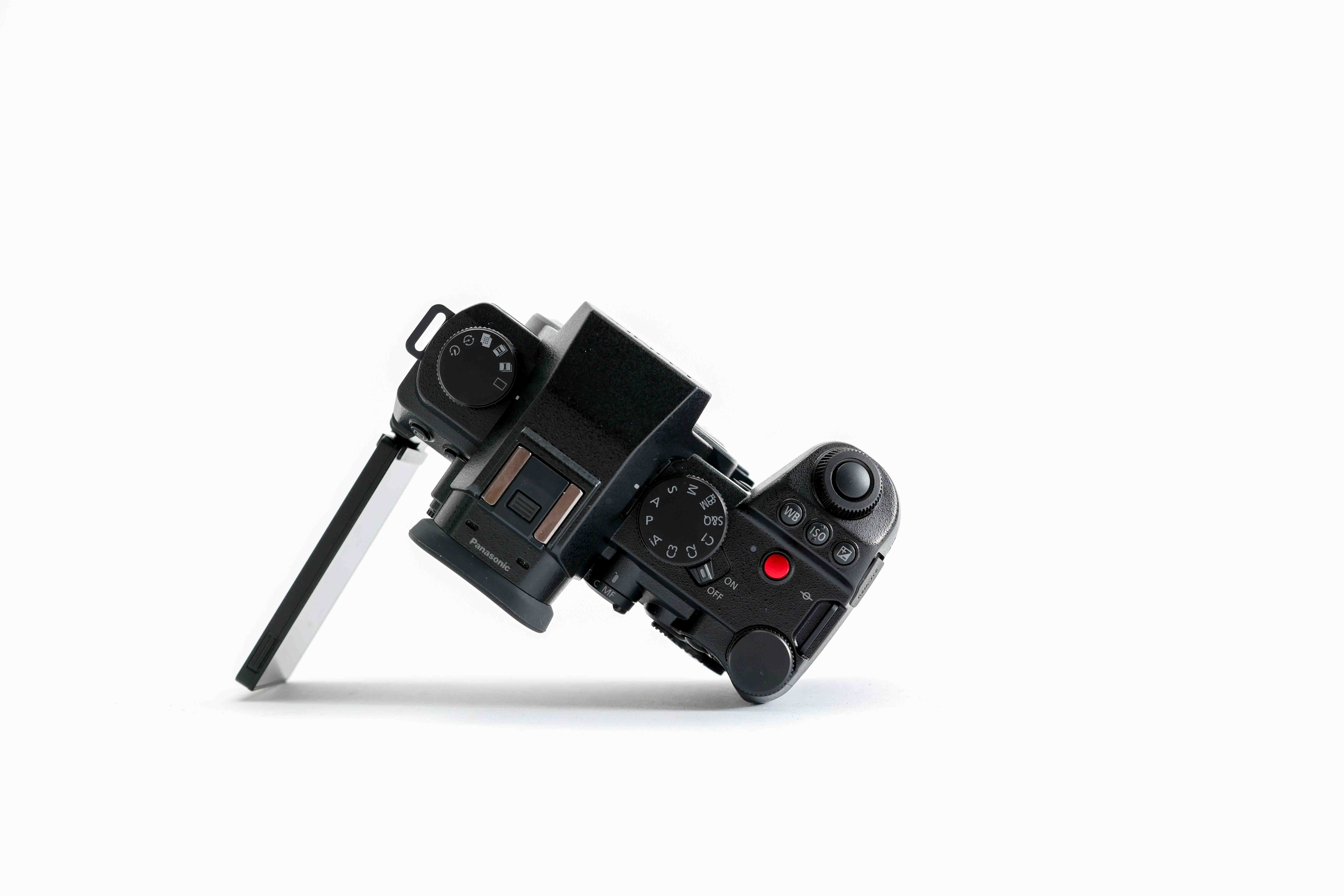
Used Panasonic Lumix S5 IIX
Design and build
The first thing I noticed when picking up the Panasonic Lumix S5 IIX is the all-black design. While the S5 II has the typical Panasonic look with white lettering and red accents on the dials, the S5 IIX goes fully stealth, and I love it. The LUMIX logo, button labels and mode dial markings are all dark grey on black. It looks fantastic, and on a practical level, it also helps the camera stay discreet when shooting through glass or other reflective surfaces.
The trade-off is that in low-light environments, the buttons and dials can be a bit hard to read. It shouldn’t take long to memorise the layout, so it’s not a big deal, but it is worth pointing out.
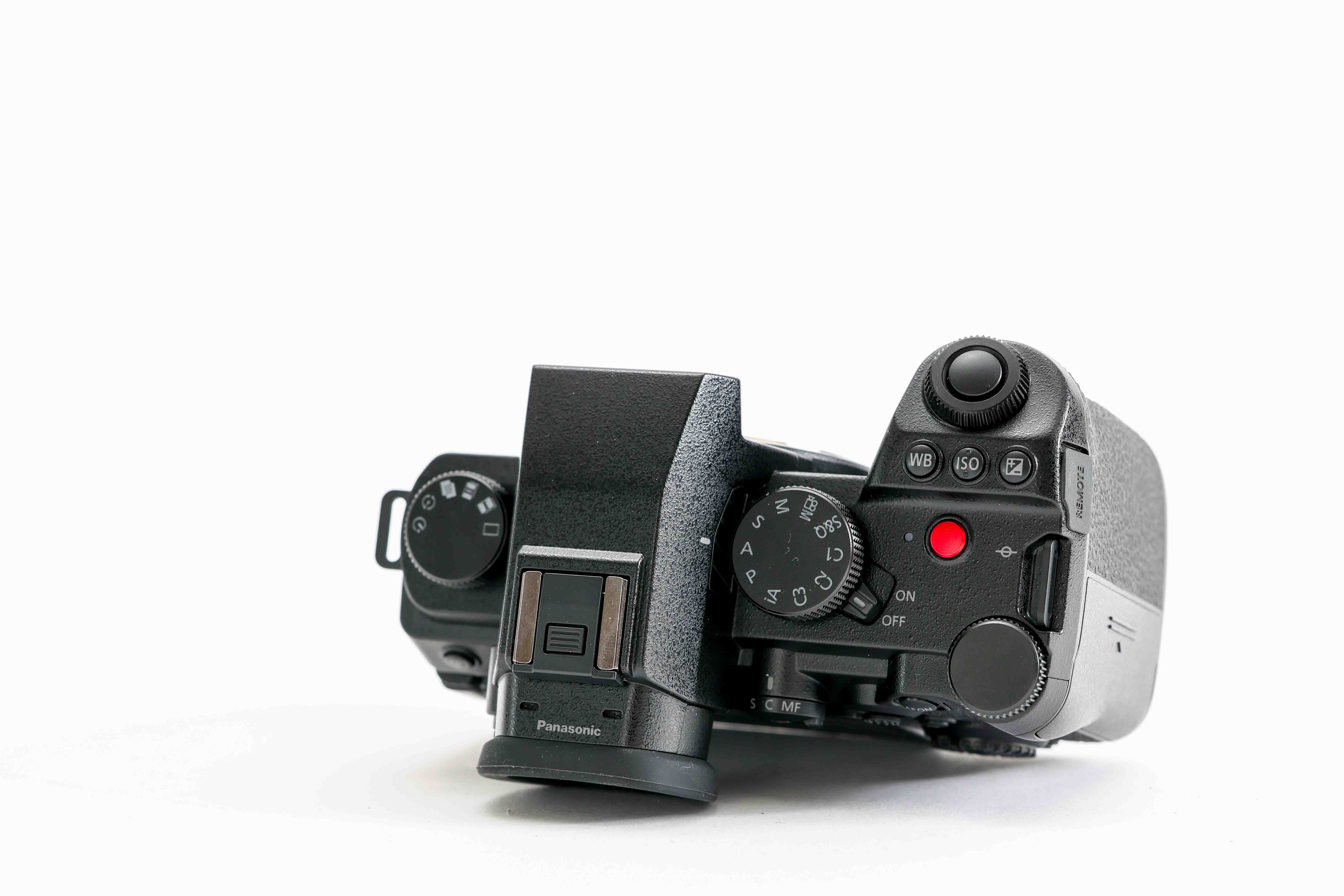
Used Panasonic Lumix S5 IIX
In hand, the S5 IIX feels solid without being heavy, at around 740g for the body. It’s not too heavy for long shooting days, and its magnesium alloy body is weather-sealed against dust and moisture, which is particularly handy for those northern European weather moments that come out of nowhere.
The grip is deep and comfortable, and for run-and-gun video work, the S5 IIX hits a good balance. It’s compact enough to fit in a smaller camera bag alongside a couple of lenses, but substantial enough to feel stable when shooting handheld. The fully articulating touchscreen is a must for video work when you’re trying to be creative with your angles. Every button has a satisfying click, the dials feel precise, and nothing about the camera feels cheap or flimsy.
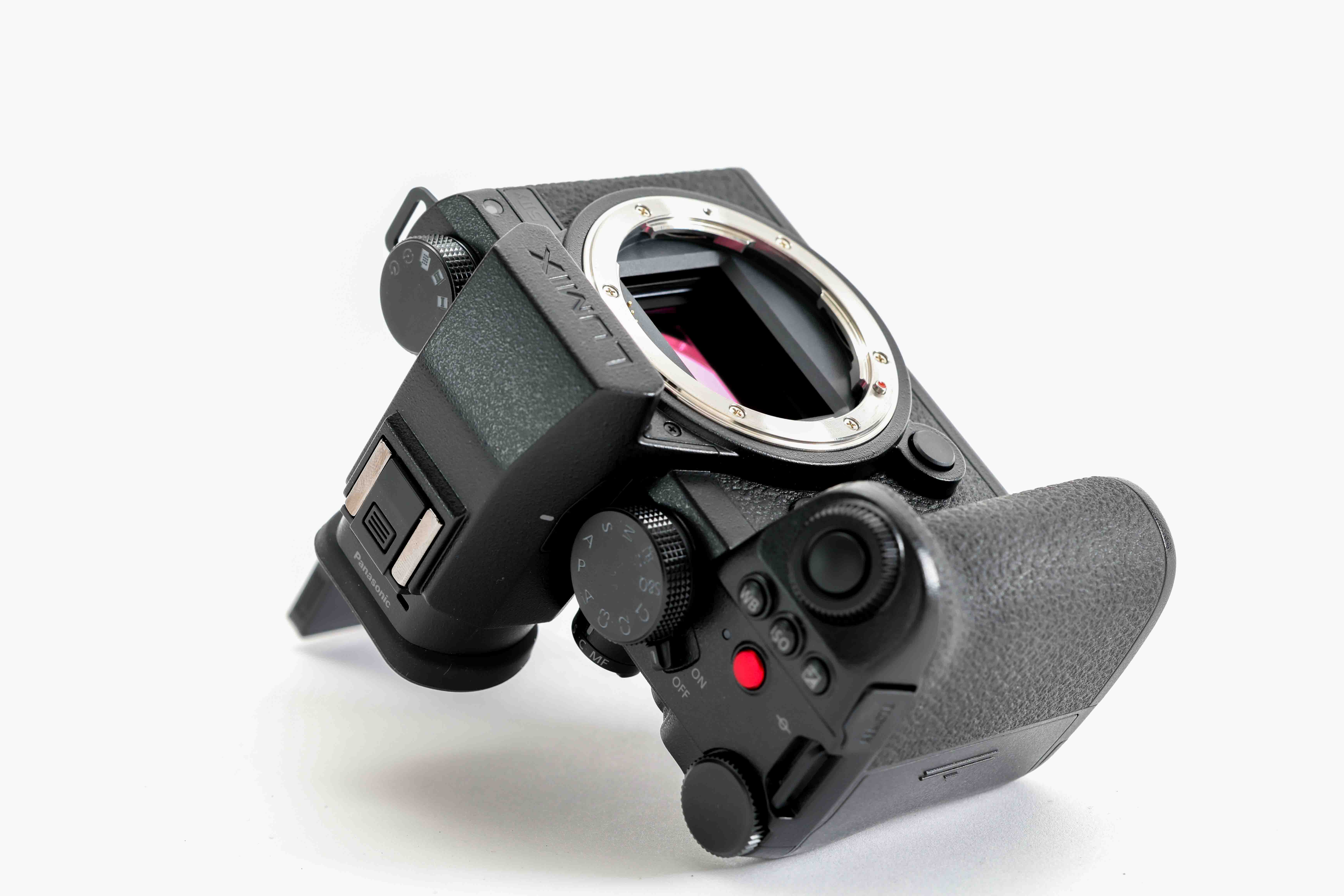
Used Panasonix Lumix S5 IIX
Battery life and connectivity
Battery life on the Lumix S5 IIX is very solid for a mirrorless camera, though not exceptional. For video, you can expect roughly 90 minutes of continuous 4K recording at 60fps, or about 130 minutes at 1080p. In practice, we found that a single battery got us through a solid half-day of mixed shooting, but it’s still smart to bring along one or more extra batteries. The camera also charges via USB-C, so you can top it off with a power bank between setups.
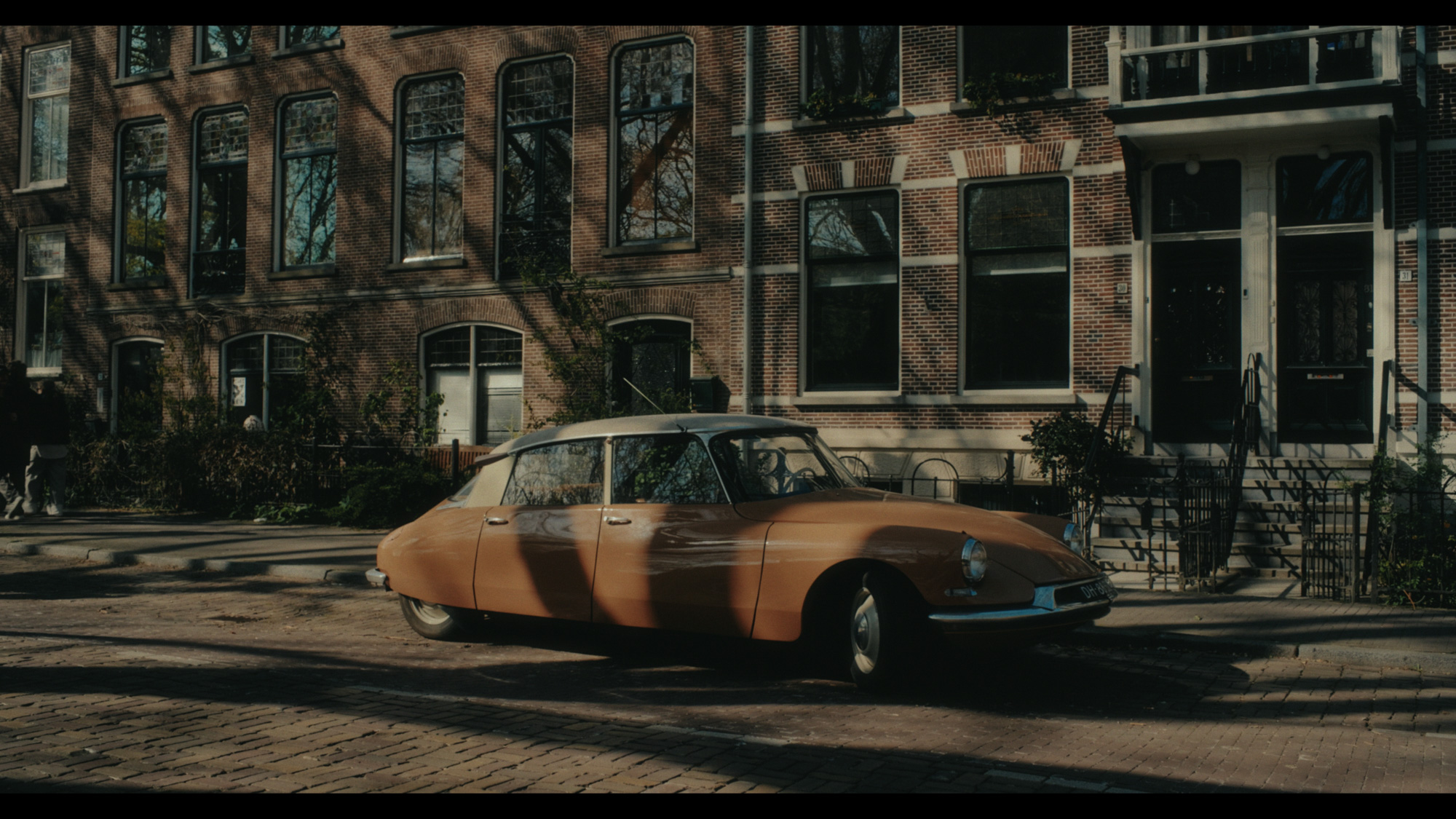
Harry Orange | Still from the Panasonic Lumix S5 IIX
Connectivity is clearly designed with video shooters in mind. You get a full-size HDMI port, which is a relief for anyone who has had a micro-HDMI connection fail mid-shoot, plus a 3.5mm headphone jack, 3.5mm microphone input and USB-C. The S5 IIX also has Wi-Fi and Bluetooth for connecting to the LUMIX Sync app, which is handy for remote monitoring and quick file transfers. There are two UHS-II compatible SD card slots, giving you options for backup recording or overflow.
The USB-C port gets a special mention because it does something the standard S5 II can’t: direct recording to an external SSD. This is a big deal when you’re working with the high-bitrate codecs this camera offers. ProRes 422 HQ files at 5.8K have a bitrate of 1.9Gbps, which works out at roughly 14GB per minute of footage. That would chew through SD cards in no time, so being able to record straight to a portable SSD is more practical and more affordable.

Harry Orange | Still from the Panasonic Lumix S5 IIX
Panasonic S5 II vs S5 IIX - Key differences
One of the main questions you might face when looking at this camera is whether it’s worth the extra money over the S5 II. In a nutshell, my answer would be: it depends entirely on how serious you are about video.
The sensor is identical. The autofocus system is identical. The image stabilisation is identical. The photo output is the same. If you compare still images from both cameras side by side, I don’t think anyone would be able to tell them apart. The differences are entirely about video.
First, the S5 IIX can record internally in ProRes 422 HQ at up to 5.8K 30fps and ALL-Intra at up to Cinema 4K 60fps. ALL-Intra means each frame of video is compressed individually, rather than using shortcuts between frames to save space. The S5 II maxes out at Long GOP recording, which is a more compressed format where the camera only fully records some frames and predicts the ones in between. ALL-Intra and ProRes give you higher-quality footage with more flexibility in post-production. When you’re colour grading or pulling stills from video, you get cleaner results.

Harry Orange | Still from the Panasonic Lumix S5 IIX
Second, the S5 IIX supports RAW video output over HDMI. Pair it with a compatible Atomos or Blackmagic recorder and you can capture 5.9K ProRes RAW or Blackmagic RAW. This is professional-grade footage from a camera body that costs a fraction of what a dedicated cinema camera would.
Third, there’s USB-SSD recording. The ability to record those massive ProRes and ALL-Intra files directly to an affordable external drive is a genuine workflow advantage.
Fourth, the S5 IIX has livestreaming built in. Wireless RTMP/RTMPS streaming and wired IP streaming are both available. If you livestream events, interviews or behind-the-scenes content, this is a real differentiator.
Finally, there’s the all-black design and the pre-installed Live View Composite Mode, which the S5 II received later via a firmware update.

Harry Orange | Still from the Panasonic Lumix S5 IIX
My personal recommendation would be that if you’re primarily a photographer who shoots occasional video, save the money and go with the S5 II. It’s an incredible camera. But if video is your main output, or if you’re building a career in video production and want a camera that can grow with you into professional workflows, the S5 IIX is absolutely worth the premium.
If you already own a Panasonic S5 II, I’d only recommend upgrading if you specifically need ProRes internal recording, SSD recording or streaming capabilities. If you’re happy with Long GOP footage and don’t need to output RAW over HDMI, your S5 II is still a fantastic camera.
Shooting Performance
Image stabilisation and handheld recording
One of the things I was most excited for us to test on the Panasonic Lumix S5 IIX was the stabilisation system, and it did not disappoint. The camera uses what Panasonic calls Dual I.S. 2, which combines in-body stabilisation with optical stabilisation in compatible lenses. Together, they provide up to 6.5 stops of shake compensation, which is impressive for a camera built with handheld video work in mind.
Harry Orange | Still from the Panasonic Lumix S5 IIX
The real star of the show is Active I.S. for video, which is designed specifically for shooting while walking. Panasonic claims it compensates for approximately 200% more shake than conventional stabilisation systems, and while I can’t quantify that exactly, I can say that the footage we shot while walking through the streets of Amsterdam came out looking smooth and stable.
It’s not as smooth as a gimbal, but for documentary-style shooting, vlogs, casual walkaround content, and anything where you want to stay light and mobile, Active I.S. gets you pretty close. We were able to shoot handheld video at moderate focal lengths while walking at a normal pace and get footage that looked stable and professional. That’s a big deal for solo shooters who don’t want to carry extra gear.
One thing to mention is that Active I.S. applies a slight crop to your footage, which is standard for electronic stabilisation. It’s not dramatic, and it’s well worth the trade-off.
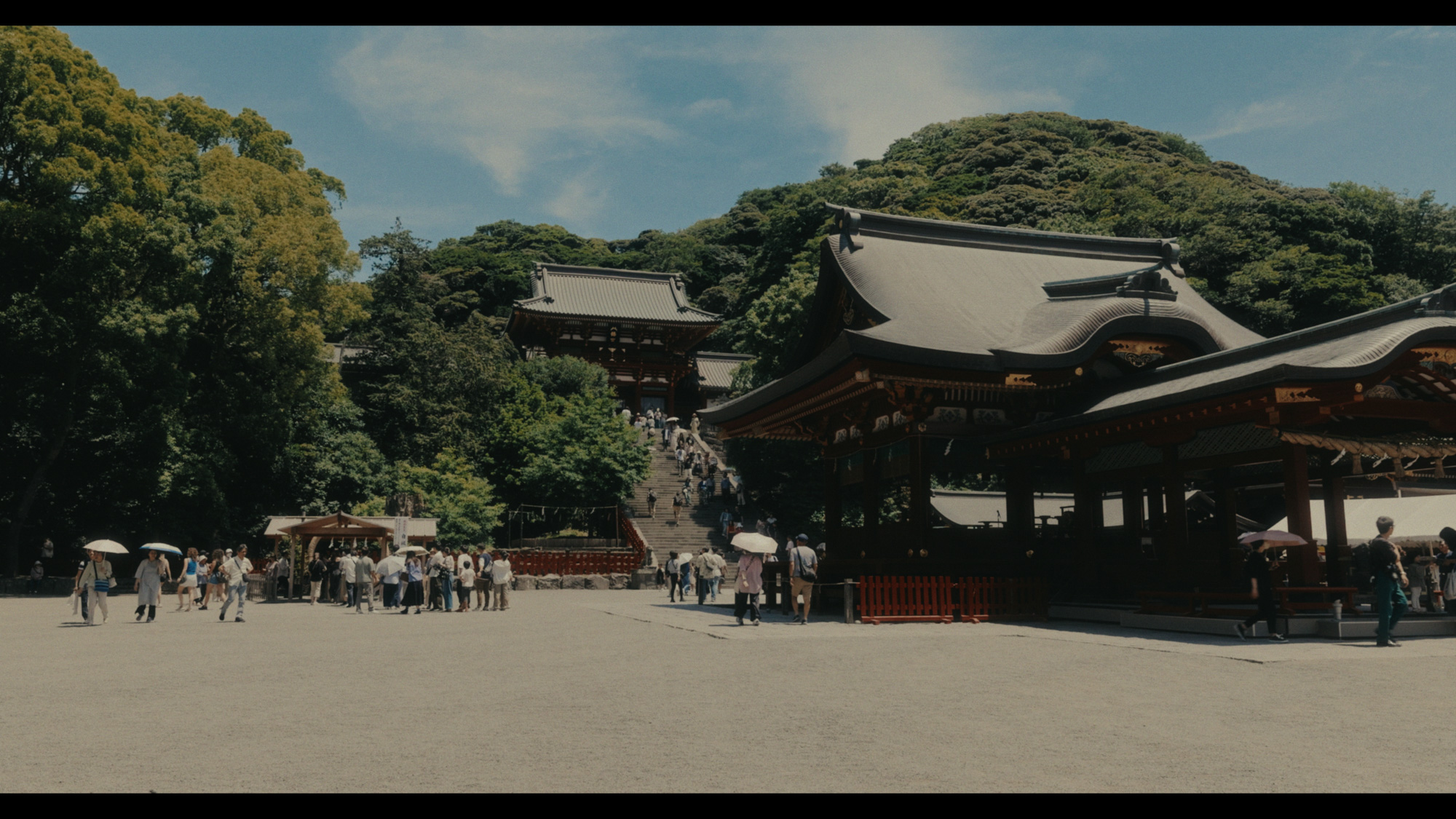
Harry Orange | Still from the Panasonic Lumix S5 IIX
Autofocus performance and hybrid phase detection
The hybrid phase-detection autofocus on the Lumix S5 IIX was a major step forward for Panasonic. Before the S5 II generation, Lumix cameras used contrast-detect AF exclusively. This was reliable for stills, but it could struggle with video and tracking. The move to a hybrid system with 779 phase-detection points helped fix that.
The autofocus is smooth and natural-looking. There’s no hunting or pulsing, which is critical when you’re shooting interview-style content or following someone as they walk and talk. The focus transitions feel organic and professional.
Eye detection worked reliably, even at a distance, and the subject recognition system did a good job of identifying and tracking people in busy scenes. We tested it extensively while shooting documentary-style footage on the streets of Amsterdam and in the studio, and the camera kept up with moving subjects.
Autofocus does still struggle a bit in very low-contrast scenes, extreme low light, or situations with multiple subjects at similar distances. I’d say those are edge cases, though. For most of our testing, the AF was spot-on.

Harry Orange | Panasonic Lumix S5 IIX | 40 mm | 1/2000 sec | ISO 800
Image quality
While we used the S5 IIX primarily for video, it's worth mentioning that the camera takes excellent stills too. The 24.2-megapixel sensor delivers detailed, clean files with natural colour rendition. Stills also benefit from 9fps burst shooting and a high-resolution multi-shot mode. Panasonic's colour science has come a long way, and the out-of-camera images have a pleasing quality that works well if you need to grab stills alongside your video work. But as I mentioned, the photo performance is identical to the S5 II, and the S5 IIX's advantage is entirely in its video capabilities.

Harry Orange | Panasonic Lumix S5 IIX | 40 mm | 1/80 sec | ISO 800
For video, image quality is excellent. V-Log is available for both photo and video. It’s a flat, low-contrast colour profile that captures maximum information in the file, giving you more flexibility when editing colour and exposure afterwards. The 14+ stop dynamic range in V-Log is impressive for a camera at this price point. You can recover significant detail from shadows and highlights in post, which is especially valuable when shooting in high-contrast conditions.
At low ISO values, footage is clean and detailed. Pushing up to ISO 3200 and 6400, the camera handles things gracefully. There is some luminance noise at higher values, but it’s the kind of noise that’s pretty easy to deal with in post and doesn’t destroy detail. Harry was comfortable shooting at ISO 6400 for most video work.
Since the S5 IIX uses the L-mount system, you have access to lenses from Panasonic’s own LUMIX S line, Sigma’s Contemporary and Art series, and Leica. We shot primarily with the Sigma 24-70mm F2.8 DG DN I Art L-mount, which is an incredibly practical range for video, especially for commercial or corporate shoots. The constant f/2.8 aperture is a real advantage in variable lighting conditions, and it’s compact enough to keep the rig manageable. We also shot on a few vintage Olympus lenses using an adapter, which gave us gorgeous analogue-feeling textures and tones.

Harry Orange | Still from the Panasonic Lumix S5 IIX
Video performance and professional video features
This is where the Panasonic Lumix S5 IIX really separates itself from the pack, and it’s the reason we were most interested in testing this camera.
The S5 IIX can record 6K video at 30fps in 4:2:0 10-bit, giving you plenty of resolution to work with. For most practical purposes, though, you’ll probably be shooting in 4K or Cinema 4K, where the camera can record continuously at 60fps in 4:2:2 10-bit. The difference between 4:2:0 and 4:2:2 comes down to how much colour information is captured, with 4:2:2 giving you more flexibility when colour grading. Unlimited recording time also means you can shoot interviews, events, performances or longer takes without worrying about a timer cutting you off.
What makes the S5 IIX special is the codec options. Internal ProRes 422 HQ recording at up to 5.8K is the kind of feature you’d normally find on cameras costing two or three times as much. ProRes is widely used in professional editing workflows because it is designed to be easier for your computer to work with while maintaining high quality. Being able to capture it in-camera, without an external recorder, simplifies your setup enormously. The ALL-Intra recording option at up to Cinema 4K 60fps is another strong choice for anyone who wants high-quality individual frames and cleaner editing.
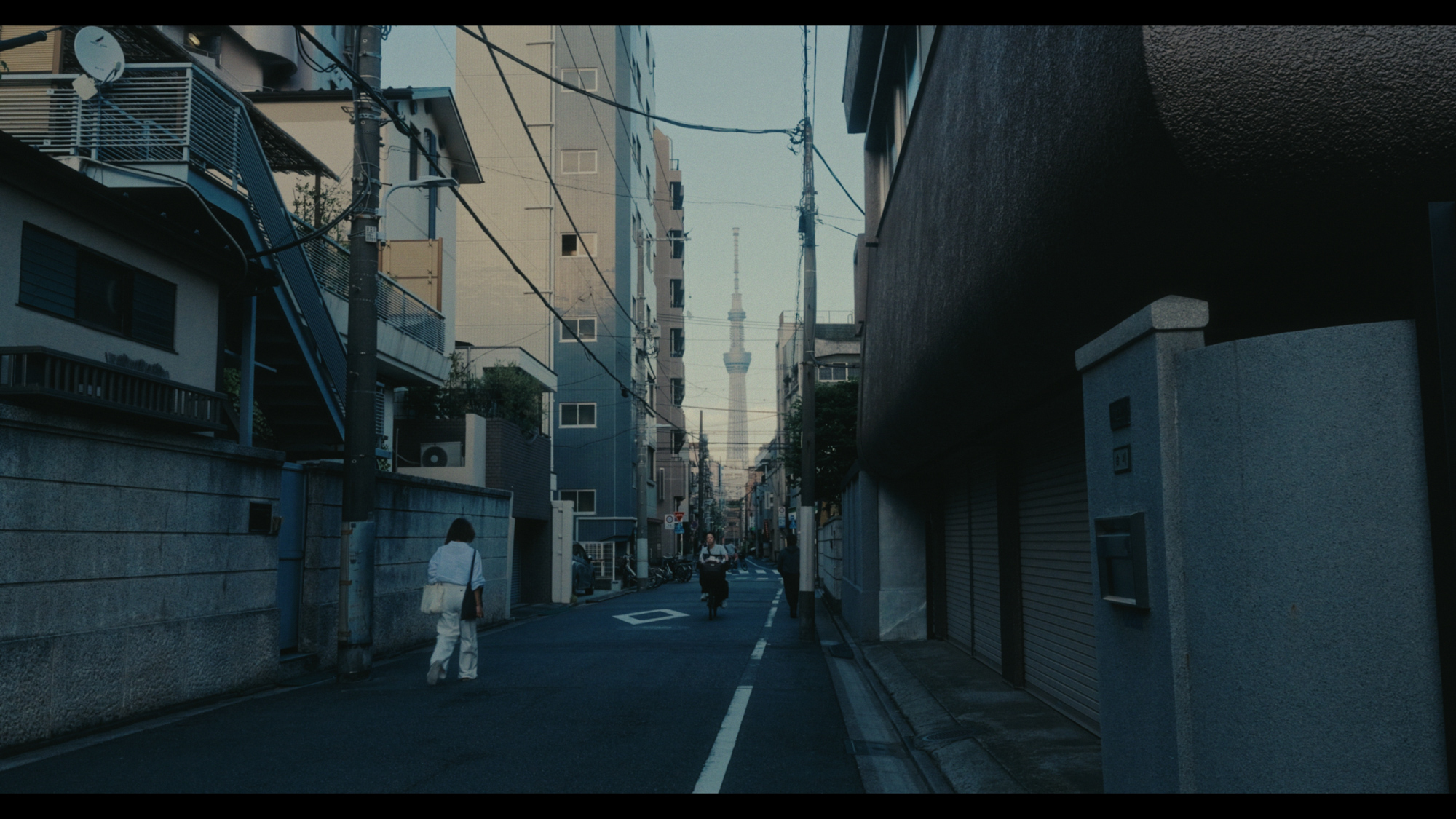
Harry Orange | Still from the Panasonic Lumix S5 IIX
For RAW video output, you can pair the S5 IIX with an Atomos recorder for ProRes RAW at up to 5.9K, or a Blackmagic recorder for Blackmagic RAW. This puts professional-grade RAW video within reach of independent filmmakers and content creators working with modest budgets.
V-Log/V-Gamut capture gives you over 14 stops of dynamic range, which is perfect if you’re serious about colour grading. V-Gamut refers to the wide range of colours the camera can record, giving colourists maximum flexibility. Combined with the Real Time LUT function, you can load your own LUTs directly into the camera and see your graded look in the viewfinder while shooting. This is hugely helpful for maintaining a consistent visual style, especially when you’re handing footage off to an editor.
Livestreaming from the S5 IIX is straightforward. For wireless streaming outdoors, you can use RTMP/RTMPS protocols through the LUMIX Sync app. For more stable indoor setups, wired IP streaming via RTP/RTSP is available through the USB-C connection. The camera also supports Adobe Camera to Cloud via Frame.io, which lets your team start reviewing and editing proxy files while you’re still shooting.

Harry Orange | Still from the Panasonic Lumix S5 IIX
A common concern with mirrorless cameras shooting high-bitrate video is overheating. Panasonic addressed this with a built-in cooling fan and a high-efficiency heat sink. The S5 IIX is rated for unlimited 4K 60p recording at temperatures up to 40°C. In our experience, the camera never overheated or shut down during extended recording sessions.
Low-light video performance is strong. At ISO 4000, footage is clean and usable with minimal noise reduction needed. Even pushing to ISO 6400 and 12800, the results hold up well for most content production purposes. The combination of the sensor, V-Log’s dynamic range and good in-camera noise handling means you can confidently shoot in dimly lit venues, indoor events and golden hour conditions without stress.

Harry Orange | Still from the Panasonic Lumix S5 IIX
Value for money and competition
At the time of writing, the average second-hand price of the Panasonic Lumix S5 II ranges from around $860 to $1,420, depending on condition, while the S5 IIX typically falls between $940 and $1,540. That puts the S5 IIX in a similar price bracket to cameras such as the Sony A7 IV and Canon EOS R6 Mark II.
The Sony A7 IV comes in at a similar price point and offers a higher-resolution 33-megapixel sensor, which gives it an edge for still photography. Sony’s autofocus system is also very well made and perhaps even a touch more reliable in challenging conditions. That being said, the A7 IV’s video features are less extensive than the S5 IIX’s. It doesn’t offer ProRes internal recording, ALL-Intra codecs or built-in livestreaming. If your priority is stills with some video on the side, the Sony is a strong choice. If video is central to your work, the S5 IIX has the edge in my opinion.
The Canon EOS R6 Mark II is competitively priced and has excellent autofocus performance, particularly for tracking moving subjects. It’s a great all-rounder with solid 4K video capabilities. But again, it can’t match the S5 IIX’s video codec options, streaming capabilities, or the ability to record to external SSDs.
Where the S5 IIX really shines in this comparison is value for the video-focused creator. The professional video features it offers are features that were previously only available on much more expensive cinema-oriented cameras. To mention them one more time: ProRes internal, RAW over HDMI, SSD recording, streaming, V-Log and unlimited recording. Getting all of this in a compact, weather-sealed body that also takes solid stills makes it a great deal.
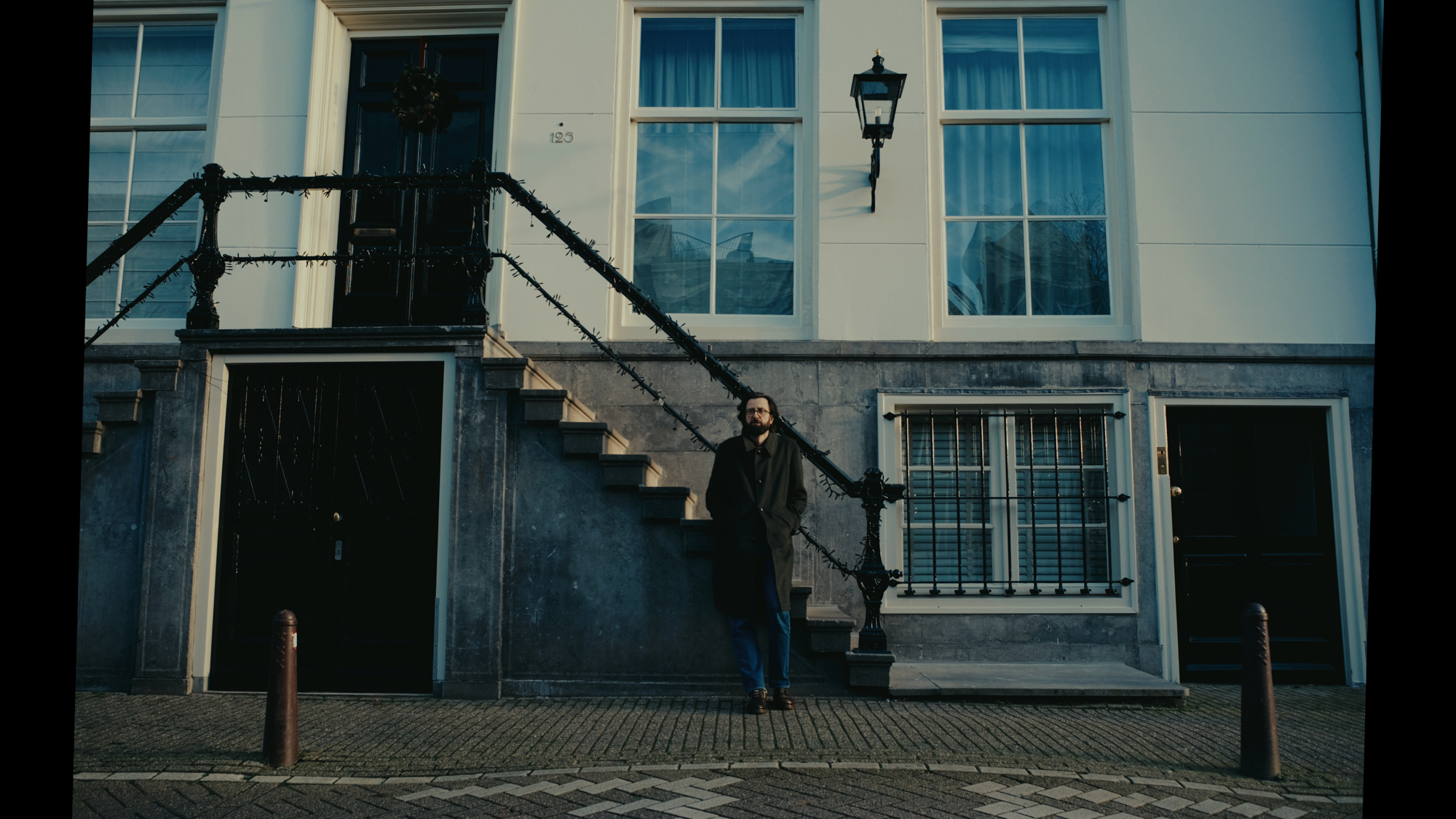
Harry Orange | Still from the Panasonic Lumix S5 IIX
One consideration worth mentioning is the L-mount ecosystem. While it’s growing steadily and the Sigma lenses available for L-mount are excellent, the lens selection is still smaller than what Canon and Sony offer. If you already own a lot of Canon RF or Sony E-mount glass, switching to L-mount involves significant investment. But if you’re starting fresh or willing to build a new kit, the L-mount lenses from Sigma, Panasonic and Leica cover all the essential focal lengths and offer superb quality.
In terms of accessories, I’d recommend a few essentials for video work: an extra battery or two for longer shoots, and a good portable SSD if you plan to use ProRes or ALL-Intra recording. A compact external microphone improves audio quality significantly over the built-in mic. And if you’re shooting a lot of handheld video, a small cage with a handle can make the camera more comfortable to hold in video-oriented positions.

Harry Orange | Still from the Panasonic Lumix S5 IIX
Final verdict - Who is the Panasonic Lumix S5 IIX suitable for?
After Harry and I shot a bunch of videos with the Panasonic Lumix S5 IIX, both creative and corporate, I can confidently say it's one of the most capable video-focused hybrid cameras available at its price point.
If you're a videographer or content creator who needs professional-grade video features without the bulk and cost of a dedicated cinema camera, the S5 IIX should be at the top of your list. Hybrid shooters who lean more toward video will find the S5 IIX delivers on both fronts; the photo quality is strong, the ergonomics are comfortable for long shooting days, and having access to the full suite of video features means you're not limited when a project demands more.

Harry Orange | Still from the Panasonic Lumix S5 IIX
For photographers who primarily shoot stills and only occasionally record video, the standard Panasonic S5 II is the better value: same sensor, same autofocus, same image quality, at a lower price; the S5 IIX's video-specific features would be wasted on someone who rarely uses them.
The S5 IIX is also a good choice for beginners committed to learning video production who want a camera that won't limit them as their skills grow, though the depth of video features can be overwhelming for those just starting out.
What I appreciated most about the Lumix S5 IIX was the sense that Panasonic built this camera for working video creators: the streaming capability, the SSD recording, and the cooling system for unlimited recording are solutions to real problems that video professionals face every day.
The L-mount ecosystem continues to grow, with Sigma producing some of the best lenses in the business, and Blackmagic's latest Pocket and Pyxis cameras also adopting L-mount, making the S5 IIX a great B-cam. If you're looking for a camera that can handle serious video production today while still being capable of great stills when you need them, the Panasonic Lumix S5 IIX is hard to beat.
Find out more about Wesley’s work on Instagram.
Read more camera gear guides on our MPB Content Hub.