
The Sony A7 III is still one of the easiest all-round full-frame cameras to recommend, and yes, it absolutely makes sense to buy one today. It’s reliable, well-priced on the used market, and has proven itself in real-world shooting over the years. In fact, our video review was shot entirely on the A7 III, which says a lot about how capable it still is. While it’s no longer the flashiest camera in Sony’s line-up, it’s the go-to all-rounder for many.
Released in 2018, the A7 III still sits comfortably alongside newer models like the Sony A7 IV and higher-resolution options like the Sony A7R III.
https://youtu.be/Nb9yjm4Vscc?rel=0This review is based on long-term use, too. Between MPB’s Senior Content Producer, Amy Moore, and Videographer, Jakub Golis, the Sony A7 III has spent over eight years shooting everything from portraits to landscapes and events. Amy alone has nearly 15,000 A7 III images in her Lightroom catalogue, and despite regularly working with newer Sony bodies, keeps coming back to the A7 III. She’ll tell us why that is.
With additional images by Jakub Golis and Ian Howorth.
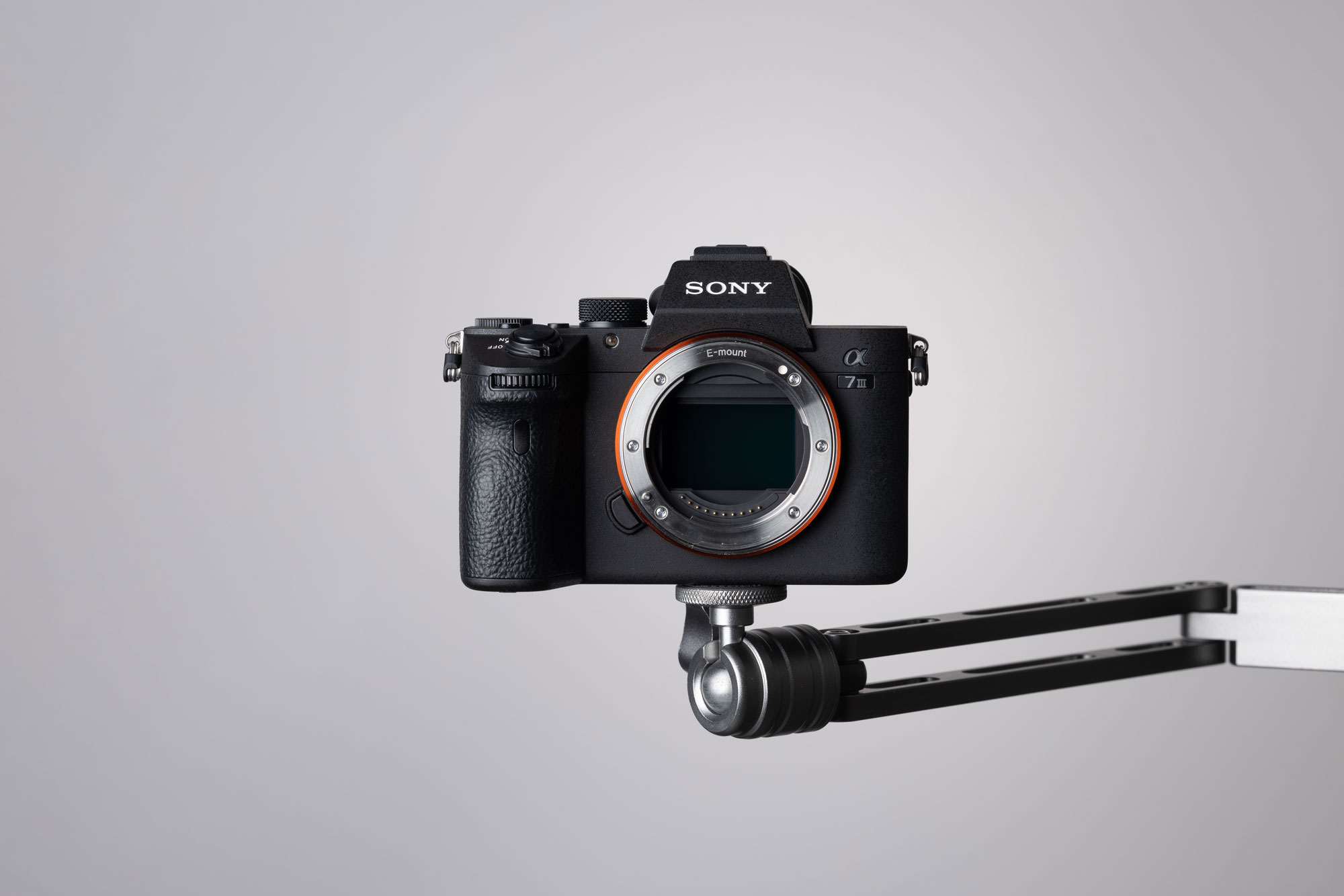
Used Sony A7 III
Sony A7 III Key Specs
Sensor | Full-frame, BSI |
Megapixels | 24.2 |
IBIS, stops | Yes, 5 |
ISO | 100–51,200 |
Autofocus pts | 693 |
Subject detection | Face, eye |
Burst, fps | 10 |
Video | 4K, 30p, 8-bit, 4:2:0 |
Battery | NP-FZ100 |
Est battery life | 710 |
Card slots | Dual SD, 1 x UHS-II, 1 x UHS-I |
Rear LCD | Tilting, 3.0-inch, 921k dots |
Flash | Hot-shoe |
Size, mm | 127x96x74 |
Weight, g | 650 |
Released | 2018 |
Pros
Proven durability over years of real-world use
Reliable autofocus for everyday shooting
Well-balanced hybrid performance
Excellent full-frame image quality
Good value on the used market
Dual SD card slots
Strong battery life
Cons
Rear screen only tilts, rather than fully articulating
Autofocus lacks latest subject recognition
Older Sony menu system can feel clunky
8-bit video is limiting
Viewfinder resolution

Jakub Golis | Sony A7 III | Sony FE 28mm f/1.8 f/2 | 28mm | 1/1250 | f/2.0 | ISO 100
What is the Sony A7 III like to use?
The Sony A7 III will surprise you with how practical it feels years after its release. Sure, it shows its age in places but it’s comfortable for long shooting days and not complicated to use.
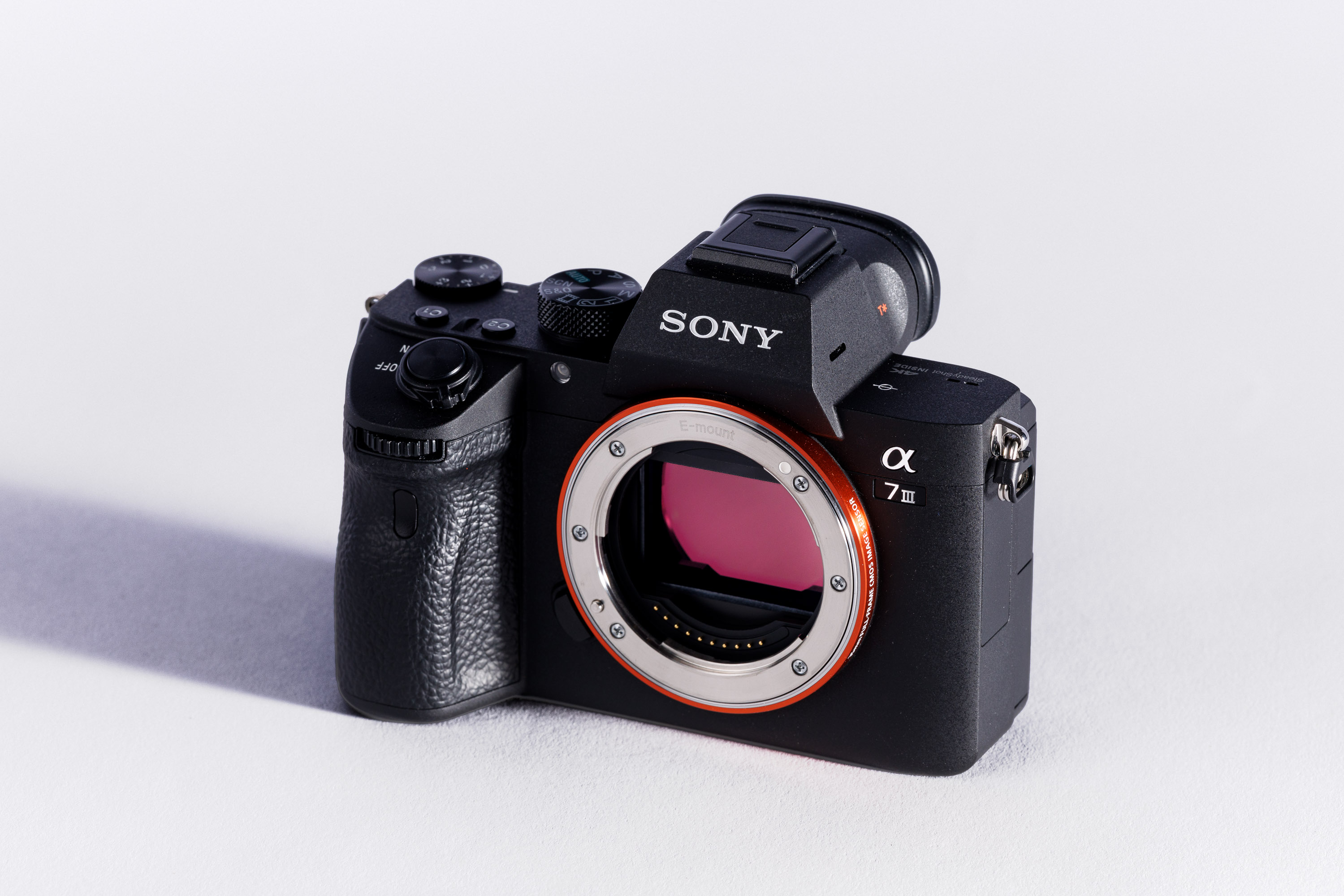
Used Sony A7 III
Body design and ergonomics
The A7 III is still compact(ish) and comfortable enough to carry. Its deep grip means it’s a good fit for most Sony FE lenses, and its build quality is strong.
Earlier Sony A7-series screens sometimes had delamination issues, but I’ve never had any issues with the A7 III.
Grip and handling with lenses
The A7 III is relatively compact when you compare it to more recent full-frame cameras. It’s practical, too, pairing well with almost anything in the Sony E lenses lineup. Tip: Pair it with a compact prime like the Samyang AF AF 35mm f/2.8 FE pancake lens, and it transforms into a lightweight travel or street photography set-up. Add a Sony FE 24-70mm f/2.8 GM or a more modern (and more expensive) Sony FE 24-70mm f/2.8 GM II, and you’ll be well equipped for professional event shoots.
Button layout and joystick control
The A7 III is much easier to operate than earlier models. Sony made it easy to navigate focus points; there’s a rear joystick for quick selection, and the rear screen is touch-enabled, so you can intuitively move your point of focus.
Viewfinder and screen
The screen tilts rather than fully articulates, which isn’t ideal for filming yourself, but it works well for street photography or shooting from low angles. It’s quick, discreet and doesn’t draw much attention. Professional photographer Douglas Jubic tells us how easy it is to shoot on the street in our Sony A7 III for Cityscape Photography review. Our Guide to Street Photography will give you plenty of tips for taking your camera roadside, too.
While the electronic viewfinder (EVF) isn’t anything to get excited about, I’ve never had issues using it for paid work. One thing that does still catch me out, though, is the sensitivity of the eye sensor. It’s positioned just above the screen, and on bright days, it can switch to the EVF when you don’t expect it. Annoying.
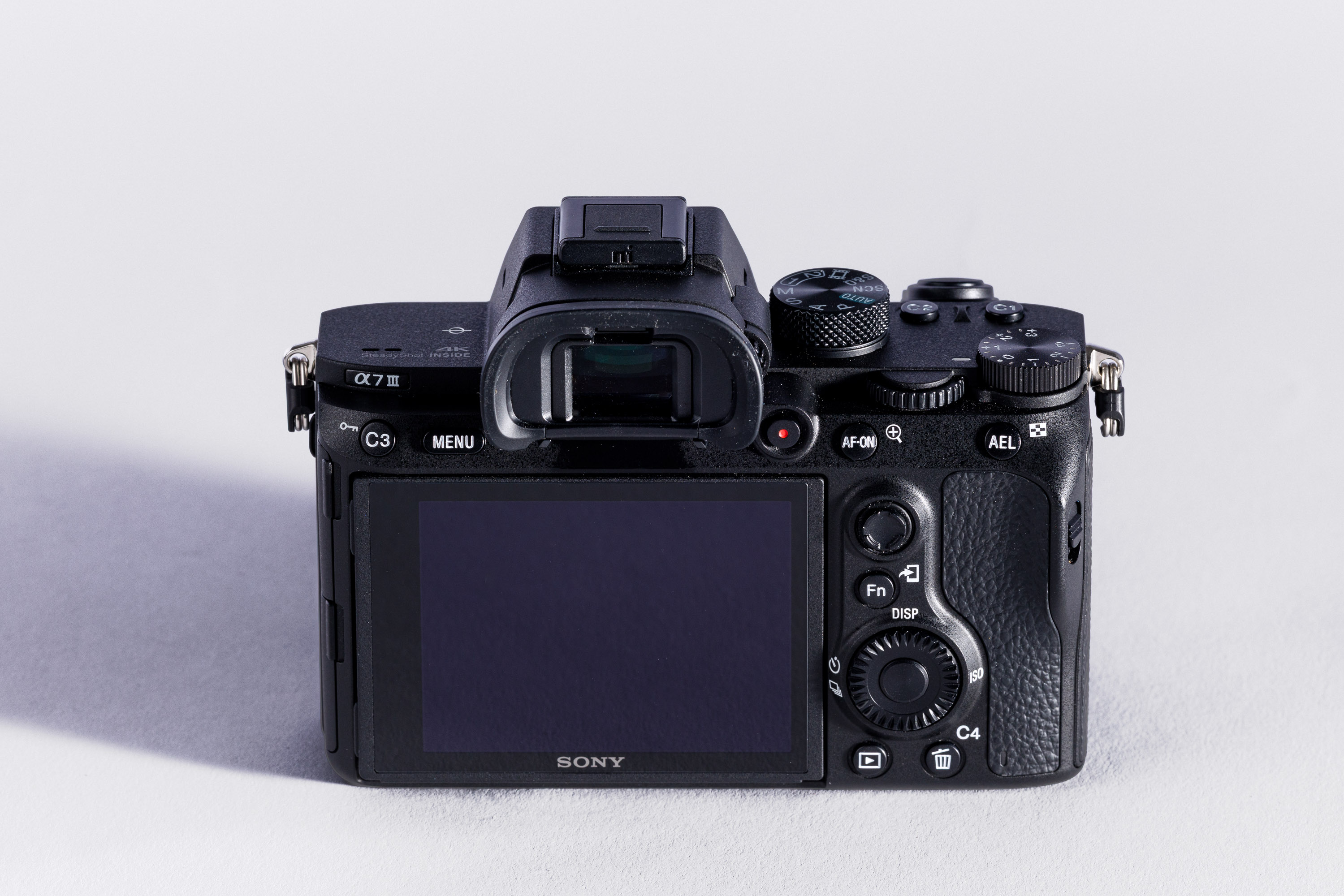
Used Sony A7 III
Ease of use
When it was released, battery life was one of the Sony A7 III’s biggest upgrades over earlier Sony A7 models. The addition of the NP-FZ100 battery meant you could shoot weddings, events or long travel days with three or four batteries in your bag, without panicking.
The Sony A7R III, released in 2017, introduced dual card slots to Sony’s full-frame mirrorless line-up, with the Sony A7 III following suit the following year. This might make you shrug now, but at the time, it was a big deal for working photographers. Corrupted card? No longer a problem on professional shoots.
If you regularly jump between stills and video, the custom modes make the camera much easier to work with. Both photo and video settings can carry across when switching modes manually.
Eye autofocus and tracking
I’d deem the A7 III’s autofocus to be ideal for everyday shooting. You can take it to a car racetrack (like I did), and be confident you’ll lock onto your subjects.
Low-light autofocus performance is reliable, too. The autofocus system can work down to around -3 EV, so it can get surprisingly dark before the camera starts to have issues.
Note that autofocus performance is strongest for stills photography. In video, it’s not quite as sticky as the Eye AF performance you get when shooting stills.
Continuous shooting
The A7 III’s 10 frames per second (fps) are still more than enough for most types of shoots. The A7 III shoots 14-bit RAW, even at that speed. You can shoot bursts without it locking up, and use the full 10 fp in Silent Shooting mode. If you’re out shooting wildlife or weddings, this’ll be your secret weapon. You’ll find some other hands-on tips and tricks in our wildlife photography guide.
Stabilization (IBIS performance)
You can rely on in-body image stabilization when shooting handheld. One for the hybrid heads, though: I wouldn’t rely on it instead of a gimbal if I wanted smooth, “deliberate” video movement.
Sony A7 III image quality
Rest assured, the Sony A7 III can produce files you can confidently deliver to clients, thanks to its resolution, low-light performance and dynamic range.
Real-world use
One of the A7 III’s biggest strengths is consistency, as it feels at home across almost any type of photography. It produces clean, detailed files and works just as well for portraits and weddings as it does for travel and street shooting.
We go into why the camera’s such a great travel companion in our Sony A7 III for Travel Photography review.

Amy Moore | Sony A7 III | Sony FE 35mm f/1.8 | 35mm | f/1.8 | 1/800 | ISO 250
Low-light performance and noise handling
If you spend a lot of time shooting in low-light conditions, the A7 III will cover you. Its back-illuminated full-frame sensor handles higher ISOs well, so when you’re shooting indoor events or evening street photography, there’s no sweat. If the sun’s not showing its face on an outdoor shoot day, you’ll still be fine if you ramp up the ISO and use a fast lens like the 50mm f/1.8. Native ISO runs from 100 to 51,200, and usable results at ISO 6,400 or even 10,000 aren’t difficult to achieve. You won’t want to push it too much further than that unless you want a very soft look.

Jakub Golis | Sony A7 III | Samyang AF 35mm F/2.8 | 35mm | 1/15 | f/8.0 | ISO 12800
Resolution and detail
At 24.2 megapixels, the A7 III gives you detailed files that are easier to store, transfer and edit day-to-day. There’s enough resolution for commercial work, large prints and cropping when it’s needed. You also don’t have to worry about enormous file sizes you get from higher-resolution bodies like the Sony A7R IV, for example. If you shoot a lot, that’ll matter.
Dynamic range
With up to 15 stops of dynamic range, there’s enough room to recover detail in post, so if you’ve encountered a tricky lighting situation, say, out shooting landscapes, you can still have some fun with your edits. RAW files hold onto highlights well, and you can lift shadows without ruining your shots.
Colour and RAW flexibility
Colour is noticeably better than on earlier A7-series bodies (some may remember wrestling with magenta or green casts on the Sony A7 II). JPEGs straight out of the camera are usable with a bit of tweaking, and you’ll always have the “Picture Profile” settings in your back pocket if you need film-like simulations.
Is the Sony A7 III good for video?
The truth is, the A7 III is still good for casual and professional hybrid video, but it isn’t the best choice if video is your priority. There are recording limitations, and the camera’s age can hold you back a bit on the color grading side.
4K performance
You can shoot full-frame 4K with 6K oversampling, so footage still looks detailed and sharp.
You can also record in S-Log2, S-Log3 or Hybrid Log Gamma and capture slow motion at 120 frames per second in Full HD. Again, the in-body image stabilization (IBIS) also does a good job of keeping handheld footage steady.
Autofocus is reliable too, although you don’t get Eye AF in video. Instead, the A7 III uses a more general face-detection method that still works just fine.
Limitations
The biggest limitation today is that the A7 III records in 8-bit rather than 10-bit, and you can’t get around it with an external recorder either. That means less flexibility when color grading, but rewards getting your look as close as possible in-camera rather than relying on heavy edits later.
The A7 III also has an approximate 29-minute recording limit for internal video recording. For shorter interviews, podcasts or hybrid content, that’s fine, but it’s less ideal for long-form events or conferences. Some people work around this with external HDMI recorders or unofficial methods discussed online.
Connectivity and usability
Connectivity-wise, you’ve got everything you’d expect here: mic and headphone ports, HDMI out and USB charging, so it fits into most setups without issue. If you want to transfer your photos (or even control the camera from your phone), there’s Wi-Fi and Bluetooth.
Because the A7 III is an older body, it doesn’t work with Sony’s newer Creators’ App. Instead, you’ll need to use the older Imaging Edge software for cloud transfers and remote connectivity, which generally works better on desktop than mobile.
Sample Images

Jakub Golis | Sony A7 III | Samyang AF 35mm F/2.8 | 35mm | 1/250 | f/4.0| ISO 100
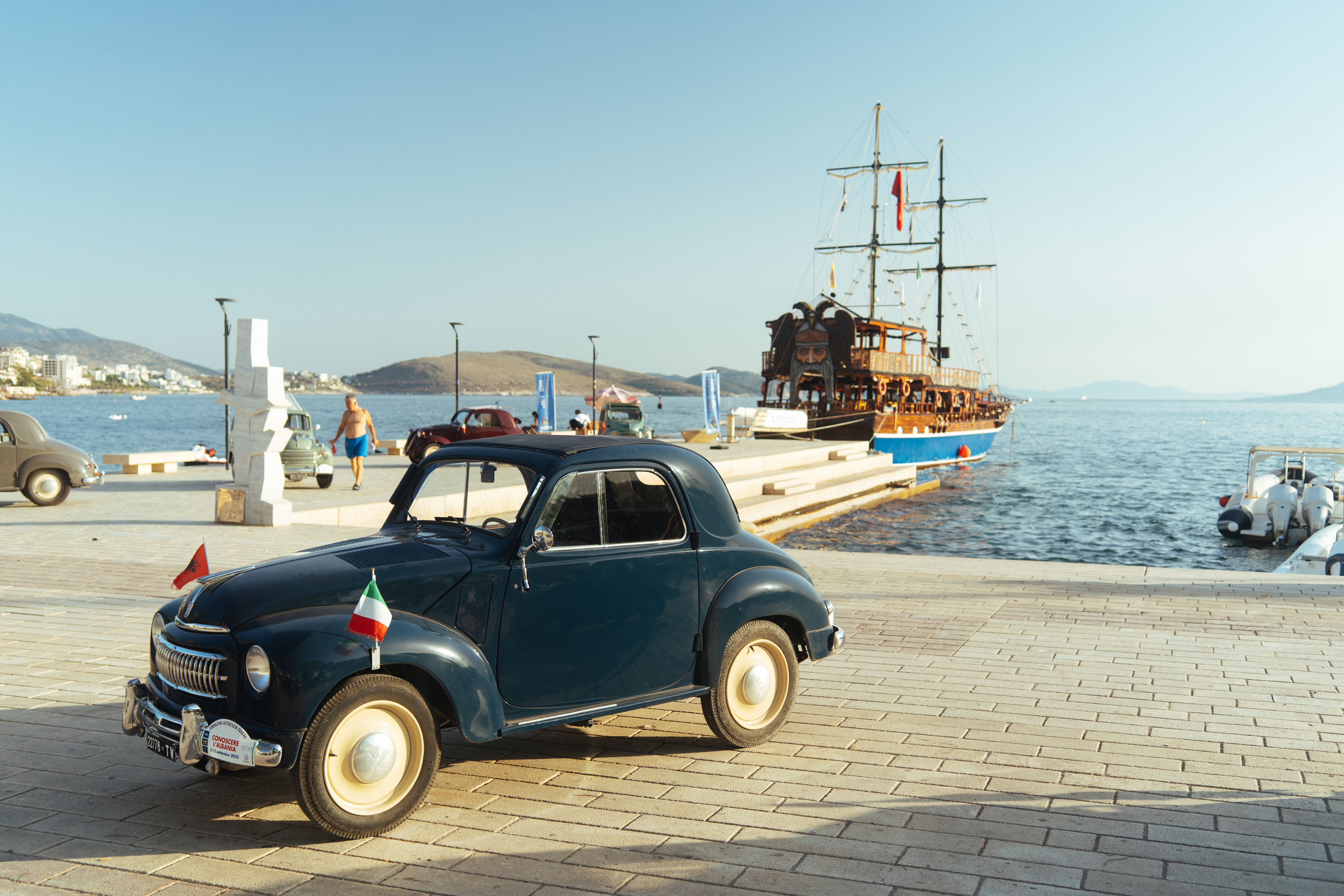
Jakub Golis | Sony A7 III | Samyang AF 35mm F/2.8 | 35mm | 1/160 | f/4.0 | ISO 100
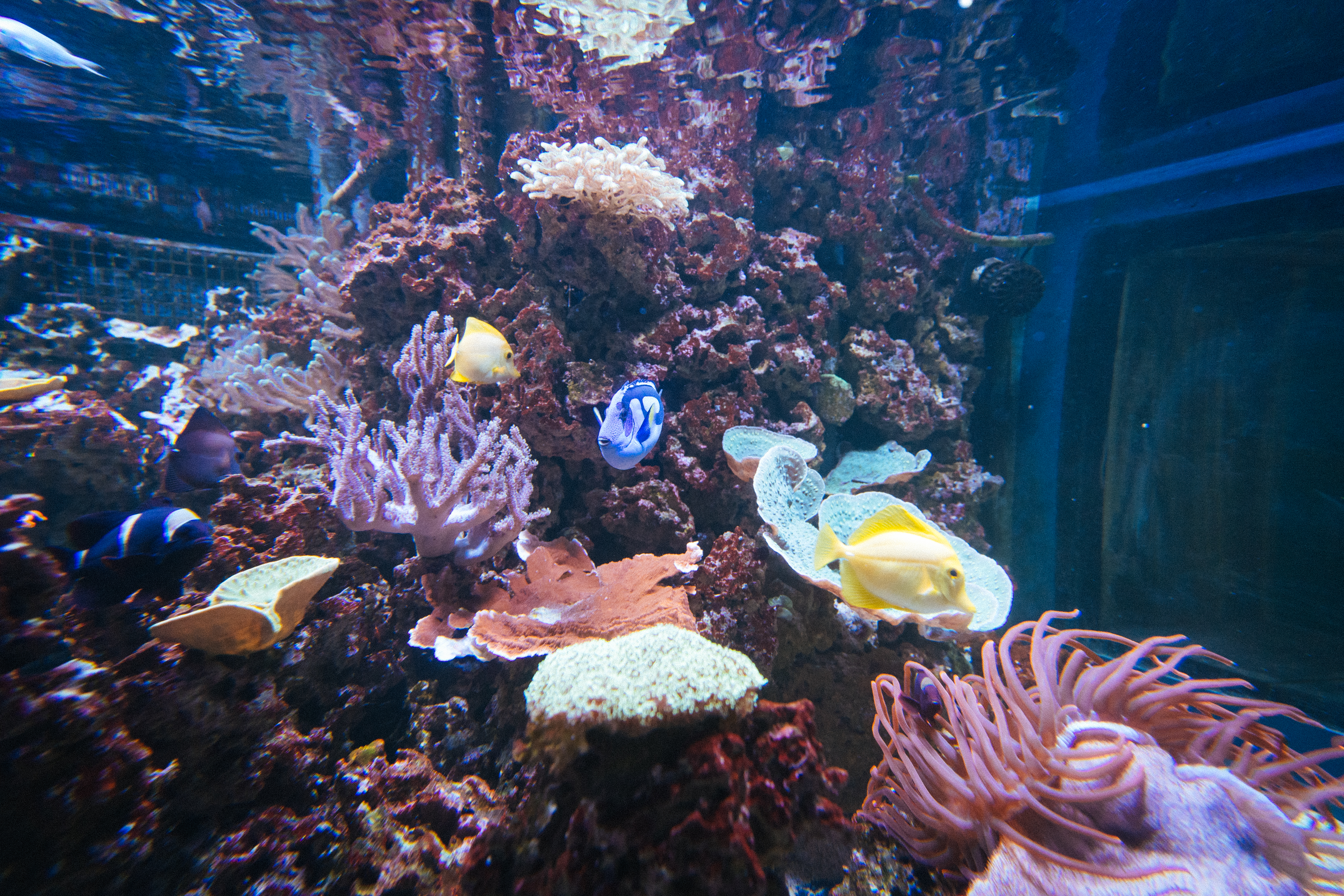
Jakub Golis | Sony A7 III | Samyang AF 18mm F/2.8 | 18mm | 1/60 | f/4.0 | ISO 2500
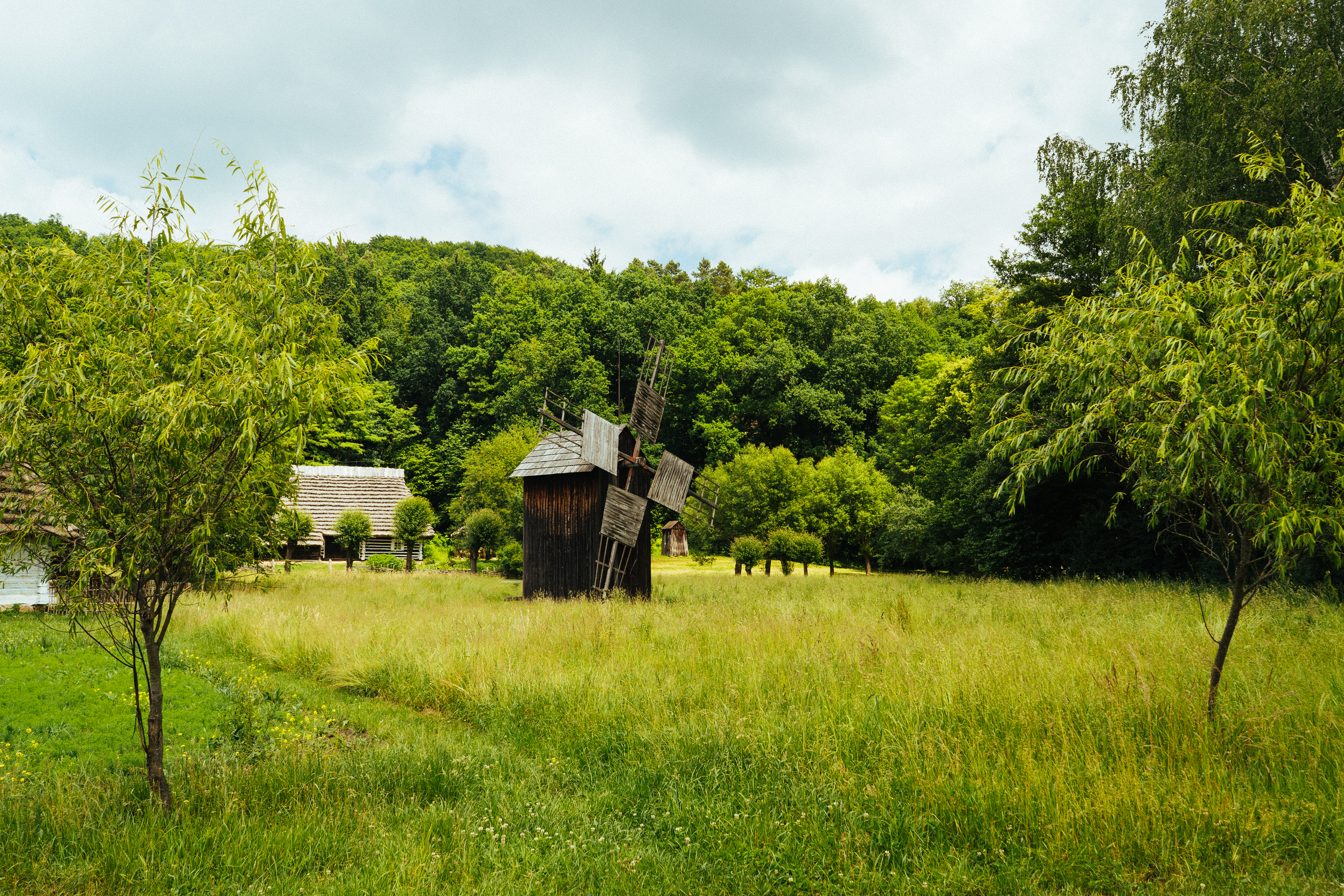
Jakub Golis | Sony A7 III | Sony FE 28mm f/1.8 f/2 | 28mm | 1/1250 | f/2.0 | ISO 100

Ian Howorth | Sony A7 III | Helios 44-2 58mm f/2 | 1/1000 | ISO 50
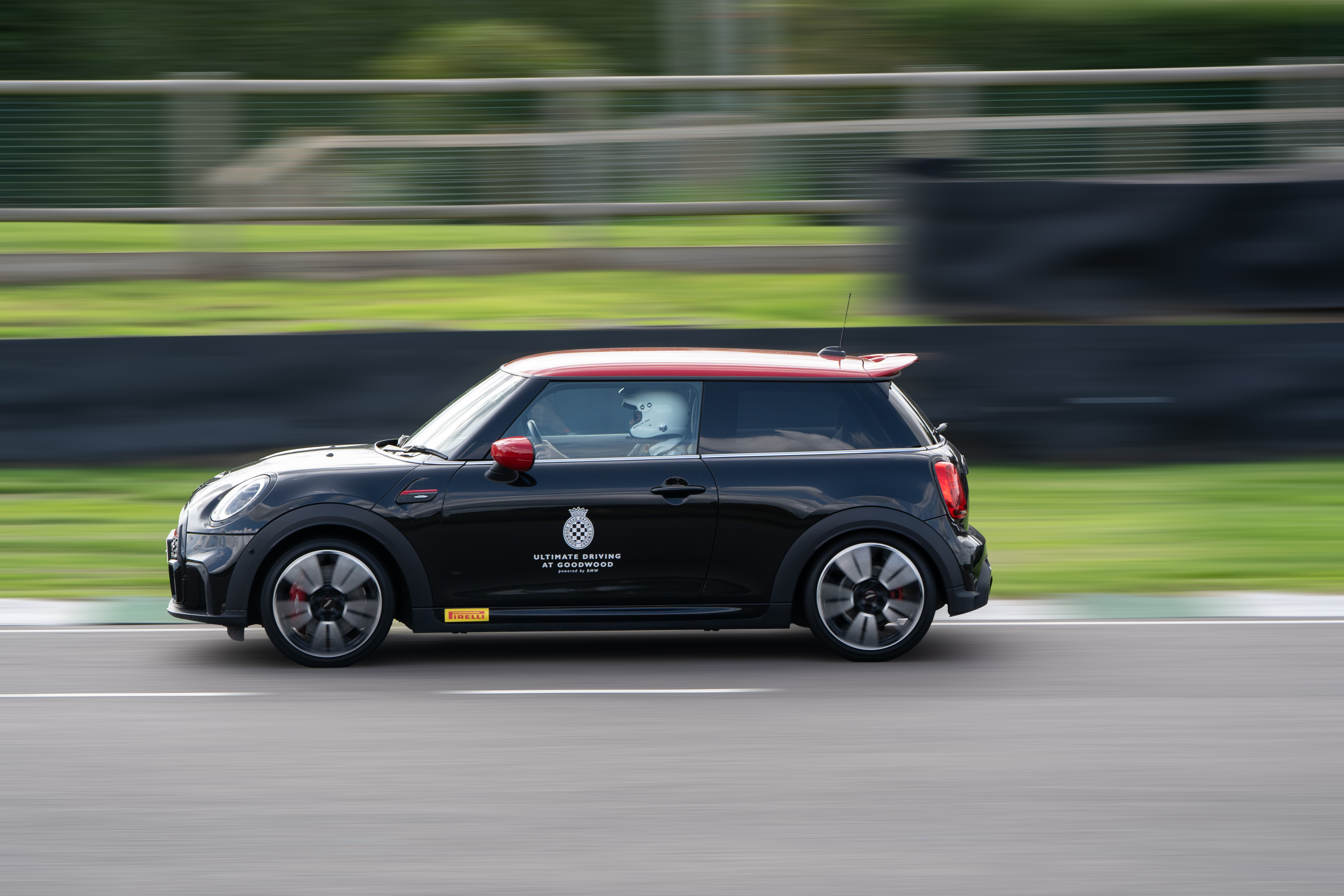
Amy Moore | Sony A7 III | Sony FE 100-400mm f/4.5-5.6 GM OSS | f/11 | 1/1250 | ISO 500
Where the Sony A7 III fits in the A7 series
The Sony A7 III sits in the sweet spot of the A7 lineup, and for many photographers, it’s where Sony got the balance of performance, battery life, autofocus and price just right. It’s the Goldilocks option in the range.
Across the series, every camera uses a full-frame sensor, supports Sony FE Fit lenses and offers a minimum ISO of 100 with a maximum mechanical shutter speed of 1/8000. They all use phase-detection autofocus, too, although each generation has become faster and more advanced over time.
The biggest differences between the models come down to stabilization, autofocus performance, battery life, video capabilities and subject recognition.
Over the years, Sony has added features such as IBIS, backside-illuminated (BSI) sensor technology and smarter autofocus systems, with the Sony A7 V introducing a redesigned processor and AI-assisted subject recognition.
Sony A7 III alternatives
If the A7 III doesn’t quite fit what you need, Sony’s full-frame line-up splits into a few clear directions. The standard A7 series focuses on hybrid shooting, the A7R series prioritises high resolution for detail-heavy work and the A7S series is built around video and low-light performance, with the “S” standing for sensitivity.
All four cameras below use a full-frame BSI sensor, phase-detection autofocus, Sony’s NP-FZ100 battery and can shoot at up to 10 fps or higher. The biggest differences come down to resolution, video features, autofocus intelligence and how specialized each camera feels in day-to-day use.
A7 III | A7C | A7R III | A7S III | |
|---|---|---|---|---|
Megapixels | 24.2 | 24.2 | 42.4 | 12.1 |
IBIS, stops | Yes, 5 | Yes, 5 | Yes, 5.5 | Yes, 5.5 |
Max ISO | 51,200 | 51,200 | 32,000 | 102,400 |
Autofocus pts | 693 | 693 | 399 | 759 |
Video | 4K, 30 | 4K, 30 | 4K, 30 | 4K, 120 |
Colour | 8-bit | 8-bit | 8-bit | 10-bit |
4:2:0 | 4:2:0 | 4:2:0 | 4:2:2 | |
Est battery life | 710 | 740 | 650 | 600 |
Card slots | Dual | Single | Dual | Dual |
Card type(s) | SD | SD | SD | SD, CF (A) |
W, mm | 127 | 124 | 127 | 129 |
H, mm | 96 | 71 | 96 | 97 |
D, mm | 74 | 60 | 74 | 81 |
Weight, g | 650 | 509 | 657 | 699 |
Released | 2018 | 2020 | 2017 | 2020 |
Price, launch | $1,119 | $1,199 | $1,159 | $2,879 |
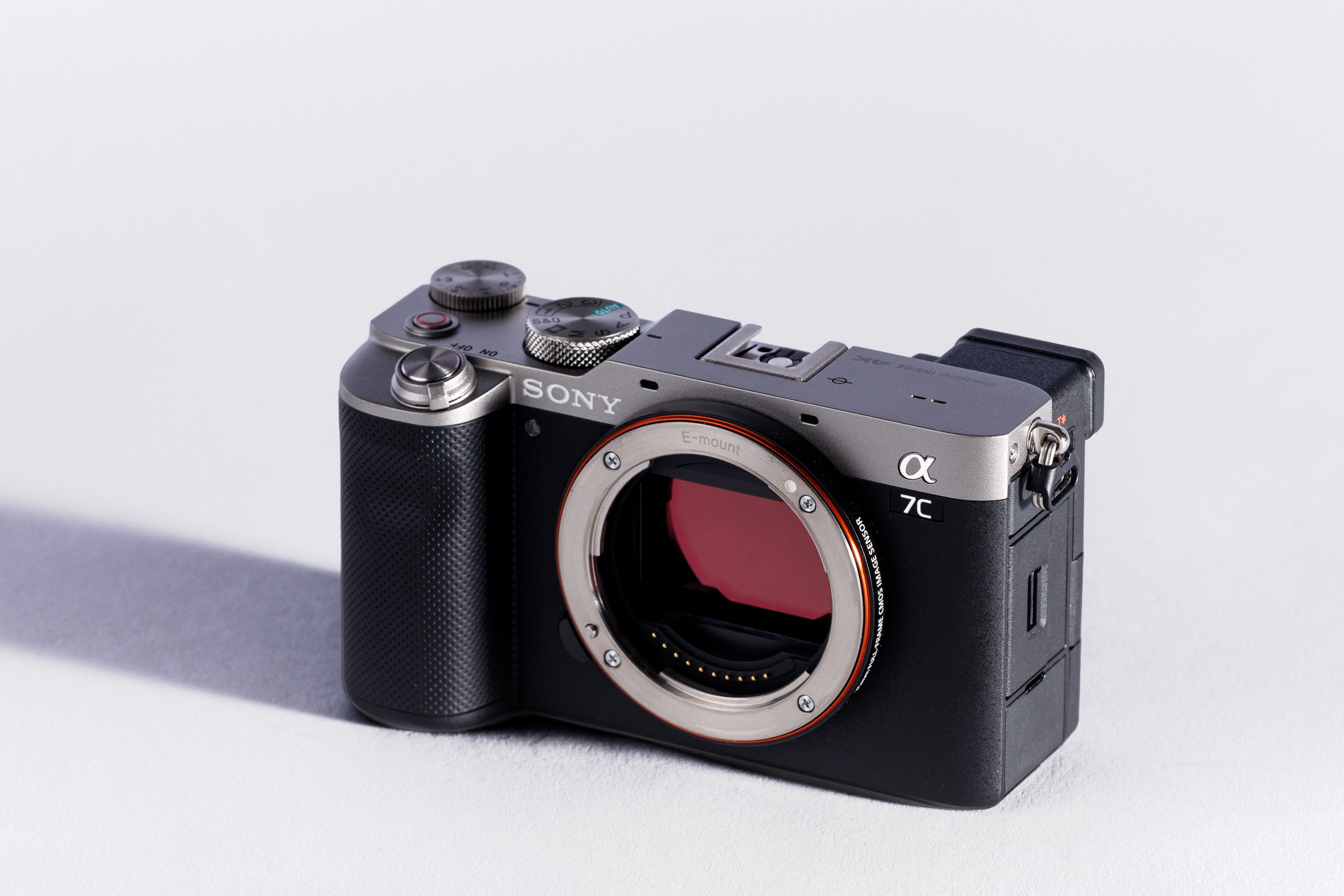
Used Sony A7C
Sony A7C for compact shooting
While it isn’t technically part of the main A7 line-up, the Sony A7C shares much of the A7 III’s performance in a smaller, rangefinder-style body with a corner-mounted viewfinder.
You get very similar image quality and autofocus performance, but in a more compact design with a single card slot. Good for travel photography, street photography and everyday carry setups.
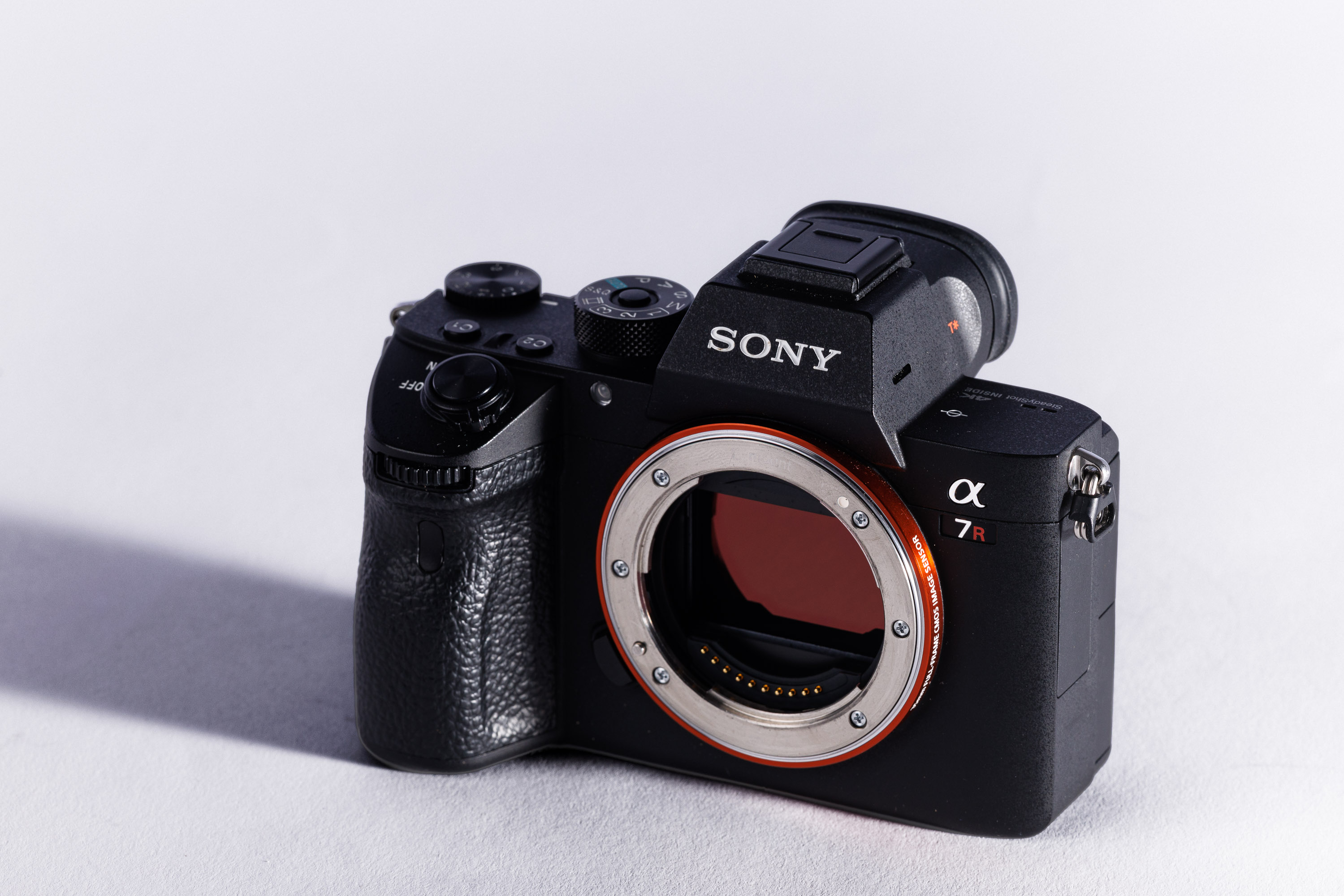
Used Sony A7R III
Sony A7R III for more resolution
Regularly shoot more detailed shots for big billboards or similar? The Sony A7R III makes more sense if resolution is your priority, thanks to its sharp-looking files.
Its 42.4 megapixel sensor gives you far more detail and cropping flexibility than the A7 III, which is what you want for commercial photography and studio work. The trade-off is larger files and a slightly heavier editing workflow, but if maximum detail matters to you, it’s worth it.
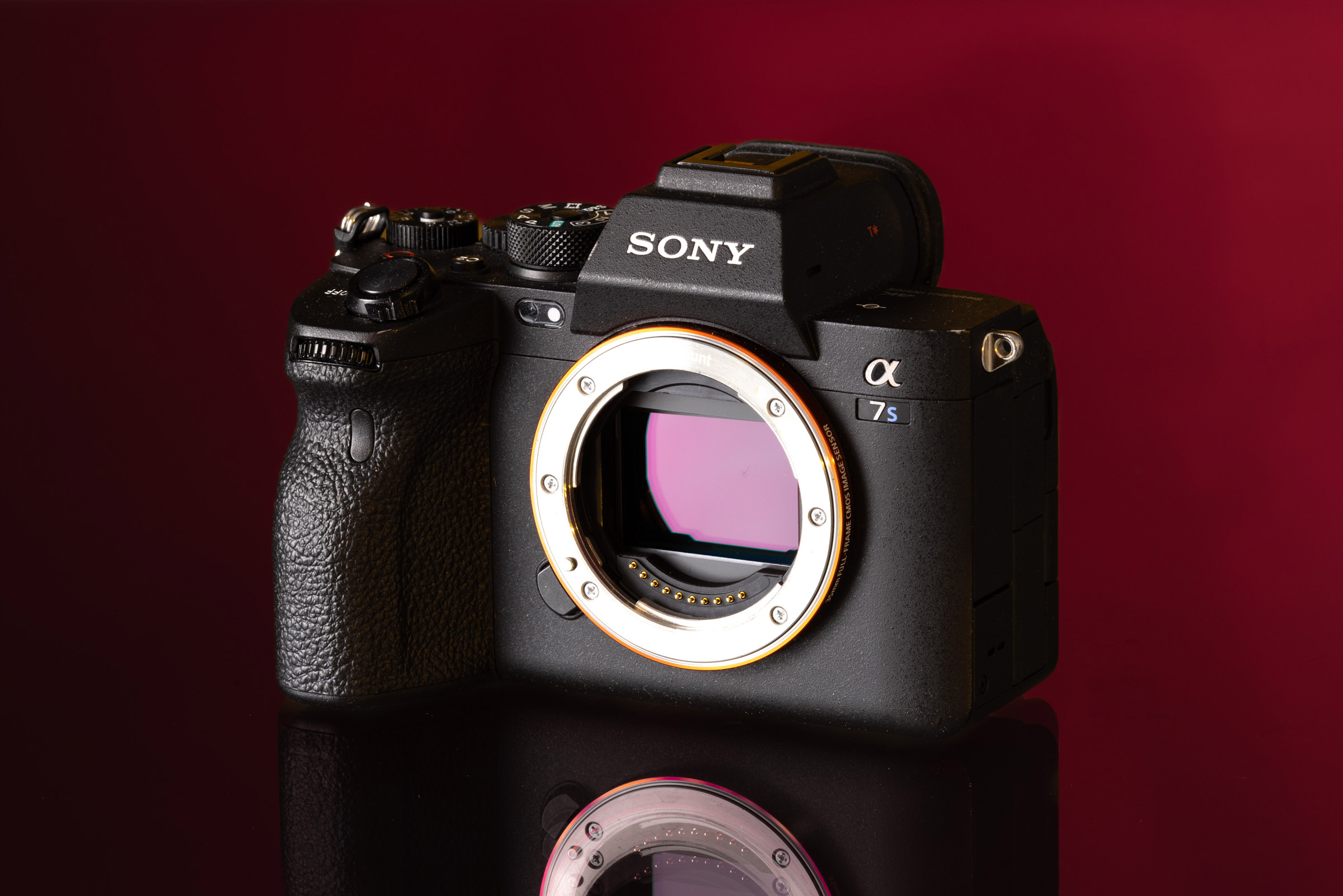
Used Sony A7S III
Sony A7S III for video and low light
If video is your priority, the Sony A7S III makes more sense than the A7 III. The A7S range is known for its ridiculously good video and low-light performance, which is why wedding videographers and documentary shooters lean on them so heavily. The Sony A7S III is a video production master, with 4K 120p recording, improved codecs and better heat management for longer shoots.
FAQs
Is the Sony A7 III still worth buying in 2026?
Yes, the Sony A7 III is still worth buying in 2026 thanks to its reliable autofocus, strong battery life and excellent value on the used market.
Is the Sony A7 III outdated?
The Sony A7 III shows its age in areas like video features and subject recognition, but its core photography performance is still top-notch.
Who is the Sony A7 III best for?
The Sony A7 III is best for photographers who want a dependable all-round full-frame camera for portraits, weddings, travel, events and hybrid shooting.
Should I buy the A7 III or A7 IV?
Buy the A7 III if value matters most or choose the Sony A7 IV if you want better video features, smarter autofocus and a more modern shooting experience.
Is the Sony A7 III good for professional photography?
The Sony A7 III is still very capable for professional photography thanks to its reliable autofocus, dual card slots and strong image quality.
Is the A7 III still good value used?
The Sony A7 III remains one of the best-value used full-frame cameras because it still delivers professional-level performance for much less than newer models.
What camera should I upgrade to from the A7 III?
The best upgrade from the A7 III depends on your shooting needs. The A7 IV suits hybrid shooters, the A7R series prioritises resolution and the A7S series focuses on video.
What is the A7 series?
The Sony A7 series is Sony’s range of full-frame mirrorless cameras, covering all-around hybrid shooting, high-resolution, video-focused models and compact full-frame bodies.
Is the Sony A7 III still worth buying?
The Sony A7 III is one of the best-value used full-frame cameras you’ll find. Is it the most exciting camera in Sony’s line-up now? No. It is, however, dependable and still in my camera bag. It feels slightly silly trying to convince you of its reliability, given how much I’ve used it.
Between weddings, racetracks, portraits and everyday shooting, the A7 III has consistently delivered for me. If you’re after the latest AI autofocus, advanced video tools or a fully articulating screen, you’ve got plenty of newer Sony cameras to choose from. If you want a proven full-frame hybrid camera that still performs brilliantly, the Sony A7 III is an easy recommendation from me.
Read more camera gear guides on the MPB Content Hub.
You can sell or trade your camera gear to MPB. Get a free instant quote, free insured shipping to MPB, and get paid within days.