
In the Field: Nikon AF-S 500mm f/5.6E PF ED for Wildlife
Published June 18, 2020 by MPB
Could this be the best Nikon DSLR lens for wildlife photography? Marc Read reviews the Nikon AF-S 500mm f/5.6E PF ED.
As an avid bird photographer, Marc was the ideal person to try out the Nikon AF-S 500mm f/5.6E PF ED VR. Over to you, Marc.
Photography is full of compromise. Whether it’s using a higher ISO to increase your shutter speed at the expense of increased image noise, or stopping down your f-stop to achieve a sharper image at the expense of a faster shutter speed. Normally, a good thing results in a bad thing. Is this an exception?
For bird photography, you ideally need a 500mm—or longer—focal length lens. Especially here in the UK, where most birds aren’t keen on you getting too close. For the best image quality, the favourite lens amongst bird photographers is a 500mm f/4. These offer excellent image quality and light gathering, but the downside is their size and weight. The latest 500mm f/4 lenses from Canon and Nikon are much lighter than the older models, but they still weigh in at 3.3kg and 3.8kg respectively.
With this in mind, the announcement of a new 500mm from Nikon in June 2018 certainly piqued my interest. It’s an f/5.6, not an f/4, but the most interesting part is the size and weight. It’s only 1.5kg and about 9.5 inches in length! How did they manage that?
The answer is by utilising a Phase Fresnel lens element. Without going into too much detail, the PF element focuses light passing through it without needing a continuous curve. The PF element reduces the number of elements, the weight and the overall focal distance of glass, that are needed for magnification compared to more conventional lens arrays.

This technology isn’t new in telephoto lenses. Back in 2000, Canon released the 400mm f/4 that—like the Nikkor 500mm f/5.6E PF ED VR—offered a much lighter option to conventional lenses of the same focal length. Sadly, in my opinion, this lens offered very poor contrast and colours in images. It was a bit of a flop. Nikon’s first foray into the world of Fresnel lenses wasn’t until 2015 when they released the 300mm f/4E PF ED VR. This lens was well-reviewed and didn’t seem to suffer from Canon’s issues. For bird photography though, a 300mm lens isn’t quite long enough for 90% of situations.
Sadly, much like the Nikon 300mm PF, Nikon is really struggling to meet the demand for the 500mm PF. Manufacturing delays are causing hefty backorder lists with retailers. So, I was very happy when I had the opportunity to take one out for a test drive in early 2020. With my bird photography, I've been a loyal Canon fan for 15 years. In my opinion, Canon offers the best selection of cameras and lenses for the genre. The Nikon AF-S Nikkor 500mm f/5.6E PF ED, however, offers a very exciting option. I decided the best body to use to test out this lens’ sharpness was the epic 45-megapixel Nikon D850. With the camera gear decided, it was off to a few spots in Hampshire, England, for some bird photography.
Build quality
This isn’t a cheap lens. But, for what it offers, it’s good value. The lens is dust- and moisture-resistant and features a premium-feeling magnesium-alloy lens barrel. I do, however, have three slight issues with this lens. Issues I’d expect a lens of this value not to have. First, the lens hood is plastic and the locking mechanism has a tendency to ‘unlock’ on its own accord. Presumably, it’s plastic to save weight. But a more durable, non-scratch material would’ve been welcome.
The second is the tripod collar. On most super-telephoto lenses, the rotation of the tripod is dampened slightly and has notches every 90 degrees. So when you’re rotating the camera, it’s easier to ensure you’re level. This lens sadly only has two options, locked or unlocked. For me, this was a pain. Usually, when I use a big telephoto lens like the Canon 500mm, I leave the tripod collar slightly unlocked so I can adjust the camera angle if my tripod is uneven or if I need to quickly change from landscape to portrait.
Last, is the tripod foot itself. It’s too small for my liking and doesn't fill you with confidence that it won’t just fall off. I’d recommend investing in a third-party foot for this lens, especially as they’re not very expensive.
Handling and use
This lens is so light. Having used heavy and cumbersome telephoto lenses for the last 15 years, this lens is game-changing. For reference, this lens weighs less than a Nikon70-200mm f/2.8G ED VR II. It’s easily hand-holdable and was a breeze to carry around all day. The lens has an identical button layout on the side to the lens' big brother, the Nikon 500mm f/4 FL. You even have function buttons near the front for the focus recall, which is welcome. There’s no drop-in filter, but with a 95mm filter thread, a polarizing filter could be added if needed. It was overall, a dream to use.
Image quality and autofocus
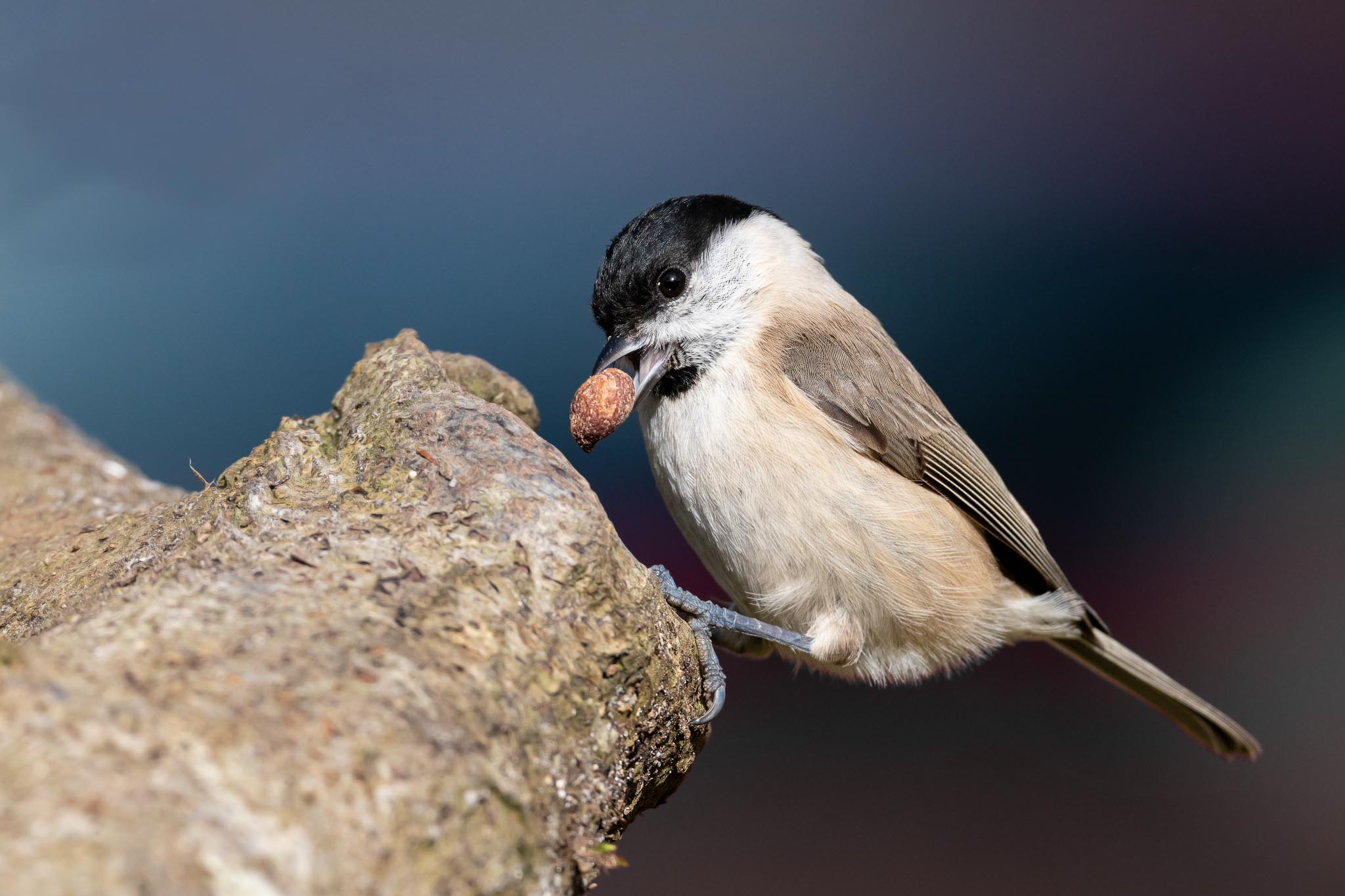
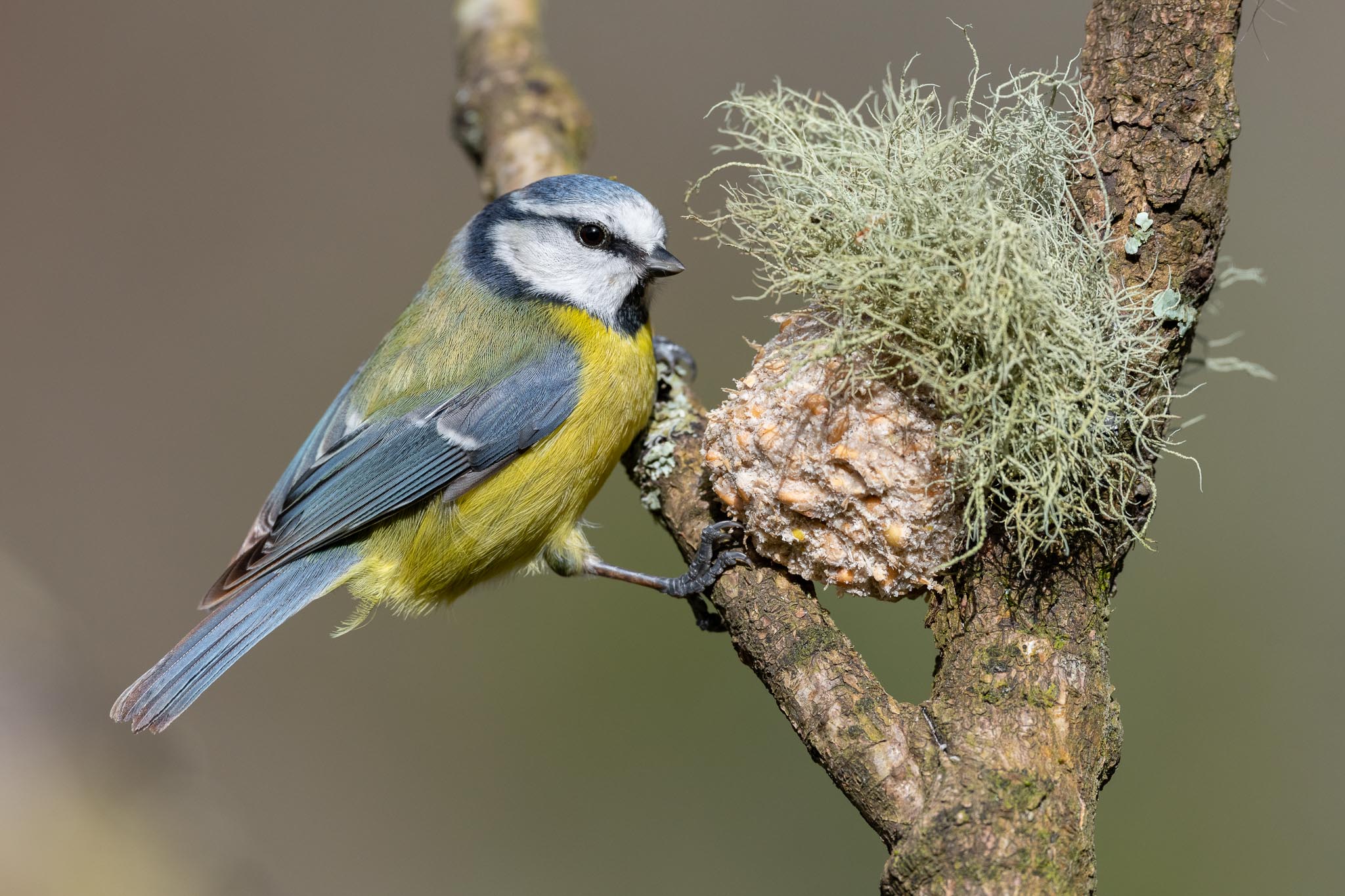
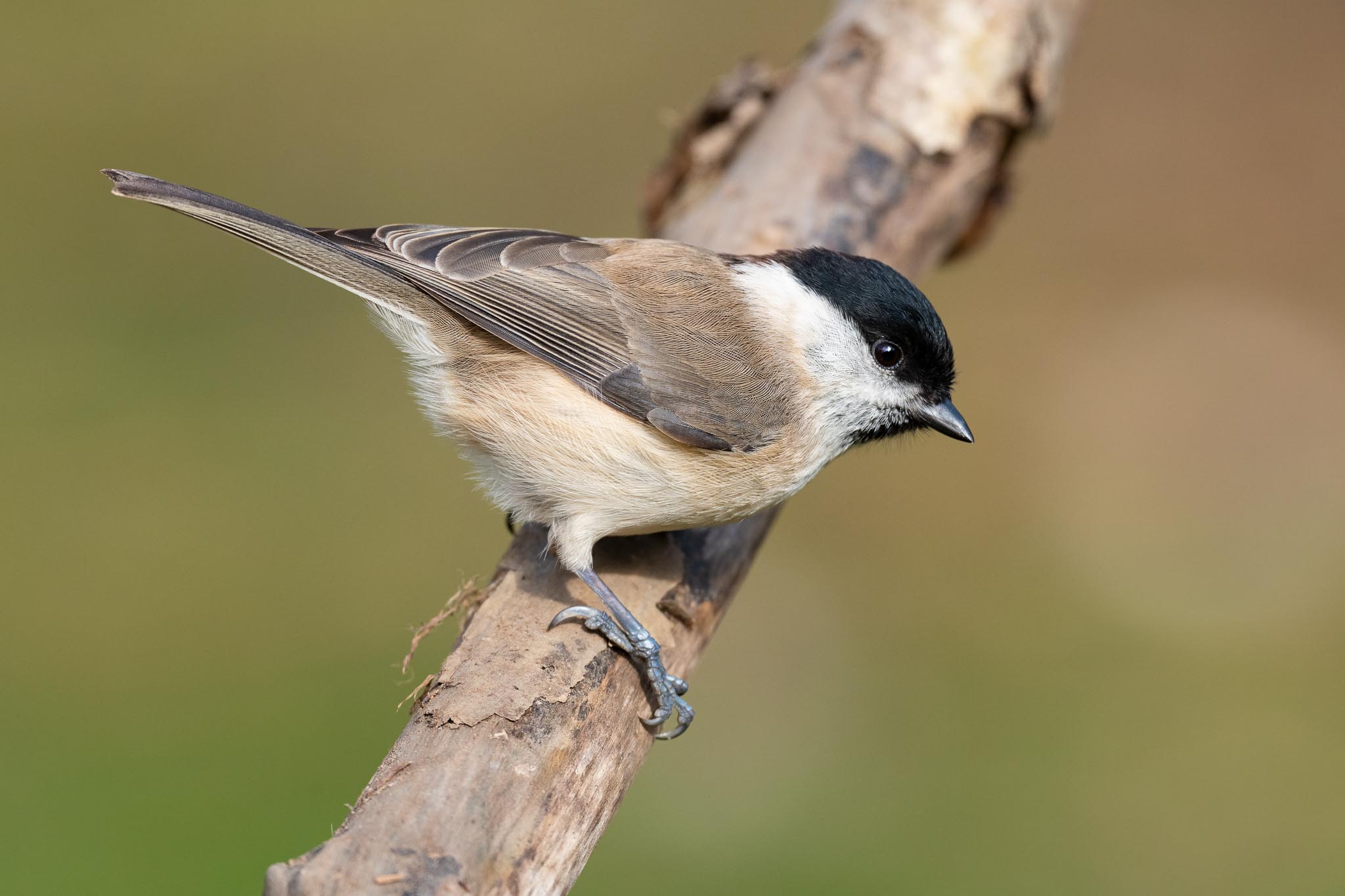
The most important consideration for any lens is sharpness. Arguably more so with bird photography, which is all about showing off your subject. The best way to do that is by making the person viewing your pictures think they could reach out and feel it. Having used Canon DO lenses in the past, if I'm honest, I wasn’t holding out too much hope for the PF. But, after taking only a few shots, it became clear that my assumption was wrong. This lens is super sharp. Not just sharp, super sharp. The combination of the lens with the Nikon D850 really helped highlight this, as I was able to do fairly sizable crops and still have images that retained superb detail.
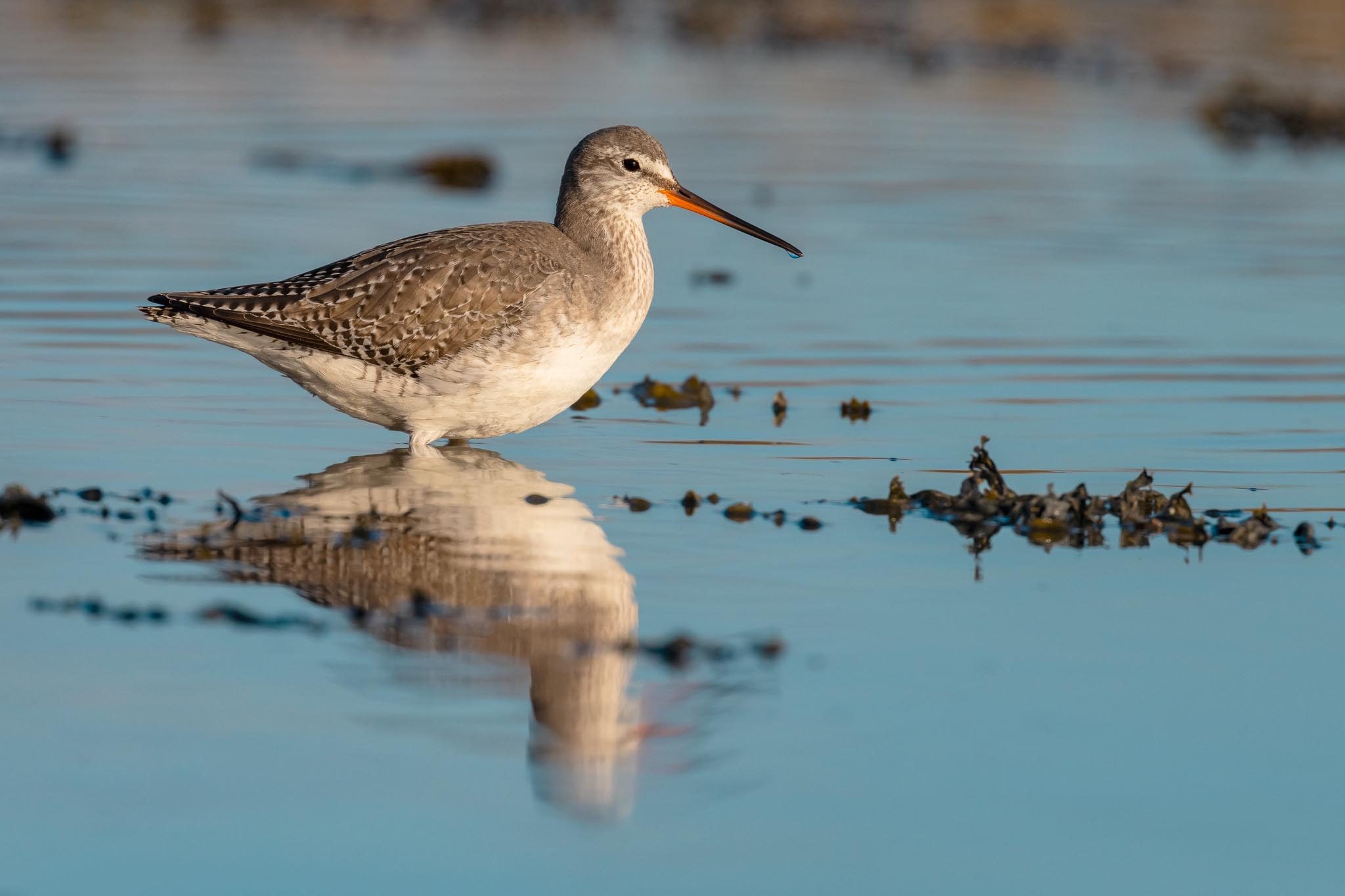
Autofocus seemed quick and very accurate too. When I first arrived and the light was pretty poor, I did notice it was a little slow on a couple of occasions. But I'm not convinced that a 500mm f/4 would have done any better. Later in the day, I moved to a site to photograph a wading bird called a Spotted Redshank. This bird wasn’t as close as the morning’s subjects. This gave me a chance to try the lens with a Nikon TC-14E II, effectively making the lens a 700mm f/8. This is where most telephoto lenses can lose a bit of quality, and the 500mm PF wasn’t any different. However, because it was so sharp to start with, the sharpness lost was very minimal and still provided a super image.

Final thoughts
I was really impressed with this lens. As I said at the start, photography is full of compromise. But I'm really struggling to find the compromise part with the Nikon AF-S Nikkor 500mm f/5.6E PF ED. If you’re currently using a big-and-heavy super-telephoto lens and looking to downsize—without losing quality—this could be your answer.
Alternative setups
Nikon AF-S 200-500mm f/5.6E ED VR
If you’re a Nikon user—and the Nikon AF-S 500mm f/5.6E PF ED is out of your price range—then the Nikon AF 200-500mm f/5.6E ED VR is a great lens. It’s less than half the price of the PF. While it’s not as optically as good as the PF and weighs around 1kg more, it’s still a very capable lens.
Canon EF 400mm f/4 DO IS II USM
If you’re a Canon user looking for a lightweight telephoto lens, the closest lens Canon makes to the PF is the Canon EF 400mm f/4 DO IS II USM. This lens uses the same glass technology as the PF to bring the overall weight down. However, it doesn’t quite have the reach of the PF. And, at just over 2kg, it’s heavier.
Canon EF 400mm f/5.6 L USM
In terms of weight, the closest lens Canon makes to this PF is the Canon EF400mm f/5.6 L USM. Although this doesn’t have the reach of the PF, nor any image stabilisation, it’s around 300g lighter than the PF and is often touted as one of Canon’s sharpest-ever lenses.
Tamron SP 150-600mm F5-6.3 Di VC USD G2
Also worth considering, if you’re in the market for a lens for bird photography, are the Sigma 150-600mm f/5-6.3 DG OS HSM and the Tamron 150-600mm f/5-6.3 Di VC USD G2 EF. Both are excellent examples of lenses, available at the fraction of the price of the Canon and Nikon prime lenses. They offer great reach, good optics and weigh around 2kg.
Read more camera gear guides on the MPB Content Hub.
You can sell or trade your camera gear to MPB. Get a free instant quote, free insured shipping to MPB, and get paid within days.