
As the photography world transitioned to mirrorless tech, it made a realization: we can have cameras that look cool and retro whilst also keeping the insides modern, powerful and convenient. So we can have the best of both worlds, getting a modern experience with a nostalgic flair.
For Nikon, that means drawing upon their deep heritage of film cameras, mostly the FM series that featured famous cameras like the Nikon FM2 (which MPB actually sell by the way!). And with that layer of history already there for Nikon, they produced their first retro-styled mirrorless camera, the Nikon Zfc, an APS-C camera that signalled their new line of cameras inspired by film cameras. Then they released the full-frame version, the Nikon Zf.
https://youtu.be/S98g2iPuYPI?rel=0The Nikon Zf combines modern tech with a distinctly heritage-inspired design. The Zf features a 24.5 megapixel full-frame sensor, Nikon’s EXPEED 7 processor, advanced subject-detection autofocus and strong low-light capability, all housed within a body styled to reflect classic Nikon film cameras.
In this review, we cover the Nikon Zf’s build quality, handling and ergonomics, image performance, autofocus system, lens pairing considerations and long-term firmware support. We also address some of the most common questions photographers are asking about the Nikon Zf.
Key Specs
The Nikon Zf sits in the mid-range of Nikon’s full-frame mirrorless cameras but shares core tech with higher-end models in the Z system.
24.5 megapixel full-frame CMOS
5-axis sensor-shift stabilization (8 stops)
4K UHD/60p video capture
ISO 100–64,000 (expandable)
Autofocus down to -10 EV
Subject detection: people, animals, vehicles, birds
Nikon Z mount
Fully articulating touchscreen
Central electronic viewfinder
Metal top and bottom plates, brass dials
Pros
Strong low-light autofocus performance
Solid metal construction with etched detailing
Manual-focus subject detection support
Shares EXPEED 7 processor with higher-end Nikon Z bodies
Distinctive vintage-style design
Long term firmware updates and support from Nikon
Cons
Small grip feels front heavy with larger lenses
Fully articulating screen ruins retro aesthetic a bit
No battery grip option
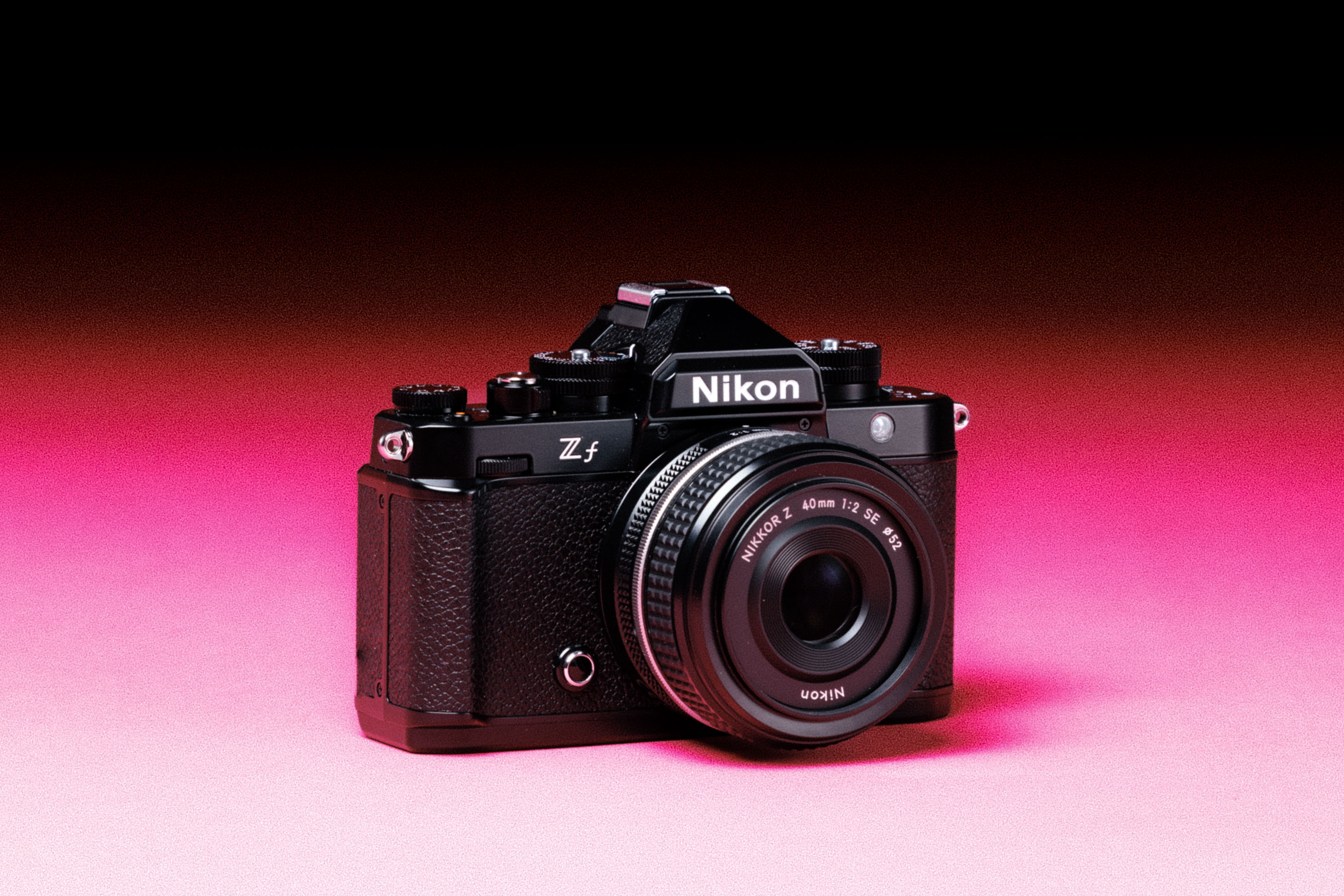
Used Nikon Zf and Nikon Z 40mm f/2 SE
Quick Verdict
The cynical take on the Nikon Zf is that it is a Nikon Z6 II with a worse body and no grip while being more expensive. And there is definite truth to that but if you are the sort to think more logically like that and not emotionally about your cameras, then the Zf is probably not for you anyway. The Zf is for the people that like a bit of charm and retro feeling to their cameras but also don’t want to compromise much on the technical specs, while still getting that feeling of a more manual experience.
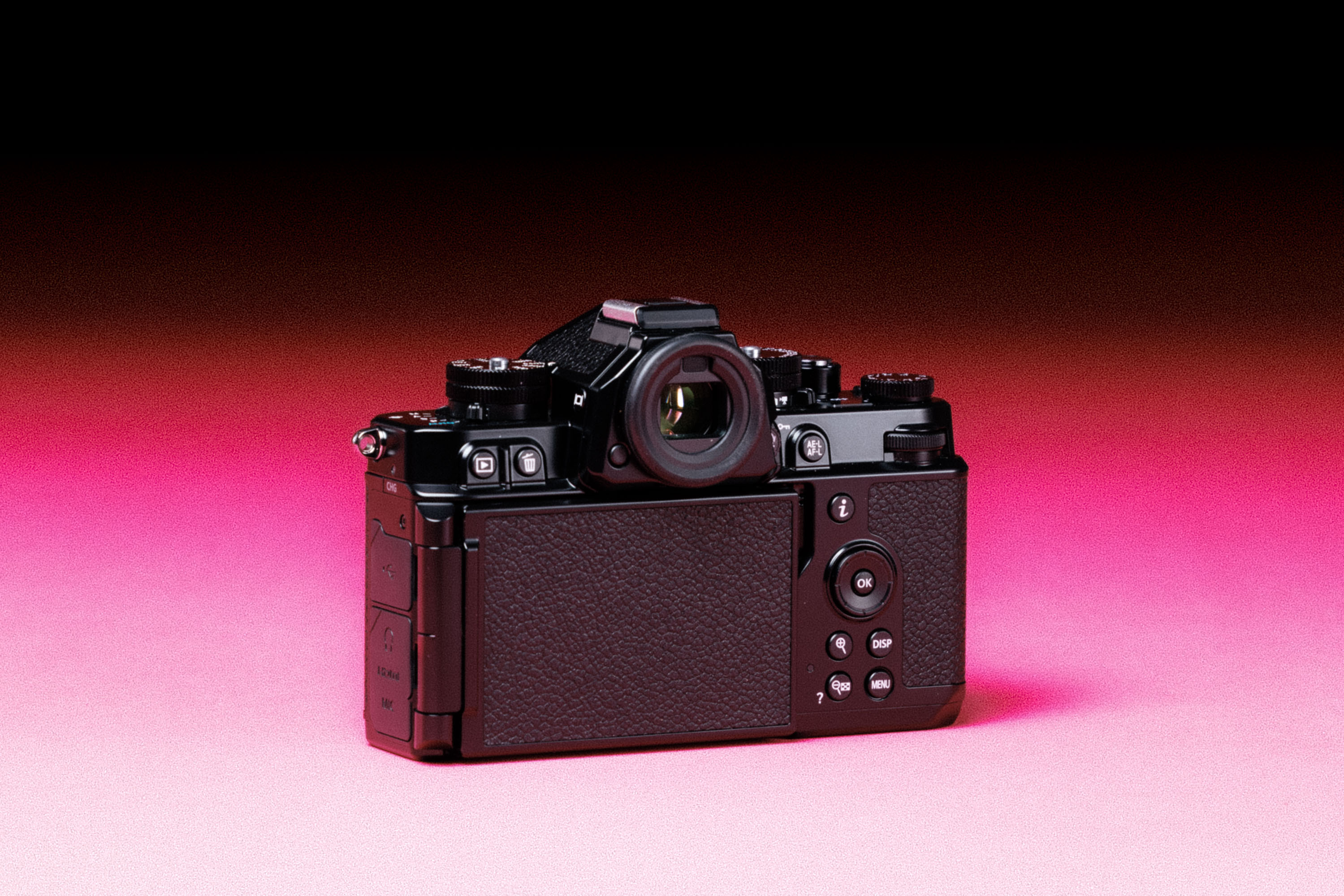
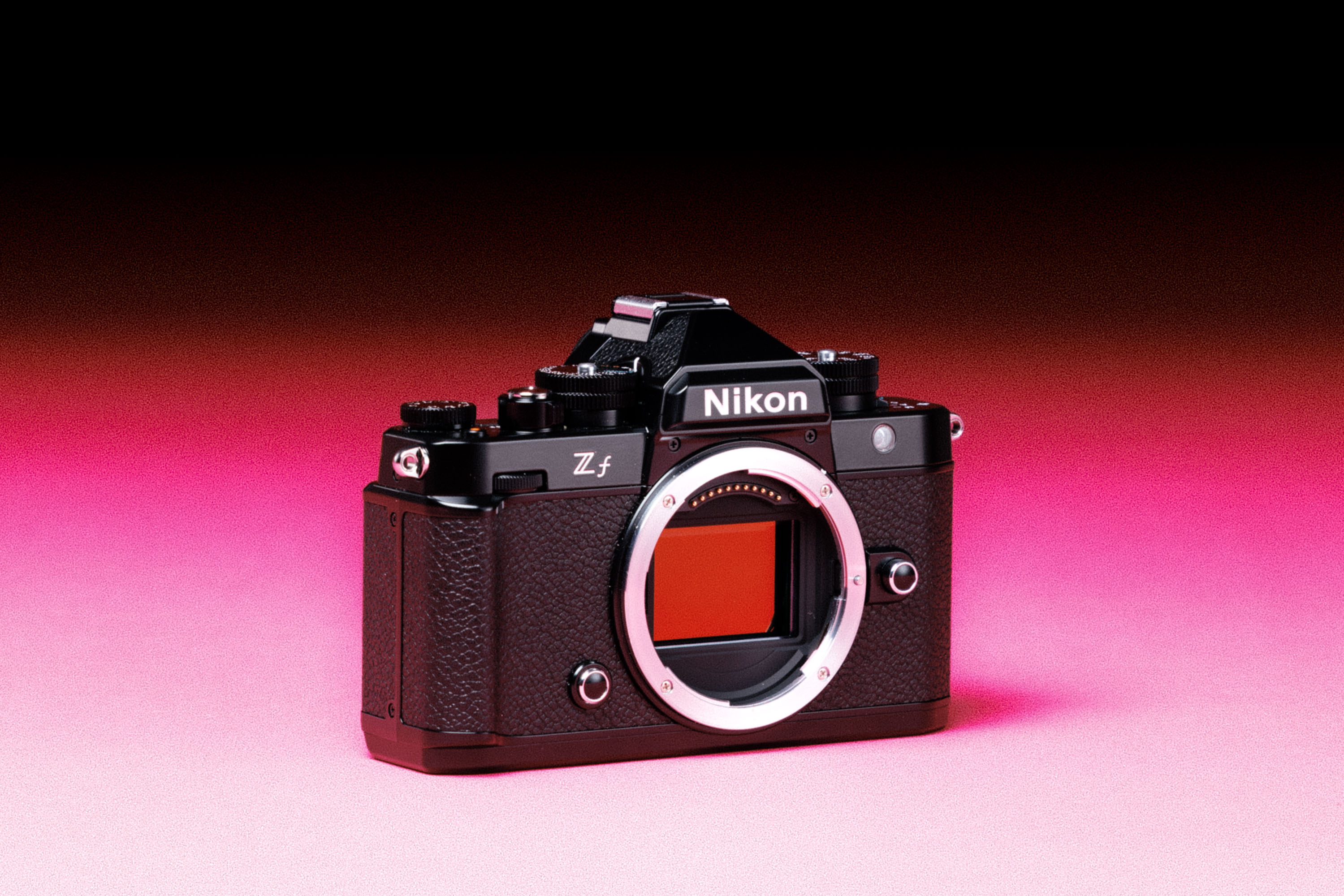
Used Nikon Zf
Design and build quality
The major talking point about the Nikon Zf is its design. Nikon clearly has gone for a vintage feel, inspired by its film heritage, but with modern mirrorless capability beneath the surface.
“It’s no secret that for the last little while, Fuji have very successfully been creating vintage styled cameras and Nikon wanted in.” - Amy Moore
The Nikon Zf uses metal top and bottom plates, with brass dials designed to wear over time and develop patina. This is not purely cosmetic; the materials give the camera a reassuring solidity.
There is, however, a design decision that divides opinion in many discussions of the Nikon Zf. The fully articulating screen is practical for video and self-recording, but it interrupts the clean retro lines of the body. When folded inward, the leatherette rear restores a more classic appearance.
“What I don’t like is this screen. The good thing is you can put it away and you have a nice leatherette back to it, which is really nice.” - Amy Moore
Used Nikon Zf
Sensor and image quality
Some photographers may have expected a higher-resolution sensor to be put into the Zf, but we think 24.5 is sufficient for most real-world photography. For most people's use cases this is the sweet spot. It supports large prints and detailed files while maintaining manageable file sizes.
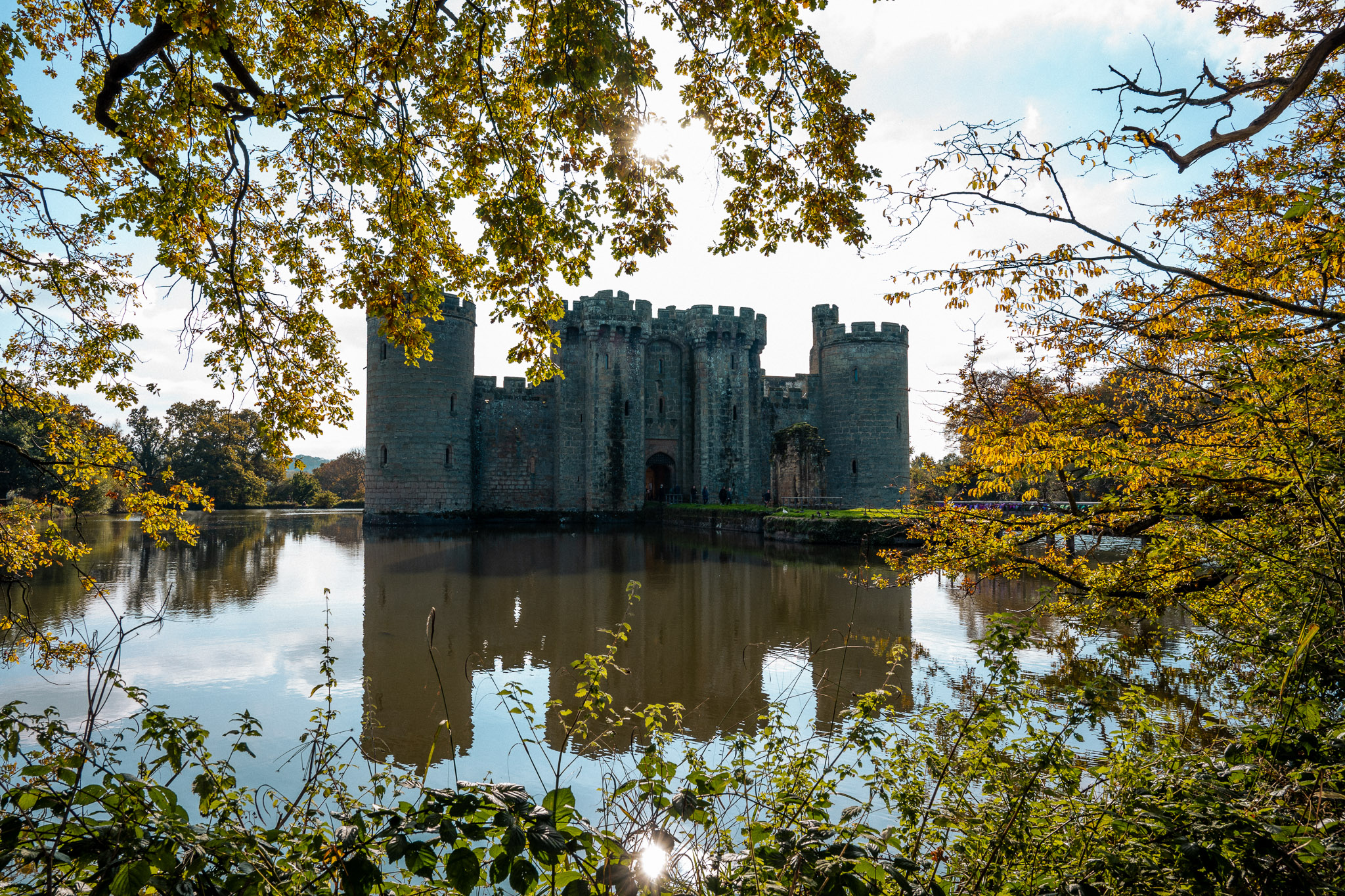
Jakub Golis | Nikon Zf | Z 24-70mm f/4 S | f/11 | 1/60 sec | ISO 100
The Nikon Zf is a technically capable camera beneath the styling, it is not simply a nostalgic object.
For photographers researching whether the Nikon Zf is suitable for professional or enthusiast use, image quality will not be the limiting factor, you can expect the same results as the Nikon Z6 II, essentially.
Amy Moore | Nikon Zf | Z 24-70mm f/4 S | f/4.0 | 1/500 sec | ISO 640
Autofocus and low-light performance
Autofocus is one of the Nikon Zf’s strongest selling points. In daylight, Eye AF locks on quickly and remains stable during subject movement. Subject detection extends to animals and vehicles, broadening its versatility.
The speed of the autofocus reminds us of the impressive Nikon Z8, which is welcome in a camera that is most of the time going to be used as a street photography camera where action can be fast and moments fleeting.
Amy Moore | Nikon Zf | Z 28mm f/2.8 | f/2.8 | 1/15 sec | ISO 8000
Low-light autofocus
Autofocus down to -10 EV is an ambitious goal for a camera to reach. In practice, the Nikon Zf continues to focus reliably in very dim environments. This makes it well suited to indoor events, evening street photography or low-light portrait work.
Importantly, this low-light performance does not feel like a marketing claim. In testing, autofocus remains usable when ambient light drops significantly.

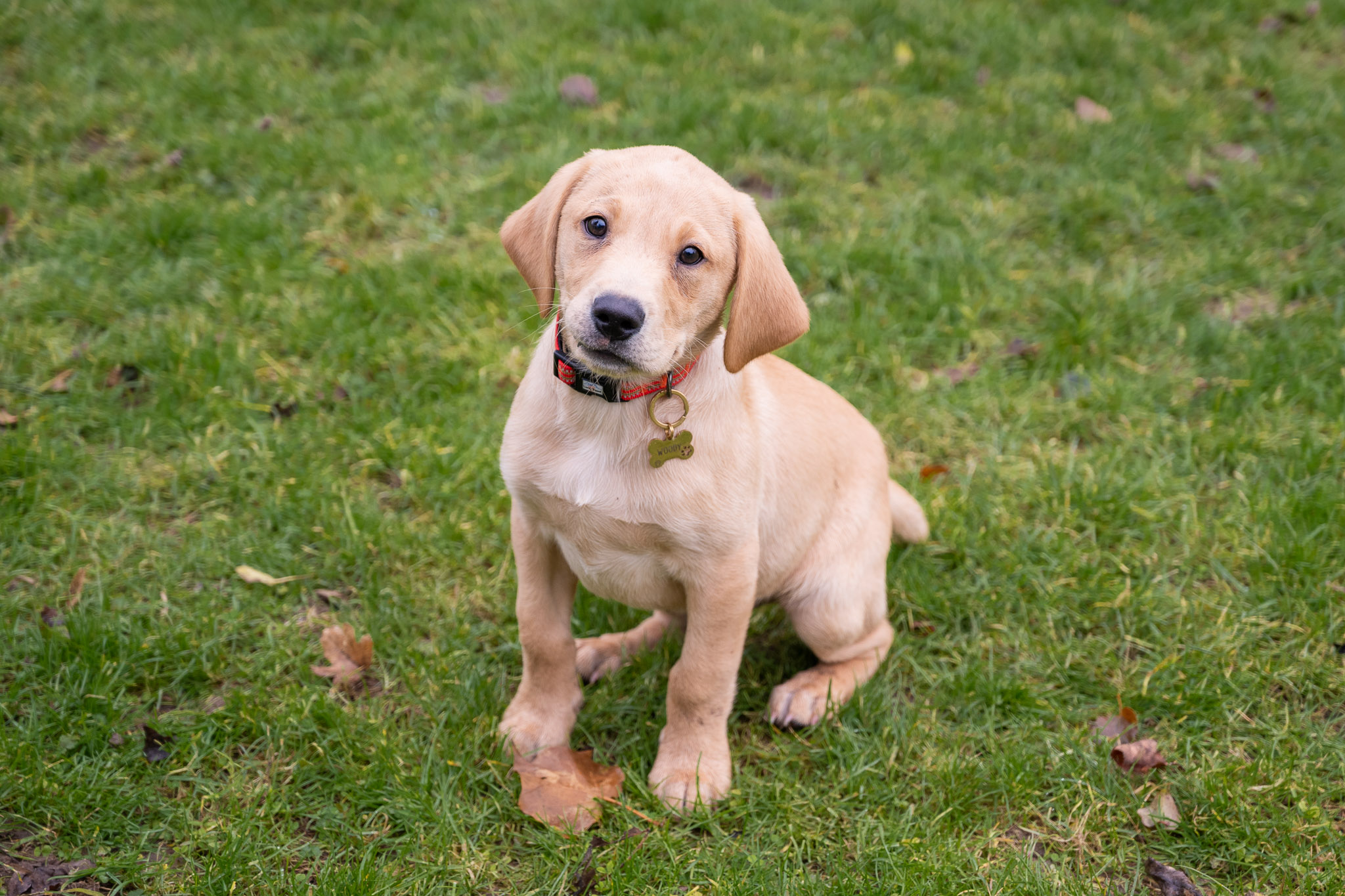
Connor Redmond | Nikon Zf | Nikon AF Nikkor 85mm f/1.4D | f/1.8 | 1/250 sec | ISO 200
Manual-focus support and adapted lenses
If you use a lot of vintage glass or manual focus lenses (especially those delicious old Nikon f-mount lenses) then the Nikon Zf has some tricks for you. The subject detection feature in manual focus mode provides a visual cue when focus is achieved, which bridges the gap between classic shooting style and modern assistance.
Combined with the adaptable Z mount, this makes the Nikon Zf a natural partner for legacy Nikon lenses and other adapted lenses.
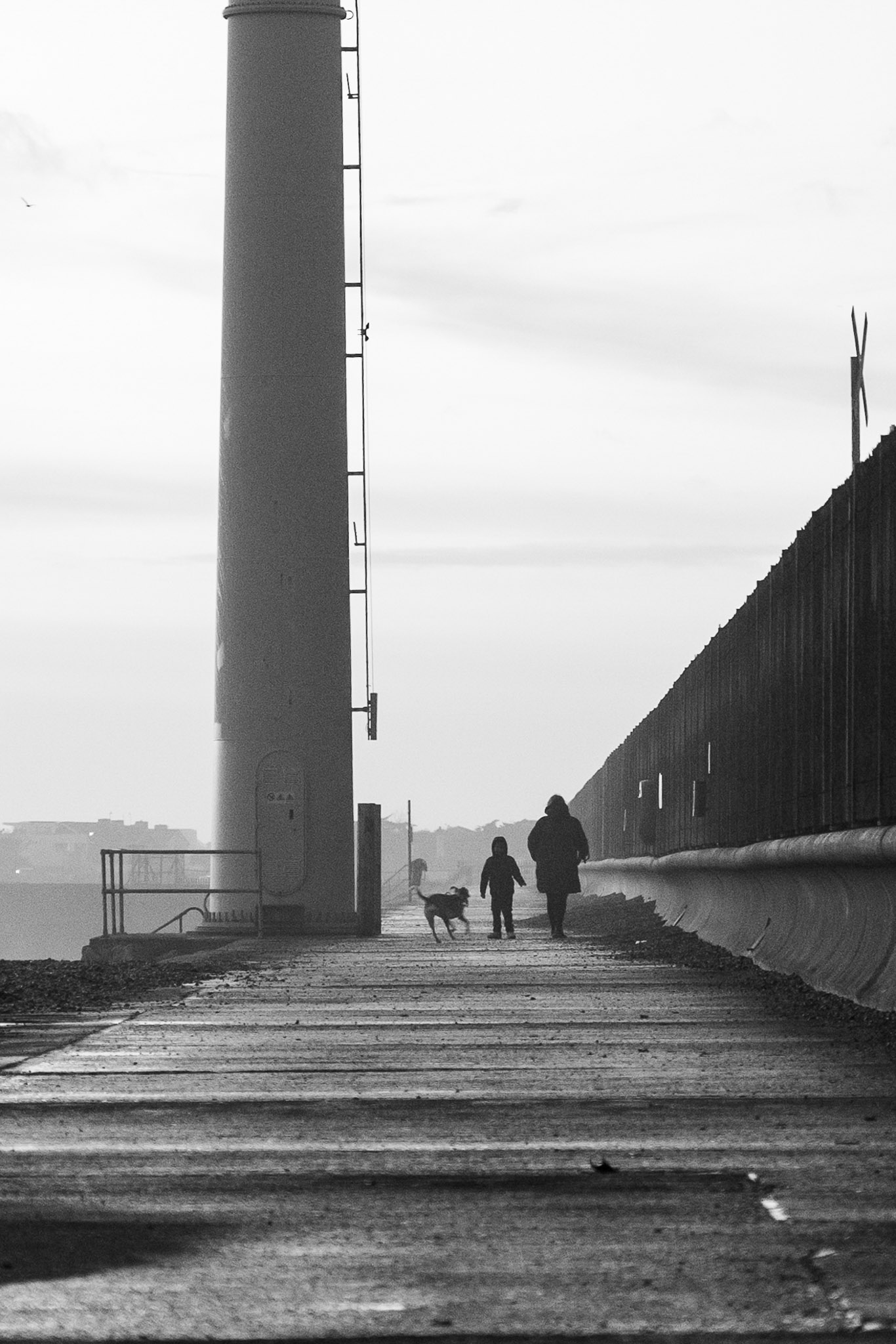
Amy Moore | Nikon Zf | Z 24-70mm f/4 S | f/4.0 | 1/160 sec | ISO 1600
Handling and ergonomics
Handling is where opinion is most likely to diverge. Because the Nikon Zf can sometimes feel too small and awkward in the hands. The grip is the main issue, it is modest. With smaller prime lenses, the camera feels well balanced. But with larger zoom lenses, it can feel quite front-heavy. This is the trade-off for preserving the slim, vintage-style body.
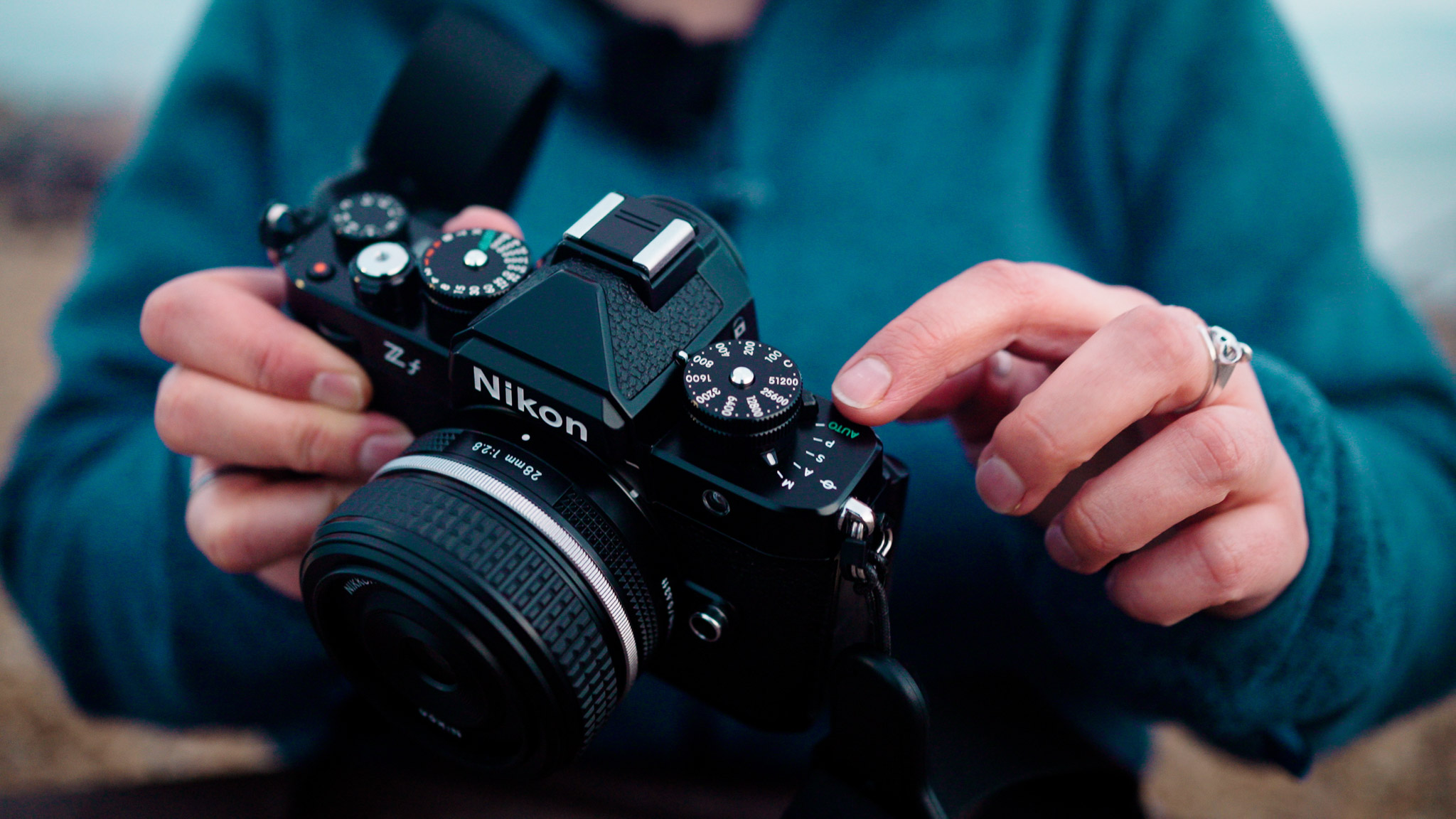
Nikon Zf vintage-style top dials
The Nikon Zf combines traditional dials with PASM modes, allowing you to choose between a tactile, dial-driven experience or a more modern approach. This flexibility is there.
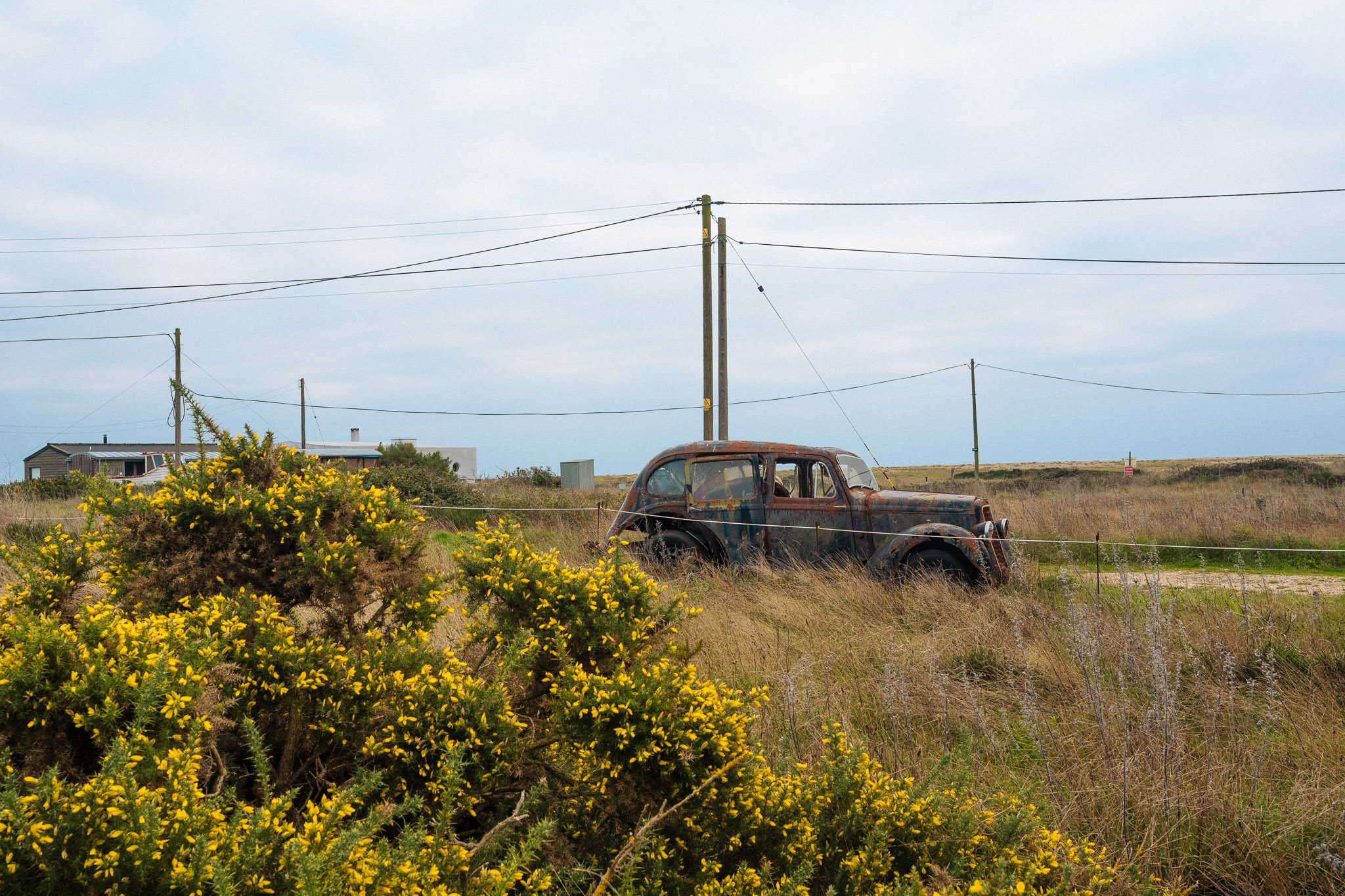
Jakub Golis | Nikon Zf | Z 40mm f/2 | f/11 | 1/50 sec | ISO 450
For some photographers, this compromise will be worth it for the aesthetic and tactile appeal. But for others, the ergonomics may take priority and that is totally fair because comfortability in the hand while shooting can really end up being the thing that matters most.
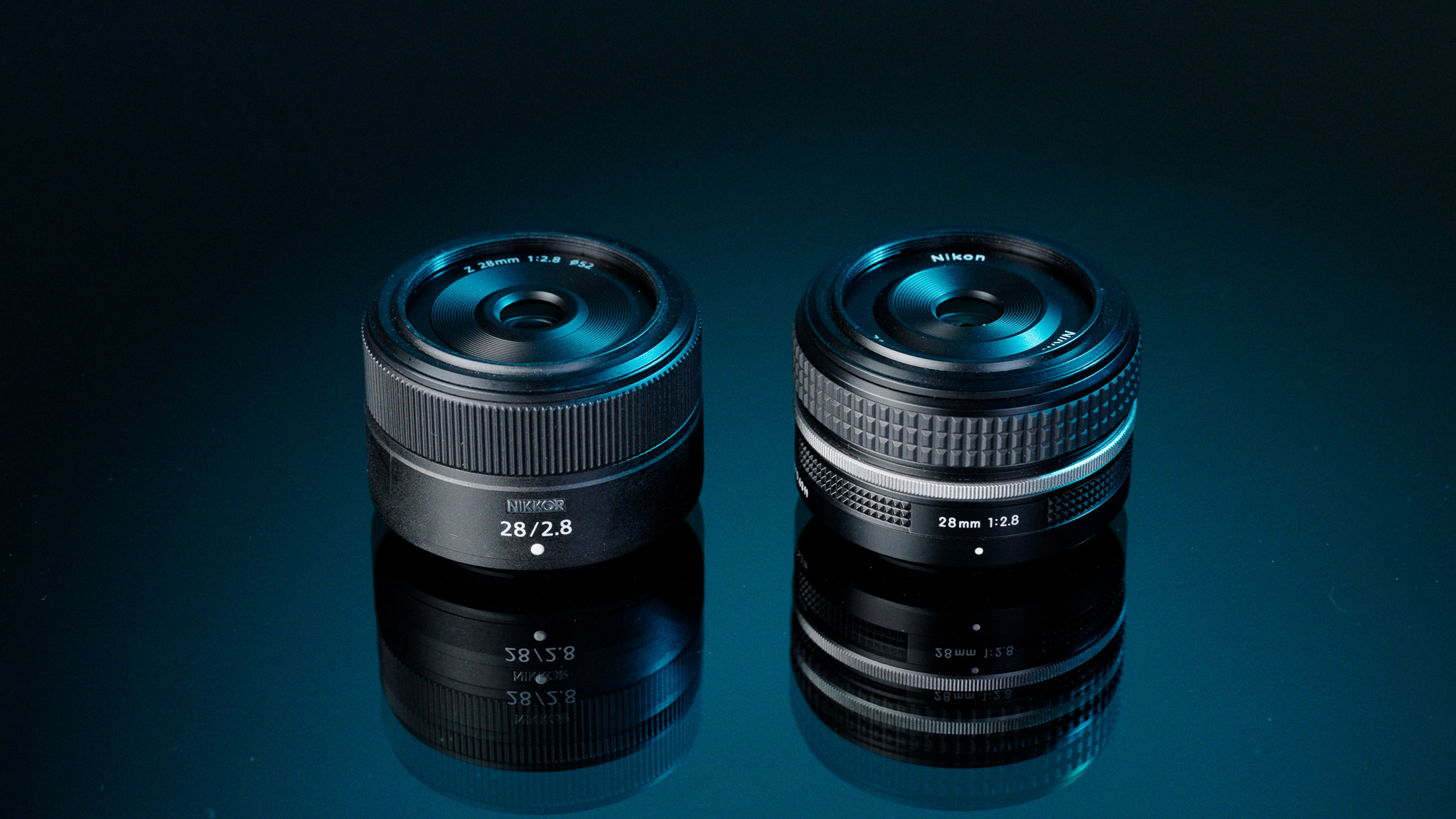
Used Nikon Z 28mm f/2.8 SE and Z 40mm f/2 SE
Best lenses for the Nikon Zf
Lens choice significantly affects how the Nikon Zf performs in daily use, mainly because of the size and feel. Nikon has made two dedicated ‘SE’ lenses that fit the retro-style. These are the Z 28mm f/2.8 SE and Z 40mm f/2 SE. And both of those focal lengths tell you a lot about how Nikon thinks to use the Nikon Zf. That is, as a compact street camera.
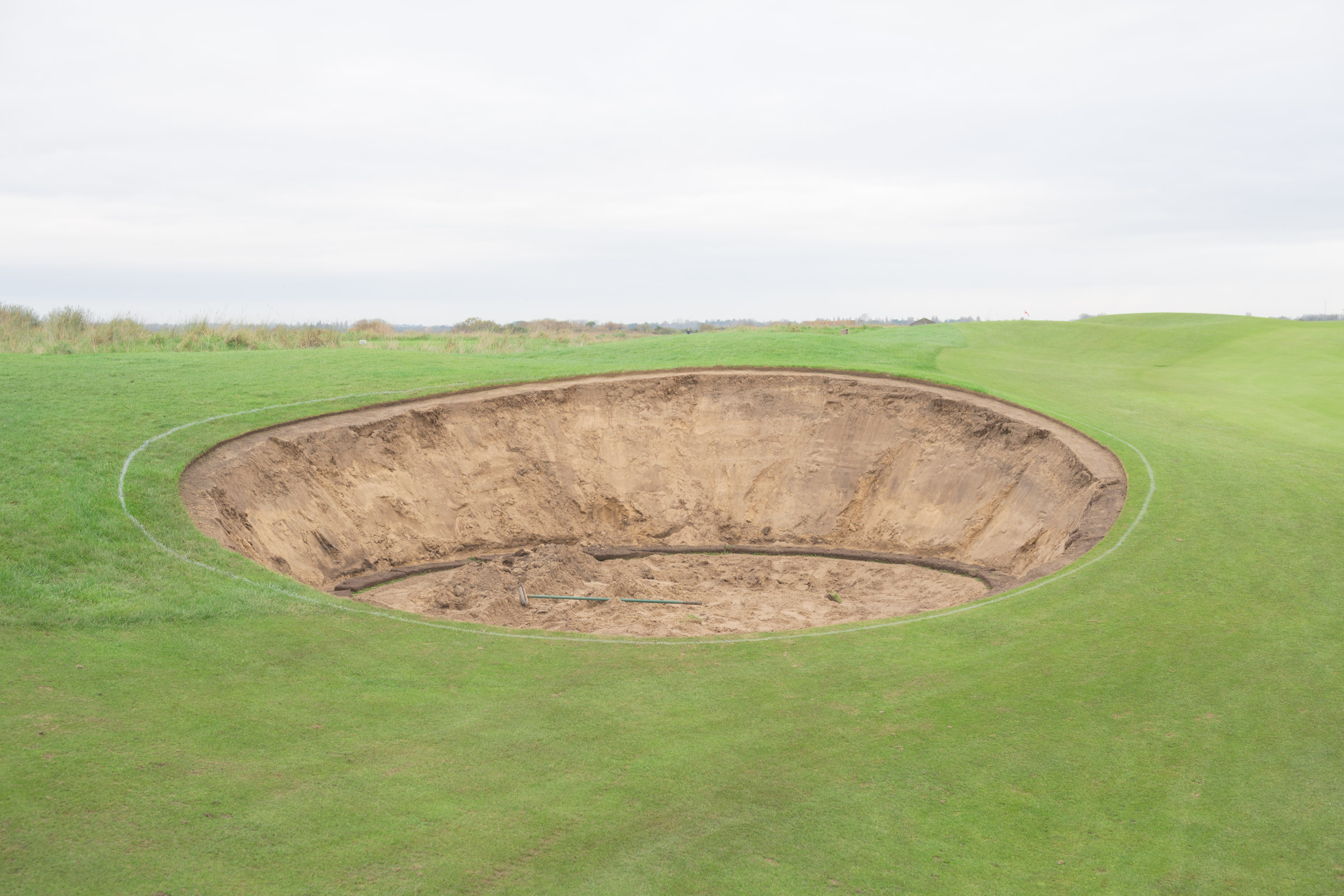
Connor Redmond | Nikon Zf | Z 40mm f/2 | f/5.6 | 1/125 sec | ISO 360
Compact primes tend to suit the body best, maintaining balance and reinforcing the vintage look. Larger Z-mount zooms provide versatility but shift the handling dynamic and we wouldn’t really recommend using them unless you really need to.
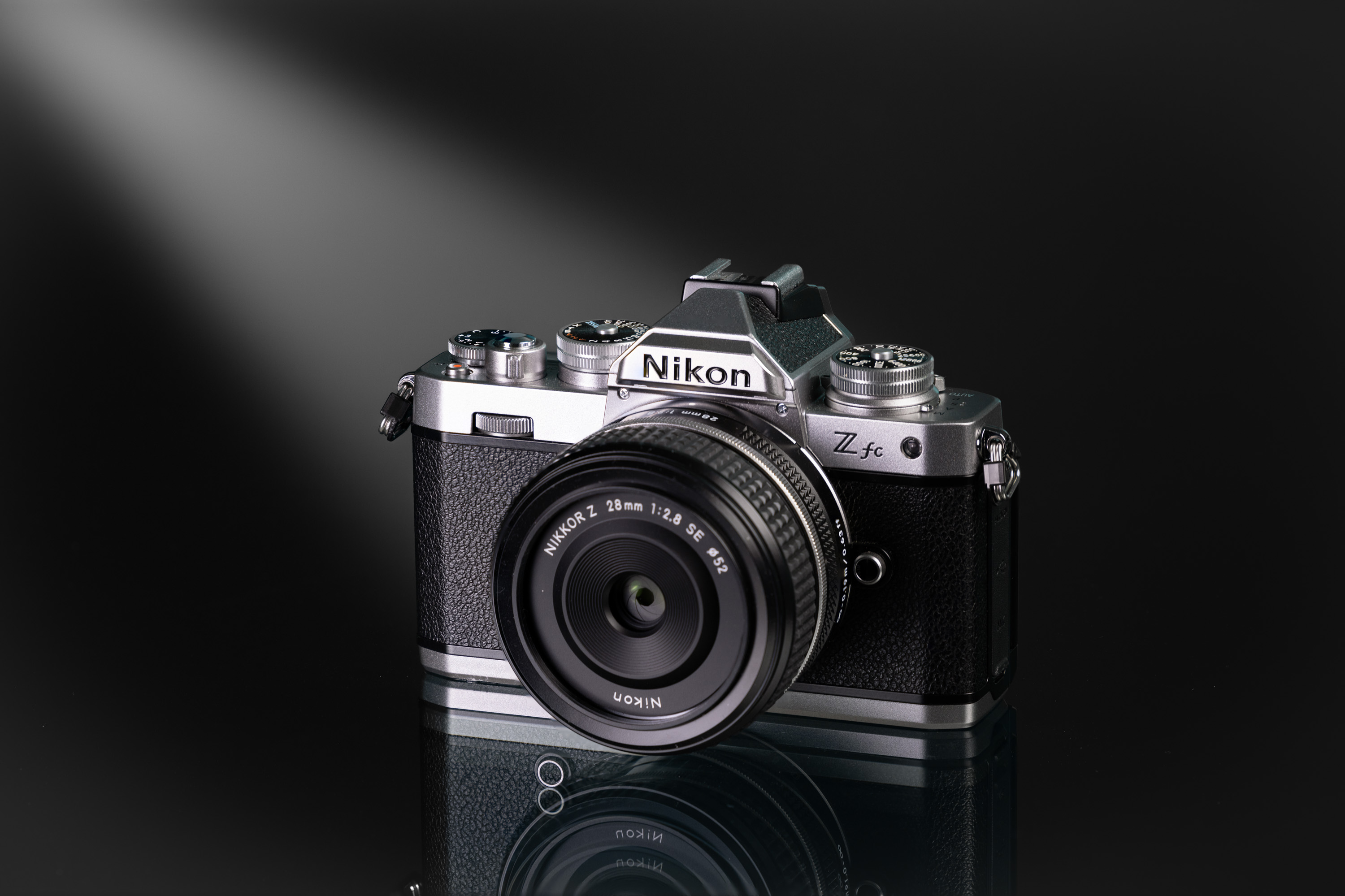
Used Nikon Z fc and Nikon Nikkor Z 28mm f/2.8
Nikon Zf and Nikon Z fc Compared
Before the Zf there was the Nikon Zfc. The Zfc looks a lot like the Zf but is the cheaper, more affordable option. But both cameras are trying to do the same thing with the same philosophy. Read our Nikon Z fc review for more in-depth info on that camera.
The most significant difference is sensor size and camera body size. The Nikon Z fc is trying to be smaller and more compact so it uses a 20.9 megapixel APS-C sizes sensor, while the Zf has a bigger full-frame sensor.
Ergonomically, both cameras have relatively small grips that prioritize style over deep handholds. Both have fully articulating screens and opinions on that design choice tend to be similar across the two.

Ian Howorth | Nikon Zfc | Nikon Nikkor Z 28mm f/2.8 SE | f/9 | 1/320th | ISO 200
Both cameras embrace retro styling, but the Nikon Zf feels more premium. It uses metal top and bottom plates and brass dials designed to develop patina over time. The Zfc, while well made, does not have the same level of material finish and is more ‘plasticky’.

Ian Howorth | Nikon Zfc | Nikon Nikkor Z 28mm f/2.8 SE f/2.8 | 1/500th | ISO 400
Ultimately price will probably be your deciding factor. The Nikon Zfc is aimed more clearly at enthusiasts and beginners who want the retro look in a lighter, more affordable package. The Nikon Zf, by contrast, is a higher-performance full-frame mirrorless camera designed for photographers who want vintage styling without sacrificing modern autofocus and image quality.
If you are choosing between the two, the decision largely comes down to whether you want full-frame performance and the latest autofocus technology, or a more compact APS-C body that delivers the same aesthetic in a lighter and more accessible format.
Firmware updates and long-term support
Since launch, Nikon has done a really stellar job at supporting the Nikon Zf, while adding new features to the camera. It does instill a sense of confidence when buying a Nikon camera knowing that they are working on new features for their mirrorless lineup. Many older photographers will know all too well the general lack of post launch support for cameras back in the early days of digital cameras. But now new cameras are treated more and more like our phones in terms of feature updates.
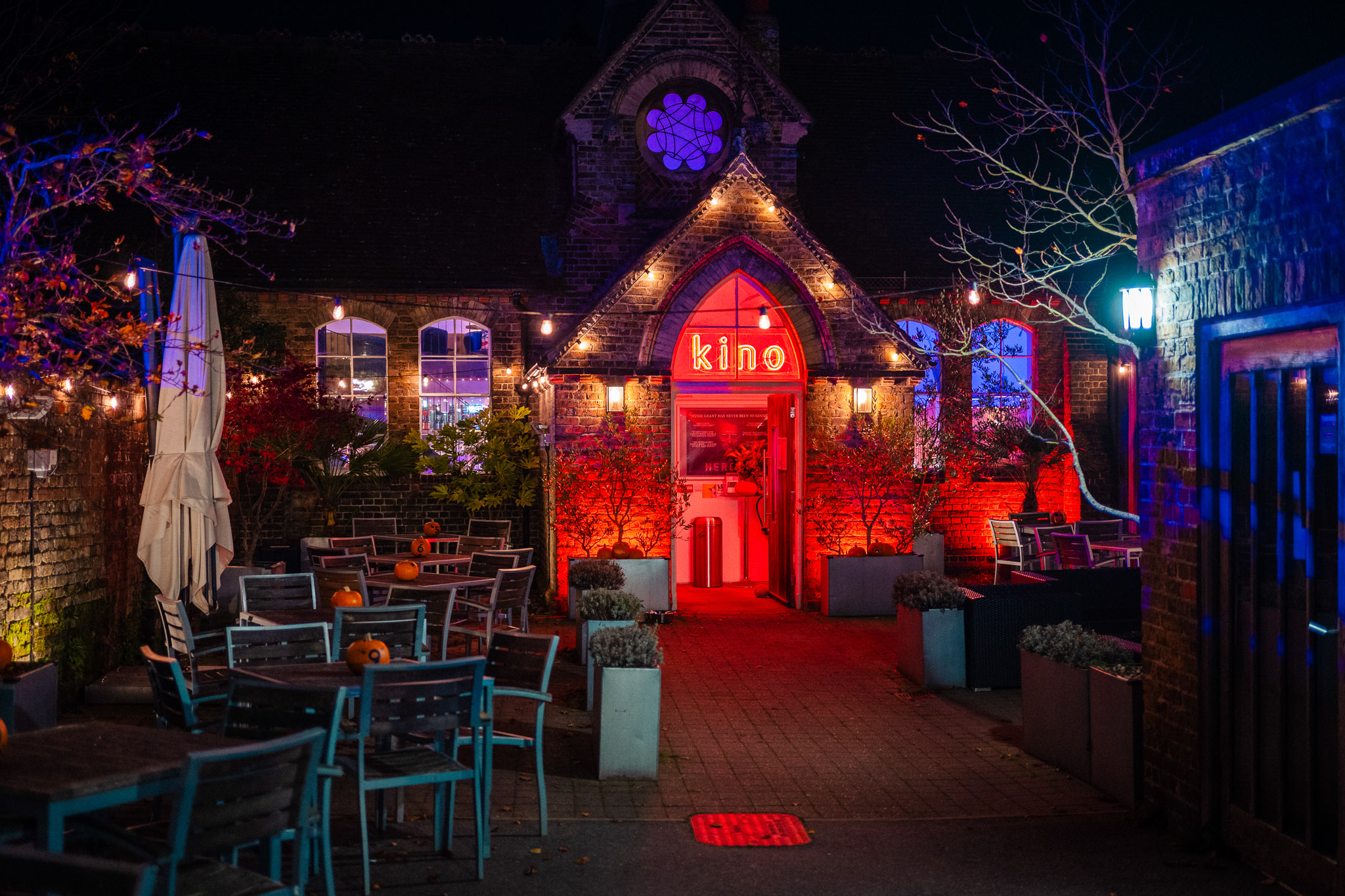
Jakub Golis | Nikon Zf | Z 40mm f/2 | f/2.0 | 1/50 sec | ISO 1000
Nikon Zf Firmware Version 2.00 (April 2025)
This was the first major update since launch and added several useful features beyond basic fixes:
Imaging Recipes (creative picture profiles)
Nikon Imaging Cloud support. The Zf can now use Nikon's cloud services, enabling automatic image transfers to third-party cloud storage and cloud-based firmware updates.
Dedicated Birds subject-detection mode. Improves autofocus tracking specifically for bird photography.
Hi-Res Zoom function. A video zoom feature that allows up to 2× zoom even with prime lenses (assignable to a control).
Expanded manual-focus usability. Improvements when using non-CPU/manual lenses, including better naming and handling.
Nikon Zf Firmware Version 3.00 (October 2025)
The next major update focused on creative and usability features:
In-camera Film Grain feature. Nikon added a film-like grain effect that can be applied to photos and videos, with adjustable grain size and intensity, helping create an analog-inspired look directly in camera.
User interface improvements. New focus-peaking options included a “only during zoom” mode for precise manual focusing and additional grid and composition aid overlays.
Manual focusing aids and control additions. New custom setting items for focus peaking, assignable controls, and a few workflow quality-of-life tweaks such as orientation retention and video output settings.
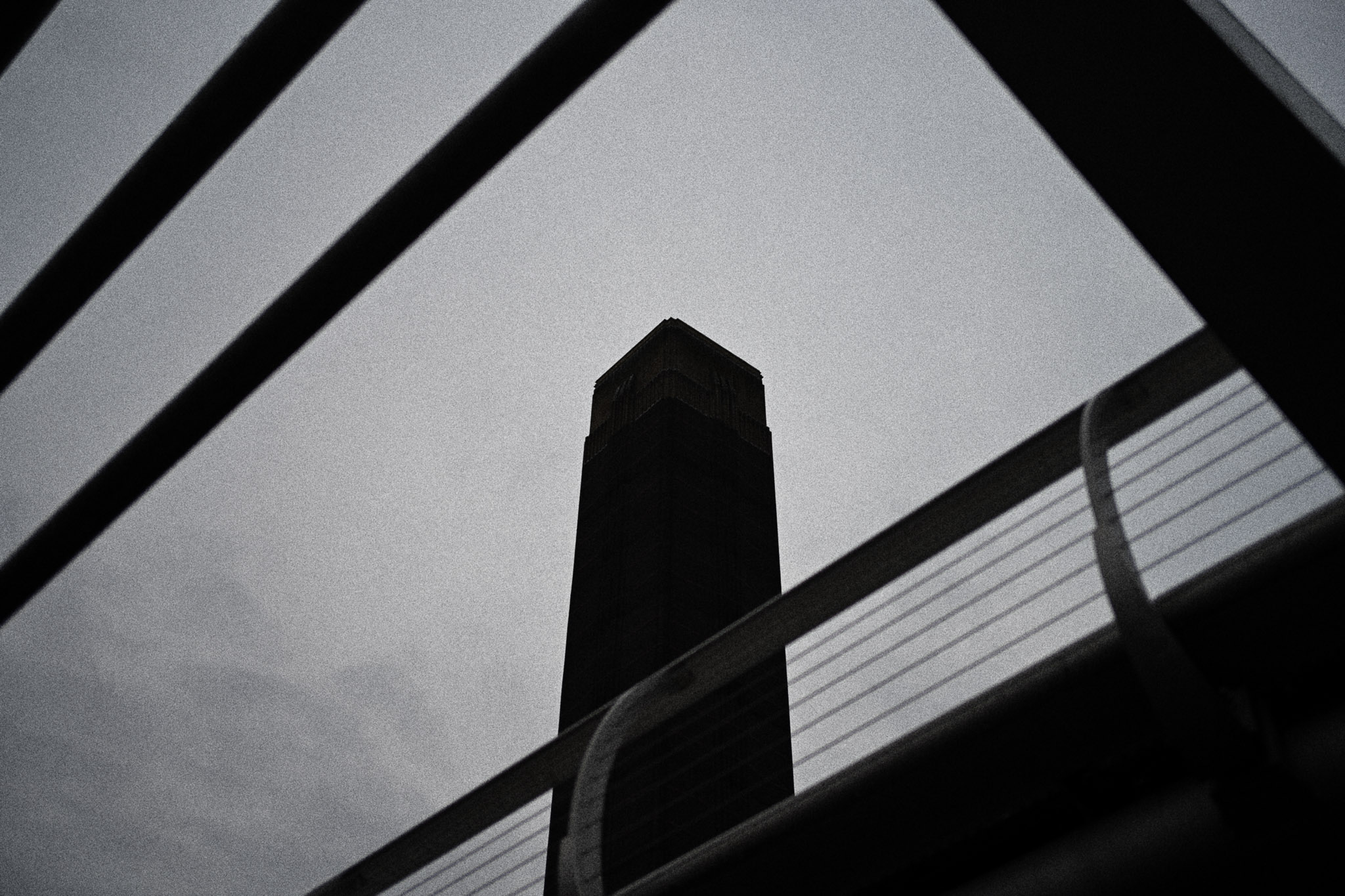
Jakub Golis | Nikon Zf | Z 40mm f/2 | f/2.0 | 1/1600 sec | ISO 100
Nikon Zf In-body Film Grain
Our resident UK videographer Jakub Golis is always on a quest to find a film-like experience in digital cameras, he wrote the best digital cameras for film-like photography. So when he found out Nikon added in-built film grain to the Nikon Zf, he jumped with joy, literally. Here is what he had to say about it:
“Nikon made the Nikon Zf even better with the 3.0 firmware. It brought quite a few updates but for me the most important one was the in-camera grain feature. You can control the grain size (small, medium, large) and strength (1 to 6) and combine it with any of the built-in colour profiles. It pairs perfectly with the dedicated monochrome mode and renders film-like JPGs straight out of camera. The grain looks natural and I liked that its pattern changes with every frame, exactly like on film. Sadly, you can't assign the grain settings to a custom button, just whether the grain is on or off. For more controls, you have to dive into the menu.” - Jakub Golis
Here is a comparison with the grain off and on:
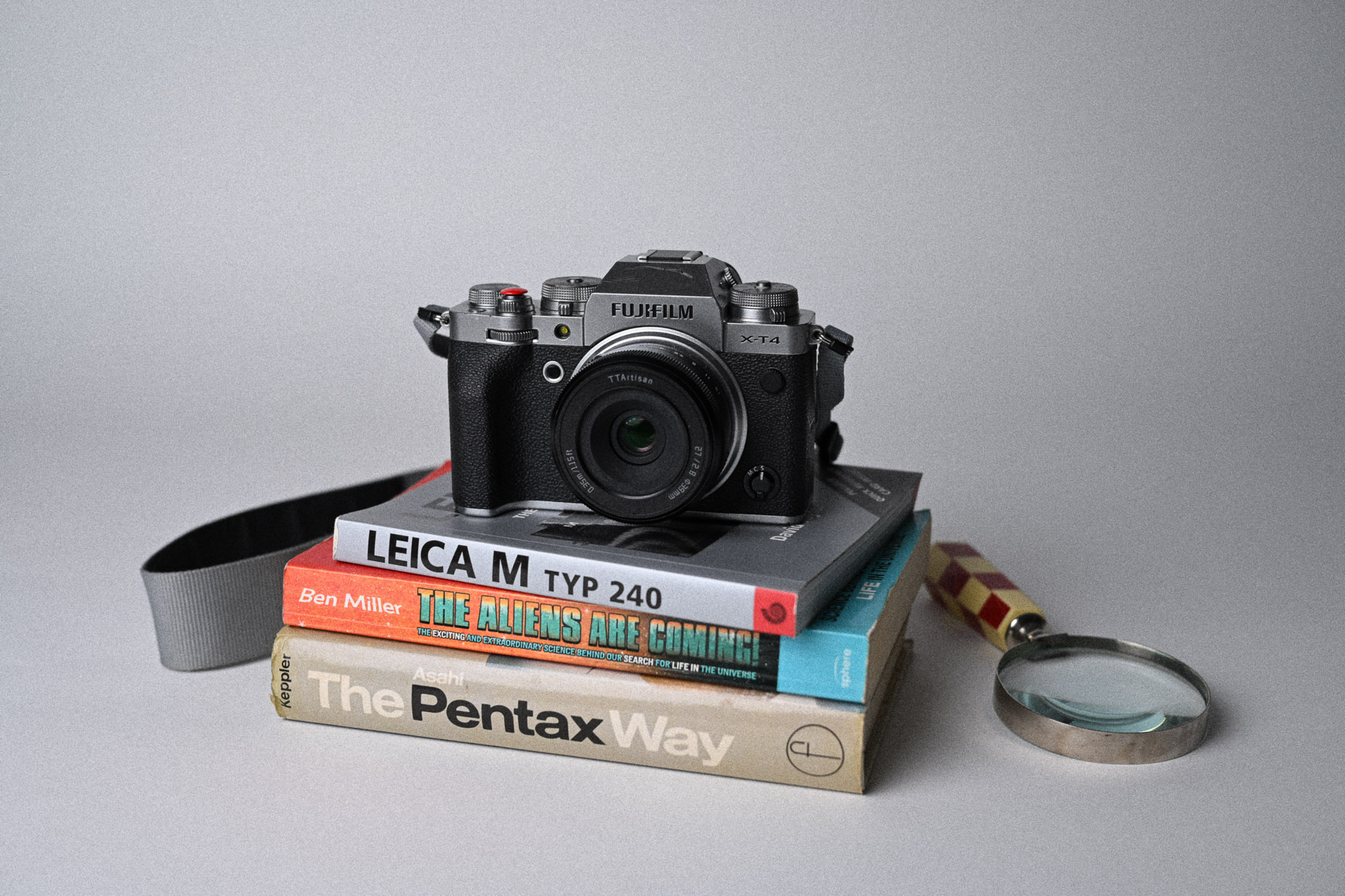
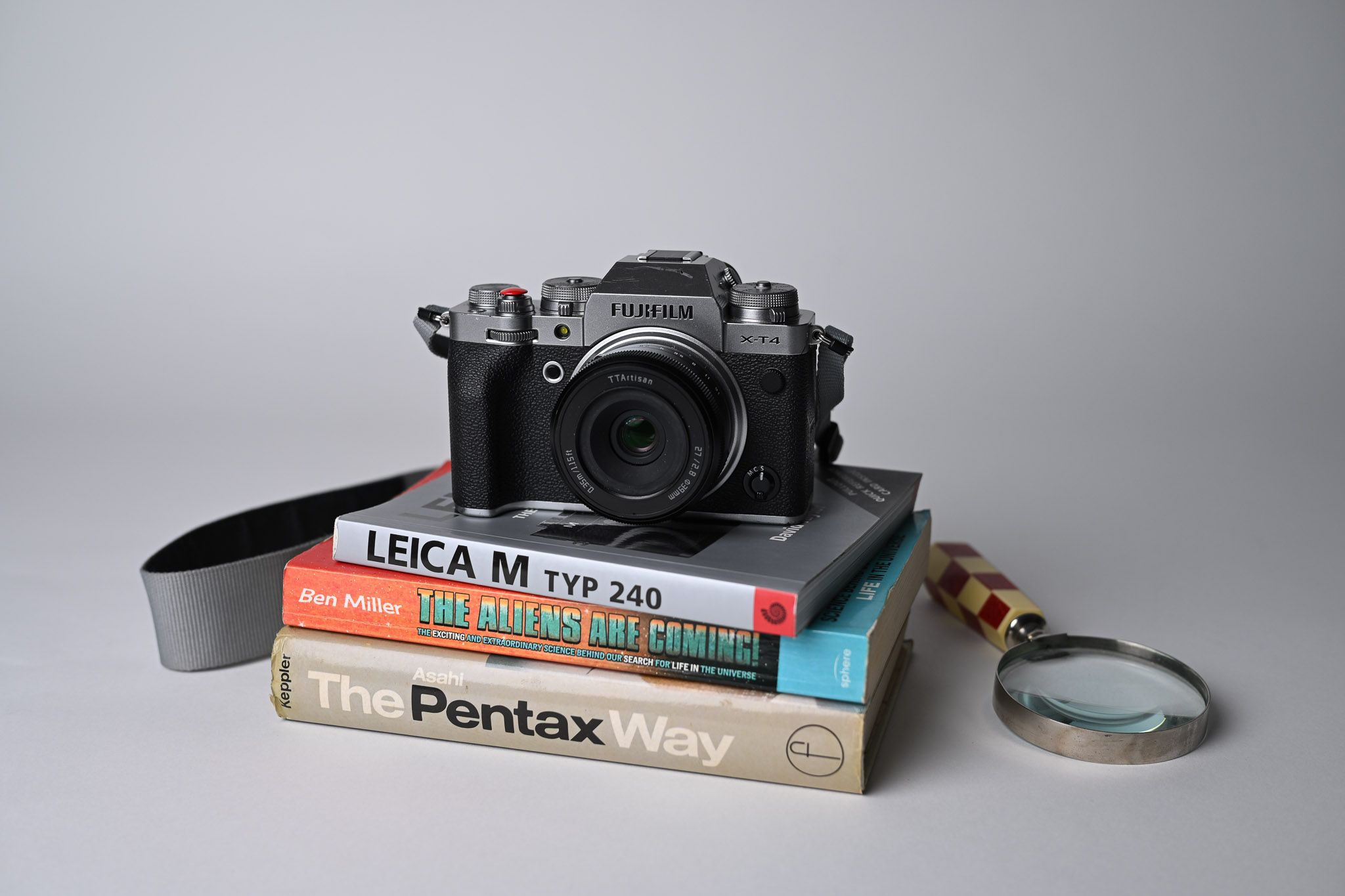
On the left we have a standard jpeg with the grain turned off, and on the right we have the grain setting turned on set to Large at Strength 3
Here are some more examples of that delicious grain in action:

Jakub Golis | Nikon Zf | Z 40mm f/2 | f/2.0 | 1/50 sec | ISO 125
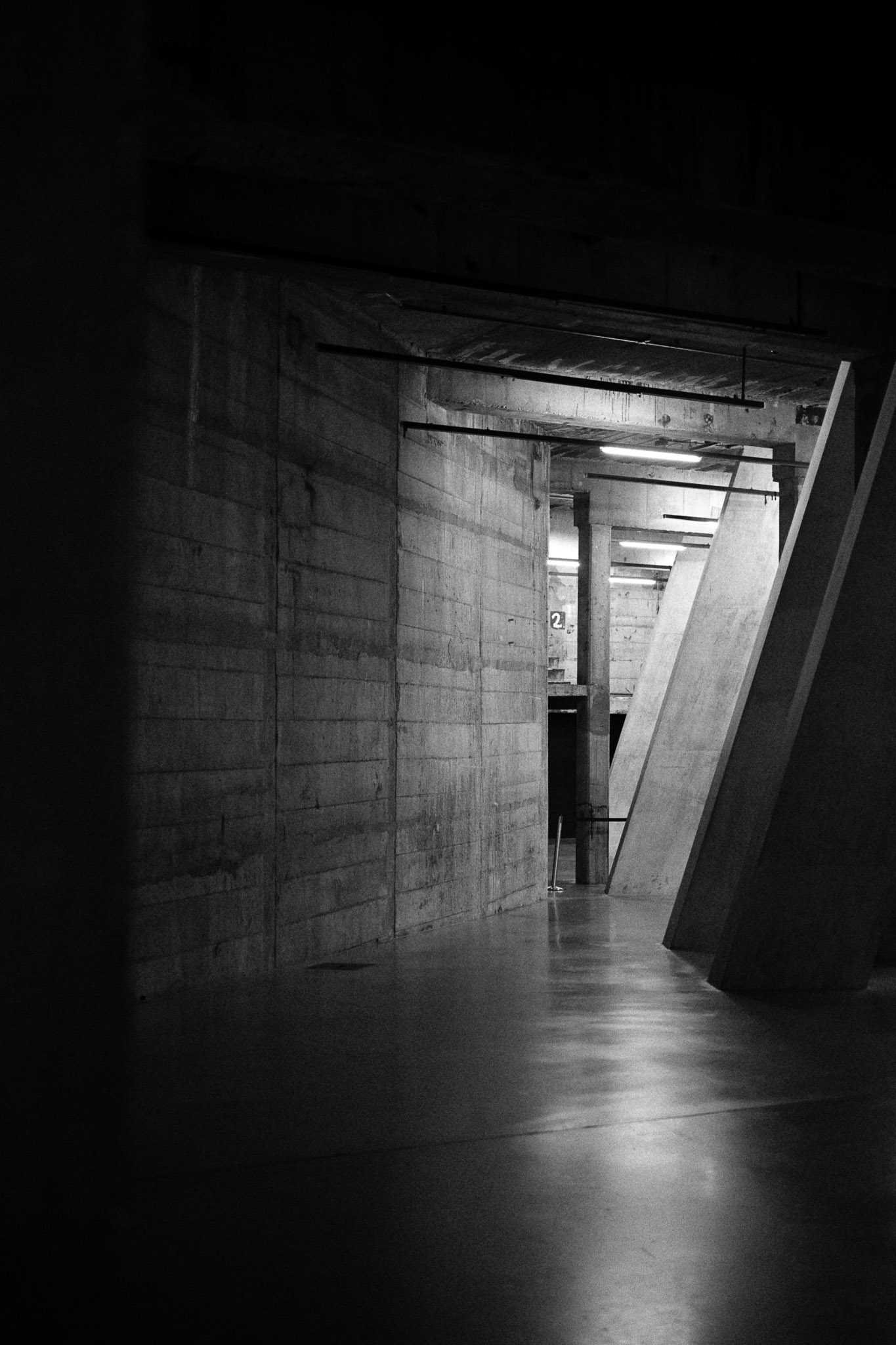
Jakub Golis | Nikon Zf | Z 40mm f/2 | f/2.0 | 1/50 sec | ISO 900
Nikon Zf Sample Pictures
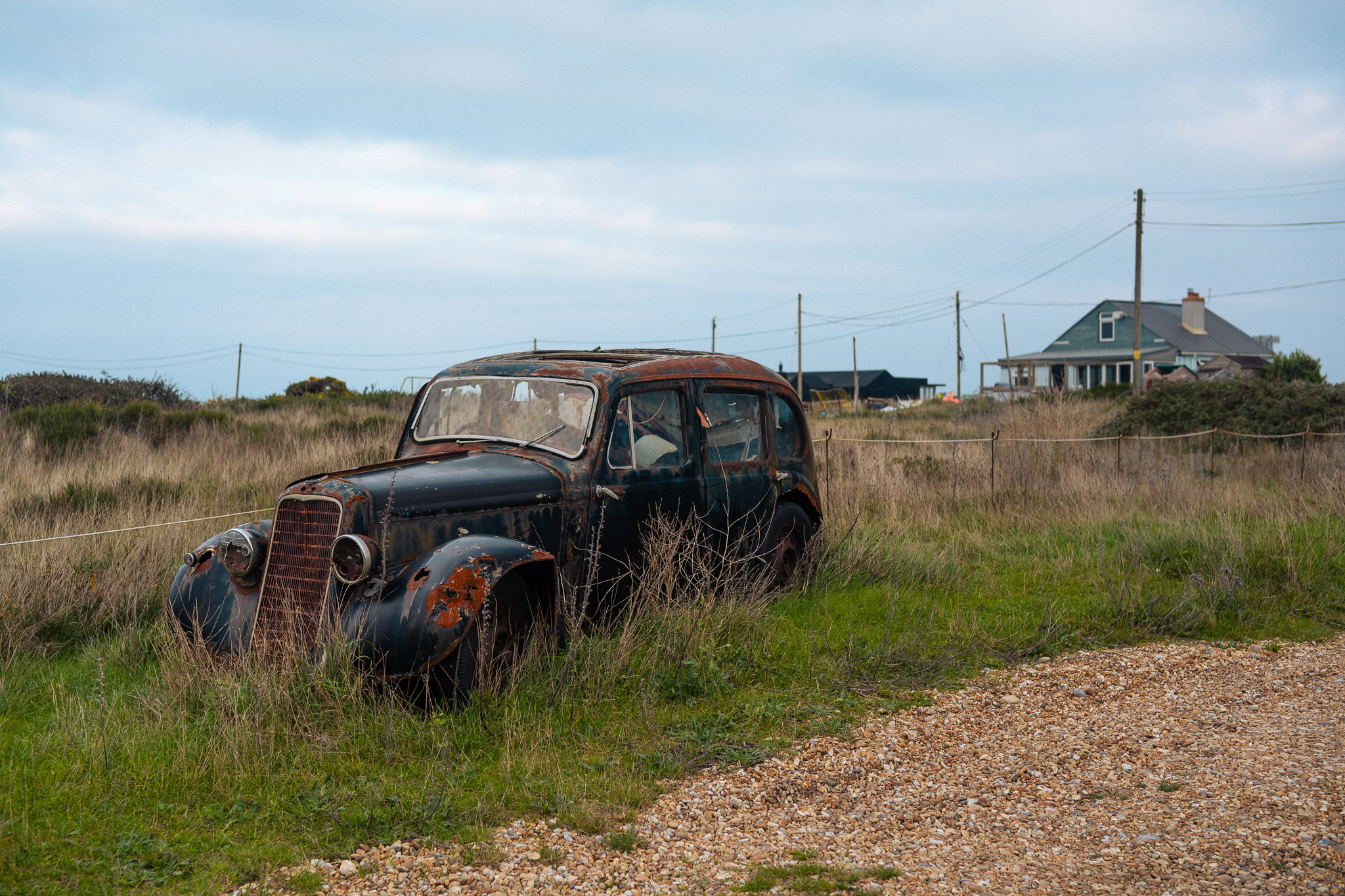
Jakub Golis | Nikon Zf | Z 40mm f/2 | f/4.0 | 1/60 sec | ISO 100
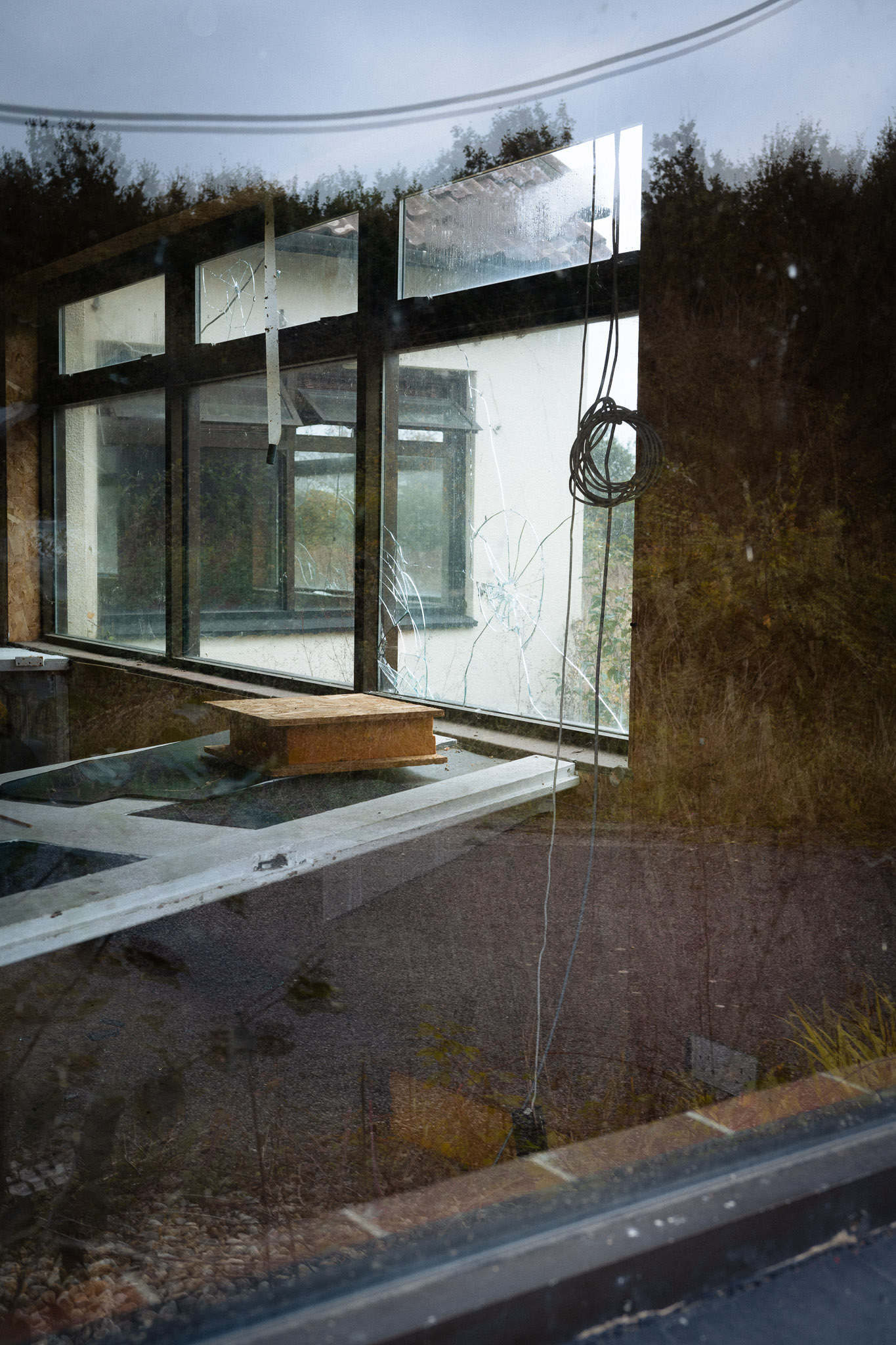
Jakub Golis | Nikon Zf | Z 40mm f/2 | f/2.0 | 1/50 sec | ISO 125
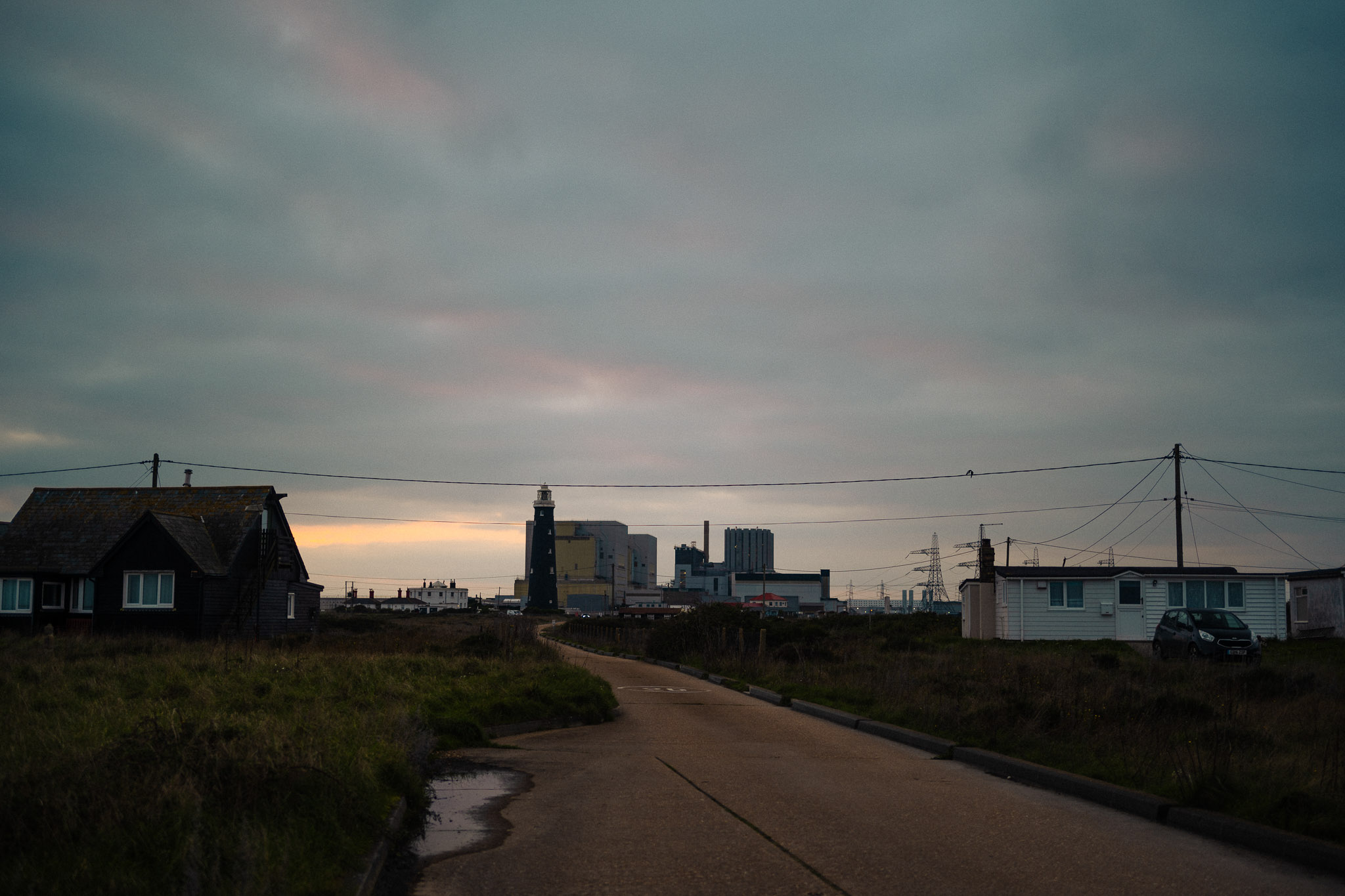
Jakub Golis | Nikon Zf | Z 40mm f/2 | f/2.0 | 1/80 sec | ISO 100
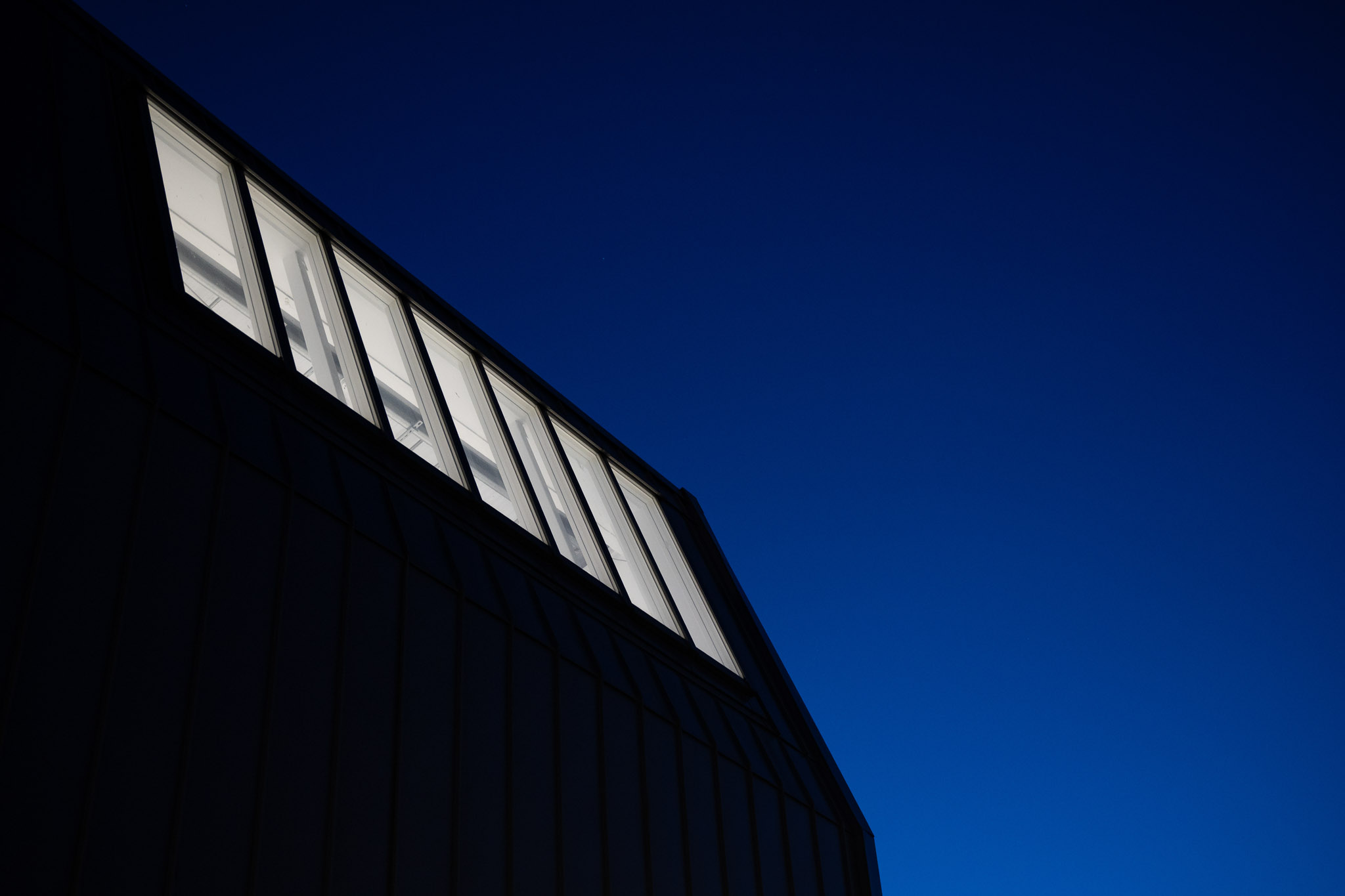
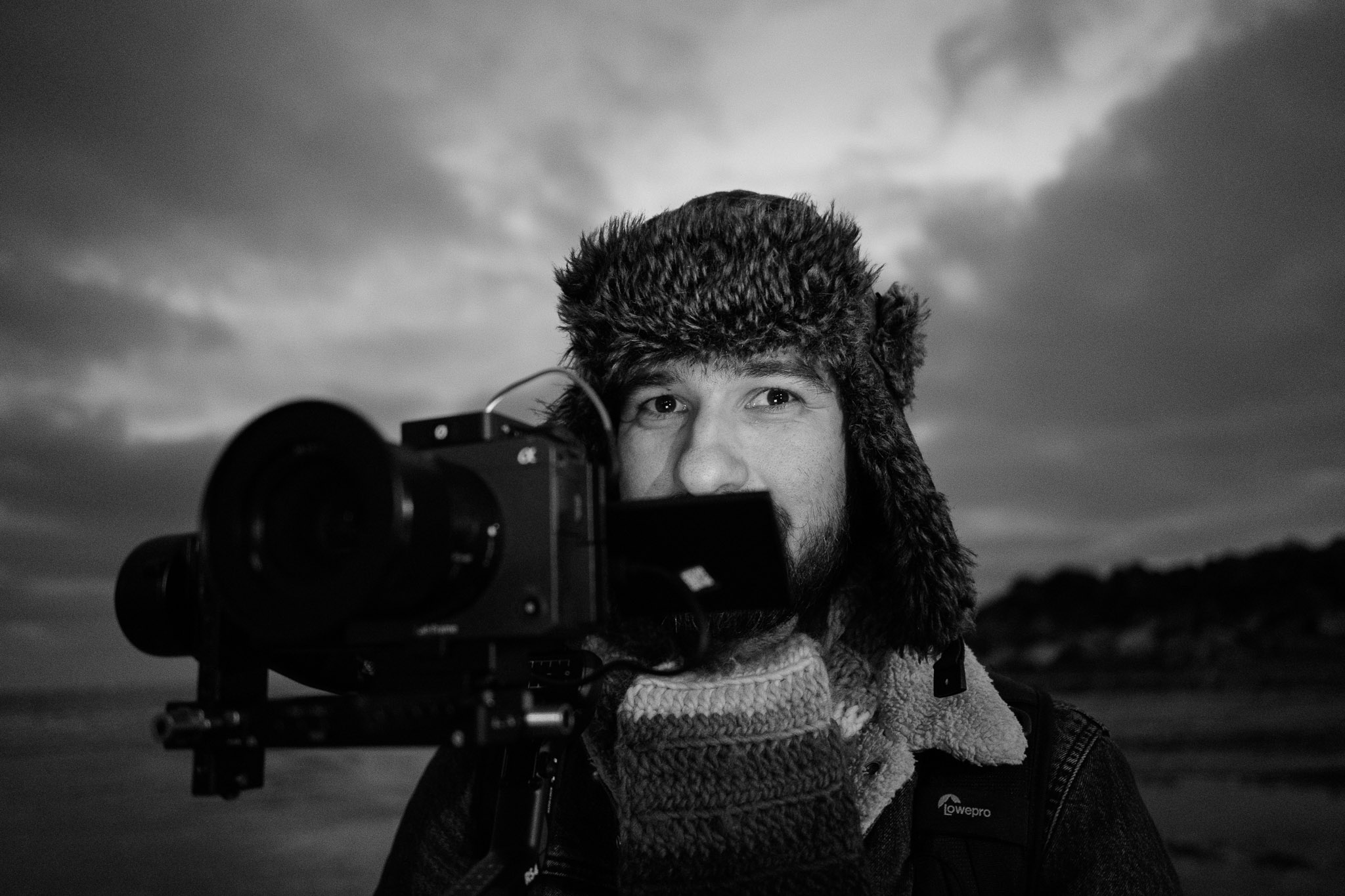
Amy Moore | Nikon Zf | Z 24-70mm | f/4.0 | 1/15 sec | ISO 1250
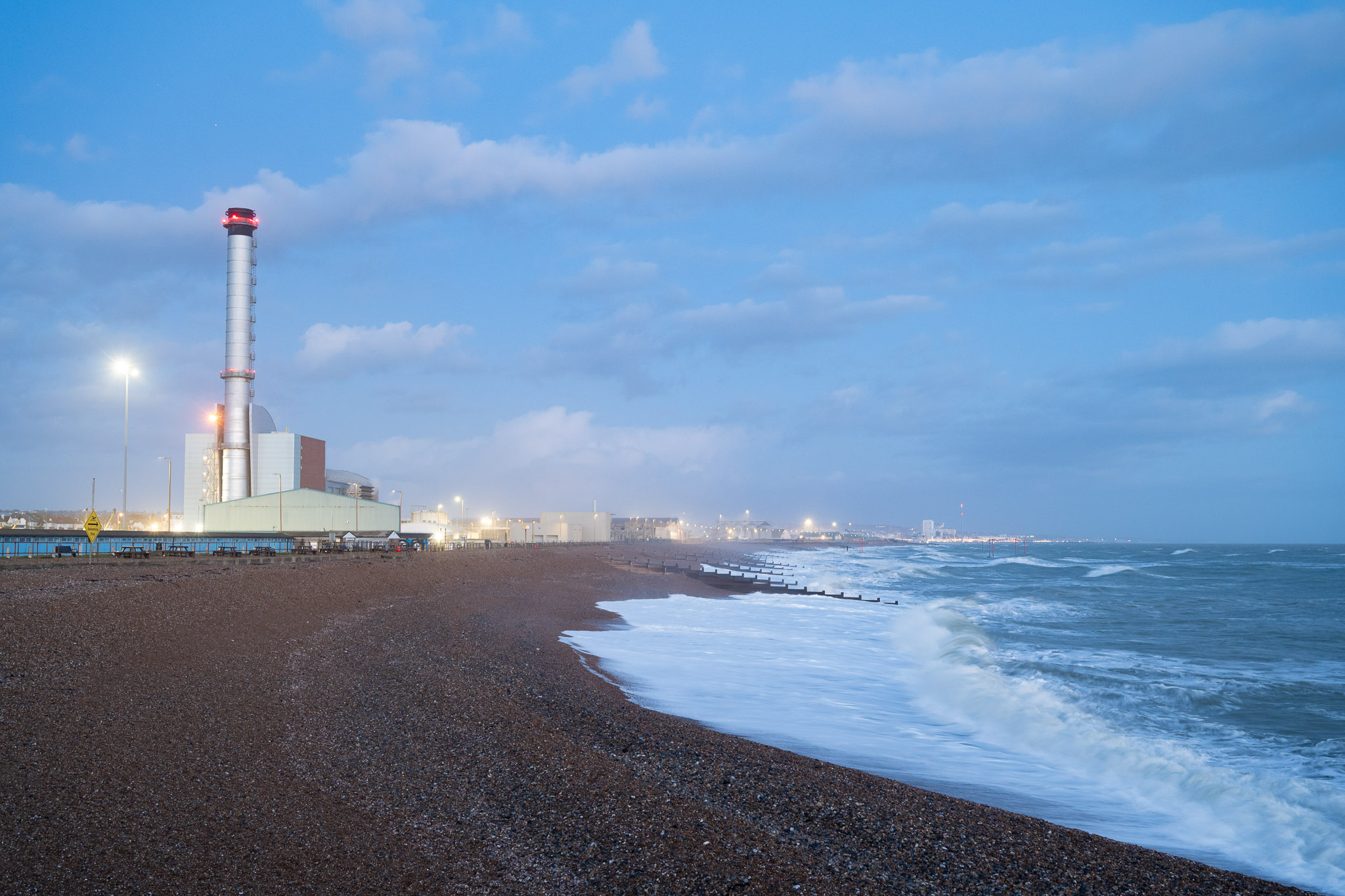
Amy Moore | Nikon Zf | Z 28mm f/2 | f/5.6 | 1/4 sec | ISO 800
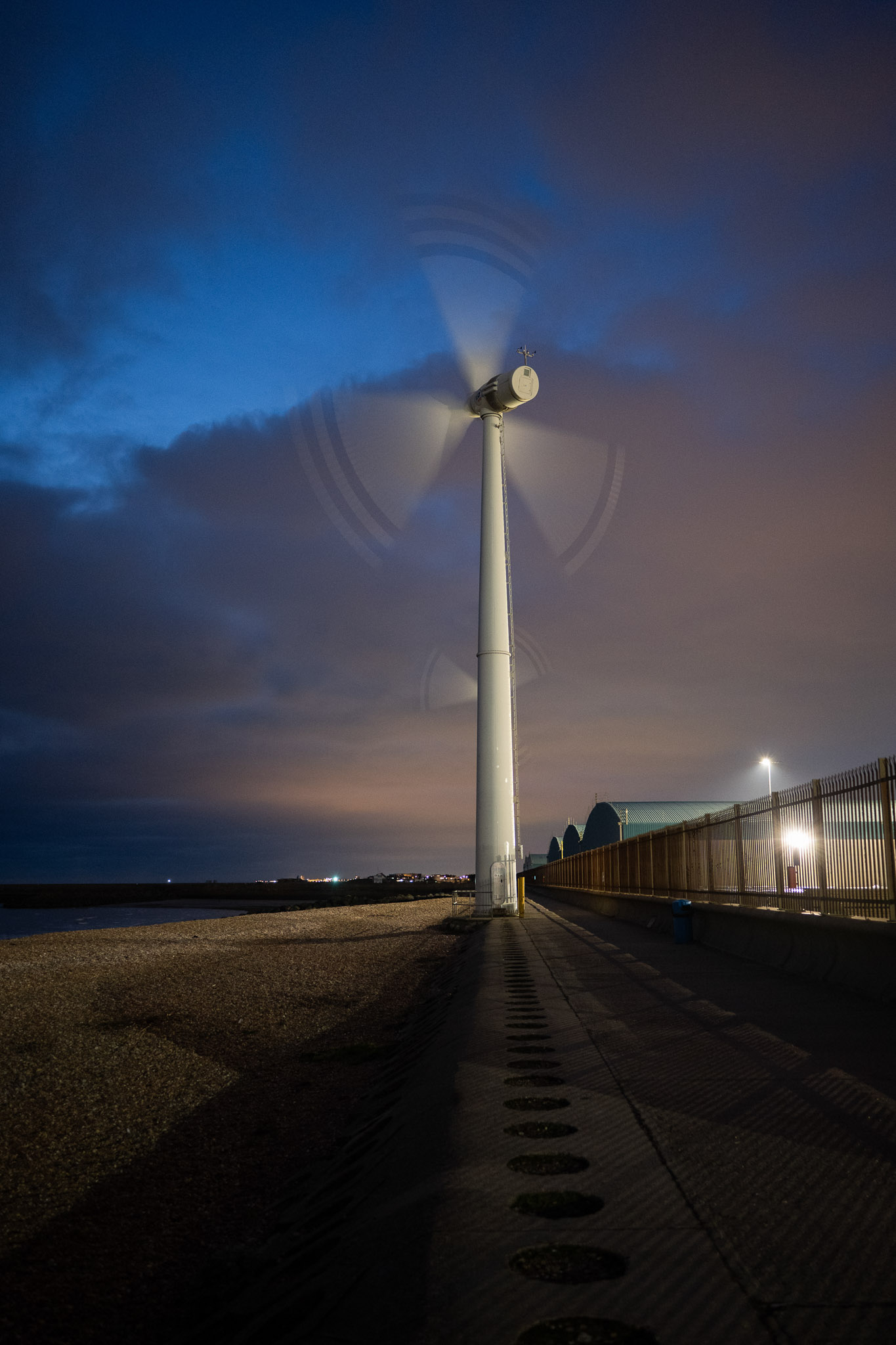
Amy Moore | Nikon Zf | Z 28mm f/2 | f/2.8 | 1/4 sec | ISO 3200
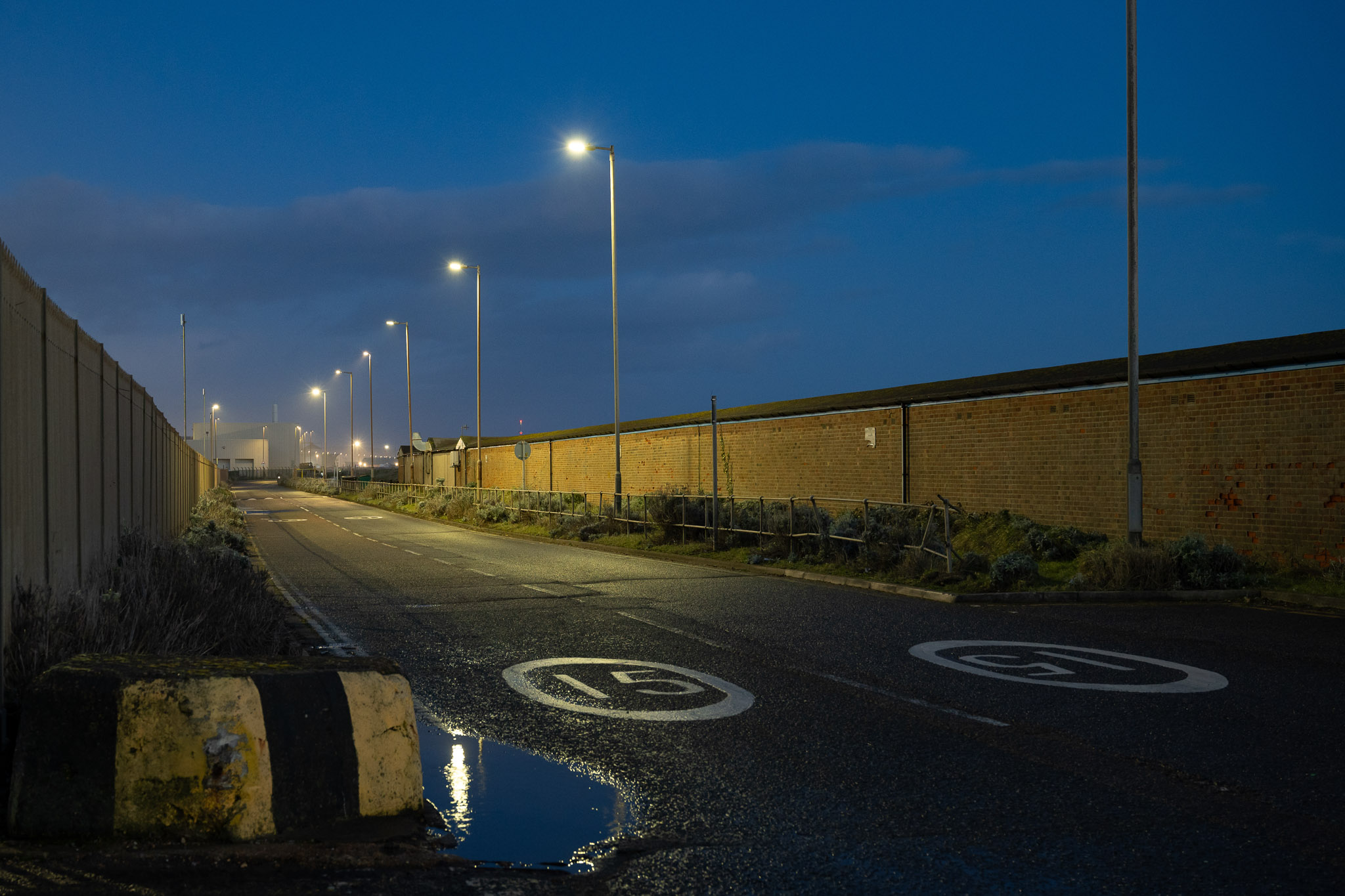
Amy Moore | Nikon Zf | Z 28mm f/2 | f/5.6 | 1/4 sec | ISO 800
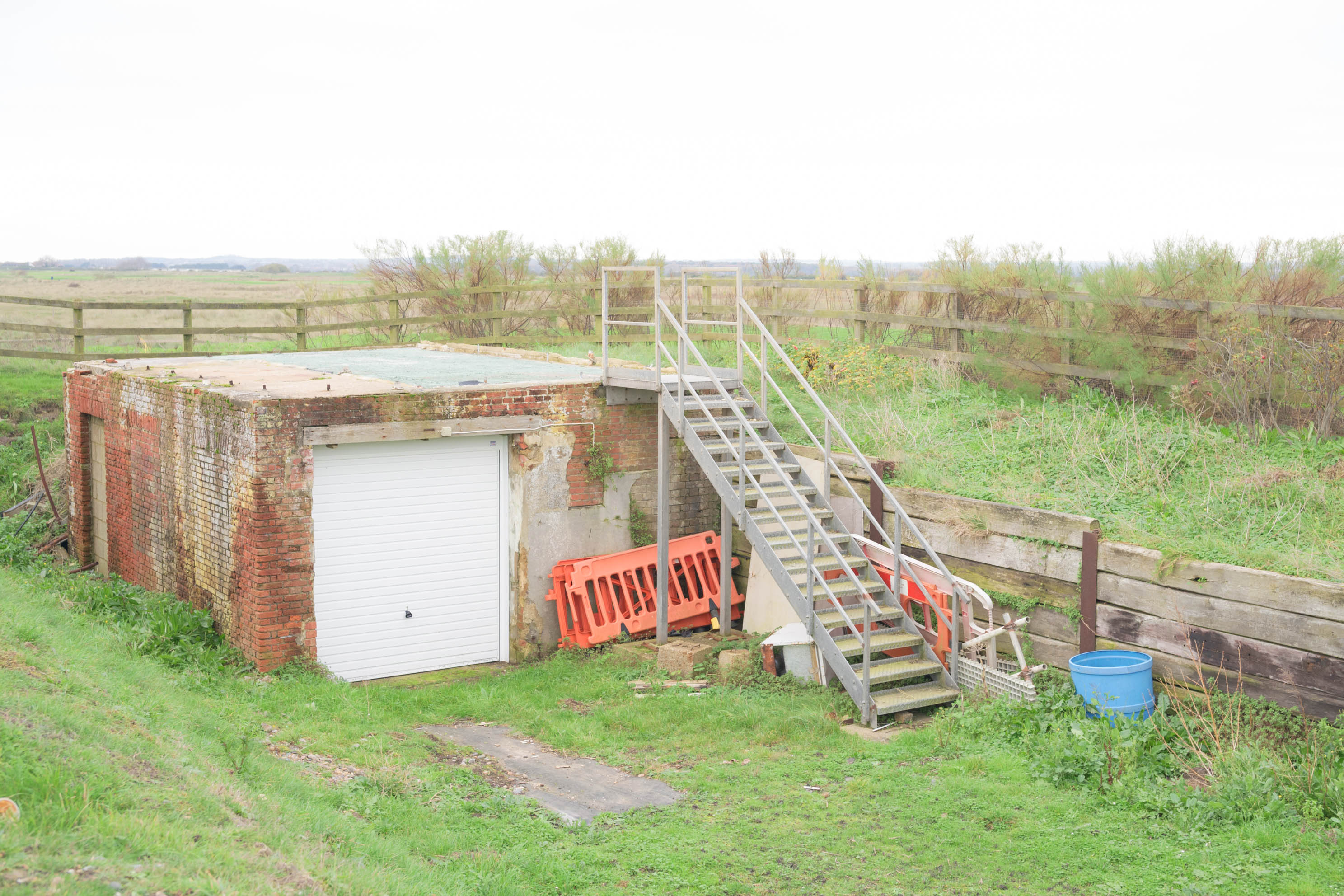
Connor Redmond | Nikon Zf | Z 40mm f/2.0 | f/5.6 | 1/125 sec | ISO 800
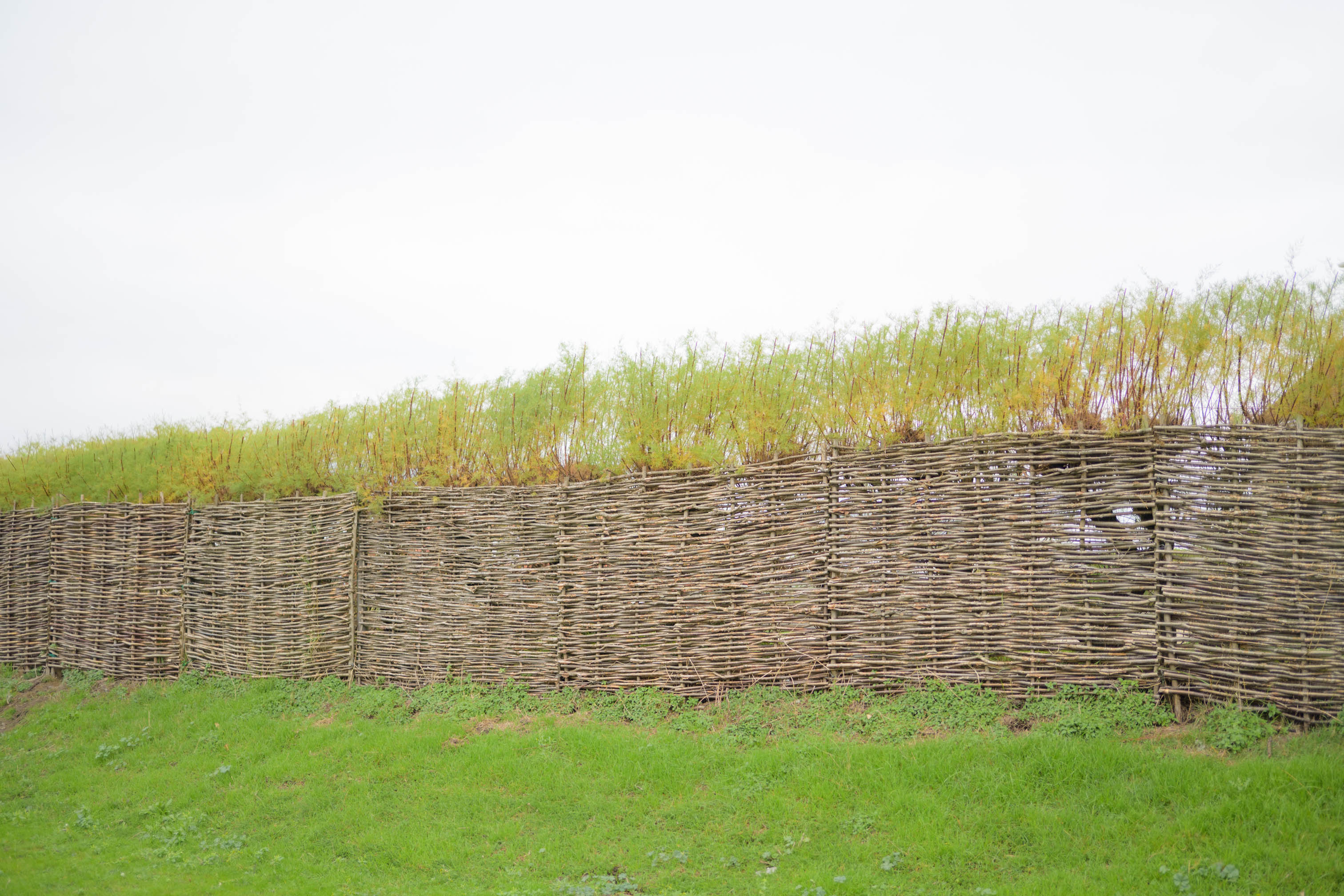
Connor Redmond | Nikon Zf | Z 40mm f/2.0 | f/5.6 | 1/400 sec | ISO 160
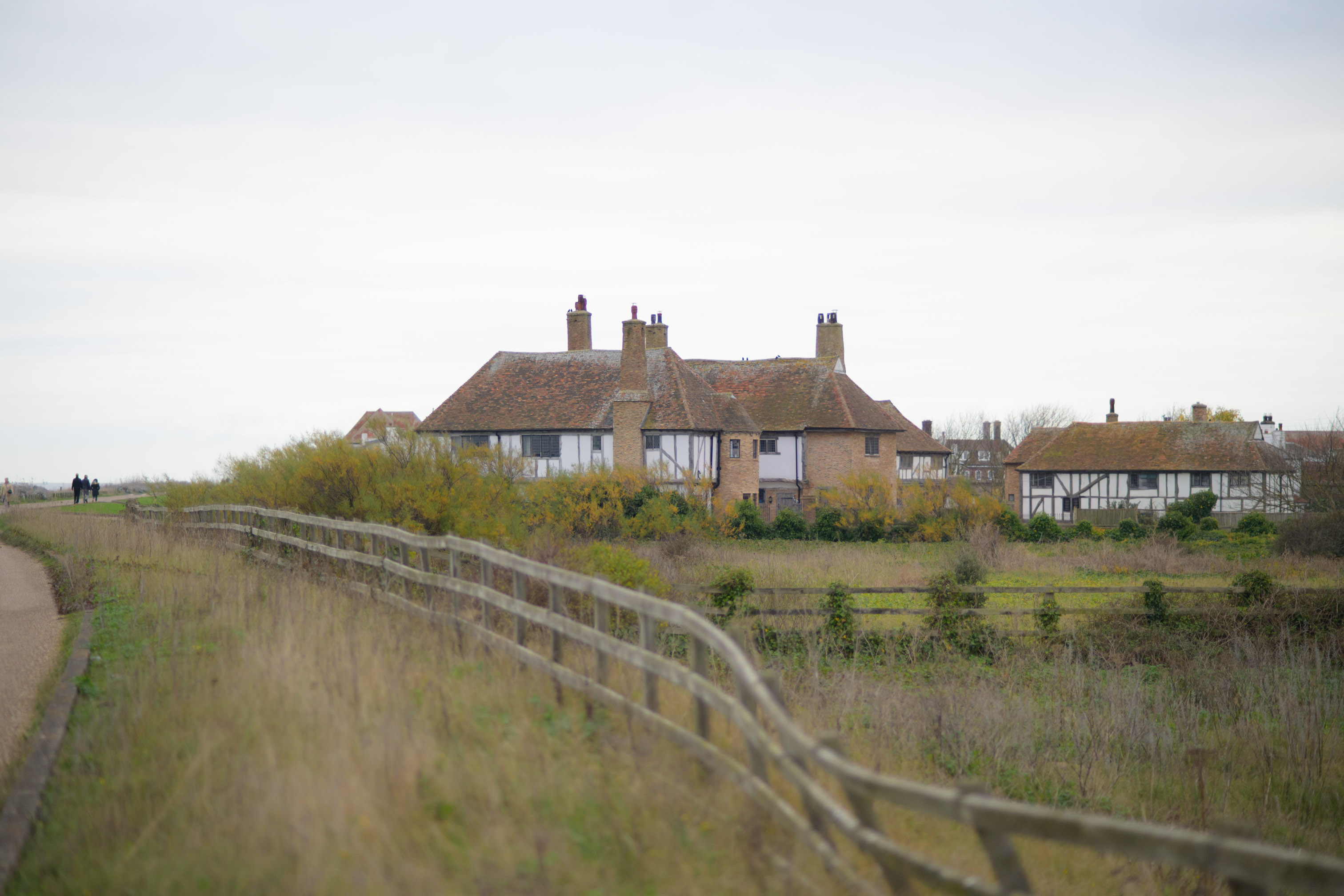
Connor Redmond | Nikon Zf | Nikon AF Nikkor 85mm f/1.4D | f/1.8 | 1/2000 sec | ISO 400
Final Thoughts
The Nikon Zf is an interesting mix of modern and retro. It combines classic styling and manual dials with a fully articulating screen, PASM shooting modes and genuinely modern autofocus speeds. You get the look and tactile feel of a heritage camera, but with the performance of a current-generation Nikon mirrorless body inside.
It is not a camera that fits neatly into a single category. If you already shoot with Nikon Z bodies such as the Z7 or Z9 and want something with more character for everyday use, the Nikon Zf makes sense. If you enjoy adapting lenses or working manually, it lends itself well to that style of shooting.
Ultimately, the Nikon Zf feels like a deliberate compromise between vintage aesthetics and modern functionality. Once you understand what it offers, you will likely know whether it is the right camera for you.
FAQs
Is the Nikon Zf good in low light?
Yes, the Nikon Zf autofocus works down to -10 EV and performs reliably in very dim conditions.
Is the Nikon Zf good for street photography?
Yes, its compact full-frame design and strong Eye AF make it well suited to street and travel photography.
Is the Nikon Zf good for video?
Yes, it supports 4K recording, internal 10-bit video and has a fully articulating screen.
Does the Nikon Zf have image stabilization?
Yes, the Nikon Zf includes 5-axis in-body image stabilization (IBIS).
Is the Nikon Zf weather sealed?
Yes, the Nikon Zf features weather sealing comparable to other Nikon Z mirrorless cameras.
Does the Nikon Zf have dual card slots?
Yes, it includes one UHS-II SD slot and one microSD slot.
Is the Nikon Zf better than the Nikon Z6 II?
The Nikon Zf offers newer autofocus processing and subject detection in a retro-styled body.
Is the Nikon Zf good for manual-focus lenses?
Yes, it supports manual-focus subject detection and adapts well to legacy lenses.
Does the Nikon Zf have a battery grip?
No, there is no official battery grip for the Nikon Zf.
Read more camera gear guides on the MPB Content Hub
You can sell or trade your camera gear to MPB. Get a free instant quote, free insured shipping to MPB, and get paid within days.