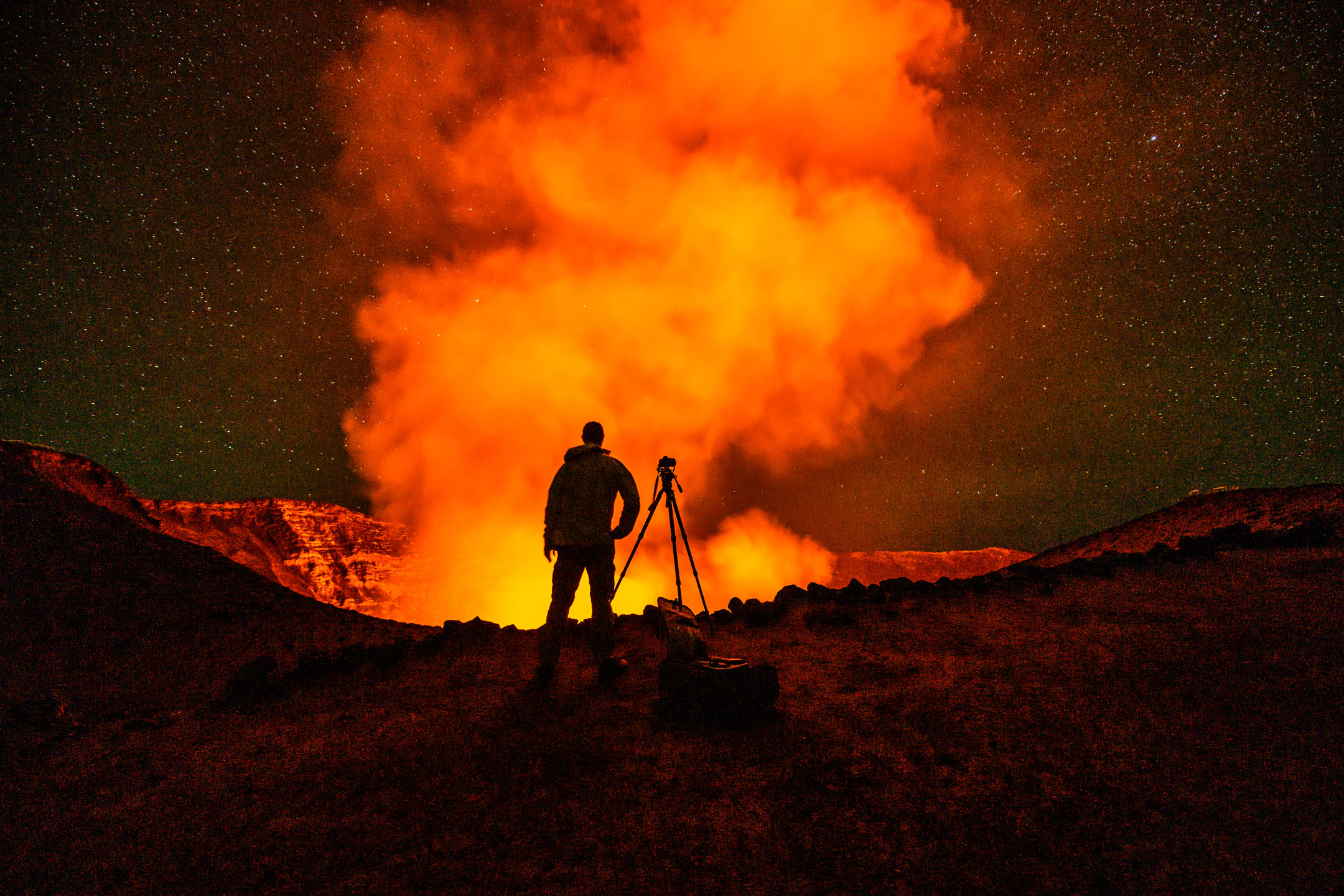
5 Tips for Photojournalism in Extreme Conditions
Published May 5, 2026 by MPB
How do you create photo reports in places others would have long given up: near active volcanoes, in humid jungle climates, or at 13,000 feet high in a sulfur mine? Dr. Heiko Beyer, an adventurer and photojournalist, knows how it's done.
Heiko is not a traditional photojournalist. In so-called "multivisions," where photo, video, music, and narration merge, he takes his live audience on visually powerful, informative, and entertaining adventure journeys.
From planning and equipment to handling the camera and creating exciting stories and encounters, you'll learn what matters for photojournalism in extreme environments.
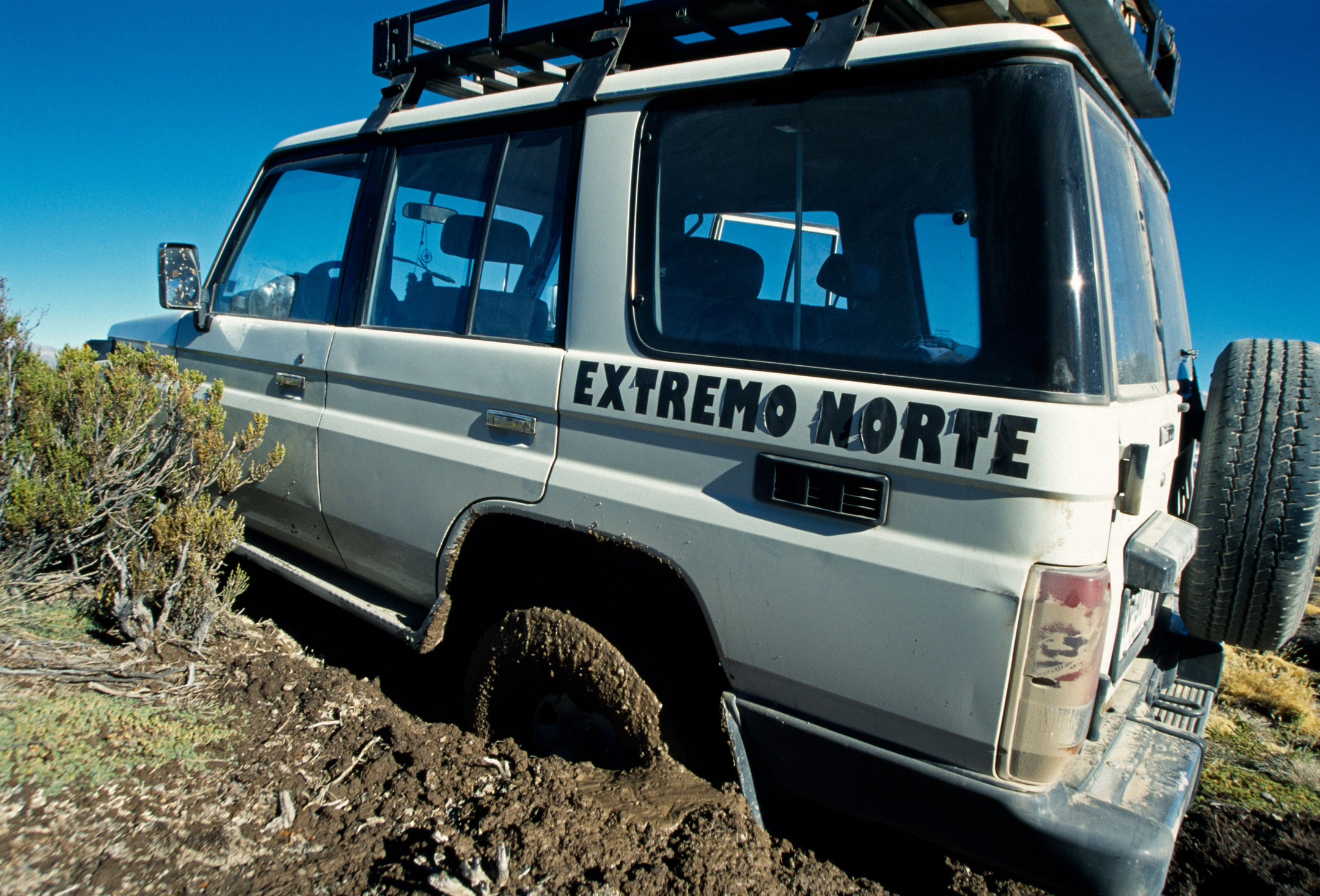
Heiko Beyer | Canon EOS 5D Mark II | Canon EF 24-105mm f/4 L IS USM | 28mm | f/9 | 1/100s | ISO 200
1. Research with journalistic instincts and prepare for surprises
"I'm primarily looking for gripping stories that go beyond beautiful landscape shots. Extreme conditions are incredibly exciting; they shape the landscape as well as the animals and people who live there."
Before he even boards the plane, Heiko flips through travel guides, watches documentaries, and searches social media for ideas on extraordinary locations and shooting styles. He sometimes stumbles upon quirky ideas, like a seniors' club in New Zealand that builds its own coffins and later turns it into a report.
How to prepare for photojournalism under extreme conditions
Focus on geography or themes: Concentrate on countries or topics that personally fascinate you.
Audience interest: Choose topics that will also excite your target audience, especially if you plan to monetize your photo reports.
Selecting sources: Use a variety of sources and be open to new information.
Be flexible: Prepare for surprises, as the exact on-site circumstances are often unpredictable.
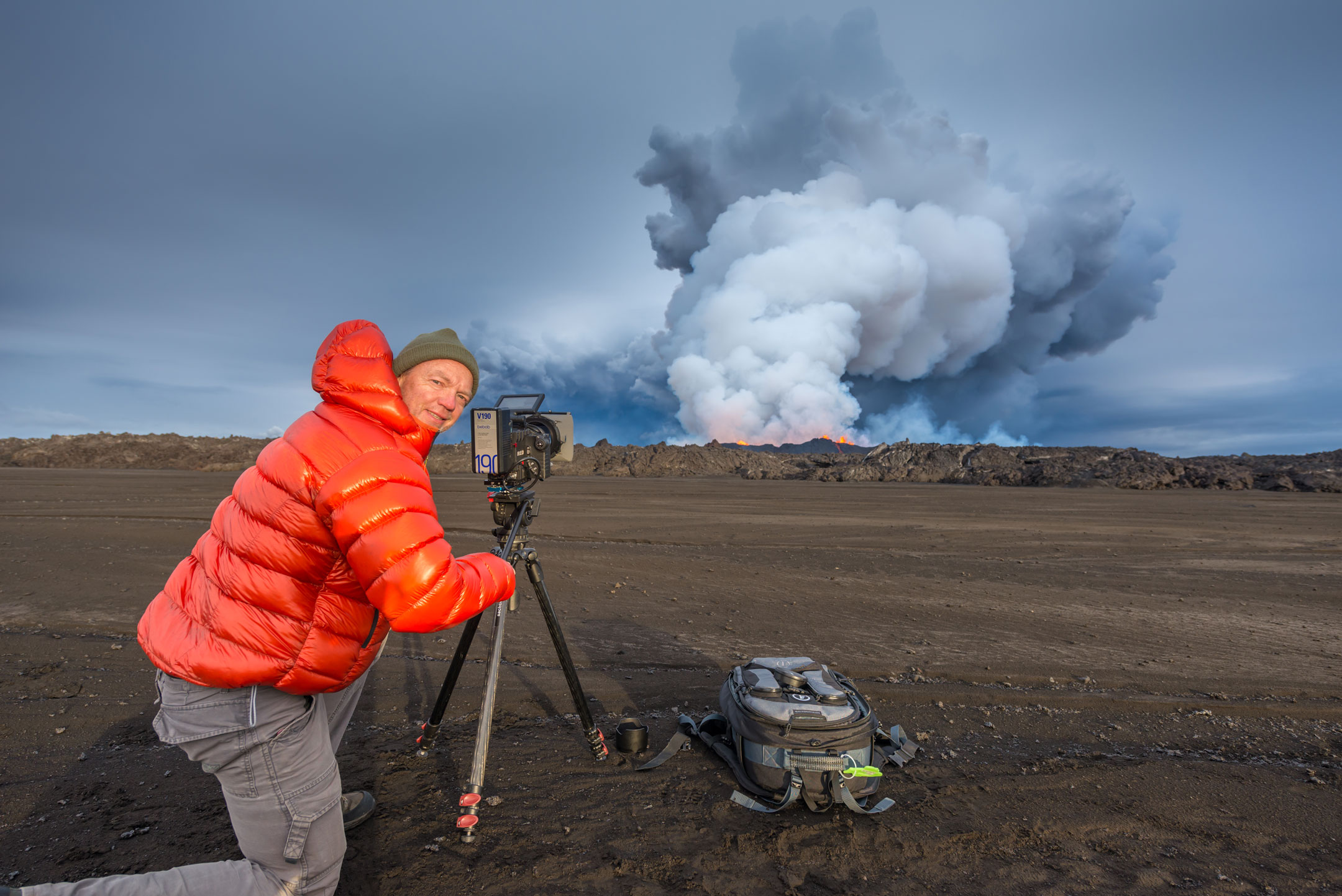
Klaus Stange | Nikon D800E | Nikon AF-S Nikkor 14-24mm f/2.8G IF-ED | 19mm | f/5 | 1/200s | ISO 400
2. Travel light and have a Plan B
"When I am traveling with several people, I have multiple camera backpacks with all the bells and whistles. But when I have to carry my equipment alone, versatility and weight are what matter most."
Heiko's equipment must deliver high-quality photo and video recordings and perform reliably under extreme conditions, such as dust, corrugated roads, heat and cold, and high humidity. Because every pound counts when traveling through rough terrain, Heiko streamlines his setup to the essentials.
Heiko's standard equipment
A robust and flexible mirrorless camera like the Canon EOS R5 Mark II (for high-resolution photo and video capture) or the Sony A7S III with strong low-light performance.
A backup body in case his main camera gives out in extreme environments.
An all-around lens like the Canon EF 24-105mm f/4 L IS USM.
Fast zoom lenses like the Canon EF 70-200mm f/2.8 L USM or the Canon RF 100-500mm f/4.5-7.1L IS, which provide even more range with a 1.4x or 2x converter without much additional weight.
A DJI Mavic 3 Pro for aerial shots and a GoPro Hero11 Black for dynamic perspectives and tight situations.
Sufficient batteries.
Useful accessories
ND filter, flashguns, and reflectors for contrast and exposure control.
A tripod or a slider, especially for video recordings.
remotes for shake-free long exposures.
Tips for buying and protecting gear
Solo travelers and beginners: don't immediately invest in an expensive professional setup; high-quality compact cameras are often sufficient for starters. Additionally, you can enhance your photos later through photo editing.
Equipment protection: Think pragmatically about protecting your gear. A few examples from Heiko's bag of tricks:
Plastic wrap with a wet cloth on top to cool overheated cameras through evaporative cooling.
Tightly sealable velvet pouches to protect your equipment from dust and sand, or plastic bags with silica gel to protect your lenses from mold in high humidity.
In volcanic areas, thoroughly inspect and clean your cameras and batteries after use to prevent salts from corroding the circuit boards.
Local data backup: Cloud solutions are often unreliable, especially in remote areas with poor internet connectivity. It's better to back up your recordings on the go on local storage devices with sufficient capacity.
Buy used: Consider buying used equipment, as items break more frequently in extreme environments.
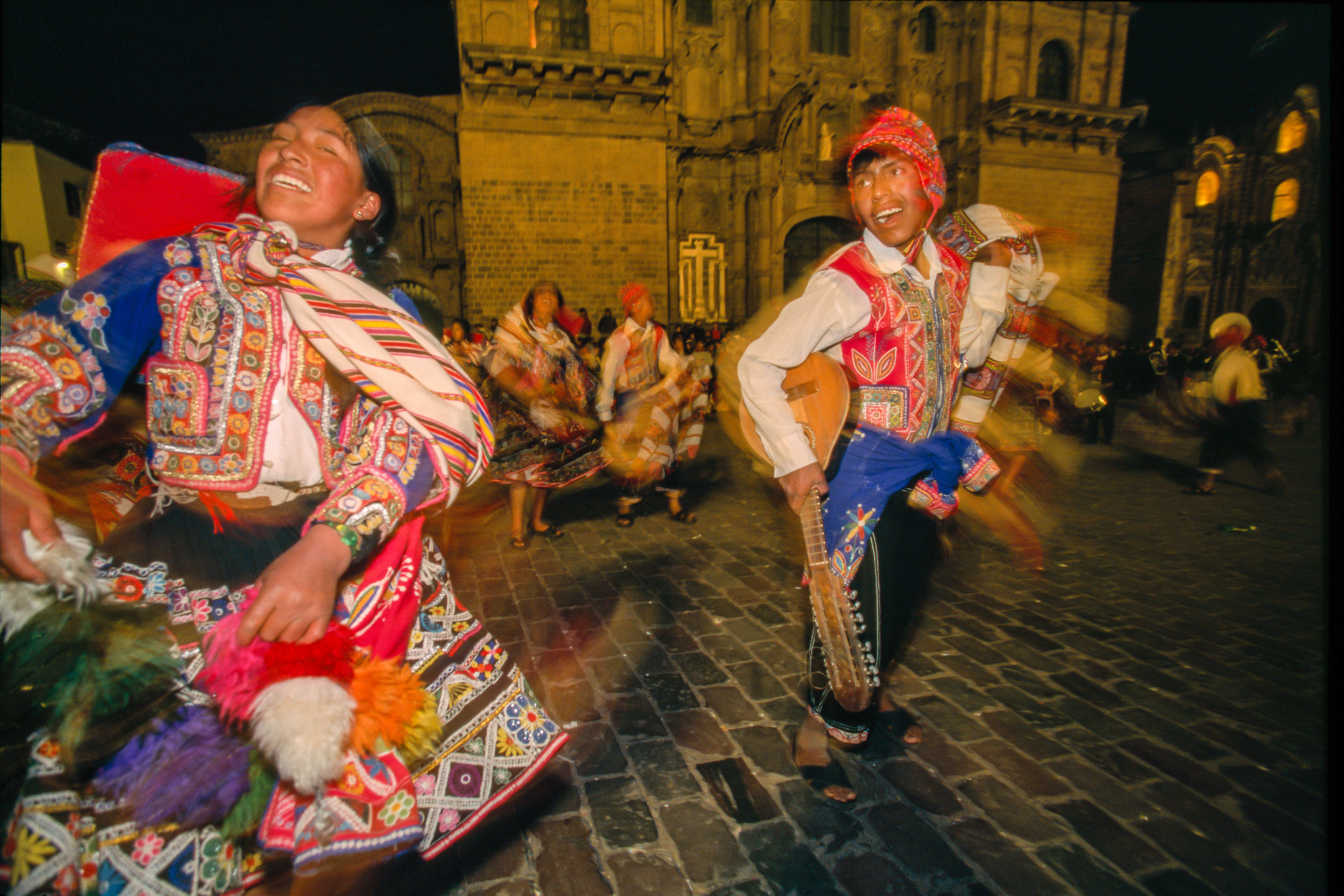
Heiko Beyer | Canon EOS 5D Mark IV | Canon EF 16-35mm f/2.8 L USM | 18mm | f/2.8 | 1/30s | ISO 2000
3. Master your camera and use your photographic instinct
When things need to move quickly, photographic responsiveness matters more than the perfect setup.
To be ready at the right moment (for example, in wildlife photography with extreme telephoto lenses or in the dark) and to be safe from a close distance, Heiko works with preset ISO values (2000–3000), short exposure times (at least 1/2000 s), long focal lengths (e.g., 700 mm with a teleconverter), and continuous shooting.
When it comes to composition, Heiko focuses on calm backgrounds, clear lines, and targeted framing. He also photographs and films from elevated positions and uses motion blur to capture dynamics intentionally.
Unusual perspectives, such as from below with an action camera or from above with a drone, can create a skillful staging in reportage photography.
Tips for photojournalism
Presets: Set appropriate presets in advance to respond quickly to unpredictable situations.
Features: Use camera features like eye autofocus and burst mode strategically to capture important moments.
Composition: Try to organize images in moving scenes to direct viewers' attention to the essential aspects of your narrative.
Perspective shift: Use drones or action cameras for new angles.
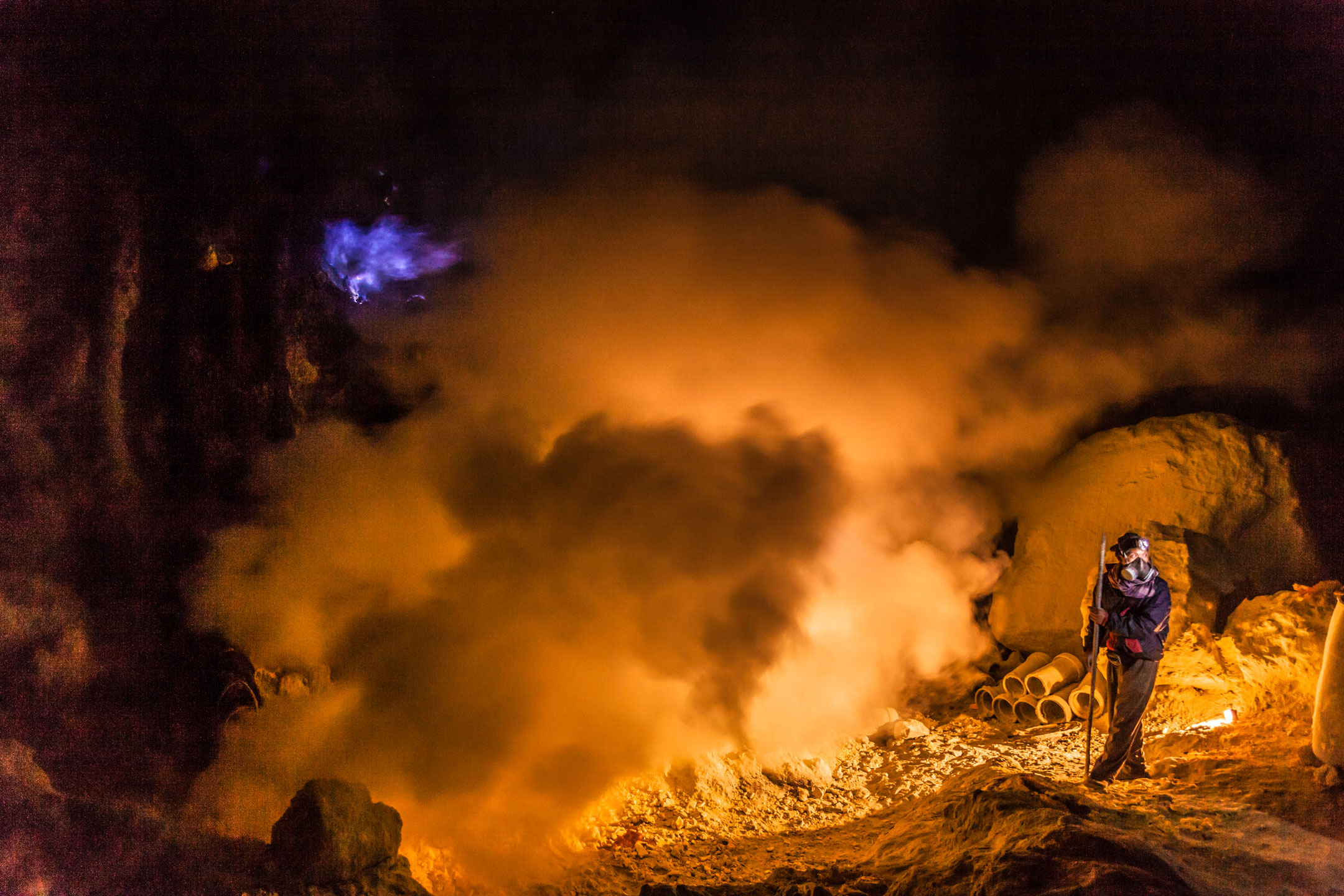
Heiko Beyer | Canon EOS 5D Mark II | Canon EF 70-200mm f/2.8L USM | 24mm | f/4 | 1/8s | ISO 1000 | Tripod
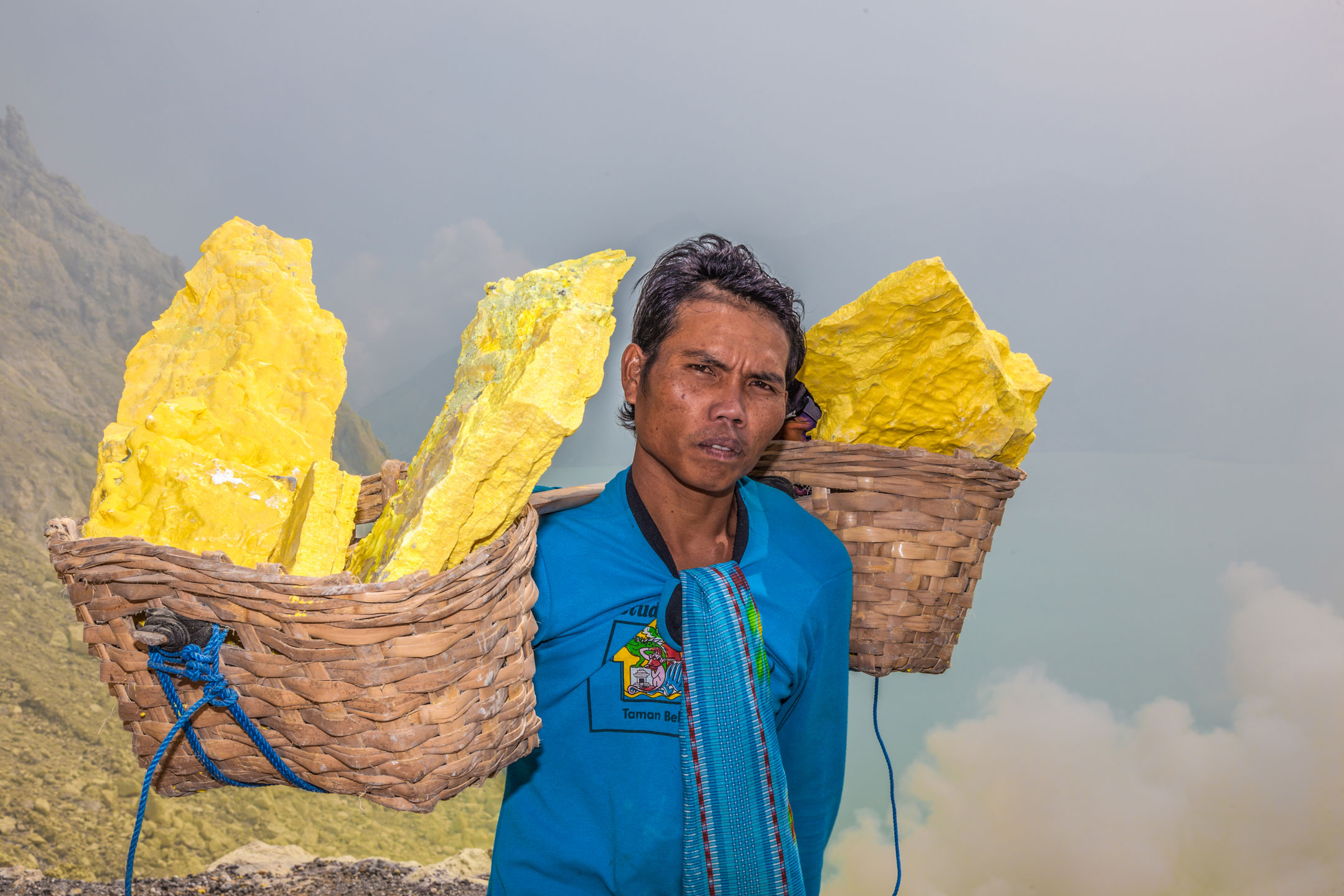
Heiko Beyer | Canon EOS 5D Mark II | Canon EF 24–105mm f/4 L IS USM | 45mm | f/14 | 1/200s | ISO 100
4. Think in stories, not in individual images
"When you're shooting, you often don't know yet how you'll ultimately structure the story. Even images that aren't technically perfect can help fill gaps in storytelling."
What makes a great photo essay? Besides expressive portraits or dramatic landscape shots, it mainly thrives on the story it tells.
Heiko tells his stories in sequences, with wide shots, mid-distances, close-ups, and atmospheric details. Whether it's a striking ring, a shamanic gesture, or an ice cream vendor by the roadside, everything can be part of the dramaturgy.
Storytelling tips for photojournalism in extreme environments
Narrative perspective: Don't forget to capture side scenes and details like small gestures, objects, or moods to provide context for your audience and bring your storytelling to life.
Dramatic composition: Think about which images could form the beginning, climax, and conclusion of your story while you're still shooting.
Series and sequences: Use image sequences for an engaging narrative flow.
Quantity over perfection: Keep shots that aren't technically perfect, and take more photos or videos than you need. You might only realize afterward what the final arc of suspense will look like.
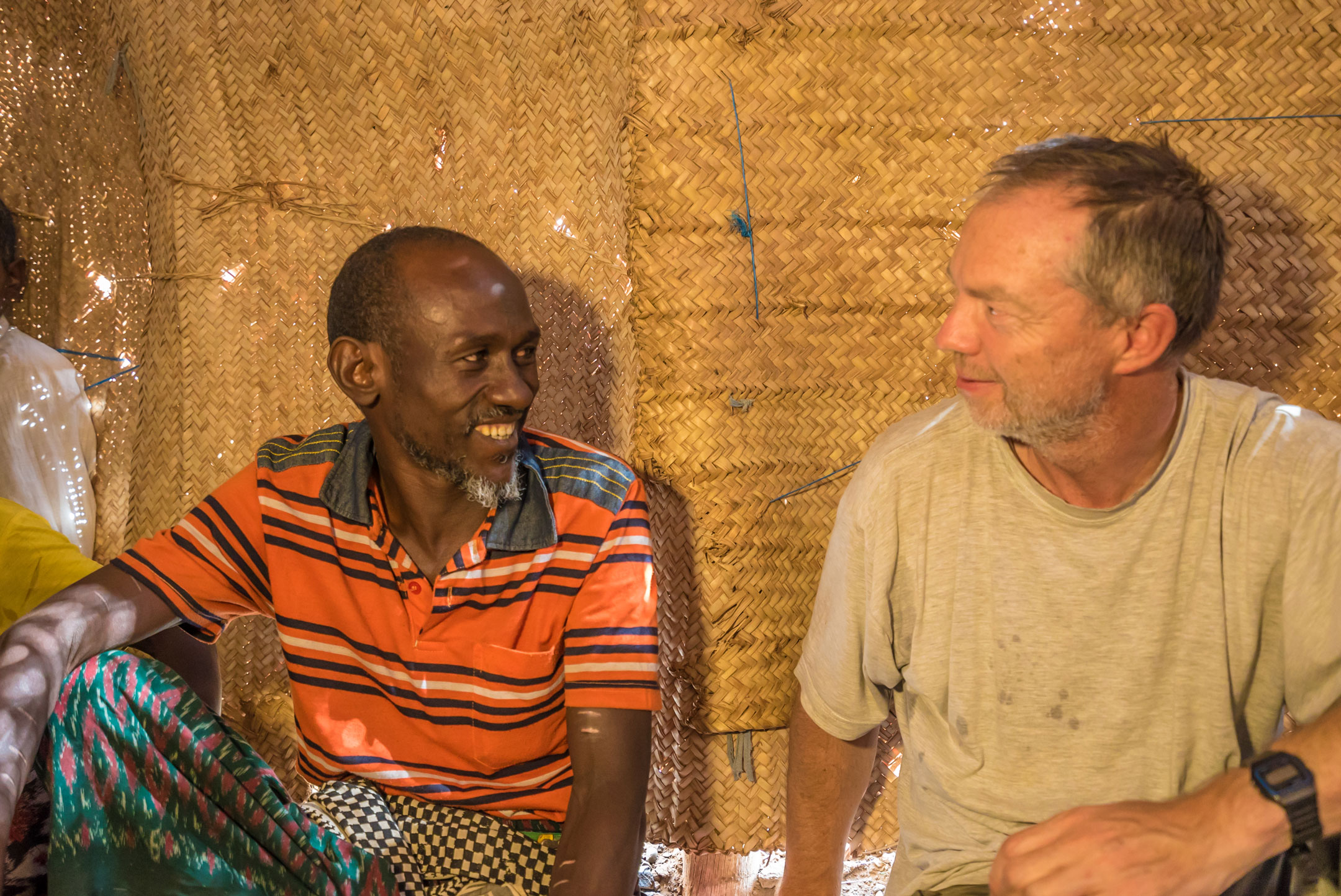
Dr. Till Ditting | Sony A7S | Sony FE 35mm f/1.4 ZA Distagon T* | 35mm | f/5 | 1/80s | ISO 200
Authenticity: Show genuine interest in the country and its people
"If you not only present yourself but also show empathy for the country and its people, your enthusiasm will come across in the picture."
For Heiko, it's important that viewers feel like they're right in the middle of the action. This includes letting them feel close to local people's lives and the trust that has been built.
Tips for authentic photo reports in extreme environments
Genuine curiosity: View your destination not as a backdrop, but as a space for encounters, and build relationships with your protagonists before you pull out the camera.
Language skills: Learn at least a few words in the local language; they open doors and signal respect.
Personal commitment: Get involved in people's daily lives or activities to be perceived as part of the story.
Respectful image selection: Seek others' consent before capturing them, avoid stereotypical or degrading portrayals, and depict people in ways they can see themselves.
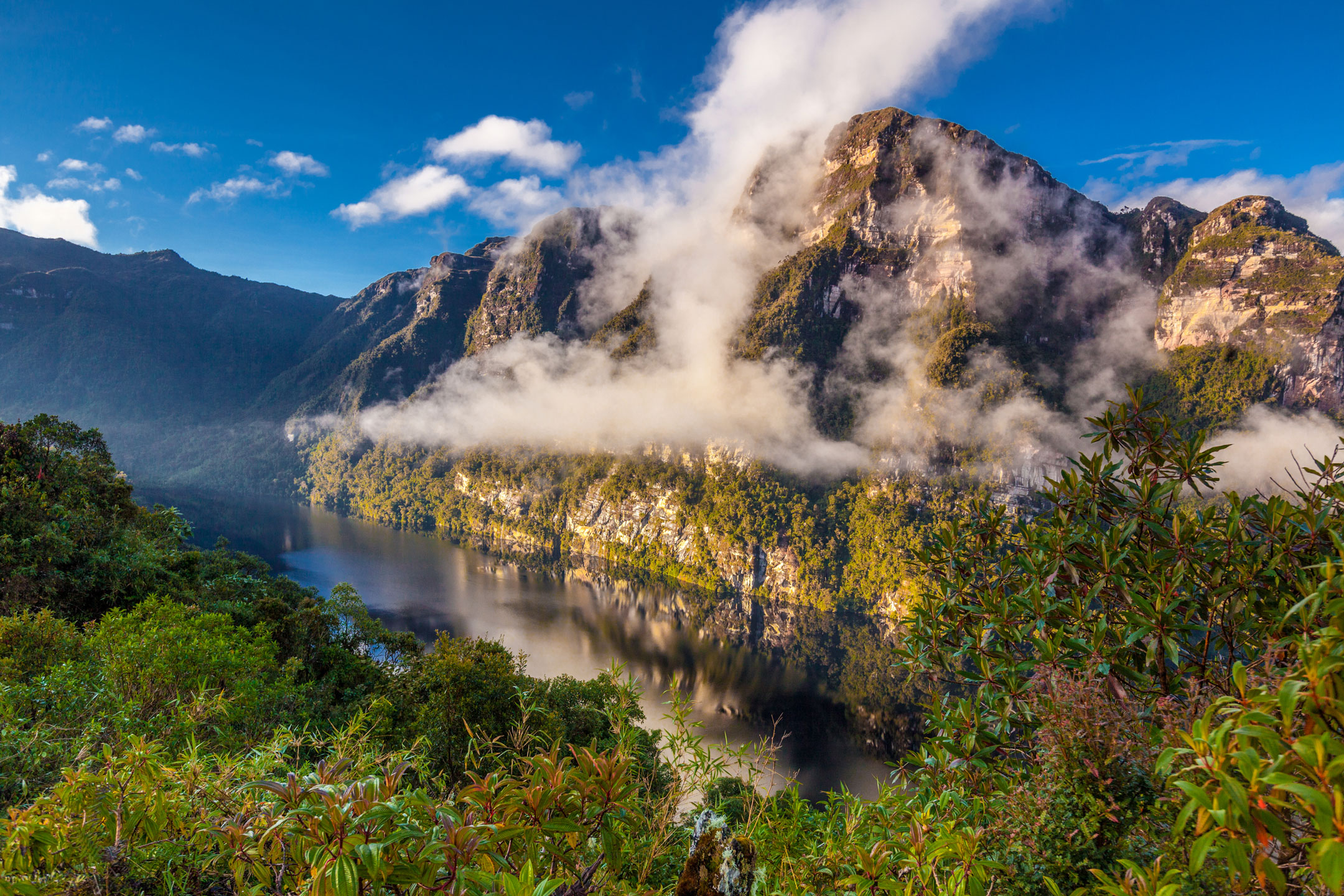
Heiko Beyer | Nikon D800E | Nikon AF-S Nikkor 20mm f/1.8G ED | 20mm | f/8.0 | 1/80s | ISO 100
Conclusion
Interested in creating a photo essay during an adventure trip in extreme environments? With Heiko's tips and the right feel for situations, people, and stories, you'll be well-equipped for your adventure.
Learn more about Dr. Heiko Beyer and his work on Instagram at @heiko.beyer.photography.
See more tips and techniques, camera gear guides and interviews on the MPB Content Hub.
You can sell or trade your camera gear to MPB. Get a free instant quote, free insured shipping to MPB, and get paid within days.