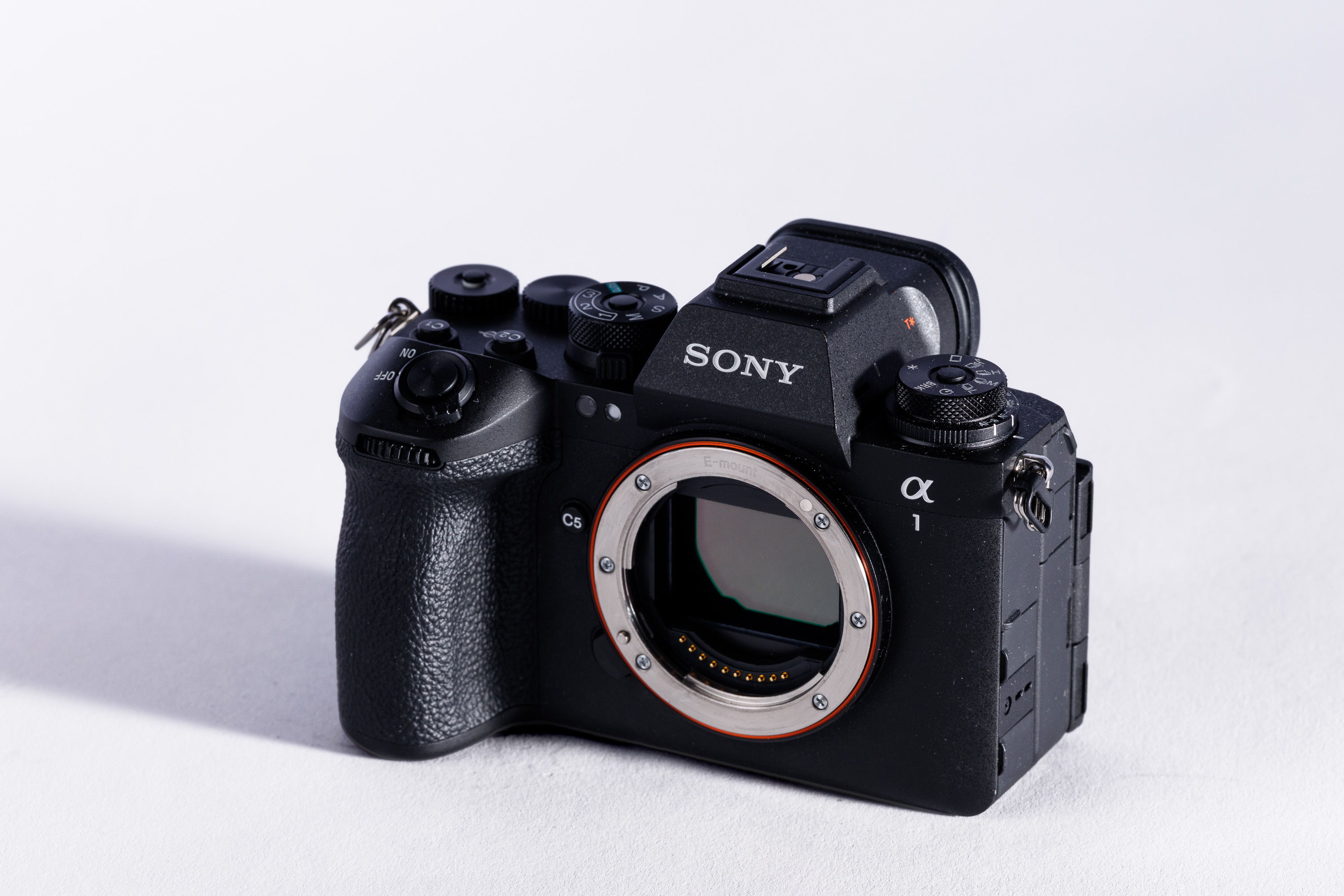
Choosing between the Nikon Z6 II and Nikon Z6 III has never been a trivial question: the two mirrorless cameras share the same 24.5-megapixel sensor and Z mount, but the technical specs only tell part of the story. What really matters is how they perform in the field, shot after shot.
A professional photographer and Nikon Creator since 2019, Lorenzo Albanese collaborates with international brands like DJI, Lexar and Adidas, focusing primarily on reportage-style weddings, landscape and travel photography. He had already used the Nikon Z6 II and the Nikon Z6 III for about a year each in real-world working contexts, and he tested them again for MPB to figure out where the two tie, where the Z6 III truly steps up its game, and which one you should buy based on your shooting style.
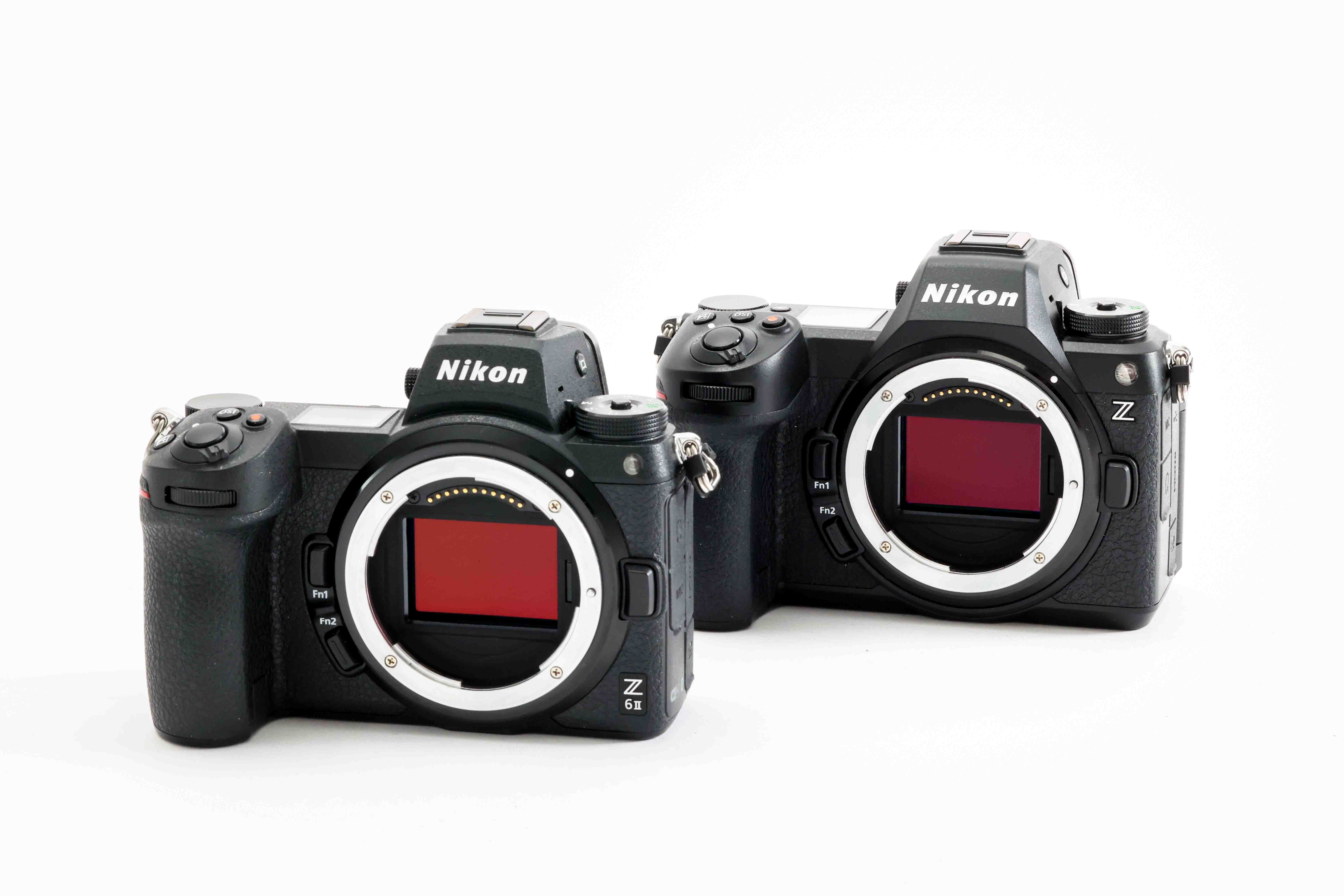
Used Nikon Z6 II and Nikon Z6 III
Technical Specs
Nikon Z6 II | Nikon Z6 III | |
|---|---|---|
Sensor | 24.5 MP full-frame BSI CMOS | 24.5 MP full-frame partially stacked CMOS |
Processor | Dual Expeed 6 | Expeed 7 |
ISO | 100–51,200 | 100–64,000 |
Autofocus | Hybrid, 273 points | Hybrid, 273 points + Z8/Z9 subject recognition |
Burst shooting | 14 fps | 20 fps (electronic shutter) |
IBIS | 5-axis, up to 5 stops | 5-axis, up to 8 stops |
Viewfinder | 3.69 million dots | 5.76 million dots, brighter |
Display | 3.2" tilting | 3.2" fully articulating |
Video | 4K up to 60fps | 6K internal RAW up to 60fps, 4K up to 120fps |
Slow motion | 1080p up to 120fps | 1080p up to 240fps |
Memory cards | CFexpress/XQD + SD | CFexpress/XQD + SD |
Battery | EN-EL15c | EN-EL15c |
Weight | Approx. 705 g | Approx. 760 g |
Release year | 2020 | 2024 |
Nikon Z6 II
Pros
A base ISO offers slightly cleaner files with a higher dynamic range
Tilting display, more intuitive for primarily photographic use
Excellent value for money, especially on the used market
Cons
Less performing autofocus in low light, with more limited subject recognition
Video limited to 4K 60fps, no native N-Log
Max burst of 14fps with mechanical shutter
Nikon Z6 III
Pros
Much more reliable autofocus, with stable eye recognition even in low light
Partially stacked sensor and Expeed 7 processor: about 3.5x faster readout, up to 20fps burst shooting, and reduced rolling shutter
Advanced video, with internal N-Log and 6K RAW up to 60fps
IBIS with up to 8 stops of compensation, also useful for handheld video
Much brighter and more accurate viewfinder
Cons
Higher list price
Fully articulating display: convenient for videographers, less immediate for photographers
Slightly heavier than the Z6 II (760g vs. 705g)
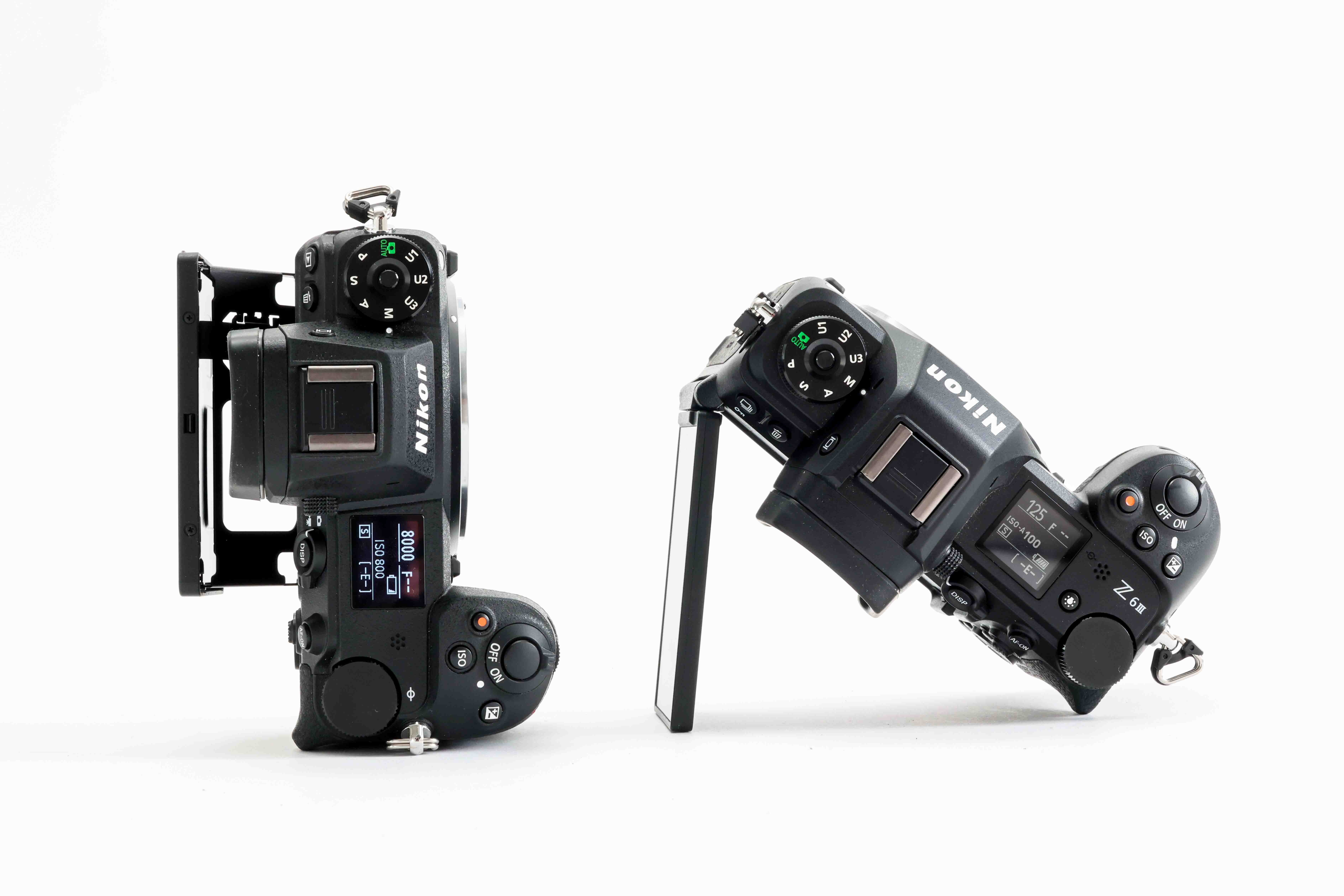
Used Nikon Z6 II and Nikon Z6 III
First Impressions
If I had to sum up the difference between the Nikon Z6 II and the Nikon Z6 III in one sentence, I'd say this: the Z6 III is the camera the Z6 II should have been. The generational leap is definitely noticeable.
I tested both cameras in very different conditions: landscape shooting in the mountains, wedding reportage in dimly lit churches, and content creation sessions for brands. It's in these real-world contexts, not in the spec sheets, that the differences clearly emerge.
The first thing you notice when switching from the Z6 II to the Z6 III is the overall feel: the Z6 III feels more solid in your hands, and the shutter feedback is more defined and reassuring. But the most significant difference is the autofocus. With the Z6 II, I often had to make do, accepting a few missed shots in the toughest conditions. With the Z6 III, that worry almost completely disappears.
If you're thinking about buying either one, even used, know right now that the Z6 II remains a great choice for anyone on a tight budget and shooting mainly in good lighting conditions. The Z6 III is instead the right investment for those who work professionally and need that extra bit of security.
Used Nikon Z6 II
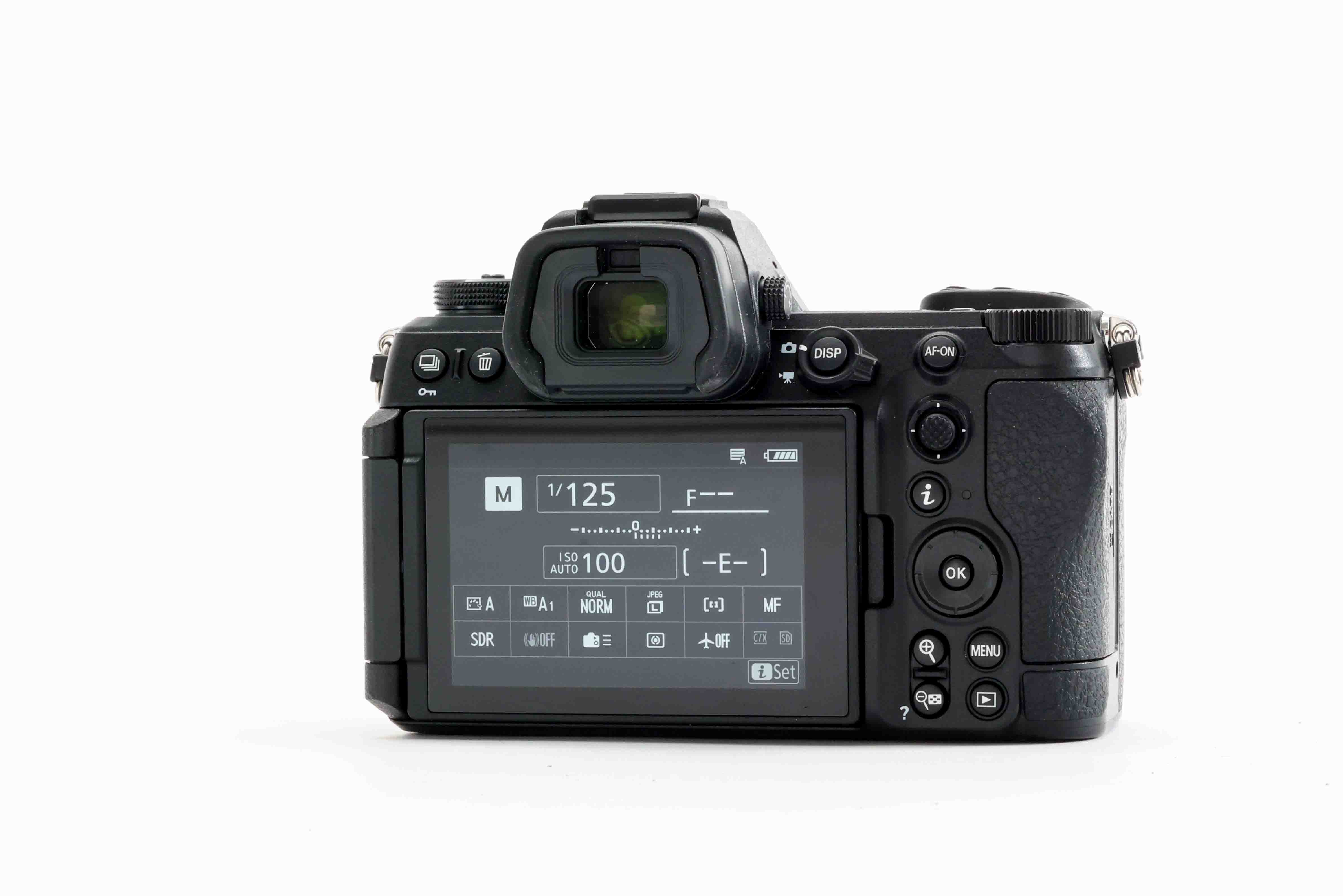
Used Nikon Z6 III
Design and Ergonomics
Aesthetics-wise, the two cameras are very similar: same design language, same grip, same family. But in practice, something has changed.
The Z6 III is slightly larger and weighs a bit more than the Z6 II, but for me, that was never an issue: anyone already using the Nikon Z8 won't notice the difference. What I did perceive is that the Z6 III feels more solidly built to the touch.
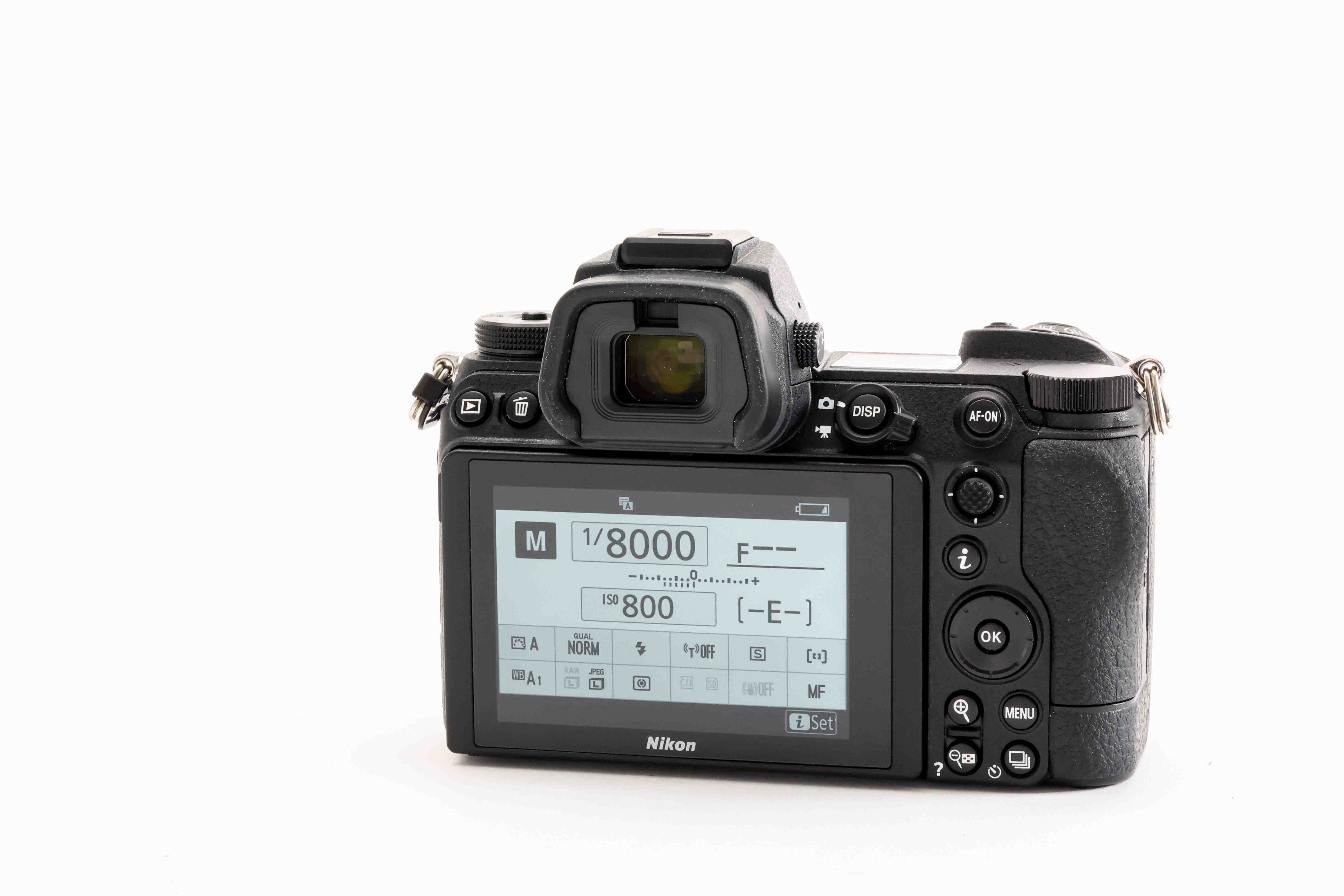
The one thing I have a strong opinion on is the display. The Z6 III has a fully articulating monitor that opens to the side, which is very convenient for videographers who need to shoot from any angle. But for photographers like me, it's actually a hassle. I much prefer the tilting monitor on the Z6 II, or even better, the one on the Nikon Z8. Opening the display to the side while shooting is less intuitive and immediate. On this point, the Z6 II definitely wins.
The Z6 III viewfinder, on the other hand, is a clear improvement: brighter, more precise, with a performance that really shows in low-light conditions. Small detail, big difference in practice.
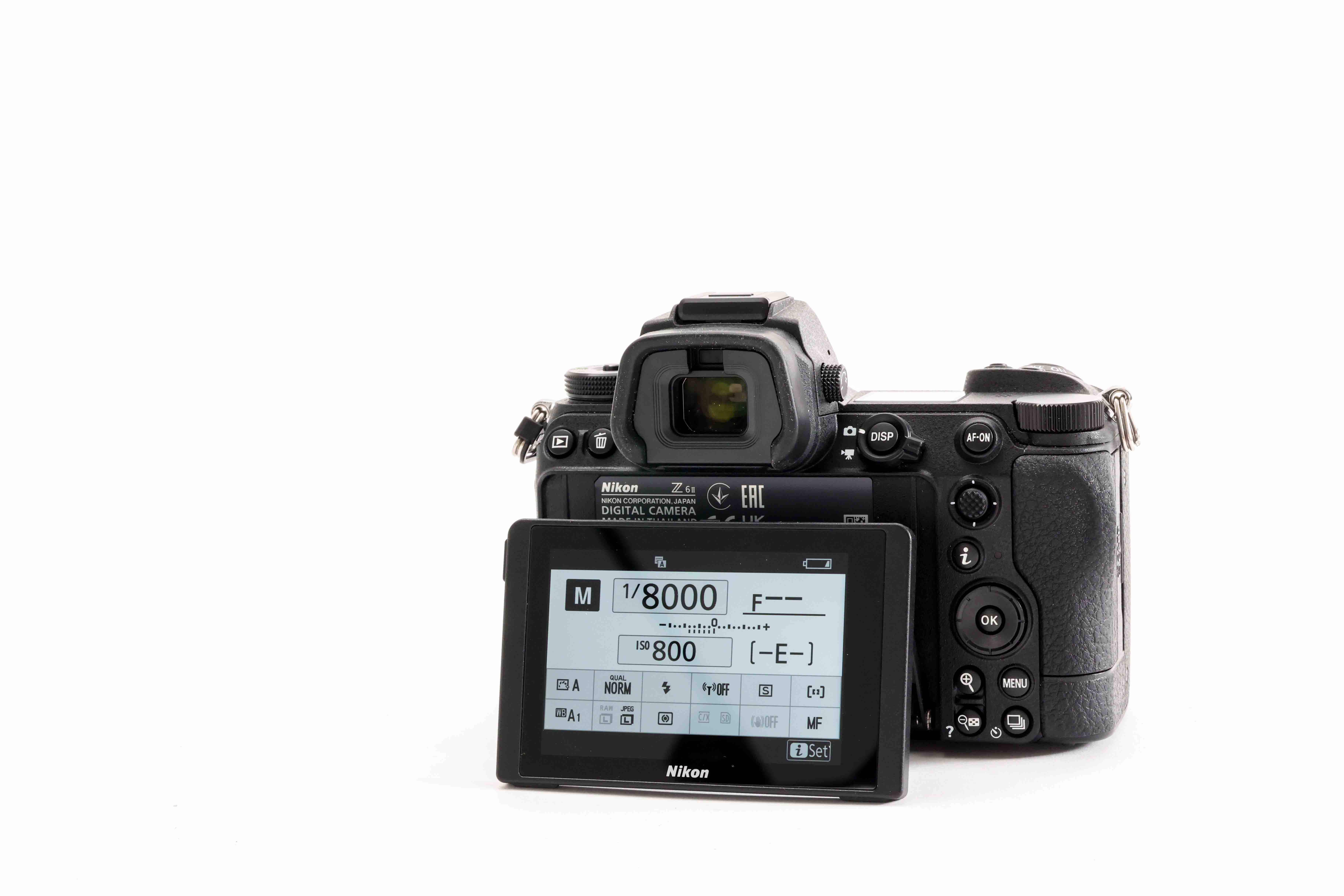
Back of the Nikon Z6 II with tilting display
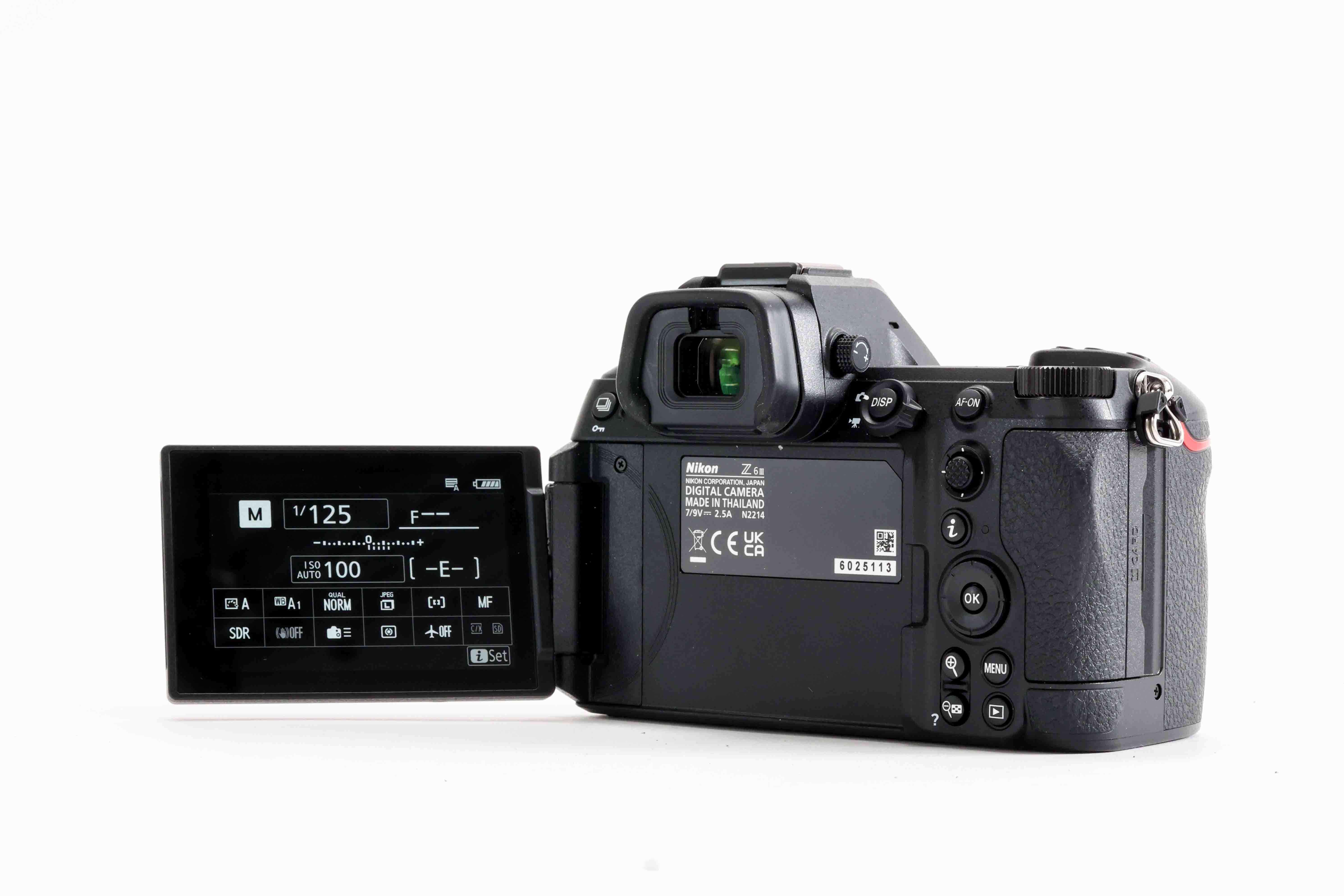
Back of the Nikon Z6 III with the display open to the side
Controls and Handling
The menu system has remained largely the same between the two models: anyone familiar with the Nikon ecosystem will feel right at home, and switching between bodies takes just a few minutes.
There are a few changes, and they're in the right direction: on the Z6 III, the playback button has moved to the bottom right, swapping places with the drive mode button and mirroring the layout of the Z8 and Z9. For me, it's a clear improvement, because it's the button I use most often, and I can reach it with my thumb without taking my hand off the grip. Anyone who also works with a Z8 will find the controls exactly where they expect them.
The Z6 III has also expanded button customisation, a limitation that was noticeable on the Z6 II, and added the illuminator button for the control panel: not very useful for me, but handy for those who often shoot in the dark, at an evening reception or in a church.
They aren't revolutions, but refinements you appreciate when working under pressure.
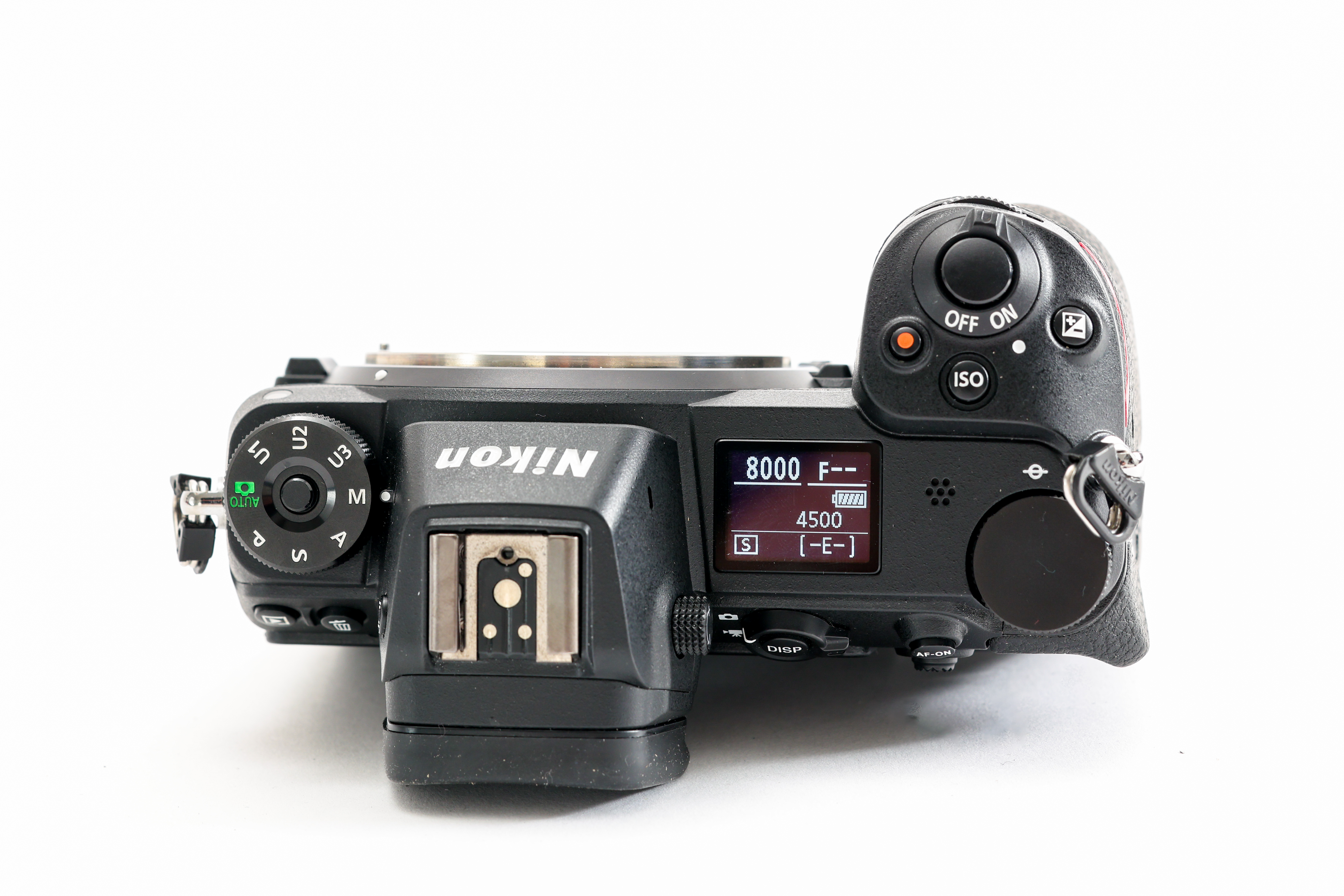
Top view of the Nikon Z6 II, with control dial and top display
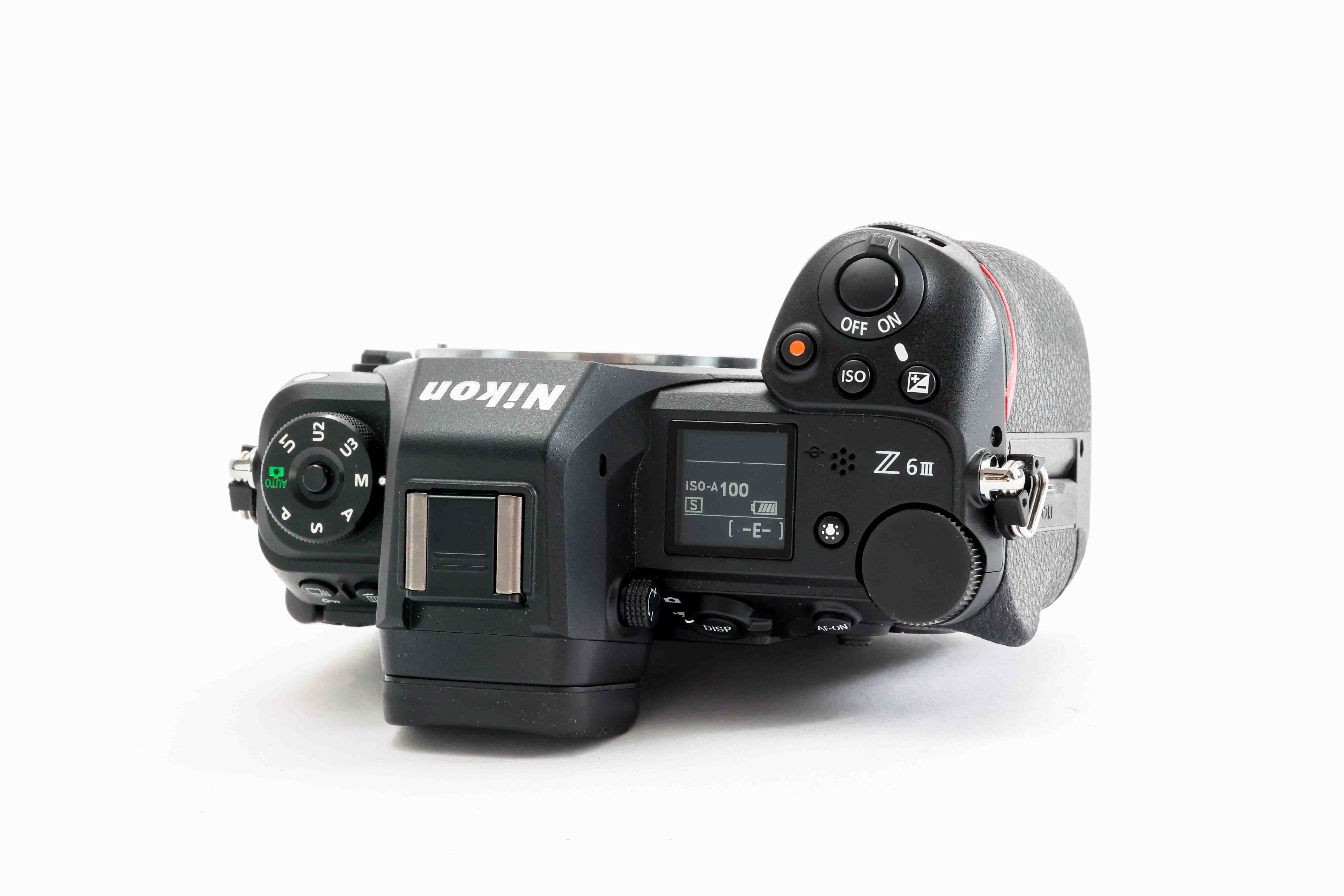
Top view of the Nikon Z6 III, with control dial and top display
Both cameras use the EN-EL15c battery, so if you switch from one to the other, your existing batteries will still work; it's a useful detail if you're considering used gear.
Official data indicates approximately 360 shots with the viewfinder and 390 with the monitor for the Z6 III, values largely aligned with those of the Z6 II. These are very conservative lab numbers: in my experience, the real battery life of the two is very similar, and carrying a spare battery is still a good habit, especially when shooting video.
Both have a dual slot, CFexpress Type B/XQD plus SD UHS-II, with simultaneous backup to both cards: useful for peace of mind during a wedding, though it only applies to photos, not video.
The Z6 III gains some connectivity features: in addition to Wi-Fi and Bluetooth with SnapBridge, it adds USB streaming, which makes it recognizable as a webcam without installing anything, while the Z6 II requires Nikon's dedicated utility. This is a real convenience if you do live streams or online content.
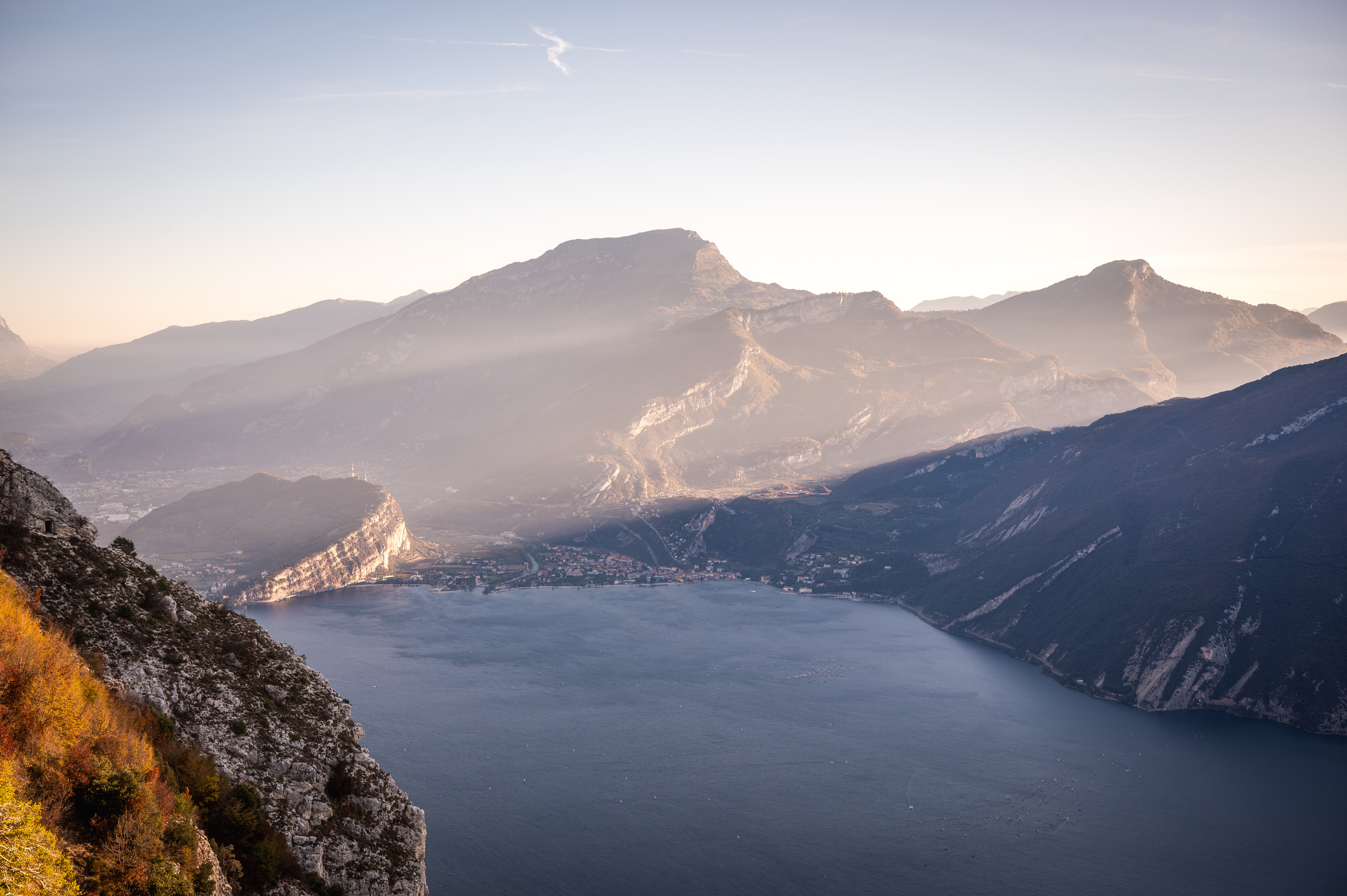
Lorenzo Albanese | Nikon Z6 II | NIKKOR Z 24-70mm f/2.8 S | 42mm | f/8 |1/125 | ISO 100
Autofocus and Subject Tracking
This is the section closest to my heart, because it's where the difference between the two cameras is clearest and most relevant in practice.
Both feature a hybrid autofocus system with 273 phase-detection points, but the Nikon Z6 III integrates updated algorithms inherited directly from the Nikon Z8 and the Nikon Z9, the brand's flagship cameras. The result is much more advanced subject recognition: people, animals, vehicles, and planes are identified and tracked with a precision simply not found on the Z6 II.
In practice, I noticed the biggest difference in two specific situations: low light and eye recognition. During church weddings, with soft artificial lighting and moving subjects, the Z6 II often lost focus or struggled to lock on. The Z6 III performs almost flawlessly in those same conditions, which is precisely why I consider it the most significant upgrade between the two cameras if you shoot weddings or events. The eye recognition is on another level: stable, precise, and hard to fool. For those who shoot landscapes or static subjects, this difference matters less. But for those who work with people in motion (weddings, events, sports, street photography), the leap is evident and makes the difference between a shot that works and a missed one.
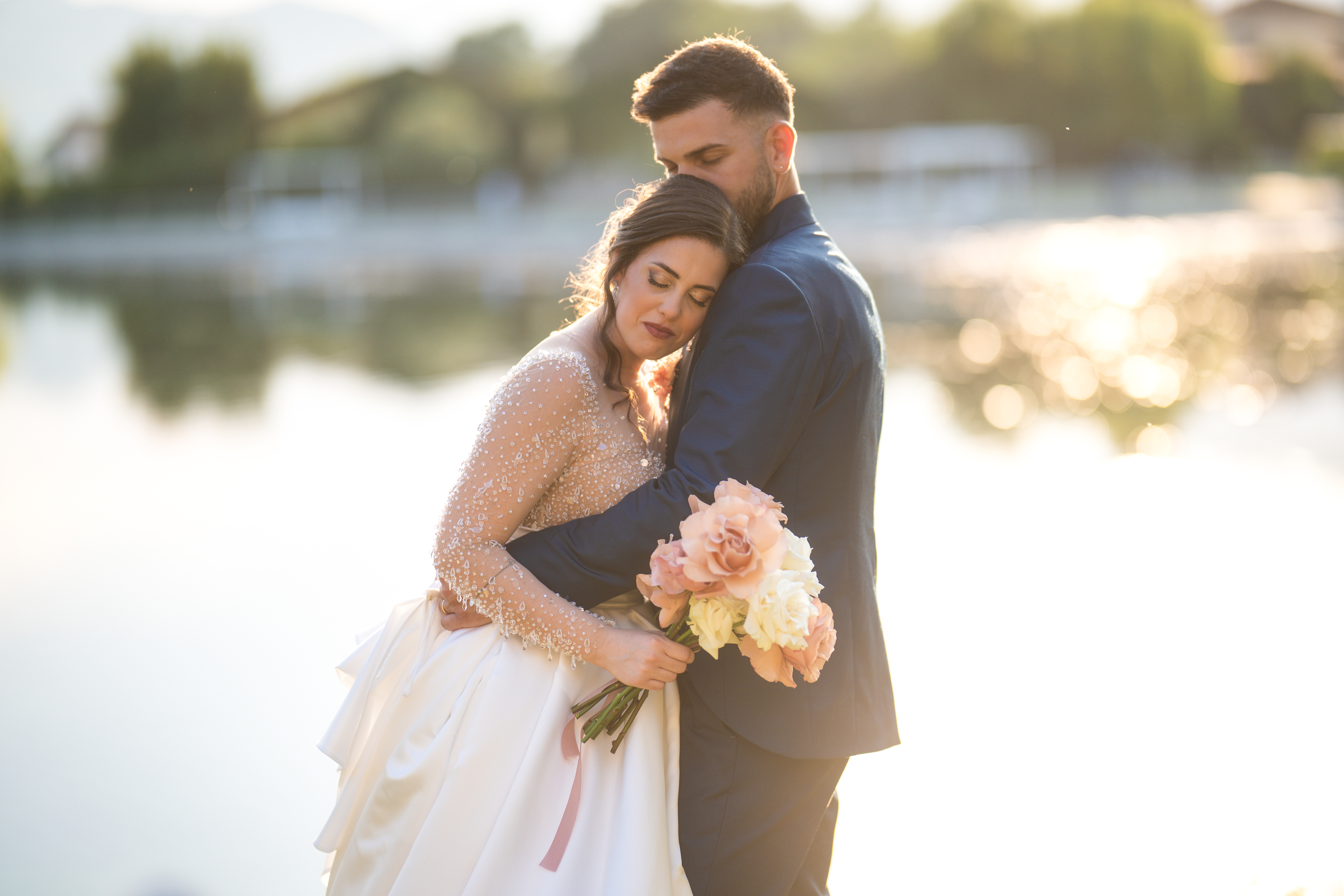
Image Quality
Both are full-frame mirrorless cameras with 24.5-megapixel sensors, and the file quality is excellent. In my experience, the image rendering in normal conditions is very similar between the two models.
To go beyond first impressions, I put both cameras to the test under identical conditions, from ISO 100 up to ISO 12800, deliberately pushing the files in post-production well beyond normal to bring out noise that would otherwise remain hidden.
The most interesting result came where I didn't expect it: at ISO 100, the Z6 II wins. Its base file is slightly cleaner, with richer shadow detail and superior dynamic range (meaning its ability to retain detail in both highlights and shadows). This isn't just my personal impression: independent lab measurements from Photons to Photos indicate approximately 11.3 EV of dynamic range for the Z6 II at ISO 100 versus about 10.4 EV for the Z6 III, a difference of about 0.8 stops. The reason is the partially stacked sensor: the faster readout speed comes at the cost of a bit less cleanliness at base sensitivity.

The Z6 III catches up quickly: the same measurements indicate that the gap closes around ISO 800, a value consistent with what I found in my testing. From there on up, the difference simply isn't noticeable anymore: at ISO 6400 and even 12800, the files from both bodies remain comparable, with manageable noise and excellent overall performance for a 24.5-megapixel sensor.
What does that mean in practice? If you're shooting landscapes on a tripod at ISO 100 and recovering a lot of shadows in post-production, the Z6 II still has a slight real advantage. In all other cases (weddings, events, traveling), ISO performance isn't a deciding factor between the two.
It's helpful to understand what the Z6 III's partially stacked sensor truly brings: not more megapixels or different color rendition, but a readout speed that's about 3.5 times faster than the Z6 II. This translates to faster burst shooting and more responsive autofocus—advantages that don't improve the quality of a single frame, but increase your chances of getting the right shot at the right moment.

Lorenzo Albanese | Z6 II | NIKKOR Z 24-70mm f/2.8 S | f/5.6 | 1/320 | ISO 100
IBIS Stabilisation
The Z6 II offers 5-axis stabilisation with up to 5 stops of compensation. The Z6 III bumps that up to 8 stops, a significant difference on paper and in practice.
The Z6 III's stabilisation is especially noticeable in handheld video shooting. Three extra stops mean you can shoot without a tripod in conditions where it previously wouldn't have been possible, a real advantage in both low light and video.
The most concrete example is the shot below: 1/6 of a second handheld. The guests moving around the couple become motion blur, but the two remain perfectly sharp. It's the kind of shot you feel confident trying with the Z6 III, knowing the stabilisation will do its job.

Here, the Z6 III makes a generational leap compared to the Z6 II, and the difference is significant even for someone like me who isn't a pure videographer.
The Z6 II records up to 4K 60fps, a limit that can be felt in certain situations. The Z6 III introduces internal 6K RAW recording up to 60fps, 4K up to 120fps, and 1080p slow motion up to 240fps. These are numbers that, in practice, open up new creative possibilities.
The feature I use most, and consider essential, is N-Log. Shooting in this profile means capturing a much wider dynamic range, with details in the highlights and shadows that can be managed with great flexibility in post-production. It's the difference between a video with room for correction and one that's already baked in directly from the camera. I rarely use 6K RAW for my work, but for those producing high-level content (commercials, documentaries, film productions), it's a huge asset.
Rolling shutter is significantly reduced thanks to the partially stacked sensor, which reads data much faster than the Z6 II. The improved burst shooting, up to 20fps electronically, completes an overall more mature package.

Scott Jessiman | Nikon Z6 II | Z 24-200mm f/4-6.3 VR | 200mm | f/8 | 1/6 | ISO 100
Sample Images
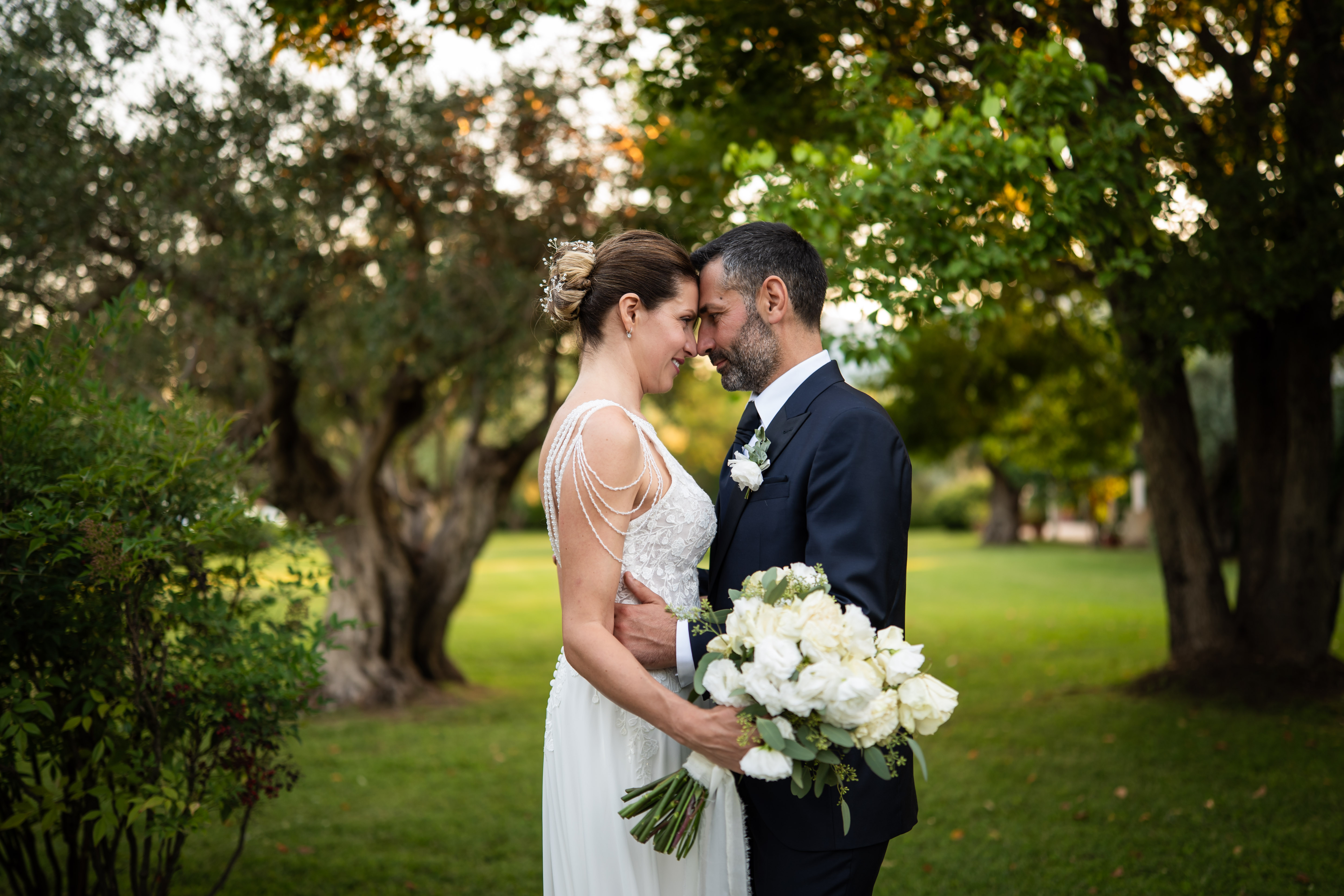
Lorenzo Albanese | Z6 III | Viltrox AF 35mm f/1.2 LAB Z | f/1.2 | 1/200 sec | ISO 100
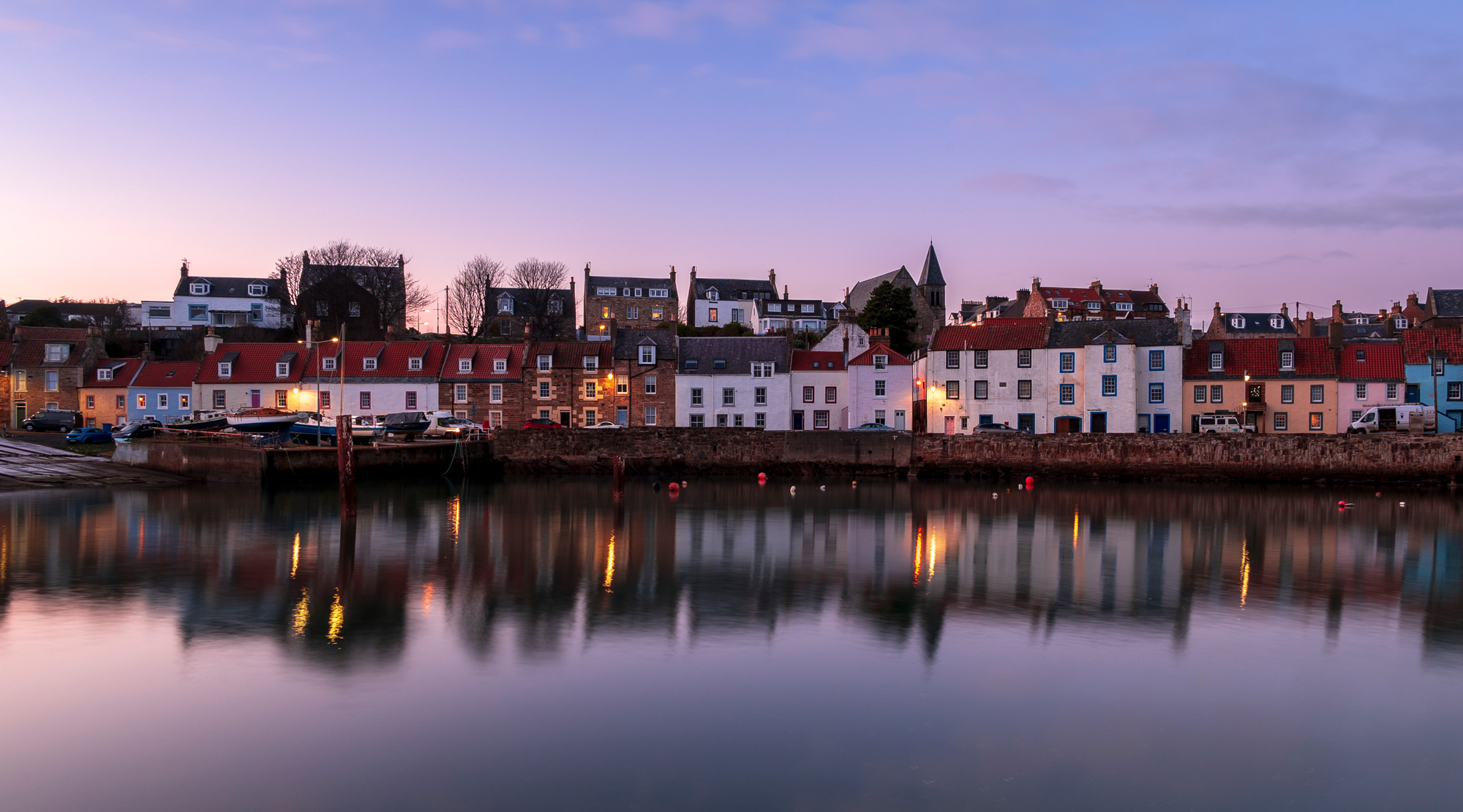
Scott Jessiman | Nikon Z6 II | Z 24-200mm f/4-6.3 VR | 24mm | f/13 | 6 sec | ISO 50
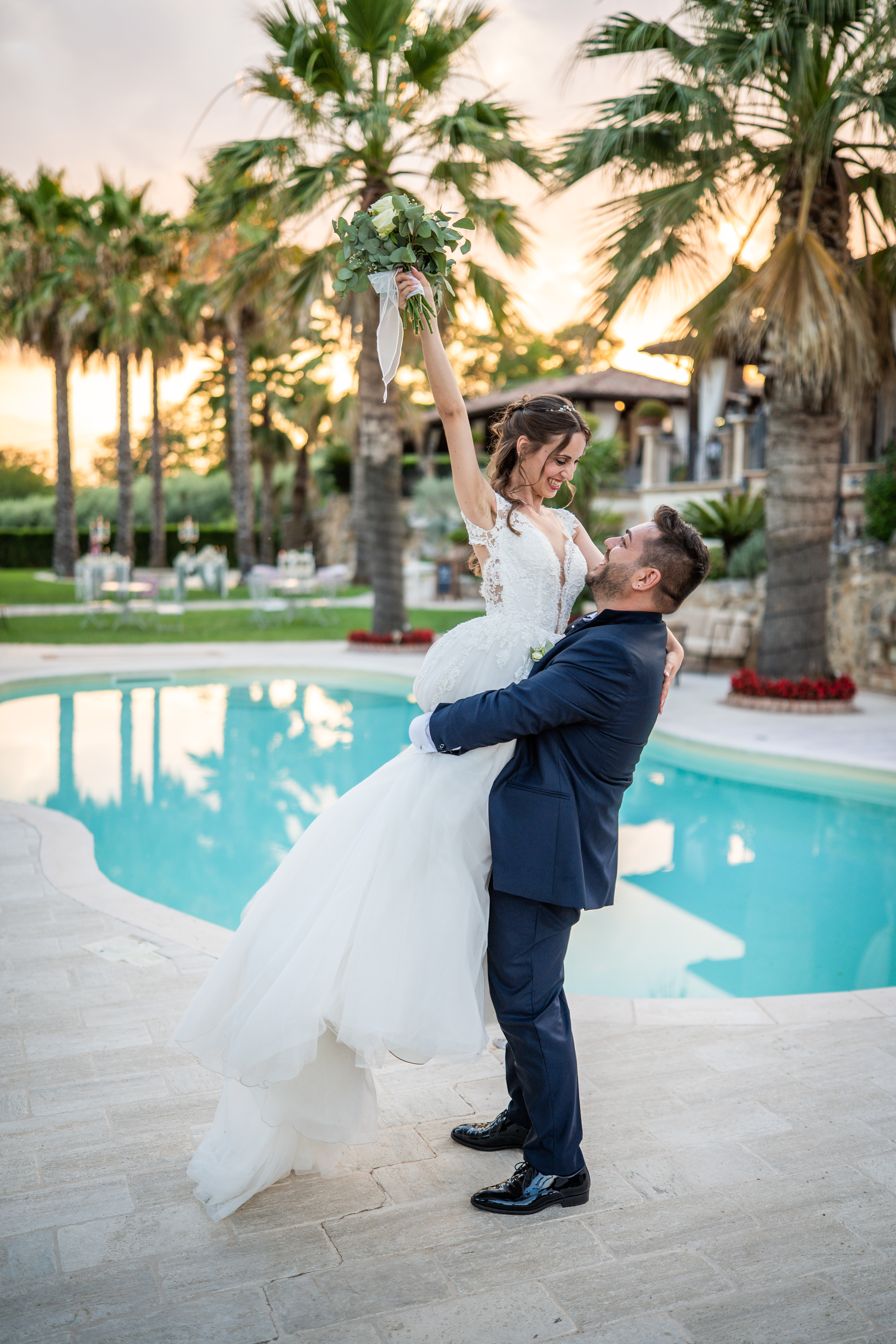
Lorenzo Albanese | Z6 III | Viltrox AF 35mm f/1.2 LAB Z | f/1.2 | 1/500 sec | ISO 100
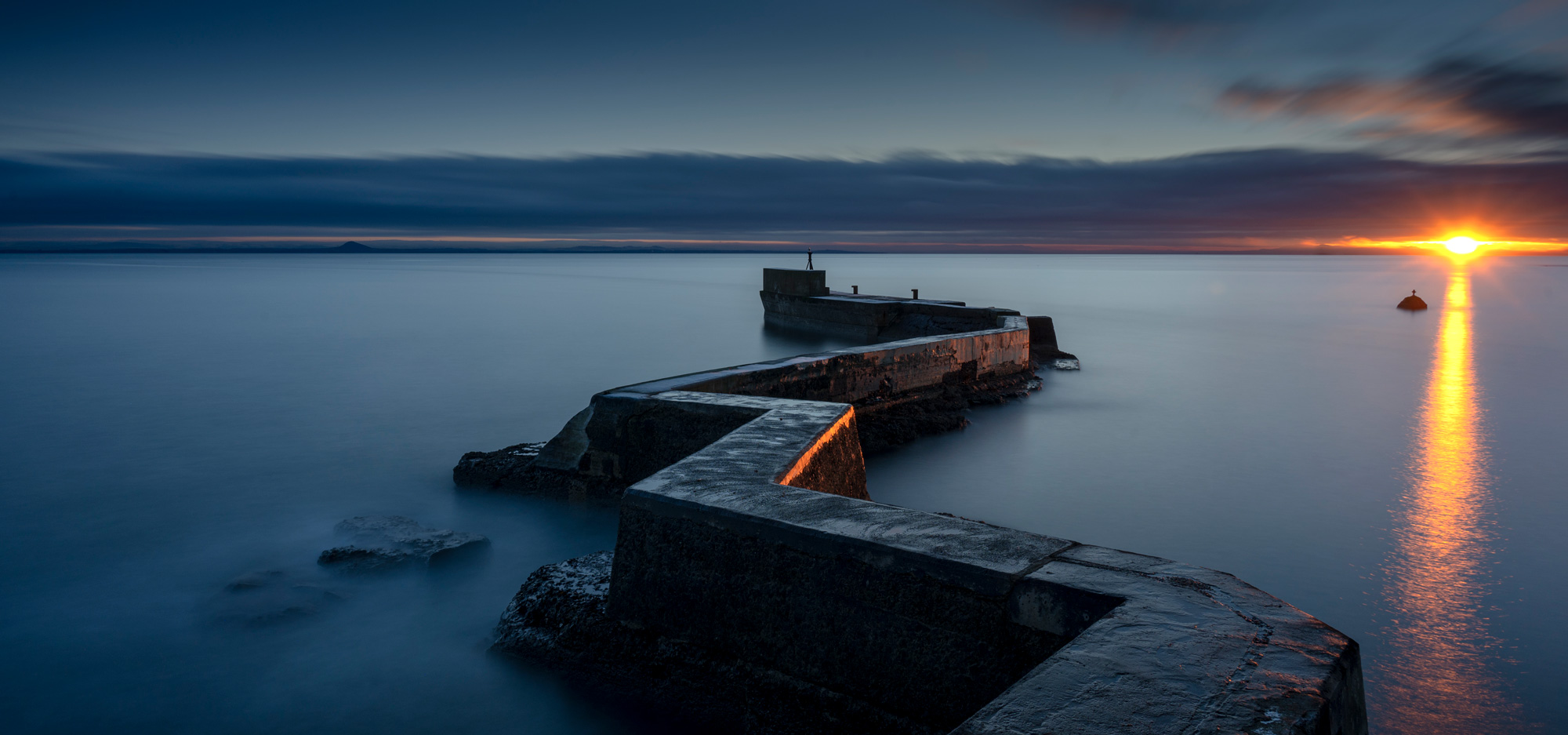
Scott Jessiman |Nikon Z6 II | Z 24-200mm f/4-6.3 VR | 44mm | f/14 | 120 sec | ISO 50

Scott Jessiman | Nikon Z6 II | Z 24-200mm f/4-6.3 VR | 24mm | f/11 | 60 sec | ISO 125
Conclusion
After a year with both cameras, my stance is clear: the Nikon Z6 III is the better choice for professionals who need total reliability in any condition. Its improved autofocus, advanced video capabilities, and greater overall versatility make it a true generational leap, not just a cosmetic update. And if you want to keep costs down, a used Nikon Z6 III is the smartest way to get there.
However, the Nikon Z6 II remains a solid and capable camera, perfect for those who don't need the latest tech and prefer to optimise their budget. A used Nikon Z6 II offers unbeatable value for money.
The right choice isn't the best camera overall, but the best camera for you.
Frequently Asked Questions (FAQs)
What's the main difference between the Nikon Z6 II and the Z6 III?
The most significant difference is the autofocus: the Z6 III integrates updated algorithms inherited from the Z8 and Z9, with significantly superior eye and subject recognition, especially in low-light conditions. Plus, it offers much more advanced video capabilities (native N-Log, 6K RAW, higher frame rates) and a more responsive partially stacked sensor.
Is the Nikon Z6 III worth the extra cost over the Z6 II?
It depends on what you do. If you shoot events, weddings, or moving subjects, or if you regularly shoot video, the extra price is well justified. If you work on landscape or portrait photography with static subjects, the Z6 II covers your needs at a lower cost.
Is the Nikon Z6 II still a good choice in 2026?
Yes, absolutely. It produces excellent quality files and is a solid, reliable body. On the used market, it offers an unbeatable price-to-performance ratio, especially for those who don't need the advanced features of the Z6 III.
Which one should you choose for wedding photography?
The Nikon Z6 III, no doubt. The improved eye recognition and low-light performance make a real difference in churches or challenging lighting conditions where you can't reshoot.
Are both cameras compatible with the same lenses?
Yes. Both the Z6 II and Z6 III use the Nikon Z system with a Z mount, so they are compatible with all NIKKOR Z line lenses.
Find out more about Lorenzo and his work on Instagram.
You can sell or trade your camera kit to MPB. Get a free instant quote, free insured shipping to MPB, and get paid within days.