
In practice, a global shutter captures everything at once by exposing all pixels simultaneously, rather than scanning gradually like a rolling shutter. For wildlife photographer Jordi Woerts, a global shutter provides one major positive: certainty that he's got the shot when everything happens at once.
For four years, Jordi worked as a safari and trail ranger in South Africa, spending every day in nature reserves with his camera. In environments where speed, timing, and unpredictable action are the norm, he learned to rely on continuous autofocus and a camera that never misses a moment.
For this review, Jordi tested the Sony A9 III, the world's first full-frame mirrorless camera with a global shutter. Since there are no lions or elephants roaming around in the Netherlands, he took the camera out to photograph birds. It was an ideal way to experience how the Sony A9 III handles fast movements and unrepeatable moments.
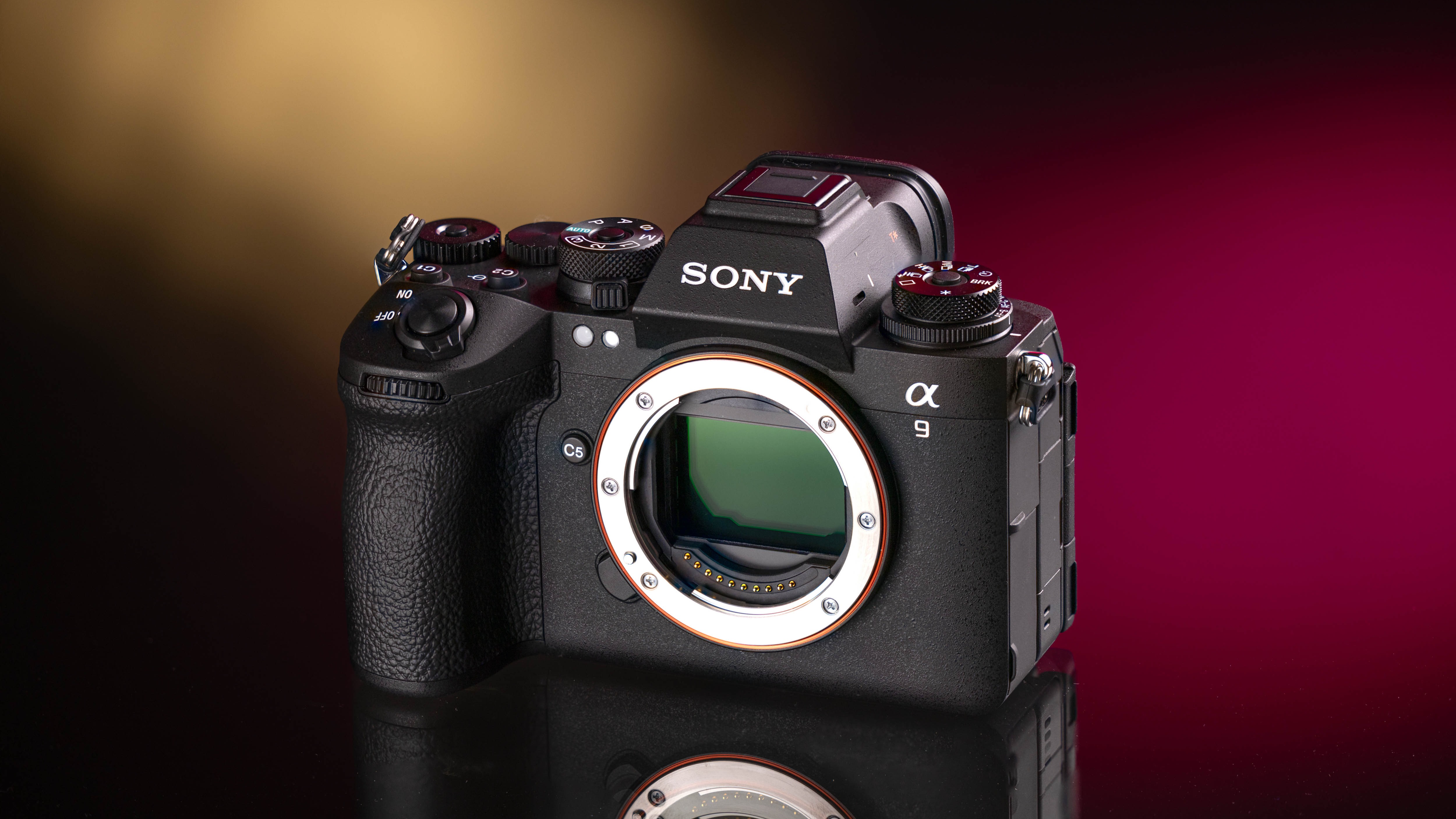
Used Sony A9 III
Sony A9 III: Technical Specs
Sensor Type | Full-frame CMOS global shutter | |
Sensor Resolution | 24.6 megapixels | |
Image Processor | BIONZ XR + AI processing unit | |
ISO Range | 250–25,600 (expandable to 125–51,200) | |
Shutter | Fully electronic global shutter | |
Shutter Speeds | 1/80,000s to 30s | |
Continuous Shooting | Up to 120 fps with AF/AE | |
Pre-capture | Yes | |
Autofocus Points | 759 phase-detection points | |
Subject Detection | Humans, animals, birds, insects, vehicles, aeroplanes | |
Image Stabilisation | 5-axis IBIS, up to 8 stops | |
Viewfinder | 9.44m-dot OLED EVF | |
LCD Screen | 3.2-inch tilting touchscreen | |
Video | 4K up to 120p, 10-bit 4:2:2 | |
Flash Sync | All shutter speeds | |
Storage | Dual slot: CFexpress Type A / SD UHS-II | |
Battery | NP-FZ100 | |
Weight | Approx. 617 g (body) | |
Weather-sealed | Yes |
Positives
Global shutter with no rolling shutter distortion
Up to 120 frames per second with reliable autofocus
Very strong eye autofocus, even in low light
4K up to 120p without crop
Flash sync at all shutter speeds
Pro ergonomics and dual card slots
Negatives
Base ISO starts at 250
Slightly more limited dynamic range than some stacked sensors
24.6 megapixels is less suitable for heavy crops or landscapes
Steep investment for the price
Flash benefits require a compatible workflow
First Impressions
The Sony A9 III is a camera that prioritises speed and reliability. Its combination of 120 frames per second, highly accurate autofocus, and the benefits of a global shutter ensures motion is captured consistently and without distortion. In situations where timing is everything, this provides noticeably more confidence.
This camera makes the most sense for photographers who shoot action, wildlife, or sports photography. If you're looking for maximum resolution for landscapes or studio portraits, there are better choices. But if your work revolves around unrepeatable moments and you want maximum control over motion, the Sony A9 III is a serious investment.
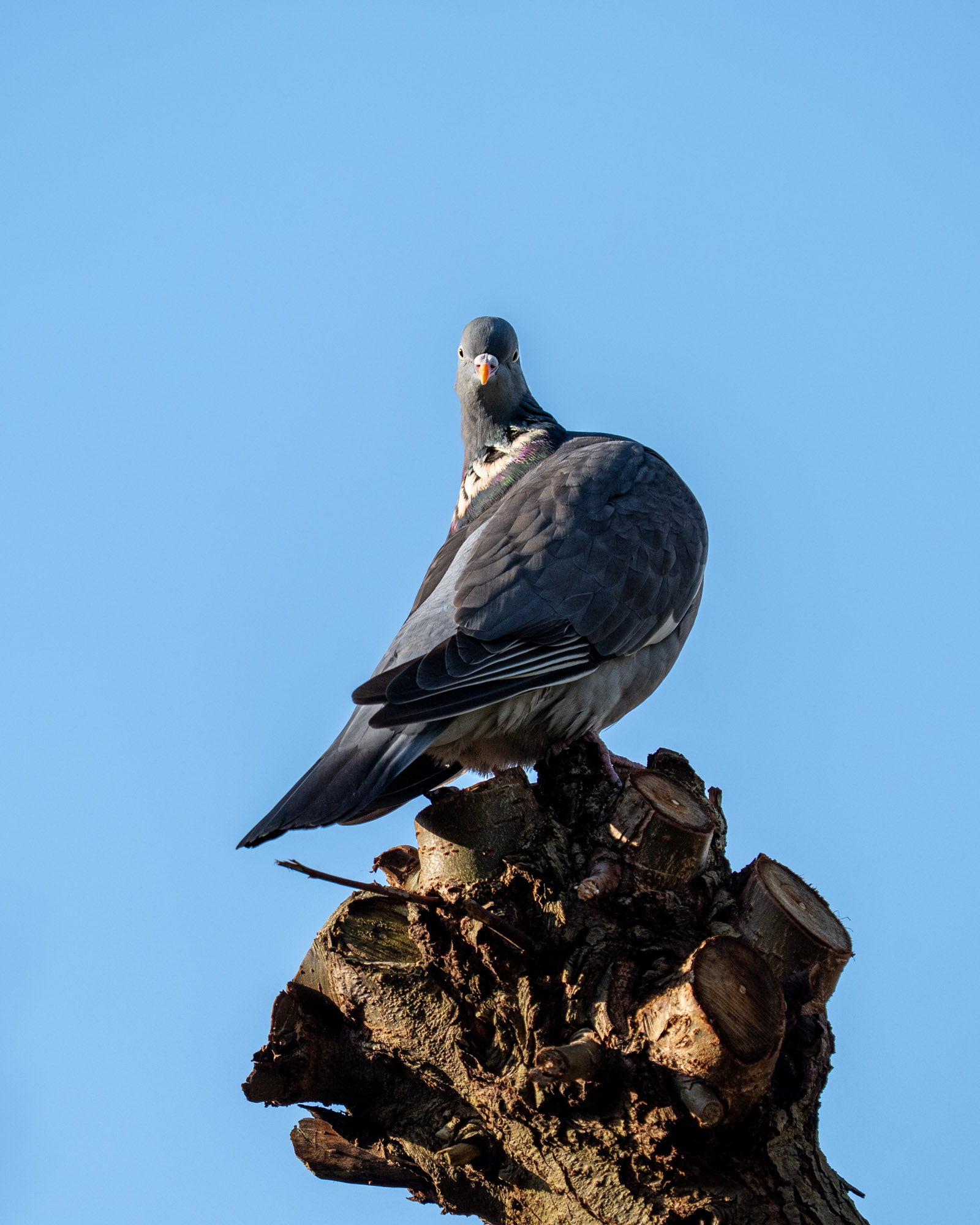
Jordi Woerts | Sony A9 III | Sony FE 200–600mm f/5.6–6.3 G OSS | 444mm | f/6.3 | 1/640 sec | ISO 250ca
Design and Handling
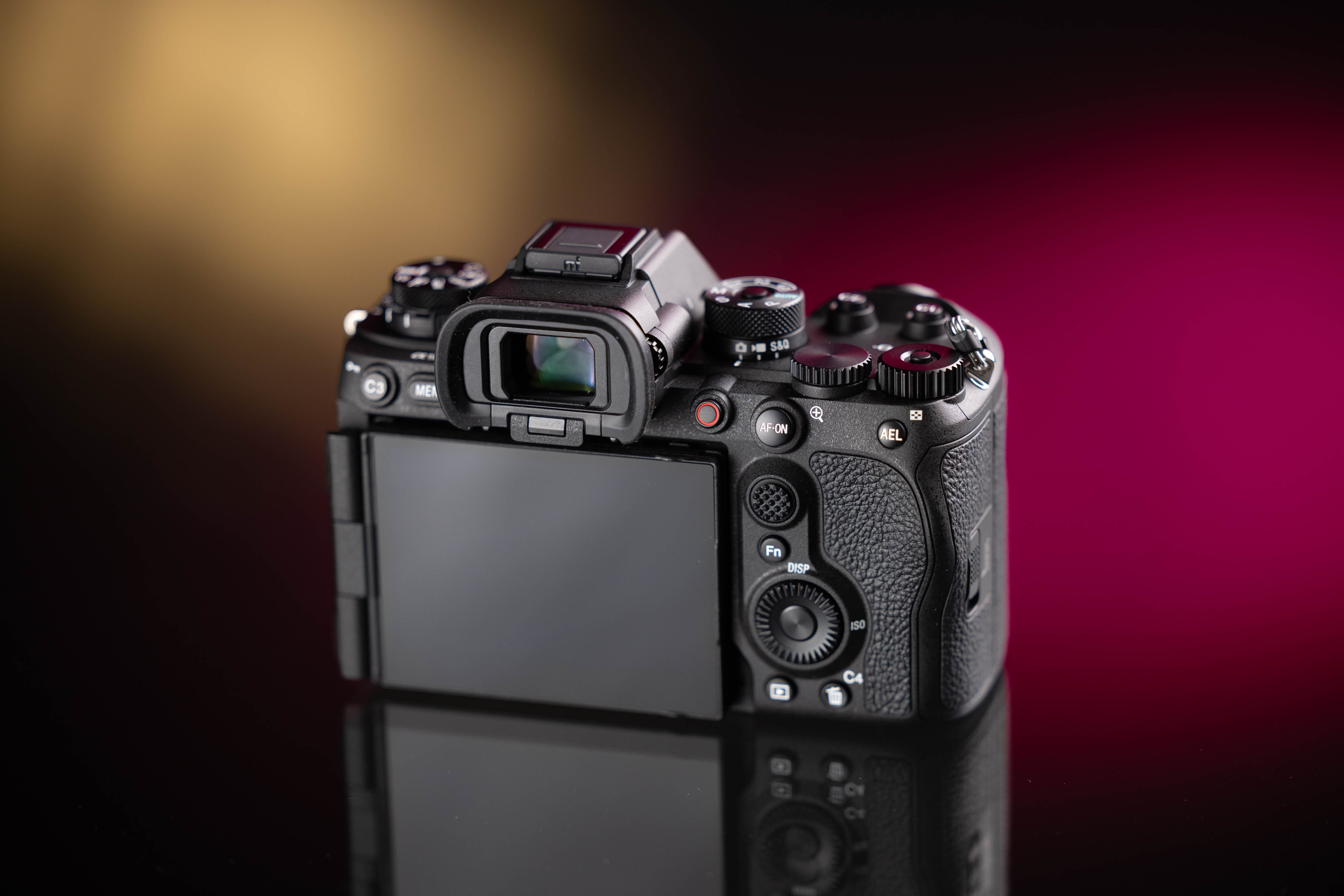
The Sony A9 III feels like a professional body. Everything about this camera is designed for fast operation in constantly changing situations. Key functions, like autofocus settings and burst modes, are right at your fingertips. You don't have to dive into the menu when the pace picks up, and that's exactly what you want for action or wildlife photography.
The extensive customisation options reinforce that feeling. With multiple C buttons and adjustable functions, you can completely tailor the camera to your needs. Combined with the dual card slots, this feels like a body that's ready for professional use, not just on paper, but in practice too.

Jordi Woerts | Sony A9 III | Sony FE 200–600mm f/5.6–6.3 G OSS | 600mm | f/6.3 | 1/640 sec | ISO 1600
In terms of ergonomics, the camera felt great right away. I'm 6'2" and usually like to work with a battery grip for extra comfort and battery life. Still, the A9 III feels logical and natural in hand, even without a grip. For photographers with smaller hands, this will likely be perfect. If you're working with heavy lenses for extended periods, like a 200–600mm, a battery grip is a nice addition, but not a must-have.
The camera remained comfortable during extended use. Even with a heavy telephoto lens and longer waiting periods in position, there was no fatigue or irritation in the grip. That says a lot about how well-balanced the body is.
Compared to its predecessor, the differences are clearly noticeable. You'll immediately feel the leap from 20 to 120 frames per second in practice. The autofocus has also been refined and is now more reliable in tricky situations. At the same time, the body hasn't gotten heavier, despite the addition of a global shutter. This makes the progress primarily practical, not just technical.
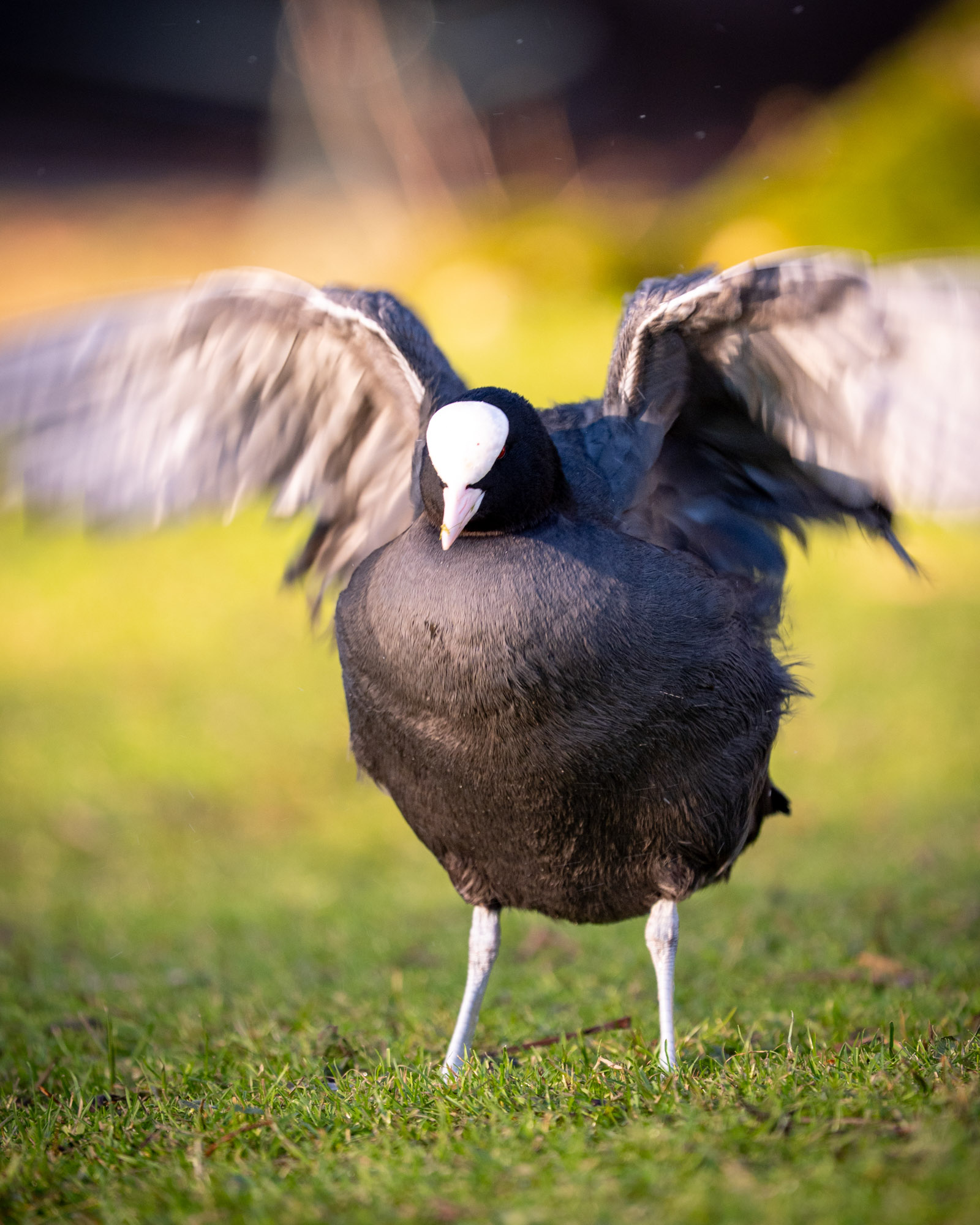
Jordi Woerts | Sony A9 III | Sony FE 200–600mm f/5.6–6.3 G OSS | 600mm | f/6.3 | 1/400 sec | ISO 1000
Sensor and ISO
The biggest innovation in the Sony A9 III compared to the Sony A9 II and the Sony A9 is its global shutter. Instead of reading the sensor line by line, the entire image is captured at once. With traditional systems, this can lead to distortion during fast movement, such as skewed lines or the well-known jello effect. With a global shutter, the image remains intact, even when you move quickly or follow a subject.
You'll notice that immediately in practice. Whether you're tracking a bird in flight or quickly panning with your camera, you no longer have to worry about distortion. Even under artificial light, exposure remains more consistent, and you'll see less banding or flickering. That makes the camera interesting not only for wildlife but also for indoor sports or events.

Jordi Woerts | Sony A9 III | Sony FE 200–600mm f/5.6–6.3 G OSS | 600mm | f/6.3 | 1/400 sec | ISO 4000
However, there are some trade-offs. The base ISO starts at 250 rather than 100, and the dynamic range is slightly lower than that of some stacked-sensor cameras. The main question is whether that makes a difference in your work.
In my experience, it wasn't an issue. I intentionally tested the camera in challenging lighting conditions and left the ISO on auto without a second thought. Image quality remained pleasing and perfectly usable up to about ISO 6400. Noise became more noticeable at ISO 8000, but it wasn't shocking and is easily correctable in post-processing. It never felt like I was hitting a hard limit.

Jordi Woerts | Sony A9 III | Sony FE 200–600mm f/5.6–6.3 G OSS | 485mm | f/6.3 | 1/200 sec | ISO 6400
Compared to stacked sensors, the main difference is in certainty. Stacked sensors are fast, but the rolling shutter never completely disappears. With extreme action or fast panning, it can remain visible. With the A9 III's global shutter, that's simply no longer a factor. If you're looking for optimal control over movement and you're willing to make a small compromise in dynamic range, then this is a clear step forward.
Image Quality
When I compare the Sony A9 III to my own Sony A7 IV, the sharpness and colour immediately stand out. Despite the global shutter, the image feels familiar: sharp, consistent, and with colours that are easy to edit.
The files are rich in detail and sharp. In normal practical conditions, like sports, wildlife, or action, you won't notice much of the technical compromises mentioned on paper. It's only when you push images to the extreme in post-processing, for example, with heavy shadow lifting or harsh contrast, that you'll notice the dynamic range is slightly more limited than that of some other high-end Sony models. In everyday use, that's rarely an issue.
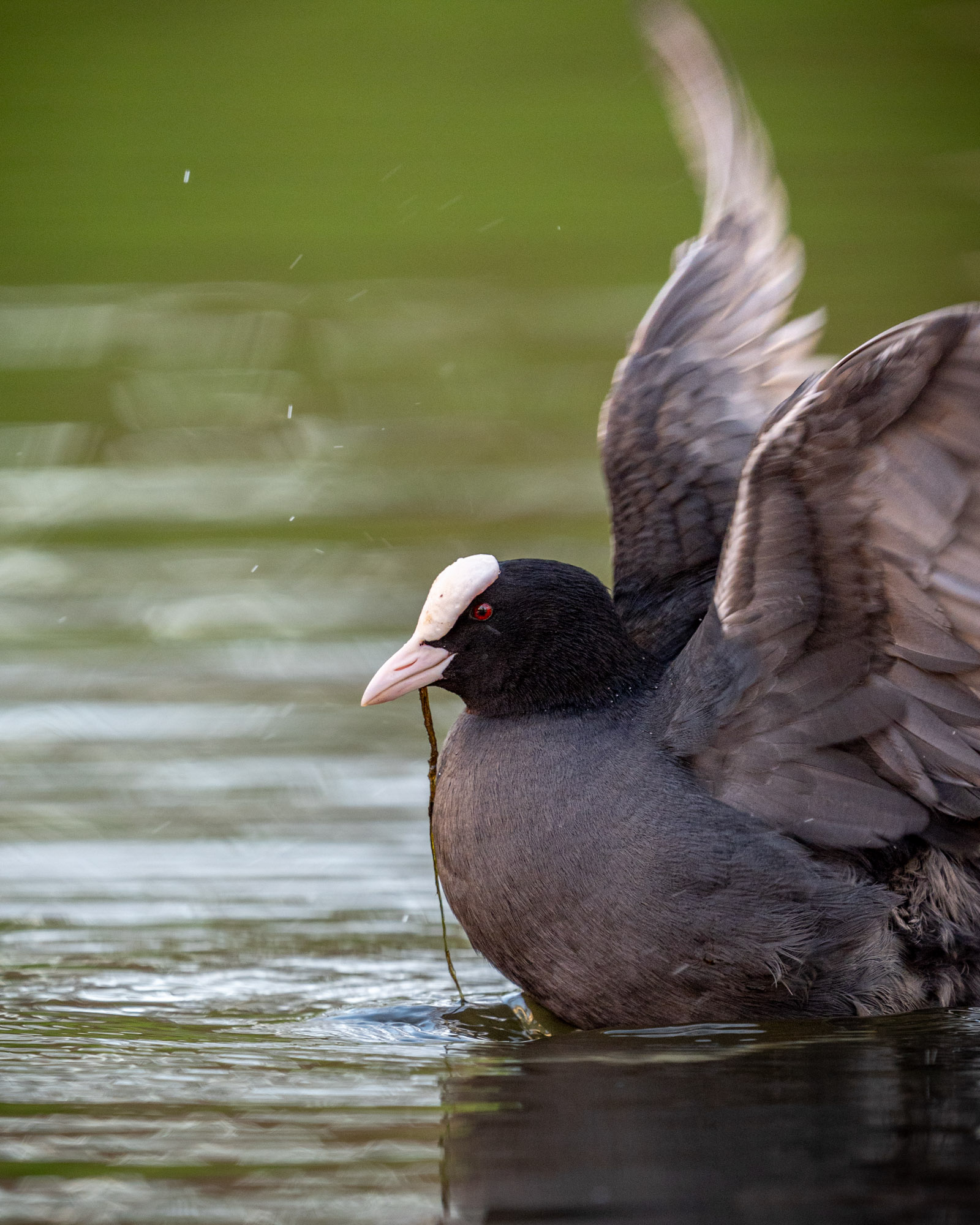
Jordi Woerts | Sony A9 III | Sony FE 200–600mm f/5.6–6.3 G OSS | 600mm | f/6.3 | 1/400 sec | ISO 2000
With 24.6 megapixels, the camera offers more than enough resolution for its target audience. Images remain clear and well-defined, even during fast action. While there are Sony cameras with higher resolutions that offer more room for cropping, for action and wildlife, it's less about maximum megapixels and more about timing and reliability. In that balance, 24.6 megapixels feels like a logical choice.
When it comes to colour, the A9 III seamlessly matches other Sony cameras. The colours are neutral and consistent, so you don't have to correct for strange tints in post-processing. It didn't feel like I had to get used to a new colour profile, which makes the switch easy.
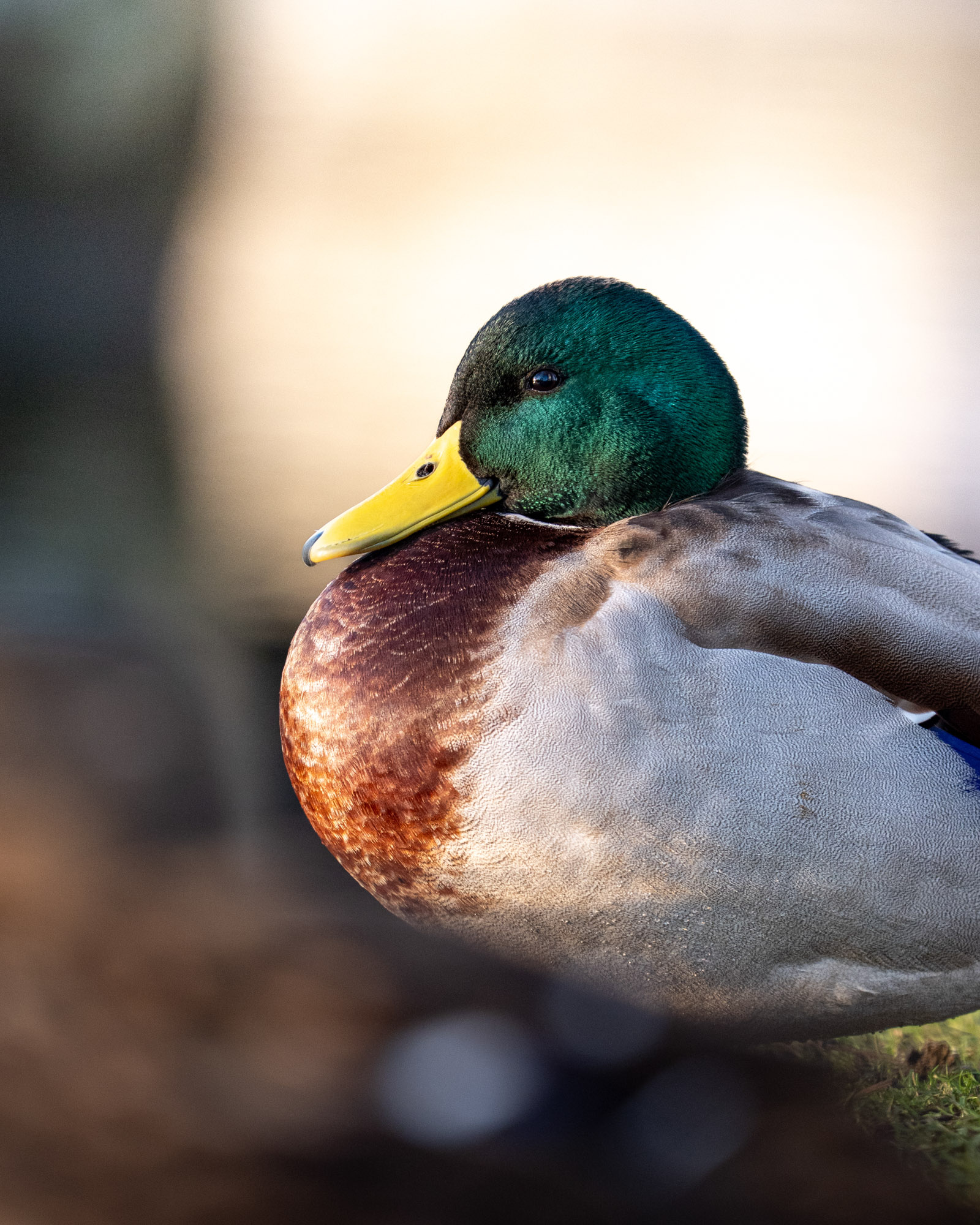
Jordi Woerts | Sony A9 III | Sony FE 200–600mm f/5.6–6.3 G OSS | 600mm | f/6.3 | 1/400 sec | ISO 2000
Flash, Exposure, and Metering
Flash isn't my usual playground. During this test, the focus was entirely on wildlife and action in natural light. Still, this is one of the most technically impressive features of the Sony A9 III.
Thanks to the global shutter, flash sync is possible at all shutter speeds, even extremely fast ones like 1/10,000s or quicker. You don't need high-speed sync and won't run into the limitations of a mechanical or rolling shutter. This opens up creative possibilities simply not achievable with other cameras.
For photographers who frequently use flash, this can be a game-changing advantage. Think about shooting sports in bright daylight, and about portrait and fashion photography with wide apertures, without compromising exposure. It also offers more control and consistency in complex lighting setups.
For me, this advantage remains mostly theoretical. I see the value, but flash doesn't play a central role in my workflow. Plus, this technique requires compatible flashes and an adjusted workflow. It's not a feature you just casually use; it's something you have to work with intentionally.
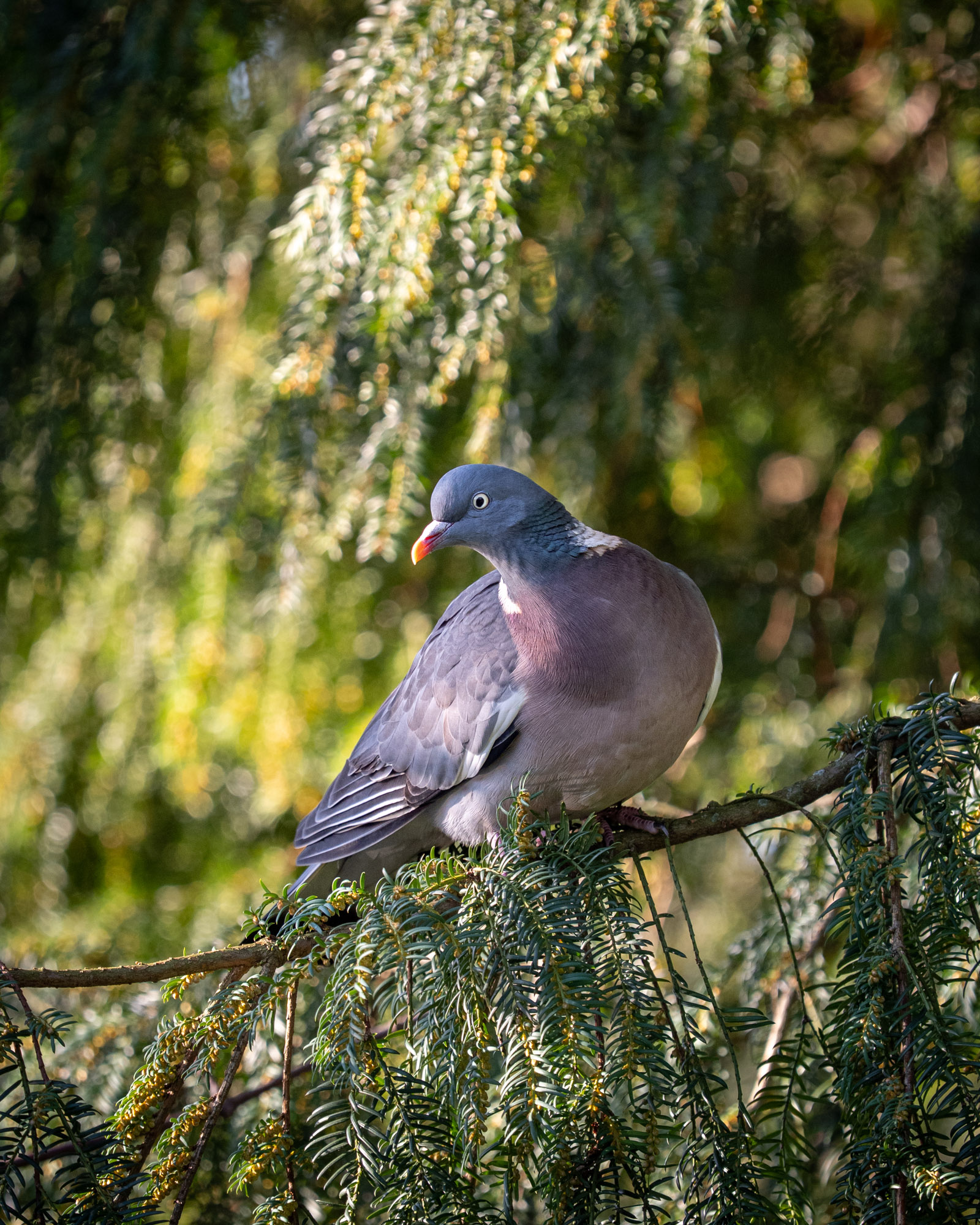
Jordi Woerts | Sony A9 III | Sony FE 200–600mm f/5.6–6.3 G OSS | 512mm | f/6.3 | 1/400 sec | ISO 1250
Video
I love working with hybrid cameras and often switch between photo and video during a shoot. From that perspective, the Sony A9 III feels like a serious hybrid body.
On paper, 4K up to 120 frames per second in full frame without a crop is impressive. For wildlife, that's a huge advantage because you don't have to choose between photography and video. Switching between the two feels natural and fast.
The global shutter also plays a significant role in video. Rolling shutter distortion completely disappears, making panning and fast movements look tighter and more consistent. There's also a lower chance of flickering under artificial light. This makes the camera reliable in situations where movement is key.
If you're looking purely at film production with maximum codec flexibility and grading latitude, other Sony cameras are a bit stronger in that area. The A9 III focuses on speed and distortion-free images, not on getting the absolute most out of colour correction.
As for heat, I didn't experience any limitations during intensive use in the Netherlands. Based on this test, I can't say for sure how the camera would perform during prolonged shooting in extreme heat.
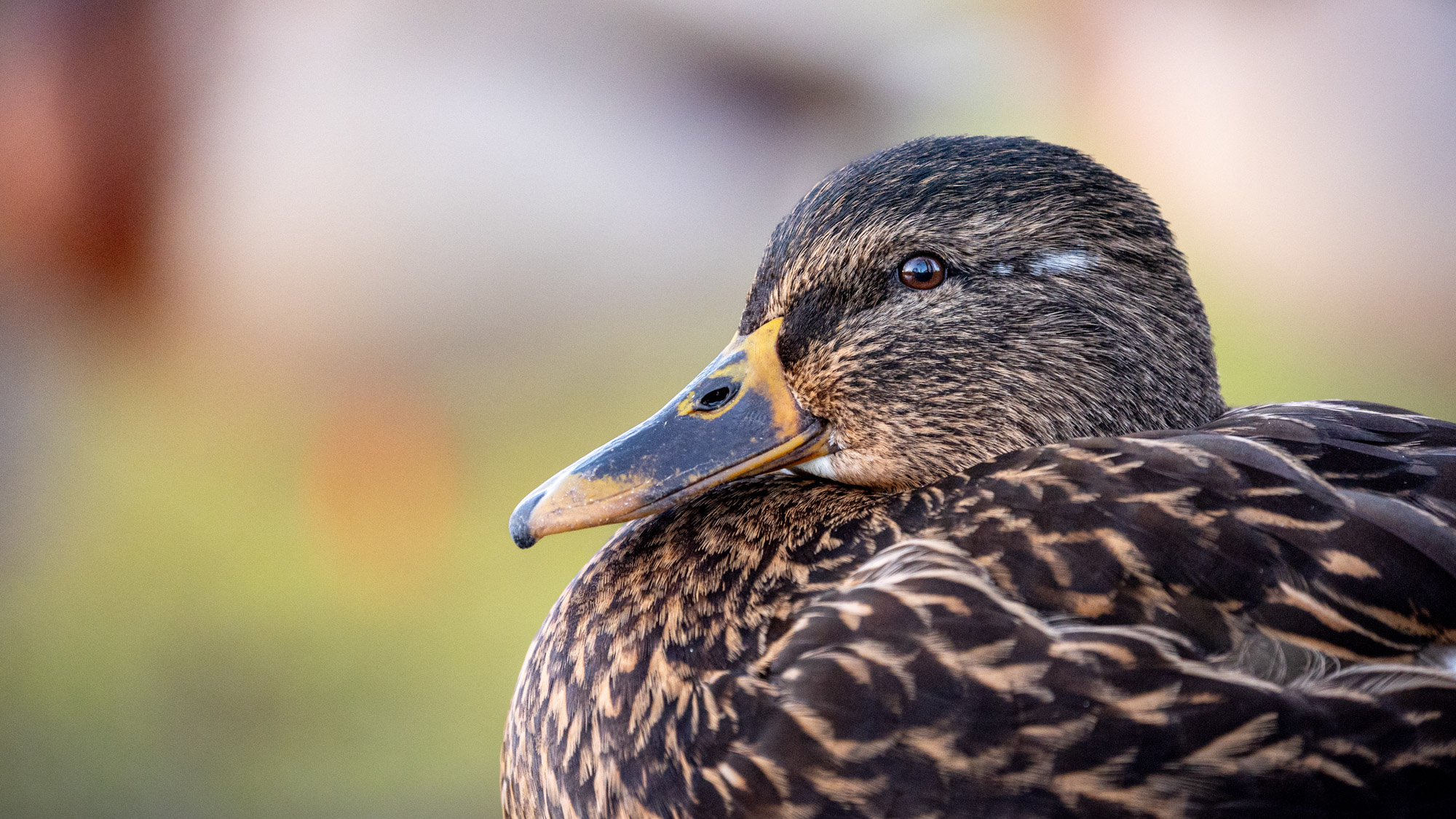
Jordi Woerts | Sony A9 III | Sony FE 200–600mm f/5.6–6.3 G OSS | 600mm | f/6.3 | 1/400 sec | ISO 4000
Battery Life and Storage
The Sony A9 III's battery life is solid. While shooting, I never felt limited by the battery level, even with intensive use.
When I'm on a safari, I typically use a battery grip and extra batteries for added comfort and peace of mind. For this test, I used the A9 III without a grip and with a single battery. Still, I was able to shoot for hours without needing to swap it out.
When shooting video, the battery drains faster than with photography, but within predictable limits. For long shooting days or continuous professional use, extra batteries or a grip are still recommended, as with almost any camera in this segment.
The dual card slots for CFexpress Type A and SD UHS II highlight its professional nature. Fast and reliable storage is essential, especially with high frame rates and long bursts. This does require an investment in suitable cards and sufficient storage capacity within your workflow.

Jordi Woerts | Sony A9 III | Sony FE 200–600mm f/5.6–6.3 G OSS | 600mm | f/6.3 | 1/500 sec | ISO 5000
Alternatives to the Sony A9 III
The Sony A9 III is pretty unique in the market right now as the only full-frame mirrorless camera with a global shutter. That fundamentally positions it differently from other models in this segment.
Alternatives like the Nikon Z8, Canon EOS R3, and the Sony A7 series are powerful cameras, but each strikes a different balance between resolution, speed, and versatility.
The Nikon Z8 is a strong all-around camera with high resolution and broad versatility. The Canon EOS R3, like the A9 III, focuses on sports and wildlife with a robust body and highly reliable autofocus. Sony’s A7 series is a more accessible alternative for those seeking speed and image quality at a lower investment, but without the extreme technical edge of the A9 III.
The Fujifilm GFX 100S II falls into a different category. With its medium-format sensor and high resolution, this camera is all about detail and image quality, not speed or action. It's not a direct competitor, but an alternative for photographers with a different priority.
Ultimately, all these cameras have their own focus. The Sony A9 III emphasises maximum control over motion. That doesn't automatically make it the best choice for everyone, but it's a clear step forward for those who are looking for exactly that.

Jordi Woerts | Sony A9 III | Sony FE 200–600mm f/5.6–6.3 G OSS | 600mm | f/6.3 | 1/500 sec | ISO 2000
Verdict: Is the Sony A9 III worth it?
The Sony A9 III is a camera that does exactly what it was designed for. In practice, you immediately notice the difference speed, reliable autofocus, and the global shutter make with moving subjects. The camera maintains stable performance, even when the pace picks up, and you don't get a second chance.
For photographers working with wildlife, sports, action, or events, this is a logical investment. The combination of speed and consistent results with movement directly aligns with what you need in that segment. If you primarily work with landscapes, studio portraits, or maximum resolution for heavy crops, there are other cameras that better suit that workflow.
Personally, the Sony A9 III feels like a clear step up from the A7 IV. The autofocus and speed inspire confidence, and the way the camera handles movement aligns with how I shoot. Would I consider it myself? Yes. This body is high on my workflow list.
Read more camera gear guides on the MPB content hub and see more of Jordi's work on his Instagram.
Guide: Bird Photography for Beginners
Want to take better bird photos? Discover Jordi's practical tips on gear, settings, and behaviour.
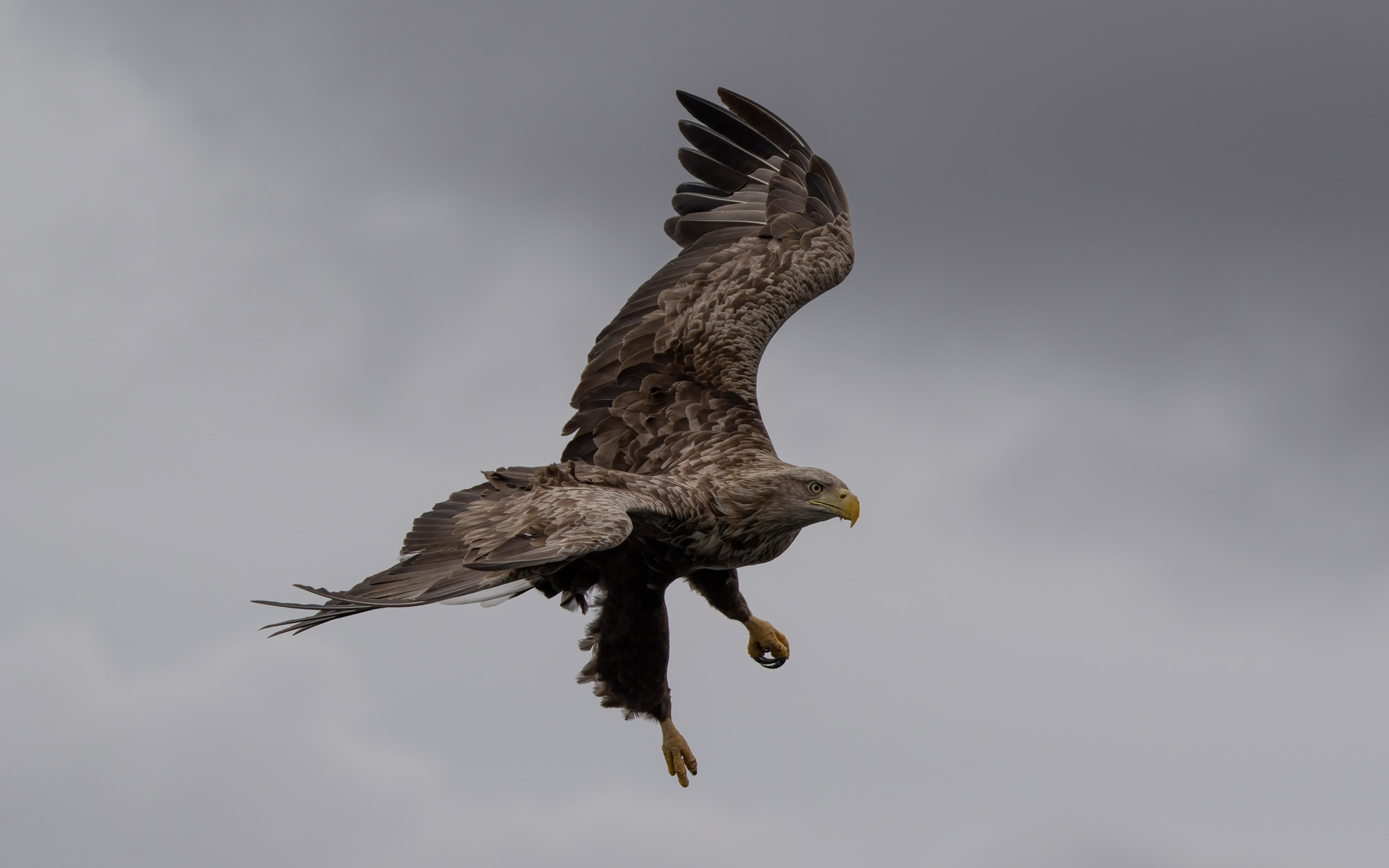
In the Field: Sony A1 for Bird & Wildlife Photography
Travel and wildlife photographer Jason Fenton reviews the Sony A1 while photographing the white-tailed eagles at the Isle of Mull in Scotland.
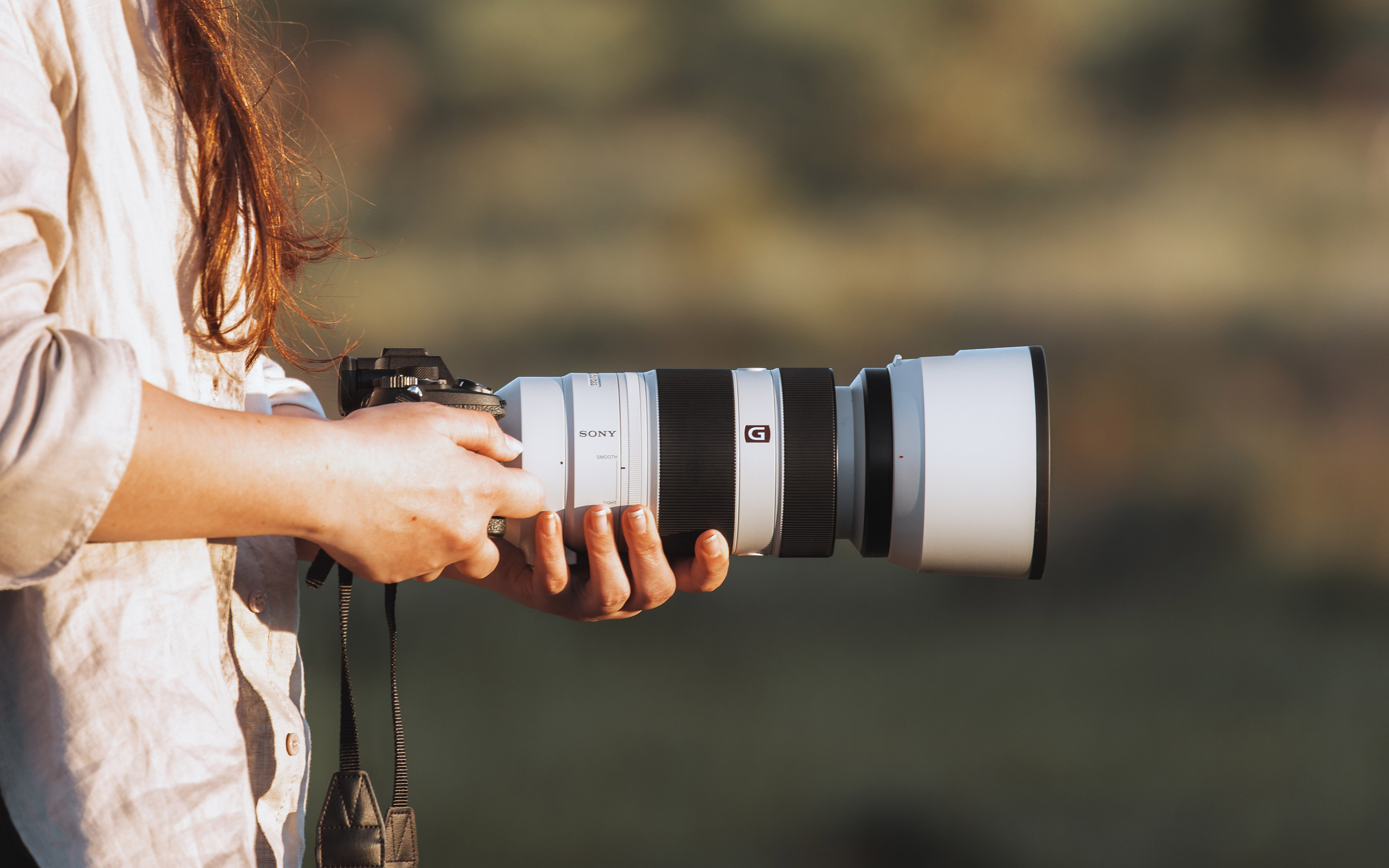
In the Field: Sony FE 100-400mm f/4.5-5.6 GM OSS for Wildlife
Wildlife photographer Ester Turri reviews the Sony FE 100-400mm f/4.5-5.6 GM OSS and Sony A7 IV to capture imagery of zebras, elephants, and lions in South Africa.
You can sell or trade your camera kit to MPB. Get a free instant quote, free insured shipping to MPB, and get paid within days.