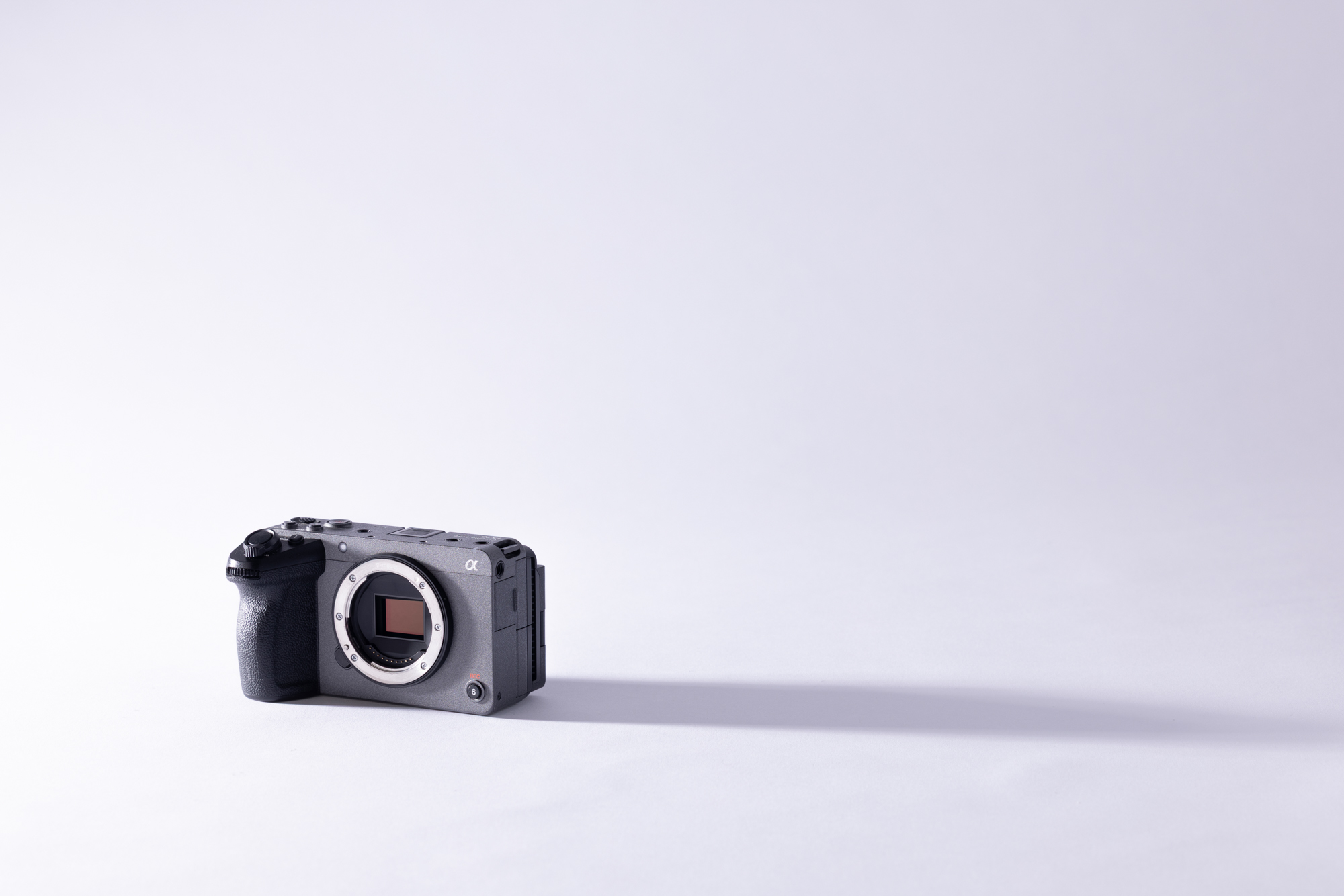
In the Field: Sony FX30 Cine Camera for Filmmaking
Published September 23, 2026 by MPB
If anyone knows what to look for in a video camera, it's Francesco Capaccioni. A professional videographer and photographer with more than ten years of experience, he shoots documentaries and creates content for outdoor brands, often working in remote locations where dependable gear isn't optional.
For this kind of work, you need a camera that's lightweight and reliable. The Sony FX30 certainly looks the part. Often described as the smaller, more affordable Sony FX3, is it the kind of camera Francesco would take on a shoot? To find out, he took it into the Comasche Prealps, between Italy and Switzerland.
Used Sony FX30
Key specs
Sensor | Back-illuminated APS-C Exmor R CMOS |
Resolution | Approx. 26 megapixels (optimized for video) |
Processor | BIONZ XR |
ISO | Dual Base ISO (800/2500, expandable) |
Autofocus | Hybrid autofocus with real-time tracking and Eye AF |
Subject detection | People, animals, birds |
Stabilisation | Electronic (Active Mode) |
Video | 4K, 120p (cropped), 6K oversampled |
Colour profiles | S-Cinetone, S-Log3, HLG |
Audio | Microphone input + XLR support (via handle) |
Storage | CFexpress Type A / SD UHS-II |
Connectivity | Wi-Fi, Bluetooth, USB-C, HDMI Type A |
Battery | NP-FZ100 |
Cooling | Active ventilation system |
Display | Vari-angle touchscreen LCD |
Viewfinder | None |
Size, mm | 129.7 x 77.8 x 84.5 |
Weight, g | 562 |
Weather resistance | Dust and moisture resistant |
Released | 2022 |
Pros
Cinematic 4K video quality up to 120fps with 10-bit 4:2:2
Reliable autofocus with advanced tracking and Eye AF
Affordable entry into the Sony Cinema Line
Compact, modular design with integrated mounting points
Active cooling for long recordings without overheating
Extensive professional video options (S-Log3, LUTs, advanced codecs)
Upload your own LUTs to see color correction in real-time
Cons
APS-C sensor performs less well in low light compared to full-frame
No electronic viewfinder (EVF)
Crop at high frame rates (e.g. 4K 120fps)
No mechanical shutter
Base ISO stops at 2500
Less compact than other mirrorless cameras in the same category
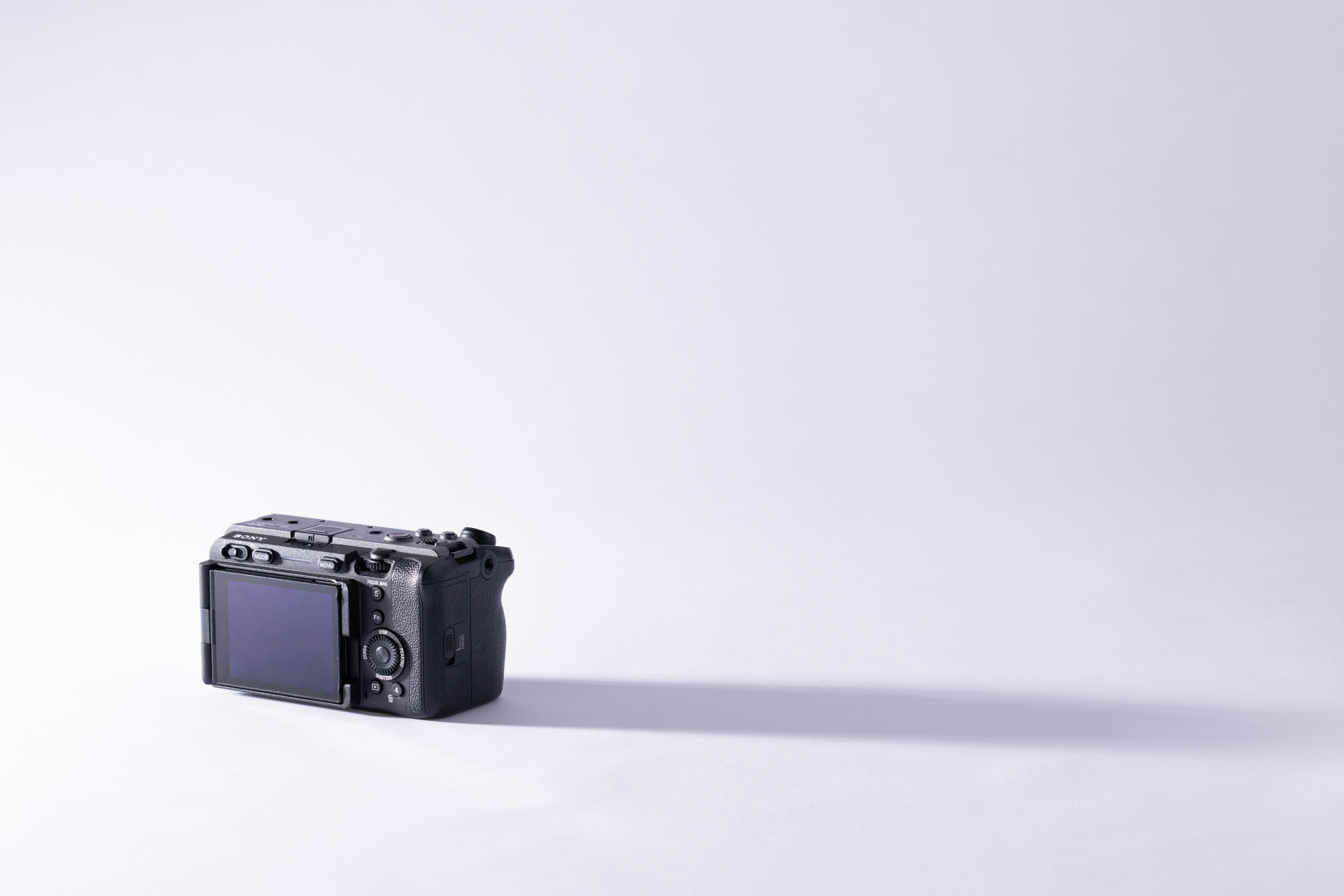
Used Sony FX30 rear
First impressions
If you're getting serious about filmmaking, the Sony FX30 is a great place to start. It's the most affordable camera in Sony's Cinema Line, the company's range of dedicated filmmaking cameras, and shares many of the same video features as the FX3 and FX6 for much less money.
It's versatile, too. If you're already working professionally, the FX30 is just as comfortable as a main camera as it is a B-camera alongside models like the Sony FX3 or Sony FX6. Sony's S-Cinetone color profile also makes it easy to match footage with other Cinema Line cameras, so cutting between different cameras feels seamless.
If you're more into content creation, the FX30 is a great fit for vloggers, YouTubers and filmmakers alike. The built-in mounting points make it easy to attach accessories like microphones, lights and external monitors directly to the camera, so in many cases you won't need to add a separate cage.
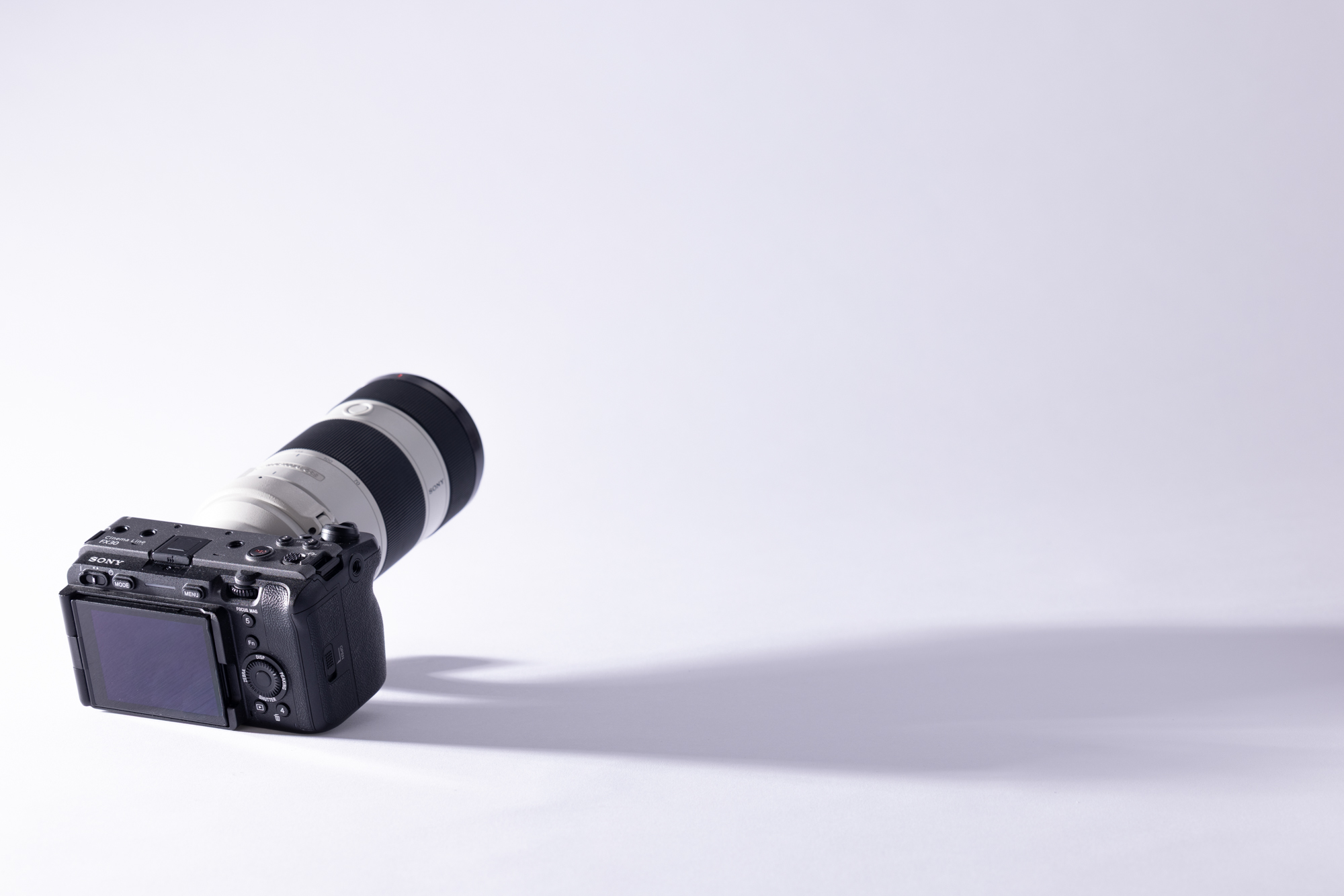
Used Sony FX30
Design and ergonomics
I decided to take the FX30 into the mountains, where I spend a lot of my time. When you're trekking with a heavy backpack, every piece of kit has to earn its place, so having a camera that's lightweight and practical really matters.
The body may be objectively large (in line with its bigger sibling, the Sony FX3), but the lighter weight is a real bonus if you're already carrying a lot of gear. The option to use lighter, more compact APS-C lenses makes it appealing, too.
One of the first things you'll notice is how different the FX30 feels in the hand compared to Sony's Alpha series mirrorless cameras, like the Sony A7 IV or Sony A7S III. It has a more solid feel that's clearly designed with videographers in mind.
I also really like the built-in mounting points. They make it easy to attach accessories like handles, microphones and external batteries directly to the camera, so you can adapt your setup to the way you like to work.
If you regularly film for long periods, overheating is one less thing to worry about with the FX30. I was a little unsure about the built-in cooling fan at first, but it kept the camera running without overheating, even during long shoots in warmer conditions. I was also slightly concerned it might let in dust or moisture, but after doing my research, I had no hesitation taking it into the mountains. I shot with it in dusty, damp conditions and I had no issues.
The customizable buttons were another feature I appreciated. You can assign your most-used settings to different buttons, so they're always within easy reach. When you're shooting outdoors and the light or weather changes quickly, being able to adjust your settings without wading through menus saves time and helps you stay focused on the shot.

Francesco Capaccioni | Sony FX30 | FE 24-70mm f/2.8 GM II | 24mm | 1/100 | ISO 125
Controls and usability
A feature on the FX30 I didn't expect to appreciate so much was the illuminated REC button and the red tally light above the screen. They make it instantly obvious when the camera is recording, which is reassuring when you're working quickly or filming on your own. We've all been there. You're in a rush, press record and assume the camera is rolling when it isn't, or accidentally start recording without realizing. These little touches make it that much less likely, so you're not going to come home with a camera full of clips you never meant to record, or worse, miss the shot altogether.
I used the numerous customizable buttons constantly while filming because they provided quick access to the most important settings. The menu and configuration system is very similar to that of the FX3, so it's intuitive to use and quick to set up from the get-go.
I'm very much in the filmmaking camp, so it's only fair to point out that the FX30's video-first design comes with a compromise. Spend a little time with the menus, then pick up something like the Sony A7R IV and it's clear which cameras were built for photographers. You can absolutely take stills with the FX30 when you need to, but video is where it really feels at home.

Francesco Capaccioni | Sony FX30 | Sony FE 24-70mm f/2.8 GM II | 24mm | 1/320 | ISO 125
Battery life and connectivity
The FX30 uses Sony's Sony NP-FZ100 battery, which has a solid reputation for good reason. It lasts through most shoots, but I'd still pack a spare if you're filming for a full day.
Because I often work in remote locations, I always pack three or four spare batteries just to be safe. In reality, I usually only get through two, even on long filming days.
As I've already mentioned, the built-in cooling fan means you don't have to worry about overheating. That makes the FX30 a great choice for longer recordings, whether you're filming interviews, vlogs or live streams.
If you're recording externally, monitoring audio or powering the camera on longer stationary shoots, you'll have everything you need with the FX30. It even includes a full-size HDMI port, which is much more secure than the smaller Micro HDMI connections found on many cameras. You'll find microphone and headphone sockets, plus a USB-C port for charging, powering the camera and transferring files.
During my shoot, I also ended up using Sony's companion apps more than I expected. Creators' Cloud made it quick and easy to transfer footage to my phone, while the Monitor & Control app let me use it as an external monitor. For the way I work, it's incredibly handy.

Francesco Capaccioni | Sony FX30 | Tamron 70-180mm f/2.8 Di III VXD FE | 180mm | 1/1250 | ISO 125
Autofocus and subject tracking
I don't want to be thinking about autofocus while I'm filming, and with the FX30, I never had to. Whether I was shooting in slow motion or trying to keep up with a moving subject, it just got on with the job.
That was especially valuable when I was working on my own. Eye AF stayed locked onto my subject, leaving me free to focus on framing the shot instead of wondering whether I'd got the focus down.

Francesco Capaccioni | Sony FX30 | Sony FE 24-70mm f/2.8 GM II | 39mm | 1/160 | ISO 125
Image quality
Image quality was one of the biggest highlights for me. The FX30 oversamples 6K to produce 4K video, giving you a crisp, detailed image that holds up in professional productions.
I was also impressed by how well it handled challenging light. Thanks to its dual-base ISO, footage stayed clean with very little noise, and I never felt limited while color grading. I only started to notice a drop in quality beyond ISO 6400, but that's well outside the range I normally shoot in.
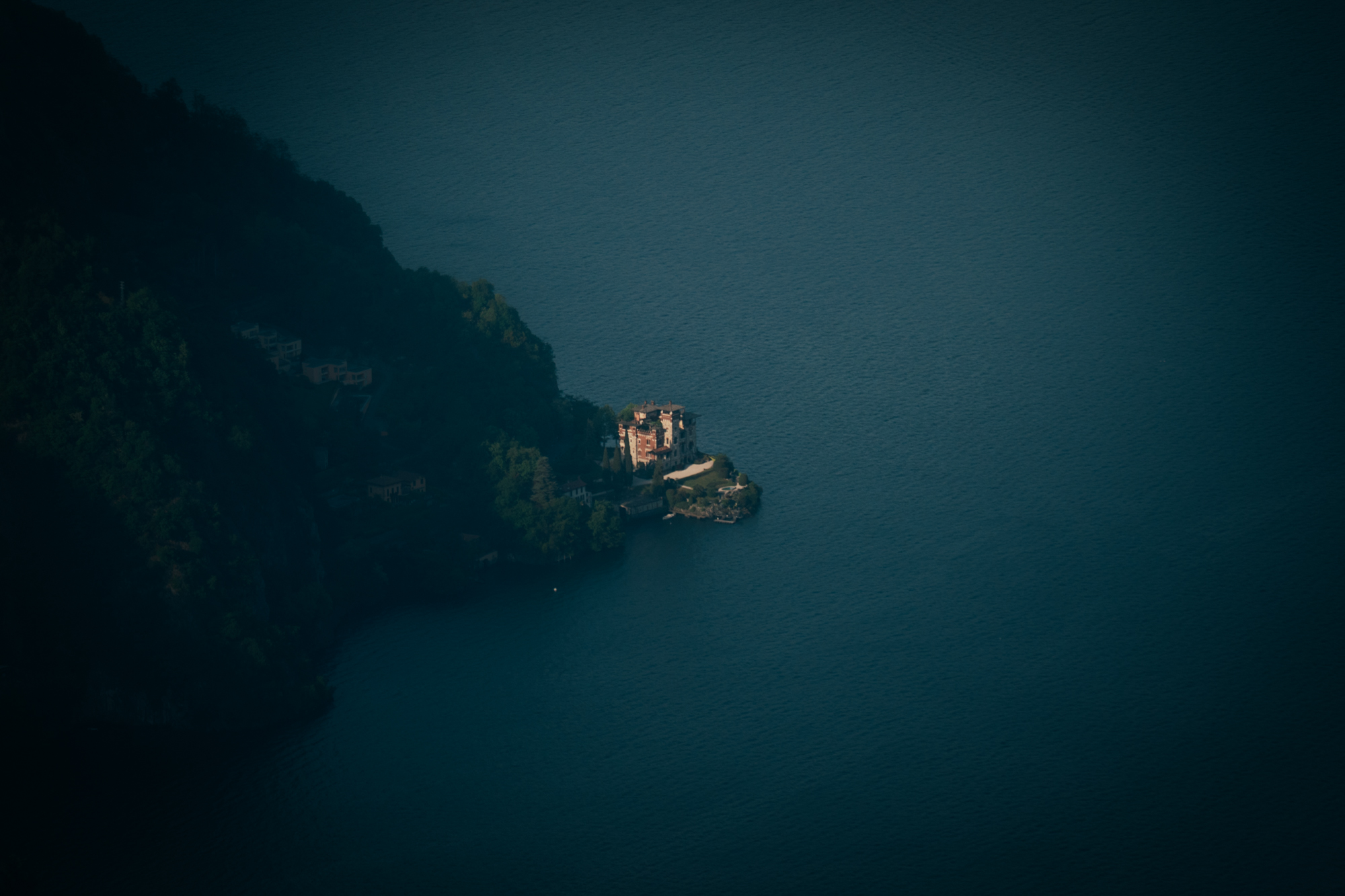
Francesco Capaccioni | Sony FX30 | Tamron 70-180mm f/2.8 Di III VXD | 180mm | 1/1000 | ISO 125
Video performance
As a Sony A7 IV owner, I really enjoyed using the FX30. I hadn't realized how useful it was to shoot in 4K at 60p without the framing changing until I started using it. On the A7 IV, switching to 60p introduces a crop, but with the FX30, everything stays exactly as you've framed it.
The crop in 4K 120p never really got in my way, either. It's definitely there, but for the kind of work I do, it can be useful for getting a little closer to distant subjects. If you spend more time shooting wide landscapes, cramped interiors or handheld vlogs, though, you might notice it more.
The built-in microphones did a decent job when I didn't have an external mic to hand. Without an external microphone, it doesn't work miracles, but the result is still more than acceptable.
One thing I noticed straight away, especially compared to my Sony A7 IV, was how much better the rolling shutter is. Rolling shutter is the slight distortion you can get when panning quickly or filming fast-moving subjects, and it's much better controlled on the FX30.

Francesco Capaccioni | Sony FX30 | Video still

Francesco Capaccioni | Sony FX30 | Video still
Sony FX30 alternatives
If you're considering the FX30, you'll have gathered that the obvious comparison is the Sony FX3. Honestly, though, I don't think you're giving up as much as the price difference suggests. The FX30 shares many of the same filmmaking features, including 4K 120p, S Log3, S Cinetone, in-body image stabilization, and dual card slots, while costing significantly less.
The APS-C sensor is a bonus. It means you can use smaller, lighter and more affordable lenses, which is an advantage if you're traveling a lot or hiking to locations as I do. Depending on the way you work, you might even prefer it to the FX3.
If you need a hybrid camera, something like the Sony A7 IV is the better choice, but if you're video-first, I'd choose the FX30 every time. The only noticeable trade-off is low-light performance, where the A7 IV's full-frame sensor has the edge.
The FX30 won't be the right camera for everyone. If you regularly shoot in very low light, I'd be looking at the Sony FX3 or Sony A7S III instead. If photography is just as important as video to you, the Sony A7 IV or Sony A7C II are the better all-rounders. If filmmaking is your priority and you want a lightweight camera that's easy to travel with, I'd have no hesitation recommending the FX30. It's especially well suited to outdoor shooters or anyone already using Sony APS-C lenses. The only caveat is if your workflow relies on recording RAW video internally for maximum flexibility when color grading. In that case, the Blackmagic Pocket Cinema Camera 6k Pro EF could be a better fit.

Francesco Capaccioni | Sony FX30 | Tamron 70-180mm f/2.8 Di III VXD FE | 180 mm | 1/1000 sec | ISO 125
Conclusion
After taking the FX30 into the mountains, I came away with a lot of confidence in it. For anyone working in run-and-gun situations or filming outdoors, it's a strong choice. It's lightweight, dependable and easy to work with, which is exactly what I look for in a camera. If you're a videographer like me, I think you'll appreciate it just as much as I did. I'd happily take it on another shoot.
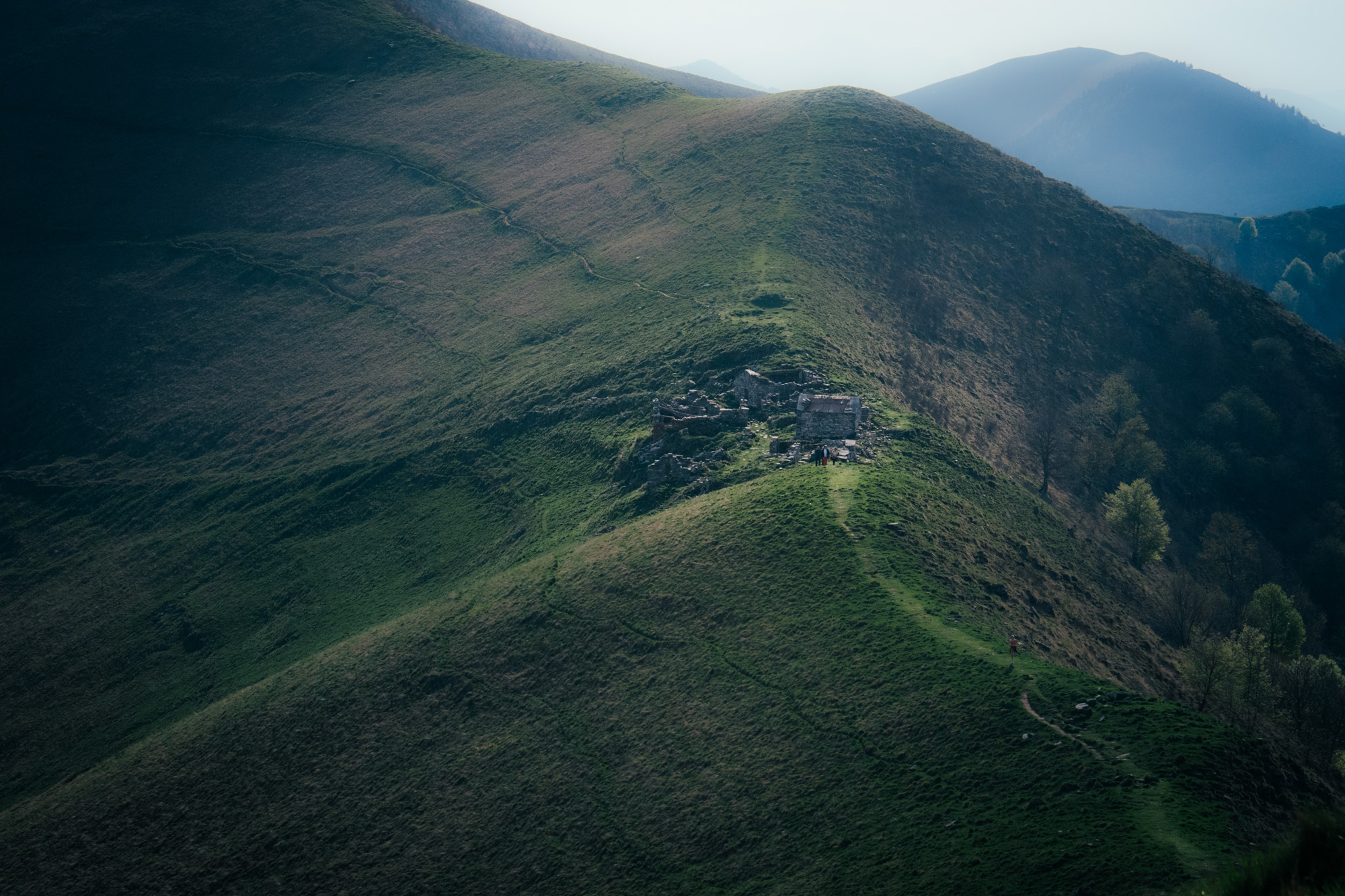
Francesco Capaccioni | Sony FX30 | Sony FE 24-70mm f/2.8 GM II | 70 mm | 1/200 sec | ISO 2000
Frequently asked questions
Is the Sony FX30 also suitable for photography?
The Sony FX30 is designed almost exclusively for video, so photography is not its strong suit. Those who shoot photos frequently will find more balanced options in the Sony A7 IV or Sony A7C II.
What's the main limitation of the FX30 for video?
The Sony FX30's biggest limitation for video is the 4K 120 fps crop, which narrows your field of view when recording in slow motion.
How does it perform in low light?
The Sony FX30 performs well in low light up to ISO 3200, but noise becomes more noticeable beyond ISO 6400. If you regularly shoot in very dark conditions, the Sony FX3 or Sony A7S III are better options.
Is it worth buying used?
A used Sony FX30 offers excellent value for money, giving you professional filmmaking features at a much lower price than buying new.
What's the main difference between the FX30 and FX3?
The biggest difference between the Sony FX30 and FX3 is the sensor. The FX3 has a full-frame sensor, while the FX30 uses an APS-C sensor, giving the FX3 an advantage in low light, but at a much higher price.
Find out more about Francesco and his work on Instagram.
Read more camera gear guides on the MPB Content Hub.
You can sell or trade your camera gear to MPB. Get a free instant quote, free insured shipping to MPB, and get paid within days.