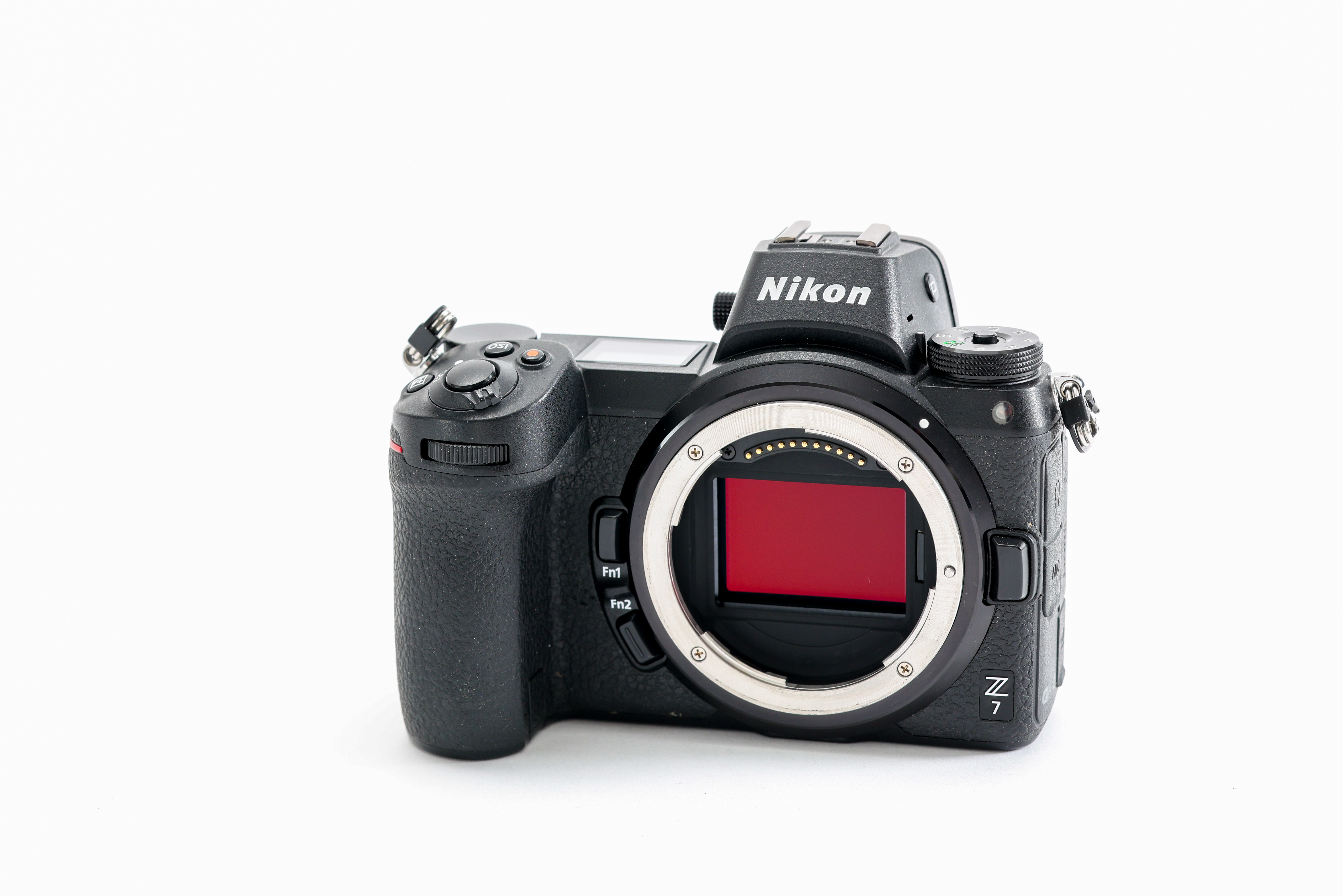
Nikon Z7 Review: The Right Choice for Landscape and Travel
Published 31 August 2026 by MPB
Having been on the market for a few years, the Nikon Z7 has earned a reputation as a high-resolution full-frame mirrorless camera for those who prioritise image quality. But the technical specs only tell part of the story; what really matters is how it performs in the field.
Camilla Pizzini, a freelance photographer specialising in outdoor, travel and advertising photography, collaborated with various brands and tested the Z7 for two weeks to assess its relevance today and determine for which photographers it's still worth choosing.
Used Nikon Z7
Key specs
Sensor | Full-frame (FX) BSI CMOS |
Resolution | 45.7 megapixels |
Processor | EXPEED 6 |
ISO | 64–25,600 (expandable 32–102,400) |
Autofocus | Hybrid phase/contrast detection |
Subject detection | Eye-AF (human face and eyes), Animal AF |
Stabilisation | 5-axis in-body image stabilisation (IBIS), up to 5 stops |
Video | 4K UHD up to 30p, Full HD up to 120p |
Colour profiles | Picture Control |
Audio | Microphone input (3.5mm), headphone output (3.5mm) |
Storage | Single XQD slot (CFexpress Type B compatible) |
Connectivity | Wi-Fi, Bluetooth, USB-C, HDMI mini, SnapBridge |
Battery | EN-EL15b |
Cooling | Passive |
Display | 3.2" tilting touchscreen LCD, 2.1-million dots |
Viewfinder | 3.69 million dot, 0.8x OLED EVF |
Dimensions | 134 x 100.5 x 67.5 mm |
Weight | 675 g (with battery and card) |
Weather sealing | Dust and moisture resistant |
Release year | 2018 |
Pros
Excellent image quality
45.7-megapixel sensor packed with detail
Exceptional dynamic range
Great RAW file flexibility
Natural, pleasing colours
Robust and well-built body
Intuitive and easy-to-use menus
Cons
Outdated autofocus compared to current standards
Unreliable subject tracking in dynamic situations
Not ideal for sports photography
Single memory card slot
Expensive XQD and CFexpress cards
Limited burst for action photography
Outdated video features
Eye AF less effective than more recent mirrorless cameras
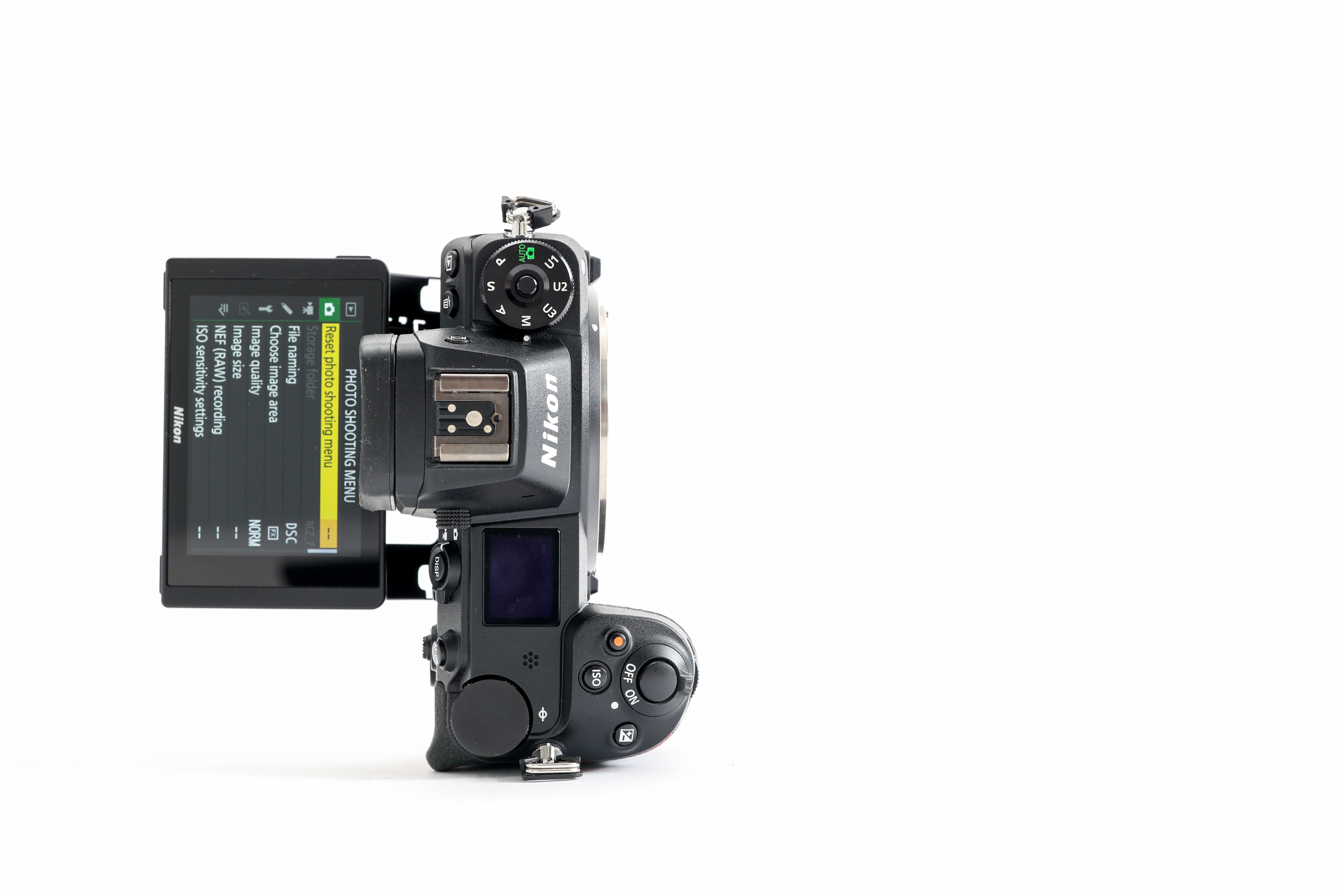
Used Nikon Z7
First impressions
I used the Nikon Z7 in the field for two weeks, taking it with me to Trentino Alto Adige, between mountains and valleys, on steep slopes and in not always favourable situations, with a few rainy days putting the camera body's resistance to the test. In reality, it's a camera I've known for years and have tried in every lighting condition, at night, in good weather and bad, and from this point of view, the weather sealing proves solid even in difficult conditions. I mainly worked with a Nikon 24-70 f/4 and a Nikon 70-200 f/2.8, two lenses that proved ideal for the type of shots I was taking, from wide landscapes to close-up details.
The experience left me with a very clear feeling: it's a camera that still excels in image quality today, but shows the limits of its age when it comes to autofocus and dynamic photography.
Anyone looking for a full-frame mirrorless Nikon for travel photography, landscape, architectural or portrait photography will still find it an extremely capable tool. The sensor offers an impressive level of detail and a dynamic range that allows for easy shadow recovery in post-production.
Conversely, those shooting sports, wildlife or fast-moving subjects might be disappointed by the autofocus performance. There are newer, significantly better-performing models available for these contexts.
Considering the current price of the Nikon Z7 on the used market, it remains one of the most appealing options for anyone wanting a high-resolution camera without spending a fortune.
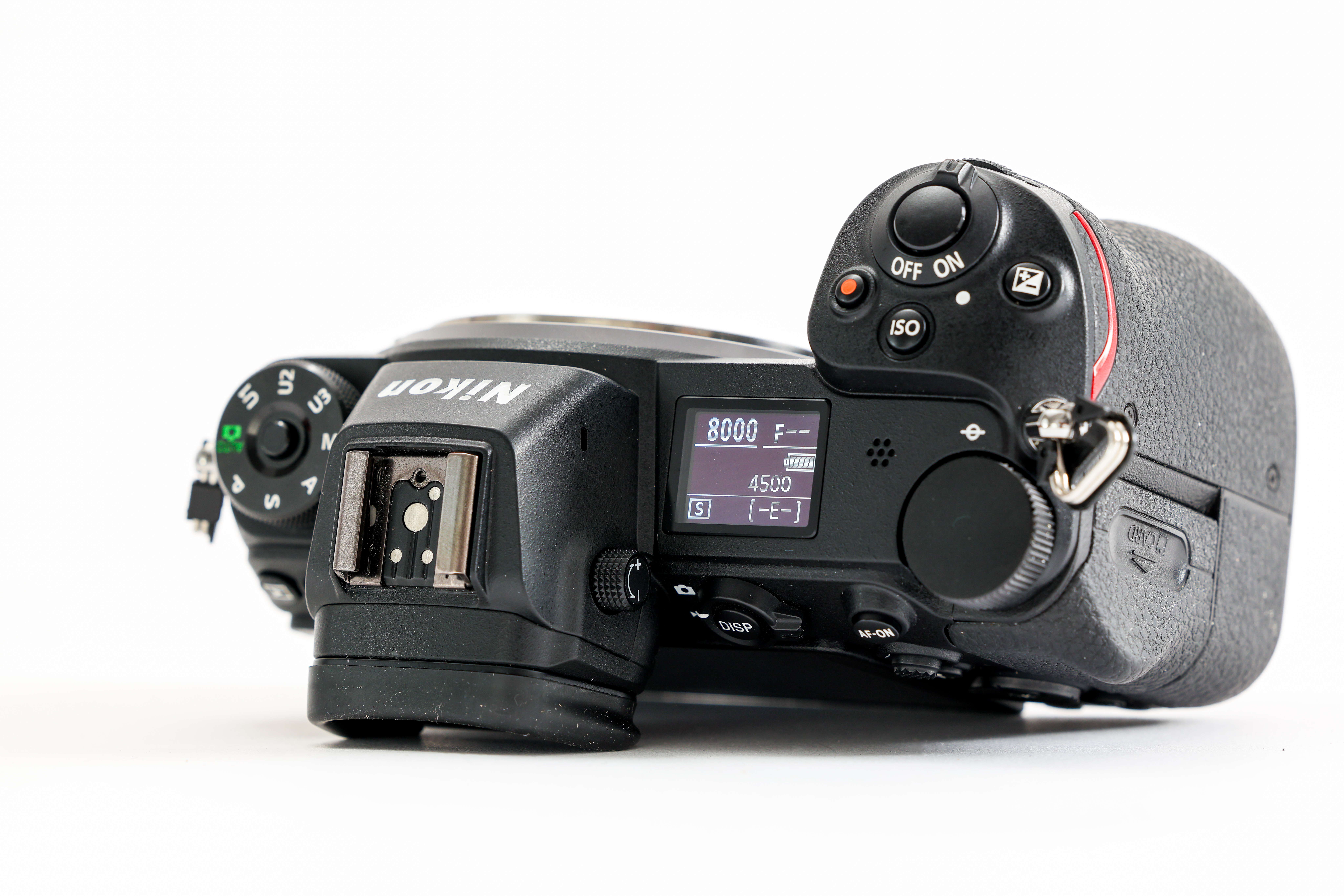
Design and ergonomics
One of the aspects I've always appreciated about the Nikon Z7 is its design. Despite being a relatively compact mirrorless camera, it immediately conveys a sense of solidity and reliability. The grip is comfortable, deep and ergonomic, a typical characteristic of Nikon cameras. Even when mounting larger lenses, the balance remains good, allowing you to shoot for several hours without getting too tired.
Weather sealing is another plus. The Nikon Z7 is designed to resist dust and moisture, and I haven't encountered any problems when using it in less-than-perfect weather conditions.
The electronic viewfinder also continues to offer a pleasant experience. The image is sharp, detailed and fluid enough for most shooting situations.
Finally, for those who already own Nikon F lenses, compatibility with the FTZ adapter is an added bonus, allowing you to continue using some of your existing kit, albeit with some compromises in performance.
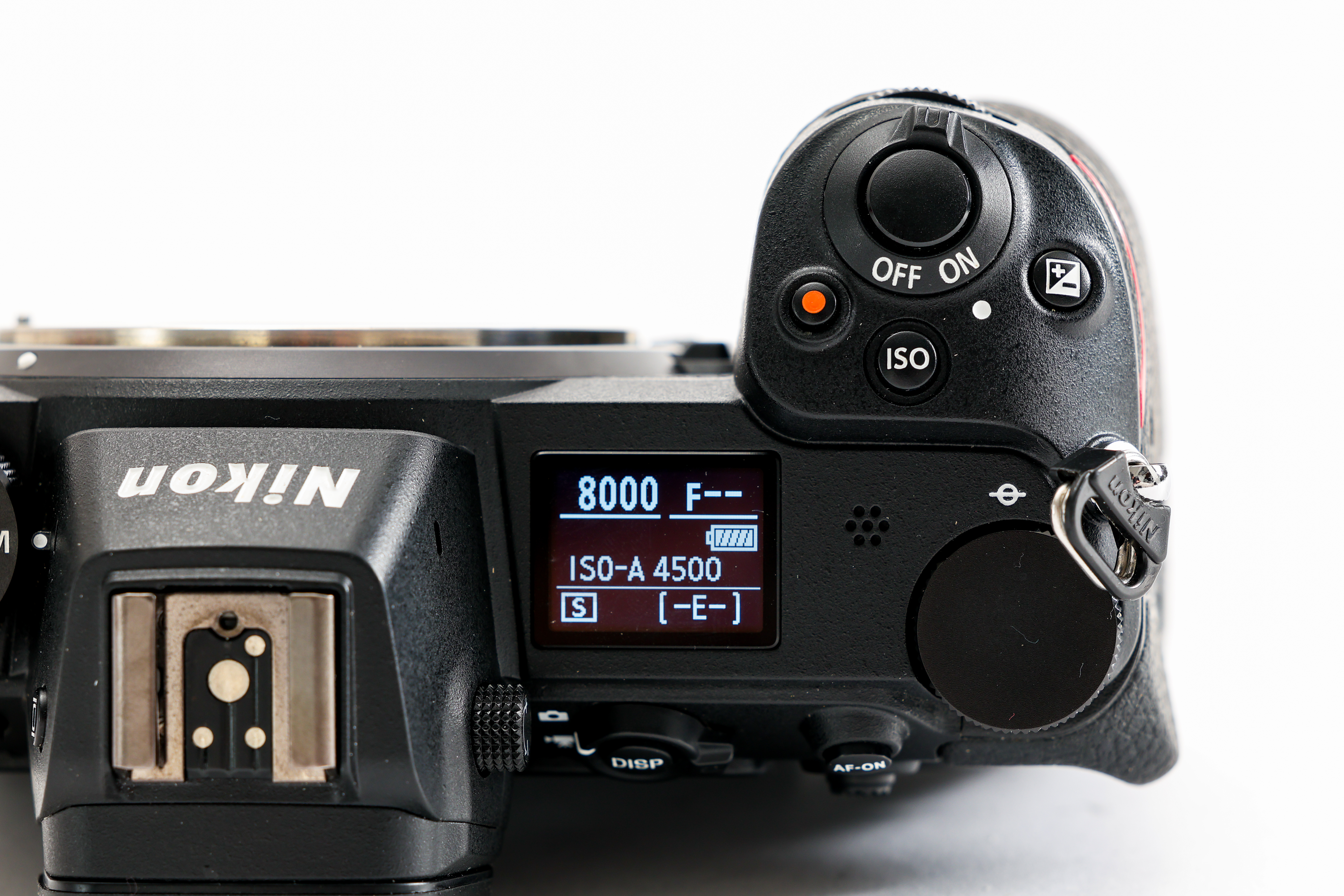
Controls and usability
One of my favourite things about the Nikon Z7 is the day-to-day user experience. Nikon's menus are among the most intuitive I've ever used, and I still consider them superior to many competitors.
The main settings are easy to access, and I rarely found myself searching for a hidden function across dozens of screens. This allows you to focus more on photography and less on managing the camera.
The buttons are well-placed and the interface will feel instantly familiar to anyone coming from previous versions of Nikon DSLRs. Plus, customisation is good, allowing you to adapt the camera to your workflow via function buttons and custom menus.
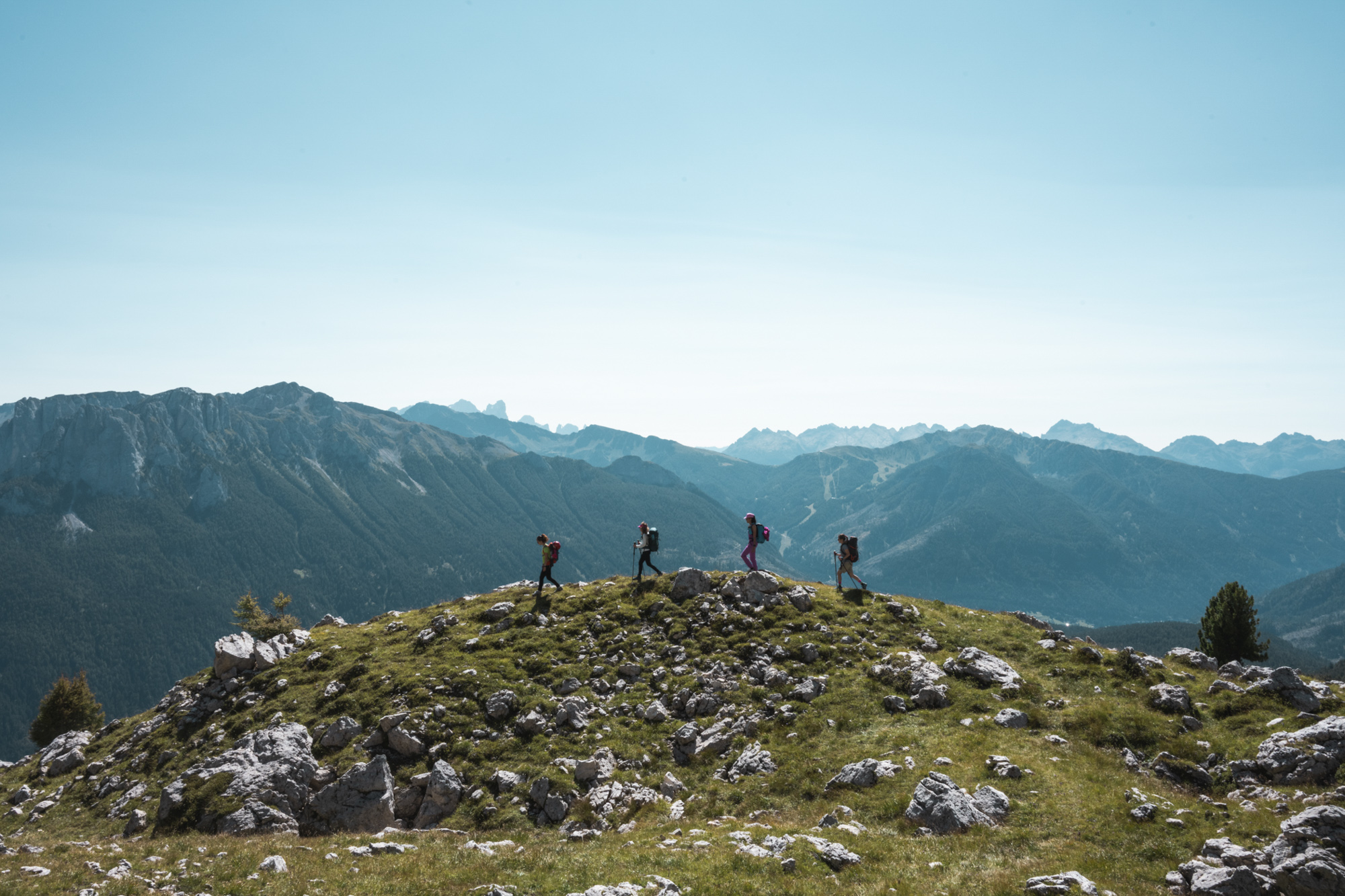
Camilla Pizzini | Nikon Z7 | NIKKOR Z 24-70mm f/4 S | 25,5mm | f/20 | 1/125 | ISO 200
Battery life and connectivity
The Nikon Z7's battery life isn't among the best available today, but during my use, it proved sufficient for a standard 5-6 hour photography session. It's especially solid for non-professional use if you're mindful of how you use the display and electronic viewfinder.
For particularly long sessions, I'd still recommend an additional battery.
In terms of connectivity, we find integrated Wi-Fi and Bluetooth, as well as SnapBridge compatibility for image transfer. While the system isn't the most modern on the market, it does the job adequately.
The general workflow, as with all modern cameras, is simple and immediate, both for file transfer and integration with popular post-production software.
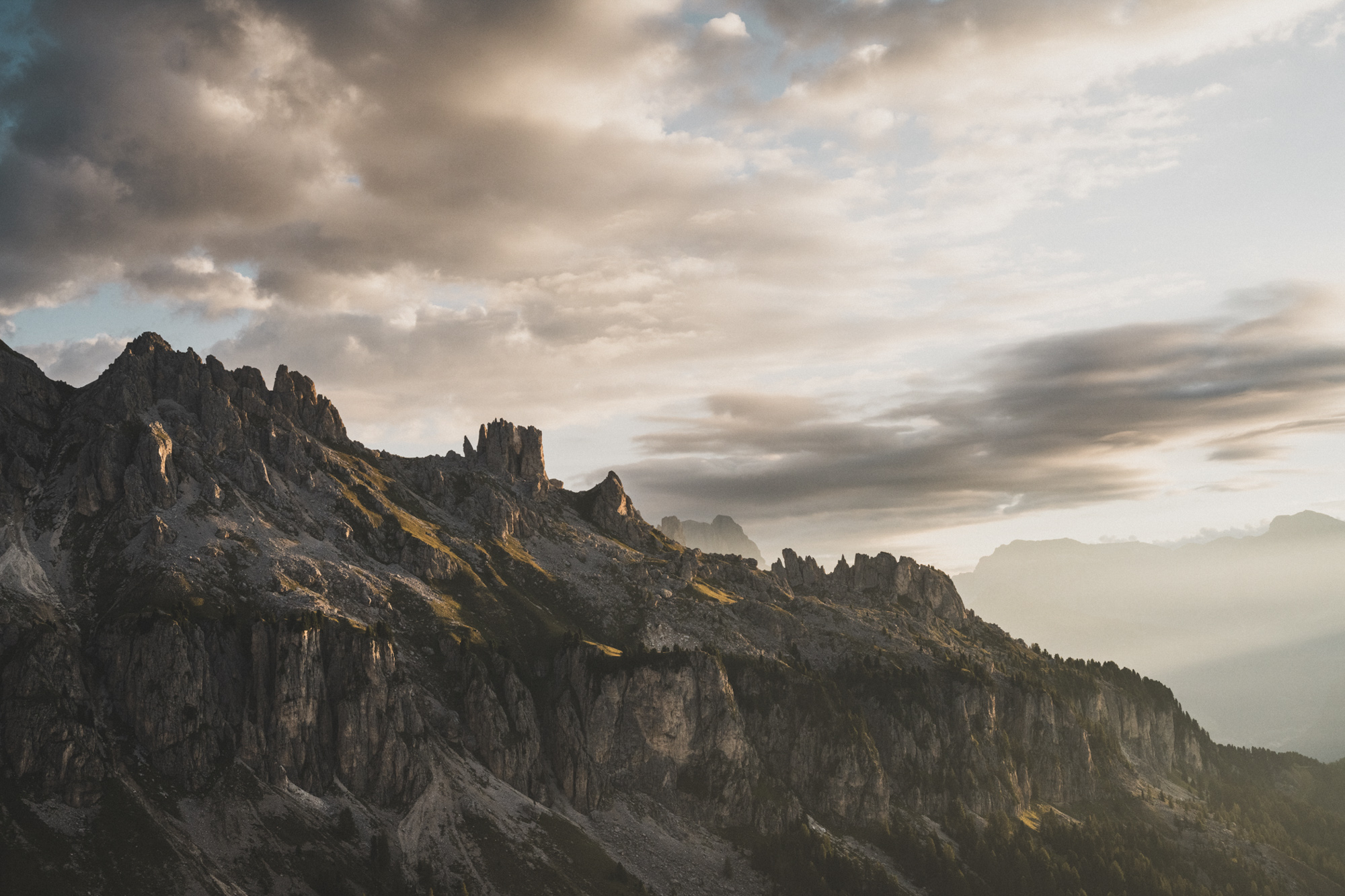
Camilla Pizzini | Nikon Z7 | NIKKOR Z 24-70mm f/4 S | 43mm | f/11 | 1/500 | ISO 400
Autofocus and subject tracking
This is probably the most critical section of the review. When the Nikon Z7 was launched, its autofocus was considered quite competitive. Today, however, the market has changed, and the performance offered by more recent models has significantly raised the bar.
During my tests, I found the autofocus to be generally accurate with static or slow-moving subjects. For landscape, architecture, portrait and travel photography, it's not an issue.
Difficulties arise with fast-moving subjects: continuous autofocus struggles to keep up. Plus, in action scenes, tracking tends to lose the subject more easily than modern mirrorless cameras, shifting focus to the background instead of staying locked on the subject. Eye and face recognition also proves less reliable compared to newer systems.
It's still usable, but action photographers will find better options on the market.
For this reason, I wouldn't recommend the Nikon Z7 to sports photographers or anyone who mainly shoots dynamic images.
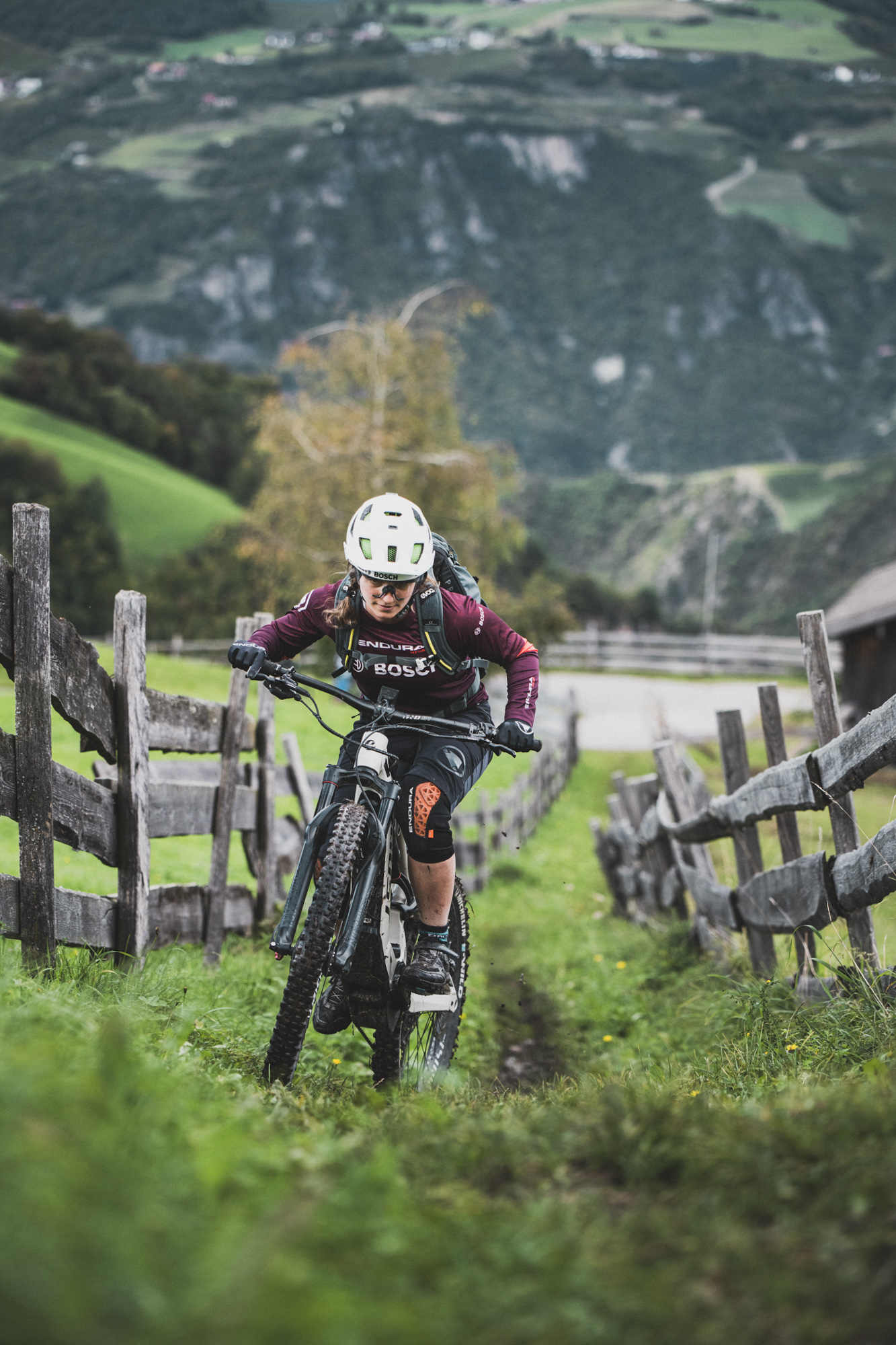
Camilla Pizzini | Nikon Z7 | 70-200mm f/2.8 | 100mm | f/2.8 | 1/1600 | ISO 400
Image quality
If there’s one reason to buy a Nikon Z7 today, it’s the image quality.
The 45.7-megapixel sensor produces incredibly detailed photos and offers an impressive amount of information. If you love large-format printing or significant cropping, you'll find the Z7 an excellent companion.
Sharpness is high, and the level of detail remains competitive even compared to many modern cameras.
What struck me most during this second test was, once again, the dynamic range. The RAW files allow for very extensive recovery in the shadows without excessively degrading image quality. In landscape photography, this is a huge advantage.
The colour rendition is also very pleasing. Colours appear natural and well-balanced, with tones that often require minimal post-production on a well-composed shot.
I didn't get the chance to use it for long exposures, but I'm sure it would have performed brilliantly.
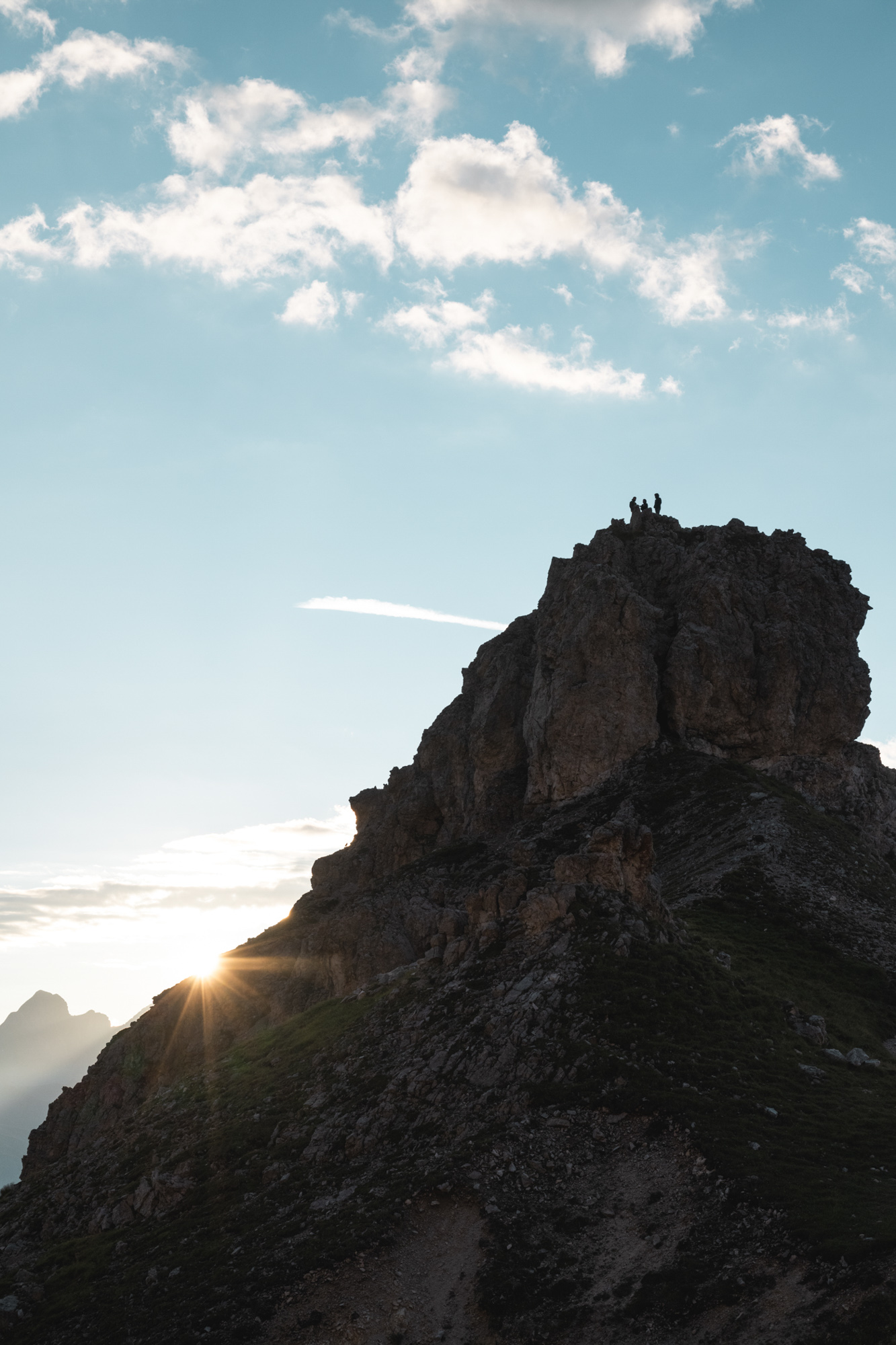
Camilla Pizzini | Nikon Z7 | NIKKOR Z 24-70mm f/4 S | 60mm| f/8 | 1/1000 | ISO 400
Video performance
Personally, I wouldn't choose the Nikon Z7 for video. Its video features were interesting at launch, but today there are numerous more compelling alternatives. Regular video content creators can find better options both within the Nikon system and from other manufacturers.
The Nikon Z7 was primarily designed as a photography-oriented camera, and in my opinion, it's still in this area that it truly excels.

Camilla Pizzini | Nikon Z7 | 70-200mm f/2.8 | 160mm | f/2.8 | 1/250 | ISO 200
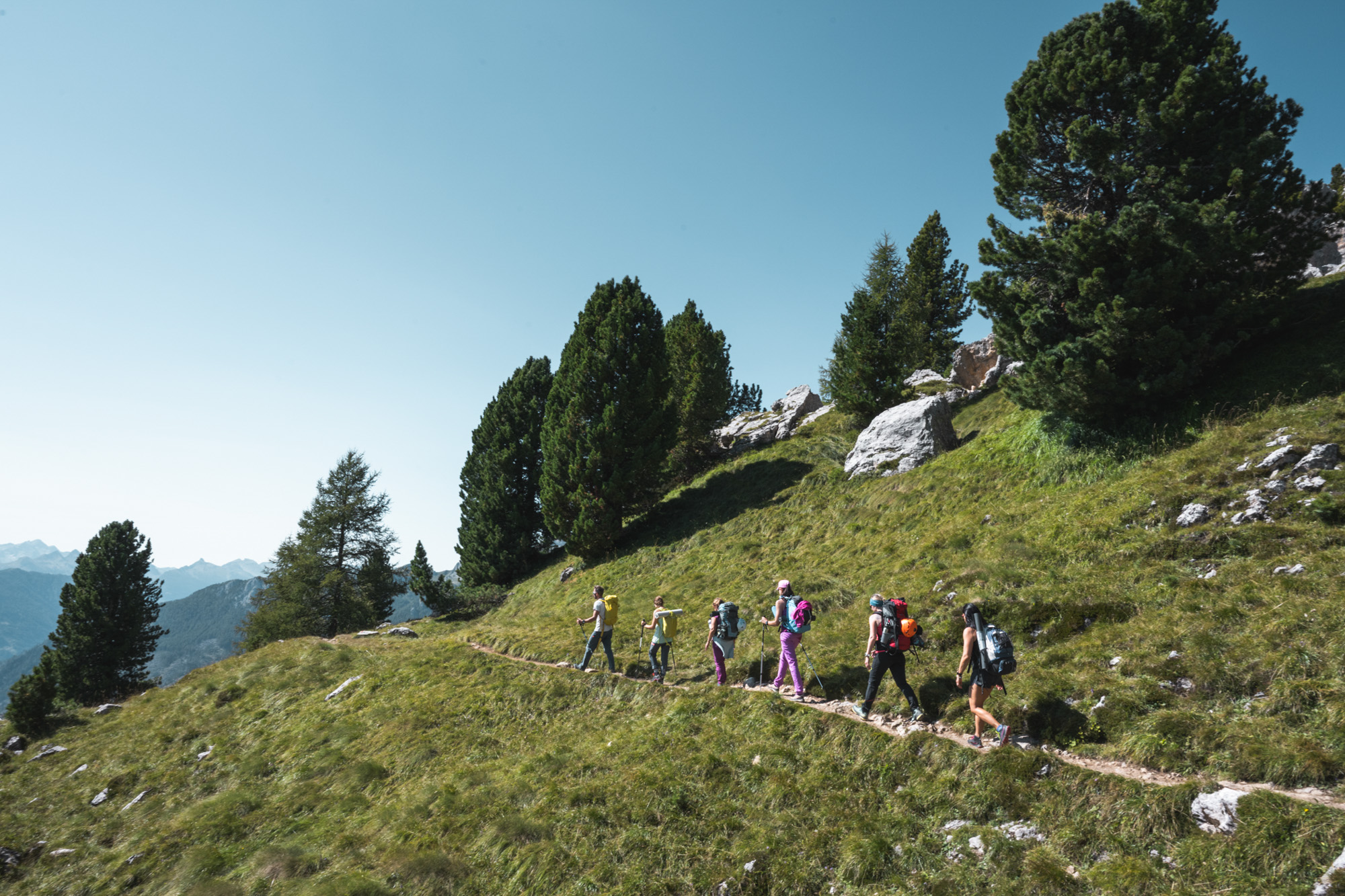
Camilla Pizzini | Nikon Z7 | NIKKOR Z 24-70mm f/4 S | 24mm | f/20 | 1/125 | ISO 200
Nikon Z7 alternatives
In the Nikon Z6 vs. Z7 comparison, the main difference is resolution.
The Nikon Z7 is designed for those who want the highest possible detail and often work with landscapes, architecture or commercial photography. The Z6, on the other hand, offers lower resolution but is more versatile for general use and perhaps for sports.
If image quality and the ability to make significant crops are your priority, the Z7 remains the more appealing choice. However, if you shoot a bit of everything and want a lighter file to manage, the Z6 could be a more balanced alternative.
If you're looking for something more video-oriented, the Sony A7 IV is a solid choice: it offers 33-megapixel resolution, more modern autofocus and a significantly more comprehensive video section, making it a valid alternative for those seeking a more balanced hybrid photo/video use. For those aiming for maximum resolution, it's worth considering the Sony A7R III and the Sony A7R IV, both with high-pixel-density sensors and a more advanced autofocus system than the Z7.
Compared to these models, the Nikon Z7 continues to stand out for its excellent value for money on the used market. Where it falls short, however, is in autofocus performance, subject tracking and video capabilities, areas where more recent Sony models are generally superior.
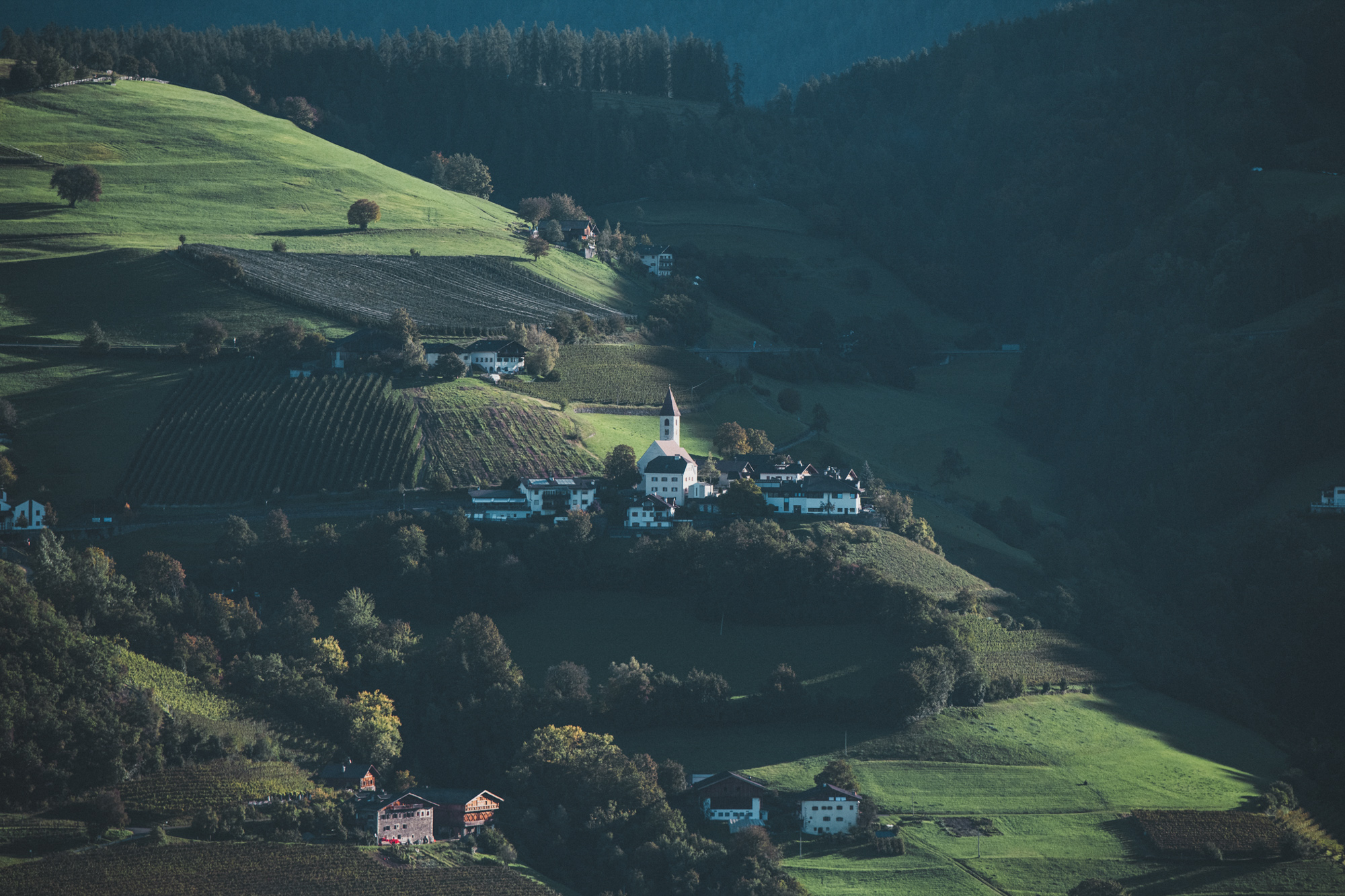
Camilla Pizzini | Nikon Z7 | 70-200mm f/2.8 | 200mm | f/4.5 | 1/3200 | ISO 400
Conclusion
If you mainly shoot landscapes, travel, architecture or static subjects, the Nikon Z7 continues to be an excellent camera. Its sensor quality, dynamic range and colour rendition are still among its main strengths today.
If your work or passion revolves around sports, wildlife or action photography, it's probably worth looking at more recent models.
For anyone wanting a used Nikon Z7 at an attractive price, it remains one of the most appealing and affordable full-frame mirrorless cameras available on the market. It's no longer the revolutionary camera it was at launch, but it remains an extremely capable tool for those who prioritise image quality.
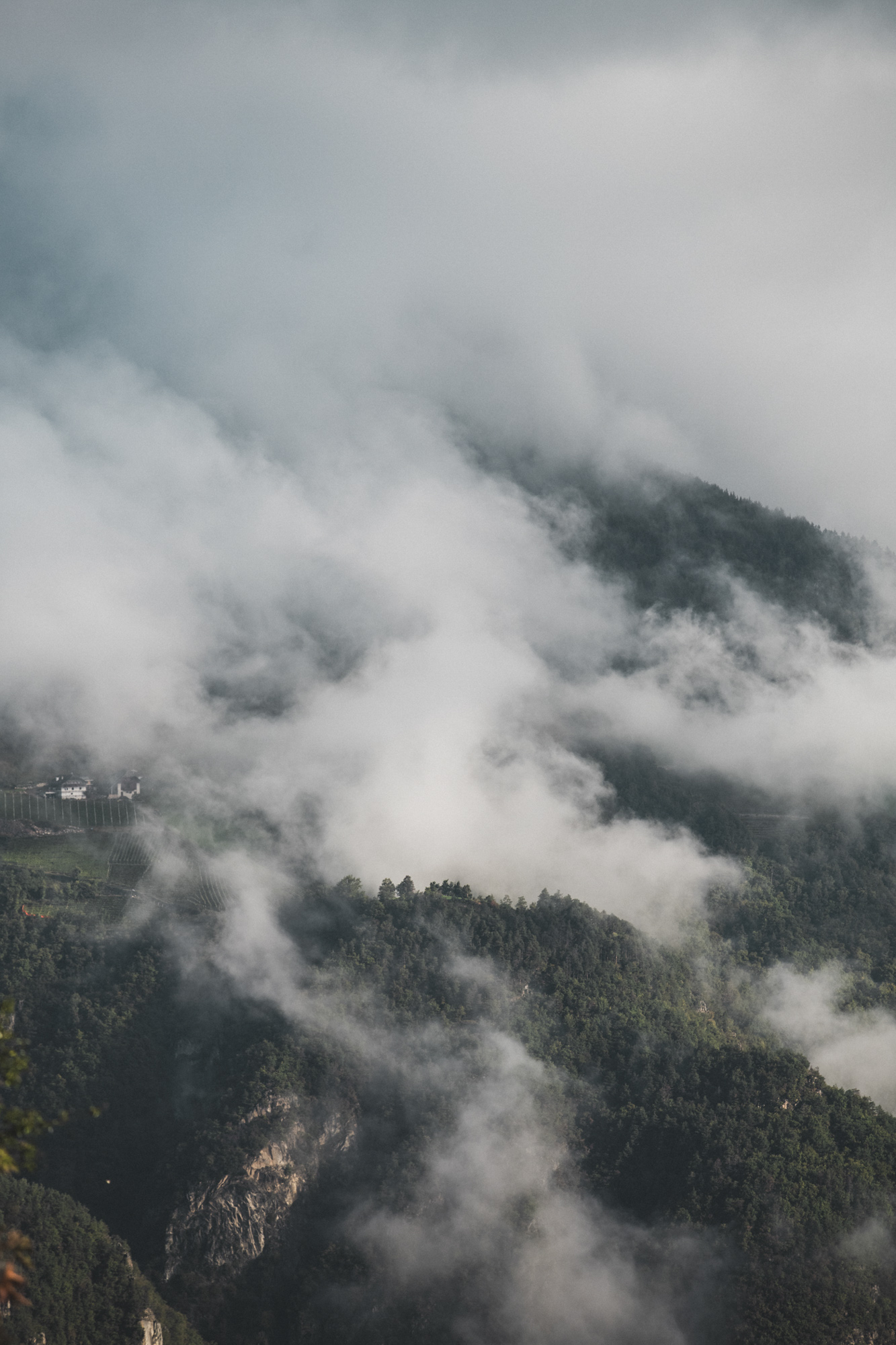
Camilla Pizzini | Nikon Z7 | 70-200mm f/2.8 | 200mm | f/4.5 | 1/3200 | ISO 400
Frequently asked questions
Is the Nikon Z7 still a good camera in 2026?
Yes, especially for landscape, architecture, portrait and travel photographers. The sensor quality and dynamic range remain competitive, while the autofocus shows its age in dynamic contexts.
What type of photography is the Nikon Z7 recommended for?
It's ideal for landscape, architecture, environmental portraiture and travel photography. However, it's not the right choice for those who shoot sports, wildlife or fast-moving subjects.
Is a used Nikon Z7 worth buying?
Yes, on the used market, it's one of the most affordable high-resolution full-frame mirrorless cameras. It offers great value for money for anyone looking for a 45.7-megapixel sensor without spending a fortune.
What's the main difference between the Nikon Z6 and Z7?
The main difference is the resolution. The Z7 aims for maximum detail with 45.7 megapixels, while the Z6 offers lower resolution but greater versatility for general use.
Is the Nikon Z7 suitable for video?
It's not the ideal choice for regular video content creators. The video features were impressive at launch, but today there are more comprehensive alternatives available, both within the Nikon system and from other manufacturers.
Find out more about Camilla and her work on Instagram.
Read more camera gear guides on the MPB content hub.
You can sell or trade your camera kit to MPB. Get a free instant quote, free insured shipping to MPB, and get paid within days.