In the past, precious life moments—especially those that took place on holiday—would be captured on a small, pocketable camera that would accompany you everywhere. With improvements in smartphone camera tech, why carry a compact camera at all?
Many photographers believe that ‘proper’ cameras can capture better images, encourage a more thoughtful photography process and are just more fun. Compact cameras are also known as ‘point-and-shoot’ or ‘everyday carry’ cameras. But, whatever you call them, they’re all still able to get better photos than smartphones, while being just as easy and convenient to use.
Connor Redmond looks at the five best compact cameras (plus a few honourable mentions) for travel and holiday photography. Additional photography by Amy Moore, Jakub Golis and Ian Howorth.

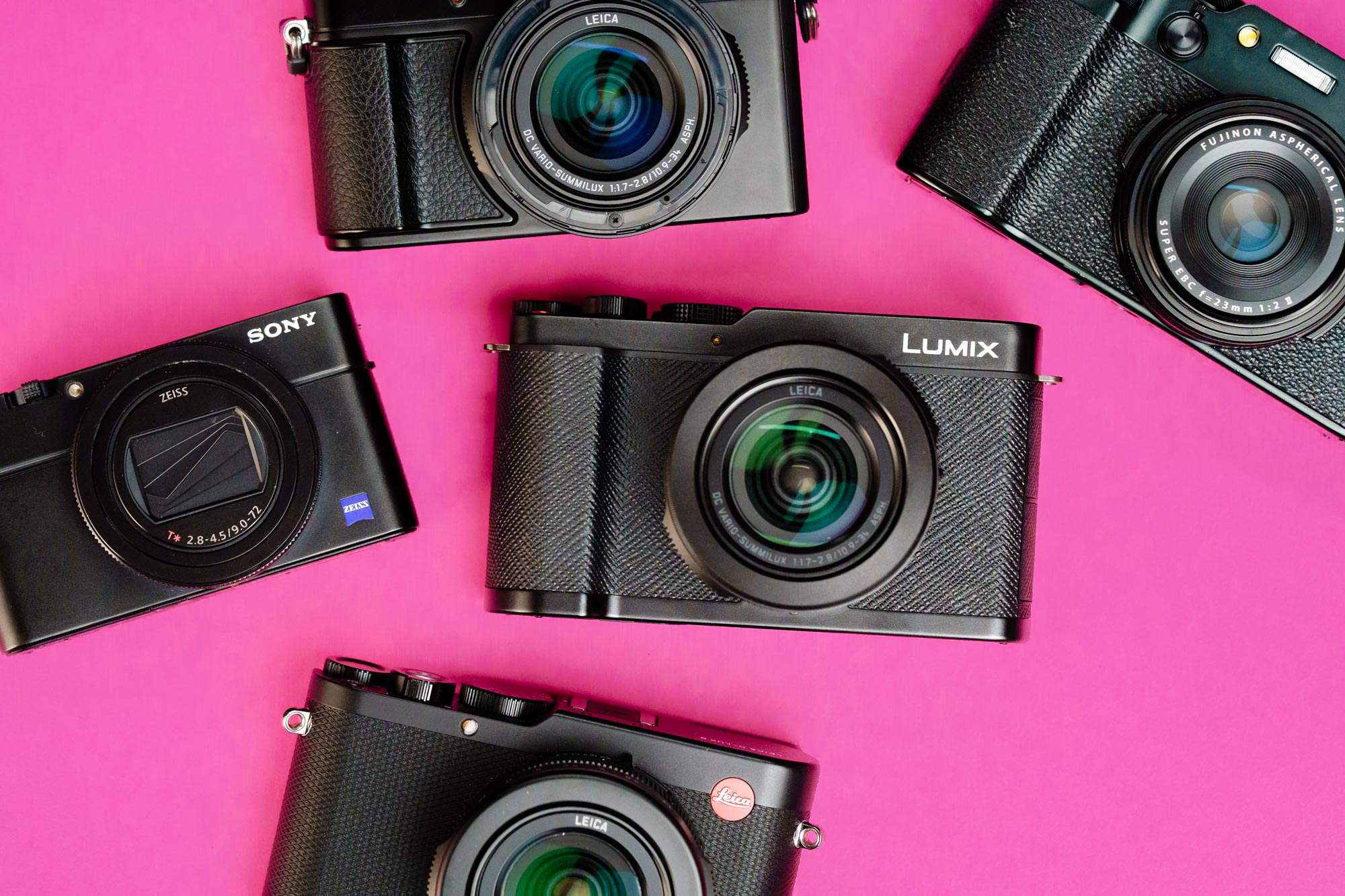
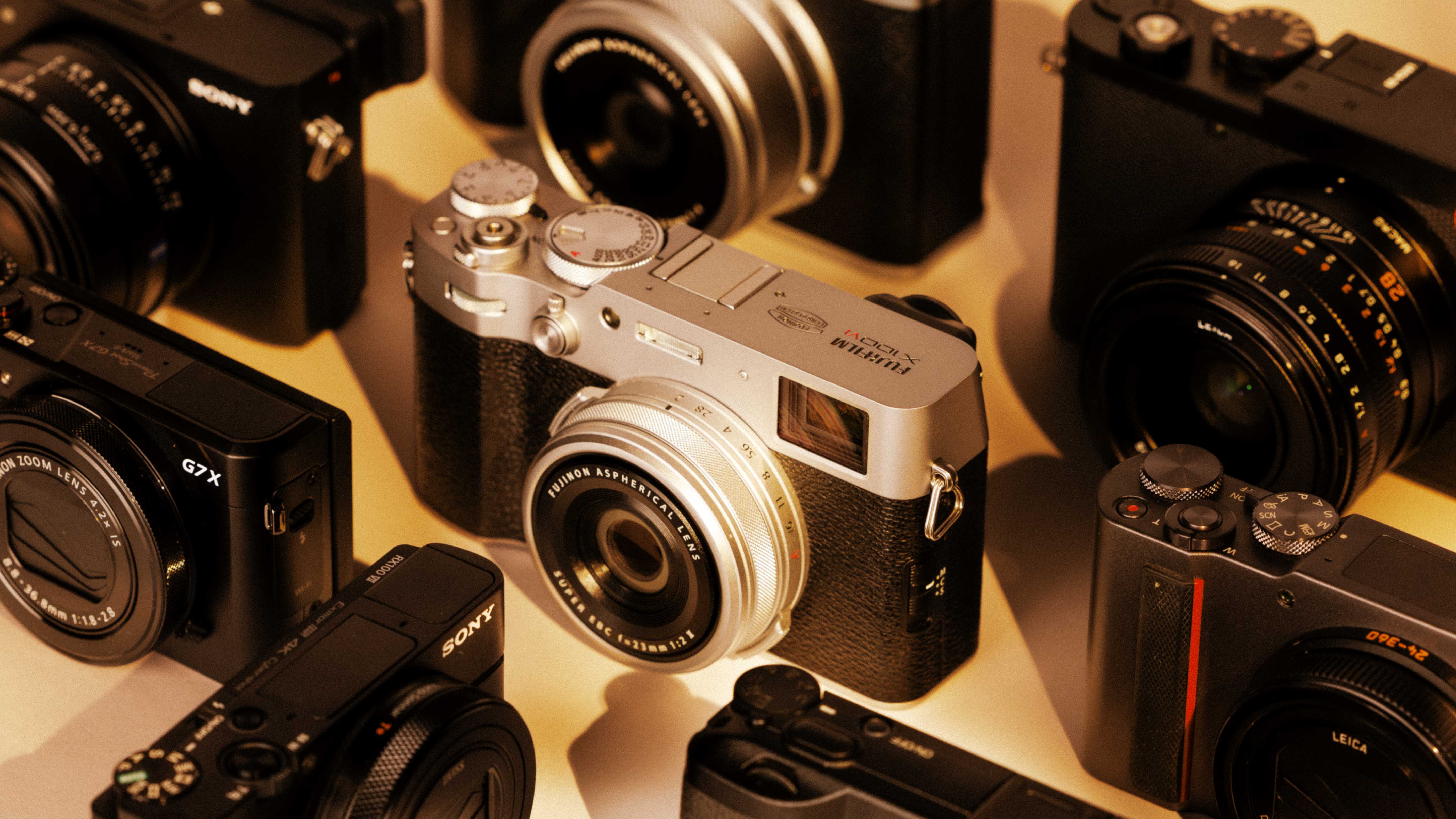
Collection of compact cameras on a creamy background
What makes for a good compact travel camera in 2026?
First things first, by ‘compact’, we mean a camera with a fixed lens. You can’t change the lens, but compact cameras are much easier to carry, making them a great choice for travel. If you prefer using different lenses, the best mirrorless travel cameras are always there.

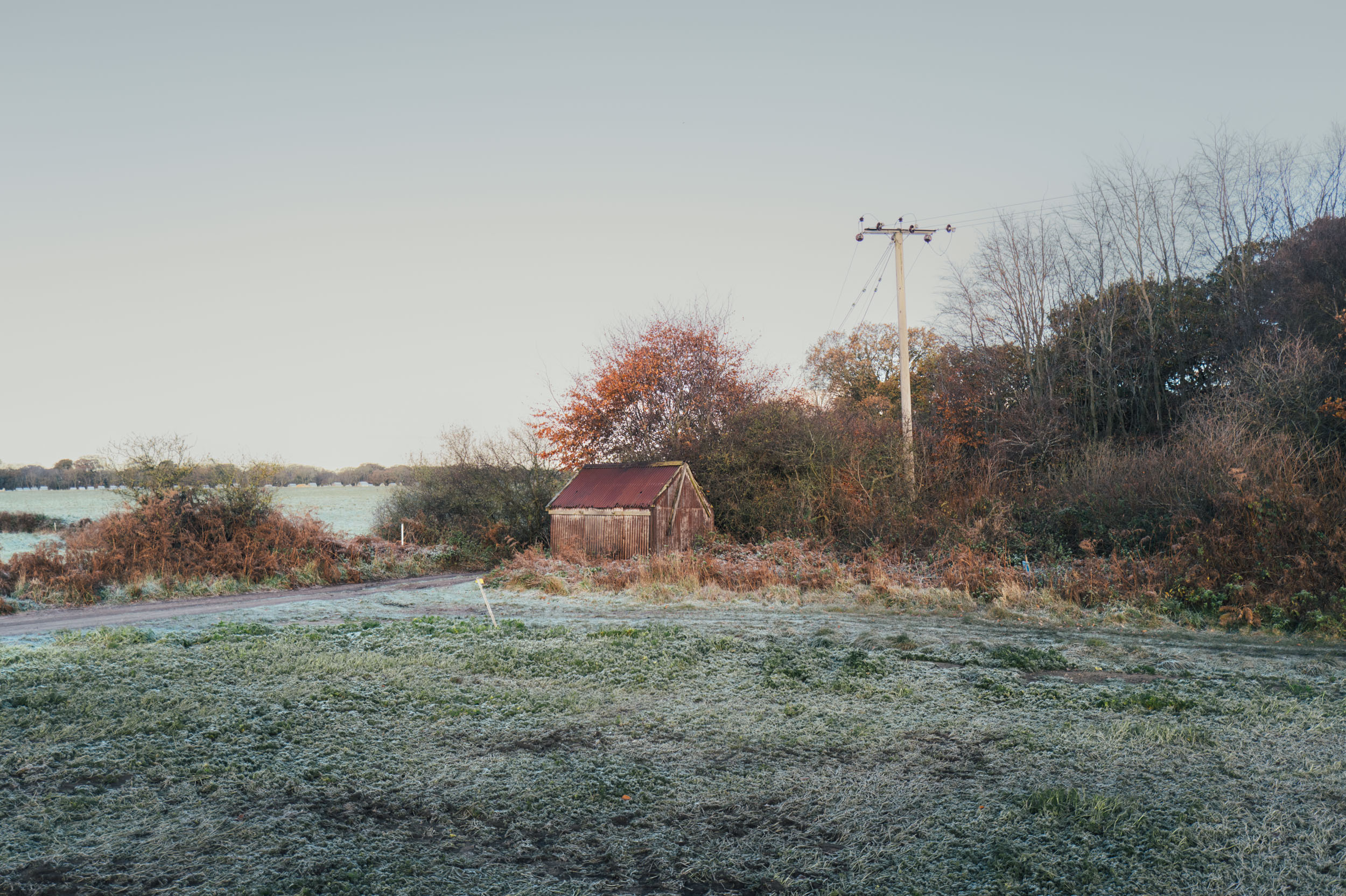
Amy Moore | Fujifilm X100VI | f/5.6 | 1/800 sec | ISO 200
A good compact camera for travel photography depends on your needs and your budget. For most travel photographers, the holy grail is a cheap, full-frame and lightweight camera with a wide-aperture lens. But that camera doesn’t exist (yet). So, unless you have thousands to spend on a Sony RX1R III or a Leica Q3, you’ll probably need to compromise on a few things.
Ian Howorth | Leica Q3 | 28mm | f/1.7 | 1/2000 | ISO 400
Usually, travel photographers consider the camera’s price, size, weight and sensor size. The lens is important, too (fixed or zoom?). Then there’s image stabilisation, autofocus, battery life, weather sealing and connectivity. Not sure which one’s right for you? I’ll cover a few options, each with different benefits and trade-offs, to help you make your decision.
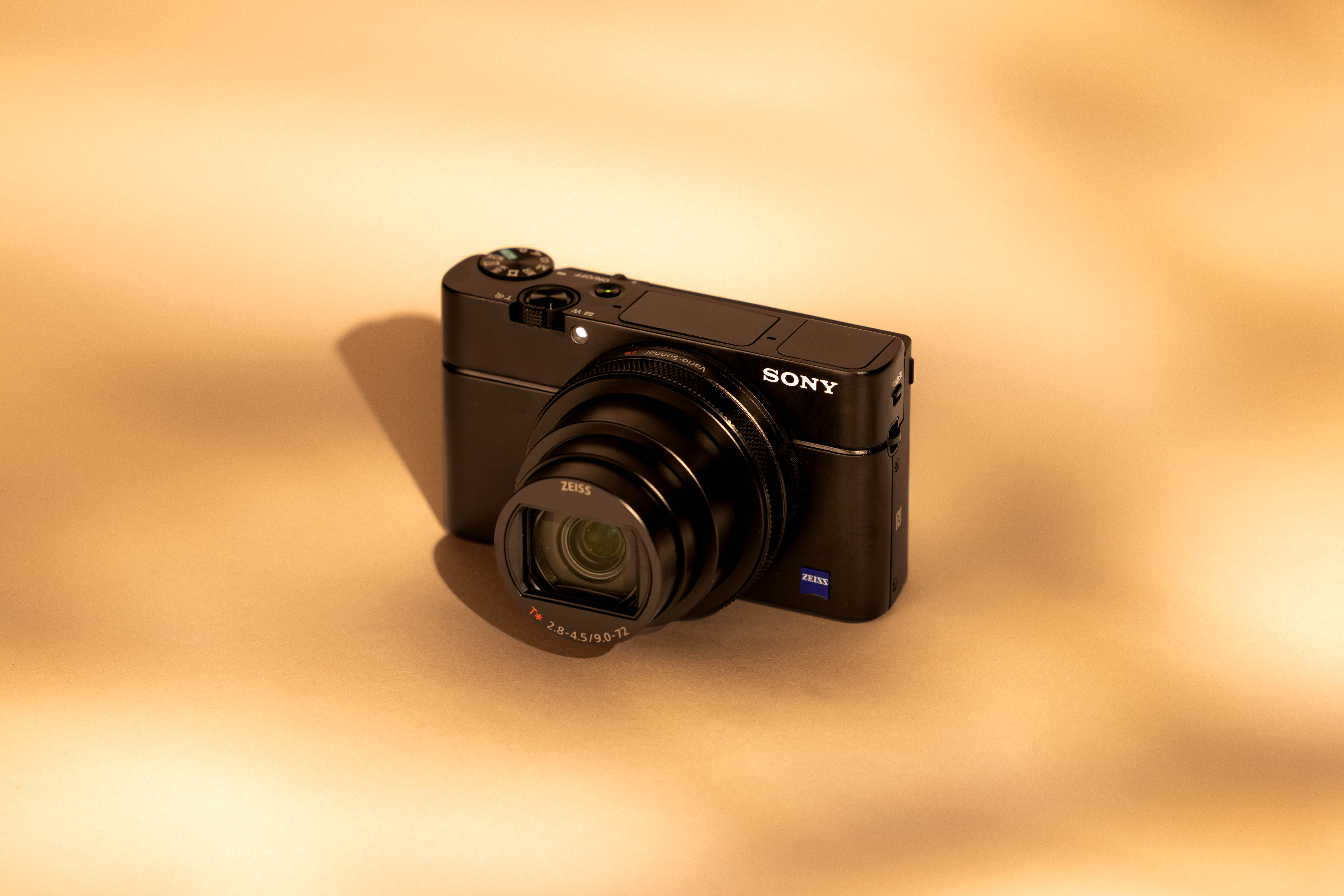
Used Sony RX100 VII
Sony RX100 VII: Overall best compact camera for travel
Speed and accuracy in a tiny, tiny package. The Sony RX100 VII is the seventh iteration of the RX100 series, a line of ultra-compact ‘travel zoom’ cameras. While the sensor’s pretty small, and it’ll struggle in dim light, the Sony RX100 VII does everything else pretty well.
Specs
20-megapixel 1-inch stacked sensor
24-200mm equivalent f/2.8-4.5 zoom lens
20 fps continuous shooting with autofocus
Pop-up OLED electronic viewfinder
Slow motion video, up to 1000 fps
302g
Pros
Plenty of features for its size
Super versatile zoom lens
Cons
User interface unintuitive
Tiny buttons and slippery body
Image quality and low-light performance are limited by the small sensor
Sony has managed to pack an incredible amount of features into the RX100 VII. So if you are a shooter who loves a camera that can do everything well and values customisation, then this camera might be the one to pick up for your next big travel adventure.
Let’s start with the best parts of this palm-sized camera. The autofocus rarely misses a beat. Sony has been killing it with its autofocus tech in the higher-end Sony mirrorless cameras. You’ll find the same magically fast autofocus in the Sony RX100 VII.
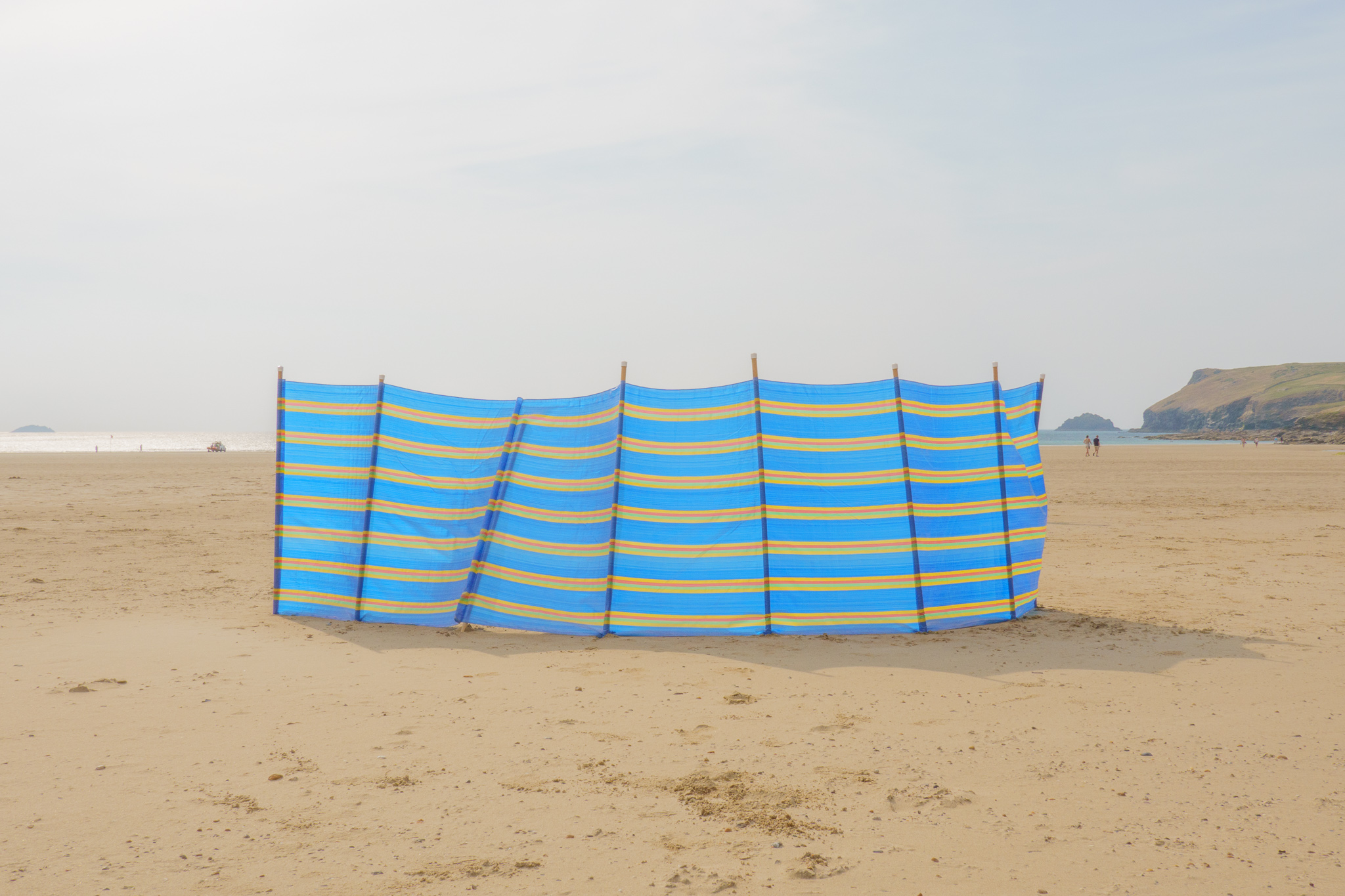
Connor Redmond | Sony RX100 VII | 13mm | f/11 | 1/250 sec | ISO 100
The zoom lens is one of the best. You get an enormous 24-200mm range to use, covering all but the most telephoto or wide-angle cases. The pop-up electronic viewfinder is really handy, and the screen is of high enough quality to shoot in most scenarios.
The Sony RX100 VII has impressive 4K video with excellent stabilisation, minimal rolling shutter, even without steady hands. It's a great compact travel camera for video and stills, with good colour and detail in JPEGs, and the RAWs have decent dynamic range. The RX100 VII also features a 20fps burst mode for fast action.
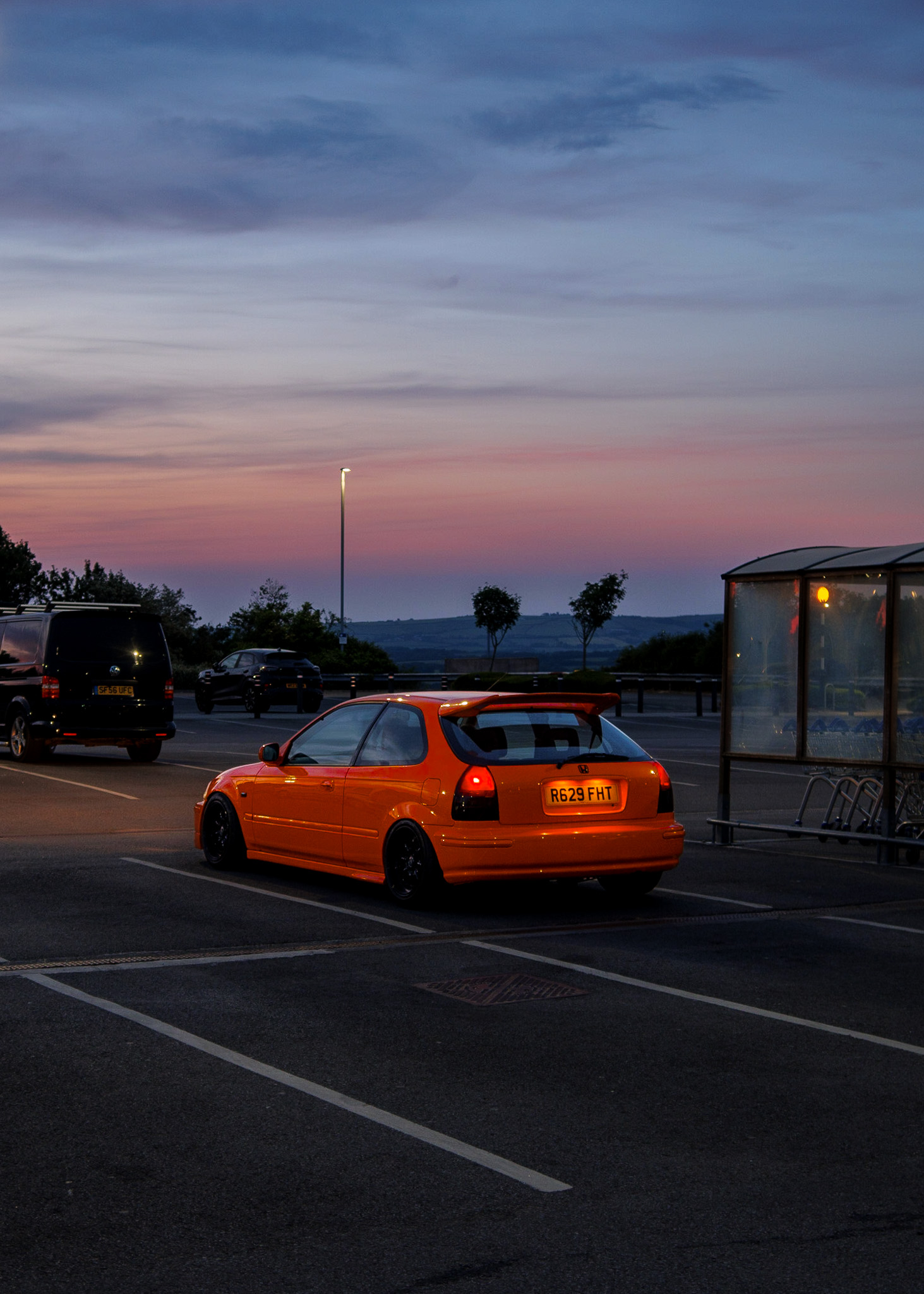
Connor Redmond | Sony RX100 VII | 17mm | 1/15 sec / f/4 | ISO 125
The Sony RX100 VII's user interface can be frustrating, and its small 1-inch sensor hinders low-light performance. You might get some noisy shots. The small, slippery physical buttons are also a minor drawback. But it's still a phenomenal camera for its size, particularly in bright shooting conditions. If you’re heading somewhere sunny, the Sony RX100 VII is the one for you.
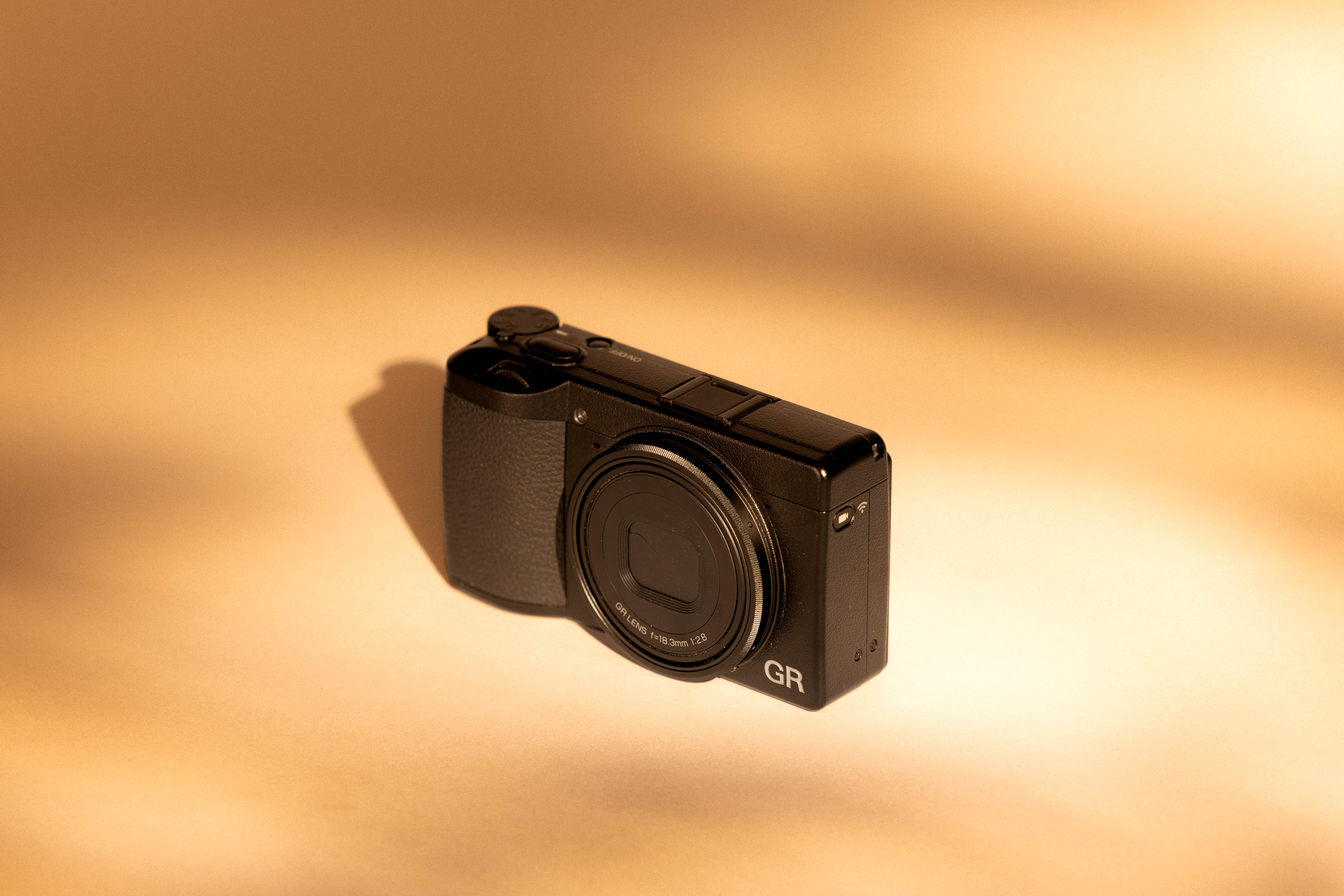
Used Ricoh GR III
Ricoh GR III: Best lightweight travel camera
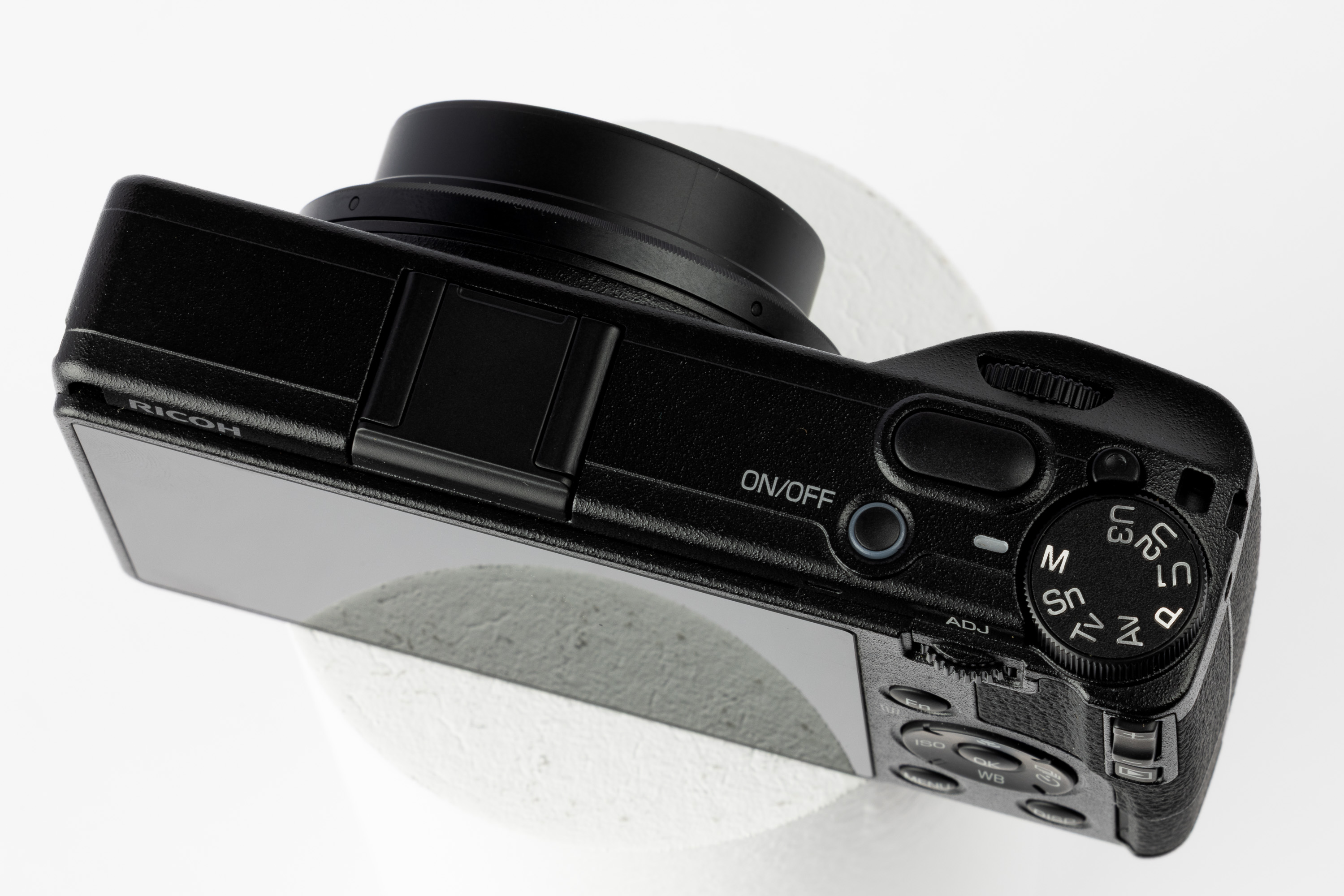
How did they fit so much into a camera that is only 257 grams? The Ricoh GR III is the smallest and lightest camera on this list. But gosh, it’s packed full of features. The camera punches well above its weight and can rival the image quality of much, much bigger cameras. And that’s all thanks to its APS-C sensor.
https://youtu.be/TOA8TchoiI8?rel=0Specs
24-megapixel APS-C sensor
18.3mm (28mm-equivalent) f/2.8 fixed lens
Built-in 3-axis image stabilisation system
Hybrid phase-detection and contrast-detection autofocus
257g
Pros
Fast and responsive autofocus
Exceptional lens with a wide maximum aperture
Remarkably portable
Cons
Battery life isn’t great
No electronic viewfinder (screen only)
No built-in flash
The Ricoh GR III is a great compact camera for travel-style photography. It has a sharp 28mm-equivalent f/2.8 lens. But if you prefer a tighter focal length, the Ricoh GR IIIx variant is pretty much the same, but with a 40mm-equivalent lens (check out our Ricoh GR IIIx review for travel). And there’s now the Ricoh GR Digital IV, with a 25.7-megapixel APS-C sensor, IBIS and 53GB internal memory, but let’s save that for our Ricoh GR IV review.
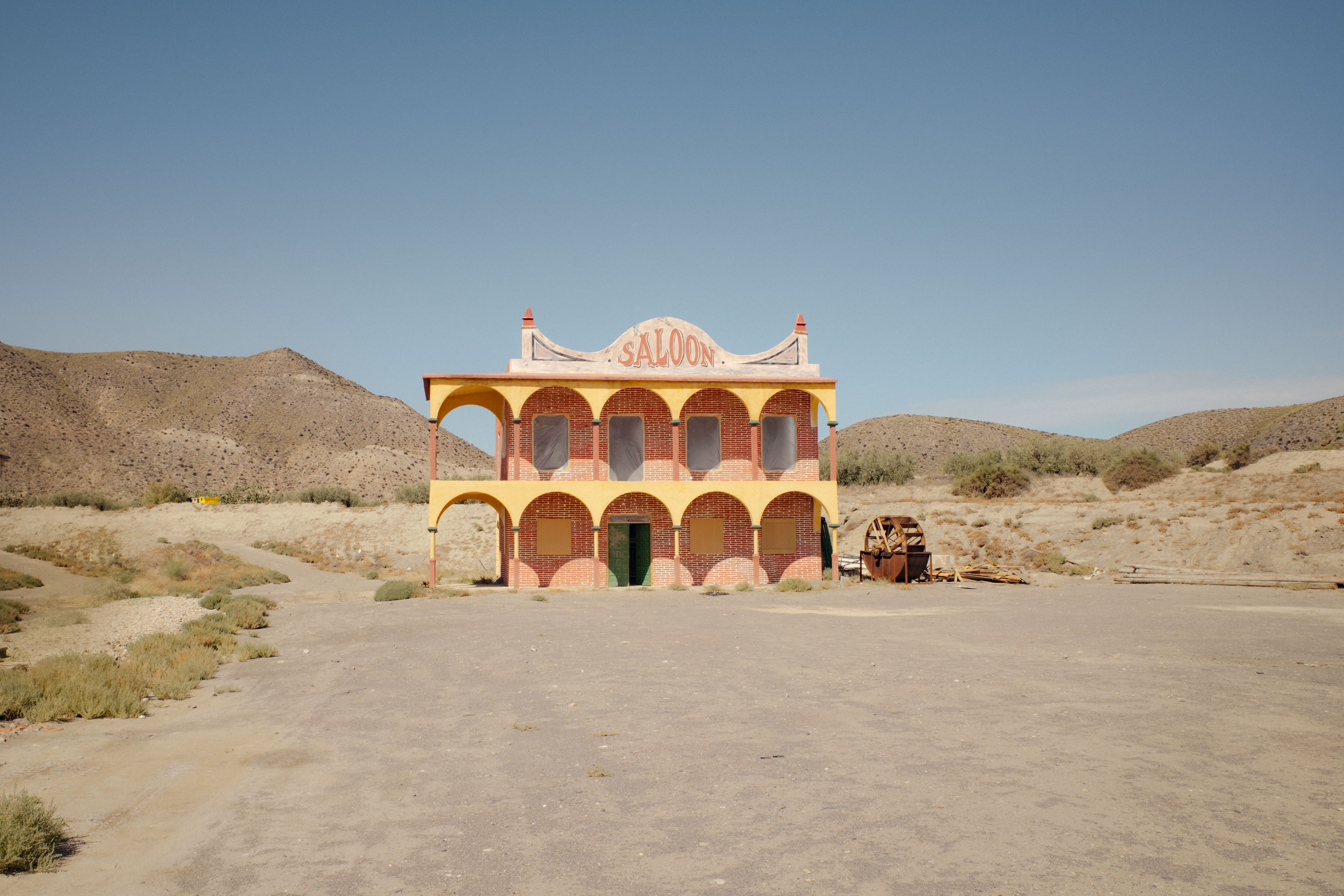
Ian Howorth | Ricoh GR III | f/9 | 1/80 sec | ISO 100
Back to the GR III, its hybrid autofocus system’s a big improvement over its predecessor, the Ricoh GR II. You can confidently rely on the GR III’s autofocus for quick street and travel snaps.
The RAW files are great. But if you don’t enjoy editing RAWs, the Ricoh GR III has a range of picture profiles for JPEGs. I’d avoid the ‘Std’ profile, though, as it’s quite flat. It’s worth playing around with the other colour styles, you’re sure to find one you like. I found them to be just as good as Fujifilm’s film simulations.
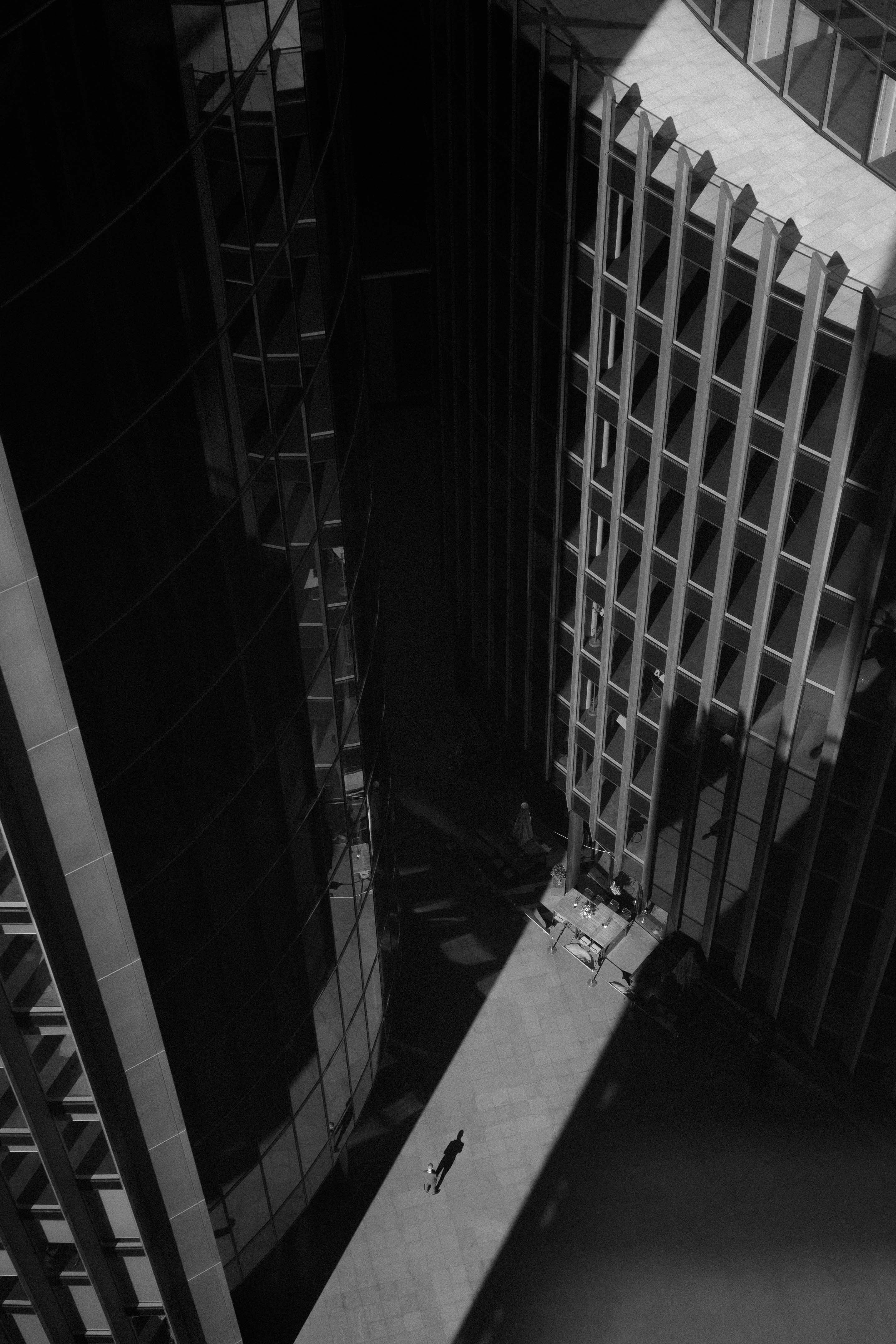
Connor Redmond | Ricoh GR III | f/4.0 | 1/2000 sec | ISO 200
The Ricoh GR III has some downsides, though. The main one is battery life. If you want to shoot all day, I’d recommend carrying multiple batteries with you. Luckily, they are tiny and light. The video’s not great, either. And if the lack of an in-built viewfinder is a dealbreaker, then the GR III probably isn’t the camera for you (although you can buy and attach an optical viewfinder).
Battery, video and viewfinder aside, the Ricoh GR II shines in all the areas that matter most for travel photographers. A sensor and lens combination of this quality should cost loads more than it does. The GR III is a pocket rocket, and it’ll keep surprising you with what it can achieve.
You’ll find more sample images and a deeper dive into its features in our full Ricoh GR III review.
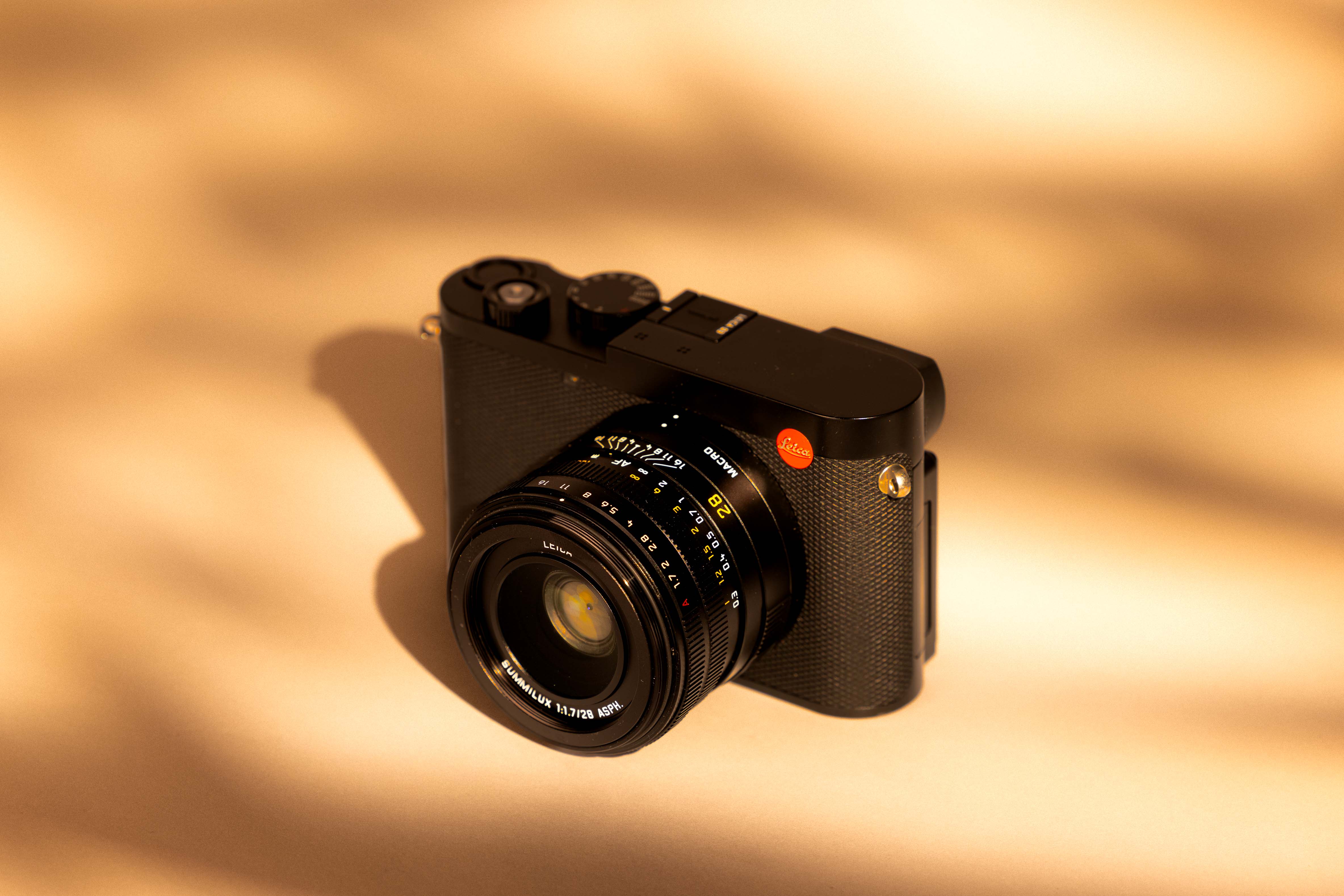
Used Leica Q3
Leica Q3: Best luxury compact travel camera
Leica’s famous for its uncompromising approach to crafting the ultimate luxury cameras. The same goes for the Leica Q3. As soon as you pick up and use any Leica Q-series compact, you just know you’re using a premium camera.
https://youtu.be/O3cFAxtSLd4?rel=0No other camera on this list can match the Leica Q3’s quality. I absolutely love the 28mm f/1.7 Summilux lens, which gives the images that classic ‘Leica look’. Like other legendary Leica Summilux lenses, the Leica Q’s lens remains sharp even fully open at f/1.7, while rendering an almost dreamy consistency.
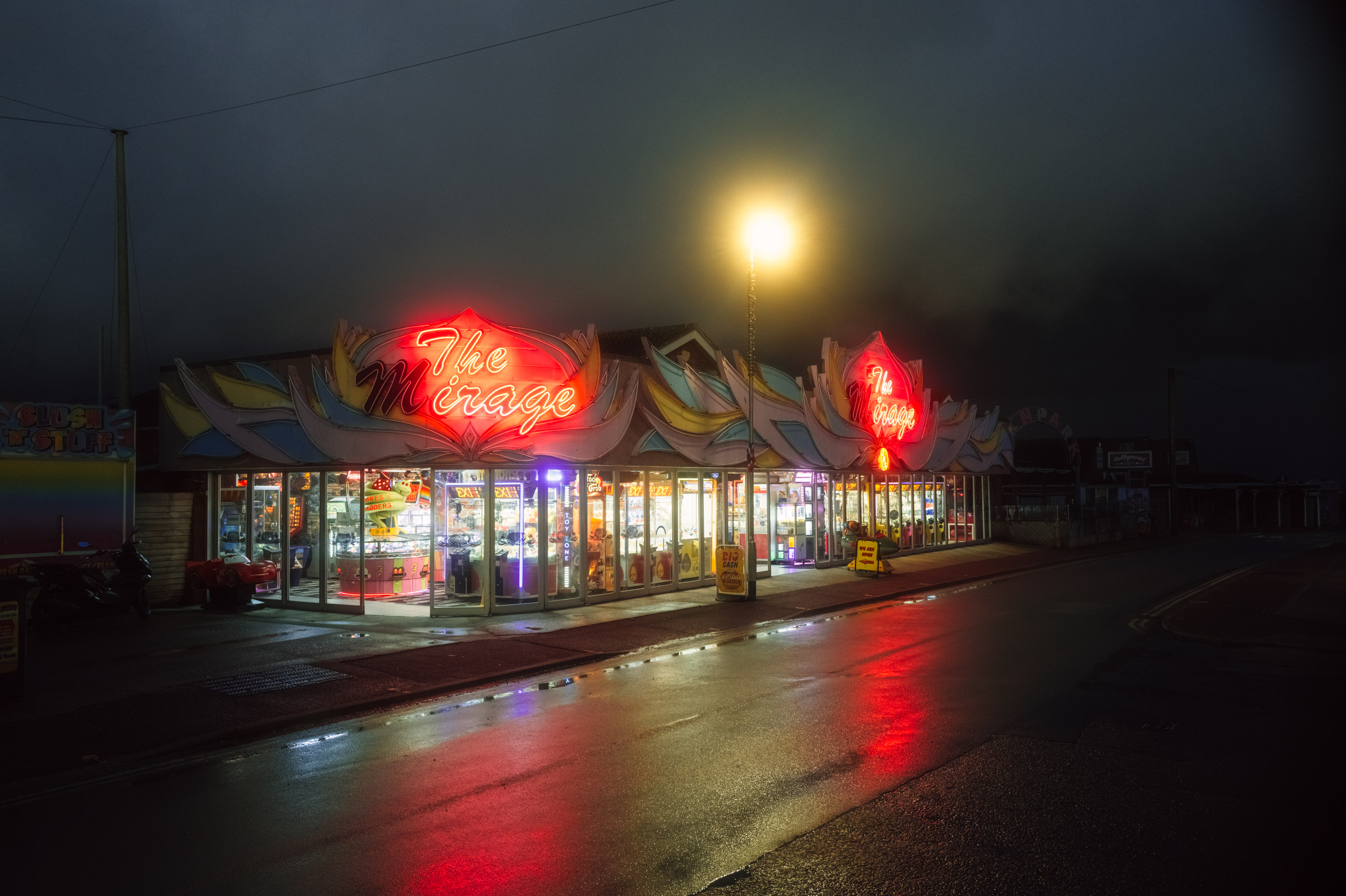
Ian Howorth | Leica Q3 | 28mm | f/6.3 | 1/20 | ISO 200
Specs
Full-frame 60-megapixel sensor
28mm f/1.7 Summilux ASPH lens
Optical image stabilisation only
5.76m-dot electronic viewfinder
Hybrid phase-detection and contrast-detection autofocus
15fps continuous shooting
743g
Pros
28mm f/1.7 Summilux lens is a gem
Great handling and menu system
Stylish and well-built
Beautiful image quality
Cons
Expensive
No IBIS
Not as small as other compact cameras
The second reason to own a Leica Q3 as your travel camera of choice is the mighty 60 megapixels. You have a huge amount of detail to play with, scenes are rendered with outstanding tonality while noise levels are still kept at a minimum. The Leica Q3's image quality is significantly better than most of the other options on this list.
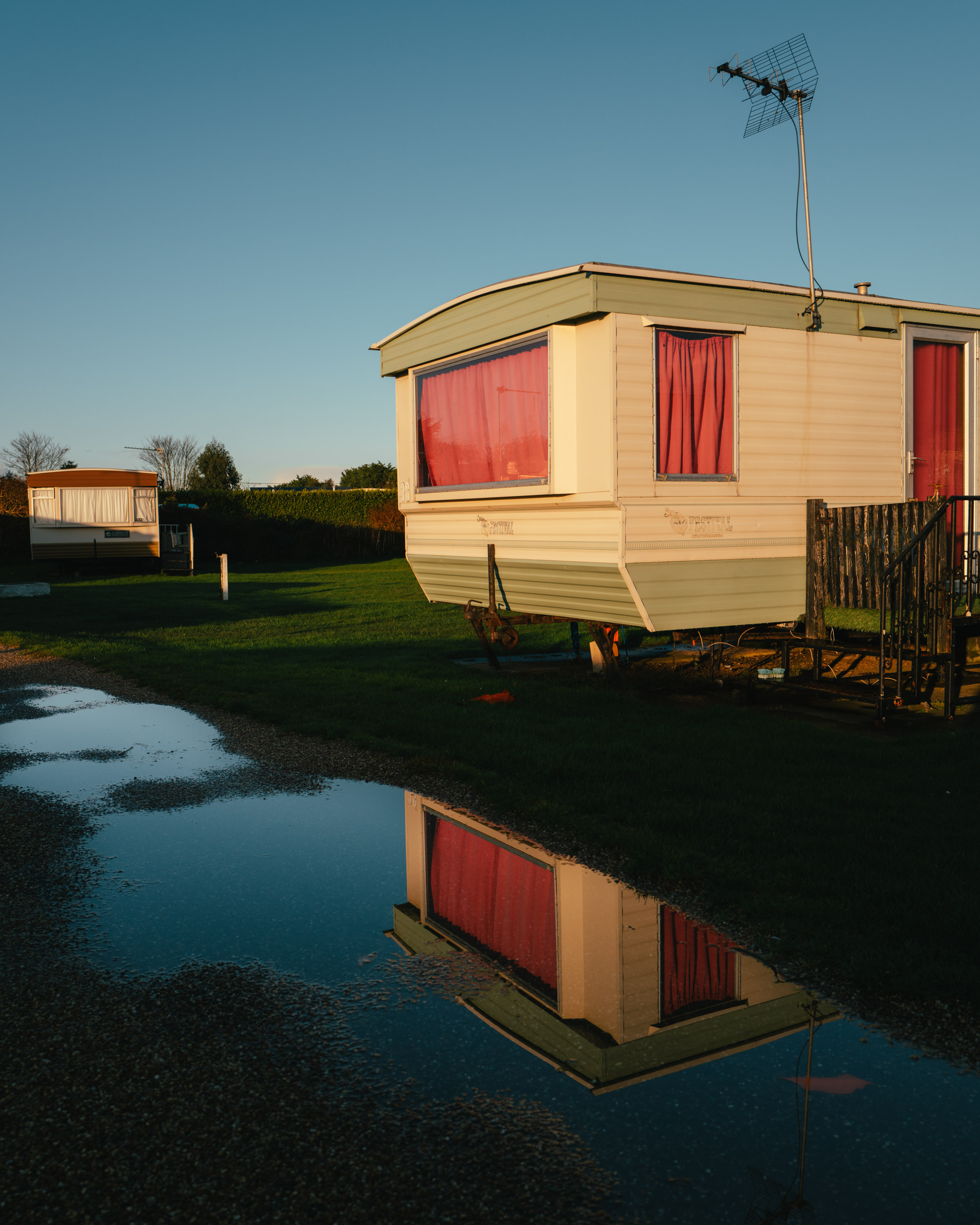
Ian Howorth | Leica Q3 | 28mm | f/4.5 | 1/1000 s | ISO 200
The main disadvantage of the Leica Q3? The big Leica price tag. But what you pay for is exactly what you get in return. You could look at the Leica Q2 or original Leica Q for cheaper alternatives (those still use the same excellent lens), but you’ll compromise on megapixel count and other minor features.
Side note: if you prefer shooting travel photography with a tighter field of view, the Leica Q3 43 has a 43mm focal length, read our Leica Q3 43 review.
What makes this particular Leica good for travel or street photography? In short, the combination of the lens and full-frame sensor in a body that is built with the highest quality materials. Read our full Leica Q3 review for more details and sample photos.
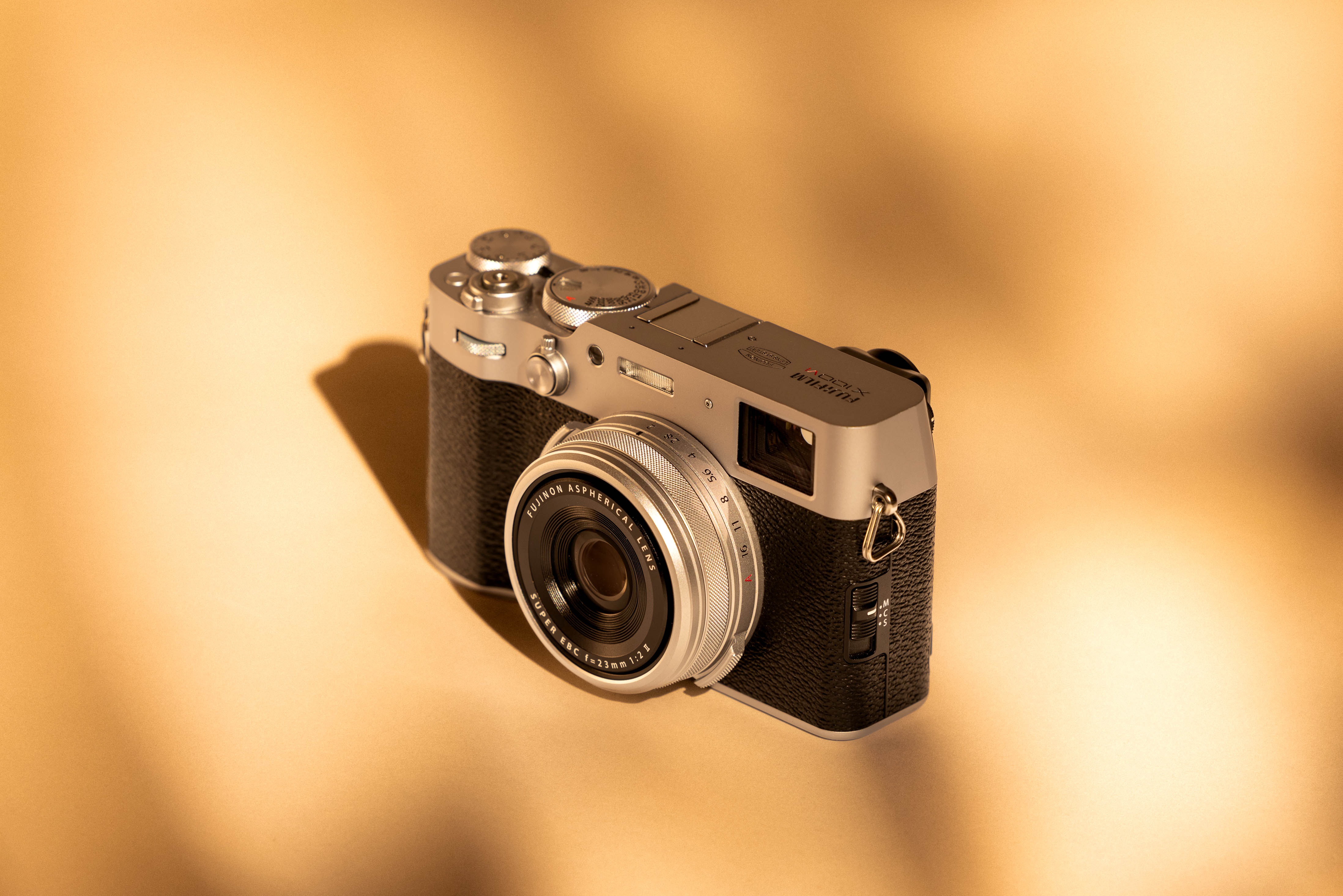
Used Fujifilm X100VI
Fujifilm X100VI: Most popular compact travel camera
No guide to compact travel cameras would be complete without a Fujifilm X100-series camera. The Fujifilm X100VI is the latest and greatest, and an outstanding camera for travel photography.
https://youtu.be/ex1F7SgqLsY?rel=0The Fujifilm X100VI features an in-body image stabilisation system, providing up to six stops of stabilisation. That means you can shoot handheld on your travels, without worrying about motion blur. The APS-C sensor is fantastic as always, getting those beautiful Fujifilm colours and performing well enough in low light. And, up from 26.1 megapixels on its predecessor, the X100VI has 40 megapixels. That’s more than enough for any travel photographer.

Amy Moore | Fujifilm X100VI | f/7.1 | 1/320 sec | ISO 125
Specs
40-megapixel X-Trans V Sensor
23mm f/2.0 (35mm equivalent) lens
6 stops of in-body image stabilisation (IBIS)
Subject recognition autofocus
6.2K video and 10-bit capable
4-top built-in neutral density (ND) filter
Leaf shutter lens design
20 film simulations
Hybrid optical/electronic viewfinder
Pros
Exceptional image quality and colours
Built-in ND filter is useful in bright conditions
IBIS is very much welcome
Excellent battery life and surprisingly good video
Cons
Paying over the odds for features you might not need
Fixed 35mm lens might be too limiting for some photographers
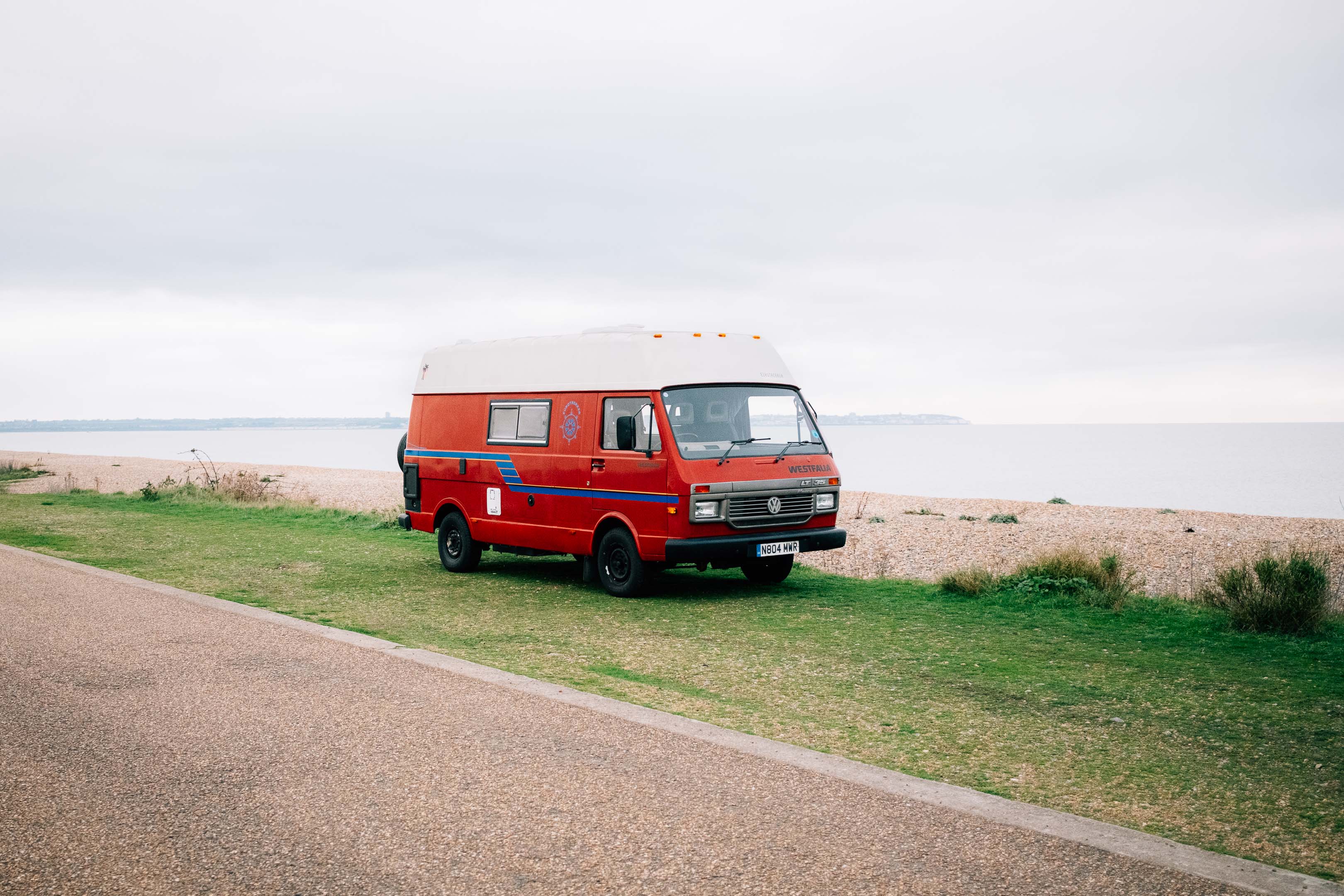
Connor Redmond | Fujifilm X100VI | f/2.0 | 1/1700 sec | ISO 500
The X100VI’s hybrid electronic-optical viewfinder system can be a huge plus. Some travel photographers prefer seeing the scene au naturel, using an optical viewfinder, while others like having the image with settings applied in front of them. Why not both? Like most Fujifilm X100-series cameras, the X100VI lets you switch between the two types of viewfinder.
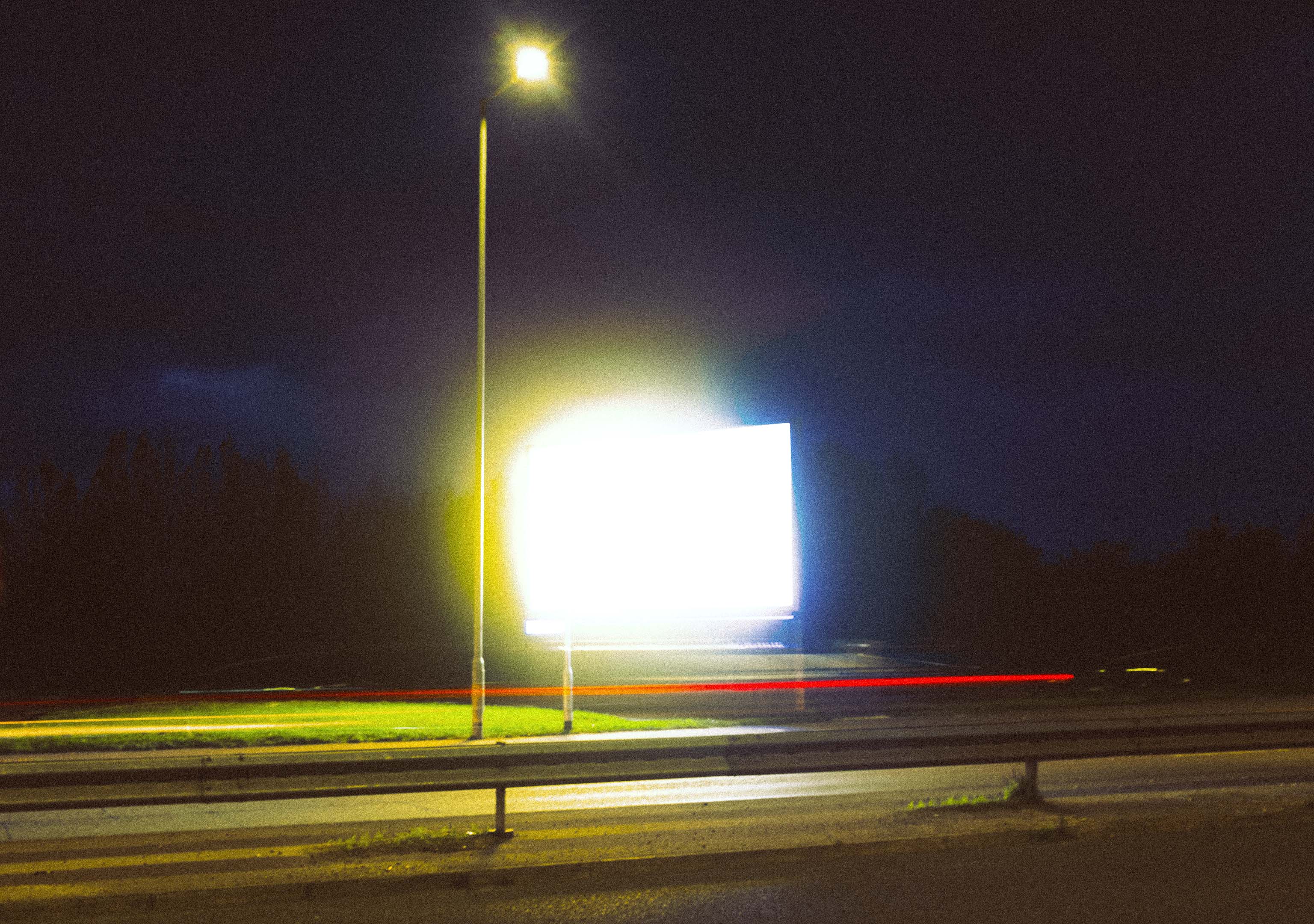
Connor Redmond | Fujifilm X100VI | 23mm | f/5.6 | 1.5 sec | ISO 125
Fujifilm cameras are famous for their film simulations, and the X100VI has 20 of them. You can install and use Fujifilm recipes, too. The camera’s colour rendering and image quality are both astonishing, and the Fujifilm X100VI is almost guaranteed to make your travel photography stand out.
The X100-series is an incredibly popular camera, not just among travel photographers. There’s a downside to that popularity, though. Fujifilm has cashed in on the hype, and the X100VI is pretty expensive. Even considering its quality, the Fujifilm X100VI probably isn’t the right choice if you’re short on funds. If you don’t need all the X100VI’s features, you might find better value for money in an earlier model. Check out our Fujifilm X100-series camera guide, which covers all of them.

Amy Moore | Fujifilm X100VI | 23mm | f/2.5 | 1/6 sec | ISO 1600
If you’re after a compact camera that looks great, is easy to use and can capture fantastic travel photography, then the Fujifilm X100VI is absolutely worth thinking about. Is it worth the money? Well, that’s up to you to decide. Amy and Jakub took the X100VI to the Alps, and they loved it. Take a look at the video and sample images in our full Fujifilm X100VI review.

Used Panasonic TZ200
Panasonic TZ200: Best budget compact travel camera
The least expensive camera on the list, the Panasonic DC-TZ200, represents the best value for money. The TZ200 is a serious contender for the perfect travel compact camera for beginners. The camera can do most things admirably, but struggles in a few areas.
Specs
20-megapixel 1-inch CMOS sensor
24-360mm equivalent lens
Depth from Defocus autofocus
4K video
3-inch touchscreen LCD
312g
Pros
Impressive battery life
Frankly ridiculous zoom lens
Very light and small
Cons
Low-light performance is poor
No tilt screen
Image quality is a mixed bag
Focus hunting in low-light conditions
The first and most glaring feature of the TZ200 is its ridiculously long zoom lens. It’s the longest of any 1-inch sensor compact, a 15x zoom, equivalent to a 24-360mm lens. In theory, you can use it for anything from wildlife photography to landscape photography. The TZ200’s image quality is okay at best. And because of the nature of the zoom lens, the centre of the images can be a bit soft at times. You’ll need to shoot in RAW and edit these photos.

Connor Redmond | Panasonic DMC-TZ200 | 9mm | f/8.0 | 1/320 sec | ISO 125
The TZ200's battery life is impressive. If you don’t shoot too heavily, it should last a full day on one battery. The TZ200 made plenty of compromises to fit the ludicrous zoom lens in such a small body. But if you are looking for a truly compact camera that is easy to use, versatile and not too expensive, the TZ200 is the one to consider.
Honourable mentions: The best of the rest
Still not found the best compact travel camera for you? The Canon G7 X Mark III, Fujifilm GFX100RF and Sony RX1R II might be worth a look.
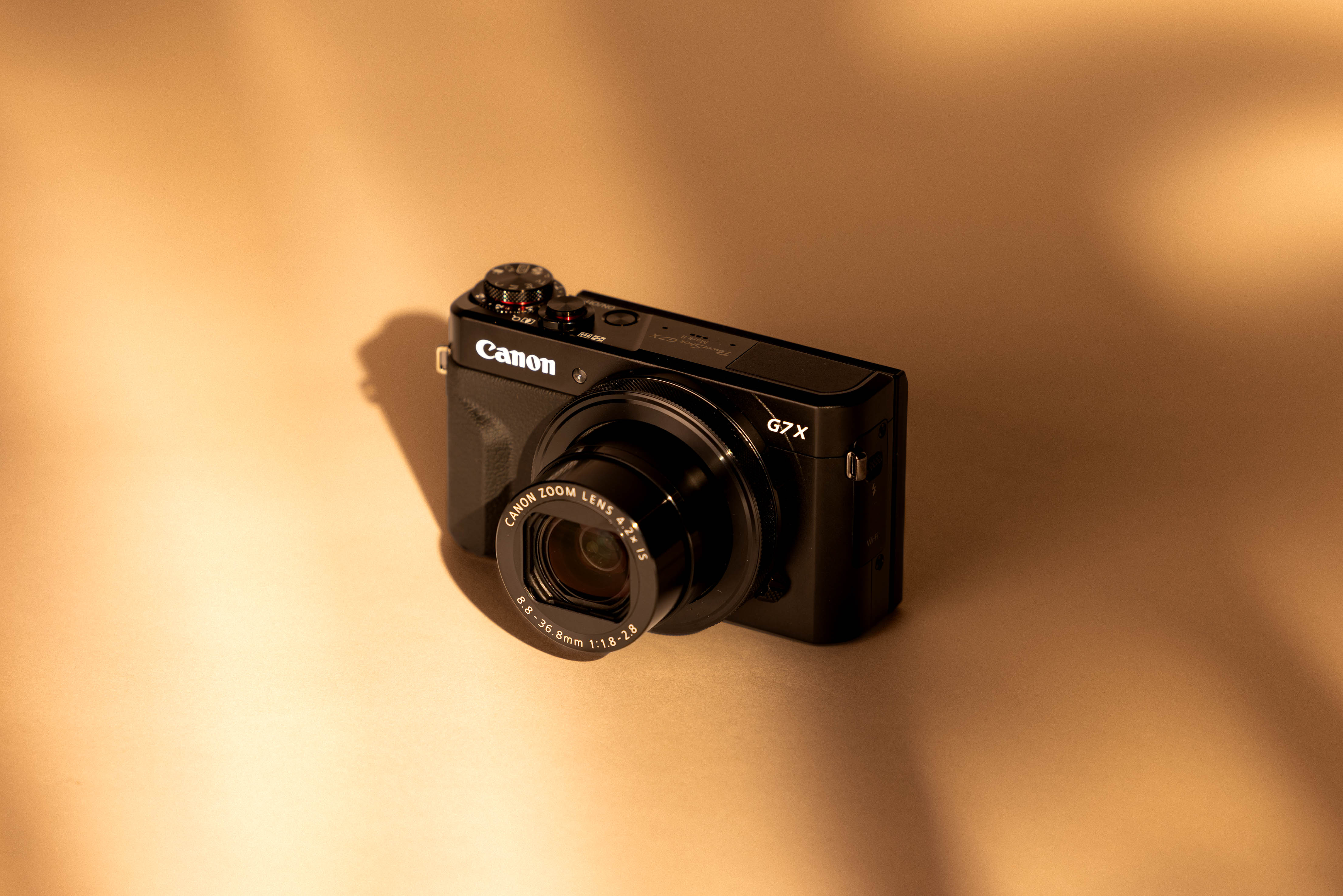
Used Canon G7X III
Canon G7 X Mark III: Best mini-compact camera for travel
The Canon G7 X III is super compact, pocketable and weighs just 304g. The photo quality is impressive for its size and its 1-inch (stacked) sensor. There’s a zoom lens, offering 8.8–36.8mm focal range (or 24–100mm in full-frame terms), with a variable f/1.8–2.8 aperture. It’s an interesting choice for travel photography, but not without its drawbacks.
https://youtu.be/vhvAY7WE6dk?rel=0The other specs aren’t bad, with 125–12,800 ISO, 1/2000 mechanical shutter (up to 1/25,600 with the electronic shutter), 20fps burst and 31 autofocus points. There’s a built-in flash, but no viewfinder. The built-in 3-stop neutral density filter is a nice touch, making it easier to shoot in bright conditions.

Jakub Golis | Canon G7 X Mark III | f=8.8mm (24mm eq.) | f/11 | 30s | ISO 125
If you want to shoot video, the G7 X Mark III does 4K at 30p and has a 3.5mm mic input. It’ll pair with your phone, so you can transfer files and livestream directly to YouTube.

Jakub Golis | Canon G7 X Mark III | 8.8mm (24mm eq.) | f/5.6 | 1/1000s | ISO 125
If I were going on holiday, I would seriously consider taking a Canon G7 X III with me. It’s just a great little travel companion. It’s compact and pocketable, but I’m still impressed by the image quality it delivers.
Jakub Golis took the Canon G7 X Mark III to New York, and had mixed feelings, which you can hear more about in his Canon G7 X Mark III review.

Used Fujifilm GFX100RF
Fujifilm GFX100RF: Best medium-format compact travel camera
Y ahora. The Fujifilm GFX100RF is a ‘compact’ camera, but it’s like no other. This one’s got a medium-format sensor. It’s by far the biggest camera, but it weighs a surprising 735g (less than the full-frame Leica Q3’s 743g). But if you want to shoot travel photography with the best image quality, then this is the one for you. We couldn’t just not mention it, could we?
https://youtu.be/S5tE27b-T6E?rel=0The GFX100RF has a (quite frankly, ridiculous) 102-megapixel medium-format sensor, can shoot 4K video and has a 35mm f/4 lens (equivalent to 28mm in full-frame terms). Some people say the lens isn’t fast enough, but we found it was really sharp and a great lens for travel.
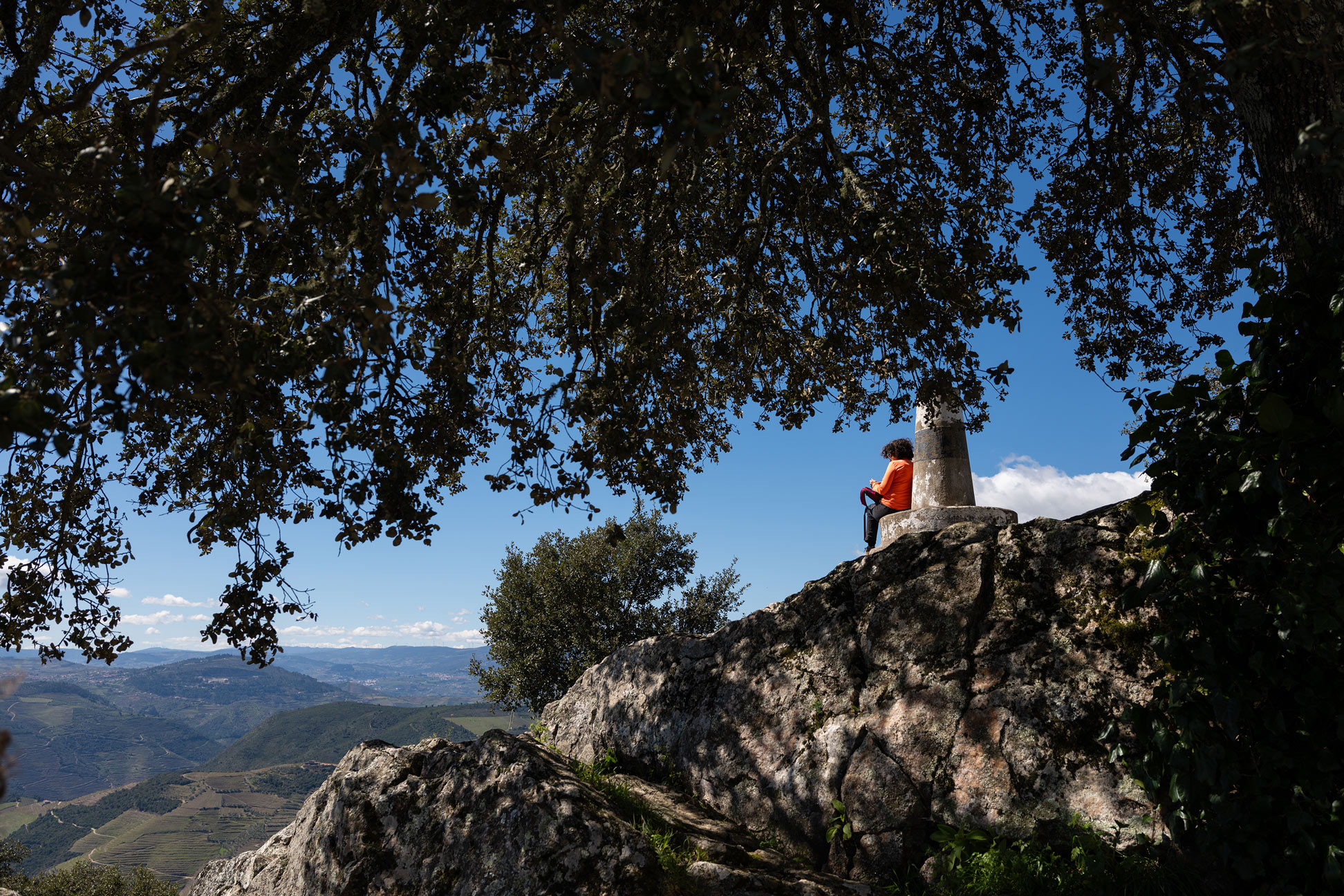
Amy Moore | Fujifilm GFX100RF | 35mm | f/6.4 | 1/1000 sec | ISO 200
The GFX100RF makes full use of that huge sensor by allowing you to digitally crop in-camera with a switch. If a 28mm-equivalent focal length is a bit too wide, you can shoot at 45mm, 63mm and 80mm-equivalent. And the best thing is, because there’s so much detail already, you aren’t losing much with the digital crop.

Amy Moore | Fujifilm GFX100RF | 35mm | f/7.1 | 5 sec | ISO 160
It’s perfect for street, documentary and travel photography. It’s discreet enough not to draw attention, yet powerful enough to deliver prints the size of billboards. It doesn’t just make you a better photographer—it encourages you to think like one.
Amy Moore reviews the Fujifilm GFX100RF in the sunny city of Porto. Read our full Fujifilm GFX100RF review.
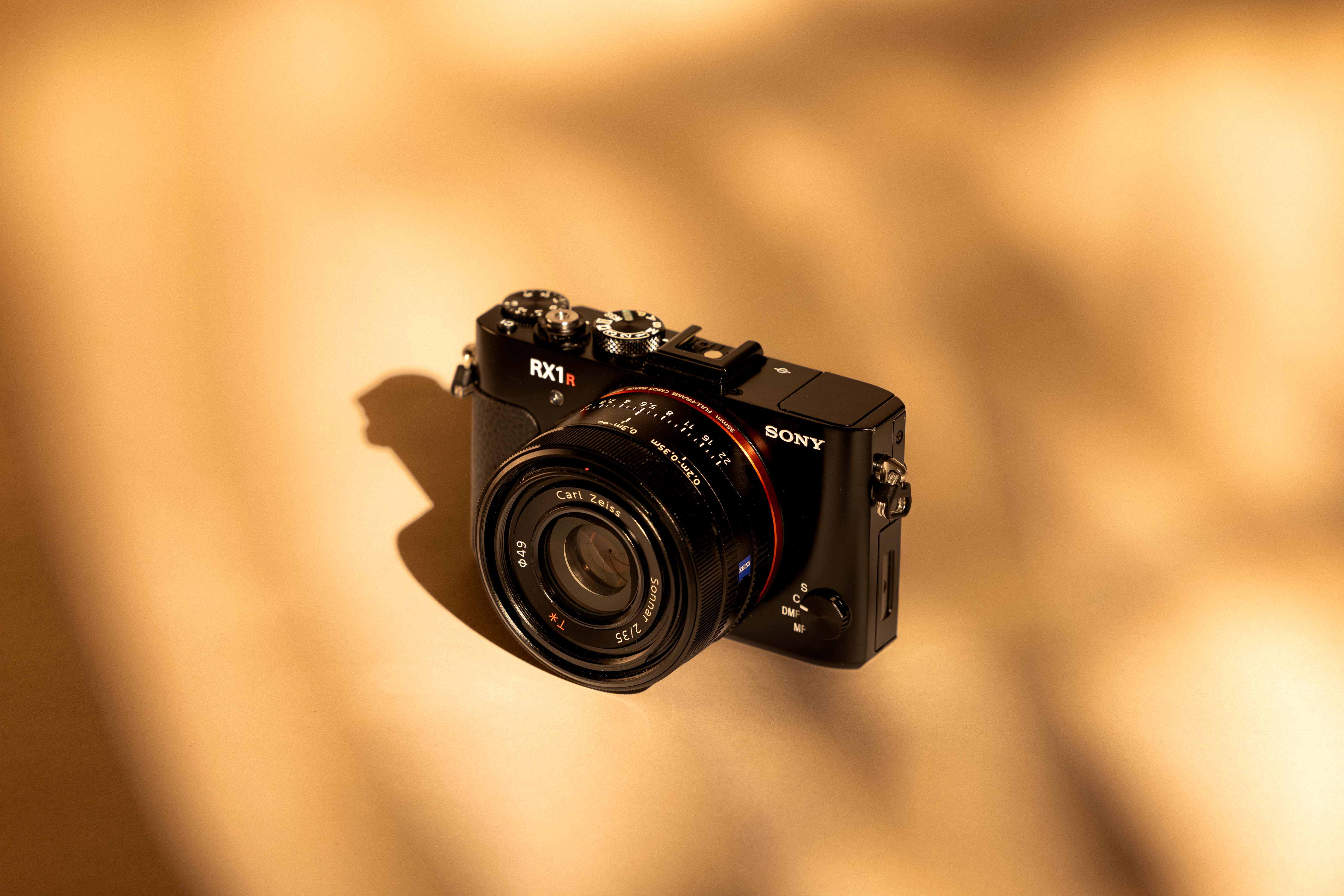
Used Sony RX1R II
Sony RX1R II: Best Cheaper Alternative to Leica for Travel
If you really want a high-end full-frame compact camera for travel, and you can’t afford the Leica Q3, then the Sony RX1R Mark II might fit the bill.
When it was released in 2015, the Sony RX1R II was ahead of its time in many respects. It sports a very reasonable 42-megapixel sensor combined with a pin-sharp Carl Zeiss Sonnar T* 35mm f/2 lens. That’s still excellent today.

Ruby Cruden | Sony RX1R Mark II | 35mm | f/2.0 | 1/640 sec | ISO 100
The RX1R II is a small camera, but it has many premium features that make it a contender. Even against many of today’s best compact travel cameras. It has a pop-up viewfinder, a well-designed and durable body and highly detailed image quality. The autofocus isn’t bad for a 2015 camera, either.
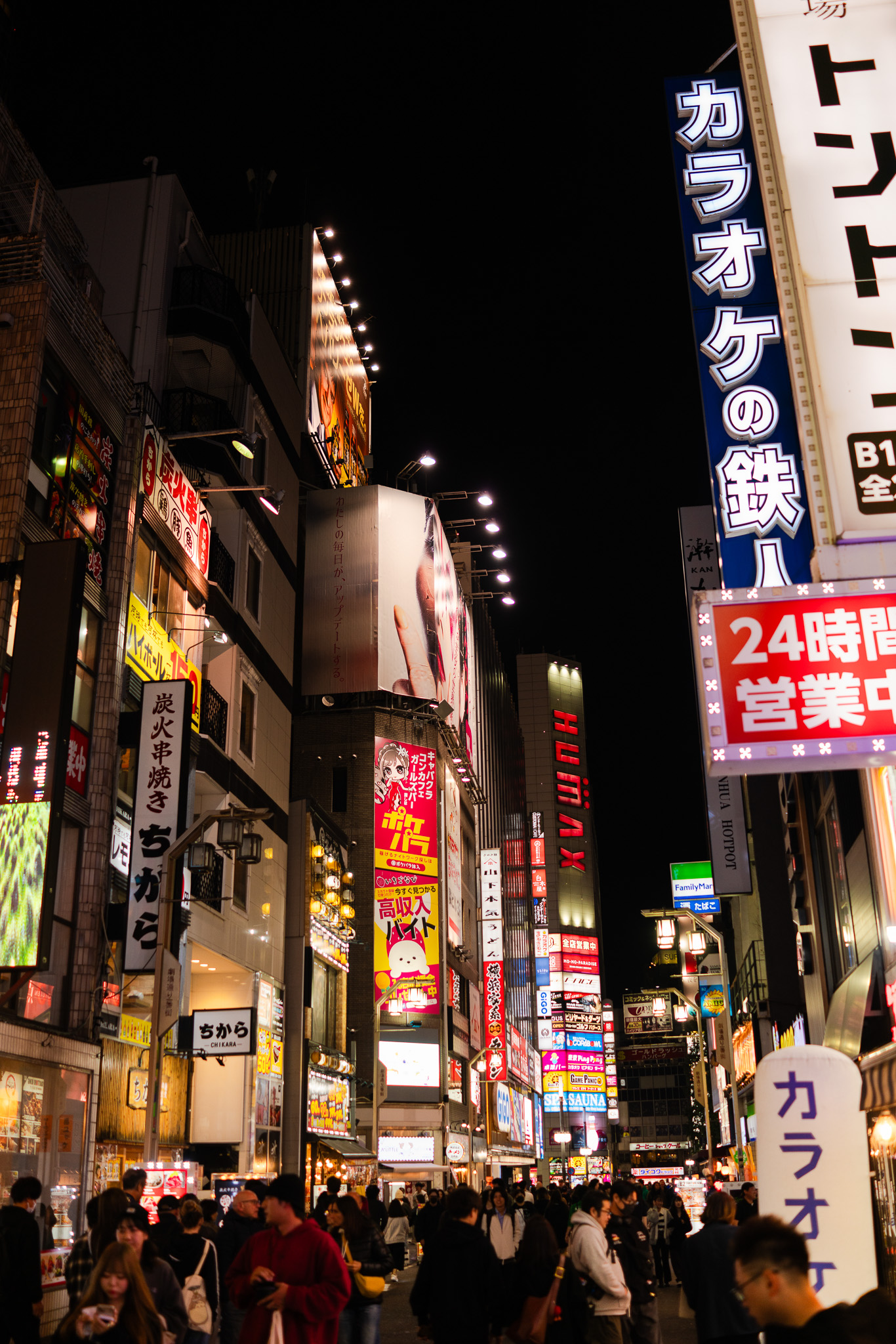
Ruby Cruden | Sony RX1R Mark II | 35mm | f/2.0 | 1/250 sec | ISO 400
If this camera intrigues you, then Ruby Cruden’s Sony RX1R II review for travel photography is a must-read, with sample photos and Ruby’s in-the-field experience using the camera.
Otherwise, the 2026 Sony RX1R III is the latest and greatest compact camera from Sony, and it’s designed to compete with the Leica Q3. It is another interesting choice for a luxury travel camera with updated modern features. Read our Sony RX1R III review for more.
Conclusion: The best compact travel camera’s up to you
What’s the best compact travel camera? (Or rather, what’s the best one for you?) Ultimately, it comes down to your needs and your budget. Consider which factors (zoom capability, low-light performance, size and cost) are most important to you.
The Sony RX100 VII is versatile, and the Ricoh GR III offers good image quality, but their portability means compromising on battery life and sensor size. If you’re on a tight budget, I’d recommend going with the Panasonic TZ200, and if your budget’s bigger, then the Fujifilm X100VI is a great all-rounder. For luxury and full-frame image quality from your travel camera, go with the Leica Q3.
Ultimately, you want holiday and travel photography to be satisfying and rewarding. The perfect compact camera will become part of your everyday carry, a companion wherever you go, replacing your phone for photography. As new cameras come out, I’ll keep updating this article for you.
FAQs
Is it better to travel with a DSLR, mirrorless or compact camera?
The best type of camera for travel photography depends on your needs. DSLRs offer a more traditional style of shooting, with an optical viewfinder and all-day battery life, but they’re heavy and bulky. Mirrorless cameras are more lightweight than DSLRs, with more modern tech and useful features, but they can be expensive and won’t last as long on a single charge. Compact cameras are even smaller (some can fit in your pocket), offer similar specs as mirrorless cameras, but they have a fixed lens and you usually have to compromise in some areas.
There’s no right or wrong answer, but many travel photographers now shoot with a compact camera or a mirrorless camera setup.
What is the best compact travel camera in 2026?
The best compact travel camera in 2026 is the Sony RX100 VII due to its overall versatility.
Do I need a zoom lens for travel photography?
You don’t need a zoom lens for travel photography, but a zoom lens is generally better for beginners. If you’re starting out, it’s easy to shoot different compositions and details from one position with a zoom.
Looking for more travel photography content?
This article is part of the MPB Guide to Travel Photography, our comprehensive look at the travel photography genre, which includes advice, recommended camera equipment and interviews with some of the most exciting travel photographers today.
Read more camera gear guides on the MPB content hub.
You can sell or trade your camera kit to MPB. Get a free instant quote, free insured shipping to MPB, and get paid within days.